
NDMA’s First-Ever Guidelines on Disaster Victim Identification (DVI)
- 06 Feb 2026
In News:
- India has taken a major institutional step in disaster governance with the release of its first national guidelines and Standard Operating Procedures (SOPs) for Disaster Victim Identification (DVI) by the National Disaster Management Authority (NDMA).
- Titled “National Disaster Management Guidelines on Comprehensive Disaster Victim Identification and Management”, the document was released on Republic Day, marking 25 years of the 2001 Gujarat earthquake, one of India’s worst mass fatality disasters.
Rationale and Context
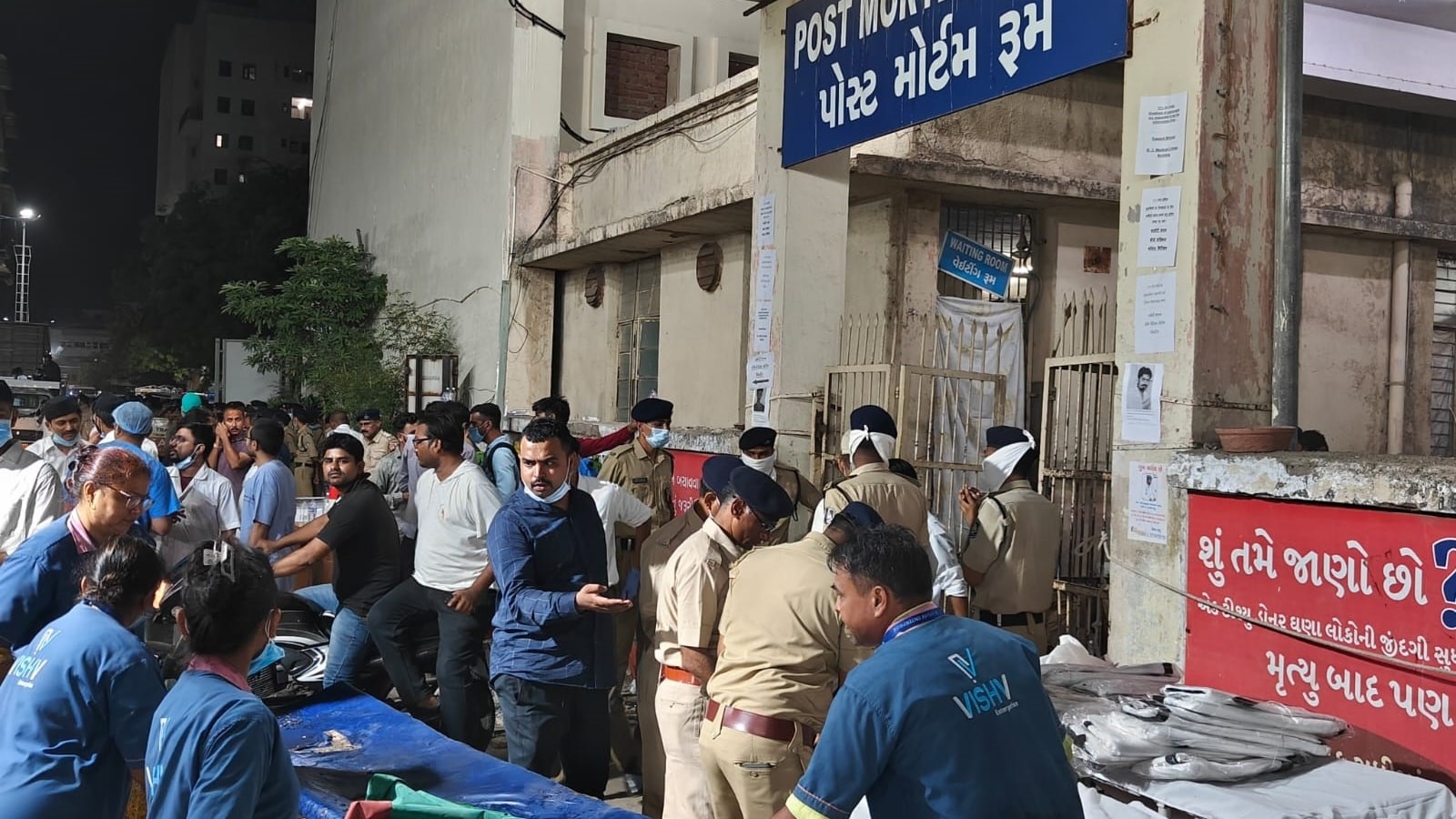
The guidelines were necessitated by a series of mass fatality incidents in 2025, which exposed serious gaps in India’s ability to scientifically identify victims and ensure dignified management of human remains. These included:
- Air India aircraft crash, Ahmedabad
- Chemical factory explosion, Sangareddy (Telangana)
- Gambhira bridge collapse, Vadodara (Gujarat)
- Flash floods, Dharali (Uttarakhand)
- Delhi car bomb blast (near Red Fort)
In several of these incidents, victims remained unidentified or were identified after long delays, aggravating emotional trauma for families and creating legal and administrative complications. The absence of standard protocols, trained forensic manpower, and modern infrastructure highlighted the urgent need for a comprehensive national framework.
Objectives of the Guidelines
The DVI guidelines aim to:
- Ensure scientific, accurate and coordinated identification of disaster victims
- Enable dignified handling and handover of human remains
- Address forensic, logistical and institutional lacunae
- Standardise roles of multiple agencies across local, state and central levels
- Integrate humanitarian sensitivity with forensic science
Four-Stage Disaster Victim Identification Process
The guidelines prescribe a globally accepted four-stage identification protocol:
- Systematic Recovery – Careful retrieval of human remains from disaster sites
- Post-Mortem Data Collection – Collection of fingerprints, DNA, dental data and physical markers
- Ante-Mortem Data Collection – Gathering medical records, dental history and identifying features from families
- Reconciliation – Scientific matching of ante-mortem and post-mortem data before release of remains
This structured approach minimises errors, duplication, and misidentification.
Key Innovations and Forensic Advances
A landmark recommendation is the creation of a National Dental Data Registry, recognising that teeth and jaws often survive fires, explosions and decomposition, making dental records a reliable identification tool. The guidelines also formally incorporate:
- Forensic odontology (dental identification)
- Forensic archaeology, enabling identification of remains months or years after disasters, especially in landslides and buried sites
The framework draws from INTERPOL Disaster Victim Identification (DVI) standards, suitably adapted to Indian conditions.
Humanitarian Forensics Approach
The guidelines consciously move beyond a purely procedural mindset to adopt a “humanitarian forensics” approach:
- Discourages mass physical autopsies in large-scale disasters
- Emphasises cultural and religious sensitivity
- Mandates emotional support and counselling for families
- Focuses on the dignity of the dead, timely legal closure, and emotional closure for survivors
Institutional and Operational Framework
The document clearly outlines:
- Composition of DVI teams
- Coordination among police, medical, forensic, administrative and disaster-response agencies
- Command and leadership structures at multi-agency disaster sites
It realistically acknowledges challenges arising from overlapping jurisdictions and the presence of hundreds of responders during major disasters.
Challenges Highlighted
The guidelines identify multiple India-specific constraints:
- Rapid decomposition due to hot and humid climate
- Fragmentation, charring and commingling of remains
- Displacement of bodies during floods and landslides
- Severe shortage of mortuary spaces and cold-chain infrastructure
- Lack of trained forensic manpower
- Absence of reliable manifests or centralized data systems
Implementation Roadmap
NDMA has proposed:
- Establishing organisational DVI structures nationwide
- Training experts across forensic disciplines
- Creating specialised state-level DVI teams
- Fast-tracking implementation on a “war footing”
Way Forward and Value Addition
To strengthen the framework further:
- Linking Ayushman Bharat Health Account (ABHA) with optional dental or implant data can make the Dental Registry operational
- Use of digital forensics (smart devices, biometric locks, cloud health data) for rapid preliminary identification
- Deployment of portable Rapid DNA labs at disaster sites to reduce delays
- Adoption of blockchain-based chain-of-custody systems for tamper-proof forensic records
- Development of international DVI cooperation mechanisms for cross-border disasters
Conclusion
NDMA’s first-ever DVI guidelines mark a paradigm shift from ad hoc responses to an institutionalised, scientific and humane disaster response framework. By integrating advanced forensic science with ethical sensitivity and global best practices, the guidelines significantly strengthen India’s disaster governance architecture.
Their success, however, will depend on effective implementation, sustained capacity-building, and technological integration, ensuring dignity for victims and closure for families during future mass fatality events.