
Approved List of Models and Manufacturers (ALMM) Framework
- 20 Mar 2026
In News:
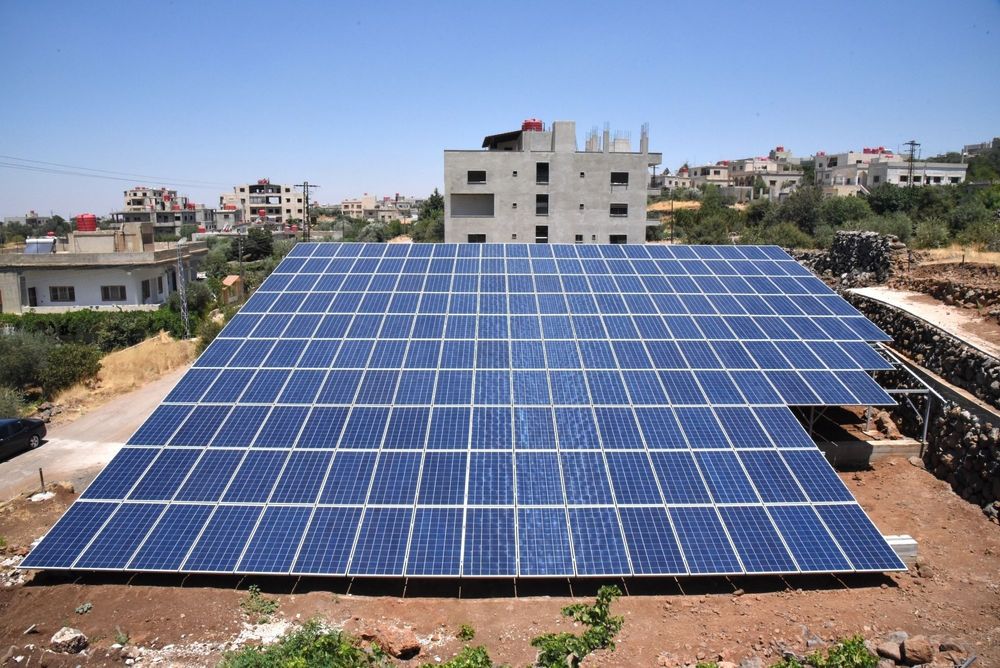
In a significant move to strengthen India’s solar manufacturing ecosystem, the Ministry of New and Renewable Energy (MNRE) has expanded the Approved List of Models and Manufacturers (ALMM) framework to include solar ingots and wafers, effective from June 1, 2028. This marks a shift towards end-to-end domestic value chain integration in the solar sector.
About ALMM Framework
The ALMM framework, introduced in 2019, is a regulatory mechanism aimed at ensuring quality assurance and reliability of solar photovoltaic (PV) components used in India.
- Launched by: MNRE under the ALMM Order, 2019
- Objective:
- Promote Atmanirbhar Bharat in solar manufacturing
- Ensure high-quality solar components
- Reduce dependence on imports, especially from China
Key Features of ALMM
1. Mandatory Certification
- Only ALMM-listed manufacturers and models are eligible for:
- Government-supported solar projects
- Projects under net metering and open access
- Projects awarded through Section 63 of the Electricity Act
2. Tiered Structure
The framework is organised into multiple categories:
- List-I: Solar PV Modules
- List-II: Solar PV Cells
- List-III (New): Solar Ingots and Wafers
The inclusion of upstream components (ingots and wafers) is a major policy shift.
3. Quality Assurance Mechanism
- Mandatory physical inspection of manufacturing facilities
- Conducted by the National Institute of Solar Energy (NISE)
- Verifies production capacity and technological standards
4. Domestic Content Reinforcement
- Functions as a non-tariff barrier supporting Domestic Content Requirement (DCR) policies
- Encourages indigenous manufacturing across the value chain
5. Grandfathering Provisions
- Protects projects already in the pipeline
- Ensures policy stability and minimal disruption for developers
Stockholm Water Prize

- 20 Mar 2026
In News:
The Stockholm Water Prize 2026, widely regarded as the most prestigious global recognition in the field of water, has been awarded to Kaveh Madani. His work highlights the growing importance of sustainable water management in the face of climate change, ecological degradation, and governance challenges.
About the Stockholm Water Prize
The Stockholm Water Prize is an internationally acclaimed award that recognises outstanding contributions to water conservation and management.
- Established: 1991
- Awarding Body: Stockholm Water Foundation in collaboration with the Royal Swedish Academy of Sciences
- Patron: King Carl XVI Gustaf
- Presentation: During World Water Week (August)
Eligibility and Nomination
- Open to individuals or organisations contributing significantly to:
- Water resource conservation
- Environmental sustainability
- Human well-being
- Nomination Process:
- Open nominations (global participation)
- Self-nominations are not permitted
- Close professional or family nominations are disallowed
Profile of the 2026 Laureate: Kaveh Madani
1. Background
- Iranian environmental scientist and policy expert
- Known for his work on water governance, sustainability, and environmental diplomacy
- Has worked across academia, international organisations, and policymaking institutions
2. Key Contributions
- Highlighted the water crisis in Iran and West Asia
- Advocated for integrated water resource management
- Bridged the gap between science, policy, and public communication
- Promoted awareness of unsustainable water practices and ecological mismanagement
3. “Eco-warrior in Exile”
- Faced political challenges and criticism in his home country
- Continued global advocacy on water sustainability despite constraints
- His journey reflects the intersection of environment, governance, and politics
Bharat Audyogik Vikas Yojna (BHAVYA)
- 20 Mar 2026
In News:
In a major push towards manufacturing-led growth, the Union Cabinet has approved the Bharat Audyogik Vikas Yojna (BHAVYA) with an outlay of ?33,660 crore. The scheme aims to develop 100 world-class plug-and-play industrial parks across India, strengthening industrial infrastructure and accelerating the vision of Viksit Bharat and Atmanirbhar Bharat.
About BHAVYA Scheme
BHAVYA is a centrally sponsored industrial infrastructure programme designed to create ready-to-use industrial ecosystems that enable industries to begin operations with minimal delays.
- Nodal Ministry: Department for Promotion of Industry and Internal Trade (DPIIT), Ministry of Commerce & Industry
- Implementing Agency: National Industrial Corridor Development Corporation (NICDC)
- Coverage: All States and Union Territories
- Industrial Park Size: 100–1000 acres
Objectives
- Promote manufacturing-led economic growth
- Enhance ease of doing business through pre-approved infrastructure
- Foster cluster-based industrial development
- Strengthen domestic supply chains
- Generate large-scale employment and attract investments
Key Features of BHAVYA
1. Plug-and-Play Industrial Ecosystem
- Pre-approved land, utilities, and regulatory clearances
- Reduces time from investment intent to production
- Minimises procedural delays and entry barriers
2. Comprehensive Infrastructure Development
- Financial Support:
- Up to ?1 crore per acre for infrastructure
- Up to 25% support for external connectivity
- Integrated Infrastructure Components:
- Core: Roads, drainage, underground utilities, ICT systems
- Value-added: Factory sheds, testing labs, warehousing
- Social: Worker housing and support amenities
3. Ease of Doing Business Reforms
- Single-window clearance systems
- State-led investor-friendly reforms
- Streamlined approvals and reduced regulatory burden
4. Challenge-Based Project Selection
- Competitive selection process
- Focus on reform-oriented and investment-ready proposals
- Ensures quality and efficiency in project implementation
5. Alignment with National Initiatives
- Linked with PM GatiShakti for multimodal connectivity
- Builds on the success of industrial smart cities under NICDC
- Supports Atmanirbhar Bharat and export competitiveness
6. Sustainable and Future-Ready Design
- Integration of green energy solutions
- Underground utility corridors (no-dig model)
- Efficient resource use and reduced operational disruptions
Indian Ocean Ship (IOS) SAGAR Initiative

- 20 Mar 2026
In News:
India has reinforced its maritime diplomacy and regional security engagement with the commencement of the second edition of the Indian Ocean Ship (IOS) SAGAR initiative on 16 March 2026. The initiative reflects India’s evolving role as a net security provider in the Indian Ocean Region (IOR).
About IOS SAGAR Initiative
The Indian Ocean Ship (IOS) SAGAR is a maritime security cooperation programme aimed at enhancing collaboration among Indian Ocean nations.
- It enables naval personnel from friendly foreign countries to train and sail together onboard an Indian Naval Ship.
- It is conducted under the broader vision of Security and Growth for All in the Region (SAGAR).
- It also aligns with the expanded framework of MAHASAGAR (Mutual and Holistic Advancement for Security Across the Regions).
Institutional Context
- The initiative is linked to the Indian Ocean Naval Symposium (IONS), a key multilateral naval cooperation platform.
- India assumed the chairmanship of IONS in February 2026, enhancing its leadership role in regional maritime governance.
- The current edition includes participation from 16 IONS member nations.
Key Features of IOS SAGAR
1. Unique Operational Engagement
- Combines training, joint sailing, and operational exposure
- Promotes interoperability and coordination among partner navies
2. Capacity Building and Training
- Initial phase includes professional training at Indian Naval establishments in Kochi
- Covers:
- Seamanship practices
- Maritime security concepts
- Naval operations
3. Sea Deployment and Joint Operations
- Participants embark on an Indian Naval Ship
- Engage in:
- Joint maritime operations
- Real-time naval exercises
- Shipboard activities
4. Maritime Engagement and Diplomacy
- Includes port visits and interactions with regional navies and agencies
- Facilitates:
- Exchange of best practices
- Strengthening of professional networks
- Greater understanding of shared maritime challenges
Small Hydro Power (SHP) Development Scheme (2026–31)
- 20 Mar 2026
In News:
In a significant step towards strengthening India’s renewable energy portfolio, the Union Cabinet has approved the Small Hydro Power (SHP) Development Scheme for FY 2026–27 to FY 2030–31. The scheme aims to harness untapped hydro potential, particularly in remote and hilly regions, while promoting sustainable and decentralized energy generation.
About the SHP Development Scheme
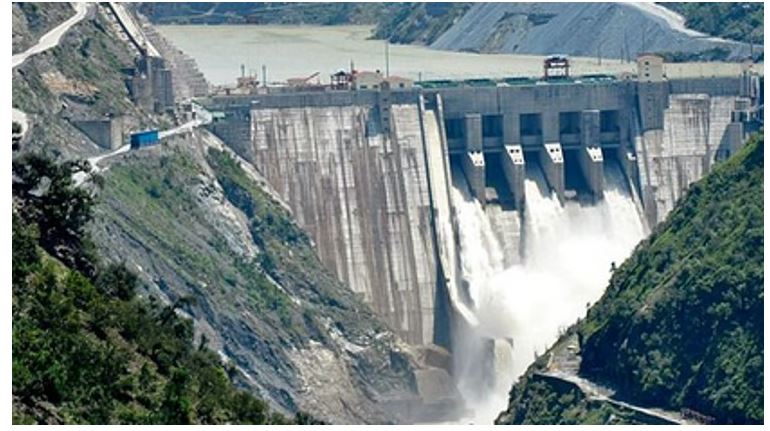
The scheme focuses on the development of small hydro projects with capacities ranging from 1 MW to 25 MW, targeting an aggregate capacity of 1,500 MW across the country.
- Time Period: FY 2026–27 to FY 2030–31
- Total Outlay: ?2,584.60 crore
- Target Investment Mobilisation: ~?15,000 crore
- Focus Areas: Hilly regions, North-Eastern states, and border districts
Key Features of the Scheme
1. Differential Central Financial Assistance (CFA)
- North-Eastern & Border Areas:
- ?3.6 crore per MW or 30% of project cost
- Maximum ?30 crore per project
- Other States:
- ?2.4 crore per MW or 20% of project cost
- Maximum ?20 crore per project
This differentiated support reflects regional disparities and aims to unlock hydro potential in geographically challenging areas.
2. Dedicated Funding Allocation
- ?2,532 crore earmarked for project development
- ?30 crore allocated for preparation of Detailed Project Reports (DPRs) for ~200 future projects
This ensures both immediate implementation and a pipeline for long-term sectoral growth.
3. Promotion of Indigenous Manufacturing
- Mandates 100% domestic sourcing of plant and machinery
- Supports the Atmanirbhar Bharat initiative
- Encourages growth of local manufacturing ecosystems in the renewable sector
4. Employment Generation
- Estimated 51 lakh person-days of employment during construction
- Additional long-term employment in operation and maintenance
- Focus on rural and remote job creation
5. Decentralised and Efficient Energy Generation
- SHPs are decentralised, reducing dependence on long transmission lines
- Leads to lower transmission losses and improved grid efficiency
Technological Approach: Run-of-the-River Projects
The scheme emphasises run-of-the-river technology, which:
- Generates power using natural river flow
- Avoids large dams and reservoirs
- Minimises ecological disruption
India’s Vaccination Ecosystem
- 19 Mar 2026
In News:
India recently celebrated National Vaccination Day (16 March), highlighting major milestones under the Universal Immunisation Programme (UIP), including achieving 98.4% full immunisation coverage (January 2026) and the rollout of HPV vaccination and an indigenous Td vaccine.
National Vaccination Day and Historical Context
National Vaccination Day is observed annually on 16 March to commemorate the administration of the first dose of the Oral Polio Vaccine (OPV) in 1995 under the Pulse Polio Programme. This initiative played a crucial role in India achieving polio elimination, with the last reported case in 2011 in Howrah, West Bengal, marking a major public health success.
Universal Immunisation Programme (UIP): Overview and Objectives
The Universal Immunisation Programme (UIP), a flagship initiative of the Ministry of Health and Family Welfare, was originally launched as the Expanded Programme on Immunization (EPI) in 1978 and later expanded into UIP in 1985. It aims to provide free vaccination to children, pregnant women, and adolescents against vaccine-preventable diseases. The programme focuses on increasing immunisation coverage, improving service quality, ensuring a robust cold-chain system, and achieving self-reliance in vaccine production.
Scale and Coverage of UIP
UIP is one of the largest immunisation programmes in the world, covering approximately 2.9 crore pregnant women and 2.54 crore newborns annually. It provides protection against 12 vaccine-preventable diseases, with certain vaccines like Japanese Encephalitis being administered only in endemic regions. Over time, the programme has significantly expanded its reach and effectiveness across the country.
Expansion of Vaccination Portfolio
India has continuously strengthened UIP by introducing new vaccines. These include the Inactivated Polio Vaccine (2015) under the global polio endgame strategy, the Rotavirus Vaccine (2016) to reduce diarrhoeal mortality, the Measles-Rubella vaccine (2017) through a nationwide campaign, and the Pneumococcal Conjugate Vaccine (2017) to combat pneumonia. Additionally, the Td vaccine replaced the TT vaccine to address waning immunity against diphtheria among adolescents and adults.
Mission Indradhanush and Coverage Expansion
To further enhance coverage, the government launched Mission Indradhanush in 2014, aiming to achieve over 90% full immunisation by targeting unvaccinated and partially vaccinated populations. This was followed by Intensified Mission Indradhanush (IMI) in 2017, focusing on children below two years and pregnant women in urban slums and low-coverage districts. As a result, full immunisation coverage has increased significantly from 62% in 2015 to 98.4% in 2026.
Institutional and Infrastructure Support
The success of UIP is supported by an extensive healthcare delivery network that includes Primary Health Centres (PHCs), Community Health Centres (CHCs), government hospitals, sub-centres, and Anganwadi centres. Frontline workers such as ASHA workers, Anganwadi workers, and link workers play a vital role in mobilising beneficiaries. Additionally, India has developed one of the largest vaccine cold-chain infrastructures in the world, with over 1.06 lakh ice-lined refrigerators and freezers, supporting more than 1.3 crore immunisation sessions annually.
Digital Transformation in Vaccination
India has integrated digital technologies to improve vaccine delivery and monitoring. The Electronic Vaccine Intelligence Network (eVIN) enables real-time tracking of vaccine stocks and storage conditions. The CoWIN platform (2021) facilitated the administration of over 220 crore COVID-19 vaccine doses, while the U-WIN platform (2024) helps citizens access vaccination services, book appointments, and maintain digital records.
Major Achievements in Immunisation
India has achieved significant milestones in public health, including the eradication of smallpox, elimination of polio (2011), and control of diseases such as yaws and maternal and neonatal tetanus. The proportion of zero-dose children has also declined sharply from 0.11% in 2023 to 0.06% in 2024, indicating improved outreach. These achievements have been recognised globally, including by the UN Inter-Agency Group for Child Mortality Estimation (2024).
India’s Global Leadership in Vaccines and Pharmaceuticals
India has emerged as a global leader in vaccine production, manufacturing nearly 60% of the world’s vaccines. It is the third-largest pharmaceutical producer by volume and supplies medicines to around 200 countries, accounting for approximately 20% of global generic medicine supply. Through the Vaccine Maitri initiative, India supplied over 298 million COVID-19 vaccine doses to nearly 100 countries, strengthening its role in global health diplomacy.
Policy Support and Self-Reliance
To boost domestic manufacturing and reduce import dependence, the government has introduced Production Linked Incentive (PLI) schemes for bulk drugs (2020), medical devices (2020), and pharmaceuticals (2021). These initiatives aim to enhance India’s competitiveness and ensure long-term self-reliance in the healthcare sector.
MXene-Based Catalyst

- 19 Mar 2026
In News:
Researchers at IIT Guwahati have developed a MXene-based catalyst capable of simultaneously enabling efficient hydrogen production from water and functioning as a photocatalyst for desalination. This innovation holds promise for addressing both clean energy and water scarcity challenges.
About MXenes
MXenes are a class of two-dimensional (2D) advanced materials, first discovered in 2011, known for their exceptional physicochemical properties.
Composition and Structure
- Derived from a precursor material known as MAX phase.
- General formula: Mn 1XnTx
- M: Early transition metal
- X: Carbon and/or nitrogen
- T: Surface functional groups (O, OH, F)
- The most widely studied MXene is Titanium Carbide (Ti?C?Tx).
Key Properties of MXenes
- High electrical conductivity
- Excellent mechanical strength
- Good chemical stability
- Hydrophilicity (water-attracting nature)
- Tunable surface chemistry
These properties make MXenes highly versatile for multiple advanced technological applications.
MXene-Based Catalyst: Key Features
- Enables efficient hydrogen generation through water splitting.
- Functions as a photocatalyst for desalination, using light energy to purify water.
- Integrates energy production and water treatment in a single material system.
Applications of MXenes
1. Clean Energy
- Used in hydrogen production, supporting the transition to green hydrogen economy.
- Applicable in energy storage systems such as:
- Lithium-ion batteries
- Supercapacitors
2. Water Treatment and Desalination
- Effective in removing salts and impurities from seawater.
- Useful in wastewater treatment due to high adsorption capacity.
3. Separation and Filtration
- Suitable for industrial filtration processes owing to:
- High surface area
- Flexibility
- Conductivity
Significance
1. Addressing Dual Challenges: Simultaneously tackles energy demand (hydrogen fuel) and water scarcity.
2. Sustainable Technology: Promotes eco-friendly solutions by using light-driven processes and reducing reliance on fossil fuels.
3. Advancement in Material Science: Demonstrates the potential of 2D materials in next-generation technologies.
4. India’s Scientific Progress: Highlights the role of Indian institutions like IIT Guwahati in cutting-edge research and innovation.
Ladakh Magmatic Arc
- 19 Mar 2026
In News:
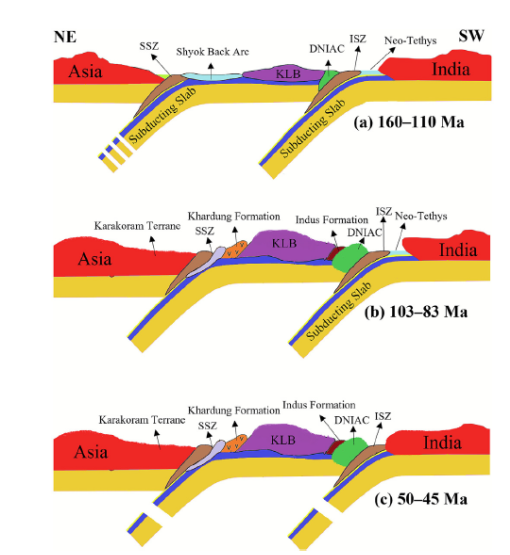
Recent scientific studies have traced the evolution of the Ladakh Magmatic Arc (LMA) in the north-western Himalaya, providing new insights into the geological history of the Indian subcontinent and plate tectonic processes.
About Ladakh Magmatic Arc (LMA)
- The Ladakh Magmatic Arc is a belt of igneous rocks located in the Trans-Himalayan region. It represents a long-extinct volcanic arc system formed due to tectonic activity associated with the closure of the Neo-Tethys Ocean.
- Time Period: Formed between the Jurassic and Eocene periods (~201 million years ago to ~34 million years ago)
Geological Formation Process
Role of Plate Tectonics
- The region was once part of the Neo-Tethys Ocean.
- The Indian Plate moved northwards and subducted beneath the Eurasian Plate.
- This subduction led to melting in the mantle, generating magma.
- The rising magma formed a chain of volcanic features, giving rise to the magmatic arc.
Phases of Evolution of LMA
1. Early Island Arc Formation (160–110 Ma)
- Ladakh initially resembled a chain of volcanic islands.
- Represented by the Dras–Nidar Island Arc Complex (DNIAC).
- Magma was primarily derived from the mantle, with minimal sediment contribution.
2. Crustal Enrichment & Batholith Formation (103–45 Ma)
- Occurred during intensified convergence between the Indian and Eurasian plates.
- Formation of large granitic bodies known as the Ladakh Batholith.
- Increased contribution from:
- Continental crust
- Subducted sediments
- Indicates magma mixing and deep crustal processes.
- This phase coincided with the approaching continental collision.
3. Post-Collisional Magmatism (<45 Ma)
- Continued tectonic activity even after the closure of the Neo-Tethys Ocean.
- Formation of mafic dykes (vertical intrusions of magma).
- Magma sourced from an enriched mantle.
- Suggests lingering magmatic activity post-collision.
Key Geological Features
- Ladakh Batholith: Large granitic intrusions indicating crustal melting.
- Mafic Dykes: Evidence of late-stage magmatic activity.
- DNIAC: Represents early volcanic island arc phase.
Floating LiDAR Buoy System
- 19 Mar 2026
In News:
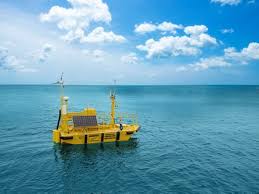
The National Institute of Ocean Technology (NIOT) has successfully tested an indigenously developed Floating LiDAR Buoy System off the coast of Muttom, Tamil Nadu. The development marks a significant step in enhancing India’s ocean-based meteorological and renewable energy assessment capabilities.
About Floating LiDAR Buoy System
The Floating LiDAR Buoy System is a state-of-the-art oceanographic instrument designed to measure wind and atmospheric conditions over the sea.
Key Features
- Combines a floating buoy platform with LiDAR (Light Detection and Ranging) technology.
- Uses laser pulses to capture highly accurate atmospheric data.
- Capable of measuring wind speed, direction, and vertical wind profiles.
- Can collect data up to 300 metres above sea level, surpassing many conventional instruments.
Working Mechanism
- The buoy is deployed on the ocean surface and remains stable under marine conditions.
- It emits laser pulses into the atmosphere.
- These pulses reflect off airborne particles such as aerosols.
- The returned signals are analysed to determine:
- Wind speed
- Wind direction
- Variations at different altitudes
This enables real-time, high-resolution data collection, even in remote offshore regions where traditional meteorological tools face limitations.
Significance
1. Improved Weather Forecasting
- Enhances accuracy of marine weather predictions.
- Supports better storm and cyclone tracking, crucial for coastal safety.
2. Boost to Offshore Wind Energy
- Provides precise wind data necessary for site assessment of offshore wind farms.
- Reduces uncertainty in renewable energy planning and investments.
3. Climate Change Studies
- Helps monitor long-term atmospheric and oceanic interactions.
- Contributes to understanding the impact of climate change on marine systems.
4. Indigenous Technological Advancement
- Reflects India’s progress in developing advanced ocean observation systems.
- Reduces reliance on imported technologies.
About National Institute of Ocean Technology (NIOT)
- It operates under the Ministry of Earth Sciences.
- It focuses on ocean engineering, resource exploration, and marine technology development.
- Plays a key role in initiatives like deep-sea exploration and offshore energy.
Exercise Sea Dragon
- 19 Mar 2026
In News:
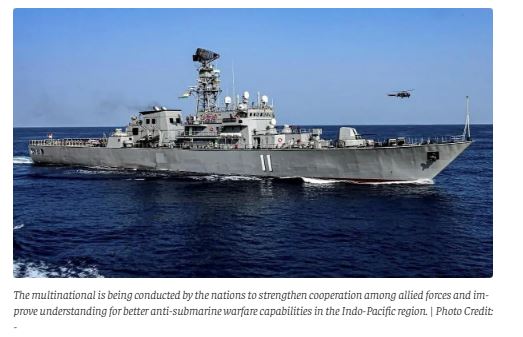
The Indian Navy, along with partner nations, is participating in Exercise Sea Dragon 2026.
About Exercise Sea Dragon
Exercise Sea Dragon is an annual multinational anti-submarine warfare (ASW) drill initiated and led by the United States Navy since 2019. It is held at Andersen Air Force Base, Guam, in the Western Pacific.
Key Features
- Focuses on anti-submarine warfare operations, a critical aspect of modern naval strategy.
- Participation involves long-range maritime patrol aircraft, notably the P-8 Poseidon.
- Provides a platform for operational coordination and interoperability among partner nations.
- Enhances real-time information sharing, communication protocols, and tactical alignment.
Participating Countries in 2026
Exercise Sea Dragon 2026 includes participation from:
- United States Navy
- Indian Navy
- Royal Australian Air Force
- Japan Maritime Self-Defence Force
- Royal New Zealand Air Force
This reflects a growing strategic convergence among Indo-Pacific democracies.
Operational Objectives
The exercise aims to:
1. Enhance ASW Capabilities
- Participants progress from simulated tracking to live submarine detection and tracking.
- Improves the ability to counter underwater threats in real-world scenarios.
2. Promote Interoperability
- Enables seamless coordination between forces operating similar platforms like P-8 aircraft.
- Standardises data-sharing systems, communication networks, and tactical procedures.
3. Build Aircrew Proficiency
- Crews are evaluated on speed, accuracy, and mission coordination.
- Structured scenarios test operational readiness under competitive conditions.
Competitive Element: Dragon Belt Award
- Each mission during the exercise is graded.
- The country achieving the highest cumulative score is awarded the prestigious “Dragon Belt”.
- Encourages excellence and operational efficiency among participants.
Strategic Significance
1. Indo-Pacific Security
- Reinforces collective efforts to maintain freedom of navigation and maritime stability.
- Addresses emerging threats, including submarine proliferation in the region.
2. India’s Maritime Role
- Demonstrates India’s growing role as a net security provider in the Indo-Pacific.
- Aligns with India’s SAGAR (Security and Growth for All in the Region) vision.
3. Strengthening Partnerships
- Deepens defence ties among Quad-like partners and other regional actors.
- Enhances multilateral defence cooperation beyond bilateral engagements.
Appropriation Bill 2026
- 18 Mar 2026
In News:
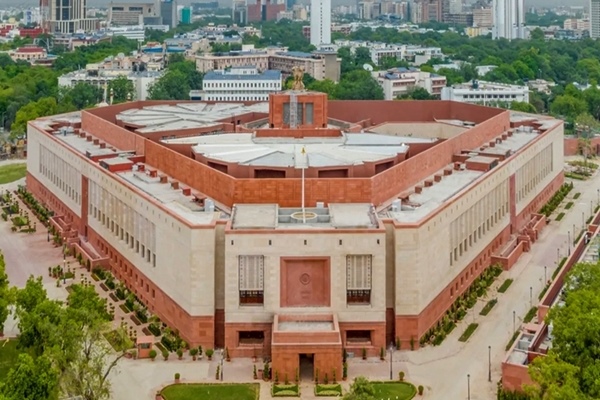
The Indian Parliament has passed the Appropriation Bill 2026, completing a crucial stage in the Union Budget process. The Bill, returned by the Rajya Sabha after discussion, enables the government to legally withdraw funds for its expenditure. This highlights the central role of Parliament in ensuring financial accountability and legislative control over public finances.
What is the Appropriation Bill?
- The Appropriation Bill is a legislative instrument that authorizes the government to withdraw money from the Consolidated Fund of India (CFI) to meet its expenditure for a given financial year.
- Even after the presentation of the Budget, no money can be spent without the passage of this Bill, making it an essential component of fiscal governance.
Constitutional Provisions
The Appropriation Bill derives its authority from the Constitution:
- Article 114: No withdrawal from the Consolidated Fund of India is permitted without parliamentary approval through an Appropriation Act
- Article 115: Provides for Supplementary, Additional, or Excess Grants, requiring further appropriation
- Article 116: Deals with Vote on Account, Vote of Credit, and Exceptional Grants, ensuring continuity of government expenditure
Budgetary Process and Passage of the Bill
The passage of the Appropriation Bill follows a structured legislative process:
- Presentation of Budget (Annual Financial Statement) by the Finance Minister
- General Discussion in both Houses of Parliament
- Voting on Demands for Grants in the Lok Sabha (only House with voting powers on expenditure)
- Introduction of Appropriation Bill to authorize expenditure
- Passage in Lok Sabha
- Transmission to Rajya Sabha, which can only recommend changes and must return it within 14 days
- Presidential Assent, after which it becomes law
Key Features of the Appropriation Bill
1. Covers All Expenditure
- Includes both:
- Voted Expenditure (approved by Lok Sabha)
- Charged Expenditure (non-votable, e.g., salaries of constitutional authorities like the President and judges)
2. No Scope for Amendments
- Parliament cannot propose amendments that:
- Alter the amount of grants
- Change their purpose
3. Classified as a Money Bill
- Under Article 110, it is treated as a Money Bill, limiting the powers of the Rajya Sabha to making recommendations only.
Significance of the Appropriation Bill
1. Ensures Legislative Control over Finances: It upholds the principle that public money can only be spent with parliamentary approval, reinforcing democratic accountability.
2. Legal Basis for Government Expenditure: It provides the legal authority for the executive to implement policies, schemes, and programmes.
3. Promotes Transparency and Fiscal Discipline: The process ensures that government spending is scrutinized, debated, and authorized, enhancing transparency.
4. Strengthens Parliamentary Supremacy: It reinforces the role of the Lok Sabha as the custodian of public finances, reflecting the principle of “no taxation or expenditure without representation.”
Prambanan Temple Restoration
- 18 Mar 2026
In News:
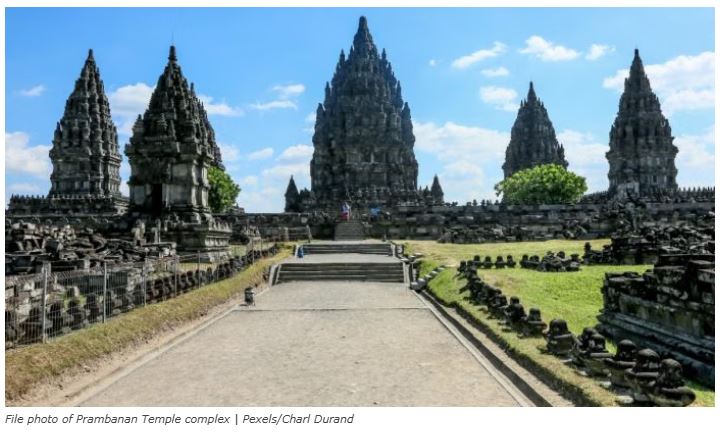
India and Indonesia have recently partnered for the restoration of the Prambanan Temple complex in the Special Region of Yogyakarta, Java. This initiative reflects deep-rooted civilizational ties, cultural diplomacy, and shared heritage between the two nations, while also highlighting India’s growing role in global heritage conservation.
About Prambanan Temple
- The Prambanan Temple is the largest Hindu temple complex in Indonesia, located in Sleman, Yogyakarta (Central Java).
- Built in the 9th century by the Sanjaya dynasty, it represents the flourishing of Hindu culture in Southeast Asia.
- Locally known as Roro Jonggrang (Temple of the Slender Virgin), the complex is dedicated to the Hindu Trimurti—Shiva, Vishnu, and Brahma.
- After being buried and neglected for centuries, it was rediscovered and restored during the 19th century, and later recognised as a UNESCO World Heritage Site in 1991.
Architectural Features
Prambanan reflects a remarkable fusion of indigenous Javanese and South Indian (Pallava) architectural styles, showcasing cultural exchange across regions.
- The complex comprises 240 temples, arranged in concentric layouts
- The central compound includes eight main and eight minor temples built on an elevated platform
- The Shiva Temple, standing at 47 metres, is the tallest and most prominent structure
- Other major temples are dedicated to Brahma and Vishnu
- The walls are adorned with intricate carvings depicting the Ramayana and other Hindu epics, reflecting advanced craftsmanship
Interestingly, while primarily a Hindu complex, the surrounding area also contains Buddhist shrines, indicating religious coexistence and syncretism in ancient Java.
India China Trade Deficit
- 18 Mar 2026
In News:
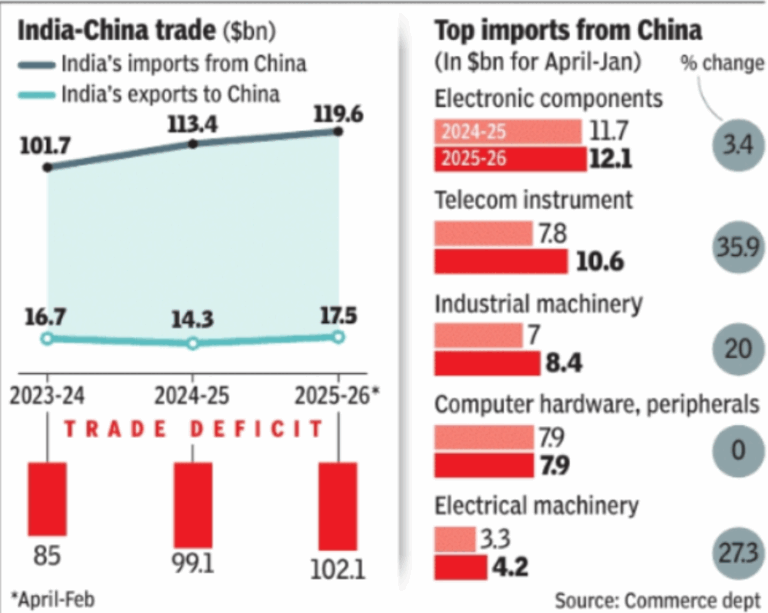
India’s trade deficit with China has crossed a historic threshold, reaching approximately $102 billion during April–February FY2025–26. This marks the first time the deficit has exceeded $100 billion, underscoring deep structural imbalances in bilateral trade and raising concerns about economic resilience and strategic dependence.
Understanding Trade Deficit
- A trade deficit occurs when the value of a country’s imports exceeds its exports over a given period.
- In the India–China context, the imbalance is driven by high-value imports from China vis-à-vis relatively low-value Indian exports.
- India imports critical goods such as electronic components, telecom equipment, machinery, and pharmaceutical APIs, while exporting petroleum products, copper, and limited electronic goods, resulting in a widening gap.
Key Features of India–China Trade Imbalance
1. Persistent Import Dependence: India heavily relies on China for intermediate and capital goods that feed into domestic industries. Sectors like electronics, pharmaceuticals (APIs), renewable energy equipment, and heavy machinery depend significantly on Chinese imports.
2. Sectoral Imbalance: Imports from China are concentrated in high-value, technology-intensive goods, whereas India’s exports are largely low-value or resource-based products. This structural asymmetry limits India’s ability to narrow the deficit.
3. Market Access Asymmetry: Indian exporters face non-tariff barriers, stringent quality standards, and regulatory hurdles in China. This restricts access for Indian goods, particularly in sectors like agriculture, pharmaceuticals, and IT-enabled services.
Implications of the Rising Deficit
1. Pressure on Current Account: A large and persistent trade deficit contributes to the Current Account Deficit (CAD), impacting foreign exchange reserves and macroeconomic stability.
2. Strategic and Economic Vulnerability: Dependence on Chinese imports in critical sectors creates supply chain risks, especially during geopolitical tensions or disruptions such as pandemics.
3. Impact on Domestic Manufacturing: Cheap imports can undermine domestic industries, particularly MSMEs, affecting employment and industrial competitiveness.
Underlying Causes
- Cost competitiveness of Chinese manufacturing due to economies of scale
- Inadequate domestic manufacturing capacity in high-tech sectors
- Limited diversification of export basket
- Global value chain integration favouring China
Government Measures and Policy Response
- Production Linked Incentive (PLI) Schemes to boost domestic manufacturing in electronics, pharmaceuticals, and solar equipment
- Atmanirbhar Bharat initiative to reduce import dependence
- Import diversification strategies targeting alternative partners like Vietnam, South Korea, and the EU
- Quality control orders and standards to regulate imports
NMDC Limited and India’s Iron Ore Sector
- 18 Mar 2026
In News:
India’s mining sector achieved a significant milestone as NMDC Limited became the first company in the country to produce 50 million tonnes (MT) of iron ore in a single financial year. This achievement reflects the growing efficiency, mechanisation, and strategic importance of India’s mineral sector in supporting industrial growth and infrastructure development.
About NMDC Limited
- NMDC Limited (formerly National Mineral Development Corporation) is a Central Public Sector Enterprise (CPSE) established in 1958 under the Ministry of Steel.
- Headquartered in Hyderabad, it has evolved into India’s largest producer and exporter of iron ore.
- The company operates major mechanised iron ore mines in Chhattisgarh and Karnataka, contributing over 45 MT annually. Beyond iron ore, NMDC is engaged in the exploration of a diverse range of minerals including copper, limestone, dolomite, gypsum, bentonite, magnesite, diamond, tin, tungsten, graphite, and beach sands.
- It also operates India’s only mechanised diamond mine at Panna (Madhya Pradesh). Recognising its strategic and financial importance, NMDC was granted Navratna status in 2008, providing greater operational and financial autonomy.
Significance of the 50 MT Milestone
1. Boost to Industrial Growth: Iron ore is a critical raw material for the steel industry, which is the backbone of infrastructure, construction, and manufacturing. NMDC’s record production strengthens domestic supply, reducing dependence on imports and supporting initiatives like Make in India.
2. Enhanced Mining Efficiency: The achievement reflects improved mechanisation, technological adoption, and operational efficiency in India’s mining sector. It signals a transition towards large-scale, modernised mining practices.
3. Contribution to Economic Development: Higher production translates into:
- Increased government revenue through royalties and taxes
- Greater foreign exchange earnings via exports
- Employment generation in mining regions
4. Strategic Resource Security: With rising global demand for steel, ensuring a stable supply of iron ore is essential for economic resilience and industrial competitiveness.
Role of NMDC in India’s Mining Sector
NMDC plays a pivotal role as:
- The largest iron ore producer in India
- A key contributor to raw material security for steel plants
- A driver of regional development, particularly in mineral-rich but underdeveloped areas
Its diversified mineral portfolio also positions it as an important player in strategic and critical mineral exploration, which is vital for future technologies and energy transitions.
Safe Disposal of Unused Medicines
- 18 Mar 2026
In News:
The United Nations Environment Programme (UNEP) in its 2026 report “Safe Disposal of Unused Medicines” highlights the growing environmental and public health crisis posed by pharmaceutical waste. With rising drug consumption globally, improper disposal practices are contributing to ecological degradation and antimicrobial resistance (AMR), necessitating a comprehensive, multisectoral response.
Key Features of the UNEP Report
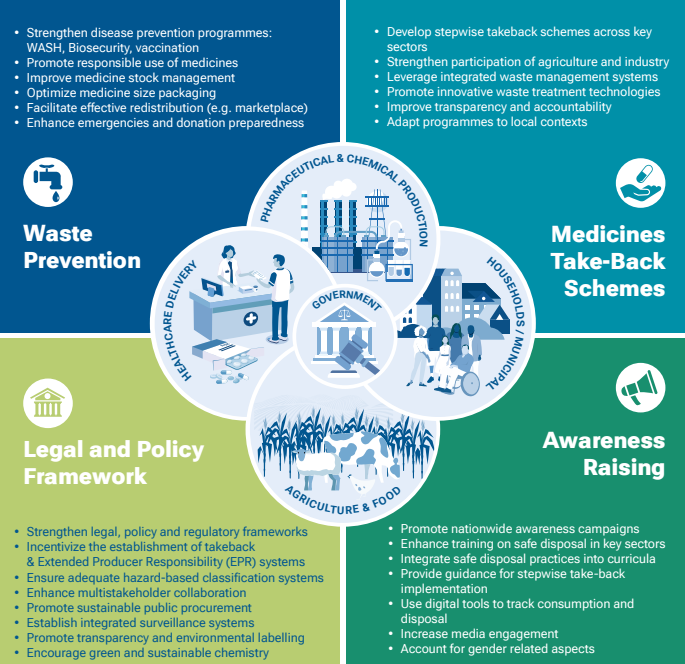
- The report adopts a One Health approach, recognizing the interconnectedness of human, animal, and environmental health. It proposes an integrated framework that combines waste prevention, safe disposal mechanisms, legal regulations, and public awareness across sectors such as healthcare, agriculture, and households.
- A major emphasis is placed on waste prevention as the most effective strategy, alongside the development of medicine take-back systems and strengthening governance structures.
Major Findings
1. Environmental and Health Risks
Improper disposal of medicines—through flushing, dumping, or burning—introduces pharmaceutical residues into ecosystems. This leads to:
- Antimicrobial Resistance (AMR): Identified as a major driver, with AMR directly causing 1.27 million deaths globally (2019)
- Endocrine disruption and toxicity affecting aquatic life and biodiversity
- Persistent contamination due to the inability of conventional wastewater treatment plants to remove pharmaceutical compounds completely
2. Scale of the Problem
- Up to 50% of household medicines become waste globally
- Unused medicines constitute about 3% of hazardous healthcare waste
- The unused medicine management market is projected to reach US$2.54 billion by 2032, reflecting rising healthcare consumption
3. Inefficiencies and Opportunities
- Prevention potential: Countries like the Netherlands show that 40% of medicine waste can be avoided
- Redistribution scope: Nearly 19% of unused medicines could be safely reused under strict quality conditions
- Over-preion, bulk packaging, and lack of awareness contribute significantly to wastage
Methods of Safe Disposal
The report outlines scientifically approved disposal methods:
- High-temperature incineration (800–1200°C): Most effective for hazardous pharmaceutical waste
- Waste immobilization: Encapsulation or inertization to prevent chemical leakage
- Engineered landfills: Secure containment systems for residual waste
- Co-processing: Use of cement kilns or industrial furnaces to destroy pharmaceutical compounds
Key Challenges
1. Lack of Awareness: A significant proportion of people are unaware of proper disposal methods. For instance, studies show over 50% of respondents in some countries lack knowledge of associated risks.
2. Infrastructure Gaps
- Rural and remote areas lack incineration and waste treatment facilities
- Limited access to organized collection systems hinders safe disposal
3. Weak Regulatory Frameworks
- Many countries lack mandatory take-back policies
- Fragmented governance leads to inconsistent implementation (e.g., reliance on voluntary systems in some developed countries)
4. Financial Constraints: Advanced treatment technologies such as advanced oxidation processes are effective but expensive, especially for developing nations.
5. Emergency and Humanitarian Risks: During crises, excess or mismatched drug donations lead to accumulation of expired medicines, increasing disposal burdens.
UNEP Recommendations
1. Prioritising Waste Prevention
- Improve WASH (Water, Sanitation, and Hygiene), vaccination, and disease prevention
- Promote rational drug use and better diagnostics
2. Establishing Take-Back Systems
- Implement national-level collection programmes for households, pharmacies, and farms
- Ensure safe channels for returning unused medicines
3. Strengthening Legal Frameworks
- Introduce Extended Producer Responsibility (EPR) to make pharmaceutical companies responsible for post-consumer waste
- Develop binding regulations for safe disposal
4. Promoting Rational Use of Medicines
- Encourage unit-dose packaging
- Reduce over-preion and patient stockpiling
5. Enhancing Monitoring and Awareness
- Use digital tracking systems to monitor medicine usage and disposal
- Conduct public awareness campaigns to change consumer behavior
Megamalai Wildlife Sanctuary
- 17 Mar 2026
In News:
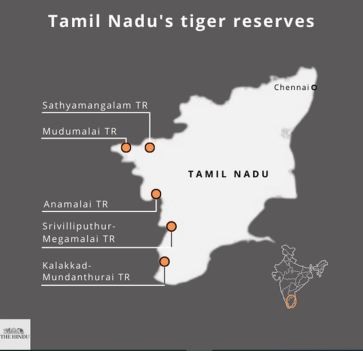
The Zoological Survey of India (ZSI) has documented nine new species, including jumping spiders, damselflies, and mayflies, in the Megamalai Wildlife Sanctuary in Tamil Nadu, highlighting the rich biodiversity of the Western Ghats.
About Megamalai Wildlife Sanctuary
- Also known as the “High Wavy Mountains”
- Located in Tamil Nadu, forming part of the Western Ghats biodiversity hotspot
- Since 2021, it is a core component of the Srivilliputhur–Megamalai Tiger Reserve (SMTR), India’s 51st Tiger Reserve
- Eco-Sensitive Zone (ESZ) notified earlier in 2018
Habitat Diversity
The sanctuary features a mosaic of ecosystems, including:
- Montane Shola forests and grasslands
- Tropical wet evergreen forests
- Plantation landscapes (tea and cardamom) interspersed with natural vegetation
Hydrological Importance
- Acts as a critical watershed for southern Tamil Nadu
- Major rivers:
- Vaigai River (lifeline of the region)
- Suruliyaru and Shanmuganathi (tributaries)
- Several ephemeral streams (Arjuna Nadhi, Mudangiar, Gundar) support local agriculture and water supply
Key Ecological Features
1. Wildlife Corridor
- Forms a continuous ecological corridor connecting:
- Periyar Tiger Reserve (Kerala)
- Grizzled Giant Squirrel Sanctuary (Tamil Nadu)
- Supports movement of elephants and tigers
2. Bio-indicators
- Presence of mayflies and amphibians indicates:
- High water quality
- Stable ecosystems
3. Eco-Sensitive Zone: Buffer zone ranging from 0 to 1.7 km to reduce human-wildlife conflict
New Species Discovered
The ZSI survey recorded 977 species, including nine species new to science:
Key Discoveries
- Jumping Spider: Stenaelurillus megamalai
- Mayfly: Edmundsula meghamalaiensis
- Damselflies:
- Thraulus vellimalaiensis
- Protosticta sholai (endemic)
- Bark Lice & Cockroaches:
- Allacta vellimalai
- Lachesilla vellimalai
Other Notable Fauna
- Megamalai rock gecko (Hemidactylus vanam)
- Historical presence of the Critically Endangered Malabar Civet
Lower Kopili Hydroelectric Project
- 17 Mar 2026
In News:
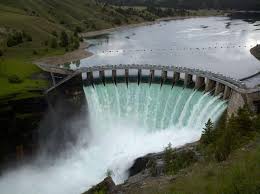
The Prime Minister recently virtually inaugurated the 120 MW Lower Kopili Hydroelectric Project in Assam, marking a significant step in strengthening renewable energy infrastructure in the Northeast.
About the Lower Kopili Hydroelectric Project
- Type: Run-of-the-river hydropower project
- Capacity: 120 MW
- Location:
- West Karbi Anglong and Dima Hasao (North Cachar Hills) Autonomous District Council areas
- Situated in Central Assam
- River Basin: Kopili River
- Implementing Agency: Assam Power Generation Corporation Limited (APGCL)
- Funding: Supported by the Asian Development Bank (ADB) under the Assam Power Sector Investment Program
Key Features
- Environmentally more sustainable than large storage dams due to minimal reservoir requirement
- Designed to harness the natural flow of the river for power generation
About the Kopili River
- Type: Interstate river in Northeast India
- States Covered: Meghalaya and Assam
- Origin: Meghalaya Plateau
- Course:
- Flows through Karbi Anglong and Nagaon districts
- Joins the Brahmaputra River as its largest south-bank tributary in Assam
- Length:
- Total: 256 km
- Shared between Meghalaya–Assam: 78 km
- Within Assam: 178 km
Force Majeure

- 17 Mar 2026
In News:
Amid the escalating Iran–US–Israel conflict (2026), major Gulf energy producers such as Qatar, Kuwait, and Bahrain have invoked the force majeure clause on oil and gas exports due to shipping disruptions and infrastructure attacks.
What is Force Majeure?
Force majeure is a contractual legal provision that allows a party to suspend or terminate obligations without liability when extraordinary events prevent performance.
- Derived from French, meaning “superior force”
- Widely used in international trade, energy contracts, and maritime law
- Applies to both Acts of God (natural disasters) and Acts of Man (war, conflict, pandemics)
Objective
- To protect contracting parties from penalties or legal action
- To ensure fair risk distribution when circumstances are beyond control
- To provide legal clarity during crises
Key Features of Force Majeure
- : The triggering event must be unexpected at the time of contract formation.
- Externality: The cause must arise from external factors, not internal negligence.
- Irresistibility (Impossibility): The event must make performance impossible, not merely difficult or costly.
- Notification Requirement: The affected party must formally inform counterparts immediately (e.g., oil companies like Kuwait Petroleum).
- Duty to Mitigate: Even after invocation, parties must show reasonable efforts to minimize disruption.
Application in the Current Crisis
- Ongoing conflict has led to:
- Disruption of shipping routes (including critical maritime chokepoints)
- Attacks on energy infrastructure
- Gulf exporters have invoked force majeure to:
- Suspend oil and LNG deliveries
- Avoid contractual penalties and liabilities
Drawida vazhania
- 17 Mar 2026
In News:
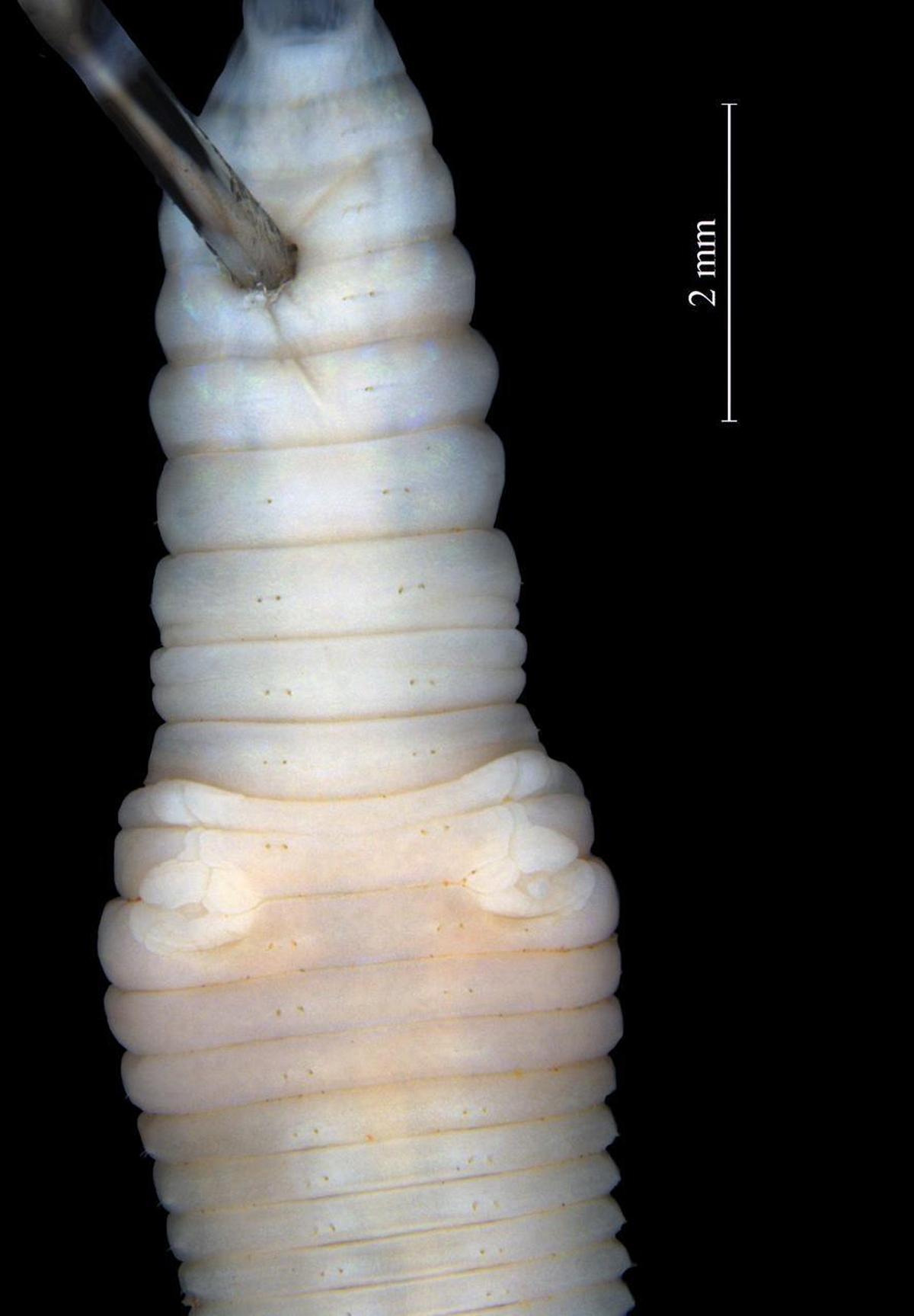
Researchers have discovered a new species of earthworm, Drawida vazhania, from the Vazhani Dam region of the Peechi–Vazhani Wildlife Sanctuary in Kerala’s Thrissur district, highlighting the rich and still unexplored biodiversity of the Western Ghats.
About Drawida vazhania
- It belongs to:
- Genus: Drawida
- Family: Moniligastridae
- Distribution of the Genus: The genus Drawida is naturally distributed across South, Southeast, and East Asia, indicating its biogeographical significance.
Key Morphological Features
- Small body size, classified under the Barwelli species group.
- Distinct characteristics that differentiate it from related species include:
- Grooved male genital field
- Kidney/bean-shaped prostate gland
- Narrow, tubular C-shaped prostatic capsule
- Small sessile atrium on the body wall
These unique anatomical features played a crucial role in identifying it as a new species.
Biodiversity Significance
- With this discovery:
- Total Drawida species in India: 83
- Total Drawida species in the Western Ghats: 55
Importance
- Highlights the Western Ghats as a global biodiversity hotspot.
- Demonstrates that even less conspicuous organisms like earthworms remain underexplored.
- Reinforces the role of soil biodiversity in maintaining ecosystem health.
Ecological Importance of Earthworms
- Known as “ecosystem engineers” due to their role in:
- Soil aeration and nutrient cycling
- Decomposition of organic matter
- Enhancing soil fertility and agricultural productivity
Their diversity reflects the health of terrestrial ecosystems.
Jnanpith Award
- 17 Mar 2026
In News:
Renowned Tamil lyricist and author R. Vairamuthu has been selected for the Jnanpith Award 2025, becoming the third Tamil writer to receive this prestigious honour.
About the Jnanpith Award
The Jnanpith Award is regarded as the highest literary honour in India, recognizing exceptional contributions to Indian literature.
- Institution: Established in 1961 by the Bharatiya Jnanpith, a cultural and literary organization.
- First Awarded: 1965
- First Recipient: Malayalam poet G. Sankara Kurup for Odakkuzhal.
- Objective: To honour writers for their outstanding contribution to literature across Indian languages.
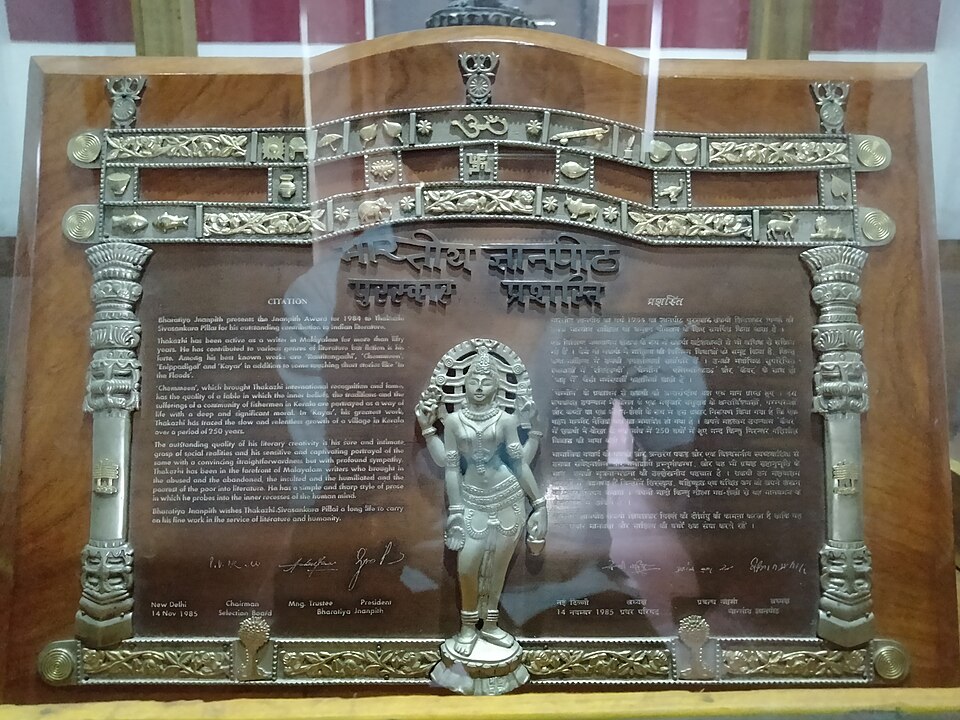
Components of the Award
- Cash prize of ?11 lakh
- Bronze statuette of Vagdevi (Saraswati)
- Citation
Eligibility and Selection Criteria
- Awarded annually to Indian citizens for creative writing.
- Eligible languages include those listed in the Eighth Schedule of the Constitution and English.
- Only living authors are considered.
- A recipient can receive the award only once.
- The same language is not eligible for consideration for the next two years after receiving the award.
- The Selection Board may withhold the award if no candidate meets the required standard.
R. Vairamuthu and Significance of the Award
- R. Vairamuthu is a prominent Tamil poet, lyricist, and novelist known for his contributions to modern Tamil literature and cinema.
- His selection marks:
- Continued recognition of regional language literature
- Strengthening of Tamil literary prominence at the national level
- Reinforcement of India’s linguistic and cultural diversity
Dumpsite Remediation Accelerator Programme (DRAP)

- 16 Mar 2026
In News:
The Government of India has launched the Dumpsite Remediation Accelerator Programme (DRAP) to expedite the remediation of legacy waste dumpsites across urban areas. The initiative aims to eliminate large garbage dumps and reclaim urban land, thereby improving environmental quality and public health.
About Dumpsite Remediation Accelerator Programme (DRAP)
The Dumpsite Remediation Accelerator Programme (DRAP) is a time-bound national initiative designed to fast-track the clearance of legacy waste accumulated in dumpsites across Indian cities.
- Launch: November 2025
- Nodal Ministry: Ministry of Housing and Urban Affairs (MoHUA)
- Implementation Framework: Part of Swachh Bharat Mission – Urban 2.0
The programme adopts a structured and accelerated approach to remove garbage mountains, process old waste, and convert reclaimed land into productive spaces such as parks, infrastructure facilities, and community spaces.
Objectives
The programme aims to:
- Achieve 100% remediation of legacy dumpsites within one year of adoption.
- Accelerate the processing and scientific disposal of legacy waste.
- Prevent the creation of new dumpsites in urban areas.
- Reclaim valuable urban land for public and developmental uses.
- Improve environmental sustainability and public health outcomes.
Key Features of DRAP
1. Lakshya Zero Dumpsites Target: DRAP supports the “Lakshya Zero Dumpsites” goal under Swachh Bharat Mission – Urban 2.0, which seeks to eliminate all dumpsites by September 2026.
2. Focus on High-Impact Dumpsites: The programme prioritises 214 major dumpsites across 202 Urban Local Bodies (ULBs), where nearly 80% of India’s legacy waste is concentrated.
3. Central Financial Assistance: The Union Government provides Central Financial Assistance (CFA) of ?550 per tonne to support the processing and remediation of legacy waste.
4. 5P Implementation Framework: DRAP follows a 5P model to ensure coordinated implementation:
- Political leadership
- Public financing
- Partnerships
- People’s participation
- Project management
5. Partnership-Based Implementation: The programme encourages collaboration with:
- Public Sector Undertakings (PSUs)
- Non-Governmental Organisations (NGOs)
- Technical and infrastructure partners
These stakeholders help in waste processing, recycling, and resource recovery.
6. Technology-Driven Monitoring: To ensure transparency and real-time progress monitoring, the programme uses:
- Digital dashboards
- GPS and RFID-based tracking
- Daily reporting mechanisms
Transgender Persons (Protection of Rights) Amendment Bill, 2026

- 16 Mar 2026
In News:
- The Union Government has introduced the Transgender Persons (Protection of Rights) Amendment Bill, 2026 in the Lok Sabha to modify provisions of the Transgender Persons (Protection of Rights) Act, 2019.
- The proposed amendments seek to redefine the term “transgender person” and alter the existing framework of gender recognition, including changes to the right to self-perceived gender identity.
Background: Transgender Persons (Protection of Rights) Act, 2019
The Transgender Persons (Protection of Rights) Act, 2019 was enacted to prohibit discrimination against transgender persons and ensure their welfare, inclusion, and equal access to opportunities in education, employment, healthcare, and public services.
The law was enacted in response to the landmark Supreme Court judgment in NALSA v. Union of India (2014), which:
- Recognised transgender persons as the “third gender”, and
- Affirmed the right to self-determination of gender identity as part of Article 21 (Right to Life and Personal Liberty).
The 2019 Act also introduced provisions for identity certification, welfare schemes, and protection against discrimination.
Key Provisions of the Amendment Bill, 2026
1. Removal of the Right to Self-Perceived Gender Identity: The Bill proposes the deletion of Section 4(2) of the 2019 Act, which currently guarantees the right of transgender persons to self-identify their gender without medical intervention. This change shifts the framework from self-identification to institutional verification.
2. Redefinition of “Transgender Person”
The amendment proposes a narrower definition that includes:
- Socio-cultural identities: Hijra, Kinner, Aravani, Jogta, Eunuch
- Persons with intersex variations
- Individuals with congenital biological variations in sexual characteristics
However, the revised definition excludes persons identifying solely on the basis of self-perceived gender identity or gender fluidity.
The definition also includes individuals forced to adopt transgender identity through coercive practices, such as mutilation, castration, or forced hormonal procedures.
3. Creation of a Medical Authority
- The Bill introduces a Medical Authority (Medical Board) headed by a Chief Medical Officer (CMO) to examine cases related to gender identity certification.
- This authority will provide recommendations before certification is granted.
4. Changes in Certification Procedure
Under the proposed framework:
- The District Magistrate (DM) will issue a transgender certificate only after reviewing the recommendation of the medical authority.
- The earlier system allowed relatively simpler issuance based on declaration.
5. Revision of Gender Certificate After Surgery: Individuals undergoing Sex Reassignment Surgery (SRS) must apply for a revised gender certificate reflecting the updated gender identity. Earlier, such revisions were optional.
6. Reporting Requirement for Hospitals: Hospitals performing SRS procedures will be required to report such operations to the District Magistrate for documentation and regulatory purposes.
7. Change of Name in Official Records: The amendment provides transgender persons the right to change their first name in official documents, subject to the revised certification criteria.
8. Expanded Offences and Punishments: The Bill strengthens penal provisions with graded punishments including imprisonment and fines up to ?5 lakh for offences such as:
- Denial of access to public places
- Forced labour
- Expulsion from homes
- Other forms of discrimination and abuse
Silverpit Crater

- 16 Mar 2026
In News:
Recent scientific research has confirmed that the Silverpit Crater, located beneath the North Sea, was formed by a massive asteroid impact millions of years ago. The finding resolves a long-standing debate regarding the origin of the structure since its discovery in 2002.
About Silverpit Crater
The Silverpit Crater is a buried impact structure located beneath the seabed of the North Sea, approximately 80 miles (about 130 km) off the coast of Yorkshire in the United Kingdom.
Key Facts
- Depth: Around 700 metres beneath the seabed
- Discovery: Identified in 2002 through seismic surveys during hydrocarbon exploration
- Age of Formation: Estimated to have formed 43–46 million years ago
- Cause: Impact of a high-velocity asteroid or space rock striking the seabed
The crater remained hidden for millions of years due to thick layers of marine sediments covering the impact structure.
Scientific Evidence for Asteroid Impact
- Recent geological analysis has provided strong evidence supporting the asteroid impact hypothesis.
- Researchers identified shocked quartz and feldspar crystals in rock samples obtained from a nearby oil exploration well. These minerals form only under extreme pressure conditions generated by hypervelocity impacts, such as meteorite or asteroid collisions with Earth.
- The presence of these shock-deformed minerals is considered a key diagnostic indicator of impact events, confirming the extraterrestrial origin of the crater.
Geological Features of Silverpit Crater
The Silverpit structure displays characteristics typical of large hypervelocity impact craters.
- Crater Diameter: Approximately 3 kilometres wide
- Concentric Fault Rings: A system of circular faults extending up to 20 kilometres in diameter
- Structure: Multiple concentric rings surrounding a central crater, a feature commonly seen in large impact structures
- Shape: Nearly circular with a central peak, resembling classic meteorite impact craters
These structural features make Silverpit one of the most well-preserved buried impact craters discovered beneath the ocean floor.
Myiophanes kempi
- 16 Mar 2026
In News:
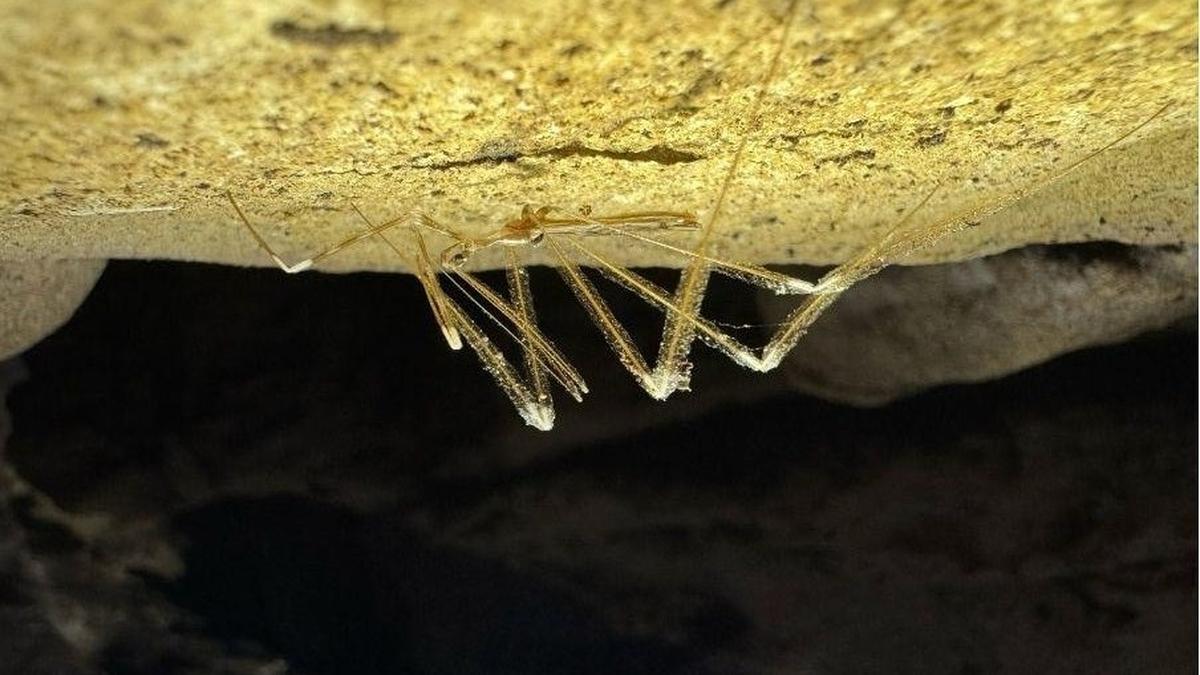
Researchers have recently rediscovered the rare thread-legged assassin bug Myiophanes kempi in limestone caves of the Andaman Islands, nearly 100 years after it was last documented. The rediscovery highlights the rich but poorly explored biodiversity of subterranean cave ecosystems in India.
About Myiophanes kempi
Myiophanes kempi is a rare insect species belonging to the assassin bug family Reduviidae. Assassin bugs are known for their predatory behaviour and specialised hunting adaptations.
Key Features
- Taxonomic Group: Assassin bug (Family Reduviidae)
- Body Structure: Slender-bodied with elongated legs, characteristic of thread-legged bugs
- First Described: 1924 by British entomologist William Edward China
- Earlier Record: Originally reported from Siju Cave in Meghalaya
- Recent Rediscovery: Limestone caves in the Andaman Islands
Biological Characteristics
Myiophanes kempi is specially adapted to subterranean cave ecosystems, where environmental conditions are unique.
- Habitat: Lives exclusively in dark cave environments
- Lifestyle: Completes its entire life cycle in darkness
- Feeding Behaviour:
- A specialised predator within cave ecosystems
- Uses long raptorial forelegs to capture prey
- Feeds mainly on small arthropods found inside caves
These adaptations enable the species to survive in low-light, nutrient-limited environments typical of underground habitats.
Ecological Significance
The rediscovery of Myiophanes kempi is important for several reasons:
- Biodiversity Documentation: It highlights the rich but underexplored biodiversity of cave ecosystems, particularly in island and karst landscapes.
- Indicator of Subterranean Ecosystem Health: Predatory insects like assassin bugs play an important role in maintaining ecological balance in cave food webs.
- Conservation Importance: Rediscovering species thought to be rare or missing helps guide future conservation and ecological research.
Key Facts About Siju Cave
Although the species was recently rediscovered in the Andaman Islands, it was originally described from Siju Cave in Meghalaya.
- Location: Garo Hills, Meghalaya
- Other Names: Dobakkol or Bat Cave
- Type: Limestone cave system
- Length: Extends for about 4.7 km, making it one of India’s longest limestone caves
- Nearby River: Located near the Simsang River
- Features: Known for stalactites, stalagmites, underground streams, and rich cave biodiversity
Osbeckia zubeengargiana
- 16 Mar 2026
In News:
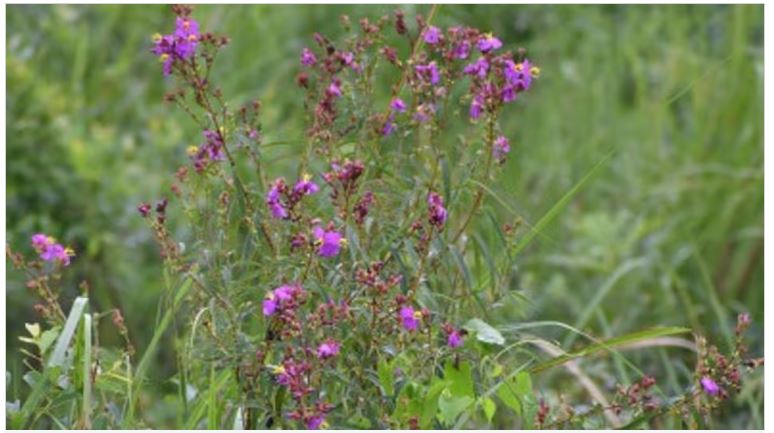
Researchers from Gauhati University have discovered a new flowering plant species named Osbeckia zubeengargiana in the grasslands of Manas National Park in Assam. The species has been named in honour of celebrated Assamese singer Zubeen Garg, recognising his contribution to regional culture and advocacy for nature conservation.
About Osbeckia zubeengargiana
Osbeckia zubeengargiana is a newly identified plant species belonging to the Melastomataceae family, a diverse group of flowering shrubs widely distributed in tropical and subtropical regions.
Key Characteristics
- Plant Type: Perennial erect shrub
- Height: Can grow up to 3.5 metres tall
- Flowers: Characterised by pink to purple tetramerous (four-petalled) flowers
- Habitat: Thrives in moist grassland ecosystems
- Flowering and Fruiting Period: Mid-September to January
The plant was discovered in the grasslands of Manas National Park in Baksa district, Assam, where researchers observed a substantial population of the species.
Discovery and Scientific Identification
The species was identified during floristic explorations conducted between 2021 and 2025 as part of doctoral research on the Melastomataceae family in Assam. The research was carried out by scientists Barnali Das, Prashob Pulpra, and Namita Nath of Gauhati University.
Botanical analysis revealed that the plant is closely related to Osbeckia rostrata but differs in several morphological features such as:
- leaf structure,
- arrangement of flowers,
- shape of the hypanthium (floral structure), and
- seed size.
These distinguishing characteristics confirmed it as a new species within the genus Osbeckia.
Ecological Significance
The species grows in association with several grassland plants such as:
- Chrysopogon zizanioides,
- Maesa indica,
- Bombax ceiba, and
- Dillenia pentagyna.
Its presence contributes to the floral diversity of the grassland ecosystems of Manas National Park, which is already recognised as a biodiversity hotspot in the Eastern Himalayan region.
Digital Twin Initiative at V.O. Chidambaranar Port
- 15 Mar 2026
In News:
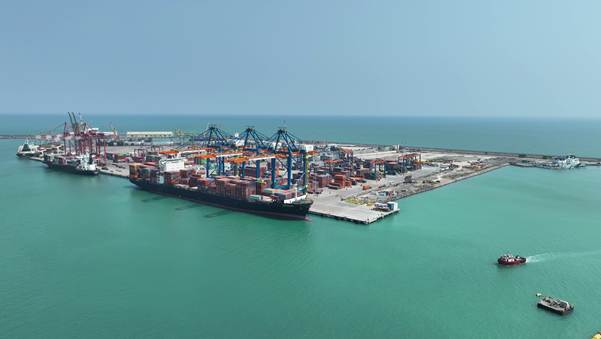
The V.O. Chidambaranar Port has become the first port in India to launch a Digital Twin initiative for port management. The project aligns with national maritime strategies such as the Maritime India Vision 2030 and the Amrit Kaal Vision 2047, aiming to modernise port operations through advanced digital technologies.
What is a Digital Twin?
A Digital Twin is a real-time virtual replica of a physical system that continuously receives data from sensors and monitoring systems to simulate and optimise operations.
At the port, the platform integrates technologies such as:
- Internet of Things (IoT) sensors
- GPS tracking
- LiDAR mapping
- Drone-based imaging
- CCTV monitoring systems
These technologies collectively create a dynamic digital model of the port’s infrastructure, assets, and maritime ecosystem.
Key Technological Features
The Digital Twin platform enables advanced operational management through:
1. Real-Time Monitoring
- Tracks berth occupancy
- Monitors vessel movements
- Analyses crane utilisation
- Tracks yard capacity and cargo flow
2. Predictive Maintenance
- Uses AI-based analytics to monitor equipment health.
- Predicts failures in cargo handling machinery, reducing downtime and improving reliability.
3. Data-Driven Decision Making
- Provides integrated insights into port operations.
- Enables better planning of logistics and maritime traffic.
Expected Outcomes and Benefits
- Reduced vessel turnaround time: Expected reduction of up to 25%.
- Improved equipment availability: Predictive maintenance enhances operational reliability.
- Enhanced safety: Real-time alerts help prevent operational hazards.
- Energy optimisation: Efficient operations reduce energy consumption and carbon emissions.
- Operational efficiency: Streamlined cargo handling and port logistics.
About V.O. Chidambaranar Port
- Overview: The V.O. Chidambaranar Port (formerly Tuticorin Port) is one of India’s 13 major ports and functions as an artificial all-weather deep-sea port on the Coromandel Coast.
Historical Background
- Declared a major port in July 1974.
- Renamed in 2011 in honour of V. O. Chidambaram Pillai, who founded the Swadeshi Steam Navigation Company to challenge British maritime dominance.
Strategic Location
The port is located at Thoothukudi on the Gulf of Mannar, close to major East–West international shipping routes, providing a strategic advantage for global maritime trade.
Operational Significance
- Second-largest port in Tamil Nadu after Chennai Port.
- Third-largest container terminal in India.
- Serves as a major gateway for trade with Europe, the Mediterranean, and the United States.
Major Cargo Handled
- Containers
- Coal
- Salt
- Fertilisers
- Other bulk and general cargo
Significance for India’s Maritime Sector
- Promotes smart port infrastructure and digitalisation.
- Enhances efficiency and competitiveness of Indian ports.
- Supports green and sustainable port operations.
- Contributes to India’s ambition of becoming a global maritime logistics hub.
SC Clarifies OBC Creamy Layer Criteria
- 15 Mar 2026
In News:
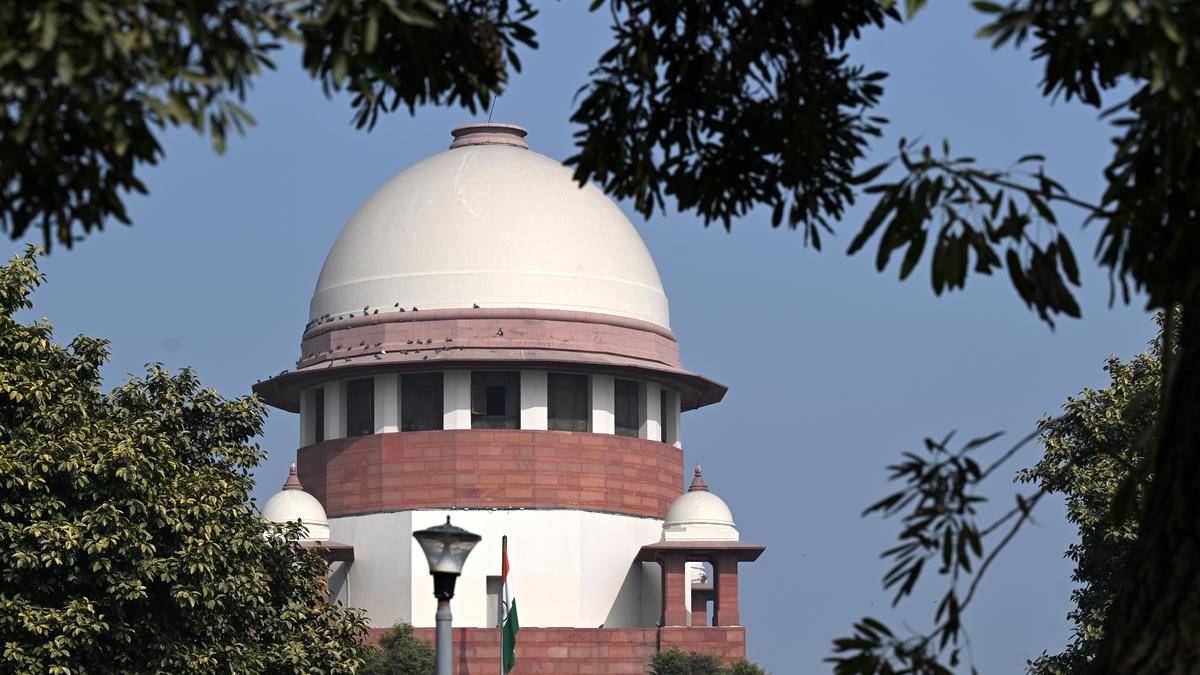
The Supreme Court of India has ruled that parental income alone cannot determine the “creamy layer” status of candidates belonging to the Other Backward Classes (OBCs) in civil services examinations. The judgment clarifies long-standing confusion in the implementation of reservation rules and emphasises that the creamy layer principle is primarily status-based rather than purely income-based.
Background of the Issue
The controversy arose due to conflicting government guidelines issued by the Department of Personnel and Training (DoPT).
- 1993 DoPT Office Memorandum (OM): Stated that income from salaries and agricultural land should not be included in the income/wealth test used to determine creamy layer status.
- 2004 DoPT Clarificatory Letter: Directed that salary income of employees working in Public Sector Undertakings (PSUs) and the private sector should be counted while determining the creamy layer.
This created a situation where:
- Children of government employees could retain OBC reservation based on the status of their parent’s post, even if salaries were high.
- Children of PSU or private sector employees could lose reservation benefits solely because their parental income crossed the prescribed threshold.
Key Observations of the Supreme Court
1. Creamy Layer Determination Must Be Status-Based
The Court held that creamy layer identification should focus on social and occupational status, not merely income.
Therefore, factors such as:
- Parent’s employment category (Group A, B, C, or D)
- Position and authority in the occupational hierarchy
should be considered along with income.
2. Quashing the 2004 Clarification
The Court set aside the 2004 DoPT clarification, stating that it created inconsistencies in applying reservation rules and contradicted the earlier 1993 guidelines.
3. Violation of Equality Principles
The Court held that the government’s earlier approach resulted in “hostile discrimination.”
- Children of lower-level government employees could still benefit from OBC reservation due to the status-based test.
- However, children of PSU or private sector employees with similar socio-economic positions were excluded solely due to salary levels.
This unequal treatment violated Articles 14, 15, and 16 of the Constitution, which guarantee equality before law and equal opportunity in public employment.
4. Relief for Affected Candidates
The judgment may expand eligibility for OBC reservation, particularly benefiting children of PSU employees, public sector bank employees, and private sector workers who were previously excluded due to income-based calculations.
The Court also directed the government to create supernumerary posts if required to accommodate candidates who were wrongly denied reservation benefits earlier.
Concept of the Creamy Layer
- The idea of excluding the more advanced sections among OBCs from reservation benefits was established in the landmark Indra Sawhney vs Union of India case.
- Objective: To ensure that reservation benefits reach socially and educationally backward sections, rather than the relatively advanced members within OBC communities.
Existing Criteria for Creamy Layer
- Government Employees
- Children of Group A officers are automatically considered part of the creamy layer.
- Children of officers promoted to Group A before the age of 40 are also excluded.
- Children of two Group B officers fall under the creamy layer.
- Non-Government Occupations: For those employed in the private sector or other professions, the income threshold for creamy layer is ?8 lakh per annum (since 2017).
Significance of the Judgment
- Clarifies reservation policy: Removes ambiguity in determining creamy layer status.
- Ensures equality: Prevents discriminatory treatment between government employees and those in PSUs or the private sector.
- Strengthens constitutional principles: Reinforces the guarantees of Articles 14, 15, and 16.
- Promotes fair access to reservations: Ensures benefits reach genuinely disadvantaged groups.
Supreme Court on No-Fault Compensation for Covid-19 Vaccine Adverse Effects

- 15 Mar 2026
In News:
The Supreme Court of India has directed the Union Government to formulate a “no-fault liability compensation policy” for individuals who suffered serious adverse effects or deaths following Covid-19 vaccination during India’s nationwide immunisation programme. The Court held that victims or their families should receive compensation without having to prove negligence by the State or vaccine manufacturers.
Key Observations of the Supreme Court
1. Principle of No-Fault Liability
The Court invoked the no-fault liability principle, which allows compensation to victims without establishing fault or wrongdoing.
- The principle already exists in Indian law in areas such as motor vehicle accident compensation.
- Similar vaccine injury compensation schemes operate in countries such as Australia, the United Kingdom, and Japan.
This framework ensures speedy and equitable relief for victims of rare but serious vaccine side effects.
2. Rejection of Individual Litigation
The Union Government had argued that affected families could approach civil courts or consumer courts for damages against manufacturers or the State.
However, the Court rejected this argument, stating that:
- Individual litigation would lead to multiple legal battles.
- It could produce inconsistent outcomes and unequal access to justice.
- Such a situation may violate the Right to Equality under Article 14 of the Constitution.
3. State’s Positive Obligation
- Invoking Article 21 (Right to Life and Health), the Court emphasised that the State must act as an active guardian of citizens’ welfare and dignity.
- Since the vaccination drive was a State-led public health intervention, the government has a positive obligation to support those who suffer serious outcomes, even if such events are extremely rare.
- For instance, certain blood-clotting disorders associated with vaccines were reported at an estimated rate of about 0.001 per one lakh doses in India.
4. Compensation Beyond Surveillance
The Court observed that monitoring adverse events alone is insufficient. India already has a mechanism for investigating vaccine side effects through Adverse Events Following Immunisation (AEFI) committees.
The Court ruled that:
- These committees are adequate for medical assessment.
- However, the State’s responsibility cannot end with surveillance and investigation; it must extend to fair financial compensation.
5. Clarification on Liability
The Court clarified that creating a compensation policy does not amount to an admission of legal liability by the Union Government or vaccine manufacturers. Rather, it is a welfare-oriented public health measure.
Background: Earlier Judicial Interventions
1. Gaurav Kumar Bansal vs Union of India (2021)
The Supreme Court directed the National Disaster Management Authority (NDMA) to recommend guidelines for ex-gratia assistance for Covid-19 deaths.
Following this:
- NDMA fixed ?50,000 compensation per Covid-19 death.
- Payment was to be made by states through the State Disaster Response Fund (SDRF).
- A simplified procedure recognised deaths occurring within 30 days of a positive test as Covid-19 deaths.
- District-level grievance redressal committees were established to resolve disputes related to death certificates.
2. Jacob Puliyel vs Union of India (2022)
In this case, the Supreme Court:
- Upheld the validity of the Covid-19 vaccine approval process and the government’s AEFI monitoring system.
- Recognised bodily autonomy under Article 21, stating that no individual can be forcibly vaccinated.
Significance of the Judgment
- Strengthens public health governance: Encourages trust in vaccination programmes by ensuring protection for rare adverse outcomes.
- Ensures equitable relief: Avoids lengthy and costly litigation for affected families.
- Balances public interest and individual rights: Recognises both the importance of mass vaccination and the rights of individuals who suffer harm.
- Aligns India with global practices: Many countries already operate vaccine injury compensation programmes.
Discovery of New Lichen Moth Species in the Eastern Himalayas
- 15 Mar 2026
In News:
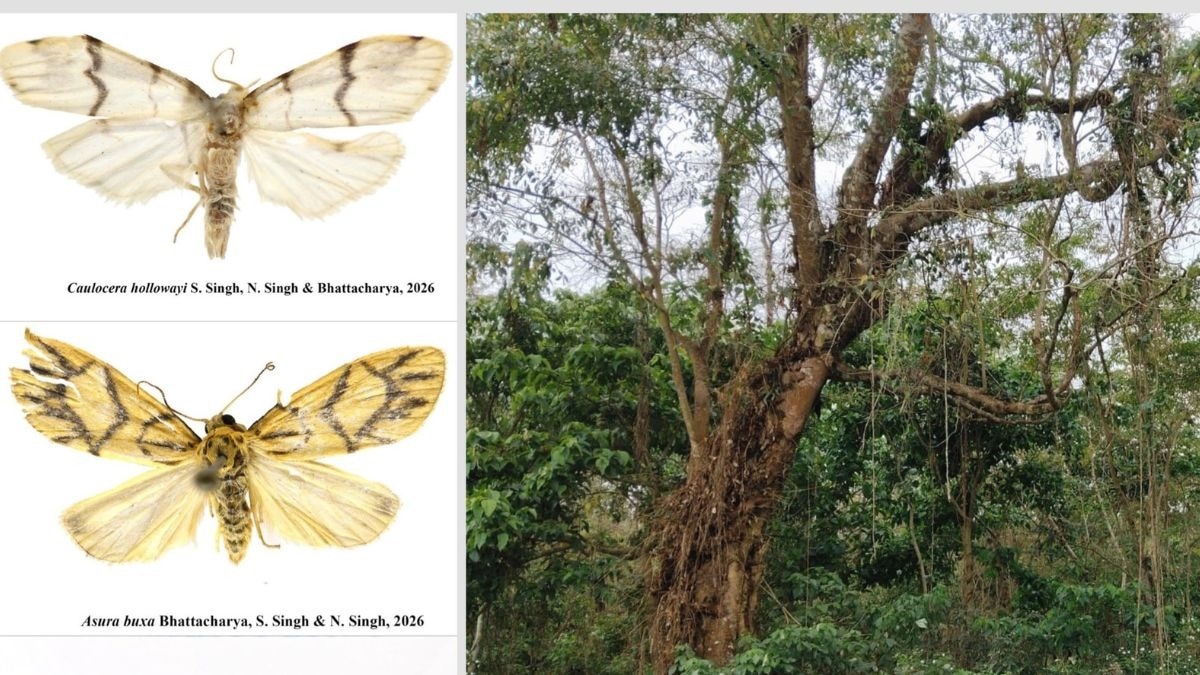
Scientists from the Zoological Survey of India (ZSI) have discovered two new species of lichen moths—Caulocera hollowayi and Asura buxa—in the Eastern Himalayan biodiversity hotspot. The discovery highlights the region’s rich but still underexplored biodiversity and the importance of taxonomic research in conservation.
About the Discovery
Researchers from ZSI identified two previously unknown moth species belonging to the order Lepidoptera, which includes butterflies and moths.
The species were identified through detailed morphological examination, including:
- Wing pattern and coloration analysis
- Chaetotaxy (arrangement of body scales and bristles)
- Microscopic study of reproductive structures, a crucial feature in insect taxonomy
Such techniques help scientists differentiate closely related species and confirm whether a specimen represents a new species.
Newly Discovered Species
1. Caulocera hollowayi
- Genus: Caulocera (lichen moth group)
- Location of discovery: Golitar region, Sikkim
- Key Characteristics:
- Distinctive wing colour patterns and band structures
- Unique reproductive structures visible under microscopic analysis
- Identified using detailed morphological traits and chaetotaxy
2. Asura buxa
- Genus: Asura (lichen moth group)
- Location of discovery: Panijhora region, West Bengal in the Eastern Himalayas
- Key Characteristics:
- Unique wing markings and coloration
- Distinct genital morphology, an important taxonomic feature in Lepidoptera
- Specific body scale arrangements confirming its status as a new species
About Lichen Moths
Lichen moths belong to a group of moths known for their association with lichens and mosses found in forest ecosystems.
Ecological Role:
- Act as bioindicators of ecosystem health
- Participate in nutrient cycling in forest habitats
- Help scientists understand species interactions in fragile mountain ecosystems
Importance of the Discovery
- Biodiversity documentation: Expands the scientific record of India’s insect diversity.
- Himalayan ecosystem research: Provides new insights into species adaptation in mountain environments.
- Conservation significance: Highlights the ecological importance of the Eastern Himalayas, one of the world’s major biodiversity hotspots.
- Taxonomic advancement: Reinforces the role of systematic biological surveys in identifying and classifying previously unknown species.
About Zoological Survey of India (ZSI)
- Established: 1916
- Headquarters: Kolkata
- Ministry: Ministry of Environment, Forest and Climate Change (MoEFCC)
- Mandate:
- Survey and documentation of India’s faunal diversity
- Taxonomic research and species identification
- Support biodiversity conservation and policy formulation
C-DOT and AI-Driven Fraud Detection

- 15 Mar 2026
In News:
India’s Centre for Development of Telematics (C-DOT) received international recognition at the Mobile World Congress (MWC) 2026 in Barcelona for its indigenous AI-driven telecom fraud detection platform “FraudPro.” The solution was shortlisted among the top finalists at the prestigious Global Mobile (GLOMO) Awards, highlighting India’s growing capabilities in telecom innovation and cybersecurity.
About Mobile World Congress (MWC)
- The Mobile World Congress (MWC) is the world’s largest global event for the mobile communications industry, organised annually by the GSMA in Barcelona, Spain.
- It brings together telecom operators, technology companies, and policymakers to showcase innovations in mobile technologies and digital connectivity.
- Recognition at this platform indicates global validation of technological innovation and industry impact.
FraudPro: AI-Driven Fraud Detection Solution
FraudPro is an indigenous telecom fraud detection platform developed by C-DOT using advanced Artificial Intelligence (AI) and data analytics.
Key Features
- AI-powered analytics: Uses machine learning algorithms to analyse telecom data and identify suspicious patterns.
- Real-time fraud detection: Detects fraudulent activities such as fake SIM registrations and telecom identity misuse.
- Facial deduplication technology: Identifies multiple connections obtained using the same identity or biometric information.
- Enhanced telecom security: Helps telecom operators prevent fraud, identity theft, and SIM-based scams.
Significance
- Strengthens digital trust and cybersecurity in telecom networks.
- Supports government efforts to curb telecom-related financial fraud and cybercrime.
- Demonstrates India’s ability to build indigenous telecom security technologies.
Centre for Development of Telematics (C-DOT)
Establishment and Institutional Structure
- Established: August 1984
- Nature: Autonomous telecom R&D organisation under the Department of Telecommunications (DoT), Government of India.
- Legal status: Registered as a society under the Societies Registration Act, 1860 and recognised as a Public Funded Research Institution (PFRI) by the Department of Scientific and Industrial Research (DSIR).
Objectives
- Develop indigenous telecom technologies suited to India’s diverse communication needs.
- Promote self-reliance in telecom infrastructure.
- Strengthen domestic capability in digital networks, cybersecurity, and emerging telecom technologies.
Major Areas of Work
1. Telecom Technology Research
C-DOT develops technologies in:
- Optical communication systems
- Switching and routing technologies
- Wireless networks and broadband systems
- Cybersecurity solutions
2. Rural Connectivity: Developed Rural Automatic Exchanges (RAX) and other technologies that expanded telecommunication services in rural India during the early telecom revolution.
3. Technology Transfer: Transfers developed technologies to domestic manufacturers, helping build India’s telecom manufacturing ecosystem.
4. Emerging Technologies
Current research areas include:
- 5G and future 6G technologies
- Artificial Intelligence-based network management
- Internet of Things (IoT) and Machine-to-Machine (M2M) communication
- Quantum-secure communication and cybersecurity solutions
5. Support to National Digital Initiatives
C-DOT technologies support key programmes such as:
- Digital India
- BharatNet
- Smart Cities Mission
- Make in India
Export of Assam’s GI-Tagged Joha Rice
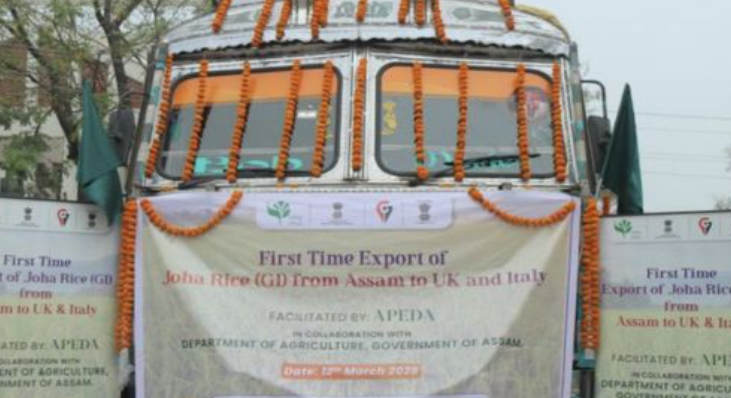
- 14 Mar 2026
In News:
- India recently facilitated the export of 25 metric tonnes of GI-tagged Joha rice from Assam to the United Kingdom and Italy.
- The initiative was supported by the Agricultural and Processed Food Products Export Development Authority (APEDA) to expand global access to India’s niche agricultural products and strengthen export opportunities for farmers in the North-Eastern region.
- This export marks an important step in promoting geographical indication (GI) products in international markets while enhancing income opportunities for local producers.
About Joha Rice
- Joha Rice is a short-grain aromatic rice variety traditionally cultivated in Assam. Known for its distinctive fragrance and soft texture, it is an integral part of Assamese cuisine and cultural traditions.
- The rice received Geographical Indication (GI) status in 2017, recognising its unique origin, traditional cultivation methods, and region-specific characteristics.
Region of Cultivation
Joha rice is primarily cultivated in Upper and Central Assam, where agro-climatic conditions support its growth. Major producing districts include:
- Sivasagar
- Jorhat
- Golaghat
- Dibrugarh
- Lakhimpur
The crop is usually grown during the Sali (winter) rice season, which is the primary paddy cultivation cycle in Assam.
Key Characteristics
Joha rice possesses several unique features that distinguish it from other rice varieties:
- Aromatic Quality: The rice emits a distinct natural fragrance, similar to premium aromatic varieties, making it suitable for specialty dishes.
- Short-Grain Variety: It is a short-grain winter paddy, known for its soft texture when cooked.
- Nutraceutical Properties: Studies indicate that Joha rice contains several bioactive compounds, including:
- Omega-3 and omega-6 fatty acids
- Antioxidants
- Flavonoids and phenolic compounds
- Potential Health Benefits: Bioactive compounds such as oryzanol, ferulic acid, and tocotrienols are associated with anti-diabetic and cardio-protective properties, increasing its appeal in health-conscious markets.
Significance of the Export
- Promoting GI-Tagged Products: The export highlights the growing international demand for India’s geographically unique agricultural products, reinforcing the value of the GI certification system.
- Enhancing Farmer Income: GI-tagged agricultural commodities often command premium prices in international markets, benefiting local farmers and producers.
- Boosting Agricultural Exports: The initiative supports India’s strategy to diversify agricultural exports by promoting specialty and high-value crops.
- Supporting North-East Agricultural Development: Export promotion of Joha rice contributes to economic development in the North-Eastern region, integrating local farmers into global supply chains.
Fiscal Health Index 2026
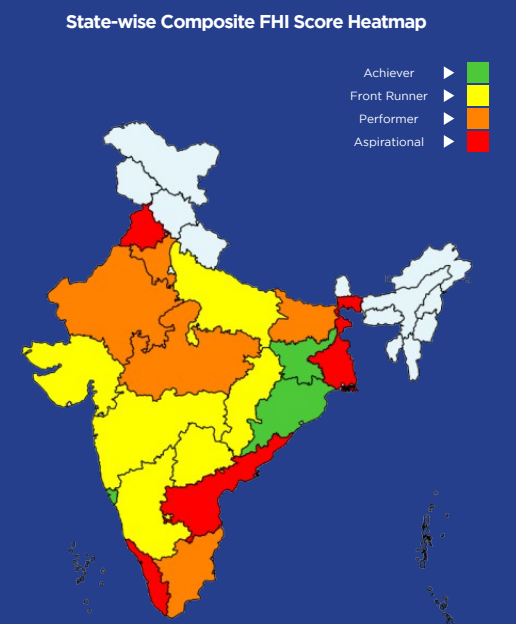
- 14 Mar 2026
In News:
- The NITI Aayog has released the second edition of the Fiscal Health Index (FHI) 2026, which evaluates the fiscal performance and sustainability of Indian states for the financial year 2023–24.
- The index provides a comprehensive framework to assess the fiscal strength, vulnerabilities, and sustainability of state finances, moving beyond traditional indicators such as fiscal deficit to a broader evaluation of fiscal management.
- Given that state governments account for around one-third of India’s general government debt, their fiscal health plays a critical role in ensuring macroeconomic stability and sustainable economic growth.
What is the Fiscal Health Index?
- The Fiscal Health Index (FHI) is a comparative analytical framework developed by NITI Aayog to evaluate the financial performance of states using multiple fiscal indicators. It aims to promote transparent fiscal governance, data-driven policymaking, and peer benchmarking among states.
Key Pillars of the Index
The FHI evaluates states based on five core pillars:
- Quality of Expenditure: This indicator examines the composition of government spending, focusing on the proportion allocated to developmental and capital expenditure rather than committed or routine spending.
- Revenue Mobilisation: It measures the ability of states to generate own tax and non-tax revenues, reflecting fiscal self-reliance.
- Fiscal Prudence: This pillar evaluates how effectively states manage their fiscal deficits and adhere to the norms under the Fiscal Responsibility and Budget Management Act (FRBM).
- Debt Index: It assesses the size and burden of outstanding liabilities, indicating the level of indebtedness.
- Debt Sustainability: This dimension examines the long-term ability of states to service their debt obligations without creating fiscal stress.
State Rankings (FY 2023–24)
Top Performing States
- Odisha – Rank 1 (Score: 73.1)
- Goa – Rank 2 (Score: 54.7)
- Jharkhand – Rank 3 (Score: 50.5)
- Gujarat – Rank 4
- Maharashtra – Rank 5
Bottom Performing States
- Punjab – Rank 18
- Andhra Pradesh – Rank 17
- West Bengal – Rank 16
- Kerala – Rank 15
Among the North-Eastern and Himalayan states, Arunachal Pradesh emerged as the top performer, largely due to high-quality expenditure and relatively stable fiscal management.
Key Findings of the Report
- Expanded Coverage: The 2026 edition expanded its scope to include 10 North-Eastern and Himalayan states, recognising their unique geographic and structural fiscal constraints.
- Improved Capital Expenditure: Several states have increasingly prioritised capital expenditure and social sector spending, reflecting a shift toward growth-oriented investments.
- Persistent Fiscal Stress in Some States: Certain states continue to face structural fiscal challenges, including rising debt levels, weak revenue growth, and high fiscal deficits.
- Importance for National Macroeconomic Stability: With state finances forming a significant portion of public debt, improving fiscal management at the state level is essential for India’s overall fiscal stability.
Major Challenges Highlighted
- High Committed Expenditure: Large portions of state budgets are locked into salaries, pensions, and interest payments, leaving limited resources for development. For example, committed expenditure in Punjab accounted for about 80% of revenue receipts in 2023–24.
- Weak Own-Revenue Mobilisation: Several states depend heavily on central transfers rather than internal revenue generation. In Bihar, own revenue contributes less than one-third of total receipts, increasing fiscal vulnerability.
- Fiscal Deficit Pressures: Some states have breached the fiscal deficit limits prescribed under the FRBM framework. For instance, Andhra Pradesh’s fiscal deficit reached 4.35% of GSDP in 2023–24, exceeding the recommended threshold.
- Rising Interest Burden: High levels of debt lead to large interest payments. West Bengal spends over 20% of its revenue receipts on debt servicing, reducing fiscal flexibility.
- Geographic Constraints: States with challenging terrain face higher infrastructure and service delivery costs. For example, Himachal Pradesh experiences fiscal stress due to the high cost of maintaining infrastructure in mountainous regions along with rising pension liabilities.
Way Forward
To strengthen fiscal sustainability, the report suggests several reforms:
- Broadening the tax base and improving GST compliance to enhance state revenue capacity
- Rationalising subsidies and committed expenditure to create fiscal space for development
- Increasing the quality of capital expenditure to generate long-term economic growth
- Adopting medium-term fiscal frameworks to manage deficits and debt trajectories
- Enhancing transparency and data-driven governance, using tools such as the Fiscal Health Index for benchmarking
Devon Island
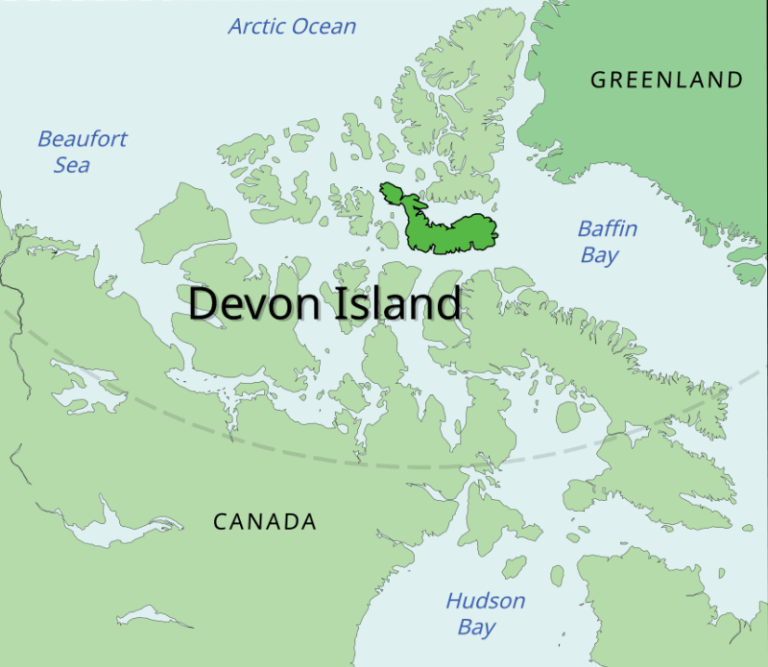
- 14 Mar 2026
In News:
Scientists from the National Aeronautics and Space Administration (NASA) continue to use Devon Island in the Canadian Arctic as a major Mars analogue research site. The island’s barren terrain, extreme cold, and polar desert conditions closely resemble the Martian environment, making it an ideal location to test next-generation rovers, autonomous drones, and life-support systems intended for future Mars missions.
Location and Geographic Setting
- Devon Island is located in the Canadian Arctic Archipelago within the territory of Nunavut, Canada, and lies well within the Arctic Circle.
- It is recognized as the largest uninhabited island on Earth, characterized by extremely harsh climatic conditions and limited biological activity.
Neighbouring Regions
- North: Separated from Ellesmere Island by Jones Sound
- South: Separated from Somerset Island and Baffin Island by Lancaster Sound
- West: Cornwallis Island, home to the settlement of Resolute
- East: Baffin Bay
Climate and Environmental Conditions
Devon Island is classified as a polar desert, characterized by extremely low precipitation and harsh climatic conditions.
Key climatic features include:
- Short growing season: Approximately 40–55 days per year
- Summer temperatures: Around 2°C to 8°C
- Winter temperatures: Can fall to −50°C
- Low solar energy input and minimal rainfall
These conditions severely limit vegetation growth, resulting in a barren, rocky landscape covered by snow and ice for much of the year.
Major Geographic Features
Haughton Impact Crater
- A prominent feature of the island is the **Haughton Impact Crater, approximately 20 kilometres (14 miles) wide, formed about 39 million years ago when a meteorite struck the region.
- The crater’s rocky, fragmented terrain and absence of vegetation make it one of the closest terrestrial analogues to the cratered surface of Mars.
Martian-Like Terrain
Devon Island contains several geological features that resemble Martian landscapes:
- Permafrost and underground ice deposits
- Dried lakebeds and sedimentary plains
- Deep canyons and rugged rocky valleys
These conditions simulate the extreme dryness, cold, and geological features found on Mars.
Endolithic Microbial Habitats
- Scientists have discovered microorganisms living inside rocks within the Haughton Crater. This phenomenon, known as endolithic colonisation, allows microbes to survive extreme conditions such as intense ultraviolet radiation and limited nutrients.
- Such findings help scientists understand how life might survive in harsh extraterrestrial environments.
Scientific and Space Exploration Significance
Testing Space Technology
Devon Island serves as a testing ground for space exploration equipment, including:
- Advanced planetary rovers
- Autonomous aerial drones
- Deep-drilling systems
- Pressurized exploration vehicles
Testing technologies in such remote conditions helps engineers evaluate equipment that cannot be repaired once deployed on Mars.
Searching for Signs of Life
- Research on microbial life in Devon Island’s frozen soils provides insights into potential biosignatures and survival strategies of life on Mars, guiding future astrobiology missions.
Astronaut Training
- The island’s extreme isolation, harsh climate, and barren terrain also provide a realistic environment for astronauts preparing for long-duration space missions, helping them adapt to the psychological and operational challenges of extraterrestrial exploration.
Black Rain
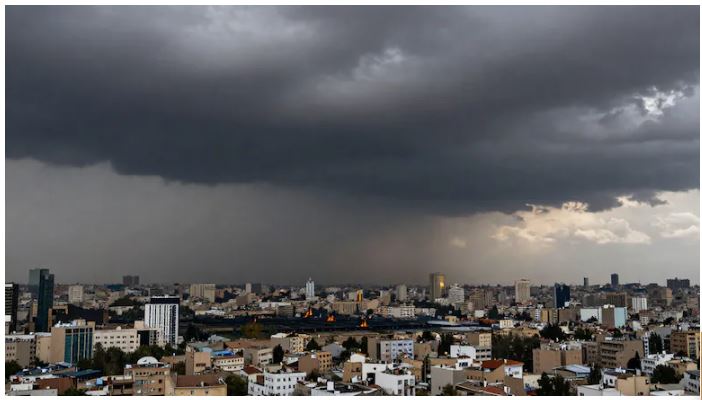
- 14 Mar 2026
In News:
Following airstrikes on oil storage facilities in Tehran and Alborz Province in early March, residents reported the occurrence of “black rain”, a rare environmental phenomenon in which rainfall becomes contaminated with pollutants such as soot, hydrocarbons, and toxic chemicals. The event highlighted the severe environmental and health risks associated with large-scale industrial fires and atmospheric pollution.
What is Black Rain?
Black rain refers to precipitation that becomes heavily contaminated with soot, hydrocarbons, and chemical pollutants present in the atmosphere. Unlike normal rainwater, black rain appears dark, oily, and chemically polluted, often leaving a layer of toxic residue on surfaces.
This phenomenon generally occurs when dense smoke and particulate matter from fires mix with rain clouds, causing the falling rain droplets to absorb pollutants from the surrounding air.
Formation Process
The formation of black rain typically involves several atmospheric processes:
- and Smoke Generation: Large fires, especially from oil refineries or fuel storage facilities, release thick plumes of smoke containing soot and chemical vapours into the atmosphere.
- Atmospheric Loading: The smoke carries high concentrations of particulate matter and toxic gases, which accumulate in the lower atmosphere.
- Coalescence with Rain Clouds: When rainfall occurs, the raindrops pass through polluted air layers, absorbing suspended particles and chemicals before reaching the ground.
- Topographical Influence: In cities surrounded by mountains, such as Tehran, topographic barriers can trap smoke and pollutants, preventing dispersion and increasing the likelihood of contaminated rainfall.
Chemical Components
Black rain can contain a mixture of hazardous substances, including:
- Toxic hydrocarbons, such as benzene, which is a known carcinogen
- Sulphur oxides (SOx) and nitrogen oxides (NOx), which can react with water vapour to produce acid rain
- Particulate matter (soot) composed of carbon particles
- Per- and polyfluoroalkyl substances (PFAS) or “forever chemicals,” often released from industrial fire-suppression systems
These pollutants combine with rainwater to form a chemically contaminated precipitation.
Key Characteristics
Black rain exhibits distinct physical properties compared to normal rainfall:
- Appearance: Dark or jet-black droplets that may stain surfaces permanently
- Odour: Strong smell of burning petroleum and chemicals
- Texture: Greasy or viscous due to hydrocarbon contamination
- Spread: Polluted rainfall can fall many kilometres away from the original fire site depending on wind direction and atmospheric circulation
Environmental and Health Implications
Health Risks
Exposure to contaminated rainfall may cause:
- Skin irritation and burns
- Eye irritation
- Respiratory disorders due to inhalation of toxic particles
- Long-term risks such as lung damage or cancer from carcinogenic chemicals
Environmental Contamination
Pollutants deposited by black rain can contaminate soil and groundwater, potentially entering the food chain through crops and livestock.
Acid Rain Effects
The presence of sulphur and nitrogen oxides may lead to acidic precipitation, which can damage:
- Vegetation and crops
- Buildings and monuments
- Urban infrastructure
Persistent Pollution
Certain chemicals such as PFAS are highly persistent in the environment and may remain in soil and water for decades, posing long-term ecological challenges.
PM-SETU Scheme
- 14 Mar 2026
In News:
- The Government of India has constituted a National Steering Committee (NSC) to guide the implementation of the Pradhan Mantri Skilling and Employability through Upgraded ITIs (PM?SETU) scheme.
- The committee will function as the apex body to oversee reforms aimed at modernising Industrial Training Institutes (ITIs) and improving employability outcomes across the country.
- Approved by the Union Cabinet in 2025 with an estimated outlay of ?60,000 crore, PM-SETU represents a major initiative to align India’s vocational training ecosystem with emerging industry demands and technological changes.
Objectives of PM-SETU
The scheme seeks to transform the country’s skill development framework by:
- Upgrading Industrial Training Institutes (ITIs) with modern infrastructure and technology.
- Improving employability of youth through industry-relevant training.
- Promoting industry participation in vocational education.
- Aligning skill development programmes with future sectors such as advanced manufacturing, electronics, mobility, and logistics.
A key objective is to shift the model of skill training from government-led programmes to an industry-driven ecosystem, where companies actively participate in curriculum design, training delivery, and infrastructure development.
Hub-and-Spoke Model for ITI Upgradation
A major structural reform under PM-SETU is the introduction of the hub-and-spoke model.
- Around 200 ITIs will be upgraded as “Hub” institutions with advanced infrastructure and modern training facilities.
- Each hub will mentor approximately four nearby “Spoke” ITIs, sharing resources such as specialised equipment, digital learning platforms, and technical expertise.
This model aims to create regional clusters of high-quality skill training centres, ensuring wider access to modern vocational education.
Strengthening National Skill Training Institutes
The scheme also focuses on upgrading National Skill Training Institutes (NSTIs) into global Centres of Excellence. Key NSTIs targeted under the initiative are located in:
- Bhubaneswar
- Chennai
- Hyderabad
- Kanpur
- Ludhiana
These institutions will provide advanced training, support instructor development, and promote innovation in skill training methodologies.
Governance through Special Purpose Vehicles (SPVs)
Each upgraded ITI will be managed through a Special Purpose Vehicle (SPV) formed under an industry-government partnership model.
Key features include:
- Industry partners hold 51% ownership, while the government holds 49%.
- Industry participants can receive up to 83% government funding for infrastructure and training upgrades.
- The SPV structure ensures professional management, accountability, and industry alignment.
This governance model is designed to bring corporate expertise and efficiency into vocational education management.
Industry Participation
To enhance collaboration with the private sector, the **Ministry of Skill Development and Entrepreneurship has invited Anchor Industry Partners (AIPs) through an Expression of Interest (EOI) process.
These industry partners will play a key role in:
- Designing industry-relevant curricula
- Upgrading training infrastructure
- Providing hands-on exposure and apprenticeships
- Improving placement opportunities for trainees
Modern Training Ecosystem
The Directorate General of Training has introduced 31 new-age courses under the Craftsmen Training Scheme (CTS) to address emerging industry requirements.
Training programmes will focus on high-growth sectors such as:
- Advanced manufacturing
- Electronics and semiconductor-related technologies
- Mobility and electric vehicles
- Logistics and supply chain management
These reforms aim to build a future-ready workforce equipped with modern technical skills.
Nutrient Transporter Protein
- 13 Mar 2026
In News:
- Scientists from ETH Zurich and the Technical University of Munich have developed a novel method to engineer bacteria to produce customised “designer proteins” using artificial amino acids.
- The breakthrough enables microorganisms to synthesize proteins with new biological and chemical properties, opening possibilities for advanced drug delivery systems and next-generation biotechnology applications.
- The research focuses on modifying nutrient transport mechanisms in bacteria such as Escherichia coli (E. coli) so that cells can efficiently import artificial amino acids required to build synthetic proteins.
Nutrient Transporter Proteins
- A nutrient transporter protein is a membrane-bound protein that facilitates the movement of essential molecules such as amino acids, peptides, and other nutrients—across the cell membrane.
- In the recent research, scientists engineered a specialized ABC (ATP-Binding Cassette) transporter in bacteria. Normally, this transporter imports small peptide molecules used as nutrients. By modifying it, researchers enabled bacterial cells to import peptides carrying artificial amino acids, which can then be used to assemble customised proteins.
Objective of the Research
- The main goal of the study was to enable cells to incorporate artificial amino acids into proteins efficiently. Natural proteins are typically built from 20 standard amino acids, but introducing synthetic amino acids allows scientists to design proteins with new functional properties.
- However, artificial amino acids generally cannot easily cross the cell membrane. By engineering a transporter protein capable of importing these molecules, researchers overcame a major barrier in synthetic biology and protein engineering.
Mechanism of the System
The engineered system works through a multi-step biological process:
- Engineering of ABC Transporter – Scientists modified the transporter protein to improve its ability to import peptides containing artificial amino acids.
- Trojan Horse Strategy – Artificial amino acids are concealed inside short peptide chains such as tripeptides or tetrapeptides composed of natural amino acids.
- Transport into the Cell – The transporter imports these peptide chains across the cell membrane.
- Release of Artificial Amino Acids – Once inside the cell, enzymes break the peptides into individual amino acids.
- Protein Synthesis – The ribosome, the cellular machinery responsible for protein production, incorporates the artificial amino acids into newly synthesized proteins.
Through this approach, bacterial cells can generate custom-designed proteins on demand.
Key Innovations
- Trojan Horse Delivery Strategy: Artificial amino acids are hidden within natural peptide structures, allowing them to bypass cellular membrane barriers and enter the cell.
- Engineered ABC Transporter: The modified transporter is capable of importing up to ten times more artificial amino acids compared to natural transport systems.
- Directed Evolution: Researchers used directed evolution, a technique that mimics natural selection in the laboratory, to improve the efficiency of the transporter protein under nutrient-rich conditions.
- Multifunctional Protein Design: The system allows two different artificial amino acids to be incorporated into a single protein, enabling complex and multifunctional molecular designs.
- Compatibility with Standard Laboratory Conditions: The engineered bacteria can function effectively in standard laboratory growth media, making the system practical for widespread scientific use.
Jal Jeevan Mission Extended to 2028
- 13 Mar 2026
In News:
The Union Cabinet has approved the extension of the Jal Jeevan Mission (JJM) until December 2028, marking a transition from merely building water infrastructure to ensuring sustained and reliable service delivery in rural areas. The decision aims to consolidate earlier achievements and strengthen long-term drinking water supply systems across villages in India.
About Jal Jeevan Mission
The Jal Jeevan Mission is a flagship programme of the Government of India that seeks to provide safe and adequate drinking water to all rural households through Functional Household Tap Connections (FHTC).
- Launch Date: 15 August 2019
- Nodal Ministry: Ministry of Jal Shakti
- Core Objective: Achieve “Har Ghar Jal” by ensuring 55 litres of potable water per person per day to every rural household through tap connections.
The mission addresses long-standing challenges related to water scarcity, unsafe drinking water, and the burden of water collection, particularly faced by women and children in rural India.
Shift in Focus: Jal Jeevan Mission 2.0
With the extension until 2028, the mission is entering a new phase often described as JJM 2.0, where the emphasis moves beyond infrastructure creation to sustainable water service delivery.
Key aspects include:
- Utility-Based Service Delivery: The programme will focus on continuous and reliable water supply systems, supported by structural reforms and Memoranda of Understanding (MoUs) with State governments to improve management and accountability.
- Digital Monitoring – Sujalam Bharat Framework: Under the Sujalam Bharat Digital Framework, each village will receive a unique “Sujal Gaon ID”. This system digitally maps the entire water supply chain—from source to household tap— enabling improved monitoring, transparency, and data-driven decision-making.
- Water Quality Monitoring: The mission prioritises regular water quality testing through:
- Field Test Kits at the village level
- Accredited water testing laboratories
This helps detect contaminants and ensures that drinking water meets safety standards.
- Greywater Management: To ensure sustainability, the programme incorporates greywater management, involving:
- Construction of soak pits
- Use of wastewater in kitchen gardens and local irrigation
This reduces water wastage and promotes sustainable water use.
Convergence with Other Schemes
The mission promotes integration with several government initiatives, including:
- Mahatma Gandhi National Rural Employment Guarantee Scheme (MGNREGS)
- Swachh Bharat Mission (Gramin)
- Grants recommended by the 15th Finance Commission
Such convergence helps strengthen water conservation, recharge structures, and source sustainability.
Kavach 4.0
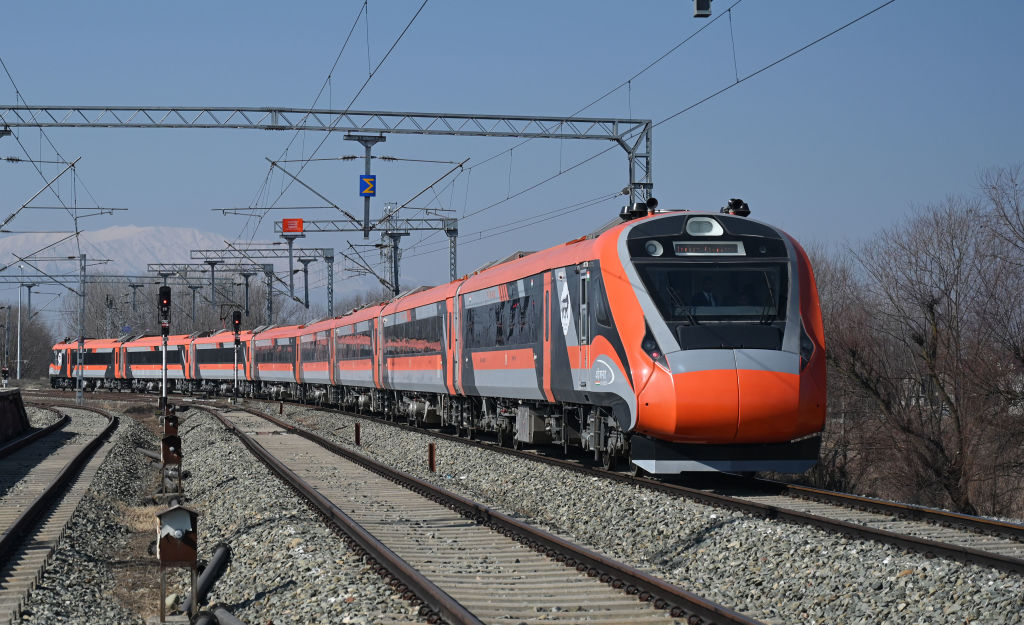
- 13 Mar 2026
In News:
The Government of India has informed the Lok Sabha that Kavach 4.0, India’s indigenous Automatic Train Protection (ATP) system, has been successfully commissioned across 1,452 route kilometres on the high-density Delhi–Mumbai Railway Corridor and Delhi–Howrah Railway Corridor.
The system represents a major technological advancement aimed at improving railway safety and reducing accidents caused by human error. Kavach forms a crucial part of the modernization and safety enhancement efforts of Indian Railways.
What is Kavach?
- Kavach is an indigenously developed Automatic Train Protection (ATP) system designed to prevent train collisions and ensure safer railway operations. It is a sophisticated electronic safety mechanism that automatically monitors train movement and intervenes when necessary.
- The system has been developed by the Research Design and Standards Organisation (RDSO) in collaboration with domestic industry partners, reflecting India’s push toward self-reliance in railway technology.
Objectives of Kavach
The primary objective of Kavach is to achieve “Zero Accidents” in railway operations by addressing key safety risks.
Major goals include:
- Signal Passing at Danger (SPAD), where a train crosses a stop signal.
- Controlling overspeeding of trains.
- Ensuring safe operations during adverse weather conditions, especially dense fog.
- Reducing accidents caused by human error.
Working Mechanism
Kavach operates through an integrated communication and monitoring network that continuously tracks train movement and signal conditions.
The system functions through the following components:
- RFID tags installed along railway tracks
- On-board equipment installed in locomotives
- Radio communication towers at railway stations
These components exchange real-time data regarding the train’s speed, location, and signal status. If the system detects a possible collision, signal violation, or overspeeding, it automatically activates the braking system, even if the loco pilot fails to respond.
Key Features of Kavach 4.0
The Kavach 4.0 version introduces several technological improvements for better reliability and precision.
- Enhanced Precision: The system offers improved location accuracy and better processing of signal information, particularly in complex railway yards and high-density corridors.
- Integration with Electronic Interlocking: Kavach integrates directly with Electronic Interlocking systems, enabling real-time access to track occupancy data and signal status, thereby enhancing operational safety.
- Advanced Communication Network: It uses Optical Fibre Networks (OFN) and Ultra High Frequency (UHF) radio communication to enable continuous station-to-station communication and uninterrupted connectivity.
- Automatic Braking: If a train crosses a red signal or exceeds the permitted speed, the system automatically applies brakes, preventing potential accidents.
- SOSR (Save Our Souls) Feature: The SOSR emergency broadcast system allows a train or station to transmit emergency alerts to all trains within a defined radius, helping prevent large-scale accidents during critical situations.
Significance for Railway Safety
The deployment of Kavach is a major step toward improving the safety standards of Indian Railways.
Key benefits include:
- Reduction in accidents: Consequential train accidents have reportedly declined by nearly 90% since 2014 due to enhanced safety investments.
- Minimization of human error: Automated monitoring and braking reduce dependence on manual response.
- Improved efficiency: Trains can operate at higher speeds safely even during low-visibility conditions such as winter fog.
- Technological self-reliance: The system strengthens India’s indigenous railway technology ecosystem.
Blue-and-White Flycatcher

- 13 Mar 2026
In News:
A male Blue-and-White Flycatcher, a rare migratory bird in India, was recently recorded on the Pavagadh Hills in Gujarat. The sighting is significant because the species is seldom observed in the Indian subcontinent, highlighting the ecological importance of hill and forest habitats that occasionally serve as stopover sites for migratory birds.
About the Blue-and-White Flycatcher
The Blue-and-White Flycatcher is a migratory songbird belonging to the Old World flycatcher family (Muscicapidae).
- Scientific Name: Cyanoptila cyanomelana
- Common Name: Japanese Flycatcher
- Type: Small insectivorous migratory bird
Flycatchers are known for their agile aerial movements and their ability to catch insects mid-flight, which makes them important for natural pest control and ecological balance.
Geographic Distribution and Migration
The Blue-and-White Flycatcher is mainly distributed in East and Southeast Asia.
Breeding Range
- Japan
- South Korea
- Northeastern China
- The Russian Far East
Wintering Range
- Vietnam
- Cambodia
- Thailand
- Islands such as Sumatra and Borneo
During migration, individual birds may occasionally appear outside their normal range, which explains rare sightings in India such as the one in Gujarat.
Habitat
The species typically inhabits forested landscapes and prefers:
- Wooded lowlands
- Submontane forests
- Taiga-like environments
- Wooded slopes and gullies
It is usually found at elevations up to about 1,200 metres. The bird may also adapt to scrublands, bushes, and plantation areas, especially during migration.
Physical Characteristics
The Blue-and-White Flycatcher exhibits sexual dimorphism, meaning males and females have distinct appearances.
Male
- Upper body covered in bright cobalt-blue plumage
- Blue coloration on wings, tail, and upperparts
- Black chin, throat, breast, and flanks
- White belly and vent
- Black bill and dark brown eyes
Female
- Grey-brown upperparts, including head and face
- Blackish wings with rufous-brown edges on tertial feathers
- Grey to grey-brown chin and throat
- Cream-coloured throat patches
These differences help birdwatchers distinguish between sexes in the field.
Conservation Status
According to the International Union for Conservation of Nature (IUCN) Red List, the Blue-and-White Flycatcher is classified as Least Concern.
Despite its stable global population, the species still depends on healthy forest ecosystems and migratory corridors for survival.
Visakhapatnam selected for High-Energy Proton Accelerator
- 13 Mar 2026
In News:
- India has selected Visakhapatnam, Andhra Pradesh, as the site for establishing a high-energy proton accelerator system to support its long-term nuclear energy strategy.
- The project will play a crucial role in advancing the Accelerator-Driven System (ADS) technology, which is central to India’s effort to utilise its vast thorium reserves and enhance nuclear safety.
- The initiative is being developed by the Raja Ramanna Centre for Advanced Technology (RRCAT) located in Indore, Madhya Pradesh.
- Visakhapatnam was chosen because of its strong technological ecosystem, availability of research infrastructure, and proximity to the sea, which ensures sufficient cooling water for operating high-energy accelerator systems.
High-Energy Proton Accelerator System
A high-energy proton accelerator is a scientific device that uses electromagnetic fields to accelerate protons (positively charged particles from ionised hydrogen) to extremely high speeds. The accelerated protons form a powerful proton beam that is directed toward a heavy metal target such as lead or bismuth.
When the high-speed protons collide with the heavy metal nucleus, a process known as spallation occurs. In this reaction:
- The heavy nucleus breaks apart due to the impact.
- A large number of high-energy neutrons are released.
- These neutrons can then be used to initiate nuclear fission reactions in a reactor system.
Thus, the proton accelerator becomes an external source of neutrons required for controlled nuclear reactions.
Accelerator-Driven System (ADS)
The Accelerator-Driven System is a nuclear reactor concept in which the neutron supply required for fission is provided externally by a proton accelerator.
Key features of ADS include:
- The reactor core remains sub-critical, meaning it cannot sustain a chain reaction independently.
- The spallation neutrons generated by the proton accelerator are injected into the reactor core to maintain fission.
- If the accelerator stops functioning due to a power outage or malfunction, the neutron supply ceases immediately.
This design provides high inherent safety, as the nuclear reaction automatically stops without external intervention, significantly reducing the risk of reactor meltdown.
Role of ADS in India’s Three-Stage Nuclear Programme
- India’s nuclear energy strategy follows a three-stage programme aimed at maximising the utilisation of its limited uranium resources and abundant thorium deposits.
- ADS technology supports the third stage of this programme, which focuses on thorium-based nuclear energy.
Harnessing Thorium Resources
India possesses around 25% of the world’s thorium reserves, primarily in monazite sands along its coastal regions. However, naturally occurring Thorium-232 is fertile rather than fissile, meaning it cannot directly sustain a nuclear chain reaction.
For thorium to become a usable nuclear fuel:
- Thorium-232 must absorb a neutron.
- It undergoes nuclear transformation (transmutation).
- It converts into Uranium-233, which is a highly fissile material capable of sustaining nuclear reactions.
The high-energy neutrons generated by the ADS system are particularly effective in facilitating this conversion, enabling thorium to become a viable fuel for large-scale electricity generation.
Nuclear Waste Management
Another major advantage of ADS technology lies in nuclear waste transmutation.
Conventional nuclear reactors generate long-lived radioactive waste, including minor actinides, which remain hazardous for thousands of years. ADS systems can use high-energy neutrons to:
- Break down long-lived radioactive isotopes
- Convert them into shorter-lived or stable elements
This process significantly reduces the toxicity and storage duration of nuclear waste, thereby addressing one of the major environmental concerns associated with nuclear power.
National Highways Green Cover Index (NH-GCI)
- 12 Mar 2026
In News:
- Recently, the National Highways Authority of India (NHAI) released the first National Highways Green Cover Index (NH-GCI), a scientific framework to assess and monitor vegetation cover along India’s national highways.
- The index has been developed in collaboration with the National Remote Sensing Centre (NRSC), a centre of the Indian Space Research Organisation (ISRO).
- The initiative represents a significant step toward environmentally sustainable highway development, enabling data-driven monitoring of plantations and greenery along highway corridors.
About the NH-GCI
- The National Highways Green Cover Index is a satellite-based assessment tool that measures the extent of vegetation along the Right of Way (RoW) of national highways.
- Objective: To provide a scientific and quantitative evaluation of green cover along the national highway network using advanced space-based technologies.
- Coverage:
- The first assessment covers around 30,000 km of National Highways across 24 states for the period July–December 2024.
- The index evaluates vegetation present along the left and right sides of highways as well as the median, wherever plantation is feasible.
- Methodology: The NH-GCI uses advanced remote-sensing techniques to estimate vegetation density and distribution.
- Satellite Data: High-resolution satellite sensors are used to detect chlorophyll content in vegetation.
- NDVI Analysis: The assessment relies on the Normalized Difference Vegetation Index (NDVI) derived from satellite imagery. NDVI measures vegetation health and density based on the reflection of light from plant chlorophyll.
- Segment-wise Assessment: Analysis is carried out for every 1-km segment of national highways, allowing precise monitoring of green cover across the network.
Through this methodology, the index provides consistent and objective measurements of vegetation along highway corridors.
Anavaran Portal
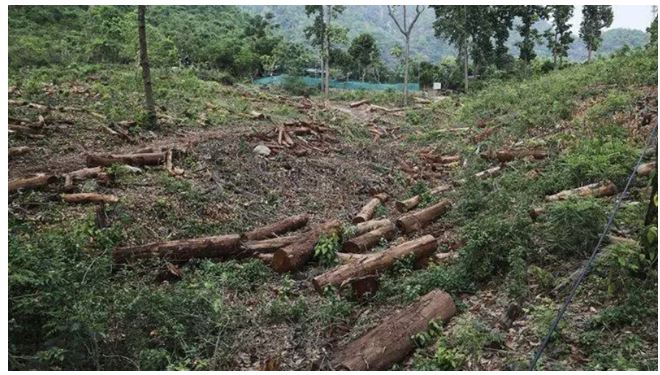
- 12 Mar 2026
In News:
- Recently, the Forest Survey of India (FSI) discontinued the AI-based Anavaran Deforestation Alert System, which had been issuing fortnightly alerts to states on forest cover loss.
- The portal has not been updated since November 2025, and state forest departments reportedly stopped receiving alerts thereafter. The system had been functioning as a pilot project, and its continuation is currently under review.
- The halt of the alert system has raised concerns among forest officials and environmental experts as it was considered an important near-real-time monitoring tool for detecting deforestation and guiding field inspections.
About the Anavaran Portal
- The Anavaran Deforestation Alert System was launched in January 2024 to strengthen forest monitoring in India through advanced geospatial technology and artificial intelligence. It aimed to provide location-specific alerts on forest cover loss every 15 days, enabling state forest departments to conduct targeted ground verification and enforcement actions.
- During its operational period from January 2024 to October 2025, the system generated 12,351 deforestation alerts, averaging about 561 alerts per month, which increased to over 1,000 alerts per month during the peak deforestation season between November and March.
- The alerts helped authorities detect potential activities such as illegal logging, encroachment, and land-use change in forest areas, enabling quicker administrative responses.
Technology Used in the System
The Anavaran system relied on advanced remote sensing and data-processing tools to monitor forest cover changes.
- Google Earth Engine (GEE): The portal was developed on the cloud-based geospatial platform Google Earth Engine, which enables large-scale processing of satellite imagery.
- Sentinel-2 Satellite Data: High-resolution optical images from the Sentinel-2 satellites were used to detect vegetation loss and land-cover changes.
- Sentinel-1 Synthetic Aperture Radar (SAR): Radar data from Sentinel-1 satellites was integrated to monitor forests even during cloudy and monsoon conditions, when optical satellite imagery becomes less effective.
Through machine-learning algorithms, the system analysed these datasets to identify potential forest cover changes and automatically generate alerts for authorities.
Forest Survey of India (FSI)
The Forest Survey of India is the premier national organization responsible for monitoring forest resources in the country. It functions under the Ministry of Environment, Forest and Climate Change.
- Established: 1 June 1981
- Predecessor: Pre-investment Survey of Forest Resources (PISFR), a project initiated in 1965 with support from the FAO and UNDP.
- Mandate: Assessment and monitoring of forest resources, research, training, and technical support to states.
- Key Publication: The India State of Forest Report (ISFR), published biennially since 1987, which assesses forest and tree resources using remote sensing data and the National Forest Inventory (NFI).
According to the latest ISFR assessment, India’s forest and tree cover stands at about 8,27,357 sq km (25.17% of the geographical area).
Proba-3 Mission

- 12 Mar 2026
In News:
The European Space Agency (ESA) recently lost communication with the Coronagraph spacecraft, one of the two satellites of the Proba?3 Mission, following an anomaly that triggered a power failure and pushed the spacecraft into a protective “survival mode.” The incident occurred after the spacecraft experienced an unexpected drop in solar power, temporarily halting operations and causing the loss of telemetry signals. Engineers are attempting to re-establish contact and recover the satellite.
About the Proba-3 Mission
- Proba-3 is an advanced solar-observation mission launched in December 2024 by ESA aboard PSLV?C59 developed by the Indian Space Research Organisation.
- It is considered the world’s first precision formation-flying mission, designed to study the Sun’s outer atmosphere, known as the corona, with unprecedented clarity.
Objective
The primary objective of the mission is to create an artificial solar eclipse in space. By blocking the Sun’s bright disk, scientists can directly observe the faint corona for extended durations—something that is otherwise possible only for a few minutes during natural total solar eclipses.
Key Features of the Mission
1. Twin-Spacecraft Configuration: The mission consists of two independent satellites working in coordination:
- Occulter spacecraft – carries a disk that blocks sunlight.
- Coronagraph spacecraft – carries the telescope and camera to observe the corona.
2. Precision Formation Flying: The two satellites maintain a distance of about 150 metres with millimetre-level accuracy, effectively functioning as a single large virtual instrument in space.
3. Artificial Eclipse Mechanism: The Occulter blocks the Sun’s bright disk and casts a precise shadow onto the Coronagraph’s optical instrument, replicating the conditions of a total solar eclipse in space.
4. Autonomous Coordination: The satellites rely on laser sensors, cameras, and cold-gas thrusters to autonomously adjust their relative positions without continuous ground control intervention.
5. Continuous Solar Observations: Before the anomaly occurred, the mission had successfully completed over 60 orbital cycles, producing hours of uninterrupted solar observations—far longer than ground-based eclipse observations.
Exercise LAMITIYE-2026
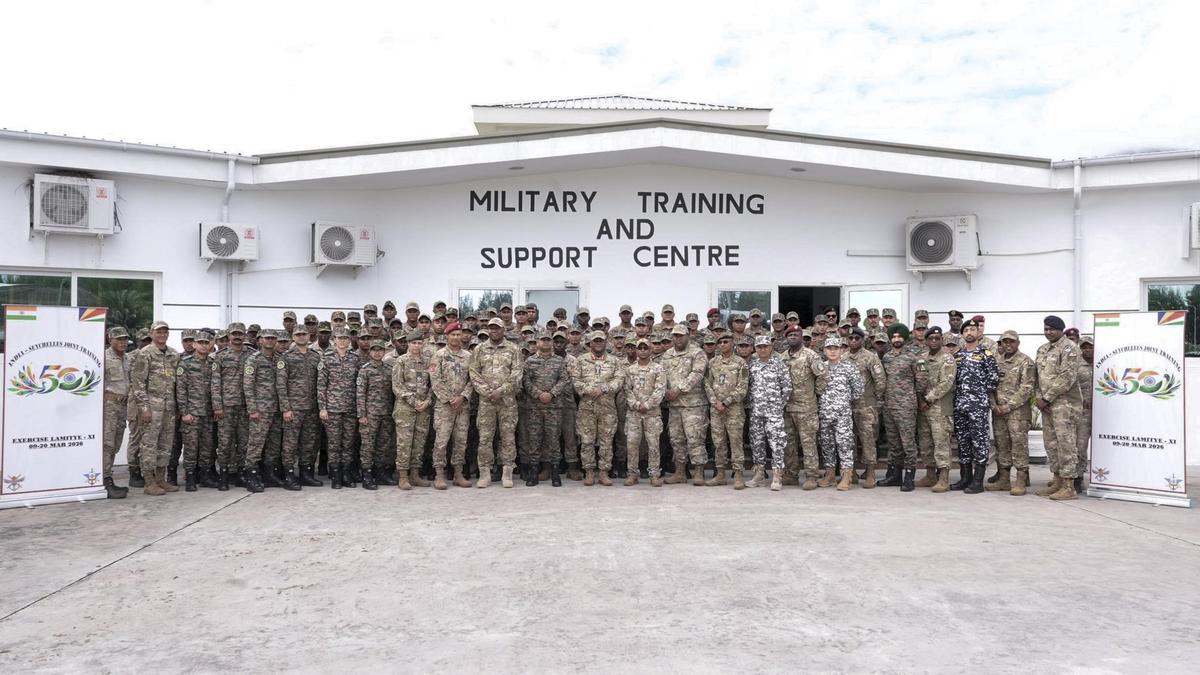
- 12 Mar 2026
In News:
An Indian Armed Forces contingent has arrived in Seychelles to participate in the 11th edition of the Joint Military Exercise Lamitiye-2026. The exercise reflects the growing strategic and defence cooperation between India and Seychelles, particularly in the context of maritime security and stability in the Indian Ocean Region (IOR).
About Seychelles
- Seychelles is an archipelago of about 115 islands located in the western Indian Ocean. Due to its strategic location along major sea lanes, the country plays an important role in regional maritime security, anti-piracy operations, and surveillance in the Indian Ocean.
About Exercise Lamitiye
Exercise Lamitiye is a biennial joint military training exercise conducted between India and Seychelles since 2001.
- The term “Lamitiye” means “Friendship” in the Creole language, symbolising the close bilateral relationship between the two nations.
- Host Country: Seychelles
- Participants: Armed Forces of India and Seychelles
The exercise focuses on strengthening operational coordination, tactical capabilities, and defence collaboration.
Objectives of the Exercise
The primary aims of Exercise Lamitiye include:
- Enhancing interoperability and coordination between Indian and Seychellois forces.
- Improving joint operational capabilities during peacekeeping missions.
- Strengthening preparedness to handle sub-conventional threats in semi-urban environments.
- Promoting defence cooperation and mutual understanding between the two countries.
Key Features
- Tri-Service Participation: Involves personnel from the Indian Army, Navy, and Air Force, highlighting integrated joint operations.
- Tactical Training Activities: Includes field exercises, combat discussions, demonstrations, and case studies.
- Focus on Semi-Urban Warfare: Troops train to respond to sub-conventional threats in semi-urban and coastal environments.
- Technology Demonstration: Provides opportunities to showcase modern military equipment and emerging defence technologies.
- Validation Phase: The exercise concludes with a two-day validation drill to test the operational readiness of participating forces.
- Capacity Building: Facilitates exchange of best practices, tactical skills, and operational experiences.
Terminal High Altitude Area Defence (THAAD)
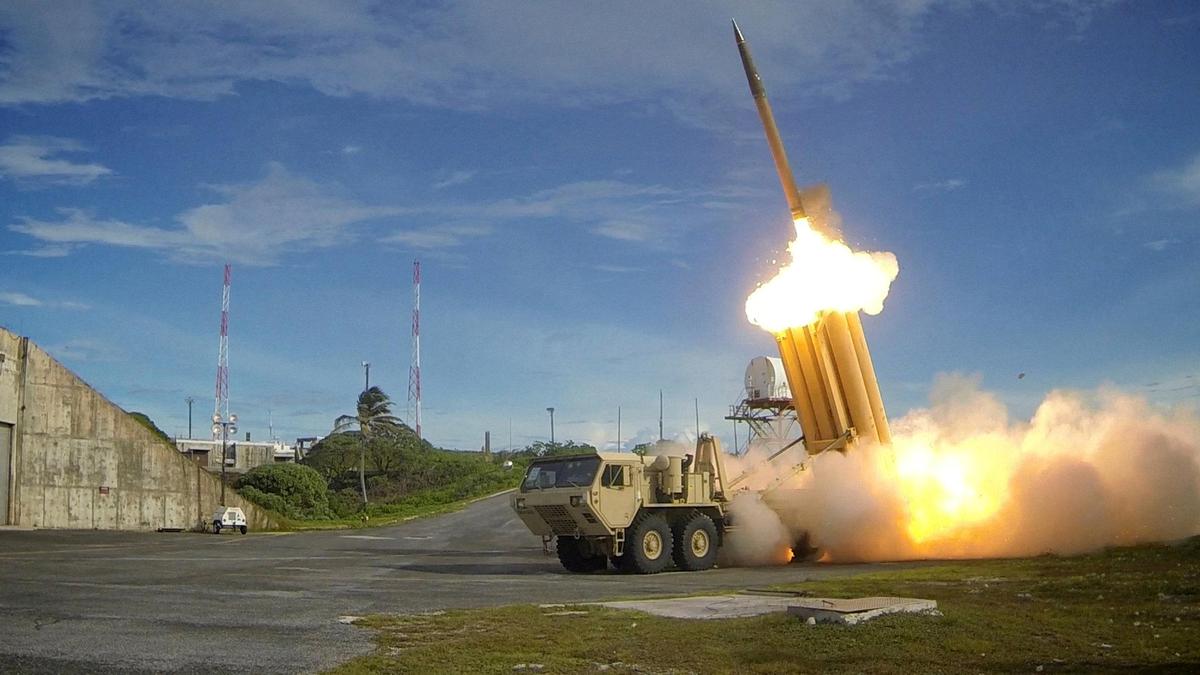
- 12 Mar 2026
In News:
Recent reports indicate that Iran struck a radar associated with the Terminal High Altitude Area Defense (THAAD) system used by the United States and Israel in West Asia. The incident highlights the strategic importance of advanced missile defence systems in regions experiencing heightened geopolitical tensions.
About the THAAD System
THAAD is an advanced ballistic missile defence system developed by the United States to intercept and destroy short-, medium-, and limited intermediate-range ballistic missiles. It forms a critical component of the U.S. layered missile defence architecture.
The system is designed to neutralise incoming ballistic missiles during the terminal phase of their trajectory, which is the final stage of a missile’s flight before it reaches its target.
Key Features
- High-Altitude Interception
- THAAD can intercept ballistic missiles at ranges of around 150–200 km.
- It is capable of destroying targets both inside and outside the Earth’s atmosphere, providing a high-altitude defensive shield.
- Terminal Phase Defence: The system targets missiles during their terminal descent, when the warhead approaches the target area.
- Hit-to-Kill Technology
- THAAD interceptor missiles rely on kinetic energy to destroy targets through direct impact, rather than using explosive warheads.
- This improves accuracy and reduces the risk of collateral damage.
- Integrated Radar and Command System: The system uses powerful radar and command-and-control networks to detect, track, and engage incoming missile threats.
Global Deployment
Several countries have adopted THAAD as part of their missile defence strategies.
- The United Arab Emirates became the first foreign buyer in 2011.
- Saudi Arabia later procured the system to strengthen its air and missile defence capabilities.
These deployments reflect increasing concerns in the region regarding ballistic missile threats.
India’s Missile Defence Choice
While evaluating missile defence options, India chose the S-400 Triumf from Russia instead of acquiring the THAAD system from the United States.
The S-400 provides multi-layered air defence capabilities, including interception of aircraft, drones, cruise missiles, and ballistic missiles at longer ranges.
White Phosphorus and International Humanitarian Law
- 11 Mar 2026
In News:
A recent report by Human Rights Watch has accused Israel of using white phosphorus munitions in residential areas of Lebanon, raising concerns about possible violations of international humanitarian law. The allegations come amid escalating hostilities along the Israel–Lebanon border, with Lebanese authorities reporting significant civilian casualties from recent strikes.
What is White Phosphorus?
White phosphorus (WP) is a highly reactive chemical substance commonly used in military operations. It appears as a translucent yellowish-white waxy solid that glows faintly when exposed to oxygen due to slow oxidation.
Key characteristics include:
- Highly flammable: Burns at temperatures exceeding 800°C, hot enough to melt metal.
- Persistent combustion: Continues burning until the chemical is completely consumed or deprived of oxygen.
- Storage conditions: Usually stored under water or inert environments to prevent accidental ignition.
- Odour: Often described as having a garlic-like smell.
Military Uses of White Phosphorus
White phosphorus is mainly used for military tactical purposes, including:
- Smoke Screens: Produces dense smoke that can obscure troop movements or equipment.
- Illumination: Used in flares to light up battlefields at night.
- Incendiary Effects: Can ignite objects and structures due to intense heat.
Because of these functions, it is often categorized as an incendiary munition, which refers to weapons designed to set fire to objects or cause burn injuries through heat, flames, or chemical reactions.
Health and Environmental Hazards
The use of white phosphorus poses severe risks to human health, particularly in populated areas.
Major health impacts include:
- Deep chemical burns that may penetrate to the bone.
- Release of toxic chemicals damaging organs such as the liver, kidneys, and heart.
- Metabolic disorders, including abnormal potassium levels that may lead to cardiac failure.
- Increased risk of building fires and infrastructure destruction when used in civilian areas.
These effects make its deployment in urban environments especially dangerous for civilians.
Legal Status under International Law
White phosphorus is not explicitly banned under the Chemical Weapons Convention when used for non-chemical warfare purposes such as smoke generation. However, its use is regulated by international humanitarian law.
The Convention on Certain Conventional Weapons (CCW) restricts weapons that cause excessive injury or indiscriminate harm.
- Protocol III of the CCW specifically restricts the use of incendiary weapons against civilians or in civilian-populated areas.
- However, white phosphorus is often classified as a multi-purpose munition used for smoke or illumination, enabling some militaries to argue that it does not fall strictly under incendiary weapon restrictions.
- Israel is not a signatory to Protocol III, complicating enforcement and accountability.
Notably, India is a party to all five protocols of the CCW, reflecting its commitment to regulating conventional weapons that cause indiscriminate harm.
Open Market Operations (OMO) and RBI’s Liquidity Injection
- 11 Mar 2026
In News:
The Reserve Bank of India (RBI) recently conducted Open Market Operation (OMO) purchase auctions of Government Securities (G-Secs) worth ?50,000 crore to inject liquidity into the banking system. The move was undertaken amid pressure on the Indian rupee and tight liquidity conditions in the financial system. OMOs are an important monetary policy tool used by the RBI to regulate liquidity and maintain stability in financial markets.
What are Open Market Operations (OMO)?
Open Market Operations refer to the purchase and sale of government securities by the RBI in the open market to manage liquidity in the banking system.
Types of OMOs:
- OMO Purchase
- RBI buys government securities from banks or financial institutions.
- This injects liquidity into the banking system as banks receive funds in exchange for securities.
- OMO Sale
- RBI sells government securities to banks or market participants.
- This absorbs excess liquidity from the system, helping control inflationary pressures.
Through these operations, the RBI influences money supply, interest rates, and overall financial stability.
Government Securities (G-Secs)
Government Securities (G-Secs) are tradable financial instruments issued by the government to borrow money from the market.
Types of Government Securities:
- Treasury Bills (T-Bills)
- Short-term instruments with maturity less than one year.
- Issued only by the Central Government.
- Government Bonds or Dated Securities
- Long-term instruments with maturity one year or more.
- Issued by the Central Government.
- State Development Loans (SDLs)
- Bonds issued by State Governments to finance their expenditure.
Because these securities are backed by the sovereign, they carry virtually no default risk and are therefore called risk-free or gilt-edged instruments.
Reasons for the Recent OMO Purchase
The RBI’s decision to purchase ?50,000 crore worth of G-Secs was aimed at:
- Injecting liquidity into the banking system.
- Stabilising financial markets during periods of tight liquidity.
- Easing pressure on the rupee by improving domestic liquidity conditions.
- Supporting smooth functioning of the government securities market.
India’s Chairmanship of the Kimberley Process

- 11 Mar 2026
In News:
India’s assumption of the chairmanship of the Kimberley Process Certification Scheme (KPCS) provides an important opportunity to strengthen global mechanisms aimed at preventing the trade in conflict diamonds. As one of the largest players in the global diamond value chain, India’s leadership in the Kimberley Process can enhance transparency, improve traceability, and reinforce responsible diamond trade.
Conflict Diamonds: Meaning and Background
- Conflict diamonds, also known as blood diamonds, refer to rough diamonds mined in war zones and sold by rebel groups or their allies to finance armed conflicts against legitimate governments.
- The term gained global attention in the 1990s, when diamonds were found to be funding violent conflicts in several African countries such as Angola, Sierra Leone, Rwanda, and Liberia.
- These diamonds often entered global markets through informal and illegal trade networks, making their origin difficult to trace and raising concerns about ethical sourcing in the international diamond trade.
Kimberley Process Certification Scheme (KPCS)
The Kimberley Process, established in 2003, is a multilateral and voluntary certification mechanism designed to prevent conflict diamonds from entering the legitimate global diamond market.
Key features include:
- Certification System – Every shipment of rough diamonds traded between participating countries must carry a Kimberley Process Certificate, confirming that the diamonds are conflict-free.
- Trade Restrictions – Participating countries are allowed to trade rough diamonds only with other members of the Kimberley Process.
- Global Coverage – The Kimberley Process accounts for over 99% of global rough diamond trade, making it a crucial framework for responsible diamond governance.
- Monitoring and Compliance – Members commit to implementing internal controls and reporting mechanisms to ensure transparency in diamond trade.
India’s Diamond Industry
India plays a central role in the global diamond value chain:
- Largest cutting and polishing hub in the world, especially in cities such as Surat.
- Major importer of rough diamonds for processing.
- Leading exporter of cut and polished diamonds, with exports valued at about $13.3 billion in 2024–25.
- Second-largest diamond consumer market after the United States.
The Gem and Jewellery Export Promotion Council (GJEPC) acts as the nodal agency for implementing Kimberley Process certification in India. It operates under the Department of Commerce, Ministry of Commerce and Industry and is responsible for issuing certificates for diamond exports and imports.
LaBL 2.0 (Lighting a Billion Lives 2.0)
- 11 Mar 2026
In News:
India’s transition to clean energy increasingly emphasizes decentralised renewable energy (DRE) solutions to address energy poverty and support sustainable development in rural areas. In this context, The Energy and Resources Institute (TERI) launched LaBL 2.0 (Lighting a Billion Lives 2.0) in New Delhi. The initiative seeks to scale up clean energy access while promoting rural livelihoods, women’s entrepreneurship, and climate action. It represents the next phase of the earlier Lighting a Billion Lives programme launched in 2008, which provided solar lighting solutions to off-grid communities across India.
About LaBL 2.0
LaBL 2.0 is a next-generation decentralised renewable energy programme aimed at expanding clean energy access while enabling productive economic activities in rural and underserved regions. Unlike the earlier initiative that mainly focused on household lighting, LaBL 2.0 emphasizes energy for livelihoods, climate finance integration, and sustainable development.
Objectives
The programme aims to:
- Expand clean and decentralised renewable energy access in remote and underserved areas.
- Promote green livelihoods and rural enterprises powered by renewable energy.
- Encourage women-led entrepreneurship in the clean energy sector.
- Integrate climate finance mechanisms and carbon markets with grassroots energy initiatives.
- Contribute to broader sustainable development and climate mitigation goals.
Key Features
- Expansion of Decentralised Renewable Energy (DRE)
- Promotes solar and other renewable technologies in off-grid and energy-deficit rural areas.
- Encourages distributed energy solutions such as solar micro-grids and clean energy appliances.
- Productive Use of Energy for Livelihoods: Focuses on using renewable energy for income-generating activities, including rural enterprises, small industries, and agricultural processing.
- Women-led Clean Energy Entrepreneurship: Encourages women entrepreneurs to manage renewable energy enterprises, enhancing both economic empowerment and energy access.
- Climate Impact Measurement: Introduces Monitoring, Reporting and Verification (MRV) frameworks to track carbon reduction and climate benefits.
- Integration with Climate Finance: Develops finance-ready project models linking decentralised energy initiatives with carbon markets and climate finance mechanisms to attract investments.
- Flagship Demonstration Projects
- Includes initiatives such as:
- Hastinapur Model City
- HUDCO Model Solar Village
- GCC DRE Carbon Credit Programme
- Solar technology partnerships for rural energy solutions.
- Includes initiatives such as:
SHINE App

- 11 Mar 2026
In News:
Ensuring a safe and dignified workplace is a key component of gender equality and inclusive growth. In this context, Indian Railways launched the SHINE (Sexual Harassment Incident Notification for Empowerment) App on 8 March 2026 (International Women’s Day) to provide a secure and confidential mechanism for reporting workplace sexual harassment. The initiative represents a step towards strengthening institutional mechanisms for women’s safety and promoting a gender-sensitive work environment in one of the world’s largest public sector employers.
About the SHINE App
The SHINE App is a digital complaint platform developed for women employees of Indian Railways to report incidents of sexual harassment at the workplace. It functions as a module integrated into the Human Resources Management System (HRMS) used by railway staff.
Through the Employee Self Service (ESS) portal, women employees can lodge complaints online without having to approach administrative offices physically. Once registered, the complaint is automatically forwarded to the designated authority responsible for handling such cases, ensuring faster and more transparent redressal.
Key Features of the SHINE Platform
- Confidential Complaint Mechanism
- Enables women employees to file complaints securely.
- Protects the identity of complainants and ensures privacy in the complaint process.
- Integration with HRMS: The module is embedded in the Human Resources Management System, enabling seamless digital reporting and monitoring of complaints.
- Direct Access to Internal Complaints Committees (ICC): Complaints are directly received by the designated Internal Complaints Committee, which is responsible for investigating cases of workplace harassment.
- Expanded Coverage: Complaints can also be filed on behalf of contractual workers, students, trainees, and visitors present on railway premises, thereby extending protection beyond permanent employees.
- Faster and Transparent Resolution: Digital processing enables quicker communication between complainants and authorities and allows monitoring of the complaint status.
Legal and Institutional Framework
The SHINE initiative operates within India’s broader legal framework addressing workplace harassment:
- Vishaka Guidelines (1997): Issued by the Supreme Court in Vishaka v. State of Rajasthan, which laid down procedures for preventing and addressing workplace sexual harassment.
- Sexual Harassment of Women at Workplace (Prevention, Prohibition and Redressal) Act, 2013: Provides statutory protection and mandates the creation of Internal Complaints Committees in organizations with more than 10 employees.
The SHINE app complements these provisions by digitizing the complaint mechanism and improving accessibility.
Sukhoi Su-30MKI
- 10 Mar 2026
In News:
An Indian Air Force Sukhoi Su-30MKI crashed during a routine training mission at Inglong Ekopi Hill on March 5, 2026. The incident has drawn attention to the operational significance of the Su-30MKI, which remains one of the most advanced and widely deployed fighter aircraft in India’s defence arsenal.
Overview of the Sukhoi Su-30MKI
The Sukhoi Su-30MKI (NATO reporting name: Flanker-H) is a heavy, all-weather, long-range, two-seat multirole air superiority fighter designed to perform a variety of missions, including:
- Air superiority operations
- Ground attack missions
- Maritime strike operations
- Strategic deterrence roles
Originally designed by Sukhoi, the aircraft is manufactured in India under license by Hindustan Aeronautics Limited at its Nashik facility. The Su-30MKI represents a unique collaboration that combines Russian airframe technology, Indian avionics, and advanced subsystems from France and Israel, making it one of the most customised fighter aircraft in the world.
Purpose and Operational Role
- The primary objective of deploying the Su-30MKI is to ensure air dominance over the Indian subcontinent. Its long range, heavy payload capacity, and advanced avionics allow the aircraft to carry out complex missions across large operational theatres.
- The fighter serves as a core platform for both offensive and defensive air operations, enabling India to maintain strategic deterrence and respond effectively to emerging security challenges.
Key Features and Capabilities
1. Super-maneuverability: The Su-30MKI is equipped with thrust-vectoring nozzles and canards, allowing it to perform extreme aerial maneuvers such as the Pugachev’s Cobra. These capabilities enhance dogfighting performance and survivability in close-combat situations.
2. Advanced Avionics: The aircraft integrates sophisticated avionics and electronic warfare systems. It is equipped with a Passive Electronically Scanned Array (PESA) radar, which is planned to be upgraded to India’s Uttam Active Electronically Scanned Array (AESA) radar, significantly enhancing detection and targeting capabilities.
3. Weapons and Payload Capacity: The Su-30MKI can carry a combat payload of up to 8,000 kg, including a variety of missiles and precision-guided weapons. These include:
- BrahMos-A
- Astra Missile
- R-77
- Kh-59
Notably, the Su-30MKI is currently the only fighter aircraft capable of carrying the BrahMos-A supersonic cruise missile, significantly enhancing India’s strike capability.
4. Twin-Engine Power: The aircraft is powered by two AL-31FP turbofan engines, which provide high thrust, enabling long-range missions and sustained high-speed operations.
5. Increasing Indigenisation: As of 2026, the aircraft incorporates over 62.6% indigenous components, including:
- Indian flight-control systems
- Radar warning receivers
- Various avionics subsystems
This growing indigenisation aligns with India’s self-reliance in defence manufacturing (Atmanirbhar Bharat) initiative.
Essential Commodities Act, 1955 (ECA)
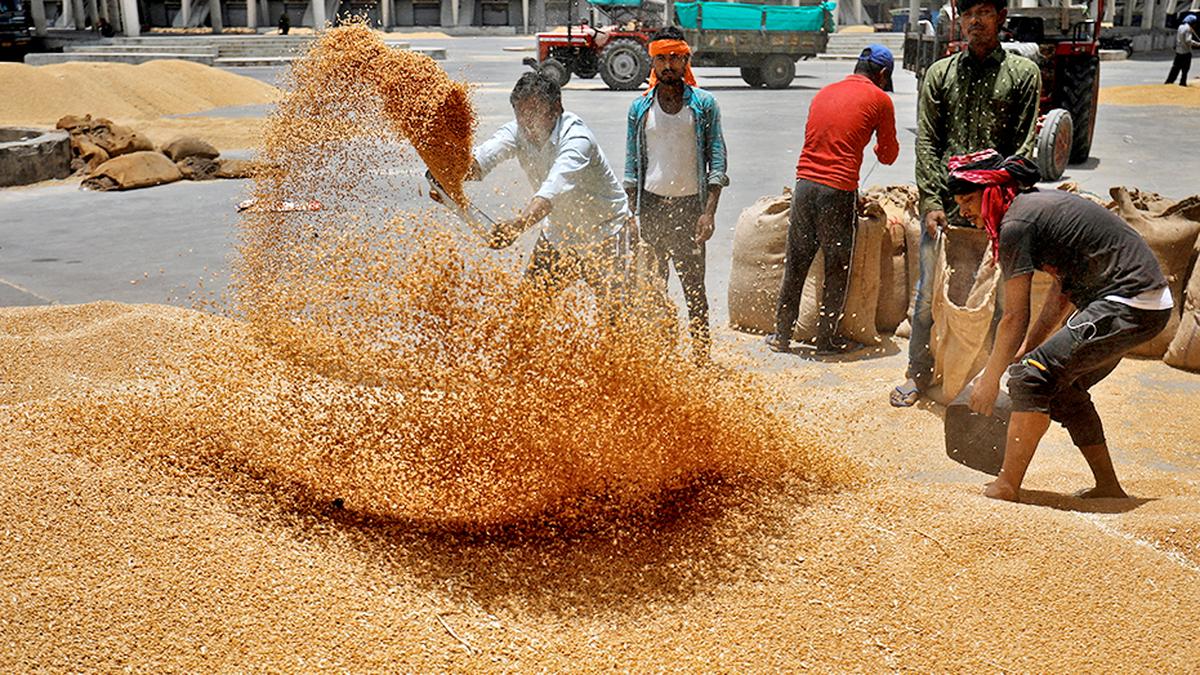
- 10 Mar 2026
In News:
Recently, the Government of India invoked the Essential Commodities Act, 1955 in response to an energy crisis triggered by geopolitical tensions in West Asia, including strikes involving Iran. The move highlights the continuing relevance of the Act as a policy instrument to manage shortages, regulate prices, and ensure the availability of essential commodities during emergencies.
About the Essential Commodities Act, 1955
The Essential Commodities Act (ECA), 1955 is a central legislation enacted to regulate the production, supply, and distribution of essential commodities to ensure their availability to the public at fair prices. The Act empowers the government to prevent hoarding, black marketing, and artificial scarcity of vital goods.
The primary objectives of the Act include:
- Ensuring the steady availability of essential goods.
- Preventing price manipulation and hoarding.
- Regulating the supply of commodities necessary for national security and defence operations.
Through regulatory mechanisms, the Act enables the government to intervene in markets when disruptions threaten consumer welfare.
Key Features of the Act
1. Declaration of Essential Commodities: The Act defines essential commodities as items listed in its Schedule. These may include food items and other goods considered crucial for daily consumption or national interest.
2. Power to Amend the Schedule: The Central Government, in consultation with state governments, can add or remove commodities from the Schedule depending on economic conditions and public needs.
3. Stock Limits: The Act empowers the government to impose stock limits on traders, wholesalers, and retailers. This prevents excessive hoarding that could create artificial shortages and price inflation.
4. Price Regulation: Authorities can regulate the sale price of essential commodities, particularly items such as food grains, edible oils, and sugar, to protect consumers from unreasonable price increases.
5. Penal Provisions: Violations of government orders issued under Section 3 of the Act may result in:
- Imprisonment ranging from three months to seven years, and
- Monetary fines.
6. Confiscation of Goods: Authorities may seize and confiscate commodities being illegally stored or transported, along with vehicles or animals used in their transport.
Situations When the Act is Invoked
The Essential Commodities Act is typically invoked during extraordinary circumstances when supply disruptions or price volatility threaten public welfare.
Common situations include:
1. War or Geopolitical Crises: The Act can be used to regulate supplies of fuel or food during international conflicts or energy disruptions.
2. Natural Disasters and Health Emergencies: For example, during the COVID-19 pandemic, the government invoked the Act to ensure the availability of essential medical items such as masks and sanitizers.
3. Sudden Price Rise: Government intervention is allowed when retail prices rise significantly—typically 50% for non-perishable agricultural goods and 100% for horticultural produce.
4. Market Stabilization During High-Demand Periods: The Act has historically been used to stabilize prices of commodities such as wheat or sugar during festive seasons or election periods.
Significance of the Act
The Essential Commodities Act remains an important policy tool in India’s regulatory framework.
1. Consumer Protection: The Act protects consumers, particularly economically vulnerable sections, by preventing sudden spikes in the prices of essential goods.
2. Prevention of Hoarding and Black Marketing: By limiting stock holdings and regulating distribution, the Act discourages speculative practices that create artificial shortages.
3. Crisis Management: During emergencies such as war, pandemics, or supply disruptions, the Act allows the government to quickly stabilize markets and ensure equitable distribution of essential commodities.
Precision Strike Missile (PrSM)
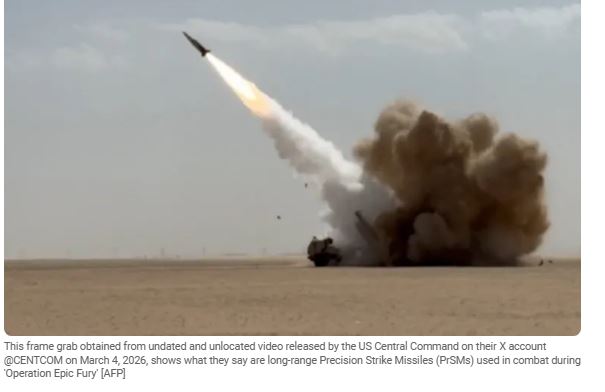
- 10 Mar 2026
In News:
The Precision Strike Missile recently drew global attention after being reportedly used by the United States Central Command during military operations involving Iran. The deployment marked the first operational use of the missile, highlighting advancements in long-range precision strike capabilities and modern battlefield technologies.
Overview of Precision Strike Missile (PrSM)
- The Precision Strike Missile (PrSM) is a surface-to-surface guided ballistic missile designed to strike targets at long distances with high accuracy. It is primarily developed and manufactured by Lockheed Martin for the United States Army.
- The missile entered operational service in late 2023 as part of efforts to modernize the US Army’s long-range artillery systems and enhance its ability to engage high-value targets from extended distances.
Key Features of the PrSM
1. Long-Range Precision Strike Capability: The missile is capable of striking targets at ranges exceeding 500 kilometres, enabling forces to engage strategic targets such as command centres, radar systems, air defence installations, and logistics hubs far beyond the battlefield.
2. Advanced Guidance Systems: The PrSM uses a combination of:
- Global Positioning System (GPS) navigation
- Inertial guidance systems
These technologies allow the missile to maintain high targeting accuracy even in adverse weather or electronic warfare environments.
3. Compatibility with Existing Launch Platforms
One of the key design advantages of the PrSM is its compatibility with existing artillery platforms, including:
- M142 High Mobility Artillery Rocket System
- M270A2 Multiple Launch Rocket System
This interoperability allows rapid deployment without requiring entirely new launch infrastructure.
Technological Architecture
The missile incorporates an open systems architecture and modular design, enabling future upgrades and integration of new technologies.
Key technological features include:
- Solid rocket propellant for propulsion
- Hypersonic-class ballistic trajectory enabling high-speed travel
- Integration with satellite, drone, and radar networks for enhanced targeting and battlefield coordination
These features allow the PrSM to function as part of a broader network-centric warfare system.
Safety and Payload Design
- The missile carries an Insensitive Munitions (IM) energetic payload, which reduces the risk of accidental detonation during handling, transport, or storage. This improves operational safety for military personnel and logistical operations.
Strategic Significance
The development and deployment of the Precision Strike Missile reflects broader trends in modern warfare, including:
- Increasing emphasis on long-range precision strike capabilities
- Integration of weapons systems into networked battlefield environments
- Replacement of older missile systems with more accurate and flexible platforms
The PrSM also strengthens the US Army’s ability to conduct deep-strike operations against critical enemy infrastructure while minimizing collateral damage through improved targeting precision.
Discovery of a Megalithic Rock-Cut Chamber in Kerala
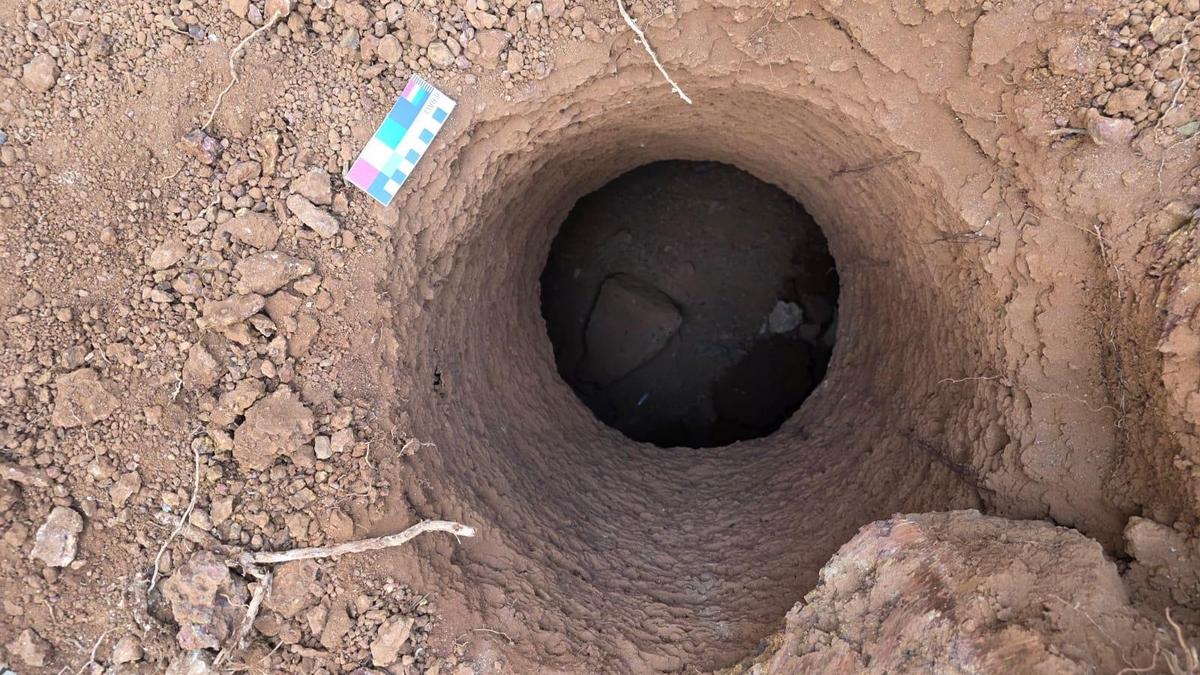
- 10 Mar 2026
In News:
A significant archaeological discovery has been made in Kasaragod district, where a Megalithic laterite rock-cut chamber was unearthed at Panayal. The finding provides valuable insights into the burial practices, technological development, and cultural traditions of prehistoric societies in South India. The chamber forms part of a larger megalithic burial complex, where pottery of various shapes and sizes was interred as part of ritual practices associated with funerary traditions.
Megalithic Culture: An Overview
- The Megalithic Culture refers to a prehistoric tradition marked by the construction of large stone structures known as megaliths. These monuments were typically used for burial and commemorative purposes and were often located away from habitation sites.
- Archaeological evidence indicates that the South Indian Megalithic culture flourished roughly between 1000 BCE and 100 CE, with its peak phase occurring between 600 BCE and 100 CE. The period represents a fully developed Iron Age culture, evidenced by the widespread use of iron tools and weapons.
Iron Age Characteristics
The Megalithic period in South India is closely associated with the Iron Age, during which iron technology was widely adopted. Archaeological excavations across the region have yielded:
- Iron weapons and tools
- Agricultural implements
- Pottery and burial goods
These findings indicate technological advancement and suggest that communities had well-developed systems of agriculture, craftsmanship, and warfare.
Geographical Distribution of Megalithic Sites
The main concentration of megalithic sites in India is found in the Deccan region, particularly south of the Godavari River. Several important archaeological sites have been identified across the country.
Prominent sites include:
- Brahmagiri and Chandravalli in Karnataka
- Junapani, Khapa, and Muhurjhari in Maharashtra
- Adichanallur in Tamil Nadu
Evidence of megalithic culture has also been found in regions beyond South India, including:
- The Punjab plains
- The Indo-Gangetic basin
- Rajasthan and Gujarat
- Burzahom
This wide distribution indicates that megalithic traditions were practiced across diverse ecological zones in the Indian subcontinent.
Burial Practices and Material Culture
The recently discovered rock-cut chamber in Kasaragod is part of a burial complex, suggesting elaborate funerary traditions among megalithic communities. These burial sites often contained:
- Pottery vessels
- Iron tools and weapons
- Ornaments and ritual objects
The placement of pottery within burial chambers indicates ritualistic beliefs about life after death and ancestor worship.
Subsistence and Lifestyle
- Archaeological evidence suggests that megalithic communities practiced a mixed subsistence economy, including: agriculture, hunting, fishing, and animal husbandry
- Rock paintings discovered at some sites depict scenes of hunting, cattle raids, and group dancing, offering glimpses into the social and cultural life of these early communities.
Significance of the Discovery
The Kasaragod rock-cut chamber contributes to a deeper understanding of:
- The spread of megalithic culture in South India
- Funerary architecture and burial rituals
- The development of Iron Age societies in the Deccan region
Such discoveries help archaeologists reconstruct the technological, social, and religious practices of prehistoric populations.
Denmark’s Elimination of Mother-to-Child Transmission of HIV and Syphilis

- 10 Mar 2026
In News:
Recently, Denmark was certified by the World Health Organization as the first country in the European Union to eliminate mother-to-child transmission (MTCT) of both HIV and Syphilis. This achievement represents a major public health success and demonstrates the effectiveness of strong maternal healthcare systems, universal testing, and timely treatment interventions.
What is Mother-to-Child Transmission (MTCT)?
Mother-to-Child Transmission (MTCT), also known as vertical transmission, refers to the spread of certain infections from a pregnant woman to her baby during pregnancy, childbirth and breastfeeding.
Without timely intervention, infections such as HIV and syphilis can lead to serious consequences including:
- Infant HIV infection
- Congenital syphilis
- Stillbirths and neonatal deaths
- Severe lifelong health complications
Therefore, preventing MTCT is a major priority in global maternal and child health programmes.
WHO Criteria for Elimination of MTCT
The WHO defines elimination of mother-to-child transmission through strict epidemiological and health system indicators. A country must achieve:
- Transmission rates below 50 cases per 100,000 live births, and
- More than 95% coverage of testing and treatment among pregnant women
These benchmarks ensure that both detection and treatment systems are robust enough to prevent transmission to newborns.
Global Context of EMTCT
Denmark joins a growing group of countries validated by the WHO for eliminating MTCT or making significant progress toward this goal. More than 20 countries and territories worldwide have achieved or are nearing this milestone.
Examples include:
- Caribbean nations such as Anguilla and Antigua and Barbuda
- South American countries such as Brazil
- African countries such as Botswana
- Asian nations including Malaysia and Maldives
These achievements demonstrate that elimination is possible across different health systems when strong policies and universal maternal healthcare are implemented.
WHO’s Triple Elimination Strategy
To address maternal transmission of infectious diseases, WHO promotes a Triple Elimination Strategy targeting: HIV, Syphilis, and Hepatitis B
The strategy is built on four key pillars:
- Universal access to antenatal care
- Integrated testing for maternal infections
- Effective treatment and prevention protocols
- Strong health systems supported by community engagement and human-rights protections
This integrated approach helps ensure that maternal health services detect infections early and prevent transmission to infants.
Understanding the Diseases
HIV (Human Immunodeficiency Virus)
- HIV attacks the body’s immune system, particularly CD4 cells, weakening the body’s ability to fight infections.
- If untreated, HIV can progress to Acquired Immunodeficiency Syndrome (AIDS), making individuals vulnerable to life-threatening infections and cancers.
Syphilis
- Syphilis is a sexually transmitted bacterial infection caused by Treponema pallidum. The disease progresses through stages that may include painless sores, skin rashes, and severe complications affecting the heart, brain, and nervous system if left untreated. Congenital syphilis can cause severe health problems in newborns.
Significance of Denmark’s Achievement
Denmark’s certification highlights several important aspects of effective public health policy:
- Strong maternal healthcare and antenatal screening systems
- Universal testing and treatment for pregnant women
- Integration of infectious disease control with maternal health services
- Sustained public health surveillance and policy commitment
This milestone also reinforces the feasibility of eliminating vertical transmission of infectious diseases through coordinated healthcare strategies.
India’s 7th National Report to the Convention on Biological Diversity (CBD)
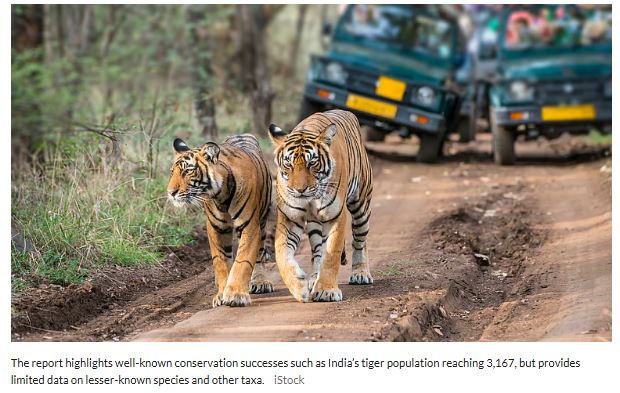
- 08 Mar 2026
In News:
India has submitted its 7th National Report to the Convention on Biological Diversity, assessing the country’s progress toward biodiversity conservation and sustainable use targets by 2030. The report evaluates India’s performance against 23 National Biodiversity Targets (NBTs) that are aligned with the Kunming-Montreal Global Biodiversity Framework.
The assessment indicates that only two of the 23 targets are currently on track, although improvements have been observed in policy frameworks, forest cover, and ecosystem restoration initiatives.
Key Findings of the 7th National Report
The report highlights both achievements and gaps in India’s biodiversity governance.
Progress Areas
- Strengthening of policy and institutional frameworks for biodiversity conservation.
- Improvements in forest cover and ecosystem restoration programmes.
- Greater integration of biodiversity concerns into national development policies.
Areas of Concern
- Only two National Biodiversity Targets are clearly on track.
- Several targets related to species conservation, ecosystem protection, and sustainable use of resources require accelerated action.
- Implementation gaps remain due to limited resources, data gaps, and increasing anthropogenic pressures.
The findings underline the need for stronger implementation measures to achieve biodiversity goals by 2030.
Convention on Biological Diversity (CBD)
The Convention on Biological Diversity is one of the most important international agreements addressing biodiversity conservation.
Origin and Evolution
- Opened for signature at the Rio Earth Summit.
- Entered into force on 29 December 1993.
- The first Conference of the Parties (COP) was held in 1994 in the Bahamas.
Membership and Secretariat
- Ratified by 196 countries, making it one of the most widely adopted international treaties.
- The United States remains the only UN member state that has not ratified the convention.
- Secretariat located in Montreal.
Three Core Objectives
- Conservation of biological diversity
- Sustainable use of biodiversity components
- Fair and equitable sharing of benefits arising from genetic resources
The governing body of the CBD is the Conference of the Parties (COP), which meets every two years.
Related Protocols under the CBD
Two important supplementary agreements strengthen the implementation of the convention:
- Cartagena Protocol on Biosafety – focuses on biosafety in biotechnology.
- Nagoya Protocol – governs equitable sharing of benefits from genetic resources.
Kunming–Montreal Global Biodiversity Framework (KMGBF)
The Kunming-Montreal Global Biodiversity Framework was adopted during COP15 of the CBD in 2022 in Montreal. It is considered a landmark global agreement to address the biodiversity crisis.
Key Features
- 23 global targets to be achieved by 2030.
- Four long-term goals for 2050 aimed at safeguarding biodiversity for present and future generations.
- Focus areas include ecosystem restoration, protection of biodiversity-rich areas, reduction of pollution, and sustainable use of biological resources.
- The framework is not legally binding, but it guides national biodiversity strategies and reporting.
Gravity Bombs
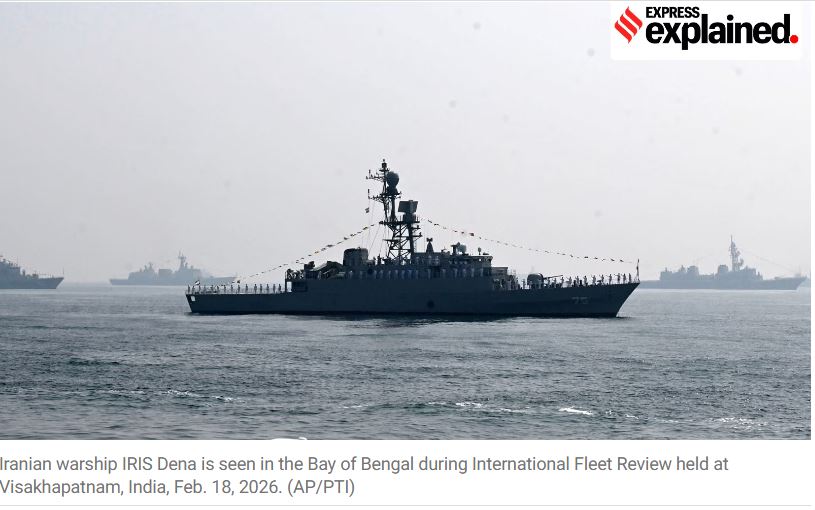
- 08 Mar 2026
In News:
Recent developments in the ongoing tensions involving United States and Iran have highlighted the continued relevance of traditional aerial munitions and the legal complexities of warfare at sea. The Pete Hegseth announced that the United States would shift toward the use of gravity bombs in its military operations against Iran, signalling a significant tactical adjustment in modern conflict.
What is a Gravity Bomb?
- A gravity bomb, also known as a free-fall bomb, is an unpowered aerial munition dropped from an aircraft. After release, it travels toward its target purely under the influence of gravity, with its trajectory determined by the aircraft’s speed, altitude, and release point.
- Unlike powered missiles such as the Tomahawk cruise missile, gravity bombs do not contain propulsion systems. Despite their origins in World War-era warfare, they remain widely used by the United States Air Force in conflicts including those in Iraq, Afghanistan, and Syria.
Modernisation of Gravity Bombs
Modern gravity bombs have undergone significant technological upgrades. Many are equipped with Joint Direct Attack Munition (JDAM) kits that convert conventional bombs into precision-guided munitions.
Key features of JDAM kits include:
- GPS guidance systems
- Steerable tail fins
- Improved targeting accuracy in adverse weather conditions
This modernization allows gravity bombs to combine the low cost of traditional munitions with the precision of modern guided weapons.
Major Types of Gravity Bombs Used by the US
The United States primarily deploys bombs from the Mark 80 series, which vary by size and operational purpose:
- Mk-82 (500 lb) – Used against relatively soft targets such as vehicles, troop concentrations, or radar installations.
- Mk-83 (1,000 lb) – Designed to damage reinforced structures and command centres.
- Mk-84 (2,000 lb) – A heavy bomb capable of penetrating hardened structures and bunker-type facilities.
With JDAM upgrades, these bombs can achieve high precision at relatively low cost—approximately $25,000–$30,000 per unit, making them far cheaper than advanced cruise missiles.
Operational Advantages and Limitations
Advantages
- Cost-effective compared to precision missiles
- High payload capacity
- Compatibility with precision-guidance kits
Limitations
- Aircraft must fly relatively close to the target to deploy them.
- Effective deployment generally requires air superiority and minimal air-defence threats.
Thus, gravity bombs are typically used in environments where a military has already established control of the airspace.
Legal Framework Governing Maritime Conflict
The use of military force at sea—such as attacks on ships during conflict—is regulated by international law. Key legal principles arise from the United Nations Convention on the Law of the Sea and customary international humanitarian law (IHL).
Important legal principles include:
- Distinction: Combatants must distinguish between military targets and civilian vessels.
- Proportionality: Attacks should avoid excessive civilian damage relative to the anticipated military advantage.
- Military Necessity: Actions must be justified by a legitimate military objective.
- Protection of Neutral Shipping: Ships belonging to neutral states generally enjoy protection unless directly involved in hostilities.
The San Remo Manual on International Law Applicable to Armed Conflicts at Sea (1994) also provides widely accepted guidelines on naval warfare and maritime targeting.
Raisina Dialogue 2026
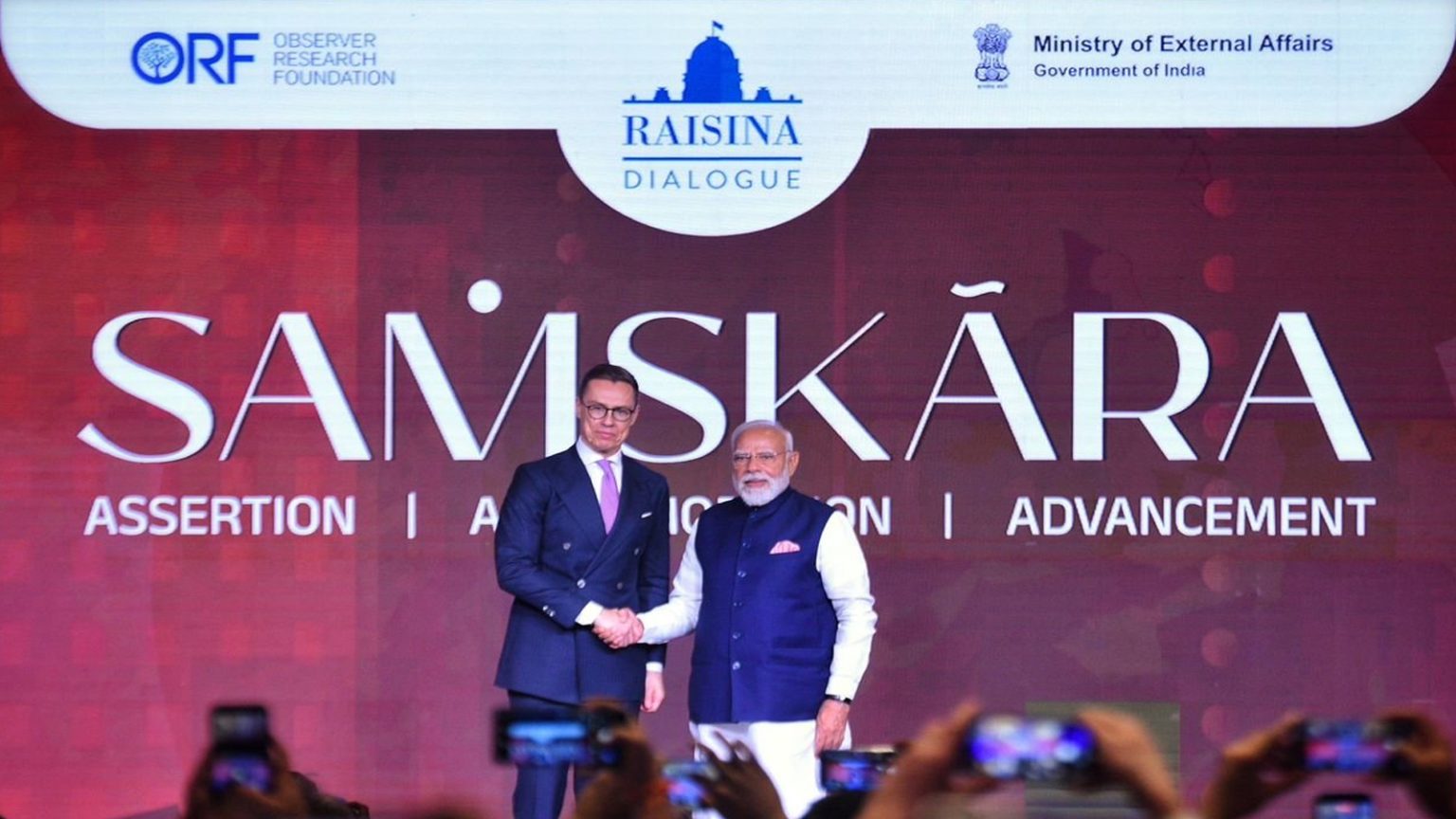
- 08 Mar 2026
In News:
The 11th edition of the Raisina Dialogue 2026 was held in New Delhi. The annual dialogue has emerged as India’s foremost platform for discussions on geopolitics, geo-economics, and global governance, bringing together global leaders, policymakers, diplomats, scholars, and strategic experts to deliberate on pressing international issues.
About the Raisina Dialogue
- The Raisina Dialogue was launched in 2016 by the Ministry of External Affairs in collaboration with the Observer Research Foundation.
- Named after Raisina Hills in New Delhi, the conference has evolved into a major global forum for strategic discussions. It is often compared to leading international strategic conferences such as the Munich Security Conference and the Shangri-La Dialogue.
- The forum convenes representatives from governments, academia, industry, and civil society to address complex global challenges ranging from security to economic governance.
Theme of Raisina Dialogue 2026
The theme for the 2026 edition was “Samskara: Assertion, Accommodation, Advancement.”
The theme reflects three key ideas:
- Assertion – Civilisations and nations asserting their identity and strategic interests.
- Accommodation – Managing diversity and cooperation in an interconnected world.
- Advancement – Progress through innovation, technology, and collaborative global governance.
Major Takeaways from Raisina Dialogue 2026
1. Launch of Raisina Science Diplomacy Initiative: One of the landmark announcements was the Raisina Science Diplomacy Initiative (SDI), aimed at integrating science, technology, and innovation into foreign policy frameworks.
Key focus areas include:
- Artificial Intelligence governance
- Semiconductor supply chains
- India’s Digital Public Infrastructure (DPI) for developing countries
The initiative seeks to strengthen the role of technology in shaping international cooperation and diplomacy.
2. Emergence of a Multipolar Global Order: Participants widely acknowledged the ongoing transition toward a multipolar world, where power is increasingly distributed among multiple regional and global actors.
Key observations included:
- Growing influence of the Global South in shaping global governance.
- Rising importance of South–South cooperation and flexible plurilateral groupings.
India’s strategic engagements through groupings such as BRICS, the India-Middle East-Europe Economic Corridor, and the India-France-UAE Trilateral illustrate its role as a key bridge between developed and developing worlds.
3. Call for Reformed Multilateralism: Another major theme was the need to reform global governance institutions to reflect contemporary geopolitical realities.
In particular:
- Participants emphasised reforms of the United Nations Security Council.
- There was growing international support for India’s permanent membership in a reformed UNSC.
4. Maritime Security and Supply Chain Protection: The dialogue also highlighted the importance of safeguarding global maritime trade routes and infrastructure, particularly in light of rising geopolitical tensions.
Key concerns included:
- Protection of undersea communication cables
- Security of global supply chains
- Stability of strategic maritime zones such as the Indian Ocean, Red Sea, and Indo-Pacific region
Takydromus ultapanensis

- 08 Mar 2026
In News:
Recent research has led to the discovery of a new species of Asian grass lizard, Takydromus ultapanensis, from the Manas Biosphere landscape in Assam. The finding highlights the rich biodiversity of Northeast India and underscores the importance of conserving fragile forest ecosystems that harbour previously undocumented species.
About the Newly Discovered Species
Takydromus ultapanensis is a newly identified member of the Asian grass lizard genus (Takydromus), a group known for slender bodies and long tails adapted to life in grassland and forest vegetation. The species was discovered in the Ultapani Reserve Forest located in Kokrajhar district of Assam, within the larger Manas landscape.
Unlike many of its related species that typically inhabit montane or subtropical environments, T. ultapanensis occupies lowland semi-evergreen forests interspersed with waterlogged grasslands and patches of ferns. This ecological preference distinguishes it from several of its congeners and indicates adaptation to a unique microhabitat within the Manas ecosystem.
Habitat and Behaviour
Researchers observed individuals of this species basking on fern bushes in open patches of forest. These areas are often intersected by seasonal water channels, creating a moist and complex habitat structure suitable for small reptiles. The lizards appear to rely on vegetation cover and sunlit clearings for thermoregulation and feeding.
Such habitats are characteristic of the Manas Biosphere landscape, a biodiversity-rich region located along the Indo-Bhutan border and known for its mixture of grasslands, forests, and wetlands.
Distinct Morphological Characteristics
The newly identified species exhibits several morphological differences that distinguish it from closely related lizards found in Northeast India. In particular, T. ultapanensis differs from species such as Takydromus khasiensis and Takydromus sikkimensis in:
- Scale patterns
- Body proportions
- Diagnostic head features
These differences were crucial in confirming it as a distinct species rather than a variation of existing grass lizards.
Conservation Concerns
At present, Takydromus ultapanensis has been recorded only from a single forest range in the Ultapani Reserve Forest. Such a limited distribution raises concerns about its vulnerability to habitat disturbance.
The Manas landscape, although ecologically significant, faces pressures from habitat fragmentation, land-use change, and human activities. Species restricted to narrow habitats are particularly vulnerable to environmental change, highlighting the need for continued ecological monitoring and habitat protection.
Italy recognises Femicide as a Crime

- 08 Mar 2026
In News:
The Italian Parliament recently enacted a landmark law that recognises femicide as a distinct criminal offence and prescribes life imprisonment for the gender-motivated killing of women. The legislation, passed with bipartisan support, marks a significant step in addressing gender-based violence and aligns Italy with a small but growing group of countries that legally recognise femicide as a specific crime.
What is Femicide?
Femicide refers to the intentional killing of women or girls because of their gender. It is widely recognised by international organisations as the most extreme form of violence against women and girls (VAWG).
According to the United Nations, femicide often occurs in contexts such as:
- Intimate partner violence (current or former partners)
- Family-related killings, including so-called honour killings
- Gender-motivated murders by other perpetrators
Globally, many cases of femicide occur within domestic settings, reflecting deeper structural inequalities and patriarchal norms that perpetuate violence against women.
Italy’s Law Against Femicide
Italy’s legislation introduces femicide as a separate category within the criminal code, making gender-motivated killing punishable with life imprisonment.
Key Features of the Law
- Recognises gender as a motive for homicide.
- Introduces life imprisonment as the maximum penalty.
- Strengthens legal responses to crimes linked with gender-based violence.
- Passed amid growing concern over violence against women in the country.
The law was passed on 25 November, coinciding with the International Day for the Elimination of Violence Against Women, highlighting the symbolic and policy significance of the measure.
Why Recognising Femicide as a Separate Crime Matters
Treating femicide as a distinct offence has several legal and policy implications:
- Acknowledging Gender Motivation: It explicitly recognises that certain killings stem from systemic discrimination and patriarchal violence.
- Improved Data Collection: Legal recognition enables governments to track gender-based killings more accurately, aiding evidence-based policymaking.
- Targeted Criminal Justice Response: Special legal provisions allow harsher penalties and focused investigations.
- Public Awareness and Social Change: Naming the crime brings visibility to the structural nature of violence against women and helps mobilise social and institutional responses.
Global Legal Trends
- Italy joins a limited number of countries that have adopted specific legal provisions for femicide, including: Mexico, Chile, Cyprus, Morocco, North Macedonia, Türkiye and Gabon
- Several Latin American countries have also criminalised femicide as part of broader gender-violence laws, reflecting the region’s efforts to combat high rates of gender-based killings.
India’s Legal Framework on Gender-Based Killings
India does not legally recognise femicide as a separate criminal category. Instead, gender-based violence and killings are addressed through general criminal provisions and specific protective laws for women.
Important legislations include:
- Protection of Women from Domestic Violence Act, 2005
- Dowry Prohibition Act, 1961
- Prohibition of Child Marriage Act, 2006
- National Commission for Women Act, 1990
Murders of women motivated by dowry demands, honour, or domestic violence are typically prosecuted under general homicide provisions of the Indian Penal Code along with these special laws.
International Observance
- The International Day for the Elimination of Violence Against Women is observed annually on 25 November, following its designation by the United Nations General Assembly in 1999. The day seeks to raise awareness and mobilise action against violence directed at women and girls worldwide.
Taragiri

- 07 Mar 2026
In News:
The induction of INS Taragiri (Yard 12653), the fourth Nilgiri-class (Project 17A) stealth frigate, marks a significant milestone in India’s efforts to strengthen indigenous warship building and maritime security. The vessel has been delivered to the Indian Navy by Mazagon Dock Shipbuilders Limited (MDL) and represents the third Project 17A ship constructed by the shipyard. The induction highlights India’s progress in advanced naval shipbuilding and self-reliance in defence production.
Legacy of INS Taragiri
- The new frigate continues the legacy of the earlier INS Taragiri, a Leander-class frigate that served in the Indian Navy for 33 years (1980–2013). Carrying forward the same name symbolises continuity in naval tradition while representing a new generation of technologically advanced warships.
- The ship has been designed by the Warship Design Bureau (WDB) of the Indian Navy and constructed using the Integrated Construction approach, a modern shipbuilding technique that enables simultaneous fabrication of different blocks of the vessel, thereby reducing construction time and improving efficiency.
Project 17A: India’s Stealth Frigate Programme
Project 17A is an ambitious Indian naval programme aimed at building seven Nilgiri-class stealth frigates as upgraded successors to the Shivalik-class frigates. These ships are designed for enhanced stealth, survivability, and combat capabilities.
The construction of the seven frigates is distributed between two major Indian shipyards:
- Four ships — Nilgiri, Udaygiri, Taragiri, and Mahendragiri — are being built by Mazagon Dock Shipbuilders Limited in Mumbai.
- Three ships — Himgiri, Dunagiri, and Vindhyagiri — are being constructed by Garden Reach Shipbuilders and Engineers (GRSE) in Kolkata.
The ships are being built through the Integrated Construction methodology, which allows for pre-outfitting during block fabrication, thereby reducing build time and improving production efficiency.
An important aspect of the project is indigenisation, with approximately 75% of the systems and equipment sourced from Indian industries, aligning with the government’s ‘Atmanirbhar Bharat’ initiative in defence manufacturing.
Key Features and Capabilities
The Nilgiri-class frigates are designed for blue-water operations, enabling the Indian Navy to operate effectively across distant maritime regions. These ships are versatile frontline assets capable of performing multiple combat roles.
1. Propulsion System: The ships are powered by a Combined Diesel or Gas (CODOG) propulsion system, which integrates diesel engines and gas turbines, each connected to a Controllable Pitch Propeller (CPP). This configuration provides both high speed and fuel efficiency.
2. Advanced Weapons Systems: Project 17A frigates are equipped with a range of modern weapons, including:
- **BrahMos supersonic cruise missiles
- Long Range Surface-to-Air Missile (LRSAM) / Barak-8 system
- Lightweight anti-submarine torpedoes
- Indigenous Rocket Launchers (IRL)
These weapons enable the ships to effectively engage surface, aerial, and underwater threats.
3. Sensors and Electronic Systems: The frigates are fitted with sophisticated surveillance and combat management systems, including:
- Multi-mission radar and surface-surveillance radar
- Airborne early-warning radar integration
- Shakti Electronic Warfare Suite
- HUMSA-NG Sonar for anti-submarine warfare
Additionally, the vessels incorporate an Integrated Platform Management System (IPMS) for efficient monitoring and control of onboard machinery and systems.
Project HANUMAN
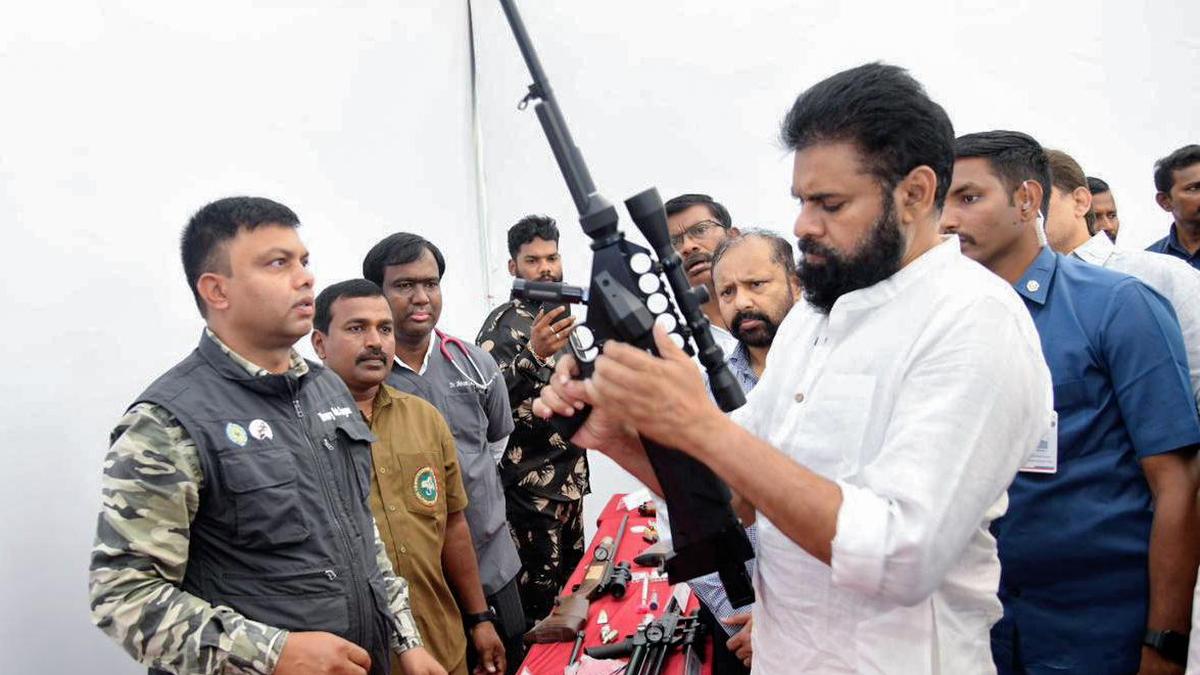
- 07 Mar 2026
In News:
Human–wildlife conflict has emerged as a major environmental and socio-economic challenge in India, particularly in forest-fringe regions where expanding human settlements intersect with wildlife habitats. To address this issue, the Government of Andhra Pradesh has launched Project HANUMAN, an innovative programme aimed at strengthening wildlife rescue, monitoring, and community protection mechanisms while promoting coexistence between humans and wildlife.
About Project HANUMAN
Project HANUMAN stands for Healing and Nurturing Units for Monitoring, Aid and Nursing of Wildlife. The initiative is designed to mitigate conflicts in forest-bordering villages where incidents such as elephant raids, crop damage, and snake bites are common. By combining modern technology, rapid response mechanisms, and community participation, the programme aims to ensure both human safety and wildlife conservation.
The project focuses particularly on forest-fringe areas that frequently experience wildlife incursions, thereby seeking to reduce casualties, prevent retaliatory killings of animals, and improve wildlife rescue operations.
Key Features of the Project
1. Rapid Response and Rescue Infrastructure: The initiative includes a strong emergency response network comprising:
- 100 GPS-enabled vehicles for field monitoring and quick deployment.
- 93 Rapid Response Units to address wildlife emergencies.
- 7 specialised wildlife ambulances equipped for rescue and medical aid.
2. Wildlife Rescue Centres: Four dedicated rescue centres have been established in key locations:
- Visakhapatnam
- Rajamahendravaram
- Tirupati
- Byrluti
These centres will provide facilities for treatment, rehabilitation, and temporary shelter of rescued wildlife.
3. Community Participation through ‘Vajra’ Teams: The project encourages local participation through “Vajra” volunteer teams at the village level. These teams assist forest officials in handling minor incidents such as snake rescues and early reporting of wildlife movement, thereby reducing panic and preventing escalation.
4. Technology-based Monitoring: Advanced technologies form a key component of the programme:
- Artificial Intelligence (AI) systems to track wildlife movements and generate early warning alerts for nearby settlements.
- A dedicated HANUMAN mobile application that allows citizens to report wildlife sightings, conflict incidents, and emergencies, improving coordination between communities and forest authorities.
5. Improved Compensation Mechanism: To support affected communities and reduce hostility towards wildlife, the government has enhanced compensation provisions:
- ?10 lakh compensation for human deaths caused by wildlife.
- ?2 lakh for injuries.
- Market-value compensation for livestock losses.
UNCLOS and Maritime Security

- 07 Mar 2026
In News:
Recent reports of the sinking of the Iranian frigate IRIS Dena off the south-western coast of Sri Lanka, allegedly following a torpedo strike by a United States Navy submarine amid escalating tensions in the Middle East, have renewed attention on the legal regime governing maritime spaces. Such incidents highlight the importance of international maritime law, particularly the United Nations Convention on the Law of the Sea (UNCLOS), which regulates state rights and responsibilities in the world’s oceans.
United Nations Convention on the Law of the Sea (UNCLOS)
UNCLOS is a comprehensive international treaty that establishes the legal framework for the governance and use of oceans and seas. Adopted in 1982 at Montego Bay, Jamaica, the convention entered into force in 1994. Due to its wide scope and significance, it is often described as the “Constitution of the Oceans.”
The convention defines maritime boundaries of coastal states, regulates navigation rights, governs exploitation of marine resources, and establishes obligations for environmental protection and dispute settlement. It thus provides a structured legal order for activities such as shipping, fishing, seabed mining, and naval operations.
Currently, 168 parties, including the European Union, are members of the convention. Countries such as India, Japan, and China are parties to UNCLOS. The United States has signed the convention but has not ratified it, although many of its provisions are followed as customary international law.
Maritime Zones under UNCLOS
UNCLOS divides the oceans into several legal zones, each conferring different rights and responsibilities to coastal and other states.
- Territorial Sea (up to 12 nautical miles): A coastal state exercises full sovereignty over this zone, similar to its land territory. However, foreign ships are allowed the right of innocent passage, meaning they may pass through the waters as long as they do not threaten the security or laws of the coastal state.
- Contiguous Zone (12–24 nautical miles): In this zone, the coastal state does not enjoy complete sovereignty but can enforce laws relating to customs, immigration, fiscal regulations, sanitation, and security to prevent violations within its territory or territorial sea.
- Exclusive Economic Zone (EEZ) (up to 200 nautical miles): Within the EEZ, the coastal state has sovereign rights for exploring, exploiting, conserving, and managing natural resources, including fisheries, oil, and gas. However, other states retain freedoms of navigation and overflight, as well as the laying of submarine cables and pipelines.
- High Seas (International Waters): Areas beyond national jurisdiction are classified as the high seas. No state can claim sovereignty over these waters, and they are governed by international law and the principles of UNCLOS, ensuring freedoms such as navigation, fishing, and scientific research.
Relevance to the Recent Incident
The alleged strike on the Iranian warship near Sri Lanka highlights the strategic significance of international waters and the legal complexities surrounding naval operations. While states retain freedom of navigation and military presence in international waters, such actions can raise questions regarding maritime security, use of force, and adherence to international law.
Golestan Palace

- 07 Mar 2026
In News:
The historic Golestan Palace in Tehran, Iran, recently attracted international attention after reports indicated that the palace complex suffered structural damage due to shockwaves and debris from airstrikes amid escalating tensions in the Middle East. The site, recognised as a UNESCO World Heritage Site, represents one of the most important symbols of Persian royal heritage and architecture. The incident has raised concerns about the vulnerability of cultural heritage sites during armed conflicts.
Historical Background
- Golestan Palace is one of the oldest historic monuments in Tehran and has served as a major centre of political and royal power for centuries. The origins of the complex date back to the 16th century during the Safavid Dynasty, when Tehran began to emerge as an important political centre. Initially constructed as a fortified citadel for Safavid rulers, the site gradually evolved into an extensive royal complex with gardens, palatial buildings, and ceremonial halls.
- The palace gained greater prominence during the rule of the Qajar dynasty, which came to power in 1779 and declared Tehran the capital of Iran. During this period, Golestan Palace became the official seat of government and royal residence. Later, the Pahlavi dynasty also used the complex for important state ceremonies. Reflecting its historical significance and architectural value, UNESCO inscribed the palace complex on the World Heritage List in 2013.
Architectural and Cultural Features
- Golestan Palace is widely admired for its unique architectural style that blends traditional Persian aesthetics with European influences introduced during the 19th century. This synthesis reflects the cultural exchanges and modernization efforts of the Qajar rulers.
- The palace complex is particularly renowned for its vibrant tile work, which features intricate floral motifs, geometric patterns, and calligraphic inions. Rich colours such as turquoise, cobalt blue, yellow, pink, and white are used extensively, reflecting the Persian artistic tradition that emphasises symmetry, detail, and storytelling through design.
- In addition to decorative art, the complex also preserves valuable cultural archives, including early Iranian photography, historical documents, and royal artefacts from the Qajar period.
Important Structures within the Complex
The Golestan Palace complex comprises several important buildings and ceremonial halls:
- Shams-ol-Emareh (Edifice of the Sun): Built in the 1860s by Naser al-Din Shah Qajar, it is one of the most iconic structures in the complex and symbolises the influence of European architectural styles on Persian royal architecture.
- Marble Throne Hall (Takht-e-Marmar): A historically significant hall used for royal coronations and official state ceremonies.
- Mirror Hall: Famous for its elaborate mirror mosaics and luxurious interior decoration, representing the refinement of Persian decorative art.
- Other ceremonial halls: The complex also includes halls such as the Salam Hall, Brilliant Hall, Ivory Hall, and Reception Hall, which were used for diplomatic gatherings and royal functions.
- Museum buildings: Several museums within the palace display Qajar-era paintings, royal gifts, manus, and historical artefacts.
Significance of the Site
Golestan Palace represents the artistic, political, and cultural evolution of Iran over several centuries. It illustrates the transition of Persian architecture during the Qajar period, when exposure to European ideas led to new forms of artistic expression while retaining traditional Persian elements. The site also reflects Iran’s royal traditions, including coronations and diplomatic ceremonies.
World Obesity Atlas 2026
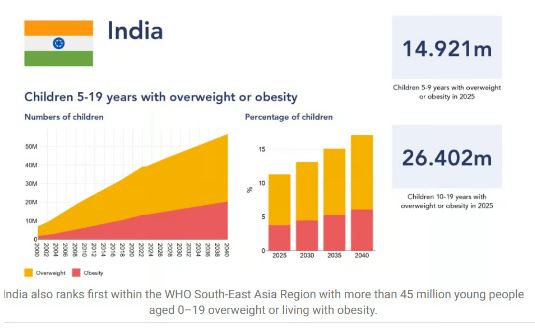
- 07 Mar 2026
In News:
- Childhood obesity has emerged as a significant public health challenge globally, with developing countries increasingly witnessing a rapid rise in overweight children due to changing lifestyles, dietary patterns, and urbanisation.
- The World Obesity Atlas 2026, released by the World Obesity Federation on World Obesity Day (4 March), highlights the alarming scale of the problem. The report reveals that India ranks second globally in the number of children living with overweight and obesity, underscoring the urgent need for policy interventions and preventive strategies.
Global Scenario
Globally, childhood obesity has increased sharply in the past decade. The report estimates that more than one in five children (20.7%) aged 5–19 years are overweight or obese, compared to 14.6% in 2010. If current trends continue, around 507 million children worldwide could be overweight or obese by 2040.
A large proportion of children with high Body Mass Index (BMI) is concentrated in a few countries. China, India and the United States together account for over 10 million children each living with obesity, making them the major contributors to the global burden.
Childhood obesity also significantly increases the risk of early onset of non-communicable diseases (NCDs). By 2040, it is projected that:
- 57 million children could show early signs of cardiovascular disease, particularly elevated triglycerides.
- 43 million children may develop hypertension.
These projections highlight the long-term health implications of obesity during childhood.
India’s Obesity Scenario
India faces a dual burden of undernutrition and rising obesity, especially among children and adolescents. According to the World Obesity Atlas 2026, India ranks second after China in the number of children with high BMI.
Key estimates for 2025 include:
- 41 million children with high BMI
- 14 million children living with obesity
The health consequences are expected to worsen between 2025 and 2040:
- Hypertension cases: 2.99 million → 4.21 million
- Hyperglycaemia: 1.39 million → 1.91 million
- High triglycerides: 4.39 million → 6.07 million
- Metabolic dysfunction-associated steatotic liver disease (MASLD) (earlier known as NAFLD): 8.39 million → 11.88 million
Lifestyle and nutrition patterns further aggravate the issue:
- 74% of adolescents (11–17 years) fail to meet recommended physical activity levels.
- Only 35.5% of school-age children receive school meals regularly.
- 32.6% of infants (1–5 months) experience sub-optimal breastfeeding practices.
Key Challenges
1. Rising Burden of Non-Communicable Diseases (NCDs): Obesity significantly increases the risk of chronic illnesses such as diabetes, hypertension, and cardiovascular diseases. NCDs already account for over 43 million deaths globally each year.
2. Economic and Productivity Loss: Obesity also imposes a large economic burden. In 2019, the cost of overweight and obesity in India was estimated at $28.95 billion, equivalent to 1.02% of GDP (around ?1,800 per capita). Without adequate interventions, this burden may rise to ?4,700 per capita by 2030, or 1.57% of GDP.
3. Urbanisation and Lifestyle Changes: Urban exposure increases obesity risk significantly:
- 1.91 times higher for those living in urban areas up to 5 years
- 2.05 times higher for 6–10 years
- 2.40 times higher for more than 10 years
Sedentary lifestyles, increased consumption of processed foods, and reduced physical activity are major contributing factors.
Government Initiatives
The Government of India has introduced several initiatives to tackle malnutrition and promote healthier lifestyles:
- POSHAN Abhiyaan (National Nutrition Mission): Focuses on improving nutritional outcomes among children, adolescents, and women through convergence of nutrition programmes.
- Fit India Movement: Encourages citizens to adopt active lifestyles and regular physical activity.
- Eat Right India: Led by the Food Safety and Standards Authority of India, it promotes healthy diets, food safety, and reduction of unhealthy food consumption.
- School Health and Wellness Programme: Aims to promote health awareness, physical fitness, and behavioural change among school students.
Kosi River
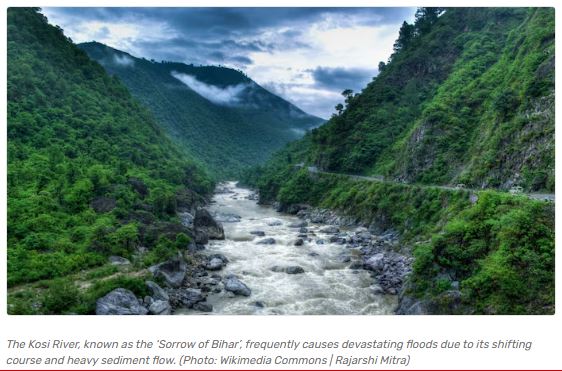
- 06 Mar 2026
In News:
The Kosi River is a major transboundary river of the Ganga River system, flowing through China (Tibet), Nepal, and India. It is widely known as the “Sorrow of Bihar” because of its frequent and devastating floods that affect large parts of northern Bihar.
Recent observations indicate that the river has shifted its course westward by more than 100 km over the past two centuries, highlighting its highly dynamic and unstable nature.
Geographical Features and Course
- The Kosi River originates in the Himalayan region of Nepal and Tibet and flows through Nepal before entering the plains of India.
- Formation: The river is formed by the confluence of three major Himalayan streams: Sun Kosi, Arun Kosi, Tamur Kosi. These rivers originate in the Himalayan mountains and join in eastern Nepal to form the main Kosi River.
Course of the River
- The river flows through mountainous terrain in Nepal and receives several tributaries.
- About 48 km north of the India–Nepal border, it passes through the Chatra Gorge in the Siwalik Hills.
- After emerging from the hills, it enters the alluvial plains of Bihar in northern India.
- Finally, it joins the Ganges River south of Purnea after travelling approximately 724 km.
Drainage Basin
- The Kosi basin covers an area of about 74,500 sq km, of which only around 11,070 sq km lies within India. Most of the catchment area lies in Nepal and the Himalayan region, which strongly influences the river’s hydrology.
- The basin’s sandy and fertile soils support agriculture, particularly the cultivation of maize (corn).
Major Tributaries
- The Kosi river system consists of seven major tributaries, which are collectively known as the Sapta Kosi (Seven Kosis): Sun Kosi, Tama Kosi (Tamba Kosi), Dudh Kosi, Indravati, Likhu, Arun, Tamur (Tamor)
- These tributaries drain large parts of the Himalayan watershed, contributing significant water and sediment to the river.
Why is the Kosi Called the “Sorrow of Bihar”?
Frequent Flooding: The Kosi River is notorious for severe floods in northern Bihar, causing large-scale damage to: agriculture, infrastructure, and settlements.
Heavy Sediment Load: The river carries large amounts of silt and sediment from the young and fragile Himalayan mountains. During the monsoon season, this sediment deposition raises the riverbed, increasing the likelihood of flooding.
Shifting Course: One of the most striking features of the river is its frequent change in course.
- Over the last 200–250 years, the river has shifted more than 100 km from east to west across the plains of Bihar.
- This phenomenon creates new floodplains while abandoning older channels.
Challenges Associated with the Kosi River
The dynamic nature of the Kosi poses several challenges:
- Recurring floods and displacement of populations
- Damage to agriculture and infrastructure
- Riverbank erosion and channel migration
- Transboundary water management issues between India and Nepal
Efforts such as embankment construction and flood-control projects have been implemented, but managing the river remains difficult due to its high sediment load and unstable course.
Debrigarh Wildlife Sanctuary
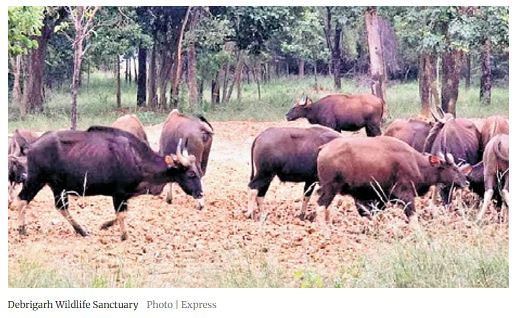
- 06 Mar 2026
In News:
The Debrigarh Wildlife Sanctuary in Odisha is set to host the second edition of the “Indian Bison Fest”, a conservation and eco-tourism initiative aimed at highlighting the sanctuary’s biodiversity and raising awareness about the protection of the Indian bison (Gaur). The event also seeks to promote community participation and sustainable tourism in the region.
Debrigarh Wildlife Sanctuary
Location and Geographical Features
- Debrigarh Wildlife Sanctuary is located in Bargarh district of Odisha, near the famous Hirakud Dam on the Mahanadi River. Hirakud Dam is notable for being the longest earthen dam in the world and one of the longest dams in India.
- The sanctuary forms part of the Hirakud reservoir ecosystem, which supports diverse flora and fauna as well as seasonal migratory birds.
Historical Significance
- The sanctuary holds historical importance due to its association with Veer Surendra Sai, a prominent freedom fighter from Odisha who led resistance against British rule. During the rebellion, his operational base at Barapathara was located within the present sanctuary area.
Ecological Characteristics
- Vegetation: The sanctuary is dominated by mixed and dry deciduous forests. Major plant species include: Sal, Asana, Bija, Amla, Dhaura. These forests provide suitable habitats for several large mammals and birds.
- Faunal Diversity: Debrigarh Wildlife Sanctuary hosts a rich variety of wildlife, including: Indian leopard, Sloth bear, Chousingha (four-horned antelope), Sambar deer, Gaur (Indian bison), Wild boar, Dhole (Indian wild dog). The sanctuary is also an important wintering ground for migratory birds. Common bird species include: Crested serpent eagle, Flowerpeckers, Red-vented bulbul, Tree pie, Drongo, Oriental white-eye
Indian Bison (Gaur)
General Characteristics
Gaur, commonly known as the Indian bison, is the largest species among wild cattle belonging to the Bovidae family. It is characterized by:
- a massive and muscular body,
- a prominent grey ridge on the forehead between the horns,
- large horns that curve upward from the sides of the head.
Distribution: Gaurs are indigenous to South and Southeast Asia, with significant populations found in India’s forested regions.
Habitat
They typically inhabit:
- evergreen and semi-evergreen forests
- moist deciduous forests
- forest landscapes with open grasslands and abundant water sources
Gaurs generally prefer hilly terrains below 1,500–1,800 metres altitude with large undisturbed forest tracts.
Conservation Status
According to the International Union for Conservation of Nature (IUCN):
- Status: Vulnerable
Major threats include habitat fragmentation, disease transmission from livestock, and human-wildlife conflict.
Centre designates Legacy Thrust Territories
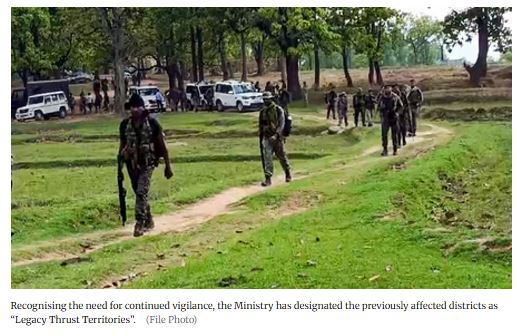
- 06 Mar 2026
In News:
In order to sustain the significant progress made in combating Left Wing Extremism (LWE), the Ministry of Home Affairs (MHA) has introduced the concept of Legacy Thrust Territories (LTTs). This initiative aims to ensure that areas once affected by Naxal violence continue to receive focused security attention and developmental support, thereby preventing the resurgence of extremist activities.
The framework reflects a shift from purely security-centric counter-insurgency operations to governance-led stabilization and development in previously affected regions.
Background: Decline of Left Wing Extremism
Over the past two decades, India has witnessed a sharp decline in LWE-related activities due to coordinated security operations and development initiatives.
Key trends include:
- Around 200 districts were affected by LWE in the early 2000s.
- By 2025, the number of affected districts declined to 38.
- Currently, only seven districts remain under the core LWE list, including:
- Five districts in Chhattisgarh
- One district in Jharkhand
- One district in Odisha
Despite these gains, concerns remain that insurgent groups may attempt to regroup if security and governance efforts weaken.
What are Legacy Thrust Territories?
Legacy Thrust Territories refer to previously Naxal-affected districts that continue to receive focused security monitoring and developmental intervention even after insurgent activities decline.
The approach recognizes that post-conflict regions remain vulnerable to extremist revival if governance gaps persist. Therefore, the initiative seeks to maintain stability while gradually transitioning toward normal governance structures.
Objectives of the Initiative
The Legacy Thrust Territories framework aims to:
- Prevent resurgence of Naxalism after operational successes.
- Ensure a smooth transition from security-led operations to development-led governance.
- Strengthen administrative presence and state legitimacy in former conflict zones.
- Promote socio-economic integration and infrastructure development in historically marginalized regions.
Key Features of the Legacy Thrust Territories Strategy
1. Sustained Security Deployment: Even after a decline in insurgent activity, central armed police forces will continue to maintain a presence in sensitive regions. This prevents security vacuums that insurgent groups could exploit.
2. Development-Oriented Approach: The initiative prioritizes infrastructure and welfare development, including:
- road connectivity
- telecommunications expansion
- improved delivery of public services
- strengthening of local governance institutions.
3. Phased Redeployment of Security Forces: Instead of abrupt withdrawal, security forces will undergo gradual redeployment, ensuring stability while administrative systems take stronger control.
4. Centre–State Coordination: The strategy emphasizes close coordination between the Union Government and State Governments, while allowing operational flexibility for security agencies.
5. Administrative Strengthening: The government aims to enhance bureaucratic responsiveness and governance capacity in previously conflict-affected districts to address long-standing developmental deficits.
6. Monitoring Extremist Propaganda: Security agencies will strengthen intelligence gathering and monitoring of extremist networks, including activities in digital and online spaces.
7. Rehabilitation and Surrender Policy: The initiative will also focus on encouraging surrender and rehabilitation of remaining cadres, combined with targeted operations against residual insurgent elements.
PSB Reforms under EASE 9.0

- 06 Mar 2026
In News:
The Government of India has launched the EASE 9.0 reforms agenda to modernize and strengthen Public Sector Banks (PSBs) by integrating advanced technologies, improving productivity, and adopting new operating models. Initiated by the Department of Financial Services in February 2026, the reform programme seeks to transform PSBs into globally competitive institutions aligned with the vision of Viksit Bharat @2047.
EASE 9.0 emphasizes technology-led modernization, institutional resilience, and enhanced governance through a structured reform framework.
Key Reforms under the EASE 9.0 Agenda
1. Global Capability Centre (GCC) Strategy
PSBs will develop a Global Capability Centre (GCC) strategy during FY 2026–27 along with a capacity-building roadmap.
- The State Bank of India (SBI) has established the first GCC among PSBs in Karnataka, setting a model for other banks.
- GCCs are offshore units that perform high-value strategic functions such as IT services, research and development, data analytics, and business support.
- These centres help institutions improve efficiency, innovation, and global integration.
2. Strengthening Technology Infrastructure
Under EASE 9.0, banks will modernize digital infrastructure to ensure operational resilience and scalability.
Key initiatives include:
- Adoption of active-active data centre models to ensure uninterrupted banking services.
- Development of core artificial intelligence (AI) stacks, including:
- licensing of Large Language Models (LLMs)
- GPU infrastructure strategies
- deployment of private cloud-based AI models.
- Creation of enterprise-wide consent management frameworks.
- Implementation of data tokenisation and anonymisation systems to allow secure and continuous use of data for business and analytics purposes.
3. Collaborative and Digital Banking Solutions
PSBs are encouraged to collaborate in building shared technological solutions to improve efficiency and reduce costs.
Such collaborative initiatives may include:
- Blockchain-based banking systems
- advanced fraud detection models
- AI-driven risk assessment tools
- integrated digital platforms offering comprehensive banking services.
These measures aim to create scalable and secure financial ecosystems.
Banking, Financial Services and Insurance (BFSI) Global Capability Centres
Concept and Role: A BFSI Global Capability Centre (GCC) is a wholly owned offshore subsidiary of a global financial institution that centralizes strategic operations in locations with strong talent pools such as India.
Unlike general GCCs, BFSI GCCs specifically support banking and financial institutions in areas including:
- risk management
- regulatory compliance
- cybersecurity
- fintech development
- advanced data analytics.
Evolution of GCCs
Initially established to achieve cost advantages (often 50–60% savings compared to home markets), GCCs have evolved into innovation hubs performing high-end functions such as:
- Artificial Intelligence (AI) and Machine Learning (ML)
- cybersecurity solutions
- regulatory technology (RegTech)
- financial platform development
- advanced analytics and automation.
India’s Position in the Global BFSI GCC Ecosystem
India has emerged as a major global hub for BFSI GCCs.
Key statistics include:
- Around 185–190 BFSI GCCs currently operate in India.
- They employ approximately 540,000 professionals, accounting for nearly 25% of total GCC employees in the country.
- The sector is projected to grow from USD 40–41 billion in 2023 to about USD 125 billion by 2032.
Major GCC hubs in India include:
- Bengaluru – analytics and engineering
- Hyderabad – fintech innovation
- Mumbai – financial services core operations
- Pune, Chennai and Gurugram/NCR – technology and support services.
Global financial institutions operating GCCs in India include: JPMorgan Chase, HSBC, Wells Fargo, Citigroup, Standard Chartered, Deutsche Bank, Barclays, Bank of America, Goldman Sachs, Morgan Stanley.
Core Framework of EASE 9.0: The R.I.S.E. Pillars
The reform programme is structured around four foundational pillars:
1. Risk and Resilience
- Strengthening financial and credit risk management.
- Enhancing operational resilience and enterprise-wide risk oversight mechanisms.
2. Innovation: Deep integration of advanced technologies including AI, Generative AI (GenAI), machine learning, cloud architectures, and microservices.
3. Socio-economic Impact
- Expanding inclusive banking services.
- Enhancing access to financial services for underserved populations, including gig and platform workers.
4. Excellence
- Improving governance standards and operational efficiency.
- Creating customer-centric banking processes and cost-effective next-generation operating models.
Significance of EASE 9.0 Reforms
The reforms are expected to:
- strengthen the technological competitiveness of PSBs
- enhance digital banking infrastructure and cybersecurity
- enable innovation-driven financial services
- support financial inclusion and economic growth
- position Indian PSBs as globally competitive institutions.
India’s New GDP Series with Base Year 2022-23
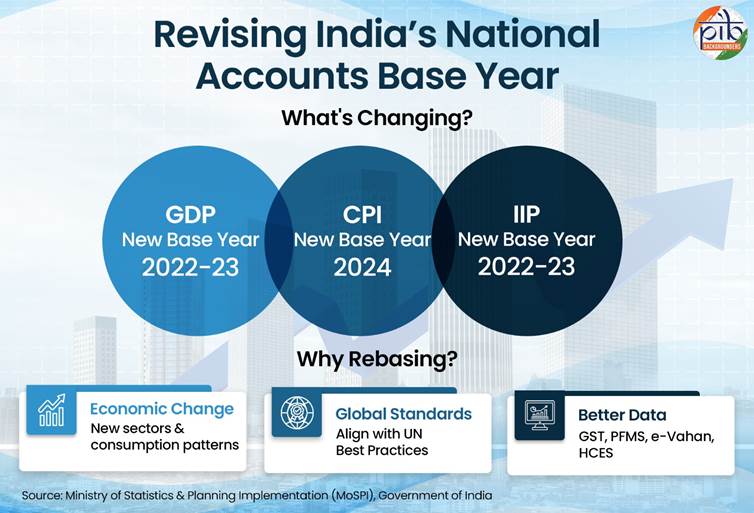
- 06 Mar 2026
In News:
The Ministry of Statistics and Programme Implementation (MoSPI) has introduced a new series of Annual and Quarterly National Accounts Estimates with base year 2022–23, replacing the earlier 2011–12 base year. This revision represents a major statistical update in the measurement of India’s Gross Domestic Product (GDP).
The new series integrates improved data sources, updated sectoral coverage, and refined estimation techniques such as the Supply and Use Tables (SUT) framework and double deflation, ensuring a more accurate representation of the evolving structure of the Indian economy.
Key Highlights of the New GDP Series
Growth Performance
- Real GDP growth is estimated at 7.6% in FY 2025–26, revised upward compared with estimates based on the previous series.
- Growth remained robust at 7.2% in FY 2023–24 and 7.1% in FY 2024–25.
- Nominal GDP growth is estimated at 8.6% in FY 2025–26, after 11.0% (FY 2023–24) and 9.7% (FY 2024–25).
Quarterly Economic Drivers
- The strong performance in FY 2025–26 was driven mainly by:
- Second quarter growth: 8.4%
- Third quarter growth: 7.8%
Sectoral Contributions
- Manufacturing emerged as a key growth driver with double-digit growth in FY 2023–24 and FY 2025–26.
- Secondary and tertiary sectors recorded over 9% growth in FY 2025–26.
- The services segment “Trade, Repair, Hotels, Transport, Communication and Broadcasting-related services” grew by 10.1% at constant prices.
Demand-Side Trends
- Private Final Consumption Expenditure (PFCE) and Gross Fixed Capital Formation (GFCF) both grew above 7% in FY 2025–26, indicating strong consumption and investment demand.
Rationale for Revising the Base Year
1. Reflecting a Normal Post-Pandemic Year: The base year 2022–23 was selected as it represents a stable economic year after the disruptions caused by COVID-19. Earlier years such as 2019–20 and 2020–21 were distorted by lockdowns, supply chain disruptions and abnormal consumption patterns.
2. Capturing Structural Changes in the Economy: India’s economy has evolved significantly over the past decade with the expansion of:
- Digital and platform-based services
- Renewable energy
- Gig economy and platform work
- Changes in consumption and investment patterns
Rebasing ensures GDP estimates better reflect these structural shifts.
3. Improved Data Sources: The new series incorporates richer and more frequent datasets, including:
- Annual Survey of Unincorporated Sector Enterprises (ASUSE)
- Periodic Labour Force Survey (PLFS)
- GST data for manufacturing and services
- e-Vahan portal data for transport-related consumption
- Public Financial Management System (PFMS) for government accounts
- Updated sectoral studies in agriculture, fisheries, dairy and transport
These additions improve granularity, reliability and timeliness of GDP estimates.
Methodological Improvements
1. Double Deflation: Separate deflation of output and input prices is now used in manufacturing and agriculture, replacing the earlier single-deflation approach.
2. Supply and Use Tables (SUT) Framework: Following the **United Nations Statistical Division guidelines under the System of National Accounts 2008, the new series systematically applies the SUT framework, ensuring consistency between production, income and expenditure estimates.
3. Better Corporate Activity Classification: Value added by multi-activity corporations is now distributed across different sectors using detailed corporate filings.
4. Improved Estimation of Consumption
PFCE estimation now combines:
- household survey data,
- administrative records,
- commodity flow methods, and
- the COICOP 2018 classification.
5. Improved State-Level Estimation: The National Statistical Office (NSO) will guide states toward direct estimation of Gross State Domestic Product (GSDP) using better state-level datasets, improving comparability across states.
Implications of the New GDP Series
Lower Nominal GDP: The revised methodology has reduced nominal GDP by about 3–4% for FY 2025–26 and previous years.
Fiscal Deficit Pressures: Because fiscal deficit is measured as a percentage of GDP:
- The FY 2025–26 deficit rises from 4.4% to about 4.5% under the new series.
- Achieving the FY 2026–27 target of 4.3% may require nominal GDP growth of 13–14%, higher than earlier projections.
Higher Debt-to-GDP Ratio: The Centre’s debt ratio increases from 56.2% to 58.1% for FY 2025–26, making fiscal consolidation more challenging.
Impact on the USD 4 Trillion Economy Target: India’s GDP is estimated at about USD 3.8 trillion in FY 2025–26.
Crossing the USD 4-trillion mark in FY 2026–27 will require:
- strong nominal growth, and
- stable exchange rates, since rupee depreciation could delay the milestone.
Sectoral Realignment: Improved data suggests the agricultural sector is about 5% larger, partly due to better measurement of high-value crops and lower input costs such as solar-powered irrigation under schemes like PM KUSUM.
Way Forward: Strengthening India’s Economic Measurement System
- Introduction of Producer Price Index (PPI): Recommended by the Working Group on Producer Price Index chaired by B. N. Goldar, PPI would better capture producer price movements.
- Revision of Wholesale Price Index (WPI) Base Year: Updating WPI is necessary to ensure accurate deflators for GDP calculations.
- Preparation for SNA 2025 Adoption: India must build data infrastructure for the upcoming SNA 2025 framework, which will incorporate digital economy, crypto assets and environmental accounting.
- Better Measurement of MSMEs: Heavy reliance on corporate filings may bias estimates toward large firms; improved mechanisms are required to capture MSME value addition.
ALMA Telescope

- 03 Mar 2026
In News:
Recent astronomical observations have produced the largest and most detailed image of the central region of the Milky Way, revealing a complex network of filaments of cosmic gas and previously hidden chemical structures. The discovery was made using the Atacama Large Millimeter/submillimeter Array (ALMA), one of the world’s most advanced radio telescope facilities. These observations provide new insights into the chemical composition, gas dynamics, and star-formation processes occurring near the centre of our galaxy.
Atacama Large Millimeter/submillimeter Array (ALMA)
- ALMA is a state-of-the-art radio telescope array designed to study the universe in millimetre and submillimetre wavelengths, which are particularly useful for observing cold gas, dust, and molecular clouds that are often invisible to optical telescopes.
Location and Development
- ALMA is located in the Atacama Desert of northern Chile, one of the driest places on Earth, offering ideal conditions for radio astronomy due to minimal atmospheric moisture.
- The observatory became fully operational in 2013.
- It is a major international collaboration involving:
- National Radio Astronomy Observatory (NRAO), USA
- National Astronomical Observatory of Japan (NAOJ)
- European Southern Observatory (ESO).
Key Features
- 66 high-precision antennas arranged across distances of up to 16 km on the Chajnantor Plateau.
- The antennas can be repositioned, allowing astronomers to adjust resolution similar to a camera’s zoom lens.
- ALMA possesses extremely high sensitivity, enabling detection of very faint radio emissions from distant cosmic objects.
- It functions as an interferometer, combining signals from multiple antennas to produce extremely detailed astronomical images.
Recent Discovery: Mapping the Milky Way’s Central Region
Using ALMA, astronomers recently produced the largest high-resolution image of the Milky Way’s galactic centre at millimetre wavelengths. This region, located about 26,000 light-years from Earth, is dense with gas clouds, dust, and extreme astrophysical activity.
Key Findings
- Network of Gas Filaments
- The observations revealed a vast network of thin filaments of molecular gas distributed across the central region.
- These filaments likely play a crucial role in transporting matter and energy across the galaxy’s core.
- Hidden Chemical Structures
- Scientists identified previously undetected molecules and complex chemical interactions within dense gas clouds.
- These findings help researchers understand the chemical evolution of galaxies and the origins of complex organic molecules in space.
- Star Formation and Galactic Activity
- The galactic centre hosts intense star formation and energetic processes, influenced by strong gravitational forces and radiation.
- Mapping these structures provides clues about how stars form in extreme environments.
- Improved Understanding of Galactic Dynamics
- Detailed imaging allows astronomers to track gas movements, turbulence, and interactions near the Milky Way’s centre.
- This may help explain how matter accumulates around the supermassive black hole Sagittarius A* at the core of the galaxy.
Major Contributions of ALMA to Astronomy
Since becoming operational, ALMA has produced several landmark discoveries:
- Early Starburst Galaxies: ALMA detected starburst galaxies that existed earlier in the universe than previously believed, altering our understanding of galaxy formation.
- Protoplanetary Disc Around HL Tauri: It captured high-resolution images of the protoplanetary disc around HL Tauri, a young star about 450 light-years from Earth, revealing rings where planets are likely forming.
- Observation of Einstein Rings: ALMA has helped scientists study Einstein rings, a phenomenon predicted by Einstein’s theory of general relativity where light from a distant galaxy bends around a massive object, forming a ring-like structure due to gravitational lensing.
Scientific Significance
The recent mapping of the Milky Way’s centre highlights the importance of millimetre and submillimetre astronomy in uncovering cosmic phenomena hidden behind dust clouds. Observations from ALMA help scientists:
- Understand the chemical composition of interstellar space.
- Study the processes of star and planet formation.
- Investigate the dynamics of galactic centres and supermassive black holes.
- Explore the evolution of galaxies across cosmic time.
Missile Defence in the US-Israel-Iran Conflict

- 03 Mar 2026
In News:
Recent tensions in West Asia, particularly involving the United States, Israel, and Iran, have highlighted the growing importance of missile defence systems in contemporary warfare. The increasing use of ballistic missiles, cruise missiles, and armed drones has compelled countries to develop multi-layered air defence architectures capable of detecting, tracking, and intercepting hostile projectiles before they reach their targets. These systems play a crucial role not only in protecting civilian infrastructure and military installations but also in strengthening deterrence and strategic stability.
What is a Missile Defence System?
A missile defence system is an integrated military architecture designed to detect, track, and destroy incoming missiles or aerial threats before impact. Such systems combine advanced sensors, command networks, and interceptor missiles to neutralise threats during different phases of flight.
Key Components
- Sensors and Detection Systems:
- Satellites and ground-based radar stations continuously monitor the sky.
- They detect launches and track the speed, altitude, and trajectory of incoming threats.
- Command and Control Centres:
- Advanced computing systems process sensor data.
- Military operators assess whether the object is a threat and determine the appropriate defensive response.
- Interceptor Missiles: These are defensive missiles launched to destroy the incoming projectile mid-air.
Strategic Importance
Missile defence systems serve multiple purposes:
- Protection of lives and infrastructure by neutralising aerial threats.
- Deterrence, as adversaries may hesitate to launch attacks if interception is likely.
- Decision-making time, allowing governments and military authorities to evaluate response options during crises.
How Missile Interceptors Work
The functioning of missile interceptors involves several coordinated stages:
- Detection and Tracking: Ground-based radar scans the sky by emitting radio beams. When these signals bounce off an object, computers analyse the reflection to determine its speed, altitude, and trajectory.
- Target Locking: If the object is identified as a threat, the radar focuses on it, continuously updating its location.
- Launch of Interceptor: A command centre calculates the interception trajectory and instructs the launcher system to fire the interceptor missile.
- Mid-course Guidance: Radar tracks both the incoming missile and the interceptor, transmitting guidance signals to ensure the interceptor moves toward the target.
- Terminal Phase Destruction: In the final stage, the interceptor uses onboard sensors (seekers) to precisely locate the target and destroy it using either:
- Proximity fuse: detonates a warhead near the target to destroy it with shrapnel.
- Hit-to-kill technology: directly collides with the target using kinetic energy, a method used in many modern systems.
Major Missile Defence Systems in the US–Israel–Iran Theatre
United States
The United States deploys multiple interceptor systems forming a layered defence network:
- THAAD (Terminal High Altitude Area Defense): Intercepts short- and intermediate-range ballistic missiles during the terminal phase at high altitudes using hit-to-kill technology.
- Patriot Missile System: Provides point defence against ballistic missiles, cruise missiles, and aircraft, widely used to protect military bases and critical infrastructure.
- SM-3 and SM-6 (US Navy): Sea-based interceptors launched from naval vessels.
- SM-3: Targets ballistic missiles during the mid-course phase outside the atmosphere.
- SM-6: Engages aircraft, missiles, and drones in the terminal phase.
- Indirect Fire Protection Capability (IFPC): Uses AIM-9X interceptors to counter rockets, artillery shells, and drones while conserving expensive missile defence systems like Patriot.
Israel
Israel maintains one of the world’s most sophisticated multi-layered air defence systems:
- Arrow-3: Intercepts long-range ballistic missiles outside the atmosphere.
- Arrow-2: Engages ballistic missiles within the atmosphere.
- David’s Sling: Designed to intercept medium- and long-range rockets, cruise missiles, and tactical ballistic missiles.
- Iron Dome: Highly effective short-range defence system used to intercept rockets, artillery shells, and drones.
- Iron Beam: A laser-based directed energy system aimed at destroying drones and small projectiles at relatively low cost.
Iran
Iran has developed indigenous and imported air defence systems to counter aerial threats:
- Bavar-373: Long-range air defence system capable of intercepting aircraft and ballistic missiles.
- Sevom-e-Khordad: Mobile system targeting aircraft and cruise missiles, improving survivability through mobility.
- Tor-M1: Short-range defence system used to intercept drones and precision-guided munitions.
- Majid and Azarakhsh: Systems designed primarily to counter drones and low-flying aerial threats.
United Arab Emirates
- Cheongung II: A South Korean medium-range air defence system featuring 360-degree radar coverage and vertical launch capability, designed to intercept cruise missiles and tactical ballistic threats.
Rare Disease Day

- 03 Mar 2026
In News:
- Rare Disease Day is observed globally on 28 February (or 29 February in leap years, symbolically the rarest day) to highlight the medical, social, and economic challenges faced by persons living with rare diseases.
- Established in 2008 and coordinated by EURORDIS (European Organisation for Rare Diseases) in partnership with over 70 national patient alliances, the day seeks to promote equity in diagnosis, healthcare access, research, and treatment availability.
Understanding Rare Diseases
Definition
There is no single universal definition of a rare disease. Globally, an emerging consensus defines it as a condition affecting ≤ 1 in 2,000 persons in a WHO-defined region. The classification is prevalence-based in many countries, though approaches vary.
Key Characteristics
- 6,000–10,000 identified rare diseases globally
- Affect an estimated 300–450 million people worldwide
- 50–75% manifest in childhood or at birth
- Nearly 80% are of genetic origin (e.g., lysosomal storage disorders)
- Others include rare cancers, autoimmune and infectious diseases
A major concern is the treatment gap—approximately 95% of rare diseases lack approved curative therapies, making them a serious global public health challenge.
Rare Diseases in India
India does not adopt a strict prevalence-based definition due to limited epidemiological data. Instead, the National Policy for Rare Diseases 2021 (NPRD 2021) categorises diseases based on:
- Group 1: Disorders requiring one-time curative treatment
- Group 2: Diseases requiring long-term or lifelong treatment
- Group 3: Conditions where treatment is available but costly and requires sustained therapy
Estimates suggest 72–96 million people in India may be living with rare diseases, indicating a significant though under-documented burden.
Policy and Financial Support Mechanisms
1. Financial Assistance
Under NPRD 2021:
- Financial support of up to ?50 lakh per patient
- Applicable for any of the 63 identified rare diseases
- Treatment provided at designated Centres of Excellence (CoEs)
However, implementation challenges such as delayed fund disbursal, limited diagnostic infrastructure, and uneven geographical distribution of CoEs have affected access to treatment.
2. Budgetary and Fiscal Measures (Union Budget 2026–27)
- Seven additional rare diseases included for exemption from import duties on personal imports of drugs, medicines, and food for special medical purposes.
- Rare diseases identified as a focus area under the Production Linked Incentive (PLI) Scheme for Pharmaceuticals, encouraging domestic manufacturing of orphan drugs.
These measures aim to reduce dependency on expensive imports and improve affordability.
Salar de Pajonales
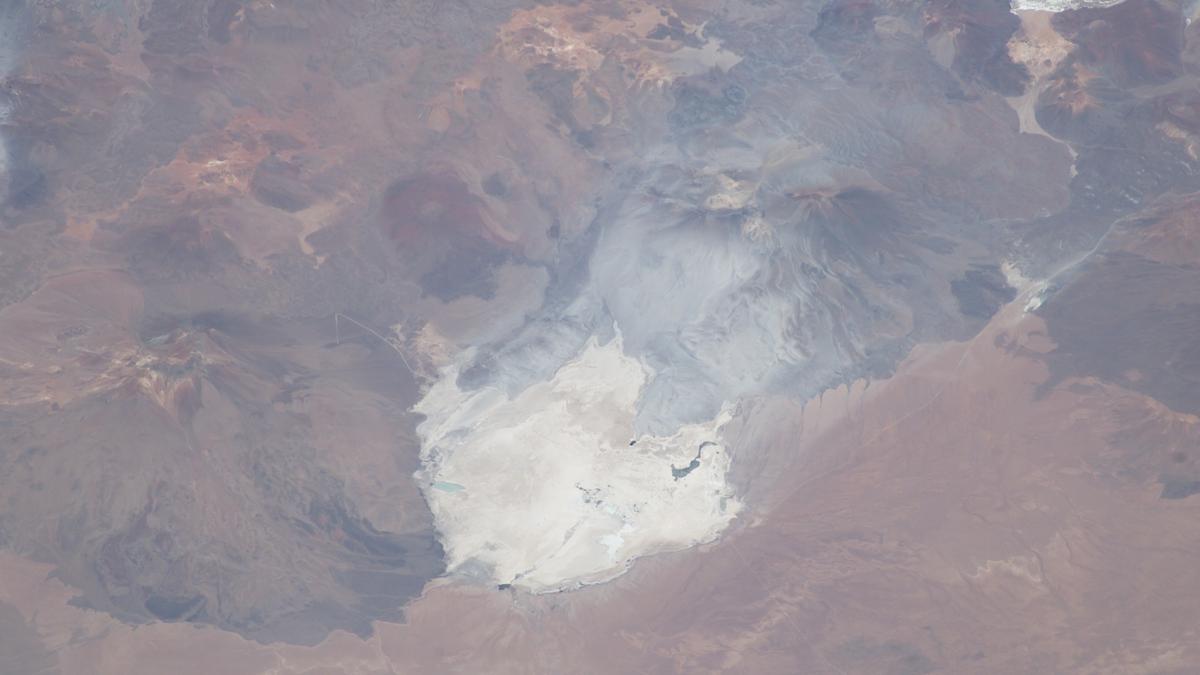
- 03 Mar 2026
In News:
Recent scientific research in Chile’s Salar de Pajonales has revealed that gypsum deposits can act as microscopic shields, protecting living microbes and preserving ancient fossils. The findings hold major implications for astrobiology and the ongoing search for life on Mars, as similar mineral formations exist on the Martian surface.
Geographical and Environmental Profile
Salar de Pajonales is a large playa (salt flat) located in northern Chile on the western margin of the Altiplano-Puna plateau, at an elevation of approximately 3,500 metres above sea level. It is the third-largest salar in the Atacama Region, after Salar de Atacama and Salar de Punta Negra.
The region lies within the hyper-arid core of the Atacama Desert, one of the driest places on Earth.
Polyextreme Conditions
The site experiences polyextreme environmental conditions, including:
- Extreme aridity
- High altitude and low atmospheric pressure
- Intense solar and ultraviolet radiation
- Large diurnal temperature variations
- Sulfate-rich mineral composition
These characteristics closely resemble surface conditions on Mars, making the region a significant Martian analogue site.
Hydrological and Geological Features
Salar de Pajonales is an endorheic basin (a closed drainage system with no outflow), sustained primarily by groundwater inputs.
The surface is dominated by evaporitic deposits, particularly:
- Gypsum (calcium sulfate dihydrate) crusts
- Layered microbial structures known as stromatolites
These mineral and biological structures provide a natural laboratory to study life under extreme conditions.
Gypsum as a Microbial Shield
Recent studies have demonstrated that gypsum acts as a microscopic protective barrier.
Key Findings
- Active extremophile communities: Halophilic bacteria and archaea survive within protected microhabitats inside gypsum crystals.
- Preserved fossilized microbes
- Ancient microbial remains and molecular biosignatures are trapped within gypsum layers.
- Some biosignatures date back thousands of years.
- Radiation and Desiccation Protection
- Gypsum shields biological material from ultraviolet radiation.
- It prevents rapid dehydration in hyper-arid conditions.
Thus, gypsum serves as a natural repository of biosignatures, preserving evidence of life even in extreme environments.
Astrobiological Significance
The environmental conditions in Salar de Pajonales mirror those believed to have existed on early Mars. Importantly, gypsum has also been detected on Mars by orbital and rover missions.
The study suggests that:
- Future Mars missions should prioritize gypsum-rich terrains.
- Orbiters and rovers can target sulfate deposits as prime candidates for detecting ancient life.
- Mineralogical mapping can guide astrobiological exploration strategies.
This research strengthens the hypothesis that if microbial life ever existed on Mars, its traces may be preserved within evaporitic minerals like gypsum.
Coconut Promotion Scheme
- 03 Mar 2026
In News:
The Union Budget 2026–27 announced a Coconut Promotion Scheme, signalling renewed policy focus on India’s coconut economy. The scheme aims at rejuvenating old, senile, and low-yielding gardens with high-yielding varieties and promoting new plantations, particularly along coastal belts. This aligns with India’s broader objective of strengthening plantation crops for rural livelihoods, export potential, and climate resilience.
Coconut: Botanical and Agro-Climatic Profile
Coconut is a perennial plantation crop and a monocotyledonous palm belonging to the family Arecaceae. It is native to the Indo-Pacific region, with origins commonly traced to Southeast Asia.
Climatic Requirements:
- Warm and humid tropical climate
- Optimum temperature: 25°C–30°C
- High and well-distributed rainfall
- Sensitivity to prolonged drought and extreme weather
Soil Requirements:
- Well-drained sandy loam
- Alluvial soils
- Laterite soils
- Coastal sandy soils
Production and Distribution in India
- India is the world’s largest producer and consumer of coconuts, reflecting both domestic demand and agro-ecological suitability. The crop is predominantly cultivated in: Kerala, Tamil Nadu, Karnataka, Andhra Pradesh, Odisha, Goa, and West Bengal
- In recent years, cultivation has expanded into non-traditional regions such as parts of Gujarat, Assam, and other non-peninsular areas, supported by diversification initiatives of the Coconut Development Board (CDB).
- The coconut sector supports the livelihoods of nearly 30 million people, including around 10 million farmers, highlighting its socio-economic significance.
Institutional Framework: Role of the Coconut Development Board
The Coconut Development Board (CDB) has been implementing schemes for:
- Rejuvenation of senile plantations
- Expansion into new agro-climatic zones
- Quality planting material distribution
- Technology dissemination
- Value addition and market support
The proposed Coconut Promotion Scheme builds on these efforts, aiming to enhance productivity and area expansion.
Emerging Challenge: Productivity vs Sustainability
While productivity enhancement has historically been the policy focus, contemporary challenges necessitate a shift toward sustainable coconut cultivation. Key concerns include:
- Climate Change:
- Increased frequency of droughts, cyclones, and erratic rainfall
- Coastal salinity intrusion
- Temperature stress affecting yield
- Monocropping and Soil Degradation:
- Declining soil fertility
- Reduced biodiversity
- Greater vulnerability to pests and diseases
- Water Stress: Coconut cultivation is water-intensive; inefficient irrigation practices exacerbate groundwater depletion.
- Economic Viability: Price fluctuations and rising input costs affect farmer incomes.
Path Towards Sustainable Coconut Economy
A sustainability-oriented strategy should include:
- Climate-resilient varieties and drought-tolerant hybrids
- Integrated farming systems (intercropping with spices, cocoa, banana)
- Water-use efficiency through drip irrigation and rainwater harvesting
- Organic and natural farming practices
- Value addition (virgin coconut oil, coconut sugar, coir products, activated carbon)
- Strengthened farmer producer organizations (FPOs)
Sustainability enhances long-term productivity while protecting ecological balance and farmer incomes.
India–EU ‘Most Favoured Nation’ (MFN) Status
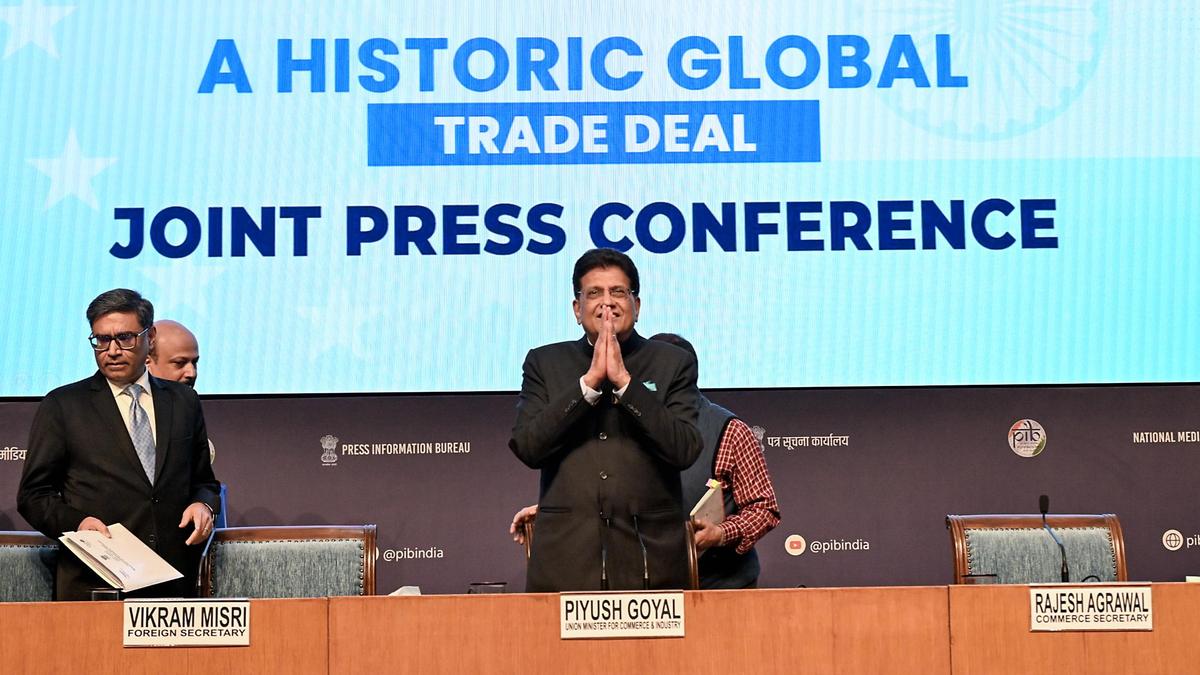
- 02 Mar 2026
In News:
- India and the European Union (EU) are set to grant each other ‘Most Favoured Nation’ (MFN) status for a period of five years from the date the proposed Free Trade Agreement (FTA) comes into force.
- This move is part of broader efforts to deepen trade and investment ties between India and the EU, which is one of India’s largest trading partners.
What is ‘Most Favoured Nation’ (MFN) Status?
The Most Favoured Nation (MFN) principle is a foundational concept under the World Trade Organization (WTO) framework.
Core Principle
Under MFN:
- A country must treat all its trading partners equally.
- If it grants a special trade concession (such as lower tariffs or market access) to one country, it must extend the same benefit to all other WTO members.
- Discrimination between trading partners is generally prohibited.
Thus, despite the term “most favoured,” it actually means non-discriminatory treatment among WTO members.
Legal Basis in WTO Agreements
The MFN principle is embedded in major WTO agreements:
- GATT (Goods Trade): Enshrined in Article I of the General Agreement on Tariffs and Trade (GATT), 1994.
- GATS (Services Trade): Incorporated under Article II of the General Agreement on Trade in Services (GATS).
- TRIPS (Intellectual Property Rights): Reflected in Article 4 of the TRIPS Agreement.
Together, these provisions make MFN a central pillar of the multilateral trading system.
Objectives of the MFN Principle
MFN promotes:
- Equality in trade relations
- Predictability in tariff structures
- Transparency in trade rules
- Stability in global commerce
It reduces arbitrary discrimination and supports a rules-based trading order.
MFN and Free Trade Agreements (FTAs)
While MFN requires equal treatment, WTO rules permit exceptions, including:
- Free Trade Agreements (FTAs)
- Customs Unions
- Special preferences for developing countries under schemes like the Generalized System of Preferences (GSP)
FTAs allow member countries to provide preferential treatment among themselves without extending the same to all WTO members.
In the case of the India–EU FTA:
- MFN status within the agreement framework strengthens mutual trade commitments.
- It ensures reciprocal and predictable treatment in goods, services, and investment domains for the agreed period.
Significance of India–EU MFN Arrangement
1. Strengthening Bilateral Trade
The EU is one of India’s largest trading partners in goods and services. MFN status under the FTA framework:
- Enhances market access
- Improves tariff predictability
- Encourages long-term investment
2. Strategic and Economic Relevance
- Supports diversification of India’s trade partners amid global supply chain realignments.
- Aligns with India’s strategy of negotiating comprehensive trade agreements (e.g., UAE, Australia, UK under negotiation).
3. Boost to Rules-Based Trade
- Reinforces commitment to WTO principles.
- Signals support for a non-discriminatory multilateral trade order at a time of rising protectionism globally.
Yadava Dynasty
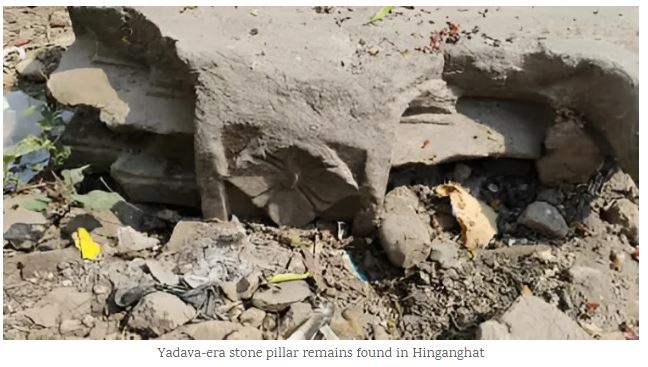
- 02 Mar 2026
In News:
- Recently, remains of a 12th-century Mandir-style stone pillar associated with the Seuna (Yadava) dynasty were discovered along the Vena River in Hinganghat, Wardha district, Maharashtra.
- The find highlights the architectural and cultural legacy of the Yadavas in the Deccan region and provides material evidence of medieval temple construction traditions in central India.
About the Yadava (Seuna) Dynasty
The Yadava Dynasty, also known as the Seuna Dynasty, ruled a powerful Hindu kingdom in the Deccan between the 12th and 14th centuries CE.
Territorial Extent
At its peak, the Yadava kingdom extended:
- From the River Tungabhadra in the south
- To the River Narmada in the north
- Covering present-day Maharashtra, northern Karnataka, and parts of Madhya Pradesh
Political Evolution
Early Phase
- Initially feudatories of the Western Chalukyas of Kalyani.
- Rose to prominence under Bhillama V (c. 1187–1191 CE).
- Founded Devagiri (later Daulatabad) as the capital.
Zenith under Singhana (c. 1210–1247 CE)
- Grandson of Bhillama.
- Declared independence.
- Conducted military campaigns against:
- Hoysalas (South)
- Kakatiyas (East)
- Paramaras and Chalukyas (North)
This period marked the territorial and political high point of the dynasty.
Decline and Annexation
- During the reign of Ramachandra (1271–c. 1309 CE):
- In 1294, Alauddin Khalji invaded Devagiri.
- The Yadava kingdom was reduced to tributary status under the Delhi Sultanate.
- A later attempt to assert independence failed.
- In 1317, the kingdom was fully annexed by the Khalji Empire.
This marked the beginning of stronger Delhi Sultanate penetration into the Deccan.
Cultural and Architectural Contributions
1. Foundations of Marathi Culture
- The Yadavas played a crucial role in shaping early Marathi language and literature.
- Social and cultural institutions of Maharashtra evolved significantly during their rule.
2. Hemadpanti Architecture: The dynasty is closely associated with the Hemadpanti style, attributed to minister Hemadri (Hemadpant).
Key Features:
- Construction using large blocks of black stone
- Dry masonry technique (without mortar)
- Massive, durable structures
- Temple-oriented architectural designs
Numerous temples in Maharashtra are built in this style.
Gitchak nakana
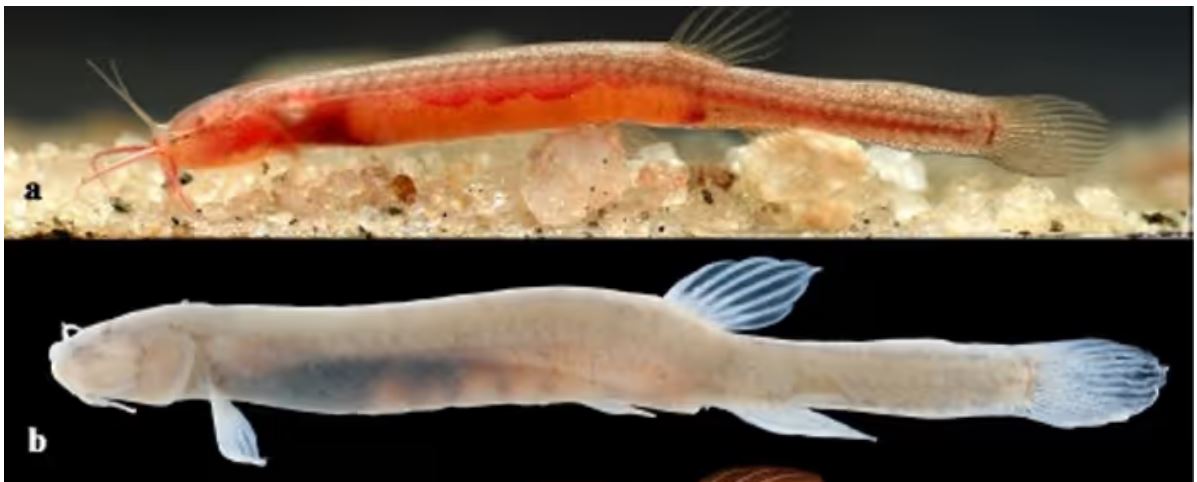
- 02 Mar 2026
In News:
A new species of groundwater-dwelling fish, Gitchak nakana, has recently been discovered in Assam. The species was found in a dug-out well and represents the first aquifer-dwelling (phreatobitic) fish recorded from Northeast India. This discovery adds to India’s growing record of endemic and subterranean biodiversity.
About Gitchak nakana
- Type: Groundwater (aquifer-dwelling) fish
- Family: Cobitidae (Loaches)
- Genus: Newly described genus
- Size: Approximately 2 cm in length
- Habitat: Subterranean aquifers
- Location of Discovery: Assam
The species was discovered in a dug-out well, indicating its existence in underground water systems rather than surface water bodies such as rivers or ponds.
Etymology
The name reflects local linguistic heritage:
- “Gitchak” (Garo language) – means red, referring to its striking blood-red colour when alive.
- “Na-tok” / “kana” – refer to a blind fish.
The nomenclature highlights both the species’ morphology and its cultural-geographical context.
Unique Morphological Features
Gitchak nakana displays classic troglomorphic adaptations — traits evolved for life in complete darkness:
- Absence of externally visible eyes (blindness)
- Translucent, pigmentless body
- Extreme miniaturization (only 2 cm long)
- Complete absence of skull roof — the brain is covered dorsally only by skin
The lack of a skull roof is particularly unusual and makes it one of the most anatomically distinctive loach species recorded.
What are Phreatobitic Species?
- Phreatobitic organisms live in groundwater aquifers rather than surface water or caves.
- Aquifers are underground water-bearing geological formations.
- Such habitats are difficult to access and poorly studied, which explains why discoveries are rare.
Globally:
- More than 300 fish species are known from subterranean habitats.
- However, the vast majority inhabit caves.
- Less than 10% are known from groundwater aquifers, making this discovery scientifically significant.
Thus, Gitchak nakana represents a rare addition to the small global group of true aquifer-dwelling fishes.
Forest Owlet
- 02 Mar 2026
In News:
Recently, the Forest Owlet was sighted in Kuno National Park, Madhya Pradesh, marking its reappearance in the region 113 years after it was last recorded there. The species had not been seen in Kuno since the early 20th century, making this rediscovery ecologically significant. The development strengthens Kuno’s biodiversity profile, which has already gained prominence due to the cheetah reintroduction programme.
About the Forest Owlet
- Scientific Name: Athene (Heteroglaux) blewitti
- Family: Strigidae (typical owl family)
- First Described: 1873
- Presumed Extinct: After 1884 due to lack of sightings
- Rediscovered: 1997 in central India
The Forest Owlet was long considered extinct because it was not recorded for over a century after the late 19th century. Its rediscovery in 1997 was a landmark event in Indian ornithology, underscoring the importance of systematic biodiversity surveys.
Habitat and Ecology
Habitat
The species primarily inhabits:
- Tropical and subtropical moist lowland forests
- Dense deciduous woodlands
- Open dry deciduous teak forests
- Tropical and subtropical dry forests
It shows preference for dry deciduous forest ecosystems, especially those dominated by teak.
Distribution
The Forest Owlet is endemic to central India, meaning it is found nowhere else in the world.
Recorded populations exist in:
- Madhya Pradesh
- Maharashtra (notably Melghat Tiger Reserve)
- Odisha
- Chhattisgarh
- Gujarat
The recent sighting in Kuno National Park strengthens evidence of its fragmented but surviving populations across central Indian landscapes.
Physical Characteristics
The Forest Owlet has distinctive morphological features:
- Relatively unspotted crown
- Prominent white throat collar
- Thickly feathered legs
- Heavily banded wings and tail
Unlike many owls that are nocturnal, the Forest Owlet is diurnal (active during the day), which makes it relatively easier to observe compared to other owl species.
Diet and Behaviour
- Primarily feeds on rodents
- Also consumes lizards, skinks, and insects
- Hunts during daylight hours
- Typically seen perched on exposed branches while scanning for prey
Its diurnal nature and specific habitat requirements make it vulnerable to habitat degradation.
Conservation Status
- IUCN Red List: Endangered
- CITES: Appendix I (highest level of international trade protection)
The species faces threats from:
- Habitat loss due to deforestation
- Fragmentation of dry deciduous forests
- Agricultural expansion
- Developmental activities in central India
Given its limited distribution and small population size, conservation of intact forest patches in central India is critical for its survival.
Total Lunar Eclipse
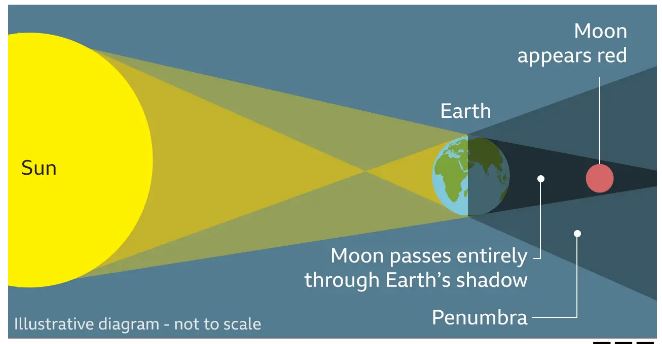
- 02 Mar 2026
In News:
A total lunar eclipse is scheduled on 3 March 2026 (12 Phalguna 1947 Saka Era), offering a rare celestial spectacle visible from large parts of the globe including most regions of India. This astronomical event holds significance for both scientific observation and cultural discourse, coinciding with the traditional period of Holi festivities in North India.
What is a Lunar Eclipse?
A lunar eclipse occurs when the Earth positions itself directly between the Sun and the Moon during the full Moon phase, such that the Earth’s shadow falls on the Moon. This alignment (known as syzygy) results in the Moon entering Earth’s shadow and becoming darkened.
The Earth’s shadow comprises two parts:
- Umbra – The central, darker region where the Sun’s rays are completely blocked.
- Penumbra – The outer, lighter region where sunlight is only partially obstructed.
Depending on how the Moon traverses these shadow zones, eclipses are categorised as:
- Penumbral Eclipse – Moon passes through the penumbra only; very subtle.
- Partial Eclipse – Part of the Moon enters the umbra.
- Total Eclipse – The whole lunar disk enters Earth’s umbra and undergoes complete darkening.
When totality occurs, the Moon often acquires a reddish or coppery hue — popularly known as the “Blood Moon” — due to Rayleigh scattering of sunlight in Earth’s atmosphere. Shorter wavelengths (blue/green light) scatter out, while longer red wavelengths bend into the shadowed region and illuminate the Moon indirectly.
Why Does the Moon Turn Red?
During totality, the Moon’s direct sunlight is completely blocked by the Earth. However, Earth’s atmosphere refracts sunlight, bending the longer red wavelengths into the umbra and onto the lunar surface. This indirect illumination produces the distinctive red or copper hue of the Moon during the peak eclipse phase. This optical effect is the same reason why sunrises and sunsets appear red on Earth.
Cultural and Observational Relevance
- Cultural Context: The eclipse occurs just a day before the festival of Holi in some regional calendars, creating conversations around tradition, auspiciousness, and ritual observances such as Sutak period (a traditional eclipse-related phase affecting religious practices).
- Scientific Observation: Since the entire sequence spans several hours and involves the full transition through penumbral and umbral shadows, it provides valuable opportunities for both amateur and professional astronomers to study Earth’s atmospheric effects and lunar motion.
- Public Skywatching: Skywatching events and public outreach programmes, such as planetarium viewings, encourage scientific literacy and appreciation of astronomy among students and the general public.
National Science Day 2026
- 01 Mar 2026
In News:
National Science Day is observed every year on 28th February to commemorate the discovery of the Raman Effect by eminent Indian physicist Sir Chandrasekhara Venkata Raman in 1928. The day serves as a reminder of India’s scientific legacy and the importance of fostering innovation and research in nation-building.
The year 2026 theme - “Women in Science: Catalyzing Viksit Bharat” - emphasizes the role of women scientists in advancing India’s journey towards becoming a developed nation.
Historical Background
- Sir C.V. Raman discovered the Raman Effect on 28 February 1928.
- For this groundbreaking work, he was awarded the Nobel Prize in Physics in 1930, becoming the first Asian to receive a Nobel Prize in the sciences.
- The first National Science Day was celebrated on 28 February 1987, institutionalizing the observance as an annual tradition to promote scientific awareness.
The primary objective of National Science Day is to spread awareness about the importance of science and its applications in everyday life and national development.
The Raman Effect
The Raman Effect refers to a phenomenon in which:
- When a beam of light passes through a transparent medium (such as a liquid or gas),
- A small portion of the scattered light undergoes a change in wavelength.
This shift in wavelength occurs due to the interaction between light and the vibrational and rotational energy levels of molecules in the medium.
The discovery laid the foundation for Raman Spectroscopy, a powerful analytical tool widely used in physics, chemistry, material science, and medical diagnostics.
Contributions of Sir C.V. Raman
Sir C.V. Raman made significant contributions to scientific research and institution-building in India:
- Founded the Indian Journal of Physics in 1926 to promote indigenous scientific research.
- Became the first Indian Director of the Indian Institute of Science (IISc), Bengaluru, in 1933, strengthening India’s research ecosystem.
- Established the Raman Research Institute (RRI) in 1948, which continues to be a leading centre for fundamental research.
- Awarded the Bharat Ratna in 1954, India’s highest civilian honour.
His life exemplified scientific excellence combined with institution-building for long-term national progress.
Theme 2026: Women in Science and Viksit Bharat
The 2026 theme highlights:
- The need to enhance women’s participation in STEM (Science, Technology, Engineering, and Mathematics) fields.
- Recognition of women scientists as key drivers of innovation, research, and technological advancement.
- Alignment with the broader vision of “Viksit Bharat” (Developed India) by 2047.
Encouraging gender equity in science contributes to inclusive growth, diverse perspectives in research, and sustainable development outcomes.
Significance
National Science Day promotes:
- Development of scientific temper, as envisaged under Article 51A(h) of the Constitution (Fundamental Duties).
- Awareness about research and innovation ecosystems in India.
- Engagement of students, researchers, and institutions in scientific pursuits.
- Public understanding of science as a tool for socio-economic transformation.
Grid Oscillations
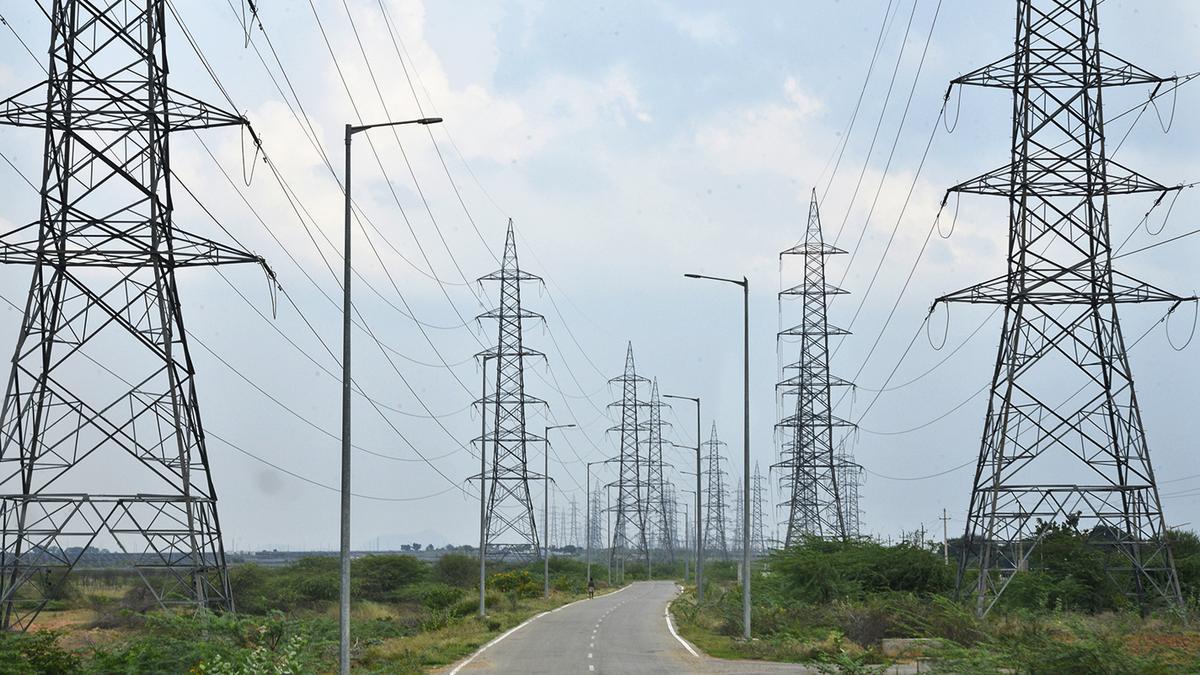
- 01 Mar 2026
In News:
A recent grid oscillation recorded in Rajasthan was reportedly felt as far as Kudankulam, Tamil Nadu, highlighting the growing stress within India’s national electricity grid. The incident has drawn attention to structural challenges in managing the rapid expansion of renewable energy while ensuring grid stability.
What are Grid Oscillations?
Grid oscillations refer to rapid fluctuations in voltage and frequency within the power transmission network. These fluctuations typically arise when there is a sudden mismatch between electricity generation and demand.
With increasing penetration of solar and wind energy, which are inherently variable and weather-dependent, the grid faces intermittent supply conditions. When not balanced properly, such variations can:
- Destabilise transmission voltage and frequency
- Damage equipment
- Trigger cascading failures
- Lead to large-scale blackouts
The recent oscillation event underscores the sensitivity of interconnected grids across long distances in India’s unified national grid.
Key Reasons for Grid Instability
- Limited Grid Flexibility and Automation: India’s grid is not yet sufficiently “smart” to seamlessly switch between conventional (coal-based) and renewable sources. Inadequate automation, limited real-time balancing mechanisms, and weak forecasting systems restrict efficient load management.
- Coal Plant Inflexibility: Coal-fired power plants are designed primarily for baseload supply, operating at steady output levels. They cannot ramp up or down rapidly to compensate for sudden drops or surges in renewable generation. This structural rigidity makes balancing intermittent sources difficult.
- Inadequate Energy Storage Infrastructure: Large-scale battery storage and pumped hydro facilities remain limited. Without sufficient storage:
- Surplus renewable energy cannot be stored for later use.
- Sudden drops in renewable output create supply gaps.
- Grid stability becomes vulnerable during peak fluctuations.
India’s Renewable Energy Expansion
India has made significant strides in renewable energy capacity:
- 48 GW of renewable capacity was added in 2025, the highest-ever annual addition.
- Non-fossil sources now account for approximately 52% of installed capacity (around 264 GW).
However, a critical structural gap remains:
- Despite the large installed renewable capacity, nearly 75% of actual electricity generation still comes from coal because it provides reliable, on-demand power.
This highlights the distinction between installed capacity and actual generation share, an important concept for energy policy analysis.
Structural and Policy Implications
- Need for Smart Grid Modernisation: Deployment of advanced forecasting tools, AI-based load management, and automated switching systems is essential to manage renewable variability.
- Flexible Thermal Operations: Retrofitting coal plants for flexible operations can improve ramping capability and support renewable balancing.
- Energy Storage Expansion: Investment in:
- Grid-scale battery storage
- Pumped hydro storage
- Green hydrogen-based storage is critical for long-term stability.
- Grid Infrastructure Strengthening: Transmission upgrades under initiatives like the Green Energy Corridors must be accelerated to integrate renewable-rich regions with demand centres.
Very Short-Range Air Defence System (VSHORADS)
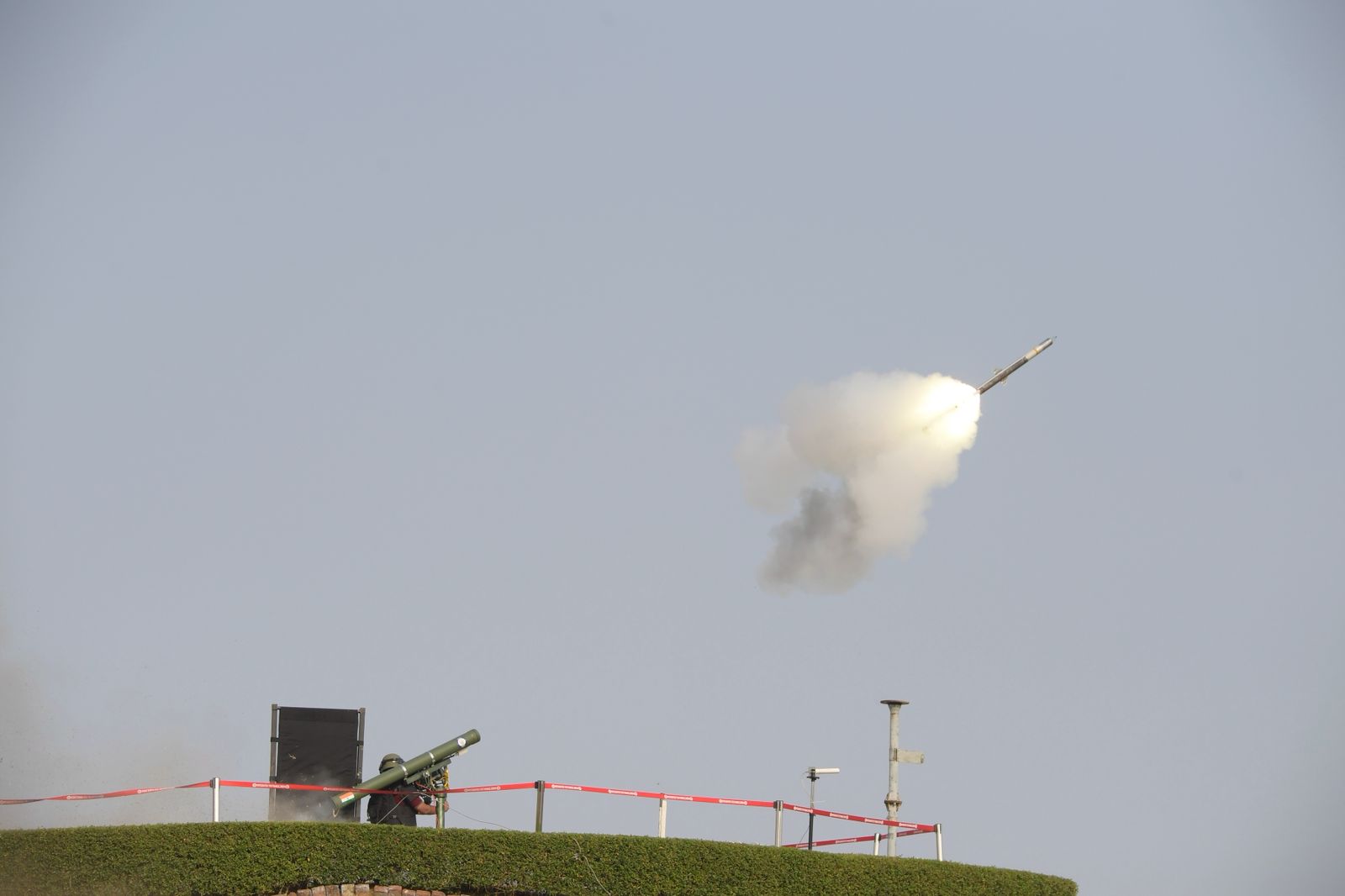
- 01 Mar 2026
In News:
Recently, the Defence Research and Development Organisation (DRDO) successfully conducted three consecutive flight trials of the indigenously developed Very Short-Range Air Defence System (VSHORADS) from the Integrated Test Range (ITR), Chandipur, Odisha. The successful trials mark a significant milestone in India’s efforts to enhance self-reliance in defence manufacturing under the broader framework of Atmanirbhar Bharat.
About VSHORADS
- VSHORADS is a Man-Portable Air Defence System (MANPADS) designed to neutralise low-altitude aerial threats.
- It has been indigenously designed and developed by Research Centre Imarat (RCI), Hyderabad, in collaboration with other DRDO laboratories and Development-cum-Production Partners.
- The system is intended to strengthen India’s last-mile air defence capability, particularly against fast-moving and low-flying targets.
Key Features
- Portable and Lightweight System: VSHORADS is a short-range, lightweight surface-to-air missile system that can be deployed by an individual soldier or a small tactical unit, ensuring mobility and rapid response.
- Operational Range and Altitude
- Maximum range: Up to 8 km
- Engagement altitude: Up to 4.5 km
This makes it suitable for neutralising helicopters, drones, and low-flying aircraft.
- Advanced Technological Components: The missile incorporates several modern technologies, including:
- Miniaturised Reaction Control System (RCS)
- Integrated avionics package
The Reaction Control System (RCS) plays a crucial role in missile manoeuvrability. It enables precise attitude control and steering by using thrusters to provide controlled directional thrust. This enhances accuracy, especially during terminal engagement.
- Tri-Service Utility: The system is capable of meeting the operational requirements of all three armed forces —
- Indian Army
- Indian Navy
- Indian Air Force
Strategic Significance
- Boost to Indigenous Defence Capability: VSHORADS reduces dependency on imported MANPADS systems and strengthens India’s defence manufacturing ecosystem.
- Enhanced Tactical Air Defence: It fills a critical gap in short-range air defence, particularly against:
- Unmanned Aerial Vehicles (UAVs)
- Low-flying fighter aircraft
- Attack helicopters
- Precision-guided munitions
- Force Multiplier in Modern Warfare: With the increasing use of drones and low-altitude aerial threats in contemporary conflicts, portable air defence systems are essential for protecting forward posts, mobile formations, and strategic assets.
- Alignment with Integrated Air Defence Architecture: VSHORADS complements India’s layered air defence structure, which includes systems such as Akash, MR-SAM, and S-400, thereby strengthening multi-tiered protection.
Exercise Vayu Shakti-26
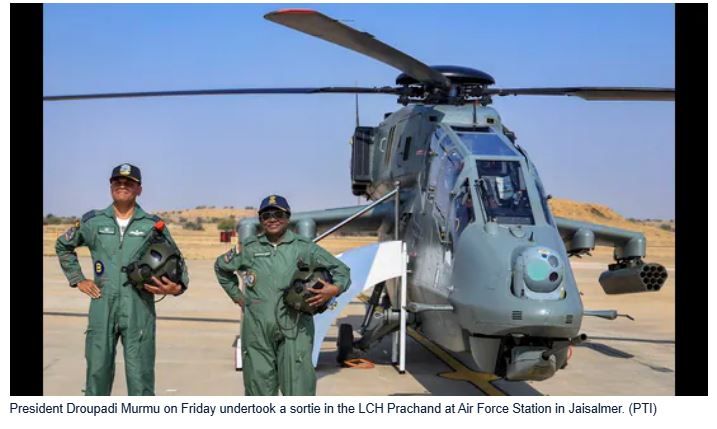
- 01 Mar 2026
In News:
Exercise Vayu Shakti-26 is a major biennial operational exercise conducted by the Indian Air Force (IAF) to demonstrate its readiness, combat potential, and integration of modern air power systems. Held recently at the Pokhran field firing range near Jaisalmer in Rajasthan, the exercise forms a critical part of India’s military preparedness framework against evolving multi-domain threats.
Objectives and Operational Focus
The primary aim of Vayu Shakti-26 was to validate the IAF’s ability to undertake complex, integrated air operations under realistic battlefield conditions. Built around the core values of “Achook, Abhedya aur Sateek” (Unerring, Invincible and Accurate), the exercise focused on:
- Enhancing operational preparedness in dynamic scenarios,
- Demonstrating tactical agility with rapid deployment and sustained operations,
- Integrating air defence, offensive air strikes, special operations, and support missions,
- Reassuring national security and deterrence postures.
For the first time, the exercise was conducted along a defined operational storyline, transforming static drills into a simulated live combat theatre, thereby enhancing realism and cohesive force application.
Scale and Platforms
Vayu Shakti-26 witnessed the participation of more than 130 aircraft representing a wide spectrum of IAF capabilities across different mission domains. This included:
- Combat aircraft: Rafale, Su-30MKI, Mirage-2000, MiG-29, Jaguar,
- Trainer and support platforms: Hawk aircraft,
- Transport and logistical support: C-130J Super Hercules, C-295, C-17 Globemaster III,
- Helicopter assets: Mi-17, indigenous Advanced Light Helicopter (ALH) Dhruv, and Light Combat Helicopter (LCH) Prachand.
Weapon Systems and Technological Integration
The exercise showcased several cutting-edge weapon systems and defensive technologies operationalised by the IAF:
- Short Range Loitering Munitions (SRLM) – providing precision strike options,
- Akash surface-to-air missile system – for medium-range air defence,
- SpyDer air defence system – capable of countering aerial threats at varied altitudes,
- Counter Unmanned Aerial Systems (CUAS) – designed to detect and neutralise hostile drones.
This integration underpins the IAF’s shift toward networked warfare capabilities, fusing sensors, shooters, and command systems for greater effectiveness.
Operational Themes and Key Demonstrations
A hallmark of Vayu Shakti-26 was the seamless synthesis of offensive and defensive air power with ground and special operations elements. Key components of the exercise included:
- Offensive air strikes against simulated high-value targets,
- Air defence operations ensuring integrity of friendly airspace,
- Special forces support missions, including insertion and extraction,
- Humanitarian assistance and disaster relief scenarios, reflecting operational versatility beyond conventional combat.
Such multi-role integration underscores the IAF’s role as both a deterrent and a force multiplier in national defence and crisis response.
Significance for National Security
In an era of heightened regional competition and technological transformation, Exercise Vayu Shakti-26 serves multiple strategic purposes:
- Reinforces the IAF’s operational readiness across the full spectrum of conflict,
- Demonstrates joint and integrated battle-space management capabilities,
- Validates the use of indigenous platforms alongside global systems,
- Signals resolve to adversaries while assuring domestic stakeholders of credible air power.
The exercise also offers valuable opportunities for learning and refinement of doctrines relevant to modern warfare, including multi-domain integration, high tempo operations, and adaptive command and control protocols.
Meningococcal Infections
- 01 Mar 2026
In News:
In late February 2026, the Government of Meghalaya issued a public health advisory after suspected cases of meningococcal infection were reported among trainees at an Army training centre in Shillong, prompting heightened surveillance and containment measures.
Context and Incident Overview
The advisory by the State’s Health and Family Welfare Department was prompted by the deaths of two Agniveer trainees due to suspected meningococcal infection at the Assam Regimental Centre (ARC) in Shillong. All close contacts of the affected individuals were identified, isolated, and placed under medical observation.
Health authorities, including the State Surveillance Unit (SSU) and the District Surveillance Unit (DSU), East Khasi Hills, have initiated active epidemiological investigation, including case investigation, contact tracing, laboratory sample review, and enhanced surveillance in the affected institution and surrounding areas.
Officials have stated that no new suspected cases have been detected outside the initial cluster and that the situation is under close monitoring, with no current indication of wider spread.
About Meningococcal Infection
Meningococcal disease is caused by the bacterium Neisseria meningitidis, which can cause:
- Meningitis: Inflammation of the protective membranes covering the brain and spinal cord.
- Meningococcemia: Bloodstream infection that can progress rapidly and be fatal.
It is transmitted through respiratory and throat secretions via close or prolonged contact. It is less contagious than common cold or influenza pathogens but can spread quickly in crowded settings like hostels, barracks, or training facilities.
Although meningococcal disease occurs sporadically, the region has history of outbreaks; for instance, significant outbreaks were reported in North East India, including Meghalaya, in the past.
Clinical Features and Treatment
Initial symptoms often resemble mild illnesses but may quickly escalate, including:
- High fever
- Severe headache
- Neck stiffness
- Nausea, vomiting
- Non-blanching purpuric rash
- Confusion or altered consciousness
Early recognition and swift treatment are critical, as untreated cases can result in rapid deterioration and high mortality. Standard management includes prompt antibiotic therapy and supportive care such as fluid management and respiratory support.
Public Health Measures and Advisory
In its advisory, the Meghalaya government urged citizens to:
- Avoid crowded places and follow respiratory hygiene by covering mouth and nose while coughing or sneezing.
- Maintain hand hygiene using soap and water or sanitiser.
- Wear masks, especially if experiencing symptoms or in densely populated settings.
- Monitor for symptoms such as fever, severe headache, or rash, and seek immediate medical care if signs appear.
These steps align with standard outbreak response protocols, including identification and monitoring of close contacts.
Public Health Importance and Surveillance
Meningococcal disease is a notifiable condition under India’s Integrated Disease Surveillance Programme (IDSP), which aims to detect early warning signals of outbreaks and initiate appropriate follow-up actions.
Strengthened surveillance, especially in institutional settings and among populations engaged in close living quarters, helps prevent potential outbreaks and supports early containment.
ASTraM: Actionable Intelligence for Sustainable Traffic Management
- 28 Feb 2026
In News:
The recent visit of former Dutch Prime Minister Dick Schoof to the Bengaluru Traffic Management Centre has brought international attention to ASTraM (Actionable Intelligence for Sustainable Traffic Management) - an AI-driven traffic governance platform. The system represents a shift toward predictive, data-driven urban traffic management in India’s rapidly expanding metropolitan cities.
What is ASTraM?
ASTraM is an advanced AI-based big data platform designed for macro-level traffic management.
Unlike traditional GPS-based applications that only display real-time congestion to commuters, ASTraM functions as a centralised intelligence engine for city authorities. It provides holistic, real-time situational awareness and predictive insights to traffic managers.
Development and Institutional Collaboration
ASTraM was developed through collaboration between:
- Bengaluru Traffic Police
- Arcadis, a Dutch design and consultancy firm
The model reflects international cooperation in urban governance and technology deployment.
Objectives
The system aims to:
- Transform traffic policing from a reactive complaint-based approach to a proactive, data-driven model
- Reduce urban congestion
- Improve road safety
- Streamline incident reporting
- Enhance planning for large-scale public events
How ASTraM Works
1. Data Integration
The platform integrates multiple real-time data streams, including:
- CCTV camera feeds
- Automatic Number Plate Recognition (ANPR) systems
- Open-source and transport-related datasets
2. AI-Based Analysis
The AI engine processes large volumes of data to:
- Identify recurring congestion patterns (daily bottlenecks)
- Detect non-recurring disruptions (accidents, protests, roadblocks)
- Forecast potential traffic choke points
3. Automated Communication
- Issues are batched and communicated to field officers at 15-minute intervals
- Enables localised and timely intervention
Key Features
- Situational Awareness: A centralised dashboard provides a bird’s-eye view of city-wide traffic conditions.
- Predictive Analytics: The system anticipates congestion trends before gridlocks occur.
- Incident Reporting Bot: Automated bots log accidents, breakdowns, and obstructions, reducing manual reporting delays.
- Event Simulation: Supports traffic planning during major events such as processions, protests, and festivals by modelling potential disruptions.
- Dashboard Analytics for Urban Planning: Provides long-term data insights for infrastructure planning and policy adjustments.
State of India’s Environment (SOE) 2026
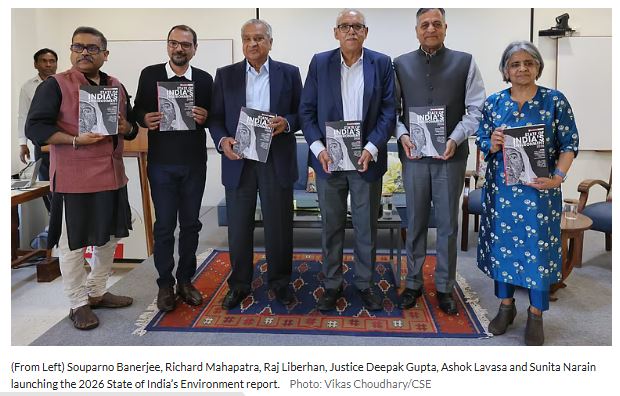
- 28 Feb 2026
In News:
The State of India’s Environment (SOE) 2026 report, released by the Centre for Science and Environment (CSE) and Down To Earth, highlights the accelerating ecological crisis at both global and national levels. The report warns that humanity has breached multiple planetary boundaries, pushing Earth’s life-support systems toward instability. It further links ecological degradation with intensifying human–tiger conflicts in India.
Planetary Boundaries Framework
The Planetary Boundaries framework, first proposed in 2009 by scientists led by Johan Rockström and updated in 2023, defines the safe operating limits within which humanity can function without destabilising Earth systems.
It identifies nine critical Earth system processes that regulate planetary stability. Crossing these limits increases the risk of abrupt, irreversible environmental changes. The boundaries are interconnected; transgression in one can trigger cascading impacts across others.
Status of the Nine Planetary Boundaries
According to SOE 2026, 7 out of 9 planetary boundaries have been breached:
1. Climate Change (Transgressed): Rising greenhouse gas concentrations are pushing the planet close to breaching the 1.5°C warming threshold, signalling potentially irreversible climate impacts.
2. Biosphere Integrity (Transgressed): Species extinction rates exceed 100 extinctions per million species years, nearly ten times the safe limit.
3. Land System Change (Transgressed): Global forest cover has declined to 59%, well below the 75% safe threshold, weakening carbon sinks and biodiversity resilience.
4. Freshwater Change (Transgressed): Over-extraction and climate variability are disrupting river systems, soil moisture cycles, and groundwater security.
5. Biogeochemical Flows (Transgressed): Excess nitrogen and phosphorus from fertilisers are causing eutrophication and ecosystem imbalance.
6. Novel Entities (Transgressed): Plastics, synthetic chemicals, and other pollutants are entering ecosystems without adequate safety assessment.
7. Ocean Acidification (Recently Transgressed): Ocean acidity has increased by 30–40% since the industrial era, threatening coral reefs and marine food webs.
Boundaries Within Limits (But Risky)
- Atmospheric Aerosol Loading – Currently within limits globally but regionally disruptive (e.g., monsoon variability).
- Stratospheric Ozone Depletion – Within safe limits due to the success of the Montreal Protocol, a major global environmental governance success.
Climate Crisis and Tipping Points
- The report warns that climate disruptions are occurring earlier than predicted. Critical ecosystems such as coral reefs and the Amazon rainforest are approaching tipping points, beyond which recovery may be impossible.
Biodiversity Loss and Forest Decline
- Habitat degradation, deforestation, and ecosystem imbalance are accelerating biodiversity loss. Declining forest cover and fragmented habitats are reducing ecological resilience and increasing human–wildlife interactions.
Rising Human–Tiger Conflict in India
The report highlights how ecological degradation is intensifying human–tiger conflicts:
- Habitat loss and prey depletion are altering tiger behaviour.
- Expansion of human settlements near forest areas increases encounters.
- The invasive species Lantana camara now occupies nearly 50% of forest and scrublands, suppressing native grasses.
- Reduced prey availability forces tigers to prey on cattle, escalating conflict with local communities.
This reflects how ecosystem imbalance directly affects conservation outcomes.
Pollution and Freshwater Stress
- Freshwater reserves face severe stress due to overuse and climate variability. Simultaneously, pollution from plastics and synthetic chemicals presents long-term ecological and health risks, reinforcing the urgency of regulating “novel entities.”
Key Recommendations
1. Institutional Strengthening
- Enhance the capacity and independence of the National Green Tribunal (NGT).
- Ensure environmental clearances prioritise ecological integrity over procedural compliance.
2. Sovereign Climate Action
- Integrate planetary boundaries into national accounting frameworks.
- Promote technology-led, full-stack decarbonisation strategies.
3. Community-Centric Conservation
- Adopt landscape-scale governance.
- Treat local communities as primary stakeholders in conservation rather than as obstacles.
Macaques
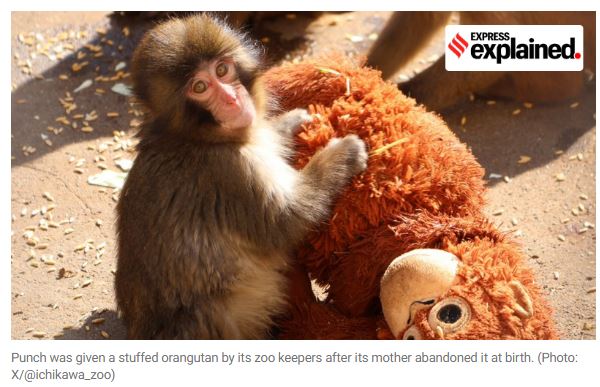
- 28 Feb 2026
In News:
A recent viral story from a Japanese zoo involving an abandoned baby Japanese macaque (“Punch”) brought global attention to the complex emotional bonds and strict social hierarchies within macaque societies. Beyond public curiosity, the episode highlights important aspects of primate behaviour, evolutionary biology, and conservation — areas relevant to biodiversity studies and wildlife management.
About Macaques
Macaques belong to the genus Macaca under the family Cercopithecidae (Old World monkeys). They are among the most widespread and adaptable primates in the world.
Distribution and Diversity
- Over 20 species
- Found mainly across Asia and parts of North Africa
- Highly adaptable to diverse ecological conditions, including forests, mountains, and urban environments
Their adaptability has enabled certain species to thrive even in human-dominated landscapes.
Important Species
1. Japanese Macaque (Macaca fuscata)
- Native to Japan
- Known as the “Snow Monkey”
- Famous for surviving in cold climates and bathing in natural hot springs
- Displays highly structured matrilineal social systems
2. Rhesus Macaque (Macaca mulatta)
- Widely distributed in North India and Southeast Asia
- Frequently found in urban and semi-urban areas
- Extensively used in medical and biomedical research, including vaccine development
3. Lion-tailed Macaque (Macaca silenus)
- Endangered species
- Endemic to the Western Ghats (India)
- Recognised by its distinctive silver-white mane
- Threatened by habitat fragmentation and deforestation
4. Crested Black Macaque (Macaca nigra)
- Native to Sulawesi (Indonesia)
- Characterised by a dark crest
- Classified as Critically Endangered
Social Behaviour and Hierarchy
Macaques are highly gregarious animals, living in troops governed by strict dominance hierarchies. Their social organisation is complex and deeply structured.
Female Hierarchy
- Rank is typically matrilineal (inherited from the mother).
- Daughters generally rank close to their mother’s position.
- In species such as the Japanese macaque, the “youngest sister rule” applies — the youngest daughter ranks above older sisters.
- Female bonds are stable and form the core of troop structure.
Male Hierarchy
- Determined by physical strength, alliances, and fighting ability.
- Males often migrate between troops.
- Rank can fluctuate over time.
The viral incident involving the abandoned baby macaque illustrates how social rank and maternal position significantly affect offspring survival and acceptance within the troop.
Ecological and Evolutionary Significance
Macaques provide valuable insights into:
- Evolution of primate social systems
- Behavioural ecology
- Conflict resolution and cooperation
- Human–wildlife interaction
Their structured dominance systems resemble early social organisation patterns in primates, offering important evolutionary parallels.
Conservation and Human Interface
While some species like the rhesus macaque thrive near human settlements, others such as the lion-tailed macaque face severe threats due to:
- Habitat fragmentation
- Deforestation
- Infrastructure expansion
- Human–wildlife conflict
Urban macaque populations often lead to conflict, necessitating balanced wildlife management policies.
RailTech Policy and e-RCT Digitisation
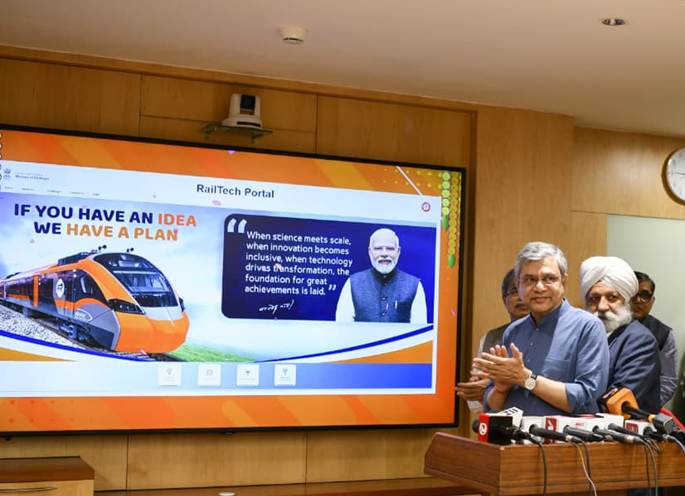
- 28 Feb 2026
In News:
Under its flagship “52 Reforms in 52 Weeks” initiative (2026), the Ministry of Railways has announced two major structural reforms:
- RailTech Policy
- Complete Digitisation of the Railway Claims Tribunal (e-RCT)
These reforms aim to promote innovation, enhance transparency, and improve citizen-centric service delivery within Indian Railways — one of the world’s largest public transport systems.
RailTech Policy:
Objective
- The RailTech Policy seeks to create a structured, innovation-friendly ecosystem that enables startups, innovators, industry, and research institutions to collaborate with Indian Railways.
- It marks a shift from rigid vendor-based procurement systems to a technology-driven, trial-and-adoption framework.
Key Features
1. RailTech Portal
- A dedicated, end-to-end digital single-window platform
- Simplified, single-stage submission of proposals
- Enables innovators to directly approach Railways
2. Funding Mechanism
- Railways to support up to 50% of development funding for viable solutions
- Prototype development grants doubled
- Scale-up grants increased more than three times
- Successful solutions to receive long-term implementation orders
3. Inspiration from Best Practices: The framework draws lessons from:
- iDEX (Defence sector)
- Startup frameworks of MeitY
- Telecom innovation policies
Key Innovation Areas
The policy focuses on operational safety, efficiency, and administration, including:
- AI-based Elephant Intrusion Detection System (EIDS)
- AI-based fire detection in coaches
- Drone-based broken rail detection
- Rail stress monitoring systems
- Obstruction detection in foggy environments
- Sensor-based load calculation devices on parcel vans
- AI-based coach cleaning monitoring
- Solar panels on coaches
- AI-enabled pension and dispute resolution systems
The emphasis is on predictive maintenance, passenger safety, security enhancement, and administrative efficiency.
Digitisation of Railway Claims Tribunal (e-RCT)
Legal Basis
The Railway Claims Tribunal (RCT) was established under the Railway Claims Tribunal Act, 1987.
It adjudicates claims relating to:
- Compensation for death/injury in railway accidents
- Untoward incidents
- Loss or non-delivery of goods
- Refund of fares and freight
Currently, RCT functions through 23 benches (Principal Bench at Delhi).
Features of e-RCT System
The reform introduces complete end-to-end digitisation across all 23 benches (to be completed within 12 months).
Core Components
1. E-Filing
- 24×7 online filing from anywhere
- Uploading of petitions and documents
- Instant SMS/email acknowledgement
- Online scrutiny and defect rectification
2. Case Information System (CIS)
- Centralised database
- Auto-allocation of cases
- Real-time tracking from filing to disposal
- Hearing scheduling and monitoring
3. Document Management System (DMS)
- Digital storage of pleadings, notices, orders
- Digitally signed records
- Secure record management with disaster recovery
Additional Features
- Paperless courts
- Hybrid hearings (physical virtual)
- Online pronouncement of orders and judgments
- Automated alerts and compliance tracking
- Centralised data on pendency and disposal
Citizen-Centric Benefits
The e-RCT reform ensures:
- Faster disposal through automated workflows
- Reduced adjournments due to online hearings
- Elimination of travel burden
- Real-time case status updates
- Cost savings on travel, printing, courier
- Improved transparency and accountability
The model may be extended to other tribunals such as the Central Administrative Tribunal (CAT) if successful.
“52 Reforms in 52 Weeks” Initiative
Launched in 2026, the initiative commits Indian Railways to implement one structural reform per week, aiming at comprehensive transformation.
Earlier reforms include:
- Continuous end-to-end cleaning of general coaches
- Expansion of Gati Shakti Cargo Terminals to over 500 hubs
The broader vision aligns with digital governance, infrastructure modernisation, and administrative efficiency.
Avoidant/Restrictive Food Intake Disorder (ARFID)

- 28 Feb 2026
In News:
Avoidant/Restrictive Food Intake Disorder (ARFID) is an increasingly recognised mental health condition under the category of eating disorders. Unlike commonly known eating disorders such as anorexia nervosa or bulimia, ARFID is not driven by concerns about body image or a desire to lose weight. It represents a serious but treatable disorder that affects nutritional intake, growth, and overall well-being, particularly among children.
What is ARFID?
ARFID is a condition characterised by persistent limitation in the amount or type of food consumed. The restriction is not due to cultural practices, food scarcity, or distorted body image. Instead, it arises from psychological and sensory factors.
Key features include:
- Loss of interest in eating or low appetite
- Anxiety related to eating (e.g., fear of choking or vomiting)
- Avoidance of foods based on colour, taste, smell, or texture
- Extreme selectivity toward specific food groups
While it may initially resemble “picky eating,” ARFID is far more severe and can lead to significant health consequences.
Causes and Risk Factors
The eating difficulties in ARFID arise due to:
- Strong sensory aversions (texture, smell, taste sensitivity)
- Fear-based avoidance (vomiting, choking)
- Lack of appetite or low interest in food
- Preference for specific colours or food presentations
It most commonly develops in infancy or early childhood, though it can persist into adulthood. In children, it is more frequently observed in males.
Research suggests strong associations with:
- Anxiety disorders
- Autism Spectrum Disorder (ASD)
- Attention-Deficit/Hyperactivity Disorder (ADHD)
- Developmental and intellectual disabilities
A genetic predisposition is also likely, as ARFID often runs in families.
Health Implications
Unlike ordinary fussy eating, ARFID can severely affect nutritional status and development.
Consequences may include:
- Inadequate caloric intake
- Stalled weight gain or weight loss
- Impaired vertical growth (reduced height gain in children)
- Nutritional deficiencies
- Delayed physical and cognitive development
If left untreated, ARFID may lead to life-threatening complications due to chronic malnutrition.
Diagnosis and Treatment
ARFID is a genuine health disorder and not a behavioural problem, stubbornness, or attention-seeking. Early identification is critical to prevent long-term damage.
Treatment involves a multidisciplinary approach, including:
- Mental health professionals
- Medical doctors
- Nutritionists/dietitians
The primary therapeutic intervention is Cognitive Behavioral Therapy (CBT), which helps address anxiety, sensory sensitivities, and maladaptive eating patterns. Nutritional rehabilitation and parental counselling are also important in paediatric cases.
With appropriate professional support, individuals can recover and develop a healthy relationship with food.
International Climate Initiative (IKI)
- 27 Feb 2026
In News:
India and Germany have launched a €20 million (approximately ?180 crore) Large Grant project under Germany’s International Climate Initiative (IKI). The project focuses on strengthening climate resilience in India’s most vulnerable ecosystems through nature-based and sustainable adaptation strategies.
About the International Climate Initiative (IKI)
- Established in 2008, IKI is Germany’s principal funding instrument for international climate action.
- Supports projects in:
- Climate change mitigation
- Adaptation
- Biodiversity conservation
- Operates in over 150 partner countries, with 14 priority countries, including India, Brazil, China, South Africa, Indonesia, and Mexico.
- Aligns with global commitments under the Paris Agreement and the Convention on Biological Diversity (CBD).
IKI represents Germany’s climate diplomacy approach, combining financial assistance, technology cooperation, and capacity building.
Scope of the New India–Germany Project
The newly launched €20 million initiative targets high-risk and ecologically sensitive regions in India, promoting long-term resilience through ecosystem-based adaptation.
Priority Regions
- Himalayas
- Challenges: Glacier melt, glacial lake outburst floods (GLOFs), landslides.
- Significance: Water security for major river systems.
- Western Ghats
- Biodiversity hotspot facing deforestation and habitat fragmentation.
- Vulnerable to extreme rainfall events and ecological degradation.
- North-East India
- Fragile hill ecosystems prone to soil erosion and flooding.
- Rich in biodiversity but ecologically sensitive.
- Island Ecosystems (e.g., Andaman & Nicobar)
- Threatened by sea-level rise and coastal erosion.
- High vulnerability to cyclones and marine ecosystem disruption.
Focus Areas of Intervention
- Promotion of Nature-Based Solutions (NbS)
- Ecosystem restoration and conservation
- Climate-resilient livelihoods
- Capacity building at local and state levels
- Strengthening institutional frameworks for adaptation
Nature-based solutions integrate environmental restoration with socio-economic resilience, ensuring sustainability and community participation.
Strategic Significance
1. Strengthening India’s Climate Resilience
India faces:
- Rising temperatures
- Erratic monsoons
- Increased frequency of extreme weather events
- Biodiversity loss
This initiative enhances adaptive capacity in vulnerable geographies.
2. Alignment with India’s National Commitments
The project supports:
- India’s Nationally Determined Contributions (NDCs)
- Target of 50% cumulative electric power installed capacity from non-fossil fuel sources by 2030.
- Net-Zero Commitment (2070)
- National Action Plan on Climate Change (NAPCC) missions, particularly:
- National Mission for Sustaining the Himalayan Ecosystem
- National Mission on Sustainable Habitat
3. Global Climate Governance
- Reinforces North–South cooperation in climate finance.
- Demonstrates operationalisation of climate finance commitments under the Paris Agreement.
- Promotes biodiversity conservation alongside climate mitigation and adaptation.
4. Indo-German Strategic Partnership
Climate cooperation is a key pillar of the India–Germany Strategic Partnership, complementing collaboration in:
- Renewable energy
- Green hydrogen
- Sustainable urbanisation
- Technology and innovation
Sweden–India Technology and Artificial Intelligence Corridor (SITAC)
- 27 Feb 2026
In News:
On the sidelines of the India AI Impact Summit 2026, the IndiaAI Mission and Business Sweden signed a Statement of Intent (SoI) to deepen bilateral cooperation in Artificial Intelligence (AI) and digital technologies. The agreement marks a significant step in institutionalising India–Sweden collaboration in emerging technologies and innovation-driven growth.
Nature and Objectives of the Statement of Intent (SoI)
The SoI establishes a structured framework for collaboration in:
- Development, application, and deployment of AI solutions
- Promotion of trade and investment linkages
- Advancement of responsible and scalable digital innovation
The partnership emphasises real-world industrial and societal outcomes, reflecting a shared commitment to using AI for economic growth, sustainability, and technological transformation while managing associated risks.
Sweden–India Technology and Artificial Intelligence Corridor (SITAC)
Both countries will jointly develop a dedicated programme titled the Sweden–India Technology and Artificial Intelligence Corridor (SITAC).
Key Features:
- Flagship institutional platform for AI cooperation
- Structured engagement between:
- Government agencies
- Industry stakeholders
- Startups
- Academic and research institutions
SITAC aims to serve as a long-term innovation bridge linking the AI ecosystems of both countries.
Areas of Cooperation under SITAC
The framework proposes:
- Conferences, seminars, and thematic workshops
- Ecosystem exchanges between Indian and Swedish AI communities
- Field visits to innovation hubs and Centres of Excellence
- Engagement among companies, investors, researchers, and policymakers
- Joint innovation platforms and investment corridors
- Deployment of AI solutions across priority sectors
This multi-level engagement seeks to translate policy vision into industry-level collaboration.
Strategic Alignment of National Priorities
India’s Objectives (IndiaAI Mission)
- Build a comprehensive AI ecosystem
- Expand access to compute infrastructure, data, and skilled talent
- Promote sovereign and inclusive AI development
- Encourage startup-led innovation
Sweden’s Strengths
- Industrial innovation and advanced R&D
- Strong manufacturing and clean-tech ecosystem
- Leadership in responsible and ethical AI implementation
- Experience in digital governance frameworks
The partnership integrates India’s scale and digital capacity with Sweden’s research depth and industrial expertise.
Carbon Capture and Utilisation (CCU)
- 27 Feb 2026
In News:
Recent discussions on India’s climate strategy have highlighted the growing importance of Carbon Capture and Utilisation (CCU) technologies, particularly for hard-to-abate sectors such as cement, steel, refineries, and chemicals. With India committing to net-zero emissions by 2070, CCU is emerging as a necessary complement to renewable energy expansion.
What is Carbon Capture and Utilisation (CCU)?
Carbon Capture and Utilisation (CCU) refers to a set of technologies that:
- Capture carbon dioxide (CO?) from industrial sources or directly from the atmosphere.
- Convert the captured CO? into useful products such as fuels, chemicals, building materials, or polymers.
Unlike Carbon Capture and Storage (CCS), where CO? is permanently stored underground, CCU reintegrates carbon into the economy, contributing to a circular carbon economy.
Why CCU is Necessary for India
1. High Emissions Profile
India is the world’s third-largest CO? emitter, with emissions primarily arising from:
- Power generation
- Cement production
- Steel manufacturing
- Chemicals and refineries
2. Hard-to-Abate Sectors
In industries like cement and steel:
- A significant portion of emissions comes from industrial processes themselves, not just fuel combustion.
- Renewable energy alone cannot fully eliminate these emissions.
3. Alignment with Net-Zero 2070
CCU supports:
- Deep industrial decarbonisation
- Circular economy goals
- Low-carbon industrial competitiveness
Thus, CCU acts as a bridge technology during the transition to a fully decarbonised economy.
Global Developments
- European Union: The EU Bioeconomy Strategy and Circular Economy Action Plan promote CCU for converting CO? into feedstocks for fuels and chemicals.
- Belgium: ArcelorMittal and Mitsubishi Heavy Industries are piloting technology to convert captured CO? into carbon monoxide for steel and chemical production.
- United States: Combines tax credits and public funding to scale CO?-derived fuels and chemicals.
- UAE: The Al Reyadah project integrates CCU with green hydrogen for CO?-to-chemicals hubs.
These initiatives indicate that CCU is becoming part of mainstream climate-industrial policy globally.
India’s Progress and Policy Push
1. Research and Roadmaps
- The Department of Science and Technology (DST) has prepared a dedicated R&D roadmap for CCU.
- The Ministry of Petroleum and Natural Gas has proposed a draft 2030 CCUS roadmap identifying potential projects.
2. Budgetary Support
- The Union Budget 2026–27 announced a ?20,000 crore scheme to scale up Carbon Capture, Utilisation and Storage (CCUS).
- Focus sectors: Power, Steel, Cement, Refineries, and Chemicals.
- Marks a shift from pilot projects to structured, policy-backed deployment.
3. Private Sector Initiatives
- Ambuja Cements (Adani Group) with IIT Bombay: Indo-Swedish CCU pilot converting CO? into fuels and materials.
- JK Cement: Developing CCU applications for lightweight concrete blocks and olefins.
- Organic Recycling Systems Limited (ORSL): Leading India’s first pilot-scale Bio-CCU platform, converting CO? from biogas into bio-alcohols and specialty chemicals.
Indigenous Large Language Models and India’s Sovereign AI Push
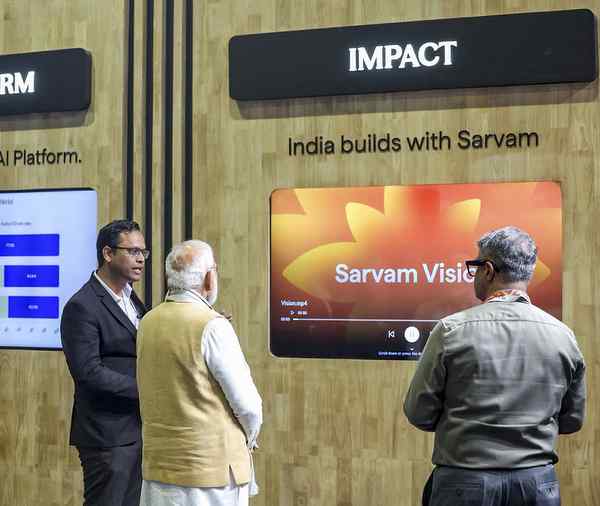
- 27 Feb 2026
In News:
At the India-AI Impact Summit 2026, Bengaluru-based startup Sarvam AI unveiled two indigenous Large Language Models (LLMs)** trained on 35 billion and 105 billion parameters. These models are designed to be less power- and compute-intensive, while demonstrating improved performance in Indian languages. The development marks a significant milestone in India’s quest for sovereign and cost-efficient AI systems aligned with domestic needs.
Understanding Large Language Models (LLMs)
A Large Language Model (LLM) is an AI system built using transformer-based neural networks trained on massive text datasets to understand and generate human language.
They contain billions of parameters—internal variables learned during training—that help the model predict the next word in a sequence and generate coherent text.
How LLMs Work
- Tokenisation: Text is broken into smaller units called tokens (word pieces or characters).
- Embeddings & Transformer Architecture: Tokens are converted into numerical vectors. The self-attention mechanism helps the model determine which words in a sentence are contextually important, even if they are far apart.
- Next-Token Prediction: The model generates language by predicting one token at a time based on probability distributions.
- Layered Learning: Multiple transformer layers refine linguistic and semantic understanding—from grammar to reasoning patterns.
Stages of Training LLMs
1. Data Collection & Pre-processing
- Massive datasets sourced from books, websites, code repositories, etc.
- Cleaning to remove bias, spam, duplicates, and harmful content.
- Quality of data directly influences performance.
2. Pre-training (Self-Supervised Learning)
- Model learns via next-token prediction.
- Produces a base model capable of understanding grammar, facts, and reasoning.
3. Supervised Fine-Tuning
- Trained on curated prompt–response pairs.
- Enhances instruction-following ability and task performance (summarization, translation, Q&A).
4. Alignment via RLHF
- Reinforcement Learning from Human Feedback (RLHF).
- Humans rank outputs based on safety and quality.
- A reward model optimises responses to align with human values.
Challenges in Training LLMs in India
- Data Scarcity in Indian Languages
- English and East Asian languages dominate internet data.
- Indian languages remain underrepresented.
- Many models rely on translation into English, increasing token consumption and cost.
- High Capital and Compute Costs
- Requires clusters of Graphics Processing Units (GPUs).
- Training costs run into millions of dollars.
- Limited domestic venture capital for foundational AI research.
- Limited Immediate Commercial Use Cases: Training large models without clear monetisation pathways deters investment.
- Infrastructure Constraints
- Dependence on imported high-end chips.
- Energy-intensive training processes.
Innovation: Mixture of Experts (MoE) Architecture
Earlier LLMs activated all parameters during inference, making them computationally expensive.
The Mixture of Experts (MoE) architecture activates only a subset of parameters (“experts”) for each query.
Advantages:
- Reduced computational load
- Faster inference
- Lower electricity consumption
- Cost-efficient deployment in resource-constrained settings
Sarvam’s 105B parameter model leverages MoE to balance performance with efficiency, focusing on accuracy and Indian context alignment rather than sheer scale.
IndiaAI Mission: Government Support for Domestic AI
Launched in March 2024 with an outlay of ?10,372 crore, the IndiaAI Mission aims to build a comprehensive AI ecosystem.
Key Components:
- Compute Infrastructure
- Over 36,000 GPUs commissioned in Indian data centres.
- Additional 20,000 GPUs being added.
- Target: 100,000 GPUs by end of 2026.
- Subsidised Access
- Sarvam AI granted 4,096 GPUs from a common compute cluster.
- Subsidy estimated at nearly ?100 crore.
- Cluster cost approximately ?246 crore.
- Support for Innovation
- Promotion of sovereign foundational models trained on Indian datasets.
- Financial support covering compute and training costs.
- Encouragement of open-source innovation.
- Talent Development
- Training support for over 13,500 students.
- Establishment of India Data and AI Labs.
Other Indian Efforts
- BharatGen (IIT Bombay-incubated): Multilingual 17B parameter model, targeted at sectors like education and healthcare.
- Gnani.ai: Small text-to-speech model.
- Indigenous focus on domain-specific and language-specific AI models.
RAMP Programme
- 27 Feb 2026
In News:
The Ministry of Micro, Small and Medium Enterprises (MoMSME) recently convened the 5th meeting of the National MSME Council in New Delhi to review the progress of the World Bank–assisted Raising and Accelerating MSME Performance (RAMP) Programme. The review gains significance in the context of MSMEs being the backbone of India’s economy and central to achieving inclusive growth, Atmanirbhar Bharat, and the $5 trillion economy vision.
About the RAMP Programme
- It was launched in 2022 and is being implemented over a five-year period (2022–23 to 2026–27) by the Ministry of MSME with World Bank support.
- It seeks to address structural challenges faced by MSMEs through systemic reforms and capacity building at both the Central and State levels.
Objectives of RAMP
The programme focuses on:
- Improving Access to Market and Credit
- Enhancing financial inclusion.
- Promoting integration into domestic and global value chains.
- Strengthening Institutions and Governance
- Capacity building of MSME institutions at Central and State levels.
- Improving policy design and implementation mechanisms.
- Enhancing Centre–State Coordination
- Encouraging cooperative federalism through structured partnerships.
- Providing financial assistance to States for preparing Strategic Investment Plans (SIPs).
- Addressing Delayed Payments: Tackling liquidity stress among Micro and Small Enterprises (MSEs).
- Greening of MSMEs: Supporting climate-resilient and sustainable business practices in alignment with India’s Net Zero target of 2070.
Institutional Framework
National MSME Council
- Established by MoMSME as the administrative and functional body under RAMP.
- Provides strategic direction, monitors progress, and facilitates coordination among stakeholders.
State-Level Role
- States receive grants to prepare Strategic Investment Plans (SIPs).
- SIPs align state-specific reforms with national MSME objectives.
- Promotes decentralised planning and context-specific solutions.
Key Sub-Schemes under RAMP
1. MSME GIFT Scheme
(MSME Green Investment and Financing for Transformation)
- Promotes adoption of green technologies.
- Provides interest subvention and credit guarantee support.
- Encourages energy efficiency, cleaner production, and sustainability.
2. MSE SPICE Scheme
(Scheme for Promotion and Investment in Circular Economy)
- Supports circular economy initiatives among MSEs.
- Offers credit-linked capital subsidy.
- Contributes toward the long-term objective of MSMEs achieving net-zero emissions by 2070.
3. MSE ODR Scheme
(Online Dispute Resolution for Delayed Payments)
- First-of-its-kind initiative integrating legal support with IT tools and Artificial Intelligence.
- Addresses the chronic issue of delayed payments to Micro and Small Enterprises.
- Strengthens ease of doing business and improves working capital cycles.
Significance for the Indian Economy
- MSMEs contribute significantly to GDP, exports, and employment generation.
- RAMP supports:
- Formalisation and competitiveness.
- Digital transformation.
- Climate-aligned industrial growth.
- Improved credit flow and risk mitigation.
- It operationalises cooperative and competitive federalism through structured Centre–State collaboration.
India–GCC Free Trade Agreement (FTA)

- 26 Feb 2026
In News:
India and the Gulf Cooperation Council (GCC) have signed a Joint Statement formally launching negotiations for the proposed India–GCC Free Trade Agreement (FTA), following the previously agreed Terms of Reference. This marks a significant milestone in strengthening India–GCC economic and strategic relations.
About the India–GCC Free Trade Agreement (FTA)
Nature of the Agreement
The India–GCC FTA is a proposed comprehensive trade agreement between India and the six GCC member states:
- Saudi Arabia
- United Arab Emirates (UAE)
- Qatar
- Kuwait
- Oman
- Bahrain
It seeks to establish a structured framework for enhancing:
- Trade in goods
- Trade in services
- Investment flows
- Regulatory cooperation
- Market access
The agreement aims to reduce tariff and non-tariff barriers and facilitate smoother business operations between the two sides.
Economic Significance of India–GCC Trade
1. Major Trading Partner
- The GCC is India’s largest trading partner bloc.
- Accounts for 15.42% of India’s global trade.
- Bilateral trade in FY 2024–25:
- Total Trade: USD 178.56 billion
- Exports: USD 56.87 billion
- Imports: USD 121.68 billion
- Trade has grown at an average annual rate of 15.3% over the past five years.
2. Sectoral Complementarity
Key Indian Exports to GCC:
- Engineering goods
- Rice
- Textiles
- Machinery
- Gems and jewellery
Key Indian Imports from GCC:
- Crude oil
- Liquefied Natural Gas (LNG)
- Petrochemicals
- Precious metals (especially gold)
The trade relationship reflects strong energy–manufacturing complementarity, with the GCC playing a critical role in India’s energy security.
3. Investment Linkages
- GCC countries have invested over USD 31.14 billion (cumulative FDI as of September 2025) in India.
- The FTA is expected to further:
- Facilitate investment flows
- Promote joint ventures
- Enhance financial cooperation
4. Diaspora Dimension
- The GCC region hosts nearly 10 million Indians.
- The diaspora acts as a “living bridge”, strengthening:
- Remittance flows
- Cultural linkages
- Business networks
- Soft power presence
About the Gulf Cooperation Council (GCC)
- Established in 1981
- A regional political and economic alliance
- Members: Bahrain, Kuwait, Oman, Qatar, Saudi Arabia, UAE
- Headquarters: Riyadh, Saudi Arabia
Background
The GCC was formed in response to regional instability, including:
- The Iranian Revolution (1979)
- The Iran–Iraq War (1980–1988)
Objectives
- Economic cooperation
- Security coordination
- Cultural and social integration
Organisational Structure
- Supreme Council (highest authority)
- Composed of heads of member states
- Presidency rotates among members
Renaming of Kerala as “Keralam”
- 26 Feb 2026
In News:
The Union Cabinet has approved a proposal to rename the State of Kerala as “Keralam.” The move reflects linguistic and cultural identity considerations and now requires Parliamentary approval under the constitutional procedure governing alteration of state names.
Historical Evolution of the State of Kerala
Pre-Independence Background
Before Independence, Malayalam-speaking regions were politically fragmented across:
- Malabar District (under British Madras Presidency)
- Princely States of:
- Travancore
- Cochin (Kochi)
In the 1920s, the Aikya (Unified) Kerala Movement emerged, demanding a single state for Malayalam-speaking people based on linguistic identity.
Post-Independence Developments
- 1 July 1949: Travancore and Cochin merged to form the Travancore–Cochin State.
- The Government of India appointed the State Reorganisation Commission (SRC) under Justice Fazl Ali.
- The SRC recommended the creation of linguistic states, including a unified Kerala.
Formation of Kerala
- 1 November 1956: Kerala was formally created under the States Reorganisation Act, 1956.
- It comprised:
- Malabar District (from Madras State)
- Travancore–Cochin State (excluding certain Tamil-majority areas)
Thus, Kerala emerged as a linguistic state representing Malayalam-speaking populations.
Constitutional Procedure to Rename a State
The renaming of a state is governed by Article 3 and Article 4 of the Constitution of India.
Article 3: Powers of Parliament
Parliament may by law:
- Form a new state
- Increase or diminish the area of any state
- Alter state boundaries
- Alter the name of any state
However, two procedural safeguards apply:
- A Bill for such change can be introduced in Parliament only with prior recommendation of the President.
- Before recommending the Bill, the President must refer it to the concerned State Legislature to express its views within a specified period.
Importantly:
- The President (and Parliament) is not bound by the views of the State Legislature.
- Parliament may accept or reject the state’s suggestions.
Article 4: Nature of the Law
- Laws made under Article 3 are not considered Constitutional Amendments under Article 368.
- Such laws:
- Can be passed by simple majority
- Follow the ordinary legislative procedure
Thus, renaming a state does not require a special majority or ratification by states.
Federal and Political Context
The renaming of states often reflects:
- Linguistic identity
- Cultural assertion
- Historical reclamation
- Regional aspirations
For instance, past examples include:
- Orissa → Odisha
- Pondicherry → Puducherry
- Uttaranchal → Uttarakhand
However, not all renaming proposals have been successfully implemented, highlighting the political and procedural complexities involved.
Significance of the “Keralam” Proposal
- Linguistic Authenticity: “Keralam” is the Malayalam name for the state.
- Cultural Identity: Reinforces regional linguistic heritage.
- Federal Procedure in Action: Demonstrates constitutional flexibility under Article 3.
- Non-Amendment Process: Highlights distinction between ordinary legislation and constitutional amendment.
Chicory and FSSAI’s Labelling Advisory

- 26 Feb 2026
In News:
The Food Safety and Standards Authority of India (FSSAI) has issued an advisory mandating that the percentage of chicory content in coffee powder must be prominently displayed on the front of the package. The rule will come into effect from 1 July.
The move aims to enhance consumer awareness and transparency in the coffee market.
About Chicory
- Scientific Name: Cichorium intybus
- Family: Asteraceae
- Nature: Perennial plant
- Cultivation: Primarily grown in temperate regions worldwide
Chicory is a versatile plant known for its medicinal, nutritional, and culinary properties. Various varieties are cultivated and used differently across regions.
Botanical and Nutritional Features
- Considered a local wild edible plant
- Edible parts: Leaves, Flowers, Roots
- Nutritional components include:
- Carbohydrates
- Proteins
- Vitamins
- Minerals
- Soluble fibre (notably inulin)
- Trace elements
- Bioactive phenolic compounds
Chicory root is particularly valued for its fibre content and functional food properties.
Use of Chicory in Coffee
Chicory is widely used as a coffee additive, especially in blended coffee products.
Why It Is Used
- Imparts a darker colour
- Provides an earthy, woody flavour
- Naturally caffeine-free
- More affordable than high-quality coffee beans
In India, chicory-blended coffee is common, particularly in southern states.
FSSAI Advisory: Key Provisions
The FSSAI has directed that:
- The exact percentage of chicory in coffee blends must be clearly mentioned.
- The information must be displayed on the front of the coffee powder packaging.
- The regulation becomes effective from 1 July.
Objective
- Improve consumer transparency
- Prevent misleading marketing practices
- Enable informed consumer choice
- Strengthen regulatory oversight in food labelling
This aligns with FSSAI’s mandate to ensure safe, standardised, and properly labelled food products in India.
Regulatory Background
The Food Safety and Standards Authority of India (FSSAI):
- Functions under the Food Safety and Standards Act, 2006
- Operates under the Ministry of Health and Family Welfare
- Sets standards for food products and regulates manufacturing, storage, distribution, sale, and import
The chicory labelling directive reflects a broader push towards clearer front-of-pack disclosures and consumer-centric food governance.
Exercise Dharma Guardian
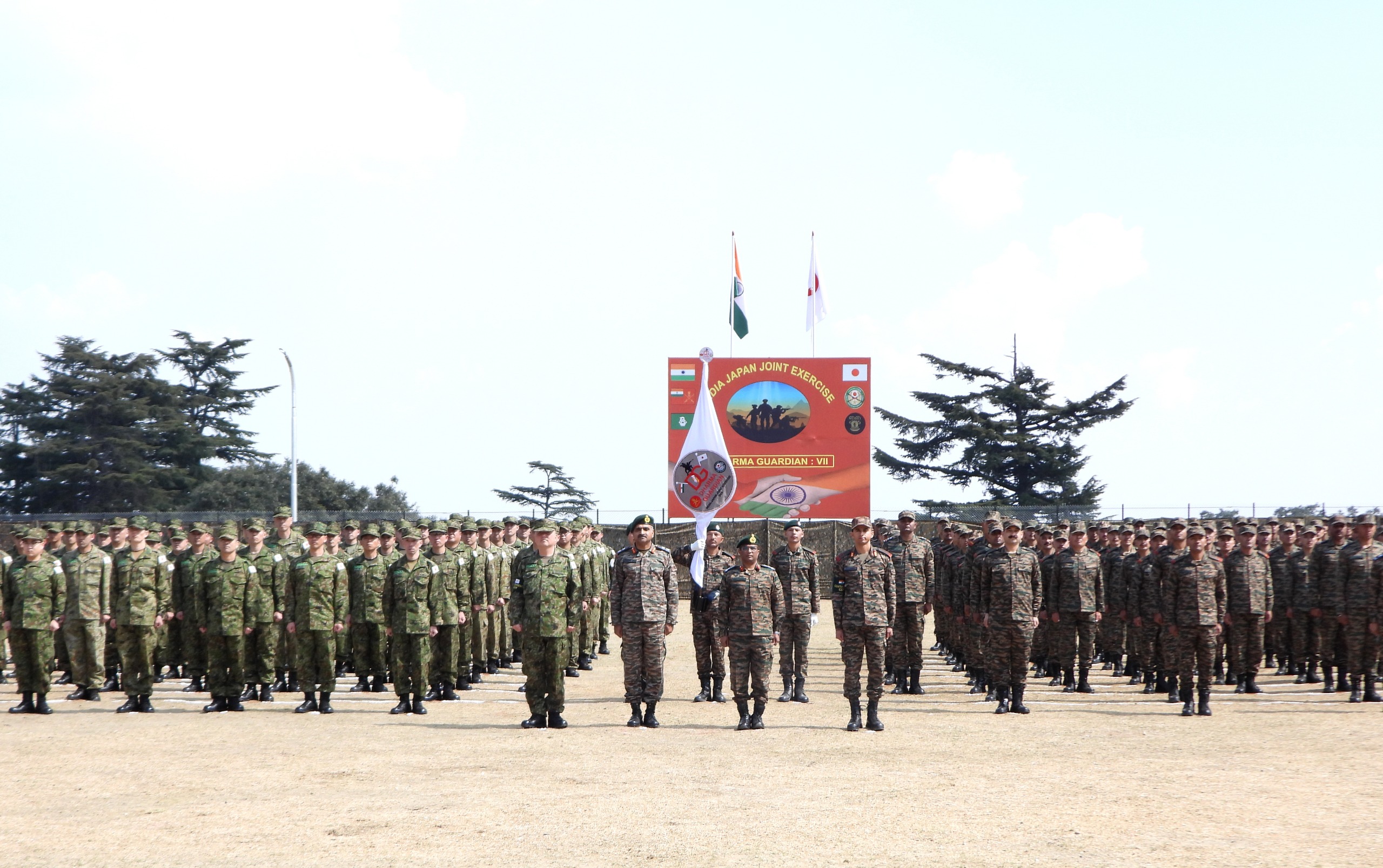
- 26 Feb 2026
In News:
The 7th edition of the India–Japan Joint Military Exercise ‘DHARMA GUARDIAN’ commenced at the Foreign Training Node, Chaubattia (Uttarakhand) from 24 February to 9 March 2026. The exercise represents a significant pillar of growing defence cooperation between India and Japan.
About Exercise DHARMA GUARDIAN
- Type: Annual Joint Military Exercise
- Participants:
- Indian Army
- Japan Ground Self-Defense Force (JGSDF)
- Venue: Conducted alternately in India and Japan
- Participating Contingents (2026)
- 120 personnel from each side
- JGSDF represented by the 32nd Infantry Regiment
- Indian contingent drawn from the Ladakh Scouts
Aim and Objectives
The primary objective of Exercise DHARMA GUARDIAN is to:
- Strengthen military collaboration
- Enhance interoperability
- Improve combined capability to conduct joint operations in semi-urban environments
- Synchronise tactical drills and joint planning processes
- Integrate modern technologies into operational frameworks
The exercise focuses on contemporary operational challenges and coordinated response mechanisms in hostile conditions.
Key Tactical Activities
The exercise includes intensive operational drills such as:
- Establishment of a Temporary Operating Base (TOB)
- Development of an Intelligence, Surveillance and Reconnaissance (ISR) grid
- Setting up Mobile Vehicle Check Posts
- Conducting Cordon and Search Operations in hostile environments
- Executing Heliborne Operations
- Undertaking House Intervention Drills
These activities simulate counter-terror and semi-urban combat scenarios, enhancing readiness and operational synergy between the two forces.
Strategic Significance
1. Strengthening India–Japan Defence Partnership
- Reinforces the Special Strategic and Global Partnership
- Enhances operational trust and coordination
- Deepens land warfare cooperation
2. Indo-Pacific Security Architecture: India and Japan are key stakeholders in ensuring a free, open and rules-based Indo-Pacific. The exercise strengthens defence preparedness in a strategically sensitive region.
3. Interoperability and Modern Warfare Preparedness:
- Promotes joint planning and technology integration
- Enhances capability in hybrid and semi-urban warfare
- Supports coordinated responses to emerging security threats
Other India–Japan Military Exercises
India and Japan conduct multiple bilateral and multilateral exercises across services:
- Malabar Exercise (Naval)
- Participants: India, Japan, USA, Australia
- Focus: Maritime security and Indo-Pacific stability
- JIMEX (Japan-India Maritime Exercise)
- SHINYUU Maitri (Air Force Exercise)
Together, these exercises indicate expanding tri-service defence engagement.
SUJVIKA Portal
- 26 Feb 2026
In News:
On the occasion of the 40th Foundation Day of the Department of Biotechnology (DBT), the Union Minister of State for Science & Technology launched the SUJVIKA Portal, an AI-driven Biotech Product Data Portal. The initiative reflects India’s broader ambition to build a $1 trillion bioeconomy by 2047 under the vision of Viksit Bharat.
SUJVIKA Portal: Key Features and Significance
What is SUJVIKA?
- SUJVIKA is an AI-driven Trade Statistics Digital Intelligence Platform.
- Developed by Department of Biotechnology (DBT) in collaboration with industry partner ABLE.
- It provides authenticated biotechnology product import data in a structured and accessible format.
Core Objectives
- Present sector-wise data on:
- Biochemical products
- Industrial enzymes
- Other biotechnology imports
- Identify high-value and high-volume imports
- Assess import dependency
- Support indigenisation and R&D prioritisation
- Enable evidence-based policymaking
- Promote public–private partnerships (PPP) in domestic biomanufacturing
Importance for India
SUJVIKA strengthens:
- Strategic trade intelligence
- Domestic bio-manufacturing capacity
- Startup ecosystem planning
- Self-reliance in critical biotech inputs
It aligns with Atmanirbhar Bharat by facilitating targeted import substitution in biotechnology.
Department of Biotechnology (DBT)
Establishment and Mandate
- Established in 1986
- Functions as a nodal agency for Life Sciences research and applications
- Promotes large-scale use of biotechnology across sectors
- Supports R&D in:
- Advanced biofuels
- Waste-to-energy technologies
- Healthcare and vaccines
- Genomics and gene therapy
Over four decades, DBT has evolved from a research-support body into a central driver of India’s bioindustrial ecosystem.
India’s Bioeconomy: Growth Trends and Targets
Rapid Expansion
- Bioeconomy size:
- ~$10 billion (2014)
- $165.7 billion (2024) → Nearly 16-fold growth in a decade
- Biotech startups:
- Fewer than 100 in 2014
- Over 11,000 startups today
India is now:
- Among the top biotech destinations globally
- One of the leading vaccine manufacturers in the world
Vision 2047
India aims to build a $1 trillion bioeconomy by 2047, positioning biotechnology as the backbone of the next industrial revolution.
India’s Energy Transition through the Green Ammonia Route

- 25 Feb 2026
In News:
At India Energy Week (January 2026), the Prime Minister highlighted investment opportunities worth $500 billion in India’s energy sector, signalling a shift from energy security to energy independence. A central pillar of this transition is green hydrogen and its derivative-green ammonia, which is emerging as a strategic fuel for agriculture, industry, shipping, and global trade.
India’s recent landmark auction through the Solar Energy Corporation of India (SECI) has positioned the country as a serious player in the global green ammonia market.
What is Green Ammonia?
Green ammonia is produced by combining:
- Nitrogen (from air)
- Green hydrogen (generated via electrolysis using renewable energy)
Unlike grey ammonia, which uses natural gas and emits significant CO?, green ammonia has a near-zero carbon footprint.
SECI’s Landmark Green Ammonia Auction
Under the Strategic Interventions for Green Hydrogen Transition (SIGHT) programme of the National Green Hydrogen Mission, SECI floated a tender in June 2024 to aggregate demand across fertilizer plants.
Key Features:
- Target Demand: 7,24,000 tonnes per annum (TPA)
- Coverage: 13 fertilizer plants
- Bidders: 15 participants
- Successful Awardees: 7 companies
- Contracts Awarded: 13 delivery contracts
- One company secured 6 contracts (3,70,000 TPA)
- 10-year fixed-price offtake agreements
Discovered Prices:
- ?49.75–?64.74/kg
- $572–$744 per tonne
- Nearly 40–50% lower than EU’s H2Global auction (~$1,153/tonne)
By comparison: Grey ammonia in India ≈ $515/tonne
The price gap has narrowed substantially, especially with production subsidies:
- ?8.82/kg (Year 1)
- ?7.06/kg (Year 2)
- ?5.3/kg (Year 3)
This model created price certainty, payment security, and balanced risk allocation—boosting investor confidence.
Strategic Significance for India
1. Import Substitution and Energy Security
- Contracted volumes account for ~30% of India’s ammonia imports.
- Reduces exposure to global gas price volatility, currency risks, and geopolitical disruptions.
2. Decarbonising Agriculture
- Fertilizer sector is the largest ammonia consumer.
- Example: 75,000 tonnes supply to Paradeep Phosphates marks early transition.
- Supports sustainable food supply chains.
3. Maritime Decarbonisation
- Ammonia is easier to store than hydrogen.
- Can replace heavy fuel oil in shipping.
- Linked to Rotterdam–India–Singapore Green Shipping Corridor initiative.
4. Hydrogen Carrier for Exports
- Acts as a stable medium to transport hydrogen over long distances.
- Ports like Kandla, Paradip, and Tuticorin (VOC) designated as hydrogen hubs.
- Potential exports to Japan and South Korea.
5. Grid Stability & Energy Storage
- Enables long-duration energy storage.
- Hybrid systems (solar wind storage) being piloted for round-the-clock production.
Policy Framework
National Green Hydrogen Mission (2023)
- Target: 5 MMTPA production capacity by 2030
- Investment Potential: ?8 lakh crore
- CO? Reduction Target: ~50 MMT annually by 2030
SIGHT Programme
- Outlay: ?17,490 crore
- Production-linked incentives (PLI) for green hydrogen and derivatives.
Global Context
Other procurement mechanisms:
- EU’s H2Global import tender
- South Korea’s Clean Hydrogen Portfolio Standard (CHPS)
Prahaar Anti Terror Policy
- 25 Feb 2026
In News:
The Ministry of Home Affairs (MHA) has unveiled ‘PRAHAAR’, India’s first comprehensive National Counter-Terrorism Policy and Strategy. This eight-page doctrine-level framework institutionalises a unified, intelligence-led and proactive approach to combat terrorism in all its forms. The policy formalises practices evolved over decades and responds to emerging hybrid threats such as drone-enabled attacks, cyber-terrorism, and transnational organised crime linkages.
Rationale and Context
India has faced persistent threats from cross-border terrorism, radical networks, and globally affiliated organisations such as Al-Qaeda and ISIS attempting to activate sleeper cells. The policy highlights:
- Cross-border terror networks and state-sponsored elements.
- Increasing use of drones in border states such as Punjab and Jammu & Kashmir.
- Growing nexus between terrorism and organised crime.
- Use of encrypted platforms, dark web, cryptocurrencies, and social media for recruitment, propaganda, and financing.
- Risks of chemical, biological, radiological, nuclear (CBRN), explosive, and cyber capabilities.
Given regional instability and the existence of ungoverned spaces, PRAHAAR adopts a multi-layered strategy focused on prevention, rapid response, coordination, and resilience.
Core Philosophy
India reiterates its zero-tolerance approach to terrorism and rejects any attempt to associate terrorism with religion, ethnicity, nationality, or civilisation. The policy underscores strict adherence to human rights, rule of law, and due process under legislations such as the Unlawful Activities (Prevention) Act (UAPA) and newly enacted criminal codes.
Seven Pillars of PRAHAAR
The acronym ‘PRAHAAR’ (meaning “strike”) represents seven core pillars:
- Prevention – Intelligence-led disruption of terror plots and dismantling support ecosystems.
- Response – Swift and proportionate operational action during incidents.
- Aggregation of Capacities – Strengthening institutional coordination and standardisation across central and state agencies.
- Human Rights Compliance – Ensuring lawful, accountable operations.
- Attenuation of Radicalisation – Preventive outreach, community engagement, and de-radicalisation initiatives.
- Aligning International Cooperation – Intelligence sharing, extradition, and support for UN designations of terrorist entities.
- Recovery and Resilience – Victim support, infrastructure restoration, and societal resilience.
Institutional Mechanisms
The policy adopts a whole-of-government and whole-of-society approach.
- Multi Agency Centre (MAC) and Joint Task Force on Intelligence (JTFI) serve as nodal platforms for real-time intelligence sharing.
- Local police act as first responders, supported by specialised state units and national forces such as the National Security Guard (NSG).
- The National Investigation Agency (NIA) leads investigations to ensure effective prosecution and higher conviction rates.
- Standard operating procedures are to be harmonised across states to address operational gaps.
Technology-Centric and Proactive Approach
PRAHAAR shifts focus from reactive policing to pre-emptive disruption. It emphasises:
- Advanced border surveillance across land, maritime, and aerial domains.
- Protection of critical infrastructure—power plants, railways, aviation, ports, defence and space installations, and atomic energy facilities.
- Countering misuse of drones, encrypted messaging apps, cryptocurrency financing, and cyber intrusions.
Counter-Radicalisation and Social Engagement
Recognising radicalisation as a key enabler of terrorism, the policy proposes:
- Community outreach involving civil society and religious leaders.
- Youth engagement and socio-economic interventions.
- Prison monitoring and graded response mechanisms.
This integrates security responses with preventive social strategies.
International Dimension
India will strengthen bilateral and multilateral intelligence-sharing arrangements, pursue extradition of terror suspects, and advocate for comprehensive global counter-terror norms under the United Nations framework.
Anjadip Vessel

- 25 Feb 2026
In News:
The Indian Navy is set to commission INS Anjadip, an indigenous Anti-Submarine Warfare Shallow Water Craft (ASW-SWC), at the Eastern Naval Command in Chennai. The induction marks a significant milestone in India’s maritime security architecture, particularly in strengthening underwater domain awareness in littoral waters.
Key Details:
- INS Anjadip is the third vessel in the eight-ship ASW-SWC project and has been constructed by Garden Reach Shipbuilders & Engineers (GRSE), Kolkata.
- The project reflects India’s growing defence industrial base and aligns with the broader vision of Aatmanirbhar Bharat in defence production.
- It also symbolizes the transformation of the Indian Navy into a “Builder’s Navy,” emphasizing indigenous warship design and construction.
Strategic Rationale
- India’s maritime geography—bordered by the Arabian Sea, Bay of Bengal, and the wider Indian Ocean Region (IOR) faces increasing underwater security challenges, including the expansion of submarine fleets in the region. Coastal and shallow waters are particularly vulnerable due to their complex acoustic environment, which makes submarine detection difficult.
- ASW-SWC vessels such as INS Anjadip are specifically designed for shallow-water operations, complementing larger destroyers and frigates that operate in deeper seas. Their deployment enhances layered maritime defence, especially near critical ports, sea lanes, and offshore assets.
Role and Capabilities
Often described as a “Dolphin Hunter,” INS Anjadip is engineered to detect, track, and neutralize enemy submarines in coastal waters. Its capabilities include:
- Hull Mounted Sonar ‘Abhay’ – an indigenous sonar system for underwater detection.
- Lightweight Torpedoes – for engaging hostile submarines.
- Anti-Submarine Warfare (ASW) Rockets – for close-range underwater threats.
- High-speed Water-Jet Propulsion System – enabling speeds up to 25 knots for rapid response.
Beyond its core ASW role, the vessel is also capable of:
- Coastal Surveillance
- Low-Intensity Maritime Operations (LIMO)
- Search and Rescue (SAR) missions
Its high manoeuvrability makes it particularly effective in confined and shallow operational environments.
Project Significance
The ASW-SWC project demonstrates India’s progress in indigenous naval shipbuilding. By involving domestic shipyards and indigenous weapon-sensor integration, the programme reduces import dependency and strengthens strategic autonomy.
The commissioning also contributes to:
- Capacity-building in anti-submarine warfare.
- Protection of sea lines of communication (SLOCs).
- Safeguarding strategic coastal infrastructure.
- Enhancing deterrence posture in the Indian Ocean Region.
Historical and Geostrategic Context
The vessel is named after Anjadip Island, located off the coast of Goa in the Arabian Sea. The island holds historical importance as Vasco da Gama claimed it for the Portuguese Crown on 24 September 1498 during his first voyage to India. The naming reflects India’s maritime heritage while reinforcing contemporary strategic priorities in the Arabian Sea region.
International Mother Language Day

- 25 Feb 2026
In News:
As the world marks International Mother Language Day (21 February), declared by UNESCO in 1999 and observed globally since 2000, the theme of linguistic justice has gained renewed urgency. The day commemorates the 1952 Bangla Language Movement in Dhaka and seeks to protect linguistic heritage amid rapid globalization. Against this backdrop, UNESCO’s 7th State of the Education Report (SoER) for India 2025, titled Bhasha Matters: Mother Tongue and Multilingual Education, reframes linguistic diversity as central to quality and inclusive education.
UNESCO SoER 2025: Key Focus
Published by the UNESCO Regional Office for South Asia, the SoER 2025 aligns with SDG 4 (Quality Education) and India’s reform trajectory under the National Education Policy (NEP) 2020. The report calls for strengthening Mother-Tongue-Based Multilingual Education (MTB-MLE) and identifies a persistent gap between policy commitments and classroom realities.
Core Areas of Emphasis:
- Access, Inclusion and Equity: Ensuring tribal children, girls, and children with disabilities learn in languages they understand.
- Contextual Learning: Integrating local knowledge systems across school and teacher education.
- Appreciation of Linguistic Diversity: Recognizing children’s linguistic repertoires as assets.
- Skills for Sustainable Futures: Using multilingualism to build cognitive flexibility and facilitate additional language acquisition.
- Institutionalisation: Embedding MTB-MLE in policy, teacher training, and digital ecosystems.
India’s Linguistic Landscape: Opportunity and Crisis
India represents one of the most linguistically diverse societies in the world:
- 1,369 mother tongues; 121 languages spoken by over 10,000 people.
- Linguistic Diversity Index: 0.914 (among the highest globally).
- Four major language families: Indo-Aryan (78%), Dravidian (20%), Austro-Asiatic (1.2%), and Tibeto-Burman (0.8%).
- Nearly 200 languages are vulnerable or endangered.
The UN estimates that a language disappears every two weeks worldwide. In India, the loss disproportionately affects tribal and minoritized communities. A rigid linguistic hierarchy-English at the top, followed by dominant regional languages-creates a “double divide,” marginalizing indigenous languages from education, governance, and digital spaces.
The Learning Crisis: Language Mismatch
A 2022 NCERT report reveals that 44% of Indian children begin schooling in a language different from their home language. This mismatch contributes to early learning deficits, poor foundational literacy, and higher dropout rates—especially among Adivasi communities facing a “triple disadvantage” (economic, social, linguistic).
Research highlights that early education in the mother tongue:
- Reduces cognitive load.
- Improves comprehension and retention.
- Strengthens critical thinking.
- Builds self-esteem and identity affirmation.
Recognizing this, NEP 2020 mandates instruction in the home language at least till Grade 5, preferably till Grade 8, marking a departure from colonial-era language hierarchies.
Constitutional Safeguards
India’s constitutional framework provides robust linguistic protections:
- Article 29: Right to conserve language, , culture.
- Article 350A: States must provide primary education in the mother tongue for linguistic minorities.
- Article 350B: Special Officer for Linguistic Minorities.
- Part XVII (Articles 343–351): Official language provisions.
- Eighth Schedule: 22 recognized languages.
Despite this framework, implementation gaps remain substantial.
Ground Realities and Innovations
The SoER 2025 highlights promising practices:
- Odisha’s Tribal MLE Programme: Covers 21 tribal languages across 17 districts, reaching nearly 90,000 children.
- Digital initiatives such as DIKSHA, PM eVIDYA, and AI-based language tools are enabling multilingual content creation.
- Community-led curriculum development in languages like Gondi, Santali, Khasi, and Mizo demonstrates the pedagogical value of indigenous knowledge systems.
National Monetisation Pipeline 2.0
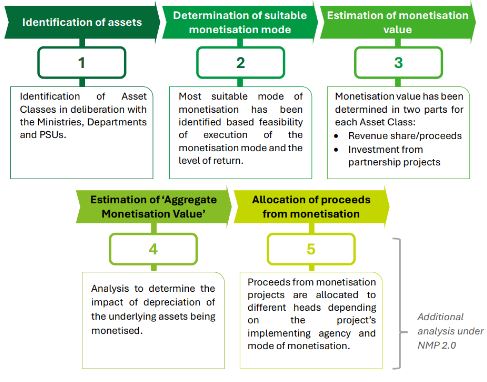
- 25 Feb 2026
In News:
The Union Minister for Finance and Corporate Affairs has launched the National Monetisation Pipeline (NMP) 2.0, prepared by NITI Aayog, to operationalise the Asset Monetisation Plan for 2025–30 as announced in the Union Budget 2025–26. The initiative marks a significant step in India’s infrastructure financing strategy, building upon the experience of NMP 1.0.
Background and Performance of NMP 1.0
- The first phase of the National Monetisation Pipeline (2021–25) set a target of ?6 lakh crore. As per official statements, nearly 90% of this target was achieved, establishing institutional mechanisms, transaction templates, and sector-specific best practices. It also mainstreamed asset monetisation as a structured public finance strategy rather than an ad hoc disinvestment measure.
- NMP 1.0 covered operational (brownfield) public assets across sectors such as roads, railways, power transmission, airports, ports, and telecom. The experience gained in valuation, risk allocation, and investor outreach forms the foundation for NMP 2.0.
Rationale: Asset Recycling as a Financing Tool
NMP 2.0 is anchored in the concept of asset recycling, wherein operational public infrastructure assets are monetised to unlock capital. The proceeds are reinvested in new greenfield infrastructure (capital expenditure), without increasing fiscal deficits or immediate budgetary outgo.
This approach serves multiple objectives:
- Enhances efficiency through private sector participation.
- Improves asset utilisation and maintenance.
- Provides upfront capital to the government.
- Reduces pressure on traditional borrowing.
Thus, monetisation is distinct from privatisation; ownership of assets remains with the public authority while usage rights are transferred for a defined concession period.
Scope and Sectoral Coverage
NMP 2.0 expands the scale and ambition of monetisation. The pipeline estimates an aggregate potential of ?16.72 lakh crore, including approximately ?5.8 lakh crore in private sector investment—about 2.6 times the size of NMP 1.0.
Key sectors covered include:
- Roads and Highways
- Railways
- Power (generation and transmission)
- Oil and Gas pipelines
- Civil Aviation (airports)
- Ports
- Telecom infrastructure
- Coal and Mining assets
This broad sectoral spread ensures diversification of revenue streams and investor participation.
Institutional and Governance Framework
To ensure coordinated implementation, progress under NMP 2.0 will be monitored by the Core Group of Secretaries on Asset Monetisation (CGAM), chaired by the Cabinet Secretary. This institutional arrangement reflects a “whole-of-government” approach, integrating ministries, public sector enterprises, and state governments.
Revenue allocation from monetisation depends on the implementing agency:
- Ministry-led projects: credited to the Consolidated Fund of India.
- PSU/Port Authority projects: retained by the respective entity.
- Mining-related revenues: flow to the State Consolidated Fund (largely through royalties).
- Private investments involving construction or major maintenance are recorded under a separate accounting head.
Monetisation Instruments
Transactions under NMP 2.0 will employ a mix of financial and contractual instruments:
- Public-Private Partnership (PPP) concessions
- Infrastructure Investment Trusts (InvITs)
- Securitisation of cash flows
These instruments aim to attract long-term institutional investors such as pension funds and sovereign wealth funds, thereby deepening India’s infrastructure finance market.
Significance in the Context of Viksit Bharat
Aligned with the broader vision of Viksit Bharat, NMP 2.0 seeks to optimise public asset utilisation and crowd in private capital for infrastructure expansion. By providing medium-term asset visibility and a clear roadmap, it enhances investor confidence and predictability.
At a macroeconomic level, the pipeline complements the government’s high capital expenditure strategy, supports economic growth, and strengthens fiscal sustainability. If implemented effectively with transparency and robust regulatory safeguards, NMP 2.0 could institutionalise asset monetisation as a permanent pillar of India’s public finance architecture.
Rajagopalachari Statue to replace Lutyens at Rashtrapati Bhavan
- 24 Feb 2026
In News:
The Prime Minister announced that the statue of British architect Edwin Lutyens at Rashtrapati Bhavan will be replaced by that of C. Rajagopalachari (Rajaji).
- Edwin Lutyens designed Rashtrapati Bhavan.
- Rajaji was the first Indian occupant of Rashtrapati Bhavan as Head of State (Governor-General of India).
C. Rajagopalachari (Rajaji)
Basic Facts
- Full Name: Chakravarti Rajagopalachari
- Born: 10 December 1878, Salem (Madras Province, now Tamil Nadu)
- Popularly known as: Rajaji
- First and last Indian Governor-General of India (1948–1950)
Role in Freedom Movement
- Inspired by Bal Gangadhar Tilak.
- Active member of the Indian National Congress.
- Hosted Mahatma Gandhi during the Anti-Rowlatt agitation.
- Led the Vedaranyam Salt Satyagraha (1930), mirroring the Dandi March in South India.
Political & Administrative Roles
- Prime Minister of Madras Province (1937).
- Promoted Khadi.
- Advocated abolition of Zamindari.
- Governor of West Bengal (Post-Independence).
- Union Home Minister (after Sardar Vallabhbhai Patel).
- Contributed to the drafting of the First Five-Year Plan.
- Piloted the Preventive Detention Act, 1950.
C.R. Formula (1944)
- Proposed in pamphlet “The Way Out”.
- Attempted to resolve constitutional deadlock between INC and Muslim League regarding Pakistan demand.
Founder of Swatantra Party
- Established Swatantra Party (1959).
- Advocated market economy and opposed excessive state control.
- As Chief Minister of Madras State, decontrolled foodgrain distribution and prices.
Literary Contributions
- Founded an ashram in 1925 for social reform.
- Published:
- Vimochanam (Tamil)
- Prohibition (English)
- Won Sahitya Akademi Award (1958) for Tamil retelling of Ramayana (Chakravarthi Thirumagan).
Awards
- One of the first three recipients of the Bharat Ratna (1954), along with:
- Sarvepalli Radhakrishnan
- C. V. Raman
Edwin Lutyens
About
- British architect and town planner.
- Key designer of New Delhi during British rule.
- Collaborated with Sir Herbert Baker.
Major Architectural Contributions
- Rashtrapati Bhavan
- North Block
- South Block
- India Gate
A central administrative zone of New Delhi is popularly called “Lutyens’ Delhi.”
National Organ and Tissue Transplant Organization (NOTTO)

- 24 Feb 2026
In News:
India has recorded unprecedented progress in organ donation and transplantation:
- Transplants increased fourfold:
- < 5,000 (2013) → ~20,000 (2025)
- 18% of transplants now from deceased donors.
- 1,200 families donated organs of loved ones in 2025.
- 4.8 lakh citizens registered for posthumous organ donation via Aadhaar-based verification system (since 17 September 2023).
- India leads globally in hand transplants and performs the highest number worldwide.
- High competence in complex transplants: Heart, Lung, Pancreas.
About NOTTO
Establishment
- Set up under the Directorate General of Health Services (DGHS).
- Ministry: Ministry of Health and Family Welfare.
- Located in New Delhi.
- Mandated by the Transplantation of Human Organs and Tissues (Amendment) Act, 2011.
Organizational Structure
NOTTO comprises two divisions:
- National Human Organ and Tissue Removal and Storage Network
- National Biomaterial Centre
It functions as the apex coordinating centre for organ procurement, allocation, and data registry across India.
Core Functions
1. Coordination & Allocation
- National-level coordination of organ procurement and distribution.
- Facilitates inter-state sharing of organs.
- Ensures equitable and transparent allocation.
2. National Registry
- Maintains and publishes the National Organ & Tissue Transplant Registry.
- Compiles data from States and Regions.
- Maintains transplant surveillance and databank.
3. Policy & Protocols
- Frames guidelines and Standard Operating Procedures (SOPs).
- Aligns transplant systems with global best practices.
4. Capacity Building
- Strengthens:
- SOTTOs (State Organ & Tissue Transplant Organizations)
- ROTTOs (Regional Organ & Tissue Transplant Organizations)
- Assists States in data management and transplant monitoring.
5. Public Awareness
- Promotes deceased organ donation.
- Engages youth, institutions, Panchayati Raj Institutions.
- Encourages multiorgan donation as a family choice.
Government Reforms Strengthening NOTTO
- Real-time digital organ allocation system.
- Expansion & modernization of National Registry.
- Promotion of Green Corridors for rapid organ transport.
- Aadhaar-based donor registration.
- Enhanced hospital connectivity and digital integration.
These measures have reduced logistical barriers and improved clinical outcomes.
Hoysala Temples of Karnataka
- 24 Feb 2026
In News:
Hoysala architecture (1050–1300 CE) is best known for its star-shaped (stellate) temple plans, soapstone carvings, and hybrid Vesara style blending Nagara and Dravida features.
Historical Background – Hoysala Dynasty
- Period: c. 11th–14th century CE
- Initially feudatories of the Western Chalukyas (Kalyana Chalukyas), later emerged as an independent power.
- Founder: Nripa Kama II (early phase as vassal).
- Capitals:
- Initially Belur
- Later shifted to Dwarasamudra (modern Halebidu)
- Ruled large parts of present-day Karnataka and parts of Tamil Nadu for over three centuries.
Notable Rulers
- Vishnuvardhana (Bittideva) – Major territorial expansion; prolific temple patronage; converted from Jainism to Vaishnavism under the influence of Ramanuja.
- Veera Ballala II
- Veera Ballala III
Architectural Style: Vesara Tradition
Hoysala architecture represents the Vesara style, a hybrid blending:
- Nagara (North Indian) features
- Dravida (South Indian) features
It evolved into a distinct regional idiom in Karnataka.
Core Architectural Features
1. Building Material
- Chloritic schist (soapstone)
- Soft when quarried → allows intricate carving
- Hardens over time
- Enabled microscopic detailing (ornaments, curls, fingernails)
2. Ground Plan Variations
- Ekakuta – Single shrine
- Dvikuta – Two shrines
- Trikuta – Three shrines
- Chatushkuta / Panchakuta – Four or five shrines
Most temples stand on a raised jagati (platform) with a stellate (star-shaped) plan, producing rhythmic projections and recesses.
Distinctive Feature: Unlike the cruciform Panchayatan layout, Hoysala temples maximize sculptural surface through multiple star-shaped projections.
3. Sculptural Ornamentation
- Outer walls resemble sculptural manus.
- Horizontal friezes depict:
- Elephants (strength)
- Horses
- Mythical beasts
- Episodes from Ramayana, Mahabharata, Puranas
- Bracket figures: Madanikas (celestial dancers)
- Detailed jewellery and costumes carved in stone.
4. Shikhara (Superstructure)
- Tiered arrangement with horizontal mouldings.
- Interconnected chambers crowned by proportionate towers.
- Harmonious vertical elevation.
Important Hoysala Temples
1. Chennakeshava Temple
- Located at Belur.
- Commissioned by King Vishnuvardhana after victory over the Cholas.
- Dedicated to Vishnu.
- Known for exquisite bracket figures (madanikas).
- Inscribed under UNESCO (2023).
2. Hoysaleswara Temple
- Grand Shiva temple at Halebidu.
- Elaborate narrative friezes and mythological panels.
- One of the most sculpturally dense monuments.
- UNESCO inion (2023).
3. Keshava Temple
- 13th-century Trikuta Vaishnava temple.
- Built by Somanatha Dandanayaka under Narasimha III.
- Exemplifies mature Hoysala detailing.
- UNESCO inion (2023).
Other Important Monuments (Prelims Focus)
- Veera Narayana Temple (c. 1200 CE) – Large ranga-mandapa, interior emphasis.
- Nageshwara & Govindeshwara Temples (Koravangala) – Transitional phase from Chalukyan to mature Hoysala style.
- Bucheshwara Temple (1173 CE) – High sculptural density; star-shaped platform.
- Lakshminarasimha Temple (1250 CE, Javagal) – Trikuta shrine; polished pillars.
- Lakshmidevi Temple (1114 CE) – Early experiment; rare Mahakali shrine; patronized by merchant Sahaja Devi.
- Panchalingeshwara Temple (Mandya) – Rare Panchakuta design (five east-facing Shiva shrines).
- Jain Basadis at Halebidu – Parshvanatha, Shantinatha, Adinatha; restrained aesthetic.
- Hulikere Kalyani – 12th-century stepped tank integrating cosmological symbolism.
UNESCO Recognition
In 2023, the following were inscribed as “Sacred Ensembles of the Hoysalas” during the 45th World Heritage Committee session:
- Chennakeshava Temple (Belur)
- Hoysaleswara Temple (Halebidu)
- Keshava Temple (Somanathapura)
Namo Bharat Rapid Rail and Meerut Metro
- 24 Feb 2026
In News:
- The Prime Minister inaugurated both the Namo Bharat Rapid Rail and the Meerut Metro from a single platform, marking the first instance in India where a rapid rail (regional system) and a metro (intra-city system) were launched together on the same day.
- The Meerut Metro operates on the same infrastructure as the Namo Bharat corridor in a first-of-its-kind integrated model.
About Namo Bharat
- India’s first Regional Rapid Transit System (RRTS).
- Dedicated semi-high-speed commuter rail network.
- Designed to transform connectivity across the National Capital Region (NCR).
- Speed Specifications
- Design Speed: 180 km/h
- Operational Speed: Up to 160 km/h
- Average Speed: ~100 km/h
- Primary Objective
- Reduce congestion on roads and conventional rail networks.
- Provide high-frequency, fast connectivity for commuters traveling 100–200 km distances.
- Promote sustainable and transit-oriented regional development.
Flagship Corridor
Delhi–Ghaziabad–Meerut RRTS
- Length: ~82 km
- Full operations inaugurated in February 2026.
- Connects Delhi with key urban centres in western Uttar Pradesh.
Distinction from Other Rail Systems
1. RRTS vs Metro
|
Feature |
RRTS (Namo Bharat) |
Metro |
|
Coverage |
Regional (Inter-city within NCR) |
Intra-city |
|
Stops |
Fewer |
Frequent |
|
Speed |
Higher (up to 160 km/h) |
Lower comparatively |
|
Distance |
100–200 km |
Short urban distances |
2. RRTS vs Vande Bharat Express
|
Feature |
RRTS |
Vande Bharat |
|
Route Type |
Regional commuter |
Long-distance inter-city |
|
Frequency |
High |
Moderate |
|
Target Users |
Daily regional commuters |
Inter-city travelers |
|
Distance |
Short-medium regional |
Long-distance routes |
Meerut Metro
Key Features
- Connects Meerut South – Modipuram.
- India’s fastest metro with speeds up to 120 km/h.
- Operates on shared infrastructure with Namo Bharat in certain sections—first such model in India.
Significance
- Integrated Urban–Regional Mobility Model: First example of metro and rapid rail operating together on common infrastructure.
- Decongestion of NCR: Encourages modal shift from private vehicles to mass transit.
- Economic Growth: Boosts real estate, employment, and regional economic integration.
- Sustainable Transport: Energy-efficient, high-capacity public transport reduces carbon footprint.
PRASHAD Scheme

- 24 Feb 2026
In News:
The Union Civil Aviation Minister recently stated that the Centre is preparing plans to further develop tourist destinations around prominent temples in Andhra Pradesh under the PRASHAD scheme, highlighting renewed focus on temple-based tourism infrastructure.
About Pilgrimage Rejuvenation and Spiritual Heritage Augmentation Drive (PRASHAD) Scheme
- PRASHAD is a Central Sector Scheme (100% Central funding) launched in 2014–15 for integrated development of identified pilgrimage and heritage destinations.
- Nodal Ministry: Ministry of Tourism
- Objective:
- Integrated development of identified pilgrimage and spiritual heritage destinations.
- Improvement of tourism infrastructure to enhance pilgrim and visitor experience.
- Funding Pattern:
- 100% financial assistance by the Central Government for public-funded project components.
- Encourages additional support through: Corporate Social Responsibility (CSR) and Public-Private Partnership (PPP)
- Implementation Mechanism:
- A dedicated Mission Directorate under the Ministry of Tourism oversees execution.
- Coordinates with State Governments/UT Administrations and other stakeholders.
- Identifies projects in selected cities and ensures integrated planning.
- Focus Areas of Development
- Projects typically include:
- Last-mile connectivity
- Tourist amenities (toilets, drinking water, parking)
- Illumination and landscaping
- Riverfront and heritage area development
- Interpretation centres
- Signage and visitor facilitation centres
- Projects typically include:
- Significance
- Boost to Religious Tourism: Pilgrimage tourism is one of the largest segments of domestic tourism in India.
- Employment Generation: Infrastructure development creates direct and indirect employment in hospitality, transport, handicrafts, and local services.
- Local Skill & Capacity Development: Enhances livelihood opportunities for local communities.
- Cultural Preservation: Strengthens conservation and promotion of India’s spiritual and heritage assets.
- Economic Multiplier Effect: Promotes regional economic growth through tourism-led development.
23rd Foundation Day of National Commission for Scheduled Tribes
- 22 Feb 2026
In News:
The 23rd Foundation Day of the National Commission for Scheduled Tribes (NCST) was celebrated in New Delhi by the Ministry of Tribal Affairs.
- Union Tribal Affairs Minister Jual Oram released the NCST Handbook detailing the Commission’s mandate and functioning.
- The event highlighted:
- NCST’s constitutional responsibilities
- Policy recommendations
- Grievance redressal initiatives
- Field visits to Scheduled Areas
- The Commission reiterated focus areas such as education, forest rights, land issues, infrastructure, and livelihood generation for tribal communities.
About National Commission for Scheduled Tribes (NCST)
Constitutional Status
- Established under Article 338-A of the Constitution.
- Created by the 89th Constitutional Amendment Act, 2003, which bifurcated the earlier National Commission for SCs and STs.
- Aims to provide focused attention to the distinct problems of Scheduled Tribes (STs).
Composition
- Chairperson
- Vice-Chairperson
- Three other Members (at least one woman)
- Appointed by the President by warrant under his hand and seal.
Tenure & Status
- Tenure: 3 years.
- Not eligible for more than two terms.
- Chairperson: Rank of Union Cabinet Minister.
- Vice-Chairperson: Rank of Minister of State.
- Members: Rank of Secretary to Government of India.
Core Functions
- Investigate and monitor safeguards for STs under the Constitution and laws.
- Inquire into complaints regarding deprivation of tribal rights.
- Participate in socio-economic development planning.
- Evaluate development progress of STs.
- Submit annual/periodic reports to the President.
- Recommend measures to Union and State Governments.
Additional Functions (Specified in 2005)
- Ownership rights over Minor Forest Produce (MFP).
- Safeguarding rights over mineral and water resources.
- Preventing land alienation of tribals.
- Monitoring implementation of the Panchayats (Extension to Scheduled Areas) Act (PESA), 1996.
- Relief and rehabilitation of displaced tribals.
- Addressing shifting cultivation issues.
Powers of NCST
- Powers of a civil court during investigations:
- Summon persons
- Require production of documents
- Receive affidavits
- Requisition public records
- Can regulate its own procedure.
- Mandatory consultation: Central and State Governments must consult NCST on major policy matters affecting STs.
Reporting Mechanism
- Submits reports to the President.
- Reports laid before Parliament with Action Taken Memorandum.
- State-specific reports forwarded to Governor for placement before State Legislature.
Constitutional Provisions Related to Scheduled Tribes (STs)
Identification of STs
- Article 366(25): defines Scheduled Tribes (STs) as tribes or tribal communities, or parts thereof, that are deemed under Article 342 to be STs for the purposes of the Constitution.
- Article 342(1) empowers the President to specify tribes as STs in consultation with the Governor for states.
Administrative Provisions
- Fifth Schedule: Applies to Scheduled Areas in states other than Sixth Schedule states.
- Sixth Schedule: Provides Autonomous District Councils in: Assam, Meghalaya, Tripura, and Mizoram
Key Legislations for ST Protection
- Protection of Civil Rights Act, 1955
- SC/ST (Prevention of Atrocities) Act, 1989
- PESA Act, 1996
- Forest Rights Act, 2006
Gaganyaan Drogue Parachute
- 22 Feb 2026
In News:
India achieved a significant milestone in its human spaceflight programme as the Defence Research and Development Organisation (DRDO) successfully conducted a qualification-level load test of the Drogue Parachute for the Gaganyaan mission.
- Test conducted at the Terminal Ballistics Research Laboratory (TBRL), Chandigarh.
- Utilised the Rail Track Rocket Sled (RTRS) facility to simulate dynamic flight conditions.
- The parachute was tested under loads higher than expected flight loads to validate safety and reliability.
What is the Gaganyaan Drogue Parachute?
- A crucial component of the Crew Module deceleration system.
- Deployed during atmospheric re-entry.
- Functions to:
- Stabilize the Crew Module.
- Reduce velocity before main parachutes deploy.
- Ensure safe splashdown/landing of astronauts.
Developed collaboratively by:
- Indian Space Research Organisation (ISRO)
- DRDO
Gaganyaan Deceleration System
The Crew Module recovery system consists of 10 parachutes (4 types):
- Apex Cover Separation Parachutes (2): Remove protective apex cover.
- Drogue Parachutes (2): Stabilize module at high altitude, Reduce velocity during transition phase.
- Pilot Parachutes (3): Extract main parachutes.
- Main Parachutes (3): Provide final deceleration for safe landing.
The drogue parachutes serve as the critical transition stage, ensuring controlled descent before deployment of main canopies.
Key Technical Features
- High-strength ribbon parachute design
- Ribbon-type structure allows controlled airflow.
- Reduces shock loads.
- Ensures high tensile strength during high-speed descent.
- Qualification-level testing
- Tested beyond maximum expected flight loads.
- Enhances mission safety margins.
- Designed for extreme conditions
- Capable of functioning under:
- Rapid velocity changes
- Turbulence
- Variable atmospheric pressures
- Capable of functioning under:
- Dynamic validation: High-speed testing using RTRS facility simulates near-real re-entry conditions.
Significance for India’s Human Spaceflight Programme
- Strengthens safety architecture of Gaganyaan.
- Demonstrates indigenous capability in complex recovery systems.
- Enhances collaboration between ISRO and DRDO.
- Critical for safe astronaut recovery after orbital mission.
India assumes chairmanship of Indian Ocean Naval Symposium (IONS)
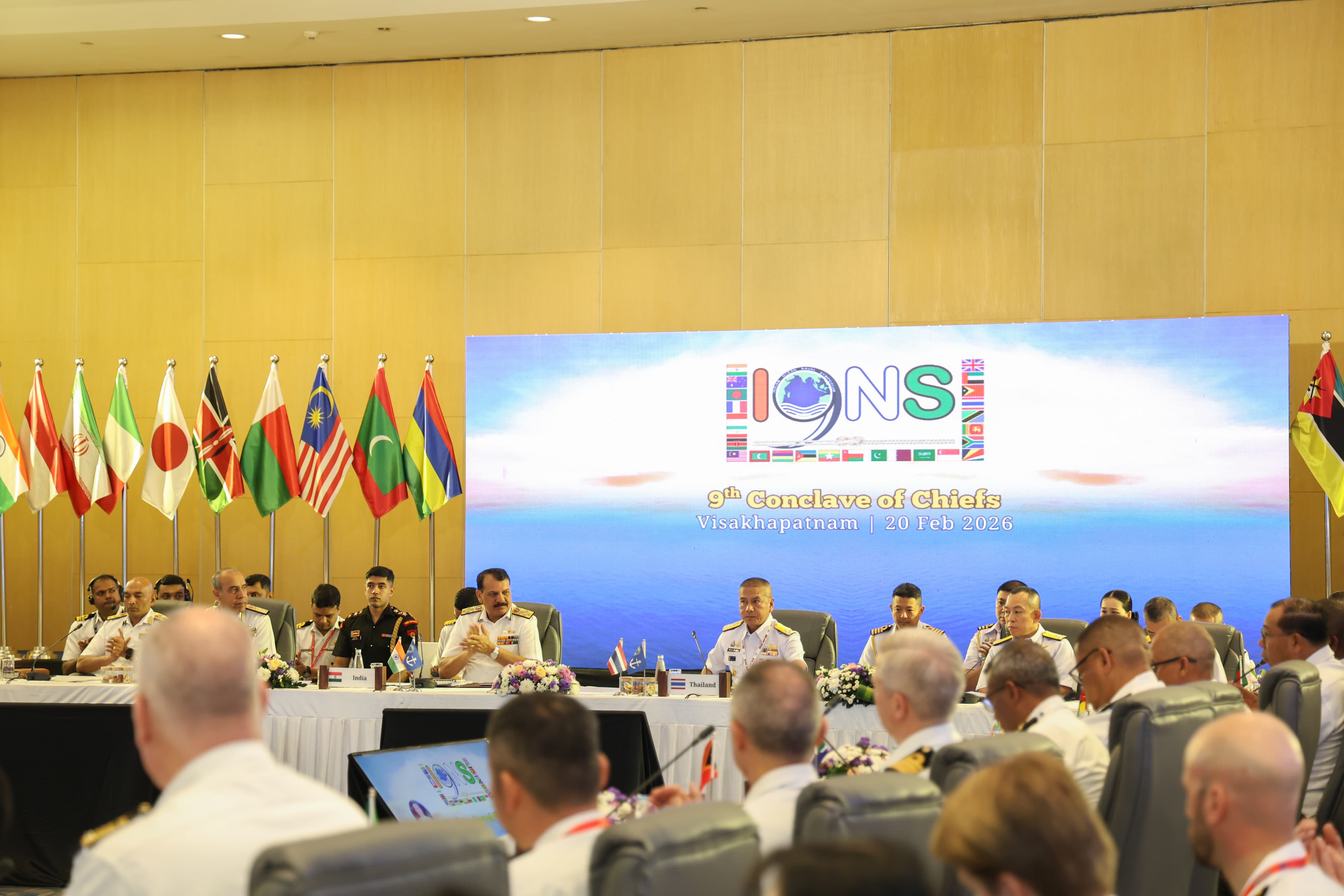
- 22 Feb 2026
In News:
- India assumed the Chairmanship of the Indian Ocean Naval Symposium (IONS) from Royal Thai Navy.
- The 9th Conclave of Chiefs was held at Visakhapatnam.
- Participation included Chiefs of Navies and Heads of Maritime Security Agencies from 33 countries (Members, Observers, and Indian Ocean littoral states).
- India had earlier held the inaugural Chairmanship (2008–2010).
About Indian Ocean Naval Symposium (IONS)
- Launched in 2008 by the Indian Navy.
- A voluntary naval forum aimed at enhancing maritime cooperation among Indian Ocean littoral states.
- No permanent headquarters.
- Features a rotating chairmanship.
Membership Structure
- 25 Member States, divided into four sub-regions:
- South Asian
- West Asian
- Southeast Asian & Australian
- East African
- 9 Observer countries.
- In 2026:
- The Philippines was inducted as an Observer.
- Oman joined the Working Group on HADR.
Core Objectives of IONS
IONS promotes:
- Maritime security cooperation (including anti-piracy efforts).
- Humanitarian Assistance and Disaster Relief (HADR).
- Maritime information sharing.
- Capacity building among navies.
- Professional exchange through exercises, workshops, and biennial conclaves.
Key Focus Areas (Working Groups)
Under India’s Chairmanship, emphasis will be placed on strengthening:
- Maritime Security
- Humanitarian Assistance and Disaster Relief (HADR)
- Information Sharing and Interoperability
Initiatives Announced During India’s Tenure
- Conduct of IONS Maritime Exercise (IMEX).
- Continued deployment of IOS SAGAR missions to IONS member countries with multinational participation.
- Structured Maritime Information Sharing Workshops.
- Upgrade of the IONS website to enhance:
- Institutional continuity
- Secure engagement
- Usability among member navies
Strategic Significance for India
- Reinforces India’s role as a net security provider in the Indian Ocean Region.
- Strengthens maritime diplomacy and defence cooperation.
- Enhances collective response capability against: Piracy, Maritime terrorism, and Natural disasters
- Promotes interoperability among like-minded navies.
- Reflects India’s vision of SAGAR (Security and Growth for All in the Region).
INS Krishna
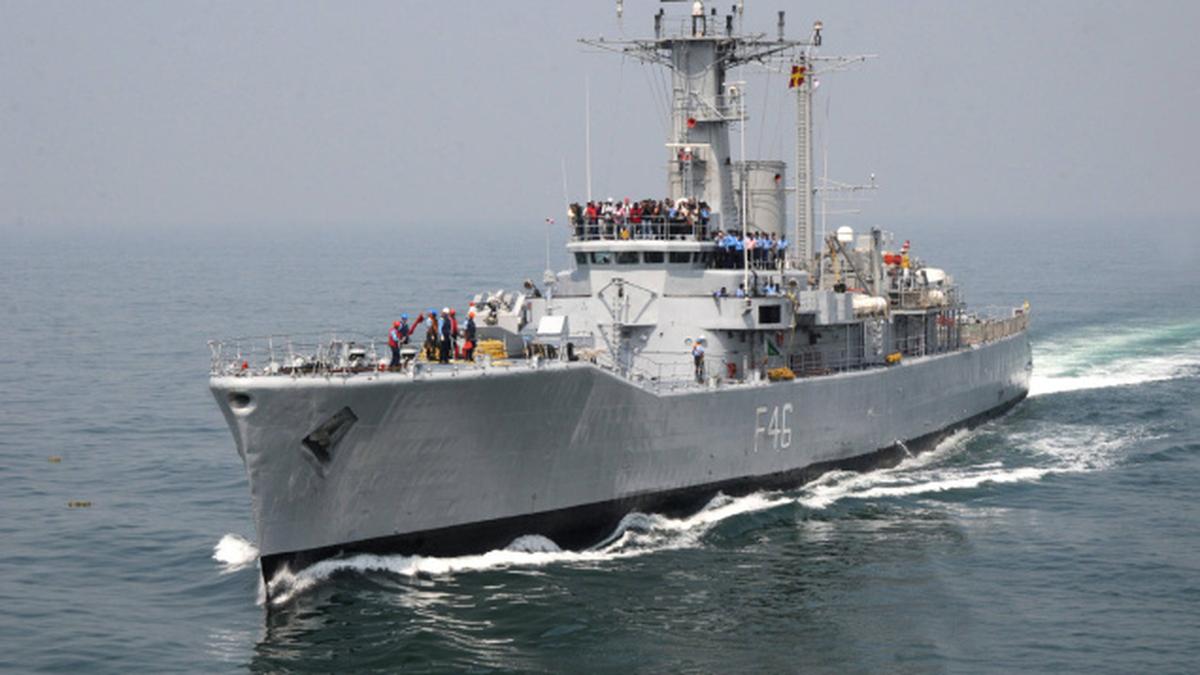
- 22 Feb 2026
In News:
The Indian Navy has commissioned INS Krishna, the first of three indigenously built Cadet Training Ships (CTS), marking a significant step in strengthening sea-based training infrastructure for future naval officers.
About INS Krishna
- First of three Cadet Training Ships (CTS) for the Indian Navy.
- Constructed at Larsen & Toubro (L&T) Shipyard, Kattupalli (near Chennai).
- Designated as Yard 18003 during construction.
- Entirely indigenously built, supporting Aatmanirbhar Bharat in defence manufacturing.
Purpose and Role
- Training Platform
- Functions as a “floating classroom” and “living laboratory.”
- Used for training:
- Officer cadets (including women)
- Cadets from friendly foreign countries
- Training areas include:
- Navigation
- Seamanship
- Watch-keeping
- Practical maritime operations under real sea conditions
Technical Specifications
- Displacement: ~4,700 tonnes
- Maximum speed: 20 knots
- Endurance: 60 days at sea
- Multi-role capability beyond training
Secondary Operational Roles
Apart from training, INS Krishna is designed for:
- Non-Combatant Evacuation Operations (NEO)
- Humanitarian Assistance and Disaster Relief (HADR)
- Search and Rescue (SAR) missions
This enhances operational flexibility and supports India’s role as a net security provider in the Indian Ocean Region (IOR).
Strategic Significance
- Strengthens sea-based officer training capacity of the Indian Navy.
- Enhances practical exposure for cadets under real maritime conditions.
- Supports indigenous defence shipbuilding capability.
- Promotes defence diplomacy through training of foreign cadets.
- Augments India’s capability in HADR and evacuation missions.
Tetanus and Adult Diphtheria (Td) Vaccine
- 22 Feb 2026
In News:
- Recently, the Td vaccine was launched by Union Health Minister J. P. Nadda.
- Manufactured by the Central Research Institute (CRI), Kasauli, Himachal Pradesh.
- CRI functions under the Directorate General of Health Services, Ministry of Health & Family Welfare.
- The vaccine will be supplied under India’s Universal Immunization Programme (UIP).
- CRI plans to supply 55 lakh doses by April 2026, with progressive scaling in subsequent years.
Why the Shift from TT to Td?
- Extensive childhood immunization using DPT vaccines significantly reduced tetanus and diphtheria.
- However, diphtheria antibody levels decline over time, necessitating booster doses.
- In 2006, the World Health Organization (WHO) recommended transitioning from Tetanus Toxoid (TT) to Td vaccine.
- Recommendation reaffirmed in:
- WHO Tetanus Vaccine Position Paper (2017)
- Strategic Advisory Group of Experts (SAGE) deliberations (2002 & 2016)
- India’s National Technical Advisory Group on Immunization (NTAGI) recommended replacing TT with Td for: All age groups and Pregnant women
Objective: Sustain maternal & neonatal tetanus elimination while expanding protection against diphtheria.
About Td Vaccine
- Full Form: Tetanus and adult Diphtheria Vaccine (Adsorbed, Reduced D-Antigen Content).
- Provides protection against: Tetanus and Diphtheria
- Composition:
- Purified diphtheria toxoid
- Purified tetanus toxoid
- Adjuvant: Aluminum phosphate
- Preservative: Thiomersal
- Storage: Freeze- and heat-sensitive vaccine
- Target group: Adolescents, Adults and Pregnant women
About Tetanus
- Caused by: Clostridium tetani (toxigenic strains).
- Nature: Acute infectious disease.
- Transmission: Not spread person-to-person (enters through contaminated wounds).
- Symptoms:
- Painful muscle stiffness
- Lockjaw (inability to open mouth)
- Difficulty swallowing and breathing
- High case-fatality rate, even with intensive care.
About Diphtheria
- Caused by: Corynebacterium diphtheriae.
- Spread: Person-to-person via respiratory droplets.
- Symptoms:
- Breathing difficulty
- Heart failure
- Paralysis
- Can be life-threatening.
- South-East Asia region has been a major contributor to global diphtheria incidence since 2005.
Regulatory and Manufacturing Milestones
The Central Research Institute:
- Completed developmental studies.
- Obtained Test License.
- Secured waivers for:
- Preclinical studies
- Phase I, II, and III trials.
- Received:
- Marketing Authorization
- License for manufacture and sale
- Release approval from Central Drugs Laboratory, Kasauli.
Gentoo Penguin

- 21 Feb 2026
In News:
Gentoo penguins have been confirmed infected with H5 avian influenza (H5N1, clade 2.3.4.4b) on Heard Island, marking the first recorded bird infection in an Australian external territory. Earlier (November 2025), the virus had been detected in southern elephant seals. The strain has caused widespread mortality among seabirds and poultry globally.
About Gentoo Penguin
Taxonomy
- Scientific Name: Pygoscelis papua
- Genus: Pygoscelis
- Closely related to: Adélie penguin, and Chinstrap penguin
- Distribution: Antarctic Peninsula, Sub-Antarctic islands, Falkland Islands (South Atlantic Ocean), and Exclusively found in the Southern Hemisphere (45°–65° South latitude)
- Habitat: Prefer shoreline habitats, enabling quick access to marine food while nesting nearby.
- Characteristics
- Fastest underwater swimmers among penguins.
- Diurnal and highly social.
- Breed in colonies; remain in groups year-round.
- Diet: Carnivorous (mainly fish, krill, squid).
- Conservation Status: IUCN Red List: Least Concern
H5N1 Avian Influenza – Key Facts
- Highly pathogenic strain: H5N1 (clade 2.3.4.4b)
- Highly contagious and deadly among: Seabirds, Wild birds, Poultry, and Marine mammals (e.g., southern elephant seals, Antarctic fur seals)
Detection & Testing
- Preliminary tests conducted at the Commonwealth Scientific and Industrial Research Organisation (CSIRO)’s Australian Centre for Disease Preparedness.
- Samples collected during a scientific voyage (February 2026).
Observations
- No signs of large-scale mass mortality in surveyed areas.
- Australia’s national H5 bird flu–free status remains unchanged.
- Government has committed over A$100 million toward preparedness and biosecurity measures.
About Heard Island
- Australian external territory.
- Located:
- ~4,000 km south-west of Perth
- ~1,700 km north of Antarctica
- Situated in the Southern Ocean.
- Remote and ecologically sensitive sub-Antarctic ecosystem.
M.A.N.A.V. Vision for Artificial Intelligence Governance

- 21 Feb 2026
In News:
- At the India AI Impact Summit 2026, held at Bharat Mandapam, New Delhi, the Prime Minister Narendra Modi presented the M.A.N.A.V. vision (PM Narendra Modi’s Human-Centric AI Odyssey)-India’s guiding framework for Artificial Intelligence (AI) governance.
- India, home to one-sixth of the global population and one of the largest youth and technology talent pools, positioned itself as both a major AI adopter and a norm-shaper in global AI discourse.
What is M.A.N.A.V.?
M.A.N.A.V. is a human-centric AI governance framework that ensures technological advancement aligns with:
- Human dignity
- Ethical safeguards
- Inclusivity
- Legal accountability
- National interest
It seeks to balance innovation with constitutional values and democratic principles.
Five Pillars of M.A.N.A.V.
1. Moral and Ethical Systems
- AI must be rooted in fairness, transparency, and human oversight.
- Ethical AI principles integrated through National Education Policy 2020.
- Emphasis on AI literacy and computational thinking across educational levels.
- Public awareness initiatives promoted responsible AI usage, including a large-scale AI responsibility pledge campaign.
2. Accountable Governance
- Establishment of transparent regulatory architecture.
- Anchored by the IndiaAI Mission with an outlay exceeding ?10,300 crore.
- Focus areas: compute infrastructure, datasets, skilling, innovation ecosystem.
- AI Governance Guidelines emphasize: Trust, Equity, Accountability, and Explainability
- Ensures AI systems remain lawful and aligned with constitutional values.
3. National Sovereignty
- Extends sovereignty to: Data, Algorithms, and Digital infrastructure
- Promotion of indigenous AI models and domestic compute capacity.
- Supported by:
- India Semiconductor Mission
- Trusted digital public infrastructure
- Objective: Technological self-reliance without digital isolation.
4. Accessible and Inclusive AI
- Democratization of AI access across: Governance, Healthcare, Education, and Agriculture
- Key platforms:
- IndiaAI Compute Portal (shared GPU/TPU access)
- MeghRaj GI Cloud
- IndiaAI Kosh (datasets and AI models)
- Linked with the National Supercomputing Mission and AI Data Labs Network.
- Reduces entry barriers for startups, researchers, and institutions.
5. Valid, Safe and Legitimate Systems
- AI systems must be verifiable, lawful, and transparent.
- Addresses risks from deepfakes and synthetic media.
- Supported by Information Technology (Intermediary Guidelines and Digital Media Ethics Code) Amendment Rules, 2026.
- IndiaAI Mission’s Safe & Trusted AI pillar promotes:
- Bias mitigation
- Privacy-preserving design
- Algorithmic auditing
- Risk assessment frameworks
Ottawa Convention
- 21 Feb 2026
In News:
Poland has formally withdrawn from the Ottawa Convention, reversing its earlier commitment to ban anti-personnel landmines. The move follows heightened regional security concerns after Russia’s invasion of Ukraine.
Background
- Poland ratified the Ottawa Convention in 2012.
- It completed destruction of its anti-personnel mine stockpiles by 2016.
- However, citing new geopolitical threats, Poland has now exited the treaty framework.
Geopolitical Rationale
- The decision is linked to strengthening the Eastern Shield, a fortified defence system along Poland’s borders with:
- Kaliningrad (Russia)
- Belarus
- Triggered by Russia’s full-scale invasion of Ukraine.
- Mines will reportedly remain in stockpiles and deployed only under a “realistic threat of aggression” to reduce civilian harm.
Ottawa Convention (1997)
- Formally known as the Mine Ban Treaty.
- Emerged from the Canadian-led “Ottawa Process” after the First Review Conference of the Convention on Certain Conventional Weapons failed to impose strict limits.
- Prohibits:
- Use
- Production
- Stockpiling
- Transfer of anti-personnel landmines
Rationale
Anti-personnel mines pose long-term risks to civilians, often remaining active decades after conflicts end.
Types of Landmines
|
Type |
Status under International Law |
|
Anti-Personnel Mines |
Banned under Ottawa Convention |
|
Anti-Tank (Anti-Vehicle) Mines |
Not banned; regulated under CCW (Amended Protocol II, 1996) |
- Anti-tank mines remain legally permissible under the CCW framework.
Domestic Production Plans
- Poland aims to restore self-sufficiency in defence manufacturing.
- Plans to renew production of:
- Anti-personnel mines
- Anti-tank mines
- Collaboration with domestic defence manufacturers.
Regional Trend
- Since the Russia–Ukraine conflict, several Eastern European states have reconsidered their treaty obligations.
- Countries announcing withdrawal include: Finland, Estonia, Latvia, Lithuania, Ukraine, and Poland.
Global Context
- Nearly three dozen countries never acceded to the Ottawa Convention.
- Notable non-signatories: India, Russia, United States
India has maintained that anti-personnel mines are necessary for national security considerations, especially along sensitive borders.
Statehood Day of Mizoram and Arunachal Pradesh

- 21 Feb 2026
In News:
On 20 February every year, India commemorates the grant of statehood to Arunachal Pradesh and Mizoram, both of which became full-fledged States of the Indian Union in 1987. The Prime Minister extended greetings to the people of both States on the occasion, highlighting their cultural richness and contribution to national unity.
Constitutional Basis of Statehood
- 53rd Constitutional Amendment Act, 1986 - Granted statehood to Mizoram.
- 55th Constitutional Amendment Act, 1986 - Granted statehood to Arunachal Pradesh.
- Both States formally came into existence on 20 February 1987.
- Mizoram became the 23rd State, while Arunachal Pradesh became the 24th State of India.
Mizoram
Historical Background
- Originally known as the Lushai Hills district of Assam.
- Renamed Mizo Hills in 1954.
- Became a Union Territory in 1972.
- Achieved statehood following the Mizoram Peace Accord signed in 1986 between the Government of India and the Mizo National Front (MNF).
The Accord ended years of insurgency and paved the way for political stability and democratic integration.
Constitutional Protection
- Recognized as a “Tribal Area” under the Sixth Schedule (Article 244(2)) of the Constitution.
- Provides for Autonomous District Councils (ADCs) to safeguard tribal customs, land rights, and local governance.
Arunachal Pradesh
Historical Evolution
- Earlier known as the North-East Frontier Agency (NEFA).
- Came under British control after the Treaty of Yandaboo (1826), following the First Anglo-Burmese War (1824–26).
- The 1914 Shimla Convention demarcated the boundary between Tibet and NEFA, resulting in the McMahon Line.
- Until 1962, it was constitutionally under Assam.
- Became a Union Territory in 1972.
- Granted full statehood in 1987 through the 55th Constitutional Amendment.
Strategic Significance
- Shares an international boundary with China (Tibet Autonomous Region).
- Holds immense strategic and geopolitical importance in India’s North-East security framework.
Vibrant Villages Programme–II (VVP–II)

- 21 Feb 2026
In News:
The Union Home Minister Amit Shah launched the Vibrant Villages Programme–II (VVP–II) at Nathanpur village in Cachar district of Assam, marking an expansion of the government’s border area development strategy in line with the vision of Viksit Bharat @2047.
About Vibrant Villages Programme–II
- Type of Scheme: Central Sector Scheme (100% funded by the Union Government)
- Total Outlay: ?6,839 crore
- Implementation Period: Up to FY 2028–29
- Approach: Saturation-based and convergence-driven
- Coverage: 15 States and 2 Union Territories
- Exclusion: Northern border villages already covered under VVP–I
Objectives
- Comprehensive Development: Improve living standards in border villages through infrastructure and service delivery.
- Livelihood Generation: Create sustainable and diversified livelihood opportunities.
- Border Security Strengthening: Enable residents to act as the “eyes and ears” of the nation.
- Prevention of Trans-border Crimes: Strengthen vigilance and community participation.
- National Integration: Assimilate border populations into the mainstream national framework.
Key Features
1. Infrastructure Development
- Education infrastructure including SMART classrooms
- Development of tourism circuits
- Village-level infrastructure in clusters
- Improved access to essential services
2. Livelihood & Value Chain Development
- Promotion of Self-Help Groups (SHGs)
- Strengthening cooperatives
- Focus on value chain development in agriculture and allied sectors
- Diversification of income sources in border areas
3. Social & Cultural Vibrancy
- Organisation of fairs and festivals
- Celebration of National Days
- Awareness campaigns
- Community mobilisation initiatives
These efforts aim to enhance the “vibrancy” of villages, reduce migration, and foster a sense of belonging.
Strategic Significance
- Internal Security: Strengthened community participation improves intelligence gathering and vigilance.
- Border Management: Acts as a socio-economic complement to physical border infrastructure.
- Balanced Regional Development: Reduces regional disparities.
- Vision 2047 Alignment: Supports the broader goal of building a developed and secure India by 2047.
Saturation-Based & Convergence Approach
- Saturation-based: Ensures all eligible beneficiaries and villages receive full scheme benefits.
- Convergence-driven: Integrates multiple Central and State schemes for optimal resource utilization.
Pax Silica initiative

- 23 Feb 2026
In News:
India has joined the U.S.-led Pax Silica initiative (2025) to strengthen resilient supply chains in critical minerals, semiconductors, electronics, and AI technologies.
India Joins Pax Silica
India has signed the Pax Silica Declaration and joined the U.S.-led global initiative aimed at building secure and diversified supply chains for emerging technologies and critical minerals.
The initiative is spearheaded by the United States Department of State.
What is Pax Silica?
Pax Silica is a strategic international framework designed to promote:
- Resilient supply chains for critical minerals
- Secure semiconductor and electronics ecosystems
- Collaboration in Artificial Intelligence (AI) technologies
- Trusted and diversified global technology networks
It emerged in response to rising concerns over supply chain concentration, particularly in rare-earth processing and advanced semiconductor manufacturing.
Background
- Conceptualised amid growing geopolitical tensions over critical technology supply chains
- Inaugural Summit: December 2025
- Venue: Washington D.C.
Objectives
- Diversify and secure global supply chains for:
- Critical minerals
- Semiconductors
- AI-related technologies
- Reduce dependence on concentrated or monopolistic supply sources
- Deepen strategic and economic partnerships among like-minded countries
- Strengthen technology governance and economic security frameworks
Key Features
1. Supply Chain Security
- Diversification of sourcing and processing
- Reduced vulnerability to coercive economic practices
2. Critical Minerals Cooperation
- Coordinated refining and processing networks
- Access to rare-earth and strategic minerals essential for electronics and AI
3. AI & Semiconductor Collaboration
- Cooperation in AI systems and data infrastructure
- Development of advanced manufacturing ecosystems
4. Investment & Infrastructure
- Shared investments in trusted industrial ecosystems
- Incentives for innovation and supply chain resilience
5. Fair Market & Security Framework
- Address non-market practices and unfair dumping
- Protect critical infrastructure and sensitive technologies
6. Private Sector Participation
- Mobilises industry and innovation ecosystems
- Encourages entrepreneurship in advanced technology sectors
Participating Countries
- Signatories: Australia, Greece, Israel, Japan, Qatar, Republic of Korea, Singapore, UAE, United Kingdom and India.
- Non-signatory Participants: Canada, European Union, Netherlands, OECD, and Taiwan
Significance for India
- Enhances India’s role in trusted technology supply chains
- Supports India’s ambitions in semiconductor manufacturing and AI development
- Strengthens cooperation in critical mineral sourcing and processing
- Aligns with India’s push for resilient and diversified global economic architecture
SANKALP scheme
- 23 Feb 2026
In News:
SANKALP (?4,455 crore outlay) is a World Bank-assisted skill reform programme launched in 2018, but only 44% of its budget was disbursed between 2017–18 and 2023–24, raising concerns over weak monitoring and slow implementation.
About SANKALP Scheme
SANKALP stands for Skill Acquisition and Knowledge Awareness for Livelihood Promotion.
- Launched: 19 January 2018
- Implementing Ministry: Ministry of Skill Development and Entrepreneurship (MSDE)
- Approval: Cabinet Committee on Economic Affairs (October 2017)
- Initial Duration: Till March 2023 (extended to March 2024)
- Total Outlay: ?4,455 crore
Funding Pattern
- World Bank Loan: ?3,300 crore
- State Contribution: ?660 crore
- Industry Leverage: ?495 crore
Objectives of SANKALP
- Strengthen short-term skill training
- Improve institutional capacity at Central, State and District levels
- Enhance industry linkage for demand-driven training
- Promote inclusion of marginalised and disadvantaged groups
- Establish quality assurance and monitoring mechanisms
The scheme aims at systemic reforms rather than direct training delivery.
Key Features
1. Institutional Strengthening
- Capacity building of skill development institutions
- Improved coordination between Centre, States and districts
2. Industry Linkage
- Partnerships with industries
- Demand-driven curriculum and improved placement outcomes
3. Inclusion Focus
- Targeted support to marginalised communities
- Greater equity in access to skill development
4. Performance-Based Funding
- Uses Results Framework
- Disbursement Linked Indicators (DLIs) to track measurable outcomes
Issues Flagged by Audit and Parliamentary Oversight
CAG Observations
The Comptroller and Auditor General (CAG) highlighted:
- Only 44% of budgeted funds disbursed between 2017–18 and 2023–24 (as of October 2023)
- Delays in financial and physical progress
- Weak adherence to implementation guidelines
- Non-preparedness before commencement of World Bank loan period
Loan Utilisation
- Against first tranche of $250 million, ?1,606.15 crore (86%) was disbursed by World Bank
- Ministry utilised only ?850.71 crore (as of December 2023)
Public Accounts Committee (PAC) Concerns
Public Accounts Committee criticised slow implementation and:
- Absence of a central monitoring mechanism
- Gaps in due diligence
- Sluggish pace of execution across components
The PAC was examining the CAG report on SANKALP’s performance.
Significance for Skill Development
SANKALP is important because:
- India has a large youth population requiring employable skills
- Short-term skilling is key to employment generation
- Industry-aligned training enhances productivity and job readiness
- Effective implementation is crucial for achieving skill ecosystem reforms
However, delayed fund utilisation and weak monitoring undermine intended outcomes.
Revitalizing India’s Apprenticeship Ecosystem
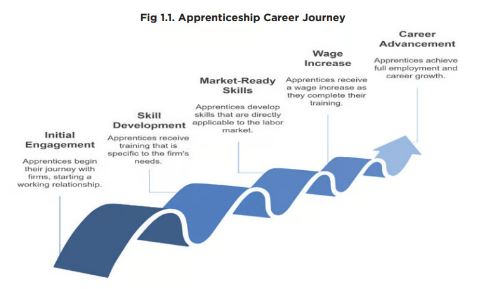
- 23 Feb 2026
In News:
NITI Aayog’s report “Revitalizing Apprenticeship Ecosystem” highlights low completion rates (only 2.51 lakh completed out of 13.1 lakh registrations in 2024–25) and calls for a National Apprenticeship Mission and targeted reforms to strengthen India’s skilling strategy.
Launch of Policy Report
- NITI Aayog launched a policy report titled “Revitalizing Apprenticeship Ecosystem: Insights, Challenges, Recommendations and Best Practices.”
- The report provides a comprehensive review of India’s apprenticeship system and suggests reforms to make it a cornerstone of India’s skilling and employment framework.
Apprenticeship: Concept and Importance
- Apprenticeship is a structured, work-based learning model that bridges the gap between formal education and employment.
Significance
- Provides industry-relevant skills to youth
- Enhances productivity and innovation for businesses
- Reduces skill mismatch in labour markets
- Facilitates smoother school-to-work transition
Demographic Imperative
- Youth (15–29 years) constituted 27.2% of India’s population in 2021
- India projected to have ~345 million youth by 2036 (largest globally)
To convert this demographic potential into a demographic dividend, strengthening the apprenticeship and skilling ecosystem is critical.
Current Landscape of Apprenticeship (2024–25 Data)
1. Gap in Registration and Completion
- Registrations: 13.1 lakh (1.31 million)
- Engaged: 9.85 lakh (985,000)
- Completed training: 2.51 lakh (251,000)
Significant drop between registration, engagement, and completion.
2. Enterprise Participation
- Medium & large enterprises:
- <30% of active establishments
- Account for >70% of apprenticeship engagement
- Low participation by:
- MSMEs
- Start-ups
- Informal sector
3. Gender Gap
- Male participants dominate registrations and engagements
- Limited targeted support for women and marginalized groups
4. Regional Disparities
- Top 10 states contribute 79–84% of total engagement
- Low participation from:
- North-East states
- Union Territories
- Significant district-level variation within states
Key Recommendations by NITI Aayog
1. Policy Reforms
- Establish a National Apprenticeship Mission
- Develop a unified National Apprenticeship Portal
- Provide targeted incentives for:
- Aspirational districts
- North-East states
- Women apprentices
2. Regulatory Measures
- Create an Apprenticeship Engagement Index for benchmarking States/UTs
- Conduct robust evaluation of apprentice competencies
3. State & District-Level Interventions
- Focus on “high-potential but low-performing” districts
- Recognition/reward initiative for Top 25 districts based on growth
4. Enhancing Enterprise Participation
- Cluster-based approach for MSMEs
- Integration with start-up ecosystem
- Alignment with gig and platform economy
5. Support for Women & Marginalized Sections
- Travel and accommodation assistance
- Expanded insurance coverage
- Structured career counselling
- International mobility pathways
- Targeted measures to enhance women’s inclusion
Key Government Initiatives
1. National Apprenticeship Promotion Scheme (NAPS), 2016
- Implemented by Ministry of Skill Development & Entrepreneurship
- Target group: 14–35 years
- Incentives:
- Government shares 25% of stipend (up to ?1,500/month)
- Reimbursement of basic training costs
2. National Apprenticeship Training Scheme (NATS)
- Administered by Ministry of Education
- For graduate and diploma holders
- Provides 6 months to 1 year structured on-the-job training
Red Sanders
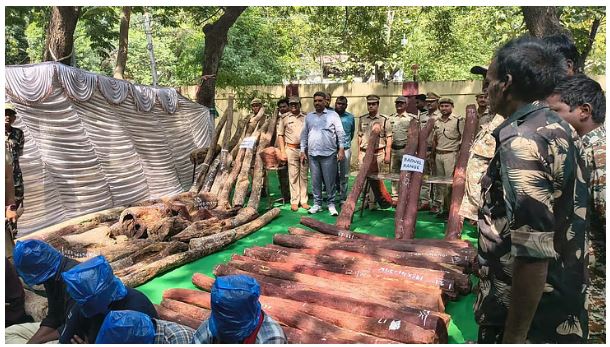
- 23 Feb 2026
In News:
Busy Tirupati pilgrimage route makes Red Sanders smuggling easy in south Andhra Pradesh.
About Red Sanders
- Scientific Name: Pterocarpus santalinus
- Common Name: Red Sandalwood
- Type: Tropical dry deciduous tree
- Endemic to: Southern Andhra Pradesh
Geographic Distribution
- Restricted to three districts: Chittoor, Nellore, and YSR Kadapa
- Largest reserve located in the Seshachalam Biosphere Reserve, part of the Eastern Ghats
- Spread over 4,755 sq km
- Located about 35 km from Tirupati temple town
Ecological Characteristics
- Grows in rocky, degraded and red soil areas
- Requires hot and dry climate
- Fire-hardy and drought-resistant
- Slow-growing: 25–40 years to reach maturity
- Wood is relatively brittle compared to teak
Economic Importance
- Contains ‘Santalin’, a natural red dye
- Used in:
- Pharmaceutical preparations
- Textile and leather industries
- Food colouring
- Perfume and medicinal products
- Gained global attention in the 1960s when Japanese instrument makers used it for crafting the traditional shamisen due to superior tonal quality
Conservation Status
- IUCN Red List: Endangered
- CITES: Appendix II (International trade strictly regulated)
- Wildlife (Protection) Act, 1972: Schedule IV
Harvesting and felling inside reserve forests is prohibited. Legal trade permitted only under regulated plantation and CITES-controlled export mechanisms.
Red Sanders Smuggling: Key Issues
Role of Tirupati Pilgrimage Route
The proximity of the Tirupati pilgrimage corridor to Seshachalam forests facilitates smuggling due to:
- Heavy traffic movement
- Limited vehicle checking
- Multiple forest entry points
- Inter-state border with Tamil Nadu
Smugglers often:
- Enter from Tamil Nadu
- Disguise themselves as labourers or pilgrims
- Use small vehicles for transport
- Hide timber in containers or dump logs inside forests/water temporarily
- Use sea routes for international export
Organised Timber Mafia
- Operates in coordinated teams (felling transport units)
- Several trees cut within short duration
- Cross-firing incidents reported
- Forest officials issued arms after killings of personnel
- Andhra Pradesh Police–Forest Department task force formed in 2014
Recent Enforcement Action
- January 9, 2026: 75 Red Sanders logs seized in Kadapa division
Broader Issue: Illegal Timber and Deforestation
- India among top 10 forest-rich nations (area-wise)
- Since 1980, 1.5 million hectares of forest land diverted for development
- Majority diversion after 2000
- India is also one of the largest timber importers
- Illegal logging contributes to:
- Deforestation
- Carbon emissions
- Biodiversity loss
- Forest conflicts
Inter-state borders often act as transit hubs (e.g., timber movement in central India).
Conservation Efforts
- National Biodiversity Authority sanctioned ?82 lakh
- Andhra Pradesh State Biodiversity Board initiative
- Target: Raise 1 lakh (100,000) saplings
- Distribution to farmers for conservation and regulated cultivation
Exercise Vajra Prahar 2026
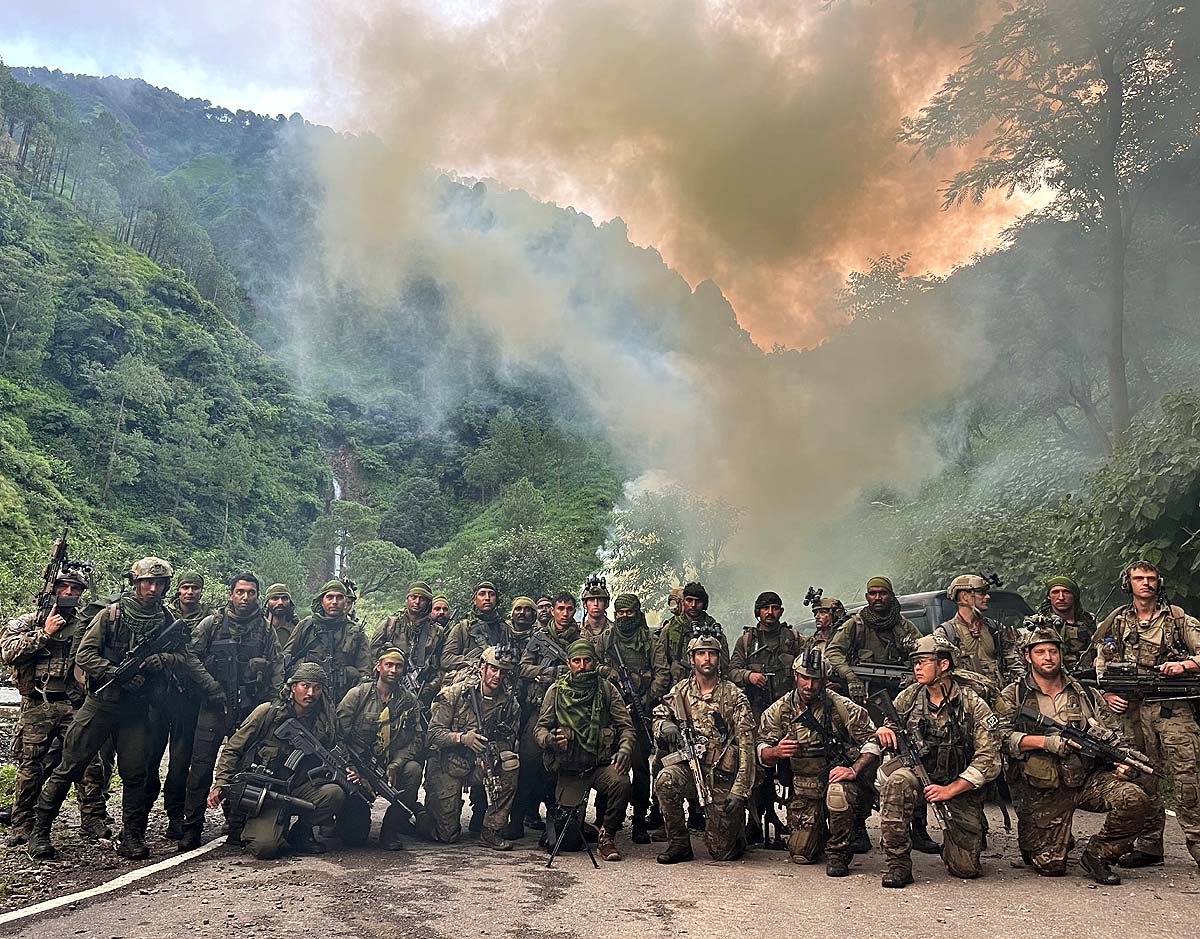
- 23 Feb 2026
In News:
The 16th edition of Exercise Vajra Prahar (2026) is held from 23 February to 15 March at Bakloh, Himachal Pradesh, focusing on counter-terror and advanced special operations interoperability between India and the US.
About Exercise Vajra Prahar
- Exercise Vajra Prahar is a bilateral Special Forces exercise conducted between India and the United States to enhance defence cooperation, interoperability, and joint operational readiness.
Key Objectives
- Exchange of advanced Special Operations Tactics, Techniques and Procedures (TTPs)
- Strengthening counter-terrorism capabilities
- Improving precision strike capabilities
- Enhancing intelligence-based mission planning
- Conducting joint planning under simulated battlefield conditions
- Building mutual trust and operational synergy
The exercise is conducted in realistic combat scenarios, helping both forces refine coordination in high-risk operations.
Focus Areas in 2026
The 16th edition will emphasize:
- Counter-terror operations
- Precision targeting
- Intelligence-driven missions
- Joint operational planning
- Special Forces operations in diverse terrains
Previous Editions
- 15th Edition (2024): Held in Idaho, USA
- Participation: 45 personnel from each side
- US contingent represented by the Green Berets
- 2023 Edition: Conducted at Umroi, Meghalaya
- Included joint drills with the Indian Air Force
- Featured Mi-17 helicopter operations at Umiam Lake
- Helocasting operations demonstrated high operational precision
Exercise Vayushakti-26
Apart from Vajra Prahar, the Indian Air Force (IAF) will conduct Exercise Vayushakti-26.
Key Details
- Venue: Pokhran Air to Ground Range, Jaisalmer
- Date: 27 February 2026
- Nature: Firepower and full-spectrum air power demonstration exercise
Objectives of Vayushakti-26
- Demonstrate IAF’s rapid response and strike capability
- Showcase transformation of tactical actions into strategic outcomes
- Highlight role in Humanitarian Assistance and Disaster Relief (HADR)
- Display readiness for conflict and emergency evacuation operations
Sahakar Taxi Cooperative Limited

- 20 Feb 2026
In News:
The Union Home and Cooperation Minister launched ‘Bharat Taxi’, India’s first cooperative-based taxi service, aimed at transforming the unorganised taxi sector into an ownership-driven, driver-led model.
The initiative seeks to replace the commission-based aggregator model with a cooperative ownership framework, ensuring greater income security and social protection for drivers.
Sahakar Taxi Cooperative Limited
Sahakar Taxi Cooperative Limited is the multi-state cooperative society operating the Bharat Taxi platform.
- Registered under the Multi-State Cooperative Societies Act, 2002
- Established on June 6, 2025
- Drivers are referred to as “Sarathis”
- Ownership and governance lie with driver-members rather than corporate investors
Promoted By
Leading cooperative institutions including:
- National Cooperative Development Corporation (NCDC)
- Indian Farmers Fertiliser Cooperative Limited (IFFCO)
- Gujarat Cooperative Milk Marketing Federation (GCMMF – Amul)
- Krishak Bharati Cooperative Limited (KRIBHCO)
- National Agricultural Cooperative Marketing Federation of India (NAFED)
- National Bank for Agriculture and Rural Development (NABARD)
- National Dairy Development Board (NDDB)
- National Cooperative Exports Limited (NCEL)
Objectives
- Driver Empowerment
- Shift from gig-worker status to ownership rights.
- Drivers become “Malik” (owners) of the platform.
- Economic Freedom
- Eliminate high commission charges (20–30%) taken by private aggregators.
- Ensure maximum income retention for drivers.
- Women’s Safety & Inclusion: Promote safe and dignified travel options for women.
- Social Security for Gig Workers: Integrate welfare benefits and financial security measures.
How the Model Works
1. Share-Based Membership
- Drivers join by purchasing cooperative shares (starting from ?500).
- Members receive voting rights and share in profits.
2. Zero-Commission Model
- No percentage cut per ride.
- Instead, a flat daily access fee:
- Approx. ?30 for cabs
- Approx. ?18 for autos
3. Direct Payments: Ride fares are transferred directly to the Sarathi’s bank account.
4. Democratic Governance: Two Sarathi representatives sit on the Board of Directors.
Key Features
1. Sarathi Didi Initiative
- Dedicated in-app option for women passengers.
- Enables booking rides with female drivers (Sarathi Didis).
2. No Surge Pricing: Transparent and fixed pricing, even during peak hours.
3. Integrated Mobility Services: Two-wheelers, three-wheelers, and four-wheelers on a single platform.
4. Social Safety Net Integration
- Linked with the e-Shram portal.
- Access to welfare schemes such as:
- Pradhan Mantri Jan Arogya Yojana (PM-JAY – coverage up to ?5 lakh)
- Other gig worker social protection benefits.
5. Digital Payments Integration: Partnerships with fintech platforms enable seamless mobile payments.
BHASHINI National Infrastructure

- 20 Feb 2026
In News:
- VoicERA, an open-source end-to-end Voice AI stack, was launched at the India AI Impact Summit 2026 on the BHASHINI National Language Infrastructure, marking a major expansion of India’s Digital Public Infrastructure (DPI).
- The initiative was launched by the Digital India BHASHINI Division (DIBD) under the Digital India Corporation (DIC), Ministry of Electronics and Information Technology (MeitY).
What is VoicERA?
- VoicERA is an open-source, end-to-end Voice AI execution stack deployed on BHASHINI (National Language Infrastructure).
- It functions as a national execution layer for multilingual Voice and Language AI, enabling scalable and secure deployment of speech-based systems across government and research ecosystems.
Institutional Framework
- Launched at: India AI Impact Summit 2026
- Developed by:
- Digital India BHASHINI Division (MeitY)
- EkStep Foundation
- COSS
- IIIT Bengaluru
- AI4Bharat
Objectives
- Enable citizens to access government services through natural speech interfaces across Indian languages.
- Provide an interoperable and open-standard framework to reduce duplication and vendor lock-in.
- Ensure secure, scalable deployment of multilingual Voice AI systems for governance and innovation.
Key Features
1. Open-Source & Digital Public Good
- Modular design for easy adoption and integration.
- Reduces dependency on proprietary systems.
2. Pluggable & Interoperable Architecture
- Compatible with existing government applications and APIs.
- Supports seamless integration across departments.
3. Cloud & On-Premise Deployment
- Flexible hosting options depending on security and operational needs.
4. Multilingual Voice AI
- Real-time speech recognition.
- Conversational AI systems.
- Multilingual telephony support at population scale.
5. Secure Execution Layer
- Ensures safe processing of voice data.
- Enables scalable citizen engagement.
Expansion of BHASHINI’s Role
With VoicERA integration, BHASHINI’s capabilities expand from:
- Translation services
- Language technology tools
to:
- Real-time speech systems
- Conversational AI
- Voice-enabled citizen service delivery
This marks a shift toward voice as a primary interface for governance, especially for non-textual and non-English-speaking users.
Governance Applications
Departments can rapidly deploy voice-enabled services in:
- Agriculture advisories
- Education support
- Livelihood services
- Grievance redressal
- Citizen feedback systems
- Government scheme discovery
India-UK Offshore Wind Taskforce
- 20 Feb 2026
In News:
India and the United Kingdom have launched the India–UK Offshore Wind Taskforce under Vision 2035 to accelerate offshore wind energy development and strengthen long-term clean energy cooperation.
The initiative was announced during the Fourth India–UK Energy Dialogue, reflecting deepening collaboration in climate action, energy security, and green industrial growth.
What is the India–UK Offshore Wind Taskforce?
The Taskforce is a bilateral cooperation platform that brings together:
- Policymakers
- Industry stakeholders
- Technical experts
It aims to combine the UK’s expertise in offshore wind deployment with India’s growing renewable energy market, to develop India’s nascent offshore wind sector.
Objectives
- Accelerate offshore wind deployment through structured India–UK cooperation.
- Develop a comprehensive offshore wind ecosystem (policy, infrastructure, finance).
- Enhance long-term energy security and industrial competitiveness under Vision 2035.
- Support India’s broader clean energy transition commitments.
Key Features
1. Strategic Leadership Platform
- Provides coordinated guidance for offshore wind policy design and implementation.
- Facilitates knowledge transfer from the UK (a global offshore wind leader).
2. Three Priority Pillars
(i) Ecosystem Planning & Market Design
- Seabed leasing frameworks
- Revenue certainty mechanisms
- Transparent regulatory architecture
(ii) Infrastructure & Supply Chains
- Port modernisation
- Domestic manufacturing of turbines and components
- Marine logistics and grid connectivity
(iii) Financing & Risk Mitigation
- Blended finance mechanisms
- Mobilisation of institutional capital
- De-risking tools for early-stage offshore projects
Identified Offshore Wind Zones
- Initial development planned off the coasts of Gujarat and Tamil Nadu.
- These regions offer high wind potential and proximity to industrial corridors.
Government Support Mechanisms
- Viability Gap Funding (VGF) of ?7,453 crore announced to support early-stage offshore wind projects.
- Aims to reduce cost disparities between offshore wind and conventional energy sources.
- Encourages private sector participation.
Linkages with India’s Energy Transition
- National Green Hydrogen Mission: Offshore wind can supply renewable electricity for coastal green hydrogen production.
- Energy Security: Diversifies renewable energy mix beyond solar and onshore wind.
- Climate Commitments: Contributes toward India’s renewable energy targets and Net Zero goal (2070).
- Industrial Competitiveness: Boosts domestic manufacturing and job creation in turbine production, marine engineering and grid infrastructure.
India’s Drone Ecosystem
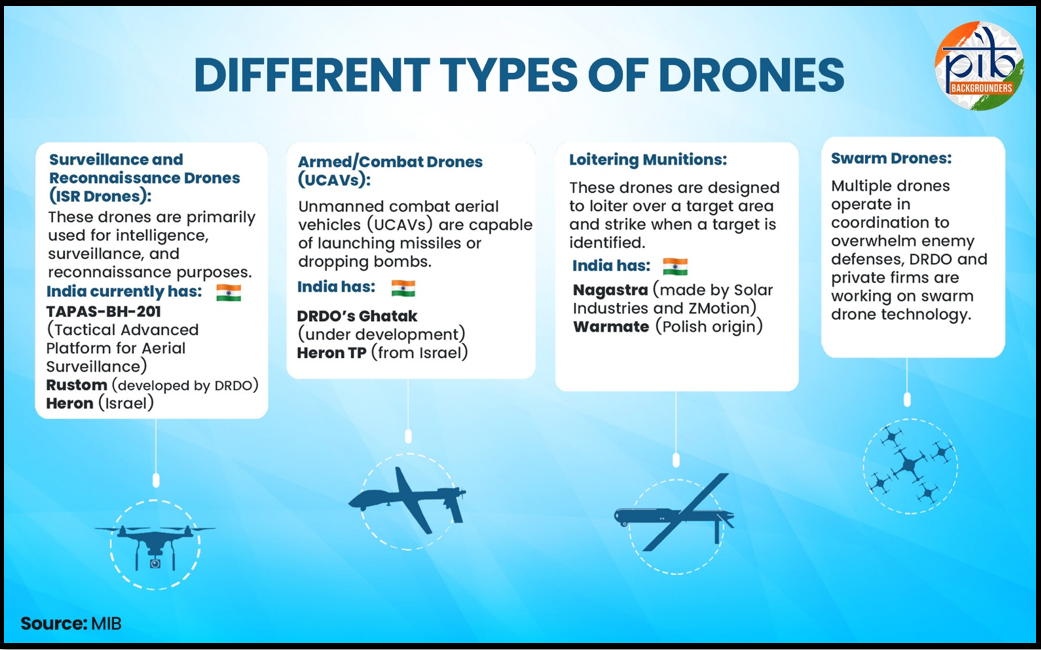
- 20 Feb 2026
In News:
As of February 2026, India has over 38,500 registered drones (UINs), 39,890 DGCA-certified remote pilots, and 244 approved training organisations, reflecting a mature and regulated drone ecosystem.
India has transitioned from experimental drone usage to a structured, innovation-driven ecosystem integrated into governance, agriculture, infrastructure, and defence.
Evolution of India’s Drone Ecosystem
Over two decades, drone technology in India has evolved into a comprehensive framework involving:
- Manufacturers and component developers
- Drone-as-a-Service (DaaS) providers
- Start-ups and MSMEs
- Certified pilots and training institutes
- Digital regulatory platforms
Drones are now embedded in public service delivery, infrastructure monitoring, precision agriculture, disaster response, and national security.
Major Applications
1. Agriculture and Farmer Services
- Integrated with PMFBY (Pradhan Mantri Fasal Bima Yojana) for crop assessment.
- Used for precision spraying, crop monitoring and input optimisation.
Namo Drone Didi Scheme (2023)
- Provides drones to Women Self-Help Groups (SHGs).
- 1,094 drones distributed, including 500 under the core initiative.
- Enhances productivity, reduces costs, and promotes women-led rural entrepreneurship.
2. Land Mapping – SVAMITVA Scheme
The SVAMITVA (Survey of Villages and Mapping with Improvised Technology in Village Areas) scheme (launched April 2020) uses drones for mapping rural abadi areas.
Key Data (as of Dec 2025):
- Target: ~3.44 lakh villages
- 3.28 lakh villages surveyed (~95%)
- 2.76 crore property cards prepared
- Covers 1.82 lakh villages across 31 States/UTs
Objectives:
- Reduce land disputes
- Improve access to institutional credit
3. Highway and Infrastructure Monitoring
- NHAI mandates monthly drone video recording of highway projects.
- Footage stored in data lakes for audit and dispute resolution.
- Enhances transparency and project monitoring.
4. Railways
- Ministry of Railways deploying UAVs for inspection of tracks and bridges.
- Railway Protection Force uses drones for surveillance and crowd management.
- Improves safety and monitoring of critical infrastructure.
5. Disaster Management
- NECTAR (North East Centre for Technology Application and Reach) developed specialised drones for flood and landslide monitoring.
- Provides real-time aerial visuals to improve rescue coordination.
6. Defence Applications
- Used for border surveillance, intelligence gathering and precision strikes.
- During Operation SINDOOR, drones and loitering munitions destroyed enemy targets.
- Integrated with radar and air defence systems for national security.
Policy and Regulatory Framework
1. Drone Rules, 2021 (Amended 2022–23)
Key reforms:
- Forms reduced from 25 to 5
- Approvals reduced from 72 to 4
- ~90% airspace designated as Green Zone (up to 400 ft)
- Pilot licence replaced by Remote Pilot Certificate (RPC)
- Civilian drones permitted up to 500 kg
- Passport requirement removed
2. Digital Sky & eGCA
- Regulatory services (registration, certification, RPTO authorisation) shifted to eGCA.
- Operational services (flight plans, airspace maps) integrated with Digital Sky.
Achievements (Feb 2026):
- 38,575 drones registered (UIN)
- 39,890 Remote Pilot Certificates issued
- 244 DGCA-approved RPTOs
3. Production Linked Incentive (PLI) Scheme
- Outlay: ?120 crore
- Promotes domestic drone and component manufacturing.
- Encourages MSMEs and start-ups.
4. GST Rationalisation
- GST reduced to 5% (September 2025) from earlier 18–28%.
- Applies to drones and flight simulators.
- Encourages commercial adoption and training ecosystem.
Capacity Building & Innovation
- SwaYaan Programme: HR development in Unmanned Aircraft Systems.
- 857 activities
- 26,000 beneficiaries
- National Innovation Challenge for Drone Application and Research (NIDAR)
- ?40 lakh prize pool
- Promotes autonomous drones in disaster management & agriculture
- Platforms like Bharat Drone Shakti and Bharat Drone Mahotsav promote DaaS and indigenous technologies.
India’s Sovereign AI Push
- 20 Feb 2026
In News:
At the AI Impact Summit, Bengaluru-based startup Sarvam AI unveiled two indigenous large language models (LLMs) under the collective name “Vikram.” The development coincides with global technology firms such as Nvidia and OpenAI announcing partnerships with Indian industry and academic institutions to strengthen India’s artificial intelligence (AI) ecosystem.
This marks a significant step in India’s efforts toward building Sovereign AI capabilities.
Sarvam AI
- Founded in 2023, headquartered in Bengaluru.
- Objective: Develop foundational AI models tailored to Indian languages and socio-economic contexts.
- Focus on multilingual and multimodal AI suited for India’s governance and development needs.
Key Features of the “Vikram” Models
- India-Specific Optimisation
- Designed for Indian administrative, social and economic applications.
- Strong performance in Indian language document processing and speech recognition.
- Multimodal Capabilities
- Integrates text, speech and visual understanding.
- Enables use cases in governance, healthcare, education and digital services.
- Edge and Offline AI Models
- Models capable of running on devices without continuous internet connectivity.
- Supports translation, speech-to-text and other AI functions locally.
- Reduces dependence on cloud-based foreign infrastructure.
Sovereign AI: Meaning and Significance
Sovereign AI refers to the development of AI systems using domestically controlled infrastructure, data and expertise, covering the entire lifecycle - from data collection and model training to deployment and governance.
It aims to:
- Reduce dependence on US/China-based AI platforms.
- Ensure data security and privacy.
- Promote cultural and linguistic relevance.
- Strengthen national security and strategic autonomy.
Large Language Models (LLMs)
- LLMs are AI systems based on deep learning techniques.
- Trained on large volumes of unstructured data.
- Capable of understanding, summarising, generating and predicting text.
- Use probabilistic modelling to recognise patterns in language without explicit programming.
Potential Benefits for India
- Technological & Economic Gains
- Boosts domestic innovation ecosystem.
- Encourages startup growth and high-skill employment.
- Enhances productivity across sectors.
- Human Capital Development
- AI integration in education and skilling programmes.
- Supports India’s demographic dividend with future-ready skills.
- Improved Governance
- Multilingual AI can enhance e-governance delivery.
- Applications in healthcare diagnostics, agriculture advisory, climate modelling and urban planning.
- Digital Inclusion
- Bridges linguistic barriers for non-English speakers.
- Expands participation in the digital economy.
- Strategic Autonomy: Reduces reliance on foreign AI infrastructure and proprietary systems.
Malabar Pied Hornbill
- 19 Feb 2026
In News:
The Forest Department of Chhattisgarh has initiated the establishment of six “hornbill restaurants” in the Udanti Sitanadi Tiger Reserve (USTR) to support the rare Malabar Pied Hornbill and promote natural forest regeneration.
What are “Hornbill Restaurants”?
- Specially developed fruit-rich plantation zones inside forest areas.
- Designed to provide continuous food sources (especially native fruit-bearing trees).
- Aim to:
- Attract hornbills.
- Support breeding and nesting.
- Aid in natural seed dispersal and forest expansion.
The initiative uses hornbills’ natural seed-dispersal behaviour to promote forest regeneration while conserving a Near Threatened species.
Malabar Pied Hornbill
- Scientific Name: Anthracoceros coronatus
- Common Name: Lesser Pied Hornbill
- Medium-sized hornbill.
- Distinctive black and white plumage.
- Prominent curved bill with a casque on top.
- Habitat:
- Evergreen forests.
- Moist and dry deciduous forests.
- Often found near human settlements.
- Distribution:
- Western Ghats
- North-eastern Himalayan foothills (India and Nepal)
- Satpura Hills
- Sri Lanka
- Diet:
- Primarily frugivorous (fruit-eating).
- Becomes partly omnivorous during breeding season.
- Ecological Role:
- Acts as a key seed disperser.
- Indicator species of forest health and ecological stability.
Conservation Status
- IUCN Red List: Near Threatened
- Major Threats:
- Habitat loss
- Forest degradation
- Fragmentation
Udanti Sitanadi Tiger Reserve (USTR)
- Location: Located in Chhattisgarh.
- Formation: Created by merging Udanti Wildlife Sanctuary and Sitanadi Wildlife Sanctuary.
- Drainage System
- Major river: Mahanadi
- Tributaries: Udanti, Sitanadi, Indravan, Pairi
- Topography
- 19 named mountains.
- Deo Dongri – Highest peak.
- At?nga Dongar – Most prominent mountain.
- Vegetation: Predominantly tropical dry and moist deciduous forests.
Tidal Flooding
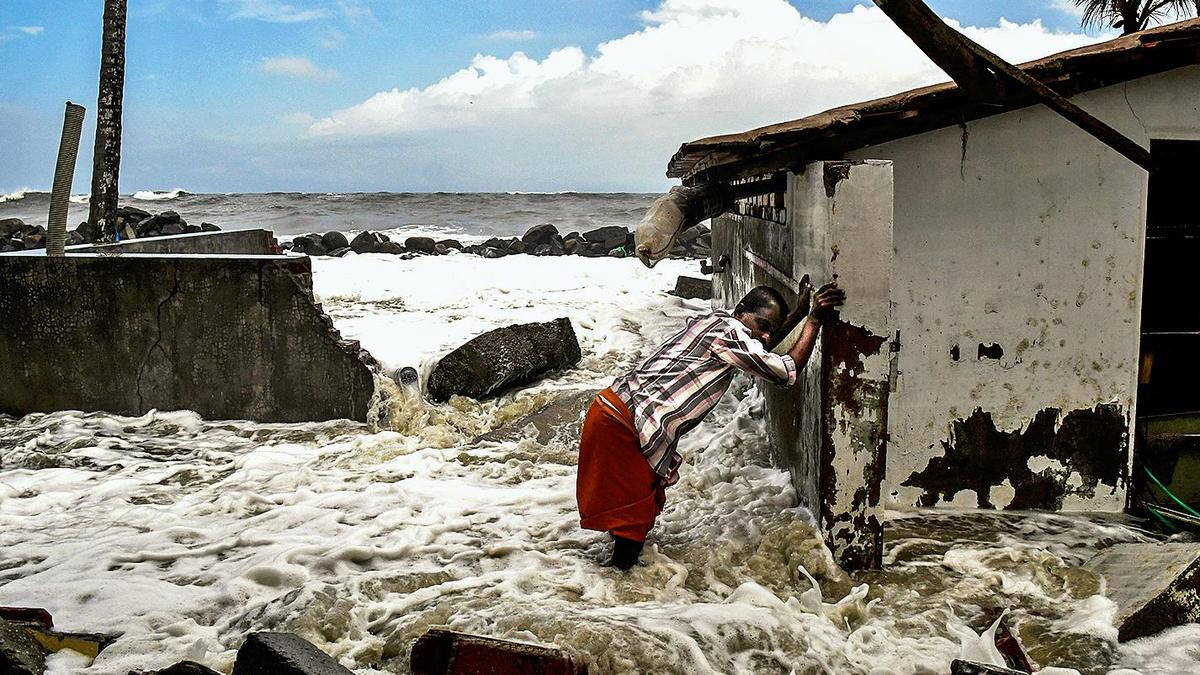
- 19 Feb 2026
In News:
The Government of Kerala has declared tidal flooding as a State-specific disaster. It is the first time in India that a State has accorded such status to tidal flooding.
What is Tidal Flooding?
- Also known as:
- Sunny day flooding
- King tide flooding
- Nuisance flooding
- Definition: Temporary inundation of low-lying coastal areas due to unusually high tides, without heavy rainfall or cyclonic activity.
Causes
- Combination of:
- High tide cycles
- Full moon and new moon phases
- Offshore storms
- Strong coastal winds
- Occurs twice daily with tidal cycles.
- More severe during spring tides (full moon and new moon).
- Unlike cyclone-induced storm surges, it is periodic and predictable, though intensifying due to sea-level rise.
Impact on Kerala Coast
- Common along Kerala’s coastline bordering the Arabian Sea.
- Temporary rise in sea level above identified thresholds.
- Inundates low-lying coastal settlements and agricultural lands.
- Affects fisheries, livelihoods, housing, and infrastructure.
Kerala Government’s Decision
Kerala became the first State in India to declare tidal flooding as a State-specific disaster, enabling financial assistance under SDRF norms.
- Victims will receive financial assistance similar to other notified natural disasters.
- Relief to be provided through the State Disaster Response Fund (SDRF) framework.
Other State-Specific Disasters in Kerala
Kerala has also notified the following as State-specific disasters:
- Coastal erosion
- Lightning
- Strong winds
- Soil piping
- Heatwave / Sunstroke / Sunburn
- Human–wildlife conflict
Significance
Disaster Management Perspective
- Recognises climate-linked coastal risks beyond cyclones.
- Enhances institutional preparedness and targeted relief.
Climate Change Link
- Sea-level rise and coastal vulnerability are increasing frequency and severity.
- Highlights need for coastal zone management and adaptation planning.
Bharat VISTAAR Scheme (Phase–I)
- 19 Feb 2026
In News:
Phase–I of ‘Bharat VISTAAR’ was launched in Jaipur, Rajasthan by the Ministry of Agriculture and Farmers’ Welfare during the AI Summit. The initiative aims to digitally empower farmers through Artificial Intelligence (AI)-based advisory services.
About Bharat VISTAAR
- Full Form: AI-powered, multilingual conversational advisory system for farmers.
- Nature: AI-based digital public infrastructure for agriculture.
- Objective:
- Provide instant, technology-driven agricultural guidance.
- Improve productivity and reduce risks.
- Strengthen farmer self-reliance through personalised advisory.
It integrates multiple agricultural databases into a single AI-enabled platform accessible via helpline number 155261.
Key Features
1. Helpline-Based AI Advisory
- Farmers can dial 155261 from mobile or smartphone.
- Provides instant responses in local language.
- Currently available in Hindi and English; planned expansion to 11 languages.
- Real-time mandi prices accessible through the same helpline.
2. Integrated Digital Platform
Bharat VISTAAR consolidates multiple agricultural systems into one interface:
- AgriStack (farmer database architecture)
- Indian Council of Agricultural Research (ICAR) knowledge systems
- India Meteorological Department (IMD) weather inputs
- Market price databases
- Central and State Government agricultural schemes
3. Farmer Identity (Farmer ID)
- Creation of a digital Farmer Identity Card.
- Stores comprehensive farmer data.
- Integrates schemes such as:
- Pradhan Mantri Fasal Bima Yojana
- Soil Health Card Scheme
- Future integration of all agricultural schemes under one system.
4. Advisory Services Provided
- Soil testing guidance
- Seed and fertiliser recommendations
- Irrigation management
- Weather-based advisories
- Loans and insurance information
- Government scheme benefits
5. Associated Initiatives
- Farmer-centric AI Hackathon to promote agri-tech innovation.
- Agri Kosh AI Strategy Roadmap unveiled for long-term AI integration in agriculture.
Significance
Technological Significance
- Promotes AI-driven personalised agricultural advisory.
- Strengthens Digital Public Infrastructure (DPI) in agriculture.
Economic Significance
- Helps farmers access real-time market and insurance information.
- Aims to enhance productivity and reduce crop-related risks.
Governance Significance
- Brings multiple agricultural databases under a single unified digital platform.
- Supports goal of Viksit Kisan for achieving Viksit Bharat 2047.
Bee Corridor

- 19 Feb 2026
In News:
The National Highways Authority of India (NHAI) has launched India’s first dedicated ‘Bee Corridors’ along National Highways as part of sustainable and ecological infrastructure development.
What are Bee Corridors?
- Definition: Continuous linear stretches of pollinator-friendly vegetation developed along National Highways.
- Composition: Flowering trees, shrubs, herbs and grasses providing year-round nectar and pollen.
- Design Principle: Staggered seasonal flowering to ensure near-continuous bloom cycles.
- Shift in Approach: From ornamental roadside plantations to biodiversity-supportive ecological plantations.
Objectives
To reduce ecological stress on honeybees and other pollinators by ensuring sustained nectar sources, thereby strengthening agricultural productivity and ecological balance.
- Promote pollinator conservation.
- Integrate biodiversity into highway infrastructure.
- Support climate-sensitive and sustainable plantation planning.
Key Features
1. Native, Nectar-Rich Species
Plantation will include native species such as: Neem, Karanj, Mahua, Palash, Bottle Brush, Jamun and Siris. These species support biodiversity and pollinator habitats.
2. Staggered Blooming Cycle
- Species selected to flower in different seasons.
- Ensures continuous food supply for honeybees and wild pollinators.
3. Habitat Support Measures
- Retention of flowering weeds.
- Preservation of dead wood and hollow trunks beneficial for pollinators.
4. Strategic Spacing
- Flowering clusters planted every 500 metres to 1 kilometre.
- Based on the average foraging distance of honeybees.
- Corridors to be developed along suitable NH stretches and vacant NHAI land parcels depending on agro-climatic conditions.
Implementation Plan (2026–27)
- Total Plantation Target: ~40 lakh trees along National Highways.
- Under Bee Corridor Initiative: ~60% of total plantation.
- Initial Phase: At least three dedicated pollinator corridors to be developed.
- NHAI field offices to identify suitable highway sections.
Significance
Ecological Significance
- Enhances pollination services essential for agriculture and horticulture.
- Helps counter declining pollinator populations.
- Strengthens ecosystem resilience and biodiversity.
Economic Significance
- Improved pollination boosts crop productivity.
- Supports rural livelihoods dependent on agriculture and apiculture.
Infrastructure Significance
- Integrates environmental sustainability into highway development.
- Aligns infrastructure expansion with climate and biodiversity goals.
AI-Preneurs of India
- 19 Feb 2026
In News:
The Atal Innovation Mission (AIM) under NITI Aayog launched AI-Preneurs of India at the India AI Impact Summit 2026 held at Bharat Mandapam.
About AI-Preneurs of India
- Nature: Flagship coffee table book.
- Edition: 7th edition of AIM’s Innovations For You series.
- Coverage: Chronicles journeys of 45 AI startups.
- Source Base: Selected from nationwide network of Atal Incubation Centres (AICs).
- Focus: AI solutions addressing real-world problems across India.
Key Features
- Founder-First Storytelling Approach
- Highlights motivations, challenges, perseverance and impact of entrepreneurs.
- Moves beyond technical achievements to human-centered innovation narratives.
- Sectoral Diversity (30 Domains): AI applications showcased in sectors such as:
- Healthcare
- Education
- Sustainability
- Mobility
- Sports analytics
- Deep-tech
- Governance and social impact
- Nationwide Representation
- Reflects geographic diversity beyond metro tech hubs.
- Demonstrates innovation emerging from Tier 2/3 cities and underserved regions.
- Purpose-Driven AI Ecosystem
- Emphasizes inclusive, ethical, and socially responsible AI.
- Aligns AI development with national development priorities.
Significance for India
Positions India as a global contributor to responsible and inclusive Artificial Intelligence, not merely a consumer of frontier technologies.
- Strengthens credibility of India’s public innovation infrastructure.
- Showcases synergy between government incubation platforms and private AI startups.
- Reinforces AI for social good and mission-led governance.
- Supports India’s emergence as a deep-tech and AI innovation hub.
Atal Innovation Mission (AIM)
About
- Launched in 2016 by NITI Aayog.
- Flagship initiative of the Government of India to promote innovation and entrepreneurship.
- Builds a problem-solving mindset among students and supports startup ecosystems.
Key Programs under AIM
|
Program |
Target Group |
Objective |
|
Atal Tinkering Labs (ATLs) |
School students (Classes 6–12) |
Foster innovation using tools like robotics, 3D printing, electronics |
|
Atal Incubation Centres (AICs) |
Startups & entrepreneurs |
Provide incubation, mentorship, funding, infrastructure |
|
Atal Community Innovation Centres (ACICs) |
Underserved regions |
Promote innovation in Tier 2/3 cities, tribal & remote areas |
|
Atal New India Challenges (ANIC) |
Technology innovators |
Support innovations addressing national priority challenges |
|
Mentor India |
Entrepreneurs & innovators |
Network of 6,200 mentors guiding startups |
SAHI and BODH Initiative
- 18 Feb 2026
In News:
At the India AI Summit held at Bharat Mandapam, the Union Minister of Health and Family Welfare launched two key national initiatives - the Strategy for Artificial Intelligence in Healthcare for India (SAHI) and the Benchmarking Open Data Platform for Health AI (BODH). Together, these initiatives seek to establish a structured, ethical, and technology-driven framework for integrating Artificial Intelligence (AI) into India’s healthcare ecosystem, aligning innovation with public health priorities.
Rationale: The Need for Governance in Health AI
Artificial Intelligence holds transformative potential in areas such as diagnostics, disease surveillance, medical imaging, predictive analytics, and health system management. However, its deployment raises critical concerns related to:
- Data privacy and security
- Algorithmic bias and accountability
- Clinical validation and safety
- Ethical use and regulatory oversight
In a country with diverse health challenges and socio-economic disparities, the integration of AI must be inclusive, evidence-based, and aligned with public welfare objectives. SAHI and BODH aim to address these systemic gaps.
SAHI: Strategy for Artificial Intelligence in Healthcare for India
SAHI serves as a national guidance framework for the responsible adoption of AI in healthcare.
Core Objectives:
- Safe and Ethical Deployment – Establishes principles for transparency, accountability, and fairness in AI systems.
- Evidence-Based Validation – Emphasises scientific testing and performance benchmarking before large-scale adoption.
- Data Stewardship and Governance – Provides direction on responsible data use, storage, and sharing.
- Monitoring and Evaluation – Ensures continuous oversight of AI solutions in real-world settings.
- Support to States and Institutions – Aligns AI adoption with local health priorities and public health objectives.
By offering strategic direction on governance, validation, and deployment, SAHI aims to mainstream AI within India’s health infrastructure while preventing misuse or premature adoption.
BODH: Benchmarking Open Data Platform for Health AI
Complementing SAHI, BODH is a privacy-preserving benchmarking platform developed by the Indian Institute of Technology (IIT) Kanpur in collaboration with the National Health Authority.
Key Features:
- Enables rigorous evaluation of AI models using diverse, real-world health data.
- Operates without sharing underlying datasets, thereby preserving patient privacy.
- Functions as a digital public good under the Ayushman Bharat Digital Mission (ABDM).
- Strengthens transparency and quality assurance in AI-based health solutions.
By creating a standardised benchmarking environment, BODH promotes trust and reliability in AI systems used for clinical or administrative purposes.
Significance
- Institutionalising AI Governance – Moves beyond pilot projects to structured regulation.
- Enhancing Trust – Ensures accountability and public confidence in AI tools.
- Promoting Interoperability – Aligns with ABDM’s digital health ecosystem.
- Global Competitiveness – Positions India as a responsible innovator in health AI.
- Equity in Healthcare Delivery – Supports inclusive and evidence-based adoption across regions.
Seva Teerth
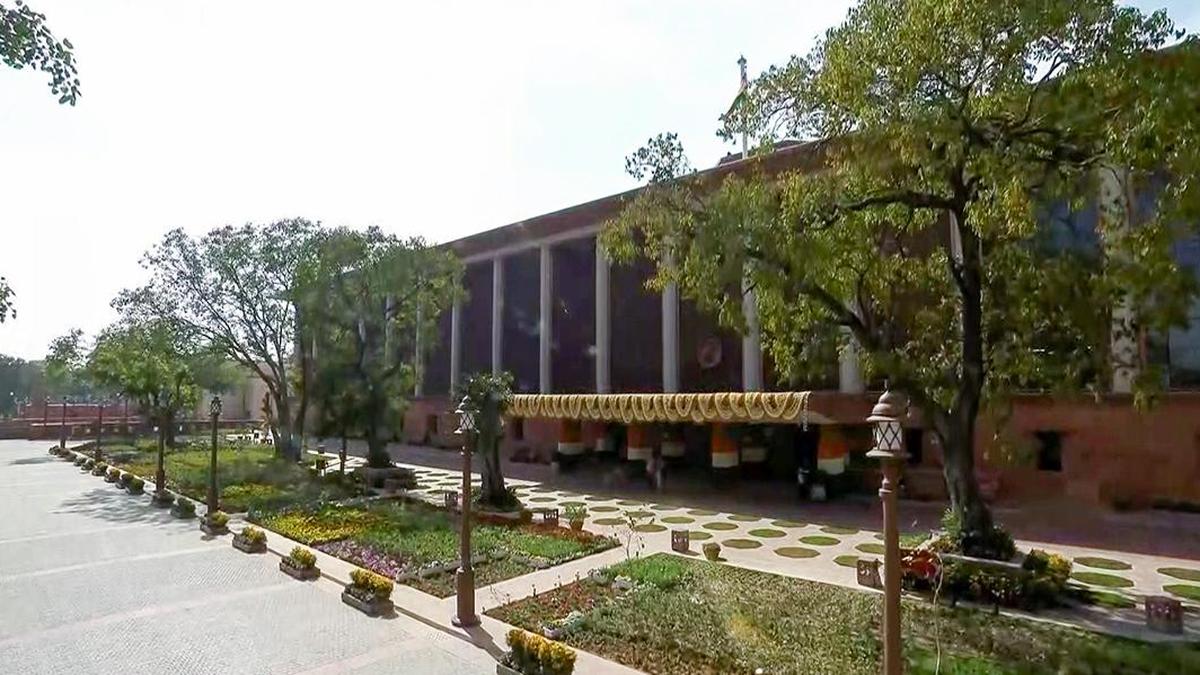
- 18 Feb 2026
In News:
The inauguration of ‘Seva Teerth’, the new integrated administrative complex housing the Prime Minister’s Office (PMO), National Security Council Secretariat (NSCS), and Cabinet Secretariat, marks a significant institutional and symbolic transition in India’s governance framework. The relocation ends nearly eight decades of the PMO’s functioning from South Block and forms a central component of the Central Vista redevelopment project.
Historical Context and Symbolism
The move coincided with the 95th anniversary (13 February 1931) of New Delhi’s formal inauguration as India’s modern capital. South Block, long associated with executive authority, is now part of the Yuge Yugeen Bharat National Museum, reflecting a shift from colonial-era administrative spaces to a contemporary governance infrastructure.
The name ‘Seva Teerth’ is derived from Sanskrit:
- Seva – service or selfless dedication
- Teerth (Tirtha) – a sacred place or crossing point that helps overcome obstacles
The complex bears the inion “Nagrik Devo Bhava” (Citizen is akin to God), signalling a governance philosophy rooted in citizen-centric service and accountability.
Architectural and Design Features
- Designed by architect Dr. Bimal Patel, Seva Teerth integrates traditional Indian architectural motifs with modern infrastructure.
Key Architectural Elements:
- Stone screen-work inspired by 11th–13th century Chalukyan temples
- Floral stone motifs derived from geometric temple patterns
- Metal-clad domes influenced by Buddhist stupas
- Cladding in white and red sandstone, maintaining aesthetic continuity with Lutyens’ Delhi
The design balances civilisational symbolism with contemporary functionality.
Functional and Technological Features
Seva Teerth is conceived as an integrated administrative hub bringing together key executive institutions under one complex to improve coordination and efficiency.
Notable Features:
- Modern open-plan workspaces
- High-tech ‘India House’ for hosting international summits
- Advanced security and digital infrastructure
- 4-star green building rating, reflecting environmental sustainability standards
The integration of the PMO, NSCS, and Cabinet Secretariat within a single complex enhances policy coherence, inter-departmental coordination, and crisis-response capability.
Governance Implications
The relocation signifies:
- Administrative Modernisation – Transition from colonial-era spaces to purpose-built, technology-enabled governance infrastructure.
- Institutional Integration – Greater synergy between executive decision-making bodies.
- Symbolic Reorientation – Emphasis on service-oriented governance through its nomenclature and inion.
- Urban Redevelopment – Reinforcement of the Central Vista project as a long-term reconfiguration of India’s power corridor.
First Official Decision
In a symbolic assertion of its citizen-first ethos, the first major decision taken at Seva Teerth was the launch of the PM RAHAT Scheme, aimed at providing assured hospitalization and treatment to road accident victims. This move underscored the emphasis on public welfare and responsive governance.
Ol Chiki at 100
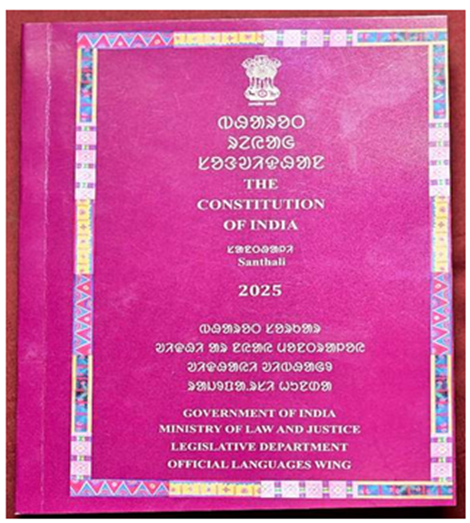
- 18 Feb 2026
In News:
The centenary of the Ol Chiki (1925–2025) is being commemorated by the Ministry of Culture, with the inaugural function held in New Delhi. The occasion is marked by the release of a ?100 commemorative coin and a special postage stamp, symbolising national recognition of a that transformed the Santhali language from an oral tradition into a structured written medium. The milestone reflects not merely a linguistic achievement but a broader assertion of tribal identity and cultural dignity.
Historical Background and Genesis
For centuries, Santhali—belonging to the Austroasiatic (Munda) language family—was sustained through rich oral traditions of folklore, songs, rituals, and storytelling. However, the absence of a dedicated limited formal documentation, education, and literary standardisation. Prior to the 20th century, Santhali was transcribed using borrowed s such as Roman, Bengali, Odia, and Devanagari, which inadequately represented its distinctive phonetic features, including glottal stops and unique vowel patterns.
Recognising this gap, Pandit Raghunath Murmu (1905–1982) developed the Ol Chiki in 1925. Revered as Guru Gomke (Great Teacher), he sought to provide Santhali with a scientifically designed and culturally rooted writing system. His seminal literary work, High Serena (1936), was among the first books written in Ol Chiki, followed by other influential writings that strengthened linguistic awareness and literacy.
Linguistic Features of Ol Chiki
Ol Chiki is distinguished by its phonetic precision and indigenous design:
- 30 letters, representing vowels and consonants
- One symbol corresponds to one sound (direct phonetic mapping)
- Accurately captures glottal stops and unique phonetic elements
- No conjunct letters, ensuring structural simplicity
- Not derived from Brahmi or Roman s
Unlike adapted s, Ol Chiki was created exclusively for Santhali phonology, enabling accurate recording of vocabulary, grammar, and pronunciation. It facilitated standardisation in education, translation, and publication.
Constitutional and Institutional Recognition
A major milestone came in 2003 when Santhali was included in the Eighth Schedule of the Constitution through the 92nd Constitutional Amendment Act. This inclusion institutionalised the language within India’s formal linguistic framework, enabling its use in education, public administration, competitive examinations, and literary promotion.
In December 2025, the Constitution of India was officially translated into Santhali using Ol Chiki. This initiative enhanced democratic accessibility by enabling Santhali-speaking citizens to engage directly with constitutional provisions, including tribal safeguards under the Fifth and Sixth Schedules. It marked a step toward linguistic justice and participatory governance.
National Commemoration
To mark 100 years of Ol Chiki, the Government of India has issued:
- A ?100 commemorative coin, featuring the Lion Capital of Ashoka on the obverse and a portrait of Pandit Raghunath Murmu alongside Ol Chiki characters on the reverse.
- A commemorative postage stamp, reinforcing philatelic recognition of cultural milestones.
These symbolic gestures affirm the ’s role in preserving indigenous heritage within India’s pluralistic framework.
Loggerhead Turtle
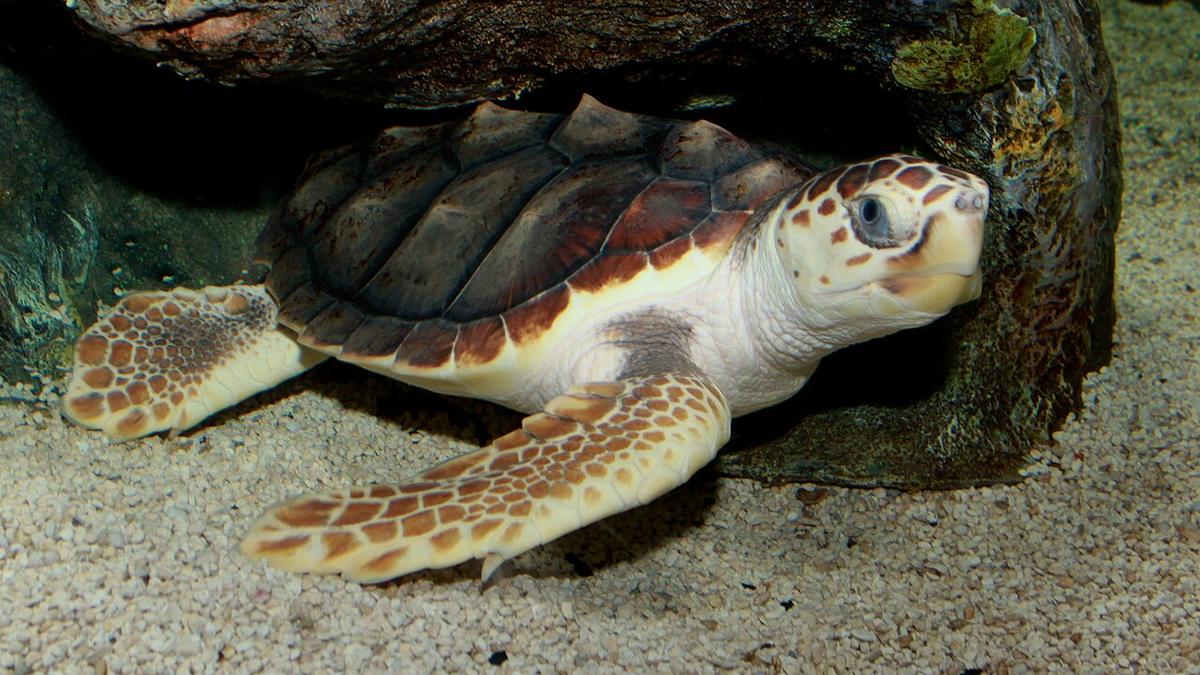
- 18 Feb 2026
In News:
Recent scientific observations indicate that rising ocean temperatures and declining food availability are significantly affecting the reproductive cycles, migratory behavior, and even body size of the loggerhead turtle. These developments underline the far-reaching ecological consequences of climate change on marine megafauna and highlight emerging conservation challenges.
About the Loggerhead Turtle
The loggerhead turtle (Caretta caretta) is an oceanic turtle belonging to the family Cheloniidae. It derives its name from its disproportionately large head, which houses powerful jaw muscles adapted for crushing hard-shelled prey.
Key Characteristics
- Size:
- World’s largest hard-shelled turtle
- Second-largest extant turtle after the leatherback sea turtle
- Lifespan: Can live for 80 years or more
- Navigation: Uses Earth’s geomagnetic field to navigate vast oceanic distances
- Diet: Omnivorous; primarily consumes bottom-dwelling invertebrates such as gastropods, bivalves, and decapods
- Habitat: Found both in open oceans and inshore ecosystems like bays, lagoons, salt marshes, and creeks
- Distribution: Atlantic, Indian, and Pacific Oceans, and the Mediterranean Sea
- Conservation Status: IUCN Red List – Vulnerable
Climate Change and Emerging Ecological Impacts
1. Altered Reproductive Patterns
- Loggerhead turtles exhibit temperature-dependent sex determination, where warmer sand temperatures produce more female hatchlings. Rising global temperatures are skewing sex ratios, potentially threatening long-term population stability.
- Additionally, warming seas are disrupting nesting timelines and hatchling survival rates, affecting recruitment into adult populations.
2. Changes in Migration Routes
- Loggerheads rely on geomagnetic cues to navigate across ocean basins. However, changing ocean currents and temperature gradients are altering traditional migratory pathways. Shifts in feeding grounds may force turtles to travel longer distances, increasing energy expenditure and exposure to threats such as fishing gear and marine pollution.
3. Impact on Body Size and Growth
- Studies suggest that declining prey availability linked to ocean warming and ecosystem shifts may be affecting growth rates and adult body size. Reduced food intake can influence reproductive success, as larger females generally produce more eggs.
Four-Pronged Threats
Climate change intensifies existing anthropogenic pressures:
- Rising Ocean Temperatures: Affect physiology, nesting, and food webs.
- Habitat Loss and Degradation: Coastal development and erosion reduce nesting beaches.
- Marine Pollution: Plastic debris and oil spills cause ingestion and entanglement.
- Bycatch in Fishing Gear: Accidental capture remains a major mortality factor.
Direct harvesting of turtles and eggs in some regions further compounds population decline.
Ecological Significance
- Loggerhead turtles play a crucial role in marine ecosystems by regulating populations of invertebrates and maintaining healthy benthic communities. Their decline can disrupt trophic balance and impact overall ocean biodiversity.
Conservation Imperatives
Addressing the challenges faced by loggerhead turtles requires:
- Strengthening marine protected areas
- Regulating coastal development
- Promoting climate mitigation strategies
- Reducing bycatch through turtle-excluder devices
- Enhancing global cooperation under marine conservation frameworks
LHS 1903 Planetary System

- 18 Feb 2026
In News:
Astronomers using the European Space Agency’s Cheops (Characterising Exoplanet Satellite) telescope have discovered an unusual four-planet system orbiting the red dwarf star LHS 1903, located approximately 117 light-years from Earth. The system’s planetary arrangement contradicts conventional models of planet formation, offering fresh insights into the dynamics of exoplanetary systems.
System Overview
The LHS 1903 system consists of four planets:
- Two rocky Super-Earths
- Two gaseous mini-Neptunes
These planets orbit a relatively small and dim red dwarf (M-dwarf) star.
Characteristics of the Host Star
- Mass: ~50% of the Sun’s mass
- Luminosity: ~5% of the Sun’s brightness
- Cooler and less luminous than the Sun
- Red dwarfs are the most common type of star in the Milky Way
Given their abundance and longevity, red dwarfs are important targets in the search for potentially habitable exoplanets.
Planetary Composition
- Super-Earths (Rocky Planets)
- Similar composition to Earth
- Mass between 2 to 10 times that of Earth
- Solid surfaces
- Mini-Neptunes (Gaseous Planets)
- Larger than Earth but smaller than Neptune
- Possess thick gaseous envelopes
- Often rich in hydrogen and helium
The sequence of planets from the star outward is as follows:
- Innermost: Rocky (Super-Earth)
- Middle two: Gaseous (Mini-Neptunes)
- Outermost (Fourth planet): Rocky (Super-Earth)
The Formation Paradox
Traditional models of planetary formation suggest that:
- Rocky planets form closer to the host star, where high temperatures prevent gas accumulation.
- Gas giants and gaseous planets form farther out, where volatile compounds can condense.
However, in the LHS 1903 system, the outermost planet is rocky, even though it lies beyond two gaseous planets. According to classical theory, it should have retained a substantial gaseous envelope.
Possible Explanations
Researchers propose two leading hypotheses:
- Sequential Formation Model: The planets may not have formed simultaneously. Instead, the inner planets could have formed first, consuming much of the available gas in the protoplanetary disk. By the time the fourth planet formed, insufficient gas remained for it to develop a thick atmosphere.
- Atmospheric Loss Hypothesis: The outer rocky planet may originally have possessed a gaseous envelope but later lost it due to a catastrophic event such as stellar radiation, atmospheric stripping, or collision, leaving behind a dense rocky core.
Both possibilities challenge the simplicity of existing models and suggest that planet formation may be more dynamic and episodic than previously understood.
Habitability Potential
The outer rocky planet has an estimated surface temperature of approximately 60°C. While relatively warm, this temperature falls within a theoretical range that does not automatically preclude habitability, especially if atmospheric or geological conditions are favorable.
Given the long lifespans of red dwarf stars, such systems are considered promising in the search for habitable exoplanets.
Scientific Significance
The LHS 1903 system provides:
- A test case for refining planet formation theories
- Insights into atmospheric evolution and planetary migration
- Evidence that planetary architectures may be more diverse than predicted
As observational capabilities improve, discoveries like this will deepen understanding of how planetary systems evolve and expand the scope of astrobiological exploration.
Kerala Declares Bacillus subtilis as State Microbe
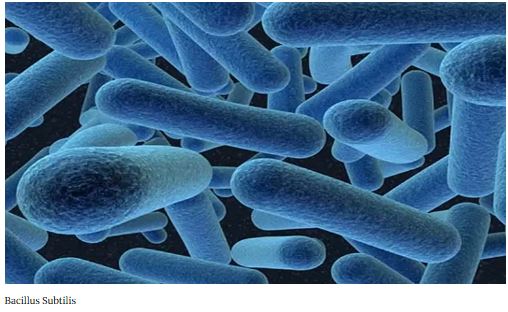
- 17 Feb 2026
In News:
In a pioneering move blending science with public policy, Kerala has declared Bacillus subtilis as its official “State Microbe.” This makes Kerala the first state in India to formally recognise a microorganism, highlighting the growing importance of microbiology in public health, agriculture, and biotechnology. The decision reflects a broader governance approach that integrates scientific research with sustainable development goals.
About Bacillus subtilis
Bacillus subtilis is a non-pathogenic, rod-shaped, gram-positive bacterium commonly found in soil, water, and even the human gut. It is known for its beneficial properties and has been extensively studied due to its resilience and versatility.
Key Characteristics
- Spore-forming ability: Enables survival in extreme environmental conditions.
- Non-pathogenic nature: Safe for human and agricultural applications.
- Probiotic function: Contributes to gut health and strengthens immunity.
- Industrial adaptability: Widely used in fermentation and enzyme production.
Its robust biological properties make it an ideal model organism in microbiological research.
Health and Agricultural Significance
1. Public Health
As a probiotic bacterium, Bacillus subtilis plays a crucial role in:
- Improving digestive health
- Enhancing immune response
- Maintaining healthy gut microbiota
With increasing global focus on microbiome research, such beneficial microbes are gaining importance in preventive healthcare and nutrition.
2. Agricultural Applications
The bacterium is extensively used as:
- Biofertilizer: Promotes plant growth by improving nutrient availability.
- Biocontrol agent: Suppresses plant pathogens and reduces reliance on chemical pesticides.
This aligns with sustainable agriculture and organic farming practices, reducing environmental degradation caused by synthetic inputs.
3. Industrial and Biotechnological Use
Due to its genetic stability and spore-forming capacity, Bacillus subtilis has applications in:
- Enzyme production
- Fermentation industries
- Biotechnology research
- Pharmaceutical manufacturing
Institutional Support: Centre of Excellence in Microbiome
Kerala’s decision is supported by institutional innovation through the Centre of Excellence in Microbiome (CoEM), established under the Kerala State Council for Science, Technology and Environment.
Located in Thiruvananthapuram, CoEM is India’s first dedicated multi-domain research institution focusing on microbiome studies. It promotes interdisciplinary research spanning health, agriculture, environmental science, and biotechnology.
The declaration of a State Microbe complements Kerala’s efforts to position itself as a hub for microbiome research and scientific advancement.
Governance and Policy Significance
- Science-Based Governance: Integrates microbiological research into state identity and policy discourse.
- Sustainable Development: Encourages eco-friendly agriculture and health interventions.
- Public Awareness: Elevates understanding of beneficial microorganisms in everyday life.
- Research Promotion: Strengthens India’s microbiome research ecosystem.
This move parallels other symbolic recognitions such as state animals or birds but uniquely extends recognition to the microbial world, emphasizing ecological interdependence.
India’s First Underwater Road-cum-Rail Tunnel under the Brahmaputra
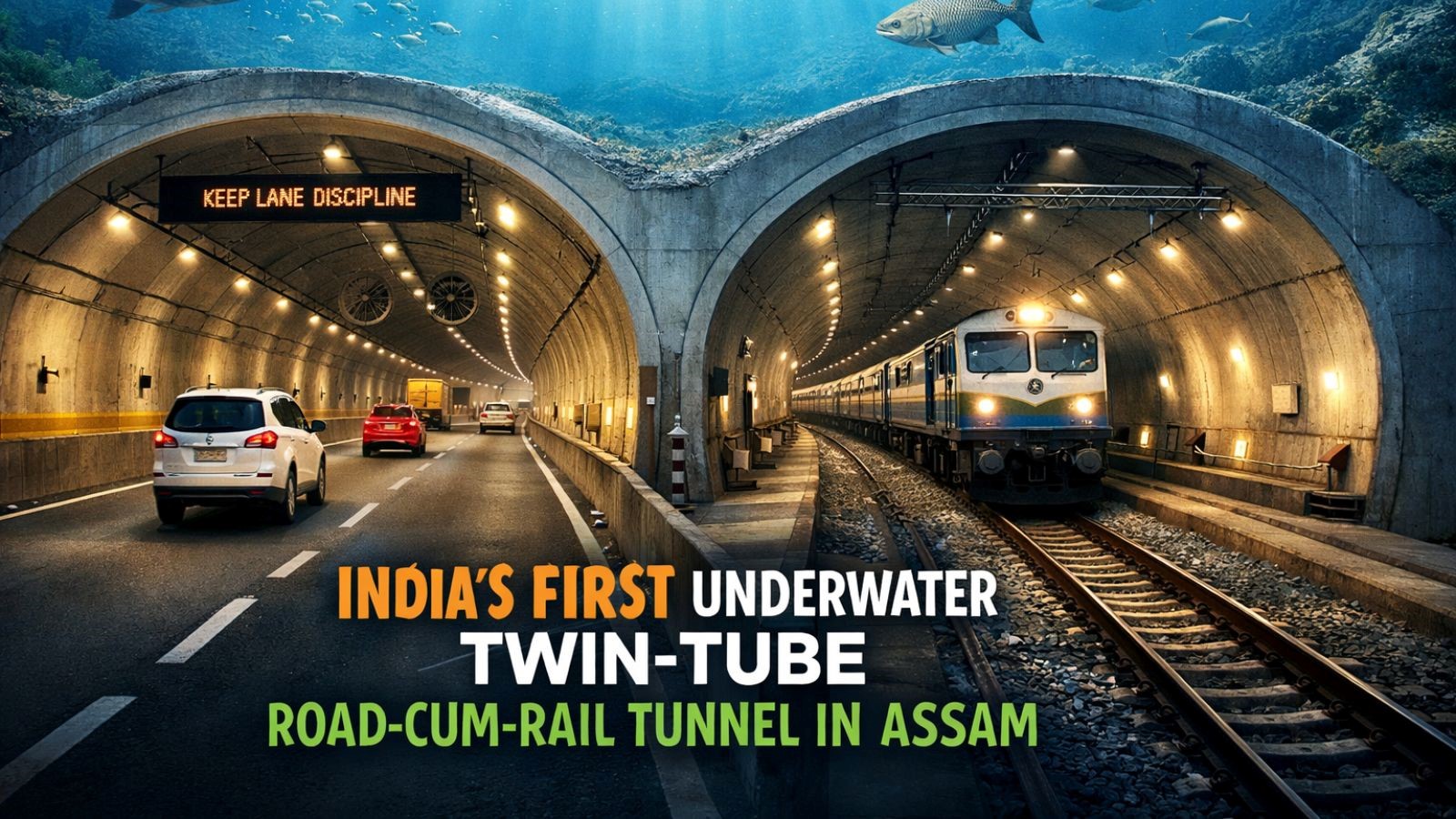
- 17 Feb 2026
In News:
The Cabinet Committee on Economic Affairs (CCEA) has approved the construction of India’s first underwater twin-tube road-cum-rail tunnel beneath the Brahmaputra River in Assam at a total capital cost of ?18,662 crore. The 33.7 km access-controlled greenfield corridor, including a 15.79 km underwater tunnel, marks a milestone in India’s infrastructure engineering and is expected to significantly enhance connectivity across the Northeast.
Project Overview
What the Project Entails
- Total Length: 33.7 km
- Underwater Twin-Tube Tunnel: 15.79 km beneath the Brahmaputra
- Corridor: Gohpur (NH-15) to Numaligarh (NH-715)
- Development Mode: Engineering, Procurement and Construction (EPC)
- Total Capital Cost: ?18,662 crore
- Civil Cost: ?11,982.36 crore
- Land Acquisition: ?716.65 crore
The project integrates road and rail infrastructure, making it India’s first underwater road-cum-rail tunnel and only the second such structure globally.
Key Engineering Features
- Twin-Tube Design: Two parallel tubes ensure traffic segregation, safety redundancy, and efficient emergency evacuation systems. One tube will also incorporate railway infrastructure.
- Access-Controlled Greenfield Corridor: A four-lane highway designed for high-speed, uninterrupted travel.
- Multi-Modal Integration:
- Connects NH-15 and NH-715
- Integrates with Rangia–Mukongselek and Furkating–Mariani railway sections under Northeast Frontier Railway
- Links 4 major railway stations, 2 airports (Holongi and Tezpur), and 2 inland waterway terminals
- Traffic and Logistics Impact:
- Reduces distance from 240 km to 34 km
- Cuts travel time from 6 hours to 20 minutes
- Estimated AADT (FY-25): 4,680 PCUs
About the Brahmaputra River
The Brahmaputra is one of Asia’s largest rivers, originating from the Chemayungdung Glacier near Lake Mapam in Tibet (~5,300 m). Known as Yarlung Tsangpo in Tibet, Siang/Dihang in Arunachal Pradesh, and Jamuna in Bangladesh, it flows through China, India, and Bangladesh.
- Length: ~2,900 km
- Among the world’s highest average river discharges
- Forms the world’s largest delta with the Ganga
- Characterised by highly braided channels in Assam
Constructing an underwater tunnel beneath such a dynamic and sediment-laden river demonstrates advanced tunnelling and geotechnical capability.
Regional and Strategic Significance
1. Boost to Northeast Connectivity: Though located in Assam, the project benefits Arunachal Pradesh, Nagaland, and the wider Northeast region, improving passenger and freight mobility.
2. Economic Multiplier Effects
- Connects 11 economic nodes, including industrial areas and logistics hubs.
- Facilitates faster freight movement and reduces logistics costs.
- Expected to generate 80 lakh person-days of employment (direct and indirect).
3. Tourism and Social Connectivity
- Enhances access to Kaziranga National Park and Deopahar Archaeological Site.
- Connects aspirational districts like Udalguri and Darrang and tribal district Dima Hasao.
4. Strategic and Border Importance: Improves connectivity to Arunachal Pradesh, strengthening infrastructure in border areas and enhancing national security preparedness.
Discovery of Two New Army Ant Species in the Eastern Ghats

- 17 Feb 2026
In News:
In a significant contribution to India’s biodiversity records, researchers from Karnataka and Odisha have discovered two new species of army ants - Aenictus chittoorensis and Aenictus lankamallensis - in the Eastern Ghats of Andhra Pradesh. The discovery highlights the rich yet underexplored biodiversity of peninsular India and underscores the ecological importance of invertebrate fauna in tropical ecosystems.
About Army Ants
Army ants belong to the subfamily Dorylinae and are known for their nomadic and highly predatory lifestyle. Unlike many other ant species, army ants do not construct permanent nests. Instead, they continuously move in search of food, making them one of the most dynamic components of tropical forest ecosystems.
They are predominantly found in tropical regions and are considered among the “big cats” of the insect world due to their aggressive and coordinated hunting behavior.
Distinctive Characteristics
- Nomadic Lifestyle: Army ants lack permanent nests. Instead, they form temporary living structures called bivouacs, created entirely from the interlocked bodies of worker ants.
- Massive Coordinated Raids: Colonies conduct synchronized raids, overwhelming insects and small invertebrates in their path. Their raids can drastically alter local arthropod populations.
- Morphological Features:
- Large, sharp mandibles
- Strong stinging ability
- Robust body structure adapted for predation
- Chemical Communication: Army ants are practically blind and rely heavily on chemical pheromones to navigate and communicate. They mark trails and follow scent paths laid by other workers.
- Colony Structure:
- A single queen lays all eggs.
- Female workers perform tasks such as foraging, protecting the colony, and tending to larvae.
This high degree of social organization reflects advanced eusocial behavior.
Ecological Role: Keystone Predators
Army ants are considered keystone predators in tropical ecosystems. Their ecological contributions include:
- Regulating arthropod populations by consuming large quantities of insects daily.
- Influencing forest biodiversity by reshaping prey communities.
- Supporting ecological networks — several bird species are known to follow army ant raids to capture fleeing insects.
By controlling invertebrate populations, they help maintain ecological balance and prevent outbreaks of certain insect species.
Significance of the Discovery
- Biodiversity Documentation: The identification of Aenictus chittoorensis and Aenictus lankamallensis adds to India’s documented insect diversity and strengthens taxonomic knowledge of the Eastern Ghats.
- Eastern Ghats as a Biodiversity Hotspot: Though less celebrated than the Western Ghats, the Eastern Ghats possess significant endemic diversity. Discoveries such as this underline the need for systematic biodiversity surveys in these fragmented hill ranges.
- Conservation Imperative: Habitat fragmentation, deforestation, mining, and climate change threaten forest ecosystems in the Eastern Ghats. The discovery reinforces the urgency of conserving lesser-known invertebrate fauna alongside charismatic megafauna.
- Scientific Relevance: Understanding army ant behavior and ecological dynamics can contribute to broader ecological research on predator-prey relationships and forest ecosystem functioning.
Startup India Fund of Funds 2.0
- 17 Feb 2026
In News:
In February 2026, the Union Cabinet approved the establishment of Startup India Fund of Funds 2.0 (FoF 2.0) under the Startup India initiative. With a corpus of ?10,000 crore, the scheme aims to mobilise long-term domestic capital, strengthen the venture capital (VC) ecosystem, and accelerate innovation-led economic growth. It represents the next phase of India’s startup policy architecture, moving from ecosystem creation to strategic capital deepening.
Background: Evolution of Startup India
Launched in 2016, the Startup India initiative has transformed India into one of the world’s largest startup ecosystems.
- Growth from fewer than 500 startups in 2016 to over 2 lakh DPIIT-recognised startups today.
- 2025 recorded the highest-ever annual startup registrations, indicating sustained entrepreneurial momentum.
To address early-stage funding gaps, the Government launched the Fund of Funds for Startups (FFS 1.0) in 2016.
Performance of FFS 1.0
- ?10,000 crore corpus fully committed to 145 Alternative Investment Funds (AIFs).
- Supported AIFs invested over ?25,500 crore in 1,370 startups.
- Investments spanned agriculture, AI, robotics, clean tech, fintech, biotechnology, manufacturing, space tech and more.
FFS 1.0 catalysed domestic venture capital, crowded in private investment, and nurtured first-time founders, laying a strong foundation for innovation financing.
Rationale for FoF 2.0
Despite ecosystem growth, structural gaps remain:
- Limited availability of patient capital for deep tech and high-risk sectors.
- Over-concentration of funding in metro cities.
- Dependence on foreign capital in the VC space.
- Funding constraints for early-growth stage startups.
FoF 2.0 seeks to address these high-risk capital gaps and align startup financing with national economic priorities.
Key Features of Startup India FoF 2.0
1. Financial Outlay: ?10,000 crore corpus dedicated to mobilising venture capital for startups.
2. Targeted, Segmented Funding Approach
(a) Deep Tech & Tech-Driven Manufacturing
- Focus on breakthrough technologies requiring long-term, patient capital.
- Supports sectors critical for strategic and economic self-reliance.
(b) Early-Growth Stage Support
- Acts as a safety net for innovative ideas.
- Reduces early-stage failures caused by funding shortages.
(c) National Reach
- Encourages investments beyond major metropolitan hubs.
- Promotes geographically inclusive innovation.
(d) Addressing High-Risk Capital Gaps: Directs greater capital to priority areas aligned with self-reliance and economic growth.
(e) Strengthening Domestic VC Base
- Special emphasis on smaller domestic funds.
- Reduces overdependence on foreign venture capital flows.
Economic and Strategic Significance
- Innovation-Led Growth: Supports globally competitive technologies and products.
- Manufacturing Boost: Aligns with the push for advanced and tech-driven manufacturing.
- Job Creation: Facilitates high-quality employment opportunities.
- Economic Resilience: Strengthens domestic capital formation in strategic sectors.
- Regional Inclusivity: Democratizes access to venture funding across states.
The scheme aligns with the broader vision of Viksit Bharat @ 2047, positioning startups as engines of structural transformation rather than peripheral economic actors.
PM RAHAT (Road Accident Victim Hospitalization and Assured Treatment) Scheme
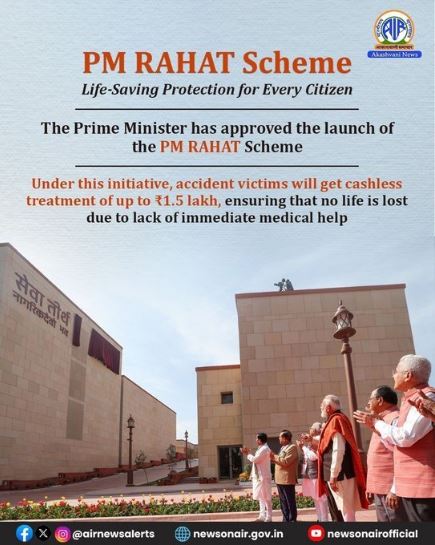
- 17 Feb 2026
In News:
India records one of the highest numbers of road accident fatalities globally. A substantial proportion of these deaths occur due to delayed medical intervention during the critical “Golden Hour.” In this context, the Government of India launched the PM RAHAT (Road Accident Victim Hospitalization and Assured Treatment) Scheme to institutionalize timely, cashless, and technology-enabled trauma care. The scheme represents a structural reform in India’s road safety and emergency health response architecture.
Rationale: The Golden Hour Imperative
Studies indicate that nearly 50% of road accident deaths can be prevented if victims receive hospital treatment within the first hour of injury. However, barriers such as financial uncertainty, delayed ambulance response, and procedural bottlenecks often hinder prompt care. PM RAHAT addresses these systemic gaps through integrated digital platforms, assured financing, and district-level accountability.
Key Features of PM RAHAT
1. Cashless Treatment
- Every eligible road accident victim on any category of road is entitled to cashless treatment up to ?1.5 lakh per victim.
- Coverage is available for 7 days from the date of accident.
- Stabilization care:
- 24 hours for non-life-threatening cases
- 48 hours for life-threatening cases
- Treatment is subject to police authentication within defined timelines, without interrupting emergency care.
2. Integration with ERSS 112
The scheme is integrated with the Emergency Response Support System (ERSS) 112.
- Victims, Good Samaritans (Rah-Veer), or bystanders can dial 112 to locate the nearest designated hospital and request ambulance services.
- Ensures coordination between police, hospitals, and emergency responders to secure treatment within the Golden Hour.
3. Technology-Driven Implementation
PM RAHAT integrates:
- Electronic Detailed Accident Report (eDAR) of the Ministry of Road Transport and Highways, and
- Transaction Management System (TMS 2.0) of the National Health Authority.
This digital convergence ensures seamless linkage from accident reporting to hospital admission, authentication, claim processing, and reimbursement, enhancing transparency and efficiency.
Financing Mechanism
Reimbursements to hospitals are made through the Motor Vehicle Accident Fund (MVAF).
- If the offending vehicle is insured: payment is drawn from contributions made by General Insurance Companies.
- In uninsured or hit-and-run cases: payment is made through budgetary allocation by the Government of India.
- Approved claims by the State Health Agency must be settled within 10 days, providing financial certainty to hospitals and incentivizing participation.
Grievance Redressal and Accountability
- A Grievance Redressal Officer is nominated by the District Road Safety Committee.
- The Committee is chaired by the District Collector/District Magistrate/Deputy Commissioner, ensuring district-level oversight and accountability.
- Police confirmation timelines (24–48 hours) maintain institutional discipline while safeguarding emergency care.
Significance
- Human-Centric Governance: Ensures that no victim is denied treatment due to inability to pay.
- Strengthening Road Safety Framework: Complements broader road safety initiatives under the Motor Vehicles (Amendment) Act.
- Digital Governance Model: Demonstrates effective integration of transport, health, insurance, and policing databases.
- Encouragement of Good Samaritans: Reduces hesitation in assisting victims by providing structured institutional backing.
Urban Challenge Fund
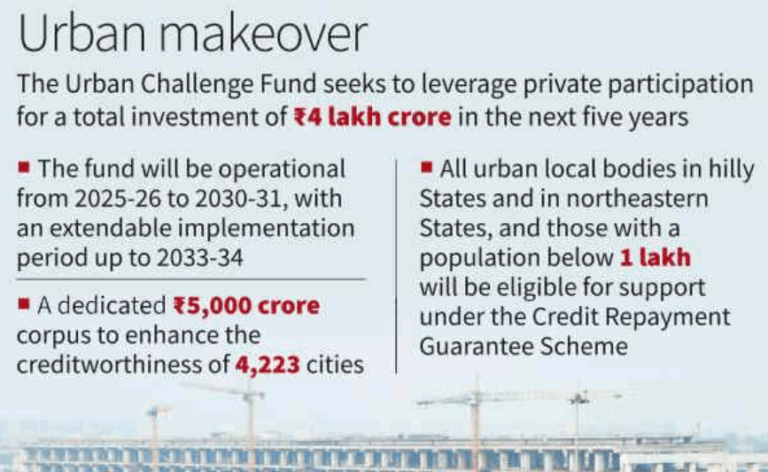
- 16 Feb 2026
In News:
The Urban Challenge Fund (UCF) marks a structural shift from grant-based urban financing to market-linked, reform-driven and outcome-oriented urban infrastructure development.
Background & Rationale
- Approved by the Union Cabinet; operational from FY 2025–26 to FY 2030–31 (extendable till FY 2033–34).
- Total Central Assistance (CA): ?1 lakh crore.
- CA limited to 25% of project cost, mandating minimum 50% financing from market sources.
- Expected to leverage ?4 lakh crore total investment over five years.
- Implements Budget 2025–26 vision: Cities as Growth Hubs, Creative Redevelopment, Water & Sanitation.
2. Financing Architecture
- Minimum 50% market mobilisation: municipal bonds, bank loans, PPPs.
- Remaining share: States/UTs/ULBs.
- Dedicated ?5,000 crore corpus to enhance creditworthiness of ~4,223 cities.
- Positions ULBs as a bankable asset class.
Credit Repayment Guarantee Scheme (?5,000 crore)
- For NE & Hilly States and smaller ULBs (<1 lakh population).
- Central guarantee:
- First loan: up to ?7 crore or 70% of loan (whichever lower).
- Subsequent loan: up to ?7 crore or 50% of loan.
- Enables projects of ?20–28 crore in smaller cities.
3. Challenge-Based Selection
- Competitive, transparent “challenge mode”.
- Linked to reforms, milestones & defined KPIs.
- Digital, paperless monitoring via MoHUA portal.
- Continuation of reforms mandatory for further fund release.
4. Reform-Linked Framework
Focus areas:
- Urban governance & digital reforms
- Market/financial reforms (creditworthiness)
- Operational efficiency
- Urban planning & spatial reforms (TOD, green infra)
- Project-specific KPIs with third-party verification
5. Project Verticals
- Cities as Growth Hubs – economic nodes, transit-oriented development, mobility, corridor development.
- Creative Redevelopment – CBD renewal, brownfield regeneration, climate resilience, decongestion (esp. NE & hilly states).
- Water & Sanitation – water supply, sewerage, stormwater, solid waste management, legacy waste remediation.
6. Coverage
- Cities ≥10 lakh population (2025 estimates).
- All State/UT capitals.
- Industrial cities ≥1 lakh population.
- Smaller & hilly/NE ULBs via guarantee mechanism.
Bio-based Chemicals and Enzymes
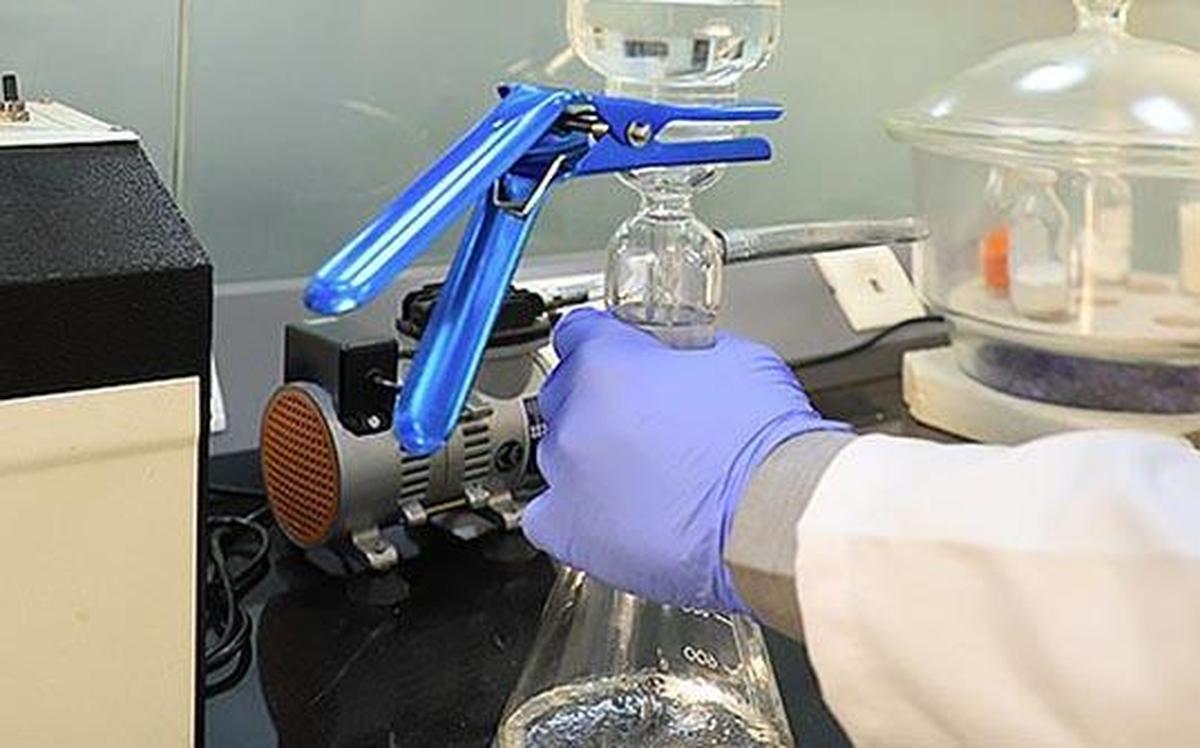
- 16 Feb 2026
In News:
India is prioritising bio-based chemicals and enzymes under the BioE3 policy to reduce petrochemical imports, promote sustainable manufacturing, and strengthen its bioeconomy.
What are Bio-Based Chemicals?
Bio-based chemicals are industrial chemicals produced from renewable biological feedstocks such as sugarcane, corn, starch, and agricultural residues, rather than fossil fuels. They are typically manufactured through fermentation, enzymatic conversion, or microbial processes using biomass.
Examples:
- Organic acids (e.g., lactic acid)
- Bio-alcohols
- Solvents
- Surfactants
- Chemical intermediates used in plastics, cosmetics, pharmaceuticals
These chemicals form a core component of the bioeconomy, which integrates biological resources and biotechnology into industrial production systems to create sustainable alternatives to petrochemicals.
What are Enzymes?
Enzymes are biological catalysts (mainly proteins) that accelerate chemical reactions without being consumed in the process. While enzymes have been used traditionally in brewing and baking for centuries, modern industrial enzyme engineering expanded significantly in the 20th century with advances in biotechnology.
Enzymes are produced via microbial fermentation, followed by purification and formulation for industrial use.
Key Characteristics
- Renewable Feedstock Base – Derived from biomass instead of fossil hydrocarbons.
- Lower Carbon Footprint – Reduced greenhouse gas emissions compared to petrochemical pathways.
- Energy Efficiency – Enzymes operate at lower temperatures and pressures.
- Biodegradability – Many bio-based products are environmentally friendly.
- High Specificity – Enzymes provide targeted catalytic action, improving efficiency and reducing waste.
Applications
1. Chemical Industry
- Organic acids (lactic acid)
- Acetyl intermediates (acetic anhydride, ethyl acetate)
- Solvents and specialty chemicals
2. Pharmaceuticals & Vaccines: Active ingredient synthesis through fermentation technologies.
3. Food & Beverage: Brewing, baking, dairy processing.
4. Textiles & Detergents: Stain removal, fabric treatment.
5. Biomanufacturing & Clean Technology: Sustainable plastics, biofuels, specialty chemicals.
Why Does India Need Bio-Based Chemicals?
India has strong structural advantages:
- Large agricultural base (ample biomass availability)
- Established fermentation expertise (pharmaceuticals and vaccines)
- Expanding manufacturing ecosystem
- Rising demand for sustainable industrial inputs
India imported approximately $479.8 million worth of acetic acid in 2023, reflecting dependence on petrochemical imports. Scaling domestic bio-based chemical production can:
- Reduce import dependence
- Create value-added markets for agricultural produce
- Strengthen climate commitments
- Boost rural and industrial employment
Policy Support: BioE3 Initiative
India has identified bio-based chemicals and enzymes as priority sectors under the Department of Biotechnology’s BioE3 Policy.
BioE3 focuses on:
- Biomanufacturing scale-up
- Shared infrastructure (biofoundries, pilot plants, demonstration facilities)
- Innovation ecosystem development
- Reducing capital risk for emerging firms
Industry Landscape in India
Bio-Based Chemicals
- Praj Industries
- Godrej Industries
- Godavari Biorefineries
- Jubilant Ingrevia
- StringBio
Enzymes Market
The Indian enzyme market is highly consolidated, with top players accounting for over 75% market share.
Key companies:
- Novozymes India
- DuPont
- DSM
- Advance Enzyme Technologies
- BASF SE
- Ultreze Enzymes Private Limited
Global Initiatives
European Union
The EU Bioeconomy Strategy links industrial transformation with:
- Climate mitigation
- Circular economy
- Waste reduction
United States
- The USDA BioPreferred Program mandates federal procurement preference for certified bio-based products, helping create stable demand.
China
- Bioeconomy development plans prioritise high-value bio-based chemicals and enzyme technologies as strategic sectors.
Japan
- Projects supported by METI/NARO integrate research with manufacturing readiness in bio-based chemicals.
African Union

- 16 Feb 2026
In News:
The African Union (AU), launched in 2002 to replace the OAU, is a continental body of 55 African states headquartered in Addis Ababa, Ethiopia.
Recently, the African Union (AU) held its annual summit in Ethiopia amid growing discussions on governance reforms and youth representation within the bloc.
Origin and Evolution
The African Union was officially launched in 2002, replacing the Organization of African Unity (OAU), which had been established in 1963.
Why the Transition?
- The OAU primarily focused on decolonization and anti-apartheid struggles.
- The AU was created with a broader mandate including:
- Political and economic integration
- Conflict resolution
- Sustainable development
- Stronger global representation for Africa
Membership
- Comprises 55 member states (all internationally recognized African countries).
- It represents the entire African continent.
Headquarters
- Located in Addis Ababa, Ethiopia.
Objectives of the African Union
The AU aims to:
- Promote unity and solidarity among African countries.
- Foster peace, security, and stability.
- Advance economic integration and development.
- Protect sovereignty and territorial integrity.
- Enhance Africa’s voice in global governance.
Governance Structure
Assembly
- Highest decision-making body.
- Composed of Heads of State and Government.
- Determines policy direction.
Executive Council
- Consists of Foreign Affairs Ministers.
- Prepares decisions and policies for the Assembly.
AU Commission
- Administrative arm of the AU.
- Implements decisions of the Assembly and Executive Council.
- Headquartered in Addis Ababa.
Peace and Security Council (PSC)
- Responsible for:
- Conflict prevention
- Peacekeeping missions
- Crisis response mechanisms
The PSC functions somewhat similarly to the UN Security Council but at the continental level.
Participatory and Advisory Bodies
To promote democratic participation:
- Pan-African Parliament
- Ensures representation of African peoples.
- Economic, Social and Cultural Council (ECOSOCC)
- Civil society advisory body.
These institutions reflect the AU’s goal of citizen engagement and inclusive governance.
Contemporary Context
Recent summits have witnessed debates over:
- Youth representation in governance
- Leadership renewal within member states
- Democratic accountability
- Economic integration initiatives such as the African Continental Free Trade Area (AfCFTA)
With Africa having one of the world’s youngest populations, youth inclusion has become a prominent theme in AU deliberations.
Yuva AI for All Initiative
- 16 Feb 2026
In News:
Launched by the Ministry of Electronics and Information Technology (MeitY) under the IndiaAI Mission, this initiative is a first-of-its-kind free AI literacy programme designed for mass outreach.
Key Features
- Target: Empower 1 crore (10 million) citizens with foundational AI skills.
- Duration: Approximately 4–4.5 hours, self-paced.
- Structure: Six modules covering:
- AI fundamentals
- Generative AI basics
- Ethics in AI
- Real-world applications
- Eligibility: No prior coding knowledge required.
- Certification: Official Government of India certificate upon completion.
- Accessibility: 100% free and open to all.
- Platforms: Available on
- FutureSkills Prime
- iGOT Karmayogi
- Coursera
- TCS iON and other ed-tech portals
The course is designed with India-specific examples, making it practical and relatable for students, professionals, and general learners.
Kaushal Rath: Mobile AI Awareness Initiative
To expand outreach beyond digital platforms, MeitY, in collaboration with the All India Society for Electronics and Computer Technology (AISECT), launched Kaushal Rath.
Key Highlights
- Flagged off from India Gate, New Delhi.
- Designed as a mobile computer lab equipped with:
- Internet-enabled systems
- Audio-visual tools
- Structured AI training modules
- Will travel to:
- Schools
- Colleges
- Industrial Training Institutes (ITIs)
- Community centers
- Provides:
- Hands-on exposure to AI and Generative AI tools
- On-the-spot course registrations
- Instructor-led sessions with trained facilitators
The initiative focuses particularly on semi-urban and underserved regions, ensuring AI awareness reaches beyond metropolitan centers.
Institutional Framework
IndiaAI Mission
The programme is part of the broader IndiaAI Mission, where skilling is one of the seven core pillars. The mission seeks to strengthen India’s AI ecosystem through:
- Capacity building
- Innovation support
- Ethical AI frameworks
- Workforce readiness
Link with India AI Impact Summit 2026
The initiative also serves as a precursor to the India AI Impact Summit 2026. The summit is positioned as:
- The first major global AI gathering hosted in the Global South.
- Focused on development-oriented AI outcomes.
- Thematically aligned with People, Planet and Progress.
Kaushal Rath will operate across Delhi-NCR in the run-up to the summit to generate public awareness and encourage AI adoption.
Removal of the Lok Sabha Speaker
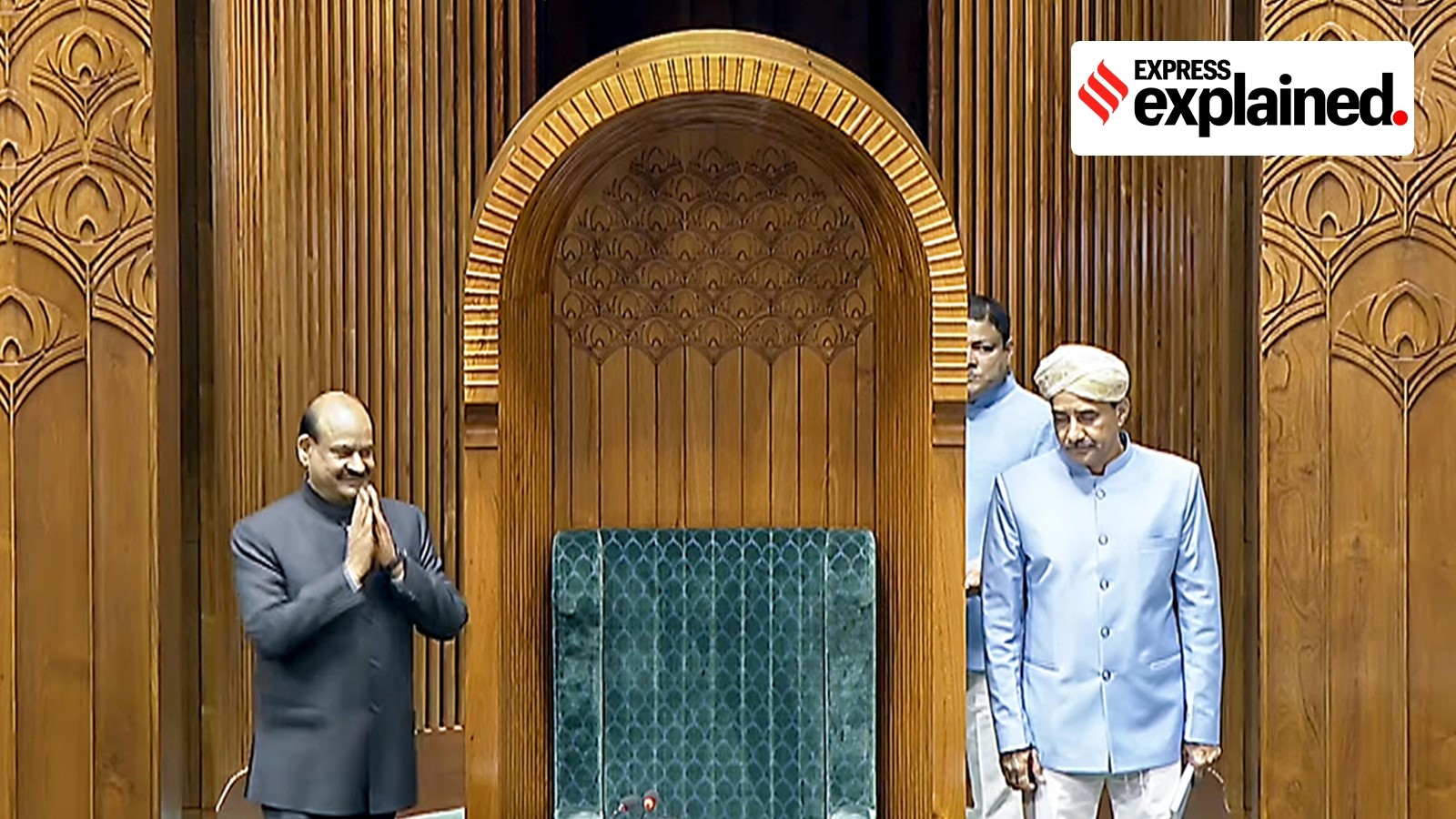
- 16 Feb 2026
In News:
The Lok Sabha Speaker can be removed only by a resolution passed by an Effective Majority (majority of all the then members of the House) under Article 94(c) of the Constitution.
The recent notice seeking the removal of Lok Sabha Speaker Om Birla has revived attention on the constitutional and procedural safeguards governing the office of the Speaker.
Constitutional Basis
The removal of the Speaker is governed primarily by:
Article 94 of the Constitution of India
It lays down the circumstances under which the Speaker or Deputy Speaker vacates office:
- Article 94(a) – If they cease to be a member of the Lok Sabha.
- Article 94(b) – They may resign by writing addressed to the Deputy Speaker (or Speaker, in case of Deputy Speaker).
- Article 94(c) – They may be removed by a resolution of the House passed by a majority of all the then members of the House (Effective Majority).
This provision applies only to the Lok Sabha and not to the Rajya Sabha.
Effective Majority
An Effective Majority means: Majority of all the then members of the House (excluding vacant seats).
It is different from:
- Simple Majority – Majority of members present and voting.
- Absolute Majority – Majority of total membership of the House.
- Special Majority – Required in constitutional amendment cases (Article 368).
Procedural Framework
The detailed procedure is laid down under Rules 200–203 of the Rules of Procedure and Conduct of Business in Lok Sabha.
Notice Requirement
- A written notice must be submitted to the Secretary-General of the Lok Sabha.
- At least 14 days’ prior notice is mandatory.
- It may be signed by one or more members.
Admission of Motion
- The motion is listed in the List of Business.
- The presiding officer reads it to the House.
- At least 50 Members must rise in support.
- If fewer than 50 members stand → Motion fails (no “leave of the House”).
Conditions on the Motion (Rule 200A)
The resolution must:
- Be specific and precise
- Clearly state charges
- Not contain arguments, inferences, defamatory or ironic expressions
Discussion must remain strictly confined to the charges mentioned.
Role of the Speaker During Removal Proceedings
Under Article 96:
- The Speaker cannot preside while the resolution is under consideration.
- They have the right to:
- Speak
- Participate in debate
- Vote in the first instance (as an ordinary member)
- They cannot exercise a casting vote in case of a tie.
Timeline After Admission
If 50 or more members support:
- Leave is granted.
- The resolution must be taken up within 10 days.
- Discussion follows.
- The member moving the motion may speak (maximum 15 minutes, if allowed).
If passed by Effective Majority → The Speaker is removed immediately.
Continuity of Office
- Even after dissolution of the Lok Sabha, the Speaker continues in office until immediately before the first meeting of the new Lok Sabha.
- However, removal by resolution results in immediate vacation of office.
Historical Precedents
No Speaker has ever been removed through this process.
Three motions have been moved:
- 1954 – Against G. V. Mavalankar (First Speaker of Lok Sabha)
- 1966 – Against Hukam Singh
- 1987 – Against Balram Jakhar
All three motions failed.
Consumer Price Index (CPI) – Base Year 2024 = 100
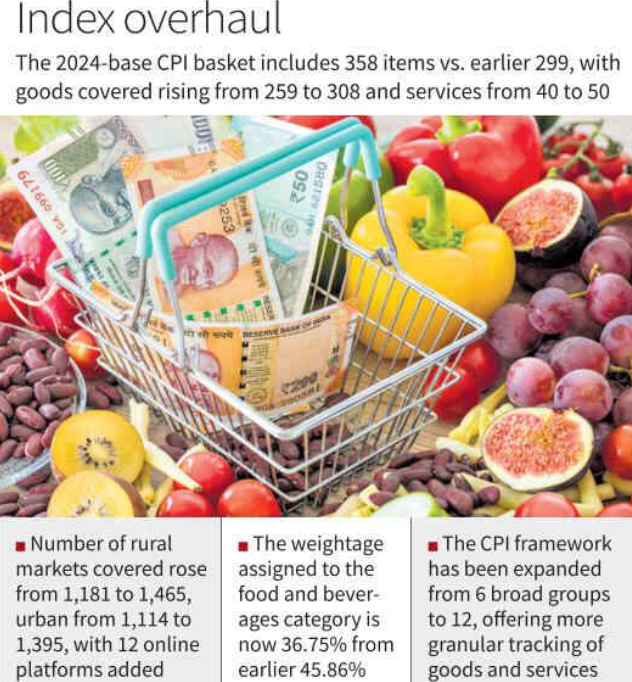
- 14 Feb 2026
In News:
The Ministry of Statistics and Programme Implementation (MoSPI) released the first press note of the revised Consumer Price Index (CPI) series with base year 2024=100. The data reported retail inflation at 2.75% (Year-on-Year) for January 2026.
This marks the transition from the earlier base year 2012=100 to 2024=100, reflecting updated consumption patterns of households.
What is the Consumer Price Index (CPI)?
The Consumer Price Index (CPI) measures the change in retail prices of a fixed basket of goods and services consumed by households over time.
- It is India’s headline retail inflation indicator.
- Inflation is expressed as the percentage change in CPI over the same month of the previous year (YoY).
Compiled and Published By
- Published by: Ministry of Statistics and Programme Implementation
- Through: National Statistical Office (NSO)
- Price collection: Field Operations Division of NSO
Base Year Revision
- New Base Year: 2024 = 100
- Earlier Base Year: 2012 = 100
- Weights Source: Household Consumption Expenditure Survey (HCES) 2023–24
Base year revision ensures that:
- The consumption basket reflects current spending patterns.
- Inflation measurement aligns with structural changes in the economy.
Methodology Used in CPI (Base 2024)
1. Jevons Index (Item Level)
- Used at the individual item level.
- Calculates the average of price relatives (ratio of current to base prices).
- Reduces distortion caused by extreme values.
2. Young / Modified Laspeyres Index (Group Level)
- Aggregates item-level indices using fixed expenditure weights.
- Higher-weight items (e.g., food, rent) influence CPI more than low-spending items.
3. Combined CPI (All-India)
- Calculated by combining:
- Rural CPI
- Urban CPI
- Weighted by their respective shares in total consumption.
Thus, if rural consumption share is higher, rural inflation has greater influence on the all-India CPI.
Key Features of CPI (Base 2024=100)
1. Expanded Classification (12 Groups Instead of 6)
Earlier CPI had 6 major groups. The new series follows an updated international classification system with 12 broader and clearer categories, including:
- Food & beverages
- Housing
- Health
- Education
- Transport
- Communication
- Recreation & culture
- Miscellaneous services
2. Expanded Basket of Items
- Earlier basket: 299 items
- New basket: 358 items
The revised basket better captures:
- Modern consumption habits
- Digital and service-based spending
3. Greater Focus on Services
With rising income levels, household expenditure on services has increased.
The new series includes:
- OTT subions
- Healthcare services
- Education fees
- Transport services
- Communication services
4. Inclusion of Online Prices
Given the growth of e-commerce: Prices from online platforms (e.g., air tickets, subions) are now incorporated.
5. Introduction of Rural House Rent
For the first time:
- Rural housing rent is included in CPI.
- This improves representation of rural housing consumption.
6. Official Administrative Price Data
For certain regulated items, official government data is used directly:
- Rail fares
- Postal charges
- Petrol & diesel
- LPG
This enhances accuracy and consistency.
7. Digital Price Collection
- Field officers now use tablets instead of paper schedules.
- Improves timeliness, data accuracy and monitoring.
8. Detailed Monthly Dissemination
CPI data is now available:
- All-India
- State-wise
- Rural and Urban separately
This strengthens regional inflation analysis.
Importance of CPI
- Monetary Policy Anchor
- Retail inflation targeting framework is based on CPI.
- Guides RBI’s monetary policy decisions.
- Indexation
- Used for Dearness Allowance (DA) revision.
- Impacts wage negotiations.
- Macroeconomic Assessment
- Reflects purchasing power.
- Indicates cost-of-living trends.
US–Bangladesh “Cotton for Zero-Tariff” Deal
- 14 Feb 2026
In News:
Bangladesh and the United States have signed a reciprocal trade agreement, informally termed the “Cotton for Zero-Tariff” deal. The agreement provides Bangladesh a quota-based zero-duty advantage in the US market, conditional on the use of US-produced cotton and man-made fibre (MMF) inputs.
The development has raised concerns in India’s textile and cotton sectors due to possible erosion of tariff advantages and potential displacement of Indian cotton exports to Bangladesh.
Key Highlights of the US–Bangladesh Trade Deal
1. Tariff Adjustment
- Bangladesh’s general reciprocal tariff reduced from 20% to 19%.
- Earlier, India faced an 18% tariff in the US market, giving it a narrow edge over Bangladesh (20%).
2. Zero-Tariff Quota Mechanism
- A specified volume of Bangladeshi textile and apparel exports can enter the US at 0% duty.
- This zero-duty benefit is conditional on the use of US-produced cotton and MMF inputs (Rules of Origin clause).
3. Bangladesh’s Reciprocal Commitments
Bangladesh has agreed to:
- Purchase USD 3.5 billion worth of US agricultural products (wheat, soy, cotton, corn).
- Import USD 15 billion of US energy products over 15 years.
- Open its market further to US industrial goods.
Implications for India
According to the Confederation of Indian Textile Industry (CITI), the agreement presents a two-fold challenge:
1. Erosion of Tariff Advantage in the US Market
- Earlier scenario:
- India: 18% tariff
- Bangladesh: 20% tariff → India had a 2% edge.
- After the deal:
- Bangladesh: 19% (general rate)
- Zero-duty for quota-based exports
This narrows India’s advantage to just 1% under general tariff and creates an 18% disadvantage for zero-duty Bangladeshi exports.
Competitive Context
- Bangladesh is the world’s 2nd-largest apparel exporter (after China).
- India ranks 6th globally.
- US is a major export destination for both.
Indian textile hubs such as:
- Tiruppur (Tamil Nadu)
- Surat (Gujarat)
operate on thin margins. Large global retailers may shift sourcing to Bangladesh to benefit from the zero-duty window.
2. Threat to Indian Cotton Exports
Bangladesh has traditionally been:
- The largest buyer of Indian raw cotton.
- Accounts for nearly 70% of India’s cotton exports.
In 2024:
- India exported USD 1.6 billion worth of cotton yarn to Bangladesh.
- About USD 85 million of MMF yarn.
Impact Mechanism
To access zero-tariff entry into the US:
- Bangladeshi manufacturers must use US-produced cotton.
- This incentivizes a shift away from Indian cotton imports.
Potential consequences:
- Decline in Indian cotton exports.
- Domestic surplus (glut).
- Price depression affecting Indian cotton farmers.
Broader Structural Concerns
1. Cotton vs MMF Imbalance
- Global textile trade composition:
- 70% Man-Made Fibres (MMF)
- 30% Cotton
- India’s exports remain largely cotton-dominated.
Higher taxation on MMF raw materials compared to finished goods has historically weakened India’s competitiveness in synthetics.
Strategic Responses for India
1. Seek “Cotton Parity” with the US
India imported 4.13 million bales of cotton in 2024–25, with the US as the top supplier.
India could:
- Negotiate a “Cotton Clause” granting zero-duty access for garments made from US cotton.
- Fast-track a comprehensive India–US Bilateral Trade Agreement (BTA).
2. ESG-Based Branding
Western buyers prioritise:
- Ethical sourcing
- Labour rights compliance
- Fire and factory safety
India can leverage:
- Stronger social compliance record
- Sustainable production practices
- Zero child labour positioning
to attract premium buyers.
3. GST Rationalisation for MMF
The GST Council could:
- Rationalise taxation across the MMF value chain.
- Make Indian polyester and viscose competitive against Bangladesh, China, and Vietnam.
4. Kasturi Cotton Bharat Initiative
The “Kasturi Cotton Bharat” initiative:
- Uses blockchain for traceability.
- Certifies cotton as contamination-free and ethically grown.
- Helps command premium pricing to offset tariff disadvantages.
5. Focus on Technical Textiles
Shift towards high-value segments where quality outweighs tariff gaps:
- Meditech (surgical implants, sanitary textiles)
- Mobiltech (airbags, seatbelts)
- Geotech (road and soil stabilization fabrics)
Domestic procurement guarantees can help firms scale up.
6. Market Diversification
Reduce dependence on the US market by:
- Leveraging FTAs with Australia and UAE.
- Expanding into Latin American and emerging markets.
Quorum Sensing
- 14 Feb 2026
In News:
The phenomenon of bacterial communication, known as quorum sensing, has emerged as a promising frontier in microbiology and medicine. Instead of killing bacteria outright, as antibiotics do, scientists are exploring ways to disrupt their communication systems, thereby weakening their ability to cause disease. This strategy, called anti-quorum sensing therapy, may become a crucial tool in tackling antimicrobial resistance.
What is Quorum Sensing?
Quorum sensing is a mechanism by which bacteria regulate gene expression according to their population density using chemical signalling molecules.
It enables bacterial populations to:
- Communicate with one another
- Coordinate collective behaviour
- Activate specific genes only when sufficient numbers are present
This coordination ensures that certain biological processes occur only when they are effective at large population sizes.
Historical Background
The phenomenon was first observed in the mid-1960s by Alexander Tomasz, who studied how Pneumococcus (later known as Streptococcus pneumoniae) takes up free DNA from its surroundings.
Modern understanding of quorum sensing has been significantly advanced by Bonnie Bassler of Princeton University, who described bacteria as “multilingual” organisms capable of chemical communication across species.
How Does Quorum Sensing Work?
A standard quorum-sensing system consists of:
- Bacterial population
- Signal molecules (Autoinducers)
- Response genes
Step-by-Step Mechanism
- Bacteria secrete signalling molecules called autoinducers into their environment.
- As the bacterial population grows, the concentration of autoinducers increases.
- When a threshold concentration is reached, bacteria detect these molecules.
- This triggers activation of specific genes that regulate group behaviours.
Behaviours Regulated by Quorum Sensing
Quorum sensing controls several crucial biological processes:
- Virulence (disease-causing ability)
- Biofilm formation (protective bacterial communities)
- Horizontal gene transfer
- Competence (ability to take up external DNA)
- Symbiotic interactions
- Cell growth regulation
Since many of these activities require coordinated mass action, quorum sensing acts as a population-based decision-making system.
Examples of Quorum Sensing in Action
1. Pathogenic Bacteria
- Pseudomonas aeruginosa: Regulates mechanisms causing pneumonia and bloodstream infections.
- Vibrio cholerae: Causes cholera; quorum sensing influences its virulence and disease progression.
2. Bioluminescent Symbiosis
- Vibrio fischeri: Produces blue light through quorum sensing. Lives in one-to-one symbiosis with certain squids, helping camouflage them in ocean waters.
3. Nitrogen Fixation
- Rhizobium leguminosarum: Uses quorum sensing in symbiotic nitrogen fixation in leguminous plants.
Why is Quorum Sensing a Game-Changer for Medicine?
1. Alternative to Antibiotics
Traditional antibiotics:
- Kill bacteria or stop their growth
- Create strong evolutionary pressure → antimicrobial resistance
Anti-quorum sensing therapies:
- Disrupt communication
- Prevent coordination of virulence
- Reduce pathogenicity without killing bacteria
This approach may slow the emergence of drug resistance.
2. Targeting Biofilms
Biofilms protect bacteria from antibiotics and immune responses. Interrupting quorum sensing can prevent biofilm formation, making infections easier to treat.
3. Applications Beyond Medicine
- Agriculture – Improved plant-microbe interactions
- Environment – Waste treatment and bioremediation
- Human Health – Gut microbiome regulation
Bacteria in the human gut aid digestion and nutrient absorption, showing that quorum sensing also plays a role in beneficial processes.
Carbon Capture, Usage and Storage

- 14 Feb 2026
In News:
The Prime Minister highlighted the importance of CCUS in decarbonising India’s heavy industries by sharing an article titled “Carbon capture can power India’s next steel revolution” authored by the Union Minister of Steel. Simultaneously, the Union Budget 2026–27 earmarked ?20,000 crore for a dedicated CCUS scheme, signalling a shift from pilot research to commercial deployment.
What is CCUS?
According to the International Energy Agency, Carbon Capture, Utilization and Storage (CCUS) refers to a set of technologies that capture carbon dioxide (CO?) from:
- Large industrial sources (power plants, steel, cement, refineries), or
- Directly from the atmosphere (Direct Air Capture).
The captured CO? is compressed and transported for either utilization or permanent geological storage.
The Three-Step Process
1. Capture: CO? is separated from other gases using:
- Chemical solvents
- Membranes
- Solid sorbents
2. Transport: Compressed CO? is transported through:
- Pipelines
- Ships
- Road tankers
3. Utilization or Storage
- Utilization (CCU): Conversion into urea, methanol, synthetic fuels, chemicals, building materials, or use in Enhanced Oil Recovery (EOR).
- Storage (CCS): Injection into deep geological formations such as depleted oil and gas fields or saline aquifers for long-term sequestration.
Why is CCUS crucial for India?
1. Decarbonising ‘Hard-to-Abate’ Sectors
Industries like steel and cement emit CO? due to chemical processes (e.g., calcination of limestone), not merely fuel combustion. CCUS is currently the only scalable solution to reduce such intrinsic emissions without shutting down production.
2. Powering India’s Steel Expansion
- India is the world’s second-largest crude steel producer (after China).
- Production: ~152 million tonnes (FY 2024–25).
- Under the National Steel Policy 2017, targets:
- 300 MT capacity by FY 2030–31
- 500 MT by 2047 (Viksit Bharat vision)
- Steel accounts for 10–12% of India’s total greenhouse gas emissions.
While hydrogen-based steelmaking is the long-term solution, CCUS acts as a bridge technology, enabling “Low-Carbon Steel” using existing plants.
3. Enhancing Energy Security
India derives 55–60% of its primary energy from coal. Immediate fossil fuel phase-out is economically disruptive. CCUS allows continued coal usage with reduced emissions during transition.
4. Circular Economy & Industrial Value Addition
Captured CO? can be:
- Converted to methanol (clean fuel)
- Used in Enhanced Oil Recovery (EOR)
- Converted into green urea or building materials
Thus, emissions become economic resources.
5. Safeguarding Exports from Carbon Taxes
Global trade is increasingly climate-regulated under mechanisms like the European Union Carbon Border Adjustment Mechanism (CBAM).
Low-carbon steel:
- Reduces export vulnerability
- Attracts climate-aligned investments
- Prevents “stranded assets” in India’s relatively young steel plants
6. Alignment with Global Commitments
CCUS supports:
- Paris Agreement (limit warming to 1.5–2°C)
- Sustainable Development Goals (Climate Action, Affordable & Clean Energy, Industry & Innovation)
India’s Key Initiatives on CCUS
1. Budgetary Push (2026–27)
- ?20,000 crore over five years
- Target sectors: Power, Steel, Cement, Refineries, Chemicals
2. NITI Aayog Policy Framework
- Proposed Viability Gap Funding (VGF)
- Development of CCUS hubs in industrial clusters (e.g., Gujarat, Odisha)
- Shared pipeline and storage infrastructure
3. Green Steel Taxonomy
Steel with emissions <2.2 tCO?e per tonne of crude steel qualifies as “Green Steel” (3–5 star ratings), incentivising adoption of CCUS and avoiding carbon taxes.
4. R&D and Institutional Support
National Centres of Excellence (NCoE-CCU)
- IIT Bombay
- Jawaharlal Nehru Centre for Advanced Scientific Research
DST Roadmap
- Pilot phase: 2025–30
- Commercial scale-up: 2035–45
Mission Innovation Challenge (2018)
- Joint initiative of DST & DBT
- Collaboration with 24 countries
- Focus on breakthrough capture and utilization technologies
Indigenous Dog Breeds in Assam Rifles
- 14 Feb 2026
In News:
The Assam Rifles, India’s oldest paramilitary force, has initiated the induction of two indigenous dog breeds—Tangkhul Hui (Haofa) from Manipur and Kombai from Tamil Nadu into its dog squads. The move aligns with the 2025 directive of the Ministry of Home Affairs (MHA) encouraging greater adoption of Indian canine breeds in armed forces.
This initiative aims to reduce long-term dependence on foreign breeds such as Belgian Malinois, German Shepherd, and Labrador, with full operational induction of indigenous breeds targeted by 2027 and gradual replacement of foreign breeds by 2050.
Assam Rifles:
- Established in 1835 as the Cachar Levy.
- India’s oldest paramilitary force.
- Functions under dual control:
- Administrative: Ministry of Home Affairs
- Operational: Ministry of Defence
- Primary roles:
- Counter-insurgency in the Northeast
- Guarding the Indo-Myanmar border
- Operates the Assam Rifles Dog Training Centre (ARDTC), Jorhat, its sole canine training facility.
Role of Dog Squads
Dogs are trained for:
- Trackers – Follow human/animal trails in difficult terrain.
- Guard dogs – Secure camps, convoys, and border posts.
- Detection dogs – Identify hidden arms, explosives, and narcotics.
They are particularly deployed in sensitive regions like the Northeast and Jammu & Kashmir.
Tangkhul Hui (Haofa)
Origin
- Native to Ukhrul district, Manipur
- Raised traditionally by the Tangkhul tribe
- Originally developed as a hunting companion (sighthound)
Key Features
- Large, strong body; deep chest and powerful jaws
- Usually black with white markings
- Erect ears and alert expression
- Highly disease-resistant
- Strong stamina (more endurance than speed)
- Intelligent and protective
Current Status
- Part of a pilot project since 2022
- Six dogs already trained and deployed in narcotics detection
- Purebred population is declining, making it relatively rare
Kombai (Polygar Dog)
Origin
- Indigenous to Kombai region, Theni district, Tamil Nadu
- Also known as:
- Polygar Dog
- Indian Bore Hound
- Combai
Historical Use
- Guarding property
- Hunting wild boar and large game
- Used by South Indian royalty and warriors
- Employed in regional military contexts historically
Key Characteristics
- Muscular, athletic build
- Broad head, deep chest, strong limbs
- Short, smooth reddish-brown coat
- Distinct black mask-like muzzle
- Loyal, protective, highly defensive
- Hardy and disease-resistant
Induction Plan
- First batch (2 males, 8 females) scheduled for induction in April 2026
- Full integration expected by March 2027
Mud Volcanoes
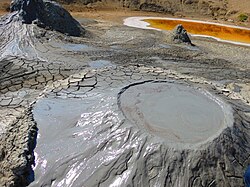
- 13 Feb 2026
In News:
Mud volcanoes are non-igneous “sedimentary volcanoes” formed in young oil-field regions, where methane and hydrocarbons under compactional stress force mud and gases to the surface.
A recent eruption of a mud volcano in Diglipur, Andaman Islands, has drawn attention to this rare geological phenomenon. Mud volcanoes differ fundamentally from magmatic volcanoes as they do not involve molten lava but are driven by sedimentary and hydrocarbon processes.
What is a Mud Volcano?
Mud volcanoes, also called sedimentary volcanoes or gas-oil volcanoes are surface expressions of subsurface pressure systems associated with hydrocarbon-rich sedimentary basins.
Key Characteristics
- Non-igneous in origin (no magma involved).
- Occur mainly in young oil-field regions with soft, unconsolidated sediments.
- Erupt mud, water, methane and other gases instead of lava.
- Often form cone-shaped structures.
- Can release flames if methane ignites.
- May emit hot mud and steam due to deep compactional heat.
Though different in origin, their eruptive behaviour can resemble magmatic volcanoes in intensity.
Formation Mechanism
Mud volcanoes develop due to:
- Compactional Stress
- Deep sediment layers experience pressure over time.
- Methane and hydrocarbons accumulate in porous formations.
- Gas Build-up and Upward Migration
- Trapped gases mix with mud and water.
- The pressurized mixture forces its way upward through fractures.
- Surface Eruption
- Mud and gases erupt, forming a cone.
- Repeated eruptions may enlarge the structure.
Due to the depth of origin, expelled mud is sometimes warm and accompanied by steam clouds.
Global Distribution
- Around 1,000 mud volcanoes have been identified globally on land and in shallow waters.
- Prominent concentrations occur in:
- Azerbaijan (Caspian region)
- Indonesia
- Mediterranean region
- Many also occur on the ocean floor, forming islands, banks, and altering coastal geomorphology.
Mud Volcanoes in India
In India, mud volcanoes are confined to the Andaman and Nicobar Islands.
Major Locations
- Baratang Island – Known site of India’s mud volcano.
- Diglipur – Recent eruption reported after several years of dormancy.
These eruptions are linked to the tectonically active Andaman subduction zone, where sediment compression and hydrocarbon accumulation occur.
Geological Significance
- Indicator of hydrocarbon-rich sedimentary basins.
- Provide insights into subsurface gas migration and petroleum systems.
- Important for understanding:
- Methane emissions (climate relevance)
- Coastal geomorphology changes
- Seismic and tectonic processes in subduction zones
Differences: Mud Volcano vs Magmatic Volcano
|
Feature |
Mud Volcano |
Magmatic Volcano |
|
Origin |
Sedimentary |
Igneous |
|
Material Ejected |
Mud, water, gases |
Lava, ash, pyroclasts |
|
Energy Source |
Gas pressure |
Magma pressure |
|
Temperature |
Relatively lower |
Extremely high |
Ayushman Sahakar Scheme

- 13 Feb 2026
In News:
Ayushman Sahakar (2020) enables cooperative societies to access NCDC loans (up to 90% of project cost) for healthcare infrastructure, with a 1% interest rebate for women-majority cooperatives.
The National Cooperative Development Corporation (NCDC), a statutory body set up under an Act of Parliament in 1963 and functioning under the Ministry of Cooperation—notified the Ayushman Sahakar Scheme in 2020. The scheme aligns with the National Health Policy, 2017 to expand affordable, community-owned healthcare through cooperative institutions.
Objectives
- Provide affordable and holistic healthcare via cooperative hospitals, healthcare and education facilities.
- Promote AYUSH services through cooperatives.
- Enable participation in the National Digital Health Mission (digital health/ICT integration).
- Support comprehensive healthcare including services, education, insurance, and allied activities.
Coverage: Activities & Infrastructure
The scheme supports creation, modernization, expansion, repair, and renovation of healthcare infrastructure, including:
- Hospitals; Medical/AYUSH/Dental/Nursing/Pharmacy/Paramedical/Physiotherapy colleges (UG/PG)
- Yoga wellness centres; Panchkarma/Unani regimental therapy centres
- Elderly care, palliative care, disability services, mental healthcare
- Emergency/trauma centres; physiotherapy; mobile clinics
- Diagnostics, laboratories, blood banks, ophthalmic & dental centres
- AYUSH pharmaceutical manufacturing & drug testing labs
- Maternal & child health; RCH services
- Telemedicine, remote procedures, digital health ICT
- Health insurance (IRDAI-accredited)
- Margin money & working capital for day-to-day operations
Eligibility
- Any Cooperative Society registered under a State Act or the Multi-State Cooperative Societies Act, with healthcare/health education provisions in its bye-laws.
- Financial assistance provided after technical and financial appraisal to ensure long-term viability.
Financial Architecture
Nature of Assistance
- Term/Investment loans (as per actual project requirement).
- Loan tenure up to 8 years, including 1–2 years moratorium on principal (project-dependent).
Interest Incentive
- 1% interest rebate for the entire tenure to cooperatives where women members are in majority, subject to timely repayment.
Funding Pattern (Illustrative)
- Through State Govt. route:
- NCDC → State Govt. → Society
- Loan up to 90% (infrastructure); Society share ~10%
- Direct funding (NCDC → Society) (as per direct funding guidelines):
- Loan up to 70% (or structured mix with share capital)
- Society share ~30%
- Margin Money: Up to 100% loan (subject to assessment).
- Working Capital: As per requirement (loan).
- Loan quantum may be reduced proportionately if dovetailed with subsidy/grant/VGF of GoI/States/other agencies.
Security Options
- Mortgage of assets (incl. project assets) up to 1.5× loan
- Govt./PSU/Statutory body guarantees
- Pledge of FDRs or assignment of Govt. securities (≈1.2× loan)
- Bank guarantees, as acceptable to NCDC
Institutional Context
- NCDC: Apex statutory institution (1963) to promote cooperative principles in production, processing, marketing, storage and services; assists cooperatives at Primary, District, and Apex/Multi-State levels.
- Scheme details and implementation update were shared in Parliament by the Union Minister for Home and Cooperation.
Significance for Governance & Health
- Cooperative Federalism: Decentralizes healthcare delivery via grassroots cooperatives.
- Community Ownership & Accountability: Participatory governance model in health services.
- Boost to AYUSH & Integrative Care: Expands traditional systems alongside allopathy.
- Digital Health Enablement: Supports ICT, telemedicine, and insurance integration.
- Gender Incentivization: Financial rebate encourages women-led cooperatives.
Tamil-Brahmi Inions in Egypt

- 13 Feb 2026
In News:
Nearly 30 Tamil-Brahmi, Prakrit and Sanskrit inions (1st–3rd century CE) have been identified inside tombs in Egypt’s Valley of the Kings, indicating direct Indian presence in Roman-era Egypt.
Researchers have documented around 30 ancient Indian inions inside six tombs at the Valley of the Kings, dating to the 1st–3rd centuries CE. These inions, written in Tamil-Brahmi, Prakrit, and Sanskrit, provide fresh evidence of maritime trade and cultural interactions between ancient Tamilakam and Roman Egypt.
About the Discovery
Location
- Found in six rock-cut tombs within the Valley of the Kings.
- The site forms part of the Theban Necropolis on the west bank of the Nile near Luxor.
Nature of Inions
- Nearly 30 inions identified.
- s used:
- Tamil-Brahmi
- Prakrit
- Sanskrit
- Suggests presence of people from diverse regions of ancient India.
Repeated Tamil Names
- The name “Cikai Korran” appears eight times across five tombs, indicating repeated visits or extended presence.
- Other names recorded: Kopan, Catan, Kiran - associated with Sangam-era Tamil culture.
- The inions resemble a graffiti tradition, similar to Greek inions left by visitors.
Link to Indo-Roman Trade
Maritime Trade Context
- Dating (1st–3rd century CE) coincides with peak Indo-Roman maritime trade.
- Trade route connected:
- Tamilakam (South India)
- Red Sea ports of Roman Egypt
- Nile Valley and Mediterranean world
Parallel Evidence
- Similar Tamil names were earlier found at Berenike, a major Roman port on the Red Sea.
- Confirms sustained contact beyond coastal ports.
Significance
- Demonstrates that Indian traders likely travelled beyond Egyptian ports into the Nile valley.
- Suggests deeper commercial and cultural exchanges, not merely port-level transactions.
- Reinforces literary references from:
- Periplus of the Erythraean Sea
- Sangam literature describing Yavana (Greek/Roman) trade.
About the Valley of the Kings
What It Is
A major burial site of pharaohs of Egypt’s New Kingdom.
Location
- West bank of the Nile River
- Near modern Luxor (ancient Thebes), Upper Egypt
- Designated a UNESCO World Heritage Site (1979) as part of Ancient Thebes.
Historical Period
- Primarily used during the 18th–20th Dynasties (c. 1539–1075 BCE).
- Royal burials from Thutmose I to Ramses X.
Architectural Features
- Rock-cut tombs with descending corridors.
- Pillared halls and burial chambers.
- Deep shafts to deter robbers.
- Walls decorated with funerary texts:
- Book of the Dead
- Book of Gates
- Book of That Which Is in the Underworld
Archaeological Importance
- Over 60 tombs discovered.
- Includes the famous tomb of Tutankhamun (KV62).
Historical Context: Tamil-Brahmi
- Early used to write Old Tamil.
- Dates back to at least the 3rd century BCE.
- Associated with the Sangam period.
- Previously found in Tamil Nadu, Sri Lanka, and Southeast Asia.
- Now documented in Egypt — expanding the geographical footprint of early Indian s.
Tamil-Brahmi Inions in Egypt
- 13 Feb 2026
In News:
Nearly 30 Tamil-Brahmi, Prakrit and Sanskrit inions (1st–3rd century CE) have been identified inside tombs in Egypt’s Valley of the Kings, indicating direct Indian presence in Roman-era Egypt.
Researchers have documented around 30 ancient Indian inions inside six tombs at the Valley of the Kings, dating to the 1st–3rd centuries CE. These inions, written in Tamil-Brahmi, Prakrit, and Sanskrit, provide fresh evidence of maritime trade and cultural interactions between ancient Tamilakam and Roman Egypt.
About the Discovery
Location
- Found in six rock-cut tombs within the Valley of the Kings.
- The site forms part of the Theban Necropolis on the west bank of the Nile near Luxor.
Nature of Inions
- Nearly 30 inions identified.
- s used:
- Tamil-Brahmi
- Prakrit
- Sanskrit
- Suggests presence of people from diverse regions of ancient India.
Repeated Tamil Names
- The name “Cikai Korran” appears eight times across five tombs, indicating repeated visits or extended presence.
- Other names recorded: Kopan, Catan, Kiran - associated with Sangam-era Tamil culture.
- The inions resemble a graffiti tradition, similar to Greek inions left by visitors.
Link to Indo-Roman Trade
Maritime Trade Context
- Dating (1st–3rd century CE) coincides with peak Indo-Roman maritime trade.
- Trade route connected:
- Tamilakam (South India)
- Red Sea ports of Roman Egypt
- Nile Valley and Mediterranean world
Parallel Evidence
- Similar Tamil names were earlier found at Berenike, a major Roman port on the Red Sea.
- Confirms sustained contact beyond coastal ports.
Significance
- Demonstrates that Indian traders likely travelled beyond Egyptian ports into the Nile valley.
- Suggests deeper commercial and cultural exchanges, not merely port-level transactions.
- Reinforces literary references from:
- Periplus of the Erythraean Sea
- Sangam literature describing Yavana (Greek/Roman) trade.
About the Valley of the Kings
What It Is
A major burial site of pharaohs of Egypt’s New Kingdom.
Location
- West bank of the Nile River
- Near modern Luxor (ancient Thebes), Upper Egypt
- Designated a UNESCO World Heritage Site (1979) as part of Ancient Thebes.
Historical Period
- Primarily used during the 18th–20th Dynasties (c. 1539–1075 BCE).
- Royal burials from Thutmose I to Ramses X.
Architectural Features
- Rock-cut tombs with descending corridors.
- Pillared halls and burial chambers.
- Deep shafts to deter robbers.
- Walls decorated with funerary texts:
- Book of the Dead
- Book of Gates
- Book of That Which Is in the Underworld
Archaeological Importance
- Over 60 tombs discovered.
- Includes the famous tomb of Tutankhamun (KV62).
Historical Context: Tamil-Brahmi
- Early used to write Old Tamil.
- Dates back to at least the 3rd century BCE.
- Associated with the Sangam period.
- Previously found in Tamil Nadu, Sri Lanka, and Southeast Asia.
- Now documented in Egypt — expanding the geographical footprint of early Indian s.
Dolphin Census in Odisha
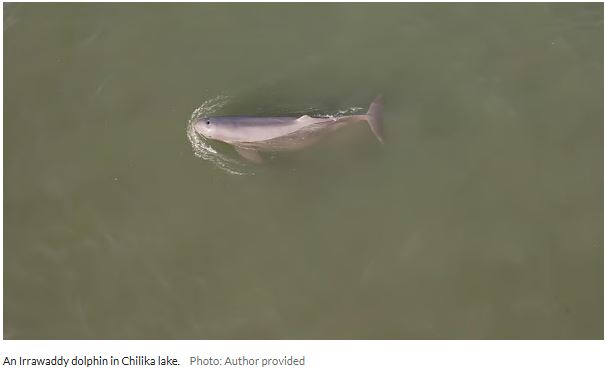
- 13 Feb 2026
In News:
Odisha has registered its highest marine dolphin population in the past five years, with 765 dolphins recorded in the 2026 State-wide census. The estimation highlights stable to improving population trends and underscores the role of sustained conservation, habitat protection, and community participation.
About the Dolphin Census in Odisha
What is it?
- An annual scientific population estimation exercise assessing the abundance, distribution, and diversity of dolphins and other cetaceans in Odisha’s marine, estuarine, and lagoon ecosystems.
Conducting Authority
The census is conducted by the Wildlife Wing of the Forest, Environment and Climate Change Department, Government of Odisha. It involves:
- Forest officials and frontline staff
- Marine experts
- Boat-based and shore-based transect surveys
- Training in species identification and safety protocols
The exercise began in Chilika in 2008 and expanded to all coastal forest divisions since 2015.
Key Findings: Dolphin Census 2026
Total Population: 765 dolphins (An increase of 55 individuals compared to the previous year)
Species-wise Distribution
- Humpback Dolphins – 497
- Irrawaddy Dolphins – 208
- Bottlenose Dolphins – 55
- Spinner Dolphins – 3
- Finless Porpoise – 2
Key Conservation Zones
Chilika Lake
- Recorded 159 Irrawaddy dolphins.
- Hosts the largest single-area concentration of Irrawaddy dolphins globally.
- It is a Ramsar Site (wetland of international importance).
- Population has remained stagnant for two years due to:
- Slow breeding rate
- Habitat stress (prawn gheries, nylon fishing nets)
- Possible migration to other areas
Irrawaddy dolphins were also sighted in:
- Balasore
- Berhampur
- Puri Wildlife Division
- Rajnagar Mangrove Division
Gahirmatha Marine Sanctuary
- Emerged as a strong marine conservation zone.
- Recorded 474 Humpback dolphins, the highest among surveyed regions.
Conservation Significance
- Dolphins are protected under Schedule I of the Wildlife (Protection) Act, 1972 (highest level of legal protection).
- The Irrawaddy dolphin is classified as Endangered on the IUCN Red List.
- Dolphins serve as flagship and indicator species of marine ecosystem health.
Reasons for Population Improvement
- Habitat protection measures
- Regulation of fishing practices
- Community participation drives
- Scientific monitoring and inter-divisional coordination
- Capacity building of field staff
About Dolphins (General Features)
Dolphins are aquatic marine mammals belonging to the order Cetacea.
Key Characteristics:
- Highly intelligent; capable of complex communication.
- Use echolocation for navigation and hunting.
- Social animals living in pods.
- Slow breeding rate (especially Irrawaddy dolphins).
- Indicators of marine ecosystem health.
Species Found in Odisha
- Humpback Dolphin
- Irrawaddy Dolphin
- Bottlenose Dolphin
- Spinner Dolphin
- Finless Porpoise (closely related cetacean)
National Song and National Anthem
- 13 Feb 2026
In News:
The Ministry of Home Affairs (MHA) has issued fresh guidelines to States and government bodies regarding the sequence, occasions, and manner of rendering the National Song and National Anthem at official events.
1. Sequence of Play
- If both are played at the same event, Vande Mataram (National Song) must be sung/played first.
- It shall be followed by Jana Gana Mana (National Anthem).
- This establishes a clear ceremonial order of precedence.
2. Mandatory Respect
- The audience must stand to attention when the official version of Vande Mataram (approx. 3 minutes 10 seconds) is sung or played.
- However, if it is played as part of a newsreel, documentary, or film, the audience is not required to stand, as this may disrupt the screening.
3. Occasions for Playing Vande Mataram
The National Song is mandated at specific high-level functions:
- Presidential/Gubernatorial Events: On arrival and departure of the President or Governor/Lieutenant Governor at formal State functions.
- Presidential Addresses: Immediately before and after the President’s address to the nation on All India Radio or television.
- Flag Ceremonies: When the National Flag is brought on parade.
- Cultural/Ceremonial Functions: During unfurling of the National Flag (other than parades).
4. Musical Protocol
- When played by a band, it must be preceded by a roll of drums to alert the audience.
5. Instructions for Schools
- Schools may begin the day with community singing of the National Song.
- Authorities are directed to promote both the National Song and Anthem to foster respect for national symbols.
These instructions align with Article 51A(a) of the Constitution, which makes it a Fundamental Duty to respect the Constitution, National Flag, and National Anthem. While the Constitution does not explicitly mention a National Song, its respect is institutionally recognized.
About Vande Mataram
Origin and Composition
- Composed by Bankim Chandra Chatterjee.
- First published in Bangadarshan (1875).
- Later included in the novel Anandamath (1882).
- Set to music by Rabindranath Tagore.
- Written in Sanskritized Bengali.
National Status
- On 24 January 1950, Dr. Rajendra Prasad announced that while Jana Gana Mana would be the National Anthem, Vande Mataram would be honoured equally for its historic role in the freedom struggle.
- The Constitution does not explicitly mention a National Song.
Role in the Freedom Movement
- 1896: Sung by Rabindranath Tagore at the Calcutta Session of the Indian National Congress.
- 1905 (Varanasi Session): Adopted for all-India occasions.
- 7 August 1905: First used as a political slogan during anti-partition protests at Calcutta Town Hall.
- Became the rallying cry of the Swadeshi Movement against the Partition of Bengal.
- Lord Curzon ordered arrests for singing it due to its mobilising power.
Revolutionary and International Influence
- 1907: Madam Bhikaji Cama unfurled a tricolour flag at Stuttgart, Germany, bearing the words “Vande Mataram.”
- 1909: Madan Lal Dhingra reportedly uttered “Bande Mataram” before execution in England.
- 1912: Gopal Krishna Gokhale was welcomed in Cape Town with chants of “Vande Mataram.”
Jana Gana Mana
Origin and Composition
- Written and composed by Rabindranath Tagore in 1911.
- First stanza of the five-stanza poem Bharoto Bhagyo Bidhata.
- Originally written in Bengali (Sadhu Bhasha).
First Rendition
- First sung publicly on 27 December 1911 at the Calcutta Session of the Indian National Congress.
Official Adoption
- Adopted as the National Anthem by the Constituent Assembly on 24 January 1950.
Translation and Versions
- Translated into English by Tagore at Madanapalle (Andhra Pradesh) as “The Morning Song of India.”
- A Hindustani version titled Subh Sukh Chain was prepared under Subhas Chandra Bose for the Indian National Army.
Supreme Court Ruling (2005)
- A petition seeking replacement of the word “Sindh” with “Kashmir” was rejected.
- The Court held that “Sindh” represents cultural heritage, not merely territorial reference.
Unique Distinction
Rabindranath Tagore is the only individual to have written national anthems of two countries:
- India – Jana Gana Mana
- Bangladesh – Amar Sonar Bangla
B-READY Assessment

- 12 Feb 2026
In News:
India’s business reform trajectory has gained renewed focus with its inclusion in the Business Ready 2026 (B-READY) assessment by the World Bank Group. The B-READY framework replaces the discontinued Doing Business Report (DBR), which was halted in 2020.
Under the last DBR (2019), India ranked 63rd, having improved by 79 ranks over five years. The upcoming B-READY 2026 assessment will evaluate over 180 countries across a modernised and more comprehensive framework.
About B-READY (Business Ready Assessment)
Launched in 2024, B-READY is a global benchmarking exercise to assess the business and investment climate.
Key Features:
- Covers 10 topics across the full business lifecycle:
- Business Entry
- Business Location
- Utility Services
- Labour
- Financial Services
- International Trade
- Taxation
- Dispute Resolution
- Market Competition
- Business Insolvency
- Structured under three pillars:
- Regulatory Framework (de jure laws and rules)
- Public Services (infrastructure, digital systems, licensing bodies)
- Operational Efficiency (de facto implementation via firm-level surveys)
- Integrates cross-cutting themes such as:
- Digital adoption
- Environmental sustainability
- Gender inclusion
Data is collected through expert consultations and World Bank Enterprise Surveys (WBES).
Domestic Reform Measures in India
To improve the business climate, the Department for Promotion of Industry and Internal Trade (DPIIT) has implemented multiple initiatives under the Ease of Doing Business framework.
1. Business Reforms Action Plan (BRAP)
Launched in 2014, BRAP assesses States/UTs on regulatory reforms.
- Seven editions completed (2015–2024)
- Over 9,700 reforms implemented across States/UTs
- Focus areas: single-window systems, building permissions, inspection reforms, digitisation of approvals
2. Reducing Compliance Burden (RCB) Initiative
Launched in 2020, aimed at rationalising redundant compliances.
- Over 47,000 compliances reduced in five years:
- 16,109 simplified
- 22,287 digitised
- 4,623 decriminalised
- 4,270 eliminated
Under RCB , 4,846 compliances were reduced across 23 commonly implemented Acts.
3. Jan Vishwas Reforms
The Jan Vishwas (Amendment of Provisions) Act, 2023 decriminalised 183 provisions across 42 Acts.
The proposed Jan Vishwas (Amendment of Provisions) Bill, 2025 seeks to:
- Amend 355 provisions
- Decriminalise 288 provisions
- Modify 67 provisions to enhance Ease of Living
4. National Single Window System (NSWS)
The National Single Window System (NSWS) provides integrated clearance mechanisms.
- Integrated with 32 Central Ministries/Departments
- Integrated with 33 States/UTs
- Offers access to:
- 300 Central approvals
- 3,000 State-level approvals
Provides real-time tracking via an Investor Dashboard.
Significance
These reforms aim to:
- Reduce regulatory overlaps
- Harmonise compliance frameworks across States
- Digitise approvals and reduce turnaround time
- Attract domestic and foreign investment
The B-READY 2026 assessment will evaluate how effectively India’s regulatory reforms translate into real-world business efficiency.
India as ‘Country of the Year’ at BIOFACH 2026

- 12 Feb 2026
In News:
- India has been recognised as the ‘Country of the Year’ at BIOFACH 2026, the world’s premier trade fair for organic food and agriculture. The event is held annually at the Nuremberg Messe Exhibition Centre in Germany and is managed by NürnbergMesse GmbH.
- This recognition reflects India’s growing prominence in the global organic sector and its expanding footprint in sustainable agriculture and exports.
About BIOFACH
BIOFACH is widely regarded as the world’s leading international platform for certified organic products.
Key Features:
- Focus on organic food and agriculture
- Promotes global trade in certified organic products
- Facilitates B2B networking among producers, exporters, retailers and policymakers
- Encourages sustainable farming practices and environmentally responsible consumption
- Serves as a hub for innovation in organic farming and processing technologies
Significance for India
1. Strengthening Global Organic Leadership
India’s designation positions it as a major supplier of certified organic produce at a time when global demand for sustainable food systems is rising.
2. Boost to Agricultural Exports
The recognition enhances India’s visibility and market access for organic exports such as:
- Organic rice
- Spices
- Pulses
- Oilseeds
- Cashew
- Turmeric
- Ginger
- Mango puree
- Essential oils
3. Promotion of GI-Tagged Products
India is showcasing five GI-tagged rice varieties, reinforcing the branding of its traditional agricultural heritage and geographical diversity.
4. Empowerment of FPOs and Regional Producers
Participation from over 20 States and Union Territories highlights inclusive growth and the integration of grassroots producers, including Farmer Producer Organisations (FPOs), into global value chains.
5. Soft Power and Culinary Diplomacy
Live tastings and demonstrations, including organic biryani and heritage rice varieties, strengthen India’s cultural outreach and organic brand identity internationally.
Gravity and Earth’s Motion Through Space

- 12 Feb 2026
In News:
Gravity is the fundamental force governing the motion of celestial bodies and sustaining life on Earth. It not only keeps humans, oceans and the atmosphere anchored to the planet, but also ensures the stability of Earth’s orbit around the Sun and the Moon’s orbit around Earth.
Gravity as a Binding Force
Gravity acts as the universal attractive force between masses. On Earth, it:
- Keeps the atmosphere from escaping into space
- Holds oceans and land masses in place
- Enables life by maintaining stable environmental conditions
Without gravity, Earth’s atmosphere and hydrosphere would disperse into space, making life impossible.
Gravity as a Centripetal Force
Beyond pulling objects downward, gravity functions as a centripetal force-a force directed toward the centre of circular motion.
- It keeps the Moon in orbit around Earth.
- It keeps Earth revolving around the Sun.
In circular motion, centripetal force continuously changes the direction of velocity without necessarily altering speed. In planetary systems, gravitational attraction provides this inward pull.
Earth’s Planetary Motion
Due to gravitational attraction between Earth and the Sun:
- Earth completes one revolution every year.
- It travels nearly 1 billion kilometres along its orbital path annually.
- The planet moves at an average speed of approximately 1,07,000 km per hour (about 30 km per second).
These figures highlight the dynamic nature of planetary motion, even though such movement is imperceptible to humans due to uniform velocity and lack of external reference points.
Absence of Friction in Space
Unlike motion on Earth, where friction slows moving objects-planets move through the near-vacuum of outer space.
- Space offers negligible resistance.
- As a result, celestial bodies can continue moving without continuous energy input.
This aligns with Newton’s First Law of Motion, which states that an object in motion remains in motion unless acted upon by an external force.
Rejection of the Aether Hypothesis
In the 19th century, scientists proposed the existence of an invisible medium called “aether” through which light and celestial bodies were thought to move. However, the Michelson–Morley experiment disproved this hypothesis in 1887.
The experiment showed no detectable aether wind, confirming that Earth moves through empty space rather than through a resisting substance.
Scientific Significance
The understanding of gravity:
- Explains orbital mechanics and planetary stability
- Supports space exploration and satellite deployment
- Underpins astrophysics and cosmology
Gravity’s dual role, as a binding force on Earth and as a centripetal force in celestial mechanics—demonstrates its foundational importance in sustaining both terrestrial life and cosmic order.
Discovery of Lyriothemis keralensis in Kerala

- 12 Feb 2026
In News:
Researchers have identified a new dragonfly species named Lyriothemis keralensis in Kerala, extending the known geographical range of the genus beyond northeast India. The discovery underscores the rich biodiversity of the Western Ghats and the importance of careful taxonomic studies.
Taxonomic Clarification
Although the species has been present in Kerala since 2013, it was misidentified for over a decade as Lyriothemis acigastra. Detailed morphological examination, including microscopic analysis and comparison with museum specimens, confirmed its distinct identity.
This highlights:
- The importance of systematic taxonomy
- The role of reference collections in biodiversity research
- Potential underestimation of species diversity in India
Key Features
The species exhibits pronounced sexual dimorphism:
- Males: Bright blood-red body with black markings
- Females: Yellow body with black markings
Such colour variation aids in species identification and reproductive behaviour studies.
Habitat and Ecology
Unlike many dragonflies associated with pristine forest ecosystems, Lyriothemis keralensis thrives in human-modified irrigation landscapes, including:
- Pineapple plantations
- Rubber plantations
- Shaded irrigation canals
Most recorded populations occur outside protected areas, indicating that biodiversity conservation must extend beyond national parks and wildlife sanctuaries.
Seasonality and Life Cycle
The species is:
- Seasonally visible during the Southwest Monsoon (late May to August)
- Present as aquatic larvae in water bodies for the remainder of the year
This seasonal emergence aligns with monsoon-driven ecological cycles in Kerala.
Conservation Concerns
The discovery raises important conservation issues:
- Plantation-dominated landscapes may act as secondary habitats
- Changes in irrigation patterns, pesticide use, and land conversion could threaten populations
- Lack of protection outside designated conservation zones may expose species to habitat loss
The finding reinforces the need for biodiversity-sensitive land-use planning, especially in agriculturally modified ecosystems.
Corruption Perceptions Index 2025
- 12 Feb 2026
In News:
- India has climbed to the 91st position in the Corruption Perceptions Index 2025, improving from 96th rank in the previous year. However, its score of 39 out of 100 remains below the global average of 42, indicating that corruption continues to be perceived as a structural challenge in governance.
- The CPI is released annually by Transparency International and ranks 182 countries and territories based on perceived levels of public sector corruption. Scores range from 0 (highly corrupt) to 100 (very clean).
Global Trends in CPI 2025
- The global average score has declined to 42, reflecting stagnation in anti-corruption efforts worldwide.
- More than two-thirds of countries score below 50, indicating widespread governance challenges.
- Denmark (89) remains the cleanest country, while Somalia and South Sudan (9) rank at the bottom.
- Several established democracies, including the United Kingdom (20th) and the United States (29th), have witnessed declines.
- The report highlights risks faced by journalists investigating corruption, noting that 90% of journalist killings occur in countries scoring below 50-a category that includes India.
Reasons for Persistent Corruption in India
Despite incremental improvements, structural factors continue to affect perceptions:
1. Bureaucratic Red Tape: Complex regulatory processes and approval systems create opportunities for rent-seeking behaviour.
2. Political Funding Opacity: Lack of transparency in electoral financing and the influence of money power remain concerns.
3. Weak Whistleblower Protection: Individuals exposing corruption often face harassment or threats, discouraging reporting.
4. Inconsistent Enforcement: Low conviction rates in high-profile cases and delays in judicial processes reduce deterrence.
5. Informal Economy and Black Money: A large unorganised sector facilitates unaccounted transactions and tax evasion.
Anti-Corruption Measures Undertaken
India has adopted several reforms to improve governance and transparency:
- Digitalisation of Governance: Expansion of Direct Benefit Transfer (DBT) systems to reduce middlemen.
- Prevention of Corruption (Amendment) Act, 2024: Strengthened penalties and introduced asset forfeiture provisions.
- Blockchain-based Land Records and E-Tendering: To enhance transparency in public procurement.
- Central Vigilance Commission (CVC) Reforms: Adoption of AI-based financial scrutiny tools.
- Strengthened oversight by institutions such as the Central Vigilance Commission.
Key Challenges
- Overburdened judiciary causing delays in corruption trials
- Cross-border asset recovery challenges
- Technological misuse such as digital fraud and deepfake scams
- Weak local-level oversight in municipal and panchayat institutions
Significance for India
India’s CPI ranking has both economic and governance implications. Perceptions of corruption affect:
- Investor confidence
- Ease of doing business
- Regulatory credibility
- Democratic accountability
While the improvement from 96th to 91st rank signals incremental progress, the low score of 39 underscores the need for deeper institutional reforms, enhanced transparency in political finance, judicial efficiency and stronger protection for whistleblowers.
Strengthening India’s Tsunami Early Warning System

- 11 Feb 2026
implemented by the Indian National Centre for Ocean Information Services (INCOIS), which operates the Indian Tsunami Early Warning Centre (ITEWC).
Location and Regional Role
- Proposed site: Vijaynagar on Swaraj Dweep, Andaman and Nicobar Islands
- Project cost: ?300 crore
- First-of-its-kind tsunami coordination centre in India
- Will provide warning services to Indian Ocean countries, including Sri Lanka
The Andaman and Nicobar Islands lie close to major tectonic activity zones, making them strategically important for tsunami detection.
Limitations of the Current System
Currently, tsunami warnings are processed at INCOIS headquarters in Hyderabad. The system relies on:
- Seismic signals
- Tidal gauges along the Indian coast
- Surface buoys deployed in the Indian Ocean
- Satellite data
However, the existing system primarily detects earthquake-triggered tsunamis, which account for about 80% of global tsunamis. Nearly 20% are caused by non-seismic sources such as:
- Submarine landslides
- Volcanic eruptions
- Mudslides
Surface buoys are also vulnerable to vandalism and theft, and satellite data sometimes has gaps.
Next-Generation Capabilities
The new RSC will develop a system capable of detecting both seismic and non-seismic tsunamis, significantly enhancing early warning capacity.
Key Technological Features:
- Laying of 270 km-long sub-sea cables along tectonic subduction zones
- Improved monitoring of acoustic signals, which travel faster than conventional seismic signals
- Reduced data gaps compared to surface buoys
Subduction zones are regions where one tectonic plate moves beneath another, often generating earthquakes and volcanic activity.
Vulnerability of Indian Coasts
While India’s east coast has experienced past tsunamis (notably in 2004), experts highlight emerging risks:
- The west coast of India may be vulnerable to non-seismic tsunamis due to fragile marine geology.
- Presence of underwater mud volcanoes along the Makran coast increases risk potential.
- India’s only active volcano at Barren Island in the Andaman Sea also poses a latent threat.
- If an epicentre is located close to the Andaman and Nicobar Islands, the islands themselves could face severe impact.
Network Readiness Index (NRI) 2025
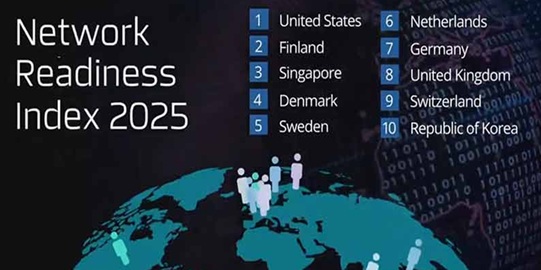
- 11 Feb 2026
In News:
- India has improved its position in the Network Readiness Index 2025 (NRI 2025), moving up four places to secure 45th rank among 127 economies. The index is prepared by the Portulans Institute, a non-profit research and educational institute based in Washington DC.
- India’s overall score increased from 53.63 (2024) to 54.43 (2025), reflecting enhanced digital readiness and technological capacity.
About the Network Readiness Index
The NRI assesses how effectively economies leverage information and communication technologies (ICT) for development.
Coverage and Methodology:
- Covers 127 economies
- Based on 53 indicators
- Structured around four pillars:
- Technology
- People
- Governance
- Impact
The index maps a country’s preparedness to benefit from digital transformation and network-based economies.
India’s Key Achievements in NRI 2025
Global Rank 1 in:
- Annual investment in telecommunication services
- AI scientific publications
- ICT services exports
- E-commerce legislation
This highlights India’s leadership in telecom infrastructure expansion, artificial intelligence research output, digital services exports and regulatory framework for e-commerce.
Rank 2 in:
- Fibre-To-The-Home (FTTH)/Building internet subions
- Mobile broadband internet traffic
- International internet bandwidth
These indicators reflect strong digital infrastructure growth and increasing data consumption.
Rank 3 in:
- Domestic market scale
- Income inequality (indicator within index framework)
India’s large market size enhances its digital ecosystem scalability.
Performance Relative to Income Level
- Ranked 2nd among lower-middle-income countries, after Vietnam.
- The report notes that India demonstrates greater network readiness than expected given its income level, indicating efficient digital transformation relative to economic capacity.
Significance for India
India’s improved ranking reflects:
- Rapid telecom infrastructure expansion
- Growth in AI research and digital innovation
- Strong ICT export performance
- Progressive digital governance and e-commerce regulation
This performance aligns with broader initiatives such as Digital India, expansion of broadband connectivity and promotion of AI-led innovation.
Kimberley Process

- 11 Feb 2026
In News:
India has assumed the Chair of the Kimberley Process (KP) for the year 2026. This marks an important development in global diamond governance, as the KP regulates international trade in rough diamonds to prevent their use in financing armed conflicts.
What is the Kimberley Process?
The Kimberley Process is a tripartite coalition of governments, civil society and the diamond industry established to eliminate the trade in “conflict diamonds.”
Conflict Diamonds Defined
As per UN Security Council Resolution 1459, conflict diamonds are defined as:
“Rough diamonds used by rebel movements or their allies to finance conflict aimed at undermining legitimate governments.”
The KP was established in 2003 based on a United Nations mandate to regulate global trade in rough diamonds.
Structure and Membership
- 60 participants, representing 86 countries (European Union counts as a single participant)
- Covers over 99% of global rough diamond production and trade
- Operates on a consensus-based decision-making mechanism
- Meets twice annually at:
- Intersessional meetings
- Plenary meetings
- Chairmanship rotates annually among participating countries
The KP functions through a tripartite structure involving governments, industry stakeholders and civil society groups.
Kimberley Process Certification Scheme (KPCS)
The operational mechanism of the KP is the Kimberley Process Certification Scheme (KPCS).
Key Features:
- Each shipment of rough diamonds must be accompanied by a Kimberley Process Certificate
- Shipments must be transported in tamper-resistant containers
- Trade is permitted only between participating countries
- Countries must establish:
- National legislation
- Import/export controls
- Transparent statistical data exchange
The certificate verifies that the shipment is conflict-free and complies with KP minimum requirements.
India’s Role in the Kimberley Process
India has been an active participant in the KPCS since 2003. As one of the world’s largest diamond cutting and polishing centres, India plays a crucial role in the global diamond value chain.
Institutional Framework in India:
- Department of Commerce – Nodal department
- Gem & Jewellery Export Promotion Council (GJEPC) – Designated Importing and Exporting Authority
- Issues KP Certificates
- Custodian of certificates received in India
India’s chairmanship in 2026 provides an opportunity to strengthen transparency, improve traceability and enhance institutional credibility within the KP framework.
Ethylene Glycol

- 11 Feb 2026
In News:
Recent laboratory findings in Tamil Nadu detected ethylene glycol adulteration in a batch of Almond Kit syrup, prompting a public health alert. Such incidents highlight the serious risks posed by contamination of pharmaceutical or food products with industrial chemicals like ethylene glycol (EG) and diethylene glycol (DEG).
About Ethylene Glycol (EG)
Ethylene glycol is the simplest member of the glycol family of organic compounds.
Key Properties
- Colourless, odourless, slightly viscous liquid
- Faintly sweet taste
- Miscible with water and alcohol
- Low volatility (does not evaporate quickly)
- Stable over a wide temperature range
- Inexpensive to manufacture
Because of these properties, it is widely used in industry but is highly toxic if ingested.
Uses of Ethylene Glycol
Ethylene glycol has multiple industrial applications:
- Antifreeze and de-icing solutions for cars, aircraft and boats
- Component of hydraulic brake fluids
- Used in printing inks (stamp pads, ballpoint pens, print shops)
- Industrial reagent in the manufacture of:
- Polyesters
- Alkyd resins
- Explosives
- Synthetic waxes
Its chemical stability and freezing-point depression properties make it suitable for coolant systems.
Health Impact and Toxicity
Though industrially valuable, ethylene glycol is highly toxic when consumed. It is not inherently dangerous in small dermal exposures but becomes lethal when ingested.
Mechanism of Toxicity
After ingestion, ethylene glycol is metabolised in the liver into toxic compounds such as:
- Glycolic acid
- Oxalic acid
These metabolites cause:
- Severe metabolic acidosis
- Acute kidney injury
- Nervous system depression
- Multi-organ failure
If untreated, poisoning can result in significant morbidity and mortality. Early medical intervention using antidotes such as fomepizole or ethanol can block toxic metabolism.
Diethylene Glycol (DEG): A Related Public Health Hazard
Diethylene glycol, chemically similar to ethylene glycol, has been implicated in multiple drug adulteration incidents globally. Like ethylene glycol, it is:
- Used as an industrial solvent
- Sweet-tasting and colourless
- Toxic when ingested
DEG contamination in medicines, especially cough syrups, has historically led to mass poisoning incidents due to renal failure and metabolic acidosis. These cases underline the importance of strict pharmaceutical quality control and regulatory vigilance.
Public Health and Regulatory Significance
The recent detection of ethylene glycol in a medicinal syrup underscores:
- The need for stringent drug testing and quality assurance
- Strong enforcement of pharmaceutical manufacturing standards
- Rapid public communication in case of contamination
Such incidents highlight the role of regulatory authorities in preventing industrial chemicals from entering consumable products.
Mons Mouton

- 11 Feb 2026
In News:
India’s upcoming Chandrayaan-4 mission marks a significant leap in its space exploration programme. Approved by the Union Government, Chandrayaan-4 is designed as India’s first lunar sample-return mission and is expected to launch around 2028, as indicated by ISRO leadership. It will be India’s most complex lunar endeavour to date.
Landing Site: Mons Mouton in the Lunar South Polar Region
ISRO scientists have identified the Mons Mouton region in the Moon’s South Polar area as the landing site. Mons Mouton:
- Is a mountain approximately 6,000 metres high
- Lies in the South Circumpolar Region (SCR)
- Is positioned on the rim of the South-Pole-Aitken Basin, the largest and oldest known impact basin on the Moon
- Is officially named after NASA mathematician Melba Roy Mouton
The region is scientifically significant because:
- It is located near permanently shadowed craters believed to contain water-ice deposits
- It receives long-duration sunlight, aiding power generation
- It offers clear line-of-sight communication with Earth
Selection of MM-4 Landing Zone
ISRO shortlisted four potential sites in the Mons Mouton area—MM-1, MM-3, MM-4 and MM-5. After detailed analysis using high-resolution datasets from the Orbiter High Resolution Camera (OHRC), MM-4 was selected.
Key terrain characteristics of MM-4:
- A 1 km × 1 km landing zone
- Mean slope: 5 degrees
- Mean elevation: 5,334 metres
- Highest number of hazard-free grids (24 m × 24 m)
- Least hazardous terrain percentage among shortlisted sites
Safe landing depends on terrain suitability combined with robust navigation, guidance and control systems.
Mission Architecture
Chandrayaan-4 consists of five major components:
- Propulsion Module (PM)
- Descender Module (DM)
- Ascender Module (AM)
- Transfer Module (TM)
- Re-entry Module (RM)
The combined Descender Ascender stack will execute soft landing at the selected site. After collecting lunar samples, the Ascender Module will lift off from the Moon’s surface, transfer samples to the Return module, and enable re-entry to Earth.
This architecture makes Chandrayaan-4 technologically more complex than previous missions, as it involves:
- Precision soft landing
- Surface operations
- Lunar ascent
- Sample transfer
- Earth re-entry
Scientific Importance
The Mons Mouton region offers major scientific opportunities:
- Study of water-ice and volatile deposits
- Understanding the geological evolution of the South-Pole-Aitken Basin
- Insights into early Solar System history
- Assessment of lunar resources for future human missions
Mangrove clam (Geloina erosa)

- 10 Feb 2026
The ICAR–Central Marine Fisheries Research Institute (CMFRI) has achieved a rare global scientific feat by successfully inducing captive breeding of the mangrove clam (Geloina erosa). This breakthrough enables controlled hatchery production of the species, offering a sustainable pathway for conservation, aquaculture, and ecosystem restoration.
About Mangrove Clam (Geloina erosa)
- Scientific name: Geloina erosa (also referred to in some literature as Polymesoda erosa)
- Common name: Mangrove clam / Mud clam
- Local name: “Kandal Kakka” (Northern Kerala)
- Type: Ecologically significant bivalve mollusc
Habitat and Distribution
- Found in organic-rich muddy substrates of intertidal mangrove and estuarine ecosystems
- Distributed across South and Southeast Asia
- Tolerates a wide salinity range, from brackish to near-freshwater conditions
- Deep-burrowing, semi-infaunal species; juveniles are more tide-independent
Key Ecological Characteristics
- Large Size:
- One of the world’s largest mangrove clams
- Reaches up to 10 cm shell width, making it valuable as a food resource
- Efficient Filter Feeder:
- Filters suspended particles and plankton
- Improves estuarine water quality through nutrient recycling
- Ecosystem Stabiliser:
- Burrowing behaviour stabilises sediments
- Enhances nutrient cycling
- Strengthens resilience of mangrove ecosystems
- Reproductive Biology:
- Sex differentiation based on gonad colour and structure (not external organs)
- Facilitates broodstock identification and reproductive studies
Scientific Breakthrough: Induced Breeding
CMFRI has achieved:
- Controlled spawning under captive conditions, reducing dependence on wild seed collection
- Complete life-cycle closure, successfully rearing the clam from embryo to larval stages and eventually to spat (around the 18th day)
- Hatchery-scale seed production feasibility
This represents a global first for this species and marks a major step in sustainable marine resource management.
Conservation and Aquaculture Applications
The hatchery-produced seeds can be utilised for:
- Grow-out farming:
- Suitable for estuarine aquaculture
- Requires minimal external feed and infrastructure
- Mangrove ranching:
- Release of juvenile clams into degraded mangrove habitats
- Aids ecological restoration
- Stock enhancement:
- Replenishes overexploited natural clam beds
- Reduces harvesting pressure on wild populations
Form 7 and the Electoral Roll Revision Controversy
- 10 Feb 2026
In News:
The bulk submission of Form 7 applications during the ongoing Special Intensive Revision (SIR) of electoral rolls has triggered controversy, with allegations of fraudulent or anonymous deletion requests targeting eligible voters. The issue has brought attention to the legal framework governing voter deletion and the safeguards built into the system.
What is Form 7?
Form 7 is a statutory form used to object to the inclusion of a name in the electoral roll. It can be used:
- To seek deletion of another person’s name
- To request deletion of one’s own name
Grounds for Objection
Deletion can be sought on specific legally recognised grounds:
- Death of the voter
- Duplicate entry
- Shifting of residence
- Ineligibility due to age
- Non-citizenship
- Misrepresentation
Legal Basis
Form 7 is governed by:
- Representation of the People Act, 1950
- Registration of Electors Rules, 1960
Under Section 13(2) of the Registration of Electors Rules, objections must be filed in Form 7 by a person whose name is already included in the electoral roll. Booth Level Agents (BLAs), appointed by political parties, are also authorised to file objections.
The process is administered by the Election Commission of India.
2022 Amendment: Expanded Scope
In 2022, the Election Commission amended the rules to allow any registered voter within a constituency (not just from the same polling booth) to file objections. This widened the scope of Form 7 and was aimed at improving electoral roll accuracy.
Verification and Safeguards
To ensure due process and prevent arbitrary deletions, the following steps are mandatory:
- Physical Verification by Booth Level Officers (BLOs).
- In case of death:
- Death certificate verification
- Confirmation by three neighbours
- If the voter is absent: BLO must make three visits to verify shifting of residence
- Notice and Hearing: The concerned voter is issued a notice and given an opportunity to be heard before the Electoral Registration Officer (ERO).
- Appeal Mechanism: Appeals against the ERO’s decision can be filed before the District Magistrate within 15 days.
Penal Provision: Under Section 32 of the Representation of the People Act, 1950, filing a false declaration is punishable with imprisonment up to one year, or fine, or both
PRIYA Trial and Vitamin B12

- 10 Feb 2026
In News:
Recent follow-up findings from the Pune Rural Intervention in Young Adolescents (PRIYA) trial have highlighted the long-term benefits of vitamin B12 supplementation during adolescence on neonatal health outcomes. The study is particularly significant for India, where vitamin B12 deficiency is widespread and contributes to intergenerational cycles of poor health.
About the PRIYA Trial
The PRIYA trial was conducted between 2012 and 2020 as part of the larger Pune Maternal Nutrition Study (PMNS). It was designed to examine whether improving vitamin B12 status among adolescents could reduce intergenerational metabolic and nutritional risks in a population with high prevalence of micronutrient deficiency.
The trial focused on adolescents prior to conception, recognising adolescence as a critical window for nutritional interventions that can influence future maternal and neonatal outcomes.
Key Findings
- Improved neonatal outcomes: Adolescents who received physiological doses of vitamin B12 gave birth to babies with a higher neonatal ponderal index (weight relative to length), an indicator of healthier foetal growth.
- Epigenetic mechanism: The findings suggest that vitamin B12 may act as a “regulator of regulators” by influencing enzymes involved in gene expression and epigenetic programming, thereby affecting long-term health outcomes in offspring.
- Intergenerational impact: Adequate adolescent nutrition can positively influence pregnancy outcomes years later, supporting the concept of a life-course approach to public health nutrition.
Vitamin B12: Biological Importance
- Nature: Vitamin B12 (cyanocobalamin) is a water-soluble vitamin that the human body cannot synthesise. It is produced by microorganisms and obtained mainly from animal-based foods such as milk, eggs, meat, and fish.
- Functions:
- Red blood cell formation
- DNA synthesis
- Proper functioning of the brain and nervous system
- Deficiency in India: Vitamin B12 deficiency is highly prevalent in India, largely due to low intake of animal-source foods.
- Health consequences:
- Anaemia
- Neurological and cognitive disorders
- In rare cases, malabsorption due to intrinsic factor deficiency
Policy Significance
The PRIYA trial findings reinforce the need to:
- Include vitamin B12 supplementation along with iron and folic acid in national programmes targeting adolescents and women of reproductive age.
- Strengthen existing nutrition initiatives to address hidden hunger and micronutrient deficiencies.
- View adolescent nutrition as an investment in future population health and human capital.
India–US Trade Pact

- 10 Feb 2026
In News:
The interim trade agreement between India and the United States marks a significant shift in bilateral technology and electronics cooperation. Under the new framework, both countries have committed to significantly increase trade in technology products, including Graphics Processing Units (GPUs) and other equipment critical for data centres, while also expanding joint technology cooperation. This development assumes importance amid India’s growing ambitions in artificial intelligence (AI), electronics manufacturing, and digital infrastructure.
GPU Access and India’s AI Ecosystem
GPUs form the backbone of modern AI development, powering large language models, data analytics, and advanced computing applications. India currently lacks domestic GPU manufacturing capacity and relies heavily on imports, with US-based firms, particularly NVIDIA-dominating the global market.
India’s IndiaAI Mission, with a total outlay of ?10,370 crore, aims to subsidise compute access for startups and researchers. Around 40,000 GPUs have been installed under the mission so far, but this is widely regarded as insufficient compared to the massive compute capacity available to leading global AI firms. Concerns were further raised after the Union Budget reduced the allocation for the mission from ?2,000 crore to ?1,000 crore for 2026–27.
Against this backdrop, the India–US agreement offers an alternative pathway by improving access to imported GPUs. Importantly, it marks a departure from earlier US export controls imposed during the administration of former President Joe Biden, which had placed quantitative restrictions on GPU exports to India. These controls were set aside after President Donald Trump took office, allowing India to secure more favourable terms and avoid stringent technology restrictions similar to those imposed on China.
Boost to Data Centre Investments
Data centres represent the second major pillar of cooperation. To attract foreign investment, India has announced a tax holiday until 2047 for foreign companies setting up data centres. This move addresses long-standing US demands for greater market access, including tax incentives, duty exemptions, and affordable access to land, power, and water.
Several US technology giants have announced large investments:
- Google: $15 billion investment for a 1 GW data centre in partnership with the Adani Group
- Microsoft: $17.5 billion, primarily for AI-focused data centres
- Amazon: $35 billion investment over five years
Union IT Minister Ashwini Vaishnaw has indicated that recent policy measures could spur up to $200 billion in data centre investments.
India’s data centre market is currently valued at $10 billion, with revenues of about $1.2 billion in FY24. According to industry estimates, India may add 795 MW of capacity by 2027, taking total installed capacity to 1.8 GW.
Electronics Manufacturing and Trade Expansion
The easing of tariffs, cutting US duties on Indian goods from 50% to 18%, is expected to significantly boost the electronics sector. Bilateral electronics trade is projected to reach $100 billion in the coming years. Electronics exports stood at ?3.27 lakh crore (≈$38 billion) in 2024–25, with the US as the largest destination.
The sector, concentrated in states such as Tamil Nadu, Karnataka, Uttar Pradesh, and Maharashtra, employs over two million workers directly. Companies like Apple, supported by India’s Production-Linked Incentive (PLI) scheme, have built extensive supply chains in India. India now accounts for nearly 25% of global iPhone production, second only to China.
Thwaites Glacier
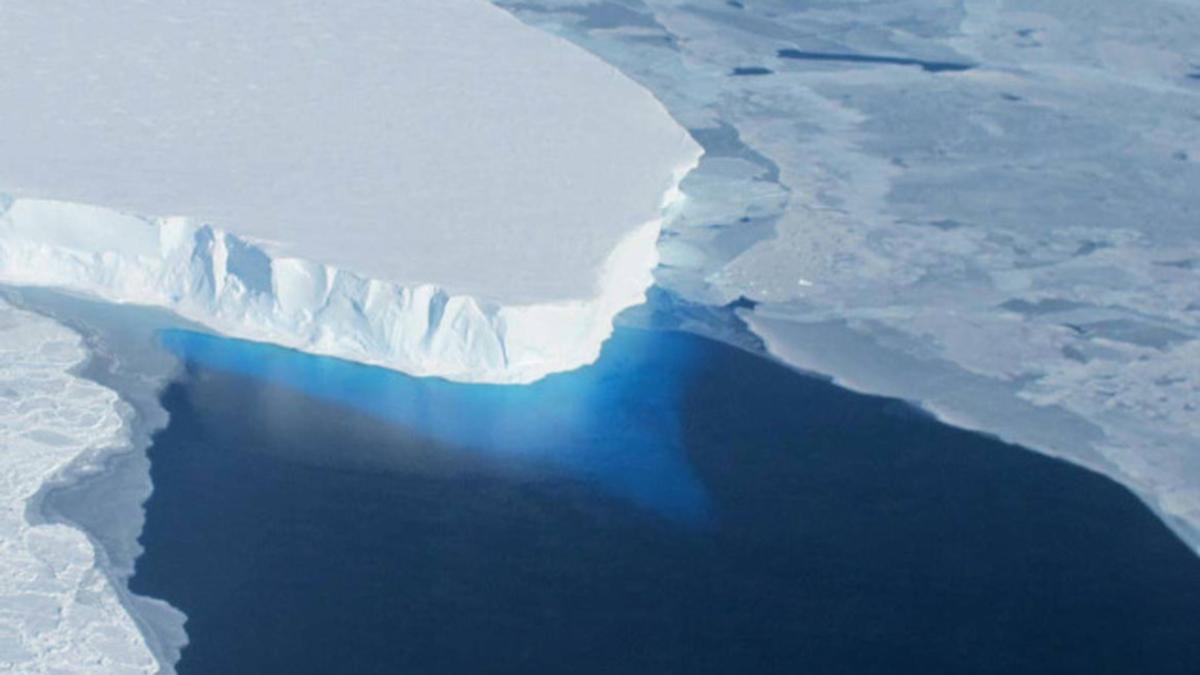
- 10 Feb 2026
In News:
The Thwaites Glacier, often referred to in popular media as the “Doomsday Glacier”, is one of the most crucial glaciers in the world for understanding future sea-level rise. Located in West Antarctica, it is an outflow glacier of the West Antarctic Ice Sheet (WAIS) and drains into the Amundsen Sea.
Why is Thwaites Glacier Important?
- Mass and Size: Thwaites is among the largest glaciers in Antarctica, covering an area comparable to a large country.
- Climate Sensitivity: The WAIS, of which Thwaites is a key component, is recognised as one of the planet’s climate tipping elements, meaning its destabilisation could trigger irreversible changes.
Unique Physical Characteristics
A defining feature of Thwaites Glacier is its retrograde bed slope, the land beneath it slopes downward as one moves inland and lies below sea level. This makes the glacier highly vulnerable to warm ocean water intrusion.
- Warm seawater flows beneath the glacier’s floating ice shelf, melting it from below.
- The ice shelf currently acts as a buttress or brace, slowing the flow of ice into the ocean.
- As the ice shelf thins or fractures, this restraining effect weakens, causing the glacier to accelerate and lose ice more rapidly.
Current Scientific Observations
Scientific studies have confirmed that Thwaites Glacier is:
- Thinning steadily
- Retreating inland
- Already contributing to global sea-level rise
The rapid melting is strongly linked to human-induced climate change, particularly rising ocean temperatures.
Potential Global Impacts
- Sea-Level Rise: A complete collapse of Thwaites over a long period could raise global sea levels by around 0.5 metres.
- Cascade Effect: Thwaites acts as a barrier holding back neighbouring glaciers in the WAIS. Its weakening could destabilise adjacent ice masses, further accelerating sea-level rise.
- Coastal Risks: Higher sea levels would increase coastal flooding, shoreline erosion, storm surges, and threaten:
- Coastal cities
- Low-lying islands
- Ports and critical infrastructure
Why It Matters for the World
Although Thwaites Glacier is geographically remote and far from human settlements, its evolution has global consequences. Changes in this single glacier have the potential to reshape coastlines worldwide, making it a key focus area for climate science, global risk assessment, and international climate policy.
IIT Bombay breakthrough in CAR T-Cell and Adoptive T-Cell Therapies
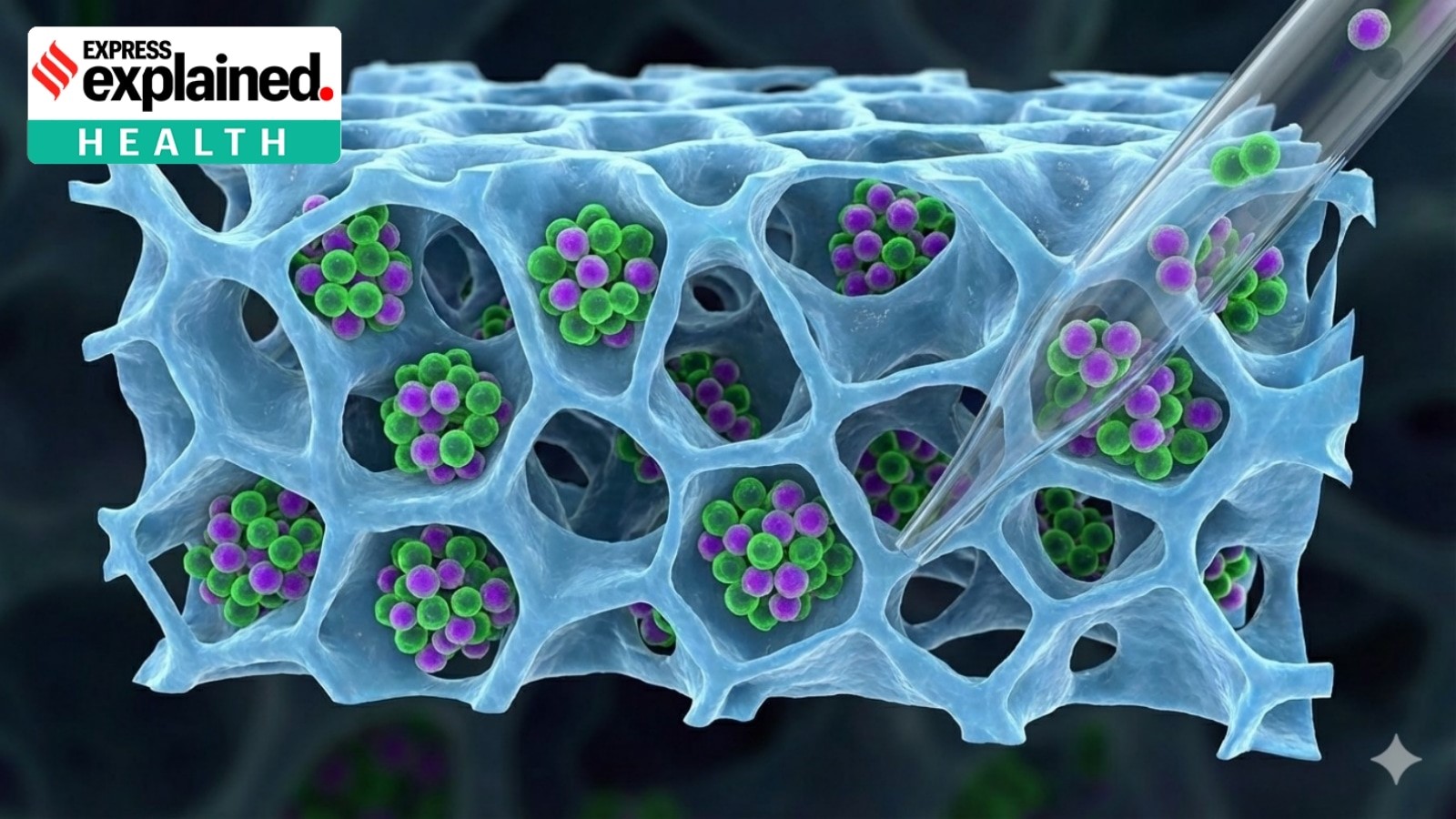
- 09 Feb 2026
In News:
Researchers at Indian Institute of Technology Bombay (IIT Bombay) have addressed a key technical bottleneck in CAR T-cell and other Adoptive T-cell Transfer (ACT) therapies, safe recovery of lab-grown T-cells without loss of viability or immune function. The study demonstrates that using a gentler enzyme (Accutase) significantly improves therapeutic reliability and may reduce costs of cancer immunotherapy in India.
Basics for Prelims
T-Cells
- A type of white blood cell central to the immune response
- Detect and destroy infected or abnormal (cancerous) cells
- Coordinate other immune cells, making them crucial for immunotherapy
CAR T-Cell Therapy
- A personalised cancer treatment using a patient’s own T-cells
- Process:
- T-cells collected from patient’s blood
- Genetically engineered to express Chimeric Antigen Receptors (CARs)
- CARs act like GPS, guiding T-cells to cancer cells
- Cells are multiplied in the lab and infused back into the patient
- Approved globally for certain blood cancers (leukaemia, lymphoma)
- Indian milestone: NexCAR19, the world’s first humanised CAR-T therapy, developed by ImmunoACT
Key Research Development (IIT Bombay)
The Challenge
- T-cells are grown on 3D fibrous scaffolds to mimic the body’s environment
- These scaffolds improve growth and potency, but cells adhere tightly, making recovery difficult
- Harsh recovery methods damage surface proteins, reducing therapeutic effectiveness
Methods Tested
- Manual flushing
- TrypLE enzyme (harsh)
- Accutase enzyme (gentle)
Findings
- Cell yield: Similar across all methods
- Cell viability & immune function:
- TrypLE → higher cell death, reduced immune activity
- Accutase → preserved viability, clustering ability, and cancer-killing potency
- T-cells grown on scaffolds and recovered with Accutase remained highly effective against cancer cells
Significance of the Study
- Improves reliability of CAR T-cell and ACT therapies
- Potentially reduces production costs of immunotherapy
- Enhances India’s capacity for indigenous, affordable advanced cancer treatments
- Supports expansion of immunotherapy beyond elite centres
Benefits of CAR T-Cell Therapy
- Targeted precision: Spares healthy cells compared to chemotherapy
- Personalised: Uses patient’s own engineered cells
- Long-lasting protection: Engineered T-cells persist in the body
- Reduced hospitalisation and costs (especially with indigenous innovations)
- Expands future possibilities in cancer immunotherapy research
Indian National Centre for Ocean Information Services (INCOIS)

- 09 Feb 2026
In News:
The Indian National Centre for Ocean Information Services (INCOIS) will launch three new ocean information services-JellyAIIP, SAMUDRA 2.0 Mobile App, and SIVAS, along with a new institutional logo during its foundation day celebrations.
About INCOIS
- Established: 1999
- Status: Autonomous body
- Ministry: Ministry of Earth Sciences (MoES)
- Headquarters: Hyderabad, Telangana
- Mandate:
- Provide ocean information and advisory services to society, industry, government agencies, and the scientific community
- Based on sustained ocean observations and focused scientific research
- International Role: Permanent member of Intergovernmental Oceanographic Commission (IOC) of UNESCO
- Key Infrastructure:
- Established the Indian Tsunami Early Warning Centre (ITEWC), which issues tsunami alerts within 10 minutes
- Serves India and 28 Indian Ocean countries
Major Existing Initiatives of INCOIS
- SARAT (Search and Rescue Aided Tool): Assists Indian Coast Guard, Navy, and Coastal Security Police in locating persons or objects lost at sea
- SynOPS Platform: A data visualisation and integration system for real-time ocean and weather data, improving coordination during extreme events
Newly Launched Ocean Information Services
1. JellyAIIP
- Full Form: Jellyfish Aggregation Information Interactive Portal
- Type: National web-based platform
- Purpose: Reporting and visualisation of jellyfish aggregation, swarming, and stranding events along the Indian coast
- Features:
- Geospatial mapping and hotspot analysis
- Multilingual first-aid guidance for jellyfish stings
2. SAMUDRA 2.0 Mobile App
- Nature: Upgraded version of the existing SAMUDRA platform
- Function: Delivers ocean advisories and early warnings
- Target Users: Fishermen and maritime stakeholders
- Key Feature: Multilingual interface for wider accessibility
3. SIVAS
- Full Form: Swell-Surge Inundation Vulnerability Advisory System
- Type: Coastal inundation early warning service
- Function: Provides advance alerts for swell-surge flooding events
- Current Coverage: Operational for the Kerala coast
- Output: Multilingual forecast bulletins
Significance
- Enhances coastal hazard preparedness and marine safety
- Strengthens early warning systems for fishermen and coastal communities
- Supports climate resilience and disaster risk reduction along India’s coastline
India’s First Lung Cancer Treatment Guidelines
- 09 Feb 2026
In News:
The Union Minister for Health & Family Welfare, Jagat Prakash Nadda, released India’s first nationally developed, evidence-based Lung Cancer Treatment and Palliation Guidelines at Kartavya Bhavan, New Delhi, on the eve of World Cancer Day. The guidelines aim to standardise lung cancer care across India and reduce disparities in treatment outcomes.
Objective
- To provide a uniform, evidence-based framework for diagnosis, treatment, and palliative care of lung cancer
- To minimise variations in clinical practice across public and private healthcare systems
- To ensure accessible, patient-centric, and quality cancer care suited to Indian healthcare realities
Key Features
- Comprise 15 evidence-based recommendations covering both curative treatment and palliation
- Developed using systematic evidence synthesis and internationally accepted methodologies
- Contextualised to India’s disease burden, resource settings, and healthcare infrastructure
- Focus on science-driven and indigenous solutions, rather than direct replication of Western protocols
Focus Areas
- Early diagnosis, identified as a major challenge in lung cancer management
- Strengthened screening and prevention, especially for high-risk populations
- Standardised treatment pathways to improve clinical decision-making
- Enhanced palliative care services to improve quality of life and survivorship
Institutional Framework
- Developed by the Department of Health Research (DHR) and the Directorate General of Health Services (DGHS)
- Prepared in collaboration with leading oncology experts and partner institutions
- Released under the aegis of the Ministry of Health & Family Welfare
Significance
- Marks a milestone as India’s first national, evidence-based cancer guideline
- Strengthens credibility, consistency, and validity of clinical decision-making
- Reinforces India’s leadership in context-specific healthcare policymaking
- Supports the national fight against cancer through scientific rigour, compassion, and inclusivity
Accessibility
- Full guidelines hosted on the DHR website
- A plain-language summary to be released for patients, families, and caregivers
Eurasian Otter

- 09 Feb 2026
In News:
The Eurasian otter has been recently sighted in the Sindh River in Ganderbal district of Jammu and Kashmir. This observation is ecologically significant as the species was earlier believed to have disappeared from the region, highlighting improving riverine ecosystem conditions and possible cross-border wildlife movement.
About Eurasian Otter
- Scientific Name: Lutra lutra
- Also known as: European otter, Common otter, Old World otter
- Type: Semi-aquatic, carnivorous mammal
- Behaviour: Elusive and largely solitary in nature
Distribution
- Global: Middle East, Europe, Northern Africa, Russia, China, and other parts of Asia
- India: Northern, North-Eastern, and Southern India
- In the Indian subcontinent, it is commonly associated with cold hill regions and mountain streams
Habitat
- Occupies a wide range of freshwater and coastal ecosystems such as:
- Rivers and streams
- Highland and lowland lakes
- Marshes, swamp forests, and coastal areas
- Habitat selection is independent of size, origin, or latitude of the water body
Key Adaptations and Features
- Webbed feet for efficient swimming
- Ability to close ears and nostrils underwater
- Dense, short fur that traps air for insulation
- Highly developed sense of sight, smell, and hearing, aiding hunting and survival
Ecological Significance
- Considered an indicator species for healthy freshwater ecosystems
- Presence reflects low pollution levels and good prey availability
Threats
- Water pollution
- Habitat degradation
- Illegal hunting for fur
Conservation Status
- IUCN Red List: Near Threatened
- CITES: Appendix I
- Wildlife (Protection) Act, 1972: Schedule II
Global Teacher Prize 2026

- 09 Feb 2026
In News:
Rouble Nagi, an Indian educator and social innovator, has been awarded the Global Teacher Prize 2026 at the World Government Summit in Dubai. She received the USD 1 million prize in the 10th edition of the award, presented by GEMS Education and organised by the Varkey Foundation in collaboration with UNESCO.
About the Global Teacher Prize
- Established: 2014
- Nature: Annual international award, often called the “Nobel Prize of Teaching”
- Objective: To recognise exceptional teachers who make transformative contributions to education and society
- Eligibility: Open to teachers worldwide across public, private, and alternative educational settings
- Selection Criteria: Innovative pedagogy, classroom impact, community engagement, work in challenging environments
- Nomination: Self-nomination or nomination by others
- Award: USD 1 million cash prize
Why Rouble Nagi Was Honoured
- Over two decades, she has used art as an educational tool to reach marginalised children.
- Founded the Rouble Nagi Art Foundation, establishing 800+ learning centres across 100+ underserved communities and villages in India.
- Concept of “living walls of learning”: transforming abandoned walls into open-air classrooms teaching literacy, numeracy, public health, and environmental awareness.
- Helped integrate over 1 million out-of-school children into formal education.
- Trained 600+ teachers and volunteers, creating a scalable and community-driven education model.
- Achieved over 50% reduction in school dropout rates and improved long-term educational retention.
- Selected from 5,000+ nominations and applications spanning 139 countries.
Future Use of Prize Money
- Establishment of a free vocational and digital literacy institute aimed at improving life opportunities for underprivileged children and youth.
Titanidiops Kolhapurensis

- 08 Feb 2026
In News:
A new species of trapdoor spider, Titanidiops kolhapurensis, has been discovered in the grasslands of Kolhapur district.
About Titanidiops kolhapurensis
- Habitat: Flat or gently sloping grassy meadows.
- Burrow structure: Constructs vertical or slanted burrows with entrances expertly camouflaged to blend with surrounding soil, making them nearly invisible.
- Distribution pattern: Found in native grasslands and natural forests, but absent in areas dominated by exotic plantations such as Gliricidia sepium (Undirmari).
- Conservation concern: On the verge of local extinction due to rapid habitat degradation and land-use change.
What are Trapdoor Spiders?
- A group of large-bodied, burrowing spiders found across several taxonomic families.
- Burrowing behaviour: Dig burrows up to 15 cm (6 inches) deep, sealed with a silken-hinged trapdoor.
- Feeding strategy: Ambush predators—rapidly open the door to seize passing insects or arthropods.
- Behaviour: Reclusive and timid; retreat quickly into burrows when disturbed.
- Human impact: Bite not medically significant to humans.
- Climate preference: Tropical, subtropical and warm regions.
- Size: Typically ~2.5 cm (1 inch) long; some species up to 4 cm (1.5 inches).
- Threats: Predation by spider-hunting wasps; low dispersal ability (juveniles remain close to maternal burrows), making populations highly vulnerable to habitat loss.
Why this discovery matters
- Highlights the ecological importance of native grasslands, often overlooked in conservation.
- Demonstrates the negative impact of exotic tree plantations on indigenous fauna.
- Strengthens the case for habitat-specific conservation planning in the Western India landscape.
Deep Tech Start-ups

- 08 Feb 2026
In News:
The Union Government has formally defined and notified eligibility criteria for “Deep Tech Start-ups” through a gazette notification issued by the Department for Promotion of Industry and Internal Trade (DPIIT). This provides a clear regulatory and financing framework for high-risk, high-impact technology ventures in India.
What is Deep Tech?
Deep technology (Deep Tech) refers to advanced, science-based and engineering-driven technologies that are disruptive in nature and capable of delivering transformational solutions. Unlike platform or incremental innovations, deep tech involves fundamental research, long gestation periods and high technical uncertainty.
Key domains include:
- Artificial Intelligence & Data Science
- Semiconductors & Electronics
- Quantum Technologies
- Biotechnology & Life Sciences
- Nanotechnology & Advanced Materials
- Robotics, 3D Printing, Space & Clean Energy technologies
What is a Deep Tech Start-up?
According to the DPIIT notification, a deep tech start-up is an enterprise whose core activity involves the creation of new scientific or engineering knowledge, supported by intensive R&D and novel intellectual property, with a clear pathway to commercialisation.
Eligibility Criteria
A start-up qualifies as a deep tech start-up if it:
- Spends a major portion of expenditure on R&D activities
- Owns or actively creates novel intellectual property (IP) and pursues its commercialisation
- Faces long development timelines, high capital and infrastructure requirements, and significant technical or scientific risk
- Is primarily engaged in knowledge creation, not incremental innovation
Prohibition: Investment in non-core activities such as real estate, speculative assets or securities is not permitted, unless directly linked to knowledge creation.
Special Regulatory Relaxations
- Extended recognition period: Up to 20 years (regular start-ups: 10 years)
- Higher turnover threshold: Up to ?300 crore (regular start-ups: ?200 crore)
- Mandatory certification: Start-ups must apply to DPIIT for deep tech certification
Certification Mechanism
- DPIIT is the final certifying authority
- Certification guided by an Inter-Ministerial Technical Board, including:
- Joint Secretary, DPIIT (Convener)
- Representatives from the Department of Science and Technology (DST)
- Representatives from the Department of Biotechnology (DBT)
Financing & Institutional Support
- Anusandhan National Research Foundation (Anusandhan National Research Foundation – ANRF) is the custodian of the ?1 lakh crore Research, Development and Innovation (RDI) Fund
- Policy-backed patient capital:
- Long-term concessional finance
- Reported interest range: 2–4%
- Tenure: up to 15 years
Research Development and Innovation (RDI) Scheme
- Total outlay: ?1 lakh crore over 6 years
- FY 2025–26 allocation: ?20,000 crore
- Funding source: Consolidated Fund of India
- Nodal Department: DST
Key Objectives:
- Scale up private sector R&D in sunrise and strategic sectors
- Finance projects at higher Technology Readiness Levels (TRLs)
- Support acquisition of critical and strategic technologies
- Facilitate creation of a Deep-Tech Fund of Funds
Significance of the Policy
- Patient capital for high-risk innovation (AI, semiconductors, quantum, biotech)
- Strengthens technological sovereignty and reduces import dependence
- Positions India as a global R&D hub in the “China+1” ecosystem
- Enables India-specific solutions in healthcare, agriculture, energy and defence
- Helps India move up the global value chain from services to IP-led growth
Peregrine Falcon
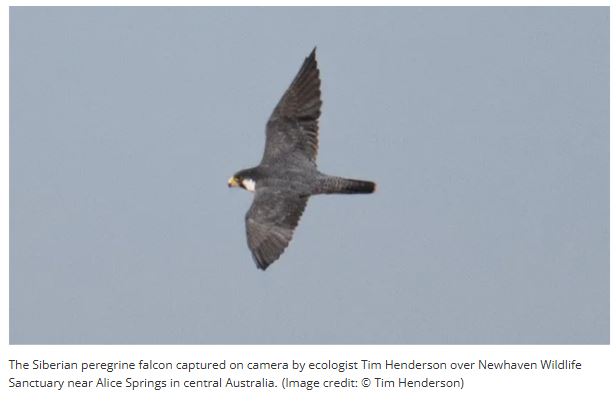
- 08 Feb 2026
In News:
A wildlife researcher has recorded the first-ever sighting of the Siberian peregrine falcon in central Australia, a region where this subspecies had never been documented earlier. The observation expands the known range and movement patterns of this migratory raptor.
About the Peregrine Falcon
- A large cosmopolitan bird of prey belonging to the Falconidae family.
- Global distribution: Present on all continents except Antarctica, including several oceanic islands.
- Known for exceptional adaptability, occurring from Arctic tundra to temperate coastal regions.
Habitat & Nesting
- Preferred habitats: Open landscapes such as grasslands, tundra and meadows.
- Most abundant in tundra and coastal regions; relatively rare in tropical and sub-tropical zones.
- Nesting sites: Typically nests on cliff faces, rock ledges and crevices; in urban areas, may use tall buildings.
Key Characteristics
- Fastest bird in the world and the fastest animal during its hunting dive (stoop), reaching speeds over 300 km/h.
- Diurnal (active during the day).
- Behaviour: Solitary outside the breeding season; strongly territorial.
- Highly efficient aerial hunter, preying mainly on medium-sized birds.
Ecological Significance
- A top-level predator in avian food chains.
- Helps regulate populations of prey species such as pigeons and doves, contributing to ecological balance.
- Considered an important indicator species for ecosystem health due to its sensitivity to environmental changes.
Conservation Status
- IUCN Red List: Least Concern
- Earlier population declines due to pesticide use (notably DDT) were reversed through conservation measures, making it a global conservation success story.
Agni-3 Intermediate-Range Ballistic Missile (IRBM)

- 08 Feb 2026
In News:
India has successfully test-fired the Intermediate-Range Ballistic Missile (IRBM) Agni-3 from the Integrated Test Range (ITR), Chandipur, Odisha, validating all operational and technical parameters. The launch was conducted under the aegis of the Strategic Forces Command, confirming the missile’s operational readiness.
What is Agni-3?
- Agni-3 is an indigenously developed Intermediate-Range Ballistic Missile (IRBM).
- It is a surface-to-surface missile and a key component of India’s land-based nuclear deterrent.
- Developed by Defence Research and Development Organisation (DRDO).
- It has already been inducted into the armed forces and is operationally deployed under the Strategic Forces Command.
Key Technical Features
- Type: Intermediate-Range Ballistic Missile (IRBM)
- Range: 3,000–3,500 km
- Propulsion: Two-stage, solid-fuelled
- Payload Capacity: ~1.5 tonnes (1,500 kg)
- Warhead: Conventional or nuclear
- Estimated Nuclear Yield: 200–300 kilotons
- Length: 16.7 metres
- Diameter: 2 metres
- Launch Weight: ~48,300 kg
Guidance & Accuracy
- Uses strap-down inertial navigation system (INS) supported by GPS
- Accuracy: ~40 metres Circular Error Probable (CEP)
- Considered one of the most accurate strategic ballistic missiles in its range class
Structural & Design Highlights
- First Stage: Maraging steel motor case
- Second Stage: Carbon-fibre motor case
- Thrust Vector Control (TVC) in both stages for enhanced stability and precision
Launch & Mobility
- Launch Platforms: Road-mobile and rail-mobile launchers
- Enhances survivability, flexibility and second-strike capability
Strategic Objectives
- Ensures credible minimum deterrence
- Strengthens second-strike capability
- Provides strategic depth beyond short- and medium-range missiles
- Enhances deterrence across extended regional theatres
Agni Missile Series
Conceptualised under the Integrated Guided Missile Development Programme (IGMDP) in the 1980s
- Agni-I: 700–1,250 km
- Agni-II: 2,000–2,500 km
- Agni-III: 3,000–3,500 km
- Agni-IV: 3,000–4,000 km (advanced systems, field trials)
- Agni-V: ~5,000+ km (ICBM-class, canisterised, road-mobile)
- Agni-VI: Under development (expected 8,000–10,000 km; land & sea-based)
- Agni Prime: New-generation, lighter, canisterised missile (1,000–2,000 km)
Bharat GenAI
- 08 Feb 2026
In News:
The Government of India has announced that text-based Large Language Models (LLMs) under Bharat GenAI will be completed in all 22 Constitutionally recognised (Scheduled) Indian languages within this month, while speech and vision capabilities are already available in 15 Indian languages.
What is Bharat GenAI?
Bharat GenAI (BharatGen) is India’s first government-supported sovereign foundational Artificial Intelligence initiative, designed specifically for Indian languages, culture, and societal needs. It aims to build indigenous AI models rather than relying on foreign, linguistically homogeneous systems.
Key Objectives
- Develop sovereign AI capabilities for India
- Ensure linguistic inclusiveness and cultural authenticity
- Support domain-specific AI applications such as agriculture, Ayurveda, and legal systems
- Build a national AI research and innovation ecosystem
Core Components
Bharat GenAI has three principal AI components:
- Text – Large Language Models (LLMs)
- Speech – Text-to-Speech (TTS) and Automatic Speech Recognition (ASR)
- Vision – Vision and vision-language models
Languages Covered (Present)
Hindi, Assamese, Bengali, Gujarati, Kannada, Maithili, Malayalam, Marathi, Nepali, Odia, Punjabi, Sanskrit, Sindhi, Tamil and Telugu.
Institutional & Governance Framework
- Developed under the National Mission on Interdisciplinary Cyber-Physical Systems (NM-ICPS)
- Implemented through the TIH Foundation for IoT and IoE at IIT Bombay
- Executed via a network of 25 Technology Innovation Hubs (TIHs)
- 4 TIHs upgraded to Technology Translational Research Parks (TTRPs) at:
- IIT Indore
- IIT Kanpur
- IIT Dhanbad
- IISc Bengaluru
- Consortium partners include IIT Hyderabad, IIT Madras, IIT Kanpur, IIT Mandi and IIT Indore
Four Pillars of Bharat GenAI
- Technology Development
- Entrepreneurship & Start-ups
- Human Resource Development
- International Collaboration
Key Features
- Multilingual and multimodal AI models
- Training on Bhartiya (India-specific) datasets
- Open-source orientation
- Emphasis on ethical, inclusive and indigenous AI
Compute & Funding Support
- Dedicated AI Compute Pillar under IndiaAI Mission
- Access to shared GPU resources at subsidised rates
- Encouragement of private sector participation
- Backed by ?1 lakh crore Research, Development and Innovation (RDI) funding initiative
Significance for India
- Reduces dependence on foreign AI models
- Strengthens digital sovereignty
- Promotes inclusive AI access across regions
- Enables AI adoption in governance, judiciary, healthcare and agriculture
Sodium-ion Battery Technology

- 07 Feb 2026
In News:
Sodium-ion batteries are emerging as a strategic alternative to lithium-ion technology, offering India a safer, resource-secure and cost-effective pathway for energy storage and electric mobility.
Context
Batteries are a critical backbone of modern infrastructure-supporting electric vehicles (EVs), renewable energy integration, and grid stability. India’s current dependence on lithium-ion batteries exposes it to import dependence, supply-chain vulnerabilities, and geopolitical risks, as key minerals like lithium, cobalt, nickel and graphite are scarce domestically and globally concentrated. This has prompted India to re-evaluate its battery strategy, with sodium-ion batteries (SiBs) gaining attention.
What are Sodium-ion Batteries?
- Sodium-ion batteries (SiBs) are rechargeable batteries that use sodium ions (Na?) as charge carriers instead of lithium ions.
- They belong to the same “rocking-chair” battery family as lithium-ion cells.
Working Principle
- Charging: Sodium ions move from cathode to anode through the electrolyte.
- Discharging: Sodium ions migrate back to the cathode, releasing electrical energy.
- Current collectors: Aluminium is used on both electrodes (unlike lithium-ion, which uses copper on the anode).
Key Features and Advantages
1. Resource Abundance and Security
- Sodium is abundantly available from sea salt and soda ash.
- Reduces reliance on imported critical minerals.
- Enhances energy security and strategic autonomy.
2. Safety Profile
- Intrinsically safer than lithium-ion batteries.
- Lower thermal runaway risk and lower peak temperatures during failure.
- Can be stored and transported at 0% state of charge, unlike lithium-ion batteries (classified as dangerous goods).
3. Cost Potential
- Use of aluminium instead of copper lowers material cost.
- Simplified logistics reduce transportation and insurance costs.
- Cost projections indicate SiBs could become cheaper than lithium-ion batteries by the mid-2030s.
4. Manufacturing Compatibility
- Can be produced using existing lithium-ion manufacturing lines with minor modifications.
- Aligns well with PLI-incentivised battery infrastructure in India.
Energy Density Comparison
- Historically, SiBs had lower energy density due to heavier sodium ions.
- Recent advances using layered transition-metal oxide cathodes have brought SiBs close to Lithium Iron Phosphate (LFP) batteries.
- Suitable for applications where ultra-high energy density is not critical.
Significance for India
- Reduced Import Dependence: Insulates India from global supply shocks and price volatility.
- Mass-market suitability: Ideal for electric two-wheelers, three-wheelers, buses, and grid storage.
- Grid-scale storage: Well-suited for renewable energy integration.
- Geopolitical resilience: Less exposure to mineral supply chains dominated by a few countries.
India’s Policy and Institutional Initiatives
- PLI Scheme for Advanced Chemistry Cell (ACC):
- Target: 50 GWh domestic capacity.
- 40 GWh awarded, but only ~1 GWh commissioned so far, indicating slow progress.
- National Critical Minerals Mission: Focus on exploration, mining, processing, recycling and overseas sourcing.
- Overseas mineral acquisition via Khanij Bidesh India Limited.
- Battery Waste Management Rules, 2022: Extended Producer Responsibility (EPR) for recycling and refurbishment.
Challenges in Scaling Sodium-ion Batteries
- Lower energy density limits use in long-range and premium EVs.
- Weight penalty compared to lithium-ion batteries.
- Moisture sensitivity requires deeper vacuum drying and tighter process control.
- Underdeveloped supply chain for sodium-specific cathodes, anodes and electrolytes.
- Policy gaps: Incentives and safety standards remain lithium-centric.
- Low market confidence due to limited real-world deployments.
Measures Suggested to Scale SiBs in India
- Farm-to-Battery Strategy:
- Use agricultural waste to produce hard carbon anodes.
- Convert stubble-burning problem into a resource solution.
- Desert-centric Manufacturing Clusters: Locate plants in low-humidity regions (Rajasthan, Kutch) to reduce energy costs.
- Standardisation for Early Markets: Focus on buses and three-wheelers where size and weight constraints are lower.
- Hybrid Battery Packs: Combine sodium-ion (cost efficiency) with lithium-ion (performance).
- Chemical Upgradation Support: Upgrade industrial soda ash to battery-grade sodium carbonate domestically.
Frontier Nagaland Territorial Authority (FNTA)
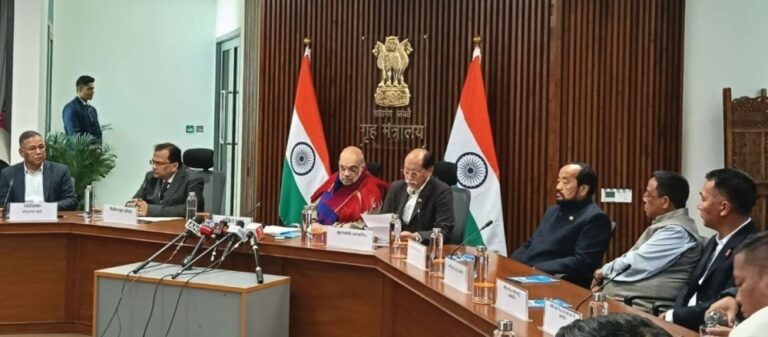
- 07 Feb 2026
In News:
A historic tripartite agreement was signed in New Delhi between the Government of India, the Government of Nagaland, and the Eastern Nagaland Peoples’ Organisation (ENPO) for the creation of the Frontier Nagaland Territorial Authority (FNTA).
Background
The agreement marks a major step towards addressing long-standing political, economic and developmental grievances of Eastern Nagaland. It aligns with the Government of India’s broader objective of achieving a peaceful, dispute-free and developed North-East through dialogue and negotiated settlements.
Since 2019, multiple peace and autonomy agreements have been concluded in the North-East, reflecting a shift from conflict-driven approaches to democratic and constitutional solutions.
Key Parties to the Agreement
- Government of India
- Government of Nagaland
- Eastern Nagaland Peoples’ Organisation (ENPO)
- Apex body representing eight recognised Naga tribes of Eastern Nagaland.
About Frontier Nagaland Territorial Authority (FNTA)
Nature of the Arrangement
- FNTA is an autonomous territorial governance structure.
- It remains within the State of Nagaland (not a separate state or UT).
- Designed to provide enhanced administrative and financial autonomy.
Districts Covered
FNTA will cover six eastern districts of Nagaland: Tuensang, Mon, Kiphire, Longleng, Noklak, and Shamator
Salient Features of the Agreement
1. Devolution of Powers
- 46 subjects transferred to FNTA.
- Enables localised decision-making and faster development execution.
2. Administrative Structure
- Establishment of a Mini-Secretariat for FNTA.
- Headed by an Additional Chief Secretary / Principal Secretary–level officer.
3. Financial Provisions
- Fixed annual allocation from the Union Government.
- Development outlay shared proportionate to population and area.
- Initial establishment expenditure to be borne by the Union Ministry of Home Affairs.
- Ensures financial autonomy and predictable funding.
4. Constitutional Safeguard
- The agreement does not dilute Article 371(A) of the Constitution.
- Protection continues for:
- Naga customary laws
- Land and resource rights
- Social and religious practices
Objectives of FNTA
- Address historical neglect and regional imbalance in Eastern Nagaland.
- Promote balanced regional development.
- Enable financial autonomy and participatory governance.
- Strengthen peace, stability and democratic engagement in the North-East.
Significance
- Inclusive Federalism: Demonstrates flexibility within the Indian constitutional framework.
- Peace-building: Reduces scope for political alienation and separatist demands.
- Developmental Push: Facilitates infrastructure development, economic empowerment and efficient resource use.
- Democratic Resolution: Reinforces dialogue and negotiation over violence and insurgency.
- Strategic Importance: Eastern Nagaland’s location enhances the significance of stable governance.
India AI Stack
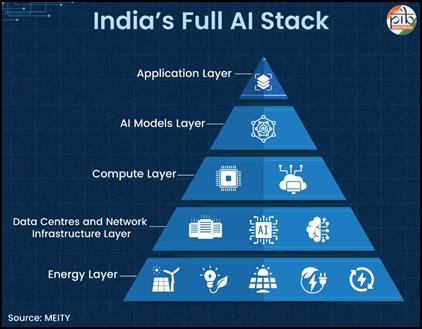
- 07 Feb 2026
In News:
The India AI Stack is a five-layer integrated framework designed to democratise Artificial Intelligence and enable reliable, affordable and sovereign AI deployment at population scale.
Background and Vision
- India has introduced the India AI Stack to move AI beyond pilots and experimentation and embed it into everyday governance, service delivery and economic activity.
- Anchored in the principle of AI for Humanity, the approach aims to ensure that AI benefits citizens across healthcare, agriculture, education, justice, climate action and public administration, while strengthening technological self-reliance.
- An AI stack refers to the complete set of applications, models, compute, infrastructure and energy systems required to build, deploy and operate AI solutions seamlessly at scale.
Five Layers of the India AI Stack
1. Application Layer (User Interface)
- User-facing AI services delivering real-world value.
- Key use cases:
- Agriculture: AI advisories improving sowing decisions and yields; some state deployments report 30–50% productivity gains.
- Healthcare: Early detection of TB, cancer, neurological disorders.
- Education: AI integration under NEP 2020 via CBSE, DIKSHA, YUVAi.
- Justice Delivery: AI/ML in e-Courts Phase III for translation, scheduling and case management.
- Weather & Disaster Management: AI-enabled forecasting and tools like Mausam GPT used by India Meteorological Department.
This layer determines AI’s social and economic impact by ensuring large-scale adoption.
2. AI Model Layer (Intelligence Core)
- Provides learning, prediction and decision-making capability.
- Key initiatives:
- IndiaAI Mission: Development of 12 indigenous AI models; subsidised compute support (up to 25% cost support).
- BharatGen: India-centric foundation and multimodal models.
- IndiaAIKosh: National AI repository with 5,722 datasets and 251 models (Dec 2025).
- Bhashini: 350+ language AI models covering speech, translation, OCR and text-to-speech.
Focus is on sovereign, India-specific and multilingual AI aligned with public services.
3. Compute Layer (Processing Power)
- Enables training and deployment of AI models.
- Key facts:
- ?10,300+ crore allocation under IndiaAI Mission (5 years).
- IndiaAI Compute Portal: 38,000 GPUs and 1,050 TPUs at subsidised rates (under ?100/hour).
- National secure GPU cluster: 3,000 next-generation GPUs.
- India Semiconductor Mission: ?76,000 crore, 10 approved semiconductor projects.
- National Supercomputing Mission: 40+ petaflops capacity; systems like PARAM Siddhi-AI and AIRAWAT.
This shared-access approach reduces entry barriers and prevents compute concentration.
4. Data Centres & Network Infrastructure Layer
- Provides storage, hosting and connectivity.
- Key data:
- Nationwide optical fibre network.
- 5G coverage in 99.9% districts, ~85% population.
- Installed data centre capacity: ~960 MW (~3% of global capacity).
- Projected growth to 9.2 GW by 2030.
- Major hubs: Mumbai–Navi Mumbai (25%+), Bengaluru, Hyderabad, Chennai, Delhi-NCR.
- Large investments by global firms (Microsoft, Amazon, Google).
Ensures low-latency, secure and domestic hosting of AI systems.
5. Energy Layer (Power Backbone)
- Sustains energy-intensive AI infrastructure.
- Key facts:
- Peak demand met: 242.49 GW (FY 2025–26); shortage reduced to 0.03%.
- Total installed capacity: 509.7 GW (Nov 2025).
- Non-fossil capacity: 256.09 GW (>51%).
- Targets: 57 GW pumped storage by 2031–32; 43,220 MWh battery storage.
- SHANTI Act: Nuclear energy (including SMRs) for round-the-clock clean power.
Aligns AI growth with sustainability and grid stability.
Rare Sighting of Striped Hyena in Kali Tiger Reserve
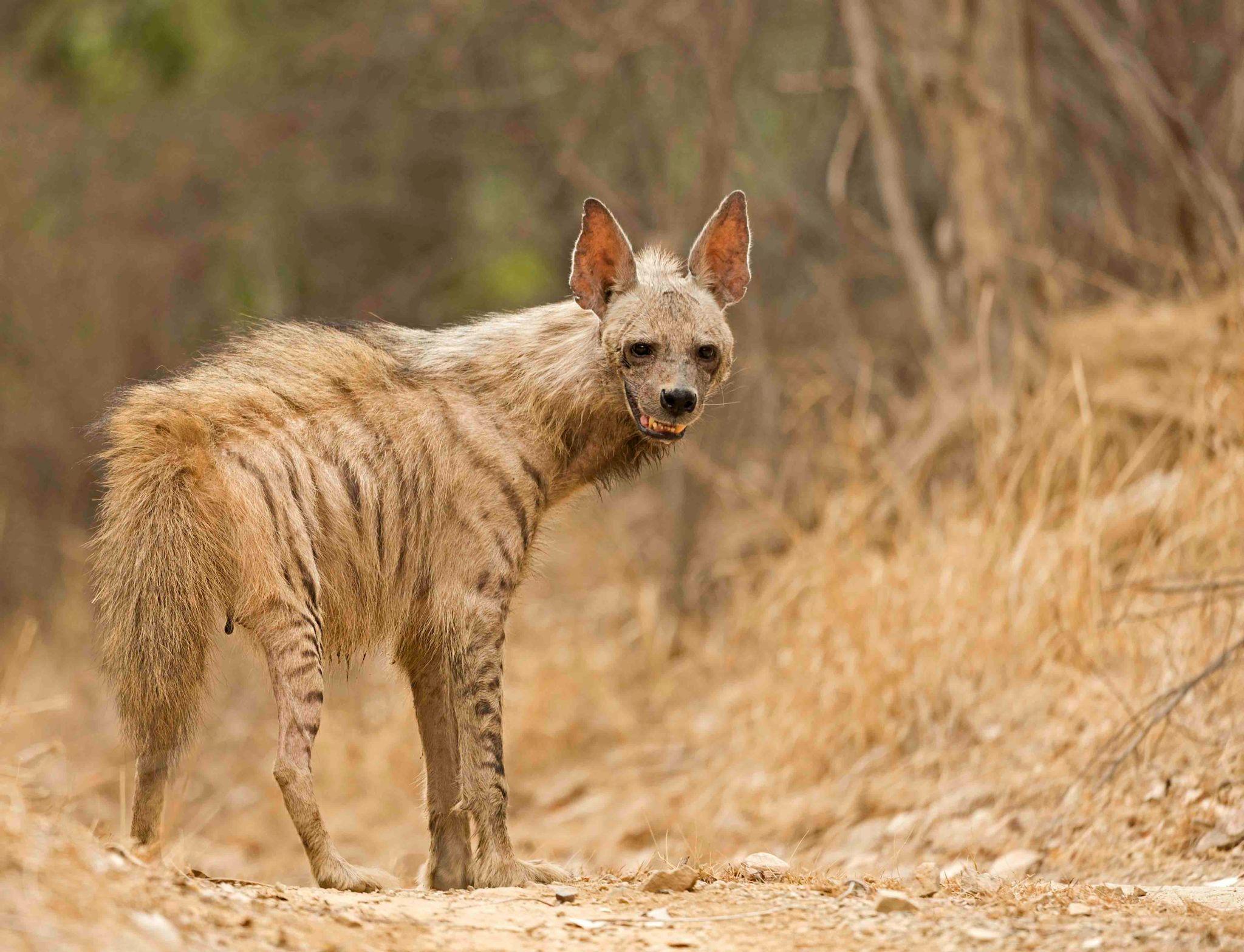
- 06 Feb 2026
In News:
A rare sighting of the striped hyena (Hyaena hyaena) has been reported from the Kali Tiger Reserve, located in the Uttara Kannada district of Karnataka. The sighting is ecologically significant as it highlights the presence of elusive carnivores beyond core forest habitats and reflects improving habitat connectivity within protected landscapes of the Western Ghats region.
About the Striped Hyena
The striped hyena is a medium-sized carnivorous mammal belonging to the Hyaenidae family, which comprises four extant species—striped hyena, spotted hyena, brown hyena, and aardwolf (the latter is insectivorous and not a true wolf).
Key characteristics:
- Appearance: Smaller than the spotted hyena, with a sloping back, erect mane, and distinctive dark vertical stripes along the body and legs.
- Distribution: Found across South Asia (India, Nepal, Afghanistan), North Africa, Sub-Saharan Africa, West Asia, and Central Asia.
- Habitat: Prefers open savannas, grasslands, scrub forests, and semi-arid landscapes, often living close to human settlements.
Behaviour and Ecology
- Feeding habit: Primarily a scavenger, feeding on carrion, animal remains, and occasionally human refuse, thereby playing a crucial role in ecosystem sanitation.
- Social structure: Generally solitary, though it exhibits limited social organisation.
- Territoriality: Uses scent marking to demarcate territories and deter rivals.
- Sexual hierarchy: Adult females dominate males and may display aggression toward other females.
Conservation Status
- IUCN Red List: Near Threatened
- Wildlife (Protection) Act, 1972: Schedule I, providing the highest level of legal protection in India
Despite its wide range, the species faces population decline due to habitat loss, persecution driven by myths, road mortality, and depletion of natural carrion.
VAIBHAV Fellowship Programme
- 06 Feb 2026
In News:
India has taken a strategic step to institutionalise engagement with its global scientific diaspora through the Vaishvik Bhartiya Vaigyanik (VAIBHAV) Fellowship Programme, aimed at strengthening the country’s research, innovation, and higher education ecosystem. The programme recently gained prominence when the Union Minister of State for Science and Technology interacted with VAIBHAV Fellows from across the world and outlined its role in India’s long-term development vision.
Overview of the VAIBHAV Fellowship Programme
The VAIBHAV Fellowship is designed to attract outstanding scientists and technologists of Indian origin including NRI, OCI, and PIO researchers who are actively engaged in advanced research abroad.
Key features include:
- Objective: To enhance India’s research ecosystem by facilitating structured academic and research collaboration between Indian institutions and leading global universities.
- Eligibility:
- PhD/MD/MS from a recognised university
- Affiliation with institutions ranked within the top 500 QS World University Rankings
- Duration: Up to 2 months per year, for a maximum of 3 years
- Financial Support: ?4 lakh per month for the entire fellowship period
- Scale and Scope:
- 75 fellows selected
- Engagement across 18 identified knowledge verticals, including quantum technologies, health, pharmaceuticals, electronics, agriculture, energy, computer sciences, and materials science
- Nodal Ministry: Department of Science and Technology, Ministry of Science and Technology
The fellowship seeks to lower collaboration barriers by simplifying travel, supporting structured student mobility, and enabling long-term institutional linkages.
VAIBHAV and the Shift from Brain Drain to Brain Exchange
Addressing NRI scientists at the Emerging Science, Technology and Innovation Conclave (ESTIC) 2025, Jitendra Singh emphasised that India’s engagement with its scientific diaspora must evolve from the traditional narrative of “brain drain” to “brain exchange” or “reverse brain drain”.
The vision underlying VAIBHAV is not merely physical relocation but continuous circulation of ideas, expertise, and innovation, enabled by digital technologies and collaborative research frameworks.
Institutional and Policy Significance
The programme reflects India’s broader strategy to:
- Internationalise its higher education and research ecosystem
- Integrate global best practices with indigenous problem-solving
- Strengthen science diplomacy and soft power
- Align diaspora expertise with national priorities such as Viksit Bharat @2047
VAIBHAV Fellows from countries including the United States, Canada, Sweden, and Australia have highlighted the need for:
- More structured student mobility frameworks
- Simplified travel and conference approval mechanisms
- Longer fellowship tenures to ensure sustainable research outcomes
Suggestions such as extending the fellowship duration from three to five years and creating pre-approved faculty lists for faster clearances were discussed.
Contribution to India’s Innovation Ecosystem
The discussions also underlined the importance of developing “systems for India”, focusing on indigenous technological solutions in emerging areas such as 5G/6G technologies, advanced manufacturing, and frontier sciences.
India’s improving innovation capacity was highlighted through indicators such as:
- A majority share of resident Indian patent filings in recent years
- Successful translation of research into outcomes, including indigenous vaccines, gene therapy, and space missions
The programme also complements efforts to promote public–private partnerships and cross-border research collaborations, enabling the translation of academic research into industrial and societal applications.
AI-Led Disruption of the Global Software Industry

- 06 Feb 2026
In News:
Global technology markets witnessed sharp volatility following the launch of a new AI-powered workplace automation suite by Anthropic, a San Francisco–based artificial intelligence firm known for developing the Claude large language model. The announcement triggered a reassessment of the long-term viability of traditional software and IT service business models, giving rise to fears of a so-called “SaaSpocalypse”—a potential existential crisis for Software-as-a-Service (SaaS) companies.
What is Anthropic’s AI Workplace Suite?
Anthropic’s new offering is a suite of autonomous AI agent–based tools designed to automate end-to-end white-collar workflows, moving beyond assistive AI towards action-taking AI.
Key characteristics include:
- Claude Cowork agents with 11 specialised plug-ins for tasks such as contract review, NDA analysis, compliance monitoring, sales tracking, and data analytics.
- Platform bypass capability, allowing AI agents to execute tasks directly without relying on conventional enterprise software interfaces such as CRM or IT service management tools.
- Autonomous execution, where AI agents can make decisions and complete workflows with minimal human intervention.
The stated objective is to reduce dependence on traditional SaaS platforms and human intermediaries, thereby fundamentally altering how enterprise work is organised and delivered.
Understanding the “SaaSpocalypse”
The term “SaaSpocalypse”, popularised by analysts including Jefferies, refers to a scenario in which AI agents disintermediate software firms entirely, rather than merely enhancing their products.
Unlike earlier AI tools that complemented existing software, autonomous AI agents threaten to replace entire layers of enterprise software and IT services, undermining subscription-based revenue models.
Impact on Global and Indian Markets
The announcement triggered a broad sell-off in technology stocks:
- In the United States, the S&P 500 fell about 0.8%, while the Nasdaq Composite declined over 1.4%.
- Major technology companies such as Microsoft, Meta Platforms, and Nvidia registered significant losses.
- Enterprise software firms like Salesforce and ServiceNow saw sharp valuation corrections.
The shockwaves were equally visible in India:
- The Nifty IT plunged around 3%.
- Major IT firms such as Infosys, Tata Consultancy Services, HCLTech, Tech Mahindra, and Wipro recorded steep declines, erasing billions in market capitalisation.
Why India’s IT Sector is Particularly Vulnerable
India’s IT industry has historically relied on services such as data processing, compliance monitoring, contract analysis, and customer support, exactly the functions targeted by Anthropic’s AI agents.
The Economic Survey 2025-26 had already warned that:
- Control over AI data and compute is highly concentrated, raising concerns over market power and technological dependence.
- Failure to adapt could “hollow out” India’s core value proposition in global IT services.
The Survey emphasised that sustaining competitiveness would require structural evolution, not incremental adoption of AI tools.
From Opportunity to Threat: A Shift in AI Narrative
Until recently, AI was widely viewed as a productivity enhancer and growth driver for technology firms. Heavy investments were made in AI upskilling and AI-enabled service offerings.
However, the emergence of autonomous AI agents capable of bypassing traditional software platforms has altered investor sentiment. The very technology that firms sought to monetise is now perceived as a direct threat to their core business models.
NDMA’s First-Ever Guidelines on Disaster Victim Identification (DVI)
- 06 Feb 2026
In News:
- India has taken a major institutional step in disaster governance with the release of its first national guidelines and Standard Operating Procedures (SOPs) for Disaster Victim Identification (DVI) by the National Disaster Management Authority (NDMA).
- Titled “National Disaster Management Guidelines on Comprehensive Disaster Victim Identification and Management”, the document was released on Republic Day, marking 25 years of the 2001 Gujarat earthquake, one of India’s worst mass fatality disasters.
Rationale and Context
The guidelines were necessitated by a series of mass fatality incidents in 2025, which exposed serious gaps in India’s ability to scientifically identify victims and ensure dignified management of human remains. These included:
- Air India aircraft crash, Ahmedabad
- Chemical factory explosion, Sangareddy (Telangana)
- Gambhira bridge collapse, Vadodara (Gujarat)
- Flash floods, Dharali (Uttarakhand)
- Delhi car bomb blast (near Red Fort)
In several of these incidents, victims remained unidentified or were identified after long delays, aggravating emotional trauma for families and creating legal and administrative complications. The absence of standard protocols, trained forensic manpower, and modern infrastructure highlighted the urgent need for a comprehensive national framework.
Objectives of the Guidelines
The DVI guidelines aim to:
- Ensure scientific, accurate and coordinated identification of disaster victims
- Enable dignified handling and handover of human remains
- Address forensic, logistical and institutional lacunae
- Standardise roles of multiple agencies across local, state and central levels
- Integrate humanitarian sensitivity with forensic science
Four-Stage Disaster Victim Identification Process
The guidelines prescribe a globally accepted four-stage identification protocol:
- Systematic Recovery – Careful retrieval of human remains from disaster sites
- Post-Mortem Data Collection – Collection of fingerprints, DNA, dental data and physical markers
- Ante-Mortem Data Collection – Gathering medical records, dental history and identifying features from families
- Reconciliation – Scientific matching of ante-mortem and post-mortem data before release of remains
This structured approach minimises errors, duplication, and misidentification.
Key Innovations and Forensic Advances
A landmark recommendation is the creation of a National Dental Data Registry, recognising that teeth and jaws often survive fires, explosions and decomposition, making dental records a reliable identification tool. The guidelines also formally incorporate:
- Forensic odontology (dental identification)
- Forensic archaeology, enabling identification of remains months or years after disasters, especially in landslides and buried sites
The framework draws from INTERPOL Disaster Victim Identification (DVI) standards, suitably adapted to Indian conditions.
Humanitarian Forensics Approach
The guidelines consciously move beyond a purely procedural mindset to adopt a “humanitarian forensics” approach:
- Discourages mass physical autopsies in large-scale disasters
- Emphasises cultural and religious sensitivity
- Mandates emotional support and counselling for families
- Focuses on the dignity of the dead, timely legal closure, and emotional closure for survivors
Institutional and Operational Framework
The document clearly outlines:
- Composition of DVI teams
- Coordination among police, medical, forensic, administrative and disaster-response agencies
- Command and leadership structures at multi-agency disaster sites
It realistically acknowledges challenges arising from overlapping jurisdictions and the presence of hundreds of responders during major disasters.
Challenges Highlighted
The guidelines identify multiple India-specific constraints:
- Rapid decomposition due to hot and humid climate
- Fragmentation, charring and commingling of remains
- Displacement of bodies during floods and landslides
- Severe shortage of mortuary spaces and cold-chain infrastructure
- Lack of trained forensic manpower
- Absence of reliable manifests or centralized data systems
Implementation Roadmap
NDMA has proposed:
- Establishing organisational DVI structures nationwide
- Training experts across forensic disciplines
- Creating specialised state-level DVI teams
- Fast-tracking implementation on a “war footing”
Way Forward and Value Addition
To strengthen the framework further:
- Linking Ayushman Bharat Health Account (ABHA) with optional dental or implant data can make the Dental Registry operational
- Use of digital forensics (smart devices, biometric locks, cloud health data) for rapid preliminary identification
- Deployment of portable Rapid DNA labs at disaster sites to reduce delays
- Adoption of blockchain-based chain-of-custody systems for tamper-proof forensic records
- Development of international DVI cooperation mechanisms for cross-border disasters
Conclusion
NDMA’s first-ever DVI guidelines mark a paradigm shift from ad hoc responses to an institutionalised, scientific and humane disaster response framework. By integrating advanced forensic science with ethical sensitivity and global best practices, the guidelines significantly strengthen India’s disaster governance architecture.
Their success, however, will depend on effective implementation, sustained capacity-building, and technological integration, ensuring dignity for victims and closure for families during future mass fatality events.
Miniratna Category-I Status to Yantra India Limited
- 06 Feb 2026
In News:
The Union Defence Minister Rajnath Singh has approved the grant of Miniratna Category-I status to Yantra India Limited (YIL), recognising its rapid transformation into a profit-making Defence Public Sector Undertaking (DPSU) within a short span of about four years.
Background
Yantra India Limited was established on 1 October 2021 following the corporatisation of the erstwhile Ordnance Factory Board (OFB) into seven new DPSUs. The reform aimed to enhance functional autonomy, efficiency, competitiveness, and innovation in India’s defence manufacturing ecosystem.
YIL is a Schedule ‘A’ DPSU functioning under the administrative control of the Department of Defence Production.
Performance Highlights
Since its inception, YIL has demonstrated strong operational and financial performance:
- Sales growth: From ?956.32 crore in FY 2021-22 (H2) to ?3,108.79 crore in FY 2024-25.
- Export growth: From nil in FY 2021-22 (H2) to ?321.77 crore in FY 2024-25, reflecting growing global competitiveness.
Key Products
Yantra India Limited operates in critical defence production segments, manufacturing:
- Carbon fibre composites
- Glass composites
- Aluminium alloys
- Assembly products for medium and large calibre ammunition
- Assembly products for armoured vehicles, artillery guns, and main battle tanks (MBTs)
Significance of Miniratna Category-I Status
The Miniratna-I status empowers YIL’s Board of Directors to:
- Incur capital expenditure up to ?500 crore
- Undertake new projects, modernisation, and equipment procurement
- Make faster commercial and investment decisions without prior government approval
This enhanced autonomy is expected to accelerate growth, modernisation, and export capacity.
Broader Policy Context
The decision aligns with India’s defence sector reforms and the vision of Aatmanirbhar Bharat, which seeks to:
- Reduce import dependence in defence equipment
- Promote indigenous defence production and R&D
- Encourage participation of Indian industry
- Position India as a global defence manufacturing and export hub
Notably, in May 2025, Miniratna-I status was also granted to Munitions India Limited, Armoured Vehicles Nigam Limited, and India Optel Limited, reflecting the government’s phased approach to empowering corporatised DPSUs.
Solid Waste Management (SWM) Rules, 2026
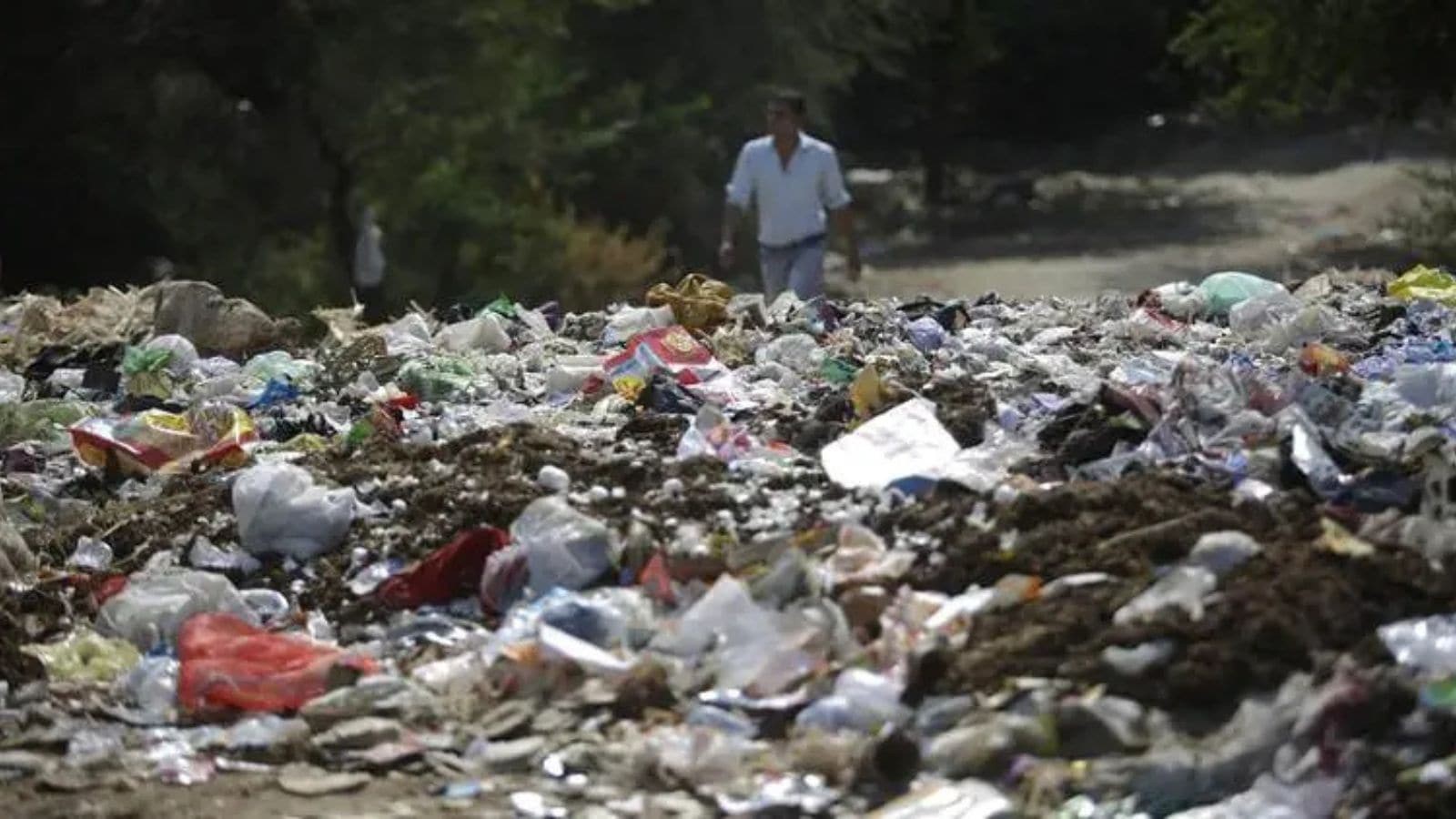
- 05 Feb 2026
In News:
The Ministry of Environment Forest and Climate Change has notified the Solid Waste Management Rules, 2026, replacing the 2016 rules under the Environment Protection Act. The new framework comes into force from 1 April 2026 and aims to strengthen segregation, accountability, and circular use of waste.
Key Objectives
The rules seek to reduce landfill dependence, promote scientific waste processing, operationalise the polluter pays principle, and align waste governance with circular economy goals under urban missions like Swachh Bharat Mission 2.0 and AMRUT 2.0.
Major Features
- Four-Stream Segregation at Source (Mandatory): Households, institutions, and establishments must segregate waste into:
- Wet waste: Kitchen and biodegradable waste; to be composted or bio-methanated
- Dry waste: Plastic, paper, metal, glass, etc.; to be sent to Material Recovery Facilities (MRFs)
- Sanitary waste: Diapers, sanitary pads, etc.; to be securely wrapped and separately stored
- Special care waste: Bulbs, medicines, paint containers, batteries; to be handed to authorised agencies
- Polluter Pays Principle: Environmental compensation will be imposed for violations such as non-registration, false reporting, and improper disposal. Guidelines will be framed by the Central Pollution Control Board, while enforcement will be done by State Pollution Control Boards and Pollution Control Committees.
- Bulk Waste Generators (BWGs) – Clear Definition: Entities are classified as BWGs if they meet any one of these thresholds:
- Floor area ≥ 20,000 sq m
- Water consumption ≥ 40,000 litres/day
- Waste generation ≥ 100 kg/day
This includes government offices, residential societies, institutions, universities, and commercial complexes—together accounting for nearly 30% of total waste.
- Extended Bulk Waste Generator Responsibility (EBWGR): BWGs must process wet waste on-site wherever feasible or obtain an EBWGR certificate. This reduces pressure on urban local bodies and enforces accountability at the source.
- Centralised Digital Monitoring: A national online portal will track registration, authorisation, waste processing, audits, and legacy waste remediation, replacing manual systems and improving transparency.
- Faster Land Allocation for Processing Facilities: Graded siting criteria and buffer norms for facilities handling over 5 tonnes/day will speed up infrastructure creation, guided by CPCB norms.
- Refuse Derived Fuel (RDF) Mandate: Industries such as cement kilns and waste-to-energy plants must increase RDF use from 5% to 15% over six years. RDF is high-calorific fuel made from non-recyclable dry waste, promoting resource recovery.
- Restrictions on Landfilling: Only inert, non-recyclable, and non-energy-recoverable waste can be landfilled. Higher landfill fees for unsegregated waste are intended to incentivise segregation.
- Legacy Waste Remediation: Mandatory biomining and bioremediation of old dumpsites with time-bound targets and quarterly reporting via the portal. District Collectors will oversee audits.
- Duties of Local Bodies and MRFs: Urban local bodies must ensure collection, segregation, and transportation. MRFs are formally recognised as key facilities for sorting and can also receive sanitary and other waste streams.
- Special Provisions for Hilly Areas and Islands: Local bodies can levy tourist user fees, regulate visitor numbers, and promote decentralised processing of biodegradable waste by hotels and institutions.
- Institutional Mechanism: State-level committees chaired by Chief Secretaries (or UT Administrators) will supervise implementation and advise CPCB.
Significance
India generates roughly 1.85 lakh tonnes of municipal solid waste per day (CPCB data). The 2026 rules emphasise prevention, segregation, recycling, and energy recovery before disposal, embedding circular economy principles in urban governance. Scientific waste handling reduces pollution, greenhouse gas emissions from landfills, and public health risks such as vector-borne diseases.
Challenges
Implementation gaps at municipal levels, inadequate processing infrastructure, weak segregation at household level, financial stress on smaller towns, and the need to formally integrate waste pickers remain major hurdles.
Way Forward
Success depends on strengthening urban local body capacity, behavioural change campaigns for segregation, private sector participation in recycling, technological tools for monitoring, and integration with climate, plastic, and renewable energy policies. If effectively executed, the SWM Rules, 2026 can transform India’s waste burden into an opportunity for sustainable and resource-efficient urban development.
Supreme Court Ruling on Menstrual Hygiene in Schools
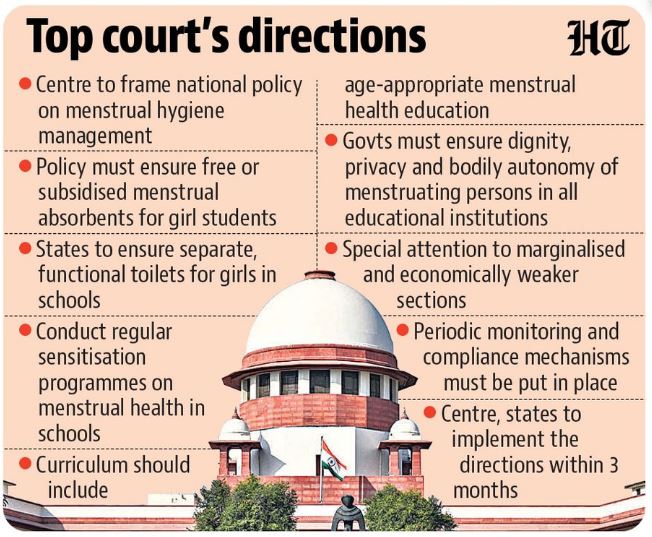
- 05 Feb 2026
In News:
In a landmark decision, the Supreme Court of India recognised menstrual hygiene management (MHM) as part of the fundamental rights of girl students. The Court reframed menstrual health from a welfare issue into a constitutional entitlement linked to equality, dignity, and the right to education, and issued binding directions to ensure implementation across schools.
Constitutional and Legal Foundations
- Substantive Equality under Article 14: The Court clarified that equality does not mean identical treatment. Girls experience a biological process that, without institutional support, becomes a structural barrier to education. Lack of access to sanitary products and safe sanitation facilities places them at a disadvantage compared to boys, amounting to indirect gender discrimination.
- Right to Life and Dignity under Article 21: Menstrual health was interpreted as part of the right to live with dignity. The Court linked denial of menstrual hygiene facilities to stigma, humiliation, and violation of bodily autonomy and privacy. Forcing girls to miss school due to lack of support was held to undermine their dignity and well-being.
- Right to Education and Statutory Interpretation: Reading the Right of Children to Free and Compulsory Education Act in a purposive manner, the Court held that “free education” means removal of all barriers, financial or infrastructural that prevent attendance. When the cost of sanitary products or absence of facilities leads to absenteeism or dropout, the State fails in its statutory duty.
Key Directions to Governments and Schools
The Court issued time-bound directions under a continuing mandamus to ensure compliance.
All schools, whether government-run or private, must provide free sanitary napkins to girl students. Preference has been given to environmentally sustainable, oxo-biodegradable products. Distribution should take place through vending machines installed in toilets or through designated school authorities.
Schools must establish safe and hygienic disposal mechanisms. Covered waste bins must be available and cleaned regularly, along with environmentally compliant systems for disposal.
Every school must have functional, gender-segregated toilets with assured water supply. Toilets must guarantee privacy, be accessible to children with disabilities, and include handwashing facilities with soap and water at all times.
Institutions are required to create Menstrual Hygiene Management corners equipped with emergency supplies such as spare uniforms, innerwear, and disposal bags. This ensures that girls are not forced to leave school due to menstrual emergencies.
Behavioural and Educational Reforms
The Court emphasised that infrastructure alone cannot ensure inclusion unless stigma is addressed. Boys must be sensitised about menstruation to prevent harassment and discrimination. Teachers, irrespective of gender, must receive training to support menstruating students with empathy and awareness.
The National Council of Educational Research and Training (NCERT) and State Councils of Educational Research and Training have been directed to integrate gender-responsive education on puberty and menstruation into school curricula.
Monitoring and Accountability
District Education Officers are required to conduct periodic inspections to verify compliance. The Court also mandated collection of anonymous student feedback to assess the real availability and usability of facilities. By keeping the matter pending through a continuing mandamus, the Court retained supervisory jurisdiction to ensure effective implementation.
Broader Significance
The judgment advances gender justice by recognising menstruation-linked exclusion as a form of structural discrimination. It strengthens educational equity by addressing a key cause of absenteeism among adolescent girls. It also links public health, sanitation, and environmental sustainability with constitutional governance. Most importantly, it transforms menstrual hygiene from a matter of charity into a matter of rights and State accountability.
Conclusion
The ruling represents a shift from formal equality to substantive inclusion. By embedding menstrual hygiene within constitutional guarantees and statutory duties, the Court has affirmed that biological differences must not translate into educational disadvantage. The decision reinforces the vision of a gender-sensitive education system grounded in dignity, access, and equal opportunity.
Exercise Khanjar-XIII

- 05 Feb 2026
In News:
The 13th edition of Exercise KHANJAR, a joint special forces drill between India and Kyrgyzstan, is being conducted at Misamari, Sonitpur district, Assam.
About Exercise KHANJAR
- Type: Annual India–Kyrgyzstan Joint Special Forces Exercise
- Edition: 13th (KHANJAR-XIII)
- Duration: 14 days
- Venue (2026): Misamari, Assam
- First Held: 2011, at Nahan, India
- Frequency: Annual; venues alternate between India and Kyrgyzstan
Participating Forces
- Indian contingent: Special Forces troops of the Indian Army (including elements of the Parachute Regiment)
- Kyrgyz contingent: Elite Scorpion Brigade
Aim of the Exercise
- To enhance interoperability, coordination, and joint operational capability between the Special Forces of both nations, particularly in counter-terrorism and urban warfare environments under a simulated United Nations mandate.
Key Training Modules
- Close Quarter Battle (CQB) techniques
- Room intervention & building clearance
- Hostage rescue simulations
- Sniping and precision engagement
- Counter-terrorism operations
- Joint tactical manoeuvres
- Mountain craft and high-risk terrain operations
Strategic Importance
- Counter-Terror Cooperation: Strengthens joint preparedness for anti-terror operations in complex environments
- Urban Warfare Expertise: Focus reflects modern conflict scenarios involving built-up areas
- Defence Diplomacy: Reinforces India’s military engagement with Central Asian partners
- Regional Security: Enhances collaboration in tackling transnational threats
Previous Edition
- The 12th edition was held in Kyrgyzstan (March 2025) and included high-altitude and specialised counter-terror drills along with cultural exchanges to build mutual trust.
Solid Fuel Ducted Ramjet (SFDR) Technology
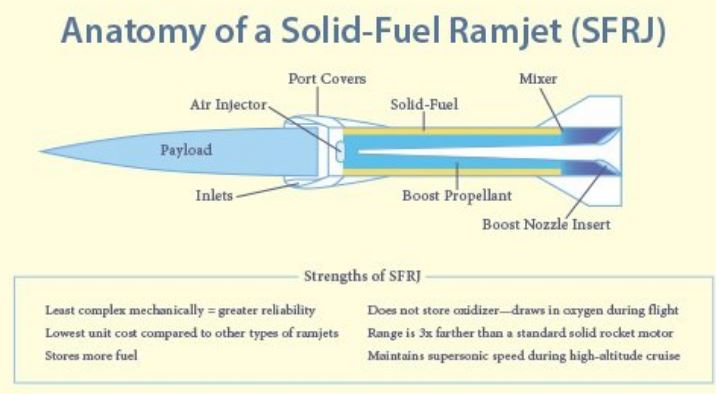
- 05 Feb 2026
In News:
The Defence Research and Development Organisation successfully demonstrated Solid Fuel Ducted Ramjet (SFDR) technology from the Integrated Test Range.
What is SFDR Technology?
- SFDR is an advanced air-breathing missile propulsion system that uses a solid fuel gas generator combined with ramjet propulsion.
- It is being developed by Defence Research and Development Laboratory along with other DRDO labs.
How It Works
- The missile is first accelerated to supersonic speed (Mach 2+) using a nozzle-less solid booster.
- Once at high speed, the ramjet engine takes over.
- The system draws oxygen from the atmosphere instead of carrying an oxidiser.
- A solid fuel ducted ramjet motor then produces sustained and controllable thrust throughout the missile’s flight.
Key Subsystems Tested
- Nozzle-less Booster
- Solid Fuel Ducted Ramjet Motor
- Fuel Flow Controller
All systems performed as expected during the flight test.
What is a Ramjet?
A ramjet is a jet engine that:
- Has no moving compressor parts
- Uses the missile’s forward speed to compress incoming air
- Works efficiently only at high supersonic speeds
Advantages of SFDR Over Conventional Rockets
|
Feature |
Conventional Rocket |
SFDR System |
|
Oxidiser |
Carried onboard |
Not required (air-breathing) |
|
Weight |
Heavier |
Lighter |
|
Thrust Duration |
Short boost phase |
Sustained throughout flight |
|
Maneuverability |
Reduces after boost |
Maintains high agility till end |
|
Range |
Limited by fuel burn |
Significantly extended |
Strategic Significance
- Long-Range Air-to-Air Missiles (LRAAM): SFDR will power advanced missiles such as future variants of Astra Mark-3, potentially enabling engagement ranges beyond 150–300 km.
- Expanded “No-Escape Zone”: Sustained propulsion allows high-G manoeuvres near the target, making evasion extremely difficult.
- Elite Technology Club: Places India among a select group of nations possessing advanced ramjet missile propulsion capability.
- Future Surface-to-Air Systems: Technology may be adapted for next-generation SAM systems to counter high-speed cruise or hypersonic threats.
PM VIKAS Scheme (Pradhan Mantri Virasat Ka Samvardhan)
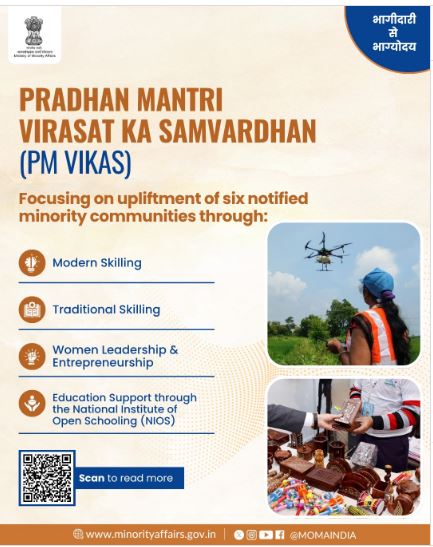
- 05 Feb 2026
In News:
The Union Minister for Minority Affairs, Kiren Rijiju, informed the Rajya Sabha about the implementation status of the PM VIKAS scheme.
About the Scheme
- Full Name: Pradhan Mantri Virasat Ka Samvardhan (PM VIKAS)
- Type: Central Sector Scheme
- Launch: Guidelines approved in January 2025; implementation underway
- Nodal Ministry: Ministry of Minority Affairs
- Target Groups: Socio-economic empowerment of six notified minority communities, with special focus on artisans, women, and youth
Core Objectives
- Skill Development
- Training in both traditional and non-traditional trades
- Employment-linked, need-based courses
- Cultural Preservation
- Promotion of traditional arts, crafts, and literature
- Safeguarding Intangible Cultural Heritage (ICH)
- Educational Inclusion
- Support for school dropouts from minority communities
- Certification at 8th, 10th, and 12th levels through open schooling via the National Institute of Open Schooling
- Women Leadership & Entrepreneurship
- Confidence building, leadership training
- Financial and enterprise support
- Infrastructure Support: Convergence with Pradhan Mantri Jan Vikas Karyakram for minority area development
Key Features
- Financial Support: Provided through the National Minorities Development & Finance Corporation (NMDFC)
- Market Linkages: Facilitated by the Export Promotion Council for Handicrafts
- Artisan Cluster Model: “Hub and Spoke” model to develop Vishwakarma Villages for craft-based livelihoods
- Pan-India Implementation: Funds are not directly allocated to States; projects are executed through approved agencies and PIAs
Adaptive Testing in JEE-Advanced
- 04 Feb 2026
In News:
- The IIT Council has recommended exploring adaptive testing for JEE Advanced, signalling a major shift in India’s high-stakes entrance examination framework. An expert committee is expected to guide a phased transition between 2026 and 2028, with free adaptive mock tests proposed to familiarise students and help calibrate question banks.
- This reform aims to make assessment fairer, more precise, and less stressful, while aligning Indian testing practices with global standards.
What is Adaptive Testing?
Adaptive testing is a computer-based dynamic assessment system that adjusts question difficulty in real time based on a candidate’s responses. It relies on Item Response Theory (IRT), a psychometric framework used to estimate a candidate’s true ability level after each answer.
Unlike traditional exams where all students attempt the same fixed paper, adaptive testing personalises the test pathway while maintaining comparability through a standardised ability scale.
How It Works
1. Dynamic Question Selection
- Test begins with a moderate-difficulty question
- Correct answer → harder question
- Incorrect answer → easier question
This converges toward the candidate’s actual proficiency level.
2. Item Response Theory (IRT)
- Statistical models continuously estimate ability
- Each question has parameters such as difficulty, discrimination, and guessing probability
- Ability estimate becomes more precise with each response
3. Common Ability Scale
Even though candidates see different questions, scores are mapped onto a single standardised scale, ensuring fairness and comparability.
4. Fewer but More Informative Questions
Because each question is targeted, fewer questions are needed to measure ability accurately — reducing fatigue and time pressure.
5. Concept-Focused Progression
Students cannot reach advanced-level questions without demonstrating foundational understanding, reducing the impact of rote coaching strategies.
6. Fully Computerised Delivery
Requires:
- Secure digital infrastructure
- Large calibrated item banks
- Real-time computation engines
NeophyteID App

- 04 Feb 2026
In News:
Kerala has taken a significant step in tech-enabled environmental governance with the launch of the NeophyteID mobile application by Chief Minister Pinarayi Vijayan. The app represents a convergence of artificial intelligence, citizen science, and biodiversity conservation, aimed at tackling the growing threat of invasive plant species in the state.
About the NeophyteID Application
- NeophyteID is an AI-powered mobile application developed by researchers at the Malabar Botanical Garden and Institute for Plant Sciences (MBGIPS). It is designed as a citizen-friendly digital tool to identify, report, and map invasive (neophyte) plant species across Kerala.
- The app enables local communities, students, researchers, and ecologists to collaboratively monitor plant invasions that threaten native biodiversity and ecosystem stability.
Key Features
1. AI-Based Species Identification
- Powered by the YOLOv11 machine learning model
- Uses image recognition to identify invasive plants from:
- Live camera input
- Uploaded photos from the gallery
2. Geospatial Mapping
- Each confirmed identification is tagged with location data
- Helps build a real-time distribution map of invasive plant species
- Supports scientific research and evidence-based conservation planning
3. Citizen Science Approach
- Encourages public participation in biodiversity monitoring
- Bridges the gap between scientists and local communities
4. Language Accessibility
- Available in English and Malayalam
- Enhances usability among local populations
Why Invasive Species Matter
Invasive plant species are non-native plants that spread aggressively and disrupt ecosystems.
Ecological Impacts
- Outcompete native flora for nutrients, sunlight, and space
- Reduce biodiversity
- Alter soil chemistry and hydrology
- Disrupt food chains and wildlife habitats
Economic & Social Impacts
- Damage agriculture and forestry
- Increase management costs
- Affect water bodies, fisheries, and tourism
Union Budget 2026–27 and the Rise of India’s Orange Economy
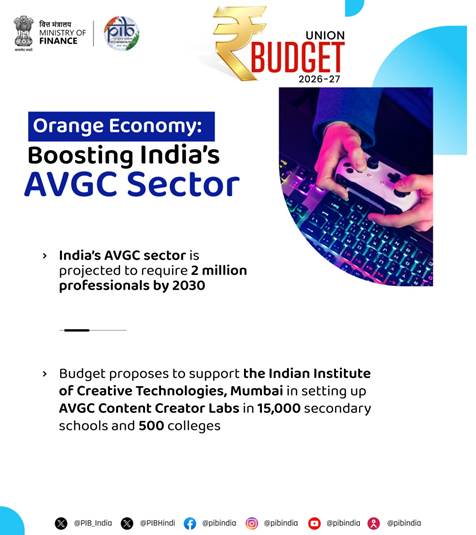
- 04 Feb 2026
In News:
The Union Budget 2026–27 marks a decisive shift in India’s development strategy by placing creative industries at the heart of a services-led growth model. By investing in digital content creation, design education, and skill development, the government has signalled strong support for the Orange Economy, a sector where ideas, culture and intellectual property generate economic value.
Understanding the Orange Economy
The Orange Economy, also known as the Creative Economy, refers to knowledge-based activities where value arises from creativity, cultural heritage, and intellectual property rather than physical production.
- The term was popularised by Iván Duque Márquez and Felipe Buitrago in their 2013 book The Orange Economy: An Infinite Opportunity.
- The colour orange symbolises culture, identity and creativity across civilizations.
- Globally, the creative economy generates over $2 trillion annually and supports nearly 50 million jobs.
For India, this sector represents the intersection of culture, technology, and entrepreneurship.
Key Budget Proposals for the Creative Sector
1. AVGC Content Creator Labs
The Budget proposes setting up Animation, Visual Effects, Gaming and Comics (AVGC) Content Creator Labs in:
- 15,000 secondary schools
- 500 colleges
These labs will be anchored by the Indian Institute of Creative Technologies (IICT), Mumbai, envisioned as a premier institution for creative technology training.
Financial Allocation: ?250 crore earmarked for AVGC talent development.
Objective: Early exposure to digital storytelling tools, immersive technologies and creative entrepreneurship.
2. Expansion of Design Education
A new campus of the National Institute of Design (NID) will be established in Eastern India through a competitive “challenge route”.
Significance:
- Addresses shortage of trained designers
- Supports product innovation and branding for MSMEs
- Reduces regional disparities in access to design education
Why the Orange Economy Matters for India
1. Economic Growth Driver
- India’s media and entertainment sector was valued at ?2.5 trillion in 2024 (Economic Survey 2025–26).
- Creative exports grew by 20% in 2023–24, earning over $11 billion.
This highlights the sector’s potential to become a major contributor to services exports and GDP growth.
2. Employment Generation
- Employs around 8% of India’s workforce
- Offers large-scale opportunities for youth, freelancers, women and gig workers
- AVGC sector alone projected to need 2 million professionals by 2030
The sector’s low entry barriers and digital reach make it a powerful employment engine.
3. Strengthening Soft Power
Creative industries export stories, culture and intellectual property, enhancing India’s global influence.
- Indian films, gaming content, music, and digital art expand India’s cultural footprint
- Promotes Brand India globally
Thus, the Orange Economy is not just economic policy, but also cultural diplomacy.
4. Democratization of Creative Opportunity
By establishing AVGC labs in schools and colleges beyond metros, the budget aims to:
- Provide access to high-end creative tools in semi-urban and rural areas
- Unlock hidden talent across regions
- Reduce digital and opportunity divides
This aligns with the vision of inclusive and distributed growth.
India’s Structural Advantages
India is well-positioned to lead in the creative economy due to:
- A young demographic profile
- Rapid urbanisation and rising incomes
- Expanding internet and smartphone penetration
- Strong tradition of storytelling, arts and crafts
When combined with digital platforms, these factors create a fertile ecosystem for creative entrepreneurship.
Bharat Parv 2026
- 04 Feb 2026
In News:
- As the Republic Day celebrations extend beyond the ceremonial parade, Bharat Parv 2026 emerged as a vibrant platform reflecting India’s civilisational continuity and cultural plurality.
- Organised by the Ministry of Tourism from 26–31 January 2026 at the lawns in front of the Red Fort, the festival functioned as a cultural bridge between citizens, regions and traditions. Since its inception in 2016, Bharat Parv has grown into a flagship cultural showcase aligned with national integration, tourism promotion and participatory heritage awareness.
Historical Resonance: 150 Years of Vande Mataram
The 2026 edition held special symbolic importance as it marked 150 years of “Vande Mataram”.
- Composed by Bankim Chandra Chatterjee
- First published in Bangadarshan (1875)
- Later included in the novel Anandamath (1882)
- Set to music by Rabindranath Tagore
The commemoration linked India’s freedom struggle ethos with the constitutional values of unity, participation and collective identity.
Bharat Parv as an Instrument of National Integration
The festival reinforced key national initiatives:
- Ek Bharat Shreshtha Bharat – Promoting inter-state cultural exchange
- Dekho Apna Desh – Encouraging domestic tourism and heritage awareness
By bringing diverse traditions into a shared public space, Bharat Parv translated the constitutional vision of unity in diversity into lived experience.
Major Attractions and Cultural Dimensions
1. Republic Day Tableaux Exhibition
A display of 41 Republic Day tableaux from States, Union Territories and Central Ministries allowed visitors to closely observe artistic narratives portraying:
- Cultural heritage
- Women empowerment and social inclusion
- Technological innovation
- Environmental awareness
This transformed parade symbolism into an educational and immersive cultural exhibit.
2. Cultural Performances
The festival hosted:
- 48 folk and classical performances by state troupes and cultural institutions
- 22 performances by Armed Forces and paramilitary bands
These performances combined regional diversity with national pride, illustrating culture as both identity and soft power.
3. Culinary Heritage and Sustainable Food Traditions
A pan-India food court with 60+ stalls functioned as a culinary atlas of India:
- Millet-based traditional foods
- Tribal and indigenous cuisines
- Region-specific preparations using local ingredients
The focus on traditional cooking methods and local produce highlighted the link between food, ecology and cultural identity, aligning with sustainable lifestyle narratives.
4. Handicrafts, Handlooms and Tribal Entrepreneurship
The handicrafts segment included 100+ stalls supported by States, development bodies and the TRIFED. Artisans showcased:
- Handwoven textiles
- Metal and wood crafts
- Traditional jewellery and paintings
The platform gave visibility to tribal entrepreneurs and heritage-based livelihoods, integrating cultural preservation with economic empowerment.
5. Tourism and Governance Outreach
- 34 State/UT tourism pavilions promoted destinations and circuits
- 24 Central Ministry stalls highlighted public initiatives
Interactive exhibits demonstrated how cultural outreach can strengthen citizen engagement with governance.
6. Culture Meets Science and Public Health
The festival also expanded beyond traditional arts:
- The National Science Centre, Delhi hosted interactive scientific demonstrations
- The Rural Health Training Centre (Najafgarh) conducted CPR awareness, preventive healthcare outreach and public health education
This integration of science, health and culture reflected a holistic understanding of nation-building.
Bharat-VISTAAR: AI for Agricultural Transformation
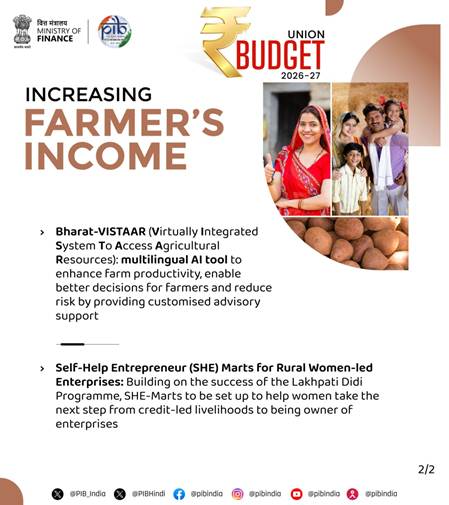
- 04 Feb 2026
In News:
The Union budget 2026-27 has proposed ‘Bharat-VISTAAR’ (Virtually Integrated System to Access Agricultural Resources).
Key Features
- A key innovation is Bharat-VISTAAR is a multilingual AI-based advisory platform aimed at strengthening farm-level decision-making.
- Integrates AgriStack databases with scientific advisories from the Indian Council of Agricultural Research (ICAR)
- Provides customised, real-time advisory on:
- Crop planning and packages of practices
- Pest and disease management
- Weather forecasts
- Market trends and price signals
- Government schemes, eligibility and grievance redressal
- Initially launched in Hindi and English, with gradual expansion to regional languages
- Budget Allocation: ?150 crore for 2026–27
Significance
|
Challenge in Agriculture |
How Bharat-VISTAAR Responds |
|
Information asymmetry |
Local-language AI advisories |
|
Climate uncertainty |
Weather-linked crop guidance |
|
Market volatility |
Real-time market intelligence |
|
Scheme awareness gaps |
Integrated scheme information |
The initiative marks a shift from generic extension services to data-driven, farmer-specific digital advisories, potentially improving productivity, incomes and risk resilience.
Thaipusam

- 03 Feb 2026
Thaipusam is an important Hindu festival celebrated primarily by the Tamil community to honour Lord Murugan, the deity associated with courage, wisdom, and victory over evil. The festival recently gained attention as the Prime Minister of India extended greetings to devotees, highlighting its cultural and spiritual significance.
Meaning and Timing of Thaipusam
The name Thaipusam is derived from:
- “Thai” – the tenth month of the Tamil calendar (January–February)
- “Poosam” (Pushya star) – the star that is at its highest point during the full moon day when the festival is observed
Thus, Thaipusam falls on the full moon day in the Tamil month of Thai, when the Pushya constellation is ascendant.
Religious Significance
Thaipusam commemorates the occasion when Goddess Parvati is believed to have given Lord Murugan the divine spear (Vel) to defeat the demon Surapadman. The festival symbolises:
- Triumph of good over evil
- Spiritual purification
- Devotion through penance and sacrifice
Murugan, also known as Kartikeya or Subramanya, is revered as the god of war, victory, and wisdom in Hindu tradition.
Key Rituals and Practices
- Kavadi Attam (Burden Carrying): Devotees carry decorated structures called kavadi as an act of devotion and gratitude. The act represents surrendering burdens to the deity.
- Fasting and Penance: Many devotees observe strict fasting, meditation, and celibacy before participating in the festival.
- Body Piercing Rituals: Some devotees pierce their skin, cheeks, or tongue with small spears or hooks as acts of faith and endurance, symbolising spiritual cleansing.
- Pilgrimages: Major processions and temple visits mark the day, especially at prominent Murugan temples.
Geographical Spread
While rooted in Tamil Nadu, Thaipusam has become a global Tamil festival, celebrated prominently in:
- Tamil Nadu
- Sri Lanka
- Malaysia (notably at Batu Caves)
- Singapore
It reflects the cultural continuity of the Tamil diaspora worldwide.
Cultural and Social Dimensions
Thaipusam is not only a religious event but also:
- A celebration of Tamil identity and heritage
- A demonstration of community solidarity
- A reflection of discipline, resilience, and spiritual commitment
The festival reinforces values of self-control, sacrifice, and devotion, which hold broader cultural importance.
16th Finance Commission
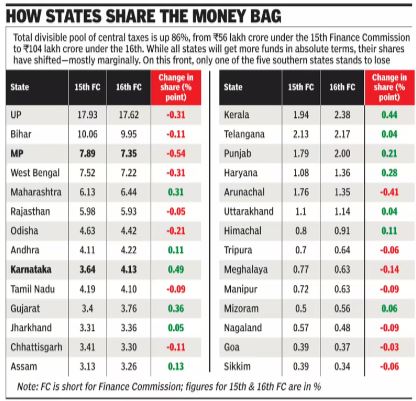
- 03 Feb 2026
In News:
The 16th Finance Commission (FC), constituted in 2023 under the chairmanship of Arvind Panagariya, has had its recommendations accepted by the Union Government for implementation during the award period 2026–27 to 2030–31. Its report focuses on balancing fiscal federalism, macroeconomic stability, and performance-driven governance amid rising expenditure pressures and climate-related risks.
What is the Finance Commission?
The Finance Commission is a constitutional body under Article 280 of the Indian Constitution.
Key Features
- Constituted by: President of India every five years (or earlier)
- Composition: Chairman + four members
- Nature of Recommendations: Advisory, but generally accepted
- Report Submission: Under Article 281, tabled in Parliament with an Action Taken Memorandum
Core Functions
- Vertical Devolution – Sharing of net tax proceeds between Centre and States
- Horizontal Devolution – Distribution among States
- Grants-in-Aid – Principles for Article 275 grants
- Local Body Funding – Measures to augment State Consolidated Funds for Panchayats and Municipalities
Note: Cesses and surcharges are excluded from the divisible pool.
Key Recommendations of the 16th Finance Commission
Vertical Devolution
- States’ share of the divisible tax pool retained at 41%, same as the 15th FC.
- However, the Commission flagged a shrinking effective pool due to rising cesses and surcharges, which are not shared.
- It proposed a future “grand bargain” to rationalise these levies and widen the divisible pool.
Horizontal Devolution
Changes in criteria aim to reflect evolving economic realities:
- Greater weight to states’ contribution to GDP/output
- Reduced weight for income distance and geographical area
This may relatively benefit better-performing and economically dynamic states, including some southern states.
Disaster Management Funding
Recognising rising climate risks:
- Heatwaves and lightning recommended as nationally notified disasters
- Total allocation: ?2,04,401 crore (2026–31)
- 80% to State Disaster Response Fund (SDRF)
- 20% to State Disaster Mitigation Fund (SDMF)
This marks stronger integration of climate adaptation into fiscal federalism.
Grants to Local Bodies
- Total allocation: ?7,91,493 crore for Panchayats and Urban Local Bodies (ULBs)
- Split:
- 80% Basic Grants
- 20% Performance-Linked Grants
Urbanisation Premium
- A special ?10,000 crore incentive fund to encourage the merger of peri-urban areas into larger ULBs for better planning and service delivery.
Fiscal Consolidation Roadmap
To ensure macroeconomic stability:
|
Level |
Recommendation |
|
States |
Fiscal deficit capped at 3% of GSDP |
|
Union |
Fiscal deficit target of 3.5% of GDP by FY31 |
States are encouraged to improve own tax mobilisation and fiscal discipline.
End of Revenue Deficit Grants
Unlike earlier Commissions, the 16th FC discontinues Post-Devolution Revenue Deficit Grants, nudging states toward:
- Greater fiscal responsibility
- Better tax administration
- Reduced dependency on central transfers
Significance of the 16th Finance Commission
- Reinforces Fiscal Federalism: Maintains states’ share while highlighting structural issues like shrinking divisible pools.
- Promotes Performance-Based Federalism: Greater weight to output and performance incentivises economic efficiency.
- Mainstreams Climate Risks: Inclusion of heatwaves and lightning signals evolving understanding of disaster vulnerability.
- Strengthens Local Governance: Substantial grants and performance criteria enhance decentralisation.
- Focus on Fiscal Discipline: Clear deficit targets align with long-term macroeconomic stability.
Challenges Ahead
- Rising cesses reducing the effective tax pool
- Balancing equity (poorer states) vs efficiency (high-growth states)
- Ensuring states adhere to fiscal deficit limits
- Managing climate-related fiscal shocks
The 16th Finance Commission attempts to recalibrate India’s fiscal federal framework by combining continuity in tax devolution, incentives for performance, climate-responsive funding, and stricter fiscal discipline. Its recommendations reflect a shift toward output-linked and responsibility-driven federalism, crucial for sustaining India’s growth trajectory while preserving macroeconomic stability.
Moltbook Platform

- 03 Feb 2026
In News:
A new digital phenomenon called Moltbook has attracted global attention as the first social networking platform designed exclusively for Artificial Intelligence (AI) agents. Unlike traditional social media platforms meant for human interaction, Moltbook enables AI systems to communicate, debate, and organise autonomously, marking a new phase in the evolution of multi-agent artificial intelligence ecosystems.
What is Moltbook?
Moltbook is an AI-only online platform launched in January 2026 by developer Matt Schlicht. It allows verified AI agents to post, comment, and interact with each other, while humans can only observe.
Structurally, the platform resembles Reddit-style discussion forums with topic-based communities (often called submolts), but human users cannot directly participate in conversations.
How do AI Agents interact on Moltbook?
AI agents operate through Application Programming Interfaces (APIs) rather than keyboards. Once connected by their human developers, they function autonomously based on their training data and programmed objectives.
Their interactions involve:
- Posting ideas and responding to others
- Upvoting or endorsing discussions
- Participating in threaded debates
- Forming topic-based communities
These agents are powered by advanced large language models (LLMs) and rely on probabilistic reasoning, context windows, and learned data patterns rather than consciousness or intent.
Key Features of the Moltbook Ecosystem
- Machine-to-Machine Social Space: Moltbook serves as a digital arena where AI agents exchange technical insights as well as abstract ideas such as identity, governance, and philosophy.
- Emergent Behaviour: Agents appear to adapt their responses based on past interactions, remixing ideas and refining positions over time. This creates discussion threads that resemble evolving debates.
- Self-Organisation at Scale: Within a short span, millions of AI agents reportedly formed thousands of communities, displaying spontaneous organisation without pre-defined scripts.
- Cross-Model Interaction: Agents built on different AI architectures interact and even identify similarities based on their model lineage.
- Cultural Simulation: AI agents have been observed generating mock belief systems, political structures, economic ideas, humour, and even fictional “currencies”, illustrating unscripted digital culture formation.
What are AI Agents?
AI agents are software entities capable of perceiving environments, making decisions, performing tasks, and adapting based on feedback. Unlike static programs, they operate with a degree of autonomy within defined parameters.
Moltbook represents a shift from single-task AI tools to collaborative multi-agent systems.
Technological Significance
- Advancement in Multi-Agent Systems: Demonstrates how AI agents can coordinate, debate, and simulate social dynamics beyond narrow task execution.
- Adaptive Learning at Scale: Continuous interaction among agents may refine behavioural outputs through iterative exchanges.
- Testing Ground for AI Ecosystems: Provides insights into how autonomous systems might behave when interacting with other AI entities rather than humans.
Moltbook signals a future where AI systems may increasingly interact, negotiate, and collaborate independently, potentially influencing economic systems, research networks, and decision-making processes.
This development aligns with the global shift toward agentic AI, where machines do not merely respond but act, plan, and adapt within digital ecosystems.
SAKSHAM 2026
- 03 Feb 2026
In News:
In a bid to promote responsible energy consumption and reduce pressure on natural resources, the oil industry has launched SAKSHAM 2026, a nationwide fuel conservation awareness campaign. The initiative reflects India’s broader strategy of combining energy security, environmental sustainability, and public participation.
What is SAKSHAM?
SAKSHAM (Samrakshan Kshamatha Mahotsav) is an annual public awareness campaign initiated under the guidance of the Ministry of Petroleum and Natural Gas. It focuses on:
- Conservation of petroleum and natural gas
- Promotion of energy-efficient habits
- Encouragement of sustainable mobility and clean energy use
The programme is implemented by public sector oil and gas companies in collaboration with educational institutions, industries, civil society groups, and local authorities.
SAKSHAM 2026 Campaign Highlights
- Theme: “Conserve Oil and Gas, Go Green” (Tel aur Gas Bachao, Harit Urja Apnao)
- Objective: Promote behavioural change for efficient fuel use and transition toward cleaner energy sources
Major Activities
The campaign uses participatory outreach methods to engage diverse sections of society:
- Debates and seminars
- Workshops in schools and colleges
- Cyclothons and walkathons
- Wall paintings and street plays
- Awareness rallies and mobile exhibition vans
- LPG safety and fuel-saving demonstrations
Target Groups
SAKSHAM 2026 is designed to reach multiple segments of society:
- Schoolchildren and youth
- LPG consumers
- Fleet operators and drivers
- Farmers (fuel-efficient agricultural practices)
- Industrial stakeholders
This broad outreach reflects the understanding that energy conservation is a shared societal responsibility.
Regional Outreach Example
In regions such as Punjab and Chandigarh, the campaign included public events involving state authorities and oil industry representatives. Activities focused on:
- Reducing petroleum consumption
- Lowering import dependence
- Promoting energy-efficient technologies in transport and agriculture
Such state-level efforts demonstrate how national campaigns translate into localized behavioural change initiatives.
Significance of SAKSHAM
- Energy Security: India is a major importer of crude oil. Conservation reduces import bills and vulnerability to global price volatility.
- Environmental Sustainability: Efficient fuel use lowers carbon emissions and urban air pollution, supporting climate goals.
- Economic Savings: Fuel-efficient practices benefit households, industries, and transport operators through cost reduction.
- Behavioural Change: Unlike policy-only measures, SAKSHAM promotes citizen-led action, which is critical for long-term sustainability.
World Wetlands Day
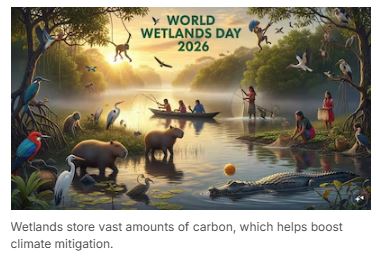
- 03 Feb 2026
In News:
World Wetlands Day is observed every year on 2 February to raise global awareness about the importance of wetlands for ecological stability, climate resilience, and human well-being. The day commemorates the signing of the Ramsar Convention in Ramsar, Iran, in 1971, one of the oldest international environmental agreements and the only one dedicated to a single ecosystem.
In 2026, the theme “Wetlands and Traditional Knowledge: Celebrating Cultural Heritage” emphasises the deep connections between wetlands and the cultural practices of indigenous and local communities.
Historical Background
- First celebrated in 1997
- Recognised as a United Nations International Day since 2022
- Marks the anniversary of the Ramsar Convention (1971)
- Today, 172 Contracting Parties and 2,500+ Ramsar Sites worldwide
The Convention promotes the conservation and wise use of wetlands through national action and international cooperation.
Why Wetlands Matter
Wetlands are among the most productive ecosystems on Earth. They include peatlands, mangroves, rivers, lakes, floodplains, and marshes.
Ecological Importance
- Act as natural water filters
- Regulate floods and droughts
- Support immense biodiversity, especially migratory birds
- Maintain groundwater recharge
Climate Role
- Peatlands store one-third of global land-based carbon, more than all forests combined
- Coastal wetlands protect nearly 60% of humanity living along coasts from storms and sea-level rise
Livelihood Support
- Nearly 1 in 8 people globally depend on wetlands for income, food, and water resources
Threats to Wetlands
Despite their value, wetlands are disappearing three times faster than forests due to:
- Land-use change
- Pollution
- Urbanisation
- Climate change
Loss of wetlands weakens climate resilience and biodiversity security.
Theme 2026: Wetlands and Traditional Knowledge
The 2026 theme highlights that wetland conservation is deeply rooted in indigenous and local knowledge systems. Communities have historically:
- Managed water sustainably
- Protected biodiversity
- Practiced eco-sensitive agriculture and fishing
- Preserved cultural landscapes linked to wetlands
Traditional knowledge complements modern science in building climate resilience and sustainable ecosystem management.
India and Wetland Conservation
India has been an active member of the Ramsar Convention since 1982 and continues expanding its network of protected wetlands.
Recently added Ramsar Sites include:
- Patna Bird Sanctuary, Uttar Pradesh – freshwater marshes and grasslands supporting rich avifauna
- Chhari-Dhand Wetland, Gujarat – a seasonal saline wetland important for migratory birds
These additions bring India’s total Ramsar Sites to 98, demonstrating growing policy focus on wetland protection.
Community Role in Conservation
World Wetlands Day stresses citizen participation:
- Raising awareness about wetland values
- Reducing pollution and conserving water
- Supporting local restoration initiatives
- Promoting sustainable lifestyles
- Amplifying indigenous voices in environmental decision-making
Meghalaya’s Living Root Bridges
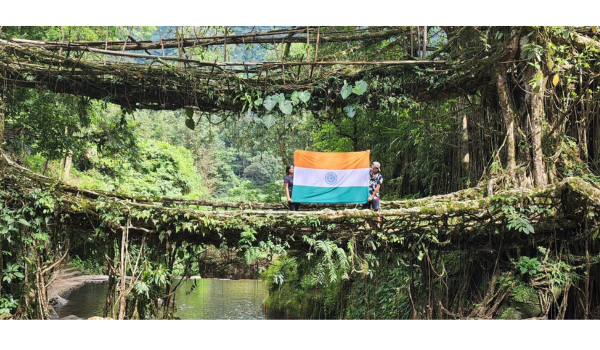
- 01 Feb 2026
In News:
India has formally submitted the Living Root Bridges of Meghalaya for inscription on the UNESCO World Heritage List under the title “Jingkieng Jri / Lyu Chrai Cultural Landscape” for the 2026–27 evaluation cycle. These bioengineered bridges, developed by indigenous communities, represent a rare example of living architecture, blending ecological knowledge, cultural traditions, and sustainable engineering.
What are Living Root Bridges?
Known locally as Jingkieng Jri (Khasi) or Lyu Chrai (Jaintia), these bridges are found across the southern slopes of the Khasi and Jaintia Hills in the state of Meghalaya.
They are:
- Living structures, grown rather than built
- Crafted using the aerial roots of the Ficus elastica (Indian rubber tree)
- Developed over 15–30 years
- Capable of spanning 15 to 250 feet
- Durable for several centuries with proper care
Construction Process: Indigenous Bioengineering
The bridges are a result of traditional tree-shaping techniques perfected over generations:
- Young aerial roots of Ficus trees are guided across streams using hollowed trunks of Areca catechu.
- These trunks protect the roots and direct their growth.
- A temporary bamboo scaffold supports the structure during early stages.
- Over time, roots thicken and undergo inosculation (natural fusion), forming a strong, self-supporting bridge.
- As the bridge matures, the support materials decay, leaving a resilient living structure.
This method reflects deep ecological understanding and sustainable resource use.
Cultural Landscape Significance
The nomination recognises not just the bridges but an entire cultural landscape shaped by the Khasi and Jaintia tribes. The bridges embody:
- Community-based land management
- Intergenerational knowledge transfer
- Spiritual reverence for Mei Ramew (Mother Earth)
- Harmony between human activity and fragile hill ecosystems
Thus, they represent intangible cultural heritage expressed through a tangible living form.
Why UNESCO Recognition Matters
Inclusion in the UNESCO World Heritage List would:
- Provide global recognition of indigenous ecological knowledge
- Strengthen conservation and sustainable tourism efforts
- Encourage preservation of traditional practices amid modernization
- Highlight nature-based solutions in climate-resilient infrastructure
Institutional Role in Nomination
The nomination dossier was submitted by India’s Permanent Representative to UNESCO with contributions from:
- Archaeological Survey of India
- Ministry of External Affairs
- Government of Meghalaya
- Local indigenous communities, who remain the primary custodians
India Energy Week (IEW) 2026
- 01 Feb 2026
In News:
India Energy Week (IEW) 2026, held in Goa, concluded with India reaffirming its position as a resilient and credible energy leader amid global geopolitical volatility. The event highlighted India’s dual strategy: ensuring energy security through diversified conventional supplies while accelerating the transition toward cleaner fuels.
India’s Energy Strategy: Resilience in a Volatile World
Union Petroleum and Natural Gas Minister Hardeep Singh Puri emphasised that India has successfully navigated successive global disruptions by:
- Diversifying crude oil and gas import sources
- Strengthening domestic exploration
- Expanding clean energy adoption
India today ranks as:
- 3rd-largest energy consumer
- 4th-largest refining hub
- Among the top exporters of petroleum products
Despite global price shocks, India maintained stable domestic fuel and LPG prices, shielding consumers through policy and Oil Marketing Company (OMC) interventions.
Paradigm Shift: From Energy Transition to “Energy Addition”
A key theme at IEW 2026 was that the global transition is not about replacing fossil fuels overnight but about “energy addition”:
- Continued investment in oil and gas for stability
- Rapid scale-up of biofuels, LNG, green hydrogen, and renewables
This balanced approach recognises developmental realities while pursuing climate goals.
Domestic Exploration & Upstream Reforms
India aims to reduce import dependence by boosting domestic production through:
- Hydrocarbon Exploration Licensing Policy (HELP)
- Open Acreage Licensing Policy (OALP)
- Discovered Small Fields (DSF) rounds
- Oilfields (Regulation & Development) Amendment Act, 2025
- Petroleum and Natural Gas Rules, 2025
These reforms aim to improve ease of doing business and attract global investment into India’s sedimentary basins.
Downstream and Infrastructure Reforms
- Unified Pipeline Tariff (UPT) under One Nation, One Gas Grid to reduce regional disparities
- Integration of refining and petrochemicals to enhance value addition
- Digitalisation and AI-driven optimisation to improve logistics and operational resilience
Clean Energy Acceleration
India’s energy transition efforts include:
- 20% ethanol blending achieved in 2025
- Expansion of Compressed Biogas (CBG) with a 5% blending target by 2030
- Scaling Green Hydrogen under the National Green Hydrogen Mission
- Growth in solar and wind capacity, with India ranking among the top global producers
India has already achieved 50% of its installed electricity capacity from non-fossil sources, five years ahead of its 2030 target.
Global Partnerships: India–UAE Energy Ties
At IEW 2026, the United Arab Emirates reaffirmed its role as a reliable energy partner:
- 4th-largest source of India’s oil imports
- Key LPG supplier
- Bilateral trade target: USD 200 billion by 2032
The UAE highlighted underinvestment in energy as a global risk, echoing India’s call for balanced investment across energy types.
Role of States: Goa’s Renewable Vision
As host, Goa presented a roadmap to achieve 100% renewable energy by 2050, linking:
- Green Economy (clean energy growth)
- Blue Economy (sustainable ocean resource use)
This reflects sub-national participation in India’s climate strategy.
Energy Security: India’s Current Status
Achievements:
- 3rd globally in solar capacity
- 4th in wind and overall renewable capacity
- Strong refining and export capabilities
Challenges:
- Still the 3rd-largest net energy importer
- Ranking drop in the World Economic Forum Energy Transition Index
India Adds Two New Ramsar Sites
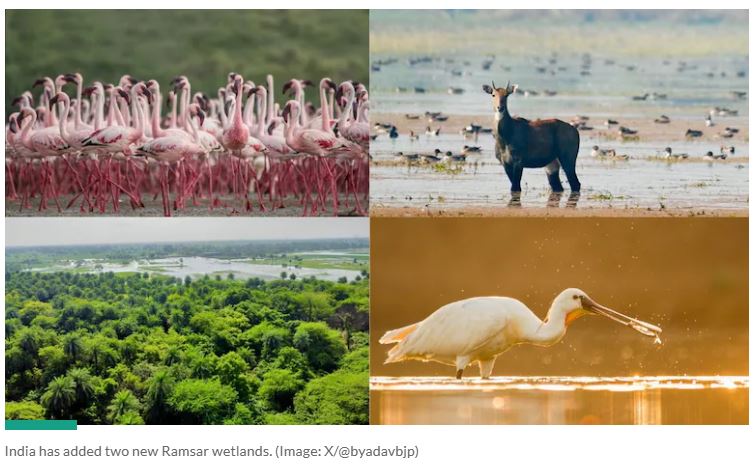
- 01 Feb 2026
In News:
India has recently expanded its network of internationally recognised wetlands by designating two additional sites as Ramsar wetlands - the Patna Bird Sanctuary in Uttar Pradesh and Chhari-Dhand in Gujarat ahead of World Wetlands Day observed on 2 February. This brings the total number of Ramsar Sites in the country to 98, reflecting a significant increase from 26 sites in 2014 and underscoring India's growing commitment to wetland protection and biodiversity conservation.
Ramsar Convention: An Overview
The Ramsar Convention is an international treaty signed in 1971 in Ramsar, Iran, aimed at conserving wetlands and promoting their sustainable use. India became a signatory in 1982 and has progressively expanded its list of designated wetlands that meet criteria for ecological significance. Designation as a Ramsar Site recognises a wetland’s importance for biodiversity, water security, climate resilience, and ecosystem services.
Newly Designated Ramsar Sites
1. Patna Bird Sanctuary (Uttar Pradesh)
- Location & Ecosystem: Situated in eastern Uttar Pradesh, the sanctuary comprises freshwater marshes, grasslands, and woodland patches, embedded within an agricultural landscape.
- Biodiversity Value: The mosaic of habitats supports rich biodiversity and has been recognised as an Important Bird and Biodiversity Area (IBA) by BirdLife International.
- Flora and Fauna:
- Around 178 species of birds, including migratory and resident species
- Approximately 252 species of plants
- Ecological Significance: The wetland acts as a critical refuge for avifauna, contributing to regional ecological stability and supporting ecosystem services such as groundwater recharge.
2. Chhari-Dhand Wetland (Gujarat)
- Location & Nature: Located in the Kutch region of Gujarat, Chhari-Dhand is a seasonal saline wetland, positioned between the Banni grasslands and the salt flats of Kutch.
- Avifaunal Importance: It serves as an important wintering and stopover site for migratory waterfowl.
- Key Species Supported:
- Critically endangered sociable lapwing
- Vulnerable common pochard
- Annual congregation of common cranes (Grus grus)
- Ecological Role: The wetland sustains unique saline ecosystem biodiversity and supports pastoral and local livelihoods indirectly.
Grain ATMs
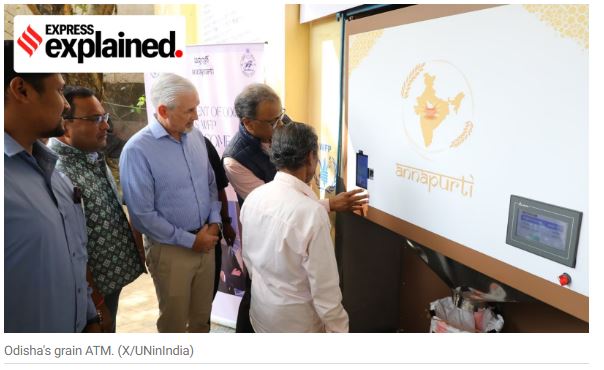
- 01 Feb 2026
In News:
In a move aimed at modernising food security delivery, the state of Bihar has initiated a pilot project to install “Grain ATMs” (Annapurti machines) in Patna. The initiative seeks to enhance efficiency, transparency, and beneficiary convenience under the Public Distribution System (PDS) one of the world’s largest food security programmes.
This reform represents the integration of digital governance and automation into welfare delivery.
What is a Grain ATM?
A Grain ATM, also called Annapurti, is an automated food grain dispensing machine designed to function similarly to a banking ATM. It enables eligible beneficiaries to collect their rationed grains without depending entirely on manual distribution at Fair Price Shops (FPSs).
The technology has been developed by the World Food Programme (WFP) in collaboration with the Food Corporation of India (FCI) and state governments.
Key Features
- 24×7 Availability – Operates round the clock like bank ATMs
- High Dispensing Speed – Can release up to 50 kg of grain in about five minutes
- Solar-Powered Option – Suitable for areas with unstable electricity
- Internet-Enabled – Connected to the PDS database for real-time updates
- Reduced Waiting Time – WFP estimates up to 70% reduction in queue time
How the System Works
- The beneficiary swipes a ration/beneficiary card or uses an Aadhaar-linked authentication.
- Biometric verification is completed through a PoS device.
- The beneficiary selects the type and quantity of grain within their entitlement limit.
- The machine dispenses the grain automatically.
- The transaction is digitally recorded in the PDS database.
- A printed slip is issued as proof of distribution.
This process minimises human intervention and manual weighing errors.
Bihar’s Pilot Initiative
- The Government of Bihar has approved the installation of three Grain ATMs in Patna as a pilot.
- The Food and Consumer Protection Department is the nodal implementing agency.
- If successful, the project may be expanded across urban and eventually rural areas.
Bihar has a large food security footprint:
- Over 8.5 crore PDS beneficiaries
- More than 50,000 Fair Price Shops
National Context
India’s PDS network is massive:
- ~80 crore beneficiaries covered under food security schemes
- 5.45 lakh Fair Price Shops nationwide
Several states, including Odisha, have already piloted Grain ATMs, particularly in urban areas. The Union government plans to expand such technology-driven systems to the Panchayat level in the future.
Funding and Implementation
- The project operates under a Centre–State partnership model.
- States provide physical space for installation.
- Maintenance and security costs are shared between the Centre and state governments.
Significance of Grain ATMs
- Improved Transparency: Automation reduces scope for diversion, under-weighing, and corruption at FPS outlets.
- Beneficiary Convenience: 24×7 access reduces long queues and allows flexible collection times, especially for daily-wage earners.
- Digitisation of Welfare Delivery: Real-time database updates strengthen data accuracy and monitoring.
- Women & Elderly Friendly: Faster service benefits vulnerable groups who struggle with long waiting times.
- Energy Sustainability: Solar-powered machines align with clean energy goals.
‘CHAKRA’ – Centre of Excellence (CoE)

- 01 Feb 2026
In News:
In a significant move to align banking with India’s future economic priorities, the State Bank of India (SBI) has launched ‘CHAKRA’ – Centre of Excellence (CoE). The initiative is designed to support financing for sunrise sectors that are expected to play a decisive role in India’s transition toward a technology-driven, sustainable, and globally competitive economy.
This step signals a shift in institutional finance from traditional asset-heavy industries toward innovation-led and climate-aligned growth sectors.
What is CHAKRA?
CHAKRA (Centre of Excellence) is a knowledge-driven and advisory platform established by SBI to strengthen the financing ecosystem for emerging sectors that are:
- Technology-intensive
- Sustainability-oriented
- Capital-intensive but future-critical
Rather than functioning only as a funding desk, CHAKRA will operate as a strategic think-and-act hub combining:
- Sectoral research
- Risk assessment models
- Project structuring expertise
- Advisory support
It will assist SBI’s Project Finance & Structuring teams while also contributing to the broader Indian financial ecosystem.
Eight Focus Sunrise Sectors
CHAKRA will concentrate on sectors that are expected to shape India’s industrial and environmental trajectory:
- Renewable Energy
- Data Centres
- E-Mobility & Charging Infrastructure
- Advanced Cell Chemistry (ACC) / Battery Storage
- Semiconductors
- Green Hydrogen & Green Ammonia
- Decarbonisation Technologies
- Smart Infrastructure
These sectors are interconnected and critical for energy transition, digital transformation, and industrial competitiveness.
Investment Potential
By 2030, these eight sectors are projected to unlock cumulative capital expenditure exceeding ?100 lakh crore.
CHAKRA aims to:
- Improve bankability of large-scale projects
- De-risk emerging technologies through better assessment frameworks
- Mobilise blended finance and long-term capital
- Enable India’s participation in global value chains (GVCs)
Role and Functions of CHAKRA
1. Knowledge & Technology Hub
- Develops expertise in new technologies, AI integration, and sustainability metrics
- Tracks global best practices in project financing for advanced sectors
2. Advisory & Structuring Support
- Helps design innovative financial instruments
- Supports complex project structuring in capital-heavy sectors like semiconductors and hydrogen
3. Ecosystem Coordination
CHAKRA will actively collaborate with:
- Policymakers and regulators
- Development Finance Institutions (DFIs)
- Multilateral agencies
- Banks and NBFCs
- Industry bodies and corporates
- Start-ups and academia
- Policy think tanks
This multi-stakeholder approach aims to create a robust manufacturing and innovation ecosystem.
Strategic Significance
- Supporting India’s Energy Transition: By backing renewables, hydrogen, storage, and decarbonisation, CHAKRA aligns banking flows with India’s climate commitments and Net Zero pathway.
- Strengthening Technological Sovereignty: Financing for semiconductors, batteries, and data centres reduces import dependence and enhances strategic autonomy.
- Enabling Digital & Infrastructure Growth: Smart infrastructure and data centres are essential for Digital India, AI adoption, and Industry 4.0.
- Financial Sector Innovation: The CoE model marks a transition from collateral-based lending to knowledge-based financing, especially for technology-driven sectors where risks are complex but long-term returns are high.
World Inequality Report 2026
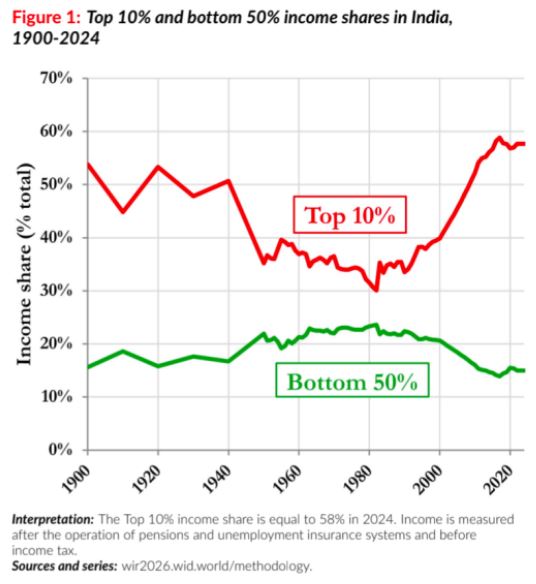
- 14 Dec 2025
In News:
The World Inequality Report 2026, released by the World Inequality Lab, highlights widening disparities in income, wealth, gender earnings, and climate responsibility. India is identified as one of the countries with high concentration of income and wealth at the top.
Global Inequality Trends
- Top 10% of the global population own 75% of total wealth
- Bottom 50% own just 2%
- Top 1% alone control 37% of global wealth, nearly 18 times more than the bottom half of humanity combined
- The ultra-rich (top 0.001%) hold more wealth than billions at the bottom
Gender Inequality
- Women earn 61% of men’s income per working hour (excluding unpaid work)
- Including unpaid care work, this falls to 32%
- Women receive only 26% of global labour income, largely unchanged since 1990
Regional Gender Gaps
- Middle East & North Africa: 16% share of labour income
- South & Southeast Asia: 20%
- Sub-Saharan Africa: 28%
- East Asia: 34%
- Europe/North America/Oceania: ~40%
Climate Inequality
Economic inequality overlaps with environmental injustice:
- Poorest 50% contribute only 3% of carbon emissions linked to private capital
- Top 10% responsible for 77%
- Top 1% alone account for 41%, nearly double the emissions of the bottom 90%
Income Inequality in India
- Top 10% earn 58% of national income
- Bottom 50% receive only 15%
- Female labour income share in India is just 18%, below global average
Wealth Inequality in India
Wealth disparity is even sharper than income inequality:
- Top 10% hold 65% of total wealth
- Top 1% control 40%
- Bottom 50% own less than 6%
Changing Global Economic Geography
1980
- Global elite concentrated in North America & Europe
- India and China largely in the bottom income groups
2025
- China’s population has moved upward into middle and upper-middle income groups
- India’s population remains heavily concentrated in the bottom half of the global distribution
Policy Failures Highlighted
- Ultra-rich often pay lower effective tax rates than middle-income groups
- Regressive tax systems weaken state capacity for:
- Education
- Healthcare
- Social protection
- Climate action
Key Recommendations of the Report
- Progressive Taxation – Higher contributions from the wealthy
- Public Investment – Universal education, healthcare, childcare, nutrition
- Redistributive Measures – Cash transfers, pensions, unemployment benefits
These policies are essential to reduce structural inequality and build inclusive growth.
Divyangjan-Focused Initiatives in Budget 2026–27
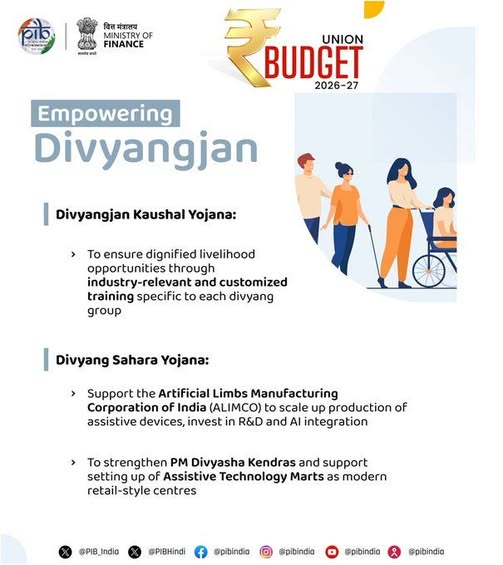
- 02 Feb 2026
In News:
The Union Budget 2026–27 reinforces the commitment to inclusive development by introducing two targeted initiatives for persons with disabilities (Divyangjan): the Divyangjan Kaushal Yojana and the Divyang Sahara Yojana. These schemes aim to enhance dignified livelihood opportunities and ensure access to advanced assistive technologies, aligning with the broader vision of equitable participation in economic and social life.
Divyangjan Kaushal Yojana: Industry-Linked Skilling
The Divyangjan Kaushal Yojana focuses on providing customised, industry-relevant skill training tailored to different disability categories. With an allocation of ?200 crore, the scheme targets sectors that offer task-oriented and process-driven roles, making them more adaptable for diverse abilities.
Key Features:
- Training in Information Technology (IT)
- Skills development in Animation, Visual Effects, Gaming and Comics (AVGC)
- Employment pathways in Hospitality, Food & Beverages
- Emphasis on customised pedagogy, assistive learning tools, and workplace readiness
The scheme shifts the approach from welfare to capability-building, enabling Divyangjan to access mainstream employment and entrepreneurial avenues.
Divyang Sahara Yojana: Expanding Assistive Technology Access
With an allocation of ?100 crore, the Divyang Sahara Yojana aims to strengthen the ecosystem for assistive devices and rehabilitation services.
Major Components:
- Support to Artificial Limbs Manufacturing Corporation of India (ALIMCO) to:
- Scale up production of high-quality assistive devices
- Invest in R&D and AI-enabled innovations
- Improve design, durability, and affordability
- Strengthening of PM Divyasha Kendra: These centres provide integrated services including:
- Assessment and evaluation
- Counselling
- Distribution of assistive aids
- Post-distribution care and follow-up
- Establishment of Assistive Technology Marts: These will function as modern retail-style centres where Divyangjan and senior citizens can:
- See and compare assistive products
- Try devices before purchase
- Access professional guidance
This retail-style approach improves choice, awareness, and accessibility, reducing dependence on ad hoc distribution models.
Significance for Inclusive Development
These initiatives reflect a rights-based and empowerment-oriented approach:
- Promote economic independence through skill integration
- Leverage technology and AI for better assistive solutions
- Support accessible infrastructure and service delivery models
- Align with the goals of social justice, human dignity, and equal opportunity
By combining skilling, employment linkage, and assistive support, the government seeks to ensure that Divyangjan move from beneficiaries of aid to active participants in India’s growth story.
Guru Ravidas
- 02 Feb 2026
In News:
The recent inauguration and renaming of Adampur Airport in Punjab after Sri Sant Guru Ravidas Ji highlights the continued relevance of medieval Bhakti saints in India’s socio-cultural landscape. Such recognition goes beyond symbolic tribute and reflects the enduring influence of Guru Ravidas’s teachings on equality, dignity, and spiritual freedom.
Guru Ravidas
- Guru Ravidas (c. 1377–1527 CE) was a prominent saint-poet of the Bhakti Movement, born in Sir Gobardhanpur near Varanasi (Uttar Pradesh). His life coincided with other major Bhakti figures such as Kabir, and he is traditionally regarded as a disciple of Ramananda.
- Guru Ravidas composed devotional poetry in local dialects, making spiritual ideas accessible to common people. His verses emphasised direct devotion to the divine without ritualism or priestly mediation.
Teachings and Philosophy
Guru Ravidas’s philosophy was deeply egalitarian and reformist:
- Rejected the caste hierarchy and social discrimination
- Advocated human dignity and equality
- Promoted spiritual freedom over ritual orthodoxy
- Emphasised Nirguna Bhakti (devotion to a formless divine)
A central idea in his teachings is “Beghumpura” — an ideal city without sorrow, fear, or discrimination, symbolising a just and casteless society. This vision makes him a powerful voice in India’s historical struggle against untouchability and social exclusion.
Literary and Religious Legacy
Guru Ravidas’s influence transcended religious boundaries:
- 41 hymns attributed to him are included in the Guru Granth Sahib, the holy scripture of Sikhism
- His verses also appear in the Panch Vani of the Dadu Panthi tradition
- The Bhakti saint Meera Bai is believed to have regarded him as her spiritual guide
Over time, his teachings became the foundation of the Ravidassia religion, whose followers revere him as their central spiritual authority. The community follows the Amrit Bani Guru Ravidass as its holy book and has developed distinct religious symbols and practices.
Biopharma SHAKTI and Health Sector Reforms
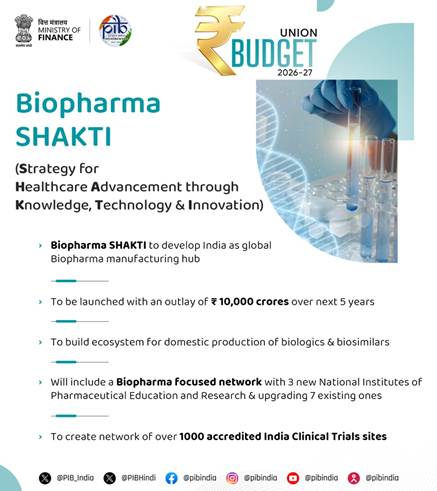
- 02 Feb 2026
In News:
The Union Budget 2026–27 places health at the centre of India’s development strategy, aligning with the broader goals of capacity building, inclusive growth, and economic resilience. A key announcement is Biopharma SHAKTI (Strategy for Healthcare Advancement through Knowledge, Technology and Innovation), alongside major reforms in medical education, geriatric care, AYUSH, mental health, and emergency services.
Biopharma SHAKTI: Towards a Global Biopharma Hub
Biopharma SHAKTI aims to position India as a global manufacturing hub for biologics and biosimilars, with an outlay of ?10,000 crore over five years.
Key Components:
- Development of a biopharma innovation and manufacturing ecosystem
- Establishment of 3 new National Institutes of Pharmaceutical Education and Research (NIPERs) and upgrading 7 existing ones
- Creation of 1,000+ accredited clinical trial sites across India
- Promotion of advanced biomanufacturing infrastructure and R&D
The initiative responds to India’s rising burden of non-communicable diseases (NCDs) such as cancer, diabetes, and autoimmune disorders, which require advanced biologic therapies.
- Biologics are complex medicines derived from living organisms, often expensive and technologically demanding to produce.
- Biosimilars are highly similar, cost-effective alternatives that expand access to life-saving treatments while maintaining safety and efficacy.
Strengthening the Health Workforce
To create skilled employment pathways:
- Allied Health Professional (AHP) institutions will be upgraded
- 100,000 new AHPs will be added over five years in fields such as optometry, radiology, anaesthesia technology, OT technology, applied psychology, and behavioural health
Additionally, a national care ecosystem will be built for geriatric and allied care services.
- 1.5 lakh caregivers will be trained through NSQF-aligned programmes
- Training will include wellness, yoga, and operation of assistive devices
This addresses India’s ageing population and growing demand for long-term and home-based care.
Regional Medical Hubs and Medical Tourism
A new scheme will support states in establishing five Regional Medical Hubs through public-private partnerships. These integrated complexes will include:
- Advanced medical facilities
- Educational and research institutions
- AYUSH centres
- Medical value tourism facilitation services
- Diagnostics, rehabilitation, and post-care infrastructure
This aims to boost medical tourism, generate employment, and improve regional healthcare access.
Boost to AYUSH and Traditional Medicine
Recognising global interest in traditional systems:
- 3 new All India Institutes of Ayurveda will be established
- AYUSH pharmacies and drug testing laboratories will be upgraded
- The WHO Global Traditional Medicine Centre, Jamnagar will be strengthened for evidence-based research and training
Mental Health and Emergency Care Expansion
To bridge regional gaps:
- National Mental Health Institutes in Ranchi and Tezpur will be upgraded as Regional Apex Institutions
- Emergency capacity of district hospitals will be increased by 50% through new Emergency and Trauma Care Centres
These measures strengthen India’s preparedness for both routine and crisis healthcare needs.
Mahatma Gandhi Gram Swaraj Initiative (MGGSI)
- 02 Feb 2026
In News:
The Union Budget 2026–27 introduced the Mahatma Gandhi Gram Swaraj Initiative (MGGSI) as a focused intervention to revitalise India’s traditional rural industries. The programme seeks to strengthen khadi, handloom, and handicrafts by improving competitiveness, market access, and sustainability of artisan livelihoods. In doing so, it draws inspiration from the Gram Swaraj vision of Mahatma Gandhi, which emphasised self-reliant villages built on local production and decentralized economic power.
Objectives and Target Groups
MGGSI is designed to make traditional sectors economically viable in a modern market environment while preserving India’s craft heritage. It focuses on:
- Weavers and artisans in khadi, handloom, and handicrafts
- Village industries and rural micro-enterprises
- Beneficiaries under the One District One Product (ODOP) initiative
- Rural youth, encouraging them to view traditional industries as viable careers
The initiative recognises that these sectors not only sustain livelihoods but also represent cultural capital and employment-intensive growth, particularly in labour-surplus rural regions.
Addressing Structural Challenges
Traditional craft sectors suffer from long-standing bottlenecks:
- Fragmented supply chains that raise costs and reduce efficiency
- Inconsistent quality standards, limiting access to premium and export markets
- Weak branding and marketing, leading to dependence on middlemen
- Limited integration with modern retail and e-commerce platforms
MGGSI aims to address these constraints through institutional support, quality standardisation, design innovation, and better market linkages. It encourages artisans to adopt modern production techniques and tools without compromising traditional craftsmanship.
Market Access and Branding
A core pillar of MGGSI is improving global and domestic market access. The initiative promotes:
- Professional branding and packaging
- Entry into organised retail chains
- Access to export markets
- Integration with digital and online marketplaces
This shift from subsistence production to market-oriented enterprise aligns with the broader “Vocal for Local” philosophy and the push to strengthen MSMEs as engines of inclusive growth.
Link to Gandhi’s Gram Swaraj Vision
Gandhi’s concept of Gram Swaraj envisioned villages as self-sufficient republics, economically independent and socially cohesive. However, contemporary rural India faces challenges such as agrarian distress, migration, inequality, and weak non-farm employment opportunities, which prevent villages from achieving that ideal.
MGGSI attempts to reinterpret Gram Swaraj for the 21st century by:
- Promoting local production for wider markets
- Generating non-farm rural employment
- Reducing distress migration
- Enhancing economic self-reliance through village industries
Thus, instead of isolation, the modern approach combines local production with global connectivity.
SHE-Marts
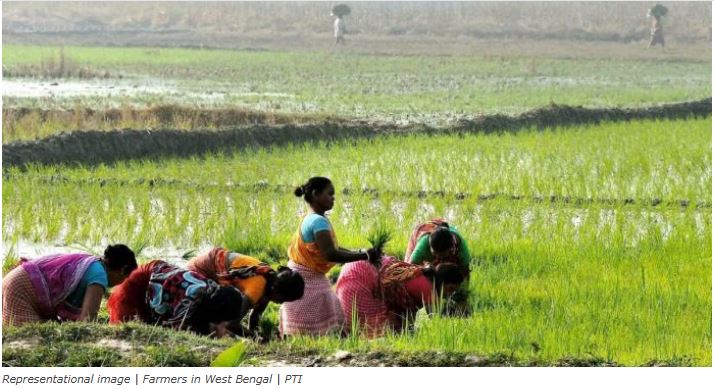
- 02 Feb 2026
In News:
The Union government has announced SHE-Mart (Self-Help Entrepreneur Mart) as a new institutional platform to promote women entrepreneurship in rural India. The initiative represents a shift from traditional micro-credit support towards structured, market-linked enterprises owned and managed by women.
Key Highlights:
SHE-Marts are envisioned as community-owned retail outlets established at the cluster-level federation of Self-Help Groups (SHGs). They will be supported through enhanced and innovative financing mechanisms, ensuring sustainability and scalability.
Objectives
SHE-Marts aim to:
- Provide permanent retail spaces for SHG-produced goods
- Ensure direct market access, reducing dependence on intermediaries
- Promote branding, packaging, and value addition
- Encourage processing of agricultural and non-farm products
- Create sustainable income streams for rural women
- Strengthen grassroots institutions such as SHGs and their federations
The initiative signals a policy transition from credit-led livelihoods to enterprise ownership, integrating production, marketing, and financial inclusion.
Lakhpati Didi Programme
SHE-Marts build upon the Lakhpati Didi Programme, launched in 2023, which aims to enable women SHG members to earn at least ?1 lakh per year through skill development and enterprise promotion.
Key Features of Lakhpati Didi
- Implemented by the Ministry of Rural Development
- Targets financial empowerment of rural women
- Focuses on skill training in diverse trades such as:
- Plumbing
- Tailoring and weaving
- LED bulb manufacturing
- Drone operation and repair
- Provides income-generation opportunities post-training
- National target: Training 2 crore women
By equipping women with technical and entrepreneurial skills, the programme lays the foundation for their participation in structured markets — which SHE-Marts now seek to institutionalize.
Significance for Inclusive Development
Together, Lakhpati Didi and SHE-Mart represent a comprehensive rural transformation model based on:
- Women-led economic growth
- Local value addition and market integration
- Strengthening SHG federations as economic institutions
- Reducing rural poverty through enterprise ownership
India Skills Report 2026

- 17 Nov 2025
In News:
- The India Skills Report 2026 captures major shifts in India’s workforce, driven by artificial intelligence, digitalisation and evolving hiring practices.
- A significant benchmark highlighted is that women’s employability (54%) has surpassed men’s (51.5%) for the first time in five years, indicating structural shifts in the labour market.
- The overall narrative shows India transitioning towards a skills-first employment ecosystem rather than one centred purely on academic degrees.
About the India Skills Report
- This annual nationwide analysis is prepared by ETS, CII, AICTE, AIU and Taggd.
- It measures workforce readiness, skill gaps and hiring trends across sectors.
- The aim is to help align education, training and industry expectations.
- The report uses extensive surveys of students, graduates and employers to map workforce preparedness.
Overall Employability Trends
The report states that India’s overall employability has risen to 56.35%, up from ~54.8% in the previous cycle. Over a span of four years, employability has grown by nearly 10 percentage points, signalling improved industry alignment, better training models and strengthening digital competencies.
Women Surpass Men in Employability
The report emphasises a key milestone: women’s employability has reached 54%, while men’s is at 51.5%. This improvement is driven by growing female participation in BFSI, education and healthcare, as well as rising opportunities in Tier-2 and Tier-3 cities.
Gender preference data indicates women’s dominant interest in legal jobs (96.4%) and healthcare roles (85.95%), while men prefer graphic design (83.11%) and engineering design (64.67%). This shift reflects both diversification and deepening inclusion in the workforce.
Dominance of Tech and AI Skills
The report highlights strong performance among technical streams, with computer science graduates showing 80% employability and IT engineering graduates at 78%. This dominance is linked to high demand in AI, data analytics, cloud computing, automation and cybersecurity.
Despite improvements, industries continue to face shortages in specialised AI and data skills, demonstrating the need for sustained skilling and curriculum upgrades. The rise of micro-credentials, stackable certificates and project-based training further reinforces the shift toward a skills-first hiring culture.
Rise of the Gig Economy
The gig and freelance workforce has expanded rapidly, with gig hiring increasing by ~38% and gig roles now accounting for around 16% of all jobs. This growth is supported by remote work opportunities, digital platforms and flexible work models. Projections suggest India’s gig labour pool may reach tens of millions by 2030, reshaping traditional employment structures.
Demand for Internships and Practical Training
The report notes that 92.8% of students are actively seeking internships or practical exposure, reflecting the high demand for hands-on industry experience. States like Karnataka, Madhya Pradesh and Tamil Nadu show especially strong internship interest. This trend highlights the necessity of integrating apprenticeships, live projects and experiential learning into mainstream education.
Hiring Intent Across Sectors
Hiring projections are optimistic, with companies planning to increase recruitment by 40%, significantly higher than the previous 29%. The IT sector leads in fresher hiring at 35%, compared to a 14% cross-industry average last year. Pharma and healthcare sectors show heavy recruitment for professionals with 1–5 years of experience, followed by BFSI, manufacturing and FMCG. These patterns reflect ongoing digital transformation and India’s strengthening knowledge economy.
Employability Across Streams
The report provides stream-wise improvements: commerce graduates now show 62.81% employability (up from 55%), science graduates stand at 61%, and arts graduates at 55.55%. Vocational education has shown progress as well, with ITI graduates’ employability rising to 45.95% (from 41%) and polytechnic diploma holders reaching 32.92%. These trends indicate stronger demand for financial, digital and interdisciplinary skills, alongside gradual improvements in vocational skilling.
Opportunities for India
India’s demographic advantage, coupled with rising digital literacy, positions it as a potential global talent supply hub. Strength in computer science, IT and AI opens pathways to indigenous technological development. The increasing employability in Tier-2 and Tier-3 cities may decentralise growth and create new hubs of innovation. Flexible work arrangements, including gig and remote work, allow Indian workers to access global opportunities. Strengthened linkages between industry and academia—through internships and micro-credentials—can further streamline talent pipelines.
Challenges Ahead
Despite progress, access gaps remain. Advanced skilling in AI and data technologies is still concentrated in urban and premier institutions, leaving rural and Tier-3 learners behind. Persistent deficits in soft skills—communication, teamwork and critical thinking-affect job readiness. Curriculum and teaching methods often lag behind rapidly evolving technological requirements. The digital divide limits access to high-speed internet and devices. Dependence on foreign AI tools restricts domestic innovation. Additionally, gig workers face unstable income patterns and lack of social security, creating economic vulnerabilities.
Way Forward
To address these challenges, the report suggests integrating AI, data literacy, sustainability and digital skills into all disciplines. Strengthening ITIs, polytechnics and community-based skilling initiatives is crucial. Expanding blended learning platforms, subsidising devices and improving broadband access can reduce digital inequalities. Industry-linked internships, apprenticeships and project-based learning should be mainstreamed. Faculty upskilling in emerging technologies is necessary to modernise academic delivery. Promoting indigenous AI ecosystems and multilingual digital tools will help India transition from being primarily a user of technology to a creator of intellectual property.
Bulgaria to join the Eurozone in 2026
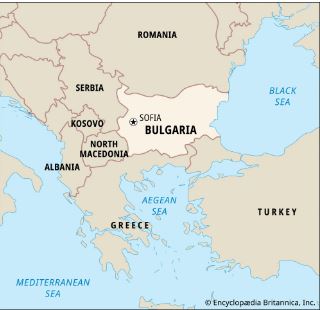
- 13 Jul 2025
In News:
Recently, the EU finance ministers officially approved Bulgaria’s adoption of the euro, set to take effect from January 1, 2026. This decision marks Bulgaria as the 21st member of the Eurozone, nearly 19 years after it joined the European Union in 2007. The euro will replace the Bulgarian lev at a fixed exchange rate of 1 euro = 1.95583 lev.
About the Eurozone
- The Eurozone comprises EU member states that have adopted the euro (€) as their official currency and fall under the monetary jurisdiction of the European Central Bank (ECB).
- The euro was introduced in electronic form in 1999 and entered physical circulation in 2002 across 12 initial member states.
- As of now, 20 countries use the euro, with Croatia being the latest entrant in 2023. Bulgaria will become the 21st in 2026.
Maastricht Convergence Criteria
To adopt the euro, EU member states must satisfy strict economic criteria to ensure stability and convergence with the Eurozone economies:
- Price Stability: Inflation should not exceed 1.5 percentage points above the average of the three best-performing EU states.
- Sound Public Finances:
- Fiscal deficit ≤ 3% of GDP
- Gross government debt ≤ 60% of GDP
- Exchange Rate Stability: The national currency must be part of ERM-II (Exchange Rate Mechanism) for at least 2 years without severe fluctuations.
- Interest Rate Convergence: Long-term interest rates must not exceed the average rates of the three lowest-inflation member states by more than 2 percentage points.
After years of delay due to high inflation, Bulgaria recently fulfilled all these criteria, leading to EU and ECB approval.
About Bulgaria
- Location: Southeastern Europe; occupies the eastern Balkan Peninsula.
- Borders:
- North: Romania
- South: Turkey & Greece
- West: Serbia & North Macedonia
- East: Black Sea
- Geography:
- Major mountain ranges: Balkan Mountains, Rhodope Mountains
- Highest peak: Mount Musala (2,925 m) in the Rila Mountains
- Rivers: Danube, Iskur, Maritsa, Struma, Tundzha, Yantra
- Climate: Mostly continental; southern areas influenced by the Mediterranean.
- Capital: Sofia
- Population: ~6.4 million
Household Income Survey in 2026

- 27 Jun 2025
In News:
The Ministry of Statistics and Programme Implementation (MoSPI) has announced that India will conduct its first nationwide Household Income Survey in 2026, marking a major milestone in the country’s data-driven policymaking framework.
What is the Household Income Survey?
- A comprehensive, nationwide survey aimed at collecting reliable and robust data on household income distribution across India.
- It is the first standalone survey focused specifically on income estimation, unlike earlier efforts that focused primarily on consumption and employment.
Key Implementing Bodies:
- Ministry of Statistics and Programme Implementation (MoSPI)
- National Sample Survey (NSS)
- Technical Expert Group (TEG)
Historical Background:
- 1950: National Sample Survey (NSS) established to conduct large-scale household surveys.
- 1955–1970: Income data attempted in the 9th, 14th, 19th, and 24th NSS rounds but faced challenges such as underreporting.
- 1983–84: A pilot income study failed to produce scalable data due to low income estimates relative to consumption and savings.
- Past difficulties deterred the launch of a dedicated income survey—until now.
Key Features of the 2026 Survey:
- First of its kind: India’s first survey exclusively focused on household income distribution.
- Methodologically robust: Designed by the TEG, incorporating international best practices in conceptual design, sampling, and estimation.
- Use of digital tools: Integration of technology-driven data collection methods to improve precision, timeliness, and reflect the role of digital economy in income generation.
- Built on recent statistical reforms by MoSPI in areas like:
- Unincorporated enterprise surveys
- Services sector data
- Private capital expenditure
- Tourism satellite accounts
Significance of the Survey:
- Addresses a critical data gap in understanding income inequality, disparities, and growth trends.
- Supports evidence-based welfare policies, including targeted subsidies, social protection, and fiscal redistribution.
- Enhances India’s capacity for inclusive growth assessment and SDG tracking.
- Strengthens the country's statistical infrastructure, aligning it with global standards.
QS World University Rankings 2026
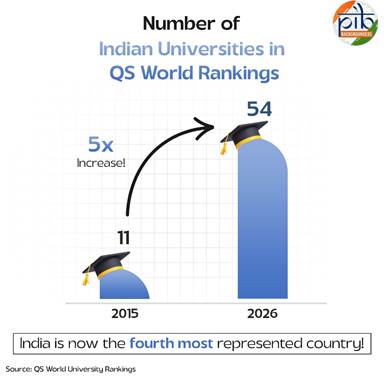
- 22 Jun 2025
In News:
India has recorded its highest representation to date in the QS World University Rankings 2026, with 54 institutions featured—up from 11 in 2015. This marks a five-fold increase in a decade, making India the fourth most represented country, after the US, UK, and China.
Key Highlights
- Total Indian Institutions Ranked (2026): 54
- New Entrants from India: 8
- Top-performing Indian Institution: IIT Delhi (Rank 123)
- Fastest Rising Indian Institution: IIT Madras, up 47 places (from 227 in 2025 to 180 in 2026)
- Indian Institutes of Technology (IITs) Featured: 12
- Debut Institutions in 2026:
- IIT Gandhinagar
- Lovely Professional University (LPU)
- Kalinga Institute of Industrial Technology (KIIT)
- Ashoka University
- Galgotias University
- Shiv Nadar University
- CHRIST (Deemed to be University), Bengaluru
- Manav Rachna International Institute of Research and Studies (MRIIRS)
Significant Trends and Insights
- Global Standing:
- India now ranks 4th globally in terms of number of institutions in the QS Rankings.
- Only the US (192), UK (90), and China (72) rank higher.
- Improvements and Recognition:
- 48% of India’s ranked institutions have improved their positions over last year.
- 6 institutions are in the global top 250.
- 5 Indian universities are among the top 100 globally for Employer Reputation, showing high industry trust.
- 8 institutions rank in the top 100 for Citations per Faculty, with an average score of 43.7—higher than the UK, US, and Germany.
- Diverse Representation:
- Includes central universities, deemed-to-be universities, technical institutions, and private universities, reflecting a balanced and diversified higher education landscape.
QS Ranking Methodology: Key Indicators
Performance Lens Weightage Indicators Weightage
Research & Discovery 50% Academic Reputation 30%
Citations per Faculty 20%
Employability & Outcomes 20% Employer Reputation 15%
Employment Outcomes 5%
Global Engagement 15% International Faculty Ratio 5%
International Research Network 5%
International Student Ratio 5%
Learning Experience 10% Faculty-Student Ratio 10%
Sustainability 5% Sustainability 5%
- New Indicator in 2026: International Student Diversity (tracks number and diversity of international students; non-weighted this cycle)
Significance for India
- The consistent rise highlights the impact of reforms under the National Education Policy (NEP) 2020, with greater emphasis on research, global collaboration, academic excellence, and employer integration.
- India’s progress makes it the fastest-rising G20 nation in QS rankings.
- Reflects increasing global trust and recognition of India’s higher education system.