
MelanoserisPendryi
- 14 May 2026
In News:
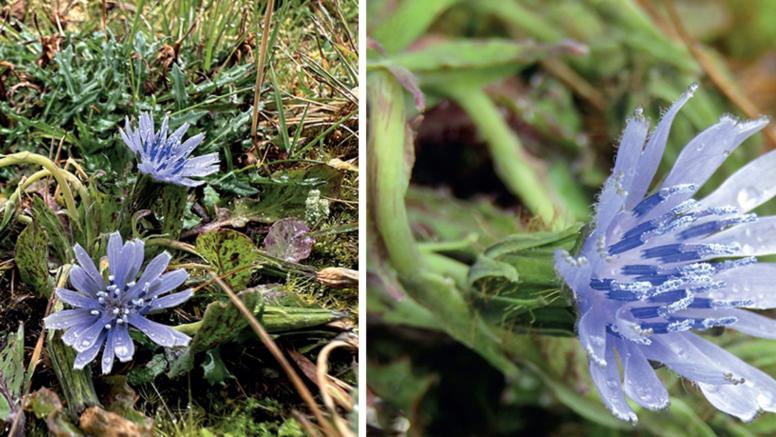
In a significant contribution to India’s botanical diversity, a team of researchers from the University of Calcutta and the University of Kashmir has discovered a new plant species, Melanoserispendryi, in the high-altitude alpine regions of the Sikkim Himalayas. This discovery, published in 2026, highlights the ecological richness of the Eastern Himalayas, a global biodiversity hotspot, and provides critical data for conservation efforts in fragile mountain ecosystems.
Taxonomic Classification and Global Distribution
The newly identified species belongs to the Asteraceae family (commonly known as the daisy or sunflower family), specifically under the genus Melanoseris.
- Genus Characteristics: The genus Melanoseris is distributed across a wide geographical range stretching from Iran to Southern Central China, extending into Northern Central Indo-China and Java.
- Indian Context: In India, approximately 16 species of Melanoseris have been documented, primarily concentrated across the Himalayan belt and the Northeastern states.
- Etymology: The species name pendryi honors David C. Pendry, a renowned botanist noted for his extensive work on the flora of the Himalayas and Nepal.
Habitat and Environmental Adaptation
Melanoserispendryi is uniquely adapted to thrive in the harsh, low-oxygen environments of the Sikkim Himalayas, specifically at altitudes exceeding 4,000 meters above sea level.
- Geographic Niche: It is primarily found in the moist alpine grasslands of Eastern Sikkim, often growing in close proximity to cushionoid shrubs like Rhododendron campanulatum.
- Resilience Mechanisms: To survive extreme cold and high-velocity winds, the plant grows close to the ground (prostrate habit) and utilizes a fleshy, branching root system that stores essential nutrients and moisture.
- Growth Cycle: The plant is a perennial herb that flowers from August to October, producing fruits shortly after in September and October.
Distinctive Morphological Features
What sets M. pendryi apart from its close relatives (such as M. lessertiana) are its unique floral and seed structures, which were previously unknown in this genus.
- The "Bearded" Petals: The species features striking lavender-colored petals (ligules). Uniquely, the undersides (ventral surface) of these petals are covered in long, white ciliate hairs, a feature that has led some to describe it as the "flower with a beard."
- Reproductive Anatomy: It possesses a shorter reproductive tube and a distinctly stout, compressed seed structure (cypsela).
- Physical Stature: The plant is relatively small, reaching a height of only 5–18 cm, including the peduncle. Its stem is often purplish and may be glabrous (smooth) or slightly hairy at the base.
Conservation Status and Ecological Threats
Despite its recent discovery, researchers have raised urgent concerns regarding the survival of Melanoserispendryi. Based on IUCN Red List criteria, scientists have proposed classifying the species as Critically Endangered.
- Tourism Pressure: The high-altitude regions of Sikkim are increasingly accessible to tourists, leading to habitat trampling and soil compaction.
- Grazing Pressure: Competitive land use for livestock grazing in alpine meadows poses a direct threat to the sparse populations of this plant.
- Climate Change: As a high-altitude specialist, M. pendryi is highly vulnerable to "mountain-top extinction," where rising temperatures force species to migrate upward until no suitable habitat remains.