
Gogabeel Lake Added as a Ramsar Site
- 04 Nov 2025
In News:
India has added Gogabeel Lake in Katihar district, Bihar to the Ramsar List of Wetlands of International Importance, raising the country’s total Ramsar sites to 94. With this, Bihar now has six Ramsar sites, placing it third after Tamil Nadu and Uttar Pradesh.
About Gogabeel Lake
- Location: Katihar district, Bihar; part of the Trans-Gangetic Plains.
- Wetland Type: A classic oxbow lake, situated between:
- River Mahananda (North-East)
- River Ganga (South)
- Hydrology: During floods, the lake temporarily links the two rivers.
- Legal Status: Bihar’s first Community Reserve, managed with active involvement of local communities.
- Cultural Significance: Traditional festivals such as Sirva, Adra, and Chhath are observed in the wetland region.
Ecological Features
- Flora: Dominated by tropical dry deciduous vegetation typical of the region.
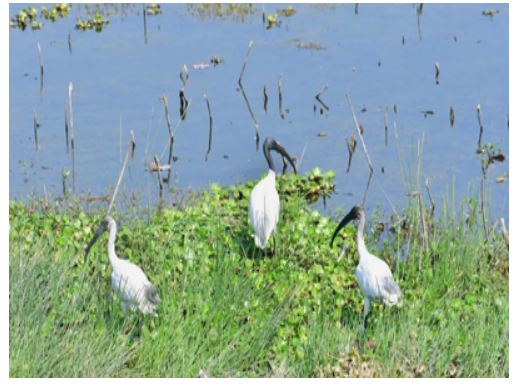
- Fauna: Important wintering site for migratory birds and species of global conservation significance. Key species:
- Smooth-Coated Otter (Lutrogale perspicillata) – Vulnerable.
- Helicopter Catfish (Wallago attu) – Vulnerable, with the lake serving as a breeding ground.
Supports diverse fish assemblages and contributes to local fisheries.
Significance of the New Ramsar Designation
- Strengthens India’s position as:
- 1st in Asia
- 3rd globally (after the UK and Mexico) in terms of number of Ramsar sites.
- India has added 67 new Ramsar sites in the past 11 years, covering 13.6 lakh hectares.
- Recent additions from Bihar also include Gokul Jalashay (Buxar) and Udaipur Jheel (West Champaran).
Why Wetlands Matter
- Wetlands are areas where water is present permanently or seasonally.
- Provide essential ecosystem services:
- Flood control and groundwater recharge
- Water purification
- Habitat for biodiversity
- Support to local livelihoods through food, fibre, and raw materials
Ramsar Convention
- Adopted: 1971, in Ramsar, Iran.
- Objective: Conservation and wise use of wetlands through national action and international cooperation.
- Members: 172 countries, including India.
- Global Count: 2,546 Ramsar sites worldwide.