
SC Tasks CBI to Tackle ‘Digital Arrest’ Scams

- 05 Dec 2025
In News:
The Supreme Court of India has directed the Central Bureau of Investigation (CBI) to lead a pan-India probe into rising cases of “digital arrest” scams, a form of cyber fraud involving impersonation of law-enforcement agencies. The Union government informed the Court that fraudsters have siphoned off thousands of crores of rupees, with senior citizens being frequent victims.
What is a Digital Arrest Scam?
A digital arrest is a cyber fraud where scammers pose as officials from agencies such as the police, CBI, ED, or customs authorities.
Modus Operandi
- Victims receive calls about a fake parcel, KYC issue, or alleged criminal link.
- Fraudsters use spoofed phone numbers, forged documents, and even video calls to appear official.
- Victims are threatened with arrest, passport cancellation, or frozen bank accounts.
- Under psychological pressure, victims are forced to transfer money as a “security deposit” or “fine”.
This scam combines cybercrime and psychological coercion, making it particularly dangerous.
Reasons for the Rise
- Fear-based social engineering exploiting public trust in law enforcement
- Easy access to SIM cards, mule bank accounts, and spoofing tools
- Cross-border cybercrime syndicates operating in organised networks
- Widespread adoption of digital payments (UPI, QR codes, online banking)
- Low digital awareness among vulnerable groups such as elderly citizens
Supreme Court Directions
The Court issued several key directives:
Investigation & Coordination
- CBI given nationwide jurisdiction to probe digital arrest scams.
- States directed to grant consent under Section 6 of the Delhi Special Police Establishment (DSPE) Act, 1946.
- CBI to coordinate with States, Interpol, RBI, telecom authorities, and digital platforms.
Financial Tracking
- RBI asked to explore AI and Machine Learning tools to detect suspicious money “layering” through multiple accounts.
- Banks and financial institutions to assist in identifying mule accounts.
Telecom Accountability
- The Department of Telecommunications (DoT) directed to tighten SIM issuance norms and KYC processes.
- Action sought against negligent telecom operators enabling misuse of SIMs.
Platform Responsibility
- Online intermediaries must comply with IT Rules, 2021 and provide data to investigators.
Institutional Strengthening
- States to operationalise Regional Cybercrime Coordination Centres and integrate them with the Indian Cybercrime Coordination Centre (I4C).
Scale of the Problem
- I4C has blocked over 59,000 WhatsApp accounts linked to such scams.
- Financial cyber fraud reporting systems have saved thousands of crores of rupees through timely intervention.
Challenges in Tackling Digital Arrests
- Use of advanced technologies like deepfakes, encrypted apps, and AI-generated documents
- Dark web networks supplying scam tools
- Cross-border jurisdictional hurdles
- Delayed reporting by victims due to stigma or fear
- Limited cyber forensic and policing capacity
Government Initiatives
|
Initiative |
Purpose |
|
Indian Cyber Crime Coordination Centre (I4C) |
National coordination against cybercrime |
|
National Cyber Crime Reporting Portal |
Public reporting of cyber offences |
|
Helpline 1930 |
Immediate reporting of financial fraud |
|
Anti-spoofing measures by DoT |
Blocking fake international calls masked as Indian numbers |
|
Cyber awareness campaigns (CyberDost, SMS alerts) |
Public education on digital safety |
Digital Arrest
- 16 May 2024
Why is it in the News?
With the cases of extortion and ‘digital arrest’ frauds on the rise, the Indian Cyber Crime Coordination Centre (I4C) working under the Union Ministry of Home Affairs issued an advisory asking the citizens to be alert about such frauds.
What is ‘Digital Arrest’?
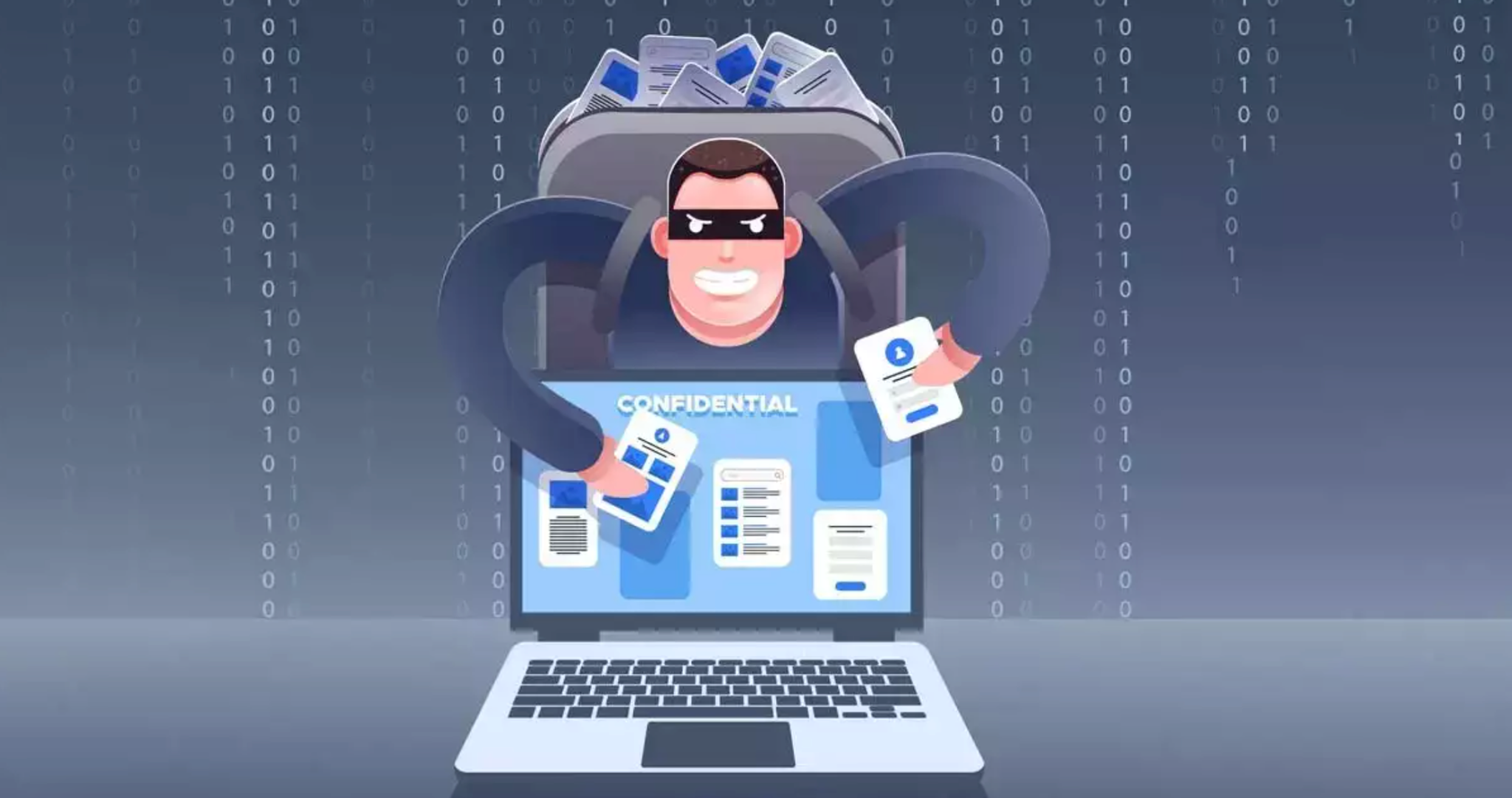
- ‘Digital arrest’ is a new and innovative tactic employed by cybercriminals to defraud gullible victims and extort money.
- The modus operandi in this cybercrime method is that fraudsters pose as law enforcement officials such as police, Enforcement Directorate, and CBI, among others, and manipulate them into believing that they have committed some serious crime.
- The cyber fraudsters deceive the victim into believing that he or she has been put under ‘digital arrest’ and will be prosecuted if they do not pay the scamsters a huge amount of money.
- The fraudster often uses the tactic of instilling fear and a sense of urgency in the victims, ensuring they part with their money before realizing it's a scam.
- The cyber criminals often force the naive victims to self-arrest or self-quarantine themselves, by tricking them into believing that they have been put under ‘digital arrest’ and cannot leave their house unless they pay up.
Modus Operandi of Digital Arrest Scams:
- Initial Engagement: Fraudsters initiate contact with unsuspecting individuals through various digital communication channels, such as phone calls, WhatsApp, or Skype.
- Fear and Urgency Manipulation: The scammers employ psychological tactics to instil fear and a sense of urgency in their victims.
- They present fabricated evidence and falsely claim that the victim is embroiled in criminal activities or is facing an imminent arrest warrant.
- Elaborate Scams: To enhance the legitimacy of their scheme, the scammers create elaborate setups, including simulated police stations, virtual interrogations, and video calls with individuals posing as senior police officers.
- Layered Interrogations: Victims are subjected to multiple rounds of “interrogations,” with the scammers assuming different roles, such as a “constable,” a “sub-inspector,” and finally a “DCP-level officer.”
- This layered approach aims to convince victims of the gravity of the situation and increase their susceptibility to the scam.
- Financial Exploitation: Under the imminent threat of arrest, victims are coerced into transferring substantial sums of money into designated accounts.
- The scammers deceitfully claim that these funds are necessary to clear the victim’s name or resolve the alleged criminal charges.
Actions Taken by the Centre:
- Intelligence agencies have determined that the incidents are part of a coordinated online economic crime network operated by transnational crime syndicates.
- The Indian Cyber Crime Coordination Centre (I4C), overseen by the Ministry of Home Affairs, has collaborated with Microsoft to block over 1,000 Skype IDs associated with such illicit activities.
- Additionally, efforts are underway to block SIM cards, mobile devices, and "mule" accounts utilized by cybercriminals.
- Money mules, also known as "smurfers," are individuals unwittingly used by fraudsters to launder stolen or illegal money through their bank accounts.
- Following reports of such incidents, these individuals often become the focus of police investigations due to their involvement, as highlighted in a security advisory by HDFC Bank.
- The Home Ministry is collaborating with other ministries, their agencies, the Reserve Bank of India (RBI), and various organizations to combat these criminal activities.
- I4C is actively providing technical support and inputs to the police forces of states and union territories to identify and investigate cases.
- I4C has leveraged its social media platform Cyberdost, along with its presence on platforms like Twitter, Facebook, and Instagram, to disseminate infographics and videos aimed at raising awareness about cybercrime.
- Citizens are urged to remain vigilant and help spread awareness about cybercrime.
- They are encouraged to report any such incidents promptly to the cybercrime helpline at 1930 or through the website http://www.cybercrime.gov.in.
- Additionally, filing a complaint and notifying the local police is advised.