
Amphipod Species
- 05 Nov 2025
In News:
Researchers from Berhampur University (Odisha) and Hemchandracharya North Gujarat University (Gujarat) have identified two new species of marine amphipods from the Chilika Lagoon and the Gulf of Khambhat, underscoring India’s expanding marine biodiversity documentation.
What are Amphipods?
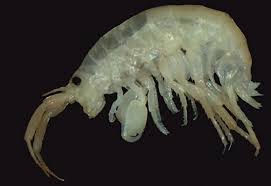
- Amphipods are small, shrimp-like crustaceans belonging to the subclass Amphipoda.
- They are related to crabs, lobsters, and shrimp.
- Occur in a wide range of habitats: marine, freshwater, subterranean caves, and even terrestrial zones (e.g., sandhoppers).
- The name Amphipoda means “different-footed”, referring to their anatomically varied appendages.
- Globally, 7,000+ species are known (majority under Gammaridea).
- Size range: 0.1 cm to 34 cm; deep-sea species tend to be the largest.
- Ecological role: mostly detritivorous or scavenging species that contribute to nutrient cycling and ecosystem cleaning.
Newly Discovered Species
1. Grandidierella geetanjalae
- Location: Chilika Lagoon, near Rambha (Ganjam district, Odisha).
- Size: ~5.5–6 mm.
- Naming: In honour of Geetanjali Dash, Vice-Chancellor of Berhampur University.
- Nature: Detritivorous; important for organic matter decomposition.
2. Grandidierella khambhatensis
- Location: Gulf of Khambhat, Gujarat.
- Size: ~5.5–6 mm.
- Naming: After its type locality (Khambhat).
- Ecological Role: Similar detritivorous function supporting ecosystem health.
Research Background and Previous Discoveries
- The research team has earlier discovered five amphipod species from eastern India, including:
- Quadrivisio chilikensis (Chilika, near Nalabana Bird Sanctuary)
- Demaorchestia alanensis (Barkul beach)
- Talorchestia buensis (West Bengal coast)
- These discoveries indicate that Indian coastal ecosystems remain under-explored and possess high micro-faunal diversity.
Ecological Importance
- Amphipods function as key components of benthic food webs, recycling detritus and supporting fish populations.
- Their presence is an indicator of habitat quality, especially in sensitive ecosystems such as lagoons, estuaries, and coastal wetlands.
- Discoveries from Chilika and Khambhat strengthen the case for monitoring anthropogenic pressures, salinity changes, and sediment dynamics in Indian coastal habitats.