
Justice Aravind Kumar Committee
- 15 May 2026
In News:
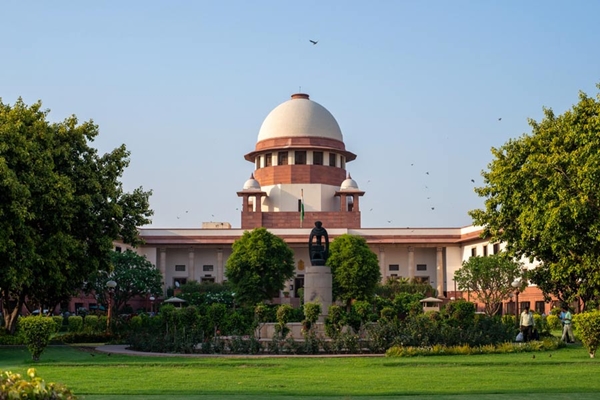
Chief Justice of India (CJI) Surya Kant announced a landmark initiative to overhaul the Indian judiciary's physical and technological backbone. By constituting the high-powered Judicial Infrastructure Advisory Committee (JIAC), the Supreme Court has signaled a decisive shift toward solving the chronic infrastructural gaps that have long hampered the delivery of justice.
Structural Composition and Leadership
The committee is designed as a multi-disciplinary expert panel, blending judicial wisdom with administrative and technical expertise.
- Chairperson:Justice Aravind Kumar (Judge, Supreme Court of India).
- Judicial Members:
- Justice Debangsu Basak (Calcutta High Court)
- Justice Ashwani Kumar Mishra (Punjab and Haryana High Court)
- Justice Somasekhar Sundaresan (Bombay High Court)
- Technical & Administrative Members:
- Director General of the Central Public Works Department (CPWD).
- Secretary General of the Supreme Court of India (serving as Member Secretary).
A Visionary Mandate: Seven Focus Areas
The primary objective of the Justice Aravind Kumar Committee is to create a blueprint for a unified, pan-India judicial ecosystem. To achieve this, the committee has identified seven key focus areas:
- Systemic Constraints: Identifying physical and procedural bottlenecks faced by judges and court staff.
- Litigant & Lawyer Facilities: Improving basic amenities such as waiting areas, accessible toilets, and dedicated chambers for bar members.
- Digital Transformation (e-Courts): Strengthening virtual and hybrid hearing infrastructures to bridge the digital divide between urban and rural courts.
- Technological Integration: Implementing cutting-edge tools (AI-assisted research, automated case management) to accelerate case disposal.
- Modern Court Complexes: Overseeing the design of sustainable, accessible, and 21st-century-ready buildings.
- Economic Alignment: Quantifying the fiscal requirements for judicial modernization.
- Institutional Synergy: Ensuring seamless coordination between the Judiciary, Central Government, and State Governments.
Strategic Funding and Economic Coordination
One of the committee's most significant features is its direct link to national economic policy.
- Projected Investment: The committee seeks a massive allocation of ?40,000–?50,000 crore. This represents one of the largest single-project investments in judicial history, aimed at treating judicial infrastructure as a vital component of national infrastructure.
- Collaboration with PM-EAC: The panel is tasked with submitting its detailed findings and specific funding requirements to Sanjeev Sanyal, a member of the Economic Advisory Council to the Prime Minister (EAC-PM), by August 31, 2026. This ensures that judicial requirements are integrated into the central government's budgetary planning.
Why This Matters: The State of Indian Judiciary
The constitution of this committee comes at a critical juncture. As of March 2026, the Supreme Court's case pendency reached a record high of over 93,000 cases, with millions more pending in subordinate courts.
- The Infrastructure-Pendency Link: Research consistently shows that case delays are often caused by "non-legal" factors, such as a lack of courtrooms for new judges, poor digital connectivity for remote hearings, and inadequate storage for physical records.
- Tribunal Crisis: Many specialized tribunals currently operate from inadequate rented spaces or hotel complexes (e.g., Hotel Samrat in New Delhi), compromising the dignity and efficiency of the legal process.