
Bharat Parv 2026
- 04 Feb 2026
In News:
- As the Republic Day celebrations extend beyond the ceremonial parade, Bharat Parv 2026 emerged as a vibrant platform reflecting India’s civilisational continuity and cultural plurality.
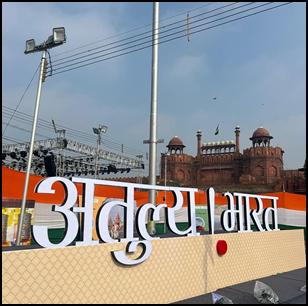
- Organised by the Ministry of Tourism from 26–31 January 2026 at the lawns in front of the Red Fort, the festival functioned as a cultural bridge between citizens, regions and traditions. Since its inception in 2016, Bharat Parv has grown into a flagship cultural showcase aligned with national integration, tourism promotion and participatory heritage awareness.
Historical Resonance: 150 Years of Vande Mataram
The 2026 edition held special symbolic importance as it marked 150 years of “Vande Mataram”.
- Composed by Bankim Chandra Chatterjee
- First published in Bangadarshan (1875)
- Later included in the novel Anandamath (1882)
- Set to music by Rabindranath Tagore
The commemoration linked India’s freedom struggle ethos with the constitutional values of unity, participation and collective identity.
Bharat Parv as an Instrument of National Integration
The festival reinforced key national initiatives:
- Ek Bharat Shreshtha Bharat – Promoting inter-state cultural exchange
- Dekho Apna Desh – Encouraging domestic tourism and heritage awareness
By bringing diverse traditions into a shared public space, Bharat Parv translated the constitutional vision of unity in diversity into lived experience.
Major Attractions and Cultural Dimensions
1. Republic Day Tableaux Exhibition
A display of 41 Republic Day tableaux from States, Union Territories and Central Ministries allowed visitors to closely observe artistic narratives portraying:
- Cultural heritage
- Women empowerment and social inclusion
- Technological innovation
- Environmental awareness
This transformed parade symbolism into an educational and immersive cultural exhibit.
2. Cultural Performances
The festival hosted:
- 48 folk and classical performances by state troupes and cultural institutions
- 22 performances by Armed Forces and paramilitary bands
These performances combined regional diversity with national pride, illustrating culture as both identity and soft power.
3. Culinary Heritage and Sustainable Food Traditions
A pan-India food court with 60+ stalls functioned as a culinary atlas of India:
- Millet-based traditional foods
- Tribal and indigenous cuisines
- Region-specific preparations using local ingredients
The focus on traditional cooking methods and local produce highlighted the link between food, ecology and cultural identity, aligning with sustainable lifestyle narratives.
4. Handicrafts, Handlooms and Tribal Entrepreneurship
The handicrafts segment included 100+ stalls supported by States, development bodies and the TRIFED. Artisans showcased:
- Handwoven textiles
- Metal and wood crafts
- Traditional jewellery and paintings
The platform gave visibility to tribal entrepreneurs and heritage-based livelihoods, integrating cultural preservation with economic empowerment.
5. Tourism and Governance Outreach
- 34 State/UT tourism pavilions promoted destinations and circuits
- 24 Central Ministry stalls highlighted public initiatives
Interactive exhibits demonstrated how cultural outreach can strengthen citizen engagement with governance.
6. Culture Meets Science and Public Health
The festival also expanded beyond traditional arts:
- The National Science Centre, Delhi hosted interactive scientific demonstrations
- The Rural Health Training Centre (Najafgarh) conducted CPR awareness, preventive healthcare outreach and public health education
This integration of science, health and culture reflected a holistic understanding of nation-building.