
Supreme Court on Narco-Analysis Tests
- 15 Dec 2025
In News:
The Supreme Court of India has reaffirmed that involuntary narco-analysis tests are unconstitutional, setting aside a decision of the Patna High Court that had permitted such a test. The ruling strengthens the protection of fundamental rights of the accused and underscores that investigative efficiency cannot override constitutional liberties.
What is a Narco Test?
Narco-analysis is an investigative technique in which a person is administered sedatives such as Sodium Pentothal (a barbiturate) to lower inhibitions. In a semi-conscious state, the subject is expected to reveal concealed or suppressed information.
It is often clubbed with other so-called scientific techniques such as:
- Polygraph (lie detector) tests
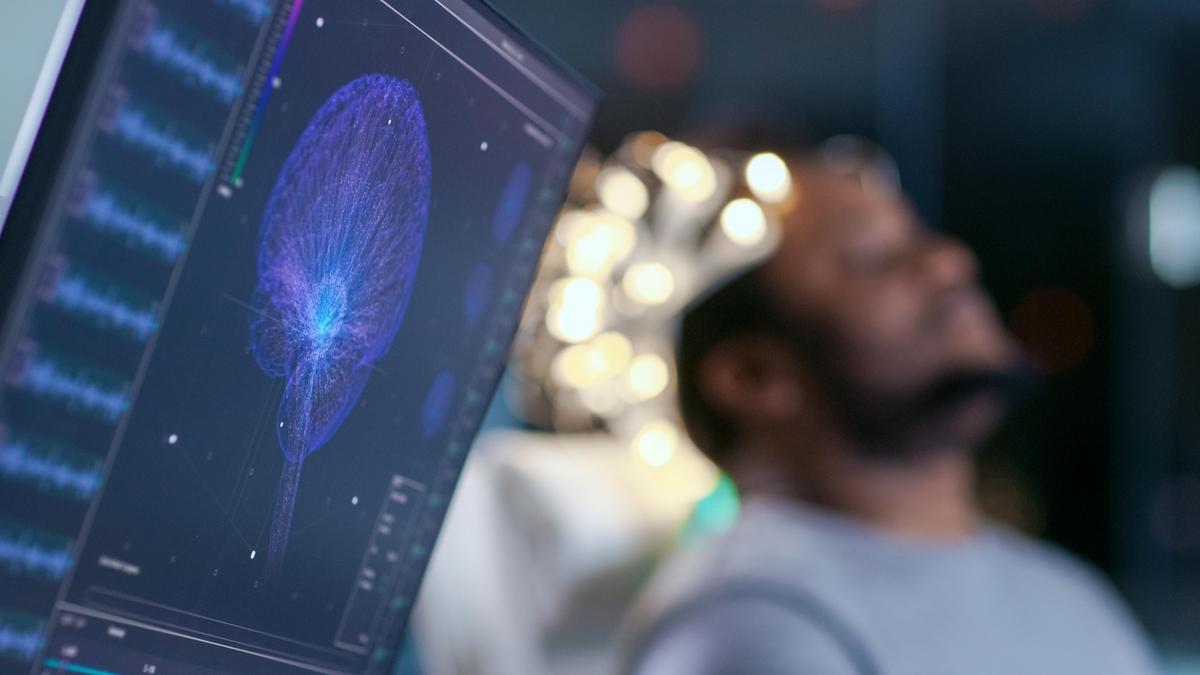
- Brain mapping / BEAP tests
Although described as “non-violent,” these methods interfere with a person’s mental processes, bodily integrity, and decisional autonomy.
Constitutional Protections Involved
- Article 20(3) - Protection Against Self-Incrimination: This Article states that no accused person can be compelled to be a witness against themselves. Forced narco-analysis extracts responses directly from the mind, amounting to compelled testimony. In Selvi v. State of Karnataka (2010), the Court held that narco, polygraph, and brain-mapping tests cannot be conducted without voluntary consent.
- Article 21 – Right to Life, Privacy, and Dignity: Forcible narco tests violate bodily integrity, mental privacy, and personal liberty. The Court linked this protection with the “Golden Triangle” doctrine flowing from Maneka Gandhi v. Union of India (1978), which requires all State procedures to be just, fair, and reasonable.
Recent Case: Supreme Court Overturns Forced Test
In Amlesh Kumar v. State of Bihar, the Patna High Court had allowed an involuntary narco test during investigation. The Supreme Court struck this down, reiterating that compulsory administration of such tests violates Articles 20(3) and 21, regardless of investigative objectives.
The judgment sends a clear message that constitutional rights cannot be diluted in the name of solving crimes.
Evidentiary Value of Narco Tests
The Court has consistently clarified that narco-analysis results:
- Do not amount to confessions
- Are not admissible as substantive evidence
- Can only provide investigative leads
- Must be corroborated by independent evidence
This position was reiterated in Manoj Kumar Saini v. State of MP and Vinobhai v. State of Kerala, where courts held that narco findings alone cannot establish guilt.
When Can Narco Tests Be Conducted?
The Supreme Court permits narco tests only under strict safeguards and voluntary consent:
- Consent must be informed, voluntary, and recorded before a Judicial Magistrate
- The accused must understand the legal and medical implications
- The test must be conducted by qualified medical professionals
- Legal counsel should be accessible
- Statements made during the test cannot be treated as confessions
Even if an accused volunteers under procedural law such as the Bharatiya Nagarik Suraksha Sanhita (BNSS), courts are not obligated to allow the test automatically.
Why This Judgment Matters
The ruling is significant because it reasserts that rule of law prevails over investigative shortcuts. It protects the dignity and mental privacy of individuals, even when they are accused of crimes. The judgment also reinforces the idea that criminal justice must be guided by due process and fairness, not coercion.
It further highlights the need for better forensic capacity, scientific investigation, and police reforms instead of reliance on ethically and legally questionable techniques.
Concerns Associated with Narco Tests
Narco-analysis raises serious concerns:
- Statements made under sedation may be unreliable, mixing fact and fantasy
- There is a high risk of coerced or influenced consent in custody
- It represents State intrusion into an individual’s thought processes
- There are medical and psychological risks involved
The Supreme Court’s ruling reinforces that constitutional morality and human dignity must guide criminal investigations. While scientific tools may assist policing, they cannot replace voluntariness, fairness, and respect for fundamental rights. The judgment strengthens India’s commitment to a justice system where liberty and due process remain non-negotiable, even in the pursuit of truth.