
Registered Unrecognised Political Parties (RUPPs)
- 21 Sep 2025
In News:
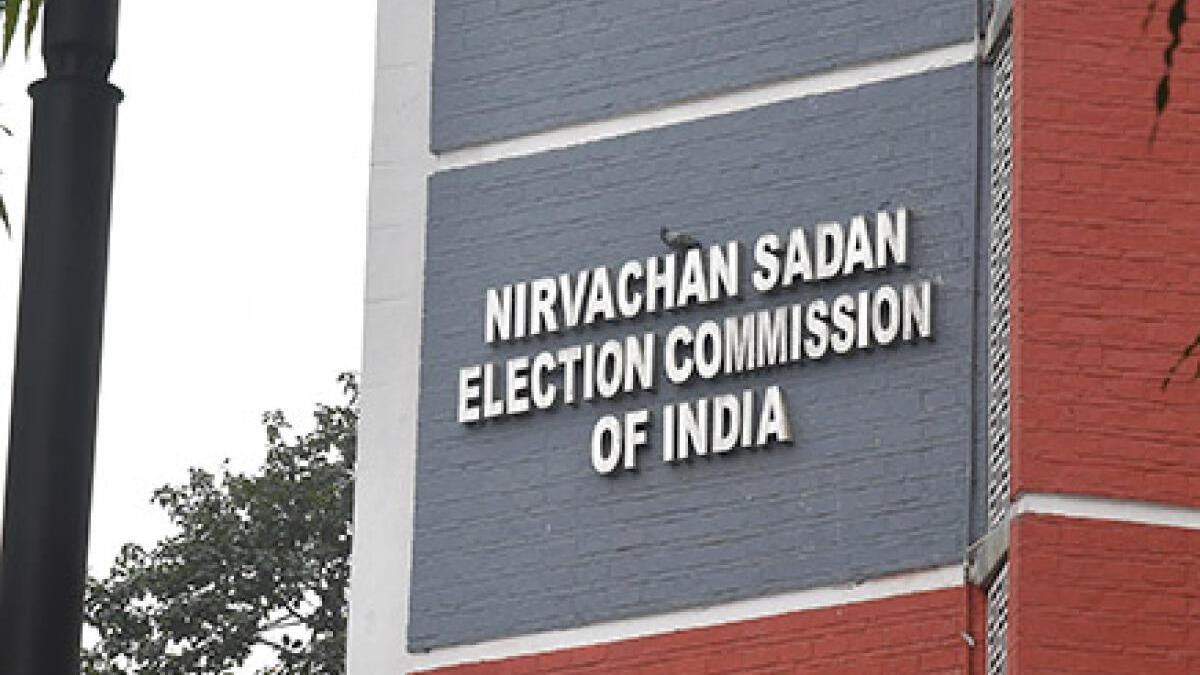
The Election Commission of India (ECI) has de-listed 474 Registered Unrecognised Political Parties (RUPPs) for failing to comply with statutory norms, including not contesting elections in the last six years, as part of its ongoing efforts to clean up the electoral system. This move follows the first phase of de-listing, which removed 334 RUPPs.
About Registered Unrecognised Political Parties (RUPPs)
RUPPs are political entities that are registered with the ECI under Section 29A of the Representation of the People Act (RPA), 1951 but do not yet qualify as state or national parties. They may fall into the following categories:
- Newly registered parties.
- Parties that have not secured sufficient votes to gain state-level recognition.
- Parties that have never contested elections since registration.
Benefits for RUPPs include:
- Tax exemptions under Section 13A of the Income Tax Act, 1961.
- Eligibility for common poll symbols, subject to fielding at least 5% of candidates in state assembly elections.
- Permission to nominate up to 20 ‘star campaigners’ for election canvassing.
Obligations include:
- Contesting elections periodically.
- Filing annual audited accounts and contribution reports.
- Disclosing donations exceeding Rs. 20,000 and restricting cash donations above Rs. 2,000.
Failure to meet these obligations can result in de-listing, as seen in the recent action by the ECI.
Registration and Recognition of Political Parties
Political parties in India are registered with the ECI to avail legal and electoral benefits, including:
- Acceptance of voluntary contributions from individuals and private entities (except government companies).
- Preference in allotment of election symbols to candidates.
- Tax exemptions on donations under Section 13A of the Income Tax Act.
Registered parties that meet additional criteria may gain recognition as State or National Parties, with exclusive privileges:
- Reservation of a unique election symbol.
- Access to free broadcast facilities on Doordarshan and All India Radio.
- Higher campaign expenditure allowances.
- Free copies of electoral rolls before elections.
Criteria for Recognition
State Party: A political party is recognized as a state party if it meets any of the following conditions:
- Wins 3% of seats in the Legislative Assembly in general elections.
- Wins one Lok Sabha seat for every 25 seats allotted to the state.
- Secures at least 6% of votes in a state and wins one Lok Sabha or two Legislative Assembly seats.
- Secures 8% of votes in a state in Lok Sabha or Assembly elections.
National Party: A political party is recognized as a national party if it satisfies any of the following:
- Secures 6% of votes in four or more states in Lok Sabha or Assembly elections and has at least four Lok Sabha members.
- Holds 2% of total Lok Sabha seats with candidates from at least three states.
- Recognized as a state party in at least four states.
Recognition is subject to continuous compliance in subsequent elections; failure to meet the criteria can lead to loss of status.
Significance of De-listing
The de-listing of 474 RUPPs strengthens the electoral system by:
- Ensuring active participation of political parties in the democratic process.
- Promoting transparency in funding and campaign practices.
- Reducing the clutter of inactive or non-compliant parties, thereby making election management more efficient.
This move reflects the ECI’s proactive approach in maintaining a robust and credible electoral framework, which is essential for a healthy democracy in India.