
Deepavali inscribed on UNESCO’s Intangible Cultural Heritage List
- 14 Dec 2025
In News:
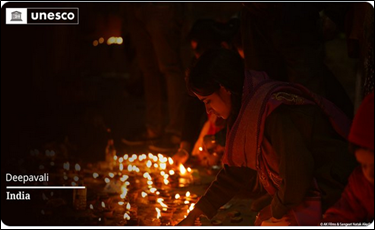
Deepavali (Diwali) has been officially inscribed on the Representative List of the Intangible Cultural Heritage of Humanity by UNESCO during the 20th Session of the Intergovernmental Committee held in New Delhi. It becomes the 16th Indian element on the list.
About Deepavali
- Also known as Diwali, meaning “row of lights”
- Celebrated on Kartik Amavasya (October–November)
- A multi-regional, multi-faith festival symbolising light over darkness, renewal, hope and harmony
- Observed across India and the global diaspora
Cultural and Mythological Significance
Deepavali is associated with multiple traditions across regions:
- Return of Lord Rama to Ayodhya after exile
- Victory of Lord Krishna over Narakasura (Naraka Chaturdashi)
- Worship of Goddess Lakshmi for prosperity
- Mahavira’s Nirvana for Jains
- Kali Puja in eastern India
- Govardhan Puja linked to Krishna traditions
- King Bali’s return celebrated in parts of western India
These diverse narratives reflect India’s cultural pluralism.
Key Features as Living Heritage
- Social practices: Lighting diyas, rangoli, rituals, gift exchange, sweets, community feasts
- Five-day celebration: Dhanteras - Naraka Chaturdashi - Lakshmi Puja - Govardhan/Bali Pratipada - Bhai Dooj
- Livelihood linkages: Potters, artisans, sweet-makers, florists, farmers, jewellers, textile workers benefit economically
- Diaspora dimension: Celebrated across Southeast Asia, Africa, Europe, Gulf countries, Caribbean
- Values embodied: Inclusivity, unity, generosity, wellbeing, moral ideal of “Tamso Ma Jyotirgamaya” (darkness to light)
Environmental & Social Dimensions
- Promotion of eco-friendly celebrations (e.g., green crackers)
- Cleaning rituals reinforce hygiene and wellbeing
- Strengthens family bonds and community cohesion
- Supports charity, food distribution, and care for vulnerable groups
About Intangible Cultural Heritage (ICH)
Definition: ICH includes living traditions, rituals, performing arts, craftsmanship, oral traditions, and knowledge systems that communities recognise as part of their cultural identity.
UNESCO Framework
- Governed by the 2003 Convention for the Safeguarding of Intangible Cultural Heritage
- Came into force in 2006
- India ratified in 2005
Five Domains of ICH
- Oral traditions & expressions
- Performing arts
- Social practices, rituals & festivals
- Knowledge concerning nature & the universe
- Traditional craftsmanship
Representative List
Highlights cultural practices that showcase humanity’s diversity and encourage dialogue.