
Farmer Producer Organisations (FPOs) and Climate-Resilient Agriculture
- 31 May 2026
In News:
With the India Meteorological Department (IMD) forecasting a weaker southwest monsoon during 2026 due to El Niño conditions, the Union Ministry of Agriculture and Farmers' Welfare has initiated contingency measures to safeguard the kharif season. A key component of this strategy is leveraging the nationwide network of 10,000 Farmer Producer Organisations (FPOs) to disseminate climate-resilient farming practices, encourage cultivation of drought-resistant crops, and strengthen farmers' preparedness against rainfall deficits.
What are Farmer Producer Organisations (FPOs)?
Farmer Producer Organisations (FPOs) are collective institutions formed primarily by small and marginal farmers to improve their economic position through aggregation, collective marketing and better access to technology, finance and agricultural services. Registered either as Producer Companies under the Companies Act or Cooperative Societies under State Cooperative Acts, FPOs combine the professional management of corporate entities with the democratic governance of cooperatives. This enables farmers to pool resources, reduce production costs, negotiate better prices and participate more effectively in agricultural value chains.
Objectives of FPOs
The primary objective of FPOs is to overcome the limitations of fragmented landholdings by promoting collective action. They aggregate farmers' produce to improve market access, enhance bargaining power while purchasing inputs and selling produce, facilitate institutional credit and insurance, promote value addition and processing, provide technical guidance, and encourage adoption of modern and climate-resilient agricultural technologies. In doing so, FPOs improve both farm profitability and long-term sustainability.
Government Initiatives to Promote FPOs
- Recognising their importance, the Government launched the Central Sector Scheme for Formation and Promotion of 10,000 FPOs in 2020 with a financial outlay of ?6,865 crore. The scheme aims to establish and nurture 10,000 new FPOs by 2027-28.
- The scheme provides financial assistance of up to ?18 lakh over three years for management and capacity building, an Equity Grant of up to ?15 lakh, and a Credit Guarantee Facility up to ?2 crore to improve institutional credit access. It follows a Cluster-Based Business Organisation (CBBO) approach and is implemented through agencies such as NABARD, SFAC, NCDC and various State-level institutions.
- The scheme is complemented by initiatives like NABARD's Producer Organisation Development Fund (PODF), SFAC's Equity Grant and Credit Guarantee Scheme, the ?1 lakh crore Agricultural Infrastructure Fund (AIF), and support under the Mission for Integrated Development of Horticulture (MIDH).
Current Status
The FPO movement has expanded significantly in recent years. More than 10,000 FPOs have already been formed across the country, representing over 63 lakh farmer members. These organisations are engaged in crop cultivation, horticulture, dairy, fisheries, beekeeping and other allied agricultural activities, making them an important institutional pillar for rural development.
Monsoon Outlook and Need for Climate Resilience
The IMD has projected that the Southwest Monsoon (June–September) 2026 is likely to be 90% of the Long Period Average (LPA), with a model error of ±4%. The LPA for the country, calculated using the 1971–2020 dataset, is 87 cm.
More importantly, rainfall over the Monsoon Core Zone is expected to remain below normal (less than 94% of LPA). This zone includes major rain-fed agricultural states such as Maharashtra, Gujarat, Rajasthan, Madhya Pradesh, Chhattisgarh, Jharkhand, Karnataka, Telangana and Odisha, where crop production is highly dependent on timely monsoon rainfall.
Government's Strategy Through FPOs
To reduce the impact of a weak monsoon, the Ministry has prepared a comprehensive list of 10,000 FPOs already practising climate-resilient agriculture. These organisations are being used as demonstration centres to spread awareness and encourage adoption of sustainable farming practices.
The Ministry is organisingdaily state-wise webinars on natural farming and climate-smart agriculture while promoting mulching, drip irrigation, mixed cropping, and cultivation of drought-resistant crops, particularly millets and pulses. This institutional approach allows successful practices to be replicated rapidly across farming communities.
Climate-Resilient Practices Being Promoted
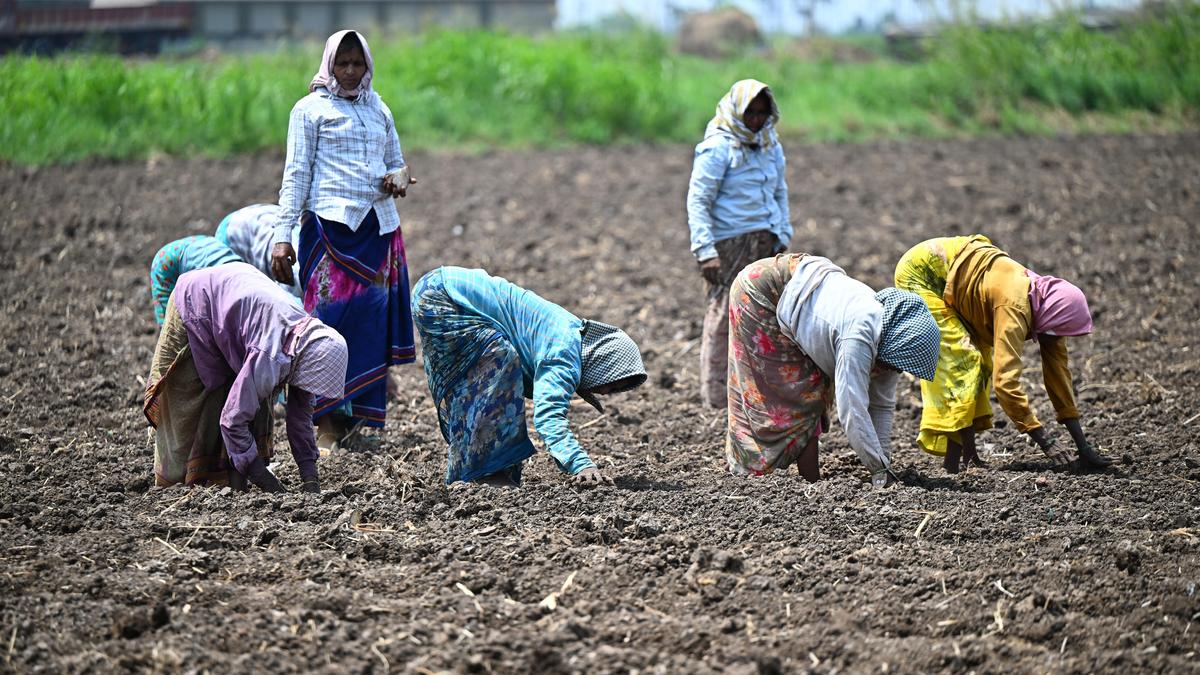
Among the various interventions, mulching has emerged as one of the most effective low-cost technologies. By covering the soil with crop residues or other organic material, mulching reduces evaporation losses, conserves soil moisture, suppresses weeds and improves soil fertility, enabling crops to withstand prolonged dry spells.
The Ministry is also encouraging farmers to diversify towards crops that require less water. Millets such as ragi, jowar and bajra, along with pulses like moong, urad and horse gram (kulthi), are naturally drought tolerant and better suited to uncertain rainfall conditions. Mixed cropping is being promoted simultaneously to reduce production risks and improve farm resilience.
Jharkhand: A Model for Climate-Resilient Farming
The government's strategy is already reflected in the work of several FPOs in Jharkhand. The Torpa Mahila Krishi Bagwani Swavlambi Sahkari Samiti Limited in Khunti district, comprising nearly 4,000 farmers, has adopted natural mulching using straw and gunny bags. Anticipating deficient rainfall, its members are shifting from water-intensive paddy cultivation to millets and pulses during the Kharif 2026 season while motivating neighbouring farmers to adopt similar practices.
Similarly, the Senem Nirem Farmer Producer Company Limited has successfully implemented natural mulching techniques that improve soil moisture retention through inexpensive interventions, helping crops survive extended dry periods.
Significance
Farmer Producer Organisations have evolved beyond being marketing institutions and are increasingly becoming vehicles for agricultural transformation. They empower small and marginal farmers, who constitute nearly 86% of India's farming population, by improving market access, reducing dependence on intermediaries, facilitating adoption of modern technology and ensuring effective delivery of government schemes.
The current strategy demonstrates that FPOs can also serve as critical institutions for climate adaptation, enabling rapid dissemination of climate advisories, promotion of sustainable farming practices and diversification towards resilient cropping systems. As climate variability becomes more frequent, strengthening FPOs will be essential for ensuring agricultural sustainability, improving farmer incomes and enhancing India's food security.
Assam Uniform Civil Code (UCC) Bill, 2026
- 30 May 2026
In News:
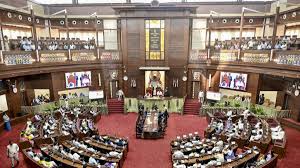
The Assam Legislative Assembly passed the Uniform Civil Code (UCC) Assam Bill, 2026, making Assam the first State in Northeast India and the third State in the country (after Goa and Uttarakhand) to implement a Uniform Civil Code. The legislation seeks to establish a uniform civil framework governing marriage, divorce, inheritance, maintenance, and live-in relationships, while exempting Scheduled Tribes (STs) to protect their customary laws.
What is the Uniform Civil Code (UCC)?
The Uniform Civil Code (UCC) refers to a common set of civil laws governing marriage, divorce, inheritance, succession, adoption, maintenance, alimony, and child custody, irrespective of religion, gender, or community. The objective is to replace religion-based personal laws with a uniform legal framework, thereby promoting equality before law and ensuring uniform civil rights.
The constitutional basis of the UCC lies in Article 44 under the Directive Principles of State Policy (DPSPs), which directs the State to endeavour to secure a Uniform Civil Code for all citizens. Although non-justiciable, Article 44 reflects the constitutional vision of promoting national integration and equal civil rights.
At present, India follows a system of religion-specific personal laws. Hindus, Sikhs, Jains and Buddhists are governed by the Hindu Code Acts, Muslims by the Muslim Personal Law (Shariat) Application Act, 1937, while Christians and Parsis have separate personal laws. Goa remains the only State with a long-standing common civil code applicable across communities.
Key Provisions of the Assam UCC Bill, 2026
The Bill seeks to create a uniform civil framework by eliminating discriminatory personal law practices while introducing greater legal certainty.
It prohibits polygamy and bigamy, making such marriages punishable with imprisonment of up to seven years under Section 82 of the Bharatiya Nyaya Sanhita (BNS), 2023.
For the first time, the Bill provides a statutory framework for live-in relationships by making their registration mandatory within one month, with non-compliance attracting penalties. At the same time, it safeguards vulnerable partners by recognizing the legitimacy of children born from such relationships and allowing deserted women to claim maintenance.
The legislation also standardizes marriage and divorce laws by prescribing a minimum marriage age of 21 years for men and 18 years for women, while making registration of marriages and divorces compulsory within 60 days. It replaces the Assam Compulsory Registration of Muslim Marriages and Divorces Act, 2024, with a common registration framework.
Another significant reform is the introduction of gender-neutral inheritance rules, ensuring equal succession rights for spouses, children, and parents, irrespective of religious identity.
Why are Scheduled Tribes Exempted?
A notable feature of the Bill is the complete exemption granted to Scheduled Tribes (STs) residing in Assam.
This exemption recognizes the constitutional protection already available to tribal communities. The Sixth Schedule grants autonomy to tribal areas such as Bodoland, Karbi Anglong, and Dima Hasao, while Articles 371A and 371G protect the customary laws and social practices of Nagaland and Mizoram, respectively.
The exemption seeks to preserve tribal customs relating to marriage, inheritance, and land ownership, reflecting India's commitment to "unity in diversity" while simultaneously reforming the general civil law framework.
Judicial Stand on the UCC
The Supreme Court has repeatedly emphasized the need for a Uniform Civil Code while highlighting gender justice and constitutional equality.
- Mohd. Ahmed Khan v. Shah Bano Begum (1985): Observed that Article 44 has remained a "dead letter" and urged the State to implement a UCC.
- Sarla Mudgal v. Union of India (1995) and John Vallamattom v. Union of India (2003): Reiterated the importance of a common civil code.
- Shayara Bano v. Union of India (2017): Declared triple talaq unconstitutional, reinforcing gender equality in personal laws.
- Jose Paulo Coutinho v. Maria Luiza Valentina Pereira (2019): Praised the Goa Civil Code as a model of uniform civil legislation.
Arguments For and Against the UCC
Supporters argue that the UCC promotes gender justice, equality before law, secularism, and national integration by replacing discriminatory personal laws with a common legal framework. Uniform inheritance rights, prohibition of polygamy, and equal treatment of women are viewed as important constitutional reforms that fulfil the vision of Article 44.
Critics, however, contend that a uniform code may infringe upon the freedom of religion under Article 25, as personal laws are closely linked to religious identity. Mandatory registration of live-in relationships has also raised concerns regarding the Right to Privacy under Article 21, particularly in light of the Justice K.S. Puttaswamy (2017) judgment. Others argue that social acceptance, administrative capacity, and the diversity of customary practices remain major implementation challenges.
Way Forward
The implementation of a Uniform Civil Code requires a balanced and gradual approach that reconciles constitutional values with India's cultural diversity. Codifying existing personal laws, as recommended by the 21st Law Commission (2018), could serve as an important first step toward eliminating discriminatory provisions. Simultaneously, reforms should evolve through broad stakeholder consultation, ensuring that gender justice, religious freedom, and tribal autonomy are harmoniously balanced.
The State should also review provisions relating to mandatory registration of live-in relationships to ensure they do not infringe upon individual privacy, while encouraging dialogue with tribal institutions to gradually reform discriminatory customary practices without undermining their cultural identity.
Four-Dimensional Grid’ Border Security Model
- 29 May 2026
In News:
In a significant step towards enhancing India's border security architecture, the Union Home Minister proposed the Four-Dimensional Grid Border Security Model during his visit to the Sanchu Border Outpost in Rajasthan along the India–Pakistan border. The proposed framework seeks to establish a comprehensive, technology-driven, and community-oriented border management system capable of addressing emerging security challenges such as infiltration, cross-border terrorism, drone intrusions, narcotics trafficking, and arms smuggling.
The proposal reflects India's evolving approach to border management, which increasingly combines military preparedness with technological innovation, civil administration, and community participation.
What is the Four-Dimensional Grid Border Security Model?
The Four-Dimensional Grid is a proposed integrated border security framework designed to create a multi-layered and coordinated defence mechanism along India's international borders.
Unlike conventional border guarding that relies primarily on security forces, the model envisages seamless coordination among multiple stakeholders, including:
- Border Security Force (BSF)
- Indian Army
- District and local administration
- Cyber surveillance and intelligence agencies
- Border residents and local communities
The objective is to create an interconnected security ecosystem capable of preventing, detecting, and responding rapidly to both conventional and emerging cross-border threats.
Objectives of the Model
The proposed framework seeks to:
- Establish foolproof border security against infiltration and cross-border terrorism.
- Prevent narcotics trafficking, arms smuggling, and illegal migration.
- Counter emerging threats from drones and cyber-enabled reconnaissance.
- Improve coordination among security agencies and civil administration.
- Enhance community participation in border management.
- Promote rapid intelligence sharing and integrated response mechanisms.
Key Features
1. Integrated Security Coordination
The model brings together the BSF, Army, civil administration, intelligence agencies, cyber units, and border communities under a unified operational framework. This integrated approach aims to eliminate institutional silos and improve operational efficiency during emergencies.
2. Multi-Layered Defence Against Emerging Threats
The framework is designed to address both traditional and non-traditional security threats, including:
- Cross-border infiltration.
- Terrorist movement.
- Arms and narcotics smuggling.
- Illegal migration.
- Reconnaissance and weaponized drones.
By combining surveillance, intelligence, and field operations, the model seeks to strengthen preventive as well as response capabilities.
3. Technology and Cyber Surveillance
Technology forms a central pillar of the Four-Dimensional Grid.
The framework proposes integrating:
- Drone detection and counter-drone systems.
- Cyber surveillance.
- Advanced communication networks.
- Real-time intelligence sharing.
- Digital monitoring platforms.
These technologies will improve situational awareness, facilitate quicker decision-making, and enable coordinated responses to security incidents.
4. Community Participation and Border Development
A distinctive feature of the model is the recognition of border residents as important stakeholders in national security.
The framework seeks to complement the Vibrant Villages Programme, which focuses on improving roads, telecommunications, electricity, public services, and livelihood opportunities in border villages. Better infrastructure and economic development are expected to reduce migration from border areas while encouraging local communities to actively participate in surveillance and information sharing.
Significance
The Four-Dimensional Grid represents a shift towards Integrated Border Management (IBM), where national security is viewed as a combination of military preparedness, technological capability, institutional coordination, and socio-economic development.
Its major significance includes:
- Strengthening India's preparedness against evolving hybrid warfare.
- Improving coordination between military and civilian agencies.
- Enhancing surveillance through advanced technologies.
- Encouraging intelligence-led border management.
- Promoting community-based security mechanisms.
- Supporting border area development alongside strategic objectives.
The model is particularly relevant in view of increasing drone-based smuggling, cross-border infiltration attempts, and cyber-enabled security threats along India's western and northern borders.
Challenges
Successful implementation would require:
- Seamless coordination among multiple agencies.
- Robust cybersecurity infrastructure.
- Continuous technological upgrades.
- Capacity building of security personnel.
- Active participation of border communities.
- Adequate financial and administrative support.
Balancing security imperatives with the socio-economic needs of border populations will also remain an important policy consideration.
Conclusion
The proposed Four-Dimensional Grid Border Security Model represents a holistic approach to securing India's borders by integrating defence forces, technology, governance, and local communities. As the nature of border threats becomes increasingly multidimensional, the framework seeks to move beyond traditional border guarding towards intelligence-driven, technology-enabled, and community-supported border management. If effectively implemented, it has the potential to significantly strengthen India's national security architecture while promoting sustainable development in border regions.
Securing India’s Critical National Infrastructure in the Age of Cyber Warfare
- 28 May 2026
In News:
India’s rapid digital transformation has significantly enhanced efficiency across sectors such as energy, transportation, banking, telecommunications, healthcare, and governance. However, the increasing integration of the Internet of Things (IoT), Artificial Intelligence (AI), Operational Technology (OT), and Information Technology (IT) networks has simultaneously expanded the country's vulnerability to cyber threats. As critical infrastructure becomes increasingly interconnected, protecting it has emerged as a key national security priority.
Understanding Critical National Infrastructure
Critical National Infrastructure (CNI) refers to the essential physical assets, digital systems, networks, and services whose disruption, destruction, or compromise would severely affect public safety, economic stability, governance, and national security. These systems form the backbone of a nation’s socio-economic functioning and therefore require the highest levels of protection.
India’s critical infrastructure spans multiple sectors:
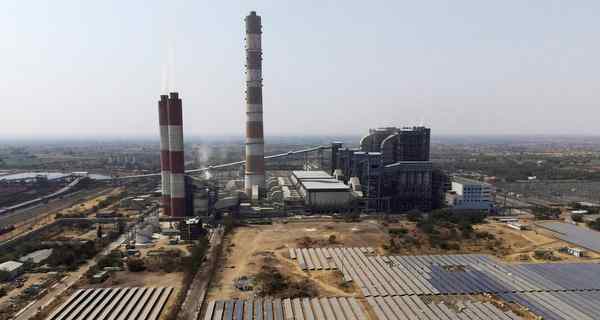
- Energy Sector: Power grids, thermal and nuclear plants, solar parks, load dispatch centres, and transmission networks.
- Transportation Systems: Air traffic control systems, railway signalling networks, ports, logistics hubs, and highway toll infrastructure.
- Banking and Financial Services: RBI-operated payment systems, NEFT, RTGS, stock exchanges, and banking servers.
- Telecommunications and IT: Data centres, satellite communication networks, cellular infrastructure, and undersea cable landing stations.
- Public Utilities and Essential Services: Water treatment plants, oil and gas pipeline networks, hospitals, and police communication systems.
Growing Cybersecurity Risks
Globally, cyberattacks targeting critical infrastructure sectors have increased dramatically, with attacks on energy and transport systems reportedly rising by over 140% in recent years. India’s expanding digital ecosystem faces similar challenges.
One of the biggest vulnerabilities arises from the convergence of IT, OT, and IoT systems. Industrial control systems that were once isolated are now connected to broader networks for monitoring and automation. While this improves operational efficiency, it also creates entry points for malicious actors. A breach in an IT network can potentially allow attackers to manipulate physical infrastructure such as power grids, industrial machinery, or pipeline valves.
Another challenge is the use of imported hardware and software components in sensitive sectors. Weak procurement standards and inadequate verification mechanisms may allow compromised or poorly secured equipment to enter critical networks. Additionally, many public sector entities continue to rely on basic compliance audits rather than advanced firmware-level security assessments, increasing exposure to hidden vulnerabilities.
The emergence of state-sponsored cyber warfare further complicates the threat landscape. Modern cyber conflicts increasingly target civilian infrastructure through malware, logic bombs, ransomware, and supply-chain attacks, with the objective of causing large-scale disruption without conventional military engagement.
India's Institutional Response
Recognising these risks, India has established a robust cybersecurity architecture.
The National Critical Information Infrastructure Protection Centre (NCIIPC), established under Section 70A of the Information Technology Act, serves as the nodal agency for protecting critical information infrastructure. It works alongside the Indian Computer Emergency Response Team (CERT-In), which handles incident response, threat monitoring, and cybersecurity advisories.
To strengthen telecom security, India has introduced the Trusted Telecom Portal, which mandates procurement of network equipment only from verified and trusted sources. The Standardisation Testing and Quality Certification (STQC) Directorate has also enhanced hardware testing mechanisms to detect hidden vulnerabilities in imported IoT devices, sensors, and surveillance equipment.
The Way Forward
As India moves towards becoming a digitally empowered economy, cybersecurity must be viewed as a strategic pillar of national security. Key priorities include adopting Zero-Trust Architecture, strengthening procurement standards, expanding STQC testing capacity, deploying AI-based threat detection systems, and conducting regular joint cyber defence exercises involving government agencies, armed forces, and private operators.
Conclusion
The future of India’s economic growth, governance, and national security increasingly depends on the resilience of its critical infrastructure. While digital technologies such as AI, IoT, and automation offer immense opportunities, they also create new vulnerabilities. Securing Critical National Infrastructure requires a comprehensive approach that combines technological safeguards, institutional preparedness, regulatory reforms, and continuous vigilance. In the emerging era of cyber warfare, protecting critical infrastructure is not merely an IT challenge but a fundamental requirement for safeguarding India's sovereignty and strategic interests.
Land Pooling Scheme

- 27 May 2026
In News:
Rajasthan has announced its first-ever Land Pooling Scheme, signalling a shift towards more participatory methods of land assembly for infrastructure, urban development, roads and public utilities. The move is significant because land acquisition has long been one of the biggest obstacles to infrastructure development in India, often resulting in delays, litigation and social resistance.
What is Land Pooling?
Land pooling is a voluntary mechanism under which a group of landowners surrender their land to a development authority for planned urban development. The authority develops infrastructure such as roads, drainage systems, water supply networks, public spaces and social amenities. After development, a portion of the land is retained for public purposes, while the remaining land is returned to the original owners as serviced plots.
Unlike conventional land acquisition, where ownership is permanently transferred to the government in exchange for compensation, land pooling allows owners to remain stakeholders in the development process. Although they receive a smaller parcel of land, its value increases substantially because of the infrastructure created around it.
Typically, 25–45% of pooled land is used for public infrastructure, while 55–75% is returned to landowners as developed plots.
Why Has Land Acquisition Become Problematic?
Land acquisition in India is governed by the Right to Fair Compensation and Transparency in Land Acquisition, Rehabilitation and Resettlement (RFCTLARR) Act, 2013. The Act introduced important safeguards such as Social Impact Assessment (SIA), enhanced compensation, rehabilitation measures and consent requirements of 70% for PPP projects and 80% for private projects.
While these provisions strengthened landowner rights, they also increased project costs and timelines. Large infrastructure projects frequently face delays because of compensation disputes, legal challenges, rehabilitation concerns and resistance from affected communities. In many cases, governments are required to spend enormous sums on compensation before development can even begin.
How Does Land Pooling Address These Challenges?
Land pooling changes the relationship between the state and landowners from one of acquisition to partnership. Since participation is voluntary, the likelihood of prolonged litigation and social conflict is significantly reduced.
The model also lowers the financial burden on governments because authorities do not have to make large upfront compensation payments. Instead, infrastructure costs are gradually recovered through increased land values and development charges.
Another important advantage is that landowners are not displaced from their local communities. They continue to remain in the same area and benefit directly from urbanization. In many cases, the market value of the developed plot received after pooling far exceeds the value of the original undeveloped land.
Lessons from Existing Models
India already has successful examples of land pooling. The Gujarat Town Planning Scheme (TPS), implemented under the Gujarat Town Planning and Urban Development Act, 1976, has facilitated planned urban expansion across more than 1,000 sq km in cities such as Ahmedabad, Surat, Vadodara and Gandhinagar. Similarly, Guwahati adopted a modified version of land pooling by reducing land contribution requirements to 12–15%, making the scheme more acceptable to local stakeholders.
Challenges and the Way Forward
Despite its advantages, land pooling requires accurate land records, GIS-based mapping, transparent valuation mechanisms and strong planning institutions. Protection of tenants, agricultural labourers and other vulnerable groups remains an important concern. Delays in infrastructure creation can also undermine public confidence in the scheme.
Going forward, states need to accelerate land record digitization, establish transparent benefit-sharing frameworks and ensure timely project implementation. If effectively designed, land pooling can become a sustainable solution to India's growing infrastructure and urbanization needs.
Conclusion
Land pooling represents an important evolution in India's land governance framework. By replacing compulsory acquisition with voluntary participation, it reduces conflict, lowers fiscal costs and allows landowners to share the benefits of development. As India urbanizes rapidly, the model offers a balanced approach that combines infrastructure creation with social acceptance and economic inclusion.
Supreme Court’s Revival of Sedition Trials
- 26 May 2026
In News:
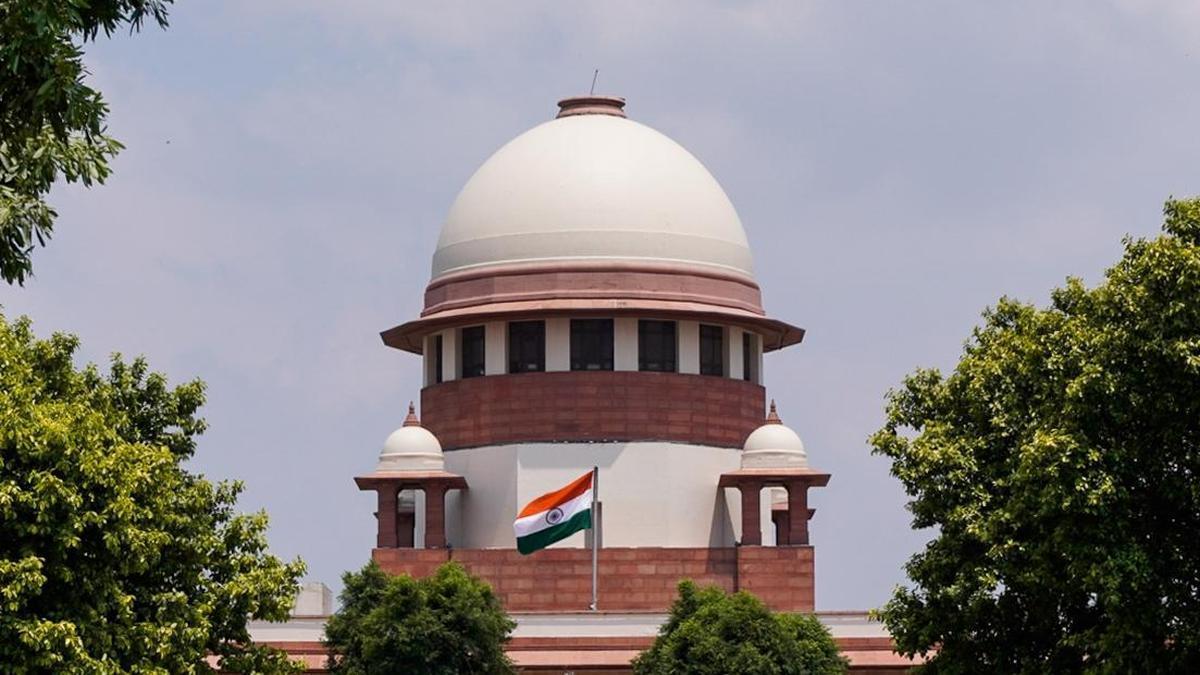
The Supreme Court clarified its May 2022 interim order, holding that wherever the accused has no objection against proceeding with the trial, appeal, or any other proceeding where he has been chargesheeted under Section 124A IPC, there shall be no impediment for courts to decide such matters on merits and in accordance with law.
The clarification came while hearing a petition filed by Kamran, who has reportedly been in custody for 17 years. His criminal appeal — arising from a 2017 Sessions Court conviction under Sections 122, 124A, 153A IPC, read with provisions of the UAPA — remained pending before the Madhya Pradesh High Court due to the 2022 Supreme Court freeze on all sedition proceedings.
The order is not a general revival of Section 124A prosecutions. It does not give the State a unilateral right to push ahead with sedition trials. Crucially, the clarification does not answer the larger question — what is the constitutional fate of sedition?
Background — A Colonial Relic
Section 124A was drafted by Thomas Babington Macaulay in 1837 but was omitted when the IPC was first enacted in 1860. It was reintroduced in 1890 through Special Act XVII specifically to suppress rising nationalist dissent, carrying harsh penalties including life imprisonment.
The law was used extensively against Indian freedom fighters — most notably Bal Gangadhar Tilak (tried three times for his writings in Kesari) and Mahatma Gandhi (for his articles in Young India in 1922). Gandhi famously described Section 124A as "the prince among the political sections of the Indian Penal Code designed to suppress the liberty of the citizen."
Key Judicial Pronouncements
- Romesh Thapar v. State of Madras (1950) — The Supreme Court held that mere criticism of the government or creation of disaffection against it cannot justify restrictions on free speech unless it threatens the security of the State or seeks to overthrow it.
- Kedar Nath Singh v. State of Bihar (1962) — The Supreme Court upheld the constitutional validity of Section 124A but severely restricted its application, ruling that mere strong criticism of the government is not sedition unless accompanied by incitement to violence or an intention to create public disorder.
- Balwant Singh v. State of Punjab (1995) — The Supreme Court held that casual raising of anti-national slogans by a few individuals, which did not lead to any public response or violence, does not amount to sedition.
- S.G. Vombatkere v. Union of India (2022) — The Supreme Court placed Section 124A in complete abeyance, observing that the law was engineered for a colonial regime and entirely out of sync with the modern democratic social milieu. It directed that no fresh FIRs be registered, no investigations continued, and all pending trials and appeals kept strictly in abeyance.
Transition to the Bharatiya Nyaya Sanhita (BNS), 2023
With the repeal of the IPC, the sedition framework has transitioned into the BNS. The word "sedition" (Rajdroh) has been consciously dropped from the new legal lexicon. Section 152 of the BNS now penalises acts that endanger the "sovereignty, unity, and integrity of India." Crucially, while Section 124A penalised disaffection towards the Government, Section 152 shifts focus to penalising acts that threaten the State itself — specifically criminalising secessionist activities, armed rebellion, or subversive activities, with punishment up to life imprisonment or seven years with fine.
22nd Law Commission's Position
The 22nd Law Commission (2020) strongly recommended retaining the sedition law to safeguard India's internal security, arguing that the "colonial legacy" tag is an insufficient reason for its repeal. It proposed critical amendments: formally incorporating the Kedar Nath judicial safeguard by explicitly requiring a "tendency to incite violence or cause public disorder," and mandating that no FIR can be registered without a preliminary inquiry by an Inspector-level officer and prior government permission. It also warned that scrapping sedition entirely could force the State to prosecute speech-related offences under far more draconian laws like the UAPA.
Concerns Raised by the Revival
- Questionable Nature of Consent — Critics argue that accused persons facing prolonged imprisonment may "consent" to sedition trials out of desperation for bail or closure, raising serious doubts about whether such consent is truly voluntary.
- Problem of Co-Accused Persons — The order does not clarify situations where one accused agrees to proceed while a co-accused refuses, potentially leading to fragmented trials and contradictory judgments.
- Chilling Effect on Free Speech — The law is frequently alleged to be misused to intimidate journalists, human rights activists, political dissidents, and students — creating a chilling effect on legitimate democratic dissent.
- Democratic Inconsistency — The United Kingdom, which introduced the sedition law in India, abolished its own sedition laws in 2009, arguing it had no place in a modern democracy.
Way Forward
- Expediting the Seven-Judge Bench — The Supreme Court must convene the referred seven-judge Constitution Bench to definitively rule on the constitutional validity of Section 124A — evaluating whether a law criminalising mere "disaffection" against a transient political executive can survive the modern proportionality test under Articles 14 and 21.
- Unified Constitutional Standard — The judiciary must establish a clear standard separating legitimate political speech from actual security threats, preventing lower courts from resorting to the "consent" mechanism to clear backlogs.
- Accountability for Misuse — Where security-related charges are weaponised to suppress peaceful journalism or civil activism, the law must provide for mandatory disciplinary and penal consequences against the responsible officers.
- Police Training — Local police forces must be sensitised to distinguish between legally protected political dissent and actual offences against the State.
- Defining Ambiguous Terms — Section 152 of the BNS uses broad terms such as "subversive activities" and "feelings of separatist activities" that must be narrowly and exhaustively defined to prevent arbitrary application.
Conclusion
India's transition from Section 124A of the IPC to Section 152 of the BNS reflects a shift from protecting the government from criticism to safeguarding national sovereignty from genuine threats. However, true democratic security lies not in suppressing dissent but in protecting free speech through narrowly defined laws, robust judicial safeguards, and accountability. The Kamran clarification, while providing relief to long-suffering undertrials, leaves the fundamental constitutional question of sedition's validity unresolved — a question that only a full Constitution Bench can answer.
Neuro-Symbolic AI in Indian Education

- 25 May 2026
In News:
Technology experts and educational researchers have highlighted Neuro-Symbolic Artificial Intelligence (NSAI) as a more suitable, reliable, and culturally aligned framework for the Indian education system compared to conventional Large Language Models (LLMs) like GPT-4 — particularly given India's linguistic diversity, rural infrastructure constraints, and the pedagogical goals of the National Education Policy (NEP) 2020.
What is Neuro-Symbolic AI?
NSAI is a hybrid AI architecture that fuses two complementary approaches:
- Neural Component (Perception): Uses deep learning and neural networks for pattern recognition — processing unstructured data such as regional-language voice queries, handwritten text, or images.
- Symbolic Component (Reasoning): Relies on explicit, human-readable logic rules, knowledge graphs, and ontologies to generate verifiable, fact-based answers.
In effect, the neural network acts as the "eyes and ears" — converting unstructured inputs into structured symbols — while the symbolic engine acts as the "logical brain" — applying strict rules to generate explainable, auditable outputs. This architecture makes AI outputs transparent, trustworthy, and hallucination-resistant.
Why LLMs Fail India's Classroom
- Hallucinations: LLMs confidently fabricate historical dates, scientific formulas, or citations when pushed beyond training data — a critical risk in a learning environment where neither students nor overworked teachers can always detect errors.
- Vernacular Gap: LLMs are English-dominant. India's 22 constitutionally recognised languages and hundreds of dialects remain severely under-represented in training corpora, producing distorted or contextually inaccurate translations.
- Infrastructure Mismatch: Frontier LLMs require massive data centres with high energy footprints — incompatible with the reality that only 47% of rural schools have functional computers and high-bandwidth internet remains scarce.
- Rote Learning Amplification: As statistical pattern-matchers, LLMs generate answers without promoting conceptual reasoning — directly contradicting NEP 2020's emphasis on critical thinking and cognitive depth.
- Black Box Problem: LLMs cannot explain errors in step-by-step logical terms — preventing teachers from identifying specific learning gaps.
NSAI's Strategic Advantage for India
- Factual Grounding: NSAI can be hardcoded with NCERT curriculum ontologies — logic trees built from verified textbook content — ensuring answers are constrained by established facts, eliminating hallucinations entirely.
- Vernacular Barrier Bypass: By combining neural translation with explicit symbolic grammatical rules (e.g., Paninian grammar logic for Sanskrit/Hindi), NSAI requires exponentially less training data for regional language accuracy — directly supporting the Bhashini initiative.
- Explainable Knowledge Tracing: In high Pupil-Teacher Ratio (PTR) environments, NSAI performs granular knowledge tracing — if a student fails an algebra problem, the symbolic engine identifies the exact micro-concept misunderstood (e.g., distributive property error) and provides step-by-step feedback.
- Frugal Deployment: Built on lightweight frameworks like the C3AN architecture, NSAI models can run entirely offline on low-cost smartphones — enabling AI tutoring in rural Odisha or Bihar without continuous internet connectivity.
Indian Pilots
- Project PrahelikaAI (IIT Kharagpur): A 24/7 logic-puzzle-based digital tutor tracking student learning patterns in Hindi and Bengali, building personalised misconception profiles.
- C3AN Framework and Edge Deployment: Designed for complete offline operation on low-end devices — enabling students in remote areas to access engineering-level content natively in regional languages.
Key Challenges
- Knowledge Engineering Bottleneck: Manually digitising India's multilayered curriculum (NCERT, State Boards, technical education) into machine-readable logic structures is enormously resource-intensive.
- Linguistic Diversity: Building symbolic reasoning systems for hundreds of dialects requires extensive localised datasets — currently underdeveloped.
- Digital Divide: Fragmented hardware ecosystems, inadequate electricity, and poor connectivity in rural schools remain structural barriers.
- Socio-Emotional Blindspot: NSAI can diagnose academic weaknesses but cannot account for emotional, psychological, or socioeconomic factors — reinforcing the irreplaceable role of human teachers.
- Equity Risk: Uneven implementation could deepen the urban-rural and government-private school educational divide.
Way Forward
- DIKSHA Integration: Embed NSAI tutors within India's existing Digital Infrastructure for Knowledge Sharing (DIKSHA) platform for democratised access.
- Bharat-Ontology: Under the IndiaAI Mission, build open-source, curriculum-aligned knowledge graphs collaboratively with IITs and ed-tech firms.
- NISTHA 2.0: Upgrade teacher training programmes to equip educators with skills to interpret NSAI-generated learning diagnostics.
- DPDP Act Compliance: Student data must be anonymised, localised, and strictly used for pedagogical purposes — prohibiting commercial exploitation under the Digital Personal Data Protection Act, 2023.
Sample Registration Survey 2024
- 24 May 2026
In News:
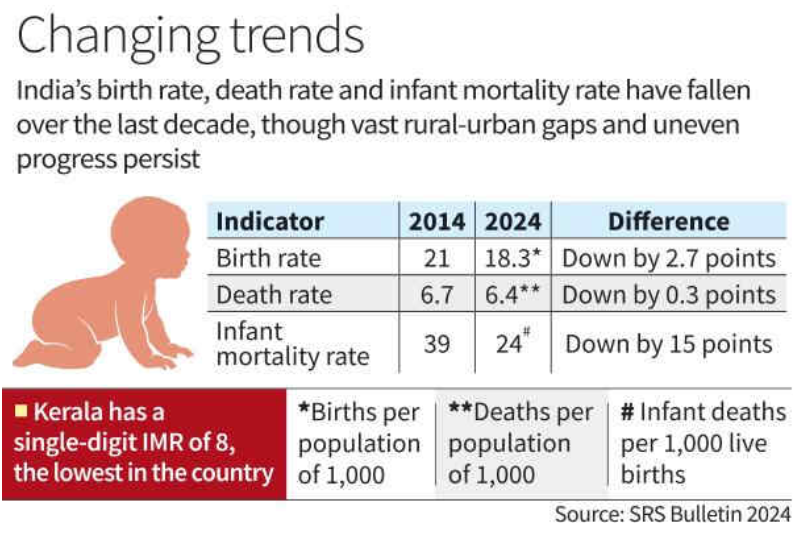
The SRS Bulletin released by the Registrar General of India shows that India's crude birth rate has declined to 18.3 births per 1,000 population in 2024 from 21 in 2014 and 36.9 in 1971, reflecting a major demographic transition over the past five decades. The data signals that India has entered an advanced stage of demographic change — with profound implications for health policy, fiscal planning, and political representation.
About the Sample Registration System (SRS)
- The SRS is one of the world's largest demographic surveys, conducted by the Office of the Registrar General & Census Commissioner (ORGI) under the Ministry of Home Affairs.
- It provides reliable annual estimates of birth rate, death rate, infant mortality rate (IMR), Total Fertility Rate (TFR), and other fertility-mortality indicators at national and sub-national levels.
- Data is collected through continuous enumeration by field workers and biannual independent surveys across 8,800 villages and urban blocks covering over 8.8 million people.
Key Data Points: SRS 2024
- Birth Rate: Fell from 21 in 2014 to 18.3 in 2024. The highest birth rate was recorded in Bihar (26.8), while the lowest was in Andaman & Nicobar Islands (9.9).
- Death Rate: Declined from 6.7 to 6.4 per 1,000 population. The natural growth rate has slowed to 11.9. The highest death rate was recorded in Chhattisgarh (8.4), and the lowest in Chandigarh (3.9).
- Infant Mortality Rate (IMR): IMR fell from 39 in 2014 to 24 per 1,000 live births in 2024 — a 38% decline over ten years and less than one-fifth of the 1971 level. The maximum IMR was in Chhattisgarh (36) and the minimum in Manipur (2).
- Under-5 Mortality Rate (U5MR): Fell to 28 per 1,000 live births in 2024.
- Total Fertility Rate (TFR) — Critical Headline: India's TFR has declined to 1.9 in 2024 — below the replacement-level fertility of 2.1 needed to maintain stable population levels. Rural women recorded a TFR of 2.1 versus urban women at 1.5 — a significant urban-rural fertility divide.
Persisting Regional Disparities
Kerala has India's lowest IMR among major states at 8, while Tamil Nadu stands at 11 and Maharashtra at 13. On the other hand, Chhattisgarh has the highest IMR at 36, followed by Madhya Pradesh and Uttar Pradesh at 35 each. "Despite substantial progress, one in every 42 infants in India still dies before completing one year of life. In rural India, the figure is even worse — one in every 37 infants."
Demographic Transition: Implications
- Sub-replacement TFR and Delimitation: India's TFR falling below 2.1 has major political implications. Southern and western states — which adopted family planning earlier — risk losing parliamentary seats in the delimitation exercise (post-2026 Census), while high-fertility states like Bihar and Uttar Pradesh may gain representation. This north-south demographic divergence is a politically sensitive constitutional issue.
- Ageing Population: A declining birth rate alongside improving life expectancy will accelerate the old-age dependency ratio — shifting India's demographic dividend toward a dependency burden over the coming decades, requiring urgent policy responses in pension, healthcare, and labour market frameworks.
- Health Infrastructure Gaps: Wide rural-urban and inter-state differences in demographic and health outcomes highlight the need for targeted healthcare investments — particularly in the Empowered Action Group (EAG) states of Bihar, UP, MP, Chhattisgarh, Rajasthan, Odisha, Jharkhand, and Uttarakhand, which continue to lag on most health indicators.
India–Italy Special Strategic Partnership
- 23 May 2026
In News:
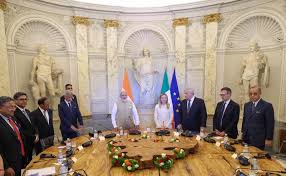
Prime Minister Narendra Modi's official visit to Rome resulted in the elevation of India-Italy bilateral relations to a Special Strategic Partnership — a significant upgrade from the earlier Strategic Partnership framework. A new Foreign Ministers-led mechanism will review the Joint Strategic Action Plan 2025–2029, adopted at the G20 Summit in Rio de Janeiro (November 2024). PM Modi was also conferred the FAO Agricola Medal 2026 — the highest award of the UN Food and Agriculture Organization — recognising India's leadership in global food security and sustainable agriculture.
Key Outcomes of the Visit
- Trade and Economy: With the conclusion of the India-EU Free Trade Agreement, both nations set a bilateral trade target of EUR 20 billion by 2029. Priority sectors include clean technologies, semiconductors, critical minerals, and pharmaceuticals. Italy is currently India's 4th largest trading partner within the EU, with bilateral merchandise trade at USD 13.76 billion in 2024–25, and India maintaining a positive trade balance of USD 1.70 billion.
- Defence: A Defence Industrial Roadmap was adopted targeting co-development and co-production in helicopters, naval platforms, and electronic warfare — sectors where Italian firms like Leonardo and Fincantieri have advanced niche capabilities critical for India's diversification away from Russian hardware without risking CAATSA-linked sanctions. A formal Maritime Security Dialogue was also launched.
- Technology and AI: Both leaders announced INNOVIT India — an innovation hub connecting startups, universities, and industries. Human-centric AI governance was reaffirmed, building on the AI Impact Summit 2026 (New Delhi).
- Critical Minerals: An MoU was signed for securing critical minerals, with emphasis on recycling electronic waste — leveraging Italy's advanced circular economy technologies to help India reduce dependence on China's mineral processing dominance.
- Connectivity: Both nations reaffirmed commitment to the India-Middle East-Europe Economic Corridor (IMEC) — positioning Italy as the natural European entry point for Indian goods, energy, and data infrastructure traversing the Middle East. Italy's strategic exit from China's Belt and Road Initiative (BRI) in 2023 has created space India is actively filling.
- Migration: The "ICI – Italy Calls India" talent bridge framework will facilitate mobility of skilled professionals in STEM and nursing sectors. The year 2027 will be celebrated as the Year of Culture and Tourism between the two nations.
Agricola Medal: Recognising India's Agricultural Leadership
The FAO Agricola Medal recognised India's world's largest food-based social safety net covering 800 million people, direct income support to over 110 million farmers under PM-KISAN, leadership in the International Year of Millets 2023, the use of Digital Public Infrastructure (DPI) in farming, and the structural shift toward regenerative and natural farming. India reaffirmed alignment with FAO's "Four Betters" framework: Better Production, Better Nutrition, Better Environment, and Better Life.
Strategic Significance
Italy's importance to India spans multiple dimensions — as western anchor of IMEC, EU geopolitical balancing weight (third-largest EU economy) post-Brexit, defence technology partner in niche domains, and partner in the Mattei Plan for non-predatory Africa engagement — synergising with India's own developmental footprint on the continent via DPI and Lines of Credit.
India-Sweden Strategic Partnership
- 22 May 2026
In News:
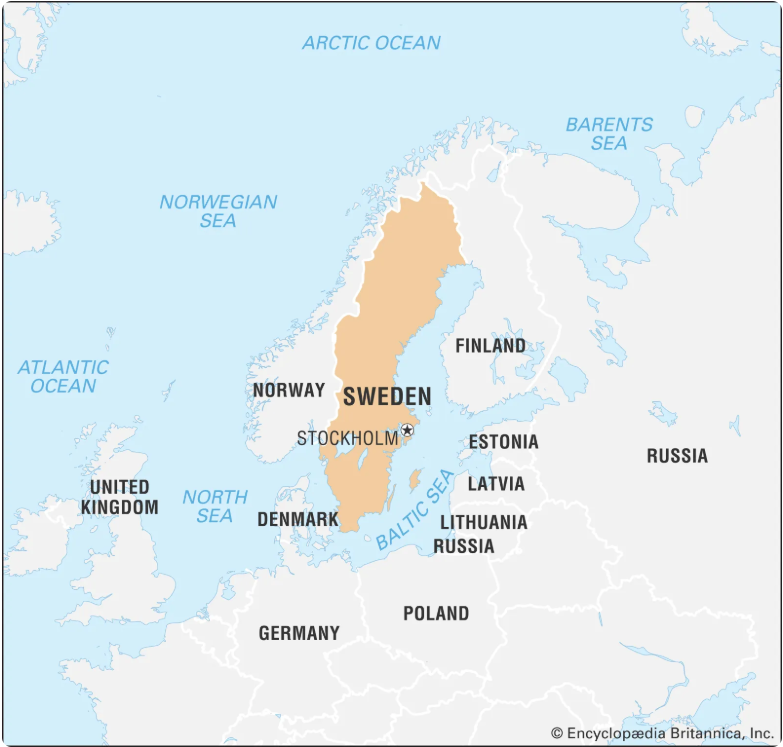
Prime Minister Narendra Modi held bilateral consultations with Swedish Prime Minister Ulf Kristersson in Gothenburg, Sweden, where the two leaders agreed to elevate India-Sweden ties to the level of a Strategic Partnership, operationalised through the India-Sweden Joint Action Plan 2026–2030. PM Modi was also conferred with the Royal Order of the Polar Star (Commander Grand Cross) — one of Sweden's highest state honours — during the visit.
Four Pillars of the Strategic Partnership
The Strategic Partnership is guided by four pillars: Strategic Dialogue for Stability and Security; Next-Generation Economic Partnership; Emerging Technologies and Trusted Connectivity; and Shaping Tomorrow Together — People, Planet, Health and Resilience.
- Pillar 1 (Security): Both nations agreed to strengthen counter-terrorism cooperation through the India-EU Joint Working Group on Counter-Terrorism and deepen parliamentary exchanges through the newly formed India-Nordic Parliamentary Friendship Group in the Lok Sabha and the Friendship Group for India in the Swedish Riksdag.
- Pillar 2 (Economy): India and Sweden committed to doubling bilateral trade within five years, with a Bilateral Trade and Investment Summit planned for 2027 themed "India-Sweden: Stronger Together – towards 2047." The partnership will promote "Make in India" and "Made with Sweden" co-production, alongside IPR cooperation, green ports, airports, direct air connectivity, and a bilateral SME and start-up platform.
- Pillar 3 (Technology): Both sides agreed to connect their AI ecosystems through the Sweden-India Technology and Artificial Intelligence Corridor (SITAC) and established the India-Sweden Joint Science and Technology Centre (ISJSTC). Priority areas include AI, 6G, quantum computing, critical minerals, sustainable transport, renewable energy, smart cities, and circular economy — the full spectrum of Industry 4.0/5.0 technologies.
- Pillar 4 (People and Planet): Both nations agreed to launch LeadIT 3.0 — a new four-year phase of the Leadership Group for Industry Transition — at COP31 in Antalya, Turkey (November 2026), furthering heavy industry decarbonisation. Cooperation under the International Solar Alliance (ISA) and Mission LiFE was also reaffirmed. The year 2026 will be commemorated as the centenary of Rabindranath Tagore's visit to Sweden through the "Tagore-Sweden Lecture Series."
Bilateral Relations: Key Facts
The leaders underscored that the recently concluded India-EU FTA has opened a new chapter in economic and commercial ties. Bilateral goods trade has grown from USD 2.86 billion (2016) to USD 6.96 billion (2024), making India Sweden's third-largest trading partner in Asia. Sweden's cumulative FDI into India stands at USD 2.596 billion (April 2000–December 2024). Swedish defence major SAAB has begun constructing a 100% FDI manufacturing plant in Haryana for Carl Gustaf Mark IV shoulder-fired weapons. On the space front, Sweden's IRF is providing the Venusian Neutrals Analyser (VNA) for ISRO's upcoming Shukrayaan-1 (Venus Orbiter Mission).
Challenges
Key structural challenges include Sweden's NATO membership versus India's strategic autonomy (limiting deep defence integration), complex IP-transfer negotiations in sensitive technology domains, non-tariff barriers and the EU's Carbon Border Adjustment Mechanism (CBAM) affecting Indian exports, and both nations' shared vulnerability to China's dominance in critical mineral processing — essential for AI, EVs, and space technology.
Way Forward
- Anchor within the EU: Sweden should serve as India's strategic bridge within the EU for smooth India-EU FTA implementation, with a joint working group helping Indian MSMEs navigate CBAM and non-tariff barriers.
- Operationalise SITAC: A dedicated IP protection protocol must provide legal certainty for SITAC-based joint ventures in quantum computing, 6G, and AI — converting corridor-level intent into enforceable co-development agreements.
- Blended Finance for Green Transition: Pooling multilateral climate funds, Swedish sovereign investment, and Indian public capital can bridge the cost gap for high-end green technology transfer, making LeadIT 3.0 commercially viable rather than aspirational.
- Critical Minerals: Both nations must jointly develop mid-stream processing capabilities — bilaterally or through the broader India-Nordic framework — to reduce shared dependence on China for rare earths critical to AI, EVs, and space technology.
- Defence Co-Production: The relationship must evolve from procurement to structured joint R&D within India's Defence Industrial Corridors. Simplifying offset clauses and ensuring regulatory predictability will incentivise Swedish OEMs to deepen manufacturing integration.
- Totalization Agreement: Expediting a Social Security Totalization Agreement will eliminate dual pension contributions, directly enabling the seamless talent and researcher mobility envisioned under the Joint Action Plan.
Conclusion
The India-Sweden Strategic Partnership reflects a decisive evolution from transactional trade toward a deep-tech alliance combining Swedish innovation with India's manufacturing scale and digital dynamism. Arriving at a moment of global supply chain fragmentation and technology bloc formation, this partnership — anchored in shared democratic values and institutionalised through the Joint Action Plan 2026–2030 — offers India a critical technology co-creator and green transition partner within Europe. Converting the strategic goodwill of Gothenburg into tangible outcomes across AI, clean energy, defence co-production, and critical minerals will ultimately determine whether this partnership becomes a model for India's engagement with the democratic world in the Viksit Bharat era.
3rd India-Nordic Summit
- 21 May 2026
In News:
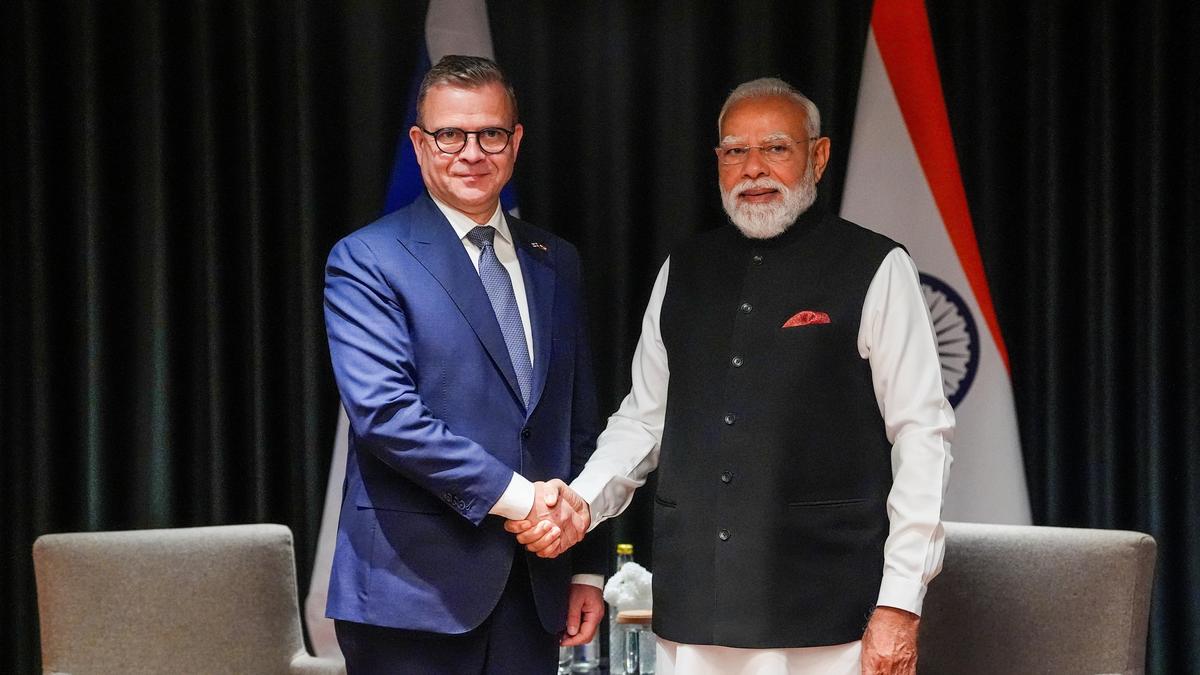
Recently, Prime Minister Narendra Modi participated in the 3rd India-Nordic Summit in Oslo, hosted by Norway — marking his first visit to the country in 43 years since Indira Gandhi's visit in 1983. The summit brought together the leaders of India, Denmark, Finland, Iceland, Norway, and Sweden to chart new avenues for cooperation amid rapid global geopolitical and technological transformation.
Key Outcome: Strategic Partnership Upgrade
The headline outcome, confirmed in the Joint Statement issued by India's Ministry of External Affairs (MEA), was the elevation of India-Nordic ties to a "Trusted Green Technology and Innovation Strategic Partnership" — a formal upgrade in the diplomatic classification of the relationship. This partnership aims to deepen cooperation in the blue economy, circular economy, and digital infrastructure, while strengthening collaboration on climate action, energy security, water management, and education.
India is the only country besides the United States to have summit-level ties with the Nordic nations collectively. The previous summits were held in Stockholm (2018) and Copenhagen (2022); the next edition will be hosted by Finland.
Trade, Investment and Economic Integration
Leaders agreed to leverage both the India-EFTA Trade and Economic Partnership Agreement (TEPA) and the concluded India-EU Free Trade Agreement to expand trade, investment, and technology linkages. A key target under TEPA is attracting USD 100 billion in investments into India, projected to generate one million direct jobs. Tariffs on EU automobiles entering India are set to fall from 110% to as low as 10%, while Indian exporters gain zero-duty access to the EU's textile and apparel market — a landmark gain for a sector employing tens of millions.
Climate, Arctic and Blue Economy
Iceland was welcomed as a new member of LeadIT 2.0, a public-private platform focused on decarbonising heavy industries, including low-carbon shipping and adherence to the Hong Kong Convention for safe ship recycling. Leaders reaffirmed cooperation on green hydrogen, carbon capture, utilisation and storage (CCUS), and critical minerals. India's Arctic interest was highlighted through the Himadri research station in Svalbard, Norway, with Nordic nations as crucial partners for polar research and climate monitoring.
Technology, Space and Defence
The summit announced a Framework Agreement between ISRO and the Norwegian Space Agency, and confirmed a Swedish payload for India's Shukrayaan-1 (Venus Orbiter Mission). Nordic defence firms were invited to invest in India's Defence Industrial Corridors under the 100% FDI route, aligning with the Atmanirbhar Bharat initiative. Cooperation on democratising AI, securing 5G/6G infrastructure, and global AI governance was also emphasised.
Key Bilateral Outcomes
PM Modi was conferred Norway's highest civilian honour — the Grand Cross of the Royal Norwegian Order of Merit — by King Harald V. India and Norway formally instituted a Maritime Security Dialogue to enhance information sharing and tackle illicit maritime activities. Norway formally joined India's Indo-Pacific Oceans Initiative (IPOI), reaffirming support for a free, open, and prosperous Indo-Pacific. Discussions on a Sovereign Investment Corridor to channel capital from Norway's massive sovereign wealth fund into India's green infrastructure were also advanced.
Global and Security Dimensions
Nordic nations reiterated support for India's permanent seat on a reformed UN Security Council and its application to the Nuclear Suppliers' Group (NSG). The summit strongly condemned cross-border terrorism, specifically referencing the 2025 Pahalgam and New Delhi attacks, committing to disrupt global terror financing.
India's EV Transition: Why the Grid Challenge Is Bigger Than the Vehicle

- 20 May 2026
In News:
Rising crude oil prices and recurring geopolitical tensions in the Strait of Hormuz have accelerated India's push toward electric vehicles (EVs). While electric two-wheelers are gaining rapid urban traction owing to affordability and low maintenance costs, the deeper — and largely underappreciated — challenge lies in building a power grid capable of sustaining large-scale transport electrification, particularly in the freight sector.
The Scale of the Problem
India currently has nearly 420 million registered vehicles. Full electrification of this fleet would demand an additional 900–1,100 TWh of electricity annually — effectively requiring the construction of a second large-scale power system alongside the existing one. Even a partial electrification scenario — where half the fleet transitions by 2047 — would still necessitate approximately 500 TWh of additional generation, equivalent to nearly one-third of India's current annual power output.
This arithmetic makes EV adoption not merely a transport policy question but a fundamental energy infrastructure challenge.
The Visibility Trap: Two-Wheelers vs. Freight
Public discourse around EVs is disproportionately focused on electric scooters and motorcycles — politically visible, subsidy-driven, and rapidly growing. Yet their actual grid burden is modest. Electrifying all 309 million two-wheelers would require only 55–75 TWh annually — less than 7% of total projected EV electricity demand.
The real stress lies in freight. India's approximately 6.26 million heavy goods vehicles (HGVs), each covering nearly 60,000 km per year at high energy intensity, would alone require 450–565 TWh annually if electrified. Including medium goods vehicles (MGVs) pushes total freight electricity demand to 500–600 TWh. In effect, electrifying India's roads means electrifying its supply chains, logistics networks, and industrial transport systems — not merely its consumer commute.
The Evening Peak Crisis
A critical structural vulnerability is the evening peak demand problem. If millions of EVs charge simultaneously after sunset — when solar generation drops — the grid faces severe stress, risking shortages, tariff spikes, and supply instability. Several state discoms already report delays in granting high-tension charging connections due to financial distress and inadequate infrastructure.
Solutions exist — time-of-use pricing, workplace daytime charging, battery-swapping networks, and large-scale energy storage — but India currently lacks a mandatory national standard for smart charging, meaning chargers being installed today without grid-responsive capability could become costly liabilities tomorrow.
What the Grid Must Deliver
Sustainable EV growth demands a diversified and clean energy mix. Solar and wind offer scalable, low-cost generation but are weather-dependent. Nuclear energy provides stable low-carbon baseload but requires long lead times. Pumped hydro, battery storage, and limited gas-based generation are essential for balancing supply-demand mismatches.
Critically, expanding coal dependence to power EVs would negate environmental gains — replacing imported oil with imported coal merely shifts India's energy vulnerability while perpetuating high emissions.
Policy Imperatives
Several institutional and regulatory reforms are essential. EV demand projections must be integrated into national capacity planning. Smart-charging standards must be made mandatory for all new infrastructure. Key freight corridors — the Golden Quadrilateral and Dedicated Freight Corridors — require coordinated power planning before electric trucking scales commercially. The Revamped Distribution Sector Scheme (RDSS) must be leveraged to financially strengthen discoms and improve last-mile electricity delivery. Strong inter-ministerial coordination across transport, power, and finance ministries is non-negotiable.
India-UAE: From Transactional Ties to a Comprehensive Strategic Partnership
- 19 May 2026
In News:
Prime Minister Narendra Modi's recent official visit to the United Arab Emirates concluded with a series of landmark agreements spanning energy security, defence industry, artificial intelligence, maritime infrastructure, and digital finance — signalling a qualitative leap in one of India's most consequential bilateral relationships.
Key Outcomes of the Visit
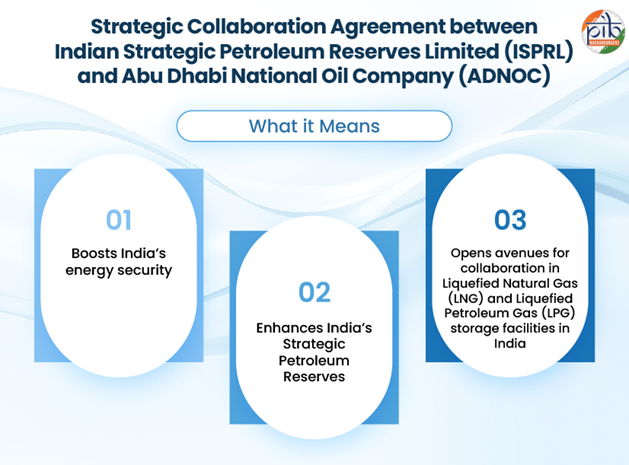
- Energy Security emerged as a cornerstone. Indian Strategic Petroleum Reserves Limited (ISPRL) and Abu Dhabi National Oil Company (ADNOC) formalised an arrangement to store up to 30 million barrels of crude oil in India's Strategic Petroleum Reserve (SPR) facilities at Visakhapatnam and the upcoming Chandikol site in Odisha, while also exploring commercial crude storage at Fujairah in the UAE. Separately, Indian Oil Corporation Limited (IOCL) secured a long-term LPG supply agreement with ADNOC Gas, reinforcing India's hydrocarbon import resilience.
- Strategic Defence Cooperation advanced well beyond conventional buyer-seller dynamics. A comprehensive defence industrial framework was established covering joint innovation, cyber defence, maritime security, and secure communication systems — a significant step toward co-development of advanced military technology.
- Capital and Technology Inflows were substantial. UAE entities committed USD 5 billion in investments into India, including USD 1 billion by the Abu Dhabi Investment Authority (ADIA) into the National Investment and Infrastructure Fund (NIIF) for priority infrastructure. On the technology front, India's Centre for Development of Advanced Computing (C-DAC) and UAE's G42 signed a term sheet to build an 8 Exaflop Supercomputing Cluster, boosting the IndiaAI Mission considerably.
- Maritime and Skill Development: Cochin Shipyard Limited and Dubai's Drydocks World inked an MoU to establish a ship repair cluster at Vadinar, Gujarat, under India's Maritime Development Fund Scheme. A tripartite pact was also signed for training and deploying a skilled maritime workforce — directly supporting the Make in India and Skill India missions.
Strategic Significance
India-UAE bilateral merchandise trade crossed USD 100 billion for the first time, reaching USD 101.25 billion in FY 2025–26. Under the Comprehensive Economic Partnership Agreement (CEPA), both nations aim to double non-oil trade to USD 200 billion by 2032. Cumulative FDI from the UAE into India between April 2000 and March 2025 stood at USD 22.84 billion, making the UAE India's seventh-largest foreign investor.
Beyond trade, the UAE serves as a linchpin in India's "Think West" policy — anchoring minilateral formats like I2U2 (India, Israel, UAE, USA) and the India-Middle East-Europe Economic Corridor (IMEC). Digital integration has advanced through UPI-AANI payment linkage and RuPay-JAYWAN card connectivity, while the Local Currency Settlement (INR-AED) system reduces dollar dependence. India also reiterated the critical importance of unimpeded navigation through the Strait of Hormuz for global energy and food security.
Challenges Ahead
Despite rapid progress, structural challenges persist: a trade deficit driven by crude imports, non-tariff barriers under CEPA, China's deepening footprint in UAE ports and technology zones, labour vulnerabilities facing the approximately 3.5 million Indian diaspora in the UAE, and financing bottlenecks constraining IMEC's full operationalisation.
Indus Waters Treaty (IWT)
- 18 May 2026
In News:
Signed on September 19, 1960, under the mediation of the World Bank, the Indus Waters Treaty (IWT) has long been regarded as one of the world's most resilient transboundary water sharing agreements. However, India's recent categorical rejection, "award" by the Court of Arbitration (CoA) at The Hague, coupled with New Delhi’s unprecedented decision to place the treaty in abeyance following the April 22 Pahalgam terror attack, marks a fundamental paradigm shift in India's bilateral water diplomacy.
Core Architecture of the Treaty
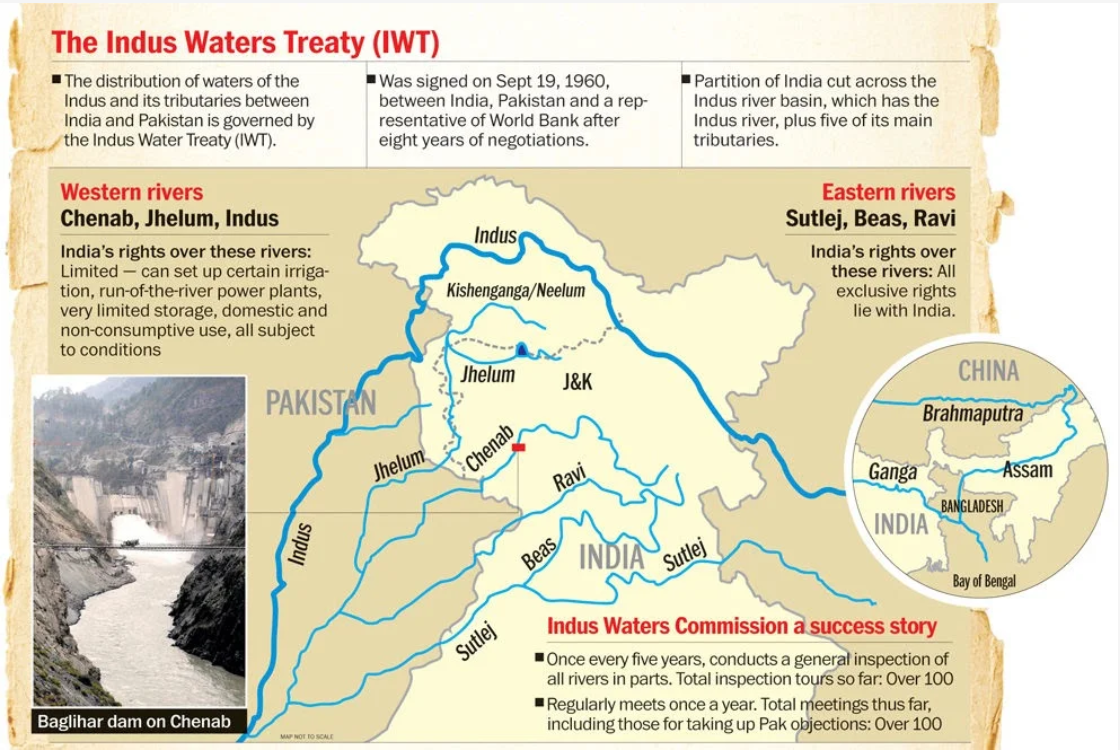
The treaty comprises 12 Articles and 8 Annexures (A to H), establishing a clear division of the Indus river basin system:
- Eastern Rivers (Sutlej, Beas, Ravi): Allocated to India for "unrestricted use."
- Western Rivers (Indus, Jhelum, Chenab): Allocated primarily to Pakistan. India retains limited, conditional rights for hydropower generation, non-consumptive use, and irrigation.
The Graded Dispute Resolution Mechanism & Current Deadlock
Article IX of the IWT outlines a structured, three-tier mechanism to resolve technical or legal conflicts:
- Permanent Indus Commission (PIC): The foundational tier consisting of Commissioners from both nations meeting regularly to resolve issues via mutual consensus.
- Neutral Expert (NE): Appointed by the World Bank for technical differences (e.g., engineering designs of India's Kishenganga or Ratle projects) whose decision is binding.
- Court of Arbitration (CoA): A 7-member ad hoc arbitral tribunal at The Hague for broader legal and contractual interpretations.
The Conflict over Jurisdiction
The current diplomatic and legal deadlock stems from Pakistan's parallel activation of both the NE and the CoA mechanisms regarding maximum pondage disputes. India contends that a nation cannot simultaneously pursue both tracks under the treaty's graded hierarchy. Consequently, India boycotted the CoA, labeling it "illegally constituted" and declaring its recent May 2026 pronouncements "null and void."
Strategic Escalation: The Shift in India's Approach
India’s hydro-diplomacy has grown progressively assertive, reflecting the principle that "blood and water cannot flow together":
- January 2023: India issued its first-ever formal notice seeking "modification" of the treaty due to Pakistan's obstructionist approach.
- September 2024: India escalated by issuing a notice for "review and modification," signaling an intent to fundamentally renegotiate the 65-year-old framework.
- May 2026: Following the Pahalgam terror attack (which resulted in 26 deaths), India placed the treaty in abeyance, establishing a direct link between regional national security and international treaty obligations.
Key Legal and Diplomatic Challenges
- Treaty Continuity vs. National Security: The standoff tests whether a bilateral treaty can be unilaterally held in abeyance under international law due to cross-border terrorism.
- Multilateral Overreach: India opposes the internationalization of bilateral issues through third-party arbitration bodies like the CoA that bypass sequential treaty mechanisms.
Way Forward
- Modernization of the Treaty: The IWT must be renegotiated to incorporate 21st-century realities, including climate resilience, altered hydrology, data-sharing, and updated dispute-resolution channels.
- Basin-Wide Management: South Asia requires sustainable, cooperative river basin management based on mutual trust and absolute cessation of cross-border security threats.
Conclusion
India’s rejection of the CoA award demonstrates that hydro-relations cannot exist in a vacuum separated from national sovereignty and security. The long-term stability of the Indus basin hinges upon Pakistan embracing institutional dialogue and adhering to the treaty’s defined legal protocols.
BRICS in Geopolitical Crosscurrents
- 17 May 2026
In News:
The BRICS Foreign Ministers’ Meeting, hosted in New Delhi under India’s 2026 Chairship, highlighted both the growing economic influence and the internal political friction of the expanded "BRICS " bloc. Operating under the theme “BRICS: Building for Resilience, Innovation, Cooperation and Sustainability,” India utilized its platform to champion a “Humanity First” approach to global governance. However, the summit exposed sharp structural vulnerabilities as bilateral animosities between newly inducted members directly impacted the grouping's ability to forge a unified diplomatic front.
The New Delhi Impasse: Chair’s Statement vs. Joint Declaration
The primary headline of the New Delhi ministerial meeting was the failure to adopt a consensus-based Joint Declaration. Instead, the summit concluded with the release of a “Chair’s Statement and Outcome Document.”
This diplomatic compromise was forced by intense disagreements between Iran and the United Arab Emirates (UAE). A similar deadlock had previously emerged during the BRICS Deputy Foreign Ministers and Special Envoys meeting in New Delhi, where the two nations clashed over references to the broader US-Israel conflict and UAE concerns regarding regional Iranian posture.
Core Areas of Contention and Consensus
- The Post-War Gaza Trajectory: While the bloc successfully achieved consensus in designating the Gaza Strip as an inseparable part of the Occupied Palestinian Territory and supported the unification of Gaza and the West Bank under the Palestinian Authority, both Tehran and Abu Dhabi raised serious objections to the specific vocabulary dictating this transition of power.
- Maritime Security Dimensions: The ministers highlighted the absolute necessity of maintaining safe, unhindered maritime commerce through vital international waterways, alongside safeguarding civilian infrastructure and human lives. However, the final text explicitly acknowledged differing internal views regarding localized flashpoints, specifically the Strait of Hormuz, the Red Sea, and the Bab-el-Mandeb Strait.
- Consensus on Palestinian Statehood: Despite internal rifts, the meeting formally reaffirmed support for an independent, sovereign, and viable Palestinian State based on the pre-1967 borders (the Green Line), with East Jerusalem as its capital, in complete alignment with international law, UN Security Council resolutions, and the Arab Peace Initiative.
Strategic Bilateral and Economic Deliverables
While political consensus faltered, the sidelines of the New Delhi summit delivered significant progress on regional connectivity, energy security, and de-dollarization:
1. The India-Iran Strategic Corridor: Iran used the ministerial platform to pitch the Chabahar Port as India’s definitive "golden gate" for accessing landlocked Central Asia, the Caucasus region, and broader European markets. This positioning strengthens the strategic value of the port, bypasses regional bottlenecks, and deepens India's continental footprint.
2. India-Russia Economic and Energy Guarantees: Russia provided explicit assurances to India regarding the uninterrupted supply of hydrocarbon energy resources. Furthermore, Moscow and New Delhi mapped out deeper structural cooperation across three areas:
- Accelerated infrastructure development along the International North-South Transport Corridor (INSTC).
- Expanded cooperation in civil nuclear energy projects.
- The formalization of trade settlement frameworks using national currencies, directly advancing the bloc's goal of bypassing Western-dominated financial networks.
Evolution of the BRICS Institutional Architecture
The structural evolution of BRICS reflects a concerted effort to establish a multipolar alternative to Bretton Woods institutions like the IMF and the World Bank.
- Genesis and Institutionalization: The term "BRIC" was originally conceptualized by economist Jim O’Neill in 2001 to identify the primary emerging economies of Brazil, Russia, India, and China. The grouping transitioned into a formal diplomatic collective on the sidelines of the G8 Outreach Summit in 2006, institutionalizing later that year through its first Foreign Ministers' meeting at the United Nations General Assembly. The inaugural formal summit occurred in Yekaterinburg, Russia, in 2009.
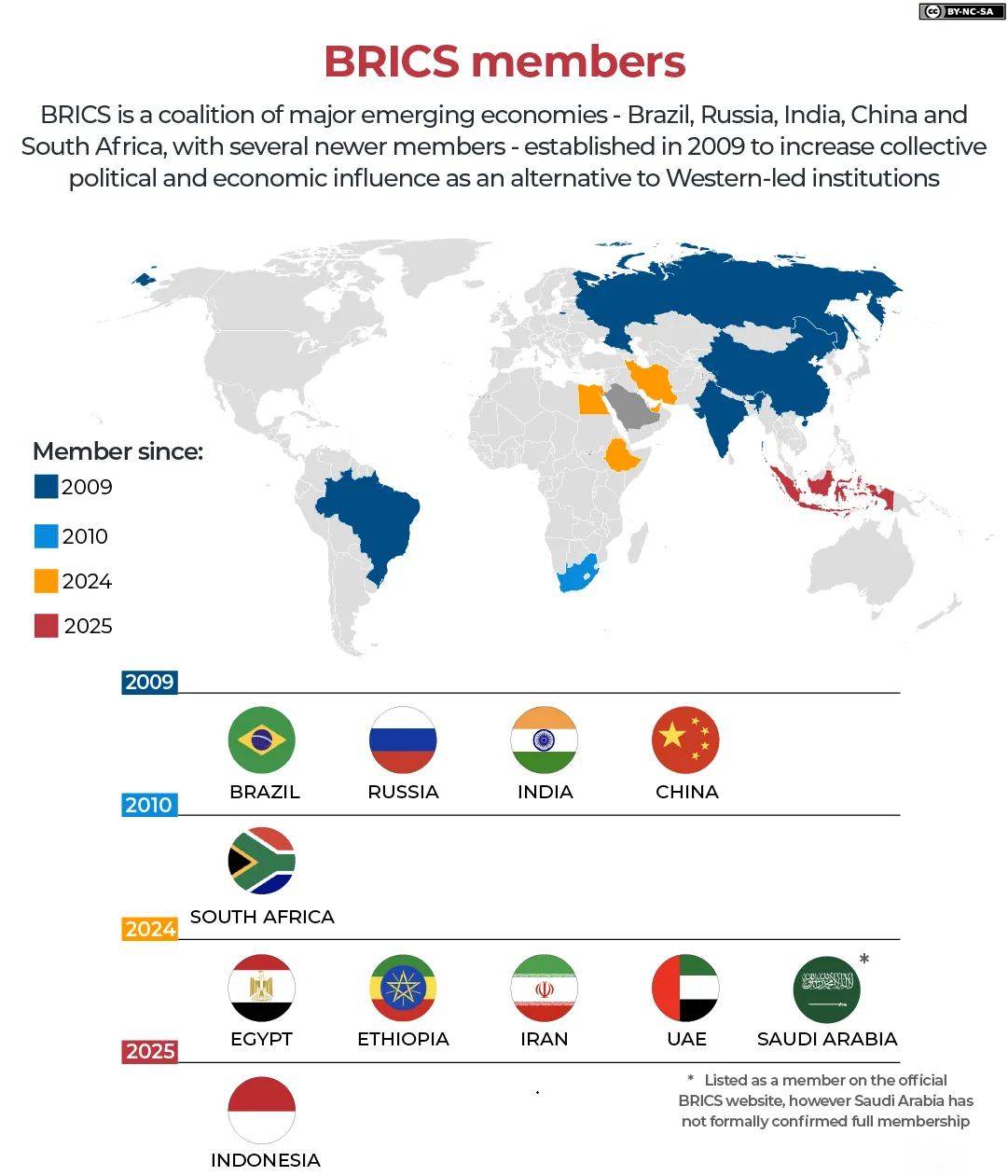
- Expansion Dynamics: With South Africa’s inclusion in 2010, the acronym became BRICS. The framework recently experienced a historic expansion into BRICS , absorbing Egypt, the United Arab Emirates, Ethiopia, Indonesia, and Iran. This expanded configuration commands massive global weight, representing 49.5% of the global population, 40% of global GDP, and 26% of global trade.
- Operational Rules: BRICS operates without a permanent secretariat or an official charter, relying instead on a rotating annual chairmanship. Its work is distributed across three pillars: political and security cooperation, economic and financial integration, and people-to-people exchanges.
- The New Development Bank (NDB): Headquartered in Shanghai, China, and established in 2015, the NDB serves as the operational financial arm of the bloc, mobilizing public and private resources for infrastructure and sustainable development projects across emerging economies.
Conceptualizing the Two-State Solution
The New Delhi outcome document's focus on the "Two-State Solution" refers to the core international framework aimed at resolving the Israeli-Palestinian conflict.
- Historical Underpinnings: The concept originated in the 1947 UN Partition Plan (Resolution 181), which proposed dividing Mandatory Palestine into distinct, independent Arab and Jewish sovereign entities, while placing Jerusalem under an international trusteeship. It gained formal operational momentum via the 1993 Oslo Accords, a landmark peace process where Israel and the Palestine Liberation Organization (PLO) recognized each other, establishing the Palestinian Authority (PA) as a transitional self-governance body in the West Bank and Gaza.
- Borders and Territorial Sovereignty: The standard consensus model advocates for permanent borders based on the lines existing prior to the 1967 Six-Day War, subject to mutually agreed land swaps.
- The Jerusalem Conundrum: The blueprint frequently envisions a shared or split sovereignty model, placing the capital of a future Palestinian state in East Jerusalem while keeping West Jerusalem as the capital of Israel.
- The Right of Return: The framework requires a negotiated resolution concerning the legal status, compensation, and repatriation rights of millions of Palestinian refugees displaced during the 1948 and 1967 wars.
India’s Balanced Foreign Policy and De-Hyphenation Strategy
India’s dual emphasis at the summit—reiterating its long-standing support for Palestine while managing its deep partnerships with alternative actors—highlights the sophisticated evolution of New Delhi's West Asian foreign policy.
1. Historical Pro-Palestine Posture: India was the first non-Arab sovereign state to recognize the PLO as the sole and legitimate representative of the Palestinian people in 1974. New Delhi subsequently extended full diplomatic recognition to the State of Palestine in 1988.
2. The 1992 Realignment: In 1992, India established full, formal diplomatic relations with Israel. This move allowed New Delhi to build deep strategic, counter-terrorism, and defense-technological partnerships with Tel Aviv without abandoning its ethical ties to the Palestinian cause.
3. Modern Policy of De-Hyphenation: In recent years, India has masterfully executed a policy of de-hyphenation. This strategy dictates that India evaluates and conducts its relations with Israel and Palestine as completely separate, independent bilateral vectors.
Consequently, while New Delhi stood firmly against terrorism by swiftly condemning the October 2023 Hamas attacks, it simultaneously maintained a continuous pipeline of humanitarian assistance to the civilian population in Gaza. By combining these positions with its reaffirmed support for a negotiated Two-State solution during the 2026 BRICS summit, India protects its strategic interests while reinforcing its reputation as a balanced, rule-of-law power in the Global South.
Sand and Sustainability: An Essential Resource for Nature and Development
- 16 May 2026
In News:
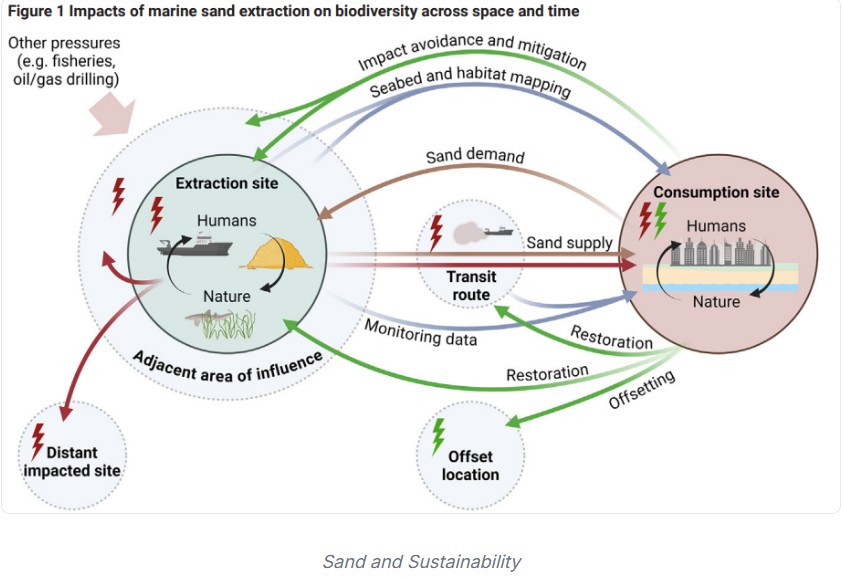
The United Nations Environment Programme (UNEP) released a landmark global report titled Sand and Sustainability: An Essential Resource for Nature and Development. The report highlights a critical environmental blind spot: sand is the most extracted solid material on Earth, second only to water in terms of global consumption volume.
Global Aggregates Market: Key Data and Trends
Surging Global Demand
- Global consumption of sand and gravel has expanded significantly, reaching 50 billion tonnes annually. This marks a fivefold increase from 9.6 billion tonnes, growing at an average annual rate of 3.2%. The global sand market is valued at $569.4 billion, driven by expanding infrastructure.
The Footprint of Urban Expansion
This extraction is directly tied to demographic and spatial shifts:
- Per Capita Spatial Footprint: The average built-up area per person globally grew from 43 square meters to 63 square meters.
- Urban Concentration: Over 45% of the global population resides in urban centers, requiring vast amounts of concrete, glass, and asphalt.
- Demographic Needs: A global population of 8.2 billion requires continuous construction of housing, medical facilities, and transportation networks, doubling the demand for built-up space in developing nations.
Livelihood Dependencies
- Beyond infrastructure, sandy ecosystems provide critical baseline economic services. Approximately 2.3 billion people globally depend on small-scale coastal and riverine fisheries that rely directly on healthy, undisturbed sandy habitats.
Key Factors Driving Global Extraction
Large-Scale Infrastructure and Land Reclamation
- National infrastructure initiatives—such as India's Pradhan Mantri Awas Yojana and nationwide highway expansions—maintain continuous pressure on local riverbed aggregates. Globally, large-scale land reclamation projects, such as those in Manila Bay and the Maldives, require the dredging of millions of cubic meters of marine sand.
The Paradox of Climate Change Adaptation
- Ironically, sand is being heavily extracted to build defensive infrastructure against the consequences of climate change. For example, the Gulhifalhu project in the Maldives dredged 24.5 million cubic meters of sand to raise islands and construct sea walls, illustrating how adaptation measures can worsen environmental degradation at extraction sites.
Advanced Technology Feedstocks
- The expansion of high-tech industries has created a specialized market for high-purity silica sand. Global data centers, semiconductor manufacturing, and utility-scale solar photovoltaic farms depend on high-grade silicon derived from specialized sand mining operations.
Multi-Dimensional Ecological Impacts
Excessive sand mining disrupts the equilibrium of riverine, coastal, and marine ecosystems, leading to several interconnected environmental consequences:
A. Riverine Degradation and Morphological Shifts
Excessive extraction triggers channel bed degradation (lowering of the riverbed). This undermines the structural stability of riverbanks, threatening public infrastructure like bridges and embankments. In India's Chambal River, deep channel carving has altered natural hydrodynamic flows, reducing the landscape's ability to absorb sudden volume shocks and making downstream regions more vulnerable to flash floods.
B. Hydrological Disruption and Groundwater Depletion
In river systems, sand layers function as a natural sponge that retains water and recharges surrounding aquifers. Stripping this sand causes a rapid drop in the local water table. In rural India, domestic hand pumps and agricultural tube wells frequently go dry adjacent to intensive riverbed mining zones.
C. Coastal Degradation and Saline Water Intrusion
Removing protective sand dunes and beach aggregates allows high-salinity seawater to penetrate coastal freshwater tables. In coastal areas of the Philippines, local drinking water aquifers have experienced severe saline intrusion, leaving groundwater unfit for human consumption or agricultural irrigation.
D. Marine Biodiversity Loss
Industrial marine dredging destroys benthic (bottom-dwelling) ecosystems by scraping away habitats and generating massive sediment plumes. These plumes block sunlight, choking coral reefs and killing vital microorganisms and crustaceans. Notably, half of all global marine dredging companies operate within Marine Protected Areas (MPAs), causing severe habitat fragmentation.
E. Public Health Risks
The extraction and processing of silica-rich sand expose workers to fine respirable dust, leading to Silicosis, an irreversible and fatal lung disease. At the extraction sites, abandoned, water-filled mining pits create stagnant pools that serve as vector breeding grounds, increasing the local incidence of water-borne diseases and Malaria.
Regulatory Frameworks and Institutional Responses
Global Level Initiatives
- UNEP 10-Point Action Plan: A global policy blueprint aimed at establishing international standards for sand extraction, defining legal extraction limits, and transition incentives toward circular economy alternatives.
- Marine Sand Watch: A digital tracking platform developed by the United Nations that utilizes Automated Identification System (AIS) data to monitor, identify, and track large-scale dredging vessels operating across the world’s oceans.
India's Domestic Regulatory Framework
- Sustainable Sand Mining Management Guidelines (2016): Mandates the preparation of District Survey Reports (DSR) to scientifically monitor and assess riverbed replenishment rates before any commercial mining leases are granted.
- Enforcement & Monitoring Guidelines (2020): Introduces technology-led oversight, including remote sensing, drone surveillance, and IT-enabled tracking systems (such as QR-coded transit passes) to curb illegal sand mining operations.
- Judicial Oversight via the National Green Tribunal (NGT): The NGT maintains active judicial intervention, enforcing strict bans on riverbed mining conducted without valid environmental clearances (EC) or in violation of sustainable replenishment levels.
Way Forward: Recommendations for Sustainable Resource Management
To prevent ecologic collapse while supporting necessary development, global resource governance must shift toward a circular model:
- Granting Strategic Resource Status: Governments must transition from treating sand as an infinite commodity to designating it as a Strategic Resource, subjecting it to strict sovereign accounting and conservation protocols.
- Promoting Manufactured Sand (M-Sand): Scale up the production of M-Sand (produced by crushing hard granite stones) and eco-aggregates derived from recycled construction and demolition (C&D) waste to substitute for natural riverbed sand.
- Institutionalizing Cumulative Impact Assessments (CIA): Transition away from isolated project clearances. Regulatory bodies must mandate comprehensive CIAs that evaluate the long-term impact of multiple extraction leases on an entire river basin or coastal stretch.
- Enforcing Strict No-Go Zones: Establish absolute statutory bans on sand extraction inside ecologically sensitive areas, including Marine Protected Areas (MPAs), critical wildlife habitats, and vulnerable river reaches.
- Fostering Transboundary Cooperation: Establish international rivers and oceans treaties to manage shared sand resources across international waters and shared river basins, preventing cross-border ecological degradation.
Conclusion
The UNEP report serves as a stark reminder that modern infrastructure relies on a finite resource being extracted at an unsustainable rate. Continued unmitigated extraction risks destabilizing the natural systems that protect coastal and riverine areas from climate change impacts. True long-term economic security requires moving away from linear extraction and adopting a circular model that prioritizes alternative aggregates like M-Sand and recycled materials
Reforming India’s Examination Ecosystem
- 15 May 2026
In News:
The cancellation of the National Eligibility Entrance Test (NEET-UG) 2026 by the National Testing Agency (NTA) following allegations of a major paper leak and the circulation of a highly accurate "guess paper" has brought India's public examination infrastructure under intense scrutiny. With the investigation handed over to the Central Bureau of Investigation (CBI), this controversy highlights deep structural vulnerabilities that threaten meritocracy and public trust, alongside delays in the full-scale implementation of the Dr. K. Radhakrishnan Committee (2024) recommendations.
1. Systemic Challenges in India’s Examination Ecosystem
A. Structural and Statutory Limitations
Unlike constitutional bodies such as the UPSC, the NTA is registered as a society under the Societies Registration Act, 1860. This status creates a "legal lightweight" status, limiting its administrative enforcement powers and reducing sovereign accountability during crises. Furthermore, the NTA lacks a permanent, specialized institutional cadre, relying heavily on contractual staff and personnel on deputation. Without a dedicated workforce, maintaining a long-term culture of secrecy and specialized expertise in security and psychometrics becomes difficult.
B. Logistical and Vulnerability Profile
The high-stakes "Mega-Exam" model, which tests over 20 lakh candidates on a single day, creates a vulnerable single point of failure where a break in one link collapses the entire national system. Despite implementing a "Zero Error, Zero Tolerance" policy with measures like GPS-tracked transport and CCTV monitoring, critical operational gaps persist:
- Outsourced Touchpoints: Vital tasks like printing, warehousing, and logistics are frequently outsourced to private third-party vendors, adding multiple human touchpoints that serve as potential leak windows.
- Center-Level Weakness: Testing centers in private schools or unverified colleges often lack standardized security infrastructure, such as signal jammers or functional CCTV networks.
- The OMR Paradox: Post-exam physical transit of optical mark recognition sheets to scanning centers introduces a secondary window for tampering. While shifting to Computer-Based Testing (CBT) reduces physical leaks, the NTA can only test roughly 1.5 lakh candidates per shift. This restriction forces multi-shift schedules that introduce complex score-normalization challenges, alongside digital risks like remote-access hacking and advanced cheating syndicates using deep-web networks (Telegram, Darknet) and high-tech wearables.
C. Socio-Economic and Federal Friction
A sharp fee disparity between affordable government colleges and expensive private medical institutions turns high-stakes entrance exams into intense elimination tests rather than selection tests. This lopsided demand-supply gap—visible where nearly 23 lakh students compete for roughly 1 lakh MBBS seats—fuels a billion-dollar coaching industry nexus and drives an extreme "win-at-all-costs" mentality. This desperation feeds paper-leak mafias, leading to an ethical erosion where parents are increasingly willing to pay exorbitant sums, undermining the concept of meritocracy.
Administratively, because education lies on theConcurrent List, a lack of real-time intelligence and data sharing between state police forces (such as the Bihar-Jharkhand-Rajasthan axis) and central agencies delays the containment of cross-border cheating syndicates.
2. Socio-Economic and Ethical Dimensions
Impact on Vulnerable Groups
Repeated exam cancellations and delays impose an unfair financial burden on economically vulnerable families, as aspirants frequently travel long distances and spend significant amounts on transport, food, and accommodation. For first-generation and women aspirants specifically, these disruptions present unique social hurdles. Delayed examinations significantly increase the risk of forced discontinuation of studies due to familial pressures, restricted mobility, or early marriage, directly undermining their educational aspirations and long-term empowerment.
Subversion of Justice and Public Trust
The social contract between the youth and the state rests entirely on the promise of a fair, merit-based system. When institutions repeatedly fail to safeguard this process, it breeds deep cynicism and erodes public trust in state machinery. Furthermore, paper leaks commit a direct violation of distributive justice by replacing a system of merit with a system of financial privilege and corruption, disproportionately harming candidates from marginalized and rural backgrounds who lack the financial means to buy illicit advantages. The continuous cycle of intense preparation, examination, leak, and subsequent cancellation inflicts severe psychological trauma on the youth, risking the transformation of India’s demographic dividend into a demographic liability.
3. Institutional Reforms and the Policy Blueprint
To systematically address these issues, the government relies on two primary legislative and administrative interventions:
The Dr. K. Radhakrishnan Committee Recommendations (2024)
Led by the former Chairman of ISRO, this High-Level Committee of Experts provides a comprehensive blueprint for structural and technological reform:
- Comprehensive Restructuring of NTA: Transforming the agency into a more autonomous, professional, and accountable body by creating dedicated, independent functional verticals for technology, security, operations, ethics, and transparency.
- The DIGI-EXAM System: Implementing a technology-driven model featuring Aadhaar-linked authentication, biometrics, and AI-driven identity verification to ensure only genuine candidates appear.
- Hybrid Testing Models: Transitioning to Computer-assisted Secure Pen-and-Paper Testing (CPPT), where encrypted question papers are digitally transmitted and printed directly at the examination centers under strict security protocols, replacing the risky physical transport via GPS-enabled vehicles.
- Operational Restructuring: Moving toward multi-session and multi-stage testing for large-scale exams to reduce logistical pressure, while utilizing data analytics to detect suspicious patterns in candidate center choices and appointing an NTA "Presiding Officer" to oversee each center.
- Infrastructure Scaling: Establishing at least 1,000 permanent, secure testing centers across the country within reputed government institutions, supplemented by mobile testing centers to ensure equitable testing access for remote and inaccessible regions like the North-East, Himalayan states, and island territories.
- Support and Oversight: Developing an AI-based grievance redressal mechanism with multilingual chatbots for rapid complaint resolution, conducting continuous capacity building for invigilators, and establishing state or central oversight mechanisms to regulate the private coaching industry while empowering the standard high school education system.
The Public Examinations (Prevention of Unfair Means) Act, 2024
This legislative framework strengthens enforcement across central testing authorities, including the NTA, UPSC, SSC, RRBs, and IBPS:
- Stringent Penalties: Introducing deterrent sentencing, with prison terms ranging from 3 to 5 years for individual offenders and up to 10 years of imprisonment alongside substantial fines for those involved in organized crime syndicates.
- Codification of Malpractices: Explicitly defining 20 specific offenses, effectively covering modern threats such as electronic impersonation, manipulation of OMR sheets, and unauthorized access to computer networks.
- Technological and Federal Alignment: Mandating a National Technical Committee to design fail-safe IT security protocols for computer-based tests, while serving as a model framework for state governments to harmonize anti-cheating regulations across state borders.
Conclusion
Restoring the structural integrity of India’s examination ecosystem requires transitioning the National Testing Agency away from an executive society model toward a highly secure, independent statutory framework. Swift, uniform implementation of the Radhakrishnan Committee's technical recommendations alongside the strict application of the Public Examinations Act, 2024, is essential to eliminate systemic malpractices, protect distributive justice, and rebuild public trust in national educational institutions.
Beyond the "Green Desert": Rethinking Invasive Alien Species Management in India

- 14 May 2026
In News:
The fight against Invasive Alien Specieslike Prosopis juliflora, Lantana camara, and Senna spectabilis has reached a critical juncture in India. While mechanical removal campaigns are intensifying, ecological experts argue that treating these species as the "sole enemy" overlooks a vital truth: invasive species are often "ecological first responders" to landscapes already weakened by human intervention.
The Genesis of Invasion: Drivers of Spread
The proliferation of Invasive Alien Species in India is not an accidental phenomenon but a result of intersecting historical, agricultural, and biological factors.
- Historical and Colonial Legacies: Many invasive plants were introduced intentionally. Prosopis juliflora (Vilayati Babul) was brought in 1877 for arid greening, while Lantana camara arrived in the 19th century as an ornamental plant. Colonial forestry further simplified diverse landscapes into monocultures of teak or eucalyptus, creating "ecological vacancies" that invasive species quickly filled.
- Agricultural and Hydrological Shifts: The expansion of canals and borewells altered moisture regimes, favoring deep-rooted phreatophytes like P. juliflora. Furthermore, India’s heavy urea consumption (35–40 million tonnes annually) has enriched soils with nitrogen, enabling species like Senna spectabilis to outcompete native flora that thrive in nutrient-poor soils.
- Grazing and Fragmentation: With a livestock population of roughly 500 million, heavy grazing suppresses palatable native plants. Thorny or chemically defended invasives, which cattle avoid, expand unchecked. Simultaneously, infrastructure development creates "edge habitats"—disturbed zones where invasive species colonize before native trees can regrow.
- Global Trade and Biology: Contaminated timber or grain shipments (e.g., Parthenium arriving with wheat) and ballast water discharge from ships at ports like Mumbai introduce foreign larvae and seeds. Biologically, these species are "climate generalists" with high seed viability and a lack of local natural predators, allowing them to form dense monocultures.
Ecological and Socio-Economic Consequences
The "invasion" transforms healthy ecosystems into "green deserts"—areas that look lush but are biologically sterile.
- Biodiversity and Wildlife: Invasive Alien Species contribute to 60% of global extinctions. Through allelopathy, some species release chemicals that prevent native seeds from germinating. This depletes natural forage for herbivores like elephants and deer, leading to population declines and increased Human-Wildlife Conflict (HWC) as animals stray into human settlements for food.
- Economic Impact: A 2025 study estimated that invasive plants have cost India over ?8.3 lakh crore over the last 60 years. Aquatic weeds like Water Hyacinth clog irrigation canals—reducing crop yields by up to 40%—and block navigation, destroying local fishing livelihoods.
- Public Health: Species like Parthenium cause asthma and dermatitis, while others provide breeding grounds for disease-carrying mosquitoes.
- Cultural Erosion: The disappearance of native plants leads to the loss of indigenous knowledge related to traditional medicine and crafts, such as basket weaving.
Global and National Policy Frameworks
India’s management of Invasive Alien Species is guided by international commitments and domestic legislation.
Global Initiatives
- Convention on Biological Diversity (CBD): Article 8(h) mandates members to prevent and eradicate alien species.
- Kunming-Montreal Global Biodiversity Framework (KM-GBF):Target 6 specifically aims to halve the negative impacts of Invasive Alien Species by 2030.
- IUCN ISSG: Provides the Global Invasive Species Database (GISD) for monitoring.
- Ballast Water Management Convention: Regulates the discharge of foreign water from ships to prevent marine invasions.
India-Specific Initiatives
- National Biodiversity Action Plan (NBAP): Aligned with the Biological Diversity Act, 2002, to protect indigenous ecosystems.
- NAPINVAS: A MoEFCC initiative focused on early detection and long-term containment.
- Plant Quarantine Order, 2003: Regulates imports to prevent the accidental introduction of pests and weeds.
Way Forward: A Holistic Restoration Strategy
Experts suggest that removal alone is insufficient; the focus must shift toward landscape restoration.
- Biosecurity Upgrades: International entry points require molecular diagnostics and X-ray scanners to detect hidden seeds. Ports must strictly enforce ballast water treatment.
- Precision Monitoring: Utilizing tools like the "Greening and Browning Atlas of India" can help distinguish between healthy native growth and rapid invasive colonization.
- Biological Control and Replanting: Importing "natural enemies" (insects/fungi) can control spread, provided strict biosafety protocols are followed. Crucially, cleared sites must be immediately replanted with native species like Neem or local grasses to prevent the "re-invasion" of the vulnerable soil.
- Community Empowerment: Leveraging tribal expertise and digital apps for reporting sightings ensures that management is localized and sustainable.
Conclusion
Invasive species are symptomatic of deeper ecological malaise—nutrient loading, habitat fragmentation, and hydrological disruption. To reclaim India’s biodiversity, policy must move beyond mechanical clearing. Success lies in integrating high-tech biosecurity with community-led restoration, ensuring that our landscapes are resilient enough to resist "ecological first responders" and support indigenous life once again.
Restructuring India’s Education: Analyzing NITI Aayog’s Roadmap for Quality Enhancement
- 13 May 2026
In News:
A recent comprehensive report by NITI Aayog, titled “School Education System in India — Temporal Analysis and Policy Roadmap for Quality Enhancement,” has cast a spotlight on the systemic fissures within India's academic landscape. While India has made monumental strides in primary enrollment, the report warns of a "leaky pipeline" characterized by high dropouts, stagnant learning outcomes, and a fragmented institutional structure that threatens the nation's demographic dividend.
The Structural "Pyramid Problem" and Student Retention
The most striking finding of the report is the structural fragmentation of the Indian school system, which resembles a sharp pyramid rather than a stable cylinder.
- The Transition Barrier: India operates approximately 7.3 lakh primary schools, but this number plummets to just 1.64 lakh at the higher secondary level.
- Fragmentation: Only 5.4% of schools in India provide a continuous educational journey from Grade 1 to 12. Consequently, most students must change institutions multiple times, creating friction points that discourage continued education.
- Dropout Crisis: Compounded by the fact that the Right to Education (RTE) Act, 2009 currently covers children only up to age 14, four out of every ten children drop out before completing higher secondary school. The Gross Enrolment Ratio (GER) for higher secondary remains a concerning 58.4%.
The Crisis of Learning Outcomes and Private Shift
Despite achieving near-universal enrollment at the base, the quality of learning is experiencing a "downward slide."
- Foundational Deficits: Data reveals that in 2014, 74.7% of Grade 8 students could read a Grade 2 text; by 2024, this dropped to 71.1%. In Mathematics, fewer than half (45.8%) of Grade 8 students can solve basic division.
- The Application Gap: Assessment data from PARAKH 2024 indicates that students struggle with conceptual application. For example, competency in fractions is demonstrated by fewer than 30% of Grade 6 students.
- Erosion of Trust in Public Education: These outcomes have fueled a perception gap, leading to a massive shift toward private schooling. Government school enrollment has plummeted from 71% in 2005 to 49.24% in 2024-25.
Infrastructure Gaps and Resource Inefficiency
The report highlights a paradox: while digital initiatives are expanding, basic physical infrastructure remains neglected in many regions.
- Resource Drainage: There are 7,993 "Zero-Enrolment" schools that remain operational on paper despite having no students, leading to a significant drain on the exchequer.
- Basic Amenities: Approximately 1.19 lakh schools lack electricity, 14,505 lack functional water sources, and 50% of government secondary schools operate without a science lab.
- The Digital Divide: Despite an eightfold increase in internet access, one-third of schools remain offline. Furthermore, while AI and Computational Thinking are being introduced from Grade 3 (as of October 2025), NITI Aayog cautions that without ethical frameworks, AI could diminish independent thinking.
- Teacher Deployment: The system is plagued by uneven distribution, evidenced by over 1 lakh single-teacher schools still functioning across the country.
Strategic Roadmap: From "Pyramid" to "Cylinder"
To rectify these imbalances, NITI Aayog proposes a radical shift in how education is delivered and governed.
1. Structural Reform: Composite Schools and Complexes
The report recommends moving toward a “Cylindrical” schooling model, where composite schools offer Grades 1 through 12 under one roof. This ensures academic continuity and eliminates transition hurdles. Additionally, the operationalization of “School Complexes” (as envisioned in NEP 2020) would allow a secondary school to act as a hub for nearby primary schools and Anganwadis, facilitating the sharing of labs, libraries, and subject-specific teachers.
2. Governance and Accountability
- SSSAs and SQAFA: Strengthening State School Standards Authorities (SSSAs) to ensure strict accountability and quality assurance.
- Decentralization: Empowering School Management Committees (SMCs) to foster bottom-up planning and local accountability.
- Whole-of-Society Approach: Establishing District Task Forces involving civil society and academic institutions to monitor reform progress.
3. Digital and Financial Commitment
- Digital Public Infrastructure (DPI): Converging BharatNet, PM e-Vidya, and PM Gati Shakti to create a unified, interoperable digital learning ecosystem.
- Funding: The report reiterates the necessity of raising educational spending to 6% of GDP (from the current ~4.6%) to fund these systemic overhauls.
Conclusion: A Vision for 2047
The NITI Aayog roadmap underscores that fragmented interventions are no longer sufficient. By prioritizing a "Whole-of-Government" approach and shifting focus from rote memorization to real-world competency, India can transform its "leaky pipeline" into a robust engine for social and economic mobility. Success will depend on the timely mapping of vacancies, the consolidation of resources, and a steadfast commitment to the cylindrical model of schooling.
India’s Green Resurgence: Achieving Global Leadership in Renewable Energy
- 12 May 2026
In News:
India has secured its position as the world’s third-largest country in installed renewable energy (RE) capacity, trailing only China and the United States. According to the Renewable Energy Statistics 2026, India recently surpassed Brazil, marking a significant milestone in its journey toward the Viksit Bharat @2047 vision and its commitment to the Paris Agreement.
As of early 2026, India’s non-fossil fuel capacity has crossed 283.4 GW, accounting for more than 50% of the total installed power capacity—a target achieved five years ahead of the 2030 schedule.
Key Pillars of Growth: Solar and Wind Dominance
The transition is primarily fueled by a record-breaking expansion in solar and wind infrastructure. In the fiscal year 2025-26 alone, India added 55.3 GW of non-fossil capacity, the highest annual increase in its history.
- Solar Surge: Solar energy remains the fastest-growing sector, with installed capacity reaching 150.26 GW (a 53-fold increase since 2014). This growth is driven by utility-scale projects and a massive push for Distributed Renewable Energy (DRE), including rooftop solar and the PM-KUSUM scheme.
- Wind Momentum: Wind capacity has climbed to 56.09 GW, with 2025-26 witnessing a record annual addition of over 6 GW.
- Energy Mix: In July 2025, renewables met a historic 51.5% of India’s peak electricity demand, proving that green energy is now a backbone of the national grid, rather than just a supplementary source.
The Morgan Stanley Insight: Manufacturing vs. Imports
While the installation pace is world-leading, a recent report by Morgan Stanley underscores a critical strategic challenge: the upstream supply chain.
1. The Manufacturing Leap: India has successfully scaled its "downstream" manufacturing. Solar module production capacity has skyrocketed from 2.3 GW in 2014 to approximately 172 GW in 2026. This allows India to meet much of its domestic demand for finished panels and even look toward exports.
2. The Upstream Bottleneck: The "upstream" components—polysilicon, ingots, and wafers—remain a point of vulnerability. India still sources 60–80% of these critical materials from China. Morgan Stanley warns that until India localizes the production of solar cells (currently at ~25-27 GW) and the raw wafers, its energy transition will remain susceptible to global supply chain shocks and geopolitical tensions.
Policy Catalysts and Future Outlook
The government has deployed a mix of fiscal and regulatory tools to sustain this momentum:
- PLI Schemes: Production Linked Incentives are being utilized to bridge the gap in cell and wafer manufacturing.
- Green Hydrogen Mission: With an outlay of nearly ?20,000 crore, India aims to produce 5 MMT of green hydrogen by 2030, integrating RE into heavy industries like steel and shipping.
- Grid Modernization: Significant investments in Green Energy Corridors and smart metering are ensuring that the intermittent nature of solar and wind does not destabilize the national grid.
The Persistent Challenge of Counterfeit Indian Currency: A Post-Demonetisation Analysis
- 11 May 2026
In News:
Nearly a decade after the 2016 demonetisation—a move partially aimed at purging the economy of fake notes—the latest ‘Crime in India’ report 2024 reveals that counterfeit currency remains a potent threat to India’s economic sovereignty. With over ?54.61 crore in fake notes seized in 2024 alone, the challenge has evolved from simple photocopies to sophisticated imitations of the Mahatma Gandhi (New) Series.
The Scale of the Crisis: Key Data and Trends
Despite a significant push toward a "less-cash" economy, the appetite for physical tender in India remains high, providing a fertile ground for Counterfeit Indian Currency Notes (CICN).
- Surge in Currency in Circulation (CiC): As of May 2026, CiC has skyrocketed to ?42.12 lakh crore, a 137% increase from the ?17.74 lakh crore recorded in November 2016.
- Seizure Statistics: Between 2017 and 2024, law enforcement agencies seized fake currency worth ?638 crore. The year 2022 marked a significant peak with seizures totaling ?382.6 crore.
- Denomination Shift: The ?500 note has emerged as the "workhorse" for counterfeiters. Detection of fake ?500 notes in 2024 was four times higher than in 2016, suggesting that the security features of the new series have been successfully replicated by organized syndicates.
- Geographic Hotspots: Gujarat has emerged as the primary epicenter, accounting for over 50% of the country’s total seizures (?355.72 crore) since 2017. Other major trade hubs like Maharashtra and Karnataka also report high detection rates due to high-volume cash transactions.
Factors Fueling the Counterfeit Trade
The persistence of CICN is driven by a combination of technological advancement and geopolitical vulnerabilities.
- Advanced Replication Technology: Criminal networks now utilize high-grade printing technology to mimic complex security features, such as color-shifting ink, latent images, and micro-lettering.
- Cross-Border Smuggling: Hostile neighbors and international crime syndicates exploit porous borders to pump "Super Notes" into the economy. Traditional transit routes in the North East and the "Three Frontiers" remain active conduits for high-quality fakes.
- The "Incapacity" of Rural Markets: Organized gangs often target MSMEs and rural markets where manual verification is the norm. The lack of UV-detection lamps in these areas makes it easier to circulate fake ?500 bills.
Multi-Dimensional Implications
The proliferation of fake currency extends far beyond mere financial loss; it strikes at the heart of national security and public trust.
- Economic Instability: By increasing the money supply without a corresponding increase in goods or services, fake currency acts as a catalyst for inflation and devalues the purchasing power of the common citizen.
- Terror Financing: There is a well-documented nexus between CICN and the financing of domestic insurgency and proxy wars. Investigative agencies frequently link large-scale seizures to active terror modules.
- Erosion of Public Confidence: The detection of over 11 lakh fake notes within the formal banking system creates public panic and undermines faith in the national tender.
- Fiscal Burden: The state incurs massive costs in frequently updating security features and the physical destruction of detected fakes. The 2023 withdrawal of ?2,000 notes was partly a strategic move to mitigate long-term counterfeiting risks.
Challenges in Enforcement
The "Technological Race" between the Reserve Bank of India (RBI) and counterfeiters is constant. Within a year of the 2016 demonetisation, fake versions of the "un-counterfeitable" ?2,000 note had already surfaced. Furthermore, enforcement is often hampered by fragmented data silos between state police forces, the National Crime Records Bureau (NCRB), and central agencies like the National Investigation Agency (NIA).
Way Ahead: A Strategic Roadmap
To safeguard the integrity of the Indian Rupee, a multi-pronged approach is required:
- Periodic Security Overhauls: The RBI should consider introducing advanced features like polymer notes or holographic threads every few years to stay ahead of the replication curve.
- Inter-Agency Synergy: Empowering the National Functional Analysis Centre to provide real-time, district-level data to state police can bridge the current information gap.
- "Know Your Note" Campaigns: Targeted awareness drives in rural and border areas, utilizing mobile apps and visual aids, can empower citizens to perform primary verification.
- Digital Incentivization: Lowering transaction costs for MSMEs will reduce the total volume of high-value cash in circulation, thereby shrinking the space available for fake notes to hide.
Conclusion:
The reality of post-demonetisation India confirms that structural shocks alone cannot eliminate counterfeiting. It requires a continuous evolution of security standards and aggressive digitization. Protecting the Rupee is not just an economic necessity but a vital component of India’s national security architecture.
From Policy to Practice: The Evolution of Localized Climate Governance and Heat Action in India
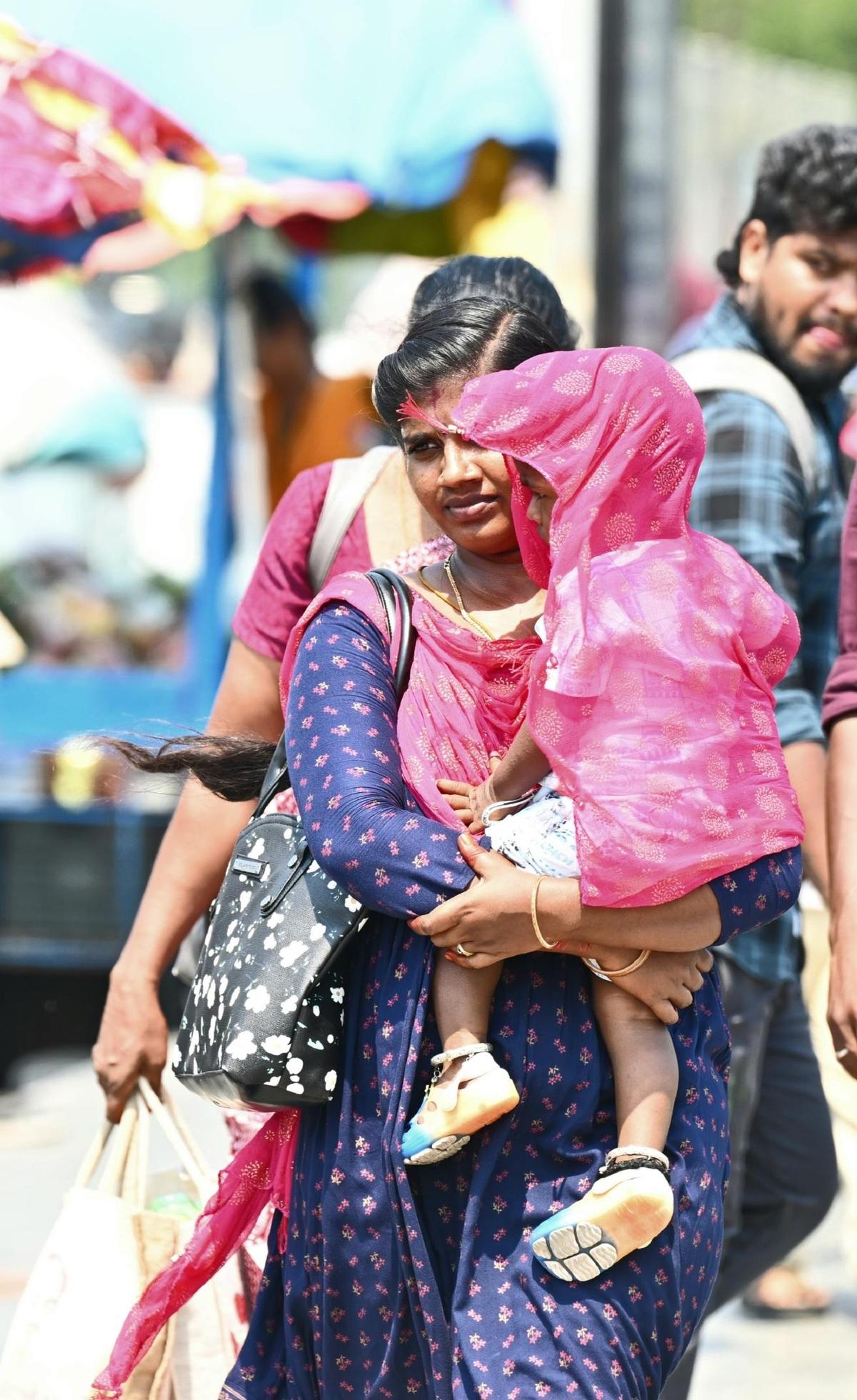
- 10 May 2026
In News:
India is witnessing a significant paradigm shift in climate governance. As the nation faces intensifying heatwaves and extreme weather events, the focus is moving away from generic, top-down State Action Plans on Climate Change (SAPCCs) toward localized, data-driven, and enforceable strategies. This transition is most visible in the evolution of Heat Action Plans (HAPs), which are being reimagined not just as emergency advisories, but as mandatory regulatory frameworks integrated into urban planning and disaster management.
The Foundation: State Action Plans on Climate Change (SAPCCs)
Originating from the National Action Plan on Climate Change (NAPCC) 2008, SAPCCs serve as the primary policy framework for Indian States and Union Territories. They provide a "sub-national" lens to climate action, recognizing that the challenges faced by a coastal state like Odisha differ fundamentally from those of a mountainous state like Himachal Pradesh.
Key Focal Sectors of SAPCCs:
- Agriculture & Water: Developing climate-resilient crops and enhancing groundwater recharge.
- Health & Urban Habitat: Monitoring heat-related illnesses and promoting sustainable public transport and energy-efficient buildings.
- Biodiversity: Expanding green cover to act as carbon sinks and protecting local ecosystems.
The Strategic Shift: From Generic to Localized Governance
Despite the existence of SAPCCs, the first generation of plans often remained broad and lacked actionable precision. Current efforts are focusing on "institutionalizing" climate action through specific, state-led innovations:
- Innovative Climate Financing: States like Odisha have pioneered climate budgeting, while Tamil Nadu established the Tamil Nadu Green Climate Company (TNGCC) in 2024—a nodal agency with a ?1,000-crore corpus dedicated to climate action.
- Data-Driven Policy Platforms: The PM Surya Ghar portal and the Revamped Distribution Sector Scheme provide real-time data on solar adoption and power infrastructure, allowing policymakers to identify regional gaps and refine strategies with surgical precision.
- Institutional Accountability: Local bodies are adopting "responsibility matrices." For instance, Thane’s heat task force requires environment departments to present annual progress reports to State Assemblies, ensuring that plans lead to measurable on-ground results.
Bridging the Gap: Moving Heat Action Plans (HAPs) to Mandates
While over 23 states have developed HAPs, most remain non-binding advisories. This "lack of teeth" often leads to reactive rather than proactive measures. Recent discourse, highlighted by experts and the 16th Finance Commission, emphasizes the need for a regulatory shift.
The Urban Heat Island (UHI) Challenge
In cities like Chennai, the UHI effect can make urban centers 3–5°C warmer than surrounding rural areas. Commercial zones, like Chennai’s T. Nagar, illustrate a vicious cycle: air conditioning units blast hot air into the streets to cool interiors, further warming the outdoor environment and increasing heat stress for outdoor workers and the elderly.
The Path to Mandatory HAPs:
To move from advisories to mandates, climate governance must integrate the following:
- Legal Enforcement: Transitioning HAPs into legally enforceable codes, such as making "cool roof" technologies mandatory for commercial buildings and high-rise developments.
- National Disaster Status: The recommendation to declare heatwaves as a nationally notified disaster would unlock federal funding for city-level resilience, moving beyond the current reliance on limited municipal budgets.
- Localized Vulnerability Mapping: Instead of city-wide alerts, municipal agencies should conduct ward-wise vulnerability mapping to prioritize interventions for the socio-economically marginalized.
- Infrastructure Adaptation: Mandating minimum urban tree cover ratios, shaded public rest areas, and dedicated water distribution networks for heat emergencies.
Economic and Social Imperatives
The transition is not merely environmental but economic. The International Labour Organization (ILO) estimates that India could lose 5.8% of its total working hours—equivalent to 34 million full-time jobs—to heat stress by 2030, with agriculture and construction being the hardest hit.
Conclusion
The future of India’s climate resilience lies in the successful merger of the broad vision of SAPCCs with the granular, mandatory execution of localized plans. By institutionalizing climate finance, leveraging real-time data, and granting HAPs legal standing, India can transform its climate strategy from a reactive policy exercise into a proactive shield for its citizens and economy.
The Missing Link in India’s Health Strategy: Reimagining Paternal Preconception Care

- 09 May 2026
In News:
For over three decades, India’s RMNCH A (Reproductive, Maternal, Newborn, Child, and Adolescent Health) strategy has been the cornerstone of public health, successfully driving down maternal and neonatal mortality. However, as the focus shifts from mere survival to the biological quality of survival, a critical gap has emerged: the near-total exclusion of fathers from the reproductive narrative.
Emerging science suggests that the "health transmission" to the next generation is a bi-parental process, where a father’s lifestyle and environment long before conception are just as vital as maternal care.
The Crisis of Male Reproductive Health in India
Recent data from 2026 highlights a silent emergency in male fertility and reproductive robustness:
- Declining Sperm Quality: National studies indicate that average sperm counts in Indian men have plummeted from 60 million/ml to 20 million/ml over the last 30 years. Today, only about 25% of Indian men meet normal semen parameters.
- Rising Infertility: Male factors now account for 30%–40% of infertility cases in urban hubs like Kolkata and Pune, largely driven by stress and metabolic syndrome.
- The "Vulnerability" Gap: While more children are surviving birth, many exhibit increased vulnerability to infections and metabolic disturbances—a trend scientists increasingly link to paternal health.
Scientific Evolution: Beyond the "Genetic Passivity" Myth
For a century, the medical community was guided by the Weismann Barrier theory, which argued that somatic (body) cells could not transmit environmental information to germ (sperm/egg) cells. The father was viewed merely as a passive donor of DNA.
However, the discovery of Epigenetics has overturned this model:
- Sperm as a Messenger: Sperm contributes a complex cargo beyond DNA, including microRNAs (small non-coding RNAs). These act as molecular messengers of the father's environment.
- The Exercise Impact: A landmark 2026 study in Cell Metabolism demonstrated that exercise in male mice altered sperm microRNAs, which then programmed embryos for enhanced metabolism and endurance. Offspring of active fathers showed a 30%–40% increase in running distance and better oxygen consumption ($VO_2$).
- Environmental Programming: Factors like smoking, obesity, alcohol, and stress "re-programme" the embryo’s gene expression during a critical window immediately after fertilization, before the embryo begins its own gene expression.
Barriers to Paternal Inclusion
Despite this scientific shift, several factors keep fathers "missing" from Indian health interventions:
- Maternal-Centric Policy: National programs focus almost exclusively on Antenatal Care (ANC) and institutional deliveries, positioning men as financial providers rather than biological participants.
- The Stigma of Infertility: Social taboos place the entire burden of fertility on women. Men represent only a fraction of patients at fertility clinics, leading to "silent grief" and under-diagnosis.
- Lack of Preconception Awareness: Most men seek medical help only after years of trying to conceive, by which time paternal age and poor lifestyle choices may have already degraded sperm quality.
- Systemic Invisibility: Clinical settings for maternal care are often women-only spaces, making men feel unwelcome or irrelevant to the biological process.
Challenges in Implementation
- Slow Lifestyle Changes: Improving sperm health requires 3–6 months of consistent diet and exercise—a "hard sell" compared to quick-fix medical technologies.
- Environmental Toxins: Exposure to endocrine disruptors (plastics, pesticides) is rising faster than our ability to screen prospective fathers.
- Fragmented Data: Much of the evidence on paternal programming currently relies on animal models, leading to policy hesitancy in applying these findings to human clinical guidelines.
Way Forward: A Bi-Parental Framework
To ensure the health of future generations, India must pivot toward an inclusive health model:
- Paternal Preconception Package: Update the RMNCH A strategy to include lifestyle, diet, and stress screening for men.
- Mandatory Lifestyle Assessments: Integrate risk assessments for men at the time of marriage registration or initial fertility consultations.
- Grassroots Counseling: Train ASHA workers to counsel both parents on how environmental exposures (like smoking) affect child robustness.
- Advanced Diagnostics: Utilize AI-powered semen analysis and home-based testing kits to make monitoring private and accessible.
- National Awareness Campaigns: Launch initiatives like "Healthy Father, Healthy Future" to de-stigmatize male infertility and explain the science of epigenetics.
Conclusion
Fathers are the "missing link" in India’s reproductive health story. Moving beyond the supplementation of iron tablets for adolescent boys, the government must recognize that a father’s health is a low-cost, high-impact lever for improving population health. True reproductive health is not a female responsibility, but a bi-parental mission to ensure the biological robustness of the next generation.
NITI Aayog Report on the School Education System in India
- 08 May 2026
In News:
NITI Aayog has recently unveiled a landmark policy report titled ‘School Education System in India: Temporal Analysis and Policy Roadmap for Quality Enhancement’. Analyzing a decade of data (2014-15 to 2024-25), the report provides a strategic assessment of the world’s largest education system. As India moves toward its Viksit Bharat @2047 vision, the document serves as both a scorecard and a blueprint for achieving equity and excellence in learning.
Landscape and Scale of the Indian School System
India manages an unprecedented educational infrastructure, characterized by its massive reach and diverse management.
- Scale and Reach: The system oversees 14.71 lakh schools catering to over 24.69 crore students, supported by a dedicated workforce of 1.01 crore teachers.
- Dominance of the State: Government schools form the backbone of the system, accounting for 68.1% of all institutions and serving nearly half (49.2%) of the total student population.
- Enrolment Trends: While elementary enrolment has achieved near-universal status, the Gross Enrolment Ratio (GER) for higher secondary education remains a challenge at 58.4%.
Evolution of the Educational Framework
The journey of Indian education has transitioned from ancient traditionalism to rights-based modernism:
- Foundational Milestones: Early post-independence initiatives like the Mudaliar Commission (1952) and the Kothari Commission (1964-66) laid the constitutional groundwork for free and universal education.
- Rights-Based Inclusion: The Sarva Shiksha Abhiyan (2001) and the landmark Right to Education (RTE) Act (2009) transformed elementary education into a justiciable right.
- Modern Integration: In 2018, Samagra Shiksha unified the framework from pre-primary to senior secondary. Currently, the National Education Policy (NEP) 2020 has introduced a 5 3 3 4 structure, aligning pedagogy with cognitive developmental stages.
Key Achievements of the Last Decade
The period between 2014 and 2025 has seen a shift from rapid physical expansion to resource optimization and digital growth.
- Infrastructure Strengthening: Basic amenities have seen a surge. For instance, functional electricity in schools jumped from 55.96% in 2014-15 to 91.9% in 2024-25.
- Digital Leap: Internet connectivity has expanded dramatically, rising from a mere 8.05% to 63.5% over the decade.
- Universal Elementary Access: National GER stands strong at 90.9% for primary and 90.3% for upper primary levels.
- Consolidation Strategy: The system is moving toward efficiency. The total number of schools decreased from 15.58 lakh to 14.71 lakh through school rationalization and merging under-enrolled units to optimize teacher deployment and resources.
Critical Challenges and Systemic Gaps
Despite infrastructural gains, the report flags several "second-generation" challenges that hinder quality outcomes.
- The Pyramidal Structure Gap: There is a significant scarcity of higher-grade schools. While there are 7.3 lakh primary schools, there are only 1.64 lakh higher secondary schools, creating a bottleneck that hinders student transition.
- High Secondary Dropouts: The gains in primary retention dissipate at later stages. The secondary dropout rate stands at 11.5%, contrasting sharply with the primary rate of 0.3%.
- The Learning Crisis: Foundational mastery remains elusive. According to ASER 2024, nearly 50% of Grade 5 children in rural India struggle to read a Grade 2 level text, indicating a system still struggling with rote learning over conceptual understanding.
- Inefficient "Small Schools": More than one-third of schools have fewer than 50 students, leading to administrative and economic inefficiencies.
- Digital Inequity: Tech integration is geographically skewed; while 95% of schools in Chandigarh have smart classrooms, the figure drops to less than 5% in Meghalaya.
Strategic Recommendations for Quality Enhancement
NITI Aayog proposes a multifaceted roadmap to address these hurdles:
- Structural Reform: Shift toward Composite Schools (Grades 1-12) to ensure students can complete their entire schooling in a single campus, reducing transition dropouts.
- Independent Oversight: Establish State School Standards Authorities (SSSAs) to independently regulate safety, infrastructure, and learning quality.
- Pedagogical Shift: Adopt competency-based assessments and the "Teaching at the Right Level" approach to ensure foundational literacy and numeracy (FLN) before moving to advanced topics.
- Teacher Empowerment: Move beyond general recruitment to specialized subject training and structured career progression paths.
- Inclusive Technology: Expand broadcast-based learning and digital tools specifically tailored for children with special needs and migrant populations.
Conclusion
India has successfully built the physical "access" to education, but the focus must now pivot decisively toward "success" in learning. Transitioning from a pyramidal, fragmented structure to a consolidated, quality-driven framework is essential. The NITI Aayog roadmap emphasizes that only by bridging the gap between enrollment and actual learning can India develop the human capital necessary to realize the dream of a developed nation by 2047.
Operation Sindoor: Redefining India’s National Security Architecture
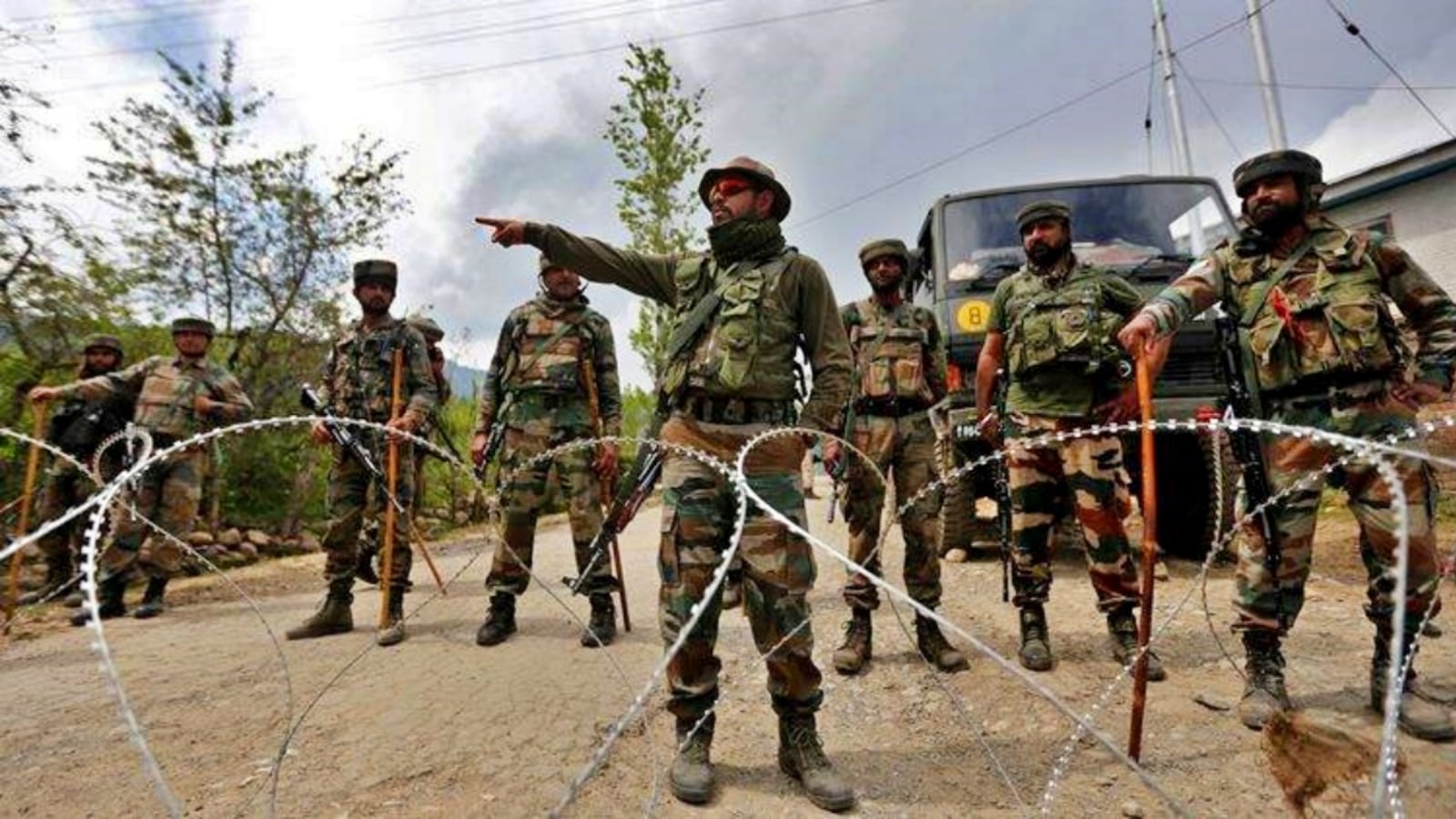
- 07 May 2026
In News:
Marking the one-year anniversary of Operation Sindoor, the Indian armed forces have undergone a fundamental transformation in their strategic and operational posture. This milestone represents more than a single military victory; it signifies India's formal transition from "strategic restraint" to a proactive doctrine of "Defensive Offense."
Understanding Operation Sindoor (May 2025)
Operation Sindoor was a multi-dimensional military offensive launched on the night of May 7–8, 2025. It was a direct response to a heinous terror attack in Pahalgam, Jammu & Kashmir, where the Pakistan-backed group 'The Resistance Front' (TRF) killed 26 tourists.
- The Kinetic Strike: Utilizing Rafale jets armed with SCALP missiles and HAMMER bombs, the Indian Air Force (IAF) decimated nine major terror launchpads across Pakistan and Pakistan-occupied Jammu & Kashmir (PoJK). The operation resulted in the elimination of over 100 terrorists, including top handlers from LeT and JeM.
- Neutralizing the "Nuclear Bluff": By striking deep into mainland Pakistan (including radar hubs in Lahore and airbases like Sargodha) without triggering a nuclear response, India successfully operated within the "grey zone," debunking the adversary's nuclear blackmail.
- Non-Military Leverage: In a historic move, India held the 1960 Indus Waters Treaty (IWT) in abeyance, using upstream control as a strategic lever. This was coupled with total economic isolation, the closure of the Attari-Wagah border, and a global diplomatic offensive to present forensic evidence of state-sponsored terror.
Post-Operation Strengthenings: Resilience and High-Tech Posture
A year later, the lessons of Operation Sindoor have been institutionalized through massive infrastructure and technological upgrades.
- Subterranean Warfare Infrastructure: The military has prioritized the construction of large-scale underground command and control centers at the Command and Corps levels. These hardened facilities are equipped with C4I2SR systems, ensuring operational continuity even during saturation strikes.
- Hardened Logistics: To safeguard vital assets, the armed forces are deploying 3D-printed bunkers for rapid troop protection, alongside hardened subterranean storage for fuel, ammunition, and medical supplies along the Western borders.
- Evolution of Integrated Air Defense: Under Mission Sudarshan Chakra, India is building an impenetrable "iron dome." This includes the Army’s Akashteer, the Air Force’s IACCS, and the Navy’s TRIGUN networks.
- Offensive Air Defense: Following the IAF’s record surface-to-air kill of a Pakistani platform from 300 km during the conflict, India is fast-tracking the long-range S-400 Triumf and the indigenous Project Kusha.
- Strategic Dual-Use Infrastructure: National highways (like the Purvanchal Expressway) have been fitted with Emergency Landing Fields (ELFs), and border airfields have been converted for seamless civil-military dual use.
The Strategic Doctrine: The Doval Doctrine & PRAHAAR
Operation Sindoor crystallized the "Doval Doctrine," which treats non-state actors and their state sponsors as a single accountable entity. This is supported by the Ministry of Home Affairs' new national counter-terrorism strategy, PRAHAAR:
- P – Prevention: Intelligence-led approach via the Multi Agency Centre (MAC).
- R – Responses: Rapid neutralization of threats by the NSG and state forces.
- A – Aggregating Capacities: Modernization of weaponry and training standardization.
- H – Human Rights: Balancing security with the Protection of Human Rights Act (1993).
- A – Attenuating Conditions: De-radicalization frameworks involving community leaders.
- A – Aligning International Efforts: Using Extradition Treaties and MLATs to deny safe havens.
- R – Recovery and Resilience: A "whole-of-society" approach to ensure swift normalcy post-incident.
Conclusion
Operation Sindoor has fundamentally altered the South Asian security calculus. By calling the nuclear bluff and integrating hard power with economic and water diplomacy, India has established a new benchmark for counter-terrorism. The focus now rests on Atmanirbharta (Self-Reliance), with indigenous systems like Project Kusha and Akash forming the backbone of a sovereign, resilient defense framework that prioritizes punitive retaliation over passive defense.
Judicial Activism and Disability Rights: Expanding the Scope for Acid Attack Survivors
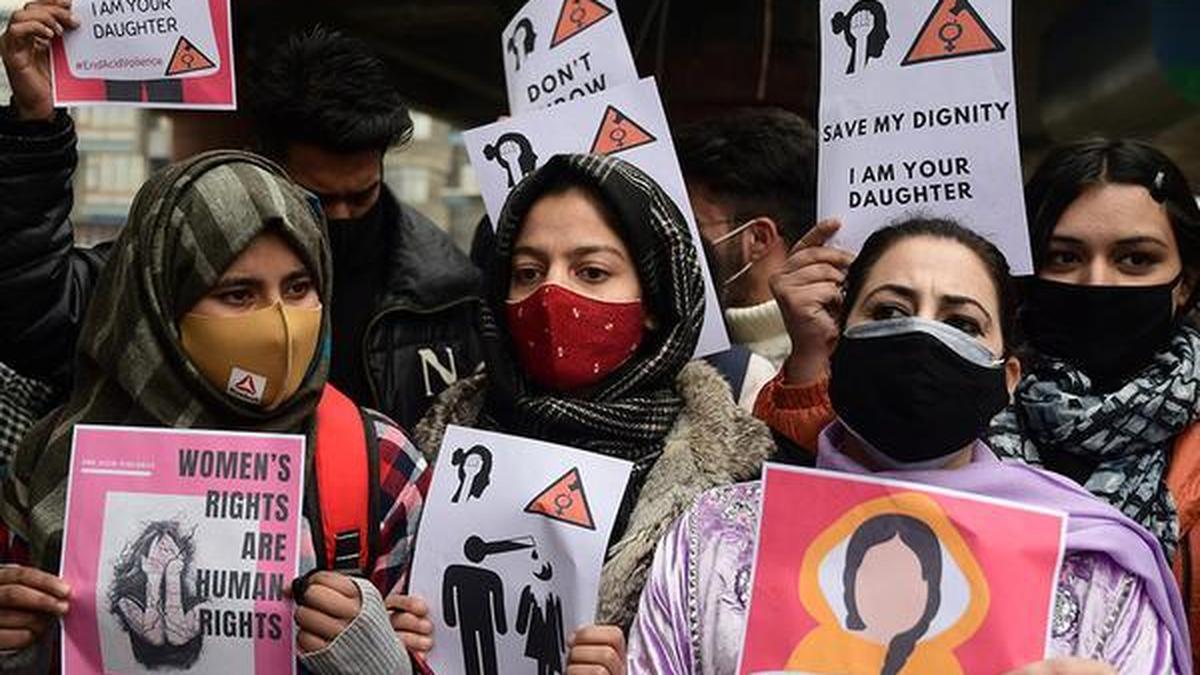
- 06 May 2026
In News:
In a landmark decision, the Supreme Court of India has significantly broadened the protective umbrella of the Rights of Persons with Disabilities (RPwD) Act, 2016. By recognizing survivors of forcible acid ingestion as "acid attack victims," the Court has shifted the legal focus from visible external disfigurement to the gravity of internal injuries, ensuring that justice is inclusive of all forms of corrosive violence.
The Supreme Court’s Expanding Interpretation
The ruling addresses a critical lacuna where the law previously recognized only those disfigured by the "throwing" of acid.
- Redefining the Victim: The Court ruled that individuals forced to ingest acid, suffering from severe internal organ damage, are entitled to the same disability benefits and legal protections as those with external scarring.
- Retrospective Effect: To prevent the denial of justice to past survivors, the Court directed that this expanded definition applies retrospectively from the enactment of the RPwD Act in 2016.
- Article 142 and "Deemed Amendment": Using its extraordinary plenary powers under Article 142, the Court passed a "deemed amendment." This serves as the law of the land until the Union Government formally updates the Schedule of the RPwD Act.
- Accountability Measures: The Court suggested attaching the assets of attackers (including shares in Joint Hindu Family properties) for compensation and proposed reversing the burden of proof onto the accused.
The RPwD Act, 2016: A Rights-Based Framework
The RPwD Act was enacted to align Indian law with the United Nations Convention on the Rights of Persons with Disabilities (UNCRPD).
- Expansion of Categories: The Act increased recognized disabilities from 7 to 21. Acid attack victims are classified under physical/locomotor disability.
- Key Entitlements:
- Education: Free education for children with benchmark disabilities aged 6 to 18 years.
- Reservations: Increased to 4% in government employment and 5% in higher education.
- Accessibility: Mandates barrier-free access in all public buildings and transport.
- Guardianship: Moves from "plenary guardianship" to "limited guardianship," prioritizing the agency of the person with a disability.
Legal Landscape of Acid Attacks in India
Acid attacks are recognized as premeditated assaults intended to cause permanent physical, psychological, and economic ruin.
1. Penal Provisions:
- Bharatiya Nyaya Sanhita (BNS), 2023: Under Section 124, causing grievous hurt by acid (throwing or administering) is a non-bailable offense punishable by 10 years to life imprisonment.
- Bharatiya Nagrik Suraksha Sanhita (BNSS), 2023: Section 397 mandates that all hospitals provide free, immediate first aid, while Section 396 outlines the Victim Compensation Scheme.
2. Institutional Support:
- NALSA (2016): Provides priority legal aid and uniform financial compensation for women survivors.
- Prime Minister’s National Relief Fund: Provides an additional ?1 lakh for survivors.
3. Landmark Judicial Interventions:
- Laxmi vs. Union of India (2014): Led to the regulation of over-the-counter acid sales and mandatory reporting by sellers.
- Justice JS Verma Committee (2013): Identified acid attacks as a gendered crime and recommended stringent punishments and national survivor funds.
Challenges in the Path to Justice
Despite a robust legal framework, survivors face systemic hurdles:
- Enforcement Gaps: Acid remains easily accessible in regions near textile and rubber industries despite regulations.
- Judicial Delays: NCRB 2023 data highlights a dismal conviction rate, with only 16 convictions out of 703 pending cases.
- Socio-Economic Barriers: Victims are often pressured into out-of-court settlements. Social stigma and the high cost of lifelong reconstructive surgeries lead to exclusion from the workforce.
- Underreporting: While the NCRB reported 207 cases in 2023, organizations like ASTI estimate the actual number is closer to 1,000 annually, suppressed by fear and stigma.
Way Forward: A Holistic Approach
To bridge the gap between law and reality, India must adopt a multi-dimensional strategy:
- Aggressive Regulation: Mirroring the success of Bangladesh (where attacks dropped from 494 to 13 annually), India must strictly penalize unlicensed acid sales.
- Fast-Track Justice: Establishing specialized courts and sensitizing police to prevent victim-blaming is essential to increase conviction rates.
- Comprehensive Rehabilitation: Shifting from "one-time compensation" to lifelong support, including vocational training and psychological counseling, as recommended by the Justice Verma Committee.
- Societal Sensitization: Public campaigns are needed to dismantle the patriarchal mindsets that view acid attacks as a tool for "revenge."
Conclusion
The Supreme Court’s intervention reinforces that the spirit of the RPwD Act is to protect human dignity. However, legal expansion must be met with executive vigor and societal empathy to ensure that acid attack survivors move from a state of mere survival to one of meaningful empowerment.
India’s Strategic Response to the EU’s CBAM
- 05 May 2026
In News:
On January 1, 2026, the European Union’s (EU) Carbon Border Adjustment Mechanism (CBAM) entered full force, marking a watershed moment in global trade and climate policy. As a significant exporter of energy-intensive goods to the EU, India faces a dual challenge: protecting its export competitiveness and asserting its fiscal sovereignty. To counter this, India is exploring the India Border Adjustment Mechanism (IBAM)—a strategic "counter-adjustment" designed to internalize carbon pricing and keep carbon revenue within the domestic exchequer.
Understanding the EU's CBAM Framework
The CBAM is a landmark environmental policy designed to prevent "carbon leakage"—a situation where companies move production to countries with laxer environmental standards to avoid carbon costs.
- Mechanism: Importers into the EU must purchase CBAM certificates based on the embedded carbon emissions of their goods. The price of these certificates is pegged to the EU Emissions Trading System (ETS).
- Targeted Sectors: Initially, it impacts the most carbon-intensive industries: Steel, Aluminum, Cement, Fertilizers, Electricity, and Hydrogen.
- Article 9 Deduction: Crucially, CBAM’s Article 9 allows importers to reduce their liability by providing evidence of a carbon price already paid in the country of origin.
- Phased Implementation: Between 2026 and 2034, the EU will gradually phase out free carbon allowances for its own domestic producers, increasing the effective cost for both local and foreign firms.
The Case for an India Border Adjustment Mechanism (IBAM)
Rather than treating CBAM as an unavoidable external tax, India is proposing the IBAM to transform a trade barrier into a domestic opportunity.
- Retention of Fiscal Revenue: If the EU expects to collect ?500 crore from Indian steel exports, the IBAM would allow the Indian government to collect that tax at the point of export instead. This ensures the money stays in the Indian exchequer rather than going to Brussels.
- Financing the Green Transition: Revenue from IBAM can be ring-fenced into a dedicated fund to subsidize domestic green technologies, such as transitioning blast furnaces to Green Hydrogen-based steelmaking or scaling up scrap-based production.
- Leveraging Article 9: By utilizing the Carbon Credit Trading Scheme (CCTS) notified in 2023, India can establish a "compliance-grade" market. Payments made by Indian firms into this system can then be used as a legal offset to reduce or eliminate CBAM charges at the EU border.
Challenges and Strategic Concerns
Despite the potential benefits, the transition to a carbon-priced trade regime presents significant hurdles for Indian industry:
- The Subsidy Gap: European firms benefit from massive state aid and subsidized public finance for decarbonization. An Indian firm may fund its transition through operational costs, whereas a German competitor might receive billions in green transition subsidies.
- Burden on MSMEs: Small and Medium Enterprises (MSMEs) face prohibitive compliance costs. The price of Measurable, Reportable, and Verifiable (MRV) audits and independent third-party carbon accounting may exceed the actual tax liability.
- Data and Sovereignty: Providing granular energy consumption data to foreign auditors raises national security and data sensitivity concerns, particularly regarding strategic aluminum or chemical plants.
- Legal Consistency: Under GATT Article III, internal charges should not be used to shield domestic producers from fair competition. India must ensure IBAM is designed as a legitimate carbon price and not a disguised trade barrier.
Diplomatic Leverage: The India-EU FTA and Annex 14-A
The India-EU Free Trade Agreement (FTA), concluded in early 2026, includes Annex 14-A, which establishes a formal technical dialogue on CBAM.
- Recognition of CCTS: India aims to ensure that the EU officially recognizes Indian carbon certificates as a "carbon price paid."
- Exchange Rate Fair Play: Technical dialogues are essential to ensure that rupee-denominated carbon credits are converted fairly against the Euro.
- Most-Favored-Nation (MFN) Commitment: India has secured a commitment that any flexibility the EU extends to other trading partners regarding CBAM will automatically be extended to India.
Way Forward:
To turn this challenge into a strategic advantage, India should adopt a multi-pronged approach:
- Formalize IBAM: Introduce the mechanism through the Annex 14-A framework to ensure it is pre-recognized by the EU as a valid offset.
- Ring-fenced Green Fund: Create a transparent, audited fund for collected carbon revenues to support the Just Transition of the workforce and industry.
- Digital Capacity Building: Provide subsidized digital tools and auditing services to help MSMEs calculate their carbon footprints without eroding their margins.
- Global Leadership: Lead a coalition of developing nations to demand that carbon border revenues be returned to countries of origin to finance global climate justice.
Conclusion:
The rise of CBAM represents a shift in global trade where environmental standards are the new tariffs. For India, the IBAM is more than just a tax; it is an assertion of technological and fiscal sovereignty. By internalizing its carbon pricing, India can fund its own green revolution on its own terms, ensuring that its journey toward Net Zero is self-financed and strategically resilient.
Public Interest Litigation (PIL): Balancing Social Justice with Judicial Discipline

- 04 May 2026
In News:
The Union Government has recently urged the Supreme Court of India to fundamentally reconsider the framework of Public Interest Litigation (PIL), citing the rise of "agenda-driven litigation." While PILs have historically been the "heart and soul" of judicial activism in India, providing a voice to the marginalized, the growing frequency of its misuse has sparked a debate on the need for recalibration.
The Genesis and Philosophy of PIL
Unlike traditional litigation, which follows the strict rule of Locus Standi (only the aggrieved party can move the court), PIL allows any public-spirited individual or organization to file a petition for the enforcement of the rights of those who, by reason of poverty or disability, cannot approach the court.
- Pioneers: Introduced in the late 1970s and 80s by Justice V.R. Krishna Iyer and Justice P.N. Bhagwati.
- The First Landmark:Hussainara Khatoon vs. State of Bihar (1979), which led to the release of 40,000 undertrials, establishing the Right to Speedy Trial under Article 21.
Constitutional Foundations:
- Article 32: Empowerment of the Supreme Court to issue writs for Fundamental Rights.
- Article 226: Similar powers granted to High Courts for regional governance and rights issues.
- Article 39A: The Directive Principle mandating the State to ensure equal justice and free legal aid.
The "Three Ps" and Modern Challenges
The government and legal experts have identified several "distortions" that threaten the credibility of PIL jurisdiction:
1. Dilution of Locus Standi and the "Three Ps": Misuse often falls into three categories:
- Private Interest Litigation: Corporate rivalries disguised as public causes.
- Publicity Interest Litigation: Petitions filed solely for media attention.
- Political Interest Litigation: Using courts to settle political scores.
Case Law: In Subhash Kumar v. State of Bihar (1991), the Court warned that PILs must not be used to settle private grudges.
2. Constitutional Friction and Judicial Overreach: Courts are increasingly intervening in core policy matters, often bypassing executive expertise.
- Example: In State of Tamil Nadu v. K. Balu (2017), the highway liquor ban led to massive revenue loss and unemployment for nearly 1 million workers, eventually forcing the Court to modify its own directive.
3. Polycentricity and the Enforcement Gap: A single judicial order can impact thousands of unrepresented stakeholders (e.g., workers in a factory closed for pollution). This violates the principle of audi alteram partem (hear the other side). Furthermore, impractical orders lead to non-compliance, eroding judicial authority.
4. Procedural Concerns:
- Ambush PILs: Poorly drafted petitions filed strategically to get dismissed, which then blocks genuine future challenges under the principle of Res Judicata.
- Judicial Backlog: With over 5 crore cases pending, expansive PILs consume significant time, delaying regular criminal and civil justice.
Impact and Landmark Jurisprudence
Despite these challenges, the PIL remains a catalyst for monumental changes in Indian law:
- Absolute Liability:M.C. Mehta v. Union of India (1986) strengthened environmental accountability.
- Workplace Safety:Vishaka v. State of Rajasthan (1997) created guidelines against sexual harassment, later codified into law.
- Article 21 Expansion: PILs have successfully included the right to privacy, clean environment, and education within the Right to Life.
Way Forward
To ensure PIL remains a tool for social justice rather than a weapon of harassment, several measures are recommended:
- Adherence to Guidelines: Strict implementation of the Balwant Singh Chaufal (2010) criteria, which require verifying the petitioner's credentials and ensuring the absence of "proxy" motives.
- Procedural Filters: Establishing "PIL Cells" in courts to scrutinize bona fides before petitions reach a judge.
- Exemplary Costs: Imposing heavy financial penalties on frivolous or motivated litigants to deter "publicity seekers."
- Specialized Benches: Creating benches for technical domains (Environment, Health) to ensure expertise-led decision-making.
- Judicial Self-Restraint: Courts must avoid stepping into the shoes of the legislature, intervening only when there is a clear "constitutional vacuum."
Conclusion
Public Interest Litigation is a unique and essential feature of the Indian legal system. The problem lies not in the jurisdiction itself, but in its distortion. The focus must remain on preserving access to justice for the voiceless while rigorously filtering out "agenda-driven" cases. A refined PIL framework, characterized by procedural safeguards and judicial discipline, is necessary to maintain the delicate balance of the Separation of Powers
RBI'S Expected Credit Loss Framework
- 03 May 2026
In News:
The Reserve Bank of India's new Expected Credit Loss (ECL) framework, set to take effect from April 1, 2027, is projected to cause a one-time net capital impact of up to 120 basis points on banks' Common Equity Tier-1 (CET-1) ratios, according to CRISIL Ratings. The gross impact could reach up to 170 bps, with existing provisions reducing the net effect.
What is the ECL Framework?
Currently, Indian banks follow the Incurred Loss Model — provisions are made only after a loan shows stress or becomes a Non-Performing Asset (NPA). This reactive approach often recognises risk too late, allowing banks to report healthy books even when early warning signs are visible.
The ECL framework shifts this to a forward-looking approach. Banks must now estimate losses before default by assessing three parameters:
- Probability of Default (PD)
- Loss Given Default (LGD)
- Exposure at Default (EAD)
The new norms are broadly aligned with IFRS 9, the global accounting standard adopted internationally after the 2008 financial crisis to make banking systems more resilient.
Three-Stage Asset Classification
The ECL framework classifies all loan assets into three stages based on credit risk:
Stage I — Low or no significant increase in credit risk. Banks provision for 12-month expected credit loss. Minimum provisioning levels are broadly similar to current norms but serve only as a floor.
Stage II — Significant increase in credit risk, but not yet an NPA. Banks must provision for lifetime expected credit loss. This stage carries the highest transition impact — Stage II assets currently form only 2–2.2% of the banking system, which will help contain the overall burden.
Stage III — Credit-impaired assets or NPAs. Banks recogniselifetime expected credit loss. Provisioning requirements here will also be higher than the current 15% mandate for sub-standard assets.
A critical shift: banks must now provide more for stressed loans before they cross the traditional 90-day overdue NPA threshold.
New NPA Classification Rules
The 90-day NPA classification period remains unchanged, but classification will now occur at the borrower level, not the account level. This means if one loan of a borrower turns bad, all loans of that borrower with the same bank may be treated as NPAs. Upgrading back to standard status requires the borrower to clear all liabilities, not just the defaulted account. This is expected to strengthen credit discipline and prevent selective repayment.
Additionally, the framework now extends provisioning to off-balance-sheet exposures and undisbursed credit limits — meaning banks must account for committed but yet-to-be-disbursed credit lines as well.
Impact on Banks
- Indian banks are well placed to absorb the transition, supported by a healthy CET-1 ratio of around 14% as of March 31, 2026, and steady profitability, with return on assets of about 1.25–1.3% in the last fiscal. Banks will be allowed to spread the transition impact over four financial years, reducing immediate pressure. Additional provisioning buffers already maintained by several lenders will further cushion the effect.
- However, the ECL regime will also lead to a structural rise in credit costs over time. Banks with higher exposure to microfinance, unsecured retail loans, and other riskier segments face greater pressure on margins. Some of these costs may eventually be passed on to borrowers. Banks will need to proactively focus on strengthening net interest margins and controlling operating expenses to absorb the long-term impact.
- Net NPA ratios for most major Indian banks currently stand below 1%, making this an opportune moment for the transition — the sector's strength reduces the risk of disruption.
Significance
The ECL framework marks a structural upgrade in how Indian banks manage credit risk. It enables earlier detection of stress, builds provisioning buffers in advance, reduces the chance of sudden shocks to balance sheets, and aligns India's banking norms with global standards (IFRS 9). For regulators, it improves transparency and accountability in credit risk assessment, making banking supervision more robust.
Revenue Deficit States and Challenge of Fiscal Stability
- 02 May 2026
In News:
The Ministry of Finance’s Monthly Economic Review (April 2026) has issued a stark warning regarding the divergent fiscal paths of Indian states. As the 16th Finance Commission (FC) period commences, the interplay between rising global energy costs, high debt burdens, and the adherence to the "Golden Rule" of financing has become the focal point of India’s federal economic stability.
1. The Federal Fiscal Landscape: Union vs. States
While the Union government demonstrates resilience, the sub-national level reveals a fragmented picture of fiscal health.
The Union: A Cautious Buffer
The Centre has maintained a prudent fiscal stance, anchored by a conservative tax buoyancy assumption of 0.8. A critical innovation is the Economic Stabilisation Fund (ESF), a ?1-trillion buffer designed to absorb external shocks—such as oil price spikes—without derailing the fiscal deficit target. Despite this, external research firms like BMI suggest a potential breach of the 4.3% deficit target, predicting it could hit 4.5% due to emergency energy subsidies.
The States: A Tale of Two Realities
The performance of 18 large states highlights a divide between fiscal discipline and structural stress:
- Revenue Deficit States: 9 out of 18 states are currently failing to cover their daily expenses with their own earnings. Stressed leaders include Himachal Pradesh (-2.4%), Punjab (-2.2%), and Kerala (-2.1%).
- Revenue Surplus Leaders: Conversely, 8 states are projected to run surpluses, led by Odisha (3%), Jharkhand (2.5%), and Uttar Pradesh (1.6%).
2. Critical Concerns: Energy, Inflation, and Debt
The Energy Trap
With the Indian crude basket hovering between USD 113–115 per barrel, the fiscal math is under pressure. The Union is forced to absorb these costs via higher fertilizer and petroleum subsidies, which drains the ESF. For states, this volatility creates a "double whammy": pressure to cut VAT on fuel while simultaneously facing higher costs for public transport and operations.
The Interest Burden and "Degrees of Freedom"
High debt levels are severely limiting the "degrees of freedom" for stressed states. Punjab represents the extreme, spending 22.8% of its total revenue receipts just on interest payments. When nearly a quarter of income is diverted to servicing old debt, little remains for health, education, or infrastructure.
16th Finance Commission Risks
FY 2026-27 marks the transition to the 16th FC recommendations. The primary risk factor is the absence of Revenue Deficit Grants, which were a lifeline for stressed states under the previous commission. States must now rely more on their own tax efforts and performance-based grants (20% of the total allocation).
3. The ‘Golden Rule’ of Fiscal Financing
The Ministry of Finance has specifically warned states against violating the Golden Rule.
- The Principle: A government should borrow only to fund capital projects (investment) and not for day-to-day consumption (salaries, pensions, and subsidies).
- Intergenerational Equity: Borrowing for a bridge is equitable because future generations benefit from the asset while paying the debt. Borrowing for today’s subsidies, however, shifts the cost to the future with no corresponding asset creation.
- Case Study: Odisha vs. Punjab:
- Odisha budgets a fiscal deficit of 3.5%, seemingly high, but it maintains a 3% revenue surplus. This indicates that its borrowing is entirely "productive," used for a massive capital outlay of 6.5% of GSDP.
- Punjab and Kerala, by contrast, are borrowing to fund revenue deficits, effectively "eating into their future."
4. Strategic Roadmap for Strengthening Fiscal Outlook
For the Union Government
- Energy Diplomacy: Moving toward Government-to-Government (G2G) deals with producers like Brazil, Guyana, and Russia to reduce the "risk premium" associated with West Asian conflicts.
- Capex Prioritization: Protecting the budget for high-multiplier sectors such as Semiconductors and Green Hydrogen to sustain a 7% growth trajectory.
- Monetary Coordination: Working with the RBI to stabilize the Rupee and prevent "imported inflation" from ballooning the national debt.
For State Governments
- Revenue Diversification: Reducing reliance on volatile fuel VAT by digitizing and strengthening State Excise and Stamp Duties.
- Green Energy Mandates: Shielding budgets by transitioning public transport to Electric Vehicles (EVs) and adopting solar-powered irrigation (KUSUM scheme) to lower the subsidy burden.
- Performance-Based Compliance: Focusing on property tax reforms to unlock the 20% performance-linked grants introduced by the 16th FC.
Conclusion
The 2026 fiscal outlook is a balancing act between Central resilience and Sub-national vulnerability. Long-term stability in the Indian federal structure hinges on states moving away from "consumption borrowing" toward productive capital investment. Only by adhering to the Golden Rule can states ensure that the current energy crisis does not become a permanent debt trap for future generations.
Ecocide: Strengthening International Law Against the Ecological Toll of War

- 01 May 2026
In News:
The escalating conflicts in the Middle East—evidenced by Lebanon’s 2026 accusations of "physical and ecological" reshaping of its southern landscape and Iran’s reports of "black rain" following bombings of fuel depots—have brought a decades-old concept to a critical legal crossroads. While the Rome Statute currently recognizes four "core" international crimes—genocide, crimes against humanity, war crimes, and the crime of aggression—there is a burgeoning global movement to codify 'Ecocide' as the fifth.
Understanding Ecocide: From Vietnam to the Modern Era
Ecocide refers to the most extreme forms of environmental destruction caused by human action. It is characterized by unlawful or wanton acts committed with the knowledge that there is a substantial likelihood of severe, widespread, or long-term damage to the environment.
- Historical Roots: Coined in 1970 by Yale biologist Arthur W. Galston, the term originally described the devastation caused by Agent Orange during the Vietnam War. It gained political traction in 1972 when Swedish Prime Minister Olof Palme used it at the UN Conference on the Human Environment.
- Early Adoption: Vietnam became the first nation to codify ecocide in domestic law (1990). Today, countries including Russia, Ukraine, Chile, France, and Belgium have integrated the concept into their national legal frameworks.
- The Standardized Definition (2021): To bridge the gap between activism and law, an expert panel for Stop Ecocide International proposed a formal definition to facilitate its inclusion in the Rome Statute, focusing on "wanton acts" with "long-term" consequences.
The Legal Gap: Ecocide vs. Existing Frameworks
A common critique of the ecocide movement is that environmental damage is already addressed by international law. However, proponents argue that existing mechanisms are fundamentally limited by their anthropocentric (human-centered) nature.
Current international laws, such as the Rome Statute, place humans at the center of harm. Environmental damage is typically only prosecuted if it is "disproportionate" to military advantage and results in direct human suffering, such as displacement or death. Furthermore, these provisions are largely restricted to active warfare (War Crimes).
In contrast, the proposed ecocide framework is eco-centric, recognizing the environment as a victim in its own right. It focuses on the "substantial likelihood" of severe harm regardless of immediate human impact and is intended to apply during both peace and war, addressing issues like massive industrial pollution alongside military devastation.
Institutional Hurdles and Shortfalls
Despite the existence of the Geneva Conventions and the Environmental Modification Convention (ENMOD), several factors prevent effective prosecution:
- Jurisdictional Limits: The International Criminal Court (ICC) generally only has jurisdiction over State Parties. For instance, recent allegations involving Iran and Lebanon face hurdles as neither is a party to the Rome Statute, necessitating a UN Security Council referral.
- The "Human" Requirement: Current laws often require proof that environmental damage directly caused displacement, suffering, or death among humans to be prosecutable as a war crime.
- High Evidentiary Thresholds: Proving "intent" to cause widespread environmental destruction is notoriously difficult in a theater of war, where "military necessity" is frequently invoked as a defense.
- Lack of Precedent: To date, no direct international prosecution has been launched specifically for environmental destruction caused by warfare, leaving the law as a "moral force" rather than a functional deterrent.
The Path Forward: Towards a Fifth Crime
The momentum for ecocide is shifting from advocacy to formal policy. In October 2025, the International Union for Conservation of Nature (IUCN) recognized ecocide as a crime. More significantly, the Council of Europe adopted a convention in 2025 that allows for the prosecution of severe environmental crimes committed abroad within European domestic courts.
Way Forward
- Rome Statute Amendment: This requires a two-thirds majority of the Assembly of States Parties to formally include ecocide as a core crime.
- Domestic Codification: Following the lead of Belgium and Chile to create a "bottom-up" pressure on international norms.
- Universal Jurisdiction: Utilizing the principle that certain crimes are so grave that they can be prosecuted by any state, regardless of where the crime was committed.
- Non-Anthropocentric Jurisprudence: Supporting the International Court of Justice (ICJ) in developing principles that recognize the intrinsic rights of nature.
Conclusion
The recognition of ecocide represents a vital shift in holding global actors accountable for the permanent scarring of the planet. While current international law remains a "guardrail of shame," formalizing ecocide would transform it into a binding legal deterrent, ensuring that the "physical and ecological landscape" is no longer considered collateral damage in human conflicts.