
Fiscal Federalism in India and the Debate over the 41% Tax Devolution
- 12 Mar 2026
In News:
The debate on fiscal federalism in India has intensified following the Union government’s acceptance of the 41% tax devolution recommended by the Sixteenth Finance Commission. While the recommendation appears to maintain the existing share of tax revenues for States, critics argue that structural changes in the fiscal framework may gradually reshape the balance of financial power between the Centre and the States.
Fiscal Federalism in India
Fiscal federalism refers to the division of financial powers, taxation authority, and expenditure responsibilities between different levels of government in a federal system. In India, the Constitution establishes a structured framework for fiscal relations between the Union and the States.
Key constitutional provisions include:
- Articles 268–281: These articles govern the distribution of taxation powers and revenue sharing between the Union and the States.
- Article 280: Provides for the establishment of the Finance Commission, which recommends the sharing of central taxes and grants to States.
- Seventh Schedule: Divides taxation powers between the Union List and the State List.
Since the Union government collects a major share of taxes, the Finance Commission periodically recommends how the divisible pool of central taxes should be distributed among States.
Evolution of Tax Devolution
The share of States in the divisible pool has increased over time:
- 14th Finance Commission: Increased States’ share to 42%.
- 15th Finance Commission: Reduced it slightly to 41% after the reorganisation of Jammu and Kashmir.
- 16th Finance Commission: Recommended retaining the 41% share.
Although the percentage has remained unchanged, analysts argue that the effective transfer of resources to States may be declining.
The Divisible Pool and the Issue of Cesses and Surcharges
The divisible pool represents the portion of central tax revenues that is shared with States. However, certain revenues such as cesses and surcharges are excluded from this pool and are retained entirely by the Union government.
Over time, the share of the divisible pool in gross tax revenue has declined:
- 13th Finance Commission period: 89.2%
- 14th Finance Commission period: 82.1%
- 15th Finance Commission period: 78.3%
This trend implies that even though the States’ share is fixed at 41%, the base from which this percentage is calculated has shrunk, reducing the overall transfer to States.
Key Recommendations of the Sixteenth Finance Commission
The Union government accepted several major recommendations of the Commission, including:
- Retaining 41% tax devolution to States
- Acceptance of the horizontal distribution formula among States
- Approval of grants to local bodies
- Continuation of the disaster management funding framework
However, several structural reforms proposed by the Commission were deferred. These include:
- Reform of Fiscal Responsibility Legislation (FRL) frameworks
- Regulation of off-budget borrowings by States
- Reforms in the power sector distribution companies (DISCOMs)
- Rationalisation of subsidies
Fiscal Stress in States
The Commission also highlighted rising fiscal stress in several States. For example:
- Punjab: Debt–GSDP ratio of 42.9% and revenue deficit of 3.7% of GSDP (2023–24).
- Rajasthan: Liabilities at 37.9% of GSDP.
- West Bengal: Liabilities at 38.3% of GSDP.
- Andhra Pradesh: Liabilities around 34.6% of GSDP.
In some cases, borrowing is used primarily to finance revenue expenditure such as salaries and interest payments, rather than capital investment. Another concern is off-budget borrowing, where loans are raised through government-controlled entities and serviced using public funds.
Changes in Horizontal Devolution
The Finance Commission also revised the horizontal distribution formula among States. Earlier, a criterion known as tax and fiscal effort rewarded States that improved their tax collection efficiency. This has now been replaced with a “contribution to GDP” indicator with a weight of 10%.
This shift may benefit economically stronger States such as Maharashtra, Gujarat, and Karnataka, which contribute significantly to national GDP. However, poorer States such as Bihar, Jharkhand, and Uttar Pradesh, which depend heavily on central transfers, may gain relatively less, raising concerns about weakening the principle of fiscal equalisation.
Local Body Grants
The Sixteenth Finance Commission also recommended ?7,91,493 crore in grants for rural and urban local bodies. These grants are divided into:
- Basic grants for essential services and administration.
- Performance grants linked to conditions such as timely constitution of State Finance Commissions, audited accounts, and compliance with data reporting systems.
However, implementation challenges persist, as only 62.6% of recommended urban local body grants were released during the previous Finance Commission period.
Conclusion
The retention of 41% tax devolution appears to preserve the formal structure of fiscal federalism. However, the increasing use of cesses and surcharges, changes in allocation criteria, and delays in structural reforms indicate evolving Centre–State fiscal dynamics. These developments may gradually reshape India’s fiscal federal landscape, raising important questions about resource distribution, fiscal autonomy, and cooperative federalism.
Deficient Winter Rains and Early Onset of Summer in India
- 11 Mar 2026
In News:
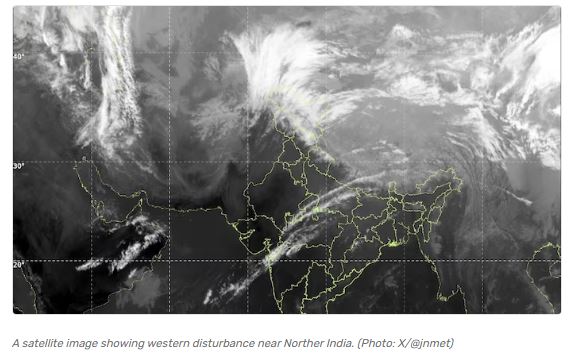
Several regions of northern and western India have recently experienced an unusually early rise in temperatures, marking the premature onset of summer conditions. Day temperatures in some areas were 8–13°C above normal, reaching levels that qualify as heatwave conditions. The phenomenon is largely linked to deficient winter rainfall, weak Western Disturbances, and reduced soil moisture, which together have accelerated land heating and altered seasonal weather patterns.
Western Disturbances: Key Winter Weather System
A Western Disturbance is an eastward-moving extratropical weather system that originates in the Mediterranean region and travels across West Asia toward the Indian subcontinent through the westerly winds.
As the system approaches northwestern India via Pakistan, it gathers moisture. When this moist air interacts with the Himalayan mountain ranges, it rises and cools, leading to cloud formation, rainfall, and snowfall.
Western Disturbances are most active between December and February and constitute the primary source of winter precipitation in northern India. They provide rainfall and snowfall to states such as:
- Jammu and Kashmir
- Himachal Pradesh
- Uttarakhand
- Punjab
- Haryana
This precipitation is essential for maintaining soil moisture, supporting agriculture, and regulating seasonal temperatures.
Deficient Winter Rainfall
The current early heat conditions are closely associated with an unusually dry winter season. According to the India Meteorological Department, the January–February rainfall was only about 16 mm across India, which is around 60% below the normal level. February also ranked as the third driest since 1901.
The main reasons behind the rainfall deficit include:
- Reduced Western Disturbances since November 2025, leading to lower snowfall and rainfall across the Himalayan region.
- Weak interaction between westerly and easterly winds, which normally facilitates moisture transport into central and northern India.
- Lower snowfall in the Himalayas, reducing the cooling effect usually associated with winter precipitation.
Early Heatwave Conditions
The India Meteorological Department (IMD) had earlier forecast above-normal temperatures for March in several regions including the western Himalayan region, central India, and peninsular India.
These predictions materialised early in the month as several places recorded unusually high temperatures. For instance:
- Parts of Himachal Pradesh recorded temperatures above 25°C, which is uncommon for March.
- Similar warm conditions were observed in Jammu & Kashmir and Ladakh, where summers usually peak in May–June.
Such early warming is rare and reflects a disruption in typical seasonal weather patterns.
Role of Dry Soil in Rising Temperatures
Dry winter conditions significantly influence surface temperatures. Normally, soil moisture absorbs heat and slows the warming of land surfaces. However, when rainfall and snowfall are deficient, the soil becomes dry and heats up rapidly, causing temperatures to rise quickly during late winter and early spring.
Thus, low soil moisture acts as a feedback mechanism, intensifying heatwave conditions and accelerating the onset of summer.
Implications for Agriculture
The sudden temperature rise poses risks to standing rabi crops, which are sensitive to heat stress during their maturation stage. Crops likely to be affected include: Wheat, Mustard, Gram, Groundnut, Sesame, Sorghum, and Safflower
Horticultural crops such as potato and apples may also face productivity challenges. Farmers have been advised to increase irrigation to maintain soil moisture, but this could further strain local water resources, particularly in regions already facing water scarcity.
Conclusion
The early onset of summer in India highlights the critical role of winter rainfall and Western Disturbances in regulating the country’s climate and agricultural cycle. Persistent deficiencies in winter precipitation can accelerate warming, intensify heatwaves, and threaten agricultural productivity. Strengthening climate monitoring systems, improving irrigation management, and enhancing resilience in cropping systems will be essential to mitigate the impacts of such emerging climate variability.
India–Finland Relations
- 10 Mar 2026
In News:
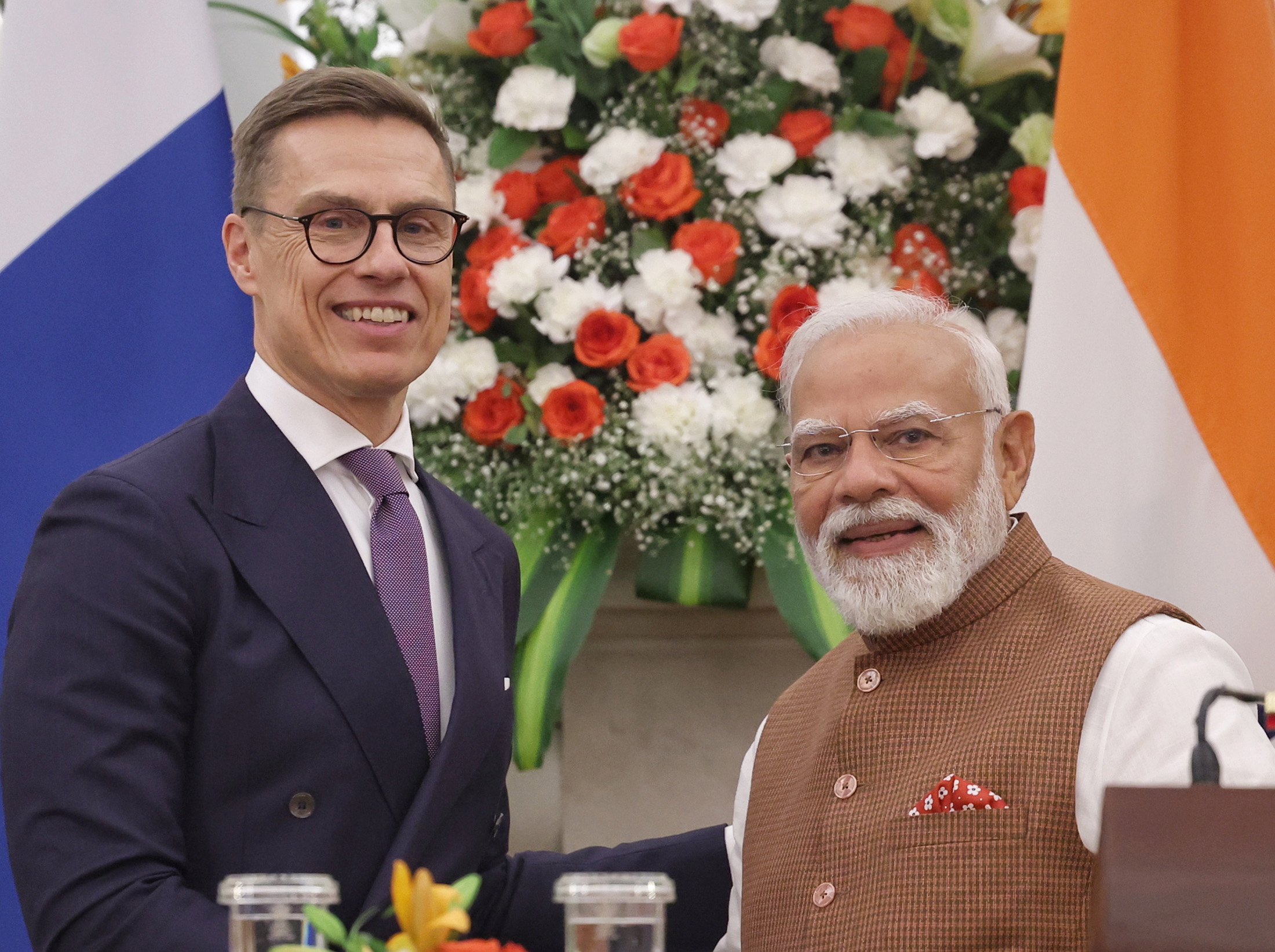
India and Finland have elevated their bilateral relationship to a “Strategic Partnership in Digitalisation and Sustainability” following high-level talks between the Narendra Modi and Alexander Stubb in New Delhi. This development marks a significant step in strengthening cooperation between India and the Nordic region, particularly in technology, sustainability, and global governance. The partnership also complements broader economic engagement between India and the European Union, including the recently concluded India–EU Free Trade Agreement (2026).
Key Outcomes of the India–Finland Talks
The bilateral discussions resulted in several institutional initiatives aimed at expanding cooperation in emerging sectors and economic engagement.
Institutional and Economic Initiatives
- A target to double bilateral trade by 2030.
- Establishment of a Joint Working Group on Digitalisation.
- Formation of a Joint Task Force on 6G telecommunications.
- Strengthening collaboration between the startup ecosystems of both countries.
- Creation of a consular dialogue mechanism to enhance people-to-people exchanges.
Agreements Signed
Three major agreements were signed in the areas of:
- Migration and Mobility – facilitating movement of skilled professionals, students, and talent between the two countries.
- Environmental cooperation – promoting sustainable development and environmental protection.
- Statistical collaboration – improving data exchange and policy research.
These agreements aim to promote economic exchanges, knowledge sharing, and sustainable growth.
Areas of Strategic Cooperation
1. Digital Technology and Emerging Technologies: The partnership emphasises cooperation in advanced technological domains such as:
- Artificial Intelligence (AI)
- 6G telecommunications
- Quantum computing
- Digital infrastructure
Both countries aim to promote secure, trustworthy digital ecosystems and resilient technological supply chains.
2. Sustainability and Circular Economy: Finland is globally recognised for its expertise in the circular economy, which focuses on resource efficiency and sustainable production systems.
Key initiatives include:
- Joint hosting of the World Circular Economy Forum in India.
- Expanded cooperation in clean energy, climate action, and environmental protection.
This collaboration aligns with India’s sustainable development goals and climate commitments.
3. Defence, Space, and Critical Technologies: India and Finland also agreed to enhance collaboration in:
- Defence and security technologies
- Space cooperation
- Semiconductors and critical minerals supply chains
Such cooperation is important for ensuring technological self-reliance and resilient global supply chains.
Examples of Existing India–Finland Cooperation
The partnership builds upon several existing areas of collaboration where Finnish technological expertise complements India’s large-scale implementation capabilities.
- Telecommunications: The Finnish company Nokia has played a significant role in India’s telecommunications sector, connecting millions through mobile network infrastructure.
- Infrastructure Development: Finnish architectural expertise contributed to the design and construction of the Chenab Rail Bridge, a landmark engineering project in India.
- Bioenergy Collaboration: India and Finland collaborated in establishing the bamboo-to-bioethanol refinery in Numaligarh, Assam, one of the largest such facilities in the world, contributing to renewable energy production.
Education and Mobility Cooperation
Finland’s globally reputed education system provides opportunities for deeper cooperation with India.
Key areas of collaboration include:
- Teacher training programmes
- School-to-school partnerships
- Research on future education models
- Facilitation of student and skilled worker mobility
Finland is increasingly becoming a preferred destination for Indian students and professionals.
Arctic and Polar Cooperation
Finland is an important partner for India in the Arctic region. Cooperation focuses on:
- Arctic and polar scientific research
- Climate change monitoring
- Sustainable resource management
This aligns with India’s India’s Arctic Policy, which emphasises scientific research and environmental protection.
Background of India–Finland Relations
India and Finland established diplomatic relations in 1949. Since then, bilateral engagement has expanded across trade, technology, and education.
- Bilateral trade: Approximately €1.5–2 billion annually, with Finland maintaining a slight trade surplus.
- Investment: More than 100 Finnish companies operate in India, including major firms such as Wartsila, Fortum, UPM, Lindstrom, and Ahlstrom.
Challenges and Way Forward
Despite growing engagement, several challenges remain.
1. Limited Trade Volume: Bilateral trade remains modest relative to potential. The India–EU FTA could expand trade and investment opportunities.
2. Geographical Distance and Market Awareness: Limited connectivity and awareness among businesses hinder deeper economic cooperation. Expanding startup and innovation partnerships could bridge this gap.
3. Technological Competition: Global competition in emerging technologies requires joint research and development initiatives to remain competitive.
4. Geopolitical Uncertainties: Ongoing global conflicts and shifting alliances could affect economic and technological cooperation.
Convergence on Global Governance
Both countries emphasised shared commitments to:
- Reform of global governance institutions
- Strengthening multilateralism
- Eliminating terrorism in all forms
- Restoring a rules-based international order
Conclusion
The elevation of India–Finland relations to a strategic partnership reflects the increasing importance of technology, sustainability, and innovation in modern diplomacy. By combining Finland’s technological expertise and educational excellence with India’s scale, market size, and economic growth, the partnership has the potential to deepen India’s engagement with the Nordic region, strengthen India–EU relations, and contribute to resilient global supply chains and sustainable development.
Ensuring Liquefied Petroleum Gas (LPG) Supply Amid the West Asia Crisis

- 08 Mar 2026
In News:
The ongoing geopolitical tensions in West Asia have raised concerns over disruptions in maritime trade routes, particularly through the Strait of Hormuz, a critical global energy transit corridor. For India, this development poses a significant risk to the supply of Liquefied Petroleum Gas, as a substantial portion of its imports transit through this route. In response, the Government of India has invoked emergency provisions to safeguard domestic LPG supplies for millions of households.
Government’s Emergency Measures
To mitigate potential supply disruptions, the government invoked powers under the Essential Commodities Act, 1955. The directive was issued under Section 3 of the Act and the Petroleum Products (Maintenance of Production, Storage and Supply) Order, 1999.
Key provisions of the emergency directive include:
- Domestic refiners must maximise LPG production.
- Propane and butane streams are to be used exclusively for LPG manufacturing.
- Refiners are prohibited from diverting these inputs to petrochemical production.
- All LPG produced must be supplied to public sector oil marketing companies (OMCs).
The three major OMCs responsible for distribution of LPG to households are:
- Indian Oil Corporation Limited
- Bharat Petroleum Corporation Limited
- Hindustan Petroleum Corporation Limited
These companies together supply cooking gas to more than 33 crore Indian households.
India’s LPG Demand–Supply Dynamics
India’s LPG demand has increased significantly due to expanding household consumption and welfare schemes such as the Pradhan Mantri Ujjwala Yojana.
Key statistics (2024–25):
- Total LPG consumption: ~31 million tonnes
- Domestic production: ~13 million tonnes
- Import dependence: ~58%
India imports most of its LPG from West Asian suppliers, including: Saudi Arabia, United Arab Emirates, Qatar, and Kuwait
The strategic importance of the Strait of Hormuz is evident as it carries:
- ~80% of India’s LPG imports
- ~40% of crude oil imports
- More than 50% of LNG imports
Any disruption in this route therefore poses a major energy security risk for India.
Diversification of Energy Supply Sources
To reduce dependence on West Asian suppliers, India has begun diversifying import sources.
A recent agreement with the United States will supply approximately 2.2 million tonnes of LPG in 2026, accounting for around 10% of India’s annual LPG imports, sourced from the US Gulf Coast.
India is also coordinating with global commodity traders such as:
- Vitol
- Trafigura
- ADNOC Trading
These partnerships aim to secure additional energy cargoes from alternative markets.
Energy Security and Strategic Reserves
India maintains strategic petroleum reserves (SPR) to cushion against external supply shocks. Key storage facilities include:
- Visakhapatnam Strategic Petroleum Reserve
- Mangaluru Strategic Petroleum Reserve
- Padur Strategic Petroleum Reserve
Current estimates indicate:
- Crude oil stocks sufficient for about 25 days of refinery operations
- Strategic reserves covering approximately one week of national consumption
- Additional fuel stocks (petrol, diesel, LPG) sufficient for around 25 days of domestic demand
Impact on Natural Gas and LNG Supply
India’s vulnerability is more pronounced in the Liquefied Natural Gas sector, as LNG storage is technically challenging.
India is the world’s fourth-largest LNG importer. Supply disruptions have emerged as Petronet LNG Limited issued force majeure notices to its supplier QatarEnergy and domestic gas off-takers.
In case of shortages, the government may reprioritise natural gas allocation to critical sectors, including:
- City gas distribution (CNG and PNG)
- Fertiliser production
- Power generation
Challenges for India
India faces several structural challenges in ensuring energy security:
- Limited domestic LPG production despite high refining capacity.
- LNG storage constraints, making stockpiling difficult.
- Price volatility in global energy markets during geopolitical crises.
- Continued import dependence on West Asia.
Way Forward
To strengthen long-term resilience, India must adopt a multi-dimensional energy strategy:
- Diversification of imports from the US, Africa, and Latin America.
- Expansion of strategic petroleum reserves and LNG storage infrastructure.
- Enhancement of domestic exploration and refining efficiency.
- Transition toward alternative energy sources, including biogas, compressed biogas (CBG), electric cooking technologies, and green hydrogen.
- Strengthening maritime security and diplomatic coordination to protect sea lanes of communication (SLOCs).
Conclusion
The government’s decision to invoke emergency provisions reflects a proactive effort to safeguard India’s energy security during a volatile geopolitical situation. While short-term measures such as maximising domestic LPG production and diversifying imports provide immediate relief, long-term resilience will depend on energy diversification, stronger strategic reserves, and accelerated transition to cleaner fuels. Strengthening these pillars is essential to insulate India’s economy and households from future global energy shocks.
State of the World’s Migratory Species Report

- 07 Mar 2026
In News:
Migratory species are vital components of global biodiversity and play an important role in maintaining ecological balance across ecosystems. However, recent assessments indicate that many migratory species are facing growing threats due to human activities and environmental changes. The latest interim update to the State of the World’s Migratory Species Report warns that nearly half of the world’s migratory species populations are declining, highlighting the urgent need for stronger international conservation efforts.
About the State of the World’s Migratory Species Report
The State of the World’s Migratory Species Report is a global scientific assessment that evaluates the conservation status, population trends, and threats facing migratory animals worldwide. The report is prepared under the Convention on the Conservation of Migratory Species of Wild Animals (CMS), an international treaty established in 1979 under the United Nations Environment Programme (UNEP). CMS provides a framework for international cooperation to conserve migratory wildlife and their habitats across national boundaries.
The first comprehensive global report was released in 2024, covering 1,189 species listed under CMS and analysing trends among more than 3,000 additional migratory species worldwide. The assessment relies on scientific data from sources such as the International Union for Conservation of Nature (IUCN) Red List, population monitoring studies, and peer-reviewed scientific literature.
Importance of Migratory Species
Migratory species contribute significantly to ecosystem functioning and human livelihoods. Migratory birds help in pollination, seed dispersal, and pest control, while marine animals such as whales and fish support marine food chains and nutrient cycling. Large migratory mammals distribute nutrients across landscapes and influence vegetation patterns.
These species also hold economic and cultural importance, supporting tourism, food systems, and traditional practices in many regions. However, migration makes species highly vulnerable, as the loss of even a single habitat along their migration route can disrupt entire ecological networks. Effective conservation therefore requires coordinated action across multiple countries and ecosystems.
Major Findings of the Latest Report
1. Declining Populations of Migratory Species
The report highlights worrying global trends in migratory wildlife populations. Approximately 49% of migratory species protected under CMS are experiencing population declines, while about 24% face a risk of extinction. Compared to earlier assessments, the proportion of declining species has increased by around five percentage points within two years, indicating an accelerating conservation crisis. Out of the 1,189 CMS-listed species, about 582 species show declining population trends.
2. Rising Extinction Risks
The assessment also notes that 26 migratory species have moved to higher extinction-risk categories on the IUCN Red List. Among them, 18 species are migratory shorebirds, highlighting severe threats to coastal and wetland ecosystems. Species affected include birds such as cranes and pelicans, ungulates such as wildebeest, freshwater fish species, and marine animals including sharks, rays, and sea turtles.
3. Habitat Loss and Overexploitation
The report identifies habitat loss and overexploitation as the most significant threats to migratory species. Activities such as urban expansion, agricultural development, infrastructure construction, overfishing, and hunting have disrupted migratory routes and degraded critical habitats.
Large infrastructure projects such as roads, railways, pipelines, and fences are increasingly blocking migration corridors, particularly for large terrestrial mammals in regions such as Central Asia. Since migratory species depend on multiple habitats across countries, the destruction of even one site along their migration pathway can jeopardise their survival.
4. Emerging Threat of Avian Influenza
Another emerging threat highlighted in the report is Highly Pathogenic Avian Influenza (H5N1). Disease outbreaks have caused large-scale mortality events among several migratory bird populations and have even affected marine mammals. Species impacted include African Penguins, Humboldt Penguins, Peruvian Pelicans, and Red-crowned Cranes. Marine mammals such as the South American Sea Lion and South American Fur Seal have also been affected, indicating the growing ecological impacts of disease outbreaks.
Conservation Progress and Key Biodiversity Areas
Despite these concerning trends, the report identifies several conservation successes. Seven migratory species listed under CMS have shown improvements in conservation status, including the Saiga Antelope, Scimitar-horned Oryx, and the Mediterranean Monk Seal. These cases demonstrate that coordinated international conservation measures can effectively restore threatened species populations.
The report also highlights the significance of 9,372 Key Biodiversity Areas (KBAs) that serve as critical habitats for migratory species. However, 47% of these areas currently lack formal protection, making them vulnerable to human pressures and habitat degradation.
Conclusion
The State of the World’s Migratory Species Report underscores the growing conservation crisis facing migratory wildlife. Declining populations, rising extinction risks, habitat loss, overexploitation, and emerging diseases collectively threaten the survival of many species. Addressing these challenges requires strengthened international cooperation, protection of migratory corridors and key biodiversity areas, and sustainable management of ecosystems. Ensuring the conservation of migratory species is essential not only for preserving biodiversity but also for maintaining ecological balance and supporting human livelihoods across the globe.
SEBI Mandates Registered Name & Number Disclosure on Social Media
- 06 Mar 2026
In News:
With the rapid growth of digital platforms as a source of financial information and investment advice, concerns regarding misinformation and unregulated financial influencers have increased. In response, the Securities and Exchange Board of India (SEBI) has issued a circular requiring all SEBI-registered market intermediaries to disclose their registered name and SEBI registration number while posting securities-related content on social media. The directive aims to strengthen investor protection and enhance transparency in digital financial communication.
Background and Rationale
In recent years, social media platforms such as YouTube, Instagram, Telegram and WhatsApp have emerged as important channels for sharing market information, investment tips and financial commentary. However, many unregistered individuals or entities—often called “finfluencers”—have been providing investment advice without regulatory oversight. This has increased the risk of misleading information, fraudulent schemes and uninformed investment decisions.
To address this challenge, SEBI has introduced a regulatory framework that enables investors to distinguish between authorised intermediaries and unregistered advisors. The new rule forms part of SEBI’s broader efforts to improve market transparency and strengthen the regulatory environment for digital investment communication.
Key Provisions of the SEBI Directive
1. Mandatory Identity Disclosure: All SEBI-regulated entities must clearly display their registered name and SEBI registration number on their social media profiles and at the beginning of every post, video or message related to securities markets. This ensures that investors can easily verify the authenticity of the entity providing the information.
2. Broad Institutional Coverage: The directive applies to a wide range of SEBI-regulated intermediaries, including:
- stockbrokers
- mutual funds
- investment advisers
- research analysts
- portfolio managers
- alternative investment funds (AIFs)
- asset management companies (AMCs)
- real estate investment trusts (REITs)
- infrastructure investment trusts (InvITs)
It also covers distributors, agents and representatives associated with these entities.
3. Wide Platform Applicability: The regulation covers all major social media platforms where financial information may be shared. These include YouTube, Instagram, Facebook, LinkedIn, X (formerly Twitter), Reddit, Telegram, WhatsApp, and Threads, as well as closed or semi-closed groups where investment-related discussions occur.
4. Multiple Registration Requirement: Some entities hold multiple SEBI registrations for different financial services. In such cases, they must provide a web link containing the complete list of their registrations, while individual posts need to display only the relevant registration number associated with the content.
Significance of the Directive
- Investor Protection: By mandating identity disclosure, the regulation helps investors verify whether the source of financial advice is a legitimate, regulated intermediary. This reduces the risk of misinformation and fraudulent investment schemes.
- Enhanced Market Transparency: The measure increases accountability among market intermediaries by linking digital communication directly to their regulatory identity.
- Regulation of Digital Financial Advice: The directive indirectly addresses the growing influence of unregulated financial influencers by making it easier for investors to identify authorised professionals.
- Strengthening Regulatory Oversight: The initiative complements SEBI’s broader regulatory efforts aimed at improving governance, disclosure standards and digital compliance in the securities market.
Challenges and Way Forward
While the directive strengthens investor safeguards, effective enforcement remains crucial. Monitoring compliance across multiple platforms and private communication channels may pose challenges. SEBI may need to leverage technology-driven monitoring tools, stronger grievance redressal mechanisms and investor awareness campaigns to ensure successful implementation.
Conclusion
The SEBI directive mandating disclosure of registration details on social media represents an important step toward improving transparency, accountability and investor protection in the digital financial ecosystem. As investment information increasingly circulates through online platforms, such regulatory measures are essential to maintain trust in the securities market and promote informed investment decisions.
US–Israel Strikes on Iran and the Escalating West Asian Conflict
- 03 Mar 2026
In News:
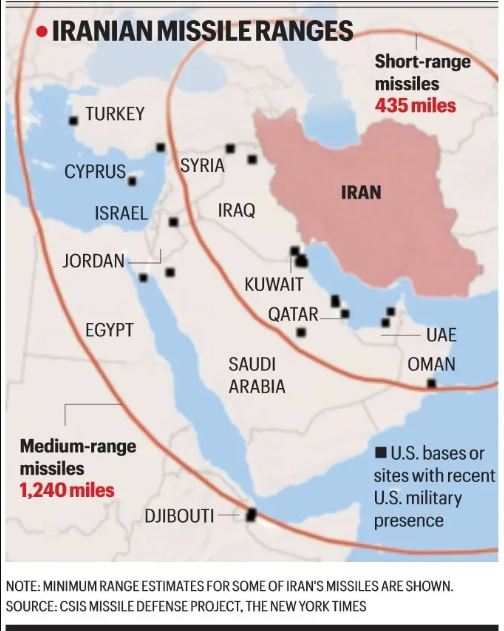
The coordinated military strikes by the United States and Israel on Iran in 2026 have triggered a major escalation in West Asia. The operations - Operation Epic Fury (US) and Operation Lion’s Roar (Israel) -reportedly targeted Iran’s strategic military infrastructure and leadership, including the killing of Iran’s Supreme Leader Ayatollah Ali Khamenei. Iran retaliated through Operation True Promise 4, launching missile attacks against Israel and nearby Gulf states. This escalation has heightened concerns of a wider regional war, particularly as it occurred amid ongoing negotiations over Iran’s nuclear programme.
Background of the US–Iran–Israel Conflict
1. The 1979 Iranian Revolution: Prior to 1979, Iran and Israel maintained close strategic ties. However, the Islamic Revolution transformed Iran’s foreign policy orientation. The new regime severed ties with Israel and adopted an anti-Western stance, describing the United States as the “Great Satan” and Israel as the “Little Satan.”
2. Iran’s Nuclear Programme: Tensions intensified in the early 2000s when the international community uncovered Iran’s covert nuclear programme, raising concerns over possible nuclear weapon development.
3. Regional Influence and the “Axis of Resistance”: Following the US-led invasion of Iraq in 2003, Iran expanded its regional influence by supporting proxy groups collectively referred to as the “Axis of Resistance,” including Hezbollah (Lebanon), Hamas (Gaza), and the Houthis (Yemen).
4. Joint Comprehensive Plan of Action (JCPOA), 2015: The nuclear deal between Iran and the P5 1 nations limited Iran’s uranium enrichment in exchange for sanctions relief.
5. US Withdrawal from JCPOA (2018): The United States withdrew from the agreement citing concerns about Iran’s missile programme and regional activities. Iran subsequently increased uranium enrichment levels.
6. Recent Escalations:
- Operation Midnight Hammer (2025): Israeli and US strikes on Iran’s nuclear facilities such as Natanz, Isfahan, and Fordow.
- Collapse of Iran’s regional influence (2023–24): Israel’s campaigns weakened Hamas and Hezbollah and destabilised allied regimes, reducing Iran’s strategic buffers.
The 2026 strikes represent a shift from deterrence to a decapitation strategy, aimed at weakening Iran’s leadership and military command structure.
Global Implications of the Conflict
1. Threat to Global Energy Security: The conflict threatens the Strait of Hormuz, a critical maritime chokepoint through which:
- Around 20 million barrels of oil per day (≈20% of global consumption) pass.
- Nearly 20–30% of global LNG shipments transit.
Any disruption could cause a sharp spike in oil prices and destabilise global energy markets.
2. Geopolitical Polarisation: The conflict risks intensifying great-power rivalries. Russia and China may strengthen ties with Iran, while the United States consolidates alliances with Western and Arab partners, deepening geopolitical divisions.
3. Disruption of Global Supply Chains: Militarisation of West Asian airspace and sea routes threatens major trade corridors linking Asia, Europe, and Africa, increasing shipping costs, insurance premiums, and trade uncertainty.
4. Financial and Commodity Market Volatility: Rising geopolitical risk has triggered a “war premium” in global markets. Safe-haven assets like gold have surged, while regional stock markets have experienced instability.
Implications for India
1. Energy Security Risks: India imports 85–88% of its crude oil requirements. About 2.5–2.7 million barrels/day of oil from Iraq, Saudi Arabia, UAE, and Kuwait pass through the Strait of Hormuz.
Additionally:
- 80–85% of LPG imports
- Nearly 60% of LNG imports
also transit through Hormuz. Prolonged disruptions could push crude prices above USD 100 per barrel, increasing inflation and widening the current account deficit.
2. Safety of Indian Diaspora: West Asia hosts nearly 9 million Indian expatriates, whose remittances significantly contribute to India’s economy. Escalation could necessitate large-scale evacuation operations similar to Operation Rahat or Operation Ajay.
3. Diplomatic Balancing: India maintains strong relations with the US and Israel, while also having historical and energy ties with Iran. Therefore, adopting a partisan stance could undermine strategic interests.
4. Connectivity and Strategic Projects: Conflict threatens India’s regional connectivity initiatives such as:
- Chabahar Port project in Iran
- India–Middle East–Europe Economic Corridor (IMEC)
Disruptions in Gulf maritime routes could undermine these strategic initiatives.
Measures for India
- Energy Security Measures:
- Utilisation of Strategic Petroleum Reserves (SPR).
- Diversification of energy imports from countries such as the US and Australia.
- Diaspora Protection:
- Prepared evacuation plans involving the Indian Navy, Air Force, and civil aviation.
- Maritime Security: Strengthen naval deployment in the Arabian Sea and Gulf of Oman and expand missions like Operation Sankalp.
- Strategic Autonomy in Diplomacy: Maintain balanced relations with all stakeholders while advocating dialogue and de-escalation.
- Economic Cushioning: Temporary reduction in fuel taxes to absorb global price shocks.
Conclusion
The escalation between the United States, Israel, and Iran represents a significant challenge to regional stability, global energy security, and international trade. For India, the conflict underscores vulnerabilities in energy dependence, diaspora safety, and strategic connectivity projects. By maintaining strategic autonomy, strengthening energy resilience, and advocating diplomatic solutions, India can safeguard its national interests while reinforcing its role as a stabilising global actor in an era where, as emphasised in its foreign policy, “this is not an era of war.”
Strait of Hormuz Disruption and India’s Energy Security
- 02 Mar 2026
In News:
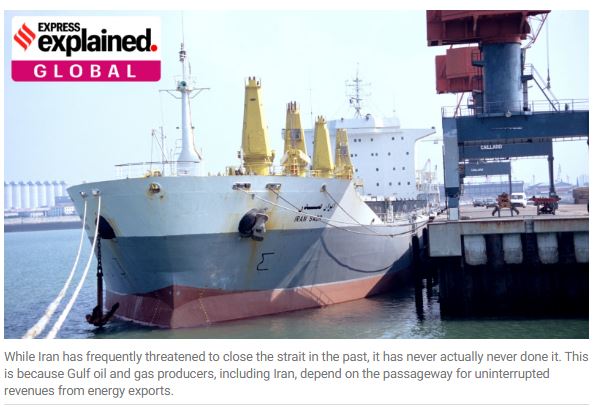
Escalating tensions involving Iran, the United States, and Israel have disrupted shipping movements through the Strait of Hormuz, the world’s most critical energy chokepoint. Although no formal closure has been declared, heightened military activity and security risks have led insurers, traders, and shipping firms to suspend operations, with numerous oil tankers anchored in Gulf waters. The situation raises serious concerns for India’s energy security, given its heavy dependence on West Asian energy supplies.
Strategic Importance of the Strait of Hormuz
The Strait of Hormuz connects the Persian Gulf to the Gulf of Oman and the Arabian Sea and handles nearly one-fifth of global petroleum and LNG trade. Approximately 15 million barrels of crude oil per day pass through this narrow corridor. Even if alternative Gulf pipelines operate at full capacity, a significant portion of global supply would remain exposed in the event of sustained disruption.
Thus, any instability in this region directly affects global oil prices and supply chains.
India’s Energy Dependence
India is the world’s third-largest oil consumer and imports over 88% of its crude oil requirements. Roughly 2.5–2.7 million barrels per day, accounting for about half of India’s crude imports, transit through the Strait of Hormuz. India also relies heavily on West Asia for LPG and LNG supplies, making uninterrupted maritime flows crucial for economic stability.
Impact on India
1. Crude Oil: Manageable in the Short Term
India is relatively better prepared to handle short-term crude disruptions due to:
- Refiners holding over 10 days of crude inventory
- Around one week of fuel stocks
- Availability of Strategic Petroleum Reserves (SPR)
Additionally, India can diversify imports by sourcing crude from Russia, the United States, West Africa, and Latin America. Russian supplies, including cargoes in floating storage, offer flexibility.
However, even if supply continuity is maintained, price volatility remains a major concern. Brent crude has already crossed $72 per barrel, and prolonged conflict could push prices beyond $100 per barrel, increasing inflationary pressures and widening India’s current account deficit.
2. LPG: A Greater Vulnerability
India imports 80–85% of its LPG requirements, largely from Gulf suppliers via the Strait. Unlike crude oil, India does not maintain substantial strategic LPG reserves. A prolonged disruption could therefore affect domestic cooking fuel supplies and increase subsidy burdens.
3. LNG: Limited Structural Cushion
Around 60% of India’s LNG imports transit through the strait. LNG markets are tighter compared to crude oil, and spot cargo availability is limited. In case of extended disruption, India may face difficulties in securing alternative supplies, affecting power generation and industrial output.
Price Outlook and Duration
The extent of impact will depend on the duration and intensity of the conflict. Escalation may add a “war premium” to oil prices. However, a full closure remains unlikely because Gulf producers including Iran depend heavily on energy exports for revenue. This mutual economic interdependence reduces the probability of a prolonged, total blockade.
Conclusion
The Strait of Hormuz crisis highlights India’s structural vulnerability to geopolitical disruptions in West Asia. While diversified crude sourcing and strategic reserves provide short-term resilience, LPG and LNG dependence remain key risk areas. The episode reinforces the need for long-term strategies including energy diversification, expansion of strategic reserves, renewable energy transition, and strengthened maritime security diplomacy. Ensuring energy security will remain central to India’s economic and strategic stability in an increasingly volatile global order.
Governor’s Assent and Supreme Court’s Landmark Judgment
- 10 Apr 2025
In News:
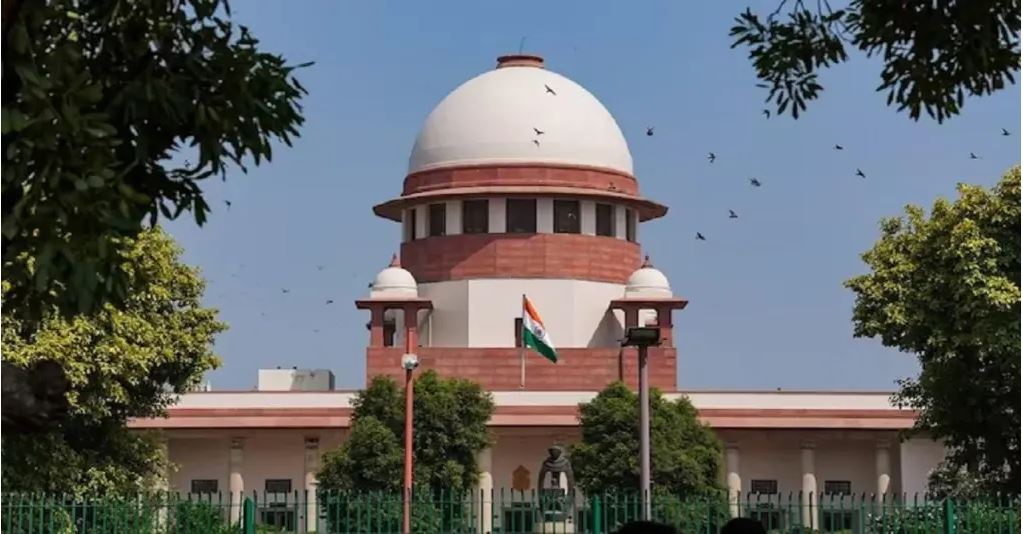
In a landmark judgment in The State of Tamil Nadu v. The Governor of Tamil Nadu & Anr., the Supreme Court of India decisively addressed the issue of Governors withholding assent to state bills without justification or within a reasonable time.
The case arose after the Tamil Nadu Governor delayed or reserved for the President’s consideration 10 re-enacted Bills passed by the State Assembly, prompting the State Government to move the Court. The Supreme Court declared such delays unconstitutional and laid down a time-bound framework for gubernatorial assent, thereby reinforcing the federal fabric and legislative autonomy of states.
Constitutional Framework and Issues
Under Article 200, when a Bill is presented to the Governor after being passed by the State Legislature, the Governor has four options: grant assent, withhold assent, return the Bill (except money Bills), or reserve it for the President. However, the proviso to Article 200 mandates that once a Bill is re-passed by the Legislature, the Governor “shall not withhold assent.” Article 163 requires the Governor to act on the aid and advice of the Council of Ministers (CoM), except in limited discretionary matters.
The crux of the problem lies in the absence of any timeline in Article 200, enabling some Governors to indefinitely delay or withhold assent—often termed a “pocket veto.” Such delays, especially in opposition-ruled states, have sparked accusations of political misuse and erosion of democratic norms. Tamil Nadu, Kerala, Punjab, and Telangana have faced similar issues, resulting in constitutional gridlock and litigation.
Key Observations of the Supreme Court
In its verdict, the Supreme Court declared that:
- The Governor's delay in granting assent or reserving re-passed Bills is illegal and violates constitutional provisions.
- The ten re-enacted Bills in Tamil Nadu are deemed to have received assent under Article 142, which empowers the Court to ensure "complete justice."
- The Governor has no discretion to reserve or withhold assent once a Bill is re-passed by the Assembly unless its content has materially changed.
- Indefinite inaction by the Governor amounts to a subversion of democracy and disrespect to the will of the people.
Time-bound Guidelines Laid Down
For the first time, the Court laid down clear timelines:
- 1 month to act (assent/reserve) on the aid and advice of CoM.
- 3 months to return a Bill if withholding assent without CoM's advice.
- 1 month to assent to a Bill re-passed by the legislature.
- 3 months maximum to reserve a Bill for the President, with justification.
Failure to comply renders the Governor’s inaction subject to judicial review, introducing a mechanism of constitutional accountability.
Significance for Federalism and Governance
The judgment is a milestone in reaffirming cooperative federalism, ending the misuse of gubernatorial discretion to obstruct state legislation. It upholds the supremacy of the elected legislature and enforces the constitutional principle that Governors are not political actors but facilitators of governance. It also ensures that democratic processes cannot be sabotaged by unelected constitutional functionaries.
Conclusion
By reinforcing time-bound gubernatorial actions and curbing arbitrary delays, the Supreme Court has safeguarded India’s constitutional architecture. As Dr. B.R. Ambedkar had warned, the effectiveness of the Constitution depends on its implementers. This verdict echoes that caution, ensuring that constitutional morality prevails over partisan politics.
Bridging the Gender Gap: Insights from “Women and Men in India 2024”
- 09 Apr 2025
In News:
The Ministry of Statistics and Programme Implementation (MoSPI) recently released the 26th edition of “Women and Men in India 2024: Selected Indicators and Data”, a flagship publication that offers a gender-disaggregated statistical portrait of India. This comprehensive document provides valuable insights into the progress, challenges, and opportunities in achieving gender equality across various socio-economic spheres.
Purpose and Scope
Drawing from official statistics across Ministries and Departments, the publication covers vital areas such as population dynamics, education, health, economic participation, and political representation, highlighting disparities and gains across gender lines. It also reflects urban-rural divides and regional variations, thus enabling data-driven policymaking for inclusive development.
Education: Moving Towards Gender Parity
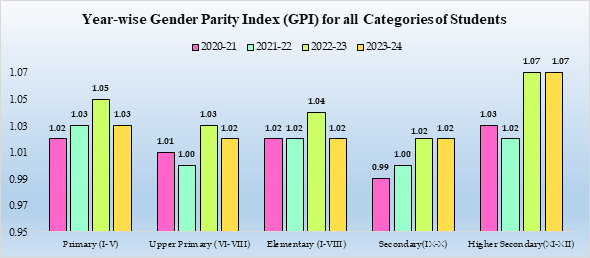
India has shown consistent improvements in Gender Parity Index (GPI) in education. Primary and higher secondary levels have maintained high GPI values, indicating strong female enrolment rates. While upper primary and elementary levels witnessed some fluctuations, they largely remained close to parity, demonstrating the impact of initiatives like Beti Bachao, Beti Padhao and expanding access to girls’ education.
Labour Force and Financial Inclusion
Women’s Labour Force Participation Rate (LFPR) has seen a marked improvement, rising from 49.8% in 2017-18 to 60.1% in 2023-24 (usual status for ages 15+). This indicates a gradual integration of women into the formal and informal workforce, though structural and cultural barriers persist.
In the financial sector, women now own 39.2% of all bank accounts and contribute 39.7% of total deposits. Their participation is especially prominent in rural India, where they make up 42.2% of account holders, showcasing the success of financial inclusion efforts under the Pradhan Mantri Jan Dhan Yojana.
Digital and Entrepreneurial Engagement
A notable trend is the sharp rise in DEMAT accounts, suggesting increased retail participation in capital markets. From March 2021 to November 2024, the total DEMAT accounts quadrupled from 33.26 million to 143.02 million. While men still dominate in terms of numbers, female participation also grew fourfold, rising from 6.67 million to 27.71 million in this period.
Encouragingly, female-led proprietary establishments across sectors such as manufacturing, trade, and services have shown a rising trend over 2021–24, indicating growing entrepreneurial confidence.
Additionally, startups with at least one woman director recognized by DPIIT rose from 1,943 in 2017 to 17,405 in 2024, underscoring the rise of women in innovation and enterprise.
Political Participation and Electoral Empowerment
Electoral data reflects the deepening roots of women’s political empowerment. The number of total electors rose from 173.2 million in 1952 to 978 million in 2024, with increasing female voter registration. Female voter turnout, which was 67.2% in 2019, stood at 65.8% in 2024. Notably, the gender gap in voting has narrowed, with female turnout surpassing male turnout in 2024, signaling a positive shift in political engagement.
Conclusion
The “Women and Men in India 2024” report is more than a statistical compendium—it is a mirror to India’s gender realities. While progress is evident in domains like education, financial inclusion, and entrepreneurship, persistent gaps remain. For India to achieve true gender equity, these insights must inform targeted, data-driven policies that empower women across all sectors, making gender equality central to the nation’s development discourse.
Prescribing Preventive Medicine for a Healthy India
- 08 Apr 2025
In News:
As India aspires to become a $5 trillion economy and a global powerhouse, it must confront a growing public health crisis — the rising tide of non-communicable diseases (NCDs). Often called the "silent epidemic," NCDs are now the leading cause of death in India, responsible for approximately two-thirds of all mortalities. A preventive health-care mindset is the need of the hour — one that aims to "heal before there is a need to heal."
The Burden of NCDs: A Growing Threat
India has undergone a significant epidemiological transition, with communicable diseases declining but NCDs surging. Chronic ailments such as heart disease, diabetes, cancer, stroke, and chronic respiratory conditions now claim 5–6 million lives annually. Worryingly, these diseases are increasingly affecting younger populations, with 22% of Indians over the age of 30 at risk of dying from an NCD before 70.
This threatens India’s demographic dividend and economic productivity. Young patients in their 30s and 40s are presenting with heart ailments and diabetic complications, reflecting a national health crisis.
Economic Impact: A Drain on Development
The economic cost of NCDs is staggering. Reduced workforce participation and productivity losses are already costing India 5–10% of its GDP annually. A joint study by the World Economic Forum and Harvard School of Public Health estimated that India could lose $3.5–4 trillion due to NCDs between 2012 and 2030. Clearly, investment in preventive care is not a burden, but a strategic economic necessity.
Lifestyle and Environmental Triggers
Most NCDs are preventable. Key risk factors include:
- Sedentary lifestyles
- Unhealthy diets
- Tobacco and alcohol use
- Air pollution
- Genetic predisposition
About 80% of premature cases of heart disease, stroke, and diabetes can be prevented by lifestyle modification. With 22–23% of Indian adults overweight, tackling obesity is critical. Regular 30 minutes of moderate physical activity, healthy diets low in sugar and fat, and pollution control are essential pillars of preventive health.
Early Detection and Screening: A Lifesaver
Early diagnosis through regular screenings from age 40 (or earlier with family history) enables timely intervention. This includes:
- Hypertension and diabetes checks
- Mammography for breast cancer
- HPV testing for cervical cancer
- Colon polyp screening
Early detection helps prevent complications — e.g., controlling blood pressure to prevent stroke, or detecting early-stage cancer.
Technology and AI: Catalysts for Preventive Care
India’s 750+ million smartphone users present a unique opportunity. Mobile apps, wearables, and health trackers can promote awareness and monitor health in real time.
Artificial Intelligence (AI) can:
- Predict individual disease risk through data modelling
- Generate health risk scores
- Detect anomalies in X-rays or CT scans (e.g., lung nodules, fatty liver)
Used responsibly, AI enhances accuracy and access while keeping care humane and patient-centric.
Creating a Preventive Ecosystem
Preventive care must become a national mindset. Key stakeholders include:
- Individuals: Adopt healthy habits and regular check-ups.
- Workplaces: Implement employee wellness programmes.
- Healthcare providers: Shift from curative to preventive approaches.
- Government: Expand initiatives like the National Programme for Prevention and Control of NCDs and Health and Wellness Centres.
Policy measures must also be aligned — urban design should promote exercise, school curricula should include nutrition education, and food industry norms must limit unhealthy ingredients.
Conclusion
Preventive medicine is more than a health intervention — it is a development imperative. By encouraging early detection, healthy lifestyles, and technology-enabled care, India can reduce disease burden, enhance productivity, and safeguard its economic ambitions. Every individual’s choice matters. Scaled across 1.4 billion people, these choices will shape not just personal well-being but the health and prosperity of the nation.
SOUTH CHINA SEA
- 28 Sep 2024
In News:
In recent years, maritime East Asia has emerged as a battleground for intensified power politics, particularly in the East China Sea and the South China Sea. These regions involve complex territorial disputes and geopolitical tensions, particularly concerning China, Japan, Taiwan, and several Southeast Asian nations.
Geographic and Strategic Significance
East China Sea
- Territorial Claims: The East China Sea borders China, Taiwan, Japan, and South Korea, with the Senkaku/Diaoyu islands being a focal point of contention.
- Crises: Multiple crises have erupted over these islands, reflecting deep-seated national interests.
South China Sea
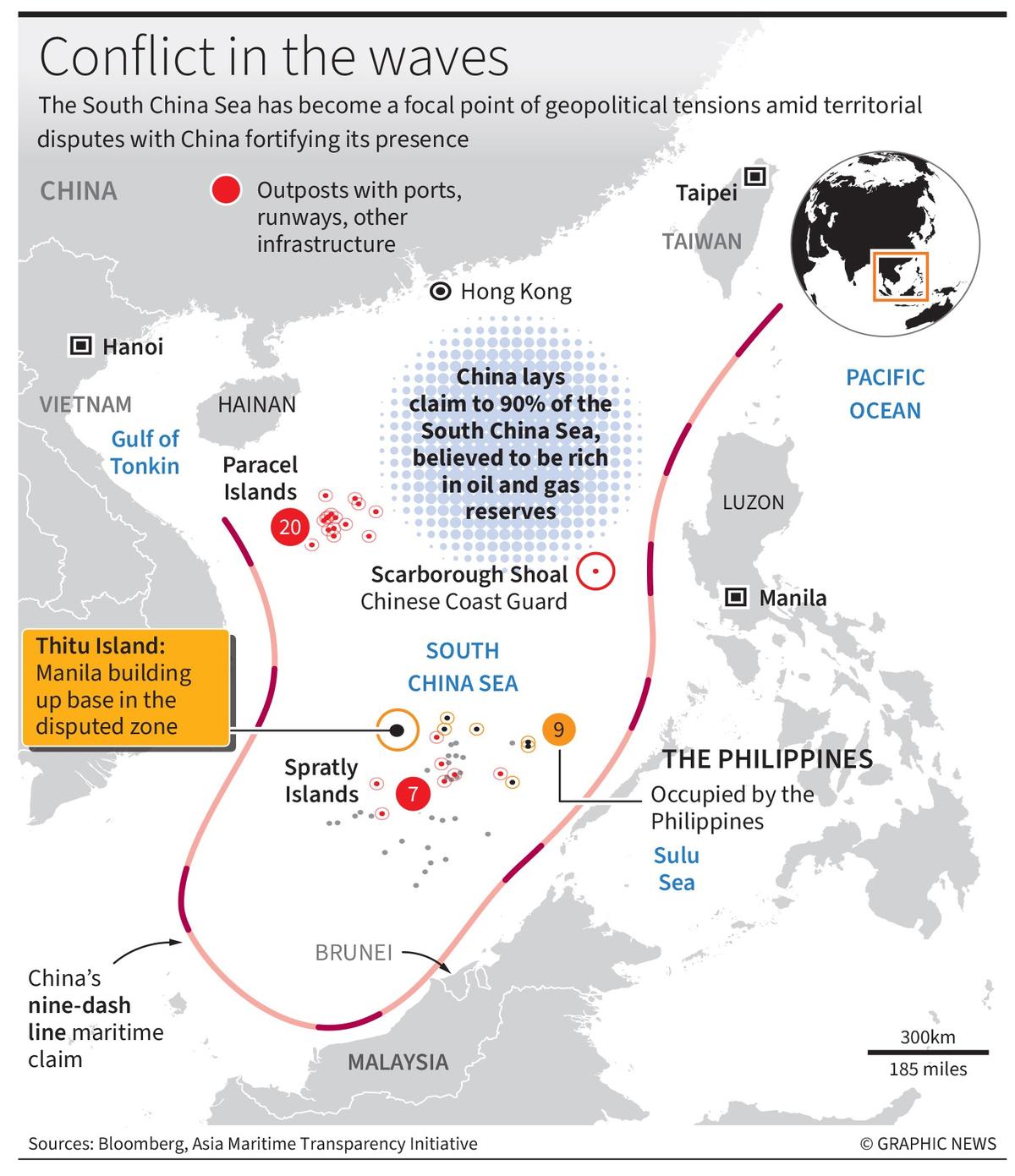
- Key Players: Located between China, Taiwan, and five Southeast Asian countries—Vietnam, Malaysia, Brunei, the Philippines, and Indonesia.
- Flashpoint: This area has become a critical flashpoint in the Indo-Pacific, with China aggressively asserting its claims.
China's Motivations
Naval Exercises and Claims
- Naval Collaboration: China has conducted naval exercises with Russia in the South China Sea, showcasing military capabilities and reinforcing territorial claims.
- Legal Standing: Despite a 2016 ruling by a permanent court of arbitration declaring China's claims to lack legal basis, Beijing has rejected this decision.
Regional Responses to China's Actions
1. Enhancing Defence Capabilities
- Increased Defence Spending: Countries like Japan and the Philippines are significantly boosting their defence budgets, with Japan aiming to double its spending by 2027.
- Acquisition of Technology: The Philippines has acquired anti-ship BrahMos missiles from India as part of its defence enhancement efforts.
2. Addressing Maritime Activities
- Shift in Policy: The Philippines has pivoted from a conciliatory approach to actively publicizing confrontations with Chinese vessels.
- Public Diplomacy: The Philippines employs social media to document and share encounters with Chinese ships, shaping public perceptions.
3. Strengthening Alliances
- U.S. Cooperation: The Philippines, Japan, and South Korea are reinforcing their defence relationships with the U.S., expanding cooperation in various domains including joint exercises.
- Trilateral Meetings: The U.S., Japan, and South Korea have deepened their trilateral cooperation, addressing concerns about unilateral changes to the status quo in the Indo-Pacific.
U.S. Credibility and Strategic Implications
Despite efforts to bolster alliances, concerns remain regarding U.S. credibility and the impact of domestic politics on its international commitments. There is ongoing debate over whether U.S. engagement balances Chinese power or exacerbates tensions.
China’s Sovereignty Perspective
National Security Framework
- Defence White Paper: China's 2019 Defence White Paper emphasizes that the South China Sea islands and Diaoyu Islands are integral parts of its territory.
- Infrastructure Development: China claims its actions are defensive, building infrastructure and conducting patrols, while regional nations view these actions as provocative.
Economic Importance of the Seas
- Maritime Trade Routes: Key maritime trade routes in East Asia traverse these waters, with the Taiwan Strait being a critical choke point.
- Resource Richness: The region contains vast reserves of untapped oil and natural gas, making it economically significant.
China's Aggressive Tactics
Infrastructure and Militarization
- Building Facilities: China is constructing military installations and artificial islands in both the East and South China Seas.
- Conflict with Japan: China has frequently contested Japanese claims, resulting in significant diplomatic and military tensions.
South China Sea Belligerence
- Power Asymmetry: China's navy is the largest in the world, enabling it to project power effectively in the South China Sea.
- Aggressive Maneuvers: Tactics include harassment of resupply missions, ramming vessels, and the use of military-grade lasers.
Recent Escalations in the South China Sea
- Increased Incidents: Since 2022, clashes between China and the Philippines have intensified, especially around Second Thomas Shoal and Sabina Shoal.
- Dangerous Encounters: China's larger Coast Guard vessels pose significant risks during confrontations, raising concerns about potential miscalculations.
Conclusion
The evolving power dynamics in maritime East Asia highlight the interplay of national interests, regional security, and international cooperation. The situation remains fluid, with significant implications for global trade, security, and diplomatic relations. Understanding these complexities is essential for addressing the challenges posed by an assertive China and fostering stability in the region.