
Viksit Bharat Shiksha Adhishthan (VBSA) Bill, 2025
- 19 Dec 2025
In News:
India’s higher education system has long been characterised by multiple regulators, overlapping mandates, and fragmented approval mechanisms. To address these structural issues and align governance with the vision of the National Education Policy, the Union Government has proposed the Viksit Bharat Shiksha Adhishthan (VBSA) Bill, 2025. The Bill seeks to establish a unified, technology-driven regulatory architecture by replacing existing bodies such as the University Grants Commission, All India Council for Technical Education, and National Council for Teacher Education.
Rationale for Reform
The existing framework has often led to duplication of inspections, inconsistent standards, and bureaucratic delays. The VBSA Bill responds to these concerns by proposing a “light but tight” regulatory modelreducing procedural burdens while strengthening accountability and quality assurance.
Institutional Architecture
At the apex will be the Viksit Bharat Shiksha Adhishthan (VBSA), an umbrella commission providing overall direction and coordination. It will oversee three specialised councils:
- Regulatory Council (Viniyaman Parishad): Ensures compliance with governance norms, authorises institutions to grant degrees, facilitates graded autonomy, and monitors self-disclosure by institutions. It may also set standards for foreign universities operating in India.
- Accreditation Council (Gunvatta Parishad): Develops an outcome-based accreditation framework and supervises institutional quality assessments.
- Standards Council (Manak Parishad): Frames academic benchmarks, learning outcomes, qualification frameworks, and minimum standards for institutions and faculty.
This separation of regulation, accreditation, and standard-setting aims to eliminate conflicts of interest and improve clarity of functions.
Scope of the Bill
The legislation will apply to universities, colleges, and higher educational institutions, including institutions of national importance and technical and teacher education institutions. However, professional programmes such as medicine, law, pharmacy, dentistry, nursing, and veterinary sciences will remain under their respective statutory regulators. The Council of Architecture will retain standards-setting functions but lose regulatory authority.
Key Policy Shifts
- Separation of Funding from Regulation: Unlike the UGC, the new body will not disburse grants. Funding mechanisms for centrally funded institutions will be handled separately by the Ministry of Education, in line with NEP 2020’s recommendation to delink financial control from academic regulation.
- Technology-Driven Governance: The Bill proposes a single-window digital system based on public self-disclosure, reducing physical inspections and enhancing transparency.
- Globalisation of Higher Education: The Regulatory Council may prescribe norms for foreign universities to operate in India and support Indian institutions in establishing offshore campuses, while ensuring safeguards against commercialisation.
- Strengthened Accreditation: Outcome-based accreditation will shift the focus from infrastructure compliance to learning quality, research output, and institutional performance.
Penalties and Enforcement
The VBSA framework introduces stringent enforcement mechanisms. Penalties for violations may range from ?10 lakh to ?2 crore. Repeated non-compliance can lead to suspension of degree-granting powers or closure of institutions. Institutions operating without accreditation face severe financial penalties, reflecting a shift from advisory regulation to deterrence-based oversight.
Governance and Federal Concerns
Appointments to the commission and councils will involve eminent academics, ministry representatives, and state-level representation. However, concerns persist about central dominance in appointments and policy decisions. The Bill also provides that in case of disputes over policy matters, the Centre’s decision will prevail, and allows temporary supersession of the commissionprovisions that raise questions about institutional autonomy.
Significance
If implemented effectively, the VBSA Bill could:
- Streamline India’s fragmented regulatory landscape
- Promote uniform academic standards nationwide
- Improve transparency and reduce red tape
- Enhance global competitiveness of Indian universities
- Encourage multidisciplinary and research-oriented institutions
Challenges Ahead
Balancing autonomy with accountability will be critical. The absence of clarity on funding pathways, potential over-centralisation, and the transition of existing staff and regulations from legacy bodies pose implementation challenges. Building trust with States and institutions will be essential for smooth adoption.
Conclusion
The VBSA Bill represents one of the most ambitious higher education governance reforms in India’s recent history. By integrating regulation, accreditation, and standards within a unified yet specialised structure, it seeks to modernise the system in line with NEP 2020. Its success, however, will depend on safeguarding institutional autonomy, ensuring cooperative federalism, and maintaining transparency in decision-making.
India-Oman Comprehensive Economic Partnership Agreement

- 22 Dec 2025
In News:
India and Oman have signed a Comprehensive Economic Partnership Agreement (CEPA), marking a major milestone in India’s trade diplomacy in West Asia. The agreement is Oman’s first bilateral trade pact since 2006 and India’s second CEPA in the GCC, after the India–UAE CEPA (2022). The occasion was further elevated by the conferment of the Order of Oman on Narendra Modi by Sultan Haitham bin Tarik, recognising his contribution to strengthening bilateral ties. Instituted in 1970 by Sultan Qaboos bin Said, the Order of Oman is the country’s highest civilian honour for foreign leaders.
Key Features of the India–Oman CEPA
A defining feature of the CEPA is near-universal duty-free access for Indian exports. Oman has granted zero-duty access on 98.08% of its tariff lines, covering 99.38% of India’s exports by value, with immediate elimination on most lines. This is expected to deliver quick gains for Indian exporters in the Gulf market.
The agreement strongly supports labour-intensive sectors such as textiles, leather, footwear, gems and jewellery, engineering goods, plastics, furniture, pharmaceuticals, medical devices, automobiles, and agricultural products. By strengthening MSMEs, artisans, and women-led enterprises, the CEPA aligns trade liberalisation with employment generation.
India, in turn, has offered calibrated tariff concessions on 77.79% of its tariff lines, covering 94.81% of imports from Oman, while protecting sensitive sectors through exclusion lists and Tariff Rate Quotas (TRQs). This ensures a balanced trade framework without undermining domestic interests.
A major advancement lies in ambitious services liberalisation. Oman has committed to opening 127 services sub-sectors, including IT, professional services, R&D, education, healthcare, and audio-visual services. Crucially, for the first time, Oman has offered expansive Mode 4 commitments under GATS, raising the intra-corporate transferee quota from 20% to 50% and extending the stay of contractual service suppliers from 90 days to two years, with scope for further extension. The CEPA also allows 100% FDI by Indian companies in key services sectors through commercial presence.
Another landmark provision is the world’s first comprehensive commitment on Traditional Medicine across all modes of supply, opening new avenues for India’s AYUSH and wellness sectors and promoting medical value travel. Trade facilitation measuressuch as fast-tracked pharmaceutical approvals, acceptance of GMP inspections, mutual recognition of Halal certification, and acceptance of India’s National Programme for Organic Production (NPOP), address non-tariff barriers and enhance regulatory cooperation.
Strategic and Economic Significance
Oman, a member of the Gulf Cooperation Council (GCC) with a strategic location on the Gulf of Oman and Arabian Sea, acts as a gateway to the GCC, Central Asia, Eastern Europe, and Africa. The CEPA strengthens India’s economic footprint in the Gulf and complements its broader FTA strategy focused on resilient supply chains.
India–Oman relations were elevated to a Strategic Partnership in 2008, making Oman India’s oldest strategic partner in the Gulf. Defence and maritime cooperation is deep, with Oman being the first Gulf country to conduct tri-service exercises with India. Economically, bilateral trade crossed USD 10.6 billion in FY 2024–25, though it remains energy-dominated, resulting in a trade deficit of about USD 2.5 billion for India.
Challenges and Way Forward
Key challenges include under-utilisation of services potential—India accounts for only 5.31% of Oman’s services imports, a structural trade imbalance, regional geopolitical risks in West Asia, and uncertainties arising from Omanisation policies. Addressing these requires deeper services engagement, diversification into high-value manufacturing and pharmaceuticals, stronger investment partnerships, and cooperation in maritime security and the blue economy.
Conclusion
Overall, the India–Oman CEPA is a balanced, forward-looking agreement that integrates trade, services, mobility, and investment with strategic objectives. If effectively implemented, it can significantly enhance India’s economic and strategic presence in the Gulf while advancing inclusive and resilient growth.
Revising India’s GDP Framework

- 21 Dec 2025
In News:
India is undertaking a significant overhaul of its Gross Domestic Product (GDP) estimation framework as part of the revision of the national accounts series with a new base year of 2022–23. The reform, led by the Ministry of Statistics and Programme Implementation (MoSPI), proposes the elimination of the long-debated ‘discrepancies’ component from GDP estimates. The new GDP series is scheduled for release on 27 February 2026, while the revised back series is expected by February 2027.
Understanding ‘Discrepancies’ in GDP Estimation
GDP in India is compiled using two parallel approaches: the production (or income) approach and the expenditure approach. In theory, both should yield the same aggregate GDP. In practice, however, differences in data sources, coverage, valuation methods, and time lags lead to mismatches between the two estimates. This gap is recorded as ‘discrepancies’ under the expenditure-side GDP, which is conventionally considered less reliable than the production-side estimate.
A positive discrepancy indicates that production-side GDP exceeds expenditure-side GDP, while a negative discrepancy implies the opposite. These discrepancies have become increasingly volatile in recent years, particularly in the post-pandemic period.
Why Discrepancies Are a Concern
Large and fluctuating discrepancies obscure the true drivers of economic growth and complicate macroeconomic analysis. They also raise the likelihood of substantial future revisions in GDP growth rates, undermining confidence among policymakers, investors, and analysts.
For instance, in the July–September quarter, when real GDP growth was reported at 8.2%, discrepancies amounted to ?1.63 lakh crore, or 3.3% of GDP in real terms. In nominal terms, the discrepancy was –?2.46 lakh crore (–2.9% of GDP). Similar sharp swings were observed earlier, from –3% of GDP in January–March 2023 to 3.3% in April–June 2023.
The Proposed Reform: Integrating Supply and Use Tables
To address this issue, MoSPI plans to integrate Supply and Use Tables (SUTs) with the compilation of annual national accounts. SUTs map the supply of goods and servicesthrough domestic production and imports—against their uses, such as intermediate consumption, final consumption, capital formation, and exports. A key accounting constraint is that total supply must equal total use for each product.
By aligning GDP estimates with SUTs and the principles of the System of National Accounts (SNA), discrepancies are expected to be minimized in early estimates and eliminated entirely in final estimates once comprehensive data becomes available.
Expert Views and Persistent Challenges
Economists have broadly welcomed the move, noting that persistent discrepancies in past GDP revisions have weakened interpretability of growth trends. However, concerns remain regarding data quality, particularly the continued reliance on outdated survey data, in some cases more than a decade old. The complexity of estimating GDP in a large, diverse, and informal economy like India further compounds the challenge.
Additional issues include time lags in data availability, uneven quality of administrative records, and the risk that eliminating discrepancies may involve judgement-based adjustments, potentially affecting transparency.
Way Forward and Conclusion
For the reform to succeed, India must strengthen institutional capacity for national accounts compilation, regularly update surveys, especially in services and informal sectorsand enhance real-time administrative data systems. Methodological transparency and close alignment with international best practices under the SNA will be critical.
Overall, the proposed removal of ‘discrepancies’ represents a structural improvement in India’s GDP framework, promising cleaner, more consistent, and policy-relevant growth estimates—provided it is underpinned by robust data and transparent statistical practices.
Strengthening India’s Biosecurity Framework for Emerging Biothreats
- 20 Dec 2025
In News:
India’s biosecurity framework has come under renewed scrutiny amid expert warnings about rising biothreats driven by rapid advances in biotechnology, growing capacities of non-state actors, and gaps in institutional coordination. In an era where biology intersects with national security, public health, agriculture, and the environment, strengthening biosecurity has become a strategic imperative for India.
Understanding Biosecurity and Its Significance
Biosecurity refers to policies, practices, and systems designed to prevent the intentional misuse of biological agents, toxins, or technologies. It includes securing laboratories handling dangerous pathogens, preventing deliberate disease outbreaks, and protecting human, animal, and plant health. Biosecurity is distinct from biosafety, which focuses on preventing accidental exposure or release; however, robust biosafety mechanisms are foundational to effective biosecurity.
Evolution of Global Biosecurity Norms
The adoption of the Biological Weapons Convention (1975) marked a milestone in prohibiting the development, stockpiling, and use of biological weapons. While it significantly reduced state-sponsored bioweapons programmes, emerging technologies such as gene editing, synthetic biology, and AI-enabled research have created new vulnerabilities, especially in the hands of non-state actors.
Why India Needs a Stronger Biosecurity System
India’s geographic and ecological diversity, long and porous borders, and high population density amplify the risks of biological threats. Any outbreak-natural or engineered, can spread rapidly. Further, India’s heavy dependence on agriculture means that a biological attack on crops or livestock could threaten food security and rural livelihoods. Recent incidents involving attempts to prepare biotoxins like ricin underscore the growing interest of terrorist groups in biological means. Simultaneously, advancements in biotechnology, while beneficial for health and industry, lower entry barriers for malicious misuse.
Existing Biosecurity Architecture
India’s biosecurity ecosystem involves multiple agencies: the Department of Biotechnology oversees research governance; the National Centre for Disease Control manages disease surveillance; the Department of Animal Husbandry and Dairying monitors livestock diseases; and the Plant Quarantine Organisation of India safeguards crop health. Legal backing is provided through the Environment (Protection) Act, 1986; the WMD and Delivery Systems Act, 2005; Biosafety Rules, 1989; and NDMA guidelines. Internationally, India is a signatory to the Biological Weapons Convention (BWC) and a member of the Australia Group.
Gaps and Challenges
Despite this multi-agency setup, India lacks a unified national biosecurity framework. Fragmentation leads to weak coordination, limited real-time surveillance, and delayed emergency responses. India’s ranking of 66th in theGlobal Health Security Index reflects declining preparedness in threat response. Outdated laws, inadequate high-containment laboratories, weak integration across human, animal, and environmental health sectors, and limited capacity to detect engineered threats remain key weaknesses.
Global Best Practices
Countries like the United States, the European Union, the United Kingdom, China, and Australia have adopted integrated biosecurity or biodefence strategies, modern regulations for gene synthesis, and strong “One Health” approaches. These highlight the value of centralised oversight, proactive monitoring, and legal frameworks aligned with emerging technologies.
Way Forward
India must establish a National Biosecurity Framework that integrates health, agriculture, environment, defence, and biotechnology sectors. Upgrading surveillance through genomic sequencing, microbial forensics, and AI-driven early warning systems is essential. Legal frameworks must be modernised to address synthetic biology and dual-use research. Finally, deeper international cooperation, data sharing, and crisis simulations will strengthen India’s preparedness against emerging biothreats.
MahaCrimeOS AI

- 18 Dec 2025
In News:
The statewide rollout of MahaCrimeOS AI marks a significant milestone in the integration of artificial intelligence into India’s law enforcement ecosystem. Announced in collaboration with Microsoft, the platform will be deployed across all police stations in Maharashtra, positioning the state as a pioneer in AI-enabled policing. This initiative reflects a broader shift where digital tools are increasingly shaping governance, investigation, and justice delivery.
Institutional Framework: MARVEL as an AI Policing Hub
The backbone of this transformation is MARVEL (Maharashtra Research and Vigilance for Enhanced Law Enforcement), a state-established special purpose vehicle dedicated to applying AI in policing. Created as a first-of-its-kind independent AI body for law enforcement in India, MARVEL works with global technology partners to develop tools that enhance intelligence gathering, predictive policing, and investigative efficiency. Through collaboration with Microsoft and its AI partner ecosystem, an earlier investigative platform was customised into MahaCrimeOS to suit Maharashtra Police protocols and language needs.
Technological Capabilities and Design
MahaCrimeOS AI is designed as a multilingual, multimodal investigation system. It can ingest complaints in diverse formats—handwritten notes, PDFs, audio clips, and images—and extract key details using AI-based analysis. Importantly, it operates primarily in Marathi, enabling widespread adoption even at the constabulary level.
A defining feature is its investigation copilot, which reads FIRs and automatically generates structured investigation plans based on established police procedures and judicial guidelines. The system assists officers by recommending evidence-collection steps, drafting official correspondence, and organising documentation. Tasks that earlier took hourssuch as drafting notices to banks or telecom operatorsare now automated, significantly reducing administrative burden.
Strengthening Investigative Outcomes
The platform enhances analytical capacity by integrating telecom data analysis and open-source intelligence tools. It can trace digital footprints linked to phone numbers, identify interconnections among suspects, and generate time-stamped case diaries aligned with court requirements. By embedding judicial best practices into documentation, the system improves court readiness and procedural compliance.
MahaCrimeOS currently focuses on complex and high-impact crime categories such as cybercrime, financial fraud, narcotics, and crimes against women. These domains often involve digital trails and multi-jurisdictional coordination, areas where AI-based pattern recognition proves particularly useful.
Governance and Justice Delivery
Beyond technology, MahaCrimeOS represents a governance innovation. It democratises advanced investigative tools that were previously restricted to specialised cybercrime units. Thousands of officers can now access capabilities like data analytics and OSINT, reducing dependency on a limited pool of experts. This improves case turnaround time and enhances consistency in investigations across districts.
The system also supports compliance with new procedural timelines under India’s criminal law reforms, which require faster completion of investigations and charge sheets. By automating workflows and providing structured guidance, the AI platform helps officers manage heavy caseloads without compromising due process.
Implications and Way Forward
MahaCrimeOS illustrates how AI can serve as a force multiplier in public administration when aligned with legal safeguards and institutional capacity building. While issues of data privacy, algorithmic bias, and accountability must be addressed through clear regulatory frameworks, the initiative signals a transition toward technology-enabled justice systems. If implemented responsibly, such platforms could enhance efficiency, transparency, and citizen trust in law enforcement, making Maharashtra a model for AI-driven governance in India.
Heritage Conservation Architect
- 17 Dec 2025
In News:
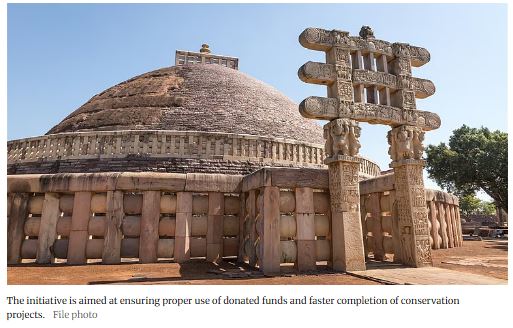
The Ministry of Culture has initiated a new framework to empanel heritage conservation architects to strengthen the scientific conservation and restoration of monuments protected by the Archaeological Survey of India (ASI). The move is aimed at improving the quality, accountability, and speed of conservation projects, especially those supported by private and corporate funding.
Who is a Heritage Conservation Architect?
A heritage conservation architect is a specialised professional trained in preserving historic structures using methods that respect original materials, design, and cultural significance. Their role goes beyond regular architectural practice, as it requires adherence to internationally accepted conservation principles such as minimal intervention, reversibility, and authenticity.
The Initiative Explained
The Ministry has begun creating a national panel of ASI-approved conservation architects. This panel will serve as a vetted pool of experts who can be engaged for conservation projects at protected monuments.
The reform is closely linked to the National Cultural Fund (NCF), which was established in 1996 to mobilise public and private funds, including Corporate Social Responsibility (CSR) contributions, for safeguarding India’s cultural heritage. Under the revised framework, donors can now directly engage empanelled architects for projects funded through the NCF.
Key Features of the Reform
A central feature of the initiative is greater flexibility for donors. Private entities and corporates funding conservation can choose architects from the ASI-approved panel for monuments they wish to support. This is expected to encourage higher private participation and faster project execution.
However, ASI oversight remains mandatory. All conservation works, regardless of funding source, will be monitored by ASI to ensure adherence to scientific conservation standards and legal safeguards under heritage protection laws.
Empanelled architects will have clearly defined responsibilities. These include preparing Detailed Project Reports (DPRs), designing conservation strategies, providing project management assistance, and supervising the execution of works.
The actual on-ground restoration will be carried out by agencies selected by donors, but only after due approval from ASI. This ensures that while funding and execution may involve private actors, technical integrity and regulatory control remain with the government.
Eligibility and Tenure
To qualify for empanelment, architects must demonstrate prior experience in conserving or restoring heritage structures that are over 100 years old. This ensures that only professionals with relevant technical expertise handle sensitive monuments.
Empanelment will initially be valid for three years, subject to annual performance review, creating a system of accountability and quality assurance.
Significance
This initiative represents a shift toward a public–private partnership model in heritage conservation. It seeks to combine professional expertise, private funding, and state oversight to address long-standing challenges such as funding shortages, project delays, and uneven conservation quality.
If implemented effectively, the system can enhance preservation outcomes while ensuring that India’s vast architectural heritage is conserved using globally accepted scientific methods.
Conclusion
The empanelment of heritage conservation architects under ASI supervision is a structural reform that balances professionalisation, accountability, and stakeholder participation. It reflects a modern approach to heritage management where conservation is treated not merely as maintenance, but as a specialised, knowledge-driven discipline essential for safeguarding India’s cultural legacy.
India and the Indian Ocean: Reviving Leadership for Sustainable and Secure Ocean Governance
- 16 Dec 2025
In News:
The Indian Ocean is emerging as a defining arena of the 21st century, shaped by climate change, geopolitical competition, and the growing global push for sustainable ocean governance. At this juncture, India has both the opportunity and responsibility to revive its leadership role in shaping a cooperative maritime order guided by the principle: “From the Indian Ocean, for the World.”
Historical Foundations of India’s Ocean Leadership
India’s engagement with ocean governance is not new. During negotiations under the United Nations Convention on the Law of the Sea (UNCLOS), India supported small island developing states in advancing the principle of the “common heritage of humankind” for seabed resources beyond national jurisdiction. This reflected a broader strategic outlook articulated by leaders, who viewed the seas as central to India’s security, trade, and global engagement. India has thus long seen itself not merely as a coastal state, but as a maritime nation with regional leadership responsibilities.
Mounting Pressures on the Indian Ocean
Today, the Indian Ocean faces unprecedented ecological stress. Rising sea temperatures, ocean acidification, sea-level rise, and coral degradation threaten marine biodiversity and coastal livelihoods. Illegal, unreported and unregulated (IUU) fishing further strains fish stocks, directly impacting food security in littoral states. These environmental challenges intersect with intensifying geopolitical rivalries in the Indo-Pacific, where expanding naval presence and strategic competition add new layers of complexity.
Global Momentum for Ocean Action
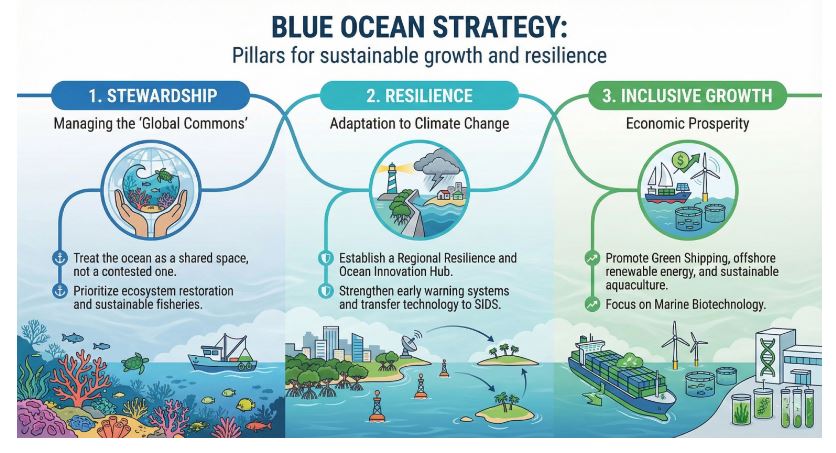
International attention to oceans is rising. New blue finance commitments and global platforms such as climate negotiations and ocean conferences are foregrounding marine sustainability. Initiatives to mobilise billions of dollars for ocean protection, green shipping, and sustainable fisheries signal a shift toward integrating environmental stewardship with economic development. This creates space for India to align regional priorities with global sustainability agendas.
Security Through Sustainability
India’s maritime vision increasingly recognises that environmental degradation is a security issue. Threats such as extreme weather events, coastal erosion, and declining fish stocks destabilise vulnerable societies and can exacerbate conflict. India’s SAGAR (Security and Growth for All in the Region) doctrine reflects this integrated approach by linking maritime domain awareness, humanitarian assistance, disaster relief, and ecosystem protection. In this sense, sustainability becomes a pillar of regional stability.
A Leadership Imperative for India
The coming years are pivotal, especially with new international legal frameworks for biodiversity beyond national jurisdiction and major global ocean summits on the horizon. India, as a leading Indian Ocean state and a prominent voice of the Global South, can translate diplomatic momentum into concrete regional initiatives. These could include championing innovative blue finance mechanisms, promoting green shipping corridors, and strengthening cooperative fisheries management under regional groupings.
Way Forward
To operationalise its leadership, India must act on multiple fronts. Institutionally, it should work to strengthen regional maritime cooperation frameworks and support long-term financing for sustainable ocean projects. Diplomatically, deeper partnerships with small island states and African littorals are essential. Domestically, reforms in fisheries management, expansion of marine protected areas, and climate adaptation for coastal communities are crucial. Investments in satellite-based ocean monitoring, early warning systems, and green port infrastructure will reinforce India’s credibility as a technology-driven maritime leader.
By embedding sustainability at the heart of its maritime strategy, India can shape the Indian Ocean as a zone of cooperation rather than contestation — truly advancing a vision of oceans that serve not only the region, but the world at large.
India’s Organ Transplant Crisis: Bridging the Demand–Supply Gap
- 15 Dec 2025
In News:
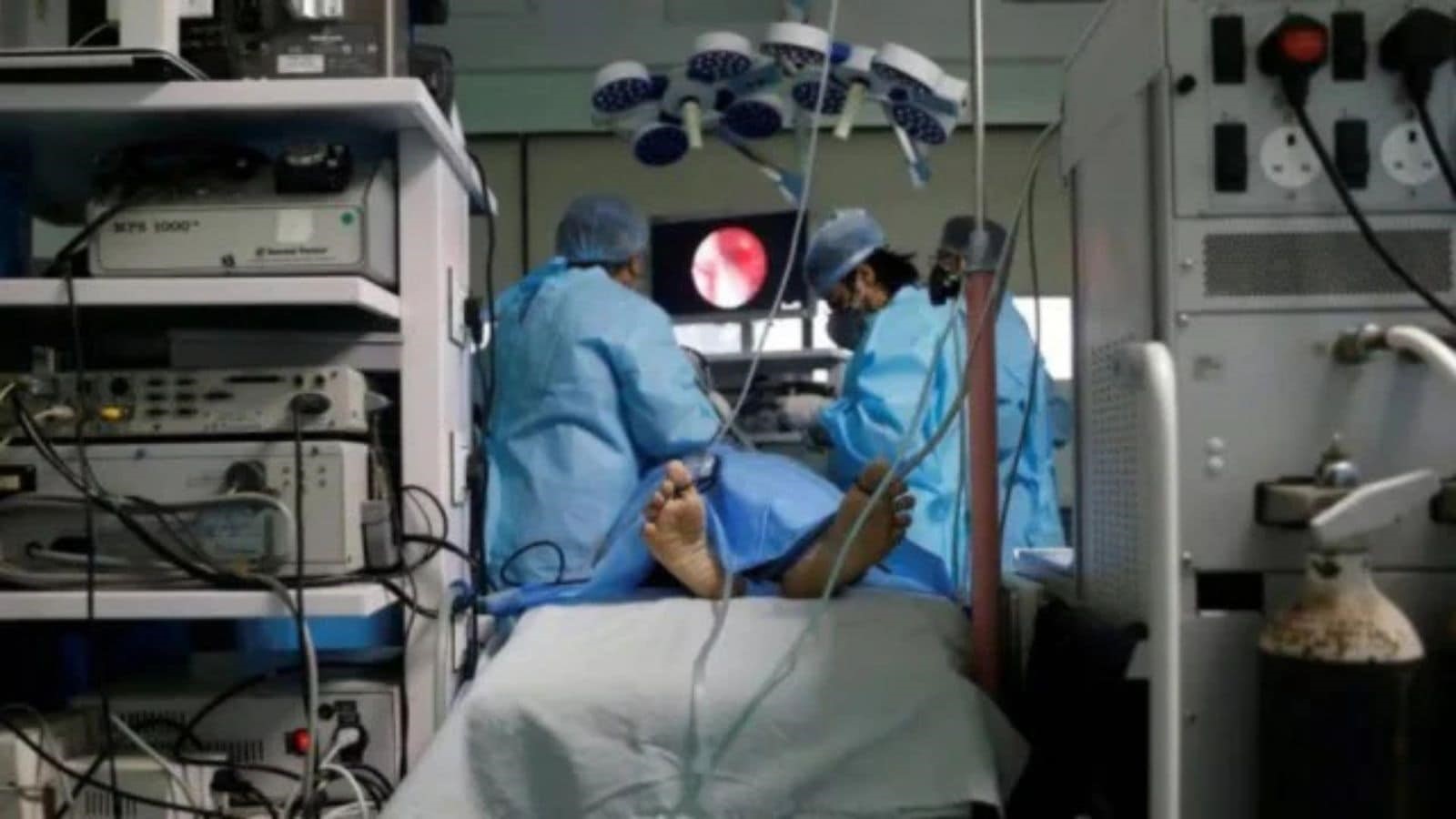
India’s organ transplantation system is facing a severe and persistent mismatch between demand and supply, resulting in thousands of preventable deaths. Recent data shared in Parliament by the Union Health Ministry reveals that 2,805 patients died between 2020 and 2024 while waiting for organ transplants, highlighting systemic gaps in donation, allocation, and infrastructure.
Magnitude of the Crisis
As of December 2025, over 82,000 patients are on the national transplant waiting list. The burden is heavily skewed toward kidney and liver transplants. Around 60,000 patients need a kidney, nearly 19,000 require a liver, while smaller but critical numbers await heart, lung, and pancreas transplants. Despite India ranking among the top countries globally in the number of transplants performed annually, the organ donation rate remains extremely low, especially for deceased donors.
The situation is reflected in mortality patterns. Delhi accounts for nearly half of the recorded deaths of patients waiting for organs, followed by Maharashtra and Tamil Nadu. Ironically, Delhi also performs a high number of transplants, but these are largely from living donors, not deceased donors. Patients who lack compatible family donors remain on waiting lists for long periods, increasing the risk of death.
Dependence on Living Donors
India’s transplant ecosystem is dominated by living-donor transplants, especially for kidneys and livers. In 2024, the number of deceased donors was just over a thousand, compared to more than fifteen thousand living donors. India’s donor-per-million population rate remains below one, far lower than countries such as Spain or the United States. This imbalance creates inequity, as only patients with medically suitable and willing relatives can access timely transplants.
State-Level Disparities
The burden of patients waiting for organs is uneven across states. Maharashtra has the highest number of registered patients, followed by Gujarat, Tamil Nadu, and Delhi. Allocation systems also differ from state to state. Some states use scoring-based criteria, others follow first-come-first-served, while Tamil Nadu follows a zonal allocation model. A few states prioritise patients without living donors. This fragmented system leads to regional disparities, lack of uniformity, and confusion among patients.
Challenges in the System
Several structural challenges persist. First, low deceased organ donation is a major bottleneck, despite a large number of road accident fatalities that could potentially yield organs. Second, long waiting periods, often stretching from months to years, depend on blood group compatibility, body size, and medical urgency. Third, there are variations in infrastructure, with some states having advanced transplant centres while others lag behind. Ethical concerns such as organ trafficking and improper consent in living donation also require strong oversight.
Government Initiatives and Reforms
The government, through the National Organ and Tissue Transplant Organisation (NOTTO) and the National Organ Transplant Programme (NOTP), has taken steps to strengthen the system. Institutional mechanisms like regional and state transplant organisations have been established. Recent reforms have removed the upper age limit for deceased donors and eased domicile requirements. Digital measures, including a unique transplant ID system, aim to improve monitoring and transparency.
NOTTO is now working toward a uniform national organ allocation framework, with standardised data variables to ensure fairness and reduce regional disparities. Efforts are also underway to promote public awareness about deceased donation, strengthen brain-death certification processes, and expand transplant infrastructure and logistics networks.
Conclusion
India’s organ transplant crisis reflects broader health governance challenges-inequity, limited awareness, and uneven institutional capacity. With tens of thousands waiting and thousands dying each year, the need for systemic reform, uniform allocation, and a strong push for deceased organ donation is urgent. Addressing these gaps is essential to uphold the spirit of Article 21-the Right to Life, and to ensure equitable access to life-saving healthcare.
Electoral Integrity at a Crossroads

- 14 Dec 2025
In News:
India’s electoral democracyoften celebrated for scale and inclusivenessrests on constitutional guardrails, independent administration, and broad political legitimacy. The Election Commission of India (ECI), empowered under Constitution of India Article 324, conducts elections to Parliament, State Legislatures, and the offices of the President and Vice President. Yet, current debates suggest that institutional stress may arise not from a lack of reform, but from measures whose design and sequencing could unintentionally tilt the electoral field. Three proposals dominate the discourse: post-Census delimitation, One Nation, One Election (ONOE), and Special Intensive Revision (SIR) of electoral rolls.
Delimitation and the Federal Balance
Delimitation, governed by Constitution of India Articles 82 and 170 and the Delimitation Act, 2002, is due after the next Census. A strictly population-based reapportionment may shift parliamentary weight toward faster-growing states while reducing relative representation of states that achieved demographic stabilisation earlier. Beyond representation, concerns include potential gerrymandering during boundary redrawing and the broader federal compact—where voice in the Union has historically balanced population with regional equity. A transparent methodology, independent oversight, and possible constitutional or statutory correctives to protect equity among states are therefore central to preserving legitimacy.
ONOE: Efficiency vs. Federal Pluralism
ONOE proposes synchronising national and state election cycles. Proponents cite savings and governance continuity; critics warn of national narratives overshadowing state issues, potentially advantaging dominant national formations and compressing the cadence of democratic accountability. Implementing ONOE would require amendments to Articles 83, 85, 172, 174 and 356 and extensive political consensus. Design choicessuch as safeguards for premature dissolutions, caretaker conventions, and clear rules for mid-term contingencieswill determine whether efficiency gains come at the cost of federal diversity and voter choice differentiation.
Special Intensive Revision (SIR) of Rolls
Electoral roll integrity is foundational. Under the Representation of the People Act, 1950, periodic revisions aim to add eligible voters and remove duplicates. However, large-scale revisions can raise fears of inadvertent exclusion, especially among migrants, the poor, and minorities-if documentation thresholds, timelines, or local implementation capacity are uneven. Digitisation, Aadhaar–EPIC linkage debates (with privacy safeguards), and grievance redress mechanisms must be calibrated to maximise inclusion. Transparency-public audit trails, independent observers, and robust appeals—can mitigate perceptions of bias.
A Global Context
Comparative politics literature describes “electoral tilting,” “abusive constitutionalism,” and “autocratic legalism,” where formally legal changes cumulatively skew competition. International IDEA’s democracy assessments have flagged risks to “credible elections” in several contexts. India’s institutional resilience depends on ensuring that procedural changes do not hollow out substantive fairness.
Way Forward
First, delimitation should adopt clear, pre-announced criteria, independent technical mapping, and parliamentary scrutiny to protect federal equity. Second, ONOE requires cross-party consensus, constitutional clarity on contingencies, and mechanisms to preserve state-level issue salience. Third, SIR must prioritise inclusion through door-to-door verification support, multilingual outreach, time-bound appeals, and third-party audits. Across all three, the ECI’s autonomy, data transparency, and judicial review remain critical.
Conclusion
Electoral democracy evolves through reforms that enhance transparency, inclusivity, and federal balance. Parliament’s task is to ensure that administrative efficiency and legal innovation reinforce—rather than erode—the credibility of India’s elections.
National Testing Agency under scrutiny

- 13 Dec 2025
In News:
India’s higher education entrance system, which affects millions of aspirants annually, has come under renewed scrutiny after a Parliamentary Standing Committee on Educationcriticised the National Testing Agency (NTA) for failing to inspire confidence. The committee flagged delays, errors, and irregularities in major national examinations and called for urgent structural reforms to restore credibility.
Background and Mandate of NTA
Established in 2017 as an autonomous, self-sustaining body under the Ministry of Education, the NTA was created to professionalise and standardise the conduct of high-stakes entrance exams. The idea of a centralised testing agency dates back to the 1992 Programme of Action under the National Policy on Education (1986), and later recommendations by IIT directors in 2010.
The NTA conducts some of India’s largest entrance examinations, including JEE Main, NEET-UG, and CUET-UG, together accounting for over 50 lakh candidates annually. It also administers UGC-NET, CSIR-NET, CUET-PG, CMAT, GPAT and other national-level tests.
Key Concerns Raised by the Parliamentary Committee
The committee observed that repeated administrative lapses have eroded public trust. In recent years, CUET results were delayed, affecting university admissions and academic calendars. Of the 14 exams conducted in 2024, at least five faced serious issues — postponements of UGC-NET, CSIR-NET and NEET-PG, alleged paper leaks in NEET-UG, and delayed CUET results. Additionally, the January 2025 JEE Main exam reportedly saw multiple questions withdrawn due to answer key errors.
Such incidents were described as avoidable and symptomatic of weak systems, inadequate oversight of outsourced vendors, and insufficient in-house capacity.
Financial and Institutional Capacity Issues
The committee highlighted that the NTA collected ?3,512.98 crore over six years and spent ?3,064.77 crore, leaving a surplus of ?448 crore. Despite this, it has not built robust internal capabilities to independently conduct examinations. The panel recommended using the surplus to develop technological infrastructure, human resources, and stronger regulatory mechanisms to supervise vendors.
Interestingly, the committee expressed a preference for pen-and-paper examinations in certain contexts, citing the long track record of institutions like CBSE and UPSC, and suggesting that computer-based systems may be more vulnerable to technical failures and security risks if not robustly managed.
Broader Higher Education Governance Observations
Beyond NTA, the committee reviewed issues related to the University Grants Commission (UGC). It recommended wider consultations through the Central Advisory Board of Education before finalising Draft UGC Regulations 2025, which some fear could centralise control over Vice-Chancellor appointments. The panel also flagged the prolonged vacancy in the UGC Chairperson’s post since April 2025 and urged immediate appointment.
Further, it suggested that the proposed UGC Equity Regulations should explicitly cover discrimination against OBCs and persons with disabilities, and clearly define discriminatory acts to avoid subjective interpretation. The committee also encouraged evaluation of innovative higher education models such as Sonam Wangchuk’s Himalayan Institute of Alternatives, Ladakh.
Conclusion
The concerns around NTA reflect deeper challenges in managing mass-scale, high-stakes assessments in a digital era. Restoring credibility will require institutional capacity-building, transparent processes, stronger accountability, and technological resilience. For a country where competitive exams shape educational and career trajectories, ensuring fairness and reliability is not just an administrative necessity but a matter of public trust and social equity.
150 years of Vande Mataram
- 12 Dec 2025
In News:
The commemoration of 150 years of Vande Mataram has revived discussion on its literary origins, nationalist role, and continuing political debate. The song occupies a unique position in India’s freedom struggle and constitutional history, symbolising patriotic devotion while also reflecting the complexities of cultural and religious diversity.
Origins and Literary Context
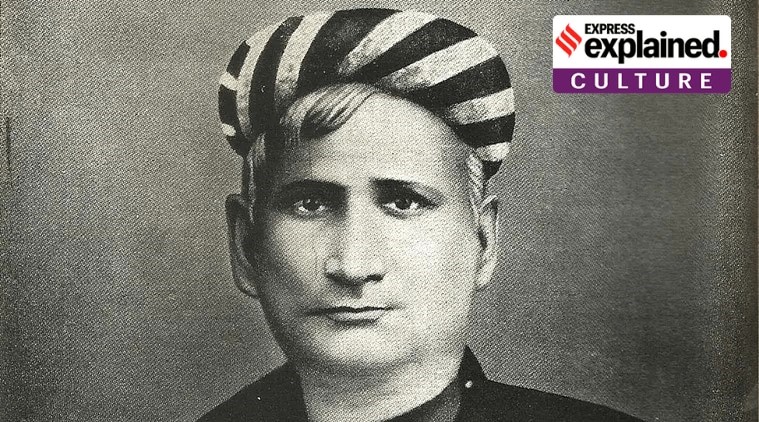
Vande Mataram was composed around 1875 by Bankim Chandra Chattopadhyay and later included in his novel Anandamath (1882). The novel, set against the backdrop of the late 18th-century Sanyasi resistance, portrays ascetic warriors (Santanas) devoted to liberating the motherland. The “Mother” symbolised the nation rather than a literal deity, represented through three images: the glorious past, the suffering present, and a rejuvenated future India. Thus, the song fused spiritual imagery with emerging anti-colonial nationalism.
Transformation into a Nationalist Symbol
By the early 20th century, Vande Mataram evolved from a literary hymn into a mass political slogan. It became central to the Swadeshi Movement after the 1905 Partition of Bengal, energising boycott campaigns and protest marches. Leaders such as Sri Aurobindo and Rabindranath Tagorepopularised it; Tagore famously sang it at the 1896 Calcutta session of the Indian National Congress. The British administration viewed the chant as seditious, often responding with bans, arrests, and repression—thereby enhancing its symbolic power as an expression of resistance.
Debates over Religious Imagery
Despite its unifying nationalist appeal, certain later stanzas invoked imagery associated with Hindu goddesses such as Durga, which some Muslim leaders considered exclusionary. In the 1930s, as the freedom movement sought broader communal unity, the Indian National Congress addressed these concerns. In 1937, the Congress Working Committee resolved that only the first two stanzasdeemed free from sectarian referenceswould be used at official gatherings. This compromise reflected the leadership’s attempt to balance cultural heritage with inclusive nationalism.
Constitutional Position
At the dawn of Independence, the Constituent Assembly faced the task of choosing national symbols. On 24 January 1950, Assembly President Rajendra Prasad announced that Jana Gana Mana would be the National Anthem, while Vande Mataram, owing to its historic role in the freedom struggle, would enjoy “equal honour and status.” This dual recognition sought to preserve unity while acknowledging the emotional and historical significance of the song.
Cultural Legacy
Musically, Vande Mataram has been rendered in various classical and modern forms, from early compositions by Jadunath Bhattacharya and performances by Tagore to orchestral, cinematic, and contemporary adaptations. Its continued presence in public life illustrates how national symbols evolve across generations while retaining core historical meaning.
Conclusion
Vande Mataram embodies the intersection of literature, nationalism, and constitutional values. Its journeyfrom a novelistic hymn to a freedom slogan and finally to a constitutionally honoured national songhighlights India’s effort to reconcile cultural memory with pluralism.
RBI’s “Goldilocks Phase” and Repo Rate Cut
- 11 Dec 2025
In News:
The Monetary Policy Committee (MPC) of the Reserve Bank of India (RBI) reduced the repo rate by 25 basis points (bps) to 5.25%, taking total rate cuts in 2025 to 125 bps. The RBI described current macroeconomic conditions as a “Goldilocks phase”a rare combination of low inflation and strong growth.
What is a Goldilocks Phase?
A Goldilocks economy refers to a situation where:
- Economic growth is strong but not overheating
- Inflation is low and stable, without risk of deflation
It represents an ideal macroeconomic balance where demand is healthy, supply constraints are manageable, and price stability allows supportive monetary policy.
India’s Current Indicators (2025–26):
- GDP growth: 8.2% in Q2 (July–September)
- CPI inflation: 1.7% average in Q2, falling to 0.3% in October
- Inflation fell below the RBI’s lower tolerance band (2%) for the first time under the Flexible Inflation Targeting (FIT) framework
Repo Rate – Key Concept
The repo rate is the interest rate at which commercial banks borrow short-term funds from the RBI by selling securities with an agreement to repurchase them later.
Policy Role:
- Higher repo rate → Costlier loans → Slower demand → Controls inflation
- Lower repo rate → Cheaper loans → Higher borrowing → Boosts growth
It is the primary tool of monetary policy transmission.
Flexible Inflation Targeting (FIT) in India
India follows a Flexible Inflation Targeting regime.
- Target: 4% CPI inflation
- Tolerance Band: ±2% (2% to 6%)
- Inflation control is the primary mandate, but RBI retains flexibility to support growth in the short term.
The current disinflation has given RBI policy space to prioritize growth.
Why Did RBI Cut the Repo Rate?
1. Sustained Disinflation: Inflation dropped sharply and persistently, even breaching the lower band of 2%. This reduced concerns about price instability.
2. Strong Growth Momentum: Robust GDP growth created a cushion, allowing rate cuts to prolong the expansion without overheating.
3. Countering Global Headwinds: Global trade slowdown, geopolitical tensions, and financial volatility threaten exports and investment. Lower rates support domestic demand.
4. Policy Consistency: Just as RBI tightens when inflation is persistently high, it eases when inflation remains too low—aligning with the FIT framework.
RBI’s Evolving Currency Approach
Despite the rupee weakening past ?90 per US dollar, the RBI has shown greater tolerance for currency flexibility, intervening only to curb excess volatility, not defend specific levels. This reflects a shift toward a more market-determined exchange rate regime.
Likely Economic Implications
Growth Boost: Lower borrowing costs encourage:
- Household consumption
- Business investment
- Credit expansion
Inflation Risks: Higher liquidity may later create demand-pull inflation, but RBI expects inflation to remain within the 2–6% band.
External Sector Effects
- Weaker rupee may improve export competitiveness
- Imports may become costlier, widening trade deficit
Impact on Savers: Lower acknowledges:
- Reduced returns on deposits and savings instruments
Forward Outlook
RBI has indicated that:
- Growth may moderate in the second half of the year
- Inflation forecasts have been revised downward
- Further measured easing remains possible if disinflation persists
However, risks remain from:
- Global economic slowdown
- Trade disruptions and tariffs
- Geopolitical instability
The current Goldilocks phase offers a policy window, but sustaining it requires balancing growth support with vigilance against future inflationary pressures.
Circular Economy in India’s Dairy Sector
- 10 Dec 2025
In News:
The concept of a circular economy (CE) is gaining policy attention in India as a sustainable alternative to the traditional linear model of “take–make–dispose.” In the dairy sector, this approach is emerging as a transformative model that links farmer income enhancement, environmental sustainability, and rural industrialisation. Recent initiatives such as Banas Dairy’s bio-CNG and organic fertiliser plant in Gujarat highlight how circular principles can significantly improve livelihoods, with projections suggesting up to a 20% rise in farmers’ income over the next five years.
Understanding the Circular Economy
A circular economy is designed to minimise waste and maximise resource efficiency by keeping materials in productive use for as long as possible. It emphasisesreuse, recycling, refurbishing, and regeneration of natural systems, in contrast to the linear system that depletes resources and generates waste. In agriculture and dairy, CE integrates biological cycles, ensuring that by-products return to the soil or energy system rather than becoming pollutants.
India has already incorporated CE principles through initiatives like the Vehicle Scrappage Policy, Swachh Bharat Mission, Mission LiFE, and promotion of waste-to-wealth projects. The dairy sector now represents a critical frontier for applying this framework at scale.
Circular Model in the Dairy Sector
India is the world’s largest milk producer, yet the sector has historically focused only on milk procurement and processing. The circular model broadens this vision to include value recovery from dairy waste and diversification of products.
A key example is the conversion of cattle dung into biogas (bio-CNG) and organic fertiliser. This creates multiple benefits:
- Additional income streams for farmers
- Reduced dependence on chemical fertilisers
- Lower reliance on fossil fuels
- Improved soil health and energy security
Beyond waste-to-energy, CE encourages diversification into value-added dairy products such as milk powder, specialty cheeses, and nutraceuticals. This aligns with global demand trends and can boost exports, MSME participation, and rural supply chains.
Even by-products like hides from naturally deceased cattle can be ethically utilised within cooperative frameworks, preventing waste and generating supplementary income.
Banas Dairy as a Model of Circular Integration
Banas Dairy in Gujarat, one of Asia’s largest dairy cooperatives, exemplifies this integrated approach. With a large-scale bio-CNG plant, fertiliser production units, and expanded milk-processing infrastructure, it demonstrates how cooperatives can function as multi-product, zero-waste ecosystems. Its success is being positioned as a model for replication across India under the vision of White Revolution 2.0.
Role of Cooperatives and Women
The cooperative model is central to CE adoption in dairy. Institutional support through the Ministry of Cooperation, affordable credit, and technology access is crucial. Importantly, women dairy farmers play a pivotal role, with direct income transfers enhancing financial inclusion and women-led development.
Challenges
Despite its promise, scaling the circular dairy economy faces challenges:
- High initial capital costs for biogas and processing plants
- Technological gaps in small dairies
- Need for training and skill development
- Inadequate cold chain and logistics infrastructure
- Regulatory oversight for ethical by-product utilisation
Way Forward
To realise its potential, India must provide targeted financial support (NABARD, cooperative banks), promote skill training, strengthen export linkages via APEDA, and expand cold chain networks through PPPs. Policy convergence with Atmanirbhar Bharat, Doubling Farmers’ Income, and climate commitments will further accelerate adoption.
Conclusion
The circular economy in the dairy sector represents a structural shift from subsistence to sustainability. By converting waste into wealth, promoting value addition, and strengthening cooperatives, India can simultaneously achieve rural prosperity, environmental resilience, and global competitiveness in the dairy economy.
DRDO’s Rocket-Sled Ejection Test
- 09 Dec 2025
In News:
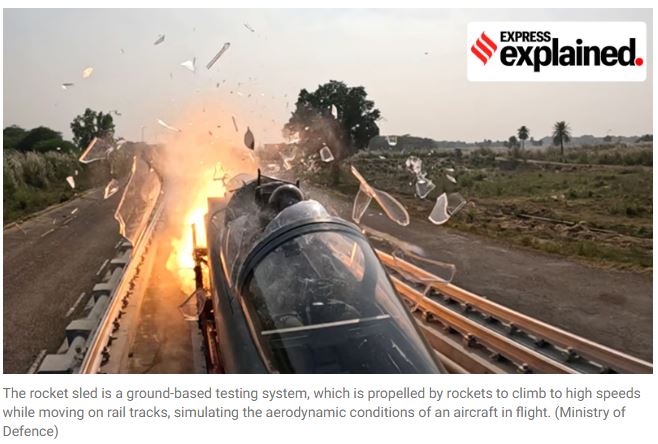
India recently achieved a significant milestone in aerospace safety with the successful high-speed rocket-sled test of a fighter aircraft escape system conducted by the Defence Research and Development Organisation (DRDO). The test, carried out at the Rail Track Rocket Sled (RTRS) facility of the Terminal Ballistics Research Laboratory (TBRL), Chandigarh, marks a major step in strengthening India’s indigenous capability in pilot survival technologies. This achievement places India among a select group of nations capable of conducting such advanced dynamic ejection tests domestically.
What is a Rocket-Sled Ejection Test?
A rocket-sled test simulates real flight conditions on the ground to evaluate the performance of a fighter aircraft’s ejection system. These systems are critical life-saving mechanisms designed to enable pilots to safely escape during emergencies such as engine failure, loss of control, or combat damage. Unlike static tests, dynamic ejection tests recreate high-speed aerodynamic forces, making them the true benchmark for validating escape systems.
In this test, DRDO collaborated with the Aeronautical Development Agency (ADA) and Hindustan Aeronautics Limited (HAL). Using a dual-sled configuration, the forebody of the Light Combat Aircraft (LCA) was mounted on a rail system and propelled using multiple solid rocket motors in a phased sequence. The system reached a controlled speed of about 800 km/h, closely replicating in-flight conditions.
What Was Tested?
The trial validated key aspects of the escape sequence:
- Canopy severance (safe removal or shattering of the cockpit canopy)
- Ejection seat firing and sequencing
- Stabilisation and parachute deployment
- Complete aircrew recovery process
An instrumented anthropomorphic test dummy was used to simulate a pilot. Equipped with sensors, it recorded loads, accelerations, and rotational forces experienced during ejection. High-speed cameras and onboard imaging systems captured the entire sequence for analysis.
Why Are Dynamic Tests Crucial?
Ejection may be required under highly unpredictable conditions - low or high altitude, zero or high speed, inverted flight, or aircraft spin. The system must function within millisecond precision. Even minor delays or sequencing errors can cause severe injury or fatality. Dynamic tests therefore ensure the system performs reliably across diverse real-world scenarios, in line with global aviation safety standards.
Strategic and Technological Significance
Until now, India depended on foreign facilities for such advanced testing, which was costly and time-consuming. Indigenous testing reduces costs to nearly one-fourth or one-fifth of overseas trials and significantly shortens development cycles. This capability supports not only current platforms like the LCA Tejas, but also future indigenous fighter programmes.
The RTRS facility, operational since 2014, has also supported other national missions, including testing Gaganyaan drogue parachutes. With upgrades such as high-speed imaging and precision measurement systems, it now matches international standards for dynamic aerospace testing.
Conclusion
The successful rocket-sled ejection test represents a major leap in Atmanirbhar Bharat in defence aerospace. By developing in-house capability to test and certify critical pilot survival systems, India enhances operational readiness, reduces foreign dependence, and strengthens its position as an emerging aerospace power. Ultimately, this progress translates into greater pilot safety and improved combat reliability of Indian fighter aircraft.
India–Russia Relations

- 08 Dec 2025
In News:
The 23rd India–Russia Annual Summit, held during President Vladimir Putin’s visit to India, reaffirmed the enduring strength of the “Special and Privileged Strategic Partnership” between the two countries. Marking 25 years of the 2000 Strategic Partnership Declaration, both sides signed 16 agreements across defence, trade, healthcare, education, culture, and energy, underscoring the resilience of bilateral ties amid global geopolitical turbulence.
Key Outcomes of the Summit
A major focus was on economic and trade cooperation. India and Russia adopted Programme 2030 to expand long-term strategic economic engagement and set an ambitious target of USD 100 billion in bilateral trade by 2030. Both sides agreed to fast-track negotiations on the proposed India–Eurasian Economic Union (EAEU) Free Trade Agreement. Given sanctions-related financial challenges, the two countries also discussed alternative payment mechanisms, while reaffirming energy as the central pillar of economic ties.
On connectivity, the leaders emphasized cooperation on strategic corridors such as the International North–South Transport Corridor (INSTC), the Chennai–Vladivostok maritime route, and the Northern Sea Route (NSR). These initiatives align with India’s efforts to improve access to Eurasia and Russia’s pivot towards Asia.
In the Russian Far East and Arctic, India reiterated its interest in expanding trade and investment in energy, mining, and maritime sectors. As an Observer in the Arctic Council, India signalled readiness to play a more active role in Arctic research and navigation cooperation.
In civil nuclear and space cooperation, Russia reaffirmed support for India’s nuclear energy expansion, including collaboration at the Kudankulam Nuclear Power Plant and across the nuclear fuel cycle. Space cooperation between ISRO and Roscosmos is set to deepen, particularly in human spaceflight, satellite navigation, and planetary exploration.
Defence cooperation remains a cornerstone. The partnership is gradually shifting from a traditional buyer–seller relationship to joint research, co-development, and co-production of defence equipment. Both sides reviewed progress under the Inter-Governmental Commission on Military and Military Technical Cooperation (IRIGC-M&MTC) and emphasized Make-in-India manufacturing of spare parts for Russian-origin platforms.
At the multilateral level, Russia reiterated support for India’s bid for a permanent seat in the UN Security Council and backed India’s BRICS Chairship in 2026. Cooperation in climate action, low-carbon technologies, and implementation of Article 6 of the Paris Agreement was also highlighted. Both countries reaffirmed a strong commitment to counter-terrorism.
Broader Pillars of Cooperation
Bilateral trade reached USD 68.7 billion in FY 2024–25, largely driven by India’s energy imports. Defence remains a major pillar, with cooperation on systems such as the S-400, BrahMos missile, and Su-30MKI aircraft. Science and technology ties include Gaganyaan astronaut training and the 2021 innovation roadmap. Cultural and educational exchanges are growing, with nearly 20,000 Indian students studying in Russia.
Challenges and Way Forward
Despite strong ties, challenges persist. Defence supply delays due to the Ukraine conflict have affected timelines, requiring India to strengthen indigenous production and joint spares manufacturing. The trade relationship is heavily skewed in Russia’s favour, making diversification of Indian exports through the EAEU FTA crucial. Western sanctions have complicated payment systems, necessitating the use of rupee-based trade settlements and alternative banking channels. Russia’s growing proximity to China also reduces its strategic neutrality, compelling India to balance ties through deeper engagement with Europe, Central Asia, and the Indo-Pacific. Concerns over Indian nationals recruited into the Russian military highlight the need for stronger migrant protection mechanisms.
Conclusion
India–Russia ties remain strategically significant, especially in defence, energy, and connectivity. However, the relationship is evolving toward broader economic, technological, and regional cooperation. Managing geopolitical pressures, diversifying trade, and strengthening financial arrangements will be key to sustaining this long-standing partnership in a rapidly changing global order.
Health Security and National Security Cess Bill, 2025
- 07 Dec 2025
In News:
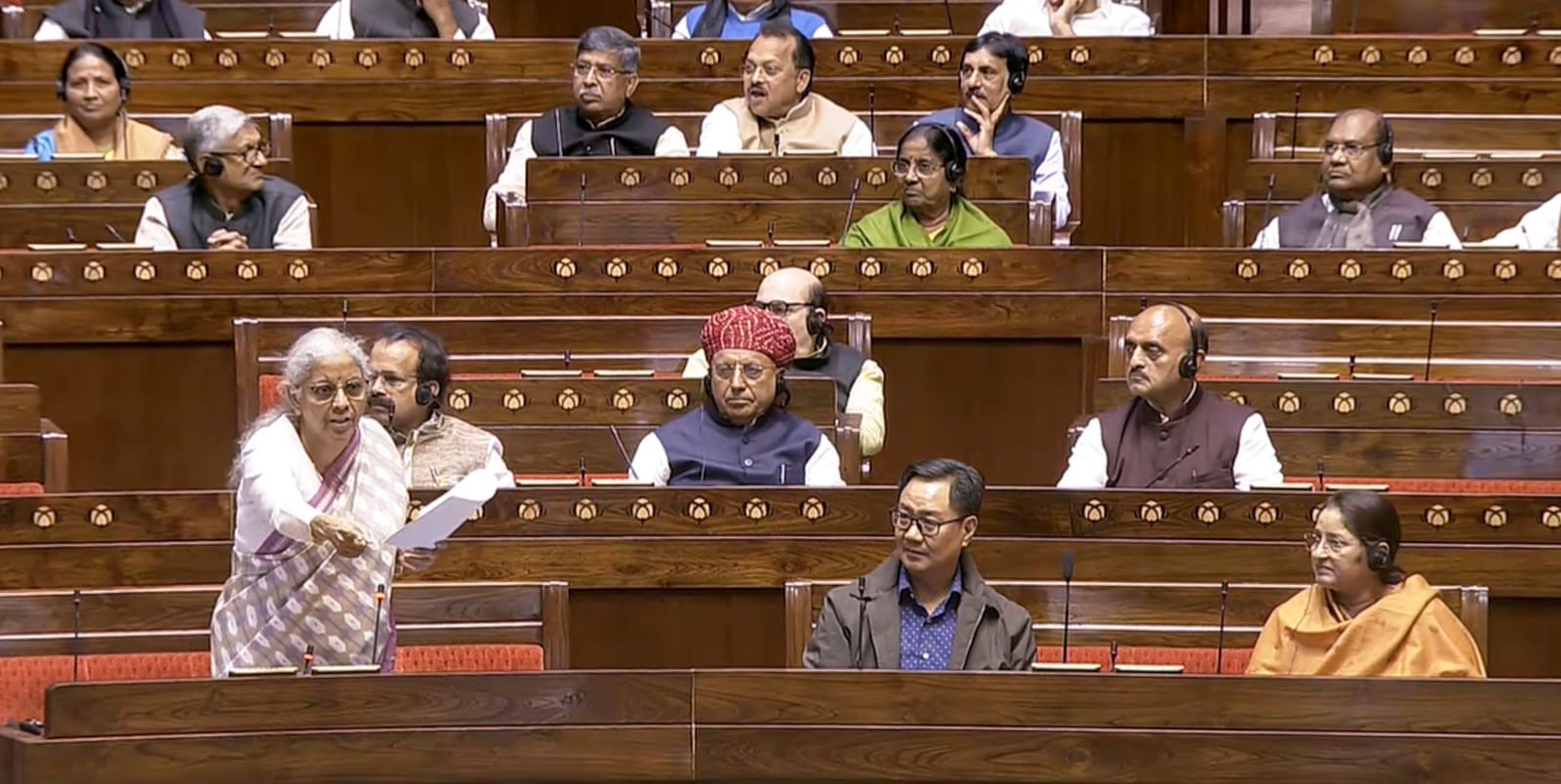
Parliament has passed the Health Security and National Security Cess Bill, 2025, introducing a new fiscal instrument aimed at generating dedicated resources for public health and national security. The cess will be imposed only on demerit goods such as pan masala and other notified products, and not on essential commodities.
Rationale Behind the Cess
The government argues that both public health and national security face rising fiscal pressures. Lifestyle-related diseases, particularly those linked to tobacco and similar products, impose heavy healthcare costs, while modern defence requirements involve capital-intensive investments in areas such as precision weaponry, autonomous systems, cyber and space capabilities.
By taxing demerit goods, the cess serves a dual objective:
- Deterrence – discouraging consumption of products harmful to health.
- Resource mobilisation – generating predictable funding streams for priority sectors.
This approach reflects the principle of “sin taxation”, where social costs of harmful goods are internalised through higher taxation.
Key Features of the Cess
1. Applicable Only on Demerit Goods: The cess will not affect essential household items. Goods such as pan masala, associated with high public health risks, are the primary targets.
2. Capacity-Based Levy: Unlike GST, which is consumption-based, this cess will be machine-linked and capacity-based, levied on manufacturing capacity rather than output. This system is intended to reduce tax evasion in sectors with historically weak compliance.
3. Revenue Sharing with States: A significant feature is that a portion of the cess proceeds will be shared with States, particularly for health-related schemes and awareness programmes. This is notable because traditional cesses are usually not shareable, raising earlier concerns about fiscal centralisation.
4. No Impact on GST Framework: The government clarified that the cess operates independently of the GST system. Pan masala, for instance, already attracts the highest GST slab (28%) along with compensation cess. The new cess will not alter GST revenue-sharing arrangements.
Support and Justifications
Supporters in Parliament argued that the cess ensures transparent utilisation of funds and aligns taxation with national priorities. By linking taxation to harmful goods, it seeks to create a healthier society while strengthening defence preparedness. The government emphasised that stable funding is essential in an era of rapidly evolving security threats.
Concerns and Criticisms
Opposition members raised several issues:
- Impact on MSMEs: Capacity-based taxation may burden small manufacturers with compliance costs.
- Fear of “Inspector Raj”: Increased inspections to assess production capacity could lead to bureaucratic overreach.
- Federalism Concerns: Critics described the growing use of cesses as “cessification of governance,” arguing it bypasses the divisible pool of taxes.
- Policy Effectiveness: Some MPs suggested that outright bans on harmful products might be more effective than taxation alone.
Conclusion
The Bill represents an innovative attempt to align fiscal policy with public health and national security objectives. While it signals a move toward targeted taxation and earmarked spending, its success will depend on transparent implementation, minimal compliance burden, and cooperative federalism. Balancing deterrence, revenue mobilisation, and ease of doing business will be key to ensuring that the cess achieves its intended social and strategic outcomes.
Rupee at ?90 per Dollar
- 06 Dec 2025
In News:
The Indian rupee breaching the psychologically significant ?90 per US dollar mark marks an important macroeconomic moment. While the depreciation reflects a cumulative build-up of pressures rather than a sudden shock, it has raised concerns about India’s external stability, capital flows, and policy trade-offs.
Drivers of Rupee Depreciation
1. External Sector Pressures: India’s trade deficit is widening, increasing demand for dollars. In October 2025, merchandise exports fell 11.8% year-on-year to about $34 billion, affected by weak global demand and tariff disadvantages in key markets such as the US. At the same time, imports rose sharply, driven by domestic demand and record gold imports, which surged during the festive season. Elevated gold prices amplified the import bill, adding strain to the current account balance.
2. Capital Outflows: Persistent Foreign Portfolio Investor (FPI) outflows have further weakened the rupee. Since early 2025, FPIs have withdrawn large sums from Indian equities, reflecting global portfolio reallocation toward more profitable or safer markets. Such outflows raise demand for dollars and reduce foreign exchange inflows, directly pressuring the currency.
3. India–US Trade Deal Uncertainty: The delay in finalising a bilateral trade agreement with the US has injected uncertainty regarding tariff structures and export competitiveness. Markets often price such uncertainty into currency movements. A weaker rupee can partially offset tariff disadvantages, but prolonged ambiguity dampens investor confidence.
4. Behavioural and Market Factors: Importers have been rushing to hedge by buying dollars, while exporters are delaying conversions in anticipation of better rates. This asymmetry increases short-term dollar demand. Breaching the ?90 level also has a psychological impact, potentially triggering speculative positioning.
Why Depreciation Persists Despite Strong Fundamentals
Paradoxically, India’s macro fundamentals remain relatively strong—robust GDP growth, easing inflation, and moderate crude oil prices. However, exchange rates are influenced not just by domestic conditions but also by global liquidity, risk appetite, and capital flows. In periods of global uncertainty or strong US dollar demand, even sound economies can face currency weakness.
Role of the Reserve Bank of India (RBI)
The RBI appears to be following a “soft-touch” intervention strategy, stepping in primarily to curb excessive volatility rather than defend a specific exchange rate. Active defence would deplete foreign exchange reserves and may only delay adjustment. Allowing gradual depreciation can also support export competitiveness, though it raises concerns about imported inflation and higher input costs for industry.
Implications for the Economy
- Imported Inflation: A weaker rupee makes imports costlier, particularly fuel, electronics, and fertilisers.
- External Balance: Persistent depreciation may widen the current account deficit.
- Export Competitiveness: Some relief for exporters, though structural issues remain.
- Investor Sentiment: Sustained currency weakness can deter foreign investment.
Way Forward
Stability will depend on reviving capital inflows, managing the trade deficit, and reducing gold import dependence. Conclusion of trade agreements, sustained export growth, and calibrated RBI intervention will be crucial. Over the medium term, strengthening manufacturing competitiveness and diversifying export markets remain essential for external resilience.
Digital Personal Data Protection (DPDP) Rules, 2025

- 05 Dec 2025
In News:
The notification of the Digital Personal Data Protection (DPDP) Rules, 2025 marks the full operationalisation of India’s DPDP Act, 2023, establishing the country’s first comprehensive data protection regime. This development comes eight years after the Supreme Court’s landmark K.S. Puttaswamy (2017) judgment recognised privacy as a fundamental right under Article 21. The Rules aim to create a structured compliance ecosystem, define stakeholder responsibilities, and institutionalise enforcement through the Data Protection Board of India (DPBI).
Key Features of the Framework
The DPDP architecture follows a citizen-centric and simplified (SARAL) approach, using accessible language and structured compliance obligations.
Rights of Data Principals (citizens) include consent-based processing, correction and erasure of data, and grievance redressal.
Obligations of Data Fiduciaries (entities processing data) include lawful processing, purpose limitation, security safeguards, and breach reporting.
However, implementation is phased. Immediate provisions include operationalisation of the DPBI (four-member body headquartered in New Delhi) and an amendment to the RTI Act, 2005, restricting disclosure of personal information. Core user protectionssuch as informed consent, purpose limitation, breach notification, and appointment of Data Protection Officers (DPOs)will be enforced over the next 12–18 months, with large technology firms expected to achieve full compliance by 2027.
Significant Data Fiduciaries (SDFs)
Entities will be classified as SDFs based on the volume and sensitivity of data processed and potential risks to sovereignty, democracy, security, and public order. Major technology companies are likely to fall under this category. SDFs face higher obligations, including data protection impact assessments and verifiable parental consent for children’s data.
Data Localisation and Cross-Border Transfers
The Rules introduce conditional data localisation, empowering the government to specify categories of personal and traffic data that must remain within India. A designated committee will determine these categories. While aimed at national security and regulatory oversight, this move has raised industry concerns regarding compliance costs and digital trade implications.
Children’s Data and Safety
Companies must implement mechanisms for verifiable parental consent, though the government has allowed flexibility in designing these systems. Behavioural tracking and targeted advertising directed at children are largely restricted, with limited exceptions to prevent exposure to harmful content.
Breach Notification and Penalties
Data Fiduciaries must inform affected individuals without delay about the nature, scope, consequences, and mitigation steps of a data breach. Penalties for failure to implement adequate safeguards can reach ?250 crore, with enforcement powers vested in the DPBI.
Concerns and Criticisms
Several issues remain contentious:
- RTI Amendment: Removal of the public interest override for personal data of public officials is seen as weakening transparency.
- Government Exemptions: Broad exemptions for state agencies on grounds such as national security may dilute privacy safeguards.
- Delayed Protections: Key user rights becoming operational only after 12–18 months creates a transitional vulnerability.
- Regulatory Capacity: A four-member DPBI may face capacity constraints given India’s digital scale.
- Compliance Burden: Startups and smaller firms may struggle with technical and procedural requirements.
Way Forward
Strengthening institutional capacity and independence of the DPBI is essential. Clearer guidelines on data localisation and parental consent, restoration of the privacy–transparency balance under RTI, and standardised compliance templates can ease implementation. Public awareness and baseline cybersecurity norms will also be crucial.
Conclusion
The DPDP Rules, 2025 represent a landmark step in aligning India’s digital growth with constitutional privacy guarantees. The long-term success of this regime will depend on balanced implementation, regulatory accountability, and continued stakeholder consultation to ensure that innovation, national security, and individual rights evolve together.
Insurance Laws (Amendment) Bill, 2025

- 04 Dec 2025
In News:
The proposed Insurance Laws (Amendment) Bill, 2025 represents one of the most far-reaching reform efforts in India’s insurance sector in decades. Scheduled for introduction in Parliament, the Bill aims to modernise a regulatory framework rooted in mid-20th century legislation and address the long-standing problem of low insurance penetration, which stood at 3.7% in 2023–24, far below the global average of around 7%. The reform package seeks to enhance capital inflows, deepen market competition, and expand coverage to underserved segments.
100% FDI: Opening the Sector to Global Capital
A cornerstone of the reform is the decision to raise the Foreign Direct Investment (FDI) cap in insurance from 74% to 100%. This shift is expected to attract global insurers, many of whom have not yet entered India’s market. Greater foreign participation could bring in advanced underwriting practices, digital claims management, and sophisticated risk-assessment tools. By reducing reliance on domestic capital and improving operational efficiency, the move aims to expand product innovation and enhance consumer services. The change requires amendments to the Insurance Act, 1938, the LIC Act, 1956, and the IRDAI Act, 1999, signalling a comprehensive legislative overhaul.
Composite Licensing: Breaking Product Silos
Currently, insurers operate in strict silos—life insurers cannot sell non-life products and vice versa. The Bill proposes composite licences, allowing a single entity to offer life, health, and general insurance products under one umbrella. This integration is expected to foster holistic protection solutions, reduce duplication in distribution networks, and align insurance offerings with consumer demand for bundled financial security products.
Lower Capital Norms and New Entrants
To broaden participation, the Bill proposes reducing minimum capital requirements for insurers and reinsurers. This step could enable specialised, regional, and niche players to enter the market, particularly those targeting rural and informal sectors. Such inclusion aligns with India’s long-term goal of achieving “Insurance for All” by 2047. Simultaneously, differentiated capital norms based on business size and risk profile are expected to replace the current uniform approach, encouraging a more diverse ecosystem.
Boost to Reinsurance and Risk Management
The proposal to reduce the net owned funds requirement for foreign reinsurers aims to attract more global reinsurance firms, diversifying a segment currently dominated by a few players. Additionally, allowing large corporations to establish captive insurance entities would strengthen corporate risk management and reduce dependence on external insurers.
Ease of Doing Business in Distribution
The Bill also seeks to reform the intermediary framework through perpetual registration instead of periodic renewals and permitting agents to represent multiple insurers. These steps could expand distribution networks, increase competition, and improve consumer choice.
Conclusion
The Insurance Laws (Amendment) Bill, 2025 marks a decisive move toward global integration, regulatory flexibility, and market deepening. While higher foreign participation and relaxed norms promise capital infusion and innovation, effective oversight will be crucial to ensure consumer protection and financial stability. If implemented well, the reforms could significantly enhance insurance penetration and resilience in India’s evolving risk landscape.
Cyber Fraud in Digital India

- 03 Dec 2025
In News:
India’s rapid digital transformationdriven by UPI, mobile banking, Aadhaar-enabled services and online platformshas revolutionised financial inclusion and service delivery. However, this digital surge has also created fertile ground for increasingly sophisticated cyber fraud. Today’s cybercriminals rely less on technical hacking and more on psychological manipulation, AI-powered deception, and systemic loopholes. In this evolving landscape, daily cyber awareness and hygiene have become the most effective first line of defence.
Changing Nature of Cyber Threats
Cyber fraud in India has moved beyond phishing emails and OTP scams. Fraudsters now deploy social engineering tactics that exploit fear, urgency, and trust. One alarming trend is “digital arrest” scams, where criminals impersonate law enforcement officials via video calls and psychologically coerce victims into transferring money. Senior citizens and first-time digital users are particularly vulnerable.
Another emerging threat is AI-driven fraud. Deepfake voice cloning and lip-synced videos are being used to bypass video KYC systems and impersonate bank officials or relatives in distress. Such technologies reduce the need for technical expertise, allowing organised crime networks to scale operations cheaply.
The financial system is also grappling with a surge in mule accountsbank accounts opened or rented to launder stolen funds through rapid, layered transactions. These accounts form the backbone of cybercrime infrastructure. Additionally, fake investment and trading appsoften part of international “pig butchering” scamsgroom victims over time before wiping out their savings.
On the institutional side, supply-chain vulnerabilities have become a major concern. Attacks on third-party vendors can paralyse banks, healthcare systems, or digital service providers. Similarly, API vulnerabilities in India’s expanding digital ecosystem (UPI, ONDC) create large-scale data exposure risks. The healthcare sector has emerged as a prime ransomware target due to sensitive medical data and outdated IT systems.
India’s Cyber Security Architecture
India has developed a multi-layered cyber security framework. At the policy level, MeitY and the National Cyber Security Coordinator guide national strategy. CERT-In handles civilian incident response, while the NCIIPC protects critical infrastructure such as power grids and banking networks. Military and strategic cyber operations are overseen by the Defence Cyber Agency and NTRO.
Legally, the IT Act, 2000, remains the core law, though it is increasingly outdated. The Digital Personal Data Protection Act, 2023 strengthens privacy safeguards, and the proposed Digital India Act aims to modernise the regulatory framework.
Need for a Cyber Hygiene Revolution
Despite institutional mechanisms, the weakest link remains the individual user. Cyber hygiene must become as routine as personal hygiene. This includes verifying links, avoiding screen-sharing with strangers, using strong passwords, enabling multi-factor authentication, and reporting fraud promptly.
Policy measures should embed awareness structurally: a national cyber hygiene curriculum, security-first procurement standards, Zero-Trust models for MSMEs, and AI-based early warning tools for users. Banks must adopt behavioural risk monitoring to detect mule accounts, while sector-specific CERTs should strengthen critical infrastructure defence.
Conclusion
As cybercrime becomes more psychological and AI-driven, technology alone cannot ensure safety. A vigilant citizenry, supported by strong institutions and modern laws, forms the true shield. In Digital India, cyber hygiene is no longer optional—it is a civic responsibility essential for national resilience.
New Seeds Bill 2025

- 02 Dec 2025
In News:
The Union Government has introduced the Draft Seeds Bill, 2025 to modernise India’s seed regulatory system and replace the Seeds Act, 1966 and the Seeds (Control) Order, 1983. The proposed law seeks to address long-standing regulatory gaps, improve seed quality, curb the sale of spurious seeds, and align the legal framework with the evolving needs of Indian agriculture.
Why a new law was needed?
The Seeds Act, 1966 regulates only notified varieties, and registration of seeds has not been mandatory. Several categories such as green manure seeds, plantation crops, and certain commercial crops remained outside its ambit. Moreover, penalties under the old law were minimal a maximum of six months’ imprisonment and a fine of ?1,000 offering little deterrence in a rapidly expanding and commercialised seed market.
Concerns about the prevalence of substandard and fake seeds have grown in recent years. Between 2022 and 2025, authorities tested nearly six lakh seed samples, of which over 43,000 were found non-standard, prompting warnings, stop-sale orders, and legal cases. These trends highlighted the need for a stronger regulatory architecture.
India’s Seed Sector Context
India’s annual seed requirement for 2024–25 is estimated at about 48 lakh tonnes, while availability exceeds demand. The seed market is valued at roughly ?40,000 crore. Over 3,000 new crop varieties have been released in the past decade, with the public sector contributing the majority, though private participation is rising. This expansion has increased the need for quality assurance, traceability, and uniform standards.
Key Provisions of the Draft Seeds Bill, 2025
A central feature of the Bill is mandatory registration of all seed varieties before sale, except for traditional farmers’ varieties and seeds meant exclusively for export. New varieties must undergo Value for Cultivation and Use (VCU) testing across multiple locations to establish performance and suitability. Only seeds meeting prescribed standards of germination, genetic purity, and quality can enter the market.
The Bill also strengthens market regulation and traceability. Seed dealers must obtain registration from state authorities, and seed containers will carry QR codes linked to a central seed traceability portal to enable tracking across the supply chain. A Central Accreditation System is proposed to allow nationally accredited entities to operate across states, reducing multiple approvals.
Penalties are significantly enhanced. Minor violations attract monetary fines, while major offences such as selling spurious or unregistered seeds can lead to fines up to ?30 lakh and imprisonment up to three years. The government states that this will deter malpractice while protecting farmers.
The Bill affirms farmers’ rights to save, use, exchange, and sell farm-saved seeds, provided they are not marketed under a brand name. New central and state seed committees are envisaged to oversee implementation.
Concerns and Criticisms
Despite its reform intent, the Bill has drawn criticism from farmer groups and civil society. A major concern is the absence of a simple compensation mechanism for farmers affected by crop failure due to faulty seeds, leaving them dependent on lengthy legal processes.
Community seed keepers, such as Farmer Producer Organisations and traditional seed networks, may be treated as commercial entities, increasing compliance burdens. Critics argue that VCU testing norms may favouruniform hybrid varieties produced by large firms, potentially marginalisingindigenous and climate-resilient varieties. Digital compliance requirements, including QR tracking and online reporting, could also disadvantage small, resource-poor stakeholders.
Some experts also caution that recognition of foreign testing data may ease the entry of imported or genetically engineered seeds without robust domestic scrutiny.
Conclusion
The Draft Seeds Bill, 2025 represents a significant attempt to modernise India’s seed governance by emphasising quality control, traceability, and stricter penalties. However, its ultimate effectiveness will depend on balancing regulatory oversight with farmers’ rights, biodiversity conservation, and equitable access, ensuring that reform strengthens both productivity and sustainability in Indian agriculture.
Declining Health of Parliamentary Democracy in India
- 01 Dec 2025
In News:
India’s Parliament, constitutionally envisaged as the “grand inquest of the nation”, is increasingly witnessing signs of institutional fatigue. As the Winter Session reconvenes amid controversies such as the Special Intensive Revision (SIR) of electoral rolls, concerns over legislative dysfunction, shrinking deliberation, and executive dominance have resurfaced. This decline is not episodic or partisan, but structural and long-term, threatening the balance of power central to parliamentary democracy.
Empirical Evidence of Decline
Data from PRS Legislative Research reveal a worrying trend. During a recent Monsoon Session, the Lok Sabha functioned for only 29% of its scheduled time and the Rajya Sabha for 34%. Question Hour—the most potent accountability mechanism—was particularly eroded, with the Lok Sabha completing only 23% and the Rajya Sabha merely 6% of its allotted time.
Equally concerning is the rushed passage of legislation. Major Bills such as the Regulation of Online Gaming Bill and the Merchant Shipping Bill were cleared with only minutes of discussion, undermining the deliberative purpose of Parliament under Article 107. Committee scrutiny has weakened sharply: while over 60% of Bills were referred to committees in the 14th and 15th Lok Sabhas, this figure fell to about 20% in the 16th and 17th.
The number of sittings has also declined dramatically. From an average of 121 days per year (1952–1970), Parliament now meets for about 68 days, with the 17th Lok Sabha averaging just 55 days, the lowest in independent India. Notably, it was also the first Lok Sabha without a Deputy Speaker, despite Article 93 mandating the post.
Structural Causes
A key driver of institutional erosion is the Anti-Defection Law. Intended to curb political instability, it has instead suppressed legislative independence, converting MPs into bound agents of party whips. This distorts core parliamentary functions such as:
- Power of the purse, where financial scrutiny becomes ritualistic.
- Impeachment proceedings, where MPs should act as impartial jurors rather than whipped voters.
Simultaneously, executive dominance has grown. Opposition notices, adjournment motions, and demands for discussion are frequently disallowed, forcing protests and disruptions. Presiding officers, constitutionally expected to be neutral, are increasingly perceived as partisan, further weakening trust in parliamentary conventions.
Comparative Perspective
India’s parliamentary system draws from the Westminster model, whose roots lie in the Oxford Parliament of 1258, which subordinated executive power to legislative oversight. In countries like the UK, Prime Minister’s Questions, strong committee systems, and mandatory executive testimony preserve accountability. India, by contrast, has moved in the opposite direction—towards a Parliament that often approves rather than scrutinises.
Way Forward
Reversing this decline requires deliberate reforms:
- Mandating minimum sittings (e.g., 120 days annually) to prevent rushed law-making.
- Compulsory committee referral for all major Bills.
- Reforming the Anti-Defection Law, limiting whips to confidence motions and Money Bills.
- Restoring Question Hour and Zero Hour as non-negotiable accountability tools.
- Institutionalising a Prime Minister’s Question Hour and strengthening executive accountability to committees.
- Upholding neutrality of constitutional offices, including timely election of the Deputy Speaker.
Conclusion
The decline of Parliament is not merely about productivity statistics but about the hollowing out of constitutional spirit. Without urgent corrective measures, India risks reducing Parliament to a symbolic edifice—standing tall, yet silent in its duty to hold power accountable to the people. Reviving parliamentary democracy is thus essential for preserving the republic’s constitutional balance and democratic legitimacy.