
Rat-Hole Mining Tragedy in Meghalaya
- 07 Feb 2026
In News:
The recent explosion in an illegally operating rat-hole coal mine in East Jaintia Hills district, Meghalaya, which claimed 25 lives, is not an isolated accident but a tragic manifestation of systemic governance and regulatory failure. Despite a clear ban on rat-hole mining by the National Green Tribunal (2014) and its subsequent affirmation by the Supreme Court, the practice continues unabated, exposing deep-rooted institutional apathy, weak enforcement, and socio-economic vulnerability.
Nature of the Incident
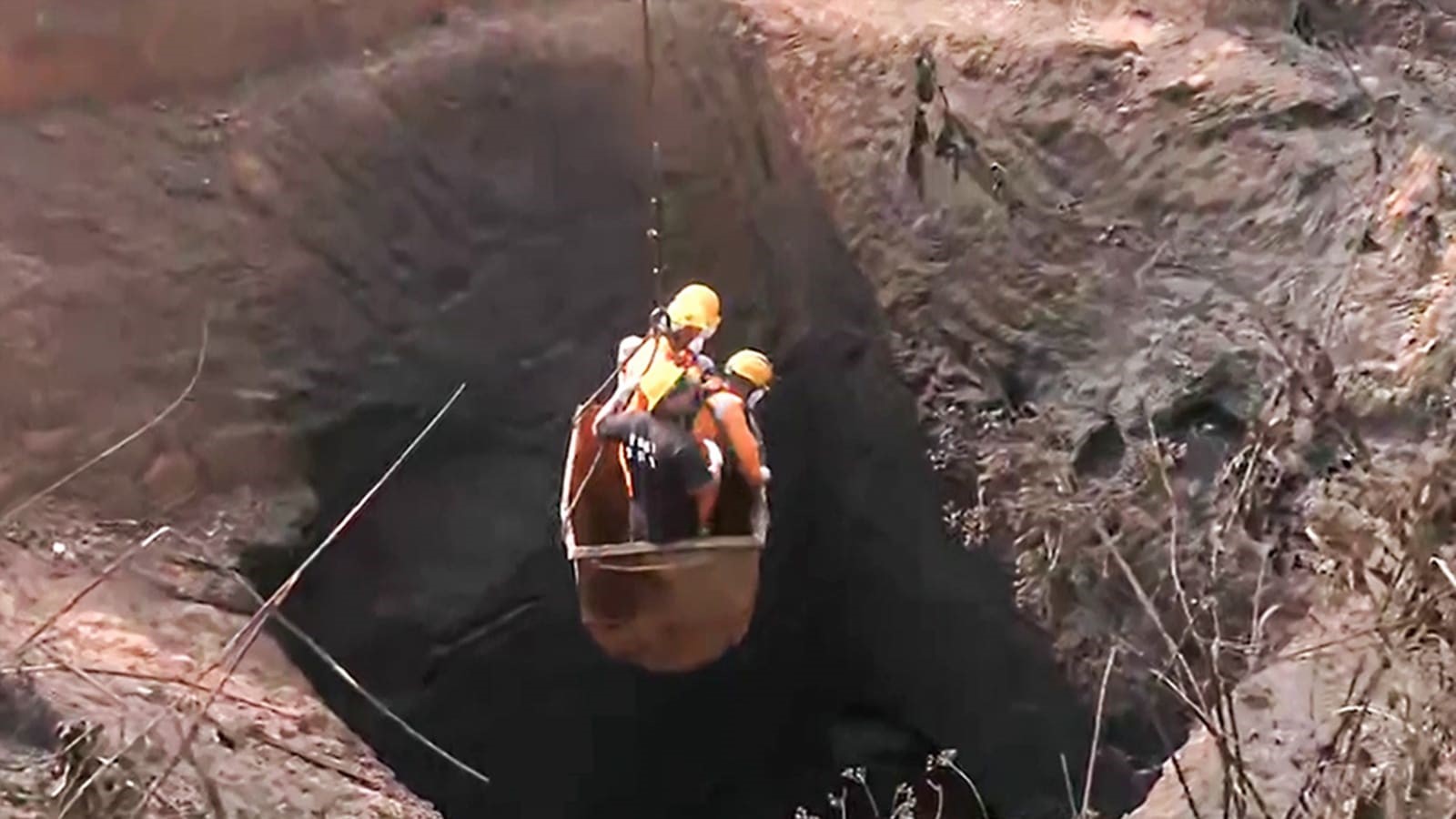
The blast occurred in the remote Thangkso area, characterised by poor connectivity and difficult terrain. Rescue operations by the NDRF, SDRF and Special Rescue Teams revealed the hazardous mine structure: five vertical shafts nearly 100 feet deep, branching into narrow horizontal tunnels measuring barely 2 feet by 3 feet, forcing miners to crawl. Several bodies were recovered up to 350 feet inside these tunnels. Rescue efforts were severely constrained by water accumulation, mudslides, dripping-induced rockfalls and extremely confined spaces-conditions that underline the inherent dangers of rat-hole mining.
Rat-Hole Mining: Structural and Environmental Concerns
Rat-hole mining is a primitive method involving manual extraction of coal through narrow pits and tunnels. It persists in Meghalaya due to community and private land ownership patterns under the Sixth Schedule, which are often exploited to bypass regulatory oversight. The practice violates the Mines and Minerals (Development and Regulation) Act, 1957, and causes severe environmental damage, including acid mine drainage, water contamination, land subsidence and biodiversity loss. Crucially, it operates without any worker safety mechanisms, making fatalities almost inevitable.
Legal and Administrative Dimensions
Following the incident, FIRs were registered under culpable homicide, the MMDR Act, and the Explosive Substances Act, with two mine owners arrested. Judicial oversight has been persistent: the Justice (Retd.) B.P. Katakey Committee, appointed by the Meghalaya High Court, has repeatedly flagged widespread illegal mining, particularly in East Jaintia Hills. Its findings are alarming-over 22,000 illegal mine openings in the district alone and more than 25,000 across Meghalaya. The High Court itself has remarked that “no one in the state, except the court, is taking the issue very seriously.”
A Pattern, Not an Aberration
This tragedy follows earlier disasters: the 2018 Ksan incident where 15 miners drowned, and the Umpleng incident that killed five. Such recurring fatalities point to a systemic regulatory collapse, not isolated lapses. Governance deficits, local complicity, informal protection networks, and lack of political will have allowed illegal mining to thrive.
Key Challenges Highlighted
- Governance failure: Weak enforcement of judicial orders and lack of accountability.
- Terrain and accessibility: Remote, difficult geography impedes regulation and rescue.
- Informal labour exploitation: Migrant and economically vulnerable workers operate without contracts, insurance or social security.
- Disaster management gaps: Absence of early-warning systems and monitoring in hazardous informal sectors.
- Constitutional complexity: Sixth Schedule autonomy and community land ownership create regulatory ambiguities.
Way Forward
A multi-pronged response is imperative:
- Strict enforcement and monitoring using satellite surveillance and independent mining regulators.
- Institutional accountability, fixing responsibility of district officials with time-bound compliance reporting.
- Formalisation of mining, introducing regulated, scientific alternatives alongside alternative livelihood programmes.
- Environmental restoration through mine-closure plans and application of the Polluter Pays Principle.
- Worker safety frameworks, ensuring compliance with labour laws, insurance coverage and community awareness.
Conclusion
The Meghalaya rat-hole mining tragedy is a stark reminder that judicial bans alone cannot substitute for effective governance. The continued loss of lives reflects a failure to uphold the right to life (Article 21) and the duty to protect the environment (Article 48A). Unless systemic reforms replace episodic reactions, such disasters will continue to recur, turning governance neglect into a persistent human and ecological crisis.