
CAPF (General Administration) Bill, 2026
- 31 Mar 2026
In News:
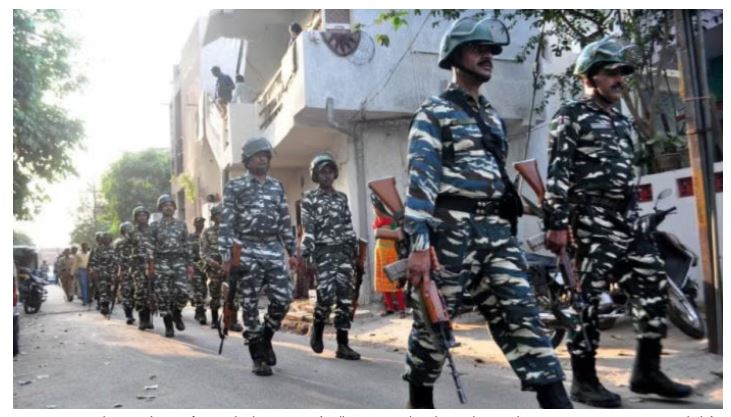
The Union Government recently introduced the Central Armed Police Forces (General Administration) Bill, 2026 in the Rajya Sabha. This legislative move seeks to codify the leadership structure of India’s primary internal security forces, specifically institutionalizing the role of Indian Police Service (IPS) officers in commanding these organizations.
Objectives and Scope of the Bill
The Bill provides a formal regulatory framework for the recruitment, promotion, and service conditions of Group ‘A’ General Duty Officers (GAGDOs) and other personnel within the CAPFs. It aims to provide "legislative clarity" to the long-standing practice of IPS leadership, ensuring a structural link between the Union and the States.
Forces Covered:
- Central Reserve Police Force (CRPF)
- Border Security Force (BSF)
- Central Industrial Security Force (CISF)
- Indo-Tibetan Border Police (ITBP)
- Sashastra Seema Bal (SSB)
Key Features: The "IPS Earmarking"
The most significant aspect of the Bill is the explicit reservation of senior leadership positions for IPS officers on deputation, overriding previous judicial observations:
- Director General (DG) & Special DG: 100% reserved for IPS.
- Additional Director General (ADG): Minimum 67% reserved for IPS.
- Inspector General (IG): 50% reserved for IPS.
- Rule-Making Supremacy: The Central Government is empowered to frame rules for recruitment and service conditions, with a "notwithstanding clause" that overrides existing laws or prior court orders.
- Protection of Benefits: It ensures that all existing financial benefits granted to Group ‘A’ cadre officers (prior to the Act) are protected.
The Rationale: Why These Changes?
The government justifies the Bill based on federal synergy and operational ethos:
- Inter-Agency Coordination: IPS officers serve as a vital bridge between the Union’s armed forces and State police departments. Since senior State posts (ADGs/DGs) are held by the IPS, their presence in CAPFs facilitates seamless coordination during internal security crises.
- Maintaining "Civil Power" Character: As noted in the Sanjay Prakash (2025) case, the IPS presence is seen as vital to maintaining the functional ethos of CAPFs as forces that "assist civil power" rather than purely military entities.
- National Integration: Reflecting Sardar Patel’s vision, the IPS provides a unifying thread across the federal structure, bringing diverse field experience from various States to national border and industrial security.
- Legislative Supremacy: The Bill asserts that service policy is the domain of the Executive and Legislature, rectifying what the government perceives as "judicial overreach" regarding deputation quotas.
Challenges and Critical Concerns
The Bill has met with significant criticism, primarily from the CAPF cadre officers:
- Career Stagnation: High quotas for the IPS limit the promotion avenues for direct-entry CAPF officers (GAGDOs). Many cadre officers wait decades for promotions while the top tiers are legally reserved for outsiders.
- The "Parachuting" Perception: Critics argue that IPS officers, often coming from district policing backgrounds, may lack the specialized expertise required for border guarding (BSF) or specialized industrial security (CISF).
- Judicial Conflict: The Bill appears to directly nullify the Sanjay Prakash (2025) ruling, which instructed a progressive reduction of IPS deputation at the IG level. This may lead to further legal challenges regarding the principle of Judicial Review.
- Organised Group ‘A’ Service (OGAS) Status: There is ongoing friction regarding whether the mandatory IPS quotas dilute the administrative rights and financial benefits theoretically guaranteed under the OGAS status granted to CAPF cadres.
Way Ahead: Balancing Aspirations
To ensure the internal stability of these forces, the government must adopt a balanced approach:
- Timely Cadre Reviews: Regular reviews are needed to increase the total number of senior posts so that both IPS and cadre officers have growth opportunities.
- Specialized Induction: IPS officers deputed to CAPFs should undergo mandatory, force-specific induction training (e.g., specialized border management for BSF).
- Strengthening OGAS Rights: Ensuring that the financial and administrative parity of being an "Organised Service" is fully realized by CAPF cadre officers to reduce resentment.
The Microplastic Crisis: From Chennai’s Coast to Global Regulatory Frontiers
- 30 Mar 2026
In News:
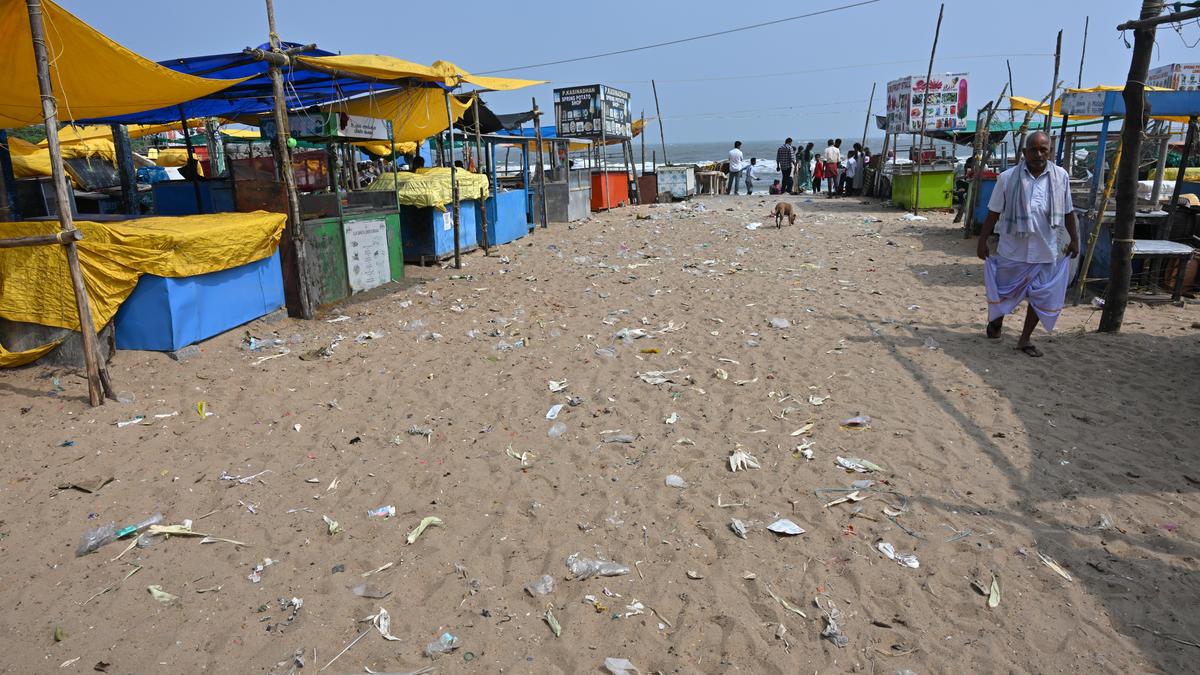
A recent 2026 study on Chennai’s beach sediments has shifted the focus of plastic pollution discourse. While the numerical abundance of microplastics in Chennai is lower than some global averages, the high prevalence of nylon fibres, mostly from fishing gear and synthetic textilespresents a disproportionately high ecological risk. This highlights a critical shift in environmental science: the type, shape, and chemical aging of polymers are more significant than their simple quantity.
Defining the Threat: Microplastics and Nanoplastics
Microplastics are solid plastic particles generally defined as being less than 5 mm in size.
- Primary Microplastics: Intentionally manufactured at microscopic scales.
- Examples:Microbeads in cosmetics (exfoliants) and Nurdles (pre-production plastic pellets).
- Secondary Microplastics: Formed through the fragmentation of larger plastic items (bottles, bags, tires) due to photodegradation (UV exposure), mechanical abrasion, and biological decay.
- Nanoplastics: Particles smaller than 1 micrometer. Due to their colloidal nature, they can bypass biological membranes, including the blood-brain barrier and the placental barrier.
The Ecological and Health "Perfect Storm"
The danger of microplastics extends beyond physical ingestion; they act as chemical and biological vectors:
- Biomagnification: Microplastics are "hydrophobic" (water-repelling), causing them to absorb Persistent Organic Pollutants (POPs) like DDT and heavy metals from seawater. As these are consumed by zooplankton and move up the food chain to apex predators (and humans), the toxin concentration increases exponentially.
- The Plastisphere & AMR: The "Plastisphere" refers to the thin biofilm of microorganisms that forms on plastic debris. This crowded environment acts as a "Trojan Horse" for superbugs, facilitating the rapid exchange of Antibiotic Resistance Genes (ARGs), thereby accelerating Antimicrobial Resistance (AMR).
- Endocrine Disruption: Additives like BPA (Bisphenol A) and Phthalates leach into the body, acting as hormone mimics that interfere with reproductive health and fetal development.
India’s Evolving Regulatory Framework
India has significantly updated its legislative toolkit to address the lifecycle of plastics:
- Plastic Waste Management Rules (2024/2025): Formally defined microplastics (1 to 1,000 microns).
- Mandatory QR/Barcoding: Introduced in 2025 for real-time tracking of plastic packaging via a centralized portal.
- Extended Producer Responsibility (EPR) 2.0: Moves beyond mere collection to Recycled Content Targets. For 2026–27, Category I (Rigid Plastics) must contain at least 40% recycled material.
- Failure to comply invokes the "Polluter Pays" principle through Environmental Compensation.
- National Plastic Pollution Reduction Campaign (NPPRC): Launched in late 2025, it targets Gram Panchayats to prevent agricultural mulch and plastic from degrading into rural soil.
Global Initiatives
- UN Global Plastics Treaty: A pending legally binding instrument aimed at addressing the full lifecycle of plastics.
- IMO Strategy (2026 Draft): Recommends a mandatory code for the maritime transport of nurdles to prevent catastrophic spills at sea.
- EU Restrictions: A phased ban on "intentionally added" microplastics in detergents and artificial turf.
Way Forward: A Risk-Based Approach
To move beyond current limitations, holistic management must include:
- Upstream Solutions: Mandating "Euro 7" style wear-and-tear standards for synthetic tires and providing tax incentives for clothing brands using >80% natural fibres (hemp, cotton, wool).
- Infrastructure Upgrades: Transitioning urban Sewage Treatment Plants (STPs) to Tertiary Treatment (Membrane Bioreactors), which can filter out up to 99% of microplastics.
- Standardization: Integrating microplastic concentration parameters into the National Ambient Air Quality Standards (NAAQS) and BIS drinking water standards.
- Green Chemistry: Funding startups focused on seaweed or starch-based polymers that mineralize completely in the environment rather than fragmenting into "invisible" particles.
Conclusion:
The microplastic crisis has transitioned from a "litter problem" to a biogeochemical emergency. As seen in Chennai, the focus must shift from volume-based monitoring to risk-based regulation, targeting high-risk polymers like nylon and synthetic rubber at their source.
EV Charging Infrastructure
- 29 Mar 2026
In News:
The transition to electric mobility is a cornerstone of India’s climate commitments. Recently, the government provided a comprehensive update on the expansion of Electric Vehicle Public Charging Stations (EVPCS), highlighting a shift from the foundational FAME-II framework to the more ambitious PM E-DRIVE scheme.
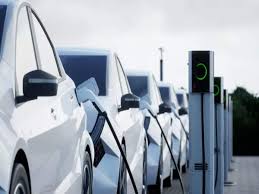
As of March 2026, the infrastructure has grown to 27,737 installed units, with 22,753 currently operational. The distribution remains concentrated in industrially advanced states, with Uttar Pradesh, Karnataka, Maharashtra, and Tamil Nadu leading the installation charts.
The Fiscal Framework: FAME-II vs. PM E-DRIVE
The government has utilized a phased financial approach to catalyze the sector. Under the FAME-II (Faster Adoption and Manufacturing of Electric Vehicles) scheme, which concluded its primary phase in 2024, ?912.50 crore was sanctioned specifically for charging infrastructure. To date, nearly ?655.43 crore has been utilized to bridge the gap in public accessibility.
Following FAME-II, the PM E-DRIVE (PM Electric Drive Revolution in Innovative Vehicle Enhancement) scheme was launched with a total outlay of ?10,900 crore for the period 2024–2028. Within this:
· Targeted Allocation:?2,000 crore is earmarked exclusively for EVPCS to address the infrastructure deficit on highways and in urban clusters.
· Strategic Goal: The scheme aims to create a self-sustaining ecosystem that reduces "range anxiety"—the primary psychological barrier to mass EV adoption.
· Status Note: While the allocation is robust, fund disbursement for the infrastructure component is in its early stages as of the latest parliamentary reporting.
Regulatory Environment and Private Participation
· A defining feature of India’s EV policy is that the setting up of charging stations is a de-licensed activity. This means any individual or entity can establish a station without a specific license, provided they adhere to the technical and safety standards prescribed by the Ministry of Power. This regulatory ease is designed to invite private capital and innovation into the green infrastructure space.
· Furthermore, the government has leveraged Oil Marketing Companies (OMCs) to repurpose existing retail outlets (petrol pumps) into multi-fuel hubs. This is complemented by the Model Building Bye-Laws, which now mandate EV charging provisions in new residential and commercial constructions, ensuring that "home charging" becomes as accessible as public infrastructure.
Significance and Strategic Impact
The proliferation of charging networks is not merely a logistical necessity but a strategic imperative for India.
· Economic Security: By reducing reliance on imported fossil fuels, the EV shift improves India’s Current Account Deficit (CAD) and enhances energy security.
· Climate Goals: It serves as a primary tool for achieving Net Zero by 2070 by decarbonizing the transport sector, which is a major contributor to urban air pollution.
· Job Creation: The "Green Economy" transition is generating new employment opportunities in power electronics, battery management systems (BMS), and station maintenance.
In summary, while the physical footprint of EVPCS is expanding rapidly, the focus is now shifting toward grid stability and the standardization of charging protocols to ensure that India's electric transition is both seamless and inclusive.
Deepening Inequality: India’s Education–Employment Crisis
- 28 Mar 2026
In News:
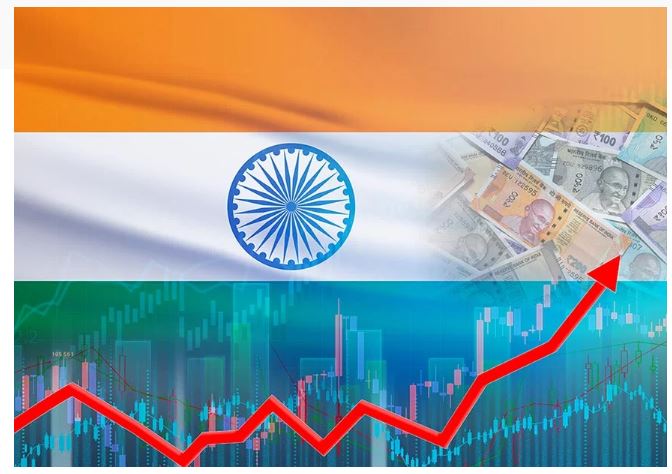
India’s demographic dividend, once seen as a key driver of economic growth, is increasingly under strain due to a widening disconnect between education and employment. While educational attainment has expanded significantly, it has not translated into proportional employment opportunities, leading to a paradox of educated unemployment. This reflects deeper structural inequalities and challenges the promise of inclusive development.
Nature of the Crisis
The crisis lies in the growing gap between access to education and access to meaningful employment. Inequality manifests in limited access to quality institutions, disparities in skill acquisition, and uneven employment outcomes across social and regional groups. A university degree, which traditionally ensured upward mobility, is no longer sufficient to secure stable employment, particularly for youth from marginalized backgrounds. This has resulted in a “graduate paradox,” where higher education correlates with higher unemployment rather than better opportunities.
Empirical Trends
Recent data highlights the depth of the crisis. Nearly 40% of graduates aged 15–25 are unemployed, reflecting a severe employability challenge. Youth unemployment in the 15–29 age group is about 14.8%, significantly higher than the national average of around 4.9%. Alarmingly, 67% of unemployed youth (20–29) are graduates, up from 46% in 2017, indicating rising degree inflation. Further, less than 7% of male graduates secure permanent salaried jobs within one year of completing their education. Educational participation is also under stress, with the share of young men in education declining from 38% in 2017 to 34% in 2024, largely due to financial pressures. Social disparities persist, as only 7% of ST and 10% of SC youth are graduates, compared to over 18% in other groups. These trends indicate that education is losing its role as a reliable pathway to economic mobility.
Structural Causes
The roots of this crisis lie in systemic mismatches between education and the labour market. Each year, nearly 5 million graduates enter the workforce, but only about 2.8 million find employment, often in informal sectors. The uneven distribution of quality institutions across regions further deepens inequality, with better opportunities concentrated in select states. Weak technical education, shortage of qualified faculty, and high student-teacher ratios—reaching 47:1 against the ideal 15–20:1—reduce employability. The aspirational preference for government jobs contributes to “waiting unemployment,” while technological disruptions such as AI reduce traditional entry-level roles. Despite rising demand, only about 55% of graduates are considered industry-ready, even as sectors project large future skill requirements.
Compounding Challenges
Several factors intensify this crisis. The high cost of professional education restricts access for economically weaker sections, reinforcing inequality in access to high-paying careers. The skill development ecosystem remains inefficient, with only about 15% of youth trained under schemes like PMKVY transitioning into formal employment. India’s structural shift from agriculture to services without a strong manufacturing base has limited job creation for semi-skilled workers. Regional disparities force migration, often resulting in precarious employment. Additionally, industry reluctance to invest in training is evident, with only about 16% of internships converting into full-time jobs.
Implications
The consequences of this crisis are far-reaching. It undermines faith in education as a tool for upward mobility, fuels frustration among youth, and risks social instability. Economically, it leads to underutilization of human capital and constrains growth. Socially, it deepens inequalities across caste, class, and regions. If unaddressed, India’s demographic dividend could transform into a demographic burden.
Way Forward
Addressing this crisis requires structural reforms that bridge the gap between learning and earning. Education must be reoriented towards employability through curriculum reforms emphasizing practical skills and digital competencies. Strengthening apprenticeship systems and industry linkages can ease the transition into the workforce. Revitalizing manufacturing and promoting decentralized industrial clusters can generate local employment. Investments in STEM education and teacher capacity are critical for improving employability. Expanding social security for informal workers can also reduce excessive dependence on government jobs.
Conclusion
India stands at a critical juncture where the success of its demographic dividend depends on aligning education with employment opportunities. The crisis reflects not just unemployment but deeper structural inequalities. A transition from a degree-centric to a skill-oriented economy is essential to ensure that education leads to meaningful livelihoods and inclusive growth.
Scheduled Caste Status and Religious Conversion
- 27 Mar 2026
In News:
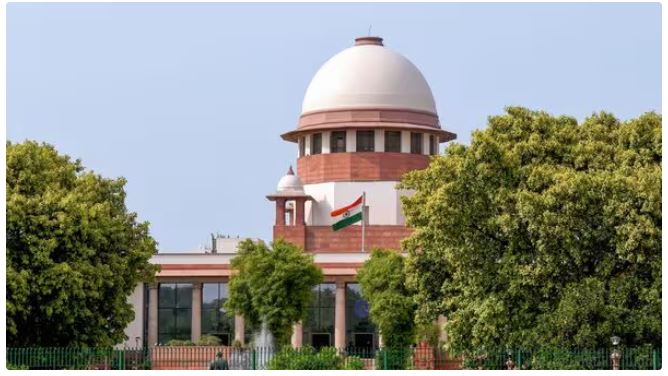
In a recent judgment, the Supreme Court of India reaffirmed that Scheduled Caste (SC) status is restricted to individuals professing Hinduism, Sikhism, or Buddhism, and is lost upon conversion to other religions. This ruling has reignited debates on social justice, equality, and the religion-linked nature of affirmative action in India.
Constitutional and Legal Framework
The legal basis for SC status lies in Article 341 of the Constitution, which empowers the President to specify Scheduled Castes through a Presidential Order, subject to parliamentary modification.
The Constitution (Scheduled Castes) Order, 1950 restricts SC status to persons professing Hinduism, with later amendments extending it to Sikhs (1956) and Buddhists (1990).
Importantly, SC status is state-specific, meaning recognition depends on whether a particular caste is notified in a given state or union territory.
Supreme Court’s Recent Ruling
In Chinthada Anand v. State of Andhra Pradesh (2026), the Court clarified that conversion to religions such as Christianity or Islam leads to the immediate and complete loss of SC status, irrespective of a person’s birth-based caste identity.
The Court emphasised that “professing” a religion involves actively practising it. Since religions like Christianity and Islam do not recognise caste hierarchies in doctrine, claiming SC status while professing these religions was held to be inconsistent.
Consequently, individuals who convert are no longer eligible for reservation benefits or legal protections under laws such as the SC/ST (Prevention of Atrocities) Act, 1989.
Reconversion and Exceptions
The Court allowed for restoration of SC status upon reconversion to Hinduism, Sikhism, or Buddhism, but only if strict proof of genuine reconversion and acceptance by the original caste community is established.
In contrast, Scheduled Tribe (ST) status is not linked to religion, and individuals may retain ST benefits after conversion if their tribal identity and customs persist.
Judicial Precedents
Earlier rulings have shaped this position. In C.M. Arumugam (1976), the Court recognised caste as a social phenomenon but required proof of continued discrimination after conversion.
In Soosai v. Union of India (1985), SC status was denied to Dalit Christians due to lack of sufficient empirical evidence of continued discrimination.
In K.P. Manu (2015), the Court permitted restoration of SC status after reconversion, subject to community acceptance.
Debate on Extending SC Status Beyond Religion
The issue remains contentious, with competing perspectives:
- Arguments for Inclusion highlight that caste-based discrimination persists even after conversion, creating a “double disadvantage” for Dalit converts. They also point to the inconsistency, as OBC and ST categories are religion-neutral.
- Arguments against Inclusion emphasise that SC status was historically designed to address untouchability within the Hindu social order, and extending it could dilute benefits for existing SC communities. Concerns are also raised regarding administrative difficulties in identifying caste within religions that formally reject it.
Role of Commissions
Various commissions have examined the issue. The Kaka Kalelkar Commission and Mandal Commission acknowledged the persistence of backwardness among converts.
The Justice Ranganath Mishra Commission (2007) recommended delinking SC status from religion.
More recently, the Justice K.G. Balakrishnan Commission (2022) has been tasked with examining whether SC status should be extended to Dalit converts based on empirical evidence.
Way Forward
Addressing this issue requires a data-driven and balanced approach. Policymaking must be guided by empirical evidence on whether caste-based discrimination persists across religions.
There is also a need to reconsider whether affirmative action should be based on social and educational backwardness rather than religious identity, aligning SC criteria with the religion-neutral approach of STs and OBCs.
At the same time, strengthening universal anti-discrimination frameworks is essential to protect vulnerable groups irrespective of religious affiliation.
Conclusion
The Supreme Court’s ruling reaffirms the existing constitutional position linking SC status to specific religions. However, the broader debate highlights tensions between constitutional provisions, evolving social realities, and the goals of substantive equality.
A nuanced, evidence-based legislative response will be crucial to ensure that social justice remains inclusive while preserving the integrity of affirmative action policies.
AI-Driven Disaster Resilience: Transforming India’s Management Framework

- 26 Mar 2026
In News:
India’s geographical diversity makes it highly susceptible to a range of natural disasters, from cyclones and floods to avalanches and droughts. In a landmark shift toward technology-led resilience, the Government of India has significantly expanded the role of Artificial Intelligence (AI) and Machine Learning (ML) following the enactment of the Disaster Management (Amendment) Act, 2025. This legislative and technological synergy aims to move the nation from a "reactive" relief-centric approach to a "proactive" predictive-modeling stance.
The Disaster Management Cycle & AI Integration
AI is being integrated across all four stages of the disaster management cycle to enhance precision and reduce human casualty.
A. Preparedness and Early Warning
The India Meteorological Department (IMD) has pioneered the use of AI/ML under Mission Mausam to bridge the gap between data collection and actionable intelligence.
- Seven-Day Forecasts: Advanced ML models now provide 7-day advance weather predictions with higher local accuracy.
- Cyclone Tracking: AI-enhanced satellite imagery analysis allows for better prediction of cyclone intensity and landfall coordinates.
B. Mitigation and Hydrological Modelling
The Central Water Commission (CWC) has deployed AI to tackle India's most frequent disaster: flooding.
- Short-Range Forecasting: AI models process real-time rainfall data and river discharge levels to provide short-range flood alerts.
- Digital Advisories: Real-time flood advisories are disseminated via integrated digital portals, utilizing rainfall-based hydrological modelling to warn downstream populations.
C. Risk Mapping and Decision Support
The National Disaster Management Authority (NDMA) has developed sophisticated tools to assist local administrators.
- Web-DCRA & DSS: The Web-based Dynamic Composite Risk Analysis and Decision Support System (DSS) allows officials to visualize potential impact zones.
- Dynamic Risk Atlases: These atlases use AI to factor in real-time variableslike population density and infrastructure strength—to optimize evacuation planning during cyclones.
D. Specialized Hazard Detection: Geo-Intelligence
Specialized agencies are using AI for niche topographical hazards:
- National Remote Sensing Centre (NRSC): Uses AI-processed satellite data to develop Flood Hazard Atlases, identifying regions that are chronically vulnerable.
- DRDO (Defence Research and Development Organisation): Employs AI for Avalanche Forecasting in high-altitude Himalayan regions. These autonomous systems detect remote-sensing-based changes in snowpack stability to predict slides before they occur.
Key Provisions: The Disaster Management (Amendment) Act, 2025
The 2025 Amendment serves as the legal backbone for these technological interventions:
- Data Centralization: It mandates the creation of a National Disaster Database where AI can draw "training data" from historical disasters.
- Statutory Integration of Tech: Explicitly recognizes the role of AI/ML in the official protocols for early warning and risk assessment.
- Private Sector Participation: Encourages partnerships with tech firms for the development of "Disaster-Tech" solutions.
Challenges and Way Forward
While AI offers immense potential, several hurdles remain for India:
- Data Quality: AI is only as good as the data it is trained on; sparse historical data in certain remote regions can lead to "algorithmic bias."
- Last-Mile Connectivity: An AI-generated warning is only effective if it reaches a farmer in a remote village in time.
- Ethics of Automation: Ensuring that human oversight remains central to life-and-death evacuation decisions.
Conclusion
The integration of AI into disaster management represents a paradigm shift in India's governance. By leveraging tools from the IMD, CWC, and DRDO, India is building a "Digital Shield" against natural calamities. For a developing economy, this transition is not merely a technological upgrade but a vital necessity to protect its human capital and economic infrastructure from the increasing volatility of climate change.
AI-Driven Disaster Resilience: Transforming India’s Management Framework

- 25 Mar 2026
In News:
India’s geographical diversity makes it highly susceptible to a range of natural disasters, from cyclones and floods to avalanches and droughts. In a landmark shift toward technology-led resilience, the Government of India has significantly expanded the role of Artificial Intelligence (AI) and Machine Learning (ML) following the enactment of the Disaster Management (Amendment) Act, 2025. This legislative and technological synergy aims to move the nation from a "reactive" relief-centric approach to a "proactive" predictive-modeling stance.
The Disaster Management Cycle & AI Integration
AI is being integrated across all four stages of the disaster management cycle to enhance precision and reduce human casualty.
A. Preparedness and Early Warning
The India Meteorological Department (IMD) has pioneered the use of AI/ML under Mission Mausam to bridge the gap between data collection and actionable intelligence.
- Seven-Day Forecasts: Advanced ML models now provide 7-day advance weather predictions with higher local accuracy.
- Cyclone Tracking: AI-enhanced satellite imagery analysis allows for better prediction of cyclone intensity and landfall coordinates.
B. Mitigation and Hydrological Modelling
The Central Water Commission (CWC) has deployed AI to tackle India's most frequent disaster: flooding.
- Short-Range Forecasting: AI models process real-time rainfall data and river discharge levels to provide short-range flood alerts.
- Digital Advisories: Real-time flood advisories are disseminated via integrated digital portals, utilizing rainfall-based hydrological modelling to warn downstream populations.
C. Risk Mapping and Decision Support
The National Disaster Management Authority (NDMA) has developed sophisticated tools to assist local administrators.
- Web-DCRA & DSS: The Web-based Dynamic Composite Risk Analysis and Decision Support System (DSS) allows officials to visualize potential impact zones.
- Dynamic Risk Atlases: These atlases use AI to factor in real-time variables like population density and infrastructure strength—to optimize evacuation planning during cyclones.
D. Specialized Hazard Detection: Geo-Intelligence
Specialized agencies are using AI for niche topographical hazards:
- National Remote Sensing Centre (NRSC): Uses AI-processed satellite data to develop Flood Hazard Atlases, identifying regions that are chronically vulnerable.
- DRDO (Defence Research and Development Organisation): Employs AI for Avalanche Forecasting in high-altitude Himalayan regions. These autonomous systems detect remote-sensing-based changes in snowpack stability to predict slides before they occur.
Key Provisions: The Disaster Management (Amendment) Act, 2025
The 2025 Amendment serves as the legal backbone for these technological interventions:
- Data Centralization: It mandates the creation of a National Disaster Database where AI can draw "training data" from historical disasters.
- Statutory Integration of Tech: Explicitly recognizes the role of AI/ML in the official protocols for early warning and risk assessment.
- Private Sector Participation: Encourages partnerships with tech firms for the development of "Disaster-Tech" solutions.
Challenges and Way Forward
While AI offers immense potential, several hurdles remain for India:
- Data Quality: AI is only as good as the data it is trained on; sparse historical data in certain remote regions can lead to "algorithmic bias."
- Last-Mile Connectivity: An AI-generated warning is only effective if it reaches a farmer in a remote village in time.
- Ethics of Automation: Ensuring that human oversight remains central to life-and-death evacuation decisions.
Conclusion
The integration of AI into disaster management represents a paradigm shift in India's governance. By leveraging tools from the IMD, CWC, and DRDO, India is building a "Digital Shield" against natural calamities. For a developing economy, this transition is not merely a technological upgrade but a vital necessity to protect its human capital and economic infrastructure from the increasing volatility of climate change.
The Rise of the Woman Farmer: Towards Gender-Inclusive Agri-Food Systems
- 25 Mar 2026
In News:
The United Nations has officially designated 2026 as the International Year of the Woman Farmer (IYWF). This global recognition highlights the indispensable role women play in maintaining global food security and rural resilience. In India, where agriculture is the backbone of the economy, women are the primary drivers of the sector. Despite being historically categorized as "invisible laborers," a paradigm shift is underway to recognize them as independent entrepreneurs and technological leaders.
To mark this transition, India recently hosted the Global Conference on Women in Agri-Food Systems (GCWAS–2026) in New Delhi, focusing on gender-responsive policies and the economic inclusion of women in the $5 trillion economy vision.
The Indian Context: Statistical Overview
The "feminization of agriculture" in India is reflected in the sheer scale of female participation in the rural workforce:
- Livelihood Dominance: Approximately 80% of all economically active women in rural India are employed in the agricultural sector.
- Workforce Dynamics: Of the rural female workforce, 33% serve as agricultural laborers and 48% are self-employed farmers.
- Financial Inclusion: Since its inception, the PM-KISAN scheme has disbursed over ?1.01 lakh crore to women, who constitute roughly 25% of the total beneficiaries.
- Collectivization: The movement toward formal business structures is gaining momentum, with 1,175 Farmer Producer Organizations (FPOs) currently boasting 100% women shareholders.
Multi-Dimensional Roles and Contributions
Women are involved across the entire agricultural value chain, performing roles that range from traditional labor to high-tech service provision.
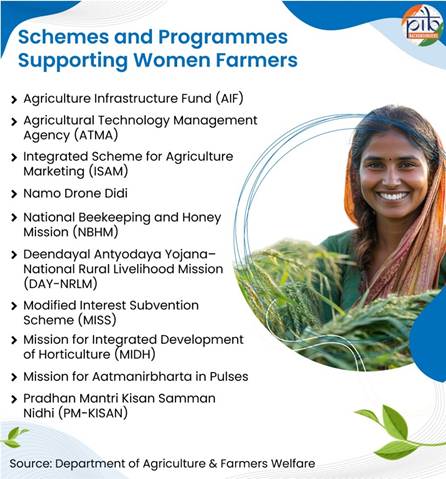
1. Crop Production and Livestock Management: Women handle the most labor-intensive pre-harvest tasks, such as sowing, weeding, and paddy transplantation. In the allied sectors, they are the primary managers of dairy, poultry, and small ruminants. The success of the Pashu Sakhi model where women provide doorstep veterinary services has been instrumental in reducing livestock mortality and increasing household income.
2. Post-Harvest Value Addition: Through Self-Help Groups (SHGs), women lead the transformation of raw produce into marketable goods. Activities like spice grinding, mushroom cultivation, and honey processing under the National Beekeeping and Honey Mission (NBHM) have significantly increased the shelf life and profitability of farm output.
3. Technological Adoption: The Namo Drone Didi Scheme is a flagship initiative providing 15,000 drones to women SHGs. This empowers them to provide high-tech services like precision liquid fertilizer and pesticide application, moving them away from manual drudgery toward skilled, service-based livelihoods.
Major Government Initiatives and Institutional Support
A robust framework of schemes and institutions supports the economic and social empowerment of women farmers:
- Mahila Kisan Sashaktikaran Pariyojana (MKSP): A sub-component of DAY-NRLM, it has supported over 4.62 crore Mahila Kisans in adopting agro-ecological practices and sustainable livestock management.
- Agriculture Infrastructure Fund (AIF): Provides debt financing with a 3% interest subvention for women-led projects to develop post-harvest facilities like cold storage and warehouses.
- Krishi Sakhi Programme: A dedicated cadre of 70,000 women para-extension workers is being trained to provide doorstep guidance on natural farming and soil health, bridging the "lab-to-land" gap.
- ICAR-Central Institute for Women in Agriculture (CIWA): Located in Bhubaneswar, this institute conducts specialized research to develop drudgery-reducing tools (like pedal-operated coconut dehuskers and maize shellers) tailored for female ergonomics.
- Modified Interest Subvention Scheme (MISS): Ensures affordable credit through Kisan Credit Cards (KCC), with the collateral-free limit increased to ?2 lakh as of 2025 to assist women who lack land titles.
Critical Challenges and Barriers
Despite their significant contributions, women farmers face systemic hurdles that hinder their full potential:
- Land Ownership and Invisibility: A majority of women do not hold formal land titles. This lack of "legal recognition" makes it difficult for them to register for government portals like PM-KISAN or access institutional bank loans that require collateral.
- Technological Mismatch: Most agricultural machinery is traditionally designed for men. The high physical drudgery associated with traditional tools continues to cause significant musculoskeletal strain.
- Knowledge and Information Gap: Agricultural extension services have traditionally targeted male heads of households. Technical training on high-yield variety (HYV) seeds or modern pesticides often fails to reach the women who are the actual implementers in the fields.
- Climate Vulnerability: Women have fewer resources to adapt to sudden climate shocks. During periods of drought, the added burden of walking longer distances for water and fodder leaves them with less time for productive farm management.
The Roadmap for IYWF 2026 and Beyond
To move from subsistence to sustainability, the following strategic interventions are necessary:
- Digital Verification of Land: Speeding up the digital linking of land records to ensure more women can self-register for Direct Benefit Transfer (DBT) schemes.
- Scaling Women-Led FPOs: Reaching the target of 10,000 FPOs with a focus on states like Odisha, Bihar, and Jharkhand, where women-led collectives are already thriving.
- Gender-Sensitive Mechanization: Expanding the scope of Farm Machinery Training and Testing Institutes (FMTTIs) to specifically train women in operating and repairing small-scale, ergonomic machinery.
- Mainstreaming Krishi Sakhis: Institutionalizing these para-professionals as the formal link between the government’s technical departments and the rural farming community.
Conclusion
The empowerment of women farmers is not just a matter of social equity but a prerequisite for India’s food security and the achievement of a $5 trillion economy. By transforming women from laborers to entrepreneurs through schemes like Namo Drone Didi and the Dalhan Aatmanirbharta Mission, India can lead the global narrative during the International Year of the Woman Farmer 2026. Strengthening women’s leadership in agriculture will ultimately create a more resilient, inclusive, and climate-smart agri-food system for the future.
UN IGME 2025 Report on Child Mortality

- 24 Mar 2026
In News:
The United Nations Inter-agency Group for Child Mortality Estimation (UN IGME) recently released its 2025 report, 'Levels and Trends in Child Mortality'. While the report underscores a concerning global deceleration in child survival progress since 2015, it distinguishes India as a leading global "exemplar." India’s sustained, large-scale interventions have resulted in a monumental decline in mortality rates, positioning the country as a primary driver of Southern Asia’s rapid progress.
Global Landscape: A Study in Concentration and Deceleration
The report reveals that despite a 50% reduction in under-five deaths since 2000, the pace of improvement has slowed by 60% since 2015.
- The Burden: In 2024, approximately 4.9 million children died before age five, with 2.3 million (nearly 50%) occurring in the neonatal period (first 28 days).
- Geographic Disparity: Mortality remains heavily concentrated in Sub-Saharan Africa (58%) and Southern Asia (25%).
- Malnutrition as a Primary Driver: For the first time, the report integrated direct causes, identifying Severe Acute Malnutrition (SAM) as the direct cause of 5% of deaths among children aged 1–59 months, though its indirect impact as an immunity-weakener is far greater.
- Adolescent Risks: The report highlights a shift in mortality causes for the 5–24 age group—girls aged 15–19 primarily succumb to self-harm, while boys in the same bracket die mostly in road accidents.
India’s Performance: Statistical Milestones
India’s progress has outpaced the Southern Asian regional average (32.8 per 1,000 live births), reflecting a robust transition in public health.
|
Indicator |
1990 Status |
2024 Status |
% Decline |
|
Under-5 Mortality Rate (U5MR) |
127 / 1,000 |
26.6 / 1,000 |
~79% |
|
Neonatal Mortality Rate (NMR) |
57 / 1,000 |
16.7 / 1,000 |
~70% |
|
Infant Mortality Rate (IMR) |
- |
23.3 / 1,000 |
- |
|
Maternal Mortality Ratio (MMR) |
130 / Lakh (2014) |
97 / Lakh |
Within reach of SDG target (<70) |
Key Drivers of India’s Success
India’s "Exemplar" status is attributed to a multi-layered strategy focusing on institutionalization and grassroots delivery:
- Institutional Deliveries: Schemes like Janani Suraksha Yojana (JSY) and JSSK have incentivized hospital births, ensuring skilled attendance.
- Specialized Care Infrastructure: The expansion of Special Newborn Care Units (SNCUs) and the Tele-SNCU hub-and-spoke model have provided critical care in remote areas.
- Preventive Interventions: Mission Indradhanush under the Universal Immunization Programme (UIP) has closed the gap in vaccine coverage.
- Nutritional Legal Framework: The National Food Security Act (2013) and POSHAN Abhiyaan address the biological "silent multiplier" of mortality—malnutrition.
- Grassroots Management: The IMNCI protocol empowers ASHA and Anganwadi workers for early diagnosis of pneumonia and diarrhea.
Persistent Challenges and Structural Bottlenecks
Despite the accolades, the "last mile" to achieving SDG 3.2 (U5MR < 25; NMR < 12) remains steep:
- The Neonatal Bulge: 63% of India's under-five deaths occur in the first 28 days. Prematurity and birth asphyxia require high-quality intrapartum care (care during labor), which remains inconsistent.
- The Malnutrition-Anemia Loop: 52.2% of pregnant women in India are anemic (NFHS-5), leading to low-birth-weight babies with compromised immunity.
- Regional and Social Inequality: While Kerala and Tamil Nadu mirror developed nations, the "BIMARU" states (UP, Bihar, MP, Rajasthan) face infrastructure deficits and social barriers like low maternal education and poverty.
- WASH Deficits: Post-neonatal deaths are still driven by pneumonia and diarrhea, linked to inadequate Water, Sanitation, and Hygiene (WASH) infrastructure in rural belts.
The Way Forward: Strategic Recommendations
To meet the 2030 SDG targets, India must double its current pace of progress:
- Focus on the "Golden Minute": Intensify training for frontline staff in neonatal resuscitation and promote Kangaroo Mother Care (KMC) and Breast Milk Banks.
- Quality over Access: Shift focus from mere institutional delivery to "Quality of Care" through the LaQshya program to improve labor room standards.
- Nutritional Quality: Transition POSHAN 2.0 focus from calorie-centrism to micronutrient density and the "First 1,000 Days" window.
- Aspirational District Strategy: Divert resources and mobile health units to tribal and remote areas to eliminate the "Golden Hour" delay in emergency pediatric care.
- Digital Integration: Scale the U-WIN platform for real-time immunization and health tracking.
Conclusion
India’s journey from a high-burden nation to a "global exemplar" is a testament to the power of targeted public health policy. However, child survival is not merely a medical goal but a prerequisite for realizing India’s demographic dividend. Achieving a converged approach across Health, Nutrition, and WASH sectors will be the final step in breaking the cycle of mortality and ensuring every child survives and thrives.
EV Battery Fires in India
- 23 Mar 2026
In News:
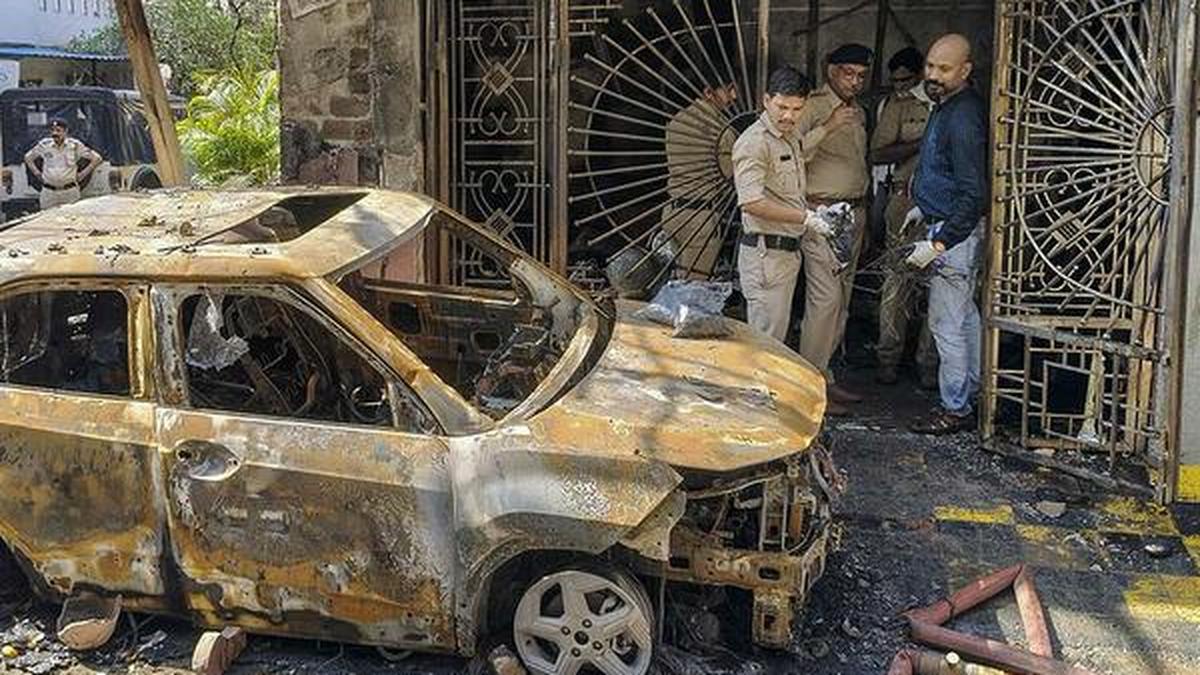
A recent fire incident in Indore, suspected to have originated from an electric vehicle (EV) charging point, has brought renewed attention to the issue of EV battery safety in India. The tragedy highlights the need to understand the risks associated with lithium-ion batteries and strengthen preventive measures.
Understanding EV Battery Technology
Most electric vehicles rely on lithium-ion batteries, which are widely used due to their high energy density and efficiency. These batteries are generally safe and are equipped with a Battery Management System (BMS) that regulates temperature, monitors performance, and ensures safe charging and discharging cycles.
However, under certain abnormal conditions, these systems may fail, leading to safety hazards.
Thermal Runaway: The Core Risk
The primary cause of EV battery fires is a phenomenon known as thermal runaway. It begins when a battery cell overheats, triggering a chain reaction that spreads to adjacent cells.
This process leads to rapid temperature escalation, release of flammable gases, and potential ignition. The presence of toxic gases such as hydrogen fluoride further increases the severity of such incidents.
Key Causes of EV Battery Fires
Several factors can trigger thermal runaway and subsequent fire incidents. Physical damage to the battery pack, especially due to accidents or impacts, may cause internal short circuits.
Overcharging or the use of faulty and non-certified chargers can lead to excessive heat buildup. Manufacturing defects, though rare, can also create internal electrical faults.
Additionally, inadequate electrical infrastructure—such as weak wiring or overuse of extension cords—can contribute to overheating during charging.
Role of Environmental and Operational Factors
External conditions play a crucial role in battery safety. High ambient temperatures, common in India, increase thermal stress on batteries, particularly when vehicles are parked in direct sunlight or charged immediately after prolonged use.
Ageing batteries may degrade internally, raising the likelihood of malfunction. Flooding is another critical risk factor, as water ingress can cause delayed short circuits and fires.
Moreover, surrounding conditions such as nearby combustible materials or power failures can aggravate fire hazards.
EV Fires vs Conventional Vehicle Fires
While EV fires attract significant attention, conventional petrol and diesel vehicles are statistically more prone to fires. However, EV battery fires differ in nature—they tend to burn hotter, spread faster, and are more difficult to extinguish, often requiring specialised firefighting techniques and large volumes of water.
Safety Measures and Technological Advancements
The EV industry is actively adopting measures to enhance safety. Advanced cooling systems using liquid or evaporative techniques are being developed to manage temperature spikes.
Innovations such as solid-state batteries and improved cell design aim to reduce the risk of fire propagation.
At the user level, safety depends on practices such as using manufacturer-approved chargers, avoiding unsafe charging conditions, ensuring proper electrical infrastructure, and conducting periodic battery inspections.
Regulatory Framework in India
India has strengthened safety norms through the Bureau of Indian Standards (BIS) and automotive standards such as AIS-156.
These standards mandate rigorous testing, including thermal propagation tests, and require batteries to provide sufficient time for passenger evacuation in case of fire. Such regulations aim to enhance reliability and consumer confidence in EV technology.
Conclusion
EV battery fires, though relatively rare, pose serious risks due to their intensity and complexity. The Indore incident underscores the need for a comprehensive approach combining technological innovation, regulatory oversight, and user awareness.
As India accelerates its transition towards electric mobility, ensuring robust safety standards and responsible usage will be critical for sustainable and secure adoption of EVs.
Iran’s Long-Range Missile Strike Attempt on Diego Garcia
- 22 Mar 2026
In News:
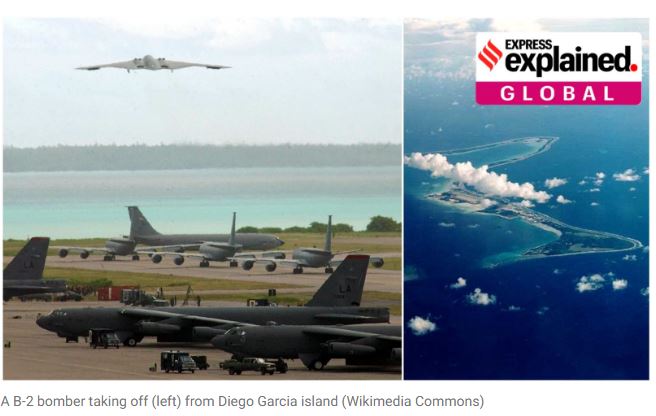
In a significant escalation of tensions in West Asia, Iran reportedly launched long-range ballistic missiles targeting the US-UK military base at Diego Garcia, located nearly 4,000 km away in the Indian Ocean.
Although the attack did not result in physical damage, it has raised serious concerns about Iran’s expanding missile capabilities and the widening geographical scope of the conflict.
Background of the Incident
Iran fired two ballistic missiles toward Diego Garcia. One reportedly failed mid-flight, while the other was intercepted by a US naval defence system.
Despite the lack of impact, the attempt itself is strategically significant, as it suggests that Iran may now possess or is demonstrating long-range strike capabilities beyond its previously stated limits.
Missile Capabilities and Technological Aspects
The strike is believed to involve the Khorramshahr-4 missile, a liquid-fuel ballistic missile with a high payload capacity. It is capable of carrying a warhead exceeding one tonne and may incorporate manoeuvrable re-entry technology, making interception more difficult.
Iran had earlier indicated a missile range of around 2,000 km; however, the attempted strike at a distance of nearly 4,000 km suggests a significant leap in missile reach and capability.
The interception was attempted using the SM-3 missile defence system, which relies on a “hit-to-kill” kinetic approach rather than explosive warheads. The uncertain outcome of interception highlights the challenges posed by advanced missile systems.
Strategic Importance of Diego Garcia
Diego Garcia is a crucial military installation jointly operated by the United States and the United Kingdom. Located in the central Indian Ocean, it serves as a key logistics and operational hub for long-range military missions.
The base has historically supported operations in regions such as the Middle East and Afghanistan and is strategically positioned between major maritime chokepoints, including the Red Sea and Southeast Asia.
Its facilities enable deployment of heavy bombers, surveillance aircraft, and pre-positioned military assets, making it central to power projection across Asia, Africa, and the Gulf region.
Geopolitical and Legal Dimensions
Diego Garcia is part of the Chagos Archipelago, which has been subject to international legal disputes. The International Court of Justice ruled in 2019 that the separation of the islands from Mauritius was unlawful.
Subsequently, sovereignty over the islands was transferred to Mauritius in 2025, while the base continues to operate under long-term lease arrangements for strategic purposes.
Strategic Implications of the Strike Attempt
The attempted strike carries far-reaching implications:
- It indicates a possible expansion of Iran’s missile range, altering regional and global threat perceptions
- A 4,000 km strike radius potentially brings parts of Europe and key global assets within reach
- It challenges existing missile defence systems, highlighting vulnerabilities
- Signals a shift from regional conflict to broader geopolitical confrontation
Broader Escalation Strategy
The incident appears to be part of a wider Iranian strategy involving missile strikes, drone attacks, and threats to countries hosting foreign military bases. This reflects a combination of conventional military capability and asymmetric warfare tactics, increasing instability in global energy and trade networks.
Conclusion
The attempted strike on Diego Garcia marks a critical moment in the evolving geopolitical landscape. It underscores the growing complexity of modern warfare, where advancements in missile technology can rapidly alter strategic balances.
For the international community, it highlights the need for enhanced diplomatic engagement, stronger defence preparedness, and robust global security frameworks to manage emerging threats.
Aligning India’s Accounting Education with Global Standards

- 21 Mar 2026
In News:
As India emerges as a global financial services hub, particularly with the rapid expansion of Global Capability Centres (GCCs), the need to align commerce education with international accounting frameworks such as U.S. GAAP and IFRS has gained prominence. This shift is essential to address the growing mismatch between academic training and industry requirements.
Changing Nature of India’s Financial Ecosystem
India’s integration into global finance has significantly deepened, with multinational corporations increasingly relying on India-based centres for complex financial operations. This transformation has created a demand for professionals who are not only familiar with domestic standards but also capable of working with diverse global reporting frameworks.
However, the current education system remains largely aligned with Indian Accounting Standards (Ind AS) and is often limited to theoretical instruction, which restricts the ability of graduates to adapt to global work environments.
Need for Alignment with Global Standards
The primary rationale for aligning accounting education with global standards lies in improving employability and ensuring workforce readiness. A considerable proportion of commerce graduates lack exposure to real-world financial statements prepared under international norms, making their transition into professional roles difficult.
Further, as GCCs expand and generate employment opportunities, the demand for professionals skilled in multiple accounting systems is increasing. Aligning education with global standards would enable India to strengthen its position as a preferred destination for financial services and enhance export competitiveness.
Additionally, such alignment would facilitate international mobility of Indian professionals by equipping them with universally accepted skills and knowledge frameworks.
Key Challenges
Despite the clear need, several structural constraints hinder this transition. The commerce curriculum remains relatively rigid and examination-oriented, with insufficient emphasis on practical application. There is also a persistent gap between academic learning and industry expectations, resulting in graduates who are conceptually sound but lack applied skills.
Moreover, the absence of exposure to global accounting practices increases training costs for employers and delays workforce productivity. This reflects a broader issue of inadequate integration between education systems and evolving economic realities.
Way Forward
A gradual and balanced reform approach is required. Instead of replacing domestic standards, the curriculum should adopt a comparative framework, integrating U.S. GAAP and IFRS alongside Ind AS. This would help students understand differences in accounting treatments and reporting requirements.
Further, pedagogical reforms are necessary to move beyond rote learning towards case-based and application-oriented teaching, using real financial statements and practical scenarios. Strengthening collaboration between academia and industry will also be crucial in ensuring that course content remains relevant and up to date.
Finally, aligning commerce education with national skill development priorities can help create a workforce that is both locally grounded and globally competent.
Conclusion
Aligning India’s accounting education with global standards is a critical step in preparing the country for its expanding role in the global financial system. By combining conceptual clarity with practical exposure and international orientation, India can enhance employability, attract investment, and consolidate its position as a leading global financial hub.
Krishi Sakhi Initiative
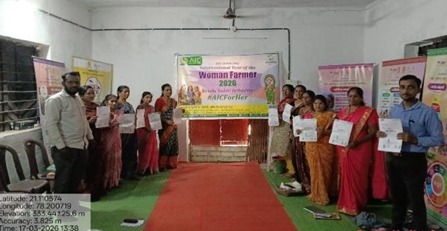
- 20 Mar 2026
In News:
The Krishi Sakhi Initiative, launched by the Agriculture Insurance Company of India Limited (AIC), is a nationwide programme aimed at promoting gender-inclusive agricultural development. It focuses on empowering women farmers through awareness, capacity building, and improved access to crop insurance mechanisms, thereby strengthening their role in India’s agrarian economy.
About the Initiative
The initiative is designed to enhance participation of women farmers in agriculture and insurance systems while promoting a gender-sensitive development approach. It seeks to bridge information gaps and improve access to institutional support, ensuring that women farmers benefit from risk mitigation tools and agricultural schemes.
Key Features
1. Nationwide Awareness Campaigns (2026)
The programme includes structured, month-wise campaigns throughout 2026, involving activities such as community outreach, awareness videos, and walkathons. These ensure continuous engagement rather than one-time interventions.
2. Capacity Building and Training
The initiative emphasises grassroots-level workshops and training sessions, focusing on:
- Crop insurance schemes and benefits
- Agricultural risk management
- Financial literacy
This helps improve informed decision-making among women farmers.
3. Social and Behavioural Outreach
It integrates agriculture with broader development through campaigns on sanitation, hygiene, and rural awareness, thereby linking farm productivity with social well-being.
Significance
The initiative is crucial in recognising women as key stakeholders in agriculture, enhancing their decision-making capacity and visibility. It strengthens the penetration of crop insurance schemes such as Pradhan Mantri Fasal Bima Yojana (PMFBY), ensuring income stability and risk reduction. Additionally, it promotes inclusive rural development by targeting marginalised women farmers and linking agriculture with broader socio-economic outcomes.
Challenges
Despite its potential, the initiative faces challenges such as low awareness levels, socio-cultural barriers, and limitations in last-mile delivery mechanisms. The digital divide further restricts access to information and services among rural women.
Way Forward
To maximise impact, there is a need for convergence with schemes like PMFBY and National Rural Livelihood Mission (NRLM), greater involvement of Self-Help Groups (SHGs), and enhanced focus on digital and financial literacy. Strengthening implementation and monitoring mechanisms will be critical.
Conclusion
The Krishi Sakhi Initiative represents a progressive step towards inclusive and sustainable agriculture. By combining awareness, capacity building, and social outreach, it has the potential to transform women farmers into key drivers of rural transformation, contributing to agricultural resilience and economic growth.
Collegium System in India
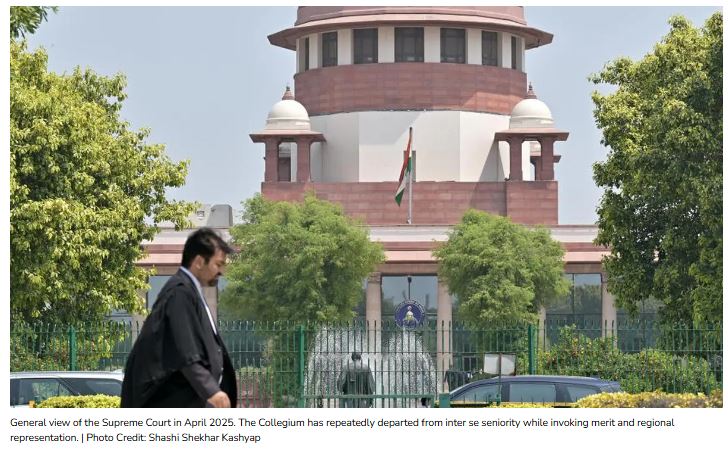
- 19 Mar 2026
In News:
Recent debates (2025–26) have reignited concerns over the functioning of the Collegium system, particularly regarding lack of transparency, deviation from seniority norms, and inadequate regional representation in judicial appointments to the Supreme Court.
About the Collegium System
The Collegium system is a judge-led mechanism for the appointment and transfer of judges in the Supreme Court and High Courts. It is an extra-constitutional body, evolving through judicial interpretation of Articles 124(2) and 217, rather than being explicitly mentioned in the Constitution. The system vests primacy in the judiciary, with the Chief Justice of India (CJI) and four senior-most judges forming the Collegium for Supreme Court appointments.
Evolution through the Judges’ Cases
The Collegium system developed through a series of landmark judgments. The First Judges Case (1981) gave primacy to the executive by interpreting “consultation” as non-binding. The Second Judges Case (1993) reversed this, introducing the Collegium and granting judicial primacy. The Third Judges Case (1998) expanded the Collegium to a five-member body. Finally, the Fourth Judges Case (2015) struck down the National Judicial Appointments Commission (NJAC) as unconstitutional, reaffirming the Collegium system as the prevailing mechanism.
Working of the Collegium System
The process begins with the Collegium recommending names for judicial appointments and elevations based on criteria such as seniority, merit, integrity, and regional representation. These recommendations are sent to the Law Ministry, which conducts background checks through the Intelligence Bureau (IB). The executive may raise objections or delay decisions; however, if the Collegium reiterates a recommendation, conventionally the government is bound to accept it. Despite this framework, delays and informal vetoes have created friction between the judiciary and executive.
Key Issues and Challenges
1. Lack of Transparency: The Collegium’s functioning remains largely opaque, with no formal disclosure of deliberations or reasons for selection and rejection. This has raised concerns about accountability and public trust.
2. Supersession of Seniority: Frequent instances of superseding senior judges have sparked institutional debates. While merit-based elevation is important, arbitrary deviations from seniority can affect morale and predictability within the judiciary.
3. Regional Imbalance: Recent data indicates that seven High Courts remain unrepresented in the Supreme Court as of March 2026, highlighting uneven regional representation. This undermines the idea of the Supreme Court as a truly national court.
4. Executive–Judiciary Deadlock: The executive can delay or withhold appointments, effectively exercising a “pocket veto”, leading to vacancies and impacting judicial functioning.
5. Perception of Nepotism: Critics often describe the system as “judges appointing judges”, raising concerns about favouritism, lack of diversity, and absence of external oversight.
Significance of the Collegium System
Despite its limitations, the Collegium system acts as a crucial safeguard for judicial independence, preventing excessive executive interference in appointments. In a constitutional democracy, an independent judiciary is essential for upholding rule of law, fundamental rights, and separation of powers.
Reform Measures and Way Forward
Reforms are essential to enhance both credibility and efficiency. Greater transparency can be ensured by publishing reasoned decisions or redacted resolutions. Establishing an independent secretariat to maintain objective data on judicial performance can strengthen merit-based selection. There is also a need to finalise the Memorandum of Procedure (MoP) and introduce fixed timelines for appointments to avoid delays. Additionally, institutionalising diversity and regional representation norms can make the judiciary more inclusive and representative.
Conclusion
The Collegium system remains central to preserving judicial independence in India, but its continued legitimacy depends on its ability to reform. Addressing concerns of opacity, imbalance, and delays through institutional improvements can help build a more transparent, accountable, and representative judicial appointment system, thereby strengthening public trust in the judiciary.
India’s Carbon Credit Plan: CCUS vs Carbon Farming Debate
- 18 Mar 2026
In News:
The Union Budget 2026 announcement of a ?20,000 crore carbon credit programme based on the Department of Science and Technology (DST) roadmap has triggered a debate over its scope and intent. The confusion stems from the overlapping use of the term carbon credits, blurring the distinction between industrial decarbonisation through Carbon Capture, Utilisation and Storage (CCUS) and agriculture-based carbon farming initiatives.
Understanding CCUS and Carbon Farming
CCUS: Industrial Decarbonisation Tool
Carbon Capture, Utilisation and Storage (CCUS) is a technology-driven approach aimed at reducing emissions from hard-to-abate sectors such as:
- Power and refineries
- Steel and cement
- Chemicals
It involves capturing carbon dioxide from concentrated emission sources, followed by its utilisation in industrial processes or permanent storage underground. CCUS is particularly relevant for sectors that cannot fully transition to renewable energy.
Carbon Farming: Nature-Based Solution
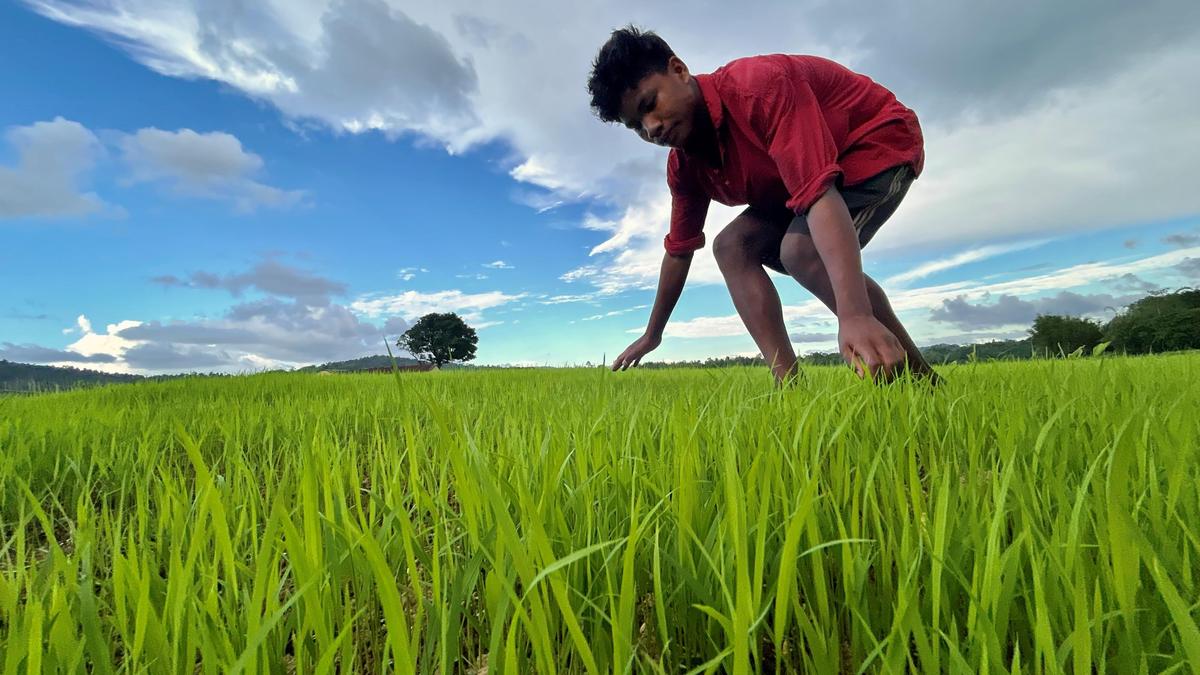
Carbon farming refers to agricultural practices that enhance carbon sequestration in soil and biomass, thereby removing carbon dioxide from the atmosphere. It includes:
- Agroforestry
- Biochar application
- Conservation agriculture
Unlike CCUS, carbon farming is part of Carbon Dioxide Removal (CDR) strategies and is linked to voluntary carbon markets, offering potential income streams for farmers.
Why Agriculture is Not Part of CCUS
The DST roadmap clearly excludes agriculture from CCUS due to fundamental differences:
- Diffuse Emissions: Agricultural emissions are spread across large areas, unlike concentrated industrial sources
- Biological Nature: Emissions such as methane and nitrous oxide are biologically generated and cannot be mechanically captured
- Technological Mismatch: CCUS captures CO? from flue gases, whereas agriculture focuses on absorbing atmospheric carbon
- Strategic Distinction: CCUS prevents new emissions, while carbon farming removes existing carbon
Key Opportunities
1. Industrial Decarbonisation: CCUS offers a crucial pathway to reduce emissions from sectors contributing significantly to India’s carbon footprint. The ?20,000 crore investment aims to scale up industrial carbon capture and storage infrastructure.
2. New Income Streams for Farmers: A robust carbon farming framework could enable farmers to earn through carbon credits by adopting sustainable practices, integrating climate action with rural development.
3. Soil Carbon Sequestration: India’s vast agricultural land holds immense potential to act as a carbon sink, improving soil fertility and long-term productivity.
4. Growth of Carbon Markets: There is increasing demand for nature-based carbon credits, with private sector initiatives already piloting farmer-linked carbon credit models.
5. Climate-Resilient Agriculture: Carbon-friendly practices align with broader goals of sustainable and climate-resilient farming systems.
Challenges and Concerns
1. Policy and Communication Gaps: The use of the term carbon credit in the Budget has created confusion between industrial and agricultural pathways, leading to misplaced expectations.
2. High Cost of CCUS: CCUS is capital-intensive and technology-heavy, requiring sustained investment and infrastructure development.
3. Monitoring and Verification Issues: Measuring soil carbon and agricultural emissions is complex, requiring robust verification mechanisms to ensure credibility in carbon markets.
4. Policy Conflation: Lack of clear distinction between emission reduction (CCUS) and carbon removal (carbon farming) has hindered policy clarity.
5. Stakeholder Expectations: Farmers may expect direct financial benefits from the announced programme, whereas the current allocation is primarily targeted at industry.
Way Forward
- Clear Policy Demarcation: Separate industrial CCUS initiatives from agricultural carbon farming policies
- Dedicated Framework for Carbon Farming: Develop targeted funding, institutions, and verification systems for agriculture-based carbon credits
- Strengthen Communication: Use precise terminology to avoid confusion between mitigation approaches
- Scale Industrial CCUS Deployment: Ensure effective implementation in hard-to-abate sectors
- Integrated Climate Strategy: Promote both industrial and nature-based solutions for a balanced pathway to net-zero
Conclusion
India’s carbon credit strategy stands at a critical juncture, balancing technology-driven industrial decarbonisation with the emerging promise of nature-based carbon farming. While the ?20,000 crore allocation is clearly aimed at CCUS, the growing interest in agricultural carbon markets highlights the need for a parallel, well-defined policy framework. A coherent and differentiated approach will be essential to achieving India’s climate goals while ensuring economic and social benefits.
Melting Himalayan Glaciers and Emerging Cryospheric Hazards
- 17 Mar 2026
In News:
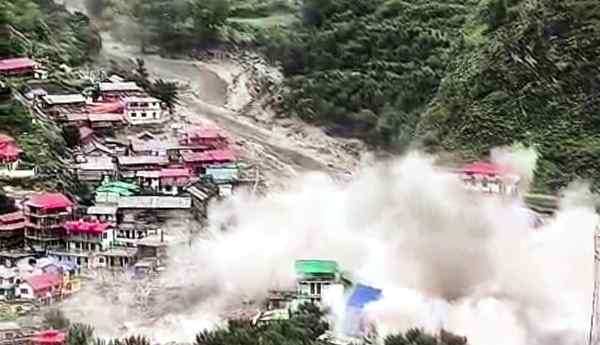
A recent ISRO study published in NPJ Natural Hazards has highlighted that the August 2025 Dharali flash flood in Uttarakhand was triggered by the collapse of an exposed ice patch on the Srikanta Glacier. This finding marks a significant shift in the understanding of Himalayan disasters, as it moves attention away from large glacial lake outburst floods (GLOFs) toward smaller, often overlooked cryospheric instabilities caused by rapid deglaciation.
Understanding Glacier Melting (Deglaciation)
Glacier melting, or deglaciation, refers to the reduction in a glacier’s mass and volume when ice loss through melting and sublimation exceeds the accumulation of snowfall. With rising temperatures, the protective snow and firn layers thin out, exposing older and structurally weak ice. These exposed ice patches become highly unstable and can collapse, triggering flash floods even in the absence of large glacial lakes.
Insights from the Dharali Flash Flood
The Dharali disaster demonstrated that small-scale geomorphic processes can have large-scale impacts. The flood was caused by the collapse of an ice patch located within a nivation hollow on a steep slope of the Srikanta Glacier. This challenges the conventional focus on GLOFs as the primary source of glacial hazards and underscores the importance of monitoring micro-level changes in glacial landscapes.
Data and Trends on Glacier Melting
Recent data indicate that Himalayan glaciers have been losing ice at an average rate of nearly 0.5 metres of vertical height annually since 2000. The Hindu Kush Himalaya region is warming faster than the global average, with projections suggesting that up to 75% of glacier volume could be lost by 2100. This has serious implications for water security, as over 1.3 billion people depend on rivers originating from these glaciers. While initial melting may increase river flows, it eventually leads to long-term water scarcity. Additionally, the frequency of glacial hazards such as GLOFs and similar events has tripled over the past two decades.
Factors Contributing to Glacier Instability
The increasing instability of glaciers can be attributed to multiple interrelated factors. Rising atmospheric temperatures reduce snow cover and expose darker ice, which absorbs more heat and accelerates melting, as observed in the Srikanta Glacier. Black carbon deposition from biomass burning and vehicular emissions further intensifies melting by lowering the albedo of glaciers, with significant impacts seen near the Gangotri Glacier. Changes in precipitation patterns, particularly the shift from snowfall to rainfall at high altitudes, hinder glacier recharge, as seen in Ladakh. Infrastructure development, including road construction and tunnelling in fragile mountain ecosystems, creates localized disturbances and increases slope instability. Moreover, geomorphic processes like nivation-characterized by repeated freezing and thawing, gradually weaken slopes and create hollows that can collapse suddenly, as in the Dharali event.
Government Initiatives and Scientific Efforts
India has undertaken several initiatives to monitor and mitigate glacier-related risks. The National Mission for Sustaining the Himalayan Ecosystem (NMSHE) focuses on understanding glacier dynamics and ecosystem resilience. ISRO has been actively using satellite technologies such as Cartosat and RISAT to map over 9,500 glaciers and assess potential risks. Early Warning Systems have been installed in vulnerable regions like the Rishiganga and Dhauliganga valleys following past disasters. Additionally, international collaborations, such as Indo-Swiss programmes, are enhancing research capabilities and climate resilience strategies in the Himalayan region.
Challenges in Glacier Monitoring and Management
Despite these efforts, several challenges persist. The rugged and inaccessible terrain of the Himalayas makes it difficult to install and maintain monitoring infrastructure. There is also a lack of long-term historical data, which limits the ability to predict rare events such as ice-patch collapses. Transboundary issues further complicate glacier management, as many glaciers span across India, China, and Pakistan, restricting coordinated research and data sharing. Socio-economic vulnerabilities are high, as communities often reside in narrow valleys prone to sudden flooding. Additionally, unpredictable micro-climatic conditions make it difficult to anticipate disasters, as seen in past events like the Chamoli avalanche.
Way Forward
Addressing these emerging risks requires a multi-pronged approach. Integrated monitoring systems that combine satellite observations with ground-based sensors should be developed to track both large and small-scale glacial changes. Disaster frameworks must expand beyond GLOFs to include hazards like ice-patch collapses and nivation processes. Community participation is crucial, and local populations should be trained to recognize early warning signs such as exposed ice surfaces. Infrastructure development in Himalayan regions must be made climate-resilient, with strict environmental impact assessments. Regional cooperation among Himalayan countries is essential for effective data sharing and coordinated response. Furthermore, systematic mapping of vulnerable slopes and nivation zones can help in identifying high-risk areas.
Conclusion
The Dharali flash flood highlights the evolving nature of Himalayan hazards in the context of climate change. As glaciers continue to recede, new forms of instability are emerging, necessitating a shift from traditional monitoring approaches to more comprehensive, ridge-to-valley surveillance systems. Protecting the fragile Himalayan ecosystem is not only an environmental priority but also critical for ensuring the safety, livelihoods, and water security of millions of people dependent on these mountains.
Kharg Island: Strategic Oil Hub and Its Role in the West Asia Conflict
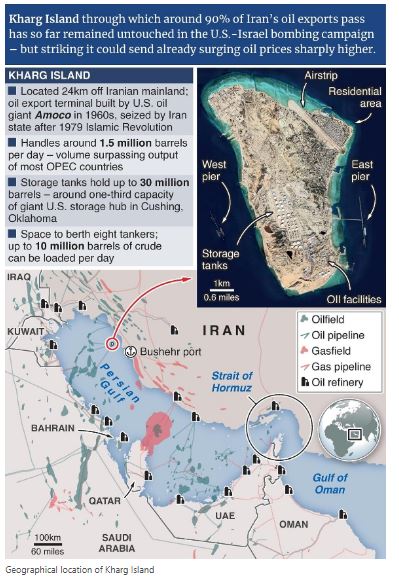
- 16 Mar 2026
In News:
Recent U.S. airstrikes on military installations at Kharg Island, Iran’s principal oil export terminal in the Persian Gulf, have heightened geopolitical tensions in West Asia. Although the attack reportedly avoided oil infrastructure, analysts warn that instability around the island could disrupt global energy markets and push crude oil prices sharply higher.
Geographical Location and Features
Kharg Island is a small coral island situated in the northern Persian Gulf, approximately 25–30 km off the Iranian mainland coast.
- Size: Around 8 km long with an area of roughly 20 sq. km
- Terrain: Dominated by industrial infrastructure such as oil storage tanks, export terminals, pipelines, and an airstrip
- Strategic Waters: Located near deep-water zones, allowing large oil tankers to dock
Historically referred to as the “Pearl of the Persian Gulf”, the island has long been linked with regional maritime trade. Over centuries it experienced Dutch and British influence before emerging as Iran’s central oil export hub.
Strategic Importance for Iran
1. Core Energy Export Terminal: Kharg Island is the primary hub for Iran’s crude oil exports, handling about 90% of the country’s oil shipments. The island functions as the final terminal for pipelines carrying crude oil from major Iranian oil fields.
2. Connectivity with Major Oil Fields: The island is connected through pipelines to key oil fields such as:
- Ahvaz
- Marun
- Gachsaran
These fields form part of Iran’s major hydrocarbon-producing regions, making Kharg Island a critical node in the national energy network.
3. Deep-Water Advantage: Much of Iran’s coastline is too shallow for very large crude carriers (VLCCs). Kharg Island’s proximity to deeper waters allows supertankers to dock and load crude oil efficiently, giving it a major logistical advantage.
Key Energy Infrastructure on Kharg Island
Kharg Island hosts extensive oil and petrochemical facilities managed by Iran’s energy sector.
Important installations include:
- Large crude oil storage tanks
- Oil export jetties for supertankers
- Pipeline terminals connected to inland oil fields
- Petrochemical and LNG storage facilities
Major operational entities include:
- Falat Iran Oil Company – producing roughly 500,000 barrels of crude oil per day
- Kharg Petrochemical Company
- Large-scale oil storage infrastructure
The island also maintains approximately 18 million barrels of storage capacity, allowing Iran to maintain export continuity during disruptions.
Scale of Oil Exports
Kharg Island plays a central role in global energy supply:
- Average exports: Around 1.5 million barrels of crude oil per day
- Recent increase: Exports reportedly rose to nearly 3 million barrels per day in early 2026 amid rising regional tensions.
Given this scale, any disruption could have significant implications for global oil markets.
Impact on Global Energy Markets
Kharg Island’s central role in Iran’s oil exports makes it a critical chokepoint in the global energy supply chain.
Potential Consequences of Disruption
- Sharp rise in global oil prices
- Increased volatility in energy markets
- Supply concerns for oil-importing countries
Energy analysts warn that escalation around the island could push global crude prices toward $150 per barrel, depending on the scale of disruption.
Geopolitical Context
The recent strike represents a major escalation in tensions involving Iran and Western powers. While the attack targeted military facilities, oil export infrastructure was reportedly avoided to prevent destabilizing global energy markets.
Historically, major powers have often avoided direct strikes on oil export facilities in the Persian Gulf, recognizing the potential impact on global economic stability.
Conclusion
Kharg Island remains one of the most strategically important oil export terminals in the world. Its role as the primary outlet for Iran’s crude oil exports gives it immense geopolitical and economic significance. Escalating tensions around the island highlight the fragility of global energy supply chains and underscore the broader connection between regional conflicts in West Asia and global energy security.
Women’s Political Participation in India
- 15 Mar 2026
In News:
Women’s political participation refers to the involvement of women in electoral and governance processes, including voting, campaigning, political mobilization, and holding elected office. In recent decades, India has witnessed a significant transformation in women’s electoral participation, with female voter turnout reaching near parity with men in the 2019 and 2024 Lok Sabha elections. However, despite this progress, a participation–representation gap persists, as women remain underrepresented in legislative bodies.
Key Trends in Women’s Political Participation
1. Electoral Turnout: The Silent Revolution
Women’s participation in voting has risen dramatically over time.
- The gender gap in Lok Sabha turnout narrowed from 11.2% in 1967 to almost zero in 2019 and 2024.
- In several state assembly elections since 2011, women’s turnout has surpassed men’s by about 2% on average.
This trend reflects increasing political awareness, improved voter registration, and targeted outreach by electoral authorities.
2. Legislative Representation
Despite strong voter participation, women remain underrepresented in legislative bodies.
- In the 2024 Lok Sabha, women hold 74 seats (about 13.6%), slightly lower than the 78 seats recorded in 2019, which was the highest ever.
- Women candidates also remain a small share of total contestants, despite an increasing number of women entering elections.
This demonstrates a clear gap between political participation as voters and representation as policymakers.
3. Candidature and Electoral Success
While fewer women contest elections, data shows that their success rate is relatively higher.
- In the 2024 elections, about 9% of women candidates won, compared to around 6% of male candidates.
This challenges the common assumption among political parties that women candidates are less “electable”.
Dimensions of Women’s Political Participation
1. Campaign Participation
Women are increasingly involved in political campaigning, including rallies and door-to-door canvassing.
Participation in election meetings has increased to around 16%, indicating that women are gradually moving from private spaces into the public political arena.
2. Grassroots Leadership
Reservation in local governance has significantly expanded women’s political presence.
The 73rd and 74th Constitutional Amendment Acts mandate 33% reservation for women in Panchayati Raj Institutions (PRIs) and Urban Local Bodies, with some states increasing it to 50%.
Today, India has over 1.4 million elected women representatives in local governments, creating a strong pipeline for future political leadership.
3. Independent Voting Behaviour
Women voters increasingly exercise independent political choices rather than voting according to family preferences.
- In 2024, about 50% of women reported voting independently, reflecting growing political autonomy.
4. Issue-Based Voting
Women voters are increasingly influenced by policy-oriented welfare schemes rather than traditional caste or party loyalties. For example, welfare programmes such as direct benefit schemes targeting women have significantly shaped electoral outcomes in several states.
Initiatives to Promote Women’s Political Participation
1. Nari Shakti Vandan Adhiniyam (128th Constitutional Amendment Act): This legislation provides 33% reservation for women in the Lok Sabha and State Legislative Assemblies, aiming to improve representation in higher legislatures.
2. Reservation in Local Governance: The 73rd and 74th Constitutional Amendments institutionalised women’s representation at the grassroots level, transforming local governance.
3. Electoral Participation Initiatives: The Systematic Voters’ Education and Electoral Participation (SVEEP) programme by the Election Commission of India promotes voter awareness, especially among women and marginalized groups.
4. Political Literacy Initiatives: Political literacy clubs in schools and colleges aim to encourage young women’s engagement with democratic institutions and public policy.
Challenges to Women’s Political Representation
1. The Electability Myth
- Political parties often hesitate to nominate women candidates, believing they are less likely to win elections.
- In the 2024 elections, women accounted for around 10% of total candidates, despite having higher success rates.
2. Patriarchal Social Norms: Deep-rooted gender norms often limit women’s participation in public life and require them to seek family approval before entering politics.
3. Domestic Responsibilities: Women frequently face a double burden of household work and caregiving, leaving less time and resources for political engagement.
4. Criminalisation and High Cost of Politics: The increasing role of money and muscle power in elections creates barriers for women candidates, who often have fewer financial and political resources.
5. Information and Digital Access Gap: In some regions, lower literacy levels and limited access to digital political discourse hinder women’s ability to engage fully with political processes.
Way Forward
- Timely implementation of women’s reservation in Parliament and state legislatures after delimitation.
- Internal party reforms, including voluntary quotas for women candidates and leadership positions.
- Capacity-building programmes to help women leaders from Panchayats transition to higher political offices.
- Ensuring a safe political environment, including stricter action against harassment and defamation of women leaders.
- Economic empowerment, as financial independence enables women to participate more effectively in politics.
Conclusion
India has made remarkable progress in closing the gender gap in voter turnout, marking a democratic transformation in political participation. However, true gender equality in politics requires bridging the gap between participation and representation. Structural reforms like the Women’s Reservation Act, combined with social change and institutional support, are essential to ensure that women are not merely voters but equal participants in shaping India’s governance and policy-making.
Implications of the US–Israel–Iran Conflict for India
- 14 Mar 2026
In News:
The escalating tensions involving the United States, Israel, and Iran have disrupted global supply chains and exposed vulnerabilities in India’s energy security, trade flows, and macroeconomic stability. The crisis has also created a complex diplomatic challenge for India, which maintains strategic relations with all three countries while pursuing a policy of strategic autonomy.
The conflict has raised concerns about India’s ability to maintain its current “Goldilocks” macroeconomic balance of high growth with relatively low inflation, as disruptions in the Gulf region threaten energy supplies, fertilizer imports, and agricultural exports.
Impact on India’s Energy Security
India imports over 85% of its crude oil requirements, with a large share coming from Gulf countries such as Saudi Arabia, Iraq, the United Arab Emirates, and Qatar. Much of this energy trade passes through the strategically important Strait of Hormuz.
Disruptions in this maritime chokepoint could halt the flow of crude oil and liquefied natural gas (LNG), triggering surges in global oil prices and increasing India’s import bill. Rising crude prices can lead to imported inflation, currency depreciation, and a widening current account deficit, potentially affecting India’s projected economic growth of over 7%.
India’s Strategic Petroleum Reserves (SPR) currently store around 5.33 million metric tonnes of crude oil, which provides only a limited buffer compared to countries such as China that maintain much larger reserves.
LPG and Natural Gas Vulnerabilities
India is the second-largest consumer of Liquefied Petroleum Gas (LPG) in the world, largely due to expanded access to clean cooking fuel through the Pradhan Mantri Ujjwala Yojana. Around 60% of India’s LPG demand is met through imports, mainly from Gulf nations.
Most LPG shipments pass through the Strait of Hormuz, making supplies highly vulnerable to regional disruptions. India’s underground LPG storage capacity is about 1.4 lakh tonnes, sufficient for less than two days of consumption, while daily demand is about 80,000 tonnes.
To address supply disruptions, the government invoked the Essential Commodities Act, 1955 and directed refineries to maximise LPG production by diverting propane and butane streams. This increased domestic output by around 25%, though it resulted in supply constraints for commercial users such as hotels and restaurants.
India also consumes roughly 195 million metric standard cubic metres per day (MMSCMD) of natural gas, with nearly half imported. Disruptions in LNG shipments have forced the government to prioritise supplies for household fuel and fertilizers while limiting industrial consumption.
Fertilizer Supply Risks
India depends heavily on imports of key fertilizer inputs from the Gulf region. These include:
- Merchant ammonia from Oman, Saudi Arabia, and Qatar
- Sulphur from the UAE, Kuwait, and Saudi Arabia
- Phosphoric acid and rock phosphate from Jordan
Domestic urea plants also rely on imported LNG for production. While India currently holds comfortable fertilizer stocks—about 5.5 million tonnes of urea as of early 2026—a prolonged disruption could force the government to divert natural gas from industries to fertilizer production in order to protect agricultural output and food security.
Impact on Agricultural and Food Exports
The conflict also threatens India’s agricultural exports to West Asia. According to the Global Trade Research Initiative, nearly USD 11.8 billion worth of Indian food and farm exports to the region are at risk.
Countries such as Saudi Arabia, Iraq, the UAE, and Iran are major buyers of Indian basmati rice and other agricultural products. Over 3,000 shipping containers have reportedly been stranded at ports such as Kandla Port and Mundra Port due to disruptions in shipping routes.
The region accounted for about 21–22% of India’s agricultural exports in 2025, and disruptions could affect farmers and exporters in states including Punjab, Haryana, Uttar Pradesh, Andhra Pradesh, Telangana, and Maharashtra.
Impact on Core Industrial Sectors
- Construction and Cement: India imports significant quantities of limestone and gypsum from Gulf countries, which are essential inputs for cement production. Supply disruptions could increase construction costs and delay infrastructure projects.
- Steel Production: A large portion of India’s steel industry uses the Direct Reduced Iron (DRI) process, which relies on natural gas. LNG supply disruptions could reduce steel output and affect industrial production.
- Manufacturing and Gems: India imports over 50% of its copper wire from Gulf countries, a critical input for power transmission and electronics manufacturing. Additionally, India’s diamond-processing hub in Surat depends heavily on rough diamonds imported from the UAE and Israel, making the sector vulnerable to trade disruptions.
Financial and Currency Pressures
- The conflict has also put pressure on the Indian rupee, which has weakened due to rising oil prices and capital outflows. To stabilise the currency, the Reserve Bank of India has reportedly intervened in the foreign exchange market using a portion of India’s USD 730 billion foreign exchange reserves.
Concerns for the Indian Diaspora
- India has a large diaspora of nearly 10 million people in Gulf Cooperation Council (GCC) countries, who collectively send over USD 51 billion annually in remittances. Ensuring the safety and evacuation of Indian nationals during escalating tensions remains a major policy priority.
Measures to Reduce Strategic Vulnerability
To mitigate the long-term impacts of such geopolitical shocks, India may adopt several policy measures:
- Diversifying energy imports by expanding supply agreements with countries in Latin America, West Africa, and the United States
- Expanding Strategic Petroleum Reserves to meet the global benchmark of around 90 days of import cover
- Accelerating renewable energy and green hydrogen development under the National Green Hydrogen Mission
- Increasing domestic gas production through exploration policies such as the Hydrocarbon Exploration and Licensing Policy (HELP)
- Promoting alternative fertilizers such as nano urea and nano DAP and strengthening the PM PRANAM initiative to reduce chemical fertilizer use
- Creating a war-risk insurance pool through the Export Credit Guarantee Corporation (ECGC) to support exporters
- Expanding alternative trade routes such as the Chennai–Vladivostok Eastern Maritime Corridor to reduce dependence on Middle Eastern chokepoints.
Conclusion
The West Asian conflict underscores India’s vulnerability to global geopolitical shocks due to heavy reliance on imported energy and critical inputs. Strengthening energy diversification, strategic reserves, resilient trade routes, and domestic production capabilities will be essential for safeguarding India’s economic stability. Building such resilience will enable India to transition from a supply-dependent economy to a strategically secure and self-reliant economic power in an increasingly uncertain global environment.
Passive Euthanasia in India
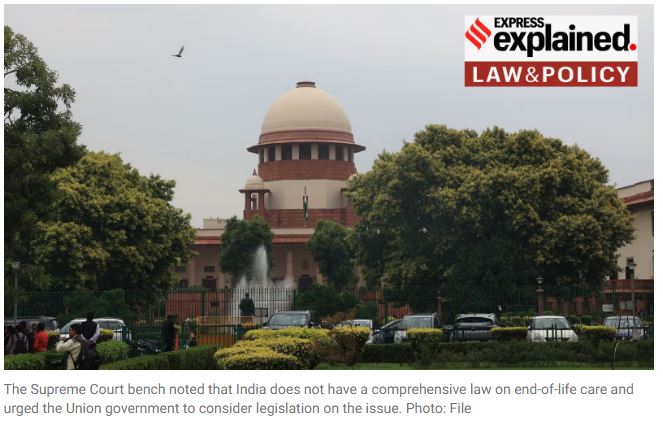
- 13 Mar 2026
In News:
The Supreme Court of India recently applied its passive euthanasia framework for the first time to permit the withdrawal of life-sustaining treatment for Harish Rana, a 32-year-old patient who had remained in a persistent vegetative state for about 13 years. The decision marked a significant step in the practical implementation of the constitutional principle of “right to die with dignity” under Article 21.
The case highlighted the evolving legal framework governing euthanasia in India and renewed debate on the need for comprehensive legislation regulating end-of-life medical decisions.
Concept of Euthanasia
Euthanasia refers to the deliberate act of ending a person’s life to relieve extreme pain or suffering, usually in cases of terminal illness or irreversible medical conditions. It is often described as “mercy killing.”
Types of Euthanasia
1. Active Euthanasia
- Involves a direct action to cause death, such as administering a lethal injection.
- It remains illegal in India.
2. Passive Euthanasia
- Involves withholding or withdrawing life-sustaining treatment such as ventilators, feeding tubes, or medications, allowing death to occur naturally.
- Permitted in India under strict judicial guidelines and medical oversight.
Evolution of Euthanasia Jurisprudence in India
India’s legal position on euthanasia has developed through several landmark Supreme Court judgments.
- P. Rathinam v. Union of India (1994): The Court initially held that the Right to Life under Article 21 included the Right to Die, effectively decriminalizing suicide. This interpretation was later overturned.
- Gian Kaur v. State of Punjab (1996): A Constitution Bench ruled that the Right to Life does not include the Right to Die, but acknowledged that the right to live with dignity could extend to a dignified death in cases of terminal illness.
- Aruna Shanbaug Case (2011): In this landmark case involving a nurse in a prolonged vegetative state, the Court legalised passive euthanasia for the first time, subject to approval by the relevant High Court and medical boards.
- Common Cause v. Union of India (2018): The Court recognised the “Right to Die with Dignity” as a fundamental right under Article 21 and allowed individuals to issue Living Wills or Advance Medical Directives, specifying their wishes regarding end-of-life medical treatment.
- Supreme Court Guidelines Modification (2023): To simplify implementation, the Court relaxed earlier requirements by removing the mandatory countersignature of a Judicial Magistrate for living wills, making the process more practical.
Need for Comprehensive Legislation
Despite judicial guidelines, experts argue that India requires a dedicated statutory framework to regulate euthanasia.
- Clear Medical Criteria: Legislation could define distinctions between terminal illness and persistent vegetative states, preventing ambiguity in medical decision-making.
- Standardised Medical Boards: A law could establish uniform protocols for primary and secondary medical boards, ensuring consistency across hospitals and states.
- Legal Protection for Doctors: Medical practitioners often fear criminal liability under provisions such as abetment of suicide. Statutory clarity would provide legal immunity for actions taken in accordance with approved procedures.
- Role of Family Members: Legislation could formally define the decision-making authority of next of kin, particularly when patients are incapable of expressing consent.
- Simplified Procedures: A statutory framework could replace the current court-dependent process with an administrative mechanism, reducing delays and emotional stress for families.
Challenges in Implementation
- Risk of Misuse: There is concern that euthanasia could be misused against vulnerable groups, such as the elderly or disabled, for financial or property interests. Strict medical oversight remains necessary.
- Ethical and Religious Concerns: Many religious and cultural traditions view euthanasia as interference with the natural cycle of life, raising ethical debates between the sanctity of life and quality of life.
- Defining “Dignity”: The concept of dignity is subjective and difficult to codify in law, making consistent application challenging.
- Limited Palliative Care Infrastructure: India’s palliative and hospice care facilities remain limited, which may influence end-of-life choices if adequate pain management is unavailable.
- Judicial Inconsistencies: Different courts may interpret euthanasia guidelines differently, creating legal uncertainty and prolonged litigation.
Way Forward
To address these concerns, several policy measures have been suggested:
- Enacting a Medical Treatment of Terminally Ill Patients Law to provide a comprehensive legal framework.
- Establishing a digital national registry for Living Wills, ensuring quick access to advance directives during emergencies.
- Expanding palliative and hospice care services to provide compassionate end-of-life treatment.
- Training healthcare professionals on the ethical and legal aspects of end-of-life decisions.
- Conducting public awareness campaigns on living wills and patient rights.
Conclusion
The Supreme Court’s decision in the Harish Rana case marks a significant step in translating the constitutional right to die with dignity into practical application. However, reliance on judicial intervention for individual cases is neither efficient nor sustainable. A comprehensive legislative framework balancing ethical concerns, patient autonomy, and medical safeguards is essential to ensure compassionate and legally sound end-of-life care in India.
Fiscal Federalism in India and the Debate over the 41% Tax Devolution
- 12 Mar 2026
In News:
The debate on fiscal federalism in India has intensified following the Union government’s acceptance of the 41% tax devolution recommended by the Sixteenth Finance Commission. While the recommendation appears to maintain the existing share of tax revenues for States, critics argue that structural changes in the fiscal framework may gradually reshape the balance of financial power between the Centre and the States.
Fiscal Federalism in India
Fiscal federalism refers to the division of financial powers, taxation authority, and expenditure responsibilities between different levels of government in a federal system. In India, the Constitution establishes a structured framework for fiscal relations between the Union and the States.
Key constitutional provisions include:
- Articles 268–281: These articles govern the distribution of taxation powers and revenue sharing between the Union and the States.
- Article 280: Provides for the establishment of the Finance Commission, which recommends the sharing of central taxes and grants to States.
- Seventh Schedule: Divides taxation powers between the Union List and the State List.
Since the Union government collects a major share of taxes, the Finance Commission periodically recommends how the divisible pool of central taxes should be distributed among States.
Evolution of Tax Devolution
The share of States in the divisible pool has increased over time:
- 14th Finance Commission: Increased States’ share to 42%.
- 15th Finance Commission: Reduced it slightly to 41% after the reorganisation of Jammu and Kashmir.
- 16th Finance Commission: Recommended retaining the 41% share.
Although the percentage has remained unchanged, analysts argue that the effective transfer of resources to States may be declining.
The Divisible Pool and the Issue of Cesses and Surcharges
The divisible pool represents the portion of central tax revenues that is shared with States. However, certain revenues such as cesses and surcharges are excluded from this pool and are retained entirely by the Union government.
Over time, the share of the divisible pool in gross tax revenue has declined:
- 13th Finance Commission period: 89.2%
- 14th Finance Commission period: 82.1%
- 15th Finance Commission period: 78.3%
This trend implies that even though the States’ share is fixed at 41%, the base from which this percentage is calculated has shrunk, reducing the overall transfer to States.
Key Recommendations of the Sixteenth Finance Commission
The Union government accepted several major recommendations of the Commission, including:
- Retaining 41% tax devolution to States
- Acceptance of the horizontal distribution formula among States
- Approval of grants to local bodies
- Continuation of the disaster management funding framework
However, several structural reforms proposed by the Commission were deferred. These include:
- Reform of Fiscal Responsibility Legislation (FRL) frameworks
- Regulation of off-budget borrowings by States
- Reforms in the power sector distribution companies (DISCOMs)
- Rationalisation of subsidies
Fiscal Stress in States
The Commission also highlighted rising fiscal stress in several States. For example:
- Punjab: Debt–GSDP ratio of 42.9% and revenue deficit of 3.7% of GSDP (2023–24).
- Rajasthan: Liabilities at 37.9% of GSDP.
- West Bengal: Liabilities at 38.3% of GSDP.
- Andhra Pradesh: Liabilities around 34.6% of GSDP.
In some cases, borrowing is used primarily to finance revenue expenditure such as salaries and interest payments, rather than capital investment. Another concern is off-budget borrowing, where loans are raised through government-controlled entities and serviced using public funds.
Changes in Horizontal Devolution
The Finance Commission also revised the horizontal distribution formula among States. Earlier, a criterion known as tax and fiscal effort rewarded States that improved their tax collection efficiency. This has now been replaced with a “contribution to GDP” indicator with a weight of 10%.
This shift may benefit economically stronger States such as Maharashtra, Gujarat, and Karnataka, which contribute significantly to national GDP. However, poorer States such as Bihar, Jharkhand, and Uttar Pradesh, which depend heavily on central transfers, may gain relatively less, raising concerns about weakening the principle of fiscal equalisation.
Local Body Grants
The Sixteenth Finance Commission also recommended ?7,91,493 crore in grants for rural and urban local bodies. These grants are divided into:
- Basic grants for essential services and administration.
- Performance grants linked to conditions such as timely constitution of State Finance Commissions, audited accounts, and compliance with data reporting systems.
However, implementation challenges persist, as only 62.6% of recommended urban local body grants were released during the previous Finance Commission period.
Conclusion
The retention of 41% tax devolution appears to preserve the formal structure of fiscal federalism. However, the increasing use of cesses and surcharges, changes in allocation criteria, and delays in structural reforms indicate evolving Centre–State fiscal dynamics. These developments may gradually reshape India’s fiscal federal landscape, raising important questions about resource distribution, fiscal autonomy, and cooperative federalism.
Deficient Winter Rains and Early Onset of Summer in India
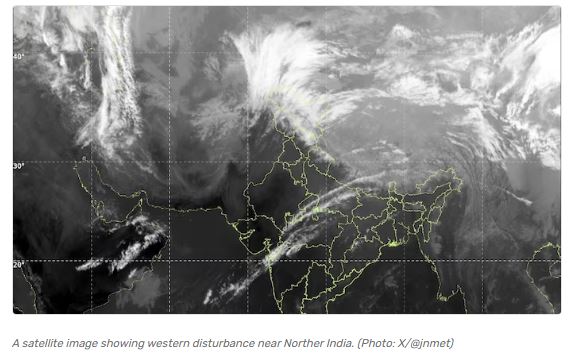
- 11 Mar 2026
In News:
Several regions of northern and western India have recently experienced an unusually early rise in temperatures, marking the premature onset of summer conditions. Day temperatures in some areas were 8–13°C above normal, reaching levels that qualify as heatwave conditions. The phenomenon is largely linked to deficient winter rainfall, weak Western Disturbances, and reduced soil moisture, which together have accelerated land heating and altered seasonal weather patterns.
Western Disturbances: Key Winter Weather System
A Western Disturbance is an eastward-moving extratropical weather system that originates in the Mediterranean region and travels across West Asia toward the Indian subcontinent through the westerly winds.
As the system approaches northwestern India via Pakistan, it gathers moisture. When this moist air interacts with the Himalayan mountain ranges, it rises and cools, leading to cloud formation, rainfall, and snowfall.
Western Disturbances are most active between December and February and constitute the primary source of winter precipitation in northern India. They provide rainfall and snowfall to states such as:
- Jammu and Kashmir
- Himachal Pradesh
- Uttarakhand
- Punjab
- Haryana
This precipitation is essential for maintaining soil moisture, supporting agriculture, and regulating seasonal temperatures.
Deficient Winter Rainfall
The current early heat conditions are closely associated with an unusually dry winter season. According to the India Meteorological Department, the January–February rainfall was only about 16 mm across India, which is around 60% below the normal level. February also ranked as the third driest since 1901.
The main reasons behind the rainfall deficit include:
- Reduced Western Disturbances since November 2025, leading to lower snowfall and rainfall across the Himalayan region.
- Weak interaction between westerly and easterly winds, which normally facilitates moisture transport into central and northern India.
- Lower snowfall in the Himalayas, reducing the cooling effect usually associated with winter precipitation.
Early Heatwave Conditions
The India Meteorological Department (IMD) had earlier forecast above-normal temperatures for March in several regions including the western Himalayan region, central India, and peninsular India.
These predictions materialised early in the month as several places recorded unusually high temperatures. For instance:
- Parts of Himachal Pradesh recorded temperatures above 25°C, which is uncommon for March.
- Similar warm conditions were observed in Jammu & Kashmir and Ladakh, where summers usually peak in May–June.
Such early warming is rare and reflects a disruption in typical seasonal weather patterns.
Role of Dry Soil in Rising Temperatures
Dry winter conditions significantly influence surface temperatures. Normally, soil moisture absorbs heat and slows the warming of land surfaces. However, when rainfall and snowfall are deficient, the soil becomes dry and heats up rapidly, causing temperatures to rise quickly during late winter and early spring.
Thus, low soil moisture acts as a feedback mechanism, intensifying heatwave conditions and accelerating the onset of summer.
Implications for Agriculture
The sudden temperature rise poses risks to standing rabi crops, which are sensitive to heat stress during their maturation stage. Crops likely to be affected include: Wheat, Mustard, Gram, Groundnut, Sesame, Sorghum, and Safflower
Horticultural crops such as potato and apples may also face productivity challenges. Farmers have been advised to increase irrigation to maintain soil moisture, but this could further strain local water resources, particularly in regions already facing water scarcity.
Conclusion
The early onset of summer in India highlights the critical role of winter rainfall and Western Disturbances in regulating the country’s climate and agricultural cycle. Persistent deficiencies in winter precipitation can accelerate warming, intensify heatwaves, and threaten agricultural productivity. Strengthening climate monitoring systems, improving irrigation management, and enhancing resilience in cropping systems will be essential to mitigate the impacts of such emerging climate variability.
India–Finland Relations
- 10 Mar 2026
In News:
India and Finland have elevated their bilateral relationship to a “Strategic Partnership in Digitalisation and Sustainability” following high-level talks between the Narendra Modi and Alexander Stubb in New Delhi. This development marks a significant step in strengthening cooperation between India and the Nordic region, particularly in technology, sustainability, and global governance. The partnership also complements broader economic engagement between India and the European Union, including the recently concluded India–EU Free Trade Agreement (2026).
Key Outcomes of the India–Finland Talks
The bilateral discussions resulted in several institutional initiatives aimed at expanding cooperation in emerging sectors and economic engagement.
Institutional and Economic Initiatives
- A target to double bilateral trade by 2030.
- Establishment of a Joint Working Group on Digitalisation.
- Formation of a Joint Task Force on 6G telecommunications.
- Strengthening collaboration between the startup ecosystems of both countries.
- Creation of a consular dialogue mechanism to enhance people-to-people exchanges.
Agreements Signed
Three major agreements were signed in the areas of:
- Migration and Mobility – facilitating movement of skilled professionals, students, and talent between the two countries.
- Environmental cooperation – promoting sustainable development and environmental protection.
- Statistical collaboration – improving data exchange and policy research.
These agreements aim to promote economic exchanges, knowledge sharing, and sustainable growth.
Areas of Strategic Cooperation
1. Digital Technology and Emerging Technologies: The partnership emphasises cooperation in advanced technological domains such as:
- Artificial Intelligence (AI)
- 6G telecommunications
- Quantum computing
- Digital infrastructure
Both countries aim to promote secure, trustworthy digital ecosystems and resilient technological supply chains.
2. Sustainability and Circular Economy: Finland is globally recognised for its expertise in the circular economy, which focuses on resource efficiency and sustainable production systems.
Key initiatives include:
- Joint hosting of the World Circular Economy Forum in India.
- Expanded cooperation in clean energy, climate action, and environmental protection.
This collaboration aligns with India’s sustainable development goals and climate commitments.
3. Defence, Space, and Critical Technologies: India and Finland also agreed to enhance collaboration in:
- Defence and security technologies
- Space cooperation
- Semiconductors and critical minerals supply chains
Such cooperation is important for ensuring technological self-reliance and resilient global supply chains.
Examples of Existing India–Finland Cooperation
The partnership builds upon several existing areas of collaboration where Finnish technological expertise complements India’s large-scale implementation capabilities.
- Telecommunications: The Finnish company Nokia has played a significant role in India’s telecommunications sector, connecting millions through mobile network infrastructure.
- Infrastructure Development: Finnish architectural expertise contributed to the design and construction of the Chenab Rail Bridge, a landmark engineering project in India.
- Bioenergy Collaboration: India and Finland collaborated in establishing the bamboo-to-bioethanol refinery in Numaligarh, Assam, one of the largest such facilities in the world, contributing to renewable energy production.
Education and Mobility Cooperation
Finland’s globally reputed education system provides opportunities for deeper cooperation with India.
Key areas of collaboration include:
- Teacher training programmes
- School-to-school partnerships
- Research on future education models
- Facilitation of student and skilled worker mobility
Finland is increasingly becoming a preferred destination for Indian students and professionals.
Arctic and Polar Cooperation
Finland is an important partner for India in the Arctic region. Cooperation focuses on:
- Arctic and polar scientific research
- Climate change monitoring
- Sustainable resource management
This aligns with India’s India’s Arctic Policy, which emphasises scientific research and environmental protection.
Background of India–Finland Relations
India and Finland established diplomatic relations in 1949. Since then, bilateral engagement has expanded across trade, technology, and education.
- Bilateral trade: Approximately €1.5–2 billion annually, with Finland maintaining a slight trade surplus.
- Investment: More than 100 Finnish companies operate in India, including major firms such as Wartsila, Fortum, UPM, Lindstrom, and Ahlstrom.
Challenges and Way Forward
Despite growing engagement, several challenges remain.
1. Limited Trade Volume: Bilateral trade remains modest relative to potential. The India–EU FTA could expand trade and investment opportunities.
2. Geographical Distance and Market Awareness: Limited connectivity and awareness among businesses hinder deeper economic cooperation. Expanding startup and innovation partnerships could bridge this gap.
3. Technological Competition: Global competition in emerging technologies requires joint research and development initiatives to remain competitive.
4. Geopolitical Uncertainties: Ongoing global conflicts and shifting alliances could affect economic and technological cooperation.
Convergence on Global Governance
Both countries emphasised shared commitments to:
- Reform of global governance institutions
- Strengthening multilateralism
- Eliminating terrorism in all forms
- Restoring a rules-based international order
Conclusion
The elevation of India–Finland relations to a strategic partnership reflects the increasing importance of technology, sustainability, and innovation in modern diplomacy. By combining Finland’s technological expertise and educational excellence with India’s scale, market size, and economic growth, the partnership has the potential to deepen India’s engagement with the Nordic region, strengthen India–EU relations, and contribute to resilient global supply chains and sustainable development.
Ensuring Liquefied Petroleum Gas (LPG) Supply Amid the West Asia Crisis

- 08 Mar 2026
In News:
The ongoing geopolitical tensions in West Asia have raised concerns over disruptions in maritime trade routes, particularly through the Strait of Hormuz, a critical global energy transit corridor. For India, this development poses a significant risk to the supply of Liquefied Petroleum Gas, as a substantial portion of its imports transit through this route. In response, the Government of India has invoked emergency provisions to safeguard domestic LPG supplies for millions of households.
Government’s Emergency Measures
To mitigate potential supply disruptions, the government invoked powers under the Essential Commodities Act, 1955. The directive was issued under Section 3 of the Act and the Petroleum Products (Maintenance of Production, Storage and Supply) Order, 1999.
Key provisions of the emergency directive include:
- Domestic refiners must maximise LPG production.
- Propane and butane streams are to be used exclusively for LPG manufacturing.
- Refiners are prohibited from diverting these inputs to petrochemical production.
- All LPG produced must be supplied to public sector oil marketing companies (OMCs).
The three major OMCs responsible for distribution of LPG to households are:
- Indian Oil Corporation Limited
- Bharat Petroleum Corporation Limited
- Hindustan Petroleum Corporation Limited
These companies together supply cooking gas to more than 33 crore Indian households.
India’s LPG Demand–Supply Dynamics
India’s LPG demand has increased significantly due to expanding household consumption and welfare schemes such as the Pradhan Mantri Ujjwala Yojana.
Key statistics (2024–25):
- Total LPG consumption: ~31 million tonnes
- Domestic production: ~13 million tonnes
- Import dependence: ~58%
India imports most of its LPG from West Asian suppliers, including: Saudi Arabia, United Arab Emirates, Qatar, and Kuwait
The strategic importance of the Strait of Hormuz is evident as it carries:
- ~80% of India’s LPG imports
- ~40% of crude oil imports
- More than 50% of LNG imports
Any disruption in this route therefore poses a major energy security risk for India.
Diversification of Energy Supply Sources
To reduce dependence on West Asian suppliers, India has begun diversifying import sources.
A recent agreement with the United States will supply approximately 2.2 million tonnes of LPG in 2026, accounting for around 10% of India’s annual LPG imports, sourced from the US Gulf Coast.
India is also coordinating with global commodity traders such as:
- Vitol
- Trafigura
- ADNOC Trading
These partnerships aim to secure additional energy cargoes from alternative markets.
Energy Security and Strategic Reserves
India maintains strategic petroleum reserves (SPR) to cushion against external supply shocks. Key storage facilities include:
- Visakhapatnam Strategic Petroleum Reserve
- Mangaluru Strategic Petroleum Reserve
- Padur Strategic Petroleum Reserve
Current estimates indicate:
- Crude oil stocks sufficient for about 25 days of refinery operations
- Strategic reserves covering approximately one week of national consumption
- Additional fuel stocks (petrol, diesel, LPG) sufficient for around 25 days of domestic demand
Impact on Natural Gas and LNG Supply
India’s vulnerability is more pronounced in the Liquefied Natural Gas sector, as LNG storage is technically challenging.
India is the world’s fourth-largest LNG importer. Supply disruptions have emerged as Petronet LNG Limited issued force majeure notices to its supplier QatarEnergy and domestic gas off-takers.
In case of shortages, the government may reprioritise natural gas allocation to critical sectors, including:
- City gas distribution (CNG and PNG)
- Fertiliser production
- Power generation
Challenges for India
India faces several structural challenges in ensuring energy security:
- Limited domestic LPG production despite high refining capacity.
- LNG storage constraints, making stockpiling difficult.
- Price volatility in global energy markets during geopolitical crises.
- Continued import dependence on West Asia.
Way Forward
To strengthen long-term resilience, India must adopt a multi-dimensional energy strategy:
- Diversification of imports from the US, Africa, and Latin America.
- Expansion of strategic petroleum reserves and LNG storage infrastructure.
- Enhancement of domestic exploration and refining efficiency.
- Transition toward alternative energy sources, including biogas, compressed biogas (CBG), electric cooking technologies, and green hydrogen.
- Strengthening maritime security and diplomatic coordination to protect sea lanes of communication (SLOCs).
Conclusion
The government’s decision to invoke emergency provisions reflects a proactive effort to safeguard India’s energy security during a volatile geopolitical situation. While short-term measures such as maximising domestic LPG production and diversifying imports provide immediate relief, long-term resilience will depend on energy diversification, stronger strategic reserves, and accelerated transition to cleaner fuels. Strengthening these pillars is essential to insulate India’s economy and households from future global energy shocks.
State of the World’s Migratory Species Report

- 07 Mar 2026
In News:
Migratory species are vital components of global biodiversity and play an important role in maintaining ecological balance across ecosystems. However, recent assessments indicate that many migratory species are facing growing threats due to human activities and environmental changes. The latest interim update to the State of the World’s Migratory Species Report warns that nearly half of the world’s migratory species populations are declining, highlighting the urgent need for stronger international conservation efforts.
About the State of the World’s Migratory Species Report
The State of the World’s Migratory Species Report is a global scientific assessment that evaluates the conservation status, population trends, and threats facing migratory animals worldwide. The report is prepared under the Convention on the Conservation of Migratory Species of Wild Animals (CMS), an international treaty established in 1979 under the United Nations Environment Programme (UNEP). CMS provides a framework for international cooperation to conserve migratory wildlife and their habitats across national boundaries.
The first comprehensive global report was released in 2024, covering 1,189 species listed under CMS and analysing trends among more than 3,000 additional migratory species worldwide. The assessment relies on scientific data from sources such as the International Union for Conservation of Nature (IUCN) Red List, population monitoring studies, and peer-reviewed scientific literature.
Importance of Migratory Species
Migratory species contribute significantly to ecosystem functioning and human livelihoods. Migratory birds help in pollination, seed dispersal, and pest control, while marine animals such as whales and fish support marine food chains and nutrient cycling. Large migratory mammals distribute nutrients across landscapes and influence vegetation patterns.
These species also hold economic and cultural importance, supporting tourism, food systems, and traditional practices in many regions. However, migration makes species highly vulnerable, as the loss of even a single habitat along their migration route can disrupt entire ecological networks. Effective conservation therefore requires coordinated action across multiple countries and ecosystems.
Major Findings of the Latest Report
1. Declining Populations of Migratory Species
The report highlights worrying global trends in migratory wildlife populations. Approximately 49% of migratory species protected under CMS are experiencing population declines, while about 24% face a risk of extinction. Compared to earlier assessments, the proportion of declining species has increased by around five percentage points within two years, indicating an accelerating conservation crisis. Out of the 1,189 CMS-listed species, about 582 species show declining population trends.
2. Rising Extinction Risks
The assessment also notes that 26 migratory species have moved to higher extinction-risk categories on the IUCN Red List. Among them, 18 species are migratory shorebirds, highlighting severe threats to coastal and wetland ecosystems. Species affected include birds such as cranes and pelicans, ungulates such as wildebeest, freshwater fish species, and marine animals including sharks, rays, and sea turtles.
3. Habitat Loss and Overexploitation
The report identifies habitat loss and overexploitation as the most significant threats to migratory species. Activities such as urban expansion, agricultural development, infrastructure construction, overfishing, and hunting have disrupted migratory routes and degraded critical habitats.
Large infrastructure projects such as roads, railways, pipelines, and fences are increasingly blocking migration corridors, particularly for large terrestrial mammals in regions such as Central Asia. Since migratory species depend on multiple habitats across countries, the destruction of even one site along their migration pathway can jeopardise their survival.
4. Emerging Threat of Avian Influenza
Another emerging threat highlighted in the report is Highly Pathogenic Avian Influenza (H5N1). Disease outbreaks have caused large-scale mortality events among several migratory bird populations and have even affected marine mammals. Species impacted include African Penguins, Humboldt Penguins, Peruvian Pelicans, and Red-crowned Cranes. Marine mammals such as the South American Sea Lion and South American Fur Seal have also been affected, indicating the growing ecological impacts of disease outbreaks.
Conservation Progress and Key Biodiversity Areas
Despite these concerning trends, the report identifies several conservation successes. Seven migratory species listed under CMS have shown improvements in conservation status, including the Saiga Antelope, Scimitar-horned Oryx, and the Mediterranean Monk Seal. These cases demonstrate that coordinated international conservation measures can effectively restore threatened species populations.
The report also highlights the significance of 9,372 Key Biodiversity Areas (KBAs) that serve as critical habitats for migratory species. However, 47% of these areas currently lack formal protection, making them vulnerable to human pressures and habitat degradation.
Conclusion
The State of the World’s Migratory Species Report underscores the growing conservation crisis facing migratory wildlife. Declining populations, rising extinction risks, habitat loss, overexploitation, and emerging diseases collectively threaten the survival of many species. Addressing these challenges requires strengthened international cooperation, protection of migratory corridors and key biodiversity areas, and sustainable management of ecosystems. Ensuring the conservation of migratory species is essential not only for preserving biodiversity but also for maintaining ecological balance and supporting human livelihoods across the globe.
SEBI Mandates Registered Name & Number Disclosure on Social Media
- 06 Mar 2026
In News:
With the rapid growth of digital platforms as a source of financial information and investment advice, concerns regarding misinformation and unregulated financial influencers have increased. In response, the Securities and Exchange Board of India (SEBI) has issued a circular requiring all SEBI-registered market intermediaries to disclose their registered name and SEBI registration number while posting securities-related content on social media. The directive aims to strengthen investor protection and enhance transparency in digital financial communication.
Background and Rationale
In recent years, social media platforms such as YouTube, Instagram, Telegram and WhatsApp have emerged as important channels for sharing market information, investment tips and financial commentary. However, many unregistered individuals or entities—often called “finfluencers”—have been providing investment advice without regulatory oversight. This has increased the risk of misleading information, fraudulent schemes and uninformed investment decisions.
To address this challenge, SEBI has introduced a regulatory framework that enables investors to distinguish between authorised intermediaries and unregistered advisors. The new rule forms part of SEBI’s broader efforts to improve market transparency and strengthen the regulatory environment for digital investment communication.
Key Provisions of the SEBI Directive
1. Mandatory Identity Disclosure: All SEBI-regulated entities must clearly display their registered name and SEBI registration number on their social media profiles and at the beginning of every post, video or message related to securities markets. This ensures that investors can easily verify the authenticity of the entity providing the information.
2. Broad Institutional Coverage: The directive applies to a wide range of SEBI-regulated intermediaries, including:
- stockbrokers
- mutual funds
- investment advisers
- research analysts
- portfolio managers
- alternative investment funds (AIFs)
- asset management companies (AMCs)
- real estate investment trusts (REITs)
- infrastructure investment trusts (InvITs)
It also covers distributors, agents and representatives associated with these entities.
3. Wide Platform Applicability: The regulation covers all major social media platforms where financial information may be shared. These include YouTube, Instagram, Facebook, LinkedIn, X (formerly Twitter), Reddit, Telegram, WhatsApp, and Threads, as well as closed or semi-closed groups where investment-related discussions occur.
4. Multiple Registration Requirement: Some entities hold multiple SEBI registrations for different financial services. In such cases, they must provide a web link containing the complete list of their registrations, while individual posts need to display only the relevant registration number associated with the content.
Significance of the Directive
- Investor Protection: By mandating identity disclosure, the regulation helps investors verify whether the source of financial advice is a legitimate, regulated intermediary. This reduces the risk of misinformation and fraudulent investment schemes.
- Enhanced Market Transparency: The measure increases accountability among market intermediaries by linking digital communication directly to their regulatory identity.
- Regulation of Digital Financial Advice: The directive indirectly addresses the growing influence of unregulated financial influencers by making it easier for investors to identify authorised professionals.
- Strengthening Regulatory Oversight: The initiative complements SEBI’s broader regulatory efforts aimed at improving governance, disclosure standards and digital compliance in the securities market.
Challenges and Way Forward
While the directive strengthens investor safeguards, effective enforcement remains crucial. Monitoring compliance across multiple platforms and private communication channels may pose challenges. SEBI may need to leverage technology-driven monitoring tools, stronger grievance redressal mechanisms and investor awareness campaigns to ensure successful implementation.
Conclusion
The SEBI directive mandating disclosure of registration details on social media represents an important step toward improving transparency, accountability and investor protection in the digital financial ecosystem. As investment information increasingly circulates through online platforms, such regulatory measures are essential to maintain trust in the securities market and promote informed investment decisions.
US–Israel Strikes on Iran and the Escalating West Asian Conflict
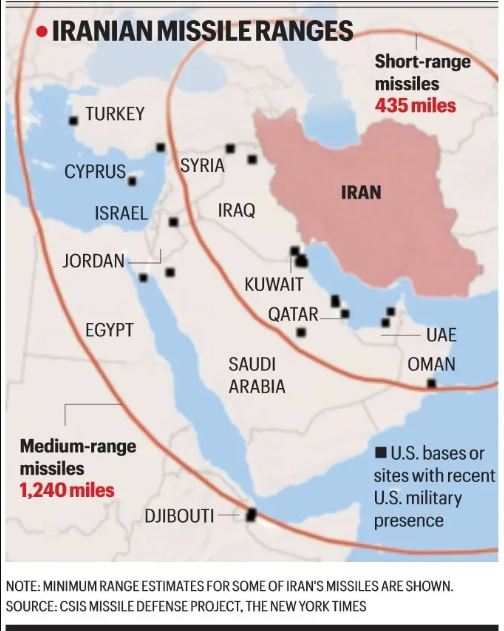
- 03 Mar 2026
In News:
The coordinated military strikes by the United States and Israel on Iran in 2026 have triggered a major escalation in West Asia. The operations - Operation Epic Fury (US) and Operation Lion’s Roar (Israel) -reportedly targeted Iran’s strategic military infrastructure and leadership, including the killing of Iran’s Supreme Leader Ayatollah Ali Khamenei. Iran retaliated through Operation True Promise 4, launching missile attacks against Israel and nearby Gulf states. This escalation has heightened concerns of a wider regional war, particularly as it occurred amid ongoing negotiations over Iran’s nuclear programme.
Background of the US–Iran–Israel Conflict
1. The 1979 Iranian Revolution: Prior to 1979, Iran and Israel maintained close strategic ties. However, the Islamic Revolution transformed Iran’s foreign policy orientation. The new regime severed ties with Israel and adopted an anti-Western stance, describing the United States as the “Great Satan” and Israel as the “Little Satan.”
2. Iran’s Nuclear Programme: Tensions intensified in the early 2000s when the international community uncovered Iran’s covert nuclear programme, raising concerns over possible nuclear weapon development.
3. Regional Influence and the “Axis of Resistance”: Following the US-led invasion of Iraq in 2003, Iran expanded its regional influence by supporting proxy groups collectively referred to as the “Axis of Resistance,” including Hezbollah (Lebanon), Hamas (Gaza), and the Houthis (Yemen).
4. Joint Comprehensive Plan of Action (JCPOA), 2015: The nuclear deal between Iran and the P5 1 nations limited Iran’s uranium enrichment in exchange for sanctions relief.
5. US Withdrawal from JCPOA (2018): The United States withdrew from the agreement citing concerns about Iran’s missile programme and regional activities. Iran subsequently increased uranium enrichment levels.
6. Recent Escalations:
- Operation Midnight Hammer (2025): Israeli and US strikes on Iran’s nuclear facilities such as Natanz, Isfahan, and Fordow.
- Collapse of Iran’s regional influence (2023–24): Israel’s campaigns weakened Hamas and Hezbollah and destabilised allied regimes, reducing Iran’s strategic buffers.
The 2026 strikes represent a shift from deterrence to a decapitation strategy, aimed at weakening Iran’s leadership and military command structure.
Global Implications of the Conflict
1. Threat to Global Energy Security: The conflict threatens the Strait of Hormuz, a critical maritime chokepoint through which:
- Around 20 million barrels of oil per day (≈20% of global consumption) pass.
- Nearly 20–30% of global LNG shipments transit.
Any disruption could cause a sharp spike in oil prices and destabilise global energy markets.
2. Geopolitical Polarisation: The conflict risks intensifying great-power rivalries. Russia and China may strengthen ties with Iran, while the United States consolidates alliances with Western and Arab partners, deepening geopolitical divisions.
3. Disruption of Global Supply Chains: Militarisation of West Asian airspace and sea routes threatens major trade corridors linking Asia, Europe, and Africa, increasing shipping costs, insurance premiums, and trade uncertainty.
4. Financial and Commodity Market Volatility: Rising geopolitical risk has triggered a “war premium” in global markets. Safe-haven assets like gold have surged, while regional stock markets have experienced instability.
Implications for India
1. Energy Security Risks: India imports 85–88% of its crude oil requirements. About 2.5–2.7 million barrels/day of oil from Iraq, Saudi Arabia, UAE, and Kuwait pass through the Strait of Hormuz.
Additionally:
- 80–85% of LPG imports
- Nearly 60% of LNG imports
also transit through Hormuz. Prolonged disruptions could push crude prices above USD 100 per barrel, increasing inflation and widening the current account deficit.
2. Safety of Indian Diaspora: West Asia hosts nearly 9 million Indian expatriates, whose remittances significantly contribute to India’s economy. Escalation could necessitate large-scale evacuation operations similar to Operation Rahat or Operation Ajay.
3. Diplomatic Balancing: India maintains strong relations with the US and Israel, while also having historical and energy ties with Iran. Therefore, adopting a partisan stance could undermine strategic interests.
4. Connectivity and Strategic Projects: Conflict threatens India’s regional connectivity initiatives such as:
- Chabahar Port project in Iran
- India–Middle East–Europe Economic Corridor (IMEC)
Disruptions in Gulf maritime routes could undermine these strategic initiatives.
Measures for India
- Energy Security Measures:
- Utilisation of Strategic Petroleum Reserves (SPR).
- Diversification of energy imports from countries such as the US and Australia.
- Diaspora Protection:
- Prepared evacuation plans involving the Indian Navy, Air Force, and civil aviation.
- Maritime Security: Strengthen naval deployment in the Arabian Sea and Gulf of Oman and expand missions like Operation Sankalp.
- Strategic Autonomy in Diplomacy: Maintain balanced relations with all stakeholders while advocating dialogue and de-escalation.
- Economic Cushioning: Temporary reduction in fuel taxes to absorb global price shocks.
Conclusion
The escalation between the United States, Israel, and Iran represents a significant challenge to regional stability, global energy security, and international trade. For India, the conflict underscores vulnerabilities in energy dependence, diaspora safety, and strategic connectivity projects. By maintaining strategic autonomy, strengthening energy resilience, and advocating diplomatic solutions, India can safeguard its national interests while reinforcing its role as a stabilising global actor in an era where, as emphasised in its foreign policy, “this is not an era of war.”
Strait of Hormuz Disruption and India’s Energy Security
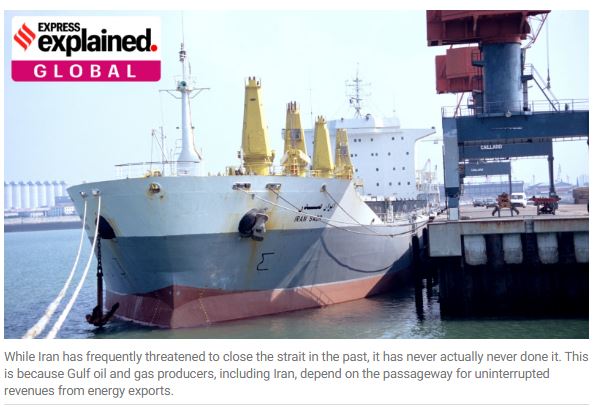
- 02 Mar 2026
In News:
Escalating tensions involving Iran, the United States, and Israel have disrupted shipping movements through the Strait of Hormuz, the world’s most critical energy chokepoint. Although no formal closure has been declared, heightened military activity and security risks have led insurers, traders, and shipping firms to suspend operations, with numerous oil tankers anchored in Gulf waters. The situation raises serious concerns for India’s energy security, given its heavy dependence on West Asian energy supplies.
Strategic Importance of the Strait of Hormuz
The Strait of Hormuz connects the Persian Gulf to the Gulf of Oman and the Arabian Sea and handles nearly one-fifth of global petroleum and LNG trade. Approximately 15 million barrels of crude oil per day pass through this narrow corridor. Even if alternative Gulf pipelines operate at full capacity, a significant portion of global supply would remain exposed in the event of sustained disruption.
Thus, any instability in this region directly affects global oil prices and supply chains.
India’s Energy Dependence
India is the world’s third-largest oil consumer and imports over 88% of its crude oil requirements. Roughly 2.5–2.7 million barrels per day, accounting for about half of India’s crude imports, transit through the Strait of Hormuz. India also relies heavily on West Asia for LPG and LNG supplies, making uninterrupted maritime flows crucial for economic stability.
Impact on India
1. Crude Oil: Manageable in the Short Term
India is relatively better prepared to handle short-term crude disruptions due to:
- Refiners holding over 10 days of crude inventory
- Around one week of fuel stocks
- Availability of Strategic Petroleum Reserves (SPR)
Additionally, India can diversify imports by sourcing crude from Russia, the United States, West Africa, and Latin America. Russian supplies, including cargoes in floating storage, offer flexibility.
However, even if supply continuity is maintained, price volatility remains a major concern. Brent crude has already crossed $72 per barrel, and prolonged conflict could push prices beyond $100 per barrel, increasing inflationary pressures and widening India’s current account deficit.
2. LPG: A Greater Vulnerability
India imports 80–85% of its LPG requirements, largely from Gulf suppliers via the Strait. Unlike crude oil, India does not maintain substantial strategic LPG reserves. A prolonged disruption could therefore affect domestic cooking fuel supplies and increase subsidy burdens.
3. LNG: Limited Structural Cushion
Around 60% of India’s LNG imports transit through the strait. LNG markets are tighter compared to crude oil, and spot cargo availability is limited. In case of extended disruption, India may face difficulties in securing alternative supplies, affecting power generation and industrial output.
Price Outlook and Duration
The extent of impact will depend on the duration and intensity of the conflict. Escalation may add a “war premium” to oil prices. However, a full closure remains unlikely because Gulf producers including Iran depend heavily on energy exports for revenue. This mutual economic interdependence reduces the probability of a prolonged, total blockade.
Conclusion
The Strait of Hormuz crisis highlights India’s structural vulnerability to geopolitical disruptions in West Asia. While diversified crude sourcing and strategic reserves provide short-term resilience, LPG and LNG dependence remain key risk areas. The episode reinforces the need for long-term strategies including energy diversification, expansion of strategic reserves, renewable energy transition, and strengthened maritime security diplomacy. Ensuring energy security will remain central to India’s economic and strategic stability in an increasingly volatile global order.
Tehran’s Turmoil: Regime Change, Regional Order and India’s Strategic Stakes
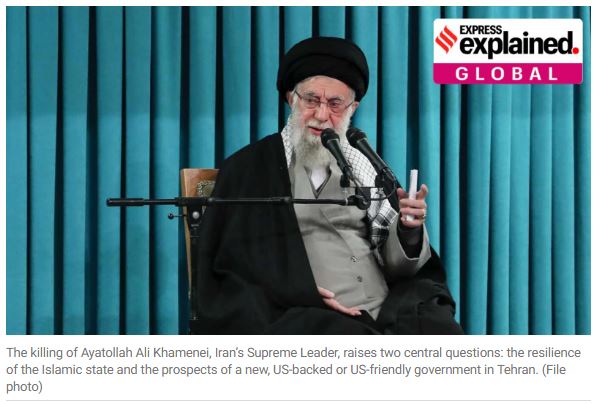
- 01 Mar 2026
In News:
Recent reports of a joint United States–Israel military action targeting Iran, allegedly aimed at facilitating regime change in Tehran, have brought the legacy of the 1979 Islamic Revolution back into sharp focus. The unfolding developments represent a potential geopolitical inflection point for West Asia, with implications extending to global energy markets and great-power rivalries.
Why the 1979 Islamic Revolution Matters
The 1979 Revolution overthrew the Pahlavi monarchy and established the Islamic Republic of Iran, restructuring the political system around the doctrine of Velayat-e-Faqih (Guardianship of the Islamic Jurist). Under this model, the Supreme Leader wields ultimate religious and political authority, above elected institutions.
Ayatollah Ali Khamenei consolidated this system after 1989, ensuring regime continuity through a powerful security apparatus. Beyond domestic transformation, the revolution reshaped West Asian geopolitics by:
- Promoting a revolutionary ideological agenda across the region,
- Supporting the Palestinian cause,
- Positioning Iran as a strategic adversary of the US and Israel,
- Deepening sectarian divides and unsettling conservative Arab monarchies.
The revolution also contributed to the 1980 oil shock, demonstrating how political upheaval in Iran can disrupt global energy markets.
Regime Survival and Internal Dynamics
Speculation regarding the potential elimination of Iran’s top leadership has raised questions about regime resilience. However, regime change in Iran is complex:
- Since 2000, Iran has witnessed periodic protest movements demanding reform.
- These protests were consistently suppressed by state coercive institutions.
- The Islamic Revolutionary Guard Corps (IRGC) remains a powerful stabilising pillar of the regime.
The political trajectory will depend on internal elite cohesion, public mobilisation—especially among urban middle classes—and the depth of external intervention. The primary contest may unfold within Iranian society rather than across the broader “Arab street.”
Regional and Global Implications
Iran’s revolutionary posture shaped West Asia’s security architecture for decades. A regime shift could:
- Reconfigure alliances in the Gulf,
- Alter Iran’s engagement with Israel and Arab states,
- Influence proxy conflicts across the region.
Rising tensions in the Strait of Hormuz, through which a significant portion of global oil shipments pass, have already pushed energy prices upward. Iran holds substantial hydrocarbon reserves, and sanctions relief under a new political dispensation could reintroduce Iranian oil to global markets, stabilising prices.
At the global level, post-1979 Iran gravitated toward Russia and China, joining platforms such as the Shanghai Cooperation Organisation (SCO) and BRICS-related groupings. A pro-West government in Tehran would represent a strategic setback for Moscow and Beijing, reshaping great-power competition in West Asia.
Implications for India
India’s stakes in West Asia are substantial and multidimensional:
1. Energy Security
Iran and the Gulf region are critical to India’s crude oil imports. Escalation risks supply disruptions and price volatility.
2. Diaspora Interests
Over 9 million Indians reside in GCC countries, including:
- Around 43 lakh in the UAE (≈35% of its population),
- Large numbers in Saudi Arabia, Qatar, Kuwait, and Oman,
- Over 100,000 in Israel and more than 10,000 in Iran.
3. Remittances and Economic Linkages
According to RBI data (2023–24), India received $118.7 billion in remittances, with:
- UAE contributing 19.2%,
- Saudi Arabia 6.7%,
- Qatar, Kuwait, and Oman among major contributors.
West Asia is also a major travel and trade corridor for India.
4. Strategic Balancing
India maintains a delicate balance between:
- Iran (energy, Chabahar Port, connectivity to Central Asia),
- Israel (defence cooperation),
- Gulf monarchies (energy and diaspora).
Instability could strain this multi-aligned diplomacy.
Conclusion
Efforts to reverse or reshape the legacy of the 1979 Islamic Revolution constitute a major geopolitical moment. The outcome will influence regional alignments, global oil markets, and great-power competition. For India, the priority lies in safeguarding energy flows, protecting its diaspora, and maintaining strategic autonomy amid shifting alliances.
Whatever direction Tehran takes, the ripple effects will extend far beyond Iran, reshaping the geopolitical landscape of West Asia and the wider international system.