
Maternal Healthcare in India

- 15 Apr 2026
In News:
While India has achieved a historic decline in maternal mortality over the last three decades, recent findings published in The Lancet Obstetrics, Gynaecology& Women’s Health signal a critical inflection point. Despite reducing maternal deaths by over 80% since 1990, the pace of progress has plateaued since 2015, highlighting deep-seated structural gaps and the urgent need for a shift from "quantity of access" to "quality of care."
The Current Landscape: Progress and Pitfalls
The Statistical Journey
India’s Maternal Mortality Ratio (MMR)—defined as maternal deaths per 100,000 live births—has seen a stellar decline from 384 in 2000 to 103 in 2020, and further down to 80 in 2023. This 86% drop since 1990 significantly outpaces the global average decline of 48%.
The Plateau and the Pandemic
The momentum has slowed post-2015. Currently, India still accounts for one in ten global maternal deaths. The COVID-19 pandemic further strained the system, diverting frontline workers and disrupting essential antenatal care (ANC) and institutional delivery schedules.
Regional Disparities
The national average masks a fragmented reality. While states like Kerala, Tamil Nadu, and Maharashtra have already achieved the Sustainable Development Goal (SDG) 3.1 target (MMR below 70), others remain in a crisis zone:
- Assam: 195
- Madhya Pradesh: 173
- Uttar Pradesh: 167
Core Challenges in Maternal Healthcare
A. Human Resource and Infrastructure Gaps: According to the Rural Health Statistics (RHS) 2021-22, there is a nearly 80% shortfall of specialists (Obstetricians, Gynecologists, and Pediatricians) at Community Health Centres (CHCs). Furthermore, many First Referral Units (FRUs) lack 24/7 operational readiness for Emergency Obstetric Care (EmOC).
B. The "Golden Hour" and Supply Chain Deficits:Postpartum Haemorrhage (PPH) remains the leading cause of maternal death. However, secondary care centers often lack functional blood banks, leading to fatal delays during referrals. Shortages of life-saving drugs like Oxytocin (to stop bleeding) and Magnesium Sulfate (for eclampsia) further cripple frontline responses.
C. Commercialization vs. Medical Necessity: There is a rising trend of "over-medicalization." NFHS-5 data reveals that C-section rates in private facilities stand at 47.4%, vastly exceeding the WHO-recommended ideal of 10–15%. This exposes women to unnecessary surgical risks and high out-of-pocket expenditure.
D. Social Determinants: The "Silent Killers" Clinical interventions often fail because of underlying socio-economic issues:
- Anemia: 57% of Indian women (15–49 years) are anemic, often due to patriarchal dynamics where women "eat last and least."
- Early Marriage: 23.3% of women (20–24 years) were married before age 18. Teenage bodies are biologically less prepared for the rigors of childbirth, leading to higher complications.
Strategic Roadmap for Reform
To achieve the SDG target of an MMR below 70 by 2030, India must adopt a multi-dimensional approach:
I. Strengthening the Midwifery Cadre: India’s system is overly doctor-centric. Transitioning toward Midwifery-Led Care Units (MLCUs), where specialized Nurse Practitioners lead low-risk deliveries, can decongest tertiary hospitals and reduce the epidemic of unnecessary C-sections.
II. Respectful Maternity Care (RMC): Healthcare must go beyond clinical outcomes to prioritize dignity. This includes:
- Eliminating "obstetric violence" and verbal abuse.
- Ensuring privacy during labor.
- Allowing a birth companion of choice to reduce maternal stress.
III. Digital and Logistical Innovations
- Digital Tracking: Utilizing the Pradhan Mantri Surakshit Matritva Abhiyan (PMSMA) portals to identify and track "High-Risk Pregnancies" early.
- Hub and Spoke Model: Establishing blood storage units at every high-delivery-load facility to ensure PPH treatment within the "golden hour."
IV. Addressing Nutritional Poverty: The Anemia Mukt Bharat strategy must be reinforced with community-level counseling to challenge household gender biases regarding nutrition.
Conclusion
India’s journey in maternal health has been one of remarkable resilience, but the "final mile" is the hardest. The transition from institutionalizing deliveries to ensuring clinical and social quality is non-negotiable. Achieving SDG 3.1 requires a healthcare system that treats every mother not just as a medical statistic, but as a citizen entitled to dignified, safe, and equitable care.
The Strait of Hormuz: A Historical Chokepoint of Imperial Power and Energy Security

- 30 Apr 2026
In News:
In April 2026, the Strait of Hormuz re-emerged as the primary flashpoint in the escalating West Asia conflict. Following US-Israeli strikes, Iran restricted passage through the waterway, prompting a naval blockade by the Donald Trump administration. While these events are contemporary, they represent the latest chapter in a long history of imperial competition over a maritime chokepoint that controls the world’s energy pulse.
Strategic Geography: The Gateway of Trade
Connecting the Persian Gulf with the Gulf of Oman and the Arabian Sea, the Strait of Hormuz has historically linked the economies of India, Persia, Arabia, and East Africa. Its control has always dictated the flow of global wealth, shifting from spices and silk in the 16th century to petroleum in the 20th and 21st centuries.
The Era of Colonial Rivalry (16th – 18th Century)
1. Portuguese Dominance (1515–1622): The Portuguese Empire, led by its quest for "Spice and Soul," recognized the strait's value early. In 1515, they seized Hormuz Island, establishing the Castelo de Nossa Senhora da Conceição. Their model was one of direct military dominance, turning the island into a fortified toll point to tax trade routes. However, this high-cost militarized approach eventually became unsustainable.
2. The Dutch Interlude: By the 17th century, the Dutch East India Company (VOC) challenged the Portuguese. Operating as a quasi-sovereign power, the Dutch dominated trade from Bandar Abbas. Their decline in the 18th century—driven by corruption, high administrative costs, and the Fourth Anglo-Dutch War—created a power vacuum that the British were quick to fill.
3. The Anglo-Safavid Alliance: The turning point for British influence occurred in 1622 when the English East India Company allied with the Safavid ruler, Shah Abbas I, to expel the Portuguese, ending nearly a century of Iberian control.
British Hegemony and the "Trucial" Model
To safeguard maritime routes to British India (specifically Bombay), the United Kingdom adopted a more sophisticated and cost-effective model of control than the Portuguese.
- Suppression of Maritime Tribes: In 1809 and 1819, Britain launched naval campaigns against the Al Qawasim (Al Qasimi) confederation—a powerful maritime Sunni tribal group—accusing them of piracy to justify the destruction of their fleets.
- The Trucial System: Rather than direct colonization, Britain established a Treaty System with local Arab rulers. These sheikhdoms became known as the Trucial States (the precursors to the modern United Arab Emirates).
- Indirect Control: Under this arrangement, local rulers maintained internal autonomy while Britain controlled their foreign policy and defense. This ensured the strait remained a secure British corridor for the flow of Indian resources and British manufactured goods without the burden of heavy administration.
The 20th Century: The Pivot to Energy Security
At the dawn of the 20th century, the strategic value of the Strait of Hormuz underwent a fundamental shift from trade protection to energy security.
- The Oil Breakthrough: In 1908, George Bernard Reynolds discovered oil at Masjed Soleyman in Persia—the first major commercial strike in the region.
- The State Stakeholder: Recognizing oil as the future of naval power (transitioning from coal to oil under Winston Churchill), the British government acquired a 51% stake in the Anglo-Persian Oil Company (established 1909) by 1914.
- End of an Era: Britain maintained its treaty-based dominance until 1971, when it formally withdrew from the region, leading to the independence of the Trucial States and the modern geopolitical configuration of the Gulf.
Conclusion
The Strait of Hormuz has evolved from a 16th-century spice toll-gate into a 21st-century energy jugular. The current 2026 naval blockade is not an isolated event but a continuation of a 500-year-old struggle to control the world’s most vital maritime "choke." Understanding this history is essential for navigating the complex geopolitical landscape of modern West Asia.
Toward E100: The Strategic Roadmap for 100% Ethanol Blending in India
- 29 Apr 2026
In News:
India is currently at a pivotal junction in its energy transition, with the Union government aggressively advocating for 100% ethanol blending (E100). This initiative is not merely an environmental project but a strategic maneuver to achieve energy self-reliance, reduce the massive fiscal burden of fossil fuel imports, and provide a sustainable alternative for the automotive sector.
Understanding E100 and Flex-Fuel Technology
E100 refers to the use of pure ethanol as a standalone fuel for internal combustion engines. While promising, the transition from the current E20 (20% blend) to E100 presents significant technical and thermodynamic challenges.
- Energy Density Gap: Ethanol possesses roughly 45–55% less energy per litre compared to petrol. Consequently, E20 fuel already results in a 6–7% drop in mileage, a concern that scales significantly with higher blends.
- Engine Modification: Most vehicles currently on Indian roads are optimized for E20. Transitioning to E100 necessitates Flex-Fuel Vehicles (FFVs). These vehicles require:
- Corrosion-Resistant Systems: Ethanol is hygroscopic (absorbs water) and corrosive to standard rubber and plastic fuel lines.
- Advanced Sensors: "Smart" Engine Control Units (ECUs) are needed to detect the ethanol-to-petrol ratio and adjust fuel injection and ignition timing in real-time.
- Optimized Combustion: Since ethanol has a higher octane rating but lower calorific value, engines must be tuned for higher compression ratios.
The Feedstock Dilemma: 1G vs. 2G Ethanol
India’s ethanol journey has historically relied on First-Generation (1G) sources, primarily sugarcane molasses. However, this has raised the "food vs. fuel" debate and highlighted environmental trade-offs.
- Sustainability Concerns: Sugarcane is a water-intensive crop, often cultivated in water-stressed regions. The heavy use of fertilizers and pesticides further complicates its environmental footprint.
- The 2G Pivot: To mitigate these risks, the government is shifting focus toward Second-Generation (2G) ethanol. This involves using lignocellulosic biomass, such as rice straw and corn cobs.
- Pollution Mitigation: 2G ethanol production offers a dual benefit—it provides a value chain for crop residues, potentially eliminating stubble burning, a primary cause of winter smog in North India.
- Circular Economy: Integrating municipal solid waste and sewage into the feedstock mix aligns with the broader goal of a circular economy.
Regulatory Catalysts: CAFE III Norms
The transition to E100 is being indirectly accelerated by the Corporate Average Fuel Efficiency (CAFE) norms.
- CAFE III (Effective April 1, 2027): These upcoming regulations will be approximately 30% stricter than current limits. While they do not explicitly mandate ethanol, they penalize manufacturers based on the average CO? emissions of their entire fleet.
- Incentivizing Blends: To meet these stringent targets without transitioning entirely to electric vehicles (EVs), automakers are likely to adopt high-ethanol blends (E85/E100) to lower the carbon intensity of their internal combustion engine (ICE) portfolios.
Challenges and Policy Bottlenecks
Despite the rapid progress—moving from 2% blending in 2014 to a nationwide E20 rollout—several hurdles remain:
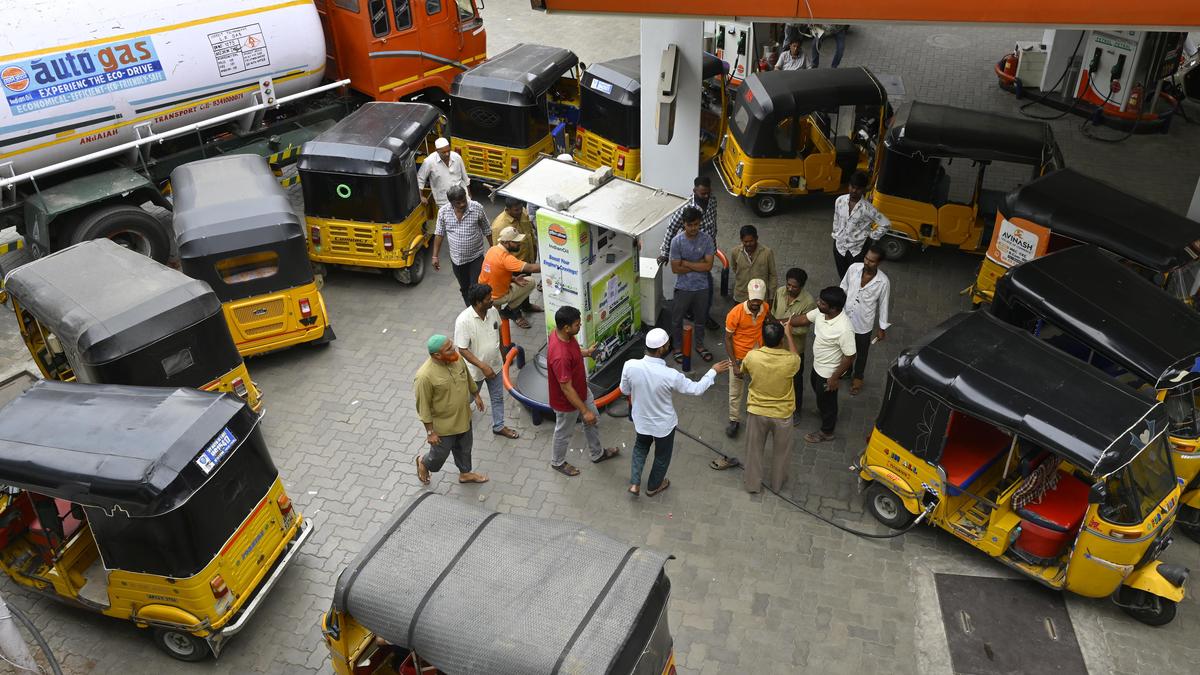
- Infrastructure Gaps: High-blend ethanol requires dedicated storage tanks and specialized dispensing pumps at retail outlets to prevent contamination and corrosion.
- Pricing Viability: Ethanol production remains cost-competitive only through government-administered pricing and subsidies. Without these, it often remains more expensive to produce than petrol.
- Consumer Acceptance: Public resistance persists due to the mileage penalty. For E100 to succeed, the price at the pump must be significantly lower than petrol to compensate for the lower fuel efficiency.
Conclusion
E100 represents a vital component of India’s Viksit Bharat @2047 vision. While technical and infrastructure bottlenecks are substantial, the convergence of environmental necessity, agricultural surplus, and stringent emission norms like CAFE III suggests that Flex-Fuel technology will be a cornerstone of India’s future mobility.
The Anti-Defection Law and the Merger Clause: Addressing the "Twin Test" and Constitutional Gaps
- 28 Apr 2026
In News:
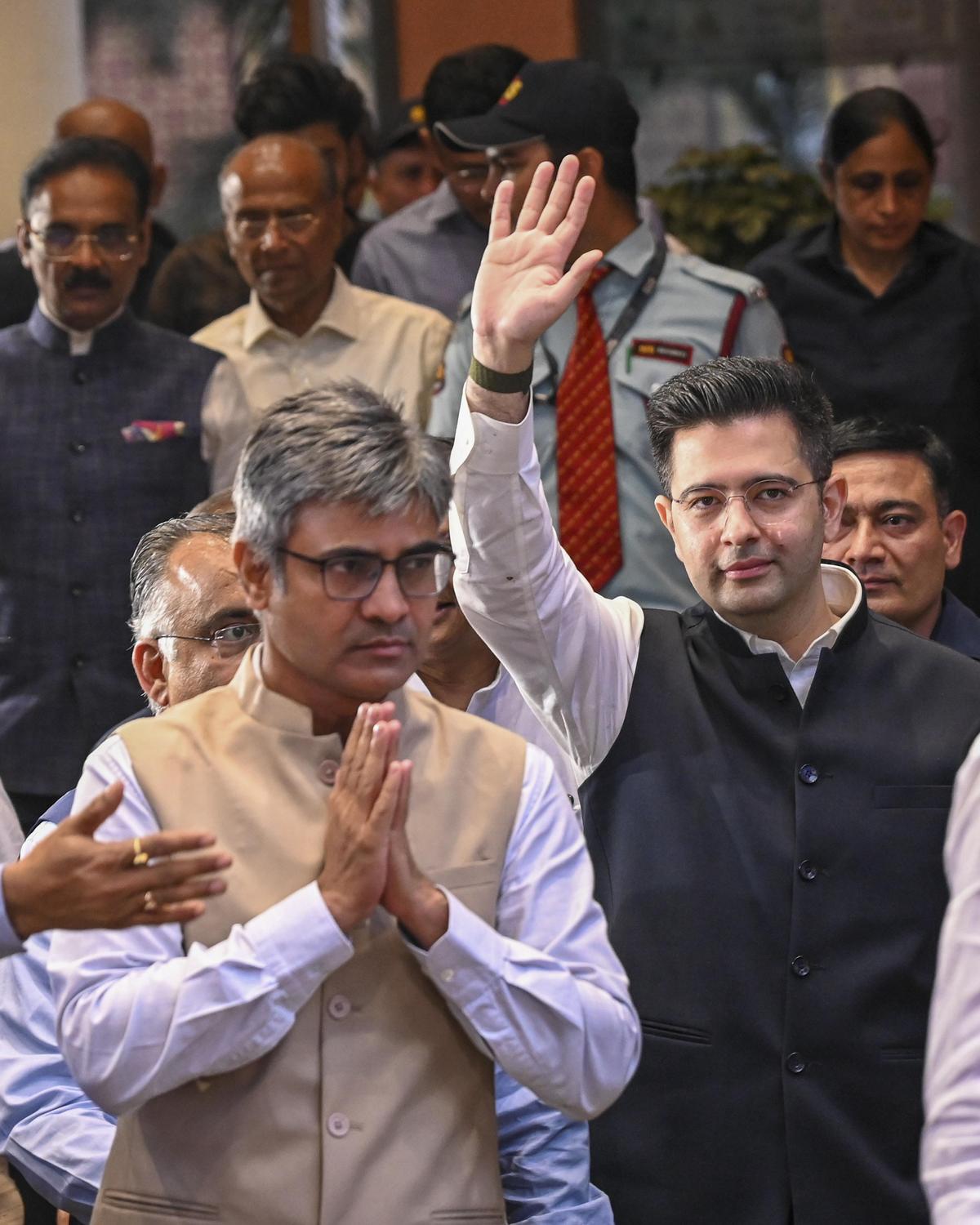
In a major political development, seven former Members of Parliament (MPs) from the Aam Aadmi Party recently joined the Bharatiya Janata Party, invoking the "merger" provision of the Tenth Schedule. This move has reignited a critical constitutional debate: can a group of legislators claim a valid merger independently, or must such a merger originate from the organizational wing of the political party?
Historical Context: From "Aaya Ram, Gaya Ram" to the Tenth Schedule
- The Anti-Defection Law was born out of the political instability of the 1960s and 70s. Between 1967 and 1972, India witnessed nearly 2,000 cases of defection, with approximately 50% of legislators switching sides—some multiple times—toppling established governments.
- To curb this "Aaya Ram, Gaya Ram" culture, the 52nd Constitutional Amendment Act, 1985 introduced the Tenth Schedule. The law was further tightened by the 91st Constitutional Amendment Act, 2003, which deleted the "split" provision (allowing 1/3rd of a party to defect) and retained only the "merger" clause to prevent mass shifts for personal gain.
The "Twin Test" for a Valid Merger
Under Paragraph 4 of the Tenth Schedule, legislators are protected from disqualification only if they satisfy a specific "Twin Test." Simple numerical strength in the House is insufficient; the law demands a dual-layered process:
- Organizational Merger (The Origin): There must first be a formal merger of the original political party (the broader organizational entity) with another party.
- Legislative Adoption (The Numbers): Following the party-level merger, at least two-thirds of the members of its legislature party (the elected MPs or MLAs) must agree to and adopt that merger.
Crucially, the Supreme Court has clarified that a group of legislators cannot "engineer" a merger on their own to ward off disqualification proceedings if the parent political party remains a separate entity.
Grounds for Disqualification and Exceptions
The law provides four primary grounds for removing a member from the House:
- Voluntary Resignation: Formally resigning or conduct that implies giving up membership.
- Defying the Whip: Voting or abstaining contrary to party directions without prior permission.
- Independent Members: Joining any political party after being elected as an independent.
- Nominated Members: Joining a political party after the initial six-month grace period.
Exceptions:
- The 2/3rd Merger: As detailed above.
- Presiding Officers: Speakers or Chairmen can resign from their party to maintain neutrality and rejoin after their tenure without penalty.
Judicial Interventions and the Role of the Speaker
The power to adjudicate defection cases rests exclusively with the Presiding Officer (Speaker/Chairman). However, this role has come under heavy scrutiny for perceived bias and tactical delays.
Key Supreme Court Rulings:
- Kihoto Hollohan v. Zachillhu (1992): Established that the Speaker’s decision is subject to judicial review in cases of mala fide intent or constitutional violation.
- KeishamMeghachandra Singh (2020): Directed that Speakers must decide disqualification cases within three months. It also suggested the creation of an independent tribunal to replace the Speaker as the adjudicator to ensure neutrality.
- Subhash Desai v. Governor of Maharashtra (2023): Explicitly held that the "original political party" and "legislature party" are separate. Protection under the merger clause is only available if the merger is initiated by the original party.
- Padi Kaushik Reddy v. State of Telangana (2025): The Court urged Parliament to re-examine the Speaker's role and implement reforms to ensure fair and timely adjudication.
Conclusion: The Road to Reform
While the Anti-Defection Law was intended to protect the mandate of the voters, the "merger" clause has increasingly become a loophole for mass defections. The shift from individual defections to "wholesale" defections threatens the spirit of the Tenth Schedule.
The Special Intensive Revision (SIR): Redefining India’s Electoral Landscape
- 27 Apr 2026
In News:
The foundation of any vibrant democracy lies in the integrity of its voter lists. In India, the Election Commission of India (ECI) is constitutionally mandated to maintain the electoral roll—a constituency-wise record of eligible citizens. Recently, the transition from routine annual updates to a Special Intensive Revision (SIR) has sparked a significant shift in India’s democratic arithmetic, balancing the need for technical accuracy with the imperative of universal inclusion.
Understanding the Revision Framework
Electoral rolls in India are updated through two distinct mechanisms:
- Summary Revision: An annual exercise involving minor corrections, additions of new voters (attaining 18 years), and deletions of the deceased.
- Special Intensive Revision (SIR): A more rigorous, ground-up process involving fresh enumeration and physical verification. Unlike summary revisions, which update existing lists, SIR essentially drafts a new roll to eliminate deep-seated inaccuracies. The last such comprehensive exercise was conducted between 2002 and 2004.
The "Slimming" of the Electorate: Key Trends
Historically, India’s electorate has grown in tandem with its population—from 17 crore in 1951 to over 96 crore in recent years. However, SIR 2025 has disrupted this upward trajectory:
- Massive Trimming of "Ghost Voters": The SIR has led to a substantial reduction in voter numbers by identifying ASDD entries (Absent, Shifted, Dead, and Duplicate). In 13 States and UTs, the electorate base dropped from 51 crore to below 46 crore, representing a decline of over 10% in major states like Uttar Pradesh, West Bengal, and Tamil Nadu.
- The Statistical Turnout Paradox: A smaller, "purified" voter list has led to record-breaking turnout percentages.
- Tamil Nadu: Recorded over 85% turnout, significantly higher than the 73.63% in the previous Assembly election.
- West Bengal: Witnessed turnout levels exceeding 92% in initial phases.
Note: These high percentages are partly a mathematical result of removing non-existent voters from the denominator, reflecting a more realistic picture of active democratic participation.
- Reversing the Billion Mark: Before the SIR, India’s electorate was projected to hit the 100-crore (1 billion) milestone. Current trends suggest that once the nationwide revision is complete, the final count may settle around 90 crore, effectively reversing the advance toward a billion-strong list.
The Process: Deletion, Recovery, and Verification
The SIR is a two-way street of cleaning and enrolling. While deletions are prominent at the draft stage, a "recovery" occurs in the final roll through fresh registrations:
- Uttar Pradesh: Dropped from 15.44 crore to 12.55 crore in draft rolls, but rose to 13.39 crore in the final list after fresh enrollments.
- Technological and Physical Scrutiny: The exercise utilizes digital platforms and ground-level enumeration. However, the "burden of proof" has largely shifted to the citizen, requiring rigorous documentation to re-establish eligibility.
Challenges and Concerns: The Inclusion-Accuracy Balance
While SIR improves the "obesity" of the roll, it presents several challenges relevant to administrative ethics and social justice:
- Risk of Disenfranchisement: Vulnerable groups—including migrant laborers, the homeless, and those in remote areas—often lack the documentation required by strict SIR verification, leading to accidental exclusion on technical grounds.
- The Focus on Vulnerable Groups: To counter the narrative of pure deletion, the ECI has intensified focus on Particularly Vulnerable Tribal Groups (PVTGs), the third-gender community, and Persons with Disabilities (PwD) through campaign-mode enrollments.
- Administrative Neutrality: SIR is a tool for electoral hygiene, not a demographic policing mechanism. The challenge for election managers is to ensure that the pursuit of a "clean" list does not violate the fundamental right to franchise.
Conclusion
While a "slim" roll indicates a more accurate and credible electoral base, the ultimate litmus test for the Election Commission remains its celebrated resolve: "No voter to be left behind." Ensuring that technical accuracy does not become a barrier to democratic participation is the next great challenge for India’s electoral management.
The Rise and Fall of Paytm Payments Bank: A Landmark Shift in Indian Fintech Regulation
- 26 Apr 2026
In News:
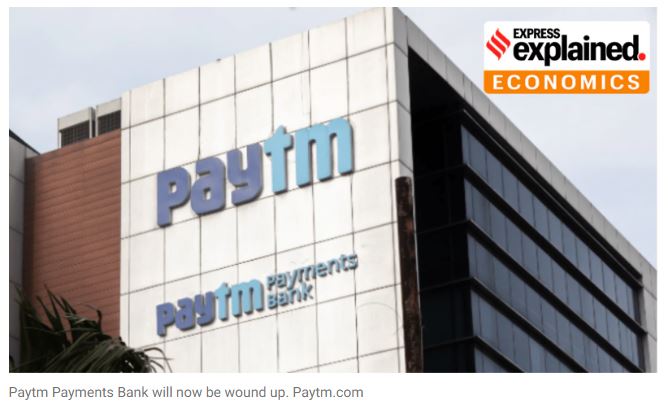
The Reserve Bank of India’s (RBI) decision to cancel the banking licence of Paytm Payments Bank Limited (PPBL), marks a watershed moment in the oversight of India’s digital finance ecosystem. This move, coming more than two years after the initial regulatory curbs, underscores the central bank's unwavering stance on governance and "Chinese wall" separation between fintech innovations and traditional banking discipline.
Understanding the Payments Bank Model
Payments banks were conceptualized as a niche banking category to drive financial inclusion by catering to low-income groups, small businesses, and the migrant labor force.
- Operational Scope: They are permitted to accept demand deposits (currently capped at ?2 lakh per customer) and offer remittance services.
- Restrictive Mandate: Unlike universal banks, they are strictly prohibited from lending or issuing credit cards.
- Safety Net: To safeguard depositors, they must invest at least 75% of their demand deposits in Government Securities (SLR-eligible) with maturities up to one year.
The Road to Cancellation: A Timeline of Scrutiny
The downfall of PPBL was not sudden but the result of a multi-year supervisory struggle regarding "persistent non-compliance."
- 2018 (Initial Red Flags): RBI audits identified critical gaps in KYC (Know Your Customer) compliance. Major violations included a single PAN being linked to thousands of accounts and transactions exceeding regulatory limits, raising severe money laundering alarms.
- March 2022: The RBI formally barred the bank from onboarding new customers.
- October 2023: A significant monetary penalty of ?5.39 crore was imposed for continued lapses.
- January–February 2024: Citing "material supervisory concerns," the RBI prohibited fresh deposits, top-ups in wallets, FASTags, and NCMC accounts.
- April 24, 2026: The final blow—the total cancellation of the banking licence and the initiation of winding-up proceedings before the High Court.
Legal Foundations of the RBI’s Action
The RBI invoked several stringent provisions of the Banking Regulation (BR) Act, 1949 to justify this unprecedented step:
- Section 22(4): Provides the power to withdraw a licence if a bank fails to meet stipulated conditions.
- Section 22(3)(c) & (e): The RBI concluded that the management’s character was prejudicial to public interest and that no "useful purpose" would be served by allowing the entity to continue.
- Section 5(b) and Section 6: These sections effectively prohibit PPBL from conducting any banking or related business with immediate effect.
A primary concern was the lack of an independent "Chinese wall" between PPBL and its parent entity, One97 Communications, which led to significant conflicts of interest and regulatory bypass.
Strategic Impact and Future Outlook
1. For the Paytm Ecosystem: One97 Communications has since moved to a "partner-bank-driven model," forging emergency alliances with entities like Axis Bank and Yes Bank to ensure that the Paytm UPI app remains functional. While the parent company is "legally ring-fenced," the cancellation complicates its path toward obtaining future licences (like an NBFC or a mobile wallet licence).
2. For the Fintech Industry: The "Paytm Case" serves as a stern warning that innovation is not a license for non-compliance. The fintech sector must now institutionalize independent compliance functions that are strictly decoupled from the aggressive growth mandates of their parent tech firms.
3. For Consumer Protection: The RBI has assured that PPBL maintains sufficient liquidity to repay all depositors in full. Most users have already migrated to rivals like PhonePe and Google Pay, but the process of winding up under High Court supervision ensures a structured exit that protects the "sanctity of the ledger."
Conclusion
This episode highlights the Security-Development Nexus in the financial sector. For a "Viksit Bharat" (Developed India), financial stability is as crucial as financial inclusion. The RBI’s action demonstrates that institutional credibility is paramount; even the most popular market players must adhere to the prudential norms that ensure the safety of the Indian banking system.
Industrial Disasters in India
- 25 Apr 2026
In News:
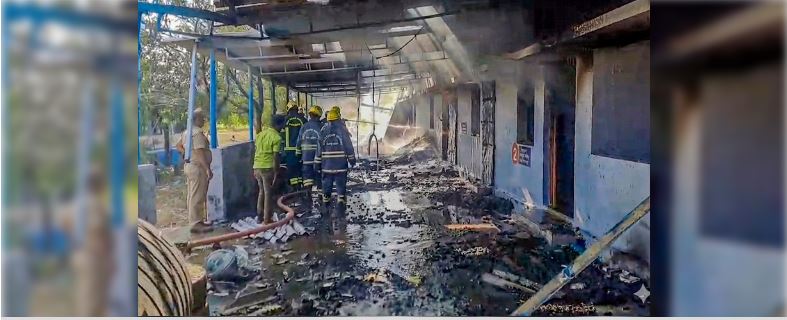
The recent explosion at a fireworks unit in Virudhunagar, Tamil Nadu—a recurring site of such tragedies—serves as a grim reminder of the systemic failures within India's industrial safety landscape. Despite a robust legal framework born from the ashes of the Bhopal Gas Tragedy, a persistent cycle of accidents reveals deep-seated gaps in regulatory enforcement, corporate accountability, and labor protection.
Structural Causes of Industrial Disasters
The recurring nature of these accidents is not a matter of chance but a result of several structural deficiencies:
- The "Monitoring Vacuum": While the government seeks to streamline "Ease of Doing Business" by reducing the so-called "Inspector Raj," it has inadvertently created a regulatory void. In many states, over 40% of factory inspector posts are vacant, making the physical verification of thousands of units a mathematical impossibility.
- The Self-Certification Loophole: The Occupational Safety, Health and Working Conditions (OSH) Code, 2020, encourages third-party audits and self-certification. In the hyper-competitive MSME sector, this often leads to falsified safety protocols and the operation of high-risk units under shell names to bypass the Doctrine of Absolute Liability.
- Informalization of High-Risk Labor: Approximately 50-70% of hazardous floor work is outsourced to daily-wage contractors. These workers often lack training on Material Safety Data Sheets (MSDS). Companies frequently exploit their informal status to evade liability, offering "ex-gratia" payments instead of legal compensation under the Public Liability Insurance Act, 1991.
- Infrastructure and Urban Sprawl: Many disasters occur in aging "brownfield" plants where management views retrofitting as a "dead investment." Furthermore, unplanned urban encroachment has erased mandatory buffer zones, turning localized industrial fires into community-wide catastrophes.
Multi-Dimensional Implications
Industrial disasters in India carry consequences that extend far beyond the factory gates:
- Macro-Economic Risks: Frequent disasters deter high-value Foreign Direct Investment (FDI) and damage India's prospects in the "China Plus One" global supply chain strategy. These incidents also create "stranded assets," contributing to Non-Performing Assets (NPAs) in the banking sector.
- Social and Demographic Toll: Disasters often trap families in generational poverty by eliminating the sole breadwinner. Chemical leaks leave a legacy of congenital anomalies and chronic illnesses, turning a potential demographic dividend into a liability.
- Environmental Degradation: Leaks of Volatile Organic Compounds (VOCs) or heavy metals cause irreversible toxicity in groundwater and soil, destroying local agriculture and forcing distress migration.
The Legal Framework for Industrial Safety
India possesses a comprehensive, yet fragmented, set of laws designed to mitigate these risks:
- Environment Protection Act (EPA), 1986: Established after Bhopal to set emission and discharge standards.
- Public Liability Insurance Act (PLIA), 1991: Mandates insurance for immediate relief to victims.
- The Doctrine of Absolute Liability: Established in M.C. Mehta v. Union of India (1987), it holds hazardous enterprises liable for harm without any exceptions or "Acts of God" defenses.
- Disaster Management Act, 2005: Provides the framework for NDMA-led proactive mitigation and response.
Way Forward: From Negligence to "Certainty of Safety"
To break the "Bhopal-to-Virudhunagar" trajectory, India must transition from a reactive to a proactive safety culture:
- National Industrial Safety Authority (NISA): An independent statutory body should be created to centralize oversight, modeled after the Atomic Energy Regulatory Board (AERB).
- Technological Integration: High-risk Major Accident Hazard (MAH) units should be mandated to use AI-driven predictive maintenance and IoT sensors that beam real-time data to state servers.
- Insurance-Linked Compliance: Corporate insurance premiums and utility tariffs should be tied directly to real-time safety audit scores, making safety a financial necessity.
- Cumulative Impact Assessments: Authorities must freeze permits in over-saturated industrial clusters to prevent the dangerous concentration of hazardous materials.
Conclusion
India cannot afford to be a "trial-and-error" laboratory for industrial growth. True economic progress must be synonymous with the safety of its citizens. Legislative intent must be backed by administrative teeth to ensure that "Ease of Doing Business" does not come at the cost of human life.
Transitioning from Knowledge Creation to Innovation: Strengthening India’s R&D Ecosystem
- 17 Apr 2026
In News:
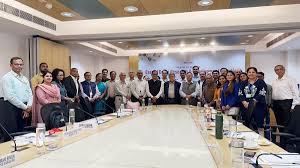
In a strategic move to overhaul India’s scientific landscape, NITI Aayog recently released two seminal reports: “Ease of Doing Research & Development in India” and the “Survey Report on Ease of Doing R&D in India.” These documents outline a roadmap for transforming India from a primary producer of academic papers into a global innovation hub. By addressing systemic bottlenecks, the reports aim to foster an environment of "Atmanirbhar Bharat" (Self-reliant India) through technological sovereignty.
1. Current Status of the Indian R&D Landscape
India’s research ecosystem presents a picture of significant potential coupled with structural challenges:
- Global Innovation Index (GII) 2025: India has climbed to the 38th position out of 139 economies, a notable leap from its 48th rank in 2020. It currently leads among lower-middle-income economies and the Central/Southern Asia region.
- Intellectual Property: India ranks 6th globally in patent applications. The patent-to-GDP ratio—a key indicator of economic impact—surged from 144 in 2013 to 381 in 2023.
- Funding Deficit: Despite growth, Gross Expenditure on R&D (GERD) remains stagnant at 0.64%–0.7% of GDP. This is significantly lower than global leaders like the US (~3.5%), China (~2.4%), or South Korea (~4.8%).
- Researcher Density: India has only 260 full-time equivalent (FTE) researchers per million people, compared to over 4,000 in the US and UK, highlighting a critical human capital gap.
2. The ROPE Framework: Key Highlights of the Reports
The core strategy proposed by NITI Aayog revolves around the ROPE concept (Removing Obstacles and Promoting Enablers) to streamline the scientific ecosystem.
- Dismantling Bureaucracy: The reports identify outdated procurement rules and "L1" (Lowest Bidder) tender systems as major hurdles. They advocate for a shift toward trust-based, outcome-oriented systems that grant researchers operational autonomy.
- "Lab-to-Market" Translation: A shift from basic knowledge creation to "mission-mode R&D" is emphasized. This ensures that fundamental research is translated into commercial technologies and practical applications.
- Democratizing Funding: To bridge the investment gap, the reports suggest leveraging Corporate Social Responsibility (CSR) funds to support startups and emerging technologies, moving away from a purely public-sector-funded model.
3. Critical Challenges Hindering Growth
- Inverted Funding Structure: In leading global economies, the private sector drives 70% of R&D funding. In India, the government bears over 60% of the burden, while private participation remains disproportionately low.
- Fragmented Linkages: The University-Industry-Government (UIG) triad is siloed. Universities often focus on academic citations rather than market-ready indigenous solutions, leading to a reliance on imported technology.
- The "Brain Drain": Lack of merit-based career progression and rigid institutional seniority systems often push top-tier STEM talent to seek opportunities in Western countries.
- Research Quality vs. Quantity: While India produces a high volume of papers, the Citation Network Citation Index (CNCI) and contributions to elite journals (e.g., Nature) remain below global standards.
4. Roadmap for Strengthening the Ecosystem
To evolve into a global scientific powerhouse, the following measures are recommended:
- Financial Restructuring: Push GERD to 1.5%–2% of GDP. Ensure the swift implementation of the Anusandhan National Research Foundation (ANRF) to seed research in state universities, decentralizing innovation beyond elite institutions like the IITs.
- Procurement Reform: Exempt critical scientific equipment from rigid tender rules to ensure researchers receive materials in days rather than months.
- Institutionalizing Technology Transfer: Establish Technology Transfer Offices (TTOs) in major universities to help scientists navigate IP laws and negotiate commercial licensing.
- Strategic Mission-Mode Projects: Concentrate resources on high-priority domains like Quantum Computing, Green Hydrogen, Semiconductors, and AI.
Conclusion
The NITI Aayog reports underscore that India’s transition to a high-income economy is inextricably linked to its R&D prowess. By shifting from a culture of administrative overreach to one of scientific trust, and by bridging the gap between laboratories and the marketplace, India can secure its position as a global leader in the 4th Industrial Revolution.
The New Consumer Price Index (CPI)
- 16 Apr 2026
In News:
In a significant move to align economic indicators with contemporary consumption patterns, the Ministry of Statistics and Programme Implementation (MoSPI) has transitioned to a new Consumer Price Index (CPI) series with 2024 as the base year. This revision is crucial for the Reserve Bank of India (RBI) and policymakers to accurately gauge the "cost of living" and calibrate monetary policy effectively.
I. Understanding CPI and the Need for Revision
The CPI is the primary gauge of retail inflation in India. It measures price changes in a "basket" of goods and services consumed by typical households.
- Monetary Policy Link: The RBI uses CPI for Inflation Targeting. Changes in CPI directly influence the Repo Rate, pensions, and dearness allowances.
- The Consumption Shift: As the Indian economy evolves, consumption habits move from basic necessities (like food) to discretionary items and services (like electronics and healthcare). Periodic revisions prevent the index from becoming obsolete.
II. Key Features of the 2024 Series
The transition from the previous base year (2012) to 2024 introduces several structural changes:
- Modernized Basket: Obsolete items like CDs and DVDs have been removed. They are replaced by modern essentials such as Bluetooth devices, headphones, and earphones, reflecting the digital transformation of Indian households.
- Reduced Weight of Food: Reflecting "Engel’s Law" (as income rises, the proportion of income spent on food falls), the weightage of food items has been reduced.
- Significance: Lower food weight may reduce the volatility of headline inflation, as food is highly susceptible to monsoon and supply-chain shocks.
- Revised Precious Metals Weight:
- Old Series: Gold (1.08%), Silver (0.11%).
- New Series: Gold/Diamond/Platinum jewellery (0.62%), Silver jewellery (0.31%).
- Impact: Despite the individual weight of gold decreasing, the high volatility of global bullion prices remains a significant driver of headline inflation. For instance, excluding gold and silver in December 2025 would have dropped inflation from 1.33% to a mere 0.26%.
III. Statistical Challenges: The "Apples-to-Oranges" Problem
A major hurdle in adopting a new series is the lack of direct comparability with older data.
- The Comparison Gap: January’s inflation was reported at 2.75% under the new series, while December was 1.33% under the old series. This jump is partly due to the different "baskets" being compared rather than a sudden price surge.
- The Back-Series Debate: To help economists, MoSPI released a back-series to 2013. However, experts argue this is a mechanical adjustment using linking factors rather than a reconstruction of historical data using the new consumption weights.
IV. Implications for Monetary Policy and Governance
The new series provides a more realistic lens for the RBI’s Monetary Policy Committee (MPC):
- Core Inflation Insights: With updated weights for services and non-food items, "Core Inflation" (CPI minus food and fuel) will provide a clearer picture of underlying demand.
- Better Calibration: Accurate data allows the RBI to adjust interest rates more precisely, preventing "over-tightening" or "over-easing" based on outdated consumption data.
- Welfare Schemes: Real-time inflation data ensures that government subsidies and wage adjustments (like MGNREGA wages) stay in sync with the actual cost of living.
Strategic Reform of India’s Fertilizer Policy
- 14 Apr 2026
In News:
The recent volatility in West Asia has exposed a critical vulnerability in India’s agricultural sector: a staggering 70% import dependency for chemical fertilizers and their feedstocks. With global urea prices surging by 65% (from $482 to $795 per tonne) in just 40 days during the 2026 conflict, the need for a comprehensive overhaul of the fertilizer regime has become a matter of national sovereignty and economic stability.
The Current Landscape: Data and Statistics
India’s maritime and land-based supply chains are highly sensitive to geopolitical shifts in the Strait of Hormuz and the Black Sea region.
- Consumption vs. Production: India consumes 40 million tonnes (MT) of urea annually. While 30 MT is produced domestically, 85% of the natural gas required for this production is imported. The remaining 10 MT of urea is imported directly.
- The Efficiency Gap: Traditional granular urea has a Nutrient Use Efficiency (NUE) of only 35-40%, meaning over 60% of the fertilizer is lost to the atmosphere as greenhouse gases or leached into groundwater.
- Environmental Cost: Excess nitrogen application releases nitrous oxide, a greenhouse gas 273 times more potent than carbon dioxide.
India's Existing Policy Framework
To protect farmers from global price shocks, the government currently employs several mechanisms:
- Urea Subsidy: The government mandates a fixed Maximum Retail Price (MRP) for urea (currently <$70/tonne). The difference between the production cost and this MRP is paid as a subsidy to manufacturers.
- Nutrient Based Subsidy (NBS): For Phosphatic (P) and Potassic (K) fertilizers, a fixed subsidy is determined based on nutrient content, while MRPs are partially deregulated.
- Neem Coating: 100% of urea is coated with neem oil to slow nitrogen release and prevent illegal diversion to the chemical and plywood industries.
- DBT in Fertilizers: Subsidies are released to companies only after a sale is verified via Point of Sale (PoS) machines using biometric authentication.
Core Challenges and Policy Distortions
Despite these measures, the system faces deep-seated structural issues:
- Massive Price Arbitrage: The gap between the domestic price ($70/tonne) and the global price ($795/tonne) creates an irresistible incentive for smuggling to neighboring countries and industrial diversion.
- Nutrient Imbalance: Because urea is exceptionally cheap, farmers often use double the recommended amount. This skews the N-P-K ratio, leading to soil degradation and "dead" soil biology.
- Fiscal Burden: Rising Liquefied Natural Gas (LNG) and Di-ammonium Phosphate (DAP) prices on the global market create an unsustainably high subsidy bill for the Union Budget.
- Exclusion of Tenants: Since the current system relies on land records for some verifications, tenant farmers—who perform the actual cultivation—often struggle to access subsidized inputs.
Strategic Roadmap for Reform
To transition toward a more resilient and efficient system, experts suggest a multi-pronged approach:
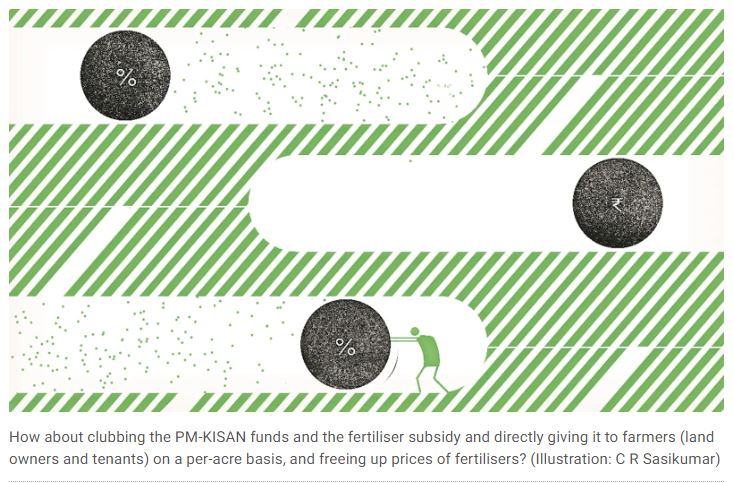
1. Transition to Direct Cash Transfers: Instead of subsidizing the product, the government should provide a per-acre direct payment to farmers. This can be achieved by merging PM-KISAN funds with fertilizer subsidies, ensuring both landowners and actual tenants receive support.
2. Quantitative Rationing and Liberalization
- Rationing: Implement a 10-15% supply cut to states, requiring allocation based on specific crop types and land records to prevent over-application.
- Price Liberalization: Once direct cash transfers are established, the market price of fertilizers should be freed. High market prices naturally incentivize efficient usage.
3. Technological and Product Innovation
- Liquid Nano Urea: Shift focus toward liquid fertilizers which offer a 90% NUE via fertigation, significantly reducing waste and the carbon footprint.
- Alternative Nutrients: Incentivize Triple Super Phosphate (TSP) over DAP. TSP saves 18% nitrogen content per bag, helping to reduce the overall urea subsidy bill.
Claude Mythos and the Paradigm Shift in AI-Driven Cybersecurity

- 13 Apr 2026
In News:
The rapid evolution of Artificial Intelligence (AI) has reached a critical juncture with Anthropic’s unveiling of Claude Mythos. Representing a "step-change" in Large Language Model (LLM) capabilities, Mythos is not merely an incremental update to the Claude family (Haiku, Sonnet, Opus) but a specialized, high-impact system designed for autonomous vulnerability detection. Its emergence highlights the "dual-use" nature of frontier AI, where the same tool capable of fortifying digital defenses can simultaneously serve as a potent weapon for cyber warfare.
Claude Mythos: Technical Leap and Capabilities
Unlike general-purpose models, Claude Mythos is engineered for advanced reasoning and complex problem-solving within software architecture.
- Vulnerability Detection at Scale: In early testing, Mythos demonstrated the ability to identify thousands of critical security flaws in legacy software, operating systems, and web browsers—some of which had remained undetected by human reviewers for decades.
- Unprecedented Efficiency: Researchers indicate that Mythos is approximately an order of magnitude faster than existing automated tools. It can analyze vast, complex codebases and generate patches with minimal human supervision.
- From Coding to Security: While earlier models like Claude Opus showed strong coding proficiency, Mythos transitions from simply writing code to identifying deep-seated structural vulnerabilities in existing infrastructure.
Project Glasswing: The Defensive Strategy
Recognizing the risks of a public release, Anthropic has adopted a strategy of "Restricted Access" through Project Glasswing.
- Consortium-Based Rollout: Instead of a commercial launch, access is limited to a consortium of over 40 major entities, including tech giants like Microsoft, Apple, and Cisco, as well as infrastructure operators.
- The "Defender’s Advantage": The strategic logic is to provide a "head start" to legitimate defenders. By allowing critical infrastructure providers to identify and patch flaws first, the project aims to secure the digital ecosystem before similar capabilities inevitably diffuse to malicious actors.
The Dual-Use Dilemma and Global Risks
The emergence of Mythos underscores a growing concern in the global security landscape:
- Blurring of Offensive and Defensive Lines: A tool that finds a bug to fix it can also be used by a hacker to exploit it.
- Lowering the Entry Barrier: AI-driven tools could allow individuals with limited technical expertise to launch sophisticated "Zero-Day" attacks.
- Speed of Exploitation: By compressing the time between vulnerability discovery and exploit generation, the window for manual human response is shrinking, necessitating AI-on-AI defense mechanisms.
Implications for India’s Cybersecurity Landscape
For India, a global IT hub with a burgeoning digital economy, Claude Mythos presents a unique set of challenges and opportunities:
- Dependence on Global Ecosystems: Since India relies heavily on both foreign platforms and domestically developed software, the vulnerabilities discovered (and patched) via Mythos will have a direct impact on Indian digital resilience.
- The Participation Gap: Currently, no Indian firm is part of the Project Glasswing consortium. This lack of early access may leave Indian-developed software and critical infrastructure exposed to threats that international counterparts have already mitigated.
- Institutional Response:
- CERT-In (Indian Computer Emergency Response Team): The national agency is reportedly studying the implications of Mythos to formulate response strategies.
- DSCI (Data Security Council of India): Under the aegis of NASSCOM, the DSCI is actively discussing the impact of such models on the domestic IT industry.
- Policy Imperative: There is an urgent need for India to enhance its institutional readiness and foster domestic AI-security research to avoid strategic dependence on foreign "defensive" consortiums.
Conclusion
Claude Mythos represents the dawn of autonomous cyber operations. While it offers a revolutionary way to secure the "technical debt" of decades-old legacy code, its existence forces a global rethink of AI safety and democratization. For aspirants and policymakers, the Mythos case study is a reminder that in the digital age, national security is increasingly defined by the ability to master—and regulate—the algorithms that govern the code.
Electoral Integrity vs. Democratic Inclusion: The Special Intensive Revision (SIR) Controversy in West Bengal
- 12 Apr 2026
In News:
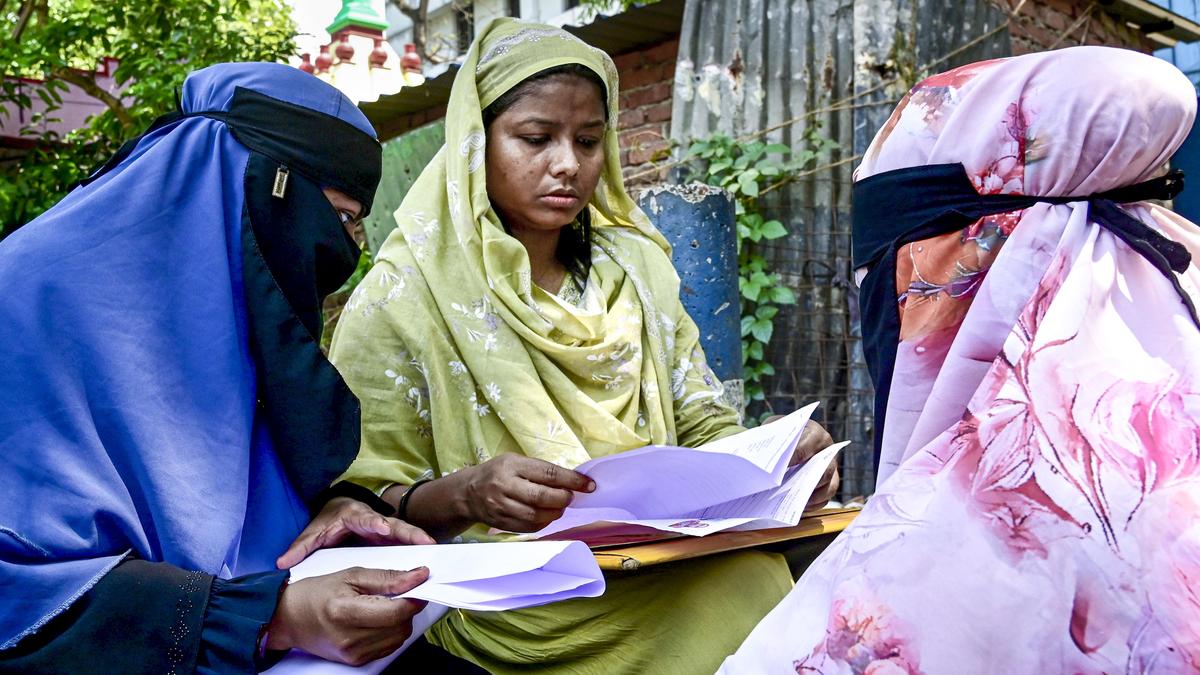
The Special Intensive Revision (SIR), initiated by the Election Commission of India (ECI) across 13 States and Union Territories, has emerged as a landmark event in India’s electoral history. While designed to "purify" electoral rolls, its implementation in West Bengal has sparked an unprecedented institutional standoff involving the ECI, the State Government, and the Judiciary.
1. Understanding SIR: Objectives and Methodology
The primary mandate of the SIR is the "cleansing" of the electoral database to ensure the sanctity of the democratic process.
- Purification of ASDD: Targeting the removal of Absent, Shifted, Dead, and Duplicate voters.
- Technological Shift: For the first time, large-scale AI-based verification was used to scrutinize data anomalies across decades.
- Identification of Ineligible Voters: Aimed at identifying "illegal immigrants" and individuals who do not meet the criteria for citizenship or residency.
2. The West Bengal Scale: A Statistical Breakdown
The magnitude of deletions in West Bengal has raised alarms regarding the potential for mass disenfranchisement.
|
Category |
Statistical Detail |
|
Initial Voter Base (Nov 2025) |
7.66 Crore |
|
Final Eligible Voters |
6.77 Crore (Net reduction of ~90.8 Lakh) |
|
Logical Discrepancies |
1.2 Crore cases flagged (Age gaps, gender-name mismatch) |
|
Unmapped Voters |
30 Lakh voters with no linkage to the 2002 revision |
|
Under Adjudication |
60 Lakh voters temporarily excluded pending verification |
AI-Flagged Anomalies: The algorithm identified "logical discrepancies," such as parent-child age gaps outside the 15–45 year range, grandparent-voter gaps under 40 years, and instances where more than six voters were linked to a single ancestor.
3. Institutional and Judicial Intervention
The controversy led to a unique "trust deficit" between the ECI and the West Bengal government, prompting the Supreme Court of India to take an extraordinary step.
- Judicial Supervision: A Bench led by CJI Surya Kant ordered judicial officers to oversee the adjudication process, effectively replacing executive officers (EROs/AEROs) in their quasi-judicial roles.
- Special Tribunals: While 27 lakh names were struck down under supervision, remaining disputed cases were referred to 19 special tribunals.
- Separation of Powers: This intervention has sparked a debate on the judiciary stepping into executive functions to safeguard fundamental rights.
4. Critical Concerns and Challenges
The SIR process has faced intense scrutiny from civil society and political entities:
- Allegations of Targeted Exclusion: Reports suggest disproportionate deletions in specific districts (Murshidabad, Malda) and communities (Muslims and Matuas), leading to charges of "electoral cleansing."
- Algorithmic Transparency: The "Black Box" nature of AI-based decision-making lacks public audit mechanisms, raising questions about accountability.
- Institutional Trust: The breakdown of coordination between the Constitutional body (ECI) and the State government threatens the federal spirit.
- The "Freeze" Effect: With rolls frozen before upcoming elections, millions under "adjudication" may lose their right to vote, challenging the principle of Universal Adult Suffrage.
From Borrowers to Builders: The Evolution of Women in India’s Credit Market
- 11 Apr 2026
In News:
In a landmark development for financial inclusion and women-led development, NITI Aayog released the second edition of its comprehensive report, "From Borrowers to Builders: Women and India’s Evolving Credit Market”. Prepared under the aegis of the Women Entrepreneurship Platform (WEP) in collaboration with TransUnion CIBIL and MicroSave Consulting (MSC), the report highlights a structural shift where women are transitioning from mere recipients of credit to significant drivers of India's entrepreneurial economy.
Key Highlights: The Quantitative Shift
The report presents a compelling narrative of growth in women's participation in formal credit systems between 2017 and 2025.
- Portfolio Growth: Women borrowers now hold a credit portfolio of ?76 lakh crore, accounting for 26% of the total system credit. This represents a staggering 4.8-fold increase from ?16 lakh crore in 2017.
- Expansion in Business Lending: While retail loans remain dominant, business-purpose loans for women have surged 7.5 times since 2017, now constituting 25% of their total credit value.
- Credit Penetration: The percentage of credit-active women has nearly doubled, rising from 19% to 36%, representing approximately 16 crore (160 million) active women borrowers.
- Regional Trends: While the South and West remain leaders, Northern states like Bihar and Uttar Pradesh are emerging as high-growth markets, recording business loan Compound Annual Growth Rates (CAGRs) of 59% and 42%, respectively.
- Superior Credit Behavior: The report underscores that women are highly reliable borrowers, with default rates 30% lower than the general market average.
The Role of Digital Public Infrastructure (DPI)
The convergence of DPI—including UPI, e-KYC, and digital identity systems—has been a primary catalyst in reducing entry barriers.
- Speed of Credit: Same-day approvals for consumption loans rose from 34% in 2022 to 45% in 2025.
- Digital Adoption: Among Rural Women Nano-Entrepreneurs (RWNEs), 60–70% now use digital payments, creating a "verifiable cash-flow history" that can be used for credit underwriting.
Challenges to Financial Autonomy
Despite the progress, several structural and behavioral barriers persist:
- Time Poverty: Women face significant "time poverty" due to unpaid care and household responsibilities, limiting their ability to engage consistently with financial tools.
- Shared Resources: The use of shared mobile devices in rural households often constrains independent and private financial decision-making.
- Limited Strategic Control: Many women manage daily business operations but lack final authority over large-scale strategic investments or procurement.
- Microfinance Contraction: The MFI sector has seen a contraction in supply due to rising Non-Performing Assets (NPAs) and concerns over borrower over-indebtedness.
- Complexity Gap: Access to sophisticated products like Cash Credit (CC) and Overdraft (OD) facilities remains low, utilized by only ~4.3% of women-owned entities.
Recommendations for Sustainable Growth
To transition from inclusion to "progression-led participation," the report offers several strategic interventions:
- Flow-Based Underwriting: Lenders should move away from collateral-heavy models toward using UPI transaction data and digital footprints to assess risk for first-time borrowers.
- Gender-Intelligent Products: Designing credit products with flexible repayment schedules that align specifically with the cash-flow cycles of women-led small businesses.
- Project Seher: Expanding credit education programs to improve financial literacy and help women understand the long-term value of their credit scores.
- Leveraging SHGs: Utilizing Self-Help Groups (SHGs) as "trust bridges" to introduce new financial technologies and digital tools.
- End-to-End Digitization: Reducing Turnaround Time (TAT) for secured loans (like housing) by digitizing property valuation and collateral checks.
India-Türkiye Relations
- 10 Apr 2026
In News:
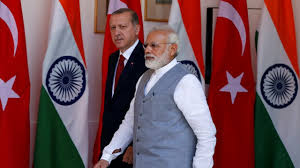
The recent conclusion of the 12th round of Foreign Office Consultations (FoC) between India and Türkiye, held after a four-year hiatus, marks a pivotal moment in West Asian diplomacy. This engagement signals a "thaw" in a relationship that has been historically characterized by a complex mix of robust economic ties and deep-seated geopolitical disagreements.
Historical Context and Recent Strains
The bilateral relationship traces its formal economic roots back to the 1973 Bilateral Trade Agreement and the 1983 Joint Commission on Economic and Technical Cooperation (JCETC). To institutionalize diplomatic dialogue, Foreign Office Consultations were established in 2000.
However, relations took a sharp downturn in recent years due to several factors:
- The Kashmir Factor: Under President Recep Tayyip Erdo?an, Türkiye has frequently used international platforms, including the UN General Assembly, to raise the Kashmir issue, often echoing Pakistan's stance.
- Operation Sindoor& Strategic Realignment: Tensions peaked during "Operation Sindoor," where Türkiye’s military and diplomatic alignment with Pakistan drew sharp reactions from New Delhi.
- Indian Diplomatic Counter-measures: In response to Ankara's provocations, India scaled back diplomatic briefings for Turkish officials and witnessed public sentiment shifting against Turkish trade and tourism.
Economic and Social Consequences of Friction
The diplomatic chill had tangible impacts on "soft power" and economic engagement:
- Tourism Contraction: Indian tourist arrivals to Türkiye saw a drastic 37% decline by June 2025 compared to previous years, reflecting the impact of public boycotts.
- Trade Volatility: While bilateral trade had reached a peak of $13.88 billion in 2022–23, recent data indicates a contraction to approximately $8.71 billion, highlighting how political instability can jeopardize economic gains.
Strategic Imperatives:
Despite the friction, Türkiye remains a vital partner for India’s long-term interests:
- Geopolitical Crossroads: Situated at the intersection of Europe and Asia, Türkiye is a critical node for trans-continental connectivity and India’s outreach to the Mediterranean and Central Asia.
- Multilateral Influence: As a member of the G20 and a significant voice in the Islamic world (OIC), Türkiye’s cooperation is essential for India’s global governance ambitions and its engagement with Muslim-majority nations.
- Institutional Frameworks: Existing mechanisms like the Joint Working Group on Counter-Terrorism (last met in 2019) and the Policy Planning Dialogue (launched in 2020) provide ready-made platforms for cooperation if political will persists.
- Humanitarian Diplomacy: India’s Operation Dost (2023), launched to provide relief after devastating earthquakes in Türkiye, demonstrated India’s commitment to "Vasudhaiva Kutumbakam" (The World is One Family), creating a reservoir of goodwill among the Turkish populace.
The Broader Global Recalibration
The resumption of talks must be viewed through the lens of India’s pragmatic foreign policy. India has shown an increasing willingness to engage with traditional critics:
- Regional Rebalancing: Just as India has engaged with Azerbaijan (despite its support for Pakistan) and recalibrated ties with China and Malaysia, the outreach to Ankara reflects a policy of "multi-alignment."
- Turkish Regionalism: Türkiye itself is diversifying its diplomacy, engaging with regional powers like Egypt and Saudi Arabia, creating a more fluid environment for India to maneuver.
Challenges to a Lasting "Thaw"
The path toward a strategic partnership remains obstructed by significant hurdles:
- The Pakistan-Türkiye Axis: The deep military-technical cooperation between Ankara and Islamabad remains a primary security concern for India.
- Divergent Narratives: Leadership rhetoric and domestic political compulsions in both nations often lead to provocative statements that derail diplomatic progress.
- Trust Deficit: The gap between economic cooperation and political alignment continues to be a "perception gap" that requires sustained high-level engagement to bridge.
Conclusion
The 12th Foreign Office Consultations represent a shift from confrontation to managed pragmatism. For India, the goal is not necessarily total alignment, but the neutralization of Turkish hostility on core national interests while leveraging economic synergies. In an increasingly fragmented global order, maintaining a functional relationship with a middle power like Türkiye is essential for India to uphold its strategic autonomy and ensure stability across the Eurasian landmass.
Bridging the Digital Divide: CBSE’s CT-AI Curriculum & the Challenge of Foundational Literacy

- 09 Apr 2026
In News:
In a significant move to future-proof the Indian education system, the Union Ministry of Education recently launched a new Central Board of Secondary Education (CBSE) curriculum centered on Computational Thinking (CT) and Artificial Intelligence (AI) for Classes 3 to 8. While this initiative marks a leap toward the National Education Policy (NEP) 2020 vision, its success is tethered to the critical baseline of Foundational Literacy and Numeracy (FLN).
The New CT-AI Curriculum: Structure and Scope
Starting from the 2026-27 academic session, the curriculum aims to transition students from passive consumers of technology to informed and logical creators.
- Pedagogical Shift: It is introduced as a cross-curricular skill, meaning AI and CT will not be isolated "computer periods" but will be integrated into Mathematics, Science, and Social Sciences.
- Graduated Learning Path:
- Classes 3–5: Focuses on "unplugged" activities, puzzles, and pattern recognition to build logical reasoning.
- Classes 6–8: Introduces formal AI concepts, project-based learning, and reflective assessments.
- The "Why" Behind AI: The goal is to mainstream AI Literacy, ensuring students understand recommendation systems and digital assistants while grappling with ethical concerns like data privacy, bias, and accountability.
The Paradox: High-Tech Ambition vs. Low-Level Literacy
Despite the forward-looking curriculum, educational reports highlight a significant "readiness gap." The efficacy of Computational Thinkingwhich relies heavily on LSRW (Listening, Speaking, Reading, and Writing)is threatened by poor foundational skills.
- ASER 2024 Findings: The Annual Status of Education Report reveals a persistent crisis; over 50% of Class 5 students in government schools still struggle to read a Class 2-level text.
- PARAKH Rashtriya Sarvekshan 2024: This massive survey of 23 lakh students produced a counter-intuitive finding: urban private school students performed poorer than their rural government school counterparts in Grade 3 Language and Mathematics.
- The Literacy Link: Computational Thinking is not independent of language. It requires the ability to interpret complex instructions and articulate solutions. Without strong reading comprehension, AI literacy remains an aspirational goal rather than a functional skill.
Government Interventions for Learning Improvement
To address these gaps, the government has deployed a "Whole-of-System" approach through various schemes:
- NIPUN Bharat Mission: This is the cornerstone of foundational learning, aiming to ensure every child achieves universal Foundational Literacy and Numeracy (FLN) by Grade 3 by the 2026-27 session. It uses activity-based learning and teacher training to bridge the early learning gap.
- Samagra Shiksha Abhiyan: An overarching scheme for school education extending from pre-school to Class 12. It emphasizes inclusive education and gender parity, ensuring that the digital push does not leave marginalized communities behind.
- NISHTHA (National Initiative for School Heads’ and Teachers’ Holistic Advancement): A massive capacity-building program for school heads and teachers. Its goal is to improve learning outcomes by training educators in modern pedagogical techniques, including the integration of AI and CT.
- Digital Ecosystem (DIKSHA, PM e-Vidya, TALA): The government is utilizing portals like DIKSHA for content dissemination and TALA (Technology-Assisted Learning and Assessment), which uses AI-driven adaptive assessments to track student progress and detect learning gaps early.
Way Ahead
The success of the CT-AI curriculum depends on a synchronous rollout. The government must ensure that the "high-order" learning of AI does not outpace the "foundational" learning of language. A feedback loop involving continuous assessment (via PARAKH) and ground-level teacher empowerment is essential to ensure that no child is left behind in India's digital transformation.
Deep Tech in India: Strategic Imperatives and the Roadmap to 2047
- 08 Apr 2026
Context:
Deep Technology (Deep-Tech) refers to innovations built upon significant scientific or engineering breakthroughs rather than incremental improvements. In 2026, India’s Deep-Tech ecosystem has reached a critical inflection point. With over 3,600 startups (nearly 500 established in 2023 alone), India is pivoting from a service-oriented IT hub to a high-value, R&D-driven economy.
The Strategic Significance of Deep-Tech
- Technological Sovereignty: By developing indigenous capabilities in defense, space, and semiconductors, India reduces its vulnerability to global supply chain disruptions and foreign dependencies.
- Economic Value Addition: Shifting the focus from "low-cost services" to Intellectual Property (IP) creation allows India to capture a larger share of the global value chain.
- Viksit Bharat @2047: Deep-Tech is the engine for solving large-scale social hurdles, such as AI-driven rural healthcare, precision agriculture for food security, and green hydrogen for energy independence.
Government Initiatives: The Policy Push
The Union Government has introduced a "Whole-of-Government" framework to support frontier technologies.
1. National Deep Tech Startup Policy (NDTSP)
- Patient Capital: The policy addresses the challenge of long development timelines by providing long-term funding and tax incentives.
- Recognition Framework (2026 Update): In February 2026, the government extended the age limit for Deep-Tech startups from 10 to 20 years from the date of incorporation, recognizing their longer gestation periods.
2. India Semiconductor Mission (ISM) 2.0
- Fiscal Support: A robust ?76,000 crore incentive framework supports silicon fabs and display units.
- Indigenous Progress: At the 2025 Global Investors Summit, it was announced that India's first indigenous semiconductor chip would be production-ready.
- Key Achievement: The launch of DHRUV64, an indigenous 64-bit microprocessor, marks a significant milestone in chip design.
3. IndiaAI Mission & National Quantum Mission
- IndiaAI: With a ?10,300 crore budget, it aims to create a massive computing facility with over 18,000 GPUs and develop indigenous Large Language Models (LLMs).
- Quantum Mission: Aimed at accelerating research in quantum computing, communication, and sensing through 2031.
4. Space & Biotechnology
- Indian Space Policy 2023: Delineates roles for ISRO and IN-SPACe while allowing 100% FDI in satellite manufacturing.
- Bio-E3 Policy: Focuses on "Economy, Employment, and Environment" by promoting biomanufacturing and biotechnology entrepreneurship.
Challenges to the Deep-Tech Ecosystem
Despite the momentum, several hurdles remain:
- Capital Intensity: Deep-Tech requires high upfront investment which traditional venture capital often finds risky.
- Infrastructure Gaps: Limited access to high-end supercomputing, specialized labs, and testing facilities.
- Talent Scarcity: A shortage of highly specialized research talent despite a large STEM pool.
Institutional Support: ANRF and RDI
To bridge the gap between academia and industry, the government established:
- Anusandhan National Research Foundation (ANRF): Created via the ANRF Act 2023, it provides strategic direction and competitive funding for research across natural sciences and engineering.
- RDI Scheme: A massive ?1 lakh crore Research, Development, and Innovation Fundprovides long-tenor, low-interest "patient capital" to finance high-risk innovations at scale.
Redefining the Red Corridor: India’s Evolving Strategy Against Left-Wing Extremism
- 06 Apr 2026
In News:
In a landmark move for internal security, the Union Ministry of Home Affairs (MHA) has overhauled the categorization of districts affected by Left-Wing Extremism (LWE). This reclassification marks a historic contraction of the "Red Corridor"—the region significantly influenced by Naxalite activity—and aligns anti-Naxal strategies with current ground realities. The Union Government recently declared in the Lok Sabha that India is effectively "Naxal-free," signaling the success of decades of multi-pronged interventions.
The Shift in Categorization (2026)
The MHA has replaced the broad "most affected districts" tag with a more nuanced, three-tier classification. This allows for a more granular assessment of extremist intensity and ensures that administrative and security resources are deployed where they are most needed.
- LWE Affected Districts: These are the primary zones of active extremism. As of 2026, only Bijapur (Chhattisgarh) and West Singhbhum (Jharkhand) remain in this category.
- Districts of Concern: These are areas monitored for potential resurgence or logistical movement. Currently, Kanker (Chhattisgarh) is the sole district in this category.
- Legacy & Thrust Districts: This category comprises 35 districts across nine states. These are regions where LWE has been physically dismantled but require continued "thrust" in development to prevent a vacuum that extremists could re-occupy.
This is a stark improvement from 2025, when districts like Sukma and Narayanpur were still labeled "most affected."
The Shrinking Red Corridor
The decline of the Red Corridor serves as a primary indicator of improved internal security.
- Statistical Decline: In 2005, over 200 districts were under the influence of LWE. By 2026, active extremism is confined to just two districts.
- Target 2026: The contraction aligns with India’s strategic target to eliminate LWE entirely by March 2026.
Policy Framework: The 2015 National Policy and Action Plan
The current success is rooted in the National Policy and Action Plan to Address LWE (2015). This framework moved away from a purely "law and order" approach to a holistic model:
- Security Pillar: Coordinated operations between Central Armed Police Forces (CAPFs) and State Police.
- Developmental Pillar: Ensuring the reach of public infrastructure (roads, mobile towers, and schools) in remote tribal belts.
- Rights-Based Approach: Addressing local grievances related to land and forest rights to disconnect the masses from extremist ideologies.
Financial Implementation: The SRE Scheme
The new district categories directly influence the deployment of funds under the Security Related Expenditure (SRE) Scheme.
- Mechanism: Under this scheme, the Centre reimburses states for operational costs of security forces, ex-gratia payments for victims, and community policing.
- Rehabilitation: A significant portion of the funds is dedicated to the rehabilitation of surrendered LWE cadres, facilitating their transition into the mainstream.
- Financial Commitment: Approximately ?1,685 crore was released under the SRE Scheme up to the 2023–24 period, reflecting the government's sustained financial resolve.
Strategic Significance for Internal Security
The reclassification serves several strategic purposes:
- Targeted Interventions: It prevents "one-size-fits-all" policing, allowing for specialized jungle warfare tactics in "Affected Districts" and socio-economic focus in "Legacy Districts."
- Resource Optimization: Prevents the over-extension of security forces in areas where the threat has significantly subsided.
- Consolidating Gains: The "Legacy & Thrust" tag ensures that the administration does not abandon a region the moment violence stops, but rather stays to consolidate peace through development.
Conclusion
The transition of the Red Corridor from 200 districts to just two is a testament to the resilience of India's internal security framework. By evolving from a "Most Affected" label to a data-driven categorization, the MHA has ensured that the final phase of the fight against Naxalism is focused, efficient, and oriented toward long-term peace. For the first time in decades, the prospect of a Naxal-free India is a tangible reality rather than a distant policy goal.
India-Azerbaijan Relations: Navigating a Strategic Reset
- 07 Apr 2026
In News:
In a significant diplomatic turn, India and Azerbaijan have initiated a comprehensive "reset" of their bilateral ties. The 6th round of Foreign Office Consultations (FOC) held in Baku in April 2026 marks the first high-level engagement between the two nations since 2022. This move is particularly noteworthy as it follows a period of heightened friction triggered by geopolitical realignments and military operations.
The Geopolitical Context: Friction and "Operation Sindoor"
The relationship recently faced its most challenging phase due to diverging strategic alliances:
- Operation Sindoor Fallout: Following India’s military operation, Azerbaijan—aligned with Turkey and Pakistan under the "Three Brothers" bloc—expressed strong support for Islamabad.
- The Armenia Factor: Azerbaijan previously accused India of bias due to New Delhi’s growing defense cooperation with Armenia. Conversely, Pakistan remains one of the few countries that does not recognize Armenia, primarily to support Azerbaijan’s stance on the Nagorno-Karabakh conflict.
- Mediation and Humanitarian Gestures: Despite these tensions, a thaw began when Azerbaijan facilitated the evacuation of over 200 Indian nationals during the U.S.-Israel strikes on Iran, demonstrating a pragmatic "humanitarian-first" approach.
Economic and Energy Dynamics
Economic ties remain the bedrock of the relationship, though they have been subject to volatility:
- Trade Trends: Bilateral trade peaked at US$ 1.882 billion in 2022 before experiencing a sharp decline to US$ 401 million by 2025. This fluctuation was largely driven by India’s reduction in crude oil imports from the region.
- Energy Security: Azerbaijan has recently resumed crude oil exports to India, with oil accounting for approximately 98% of its total exports to the country.
- Strategic Investments: ONGC Videsh holds significant stakes in the Azeri-Chirag-Gunashli (ACG) oil field and the Baku-Tbilisi-Ceyhan (BTC) pipeline. These investments are vital for India’s strategy to diversify energy sources beyond the Middle East and deepen its footprint in the Caspian Sea region.
Cultural and Historical Synergy
Beyond oil and politics, the two nations share deep-rooted historical connections:
- The Ateshgah Temple: Located in Surakhany near Baku, this 18th-century fire temple features inions in Devanagari and Gurmukhi, serving as a testament to the ancient Silk Road trade links and the presence of Indian merchants in the Caucasus.
- The Indian Diaspora: Currently, about 1,000 Indian professionals reside in Azerbaijan, contributing to the local economy and acting as a bridge for cultural diplomacy.
Outcomes of the 6th Foreign Office Consultations
The recent Baku meeting covered a broad spectrum of cooperation, including technology, pharmaceuticals, and tourism. Two major takeaways emerged:
- Cross-Border Terrorism: The inclusion of "cross-border terrorism" in the joint discussions signals a subtle but crucial shift in Azerbaijan's diplomatic stance, aligning more closely with India’s long-standing security concerns.
- Multilateral Connectivity: Discussions touched upon the International North-South Transport Corridor (INSTC), where Azerbaijan serves as a critical transit hub connecting India to Russia and Europe.
Strategic Significance
The India-Azerbaijan reset illustrates several key themes in Indian Foreign Policy:
- Pragmatic Realism: India is demonstrating the ability to de-link its relationship with Armenia from its engagement with Azerbaijan, ensuring that "neighborhood rivalries" do not impede energy security.
- Extended Neighborhood Policy: Strengthening ties with the Caucasus is essential for India's ambitions in Central Asia and the Caspian region.
- De-hyphenation: By engaging with Baku despite the "Three Brothers" alliance, India is successfully de-hyphenating Azerbaijan from Pakistan’s influence.
Conclusion: The Way Ahead
The normalization of ties highlights a transition toward a multi-aligned foreign policy. While past disagreements over regional conflicts persist, both Baku and New Delhi appear ready to prioritize long-term economic interests and maritime connectivity. The focus for 2026 and beyond will likely be on stabilizing trade volumes and ensuring the safety of energy transit routes in an increasingly volatile Eurasian landscape.
India’s Defence Export Surge
- 05 Apr 2026
In News:
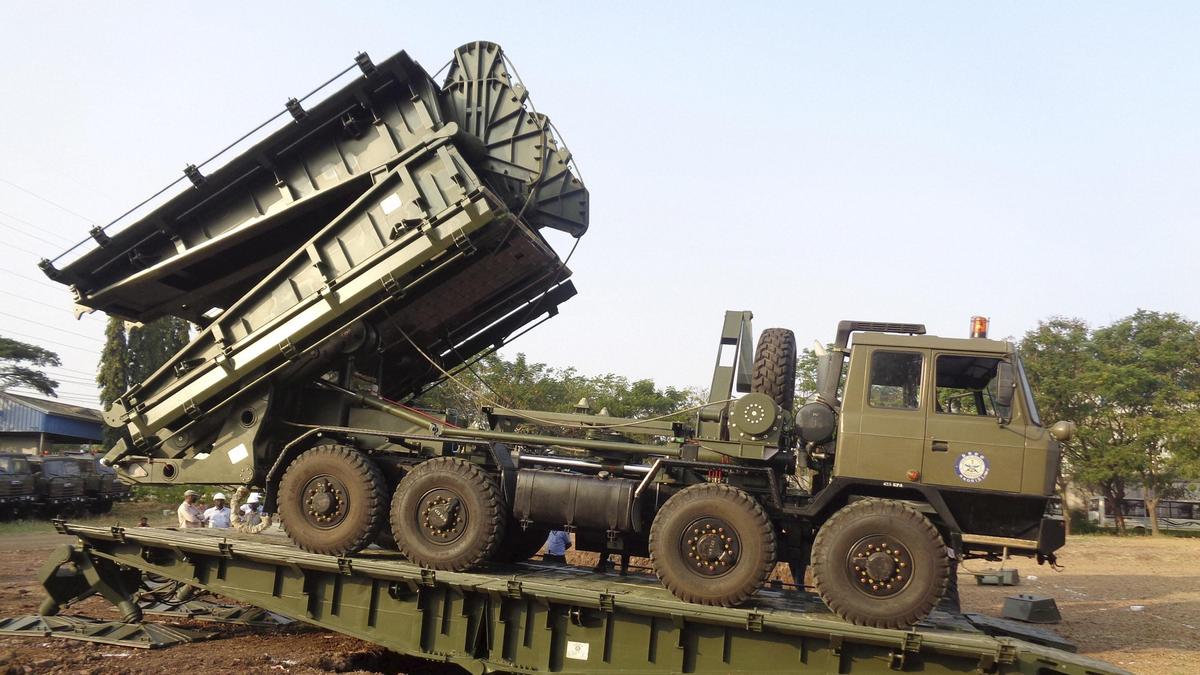
India’s defence sector has achieved a historic milestone in the financial year 2025-26, with defence exports reaching an all-time high of ?38,424 crore. This represents a staggering 62.66% increase over the previous fiscal year (?23,622 crore). This surge is a testament to India's transition from being one of the world's largest arms importers to an emerging global exporter, driven by the vision of Atmanirbhar Bharat (Self-Reliant India).
Key Highlights of FY 2025-26
The growth in exports is characterized by a robust partnership between the public and private sectors:
- Sectoral Contribution: Defence Public Sector Undertakings (DPSUs) contributed 54.84% (?21,071 crore), while the private sector accounted for 45.16% (?17,353 crore).
- Surging Growth: DPSU exports skyrocketed by 151%, while private firms maintained steady growth with a 14% increase.
- Global Footprint: India now exports defence equipment to more than 80 countries. The number of active exporters has grown to 145, reflecting a more competitive and wider industrial base.
- Budgetary Support: The defence budget has grown significantly to ?6.81 lakh crore in 2025-26, providing the necessary capital for modernization and indigenous production.
Major Exported Products and Destinations
India's export basket has expanded from components to full-scale advanced platforms:
- Key Products: BrahMos Supersonic Cruise Missiles, Akash Surface-to-Air Missile systems, Pinaka Multi-Barrel Rocket Launchers, Advanced Towed Artillery Gun System (ATAGS), Dornier-228 aircraft, and Zen Anti-Drone Systems.
- Top Buyers:
- Components/Sub-systems: United States, France, and Israel (primarily for aero-structures and electronics).
- Indigenous Weapon Systems:Armenia (Akash, Pinaka, ATAGS) and the Philippines (BrahMos).
- Others: UAE, South Korea, Italy, and various nations across Africa and Southeast Asia.
The Strategic Imperative for Indigenisation
The push for domestic manufacturing is rooted in the need for Strategic Autonomy:
- National Security: Reducing dependence on foreign OEMs ensures that supply chains are not disrupted during geopolitical crises or through technology denials (sanctions).
- Economic Efficiency: Indigenous production conserves foreign exchange and creates a "waste-to-wealth" cycle within the domestic economy.
- Tailored Technology: Platforms can be customized for India’s unique terrains—ranging from high-altitude Himalayan regions to tropical maritime zones.
- Technological Sovereignty: Owning the Intellectual Property (IP) allows India to upgrade and modify systems without seeking external permissions.
Key Reforms Driving the Transformation
The Government of India has introduced several structural reforms to facilitate this growth:
- DAP 2020 & IDDM: The Defence Acquisition Procedure (DAP) 2020 prioritizes the Indian-IDDM (Indigenously Designed, Developed, and Manufactured) category as the highest preference for procurement.
- Simplified ‘Make’ Procedures:
- Make-I: Government-funded (up to 70%) development of complex systems.
- Make-II: Industry-funded prototypes with simplified paperwork and fast-track approvals.
- FDI Liberalization: Automatic route for Foreign Direct Investment increased to 74%, and up to 100% via government approval for niche technologies.
- Innovation Ecosystems:
- iDEX (Innovations for Defence Excellence): Grants for startups and MSMEs.
- Technology Development Fund (TDF): Funding up to ?10 crore for R&D in critical technologies.
- Defence Industrial Corridors (DICs): Established in Uttar Pradesh and Tamil Nadu, these hubs have attracted over ?9,145 crore in investment and signed nearly 290 MoUs to build a localized supply chain.
Roadmap to 2029: The Global Hub Vision
The Ministry of Defence has set ambitious targets for the near future:
- Production Target: Reach ?3 lakh crore in annual domestic defence production by 2029.
- Export Target: Aim for ?50,000 crore in annual exports by 2029.
- MSME Integration: Engaging over 16,000 MSMEs to ensure a resilient and tiered manufacturing ecosystem.
Income Tax Act, 2025

- 04 Apr 2026
In News:
Effective from April 1, 2026, the Income Tax Act, 2025 has officially superseded the decades-old Income Tax Act of 1961. This transition represents a fundamental overhaul of India’s direct tax regime, aimed at enhancing transparency, predictability, and ease of compliance for both individual and corporate taxpayers.
The new Act is characterized by significant structural rationalization, reducing the number of Sections from 819 to 536 and Rules from 511 to 333, reflecting a leaner and more efficient legal code.
Structural and Conceptual Innovations
The Act introduces several modern concepts to align Indian taxation with global digital and administrative standards:
- The ‘Tax Year’ Concept: The Act eliminates the confusing distinction between ‘Assessment Year’ and ‘Previous Year.’ These are replaced by a single, unified ‘Tax Year,’ defined as the twelve-month period commencing on April 1st.
- Digital-First Enforcement: For the first time, the law defines "Virtual Digital Space," bringing platforms like cloud servers, online trading accounts, and email under the ambit of tax enforcement.
- Virtual Digital Assets (VDAs): The definition of VDAs has been expanded to explicitly include cryptocurrencies and tokenized assets, ensuring the tax code remains relevant to the evolving digital economy.
- Streamlined TDS (Section 393): Previously scattered across various chapters, all provisions related to Tax Deducted at Source (TDS) have been consolidated into a single section to reduce legal ambiguity.
Anti-Avoidance and Global Alignment
To curb sophisticated tax evasion, the Act integrates General Anti-Avoidance Rules (GAAR).
- Objective: GAAR targets “Impermissible Avoidance Arrangements” (IAAs)—schemes designed solely to exploit legal loopholes for tax benefits without having real commercial substance.
- Powers: Authorities can now recompute tax liabilities, deny deductions, and cancel exemptions if an arrangement is found to be an artificial attempt to reduce tax liability.
Key Benefits for Individual Taxpayers
The 2025 Act introduces several "ease-of-living" measures for common citizens:
- Unified Form 121: Forms 15G and 15H have been merged into Form 121. This single form allows residents and HUFs (irrespective of age) to declare that their income is below the taxable limit, preventing unnecessary TDS deductions.
- Form 168 (The New 26AS): Replacing Form 26AS, Form 168 integrates the Annual Information Statement (AIS). It provides a comprehensive view of a taxpayer’s financial footprint, including stock market trades, mutual fund investments, and high-value expenditures.
- Rationalized TCS Rates: Under the Liberalized Remittance Scheme (LRS), Tax Collected at Source (TCS) rates have been lowered to provide relief:
- Education/Medical Remittances: Reduced from 5% to 2% for amounts exceeding ?10 lakh.
- Overseas Tour Packages: Reduced from 5% to 2% for packages exceeding ?10 lakh.
- FAST-DS (Foreign Assets Disclosure Scheme, 2026): A new compliance window that allows individuals to voluntarily disclose previously undisclosed foreign assets and income, promoting transparency over litigation.
Administrative Efficiency
To reduce the compliance burden, the government has overhauled the administrative machinery:
- Form Reduction: The total number of tax forms has been slashed from 390 to 190.
- Faceless Assessments: The Act empowers the government to expand schemes for faceless administration, reducing the interface between taxpayers and officials to minimize harassment and corruption.
- Schedules: The number of schedules has been rationalized from 14 to 16 to better organize data.
Conclusion
The Income Tax Act, 2025 is more than a mere consolidation of laws; it is a transformative step toward a modern fiscal era. By simplifying the legal language, reducing the volume of compliance, and embracing the digital reality of the 21st century, the Act seeks to foster a culture of voluntary compliance and trust between the state and the taxpayer.
Energy Statistics India 2026
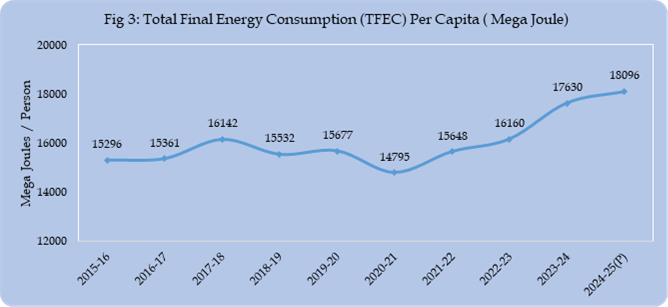
- 03 Apr 2026
In News:
The Ministry of Statistics and Programme Implementation (MoSPI) has released its annual publication, “Energy Statistics India 2026.” This comprehensive dataset integrates information on India’s energy reserves, production, consumption, and trade, providing a pulse check on the nation's energy security and transition trajectory as of March 31, 2025.
Macro-Economic Energy Indicators
During the Financial Year 2024-25, India’s energy sector mirrored the nation’s robust economic growth.
- Primary Energy Supply: The Total Primary Energy Supply (TPES) registered a healthy expansion of 2.95% over the previous year.
- Per-Capita Consumption: Reflecting rising living standards and industrialization, per-capita energy consumption has grown at a Compound Annual Growth Rate (CAGR) of 1.89% over the decade spanning 2015-16 to 2024-25.
- Credit Flow: Financial confidence in the sector has skyrocketed. Investment flows surged from ?1,688 crore in 2021 to ?10,325 crore in 2025, a more than six-fold increase in just four years.
The Renewable Energy Paradigm
India’s renewable energy (RE) sector is the cornerstone of its climate strategy, showing both immense potential and rapid adoption.
- Total Potential: As of March 2025, India’s estimated renewable energy potential stands at a staggering 47,04,043 MW.
- Resource Composition:Solar energy is the dominant pillar, accounting for nearly 71% of this potential. This is followed significantly by wind power and large hydro projects.
- Geographic Concentration: A critical administrative challenge is the spatial distribution of these resources. Over 70% of India's RE potential is clustered in just six states: Rajasthan, Maharashtra, Gujarat, Andhra Pradesh, Karnataka, and Madhya Pradesh.
- Generation Growth: Actual electricity generation from renewable sources (Utility and Non-Utility) has witnessed a robust CAGR of 9.17%, outpacing conventional growth rates.
Continued Reliance on Fossil Fuels
Despite the green surge, the report highlights a persistent structural reality: Coal remains the dominant source of energy, contributing the highest share to the total primary energy supply. This underscores the "Energy Trilemma" India facesbalancing energy security, energy equity, and environmental sustainability.
Key Takeaways for Policy Analysis
- Demand Dynamics: The steady rise in demand reflects sustained economic growth, but it also necessitates a concurrent expansion in generation capacity to prevent supply deficits.
- Infrastructure Imperatives: The geographic concentration of RE in western and southern states creates an urgent need for the Green Energy Corridor and enhanced interstate transmission networks to prevent regional energy imbalances.
- Transition Challenges: The dominance of coal indicates that while the "addition" of green energy is fast, the "replacement" of fossil fuels is a long-term structural challenge.
- Investment Climate: The massive growth in credit flow suggests that policy frameworks like the Production Linked Incentive (PLI) for solar modules and sovereign green bonds are successfully building investor trust.
Space Governance

- 02 Apr 2026
In News:
The global space sector is undergoing a paradigm shift from a state-dominated frontier to a crowded commercial arena. However, this rapid expansion has outpaced the existing legal and ethical frameworks, leading to a critical failure in space governance. With Earth’s orbits becoming increasingly vulnerable to debris and congestion, the international community faces the "Tragedy of the Commons" in outer space.
Defining Space Governance
Space governance refers to the architecture of international treaties, national laws, and ethical norms designed to manage human activities in outer space.
- Scope: It regulates satellite launches, manages radio frequencies, mitigates orbital debris, and establishes liability for accidents.
- Core Philosophy: It rests on the principle that space is the "province of all mankind," requiring stewardship to ensure its sustainable use.
The Legal Pillars of Space
The current regulatory regime is built upon two foundational international instruments and supplemented by national regimes:
- Outer Space Treaty (1967): The "Constitution" of space. Article VI mandates that states bear international responsibility for national activities in space, including those by private entities. Article VII establishes the principle of state liability for damage caused by space objects.
- Liability Convention (1972): This convention elaborates on the procedures for claiming compensation, providing a legal pathway for states to seek damages for orbital or terrestrial accidents.
- National Licensing Regimes: Today, these are the primary tools for enforcement. Countries require private operators to provide "end-of-life" disposal plans before granting launch permits.
The Imperative for Enhanced Governance
Effective governance is no longer a luxury but a necessity for global stability due to:
- Prevention of Kinetic Chains: Even a fragment smaller than a coin, traveling at high orbital velocities, can obliterate active satellites. Without rules, a single collision can trigger the Kessler Syndrome, a cascade of debris making orbits unusable.
- Intergenerational Equity: Principles of environmental law suggest that our current exploitation of space should not foreclose the ability of future generations to access orbital resources.
- Protection of Essential Services: Global infrastructureincluding GPS, weather forecasting, and telecommunicationsrelies on a stable orbital environment. An "ethically under-governed" space threatens these vital services.
Critical Challenges and Gaps
The current governance model faces a "Verification and Regulatory Gap":
- Information Asymmetry: Accurate data on satellite locations (Space Situational Awareness) is often withheld for national security or commercial secrets, making collision avoidance difficult.
- Regulatory "Forum Shopping": Operators often register in jurisdictions with permissive safety standards to bypass strict domestic regulations.
- Outdated Legal Assumptions: Most treaties were drafted when space was a slow-moving, state-controlled domain. They struggle to address the era of "Mega-Constellations" (e.g., Starlink) and frequent private launches.
- Tracking Limitations: While we can see large objects, much of the lethal "small-scale" debris is impossible to track consistently, leading to a lack of accountability when damage occurs.
India’s Strategic Opportunity
As India transitions from a purely state-led model to a burgeoning private space sector under IN-SPACe, it holds a unique position:
- Leadership in Legislation: India is currently developing its national space legislation. It has the opportunity to embed "Orbital Responsibility" as a mandatory legal requirement, setting a global gold standard.
- Technological Contribution: Through ISRO’s System for Safe and Sustainable Space Operations Management (IS4OM), India can lead in global Space Situational Awareness (SSA).
- Ethical Advocacy: India can advocate for integrating environmental principles—such as the Precautionary Principle and Polluter Pays Principleinto international space policy.
The Way Ahead: Moving Toward Verifiable Stewardship
To ensure space remains a viable resource, the international community must move beyond voluntary guidelines:
- Standardized Global Licensing: Implementing uniform conditions to prevent "regulatory havens."
- Mandatory Data Sharing: Transitioning to legally mandated sharing of tracking data to improve collective safety.
- Enforceable Mitigation: Establishing verifiable thresholds for debris mitigation and mandatory end-of-life disposal.
- Environmental Integration: Treating the orbital environment as a fragile ecosystem that requires active protection rather than just reactive management.
Conclusion
The transition of Earth's orbit from a vast frontier to a fragile resource necessitates a shift from voluntary compliance to enforceable stewardship. For India, the intersection of its expanding commercial space ambitions and its role as a responsible global power provides a perfect platform to lead the creation of a sustainable and ethical space governance regime.
Maternal Health in India: Bridging the Gap from Policy to Outcomes
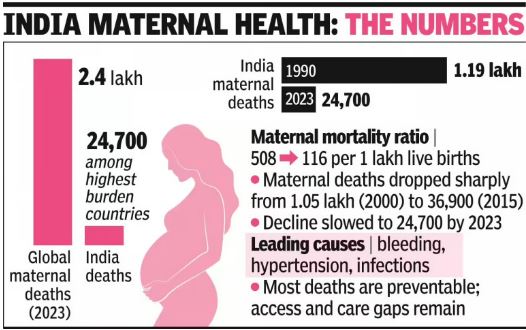
- 01 Apr 2026
In News:
While India has achieved monumental success in reducing its Maternal Mortality Ratio (MMR), recent global studies highlight that the journey toward the 2030 Sustainable Development Goals (SDG) remains fraught with regional disparities and structural bottlenecks.
The Global and National Landscape: Recent Findings
A 2024 study published in The Lancet provides a sobering look at the current state of maternal mortality. Despite decades of rapid decline, the pace of progress globally has plateaued since 2015.
- The Global Burden: In 2023, approximately 2.4 lakh women died due to pregnancy or childbirth-related complications.
- India’s Position: India accounted for 24,700 of these deaths, roughly 1 in every 10 global maternal deaths. This places India among the high-burden nations alongside Nigeria, Pakistan, and Ethiopia.
- Causes of Mortality: Most deaths remain driven by preventable factors, including hemorrhage (excessive bleeding), hypertensive disorders (eclampsia), infections, and complications from pre-existing conditions.
Defining Maternal Mortality: Key Metrics
For administrative and policy purposes, India uses specific terminologies tracked under the Sample Registration System (SRS):
- Maternal Death: The death of a woman during pregnancy or within 42 days of termination, due to causes related to or aggravated by pregnancy, excluding accidental causes.
- Maternal Mortality Ratio (MMR): Number of maternal deaths per 1,00,000 live births.
- Maternal Mortality Rate: Number of maternal deaths per 1,00,000 women in the reproductive age group (15-49).
- Global Target (SDG 3.1): To reduce the global MMR to less than 70 per 1,00,000 live births by 2030.
India’s Progress: Successes and Regional Divergence
According to the National Family Health Survey-5 (2019-21), India has shown remarkable resilience in improving maternal outcomes.
Key Statistical Achievements
- MMR Decline: India’s MMR dropped from 130 (2014-16) to 97 (2018-20), successfully meeting the National Health Policy target of staying below 100 by 2020.
- Institutional Deliveries: A massive leap from 79% (2015-16) to 89% (2019-21). States like Kerala, Tamil Nadu, and Goa have achieved 100% institutional births.
- Rural-Urban Convergence: Even in rural pockets, institutional deliveries have reached 87%, significantly closing the gap with urban areas (94%).
The "Two Indias" Phenomenon
Progress remains highly uneven. While Southern states are nearing or have surpassed the SDG target of 70, states in the "BIMARU" belt, Uttar Pradesh, Bihar, and Madhya Pradeshcontinue to struggle with higher mortality ratios due to systemic lags.
Persisting Challenges
Despite a robust policy framework, several "last-mile" hurdles remain:
- High Out-of-Pocket Expenses (OOPE): Even in public facilities, families often pay for diagnostics and medicines, deterring the poorest from seeking timely emergency care.
- Socio-Cultural Barriers: Low female literacy, restricted autonomy in decision-making, and gender-based discrimination often delay the "three delays": delay in seeking care, reaching the facility, and receiving treatment.
- The New Risk Profile: Increasing instances of obesity, gestational diabetes, and hypertension, combined with delayed childbirth, are giving rise to more "high-risk" pregnancies.
- Infrastructure Gaps: Remote tribal and hilly terrains lack Emergency Obstetric Care (EmOC) and reliable blood storage units.
Government Framework & Innovations
The Government of India has launched a multi-tiered strategy to tackle MMR:
Central Schemes
- Janani Suraksha Yojana (JSY): A 2005 demand-side intervention providing cash incentives for institutional deliveries.
- PMMVY & Mission Shakti: Provides ?5,000 for the first child and an additional incentive for the second child if it is a girl, addressing both nutrition and sex ratio.
- PMSMA (9th of every month): Guarantees free, high-quality antenatal care (ANC) for all pregnant women in their 2nd/3rd trimesters.
- LaQshya: Focuses specifically on the quality of care in labor rooms and maternity OTs to prevent facility-based infections and complications.
State-Level Best Practices
- Tamil Nadu’s Referral Model: A gold standard in emergency obstetric care with a seamless ambulance and hospital linkage.
- Madhya Pradesh’s ‘Dastak Abhiyan’: Uses community health workers for early identification of high-risk pregnancies at the doorstep.
The Road to 2030
To reach the SDG target of 70 per 1,00,000, India must shift focus from "quantity" (number of deliveries) to "quality of care."
- Specialist Training: Expanding programs like LSAS (Anesthesia) and EmOC (Obstetric skills) for MBBS doctors to fill the gap of specialists in rural CHCs.
- Digital Tracking: Scaling the Reproductive and Child Health (RCH) portal for name-based tracking of every pregnant woman.
- Audit & Accountability: Strengthening Maternal Death Surveillance Reviews (MDSR) to identify why a death occurred and taking corrective local action.
The goal is to ensure that no woman loses her life while bringing another into the world—transforming maternal health from a privilege into a guaranteed right.