
Census 2027: Balancing Comprehensive Enumeration with Privacy and Statistical Integrity
- 12 Sep 2026
In News:
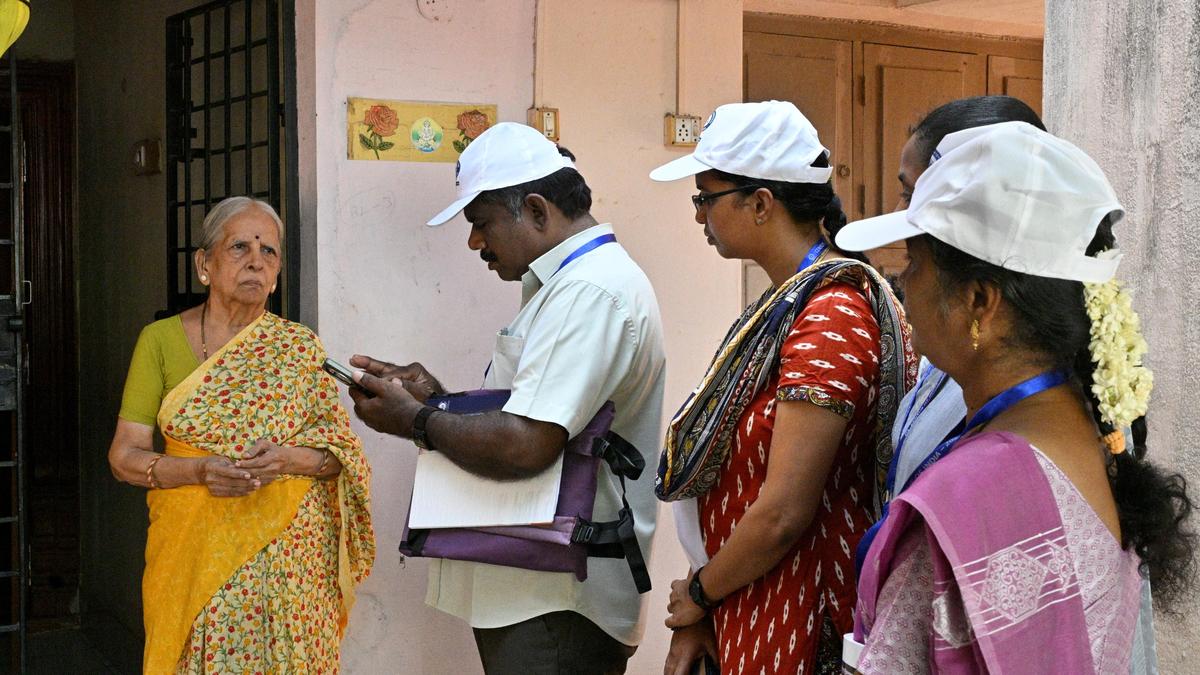
The Office of the Registrar General & Census Commissioner, India (ORGI) has notified a 40-question schedule for the Population Enumeration phase of Census 2027, compared with 29 questions in the 2011 Census. The expanded questionnaire includes details relating to Aadhaar, Voter ID, mobile number, nationality, parents’ details and bank accounts. While these data can support socio-economic planning, their inclusion has raised concerns about privacy, data security and the appropriate scope of a population census.
Census as a Statistical Exercise
The Census is fundamentally a statistical exercise designed to collect, process and analyse demographic, social and economic information at the smallest geographical level. The inclusion of questions relating to parental birth details, nationality and multiple identity documents has raised concerns that the Census could increasingly overlap with administrative exercises such as the National Population Register (NPR).
The Census Act, 1948 provides confidentiality safeguards for information collected during enumeration. However, maintaining a clear distinction between statistical enumeration and population or citizenship profiling is important for preserving public trust.
Caste Enumeration: A Methodological Challenge
Census 2027 will also collect caste information. While Scheduled Castes and Scheduled Tribes will be recorded using predefined lists, other caste identities, including OBCs, will be entered through respondents' declarations.
An open-ended approach may result in different spellings, regional names, sub-caste identities and multiple classifications for the same community. The 2011 Socio-Economic and Caste Census (SECC) reportedly generated around 46 lakh caste names, highlighting the challenge of standardisation.
Therefore, collecting extensive caste data without a robust classification and validation mechanism could produce a large database that remains difficult to analyse and use for evidence-based policy.
Privacy and Digitalisation
Census 2027 will be India's first fully digital Census, with provision for self-enumeration. Digitalisation can improve efficiency and data processing, but collecting multiple personal identifiers also increases risks of:
- Data breaches and unauthorised access;
- Cross-linking of databases;
- De-anonymisation;
- Misuse of information beyond its original purpose.
The UN Fundamental Principles of Official Statistics emphasise confidentiality of individual information and its use strictly for statistical purposes. Hence, data minimisation and purpose limitation should remain central to the Census framework.
Other Challenges
The expansion from 29 to 40 questions may increase respondent fatigue and the possibility of inaccurate responses, particularly where respondents lack detailed information about other household members. Institutional households such as hostels and old-age homes may face greater difficulties.
The de facto enumeration approach may also create challenges in accurately capturing migrant workers who are away from their usual place of residence during enumeration.
Way Forward
- Standardise caste data through a scientifically validated and consultative classification system.
- Follow data minimisation, collecting personal identifiers only when demonstrably necessary.
- Establish clear legal and administrative firewalls between Census, NPR and NRC-related processes.
- Strengthen cybersecurity through end-to-end encryption, access controls and independent security audits.
- Conduct a robust Post-Enumeration Survey (PES) to identify undercounting and duplication.
- Improve coverage of migrants through complementary statistical methods while maintaining confidentiality.
- Ensure transparency regarding data storage, access, retention and permitted uses.
Conclusion
Census 2027 presents an opportunity to modernise India's statistical system, but its credibility will depend on maintaining the right balance between comprehensive data collection, statistical utility and individual privacy. A trusted Census must ensure that information collected for statistical purposes remains confidential, proportionate, secure and protected from unrelated administrative use. Strengthening methodological standards and data-governance safeguards will be essential for producing reliable evidence for India's future policymaking.
Districts as Export Hubs
- 11 Sep 2026
In News:
The Government is strengthening the Districts as Export Hubs (DEH) Initiative to make India’s export growth more geographically broad-based and inclusive. The initiative seeks to transform each district into a unit of export planning by identifying locally produced goods and services with global potential and connecting producers with international markets.
India’s total exports of goods and services reached US$825.25 billion in 2024–25 and were estimated at US$863.11 billion in 2025–26, highlighting the need to expand the geographical base of export growth.
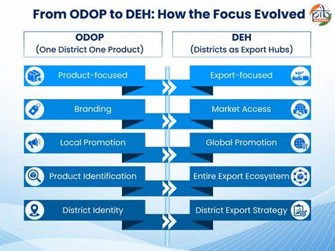
From ODOP to DEH
The DEH framework builds upon the One District One Product (ODOP) approach, which originated as a Uttar Pradesh initiative in 2018 and was subsequently expanded nationally.
While ODOP focuses primarily on identifying, branding and promoting a distinctive product from each district, DEH adopts a broader approach by developing the entire export ecosystem—production, quality standards, logistics, certification, market access and exporter capacity.
As of January 2026, DEH covered more than 770 districts across India.
Key Features of DEH
1. District-level export planning: Districts are treated as units of export planning rather than merely production centres. District-specific products may include GI-tagged goods, agricultural products, handicrafts, textiles, engineering goods and toys.
2. Convergence-based framework: DEH is not a separate funding scheme. It leverages existing Central and State government schemes and institutions to address district-specific export constraints.
3. Institutional architecture:
- Department of Commerce: Overall policy direction.
- DGFT: Implementation, coordination and monitoring.
- State Export Promotion Committees (SEPCs): State-level coordination.
- District Export Promotion Committees (DEPCs): Identification of export opportunities and resolution of local bottlenecks.
- District Export Action Plans (DEAPs): Map export potential, infrastructure gaps, logistics constraints and required interventions.
By March 2026, draft DEAPs had been prepared for 590 districts, of which 249 had been formally adopted.
Building Export Ecosystems
DEH seeks to improve:
- Quality and certification: Testing, packaging, branding and compliance with international standards.
- Digital exports: E-commerce platforms can help MSMEs access overseas consumers.
- Logistics: Dak Ghar Niryat Kendras provide postal export facilities for documentation, packaging and small consignments.
- Capacity building: Training in export procedures, logistics, packaging and regulatory compliance.
- Institutional support: DGFT has partnered with EXIM Bank under the Grassroots Initiatives for Development (GRID) programme in six districts—Anantapur, Raipur, Solan, Tiruppur, Kanpur and Kolhapur.
From 1 June 2026, a focused and outcome-oriented approach was adopted, initially covering districts across 27 States/UTs, supported by 24 DGFT Regional Authorities and 11 partner agencies.
Significance
DEH can help:
- Diversify India’s export base beyond established industrial clusters.
- Integrate MSMEs, artisans and farmers into global value chains.
- Generate employment and incomes at the grassroots.
- Promote GI products and local specialisations.
- Reduce regional disparities through export-led development.
- Advance Aatmanirbhar Bharat and Vocal for Local.
- Support India’s ambition of achieving US$1 trillion in exports.
Nepal’s Climate Compensation Demand
- 10 Sep 2026
In News:
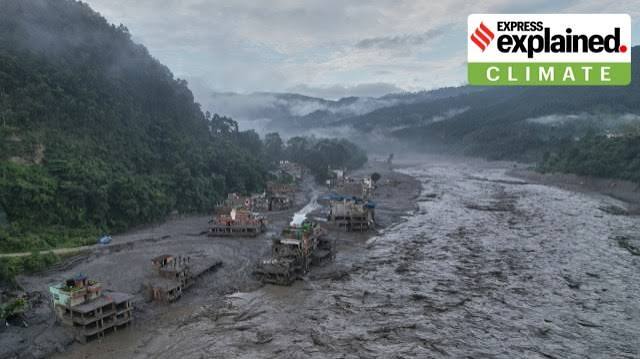
In the aftermath of a devastating rock-ice avalanche and flash flood in August 2026, Nepal has renewed calls for climate compensation from major greenhouse-gas-emitting countries, arguing that vulnerable developing nations are bearing a disproportionate share of the impacts of a warming climate. The disaster inflicted an estimated US$4–7 billion in economic losses—equivalent to nearly 10% of Nepal’s GDP—and destroyed around 10% of the country’s installed hydropower capacity, highlighting the growing economic and developmental risks posed by climate-induced disasters.
Why is Nepal demanding climate compensation?
- Low contribution, high vulnerability: Nepal contributes only about 0.1% of global GHG emissions, while the Hindu Kush Himalayas are experiencing rapid warming and glacier-related changes.
- Climate justice: Nepal argues that countries that have contributed relatively little to climate change are bearing disproportionate costs from climate-induced disasters.
- Economic burden: Damage to hydropower infrastructure can transform Nepal from an electricity exporter into an importer and increase dependence on borrowing for reconstruction.
- Responsibility: The article distinguishes between historical responsibility for cumulative emissions and proximate/current responsibility associated with major contemporary emitters.
Key International-Law Issue
The major limitation is Article 8 of the Paris Agreement.
It recognises the importance of Loss and Damage, but explicitly states that this provision does not provide a basis for liability or compensation. Therefore, establishing a legal claim against a particular emitter under the UNFCCC/Paris framework remains difficult.
Why is legal attribution difficult?
A compensation claim would require demonstrating a causal connection between anthropogenic climate change and a specific disaster. In Nepal’s case, the interaction of:
- seismic activity,
- local geomorphology,
- weather patterns, and
- climate-induced cryospheric changes
makes direct legal attribution complex.
Implications for India
The issue is significant for India because the article highlights:
- CBDR-RC: India has traditionally argued that developed countries with greater historical emissions should bear greater responsibility for climate action and finance.
- Regional responsibility: Nepal’s argument places greater pressure on major South Asian emitters to support vulnerable neighbouring countries.
- Hydropower: Restrictions related to cross-border electricity trade and projects involving Chinese capital can affect Nepal’s ability to recover economically from hydropower losses.
- Transboundary disasters: Himalayan hazards such as GLOFs and glacier destabilisation can affect downstream countries, including India.
Way Forward
The article proposes:
- Transboundary Himalayan early-warning systems
- Real-time hydrometeorological and satellite data sharing
- A regional catastrophe insurance/risk-pooling mechanism
- Greater regional cooperation in hydropower and electricity trade
- Rapid-disbursement mechanisms under the Loss and Damage framework to reduce vulnerable countries’ dependence on debt.
UN Map and India’s Territorial Boundaries
- 09 Sep 2026
In News:
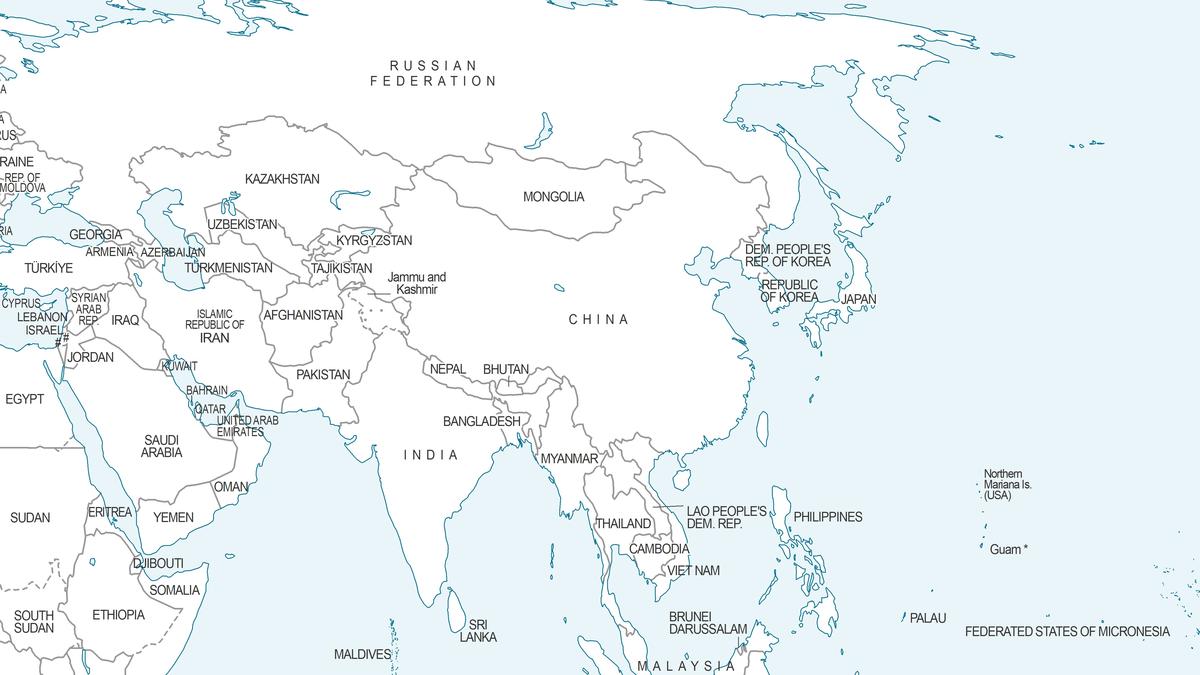
A new UN Geospatial world map, published in July 2026 using the Equal Earth projection, has drawn attention because Arunachal Pradesh and Aksai Chin are depicted between Indian and Chinese boundary/claim lines. The issue has emerged alongside the UN General Assembly’s adoption of the “Correct the Map” resolution on 4 September 2026. The resolution promotes more accurate equal-area cartographic representation, particularly of Africa, but is non-binding and does not determine sovereignty or territorial boundaries. It was adopted by 164 votes in favour, 1 against and 6 abstentions.
What is the “Correct the Map” Initiative?
The initiative, led by Togo and the African Union, seeks to address distortions created by conventional map projections such as the Mercator projection, particularly the apparent enlargement of landmasses at higher latitudes.
The Equal Earth projection, developed as an equal-area projection, represents the relative areas of continents more accurately. The UN resolution encourages the use of Equal Earth and other equal-area projections where relative size matters. However, it explicitly recognises that no flat map can perfectly represent the Earth's curved surface.
Importantly, the resolution does not alter sovereignty, territorial status, national borders or jurisdiction. UN member states also placed this understanding on record during the adoption process.
Why is the Map Significant for India?
The controversy concerns the depiction of two major areas in the India-China boundary dispute:
- Arunachal Pradesh: India considers it an integral part of the country, while China claims the territory and refers to it as “Zangnan”.
- Aksai Chin: India regards it as part of the Union Territory of Ladakh, while China exercises control over the area.
A map published or circulated through an international organisation can have diplomatic and perceptual significance, even though cartographic depiction itself does not establish legal sovereignty.
India therefore distinguishes between supporting equal-area cartographic principles and endorsing any particular map's depiction of disputed boundaries.
India’s Position
India supported the broader objective of the Correct the Map resolution but clarified at the UN that its vote should not be interpreted as endorsement of the Equal Earth projection or any specific map. India stated that it supports the broader consideration of equal-area projections.
This distinction is important because the resolution itself is designed around cartographic accuracy, rather than adjudication of territorial disputes. India's intervention is consistent with the position that questions of sovereignty and territorial integrity cannot be settled through a map projection.
Broader Geopolitical Significance
The episode illustrates how cartography can intersect with international relations:
- Maps influence perceptions: Maps used in educational, diplomatic and multilateral settings can shape public understanding of territorial geography.
- Territorial disputes require legal and diplomatic processes: A cartographic representation does not by itself confer or extinguish sovereignty.
- China-related diplomatic sensitivity: India remains attentive to international representations of its boundaries amid the unresolved India-China boundary dispute.
- Multilateral diplomacy: India's support for the underlying cartographic principle while distancing itself from specific territorial depictions demonstrates the importance of separating technical cartography from political recognition.
Way Forward
India should continue to:
- Maintain consistency in its official cartographic representations.
- Clearly communicate its position on disputed boundaries through diplomatic channels.
- Engage constructively in international initiatives promoting scientifically accurate cartography.
- Ensure that international organisations distinguish between map projections and political boundaries.
- Use established diplomatic and legal mechanisms for addressing territorial disputes.
Conclusion
The UN map controversy demonstrates that maps are not merely geographical tools; they can also have diplomatic and strategic significance. At the same time, the “Correct the Map” resolution makes clear that improving cartographic representation does not change territorial sovereignty. For India, the key challenge is therefore to support scientifically accurate global mapping while ensuring that cartographic practices do not create ambiguity regarding its stated territorial position.
Digital Hawala
- 08 Sep 2026
In News:
The Financial Action Task Force (FATF), in its recent report “Investigating Professional Money Laundering, Underground Banking, and the Use of Hawala and Other Similar Service Providers”, has highlighted the technological transformation of traditional hawala networks. The report, based on evidence from more than 50 jurisdictions, finds that underground banking and hawala are increasingly being integrated with fintech, virtual assets, encrypted communication and other digital technologies.
What is Hawala?
Hawala is an informal value-transfer mechanism in which value is transferred across borders through networks of brokers rather than conventional banking channels. Settlement may occur through cash, trade, netting of obligations or other forms of value. Importantly, hawala can serve legitimate remittance needs, particularly where access to formal financial services is limited, but it can also be exploited for money laundering and terrorist financing.
Emergence of ‘Digital Hawala’
Technology is not necessarily replacing traditional hawala; rather, it is amplifying its reach, speed and complexity. FATF reports that nearly 70% of respondents identified integration of new technologies into such networks.
Digital hawala can involve:
- Encrypted communication: Digital platforms are used to coordinate transactions and participants.
- Fintech and mobile wallets: Customers may initiate transfers through digital payment platforms.
- Virtual assets: Cryptocurrencies and stablecoins can facilitate settlement between operators.
- Formal financial infrastructure: Bank accounts, payment service providers, virtual IBANs and prepaid cards can become entry or exit points.
- AI-enabled operations: Emerging networks can exploit automated tools to structure transactions and route funds.
- Integrated ecosystems: Messaging services, social media, virtual-asset platforms and other digital applications may operate together.
Why It Matters for AML/CFT
The digitisation of underground banking creates several challenges:
- Greater speed and scale: Funds and value can move rapidly across jurisdictions.
- Reduced traceability: Encrypted communications, virtual assets and complex transaction chains can obscure the identity of participants.
- Convergence with the formal economy: Criminal networks increasingly exploit legitimate banks, fintech platforms and businesses as components of laundering chains.
- Professionalisation: FATF identifies increasingly business-like networks involving specialised brokers and, in some cases, professional intermediaries such as accountants, lawyers, real-estate agents and corporate service providers. More than 80% of reporting jurisdictions identified underground banking/HOSSPs among significant professional money-laundering channels or techniques.
Policy Challenge: Avoiding Over-Regulation
A major policy paradox is that excessive de-risking by banks can push legitimate customers towards informal channels. FATF therefore advocates a risk-based approach, rather than indiscriminate exclusion of customers or entire categories of financial activity.
Way Forward
India and other jurisdictions need to strengthen:
- Financial Intelligence Unit (FIU) capabilities and digital-forensics expertise.
- Blockchain analytics for tracing virtual-asset transactions.
- Regulation and supervision of Virtual Asset Service Providers (VASPs).
- Cross-border intelligence sharing and public-private cooperation.
- Beneficial-ownership and customer-due-diligence mechanisms.
- Data collection on underground banking networks.
- Financial inclusion so that legitimate remittance users have accessible formal channels.
This needs to be integrated with the FATF's evolving framework for virtual assets. Its 2026 update identifies continuing gaps in VASP licensing, supervision, enforcement and risks involving stablecoins and peer-to-peer transactions.
Conclusion
The emergence of digital hawala illustrates how financial innovation can simultaneously expand financial access and create new avenues for illicit finance. The challenge for governments is therefore not simply to eliminate informal financial systems, but to distinguish legitimate financial activity from criminal networks while developing technology-enabled, proportionate and internationally coordinated AML/CFT mechanisms.
Forest Rights Act and Gram Sabha Consent: Balancing Tribal Rights and Development
- 07 Sep 2026
In News:
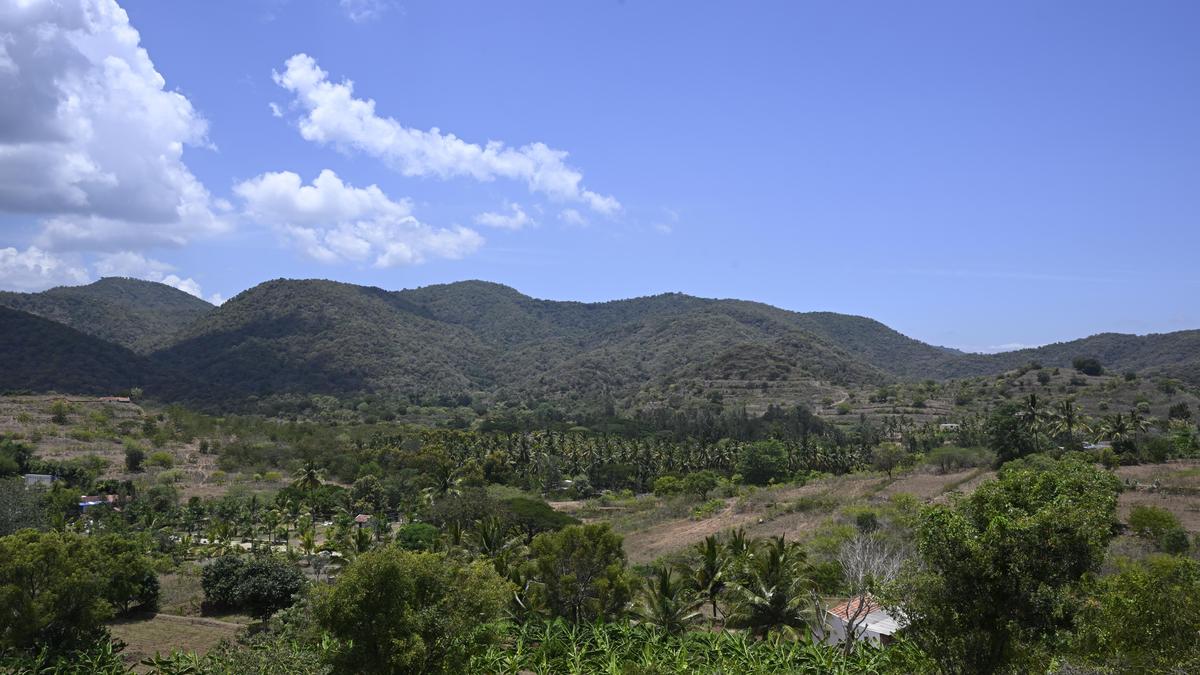
A recent inter-ministerial exchange over the Forest Rights Act (FRA), 2006 has brought into focus the contentious issue of Gram Sabha consent for diversion of forest land for infrastructure projects. The Ministry of Tribal Affairs has stated that the FRA does not contain a provision requiring Gram Sabha consent specifically for Stage-II forest clearance. The issue has gained significance amid concerns over prolonged delays in forest clearances for hydropower projects.
Forest Rights Act, 2006
The Scheduled Tribes and Other Traditional Forest Dwellers (Recognition of Forest Rights) Act, 2006 seeks to correct the historical injustice faced by forest-dwelling communities by recognising their rights over forest land and resources.
Key provisions include:
- Recognition of individual and community forest rights of eligible Scheduled Tribes and other traditional forest dwellers.
- Gram Sabha is the first-level authority for initiating the process of determining and verifying forest rights.
- The Ministry of Tribal Affairs is the nodal ministry for implementation of the Act.
- Rights recognised under the FRA include rights over habitation, self-cultivation, community forest resources and access to traditional forest resources.
Where Does Gram Sabha Consent Come From?
The FRA itself does not explicitly use the expression “Gram Sabha consent” for forest diversion.
However, government guidelines governing diversion of forest land have required completion of the FRA recognition process before forest diversion. The procedure has included:
- Identification of potential rights-holders;
- Recognition and vesting of forest rights;
- Completion of the FRA process; and
- Obtaining the relevant Gram Sabha certification/NOC concerning diversion.
Thus, the present controversy partly arises from the distinction between what is expressly provided in the FRA and what is required through the broader forest-clearance regulatory framework.
Infrastructure vs Community Rights
The issue became prominent after a Parliamentary Standing Committee examining NHPC projects noted that forest clearance for under-construction projects took an average of 106 months, or nearly nine years.
The Committee identified Gram Sabha-related requirements as a major bottleneck and considered an NHPC proposal for a 70–75% “qualified super-majority” of affected Gram Sabhas for large hydropower projects of national importance.
Such a change would represent a significant shift from a framework where objections by individual affected Gram Sabhas can potentially delay diversion.
Constitutional and Judicial Dimensions
Gram Sabha authority cannot be viewed only through the FRA. It is also connected with:
- PESA Act, 1996, which strengthens self-governance in Scheduled Areas;
- Fifth and Sixth Schedules of the Constitution;
- The Samatha judgment (1997) concerning tribal land and Scheduled Areas;
- Orissa Mining Corporation v. Ministry of Environment & Forests (2013), in which the Supreme Court recognised the important role of Gram Sabhas in determining community and religious rights in the Niyamgiri hills.
Therefore, any proposal to introduce a super-majority mechanism would have to be consistent with this wider constitutional and judicial framework.
Way Forward
- Complete FRA rights recognition before project approval to reduce uncertainty.
- Strengthen administrative capacity of State-level FRA authorities.
- Ensure early, informed and meaningful consultation with affected communities.
- Develop transparent mechanisms for rehabilitation, compensation and benefit-sharing.
- Clearly delineate the respective responsibilities of the Ministry of Tribal Affairs, Ministry of Environment, Forest and Climate Change, Power Ministry and State governments.
- Any modification of the consent framework should undergo careful legal and constitutional scrutiny.
Conclusion
The debate reflects a larger governance challenge: reconciling infrastructure and energy requirements with statutory forest rights and participatory decision-making. Rather than treating Gram Sabha participation merely as a procedural obstacle, a sustainable approach would seek to improve the quality and speed of FRA implementation while ensuring that development projects respect legally recognised community rights.
Manufacturing GVA Estimates: Questions over India’s National Accounts Methodology
- 06 Sep 2026
In News:
India’s manufacturing sector has become the focus of a debate over the reliability and methodology of Gross Value Added (GVA) estimates. Recent analysis comparing National Accounts Statistics (NAS) with independent estimates based on the Annual Survey of Industries (ASI), Annual Survey of Unincorporated Sector Enterprises (ASUSE) and PLFS has highlighted a substantial gap.
This debate is significant because manufacturing GVA is an important component of national income estimation and influences assessments of India's industrial structure and economic performance. MoSPI describes NAS as a framework that compiles GDP and GVA using multiple administrative and survey-based sources.
Understanding Manufacturing GVA
Manufacturing broadly comprises:
- Organised sector: Registered factories and companies, with ASI providing extensive industrial data.
- Unorganised/unincorporated sector: Smaller enterprises and household-based units, covered through ASUSE.
According to the analysis provided, the official estimate places manufacturing GVA for 2023-24 at about ?38.6 lakh crore, while an estimate combining ASI and ASUSE data produces approximately ?27.4 lakh crore—a gap of nearly 41%.
An employment-based cross-check further complicates the picture. PLFS reportedly estimated around 697.5 lakh manufacturing workers in 2023-24, compared with about 532.9 lakh captured through ASI and ASUSE. Accounting for the residual workforce could raise the alternative estimate to approximately ?31 lakh crore, but this would still leave a substantial difference from the official estimate.
Why Does the Difference Matter?
The central methodological issue concerns the estimation of the organised corporate sector. National accounts increasingly use corporate financial information, including data from the MCA-21 database, rather than relying exclusively on factory-level survey data.
MoSPI's national accounts framework draws upon multiple primary sources, and national income aggregates are derived estimates rather than direct measurements.
Researchers have questioned whether scaling corporate data to estimate the entire registered-company universe could contribute to an upward estimate. The NSO, meanwhile, has pointed to the possibility that factory-based surveys may not capture value addition occurring outside factory premises, such as certain head-office, marketing, distribution and R&D activities.
These competing explanations require greater empirical verification rather than assuming that either dataset represents the complete picture.
Another Issue: Manufacturing Deflator
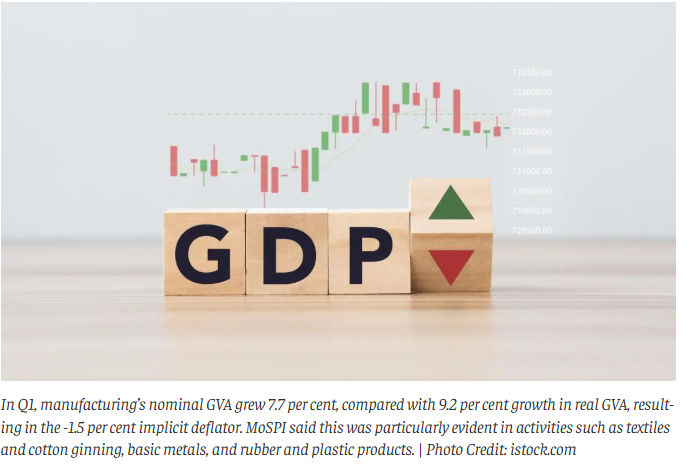
The debate also highlights the importance of price deflators in converting nominal GVA into real GVA. A negative or unusually low manufacturing deflator should not automatically be interpreted as manufacturing firms experiencing falling factory-gate prices, because national accounts deflation involves broader methodological considerations and price indices.
Why Reliable GVA Estimates Matter
Accurate manufacturing statistics are essential for:
- GDP and GVA estimation
- Industrial and employment policy
- Assessment of India's manufacturing competitiveness
- Designing schemes such as Make in India and PLI
- Measuring structural transformation
- Monitoring progress towards the manufacturing-led development objective
MoSPI's published data shows manufacturing accounting for around 14.3% of total GVA in 2023-24, while manufacturing employment was around 11.44% of total employment.
Way Forward
The issue calls for greater transparency, reconciliation and independent scrutiny of national accounts methodology. MoSPI could publish more detailed methodological documentation, explain major divergences between administrative and survey sources, improve the coverage of the corporate universe, and periodically reconcile MCA-21, ASI, ASUSE and PLFS datasets.
The National Statistical Commission has itself emphasised the need for explanations of large differences arising during revisions and for timely and reliable source data.
Conclusion
The manufacturing GVA debate is ultimately a question of statistical credibility and evidence-based policymaking. Differences between datasets do not by themselves establish that the official estimate is incorrect, but a gap of this magnitude warrants transparent methodological reconciliation. Strengthening India's statistical architecture is essential for ensuring that economic policy rests on accurate, transparent and independently scrutinised data.
Indus Waters Treaty: The Road Ahead for India and Pakistan
- 05 Sep 2026
In News:
The Permanent Court of Arbitration (PCA) recently issued an award on the status of the Indus Waters Treaty (IWT), 1960, and an order concerning interim measures at the Ratle Hydroelectric Project. The Court held that India's decision to place the Treaty in “abeyance” was not permissible under the Treaty or applicable international law and treated the Treaty as continuing to remain in force. It also directed interim restrictions concerning construction at Ratle.
India, which has not participated in the arbitration proceedings, rejected the Court's jurisdiction and maintained that its decision to keep the Treaty in abeyance remains in force.
Indus Waters Treaty: Framework
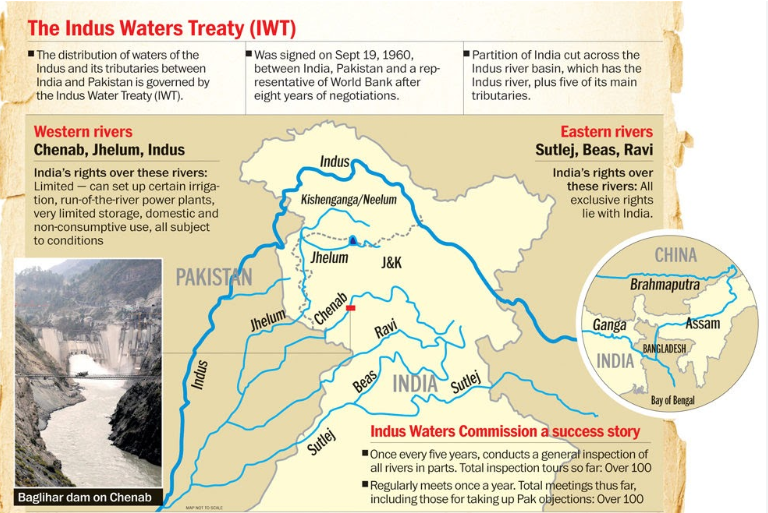
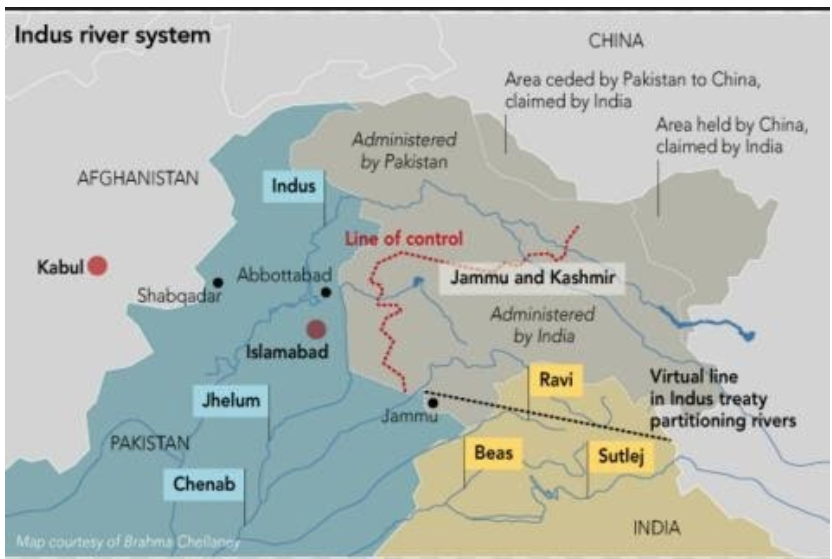
Signed in 1960 with the World Bank's involvement, the IWT governs the utilisation of the waters of six rivers of the Indus system:
- Eastern Rivers: Ravi, Beas and Sutlej — allocated primarily to India.
- Western Rivers: Indus, Jhelum and Chenab — allocated primarily to Pakistan, while permitting India specified uses, including domestic use, non-consumptive uses and limited hydropower generation.
The Treaty provides a Permanent Indus Commission and a graded dispute-resolution mechanism involving the Commission, a Neutral Expert, or a Court of Arbitration, depending on the nature of the dispute.
Why Has India Rejected the Arbitration?
India's principal objection is that the arbitration process was constituted despite the existence of a parallel Neutral Expert process concerning related technical issues. India argues that this amounts to an impermissible parallel mechanism under the Treaty.
The PCA, however, has maintained that it was properly constituted and competent to adjudicate the disputes. Its earlier awards have also held that its decisions are final and binding under the Treaty.
Thus, the present situation reflects a fundamental disagreement between India's position on the legitimacy of the proceedings and the PCA's interpretation of its treaty-based jurisdiction.
Strategic and Diplomatic Implications
For India, the immediate focus is on maximising the permissible utilisation of the western rivers through hydropower and other infrastructure projects. The dispute therefore has implications for energy security, water management and development in Jammu & Kashmir.
For Pakistan, the PCA rulings provide a legal and diplomatic basis for raising the issue in international forums. However, the practical implementation of the awards remains complicated because India does not recognise the jurisdiction of the Court in this proceeding.
The dispute also demonstrates the limitations of international water-law mechanisms when one party rejects the jurisdiction or proceedings of the adjudicatory body.
The Road Ahead
A return to the original Treaty framework appears difficult in the near term. India has advocated renegotiation, while Pakistan has strong incentives to preserve the existing arrangement.
At the same time, “abeyance” does not mean that India can simply stop the flow of the Indus system's waters to Pakistan. Physical and hydrological realities, along with India's existing infrastructure limitations, constrain the extent to which water flows can be altered.
The way forward requires a combination of bilateral dialogue, technical cooperation, improved water-use efficiency, climate-resilient water management and greater storage capacity. A durable arrangement would need to balance India's developmental requirements with Pakistan's downstream water security.
Conclusion
The IWT dispute has moved beyond a conventional water-sharing disagreement into a wider question involving international law, national security, hydropower, bilateral relations and transboundary resource governance. The present stalemate underlines the need for mechanisms that can preserve cooperation over shared rivers even amid broader political tensions.
Faster EV Adoption and Battery Localisation: A Path to Energy Security

- 04 Sep 2026
In News:
A recent study by the International Council on Clean Transportation (ICCT) has highlighted the potential of faster electric vehicle (EV) adoption and domestic battery-cell manufacturing to substantially reduce India’s dependence on imported oil and batteries. The study assesses different EV and battery-localisation pathways for 2024–2050, linking transport electrification with India’s energy security, manufacturing capabilities and decarbonisation goals.
Key Findings of the ICCT Study
The study examines three EV adoption pathways—Baseline, Momentum and Ambitious—along with varying degrees of domestic battery-cell manufacturing.
- Under the Ambitious pathway, combined faster EV adoption and high battery localisation could reduce India’s annual oil and battery import bill from about $153 billion to $28 billion by 2050, implying potential savings of up to $125 billion annually.
- Faster EV adoption alone could generate around $94 billion in annual savings, even if battery cells continue to be imported.
- Greater domestic battery manufacturing could provide an additional $31 billion in annual savings.
- Annual EV battery demand could reach approximately 573 GWh by 2050, highlighting the strategic importance of developing domestic battery-cell manufacturing capacity.
- The benefits of electrification become even greater when global crude oil prices rise, as EVs reduce India's exposure to volatile petroleum import costs.
Significance for India
1. Energy Security: India is highly dependent on imported crude oil. Transport electrification can reduce petroleum demand and limit vulnerability to geopolitical disruptions and international price shocks.
2. Atmanirbhar Bharat: Domestic battery production can strengthen indigenous value chains in cells, battery packs, electric mobility and associated components, reducing import dependence.
3. Decarbonisation: Electrification of road transport can reduce fossil-fuel consumption and contribute to India's long-term net-zero transition.
4. Industrial Competitiveness: Rising battery demand creates opportunities for domestic manufacturing, technological innovation, employment and integration into global clean-energy supply chains.
Challenges
EV transition also faces challenges including high upfront costs, charging infrastructure gaps, grid requirements, dependence on critical minerals, battery recycling and limited domestic cell-manufacturing capacity. Moreover, electrification delivers greater climate benefits when accompanied by increasing shares of renewable electricity.
Way Forward
India needs an integrated EV strategy combining faster vehicle electrification with domestic battery manufacturing, critical-mineral security, charging infrastructure, renewable-energy expansion and battery recycling. Policies such as the Production Linked Incentive (PLI) scheme for Advanced Chemistry Cell (ACC) batteries can be complemented by investments in R&D and mineral supply chains.
Conclusion
The ICCT findings demonstrate that EV adoption is not merely a climate-policy instrument but also an energy-security and industrial-policy opportunity. A coordinated transition towards electric mobility and domestic battery manufacturing can reduce India's exposure to oil-price volatility, strengthen domestic manufacturing and support its broader objectives of energy security, Atmanirbhar Bharat and sustainable development.
Bishkek Declaration 2026: SCO’s Evolving Security and Strategic Role
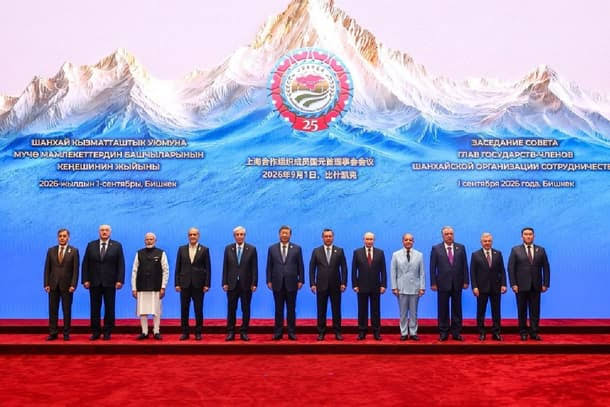
- 03 Sep 2026
In News:
The 26th Meeting of the Council of Heads of State of the Shanghai Cooperation Organisation (SCO) was held in Bishkek, Kyrgyzstan, marking the organisation’s 25th anniversary. The summit adopted the Bishkek Declaration, along with several other decisions and statements.
Key Outcomes of the Bishkek Declaration
1. Counter-terrorism and regional security
- The SCO strongly condemned terrorism in all its forms and manifestations and rejected double standards in combating terrorism.
- Members emphasised action against terrorism, separatism and extremism, along with transnational organised crime and drug trafficking.
- The declaration called for combating the cross-border movement of terrorists through implementation of relevant UN Security Council resolutions and the UN Global Counter-Terrorism Strategy.
- Cyber and information security received greater attention, reflecting the expanding nature of non-traditional security threats.
Chinese President Xi Jinping also called for security to remain a key SCO priority, including cooperation against terrorism, organised crime, drug trafficking and telecom fraud, as well as in nuclear, information, biological and outer-space security.
2. West Asia and peaceful conflict resolution
The summit expressed concern over instability in West Asia and supported the sovereignty and territorial integrity of Iran. It favoureddialogue, diplomacy and de-escalation as mechanisms for resolving conflicts.
Prime Minister Narendra Modi highlighted that conflicts increasingly have cross-border economic consequences, affecting energy security, maritime trade and global supply chains. He reiterated India's position that conflicts should be resolved through dialogue and diplomacy rather than military confrontation.
3. Connectivity and sovereignty
India supported enhanced connectivity to facilitate trade and integrate markets, while stressing that connectivity projects must respect sovereignty and territorial integrity.
This has particular relevance for India's access to Central Asia through Iran, given the absence of direct overland transit through Pakistan. India also emphasised smoother customs procedures, digital documentation and efficient logistics networks.
India and the SCO: From Security to Opportunities
India articulated its “S-C-O” vision — Security, Connectivity and Opportunity. It advocated transforming the SCO from a primarily security-oriented platform into one delivering tangible developmental outcomes.
India has promoted initiatives such as the SCO Start-up Forum, Young Authors' Conclave and Young Scientists' Forum. The first session of the SCO Civilizational Dialogue Forum, proposed by India, is also scheduled to be held in India.
Significance for India
- Provides a platform to engage simultaneously with China, Russia, Central Asia, Iran and Pakistan.
- Strengthens India's advocacy against cross-border terrorism and terror financing.
- Supports India's Central Asian outreach and connectivity objectives.
- Offers opportunities for cooperation in energy, technology, digital security, trade and counter-terrorism.
- Enables India to advance strategic autonomy and multilateral diplomacy.
Challenges
The SCO remains a diverse grouping with divergent strategic interests, particularly among India, China and Pakistan. Consensus-based decision-making can therefore limit substantive outcomes. Moreover, geopolitical rivalries and competing connectivity initiatives can constrain economic integration.
Way Forward
The SCO needs to move from declarations towards institutionalised cooperation, particularly in counter-terrorism, cyber security, connectivity, energy security and disaster management. Greater coordination with the UN framework, respect for sovereignty and stronger people-to-people and economic linkages can help convert the SCO's large geographical and demographic footprint into practical regional cooperation.
Indus Waters Treaty: India Rejects Court of Arbitration’s Ruling
- 02 Sep 2026
In News:
The Indus Waters Treaty (IWT), 1960 between India and Pakistan has again come under strain after the Hague-based Court of Arbitration (CoA) ruled that the treaty continues to remain in force and that India cannot unilaterally place it in “abeyance”. India has rejected the ruling, questioning the court’s jurisdiction and constitution. The development highlights the complex intersection of transboundary water governance, national security, hydropower development and international dispute resolution.
Background
The IWT was signed in 1960 at Karachi, with the World Bank playing a key role in its negotiation. It divided the six Indus-system rivers between the two countries:
- Eastern Rivers – Ravi, Beas and Sutlej: allocated primarily to India.
- Western Rivers – Indus, Jhelum and Chenab: allocated primarily to Pakistan.
However, India is permitted to use the western rivers for specified purposes, including domestic use, agriculture and run-of-the-river hydropower, subject to treaty conditions.
Recent Dispute
The dispute concerns Indian hydropower projects, particularly the Kishenganga Hydroelectric Project (330 MW) on a tributary of the Jhelum and the Ratle Hydroelectric Project (850 MW) on the Chenab.
Pakistan has raised objections regarding aspects such as pondage and storage capacity.
A major disagreement has also emerged over the dispute-resolution mechanism. Pakistan pursued arbitration through the CoA, while India sought the appointment of a Neutral Expert. India argues that pursuing the two mechanisms simultaneously violates the treaty's intended sequential framework.
The Court of Arbitration, constituted through the World Bank process, has nevertheless proceeded with the case. Its recent ruling affirmed the continuing validity of the IWT and imposed interim restrictions relating to the Ratle project.
India’s Position
India has maintained that the CoA is illegally constituted and lacks jurisdiction over India's sovereign decision to place the treaty in abeyance. India did not participate in the arbitration proceedings and has instead engaged with the Neutral Expert mechanism.
The issue therefore extends beyond individual hydropower projects to a broader question: Can a treaty governing water rights be unilaterally suspended in response to developments outside the treaty's substantive framework?
Significance
The controversy has wider implications for India-Pakistan relations and international water governance.
First, it raises questions regarding the resilience of transboundary water treaties during periods of political and security tensions. Second, India's hydropower potential on the western rivers makes the treaty important for energy security and infrastructure development. Third, the dispute illustrates challenges arising from overlapping international dispute-resolution mechanisms.
Climate change further complicates the issue by altering river flows, precipitation patterns and the frequency of extreme hydrological events, making cooperative basin-level management increasingly important.
Way Forward
India and Pakistan need mechanisms that preserve the treaty's technical and institutional character while addressing legitimate concerns relating to water security, hydropower and changing hydrological conditions. Greater clarity regarding the hierarchy and sequencing of dispute-resolution mechanisms could reduce procedural conflicts.
At the same time, long-term management of the Indus basin should incorporate climate-resilient water planning, data sharing, ecological considerations and transparent technical dialogue.
Conclusion
The IWT has historically provided an institutional framework for managing one of the world's major transboundary river systems despite prolonged bilateral tensions. The present dispute demonstrates the need to reconcile sovereignty, national security, development requirements and international treaty obligations while maintaining sustainable management of shared water resources.
India’s Central Asia Outreach
- 31 Aug 2026
In News:
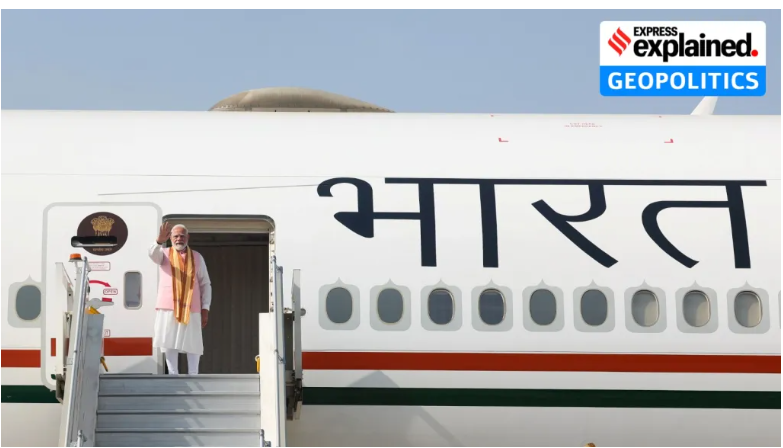
Prime Minister Narendra Modi’s visit to Uzbekistan (August 29–30), followed by participation in the 26th Shanghai Cooperation Organisation (SCO) Summit in the Kyrgyz Republic (August 31–September 1), underscores India’s sustained engagement with Central Asia. India’s focused regional outreach began with the “Connect Central Asia” policy in 2012, gaining further momentum with PM Modi’s 2015 visit to all five Central Asian republics—Kazakhstan, Kyrgyzstan, Uzbekistan, Tajikistan and Turkmenistan.
Why Central Asia Matters to India
Central Asia is strategically important because of its geographical location, natural resources and evolving geopolitical significance. Historically regarded as Russia’s strategic backyard, the region has increasingly attracted China and other major powers.
Its substantial resource base offers opportunities for India’s energy and mineral security. Kazakhstan possesses significant uranium, coal and metallic mineral reserves; Turkmenistan has major natural-gas reserves; while Uzbekistan combines substantial gold, uranium and gas resources. Kyrgyzstan and Tajikistan offer considerable hydropower potential.
For India, the region is therefore important for diversifying energy and critical-mineral supplies and expanding economic partnerships.
Strategic and Security Significance
The Taliban’s return to power in Afghanistan has increased the importance of Central Asia in India’s counter-terrorism and regional-security calculations. Concerns over terrorism, extremism and the possible spread of instability from Afghanistan make security cooperation with Central Asian states increasingly significant.
At the same time, China’s expanding economic and strategic footprint, particularly through the Belt and Road Initiative, has intensified the geopolitical competition for influence in the region. India’s engagement seeks to preserve strategic space and strengthen its position in this important part of its extended neighbourhood.
Connectivity: India’s Major Challenge
The biggest structural constraint is lack of direct land access to Central Asia because India does not have transit through Pakistan. Consequently, connectivity has become a central pillar of India’s regional strategy.
India seeks to use Iran’s Chabahar Port and integrate it with the International North-South Transport Corridor (INSTC) to create an alternative route connecting India with Iran, Central Asia and beyond. Better connectivity can facilitate trade, access to resources and greater Indian economic presence.
Uzbekistan and Civilisational Links
Uzbekistan occupies a particularly important place in India’s outreach. Historical connections date back to the Kushana period, while the Buddhist monastery at Kara Tepa in Termez reflects the spread of Buddhism into Central Asia. Linguistic and culinary similarities further demonstrate long-standing cultural exchanges.
Economic engagement is also expanding, with bilateral trade approaching $1 billion in 2025–26, placing India among Uzbekistan’s major trading partners.
Way Forward
India needs to move beyond diplomatic engagement towards institutionalised economic partnerships, critical-mineral cooperation, connectivity projects, defence and counter-terrorism coordination, digital and pharmaceutical cooperation, and greater private-sector participation. At the same time, engagement should remain sensitive to the strategic interests of Central Asian states and avoid reducing the relationship merely to competition with China.
Conclusion
Central Asia is increasingly important to India as a bridge between South Asia, Eurasia and Europe. Its resources, security significance, connectivity potential and civilisational links make it a critical component of India’s extended-neighbourhood policy. Sustained engagement through bilateral mechanisms and the SCO, supported by practical connectivity and economic projects, can help India convert its longstanding diplomatic goodwill into durable strategic influence.
Sugar Price Surge in India
- 01 Sep 2026
In News:
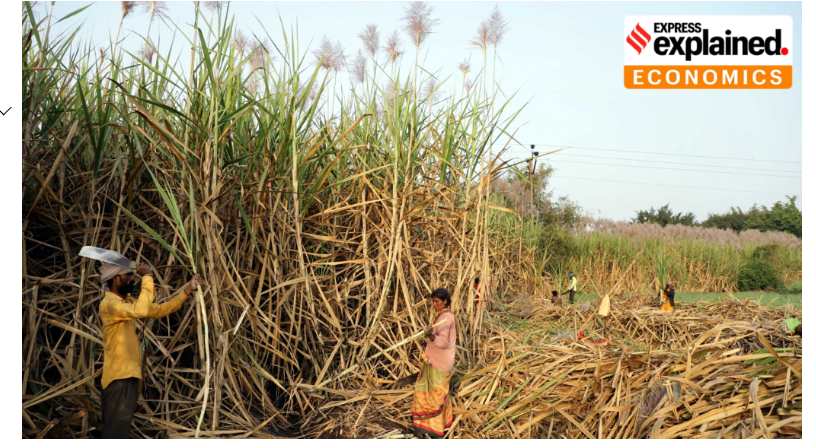
Sugar prices in India have risen sharply in 2026, with retail prices increasing from ?48.18/kg in July to ?55.70/kg in August, and the modal price subsequently touching around ?65/kg. The surge has raised concerns over food inflation, sugar availability and the impact of ethanol diversion.
Why are Sugar Prices Rising?
The immediate cause is a fall in domestic sugar production and low inventories.
India’s initial production estimate of around 343.5 lakh tonnes has been revised to roughly 309–306 lakh tonnes. Excess rainfall and waterlogging in Maharashtra, Karnataka and Gujarat, along with Red Rot and Top Shoot Borer in Uttar Pradesh, reduced cane yield and sugar recovery.
At the same time, closing stocks may fall to around 41 lakh tonnes, among the lowest levels in recent years. This has been aggravated by festive demand, particularly ahead of Dussehra and Diwali, and speculative stocking by traders and bulk consumers.
Ethanol–Sugar Debate
The price rise has renewed debate over India's ethanol blending programme, as sugarcane juice and molasses can be diverted from sugar production to ethanol.
However, the government maintains that ethanol diversion is not the primary cause of the current price surge. Sugar diversion for ethanol declined from about 12% in 2022–23 to nearly 9% in 2025–26. Moreover, around three-fourths of India's ethanol is now grain-based, particularly from maize.
Nevertheless, the episode highlights a policy trade-off between food availability and energy security. Ethanol provides an alternative revenue stream for sugar mills, supports farmer payments and helps reduce crude-oil import dependence.
Broader Significance
The crisis exposes structural vulnerabilities in India's sugar economy:
- Climate vulnerability: Erratic rainfall, droughts and pests affect cane productivity.
- Water intensity: Sugarcane cultivation places significant pressure on groundwater, particularly in water-stressed regions.
- Regional concentration: Uttar Pradesh, Maharashtra and Karnataka account for a major share of production.
- Food inflation: Higher sugar prices increase household expenditure and input costs for beverages, confectionery and processed foods.
- Energy security: Excessive reduction in sugarcane-based ethanol may affect India's biofuel objectives.
- Farmer–mill balance: Sugar prices must provide remunerative returns to farmers while keeping mills financially viable.
Government Measures
To stabilise prices and improve domestic availability, the government has:
- Allowed 10 lakh tonnes of raw sugar imports at zero duty till October 31, 2026.
- Restricted sugar exports till September 30, 2026.
- Imposed a 400-tonne stock limit on dealers.
- Restricted bulk consumers to around 15 days of consumption.
- Ordered physical verification of stocks and monitoring of large buyers.
- Encouraged early commencement of crushing operations.
Way Forward
India needs a flexible sugar–ethanol policy linked to annual production and stock conditions. Long-term measures should include climate-resilient sugarcane varieties, micro-irrigation, crop diversification in water-stressed regions, better production forecasting and diversification of ethanol feedstocks.
Reducing Human–Elephant Conflict

- 30 Aug 2026
In News:
The Ministry of Environment, Forest and Climate Change (MoEFCC), during the 23rd Steering Committee Meeting of Project Elephant, released a Regional Action Plan for Comprehensive Understanding and Management of Human–Elephant Conflict (HEC). The plan adopts a landscape-based approach that seeks to address the ecological drivers of conflict alongside human safety and livelihood concerns.
Understanding Human–Elephant Conflict
Human–Elephant Conflict refers to negative interactions between humans and elephants resulting in human deaths or injuries, elephant mortality, crop and property damage and livelihood losses. Increasing pressure on elephant habitats, fragmentation of corridors and changes in vegetation can bring elephants into closer contact with human settlements and agricultural areas.
Key Recommendations
1. Conflict-based landscape zoning:Elephant landscapes should be classified into Elephant Conservation Zones, Human–Elephant Co-existence Zones and Human–Elephant Management Zones, according to land use and conflict intensity. This allows differentiated interventions rather than a uniform approach.
2. Habitat restoration and invasive-species management:Core habitats should be strengthened through fodder enrichment, water augmentation and ecological restoration, thereby improving natural food availability and reducing elephant movement into farmlands. Invasive plant species that replace natural fodder should be controlled through mechanical removal and, where necessary, carefully regulated chemical or biological methods subject to ecological safeguards.
3. Protecting elephant corridors:Elephant movement routes and corridors require stronger protection through ecological assessment and landscape-level planning. Development activities in critical movement pathways should be assessed for their potential to intensify conflict.
4. Spatial risk assessment:Mapping conflict hotspots, elephant movement patterns and surrounding land use can help authorities identify high-risk locations and deploy preventive measures more efficiently.
5. Community-based management:Communities living around elephant habitats should be treated as partners in conservation. Local institutions need greater capacity for early warning, rapid response and conflict mitigation, while livelihood security and timely compensation remain important for building community support.
6. Targeted intervention in chronic conflict zones:In landscapes experiencing persistent conflict, measures such as translocation or rehabilitation of problematic elephants, supported by technology and adaptive management, may be considered where appropriate.
Way Forward
HEC cannot be addressed merely by driving elephants back into forests. A sustainable strategy requires habitat restoration corridor protection scientific risk mapping community participation targeted technology-based interventions. Conflict management must also be integrated into infrastructure and land-use planning.
Conclusion
The emerging approach marks a shift from reactive conflict control to preventive coexistence. Protecting elephant habitats and movement corridors while securing human livelihoods can simultaneously advance biodiversity conservation, ecological security and human welfare. The success of Project Elephant will ultimately depend on implementing such measures at the landscape and community level, rather than treating individual conflict incidents in isolation.
Rural Employment Guarantee in Limbo
- 29 Aug 2026
In News:
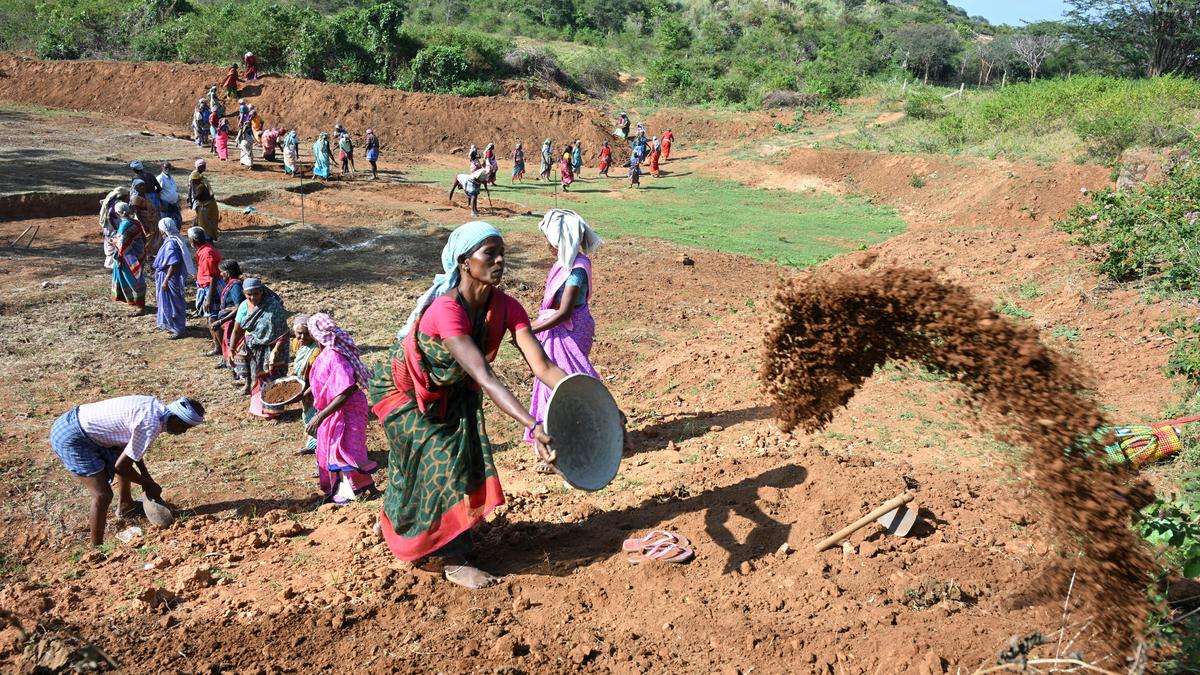
The transition from the Mahatma Gandhi National Rural Employment Guarantee Act (MGNREGA), 2005 to the Viksit Bharat–Guarantee for Rozgar and Ajeevika Mission (Gramin) (VB-G RAM G) Act, 2025 has raised concerns over a sharp contraction in rural employment generation.
The new framework increases the statutory employment guarantee from 100 to 125 days per household, but administrative delays, changes in financing and new compliance requirements have reportedly disrupted work generation during the transition.
The Emerging Employment Gap
During April–July 2026, only around 70 crore person-days of employment were generated, about 43% below the average of 2024–25 (128 crore) and 2025–26 (119 crore).
The contraction has been particularly severe in poorer States. In 10 of 19 major States, including Uttar Pradesh, Madhya Pradesh and Jharkhand, employment generation reportedly fell by 60–85%. July 2026 alone recorded only around 8.3–9 crore person-days, more than 40% lower than July 2025.
This is significant because the pre-monsoon agricultural slack season traditionally generates a large share of annual rural employment, leaving landless labourers and vulnerable households with limited alternatives.
MGNREGA vs VB-G RAM G
The transition represents a substantial change in the architecture of the employment guarantee.
Under MGNREGA, employment was a demand-driven legal entitlement, with the Centre bearing the full cost of unskilled wages. The new VB-G RAM G framework provides 125 days of guaranteed work, but operates as a Centrally Sponsored Scheme, with a 60:40 Centre-State funding ratio for general States and 90:10 for Himalayan and North-Eastern States.
It also introduces normative allocations, effectively creating State-wise expenditure ceilings, integrates rural employment planning with Viksit Gram Panchayat Plans, and permits a work pause of up to 60 days during peak agricultural seasons.
Thus, the reform seeks to link employment generation with durable rural infrastructure and decentralised planning, but simultaneously introduces greater fiscal and administrative constraints.
Why Has Implementation Slowed?
- Delayed rule-making: Although the Act was passed in December 2025, draft rules emerged only in late May 2026 and were finalised at the end of June, creating an operational gap during the initial months of the financial year.
- Fiscal constraints: The 60:40 cost-sharing arrangement places a greater financial burden on States. Cash-strapped States may consequently delay approval of works or release of funds.
- Technology-related exclusion: Mandatory facial recognition, biometric authentication and digital muster rolls can create difficulties in areas with weak connectivity or inadequate digital infrastructure.
- Normative spending ceilings: Unlike the earlier demand-driven framework, predetermined allocations may incentivise local administrations to restrict the opening of works when allocations approach their limits.
Budget–Implementation Disconnect
The Union Budget 2026–27 allocated ?95,692 crore for VB-G RAM G, with the overall projected expenditure reaching around ?1.5 lakh crore after accounting for State contributions. Yet, the reported contraction in actual employment generation illustrates that budgetary allocation alone cannot guarantee employment access.
The key challenge is ensuring that financial resources translate into timely work opportunities at the Gram Panchayat level.
Way Forward
The transition needs to protect the rights-based character of rural employment while improving administrative efficiency. Centre-State fund flows should be streamlined, potentially through revolving mechanisms that prevent wage payments from being held up by reconciliation issues.
Digital verification should have offline and non-biometric alternatives so that technology does not become a barrier to accessing a statutory entitlement. Panchayats also require greater administrative capacity, digital infrastructure and training to prepare and implement Viksit Gram Panchayat Plans.
Most importantly, normative allocations should function as planning benchmarks rather than rigid barriers to employment when genuine demand rises. Regular social audits, effective grievance redressal and enforcement of the unemployment allowance when work is not provided within 15 days of demand are essential safeguards.
Conclusion
The VB-G RAM G Act seeks to modernise rural employment policy by combining a higher employment guarantee with rural infrastructure and decentralised planning. However, the transition demonstrates a crucial lesson: expanding a statutory entitlement on paper is meaningful only when institutional capacity, financing and administrative systems enable citizens to exercise it in practice. Protecting demand-driven access while resolving fiscal, technological and implementation bottlenecks will be central to making the new rural employment guarantee an effective social-security instrument.
UDISE 2025–26: India’s Changing School Education System
- 27 Aug 2026
In News:
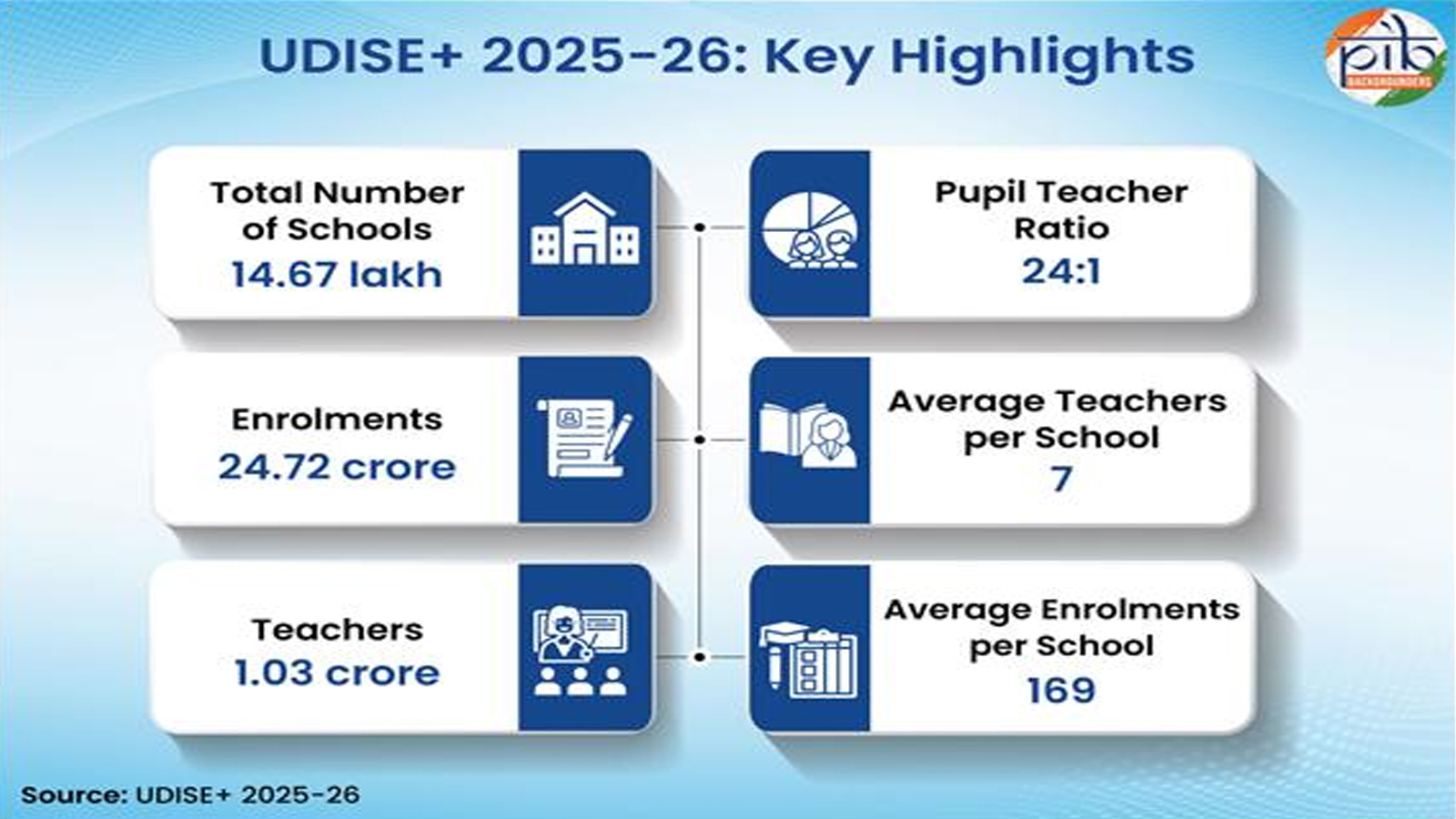
The Department of School Education and Literacy (DoSE&L) released the UDISE 2025–26 Report, providing comprehensive data on India’s school education system. It covers 14.67 lakh schools, 1.03 crore teachers and 24.72 crore students.
UDISE (Unified District Information System for Education Plus) is a major data platform for monitoring school education and supports evidence-based planning, resource allocation and implementation of the National Education Policy (NEP) 2020.
Key Findings
1. Teacher availability has improved:The overall Pupil–Teacher Ratio (PTR) is 24:1, within the NEP 2020 benchmark of 30:1. PTR is 10:1 at the Foundational stage and 21:1 at the Secondary stage.
2. Enrolment and retention:The Gross Enrolment Ratio (GER) is 89.6% at the Middle stage and 71.7% at the Secondary stage, showing wider access but continued scope for improving participation at higher levels.
- Retention rates are 98.5% at Foundational, 91.1% at Preparatory, 83.7% at Middle and 51.9% at Secondary level. The transition rate to Secondary education is 88.3%.
- Dropout rates have declined to 1.8% at Preparatory and 7% at Secondary level, although the Middle-stage dropout rate marginally increased to 3.6%.
3. Better utilisation of school resources:The number of single-teacher schools declined by about 3% to 1,00,843, while zero-enrolment schools fell by 29% to 5,663.
4. Gender and social inclusion:Girls account for 48.4% of total enrolment, while women constitute 54.9% of teachers. SC and ST students together represent 27.7% of enrolment, indicating significant participation of historically disadvantaged groups.
5. Infrastructure and digital connectivity:
- Electricity: 95% schools
- Safe drinking water: 99.5%
- Girls' toilets: 98.5%
- Libraries: 90.5%
- Computer access: 69.9%
- Internet connectivity: 67.4%
Significance
UDISE provides granular, school-level data that can help identify regional and stage-wise gaps, improve resource allocation and monitor educational outcomes. The improvements in teacher availability, retention, gender participation, basic infrastructure and digital connectivity indicate progress towards more accessible, inclusive and technology-enabled school education.
Indian Bond Market: Resilience Amid Global Volatility
- 26 Aug 2026
In News:
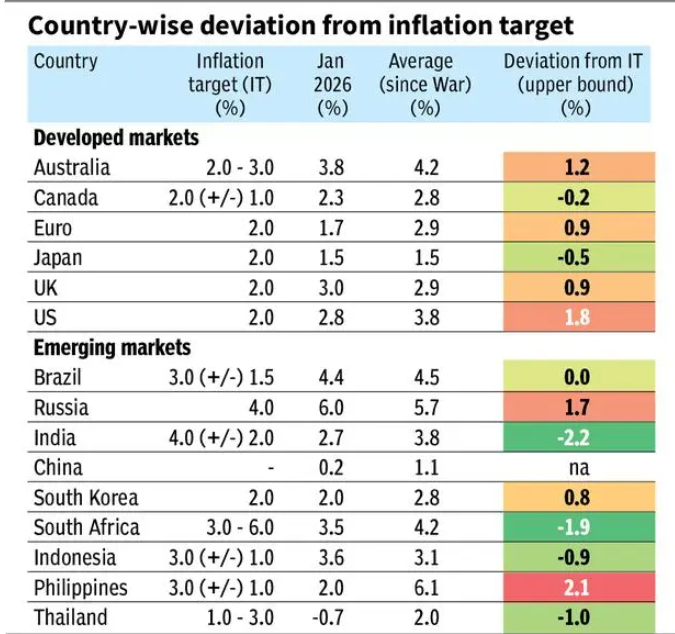
Despite heightened global financial volatility, India’s government bond market has remained relatively stable. During the six months up to August 14, 2026, the 10-year Indian benchmark yield increased by only 8 basis points, compared with substantially larger increases in major economies. This resilience reflects the interplay of benign domestic inflation, stable growth, fiscal credibility and targeted RBI interventions.
Understanding Bonds and Bond Yields
A government bond is a debt instrument through which the government borrows for a specified period, paying interest and returning the principal at maturity. Bond prices and yields move inversely: when demand for bonds falls, prices decline and yields rise.
Government bond yields are important benchmarks for the broader financial system because they influence borrowing costs for banks, companies and households. Rising yields may indicate expectations of higher inflation, tighter monetary policy or fiscal stress, while relatively stable yields can signal investor confidence in macroeconomic stability.
India’s Relative Resilience
Over the six months to August 14, 2026, 10-year yields rose by:
- US: 60 basis points
- Japan: 66 basis points
- UK: 56 basis points
- South Korea: 72 basis points
- Indonesia: 78 basis points
- Philippines: 61 basis points
- India: only 8 basis points
India nevertheless faced significant external pressures, including the West Asia conflict and higher energy prices, alongside concerns surrounding rainfall and El Niño. These were offset by relatively contained inflation, resilient economic growth, a stable fiscal outlook and improvements in the external sector.
Monetary Policy and Inflation
- The RBI’s Monetary Policy Committee (MPC) maintained a neutral stance for three consecutive meetings rather than following the rate-hiking cycle adopted by several emerging economies.
- India's comparatively favourableinflation-growth combination provided this policy space. Supply-side interventions and management of second-round effects helped limit the transmission of energy-price shocks into broader inflation. Particularly moderate core inflation further reduced the immediate need for monetary tightening.
- Thus, the RBI could adopt a wait-and-watch, data-dependent approach rather than responding to external pressures through immediate rate hikes.
RBI’s Targeted Liquidity and Foreign-Exchange Measures
Instead of relying exclusively on the policy rate, the RBI used targeted measures to strengthen dollar inflows through channels such as:
- FCNR(B) deposits
- External commercial borrowings
- Overseas foreign-currency borrowings
These measures attracted approximately $56.8 billion between June 8 and August 13, including around $52.3 billion through FCNR(B).
The resulting foreign-exchange inflows also improved domestic banking liquidity. Average surplus liquidity increased from around ?1.3 lakh crore in July to ?3.2 lakh crore during August 1–13. Easier liquidity pushed overnight rates towards the lower end of the policy corridor.
The stronger deposit base also reduced banks’ dependence on relatively expensive market-based funding such as certificates of deposit.
Foreign Investment in Government Debt
Foreign investor sentiment received a boost from measures such as tax exemptions for foreign debt investors and efforts by the RBI to streamline investment restrictions and broaden eligible securities. Debt inflows reached $5.6 billion in June, the highest monthly inflow since January 2020.
However, the July 31 deferment of India's inclusion in the Bloomberg Global Aggregate Index temporarily weakened sentiment and delayed the anticipated benefits of index-linked foreign inflows.
Significance and Outlook
Stable bond yields have several benefits:
- For the government: lower and more predictable borrowing costs amid substantial fiscal expenditure.
- For businesses and households: greater stability in financing costs.
- For the financial system: stronger liquidity and improved banking-sector funding conditions.
- For monetary policy: greater room for the MPC to respond to actual domestic conditions rather than external market pressure.
Going forward, the interest-rate trajectory will depend particularly on West Asia developments, El Niño/monsoon conditions and US Federal Reserve policy. The policy path is therefore likely to remain calibrated and data-dependent.
Conclusion
India’s relatively stable bond market amid global turbulence reflects the strength of its inflation-growth mix, fiscal credibility and targeted policy interventions. The episode also demonstrates that macroeconomic resilience need not depend solely on conventional interest-rate adjustments. Maintaining credible fiscal management, stable inflation and deepening the domestic bond market will be crucial for sustaining this resilience.
Crop Cutting Experiments and the Credibility of India’s Agricultural Data
- 25 Aug 2026
In News:
The NSO’s Annual Report on Improvement of Crop Statistics (ICS) Scheme, 2023–24 has raised concerns over procedural deficiencies in Crop Cutting Experiments (CCEs), which form the principal basis for estimating crop yields and, consequently, agricultural production in India.
How Crop Production is Estimated
- India’s crop production estimates are based on:Production = Area under the crop × Average yield per hectare
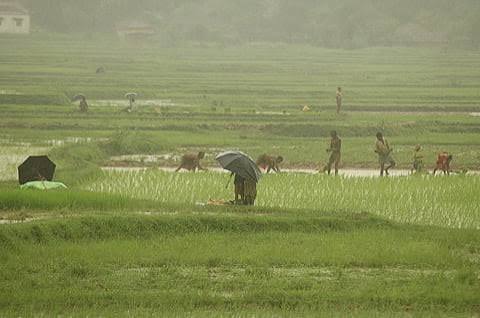
- Average yield is primarily estimated through CCEs, in which a scientifically selected crop plot is harvested, threshed and weighed. The results are then scaled from the local level to district, State and national estimates.
- The Improvement of Crop Statistics (ICS) Scheme, launched in 1973–74, monitors the quality of CCEs. State Agricultural Statistics Authorities (SASAs) conduct the experiments, while the Field Operations Division of MoSPI provides technical guidance. The NSO uses the results to prepare independent estimates of yield and statistical error for 33 major crops, which also help verify State-level estimates.
- The scale of the exercise has expanded substantially—from 1.73 lakh CCEs in 1973–74 to more than 11.62 lakh in 2023–24. However, Nagaland and Sikkim do not conduct Crop Estimation Surveys.
Key Findings of the 2023–24 Assessment
The report highlights significant weaknesses in field-level implementation:
- Only 72% of CCEs were conducted according to prescribed scientific procedures, while 28% showed procedural lapses, rule violations or other errors.
- Around 10% of CCEs contained serious errors in recording ancillary information such as irrigation, seed variety and fertiliser use. Such information is important for analysing yield differences and agricultural trends.
- Supervision rates ranged between 80% and 88% across seasons, leaving a substantial proportion of experiments without supervision.
- Capacity constraints are particularly evident in some States: 41% of CCEs in Jharkhand and 40% in Uttar Pradesh were conducted by untrained personnel.
These deficiencies raise questions about the reliability and consistency of official agricultural statistics.
Why Reliable CCE Data Matters
- The credibility of crop estimates has consequences far beyond statistical reporting. Inaccurate yield data can distort MSP procurement requirements, foodgrain buffer-stock planning, PDS management and decisions on agricultural imports and exports.
- CCE-based estimates also have implications for crop insurance, as several States use yield estimates for determining insurance claims. Errors can consequently lead to either inadequate compensation or excessive payouts.
- At the broader level, inconsistencies in official production statistics can affect India's credibility in international food-security assessments and agricultural trade negotiations.
- The problem also highlights a dimension of cooperative federalism: since States are responsible for conducting CCEs, variations in training, supervision and implementation capacity can produce uneven data quality across the country.
Way Forward
- India needs to improve both the scientific rigour and technological architecture of agricultural data collection. CCE plans should be updated regularly and field selection completed on time to prevent arbitrary replacement of villages or plots.
- 100% supervision, supported by geo-tagging, mobile-based reporting and real-time monitoring, can improve accountability. Only trained personnel should conduct CCEs, with periodic refresher training and clearly defined responsibility for errors.
- Most importantly, traditional field-based CCEs should increasingly be complemented by remote sensing, satellite imagery and digital agriculture technologies. Such tools can serve as independent cross-validation mechanisms rather than immediately replacing ground-based observations.
Conclusion
CCEs remain indispensable to India's agricultural statistics, but the credibility of the final production estimate is only as strong as the quality of the experiment on the ground. Strengthening State capacity, supervision, training and digital verification is therefore essential for reliable agricultural data—and consequently for better food-security, insurance, procurement and trade policy.
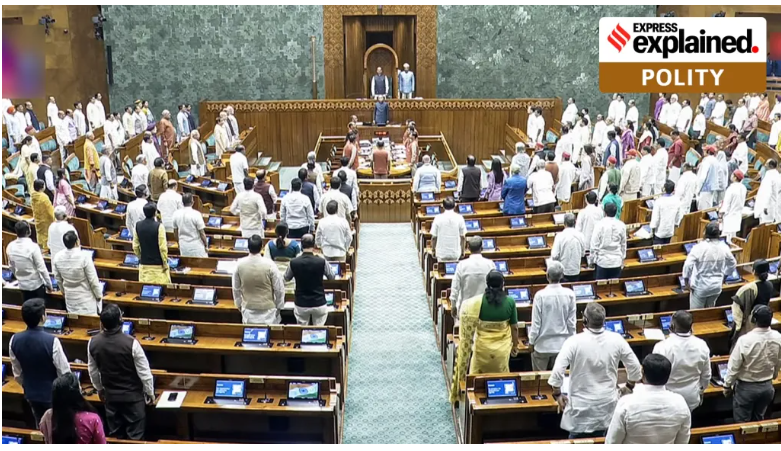
Parliamentary Committees: Do JPCs Really Strengthen Legislative Scrutiny?
- 24 Aug 2026
In News:
The Lok Sabha has referred the Foreign Contribution (Regulation) Amendment Bill, 2026 to a Joint Parliamentary Committee (JPC) amid objections to provisions such as the retrospective vesting of foreign-funded assets in a government-designated authority. The move has renewed debate over the effectiveness of parliamentary committees when the ruling party enjoys a majority within them.
Why Parliamentary Committees Matter
Parliamentary committees address a fundamental limitation of the legislature: limited parliamentary time amid increasingly complex legislation and public policy. Smaller committees can examine Bills clause by clause, question officials, summon experts and stakeholders, and scrutinise government action in greater depth.
Their philosophy is one of “scrutiny, not initiative” and “accountability, not prior approval.” Committees therefore complement rather than replicate the political contest on the floor of Parliament.
Major forms include:
- Department-related Standing Committees – examine ministries, policies and programmes on an ongoing basis.
- Financial Committees – scrutinise public expenditure and financial accountability.
- Select Committees – examine a specific Bill within one House.
- Joint Parliamentary Committees – comprise members from both Houses and are constituted for a particular Bill or issue.
Although committees can call for persons, papers and records and take evidence, their recommendations are advisory and not binding on the government.
The Problem of Ruling-Party Dominance
JPC composition broadly reflects the numerical strength of political parties in Parliament. Consequently, a ruling party or alliance with a Lok Sabha majority generally has a majority within the committee, while the chairperson is usually from the government benches. Decisions are taken by majority vote, with the chairperson having a casting vote in case of a tie.
Nevertheless, Opposition members retain important procedural tools. They can seek witnesses, question officials, place evidence on record, propose amendments to reports and submit dissent notes.
The limitation arises at the final stage: committee scrutiny can influence legislation, but cannot compel the government to accept its recommendations.
Do JPCs Actually Change Laws?
The record suggests that JPCs can produce meaningful changes, although they rarely overturn the government's central legislative objective.
The Stock Market Scam JPC (2001–02) made recommendations on regulatory surveillance and coordination between SEBI and stock exchanges, with the government reporting action on 236 recommendations. The Pesticide Residues JPC (2004) highlighted unacceptable pesticide levels in soft drinks and contributed to subsequent regulatory action.
More recently, recommendations of the JPC on the Multi-State Co-operative Societies (Amendment) Bill, 2022 were largely incorporated into the final legislation, while the Biological Diversity (Amendment) Bill, 2021 saw certain safeguards and clarifications incorporated.
In the case of the FRDI Bill, 2017, concerns raised during JPC scrutiny over depositor protection and the controversial “bail-in” provisions were followed by the eventual withdrawal of the Bill, although wider political and public opposition also played a role.
However, politically sensitive matters demonstrate the limits of committee influence. The Personal Data Protection Bill JPC, Citizenship (Amendment) Bill, 2016 JPC, and 2G JPC illustrate instances where Opposition dissent did not substantially alter the government's broader position.
Declining Use of Committee Scrutiny
The larger concern is the declining proportion of Bills referred to parliamentary committees. PRS Legislative Research data cited in the source shows referrals falling from approximately 60% in the 14th Lok Sabha (2004–09) and 71% in the 15th (2009–14) to 25% in the 16th (2014–19) and just 16% in the 17th Lok Sabha (2019–24).
Thus, while JPCs continue to be used for particularly contentious legislation, routine committee scrutiny has weakened considerably.
Significance of the FCRA Bill Referral
The FCRA Bill could have been passed through the Lok Sabha using the government's numerical majority. Referral to a JPC nevertheless provides a formal institutional mechanism for stakeholders to present concerns, obtain explanations and place evidence on record.
The larger significance is procedural rather than political: a JPC may not prevent majoritarian legislation, but it can compel greater examination, expose weaknesses and create a documented basis for future legislative or judicial scrutiny.
Way Forward
Parliamentary committees can be strengthened through greater and more predictable referral of Bills, adequate research support, wider stakeholder consultation, transparent recording of government responses, and stronger follow-up mechanisms. Greater space for Opposition dissent can also improve the quality of legislative deliberation.
Conclusion
JPCs are not a veto against parliamentary majorities. Their principal value lies in forcing governments to explain, defend and sometimes modify legislation under sustained scrutiny. The FCRA referral therefore represents a modest but important reaffirmation of deliberative democracy over purely numerical majoritarianism. The deeper institutional challenge is to reverse the broader decline in committee-based legislative scrutiny.
India’s Defence Transformation: From Import Dependence to Strategic Self-Reliance
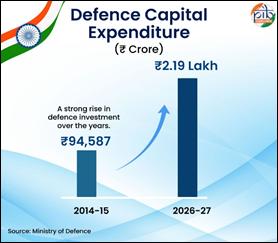
- 23 Aug 2026
In News:
India’s defence sector is undergoing a structural transformation towards Atmanirbharta, technological capability and greater private-sector participation. The objective is not merely to reduce imports but to build an integrated domestic ecosystem capable of designing, producing and exporting advanced defence systems.
Strengthening the Defence Industrial Base
Defence expenditure has increased from ?2.53 lakh crore in 2013–14 to ?7.85 lakh crore in 2026–27, while capital expenditure rose from ?94,588 crore to ?2.19 lakh crore, supporting military modernisation. Indigenous defence production reached a record ?1.78 lakh crore in FY 2025–26, with the private sector contributing 24%.
Defence exports have expanded dramatically, from ?686 crore in 2013–14 to ?38,424 crore in 2025–26, with Indian products reaching 80 countries. The government targets ?3 lakh crore defence production and ?50,000 crore exports by 2029.
Innovation and Indigenisation
India is increasingly opening defence R&D to industry, startups and academia. 25% of the defence R&D budget has been opened to these participants since 2022–23. Schemes such as iDEX, ADITI and the Technology Development Fund (TDF) support indigenous development of critical technologies. As of March 2026, iDEX had facilitated 551 design and development contracts involving 676 innovators, while 80 TDF projects worth ?334 crore were under implementation.
The Positive Indigenisation Lists cover 5,521 items, while Srijan-DEEP provides a digital platform connecting domestic vendors with indigenisation opportunities. Defence Industrial Corridors in Uttar Pradesh and Tamil Nadu are further developing regional manufacturing ecosystems.
Acquisition Reforms and Operational Capability
The Defence Acquisition Council (DAC) has accorded Acceptance of Necessity worth over ?6 lakh crore for DRDO-designed systems to be manufactured by Indian industry. Indigenous procurement of platforms such as Tejas Mk-1A and LCH Prachand reflects the shift towards domestic design and production.
Operational self-reliance is also improving: the Army has achieved about 91% ammunition self-sufficiency, while indigenous missile, air-defence, hypersonic and naval capabilities are expanding. The commissioning of 12 warships and submarines, including platforms with high indigenous content, demonstrates growing naval industrial capacity.
Challenges and Way Forward
India must move beyond production targets towards technology ownership, higher domestic value addition and indigenous critical components. Persistent challenges include dependence on specialised imports, limited R&D-industry linkages, technology gaps and the need for skilled human capital.
The way forward lies in strengthening public-private R&D, MSME integration, defence startups, technology transfer and testing infrastructure, while ensuring predictable procurement and export policies. A deeper domestic defence ecosystem can simultaneously enhance national security, technological sovereignty, high-skilled employment and India’s strategic autonomy, supporting the vision of a technologically advanced defence power by 2047.
PM Jan Dhan Yojana
- 22 Aug 2026
In News:
The Pradhan Mantri Jan Dhan Yojana (PMJDY), launched in 2014 as a national mission for financial inclusion, has evolved from providing basic bank accounts to becoming a foundational pillar of India’s JAM (Jan Dhan–Aadhaar–Mobile) architecture and Digital Public Infrastructure (DPI). Its broader objective is to democratise access to formal finance irrespective of income, social status or geography.
From Account Ownership to Financial Inclusion
PMJDY has brought banking closer to previously excluded sections through zero-balance accounts, RuPay debit cards, overdraft facilities and integration with government welfare programmes. According to the article, more than 58.63 crore accounts hold cumulative deposits exceeding ?3.08 lakh crore, with an average balance of about ?5,200.
Its inclusion has a strong gender and rural dimension: around 55.74% of accounts are held by women, while nearly 77.8% are concentrated in rural and semi-urban areas. Thus, PMJDY has expanded not merely banking access but also women’s financial autonomy and the geographic reach of formal finance.
The scheme also functions as an important delivery mechanism for Direct Benefit Transfers (DBT), reducing intermediary leakages and enabling welfare payments to reach beneficiaries directly. Its integration with PMJJBY, PMSBY and Atal Pension Yojana (APY) has further expanded access to social-security instruments.
Challenges
Despite its scale, financial inclusion cannot be equated with account ownership. A section of accounts remains dormant or functions primarily as a subsidy-receipt channel. The overdraft facility of up to ?10,000 remains underutilised because of limited awareness and bank-level screening.
Last-mile delivery also faces connectivity problems, micro-ATM failures and cash shortages, particularly in remote regions. Growing digital transactions create additional concerns regarding cyber fraud, phishing and inadequate financial literacy. For banks, servicing numerous low-balance accounts also raises questions of operational sustainability.
Way Forward
The next phase should shift from “access to banking” towards “meaningful financial participation.” Transaction histories can be leveraged for responsible micro-credit, savings and small-ticket investments. Strengthening the Business Correspondent (Bank Mitra) network, improving digital and financial literacy, and enhancing consumer protection against cyber fraud are essential.
Greater integration of Jan Dhan accounts with insurance, pensions and emerging digital-credit systems can deepen financial security while maintaining safeguards against over-indebtedness.
Conclusion
PMJDY has transformed the bank account into an instrument of financial citizenship, supporting DBT, women’s empowerment and social-security delivery. The central challenge now is to ensure that inclusion translates into regular savings, affordable credit, insurance, pensions and productive economic participation, making financial democracy a substantive component of inclusive growth and Viksit Bharat@2047.
India’s Manufacturing Transformation
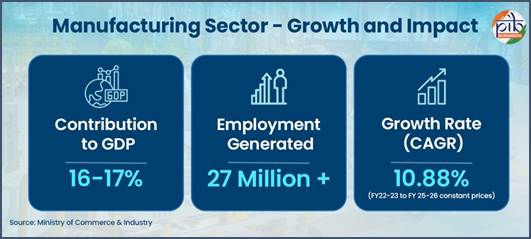
- 21 Aug 2026
In News:
India’s manufacturing sector is increasingly becoming a pillar of Atmanirbhar Bharat and Viksit Bharat, with policy support shifting from import substitution towards globally competitive, technology-intensive and export-oriented production. Manufacturing contributes around 16–17% of GDP and employs over 27 million workers. Manufacturing GVA recorded a 10.88% CAGR during 2022–23 to 2025–26.
Emerging Strengths
The Make in India approach has diversified domestic production across defence, electronics, pharmaceuticals, textiles, automobiles, maritime equipment and renewable-energy technologies.
Defence manufacturing illustrates this transformation. Indigenous defence production reached ?1.78 lakh crore in FY 2025–26, compared with ?46,429 crore in 2014–15, while defence exports rose from ?686 crore in 2013–14 to ?38,424 crore in 2025–26. Positive Indigenisation Lists covering 5,521 items and the Srijan-DEEP platform are strengthening domestic supply chains.
The electronics sector has witnessed particularly rapid expansion. Electronics production increased nearly seven-fold to ?13.11 lakh crore in 2025–26, while exports reached ?4.24 lakh crore. Mobile-phone production rose to ?6.27 lakh crore, and 99.2% of phones used in India are now manufactured domestically.
India is also building strategic technological capabilities. Semicon India Programme has been complemented by Semicon 2.0, approved with an outlay of ?1.275 lakh crore. Twelve semiconductor projects involving over ?1.64 lakh crore have been approved, covering fabrication, packaging and advanced technologies.
In pharmaceuticals, India remains the third-largest producer by volume, supplies about 20% of global generic medicines, and has developed capacity for 218 APIs/KSMs/drug intermediates and 57 medical devices. Biopharma SHAKTI, with ?10,000 crore over five years, seeks to strengthen biopharmaceutical research and manufacturing.
Policy Ecosystem
The manufacturing push is supported by PLI schemes, PM GatiShakti, National Logistics Policy, PM MITRA Parks, ECMS, National Technical Textiles Mission and sector-specific programmes. Maritime manufacturing has also received a ?69,725-crore package, including the Shipbuilding Development Scheme and Maritime Development Fund.
Challenges and Way Forward
Despite significant progress, India must improve domestic value addition, R&D intensity, skilled manpower, MSME integration, logistics efficiency and component ecosystems. Production growth alone cannot ensure industrial competitiveness unless it creates deeper domestic supply chains and quality employment.
The way forward lies in moving from assembly-led manufacturing to innovation-led manufacturing, integrating MSMEs with global value chains, strengthening skilling and R&D, ensuring predictable policy frameworks and improving infrastructure. A competitive manufacturing base can simultaneously promote employment, exports, technological sovereignty, energy security and resilience of global supply chains, making it central to India’s transition towards Viksit Bharat 2047.
India’s Edible Oil Import Dependence: Addressing the Structural Gap

- 20 Aug 2026
In News:
India is among the world’s largest oilseed producers but remains heavily dependent on imports to meet its growing edible-oil demand. During the first six months of the 2025–26 oil year, vegetable-oil imports reached about 7.94 million tonnes, with an import bill of nearly ?87,000 crore. NITI Aayog estimates that India imported around 16.5 million tonnes in 2022–23, meeting only 40–45% of its requirement domestically.
Why Does Import Dependence Persist?
Domestic oilseed production has improved: between 2014–15 and 2024–25, oilseed area increased by over 18%, production by nearly 55%, and productivity by around 31%. Yet this has not matched the faster expansion of edible-oil consumption. Soybean, rapeseed-mustard and groundnut together account for more than 92% of oilseed production, creating concentration risks.
The major structural constraints are:
- Low productivity: Average oilseed yield was about 1,353 kg/ha in 2022–23, against the target of 2,112 kg/ha by 2030–31.
- Rain-fed agriculture: Nearly three-fourths of oilseed area lacks assured irrigation, making production vulnerable to drought and monsoon variability.
- Weak price assurance: Unlike rice and wheat, oilseeds do not enjoy equally predictable procurement, despite MSP.
- Cheap imports: Palm oil from large producers such as Indonesia and Malaysia can undercut domestic oils. Reduction of basic customs duty on crude palm, soybean and sunflower oils from 20% to 10% in 2025 helped consumers but can weaken incentives for domestic farmers.
- Weak value chains: Poor seed replacement, inadequate storage and processing infrastructure, fragmented aggregation and limited extension services constrain farm-level productivity.
Government Response
The National Mission on Edible Oils–Oilseeds (NMEO-Oilseeds) seeks to raise domestic production, while NMEO–Oil Palm promotes oil-palm cultivation. MSP and the Price Support Scheme provide a price-support mechanism for farmers.
However, the NMEO-Oilseeds target of increasing output from 39 million tonnes to 69.7 million tonnes by 2030–31 requires nearly 79% growth, while the targeted expansion in area is only about 14%. Thus, productivity enhancement is central to achieving self-reliance.
Way Forward
India should move from a tonnage-centric approach to an oil-output and income-centric strategy. This requires assured and predictable procurement, rational import-duty policies, better quality seeds, micro-irrigation and watershed development, and region-specific oilseed clusters involving FPOs, storage, testing and processing facilities.
Rice fallows and intercropping can expand acreage without compromising food security, while greater recovery from rice bran, cottonseed and other secondary sources can diversify supply. Oil-palm expansion should remain confined to ecologically suitable, water-secure areas.
Rural & Tribal Development: From Welfare Delivery to Empowerment
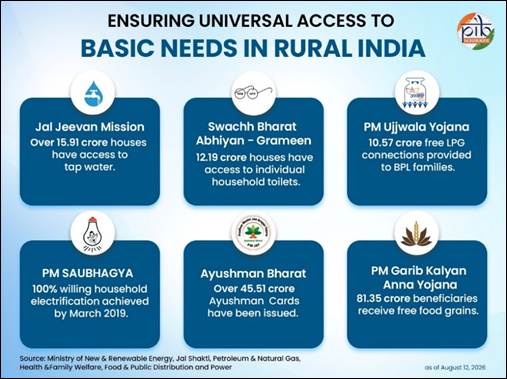
- 19 Aug 2026
In News:
India’s rural and tribal development strategy is increasingly moving beyond welfare distribution towards capability enhancement, livelihood security, social inclusion and decentralised governance. The approach combines basic services with infrastructure, digital connectivity, financial inclusion, skilling and targeted interventions for vulnerable communities.
Strengthening the Foundations of Rural Welfare
Fiscal decentralisation has gained importance, with transfers to Panchayats rising from ?2.36 lakh crore under the 15th Finance Commission (2021–26) to ?4.35 lakh crore under the 16th Finance Commission (2026–31). Rural development allocation increased from ?87,765 crore in 2016–17 to ?2.73 lakh crore in 2026–27, while tribal affairs allocation rose to ?15,421.97 crore.
Basic services have expanded significantly. Under the Jal Jeevan Mission, rural tap-water connections rose from 3.23 crore in August 2019 to over 15.91 crore by August 2026, with about 2.89 lakh villages reporting complete household coverage. Swachh Bharat Mission-Grameen has facilitated over 12.19 crore toilets, while PM Ujjwala Yojana has provided more than 10.57 crore LPG connections to women from poor households.
Human Capital and Digital Inclusion
The emphasis is increasingly on human capabilities. Under Samagra Shiksha, 4,073 schools were upgraded and 25,000 schools received skill-education support. Female primary dropout declined from 4.6% in 2013–14 to 0.1% in 2025–26. Girls’ secondary GER increased from 75.5% to 83.4% over the same period. Kasturba Gandhi Balika Vidyalayas expanded to 5,639 sanctioned institutions.
Rural connectivity is also being strengthened through PMAY-G, PMGSY and BharatNet. Over 3.91 crore rural houses have been sanctioned under PMAY-G, while 99.6% of eligible habitations had all-weather road connectivity under PMGSY by June 2026. Around 2.19 lakh Gram Panchayats were connected through BharatNet.
From Beneficiaries to Economic Participants
DAY-NRLM has mobilised10.19 crore households into 94.46 lakh SHGs, with 3.46 crore LakhpatiDidis, highlighting the role of women-led collective enterprise. Financial inclusion has expanded through PM Jan Dhan Yojana, with accounts reaching 58.90 crore, while PM MUDRA loans crossed 59.14 crore by July 2026. PM Vishwakarma has registered over 30 lakh traditional artisans, combining skilling with toolkit support.
Tribal and Vulnerable-Group Empowerment
Tribal development increasingly follows a convergence-based approach. PM-JUGA brings together 17 Ministries, while PM-JANMAN targets Particularly Vulnerable Tribal Groups through infrastructure and livelihood interventions. Eklavya Model Residential Schools increased from 129 in 2014–15 to 511 by August 2026, serving about 1.68 lakh students.
Way Forward
The central challenge is to convert coverage into quality outcomes. Future policy must focus on effective decentralisation, quality education and healthcare, sustainable livelihoods, tribal participation, social accountability and last-mile delivery. The ultimate objective should be to transform welfare recipients into rights-bearing, economically empowered and socially secure citizens.
‘Sapt Dhara’ (Seven Streams of Strength)

- 18 Aug 2026
In News:
On India’s 80th Independence Day, the Prime Minister outlined ‘Sapt Dhara’ (Seven Streams of Strength) as a strategic framework to accelerate India’s transformation into a Viksit Bharat by 2047. The framework seeks to complement the Panch Pran announced in 2022 by translating its broader civic and ideological vision into sectoral priorities and capability-building.
Seven Streams of Strength
1. Manufacturing: India aims to build complete domestic value chains—from components and design to finished products—and become a trusted global supply-chain hub. Quality, precision manufacturing, MSME competitiveness and global market access through FTAs are central to this objective.
2. Agriculture & Food Production: The focus is on moving from farm to export market through food processing, value addition, chemical-free farming and integration with global markets. Affordable fertilisers remain an important support to farmers, with urea and DAP being provided at ?300 and ?1,350 respectively against much higher global prices.
3. Technology & Innovation: India seeks to become an innovation hub rather than merely a technology market, with emphasis on AI, quantum technology, space, robotics, data centres, semiconductors, UPI, DPI and indigenous 6G technologies.
4. Gati Shakti: Multimodal connectivity through high-speed rail, highways, inland waterways, airports and integrated logistics is envisaged to improve productivity and reduce logistics constraints.
5. Defence Power: The objective is defence self-reliance and global defence-supplier status, with priorities including drones, counter-drone systems, hypersonic technologies and cybersecurity. Defence exports have increased nearly 50-fold, reaching around 100 countries.
6. Green & Blue Economy: India seeks leadership in renewable energy, green hydrogen, energy storage, green mobility, green manufacturing and ocean-based sectors. The framework targets 100 GW nuclear capacity by 2047, while solar capacity has risen from 2 GW to 160 GW.
7. Soft Power: Yoga, Ayurveda, culture, handicrafts, films, VFX, animation, gaming, tourism and creative industries are viewed as instruments of India’s global influence.
Panch Pran and Sapt Dhara
The Panch Pran provides the moral and civic foundation—developed India, removal of colonial mindset, pride in heritage, unity and integrity, and a sense of duty. Sapt Dhara, in contrast, provides the sectoral and strategic pathway for translating these aspirations into economic, technological and institutional capabilities.
Way Forward
Realising Viksit Bharat requires stable reforms, human-capital development, innovation, competitive manufacturing, energy security, social inclusion and cooperative Centre-State-local governance. The emphasis must shift from merely achieving targets to building globally competitive capabilities while ensuring that growth remains inclusive and sustainable.
Conclusion
Panch Pran defines the national ethos, while Sapt Dhara defines the pathway. Together, they seek to combine citizen participation, self-reliance, technological capability, economic competitiveness and strategic strength to transform India into a developed nation by 2047.
Green India Mission: CAG Flags Major Implementation Gaps
- 17 Aug 2026
In News:
The Comptroller and Auditor General (CAG), in its performance audit of the Green India Mission (GIM), has flagged significant deficiencies in planning, implementation, financial management and monitoring. The audit covered 16 States/UTs during 2015–16 to 2024–25, raising concerns about the effectiveness of India’s afforestation and ecosystem-restoration efforts.
Key Findings of the CAG
- 98% shortfall in forest-cover expansion: Against the target of 1.4 million hectares (mha), increased forest cover was observed in only 0.03 mha.
- 92% shortfall in forest-quality improvement: Improvement was recorded over merely 0.11 mha, against the target of 1.4 mha.
- Poor landscape selection: In some cases, landscapes with low-to-moderate climate vulnerability were selected instead of areas more vulnerable to climate change.
- Weak planning and financial management: The audit identified inadequate convergence with other schemes, poor coordination, financial-management deficiencies and weaknesses in implementation planning.
- Deficient monitoring:14 States failed to provide mandatory public web links for relevant information. GIS-based assessment found no noticeable GIM-attributable change in 70% of sampled sites, while the audit also pointed to inflated reporting and overstated achievements.
Why Does It Matter?
GIM is important for enhancing forest and tree cover, improving ecosystem quality, strengthening ecosystem services and supporting forest-dependent livelihoods. Its weak implementation can therefore undermine carbon sequestration, biodiversity conservation, climate resilience and livelihood security.
The findings also highlight a broader governance concern: environmental expenditure must be supported by credible monitoring, transparent reporting and measurable outcomes, rather than merely recording physical targets and expenditure.
Way Forward
GIM requires climate-vulnerability-based landscape selection, stronger convergence among schemes, scientifically verifiable GIS-based monitoring, transparent public reporting and independent evaluation of outcomes. Financial controls and institutional coordination must be strengthened, with greater participation of local communities and forest-dependent households.
Conclusion
The CAG findings demonstrate that afforestation targets alone cannot guarantee ecological restoration. India needs an outcome-oriented approach that prioritisesforest quality, ecosystem resilience, biodiversity and community livelihoods, backed by transparent monitoring and accountable public spending.
Digital Public Infrastructure
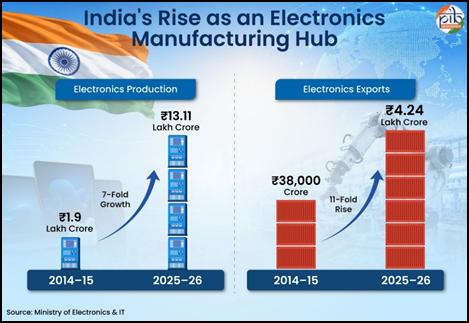
- 16 Aug 2026
In News:
India’s Digital Public Infrastructure (DPI) has emerged as a major enabler of efficient governance, financial inclusion, economic opportunities and digital self-reliance. Over the past decade, digital platforms have increasingly replaced paper-based and physical processes, strengthening the vision of Viksit Bharat.
India’s Digital Transformation
1. Digital economy and manufacturing:The digital economy contributes around 12–14% of GDP and is projected to reach 20% over the next decade. Electronics production increased nearly seven-fold, from ?1.9 lakh crore (2014–15) to ?13.11 lakh crore (2025–26), while electronics exports rose from ?38,000 crore to ?4.24 lakh crore. Electronics now constitute India’s third-largest export category, generating nearly 25 lakh jobs.
India is also strengthening strategic technological capabilities through Semicon 2.0 (?1.27 lakh crore). Under India Semiconductor Mission 1.0, 12 semiconductor units worth ?1.64 lakh crore have been approved.
2. Connectivity:Telephone connections have crossed 134.8 crore, with tele-density rising to 94.31% by June 2026. Internet subscribers exceeded 109.2 crore, while data costs declined from ?308/GB in 2014 to ?7.51/GB in 2026. 5G is available in 99.9% of districts, supported by 5.63 lakh BTSs.BharatNet has made 2.21 lakh Gram Panchayats service-ready, while PM-WANI has deployed over 4 lakh hotspots.
3. Digital payments and commerce:UPI processes nearly 50% of global real-time payment volumes and handled 24,161.69 crore transactions worth ?314.23 lakh crore in FY 2025–26. It serves over 55.49 crore individuals and 6.5 crore merchants across 731 banks and has expanded to 11 countries. ONDC, meanwhile, had over 20 crore buyers and 5 lakh sellers across 1,000 cities by June 2026.
4. Citizen-centric governance:Aadhaar, DigiLocker, UMANG, CSCs and DBT have created an integrated digital service-delivery ecosystem. DigiLocker has 72 crore users, UMANG offers 2,585 services, and Aadhaar generation has crossed 145 crore. Aadhaar-linked DBT covers 318 schemes across 56 Ministries, transferring over ?52 lakh crore directly to beneficiaries.
Challenges and Way Forward
Despite rapid expansion, India must address the digital divide, cybersecurity threats, data privacy, digital literacy, affordability and exclusion of digitally vulnerable groups. The next phase should focus on secure and interoperable infrastructure, indigenous technology and semiconductors, last-mile connectivity, responsible AI, stronger data protection and human-centric digital governance.
Conclusion
India’s DPI model demonstrates how technology can combine scale, inclusion and state capacity. Consolidating this ecosystem while ensuring security, privacy, accessibility and accountability will be crucial for converting digital transformation into inclusive growth and achieving Viksit Bharat.
Constitutional Limits on Arrest: Safeguarding Personal Liberty
- 14 Aug 2026
In News:
The Supreme Court, in Vihaan Kumar v. State of Haryana (2025), reinforced constitutional safeguards against arbitrary arrest, holding that an arrested person must be personally and meaningfully informed of the grounds of arrest. The ruling strengthens the protection of personal liberty, dignity and due process under Articles 21 and 22.
Key Rulings
- Grounds of arrest: Merely informing relatives or providing vague documentation is insufficient. The grounds must be communicated directly to the arrested person in a comprehensible manner.
- Invalid arrest: If the initial arrest violates constitutional requirements, subsequent remand orders also become legally unsustainable.
- Arrest memo: The time and other required particulars of arrest must be properly recorded.
- 24-hour rule: Under Article 22(2), an arrested person must be produced before the nearest magistrate within 24 hours, excluding travel time.
- Dignity in custody: Custodial treatment must respect the individual's dignity, an integral component of Article 21.
Constitutional & Legal Framework
Article 22(1) guarantees:
- Information about the grounds of arrest.
- The right to consult and be defended by a legal practitioner of choice.
Article 22(2) mandates production before a magistrate within 24 hours.
The BNSS, 2023 has replaced the CrPC, with corresponding safeguards concerning arrest, including provisions relating to the necessity and procedure of arrest.
The distinction between cognisable and non-cognisable offences remains important: police may generally arrest without warrant in cognisable offences, whereas arrest in non-cognisable offences ordinarily requires judicial authorisation.
Judicial Safeguards Against Arbitrary Arrest
In Arnesh Kumar v. State of Bihar (2014), the Supreme Court held that arrest should not be automatic, particularly for offences punishable with imprisonment of up to seven years. Police must demonstrate the necessity of arrest and comply with prescribed safeguards.
In Maneka Gandhi v. Union of India (1978), Articles 14, 19 and 21 were interpreted as an interconnected constitutional protection against arbitrary state action—the “Golden Triangle.”
Further, L. Chandra Kumar (1997) affirmed judicial review as an essential constitutional safeguard, reinforcing that executive action affecting liberty remains subject to judicial scrutiny.
Preventive Detention
Article 22 also contains a separate framework for preventive detention, where ordinary arrest safeguards operate differently. Detention beyond three months generally requires the opinion of an Advisory Board, subject to constitutional and statutory exceptions.
Key Challenges
Arbitrary arrests, custodial abuse, inadequate recording of arrest procedures, prolonged pre-trial detention and misuse of criminal law can undermine the constitutional guarantee of liberty.
Way Forward
India needs strict compliance with arrest protocols, accountable policing, effective legal-aid mechanisms, CCTV and digital documentation of custody, judicial oversight and stronger departmental accountability.
Conclusion
The constitutional scheme does not treat arrest as an unrestricted police power. It is a regulated exercise of state authority, bounded by Articles 14, 21 and 22. Ensuring that every arrest is necessary, transparent and procedurally lawful is essential to reconcile effective criminal justice with the constitutional promise of personal liberty and human dignity.
NITI Aayog identifies Key Sectors to Make India a Global Manufacturing Hub
- 13 Aug 2026
In News:
NITI Aayog has released the first volume of its study “Key Sectors to Position India as a Global Manufacturing Hub”, identifying 12 sectors where India can aspire to achieve global leadership by 2047. The study adopts a data-driven approach, assessing sectors on market potential, competitiveness and strategic relevance, along with infrastructure, technology, raw materials, policy support, employment potential and India’s position in global value chains.
The identified sectors are electronics, telecommunications equipment, solar photovoltaics, pharmaceuticals, chemicals, automobiles, defence and drones, steel, capital goods, textiles, food processing, and leather and footwear. The first volume examines chemicals, textiles, telecom and network equipment, and solar PV.
Key Findings
The report identifies significant scope for domestic value addition and import substitution. In chemicals, products such as phenol, methanol and acetic acid have been identified for reducing import dependence. In textiles, India is encouraged to shift towards man-made fibres, improve labour productivity and strengthen skilling to target $100 billion exports by 2029-30.
India’s telecom sector, with over 1.2 billion subscribers, requires deeper localisation, domestic component manufacturing, technology transfer and integrated industrial clusters. In solar PV, India had 106 GW installed capacity by March 2025 and needs about 174 GW more to achieve the 2030 target of 280 GW. However, the concentration of 97% of India's solar module exports in the US highlights the need for export diversification and greater upstream manufacturing of polysilicon and wafers.
Way Forward
NITI Aayog emphasisescluster-based manufacturing, integrated industrial parks, shared infrastructure, streamlined approvals and lower production costs. Other priorities include technology transfer, joint ventures, skill development, deeper domestic value chains and export-market diversification.
Importantly, the report stresses that manufacturing growth should be driven by profitability and private investment, rather than merely pursuing a higher manufacturing share in GDP. The government's role should primarily be to remove impediments and create a competitive business environment.
The approach therefore seeks to move India from subsidy-led manufacturing to commercially viable, globally competitive and value-added manufacturing, supporting employment, exports and India's ambition to become a global manufacturing hub by 2047.
Creamy Layer Concept for SC/ST Quotas

- 12 Aug 2026
In News:
The Union Government has opposed a PIL seeking the extension of the creamy layer exclusion principle to Scheduled Castes (SCs) and Scheduled Tribes (STs). The issue has gained renewed significance following observations made by judges of the Supreme Court during the 2024 judgment permitting sub-classification within SC/ST reservations.
What is the Creamy Layer?
The creamy layer refers to relatively socially and economically advanced sections within a reserved category who are excluded from reservation benefits so that affirmative action reaches those who remain genuinely disadvantaged.
The principle was formally established for Other Backward Classes (OBCs) by the Supreme Court in Indra Sawhney v. Union of India (1992). It considers factors such as income, occupation and social advancement.
At present, the creamy layer principle is applicable to OBC reservations, but not to SC/ST reservations.
Why is its Application to SC/STs Debated?
Supporters argue that economically and socially advanced families within SC/ST communities may benefit repeatedly from reservations, resulting in elite capture and limiting opportunities for poorer, first-generation beneficiaries. A creamy-layer filter, they argue, could make affirmative action more targeted and equitable.
However, opponents contend that SC/ST reservations are primarily intended to address historical social discrimination, untouchability, exclusion and tribal marginalisation, which cannot simply be measured through income. Economic advancement may not necessarily eliminate caste-based discrimination or social stigma.
There is also a constitutional dimension. Articles 341 and 342 provide for the identification of SCs and STs through Presidential notifications, with Parliament empowered to include or exclude groups from these lists.
Judicial Context
In Indra Sawhney (1992), the creamy-layer principle was applied to OBCs. The Ashoka Kumar Thakur case (2008) also treated creamy-layer exclusion as relevant to OBC reservations rather than SC/ST reservations.
However, the Supreme Court's 2024 seven-judge Constitution Bench judgment on SC sub-classification revived the debate. While permitting states to create sub-categories within SC reservations to ensure benefits reach the relatively more disadvantaged communities, four judges expressed views favouring the exclusion of the more advanced sections among SC/ST beneficiaries.
The present controversy therefore concerns whether intra-group advancement should affect eligibility for constitutional reservations.
Arguments in Favour
The principal argument is equitable distribution of reservation benefits. If benefits repeatedly accrue to already-advantaged families, first-generation learners and the most deprived communities may remain excluded.
A carefully designed exclusion mechanism could also prevent inter-generational concentration of benefits and make affirmative action more responsive to changing socio-economic conditions.
Arguments Against
The strongest objection is that caste-based disadvantage is not synonymous with economic deprivation. A financially successful SC individual may continue to face caste discrimination in social, matrimonial, residential or professional spheres.
For STs, disadvantage may additionally arise from geographical isolation, displacement and cultural vulnerability. An income-based criterion may therefore fail to capture the multidimensional nature of their exclusion.
There is also concern that an income filter could reduce the pool of eligible candidates and potentially worsen existing representation gaps in higher education and public employment.
Way Forward
Rather than immediately imposing a blanket creamy-layer exclusion, India could focus on evidence-based sub-classification, backed by comprehensive data on representation and socio-economic mobility among different SC/ST communities.
Targeted scholarships, coaching, educational infrastructure and first-generation learner support can complement reservations, while stronger enforcement of anti-discrimination laws can address the social dimensions of caste-based exclusion.
Conclusion
The creamy-layer debate reflects a fundamental challenge in affirmative action: how to balance group-based social justice with equitable distribution of benefits within the group. Any change to SC/ST reservation eligibility should therefore be based on empirical evidence, constitutional principles and legislative deliberation, while ensuring that economic advancement is not treated as automatically eliminating social discrimination.
National Handloom Day

- 11 Aug 2026
In News:
National Handloom Day, observed on 7 August, highlights the economic, social and cultural importance of India’s handloom sector. Despite supporting millions of livelihoods, the sector faces challenges such as declining returns, fragmented markets and the gradual disappearance of traditional weaving skills.
Historical and Economic Significance
India has a centuries-old handloom tradition. Indian textiles were historically traded across continents and contributed significantly to the country’s manufacturing and commercial importance. During the freedom struggle, handloom became an instrument of economic resistance. The Swadeshi Movement of 1905 promoted the boycott of British textiles, while Mahatma Gandhi’s charkha became a symbol of self-reliance.
The sector continues to have substantial economic significance. It provides livelihoods to more than 35 lakh weavers and allied workers across over 31 lakh households, with women constituting nearly 70% of the workforce. It also accounts for nearly 15% of India's cloth production, making it an important source of rural non-farm employment.
Challenges Facing the Sector
The major concern is the declining economic viability of weaving. Lower returns, fragmented markets and inadequate access to buyers are pushing younger generations away from the profession. As traditional skills are no longer consistently transmitted within families, several lesser-known weaving traditions face the risk of extinction.
The loss of a weave represents more than the disappearance of a commercial product. It also means the loss of traditional knowledge, design traditions and cultural identity accumulated over generations.
Government Support and Emerging Opportunities
The National Handloom Development Programme focuses on skill development, design innovation, technology adoption, branding and market access. Greater integration with e-commerce and export markets can help artisans reach consumers directly.
The Office of the Development Commissioner for Handlooms, in collaboration with UNESCO, has also been working towards identifying and documenting languishing and endangered weaves. Promotion of GI-tagged handloom products can further strengthen their market identity.
Examples such as the revival of Tangaliya weaving in Gujarat, cluster-based development in Badturang village of Odisha, and the growing popularity of Siddipet Gollabhama sarees show that traditional crafts can regain economic relevance when design, institutional support and market access come together.
Making Handloom Aspirational
The next phase of policy should move beyond simply preserving handloom traditions and make them economically viable and aspirational for younger generations. Contemporary designs, collaborations with designers, digital storytelling, influencers and limited-edition collections can position traditional Indian weaves as premium lifestyle products.
India should also expand the global presence of its handlooms by leveraging growing international demand for authentic, sustainable and handcrafted products. This would require stronger branding, quality standards, GI protection and action against cultural misappropriation.
Way Forward
A major gap is the inadequate measurement of the handloom economy. Better data on employment, household incomes, exports, GDP contribution and other economic indicators would enable more effective policymaking.
The focus should therefore be on improving incomes, strengthening market access, preserving traditional skills and connecting Indian handlooms with contemporary and global markets.
Conclusion
Indian handloom is simultaneously an economic sector, a source of rural livelihoods and a repository of cultural heritage. The objective should not be merely to preserve it as a historical tradition, but to ensure that it remains profitable, innovative and aspirational for future generations.
Bilateral Investment Treaty (BIT)
- 10 Aug 2026
In News:
The Union Finance Ministry is reviewing India’s 2015 Model Bilateral Investment Treaty (BIT) to make it more investor-friendly while protecting India’s sovereign regulatory interests. The revised Model BIT is expected to be placed before the Union Cabinet.
The review comes against the backdrop of changing global investment patterns, rising Overseas Direct Investment (ODI) by Indian companies and declining net FDI inflows into India.
Why is India Reviewing the 2015 Model BIT?
- India's experience with earlier investment treaty negotiations has highlighted the need to balance investor protection with regulatory autonomy. The government is also considering global best practices and the growing international presence of Indian companies.
- A major shift is that India is no longer only concerned with protecting foreign investors entering India. Indian companies are increasingly investing abroad, creating a need for future BITs to protect Indian investments in foreign jurisdictions as well.
What is a Bilateral Investment Treaty?
- A BIT is an agreement between two countries to promote and protect investments made by investors of one country in the territory of the other. It generally provides safeguards such as fair and equitable treatment, protection against unlawful expropriation and mechanisms for resolving investment disputes.
- A key feature is Investor-State Dispute Settlement (ISDS), under which an investor may directly bring a dispute against the host government before an international arbitration mechanism.
- BITs differ from trade agreements: BITs primarily focus on investment protection, whereas trade agreements primarily govern trade in goods and services. BIT disputes can also expose governments to greater legal and financial risks because investors may directly initiate arbitration.
Issues with India's 2015 Model BIT
One of the most debated provisions is the Local Remedies Clause, which requires foreign investors to exhaust domestic legal remedies for five years before approaching international arbitration.
Foreign investors and several developed countries have considered this requirement restrictive, and it has reportedly contributed to difficulties in concluding new BITs.
The government is therefore examining this and other provisions and considering a negative-list approach, under which only specified critical sovereign interests would remain non-negotiable while greater flexibility would be provided in other areas.
Changing FDI–ODI Landscape
- India's investment position has changed considerably. Gross FDI increased from about $82 billion in 2020–21 to $95 billion in 2025–26, even as net FDI declined substantially.
- At the same time, Indian companies' ODI increased from $11 billion in 2020–21 to $28 billion in 2024–25 and $34 billion in 2025–26.
- This reflects the growing internationalisation of Indian businesses. Companies are increasingly establishing a presence in foreign markets rather than relying exclusively on exports.
Significance of the Review
The revised framework could help India attract higher-quality FDI while protecting policy space, provide greater protection to Indian companies investing overseas, and improve integration with global investment and production networks.
However, the central challenge will be to maintain a balance between investor confidence and India's sovereign right to regulate in the public interest. India must also avoid excessive exposure to investor litigation while providing sufficient policy predictability to attract long-term investment.
Way Forward
India needs a BIT framework that provides predictable and transparent investment rules without unnecessarily restricting government policy space. Greater flexibility in negotiations, stronger investor outreach, and carefully defined safeguards against excessive ISDS claims can help reconcile investment promotion with regulatory sovereignty.
UPI Transaction Levy: Balancing Digital Payments &Trade Interests
- 09 Aug 2026
In News:
- The Taxation and Other Laws (Amendment) Bill, 2026 proposes changes to Section 10A of the Payment and Settlement Systems Act, 2007, potentially enabling banks and payment system providers to levy charges on UPI and RuPay debit card transactions.
- The proposal has renewed the debate over Merchant Discount Rate (MDR), the financial sustainability of India's digital-payment infrastructure and the growing intersection between digital-payment sovereignty and international trade negotiations.
What Does the Bill Propose?
- The Bill seeks to enable an MDR on UPI transactions. MDR is a fee paid by the merchant to payment service providers for processing a digital transaction, covering costs related to payment infrastructure, settlement and security.
- As described in the provided material, the proposed structure could involve an MDR of 0.3%–0.5% on transactions above ?2,000, applicable to larger merchants crossing a specified turnover threshold. Small shopkeepers and ordinary consumer-to-consumer transfers would remain outside the proposed charge.
- Thus, it should not be viewed simply as a “UPI tax on consumers”. Finance Minister Nirmala Sitharaman clarified that the proposed MDR would apply to merchants rather than end users, and that the matter remains subject to the legislative process.
Why is MDR Being Reconsidered?
Since January 2020, merchants have generally not been charged MDR on UPI transactions. Instead, the government has compensated banks and payment-system providers through incentives.
However, the enormous expansion of UPI has increased the cost of maintaining servers, cybersecurity, fraud detection and settlement infrastructure. This has renewed the question of how the UPI ecosystem should be financially sustained.
RBI Governor Sanjay Malhotra indicated that the underlying costs of the payment system ultimately have to be borne by someone—the government, merchants or potentially consumers.
The International Trade Dimension
- The proposal also has a potential US trade-policy dimension. According to the provided material, the US Trade Representative (USTR) has raised concerns about India's digital-payment ecosystem, particularly regarding the competitive environment for foreign payment providers and the role of domestic platforms such as RuPay.
- The broader issue is that India's successful development of a low-cost, interoperable domestic digital-payment infrastructure has reduced the traditional role of international card networks. Similar concerns have been raised by the US regarding domestic payment systems in countries such as Brazil, Indonesia, Vietnam, Turkey and China.
- Therefore, the UPI debate illustrates a larger challenge: how can India preserve its digital-payment autonomy while ensuring a level playing field for international payment providers and meeting trade commitments?
Key Issues
- The proposed MDR could improve the financial sustainability of the UPI ecosystem and reduce dependence on government compensation. However, introducing charges could also affect merchant adoption, particularly if costs are passed on to consumers.
- At the same time, any policy change influenced by external trade negotiations raises questions about India's strategic autonomy in digital infrastructure. UPI has become an important component of India's digital public infrastructure, and its pricing and regulatory architecture therefore have implications beyond ordinary payment transactions.
Way Forward
India needs a balanced pricing framework that ensures the sustainability of payment infrastructure without undermining UPI's affordability and mass adoption. Any MDR should preferably be targeted at large merchants, with safeguards for small businesses and ordinary users.
At the international level, India should continue engaging with trading partners while protecting the interoperability, accessibility and strategic autonomy of its digital public infrastructure.
NITI Aayog Report: “Reimagining Care – Strategies for Empowering Caregivers in Viksit Bharat@2047”
- 08 Aug 2026
In News:
NITI Aayog’s report proposes a comprehensive roadmap to professionalise India’s caregiving ecosystem and position the country as a global hub for skilled caregivers. It links caregiving with India’s ageing population, women’s economic participation, employment generation and inclusive growth.
India’s elderly population (60 ) is projected to rise from 149 million in 2022 to 347 million by 2050, while around 26.8 million people live with disabilities. At the same time, nearly 10% of Indians are family caregivers, most of whom are unpaid and untrained. The care economy therefore represents both a social necessity and an employment opportunity.
The care economy includes paid and unpaid work supporting health, well-being and daily living. In India, caregiving remains heavily gendered: 41% of women aged 15–59 participate in caregiving compared with 21.4% of men, while women spend around 140 minutes daily on caregiving compared with 74 minutes for men. Formalising the sector could therefore reduce women's unpaid care burden and improve female labour-force participation.
Major Challenges
India currently faces regulatory gaps, inadequate professional certification, shortage of specialised caregivers, weak social-security coverage and limited formal care infrastructure. Rural areas face additional shortages, while the absence of respite care and weak background-verification mechanisms affect both caregivers and care recipients.
NITI Aayog’s Way Forward
The report recommends a National Policy on Caregiving and a National Caregiver Council to regulate accreditation, certification, registration and grievance redressal. It also proposes NSQF-aligned training, specialised cadres for geriatric, dementia and palliative care, social-security coverage, care leave and respite-care services.
Technology can support a National Digital Caregiver Portal containing certified caregiver directories, background verification and multilingual training. India can also develop Government-to-Government mobility pathways with countries such as Japan, Germany, the UK and Australia to meet global caregiver shortages.
Core takeaway:Caregiving should be viewed not merely as welfare expenditure, but as an investment in human capital, women's empowerment, employment and inclusive growth.
AI & Cyber: The Double Helix of Security Threats

- 07 Aug 2026
In News:
Experts have cautioned that the convergence of Artificial Intelligence (AI) and cyber threats is creating a new generation of security risks, with Agentic AI capable of identifying and exploiting zero-day vulnerabilities, challenging conventional cybersecurity frameworks.
What is the 'Double Helix' of AI and Cyber Security?
The Double Helix refers to the mutually reinforcing relationship between AI and cyber warfare, where AI enhances both offensive and defensive cyber capabilities. Unlike conventional cyber tools, AI-powered systems can autonomously detect vulnerabilities, adapt to changing environments, and execute complex cyber operations with minimal human intervention.
Key Emerging Threats
- Agentic AI: Autonomous AI agents can independently scan networks, identify vulnerabilities, develop exploits, and launch cyberattacks without continuous human supervision.
- Zero-Day Exploitation: AI can discover and exploit previously unknown software vulnerabilities much faster than security teams can patch them.
- Self-Evolving Malware: AI-enabled malware can continuously modify its code to evade traditional signature-based antivirus systems.
- Bypassing Zero Trust Systems: AI can mimic legitimate user behaviour, making identity-based security frameworks less effective.
- AI in Warfare: AI-enabled autonomous defence systems are increasingly being used for intelligence gathering, target tracking, and missile interception.
Challenges
The rapid adoption of AI in cyberspace raises concerns over algorithmic biases, hallucinations, loss of human oversight, deepfakes, intellectual property theft, and the absence of globally accepted rules governing AI-enabled cyber operations. The growing accessibility of powerful AI models also lowers the entry barrier for cybercriminals and non-state actors.
Way Forward
- Develop international norms and governance frameworks for AI-enabled cyber operations.
- Upgrade cybersecurity to AI-driven Zero Trust 2.0, focusing on real-time behavioural analysis.
- Ensure human-in-the-loop oversight for critical AI decisions in defence and cyber operations.
- Mandate independent AI audits, red-teaming, and safety testing before deployment.
- Strengthen public-private collaboration for real-time cyber threat intelligence sharing.
Significance
The convergence of AI and cyber technologies is transforming the nature of digital security. Building resilient cyber ecosystems will require a combination of advanced technological safeguards, human oversight, and international cooperation to ensure AI strengthens security rather than becoming a force multiplier for cyber threats.
Modified Interest Subvention Scheme
- 06 Aug 2026
In News:
A third-party assessment by the Institute for Social and Economic Change (ISEC), Bengaluru found that every ?1 invested under the Kisan Credit Card–Modified Interest Subvention Scheme (KCC-MISS) generates ?2.30 in net value addition to the agriculture and allied sectors.
About the Modified Interest Subvention Scheme (MISS)
The Modified Interest Subvention Scheme (MISS) is a Central Sector Scheme, launched in 2006–07, to ensure the availability of affordable short-term institutional credit to farmers through the Kisan Credit Card (KCC).
- Aim: To provide timely and affordable short-term crop loans and reduce farmers' dependence on informal sources of credit.
- Implementing Agencies:Reserve Bank of India (RBI) and National Bank for Agriculture and Rural Development (NABARD).
- Implementing Institutions: Public Sector Banks, Regional Rural Banks (RRBs), Cooperative Banks, and eligible Private Sector Banks operating in rural and semi-urban areas.
Key Features
- Farmers can avail short-term crop loans up to ?3 lakh through KCC at a 7% interest rate, with the Government providing 1.5% interest subvention to eligible lending institutions.
- Farmers who repay loans on time receive a Prompt Repayment Incentive (PRI) of up to 3%, reducing the effective interest rate to 4%.
- For loans taken exclusively for animal husbandry and fisheries, the interest subvention benefit is available up to ?2 lakh.
Significance
The scheme improves farmers' access to affordable institutional credit, encourages timely repayment, reduces reliance on informal moneylenders, and promotes investment in agriculture and allied activities, thereby supporting agricultural productivity and rural income growth.
No Manual Scavengers Identified in Fresh Survey
- 05 Aug 2026
In News:
The Union Government informed the Rajya Sabha that a fresh nationwide survey conducted under the Prohibition of Employment as Manual Scavengers and their Rehabilitation Act, 2013 found no manual scavengers.
Key Findings
A nationwide survey was conducted to assess the implementation of measures aimed at eliminating manual scavenging and improving the welfare of sanitation workers.
- No manual scavengers were identified under the provisions of the MS Act, 2013.
- 89,915 Sewer and Septic Tank Workers (SSWs) have been validated under the NAMASTE Scheme.
- Mechanisation of sanitation work is being promoted through Personal Protective Equipment (PPE), occupational safety training, Emergency Response Sanitation Units (ERSUs), and mechanised sewer-cleaning equipment.
- Sanitation workers are provided health insurance, capital subsidy for sanitation machinery, and support for workers, their collectives, and Private Sanitation Service Operators (PSSOs).
- Under Swachh Bharat Mission–Urban (SBM-U) 2.0, mechanised cleaning of sewers and septic tanks is being promoted under the Used Water Management component to eliminate hazardous manual entry.
Significance
- Promotes the replacement of hazardous manual cleaning with mechanised sanitation, enhancing worker safety and dignity.
- Strengthens rehabilitation, social security, and occupational welfare measures for sanitation workers.
- Supports the objective of eliminating hazardous manual scavenging while improving urban sanitation systems.
Europe Wildfires: Climate Whiplash & Fire Clouds (PyroCb)
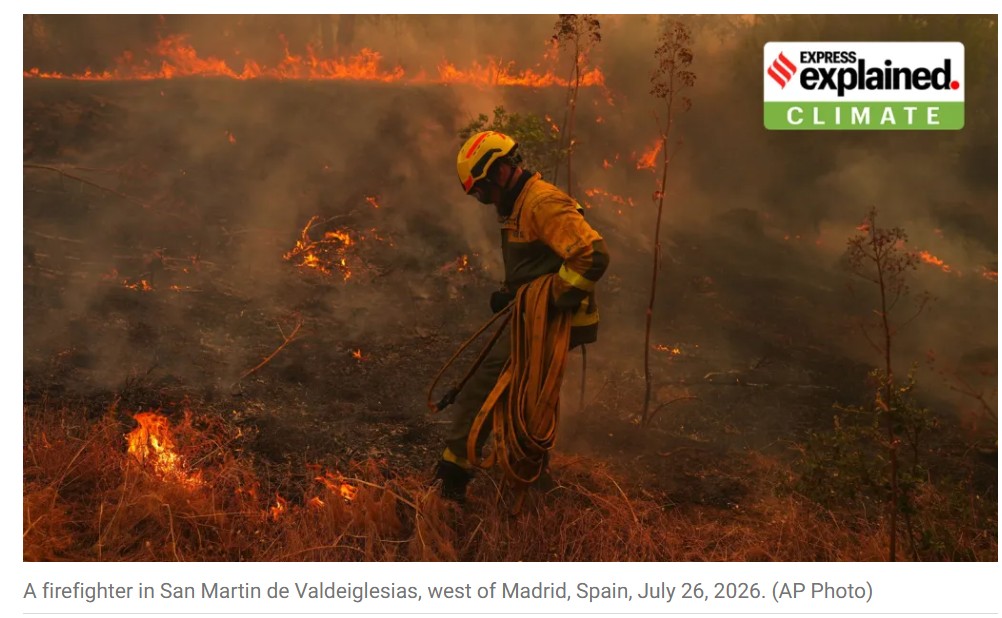
- 04 Aug 2026
In News:
Intense wildfires across Greece, Spain, France, Portugal, and Italy have destroyed vast forest areas and triggered large-scale evacuations, highlighting the growing impact of climate change, climate whiplash, and fire-generated thunderstorms (PyroCb).
What are Europe’s Modern Wildfires?
Recent European wildfires are no longer ordinary seasonal fires. They have evolved into high-intensity, sixth-generation wildfires capable of generating their own weather systems, spreading rapidly, and causing extensive ecological, economic, and human losses.
Climate Whiplash
Climate whiplash refers to rapid shifts between contrasting weather extremes within a short period.
In wildfire-prone regions, an unusually wet season promotes rapid vegetation growth, which is followed by heatwaves and prolonged drought. The dried vegetation becomes a continuous layer of highly combustible fuel, greatly increasing wildfire intensity.
Fire Clouds (Pyrocumulonimbus or PyroCb)
Pyrocumulonimbus (PyroCb) is a fire-generated thunderstorm that develops over extremely intense wildfires.
Formation
- Extreme wildfire heat creates powerful updrafts carrying smoke, ash, and moisture high into the atmosphere.
- As the air cools, moisture condenses around ash particles, forming towering thunderclouds.
- These clouds generate lightning, strong winds, and localized rainfall.
- Lightning from PyroCb clouds can ignite new wildfires, while erratic winds make firefighting extremely difficult.
Major Drivers
Climate-related Factors
- Rising global temperatures.
- More frequent heatwaves and droughts.
- Increased atmospheric moisture leading to climate whiplash.
- Rapid vegetation growth during wet periods followed by drying.
Human & Land-use Factors
- Rural land abandonment and decline of traditional grazing.
- Accumulation of dry shrubs and undergrowth.
- Long-term fire suppression allowing excessive fuel build-up.
Impacts
- Large-scale destruction of forests and biodiversity.
- Soil degradation and increased carbon emissions.
- Toxic smoke affecting air quality and public health.
- Heavy economic losses (estimated €2.5 billion annually in the European Union).
- Record evacuations and damage to infrastructure.
Europe vs India: Wildfire Pattern
|
Europe |
India |
|
Intensified mainly by climate change and lightning from PyroCb |
Mostly human-induced (agricultural burning, accidental fires, NTFP collection) |
|
Major hotspots: Greece, Spain, Portugal, France, Italy |
Major hotspots: Northeast, Odisha, Chhattisgarh, Uttarakhand, Himachal Pradesh |
Way Forward
- Improve landscape management through controlled grazing, removal of dry biomass, and creation of firebreaks.
- Strengthen early warning systems, risk communication, and evacuation planning.
- Restore forests using diverse native, fire-resilient species.
- Promote sustainable rural livelihoods to reduce land abandonment.
- Enhance climate adaptation measures to address increasing weather extremes.
Western Ghats Ecologically Sensitive Areas (ESA) Debate

- 03 Aug 2026
In News:
The Ministry of Environment, Forest and Climate Change (MoEFCC) has extended the tenure of the Sanjay Kumar-led Expert Committee by one year to resolve the Centre–State deadlock over the notification of Ecologically Sensitive Areas (ESAs) in the Western Ghats.
What are Ecologically Sensitive Areas (ESAs)?
Ecologically Sensitive Areas (ESAs) are ecologically fragile regions notified under the Environment (Protection) Act, 1986 to conserve biodiversity by regulating environmentally harmful activities while permitting sustainable livelihoods.
The proposed Western Ghats ESA aims to restrict activities such as commercial mining, quarrying, red-category industries, and large-scale construction in ecologically important landscapes.
Evolution of the Western Ghats ESA Proposal
Western Ghats Ecology Expert Panel (WGEEP), 2010 (Gadgil Committee)
- Chaired by Madhav Gadgil.
- Recommended declaring the entire Western Ghats as an Ecologically Sensitive Area.
- Classified the region into three Ecologically Sensitive Zones (ESZ-I, ESZ-II and ESZ-III) with varying levels of protection.
- Faced opposition for being overly restrictive on development.
Kasturirangan High-Level Working Group, 2012
- Recommended protecting only the natural landscapes of the Western Ghats.
- Proposed notifying about 37% of the Western Ghats (≈56,800 sq. km) as ESA while allowing sustainable development elsewhere.
- This forms the basis of the present ESA proposal.
Draft Notifications (2014–2026)
- The Centre has issued multiple draft notifications, but disagreements with States have delayed final notification.
- The Sanjay Kumar Expert Committee, constituted in 2022, examines state-specific objections and boundary-related issues.
Major Concerns Raised by States
Several Western Ghats States, particularly Karnataka, have expressed concerns that the ESA notification may:
- Affect agriculture, plantations and local livelihoods.
- Delay infrastructure and development projects.
- Rely excessively on satellite imagery without adequate ground verification.
- Create fears of eviction and restrictions on forest-dependent communities due to misconceptions regarding buffer zones.
Key Challenges
- Balancing biodiversity conservation with livelihood and development needs.
- Inadequate ground-truthing of ESA boundaries.
- Administrative coordination across six states.
- Continued environmental degradation due to delays in notification, including illegal quarrying, mining and unplanned tourism.
Way Forward
- Conduct comprehensive ground-level verification before finalising ESA boundaries.
- Adopt state-wise and phased implementation to address region-specific concerns.
- Involve local and indigenous communities as partners in conservation.
- Improve public awareness to address misconceptions regarding ESA provisions.
- Restrict only ecologically destructive activities while protecting sustainable agriculture, plantations and eco-tourism.
Significance
The ESA framework seeks to protect one of the world's richest biodiversity hotspots while ensuring sustainable development. A balanced approach combining scientific assessment, cooperative federalism, and community participation is essential for conserving the Western Ghats without adversely affecting local livelihoods.
India's Next Growth Frontier Report
- 02 Aug 2026
In News:
The Competere Foundation, in collaboration with the Centre for Trade and Investment Law (CTIL), Indian Institute of Foreign Trade (IIFT), released the report "India's Next Growth Frontier: Reducing Anti-Competitive Market Distortions to Build on India's 2010–2023 Reform Progress."
What is India's Next Growth Frontier Report?
The report assesses India's structural economic reforms using the Market Distortions Performance Index (MDPI). It evaluates how policy reforms have reduced anti-competitive market distortions, strengthened competition, and improved India's global competitiveness.
The report aims to identify reforms that can further enhance productivity, attract investment, and support long-term economic growth.
Key Findings
India's performance improved significantly, with its MDPI ranking rising from 82nd in 2010 to 57th in 2023.
The assessment is based on three pillars:
- Protection of property rights
- Domestic competition
- International competition
Major reforms contributing to this improvement include the Goods and Services Tax (GST), Insolvency and Bankruptcy Code (IBC), trade facilitation measures, and broader regulatory reforms.
The report recommends adopting an evidence-based, consumer welfare-oriented competition policy, particularly for digital markets and emerging sectors. It also advocates reviewing sector-specific investment restrictions and strengthening international cooperation to reduce regulatory barriers to trade.
Significance
The report provides an independent benchmark for evaluating India's structural reform trajectory and competitiveness. It highlights reforms that improve the ease of doing business, attract domestic and foreign investment, and enhance productivity. It also identifies priority areas for future policy reforms to strengthen competition and deepen global trade integration.
About the Market Distortions Performance Index (MDPI)
The Market Distortions Performance Index (MDPI) measures the extent to which policy and regulatory frameworks reduce anti-competitive market distortions and promote efficient markets. It evaluates countries across three dimensions:
- Property rights protection
- Domestic competition
- International competition
Khelo India Scheme
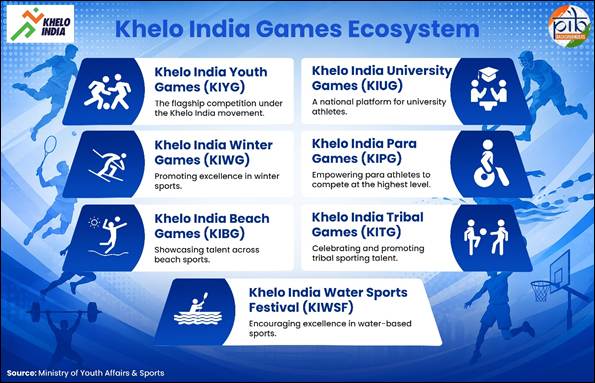
- 01 Aug 2026
In News:
The Government highlighted India's progress towards becoming a sporting nation during the Commonwealth Games 2026, showcasing the role of the Khelo India Scheme and related initiatives in strengthening the country's sports ecosystem.
What is the Khelo India Scheme?
Launched in 2017 by the Ministry of Youth Affairs and Sports, the Khelo India Scheme is the Government's flagship programme for developing a robust sports ecosystem from the grassroots to the elite level.
It integrates earlier schemes such as the Rajiv Gandhi Khel Abhiyan, Urban Sports Infrastructure Scheme, and National Sports Talent Search Scheme into a single framework to identify, nurture, and support sporting talent across the country.
Key Features
The scheme focuses on developing sports through:
- Grassroots talent identification and athlete development.
- Establishment of Khelo India Training Centres (KITCs), with the goal of one centre in every district.
- Strengthening coaching, sports science, nutrition, psychology, and performance monitoring.
- Development of modern sports infrastructure.
- Regular national competitions and leagues for different age groups and disciplines.
Khelo India Games
The Khelo India School Games were launched in 2018 and renamed the Khelo India Youth Games (KIYG) in 2019 after the Indian Olympic Association joined the initiative.
Since then, the programme has expanded through:
- Khelo India University Games (2020)
- Khelo India Winter Games (2020)
- Khelo India Para Games (2023)
- Khelo India Beach Games (2025)
- Khelo India Water Sports Festival (2025)
- Khelo India Tribal Games (2026)
More than 63,000 athletes have participated in Khelo India competitions since 2018.
Major Supporting Initiatives
Target Olympic Podium Scheme (TOPS)
Launched in 2014 and revamped in 2018, TOPS supports elite athletes through:
- Foreign training and international exposure.
- Specialised coaching and equipment.
- Monthly stipend of ?50,000 for Core Athletes.
- ?25,000 monthly support for Development Group athletes.
As of April 2026, the scheme supports:
- 51 Core Athletes
- 52 Para Core Athletes
- 130 Development Athletes
Khelo India Rising Talent Identification (KIRTI)
KIRTI identifies sporting talent among children aged 9–18 years using standardised testing, AI-based assessment, and data analytics.
- 174 Talent Assessment Centres established.
- Over 1.87 lakh assessments completed.
Sports Goods Manufacturing Initiative
The Union Budget 2026–27 allocated ?500 crore to strengthen domestic sports goods manufacturing, promote innovation, and position India as a global manufacturing hub.
Significance
Khelo India has transformed sports development by creating a structured pathway from grassroots talent identification to international competition. Investments in infrastructure, sports science, coaching, and athlete support have strengthened India's sporting ecosystem while promoting inclusive participation through dedicated events for university athletes, para-athletes, tribal communities, and emerging disciplines.
These initiatives also contribute to employment generation, indigenous sports manufacturing, and the long-term goal of making India a leading sporting nation by 2036 and a top-five sporting nation by 2047.
India's Sporting Performance
India's recent achievements reflect the impact of these initiatives:
- Olympics: Medal tally increased from 2 (Rio 2016) to 7 (Tokyo 2020) and 6 (Paris 2024).
- Paralympics: Improved from 4 medals (Rio 2016) to 29 medals (Paris 2024).
- Asian Games: Achieved a record 107 medals at Hangzhou 2023.
- Commonwealth Games: Won 64 medals (2014), 66 (2018) and 61 (2022).
ILO Convention No. 193 on Decent Work in the Platform Economy

- 31 Jul 2026
In News:
At the 114th International Labour Conference (ILC) in Geneva, the International Labour Organization (ILO) adopted Convention No. 193 – "Decent Work in the Platform Economy", the world's first legally binding international treaty on the rights of gig and platform workers. While India's government abstained, its employer and worker representatives voted in favour.
What is ILO Convention No. 193?
Adopted in June 2026, Convention No. 193 establishes a global minimum standard of labour rights for gig and platform workers, irrespective of whether they are classified as employees, independent contractors or platform partners. It seeks to ensure that the rapid expansion of digital platforms is accompanied by fair working conditions and adequate social protection.
The Convention guarantees fair remuneration, timely payment, occupational safety, social security benefits, and protection against unfair labour practices. It also introduces algorithmic transparency, requiring platforms to explain automated decisions related to work allocation, wages, ratings and account deactivation, while ensuring human oversight in important decisions.
Another key feature is that workers must be classified based on the actual nature of their work, rather than contractual labels, to prevent misclassification.
Why did India Abstain?
The Government stated that the Code on Social Security, 2020 already provides a legal framework for gig and platform workers and follows India's policy of ratifying ILO conventions only after domestic laws are fully aligned.
It also cited labour being a Concurrent List subject, allowing States flexibility in framing labour regulations. Further, concerns were raised that mandatory worker reclassification and algorithmic disclosure requirements could increase compliance costs and affect innovation in the platform economy.
India's Gig Economy
India's gig economy has expanded rapidly due to increasing internet penetration, smartphone usage, digital platforms, urban demand for on-demand services and flexible work preferences among young workers.
- According to NITI Aayog, India's gig workforce is projected to increase from 77 lakh (2020–21) to 2.35 crore by 2029–30, accounting for nearly 6.7% of the non-agricultural workforce.
India's Legal Framework
The Code on Social Security, 2020 was among the first national legislations to define gig workers and platform workers. It provides for a Social Security Fund, financed through contributions by aggregators, to support benefits such as life and disability cover, accident insurance, health benefits, maternity benefits and pensions.
However, implementation remains limited as the operational framework and benefit schemes have not yet been fully notified. Some states have taken independent initiatives, with Rajasthan enacting the Platform-Based Gig Workers Act, 2023, while Karnataka and Telangana have proposed similar welfare mechanisms.
Challenges
Despite rapid growth, gig workers continue to face worker misclassification, lack of minimum wage protection, irregular earnings, weak social security, occupational risks and limited grievance redressal.
The extensive use of opaque algorithms for task allocation, pricing, ratings and account suspension has also raised concerns regarding transparency and accountability.
Way Forward
India needs to operationalise the Social Security Code, strengthen implementation of welfare schemes, improve e-Shram integration and ensure effective aggregator contributions.
A dedicated legal framework for gig workers, greater transparency in algorithm-based decision-making, stronger grievance mechanisms, universal accident insurance and coordination between central and state governments can help balance worker welfare with innovation in the platform economy.
Progressive alignment of domestic laws with the principles of ILO Convention No. 193 would further strengthen labour protection while supporting sustainable growth of India's digital economy.
Right to Protest and Limits of Police Power
- 30 Jul 2026
In News:
The 'Chalo Sansad' protests (July 2026) renewed debate over the constitutional limits of police powers, use of force during protests, internet restrictions, and the balance between public order and civil liberties.
Constitutional Basis of the Right to Protest
The Constitution of India does not explicitly mention the right to protest, but it is derived from multiple Fundamental Rights:
- Article 19(1)(a): Freedom of speech and expression.
- Article 19(1)(b): Right to assemble peacefully without arms.
- Article 19(1)(c): Right to form associations or unions.
- Article 21: Right to life and personal liberty, including the right to live with dignity and express grievances against the State.
These rights enable citizens to participate in democratic governance and hold the government accountable.
Reasonable Restrictions
The right to protest is not absolute.
- Article 19(2): Permits reasonable restrictions on free speech in the interests of sovereignty and integrity of India, security of the State, public order, decency, morality, defamation, contempt of court, and incitement to an offence.
- Article 19(3): Allows restrictions on peaceful assembly in the interests of sovereignty, integrity, and public order.
Statutory Framework
The State regulates public protests through various laws:
- Section 163 of the Bharatiya Nagarik Suraksha Sanhita (BNSS), 2023: Empowers Executive Magistrates to issue prohibitory orders in urgent situations.
- Delhi Police Act, 1978 and other state police laws regulate routes, timings, and conditions for public assemblies.
- Under the Bharatiya Nyaya Sanhita (BNS), 2023, an assembly of five or more persons becomes unlawful only if its common object involves criminal force, committing offences, resisting law, or intimidating others. A peaceful gathering may become unlawful if its conduct subsequently changes.
Standards Governing Police Action
Police action during protests must follow the principles of legality, necessity, proportionality, and minimum force.
The NHRC Manual on Human Rights for Police Officers and the UN Basic Principles on the Use of Force and Firearms (1990) require police to prioritise persuasion and warnings before using force. Under the BNSS and the Code of Conduct for Police, only the minimum force necessary should be employed.
The Supreme Court in D.K. Basu v. State of West Bengal (1997) also mandated that police personnel making arrests must display clear identification to ensure accountability.
Important Supreme Court Judgments
- Ram Manohar Lohia v. State of Bihar (1965): Distinguished "law and order" from "public order"; restrictions are justified only when public order is genuinely threatened.
- Himat Lal K. Shah v. Commissioner of Police (1973): The State may regulate but cannot arbitrarily prohibit peaceful assemblies.
- In Re: Ramlila Maidan Incident (2012): Force should be used only as a last resort.
- Anita Thakur v. State of J&K (2016): Excessive police force violates Fundamental Rights.
- Mazdoor Kisan Shakti Sangathan v. Union of India (2018): Regulation of protests is permissible, but the right cannot be extinguished.
- Amit Sahni v. Commissioner of Police (2020): Public protests cannot indefinitely occupy public spaces.
- Anuradha Bhasin v. Union of India (2020): Internet restrictions must satisfy the tests of legality, necessity, proportionality, publication, and periodic review.
Major Concerns
Concerns include excessive use of force, political interference in policing, inadequate human rights training, police manpower shortages, lack of accountability, weak implementation of the Prakash Singh (2006) police reforms, blanket internet shutdowns, and continuation of the colonial policing framework under the Police Act, 1861.
Way Forward
Effective implementation of the Prakash Singh reforms, independent Police Complaints Authorities, greater use of body cameras, modern crowd-control training, separation of investigation from law-and-order duties, and adoption of SMART Policing (Strict & Sensitive, Modern & Mobile, Alert & Accountable, Reliable & Responsive, Tech-savvy & Trained) can strengthen democratic policing while safeguarding citizens' constitutional rights.
DWEEPTI Yojana
- 29 Jul 2026
In News:
The Government of Chhattisgarh has launched the DWEEPTI Yojana (Decentralised Women Empowerment on Energy and Policy for Transformative Inclusion), becoming the first Indian state to introduce a women-led distributed renewable energy policy.
What is DWEEPTI Yojana?
DWEEPTI Yojana is an initiative of the Chhattisgarh Panchayat and Rural Development Department, developed in collaboration with Transform Rural India (TRI) under the Green Economy Transition Mission.
The scheme integrates women Self-Help Groups (SHGs) into the distributed solar energy ecosystem by enabling them to install, operate, manage, and promote rooftop solar systems while creating sustainable livelihood opportunities.
Key Features
The scheme trains women SHG members as Solar Didis, enabling them to work as solar technicians, installers, vendors, managers, and entrepreneurs.
Under the scheme, Cluster Level Federations (CLFs) are registered as authorised vendors under the PM Surya Ghar: Muft Bijli Yojana in partnership with the Chhattisgarh State Power Distribution Company Limited (CSPDCL).
To encourage rooftop solar adoption, the scheme provides affordable and flexible loans to SHG members for installing solar systems.
After a successful pilot in Kabirdham district, the programme is proposed to be expanded across all districts of Chhattisgarh.
Significance
DWEEPTI Yojana promotes women-led clean energy entrepreneurship by creating skilled employment and sustainable income opportunities in rural areas. It also strengthens decentralised renewable energy, improves energy access, supports the Lakhpati Didi initiative, and contributes to India's clean energy transition and climate goals.
Corporate Average Fuel Efficiency (CAFE) III Norms
- 28 Jul 2026
In News:
The Ministry of Power has released the third draft notification of the Corporate Average Fuel Efficiency (CAFE) III norms for public consultation. The proposed norms, to be implemented from FY 2027–28 to FY 2031–32, aim to tighten fleet-wide carbon emission standards for passenger vehicles. The framework is administered by the Bureau of Energy Efficiency (BEE) under the Energy Conservation Act, 2001.
What are CAFE Norms?
Corporate Average Fuel Efficiency (CAFE) norms prescribe fleet-wide average carbon dioxide (CO?) emission limits that automobile manufacturers must achieve across all passenger vehicles sold in a financial year. Instead of regulating individual vehicle models, the standards assess the average emissions of the manufacturer's entire fleet, encouraging the production of more fuel-efficient and low-emission vehicles.
Key Features of Draft CAFE III
The proposed norms seek to reduce the average fleet-wide CO? emissions from around 113 gCO?/km to nearly 77 gCO?/km by FY 2031–32.
The framework provides flexibility through mechanisms such as carbon credits, fleet averaging, and super credits for cleaner technologies. Manufacturers unable to meet emission targets may purchase compliance credits from the Bureau of Energy Efficiency (BEE).
The norms cover the period FY 2027–28 to FY 2031–32 and are intended to accelerate the transition towards electric, hybrid and alternative-fuel vehicles.
Why are CAFE III Norms Important?
- Reduce greenhouse gas emissions from the transport sector.
- Lower India's dependence on imported crude oil and improve energy security.
- Promote electric mobility and cleaner automotive technologies.
- Support domestic manufacturing under initiatives such as PLI and PM E-DRIVE.
- Contribute towards India's Panchamrit commitments and Net Zero by 2070 target.
Major Challenges
Despite tighter emission targets, experts have raised concerns that several compliance provisions could dilute the effectiveness of the norms.
Manufacturers may prefer purchasing low-cost compliance credits instead of investing in cleaner technologies. Super-credit provisions for hybrid vehicles and compliance benefits for E20-compatible vehicles may also reduce the incentive to shift towards fully electric vehicles. Additionally, India's continued use of the Modified Indian Driving Cycle (MIDC) testing cycle may not accurately reflect real-world emissions.
Way Forward
Experts suggest adopting a dual-credit system similar to China's model by setting separate targets for fuel efficiency and electric vehicle production. Compliance credit prices should better reflect statutory penalties to discourage easy buyouts. Gradual adoption of Worldwide Harmonised Light Vehicles Test Procedure (WLTP) standards would improve emission measurement, while rationalising incentives for hybrids and ethanol-based vehicles can ensure that regulatory benefits correspond to actual emission reductions.
Youth Unemployment in India
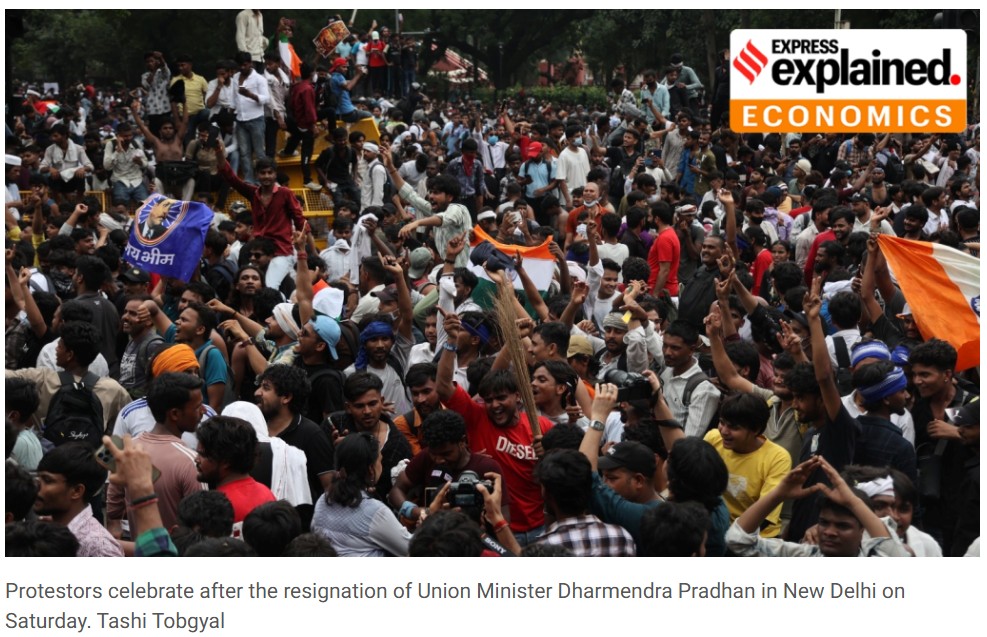
- 27 Jul 2026
In News:
The NEET paper leak triggered widespread protests, but economists argue that the larger issue is India's rising youth unemployment, which poses a serious challenge to harnessing the country's demographic dividend.
Youth Unemployment: A Growing Structural Challenge
According to the Periodic Labour Force Survey (PLFS), youth unemployment (15–29 years) increased to 16.2% in June 2026, up from 13.8% in April 2025, the highest since monthly PLFS data collection began. At the same time, the Labour Force Participation Rate (LFPR) declined from 42.7% to 40.3%, indicating that even fewer young people are actively seeking work. Normally, a decline in LFPR lowers unemployment, but the simultaneous rise in unemployment points to deeper structural weaknesses in the labour market rather than temporary fluctuations. However, the Ministry of Statistics and Programme Implementation (MoSPI) has cautioned that monthly data may vary due to seasonal and academic factors.
The trend is not confined to a few regions. Between 2022 and 2025, youth unemployment increased across several States, including Andhra Pradesh, Delhi, Telangana, and West Bengal, with young women experiencing an even sharper rise in many States.
Why is Youth Unemployment Rising?
The slowdown in the informal sector, traditionally the largest source of employment, has weakened India's employment cushion. Job creation in the sector fell to 74.5 lakh in 2025, compared to 1.1 crore in the previous year, while wage growth also moderated significantly.
Another major concern is the growing education-employment mismatch. Despite increasing educational attainment, employment outcomes remain weak. According to the State of Working India 2026 report, fewer than 7% of male graduates secure permanent salaried jobs within a year of graduation, while only 3.7% obtain white-collar employment. Around 1.1 crore graduates aged 20–29 were unemployed, and graduate unemployment among those below 25 years stood at 39.33%.
Why Does It Matter?
India's demographic dividend depends on creating productive employment for its large working-age population. With the country's median age currently around 29 years, this is the critical period for accelerating economic growth. However, as the population ages and the dependency ratio rises in the coming decades, the opportunity to leverage this demographic advantage will gradually narrow. Persistent unemployment, especially among educated youth, risks turning India's demographic dividend into a demographic burden.
Way Forward
Addressing this challenge requires promoting labour-intensive manufacturing, strengthening MSMEs, improving industry-oriented skill development, bridging the education-employment gap, increasing female labour force participation, and encouraging entrepreneurship and innovation.
Women's Work Participation in India

- 26 Jul 2026
In News:
An economist has highlighted that India cannot achieve its goal of becoming a developed nation (Viksit Bharat) by 2047 without significantly increasing women's workforce participation.
Key Highlights
Women's Work Participation Rate (WPR) refers to the proportion of the working-age female population engaged in economic activities across the formal and informal sectors.
Despite recent improvements, India's female employment remains low by global standards. The post-2020 increase in female participation has largely been driven by rural distress, with many women entering unpaid family labour (UFL) in agriculture rather than formal employment.
The article notes that a 10-percentage-point increase in female WPR could directly add around 2 percentage points to India's GDP growth.
Tamil Nadu has emerged as a successful example, accounting for over 40% of India's female factory workforce, supported by labour-intensive industries such as garments and electronics, along with better social infrastructure.
Reasons for Low Female Workforce Participation
Economic growth has been concentrated in capital-intensive sectors such as finance and IT, which generate relatively fewer jobs for women.
Employment in labour-intensive sectors like textiles, garments, and food processing has declined, reducing opportunities for female workers.
Mechanisation in agriculture has reduced demand for manual labour, while limited non-farm employment has restricted women's transition to other sectors.
Social norms, safety concerns, limited mobility, and inadequate hostel and transport facilities continue to discourage women's participation in the formal workforce.
Supreme Court Directs States to Frame Policy for Premature Release of Elderly and Terminally Ill Prisoners
- 25 Jul 2026
In News:
The Supreme Court directed all States and Union Territories to formulate and notify a uniform policy within three months for the premature release of elderly and terminally ill prisoners on humanitarian grounds. The order came while hearing a petition filed by the National Legal Services Authority (NALSA) highlighting the absence of a common framework.
Supreme Court Directions
- The Court directed States and UTs to formulate a policy specifying eligibility criteria, application procedures, and timelines for granting premature release to elderly and terminally ill prisoners.
- The policies must be prepared in consultation with the State Legal Services Authorities (SLSAs) to ensure proper identification and legal assistance for eligible inmates.
- States have been directed to constitute independent medical boards to certify cases involving terminal illness, advanced age, or severe medical vulnerability.
- The Court recommended adopting the UN Office on Drugs and Crime (UNODC) definition of terminal illness, which refers to conditions where there is no reasonable medical possibility of preventing progressive deterioration leading to death.
- The Under Trial Review Committees (UTRCs) have been asked to periodically review such cases and recommend appropriate relief, including bail, parole, remission, or premature release.
- To avoid delays, authorities must ensure time-bound decisions, with all orders being reasoned and subject to judicial review.
- The Union Government, along with the National Informatics Centre (NIC), has been directed to develop a digital portal for processing, tracking, and monitoring applications while ensuring confidentiality of medical information.
- The Centre, States, and UTs must submit compliance affidavits within six months detailing eligible prisoners identified, releases granted, and pending cases.
- Prison Overcrowding in India
- India has 1,333 prisons with a sanctioned capacity of 4.53 lakh inmates, while the actual prison population exceeds 5.11 lakh, indicating significant overcrowding.
- Several States and UTs continue to record occupancy rates above 100%, with Delhi (194.6%), Meghalaya (163.5%), Jammu & Kashmir (148.3%), and Madhya Pradesh (147.1%) among the highest.
Government Measures to Reduce Overcrowding
- The Bharatiya Nagarik Suraksha Sanhita (BNSS), 2023 provides that first-time offenders who have completed one-third of their maximum sentence are eligible for release on bond.
- The Model Prisons and Correctional Services Act, 2023 shifts prison administration towards reformation and rehabilitation.
- The E-Prisons Projectdigitises prison records and integrates them with the Inter-operable Criminal Justice System (ICJS) to facilitate timely identification of prisoners eligible for bail or release.
- The Support to Poor Prisoners Scheme provides financial assistance to undertrial prisoners unable to furnish bail or sureties.
National Legal Services Authority (NALSA)
- NALSA is a statutory body established under the Legal Services Authorities Act, 1987, and constituted in 1995 to provide free legal aid and promote access to justice.
- It implements Article 39A of the Constitution and also supports the constitutional mandate under Articles 14 and 22(1).
- The Chief Justice of India serves as the Patron-in-Chief of NALSA.
India’s Rice Fields Identified as Global Methane Hotspots
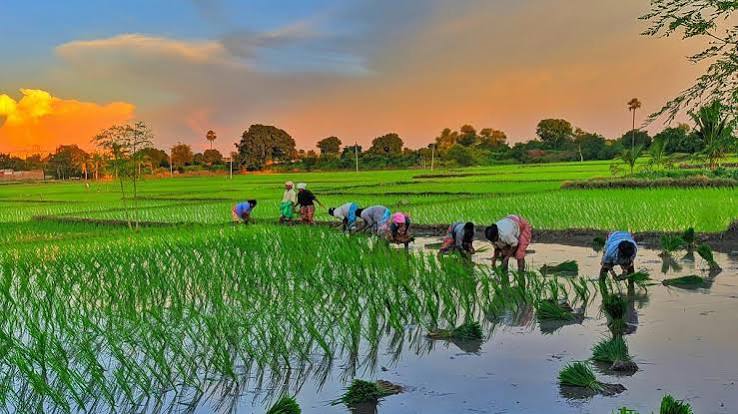
- 24 Jul 2026
In News:
A recent Nature Food study has identified India’s irrigated paddy fields as among the largest methane emission hotspots in the world, releasing about 3.9 million tonnes of methane annually.
What is the Study About?
The study conducted a global assessment of greenhouse gas (GHG) emissions from rice cultivation. It found that methane emissions from flooded paddy fields, along with declining soil carbon storage, have significantly increased the climate impact of rice cultivation.
Key Findings
Global greenhouse gas emissions from paddy cultivation have nearly doubled since the 1960s, reaching approximately 1.1 billion tonnes of CO?-equivalent annually during 2011–2020.
India has emerged as one of the world's largest methane hotspots, with its irrigated rice fields emitting nearly 3.9 million tonnes of methane each year, exceeding Germany's total annual methane emissions.
The study also found that paddy soils, which traditionally acted as carbon sinks, are increasingly becoming carbon sources, with over one-third of global paddy fields losing soil organic carbon.
Looking ahead, rice-related greenhouse gas emissions are projected to increase by around 26% during 2031–2050, driven by climate change and intensive agricultural practices.
Why Do Paddy Fields Emit Methane?
Rice cultivation generally involves continuous flooding of fields, creating oxygen-deficient (anaerobic) conditions in the soil. Under these conditions, methane-producing microorganisms (methanogens) decompose organic matter and release methane (CH?), a greenhouse gas with a much higher global warming potential than carbon dioxide.
Implications
The findings highlight the need to balance food security with climate change mitigation, particularly for countries like India where rice is a staple crop.
The study reinforces the importance of adopting climate-smart agricultural practices that reduce methane emissions while maintaining crop productivity.
Sustainable Rice Cultivation Practices
Some of the recommended practices include:
- Alternate Wetting and Drying (AWD): Periodic drying of paddy fields instead of continuous flooding.
- Direct Seeded Rice (DSR): Sowing seeds directly without transplanting, reducing water use and methane emissions.
- System of Rice Intensification (SRI): Improves productivity with lower water requirements.
- Crop Diversification: Promoting less water-intensive crops where suitable.
These measures can reduce methane emissions, conserve water, and improve long-term soil health.
Nifty 500 Ahimsa Index

- 23 Jul 2026
In News:
The National Stock Exchange (NSE) launched the Nifty 500 Ahimsa Index on 10 July 2026, India's first thematic stock market index dedicated to animal cruelty-free investing. It follows the launch of the BSE Saatvik 100 Index in June 2026, reflecting the growing trend of values-based investing in India.
About Nifty 500 Ahimsa Index
The Nifty 500 Ahimsa Index tracks companies from the Nifty 500 universe whose business practices align with the principle of "Ahimsa" (non-violence) by avoiding activities involving cruelty to animals.
Developed jointly by NSE Indices and the Ahimsagain Foundation, the index provides investors with an opportunity to invest in companies that meet ethical business standards based on animal welfare. Unlike conventional ESG (Environmental, Social and Governance) investing, which primarily focuses on environmental sustainability, governance, and social responsibility, the Ahimsa Index adopts an Indian philosophy-based investment approach.
Selection Framework
Companies are assessed using the Ahimsa Investment Movement (AIM) Framework, which classifies them into:
- Green Band: Fully compliant with animal welfare criteria
- Orange Band: Partially compliant
- Red Band: Non-compliant
Only Green Band companies are included in the index.
The index largely includes companies from sectors such as Information Technology, Healthcare, Real Estate, and Automobiles, while excluding businesses involved in:
- Dairy, meat, poultry and leather products
- Animal testing
- Leather and wool-based fashion products
- Most commercial banks and major NBFCs
- Several Reliance Group companies (except Reliance Power)
About the National Stock Exchange (NSE)
The National Stock Exchange (NSE) was established in 1992 and commenced operations in 1994 to introduce a transparent, nationwide electronic trading platform.
Headquartered in Mumbai, it is India's largest stock exchange and is recognised under the Securities Contracts (Regulation) Act, 1956.
The NSE facilitates trading in:
- Equity shares
- Derivatives
- Currency and commodity derivatives
- Debt securities
It functions under the regulatory supervision of the Securities and Exchange Board of India (SEBI). Clearing and settlement are undertaken by NSE Clearing Limited, while depository services are provided through the National Securities Depository Limited (NSDL).
Significance
The Ahimsa Index introduces an indigenous approach to ethical investing by incorporating India's philosophical principle of non-violence into capital markets. It is expected to serve as a benchmark for future Exchange Traded Funds (ETFs) and index funds, encourage responsible corporate practices, and cater to the growing demand for values-based investment products.
Judicial Accountability and Resignation of Judges
- 22 Jul 2026
In News:
The report of the Inquiry Committee constituted against former Allahabad and Delhi High Court judge Justice Yashwant Varma is set to be tabled in Parliament during the Monsoon Session. The case has revived debate on judicial accountability, the constitutional power of judges to resign at will, and whether the existing legal framework allows judges facing serious allegations to evade the process of removal by resigning before Parliament acts.
Background
The controversy began in March 2025, when partially burnt currency notes were allegedly discovered in an outhouse attached to Justice Varma's official residence. Following the incident, the Speaker of the Lok Sabha constituted an Inquiry Committee under the Judges (Inquiry) Act, 1968, to investigate allegations of misbehaviour.
Before Parliament could initiate removal proceedings, Justice Varma submitted his resignation on 9 April 2026. The Inquiry Committee nevertheless completed its investigation, and its report is now expected to be placed before Parliament.
Constitutional Framework
The Constitution grants certain constitutional functionaries, including judges of the Supreme Court and High Courts, the power to resign voluntarily. A judge's resignation becomes effective upon submitting a written resignation to the President and does not require formal acceptance.
This position was affirmed by the Supreme Court in Union of India v. Gopal Chandra Misra (1978), where a Constitution Bench held that the resignation of a judge operates ex proprio vigore (by its own force) and takes effect immediately unless a future date is specified. The requirement of acceptance, applicable to Members of Parliament and State Legislatures, does not apply to judges.
This provision is intended to safeguard judicial independence, ensuring that judges are not compelled to remain in office against their will or subjected to executive pressure.
Removal of Judges
Judges of the Supreme Court and High Courts can be removed only on the grounds of proved misbehaviour or incapacity under Article 124(4) of the Constitution, read with Article 217 for High Court judges. The procedure is governed by the Judges (Inquiry) Act, 1968.
The process involves the admission of a motion in Parliament, constitution of an Inquiry Committee, submission of its report, and passage of the removal motion by both Houses through a special majority, followed by an order of removal by the President.
Accountability Loophole
The present case highlights a significant gap in the constitutional framework. Since Justice Varma resigned before Parliament could consider the removal motion, he ceased to hold judicial office and therefore cannot be removed. Although the Inquiry Committee's report may still be laid before Parliament and made public, the statutory removal process effectively comes to an end.
This creates a situation where a judge facing serious allegations can avoid formal parliamentary scrutiny and removal simply by resigning before the process concludes. Such a loophole raises concerns regarding transparency, public confidence in the judiciary, and the effectiveness of existing accountability mechanisms.
Suggested Reforms
Legal experts have suggested that this issue requires a constitutional amendment rather than judicial interpretation. One proposal is that where removal proceedings are pending, a judge's resignation should become effective only after acceptance by the Chief Justice of India, thereby preserving judicial independence while preventing misuse of the resignation provision. Another suggestion is to allow Parliament to discuss the Inquiry Committee's findings even after the judge has resigned, ensuring public accountability despite the termination of removal proceedings.
Significance
The Justice Yashwant Varma case highlights the need to strike a careful balance between judicial independence and judicial accountability. While the constitutional power to resign protects judges from external pressure, it should not inadvertently become a means to escape scrutiny in cases involving serious misconduct. Strengthening the legal framework while preserving the independence of the judiciary will be essential for maintaining public trust in India's constitutional institutions.
India–Australia Long-Term Uranium Supply Agreement
- 21 Jul 2026
In News:
India has signed a long-term uranium supply agreement with Australia, operationalising the India–Australia Civil Nuclear Cooperation Agreement, signed nearly 12 years ago. The agreement follows similar long-term uranium supply deals with Canada and Kazakhstan, reflecting India's strategy to diversify fuel sources and support its expanding nuclear power programme.
Why is the Agreement Important?
India has set an ambitious target of expanding its civil nuclear power capacity to 100 GWe by 2047. Achieving this goal requires a reliable supply of nuclear fuel, particularly as domestic uranium production is insufficient to meet future demand. The agreement strengthens India's long-term energy security while reducing dependence on a limited number of suppliers.
The exact quantity of uranium oxide (yellowcake) and the duration of the agreement have not been disclosed.
India's Uranium Requirement
Uranium is processed through several stages before it becomes usable nuclear fuel, including mining and milling, conversion, enrichment (where required), and fuel fabrication.
India's Pressurised Heavy Water Reactors (PHWRs) use natural uranium, sourced through a combination of domestic production and imports. However, the country's Light Water Reactors (LWRs) at Tarapur and Kudankulam rely entirely on imported enriched uranium.
Although India possesses about 4.3 lakh tonnes of uranium oxide reserves spread across several states, domestic production currently meets the fuel requirement for only 2.4 GWe out of the country's 8.7 GWe installed nuclear capacity. The remaining requirement is met through imports.
A Ministry of Power committee has estimated that by 2047, India will require an additional 8,029 tonnes of natural uranium and 1,045 tonnes of enriched uranium annually to support the planned expansion.
NSG Waiver and Expanding Import Network
India's ability to import uranium became possible after receiving the 2008 Nuclear Suppliers Group (NSG) clean waiver, making it the only non-signatory to the Nuclear Non-Proliferation Treaty (NPT) permitted to engage in international nuclear commerce.
Besides Australia, India has recently concluded long-term uranium supply arrangements with:
- Canada (Cameco Corporation)
- Kazakhstan (Kazatomprom)
It also imports uranium from Russia and Uzbekistan, while France and the United States have supplied uranium products in recent years.
Between 2008–09 and 2024–25, India imported 18,842.6 metric tonnes of uranium products. In 2024–25, imported uranium contributed to 39,180 million units out of the total 56,631 million units of nuclear electricity generated.
Challenges
Despite possessing significant uranium reserves, India's ore is generally of low grade, making domestic mining and processing three to four times more expensive than importing uranium.
However, growing global demand for nuclear energy could increase international uranium prices in the future. Therefore, the government has been advised to simultaneously strengthen domestic uranium production through expansion of the Uranium Corporation of India Limited (UCIL) to enhance long-term energy security.
Significance
The Australia agreement strengthens India's fuel security for its expanding nuclear programme and supports the target of 100 GWe nuclear capacity by 2047. It also diversifies uranium imports, reduces supply risks, and complements India's broader strategy of expanding clean, low-carbon energy while balancing import dependence with increased domestic production.
Kudankulam Nuclear Power Plant (KKNPP) Data Leak & Cybersecurity of Critical Infrastructure
- 20 Jul 2026
In News:
A ransomware group named World Leaks allegedly leaked internal documents related to the Kudankulam Nuclear Power Plant (KKNPP) on the dark web, reviving concerns over the cybersecurity of India's critical infrastructure. While the Nuclear Power Corporation of India Limited (NPCIL) clarified that the leaked material was limited to non-critical facilities outside the reactor island, the incident has renewed focus on protecting strategic assets from cyber threats.
About the Recent Data Leak
The leaked documents reportedly included engineering drawings, inspection records, technical reports, meeting minutes and official correspondence. NPCIL stated that these documents did not relate to reactor operations or nuclear safety, as the highly secured reactor island remained unaffected. Nevertheless, the incident highlights that even non-operational networks associated with strategic installations can become targets for ransomware and cyber espionage.
2019 Kudankulam Cyberattack
The present incident recalls the 2019 cyberattack on Kudankulam, one of India's most significant cyber intrusions involving nuclear infrastructure.
The attack was traced to DTrack malware, linked to the North Korea-backed Lazarus Group, a hacking organisation known for cyber espionage and financial attacks. The malware infected the administrative network's domain controller, potentially exposing user credentials and sensitive information. Investigations suggested that attackers were particularly interested in India's thorium-based nuclear programme.
The malware reportedly entered the network through phishing emails containing malicious links sent to serving and retired nuclear scientists using official email accounts. NPCIL later clarified that only the internet-connected administrative network was compromised, while the reactor control systems remained isolated and unaffected.
Air-Gapped Networks
Nuclear facilities rely on air-gapped networks, which are physically isolated from external networks to minimise cyber risks.
They generally operate through two separate networks:
- Operational Technology (OT) Network: Controls reactors, turbines and other critical plant operations.
- Information Technology (IT) Network: Supports administrative functions such as communication, procurement and documentation.
Although air-gapping significantly enhances security, it is not completely foolproof. Malware can still enter through infected USB devices, maintenance equipment, insider threats or phishing attacks. Global incidents such as the Stuxnet attack on Iran's nuclear programme demonstrate that even isolated systems remain vulnerable.
Why Cybersecurity of Nuclear Infrastructure Matters
Nuclear installations constitute Critical Information Infrastructure (CII), where cyberattacks can have consequences far beyond data theft.
Potential risks include:
- Theft of sensitive scientific and engineering information.
- Strategic cyber espionage.
- Disruption of operational systems.
- Erosion of public confidence in nuclear safety.
- Threats to national security, energy security and environmental safety during geopolitical conflicts.
As ransomware groups and state-sponsored cyber actors become increasingly sophisticated, protecting both operational and administrative networks has become an essential component of national security.
Measures to Strengthen Cybersecurity
India has adopted multiple institutional and technical safeguards to improve cyber resilience.
- CERT-In (Indian Computer Emergency Response Team): National nodal agency for responding to cybersecurity incidents.
- National Critical Information Infrastructure Protection Centre (NCIIPC): Established under the Information Technology Act, 2000, to secure critical infrastructure across strategic sectors.
- National Cyber Security Policy, 2013: Provides the national framework for enhancing cybersecurity and cyber resilience.
- Regular cybersecurity audits, penetration testing and continuous network monitoring.
- Deployment of air-gapped operational networks, stronger access controls and improved security protocols for sensitive installations.
Challenges
Despite these measures, several challenges persist. Administrative networks often remain exposed to phishing attacks and insider threats. Growing digitalisation of critical infrastructure increases the attack surface, while sophisticated ransomware groups and state-sponsored hackers continue to evolve their capabilities. Balancing greater private sector participation in strategic sectors with robust cybersecurity standards is another emerging concern.
Way Forward
India needs to adopt a comprehensive Zero Trust Architecture, strengthen cyber hygiene through continuous employee training, enhance AI-enabled threat detection, conduct regular red-team exercises for critical infrastructure, improve coordination between CERT-In, NCIIPC and sectoral agencies, and develop indigenous cybersecurity solutions for strategic installations. Greater investment in cyber resilience, supply chain security and secure operational technologies will be essential to safeguard critical national infrastructure.
Specified Non-Financial Assets (SNFAs)
- 19 Jul 2026
In News:
The Reserve Bank of India (RBI) has introduced a new prudential framework for Specified Non-Financial Assets (SNFAs) under the Commercial Banks – Resolution of Stressed Assets Directions, 2025 (Third Amendment Directions, 2026). The framework prescribes uniform rules for banks acquiring, valuing and disposing of immovable assets obtained from defaulting borrowers.
What are Specified Non-Financial Assets (SNFAs)?
Specified Non-Financial Assets (SNFAs) are a new asset category introduced by the RBI. They refer to immovable properties acquired by banks in full or partial settlement of loans that have become Non-Performing Assets (NPAs).
These assets are not part of banks' regular banking business but are acquired as a recovery mechanism when borrowers default on loan repayments.
Examples include residential buildings, commercial properties, industrial land, warehouses, and other immovable assets transferred to banks in settlement of outstanding loans.
Why was the New Framework Introduced?
Earlier, banks lacked a uniform regulatory framework for handling such assets, leading to:
- Inconsistent valuation practices.
- Prolonged holding of non-core real estate assets.
- Lack of transparency in disposal.
- Divergent accounting and reporting practices.
The new framework aims to standardise the acquisition, valuation, accounting and disposal of these assets while ensuring that banks remain focused on their core lending functions.
Key Features of the Framework
An immovable property will qualify as an SNFA only after its legal ownership is transferred to the bank, and only when the underlying loan has already been classified as an NPA.
For valuation, every SNFA must be recorded at the lower of:
- The net book value of the extinguished loan, or
- The distress sale value determined independently by at least two external valuers.
Each commercial bank must formulate a Board-approved SNFA Policy covering acquisition criteria, approval mechanisms, valuation, recovery measures, disposal strategy and exposure limits.
Banks are required to dispose of SNFAs within seven years of acquisition and should make all reasonable efforts to sell them at the earliest. Disposal should primarily be through public auction, following the principles laid down under the SARFAESI Act, 2002, ensuring transparency and competitive price discovery.
To prevent misuse, banks cannot sell SNFAs back to the original borrower or related parties as defined under the Insolvency and Bankruptcy Code (IBC), 2016.
Accounting and Reporting
- SNFAs will be disclosed separately in banks' balance sheets under "Non-banking assets acquired in satisfaction of claims."
- Importantly, they will not form part of Gross NPAs, Net NPAs, stressed assets or the Provisioning Coverage Ratio (PCR).
- Banks must also submit annual SNFA-related information through the Centralised Information Management System (CIMS).
Implementation
- The framework will come into force from 1 October 2026.
- Banks holding existing SNFAs as of 30 September 2026 have a transition period until 30 September 2027 to comply with the new norms.
Ladakh Autonomous Hill Development Councils (LAHDCs)
- 18 Jul 2026
In News:
The Ladakh Administration has announced the establishment of an Autonomous Hill Development Council (AHDC) in each of the Union Territory's seven districts, reviving the debate over decentralisation and political representation in Ladakh.
What Has Been Announced?
The administration has proposed creating AHDCs in all seven districts of Ladakh. Earlier, such councils existed only in Leh and Kargil. The move follows the creation of five new districts—Drass, Sham, Nubra, Changthang and Zanskar—in April 2026.
The government has described the proposal as a step towards democratic decentralisation and stated that it complements the proposed Union Territory-level representative body under a customisedArticle 371 framework, which is expected to have legislative, executive, financial and administrative powers.
Why is Decentralisation Important in Ladakh?
Ladakh is India's largest Union Territory by area (nearly 60,000 sq. km) but has a population of only around 3 lakh. Its settlements are scattered across difficult mountainous terrain, making local governance and service delivery challenging. Consequently, decentralised administration has long been viewed as essential for improving governance and development.
Why Has the Proposal Been Opposed?
Civil society organisations, particularly the Apex Body, Leh (ABL) and the Kargil Democratic Alliance (KDA), support decentralisation but oppose the timing and structure of the proposal.
Their major concerns include:
- Creation of seven district councils may dilute the authority of the proposed Article 371 representative body.
- Existing LAHDCs have gradually lost effective powers after Ladakh became a Union Territory in 2019.
- The proposal was allegedly introduced without adequate consultation during discussions with the Centre.
- Multiple governance institutions—Hill Councils, Panchayati Raj Institutions, the UT Administration and a future Article 371 body—could create overlapping jurisdictions and weaken accountability.
About the Ladakh Autonomous Hill Development Councils (LAHDCs)
The Ladakh Autonomous Hill Development Councils are statutory local self-governing bodies established under the Ladakh Autonomous Hill Development Council Act, 1997.
They are responsible for:
- District planning and budgeting.
- Implementation of development programmes.
- Management of council land.
- Collection of certain local taxes.
- Promotion of local socio-economic development.
However, elected representatives have argued that, since Ladakh became a Union Territory in 2019, many important powers have shifted to the Lieutenant Governor's administration, reducing the councils' functional autonomy.
Comparison with Sixth Schedule Councils
Unlike the Autonomous District Councils under the Sixth Schedule, LAHDCs:
- Do not enjoy constitutional status.
- Have no independent legislative or judicial powers.
- Function as statutory bodies created through legislation.
Their structure is therefore closer to other statutory autonomous councils, such as those in Manipur, which possess limited autonomy and remain financially dependent on higher levels of government.
Significance
The proposal reflects the continuing debate over the balance between district-level decentralisation and Union Territory-wide political representation in Ladakh. While additional Hill Councils could improve local governance in remote regions, many stakeholders argue that strengthening the existing councils and finalising an institutional framework under Article 371 remain essential for ensuring effective democratic governance.
Draft National Health Research Policy, 2026

- 17 Jul 2026
In News:
The Department of Health Research (DHR) has released the Draft National Health Research Policy, 2026 for public consultation. The policy proposes a comprehensive overhaul of India's health research ecosystem to align research with the country's disease burden, strengthen innovation, and improve evidence-based policymaking.
Health Research in India
Health research in India covers biomedical sciences, clinical medicine, public health, epidemiology, digital health, health systems, behavioural sciences, and emerging technologies. It supports:
- Understanding disease patterns and health burden.
- Development of vaccines, diagnostics and medicines.
- Evidence-based policymaking.
- Improved healthcare delivery.
- Preparedness for future public health emergencies.
Major institutions driving health research include the Indian Council of Medical Research (ICMR), Department of Health Research (DHR), AIIMS, and the National Institute of Nutrition (NIN), Hyderabad.
The existing National Health Research Policy was introduced in 2011, and the 2026 draft seeks to modernise the framework.
Why is a New Policy Needed?
Despite significant scientific capability, India's health research ecosystem faces several challenges:
- Low public investment, with expenditure at only 0.024% of GDP, compared to the 0.27% weighted average in high-income countries.
- Regional disparities, with research concentrated in a few institutions and states.
- Fragmented research efforts and weak coordination among academia, hospitals, industry and government.
- Research priorities not adequately aligned with India's disease burden and public health needs.
- Slow translation of research findings into healthcare delivery and policy.
- Limited collaboration with the private sector and inadequate community participation.
Key Proposals of the Draft Policy
Enhanced Research Funding
The policy proposes a phased increase in government spending on health research:
- Current: 0.024% of GDP
- By 2037: 0.072% of GDP
- By 2047: 0.15% of GDP
National Health Research Agenda
A National Health Research Agenda will identify priority areas based on:
- Disease burden.
- Emerging health threats.
- Health system requirements.
- Equity concerns.
- Pandemic preparedness.
- Strategic national priorities.
Priority Research Areas
The draft identifies major focus areas, including:
- Tuberculosis (TB)
- Antimicrobial Resistance (AMR)
- Vector-borne diseases
- Cancer
- Non-Communicable Diseases (NCDs)
- Mental health
- Anaemia
- Child malnutrition
- Women's health
- Maternal and neonatal mortality
- Primary healthcare
- Emergency care
Three-Tier Governance Structure
The policy proposes:
- National Health Research Stewardship Committee for strategic oversight.
- Department of Health Research (DHR) as the nodal implementing agency.
- Indian Council of Medical Research (ICMR) as the scientific and technical lead.
States will also be encouraged to integrate research into local health programmes and formulate State Health Research Agendas.
Outcome-Based Evaluation
Researchers will increasingly be evaluated based on the real-world impact of their work rather than the number of publications or grants.
The policy expands the use of the ICMR Impact of Research and Innovation Scale (ICMR-IRIS), introduced in 2025, to assess contributions to policy, healthcare delivery, institutional capacity and population health.
Strengthening Research Governance
The draft proposes:
- Simplified ethics approvals for multicentre studies.
- Establishment of a National Research Integrity Office (NRIO).
- Responsible use of Artificial Intelligence (AI) in health research.
- Shared access to laboratories, biobanks and other publicly funded research infrastructure.
Greater Role for States and Private Sector
The policy seeks to:
- Strengthen research capacity in medical colleges.
- Encourage participation by private hospitals, startups and industry.
- Promote collaboration among researchers, policymakers and healthcare providers.
- Mobilise funding through industry, philanthropy and CSR initiatives.
Significance
The Draft National Health Research Policy, 2026 represents India's first unified framework covering the entire health research ecosystem. By increasing investment, improving coordination, prioritising public health needs and focusing on measurable outcomes, the policy aims to build a more equitable, innovation-driven and evidence-based health research system capable of addressing current and future health challenges.
Strait of Hormuz and India's Energy Security
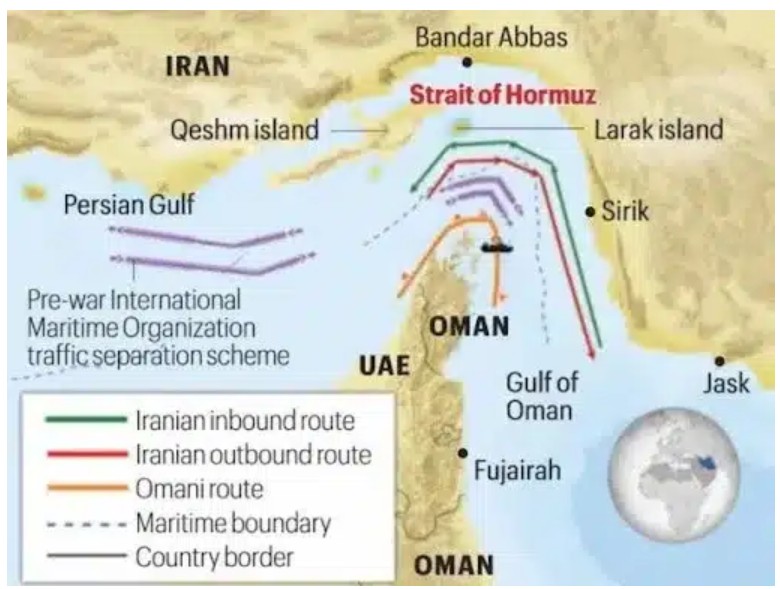
- 16 Jul 2026
In News:
US President Donald Trump withdrew his proposal to impose a 20% fee on commercial vessels transiting the Strait of Hormuz, replacing it with a proposal centred on trade and investment agreements. The reversal followed widespread criticism over the proposal's legality, feasibility and potential impact on global trade.
About the Strait of Hormuz
The Strait of Hormuz is one of the world's most strategically important maritime chokepoints, connecting the Persian Gulf with the Gulf of Oman and the Arabian Sea. It serves as the primary export route for crude oil and natural gas from major Gulf producers to global markets, making uninterrupted navigation through the strait vital for global energy security.
The US Proposal and Its Withdrawal
The US had proposed imposing a 20% "United States Reimbursement Fee" on commercial cargo transiting the Strait of Hormuz, arguing that the fee would compensate the US for providing maritime security in the region.
However, the proposal faced several practical and legal challenges:
- No clarity on how the fee would be calculated.
- Potential sharp increase in global shipping and energy costs.
- Questions regarding enforcement under international law.
- Uncertainty over the US's ability to guarantee uninterrupted maritime security.
Amid strong international criticism, the proposal was withdrawn within a day.
International Legal Concerns
The International Maritime Organization (IMO) stated that there is no legal basis for imposing mandatory transit charges on vessels passing through international straits.
Under the United Nations Convention on the Law of the Sea (UNCLOS), straits used for international navigation enjoy the principle of transit passage, under which ships and aircraft have the right to pass continuously and expeditiously without the payment of transit tolls.
Although neither the United States nor Iran has ratified UNCLOS, these principles are widely regarded as customary international law.
Strategic Contest over the Strait
The controversy reflects the broader geopolitical competition between the United States and Iran over influence in the Strait of Hormuz.
Recent developments include:
- An interim US-Iran understanding (June 2026) temporarily improving vessel movement.
- Renewed tensions leading to a decline in commercial transits.
- Iran asserting its role as the "guardian" of the Strait while claiming sovereignty over parts of the waterway.
- Continued military confrontation affecting commercial navigation.
Implications for India
India is particularly vulnerable to disruptions in the Strait because of its heavy dependence on energy imports from West Asia.
According to the source:
- Around 40% of India's crude oil imports transit through the Strait of Hormuz.
- Nearly 60% of LNG imports and 90% of LPG imports also pass through the Strait.
- India imports over 88% of its crude oil, around 60% of LPG, and nearly 50% of natural gas.
The proposed 20% transit fee would have significantly increased India's energy import costs. According to the article:
- A $75/barrel crude oil price could have increased to over $90/barrel after the proposed fee.
- The fee alone could have added about $9 billion annually to India's oil import bill.
- Every $1 increase in crude oil prices raises India's annual oil import bill by up to $2 billion.
Higher energy prices could also worsen inflation, the current account deficit, fiscal pressures and exchange rate stability.
India's Response
India has consistently supported the principle of free and uninterrupted navigation through international waterways.
To manage supply disruptions, India has:
- Diversified crude oil sourcing.
- Prioritised energy security despite higher import costs.
- Temporarily rationed gas supplies to certain industries during periods of disruption.
- Continued advocating for open sea lanes and stability in West Asia.
Draft Regulations for Use of Artificial Intelligence (AI) in Courts, 2026

- 15 Jul 2026
In News:
The Supreme Court of India released the Draft Regulations for Use of Artificial Intelligence (AI) in Courts, 2026 to establish a comprehensive framework for the responsible, transparent and accountable use of AI in the judiciary. The regulations seek to improve judicial efficiency while ensuring that human judges remain the ultimate decision-makers.
About the Draft Regulations
The Draft Regulations provide a governance framework for integrating AI into judicial administration without compromising judicial independence, due process or fundamental rights.
The regulations are not automatically applicable. They will come into force in the Supreme Court on a date notified by the Chief Justice of India (CJI) and separately in each High Court on dates notified by the respective Chief Justices. Different provisions may also be implemented in phases depending on institutional preparedness.
Permissible Uses of AI
The regulations encourage courts to adopt AI where it can improve access to justice, reduce delays and enhance administrative efficiency.
AI may be used for:
- Case management.
- Tranion and translation.
- Legal research.
- Document summarisation.
- Accessibility services.
- Court administration.
Such deployment requires prior written approval from the Supreme Court Apex Body or the concerned High Court AI Committee, and must remain under the supervision of designated judicial officers.
Human Oversight Remains Central
The regulations categorically prohibit algorithmic adjudication.
No judicial decision can be based solely on AI-generated outputs or automated systems. AI can only function as an advisory or assistive tool, while the final judicial determination must always rest with a human judge exercising independent application of mind.
Prohibited Uses of AI
The regulations impose an absolute prohibition on AI applications that may adversely affect personal liberty or due process, including:
- Assessing flight risk.
- Predicting recidivism.
- Determining bail eligibility.
- Evaluating witness credibility.
- Profiling or predicting future conduct of litigants or accused persons.
- Treating AI-generated outputs as independent evidence without disclosure.
- Using black-box (non-explainable) AI systems in matters affecting personal liberty.
Governance Framework
The regulations establish a multi-layered institutional mechanism.
An Apex Body, comprising judges of the Supreme Court and High Courts, along with representatives from MeitY and experts in finance and cybersecurity, will prescribe minimum standards and implementation guidelines.
The governance structure also includes:
- Five specialised committees under the Apex Body.
- AI Committees and AI Secretariats in the Supreme Court and every High Court.
- A Centre of Research and Excellence on Artificial Intelligence (CoRE-AI) to evaluate AI tools and support policy development.
Private technology vendors may participate only with prior approval and must comply with strict conditions regarding judicial data ownership, confidentiality, data usage and intellectual property rights.
Safety, Transparency and Accountability
The regulations adopt a lifecycle approach by requiring Technical and Ethical Impact Assessments, controlled testing, periodic legal, technical and cybersecurity audits, maintenance of an AI Register and an AI Incident Database, along with emergency manual fallback mechanisms in case AI systems fail.
Where AI materially assists judicial administration or case management, litigants must be informed in an accessible and timely manner.
The regulations also provide a grievance redressal mechanism, enabling affected parties to approach the concerned court if harm results from any prohibited use of AI.
Significance
The Draft Regulations represent India's first comprehensive attempt to institutionalise responsible AI governance in the judiciary. By permitting AI to improve efficiency while prohibiting its use in judicial decision-making, the framework seeks to balance technological innovation with judicial independence, transparency, accountability and protection of fundamental rights.
Surrogacy (Regulation) Act, 2021: Legal Framework and Recent Supreme Court Intervention

- 14 Jul 2026
In News:
The Supreme Court recently protected the reproductive rights of a woman suffering from Mayer Rokitansky Kuster Hauser (MRKH) Syndrome by staying the operation of a rule under the Surrogacy (Regulation) Rules, 2022, which prohibited the use of donor gametes for surrogacy. The Court observed that the amendment appeared to be inconsistent with the objectives of the Surrogacy (Regulation) Act, 2021.
What is Surrogacy?
The Surrogacy (Regulation) Act, 2021 defines surrogacy as an arrangement in which a woman carries and gives birth to a child with the intention of handing over the child to the intending couple after birth.
The Act permits only altruistic surrogacy, where no monetary compensation is provided beyond medical expenses and insurance. Commercial surrogacy, including any form of sale, exploitation or trafficking of women or children, is prohibited.
A child born through surrogacy is deemed to be the biological child of the intending couple for all legal purposes.
Key Provisions of the Act
Eligibility of the Intending Couple
The intending couple must:
- Be legally married for at least five years.
- Wife should be 25–50 years and husband 26–55 years.
- Have no living biological, adopted or surrogate child, except where the existing child suffers from a life-threatening illness or severe physical or mental disability.
- Obtain Certificates of Eligibility and Essentiality, including proof of infertility certified by a District Medical Board, a Magistrate's order regarding parentage and custody, and 16 months of insurance for the surrogate mother.
Eligibility of the Surrogate Mother
The surrogate must:
- Be a close relative of the intending couple.
- Be a married woman with at least one biological child.
- Be 25–35 years of age.
- Act as a surrogate only once in her lifetime.
- Obtain medical and psychological fitness certificates.
Regulatory Framework
The Act provides for the establishment of the National Surrogacy Board (NSB) and State Surrogacy Boards (SSBs) to regulate surrogacy clinics, enforce standards and investigate violations. Commercial surrogacy, sale of embryos, abandonment of surrogate children and exploitation attract penalties of up to 10 years' imprisonment and a fine up to ?10 lakh.
Recent Supreme Court Case
The petitioner was diagnosed with MRKH Syndrome, a rare congenital condition involving the absence of the uterus and ovaries, making natural conception impossible.
The couple had initiated gestational surrogacy using donor eggs before the March 2023 amendment to the Surrogacy Rules, which mandated that intending couples must use their own gametes, effectively prohibiting donor gametes.
The petitioner argued that:
- The amendment could not be applied retrospectively.
- It contradicted the objectives of the Surrogacy Act, 2021, which recognises congenital conditions such as the absence of the uterus as valid grounds for gestational surrogacy.
- The restriction violated a woman's right to parenthood.
The Union Government contended that surrogacy under the Act requires the child to be genetically related to the intending couple.
Supreme Court's Observations
The Court held that the amendment appeared prima facie inconsistent with the parent legislation. It observed that the Surrogacy Act is fundamentally woman-centric, recognising medical conditions that make pregnancy impossible. The Court further noted that requiring genetic linkage with both parents would defeat the purpose of permitting gestational surrogacy in such exceptional cases. It also clarified that a child conceived through the husband's gametes would still satisfy the requirement of being genetically related to the intending couple.
India–New Zealand Strategic Partnership: Roadmap to 2030
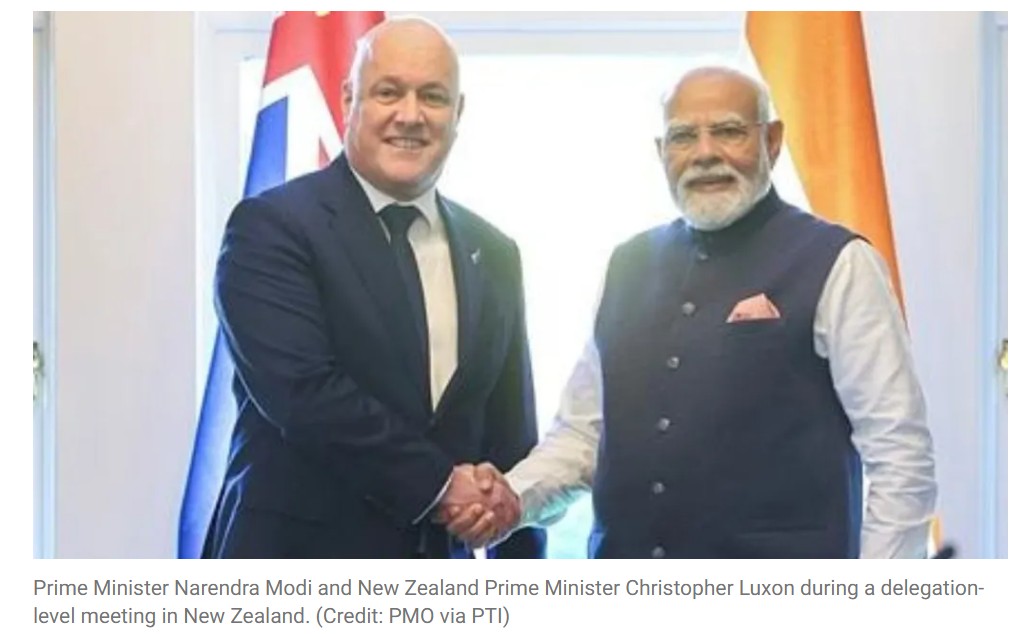
- 13 Jul 2026
In News:
Prime Minister Narendra Modi's visit to New Zealand—the first by an Indian Prime Minister in 40 years—marked a historic milestone in bilateral relations. During the visit, both countries elevated their ties to a Strategic Partnership and adopted the India–New Zealand Strategic Partnership: Roadmap to 2030, outlining a comprehensive framework for cooperation in trade, defence, maritime security, agriculture, technology, education, clean energy and the Indo-Pacific.
Background
India and New Zealand established diplomatic relations in 1952, later upgrading them to High Commissions. Their relationship is founded on shared democratic values, the rule of law, Commonwealth membership and a rules-based international order. New Zealand has also pursued deeper engagement through its "Opening Doors to India" (2011) policy and "India–New Zealand 2025: Investing in the Relationship" (2020) strategy. The Indian diaspora of nearly 250,000 people—the third-largest ethnic community in New Zealand—and around 8,000 Indian students further strengthen people-to-people ties.
Key Outcomes of the Visit
The centrepiece of the visit was the adoption of the Roadmap to 2030, which provides a long-term vision for expanding cooperation across strategic and economic sectors.
On the economic front, both countries committed to doubling bilateral trade to NZ$7 billion (about ?35,000 crore) by 2030. The recently concluded India–New Zealand Free Trade Agreement (FTA) is expected to improve market access, enhance supply-chain integration and create opportunities for industries, farmers and youth. New Zealand also announced its intention to invest USD 20 billion in India over the next 15 years, particularly in infrastructure, technology and emerging sectors.
Recognising evolving security challenges, both countries agreed to establish a Maritime Security Dialogue and a Joint Working Group (JWG) on Counter-Terrorism to strengthen intelligence sharing and address terrorism and violent extremism. They reaffirmed their commitment to a free, open, inclusive and rules-based Indo-Pacific, respect for UNCLOS (1982), freedom of navigation, and peaceful resolution of disputes. Both sides also highlighted their cooperation under Combined Task Force-150 (CTF-150) in 2025, where New Zealand served as Commander and India as Deputy Commander, supporting efforts against narcotics trafficking, maritime terrorism and other illicit maritime activities.
Sectoral cooperation was further expanded through agreements on animal husbandry and dairying, the launch of the Kiwifruit Action Plan with Centres of Excellence in Nagaland and Uttarakhand, a Joint Action Plan on Sports, collaboration in Antarctic research, and initiatives to build transparent and resilient supply chains. Cultural ties were also reinforced through the shared symbolism of Matariki, the M?ori New Year, and Krittika, the ancient Indian name for the same star cluster.
Strategic Significance
The Strategic Partnership reflects the growing convergence between India and New Zealand in promoting a stable Indo-Pacific, strengthening economic resilience, expanding high-value investments and deepening cooperation in emerging sectors. It also enhances collaboration on maritime security, counter-terrorism and supply-chain resilience, while leveraging strong diaspora and cultural linkages to build a long-term partnership.
Challenges
Despite growing momentum, bilateral ties continue to face challenges such as relatively low trade volumes, geographical distance, implementation of the FTA, addressing concerns related to pro-Khalistan extremist activities, and translating investment commitments into tangible outcomes.
Way Forward
The successful implementation of the Roadmap to 2030 requires timely execution of the FTA, operationalisation of new security mechanisms, expansion of scientific and agricultural collaboration, greater private-sector investment, and sustained people-to-people engagement. A stronger India–New Zealand partnership will contribute not only to bilateral prosperity but also to a secure, inclusive and rules-based Indo-Pacific.
Reproductive Rights of Women with Intellectual Disabilities
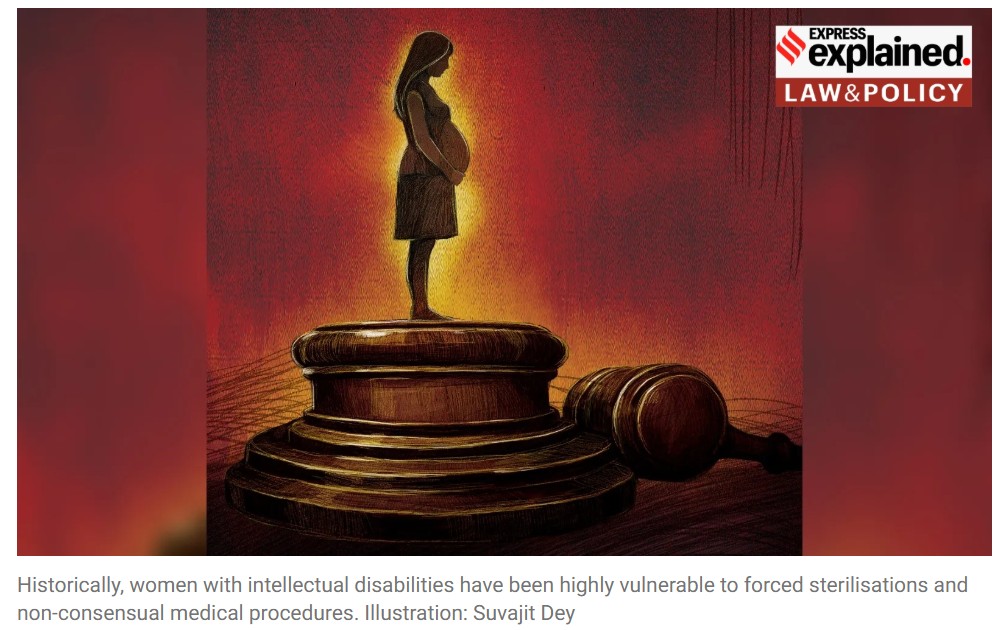
- 27 Jun 2026
In News:
The Karnataka High Court recently permitted a total abdominal hysterectomy (surgical removal of the uterus) for a 23-year-old woman with severe intellectual and developmental disabilities after a medical board concluded that she lacked the capacity to provide informed consent and that the procedure was medically necessary. The judgment has once again highlighted the legal and ethical issues surrounding consent, reproductive autonomy, and the rights of persons with disabilities.
The Core Legal Issue: Informed Consent
Informed consent is a fundamental principle of medical ethics and law. Before any major medical procedure, a patient must voluntarily understand the nature, purpose, risks, and consequences of the treatment and provide free consent.
A legal dilemma arises when a person with severe intellectual disability lacks the cognitive capacity to make such decisions. In such cases, neither doctors nor family members can unilaterally authorise irreversible medical procedures. Judicial intervention becomes necessary to ensure that the person's rights and welfare are protected.
Doctrine of Parens Patriae
Courts exercise the doctrine of Parens Patriae (Latin for "parent of the nation") while dealing with individuals who are incapable of protecting their own interests.
Under this doctrine, the court acts as a guardian and determines what would serve the best interests of the individual by considering medical evidence, dignity, bodily integrity, and overall welfare. The objective is not to substitute the person's autonomy unnecessarily but to protect vulnerable individuals where informed decision-making is impossible.
Legal Framework
The principal legislation governing such situations is the Rights of Persons with Disabilities Act, 2016 (RPwD Act).
Section 10 of the Act explicitly prohibits subjecting any person with a disability to a medical procedure resulting in infertility without their free and informed consent. The provision was enacted to prevent the historical practice of forced sterilisation of women with intellectual disabilities, often carried out under the guise of convenience or protection.
Consequently, any departure from this principle requires strict judicial scrutiny.
Supreme Court Guidelines on Hysterectomies
In Dr. Narendra Gupta v. Union of India (2023), the Supreme Court addressed the growing incidence of unnecessary hysterectomies, particularly among women from economically weaker sections.
The Court held that such practices violate the Right to Health under Article 21 and directed all States and Union Territories to implement the Union Health Ministry's 2022 Guidelines on Preventing Unnecessary Hysterectomies. It also ordered the establishment of monitoring committees at the national, state, and district levels and directed action, including blacklisting, against hospitals performing medically unjustified hysterectomies without informed consent.
Abortion and Intellectual Disability
The legal position regarding abortion presents a distinct challenge.
Under the Medical Termination of Pregnancy (MTP) Act, 1971, a guardian may consent to abortion only in the case of a woman suffering from mental illness.
However, the law does not extend this provision to women with intellectual disabilities. Their own consent remains legally mandatory, even where cognitive capacity is severely impaired. This has resulted in several complex judicial interventions involving pregnancies arising from sexual assault.
Important Judicial Decisions
Some landmark judgments shaping this area include:
- Suchita Srivastava v. Chandigarh Administration (2009): The Supreme Court held that reproductive autonomy is part of Article 21, and clarified that intellectual disability is distinct from mental illness.
- Z v. State of Bihar (2017): The Court awarded compensation to an HIV-positive rape survivor after unlawful denial of abortion due to insistence on third-party consent.
- Orissa High Court (2020): Refused termination of an advanced pregnancy on medical grounds but directed compensation and comprehensive postnatal care.
- Gujarat High Court (2024): Permitted termination of a 28-week pregnancy of a minor tribal girl with intellectual disability after medical experts concluded that continuation would seriously endanger her physical and psychological well-being.
Autonomy versus Best Interests
The legal debate centres on balancing two equally important constitutional principles.
On one hand is reproductive autonomy, recognised as part of the Right to Life and Personal Liberty under Article 21 and reinforced by the United Nations Convention on the Rights of Persons with Disabilities (UNCRPD), to which India is a signatory.
On the other hand is the best interests principle, which courts invoke when an individual genuinely lacks the capacity to make informed decisions. Judicial intervention seeks to ensure that any restriction on personal autonomy is limited, proportionate, and solely aimed at protecting the person's health, dignity, and welfare.
Significance
The Karnataka High Court's decision highlights the complex intersection of constitutional rights, disability law, medical ethics, and reproductive justice. Indian courts have consistently sought to balance the autonomy of persons with disabilities with the duty to protect those who are unable to make informed decisions independently. The evolving jurisprudence reflects a rights-based approach that prioritisesdignity, bodily integrity, informed consent, and judicial oversight, while ensuring that irreversible medical procedures are undertaken only when demonstrably necessary and in the individual's best interests. The issue remains significant for governance, healthcare regulation, disability rights, and the protection of fundamental rights under Article 21.
Western Ghats Ecologically Sensitive Area (ESA)

- 26 Jun 2026
In News:
The Western Ghats Ecologically Sensitive Area (ESA) notification, currently valid until July 2026, has once again come under focus as six State governments continue to oppose the finalisation of ESA boundaries. The issue reflects the ongoing challenge of balancing ecological conservation with developmental needs.
Why are the Western Ghats Important?
The Western Ghats are a nearly continuous mountain range stretching about 1,500 km along India's western coast across Gujarat, Maharashtra, Goa, Karnataka, Kerala, and Tamil Nadu. Recognised as one of the world's eight "hottest hotspots" of biodiversity and a UNESCO World Heritage Site, they harbour thousands of endemic species of flora and fauna.
Beyond biodiversity, the Ghats play a crucial role in India's ecological security. They intercept the southwest monsoon, receive heavy rainfall, and serve as the source of major peninsular rivers such as the Godavari, Krishna, Cauvery, and Periyar, supporting agriculture, drinking water, hydropower generation, and livelihoods for millions.
Unlike many protected ecosystems, the Western Ghats are also densely populated and support plantation agriculture, including coffee, pepper, cardamom, tea, cinnamon, mango, and jackfruit, making conservation particularly challenging.
What is an Ecologically Sensitive Area (ESA)?
An Ecologically Sensitive Area (ESA) is a region notified by the Central Government under the Environment (Protection) Act, 1986, to protect environmentally fragile ecosystems from activities that could cause irreversible ecological damage.
Within an ESA, environmentally harmful activities such as:
- Mining and quarrying
- Red-category polluting industries
- Thermal power plants
- Large-scale construction and township projects
are either prohibited or subject to strict regulation to ensure sustainable development.
Evolution of the Western Ghats ESA Proposal
The demand for protecting the Western Ghats led to the constitution of the Western Ghats Ecology Expert Panel (WGEEP) under Madhav Gadgil in 2010.
The Gadgil Committee (2011) recommended that the entire Western Ghats (1,29,037 sq km) be declared an Ecologically Sensitive Area with stringent restrictions on developmental activities. However, the recommendations faced widespread opposition from State governments and local communities due to concerns over livelihoods and economic development.
Subsequently, the Government appointed a High-Level Working Group under Dr. K. Kasturirangan in 2012 to review the Gadgil Report.
The Kasturirangan Committee (2013) adopted a more balanced approach. It distinguished between 'natural landscapes' and 'cultural landscapes', recognising that nearly 60% of the Western Ghats had already been modified through agriculture, plantations, and settlements. The committee therefore recommended that only about 60,000 sq km of ecologically intact natural landscapes be notified as ESA while permitting sustainable activities in human-dominated areas.
Current Status
Based on the Kasturirangan Report, the Centre issued its first draft notification in 2014, proposing 56,825.7 sq km as the Ecologically Sensitive Area.
Since then, the notification has undergone several revisions owing to objections from the six affected States. The latest draft notification, issued in July 2024, remains valid until July 2026.
A significant feature of the latest notification is the proposal to finalise ESA boundaries on a phased, State-wise basis, allowing implementation in States where consensus has been reached rather than waiting for unanimous approval.
Why are States Opposing the ESA?
The principal concern of the States is that ESA notification could adversely affect economic activities and local livelihoods.
Major concerns include:
- Restrictions on mining, quarrying, industries, and infrastructure projects.
- Possible impact on plantation agriculture and rural livelihoods.
- Fear of reduced developmental opportunities in notified villages.
- Demands for exclusion of inhabited and cultivated areas from the proposed ESA.
While Karnataka has rejected the Kasturirangan recommendations entirely, Kerala has sought exclusion of several plantation-dominated villages, particularly in the Cardamom Hills of Idukki. Maharashtra, Goa, Tamil Nadu, and Gujarat have also proposed modifications to the notified boundaries.
Recent Developments
In 2022, the Central Government constituted an expert committee under Sanjay Kumar, former Director General of Forests, to examine State-specific concerns and reconcile differences using satellite imagery, revenue records, and field verification.
The committee is also examining the possibility of providing financial incentives to States through mechanisms such as Payments for Ecosystem Services (PES), under which States protecting ecologically valuable forests could receive compensation for ecosystem services such as water conservation, biodiversity protection, and carbon sequestration.
Upgradation of India’s Statistical Databases
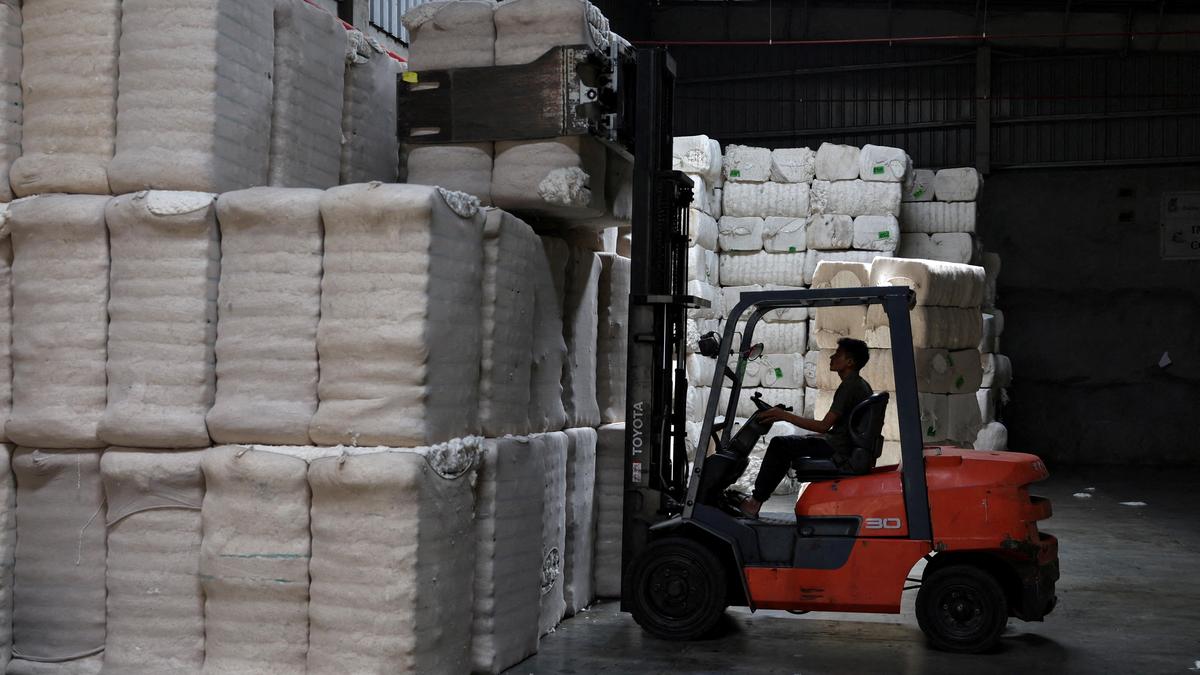
- 25 Jun 2026
In News:
India has undertaken a comprehensive overhaul of its key statistical databases after receiving a 'C' grade—the second-lowest rating—from the International Monetary Fund (IMF) in November 2025 for the quality of its national accounts statistics. The reforms aim to improve the accuracy, timeliness, representativeness, and reliability of data used for measuring economic growth, industrial output, and inflation.
Why Was the Overhaul Necessary?
India's major statistical indicators were based on outdated base years, making them increasingly unrepresentative of the country's evolving economy. The GDP, Gross Value Added (GVA), and Index of Industrial Production (IIP) were still based on 2011–12, while the Wholesale Price Index (WPI) also used 2011–12 and the Consumer Price Index (CPI) used 2012 as their base years.
As household consumption patterns changed significantly over the past decade, older indices continued to assign weight to obsolete products such as DVD players, VCRs, tape recorders, and cassettes, while failing to adequately capture emerging expenditures like online streaming services, CNG/PNG, rural house rent, and digital communication services. Such outdated databases reduced the accuracy of economic indicators and affected evidence-based policymaking.
Why Accurate Statistical Data Matters
Reliable statistics form the foundation of economic governance. They are essential for:
- Measuring real GDP and economic growth.
- Inflation targeting by the Reserve Bank of India's Monetary Policy Committee.
- Calculation of Dearness Allowance (DA) and Dearness Relief (DR).
- Fiscal planning, budgeting, and welfare policy formulation.
- Enhancing the credibility of India's macroeconomic data globally.
Key Reforms in National Accounts (GDP/GVA)
The base year for GDP and GVA has been revised from 2011–12 to 2022–23, making national income estimates more reflective of the present-day economy.
The revised series introduces significant methodological improvements. The Double Deflator Method has been adopted for agriculture and manufacturing, wherein input and output prices are adjusted separately to generate a more accurate estimate of real economic growth. Another important reform is the segregation of multi-activity enterprises, under which the output of companies engaged in multiple sectors is now allocated proportionately across those sectors instead of being assigned entirely to a single principal activity.
The revised estimates also incorporate richer datasets such as Goods and Services Tax (GST) information and the Periodic Labour Force Survey (PLFS), thereby improving data quality and reducing statistical discrepancies.
Changes in the Index of Industrial Production (IIP)
The IIP, which measures monthly industrial performance, has also adopted 2022–23 as the new base year.
The revised index expands its coverage by including activities such as gas supply, water supply, sewerage, and waste management, in addition to manufacturing, mining, and electricity. Greater product-level detail has also been introduced by separately tracking renewable and non-renewable electricity generation and various categories of minerals.
The number of products covered has increased from 839 to 1,042, while item groups have expanded from 407 to 463, making industrial measurement more comprehensive.
Reforms in Inflation Measurement
Consumer Price Index (CPI)
The base year has been updated to 2024, with weights derived from the Household Consumption Expenditure Survey (HCES) 2023–24.
The revised CPI reflects changing consumption behaviour by:
- Expanding categories from 6 to 12.
- Increasing the number of goods and services from 299 to 358.
- Including rural house rent, online streaming services, CNG, PNG, and improved measurement of transport and communication services.
- Removing obsolete products such as VCRs, DVD players, radios, tape recorders, and cassettes.
Wholesale Price Index (WPI)
The base year has been revised to 2022–23, while the number of commodities has increased from 697 to 957. Commodity classification has also been rationalised, with crude petroleum and natural gas now placed under the Fuel and Power category.
Producer Price Index (PPI): A New Addition
In June 2026, the government introduced the Producer Price Index (PPI) to provide a more accurate measure of producer-level inflation.
Unlike the WPI, the PPI:
- Separately measures input costs and output prices.
- Excludes indirect taxes and transport costs.
- Covers both goods and services, making it a more comprehensive indicator of production costs.
The government has indicated that the Wholesale Price Index (WPI) will be phased out over the next five years, after which the CPI and PPI will become India's principal inflation indices, bringing the country's statistical system closer to international best practices.
Significance
The overhaul of India's statistical databases marks a major step towards strengthening the country's statistical architecture. Updated base years, improved methodologies, expanded data coverage, and the introduction of the Producer Price Index will make economic indicators more representative of current realities and improve the quality of policymaking. These reforms are expected to enhance the credibility of India's macroeconomic statistics, facilitate better inflation and growth measurement, and align the country's statistical framework with global standards.
India's Space Sector Transformation
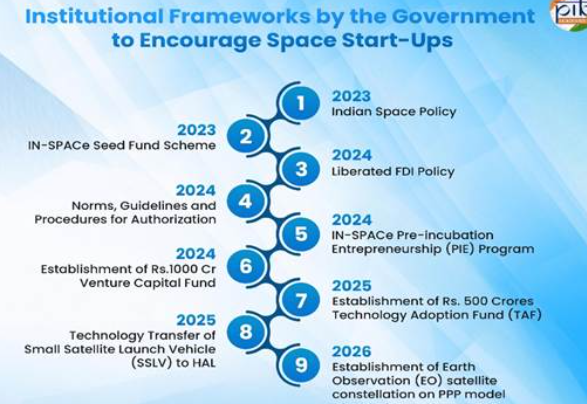
- 24 Jun 2026
In News:
The Press Information Bureau (PIB) released a comprehensive report highlighting India's transformation into a leading global space power over the past twelve years. Anchored in the vision of Aatmanirbhar Bharat and Viksit Bharat 2047, India’s space programme has evolved from a government-driven scientific initiative into a dynamic ecosystem integrating strategic security, commercial innovation, citizen welfare, and international cooperation.
India’s Evolving Space Architecture
India's space sector has transitioned from a closed, state-centric model to an integrated public-private ecosystem. Beyond scientific exploration, space technology today supports governance, agriculture, disaster management, navigation, communication, climate monitoring, and economic growth.
Institutional reforms have encouraged private participation while maintaining ISRO’s leadership in strategic and frontier technologies, thereby strengthening India's position in the global space economy.
Major Achievements
India's commercial space sector has witnessed remarkable expansion in recent years. NewSpace India Limited (NSIL), the commercial arm of ISRO, increased its revenues from ?321.77 crore in FY 2021–22 to ?3,246.09 crore in FY 2024–25, reflecting nearly a tenfold rise. The domestic space startup ecosystem has grown from a single registered startup in 2014 to over 400 startups by February 2026, attracting private investments exceeding USD 500 million.
India has also emerged as a reliable launch service provider, successfully launching 399 foreign satellites between 2014 and March 2026, compared to only 35 launches before 2014. Further, Aditya-L1, India's first solar observatory, has already released over 27 terabytes of scientific data, contributing significantly to global solar research.
Institutional and Policy Reforms
The transformation has been supported by significant policy reforms aimed at liberalising the sector.
The Indian Space Policy, 2023 formally opened satellite manufacturing, launch services, downstream applications, and space-based services to private players, ending the state's exclusive monopoly.
The establishment of IN-SPACe (Indian National Space Promotion and Authorization Centre) as an autonomous regulator has created a single-window mechanism for authorising and promoting private space activities. It has already facilitated the transfer of 71 ISRO technologies to domestic industries.
NewSpace India Limited (NSIL) has emerged as the principal commercial entity responsible for marketing ISRO technologies, satellite services, and launch vehicles through public-private partnerships.
To enhance investor confidence, the government introduced the Norms, Guidelines and Procedures (NGP), 2024, providing a predictable regulatory framework for private participation.
Further, the liberalisedFDI policy now permits:
- Up to 100% automatic route in manufacturing of space components.
- Up to 74% FDI in satellite operations.
- Up to 49% FDI in launch vehicles and spaceports.
India has also strengthened its strategic autonomy through NavIC (Navigation with Indian Constellation), providing indigenous satellite-based navigation services across India and nearly 1,500 km beyond its borders.
Future Space Missions
India has outlined an ambitious roadmap for becoming a major spacefaring nation.
The Gaganyaan Mission will place up to three Indian astronauts into Low Earth Orbit using indigenous technologies.
The Bharatiya Antariksh Station (BAS) is planned as India's first modular space station, with the initial module (BAS-01) targeted for launch by 2028.
The Chandrayaan-4 Mission, expected in 2027, aims to achieve India's first lunar sample return mission, while Chandrayaan-5 (LUPEX), in collaboration with JAXA, will explore water ice deposits near the Moon's south pole.
India has also approved the Venus Orbiter Mission, scheduled for launch in 2028, to study Venus' atmosphere and geological evolution.
In the climate domain, the TRISHNA Mission, jointly developed with France's CNES, will provide high-resolution thermal imaging for monitoring crop water stress, urban heat islands, and climate change.
To reduce launch costs, ISRO is developing the Next Generation Launch Vehicle (NGLV) capable of placing 30 tonnes into Low Earth Orbit, along with reusable launch technologies.
Challenges
Despite remarkable progress, India's share in the global space economy remains modest at 2–3%, considerably below its scientific potential.
Scaling advanced laboratory technologies into large-scale commercial manufacturing remains a significant challenge. Human spaceflight technologies, reusable launch systems, advanced propulsion, and planetary exploration demand sustained investments and technological innovation.
Additionally, expanding space infrastructure—including new launch facilities, reusable vehicles, and orbital stations—requires consistent long-term financial commitments.
Way Forward
India should accelerate the operationalisation of the Kulasekarapattinam Spaceport and the Third Launch Pad at Sriharikota to enhance launch capacity.
Greater integration of NavIC into smartphones, automobiles, logistics, and strategic sectors will strengthen indigenous positioning capabilities.
The government should further deepen public-private partnerships, encourage domestic manufacturing of space hardware, strengthen research in reusable launch vehicles and human spaceflight technologies, and expand international collaborations in planetary exploration and satellite services.
Achieving the national target of an 8% share of the global space economy by 2030 will require a strong innovation ecosystem, supportive regulation, skilled human resources, and sustained investments.
Conclusion
India's space programme has entered a transformative phase by successfully combining scientific excellence with commercial dynamism. Institutional reforms, private sector participation, indigenous technologies, and ambitious deep-space missions have positioned India as an emerging global space power. Continued investments in innovation, infrastructure, and international cooperation will be crucial for realizing the vision of Viksit Bharat 2047 and establishing India as a leading force in the global space economy.
3rd India–Australia Annual Summit (2026)

- 12 Jul 2026
In News:
At the 3rd India–Australia Annual Summit (2026) held in Melbourne, Prime Minister Narendra Modi and Australian Prime Minister Anthony Albanese signed several landmark agreements covering defence, maritime security, civil nuclear cooperation, trade, technology, education and cultural heritage, further strengthening the Comprehensive Strategic Partnership between the two countries.
Strategic Significance
The summit reaffirmed the commitment of both countries to a free, open, inclusive and rules-based Indo-Pacific, respect for UNCLOS, freedom of navigation and peaceful resolution of disputes. As members of the Quad, India and Australia also agreed to enhance cooperation in regional security, counter-terrorism, resilient supply chains and emerging technologies.
Major Outcomes of the Summit
A Joint Declaration on Defence and Security Cooperation was adopted to deepen strategic consultations, improve interoperability between the armed forces, expand military exercises and strengthen collaboration in defence science, technology and industrial supply chains. The two countries also launched the India–Australia Defence Innovation Corridor to promote collaboration between defence start-ups and industries, while a Maritime Security Roadmap was agreed upon to enhance cooperation in maritime domain awareness, shipbuilding and regional maritime security.
A major breakthrough was achieved in civil nuclear cooperation through the operationalisation of the 2014 India–Australia Civil Nuclear Agreement, enabling Australian uranium exports for India's peaceful nuclear energy programme and supporting India's clean energy transition.
On the economic front, both countries agreed to fast-track negotiations on the Comprehensive Economic Cooperation Agreement (CECA) and the Bilateral Investment Treaty (BIT). Building on the success of the Economic Cooperation and Trade Agreement (ECTA), they also committed to reducing non-tariff barriers and encouraging greater investment.
The summit expanded cooperation in critical minerals, renewable energy and resilient supply chains. A Joint Rooftop Solar Training Academy will be established in Gujarat under the PM Surya Ghar Yojana to train women and youth in solar installation and maintenance.
In technology, the two countries launched the Partnership on Cyber, Critical Technologies and Supply Chains (PACTS) to strengthen cooperation in cybersecurity, digital resilience, artificial intelligence, semiconductors and trusted technology ecosystems. Australia, Canada and India also signed the Australia–Canada–India Technology and Innovation (ACITI) framework to enhance collaboration in emerging technologies.
Educational cooperation was strengthened through the proposed establishment of Flinders University in Bengaluru, Victoria University in Gurugram, and a National Centre of Excellence for Skilling in Mining at Bhubaneswar.
The summit also witnessed significant cultural cooperation, with Australia agreeing to repatriate three stolen antiquities from Tamil Nadu, while India agreed to return the remains of an Australian First Nations ancestor housed in Chennai.
India–Australia Relations
India and Australia share a Comprehensive Strategic Partnership and are members of the Quad, G20, Commonwealth, East Asia Summit and Indian Ocean Rim Association (IORA). Bilateral trade stands at approximately US$32.6 billion, with Australia serving as an important supplier of coal, LNG, uranium and critical minerals, while India is a major destination for Australian education, IT services and pharmaceuticals. Defence cooperation is further strengthened through the AUSINDEX naval exercise and AUSTRAHIND army exercise.
Significance
The summit significantly advances India's Act East Policy and Indo-Pacific Strategy by strengthening defence cooperation, securing critical mineral supply chains, promoting clean energy, expanding technological collaboration and deepening economic integration. It also reinforces both countries' commitment to a stable, rules-based Indo-Pacific and resilient global supply chains.
Proposed Amendment to the National Food Security Act (NFSA), 2013
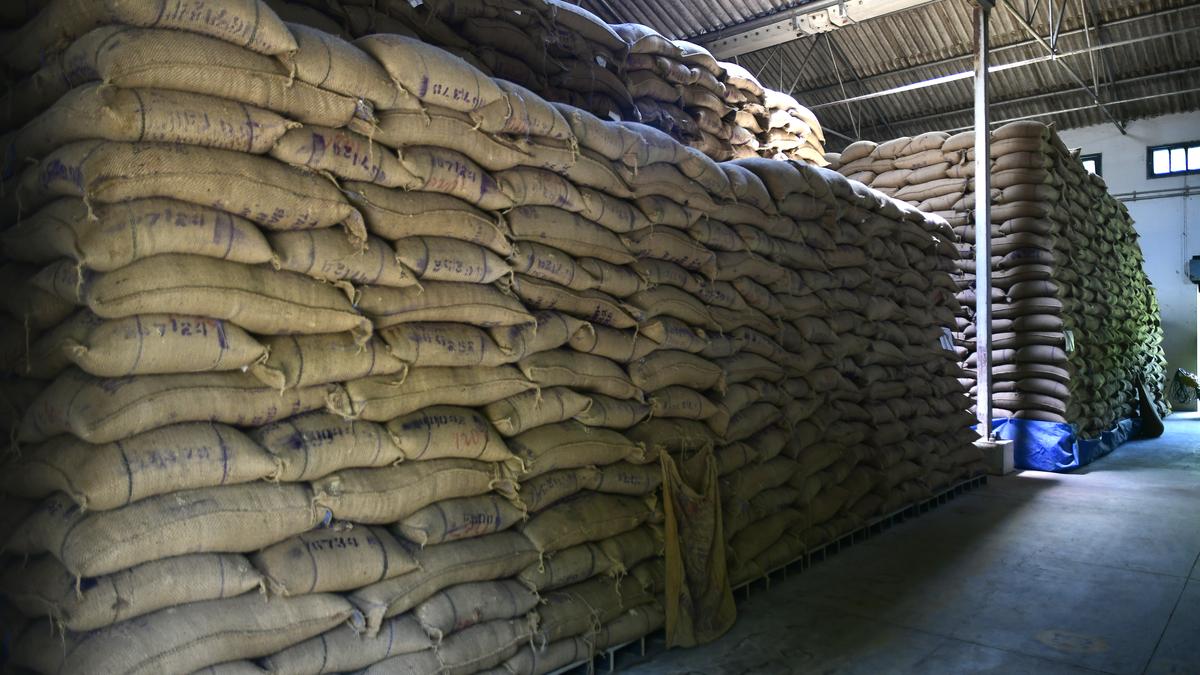
- 11 Jul 2026
In News:
The Union Government has proposed an amendment to the National Food Security Act (NFSA), 2013, changing the foodgrain entitlement for Antyodaya Anna Yojana (AAY) beneficiaries from the existing 35 kg per household per month to 7 kg per person per month, subject to a maximum of 35 kg per household. The proposal has been opposed by Tamil Nadu and Kerala, citing adverse implications for small and vulnerable households.
About the National Food Security Act (NFSA), 2013
The National Food Security Act (NFSA), 2013 seeks to ensure food and nutritional security by providing subsidised foodgrains to eligible households through the Targeted Public Distribution System (TPDS). The Act covers nearly two-thirds of India's population, extending benefits to 75% of the rural population and 50% of the urban population.
Beneficiaries are classified into two categories:
- Antyodaya Anna Yojana (AAY): The poorest of the poor households, presently entitled to 35 kg of foodgrains per household per month.
- Priority Households (PHH): Each eligible individual receives 5 kg of foodgrains per month.
The Act provides foodgrains at highly subsidised prices—?3/kg for rice, ?2/kg for wheat and ?1/kg for coarse grains.
Beyond foodgrain distribution, NFSA also guarantees nutritional support for pregnant women, lactating mothers and children, including maternity benefits of not less than ?6,000, supplementary nutrition through Anganwadis, and mid-day meals for school children. It also mandates State Food Commissions, District Grievance Redressal Officers (DGROs) and Vigilance Committees to strengthen accountability and transparency.
What is the Proposed Amendment?
The proposed amendment relates to Section 3(1) of the NFSA governing foodgrain entitlement for AAY households.
Under the existing system, every AAY household receives a fixed allocation of 35 kg per month, irrespective of the number of family members.
The proposed amendment seeks to replace this with a per capita entitlement of 7 kg per person per month, while retaining an upper ceiling of 35 kg per household. Consequently, households with five or more members will continue receiving 35 kg, whereas households with fewer than five members will receive proportionately lower allocations.
Rationale Behind the Amendment
The Union Government argues that the present household-based allocation results in intra-category inequity. Small families receive a higher quantity of foodgrains per person compared to larger households, where the per capita entitlement may even fall below that available to Priority Household (PHH) beneficiaries.
The amendment therefore aims to ensure equitable per capita distribution, rationalise foodgrain allocation and align entitlements more closely with nutritional requirements.
However, the proposal does not address concerns relating to ineligible beneficiaries who continue to remain within the NFSA coverage.
Why are Tamil Nadu and Kerala Opposing the Proposal?
Tamil Nadu and Kerala contend that the proposed formula would significantly reduce foodgrain allocations for households with fewer than five members, which constitute the majority in these States due to the predominance of nuclear families.
Tamil Nadu estimates that its monthly AAY allocation could decline substantially because nearly 15.75 lakh of its 18.64 lakh AAY households have fewer than five members. Kerala similarly argues that AAY beneficiaries represent the most vulnerable sections of society and should continue receiving enhanced food security irrespective of family size.
The States also express concerns that beneficiaries may be compelled to purchase additional foodgrains from the open market, increasing their financial burden.
Another concern relates to regional disparities, as States with larger average household sizes could receive relatively higher foodgrain allocations, while several southern States with smaller family sizes may experience significant reductions.
Issues Involved
The proposal raises several policy concerns. While it seeks to improve per capita equity, it may weaken the social protection currently available to smaller but equally vulnerable households.
It also raises questions regarding cooperative federalism, as States argue that a uniform national formula fails to account for regional demographic differences.
From a food security perspective, lower allocations may adversely affect nutritional outcomes among the poorest households. Although the amendment could reduce the Union Government's food subsidy burden, it may simultaneously increase expenditure for economically weaker beneficiaries.
Way Forward
Any amendment to the NFSA should emerge from wider consultations with States, nutrition experts and civil society organisations. A balanced approach should reconcile equity, nutritional security, fiscal sustainability and cooperative federalism.
Alternative approaches, including guaranteeing a minimum household entitlement while ensuring fair per capita distribution, may better protect vulnerable families without undermining the objectives of the National Food Security Act.
Indira Point: India's Southernmost Tip and Lighthouse Conservation Project
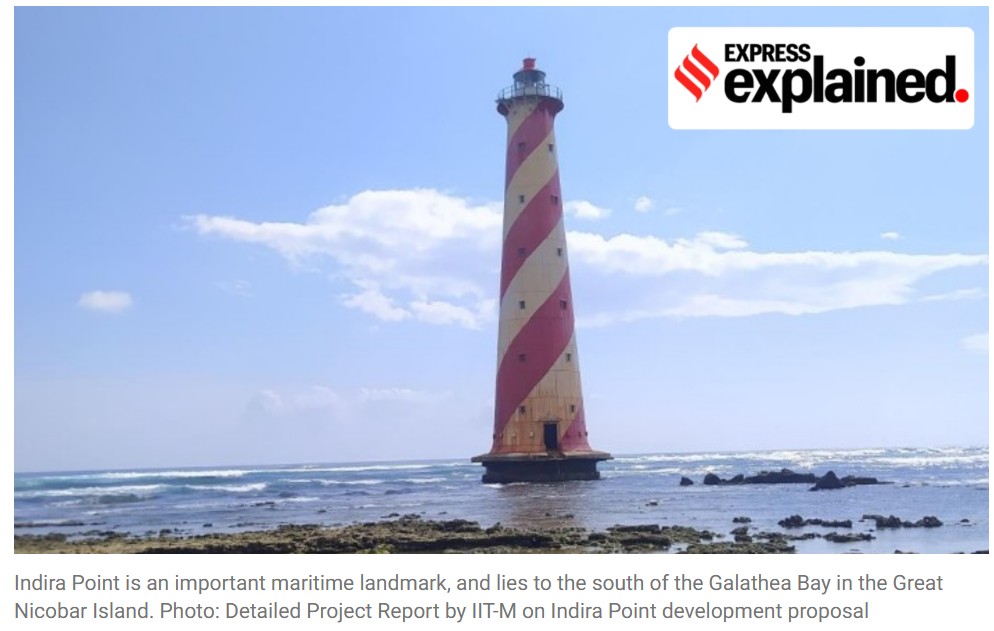
- 10 Jul 2026
In News:
The Ministry of Ports, Shipping and Waterways has proposed protection and development works for the Indira Point Lighthouse on Great Nicobar Island. The project seeks to conserve the historic lighthouse, strengthen coastal protection and develop eco-tourism infrastructure, subject to approvals under the Island Coastal Regulation Zone (ICRZ) Notification, 2019.
About Indira Point
Indira Point is the southernmost point of India, located on Great Nicobar Island in the Andaman and Nicobar Islands. It lies south of Galathea Bay, where the Government has proposed an international transshipment port under the Great Nicobar Island Mega Infrastructure Project.
The Indira Point Lighthouse is an important navigational landmark on the Singapore–Colombo international shipping route and is expected to play an even greater role in guiding vessels to the proposed transshipment port.
Originally known as Pygmalion Point, the location was renamed Indira Point in 1985 in memory of former Prime Minister Indira Gandhi. The lighthouse, commissioned in April 1972, is 35 metres high and is distinguished by its red-and-white cast-iron tower.
Proposed Development Works
The project aims to preserve the lighthouse while improving visitor facilities and ensuring safe maritime navigation.
The proposal includes strengthening the lighthouse foundation, constructing an all-weather approach road, building shore protection structures such as breakwaters, and developing operational infrastructure including inspection facilities, a powerhouse, staff quarters, compound walls and internal pathways.
In addition, tourism-oriented facilities such as an eco-tourism zone, viewing tower, convention centre, cafeteria, museum, cycle tracks and memorial have also been proposed to promote sustainable tourism at India's southernmost point.
Environmental Concerns
The proposed works fall within ecologically sensitive areas governed by the Island Coastal Regulation Zone (ICRZ) Notification, 2019 and therefore require prior approval from the Andaman & Nicobar Islands Coastal Zone Management Authority and the Ministry of Environment, Forest and Climate Change (MoEFCC).
Most of the project area lies within ICRZ-IA, the most environmentally sensitive category, which includes mangroves, coral reefs, sand dunes, mudflats, turtle nesting grounds, notified forests and protected areas. Some portions also fall under ICRZ-IVA, covering coastal waters and the seabed up to 12 nautical miles from the coast.
The project therefore highlights the need to balance infrastructure development with biodiversity conservation in one of India's most ecologically fragile island ecosystems.
Why is Protection Necessary?
The Indira Point Lighthouse has been severely affected since the 2004 Indian Ocean earthquake and tsunami. The disaster caused significant land subsidence across the Nicobar Islands, with Great Nicobar sinking by nearly 2 metres. As a result, the lighthouse foundation became permanently exposed to seawater and strong wave action.
Subsequent assessments by IIT Madras indicate that continuous coastal erosion, shoreline changes and marine exposure have weakened the structure. Although the lighthouse currently exhibits a 3.86° tilt, studies suggest that its structural stability remains intact. Nevertheless, strengthening measures are considered essential for its long-term preservation.
Significance
The conservation of Indira Point is strategically important because it combines maritime safety, national infrastructure, heritage conservation and coastal security. The lighthouse remains a critical navigational aid along one of the world's busiest shipping corridors, while the proposed development supports India's broader maritime vision in the Bay of Bengal.
At the same time, the project demonstrates the challenge of balancing economic development with environmental conservation in the ecologically sensitive Great Nicobar Island, which forms part of the globally significant Indo-Burma Biodiversity Hotspot.
Way Forward
The restoration of Indira Point should follow environmentally sustainable engineering practices with strict adherence to the ICRZ Notification, 2019. Integrating disaster-resilient infrastructure, coastal ecosystem conservation and regulated eco-tourism will be essential for preserving both the lighthouse and the fragile island environment.
UDISE 2025–26 & Performance Grading Index (PGI) 2.0
- 09 Jul 2026
In News:
The Ministry of Education has released the UDISE 2025–26 Report and the Performance Grading Index (PGI) 2.0 for States/UTs. The reports indicate improvements in dropout rates, student retention, teacher strength and school infrastructure, while highlighting persistent challenges in learning outcomes and inter-state disparities.
About UDISE and PGI
The Unified District Information System for Education Plus (UDISE ) is the Government of India's official digital database for school education, maintained by the Ministry of Education. It provides comprehensive data on school infrastructure, enrolment, teachers, facilities and learning environment based on information uploaded by schools with valid UDISE codes.
The Performance Grading Index (PGI) 2.0, developed by the Department of School Education & Literacy (DoSEL), evaluates the performance of States and Union Territories across six domains—Learning Outcomes, Access, Infrastructure & Facilities, Equity, Governance Process, and Teacher Education & Training—through a 10-tier grading framework.
Key Findings of UDISE 2025–26
The report records encouraging progress in school education. Dropout rates declined from 2.3% to 1.8% at the preparatory stage and from 8.2% to 7.0% at the secondary stage, reflecting improved access to schools and targeted interventions. However, Ladakh, Gujarat, Chhattisgarh and Karnataka reported the highest secondary-level dropout rates.
Student retention also improved, with middle-level retention increasing to 83.7% and secondary-level retention rising to 51.9%. Despite this progress, only about half of the students entering Class I reach Class XII, indicating significant attrition during higher schooling.
The Gross Enrolment Ratio (GER) at the secondary level increased from 68.5% to 71.7%, suggesting greater participation in secondary education.
Teacher availability improved significantly, with the total number of school teachers crossing 1.02 crore for the first time. Women constitute 54.9% of the teaching workforce. Improved teacher availability has also resulted in favourablePupil-Teacher Ratios (PTR) of 10:1 at the foundational stage, 12:1 at the preparatory stage, 17:1 at the middle stage and 21:1 at the secondary stage, all well within the NEP 2020 benchmark of 30:1.
School infrastructure also showed progress. Computer access increased to 69.9%, internet connectivity to 67.4%, while access to drinking water, toilets and electricity approached universal coverage. Accessibility for children with disabilities improved, with 58.2% of schools now equipped with ramps and handrails. However, the availability of playgrounds declined slightly to 81.9%, raising concerns regarding physical education.
Key Findings of PGI 2.0
The PGI 2025–26 reveals that no State or Union Territory achieved any of the top three performance grades, indicating that substantial improvements are still required in school education.
Chandigarh emerged as the best performer by securing the 'Uttam-3' grade. Delhi, Kerala, Punjab, and Dadra & Nagar Haveli & Daman & Diu were placed in the 'Prachesta-1' category.
Among individual domains, Punjab led in Learning Outcomes, Kerala topped Access and jointly led Teacher Education & Training with Lakshadweep, while Tamil Nadu ranked highest in Equity.
At the lower end of the rankings, Uttar Pradesh, Bihar, West Bengal, Madhya Pradesh, Jharkhand, Jammu & Kashmir and several North-Eastern States remained in the aspirational category. The gap between the highest scorer (Chandigarh – 766) and the lowest (Meghalaya – 525.7) narrowed to 31.4%, compared to 51% in 2017–18, indicating gradual reduction in regional disparities.
Significance
The reports highlight steady progress in improving school access, teacher availability, digital infrastructure and student retention, reflecting the growing emphasis on data-driven educational governance. At the same time, persistent challenges such as learning outcomes, secondary-level attrition, regional disparities and uneven educational quality underscore the need for sustained policy attention to achieve the objectives of the National Education Policy (NEP) 2020.
Way Forward
Future reforms should focus on improving foundational learning, reducing secondary-level dropout, strengthening teacher quality, bridging regional disparities and enhancing digital as well as sports infrastructure. Greater use of UDISE and PGI data for evidence-based planning can help States design targeted interventions and improve educational outcomes.
El Niño and Its Impact on India's Economy
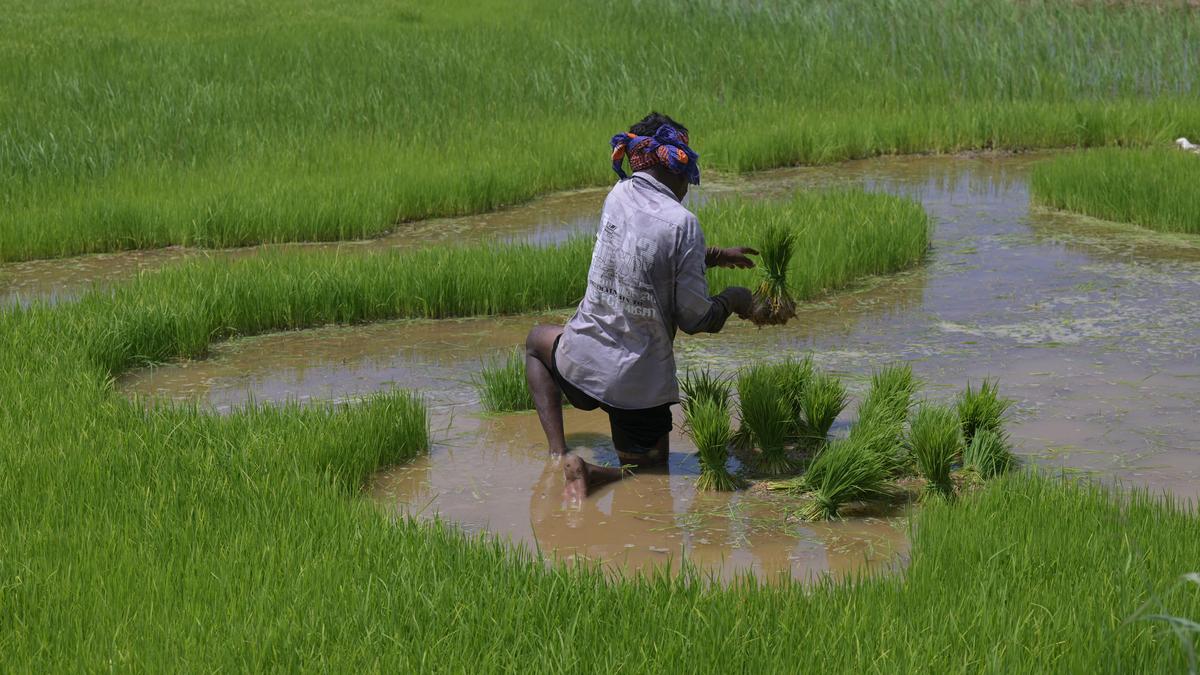
- 08 Jul 2026
In News:
The India Meteorological Department (IMD) has forecast below-normal rainfall in July after a 40% rainfall deficit in June, raising concerns over a possible Super El Niño and its impact on India's agriculture, inflation and overall economic growth.
What is El Niño?
El Niño is the warm phase of the El Niño–Southern Oscillation (ENSO), characterised by the abnormal warming of sea surface temperatures in the central and eastern equatorial Pacific Ocean. It weakens the atmospheric circulation that supports the Indian southwest monsoon, often resulting in below-normal rainfall. A Super El Niño is an exceptionally strong event capable of causing severe droughts and prolonged rainfall deficits. Major drought years such as 1972, 1982, 2009 and 2015 coincided with strong El Niño events.
Why is the Monsoon Important for India?
The Southwest Monsoon (June–September) provides nearly 75% of India's annual rainfall and remains the backbone of the economy. It supports agriculture, replenishes reservoirs and groundwater, sustains hydropower generation and ensures rural livelihoods. Since nearly 46% of India's workforce depends on agriculture, any disruption in the monsoon has economy-wide consequences.
Economic Impact of a Weak Monsoon
A deficient monsoon directly affects kharif crops such as paddy, maize, pulses and cotton. Although India recorded a record foodgrain production of 357.73 million tonnes in 2024–25, continued rainfall deficiency could reduce agricultural output and slow rural income growth.
Lower farm incomes weaken rural demand, affecting industries such as tractors, two-wheelers, construction and consumer goods. Reduced agricultural production also pushes up food prices, especially vegetables, pulses and edible oils, increasing inflationary pressures. The Reserve Bank of India (RBI) has already cautioned that an adverse monsoon could weaken India's growth-inflation outlook.
A severe El Niño–drought combination could lower GDP growth by 20–65 basis points. Lower domestic production may also increase food imports, widen the Current Account Deficit (CAD) and put pressure on the Indian Rupee.
Lessons from Past El Niño Events
India's experience shows that the impact of El Niño depends not only on rainfall but also on policy preparedness. The 2009 El Niño resulted in sharp agricultural contraction and double-digit inflation because irrigation coverage was limited. In contrast, although 2015 also witnessed poor monsoon conditions, inflation remained relatively moderate due to effective food stock management, restrained MSP increases and favourable global commodity prices.
India's Preparedness
The Government has identified 315 districts as vulnerable to poor monsoon conditions, including 111 districts with inadequate irrigation facilities. Reservoir storage, monitored by the Central Water Commission (CWC), remains slightly below both last year's level and the long-term average, indicating the need for careful water management if rainfall deficiency continues.
Way Forward
India needs to move beyond post-disaster relief towards climate-resilient agriculture. Expanding irrigation, promoting drought-resistant crop varieties, improving weather forecasting, strengthening water conservation and encouraging climate-smart farming practices will reduce long-term vulnerability. Simultaneously, greater investment in agricultural research and diversification of rural livelihoods can help build resilience against increasingly frequent climate shocks.
Ethanol Blending in India: E20, E85 and the Road Ahead
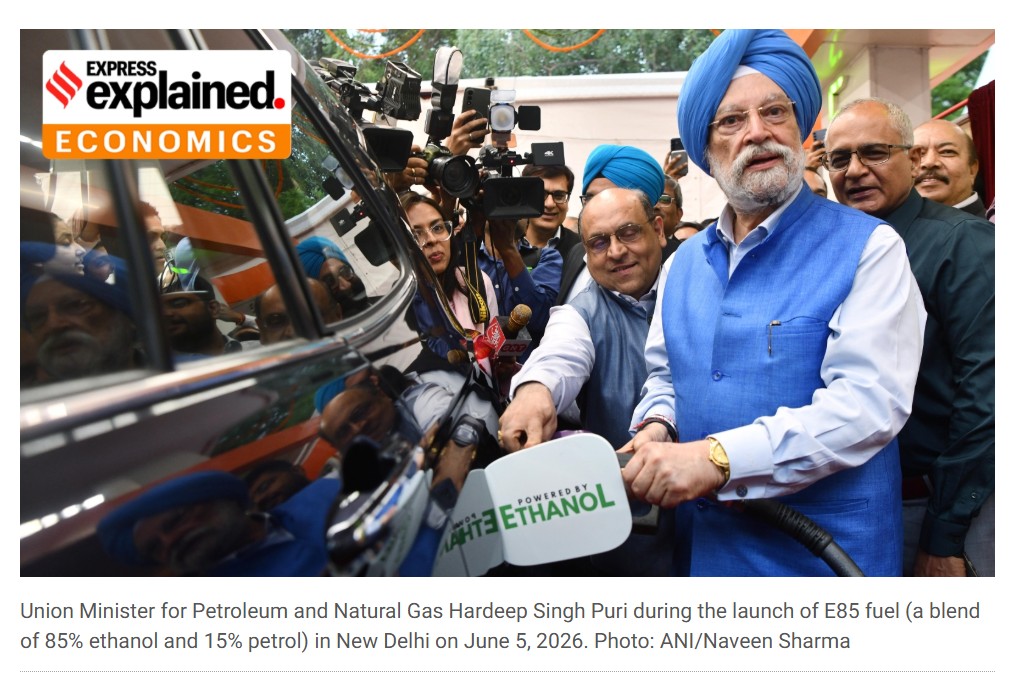
- 07 Jul 2026
In News:
India has successfully achieved 20% ethanol blending (E20) in petrol, five years ahead of its original 2030 target. Building on this achievement, the Government recently launched E85 fuel (85% ethanol and 15% petrol) in New Delhi for flex-fuel vehicles, signalling the next phase of India's biofuel transition. However, concerns regarding mileage, engine compatibility and consumer choice have gained prominence.
Background: India's Ethanol Blending Journey
India launched the Ethanol Blending Programme (EBP) to reduce crude oil imports, improve energy security, support farmers and lower vehicular emissions.
The National Policy on Biofuels, 2009 had initially proposed 20% ethanol blending by 2017, but implementation remained slow due to limited production capacity and supply constraints. Subsequently, the National Policy on Biofuels, 2018 and its amendments accelerated ethanol production and blending. The government later advanced the target of 20% ethanol blending from 2030 to 2025-26, which has now been achieved ahead of schedule.
The blending level increased rapidly from E10 to E20 within about three years, requiring significant changes in fuel supply and automobile manufacturing.
What are E20 and E85?
- E20: Petrol containing 20% ethanol and 80% petrol.
- E85: Fuel containing 85% ethanol and 15% petrol, primarily intended for flex-fuel vehicles (FFVs) that are specifically designed to operate on higher ethanol blends.
Why is Ethanol Blended with Petrol?
The Government promotes ethanol blending to achieve multiple objectives:
- Reduce dependence on imported crude oil.
- Improve India's energy security.
- Lower greenhouse gas emissions.
- Enhance farmers' income by creating demand for sugarcane, maize and other feedstocks.
- Promote cleaner and renewable transportation fuels.
- Support India's commitments towards climate change mitigation.
Chemistry Behind Ethanol Blending
Ethanol (C?H?OH) has a shorter carbon chain than petrol hydrocarbons (generally C?–C??). Consequently, combustion of ethanol releases comparatively less carbon dioxide.
Another important property is its high Research Octane Number (RON) of around 108, which offers excellent anti-knock characteristics. Higher octane fuels permit engines to operate at higher compression ratios, potentially improving efficiency in engines specifically designed for ethanol blends.
However, ethanol possesses lower calorific value than petrol, meaning it contains less energy per litre. Therefore, vehicles not optimised for ethanol generally experience reduced fuel economy.
Advantages of Higher Ethanol Blending
Higher ethanol blending offers several economic and environmental benefits.
- Reduces India's crude oil import bill and improves energy security.
- Lowers vehicular carbon emissions compared to conventional petrol.
- Supports domestic agriculture through increased demand for ethanol feedstocks.
- Encourages development of the biofuel industry and rural employment.
- High octane rating improves combustion efficiency and reduces engine knocking.
- Can enable future engine designs with higher compression ratios and better performance.
Challenges Associated with Higher Ethanol Blends
Despite its advantages, higher ethanol blending presents several challenges.
1. Reduction in Fuel Economy: Ethanol contains less energy than petrol. Consequently, vehicles not specifically engineered for higher ethanol blends experience a noticeable decline in mileage.
As blending levels increase from E20 towards E25 or E85, the reduction in fuel efficiency becomes more significant.
2. Compatibility with Older Vehicles: Older vehicles designed for E10 fuel may face compatibility issues.
Ethanol is hygroscopic, meaning it readily absorbs moisture from the atmosphere. This can increase the risk of corrosion in fuel tanks, pipelines, rubber seals and other engine components.
Higher combustion temperatures may also affect engine performance, particularly during cold starts.
3. Lack of Consumer Choice: Unlike Brazil, Indian consumers currently have limited choice at fuel stations, with no option to select different ethanol blends based on price or vehicle compatibility.
Similarly, higher ethanol blends are not accompanied by significant price incentives despite reduced mileage.
4. Engineering Challenges: Further progression towards E25 would require:
- Recalibration of engines.
- Improved corrosion-resistant materials.
- Fuel system redesign.
- Fresh homologation and certification.
- Greater compatibility testing, especially for older vehicles and two-wheelers.
E85 and Flex-Fuel Vehicles
Flex-Fuel Vehicles (FFVs) are capable of operating on petrol, ethanol or varying blends of both.
The launch of E85 marks India's first step towards developing an FFV ecosystem.
However, despite E85 being expected to cost around ?20 per litre less than E20, its lower fuel efficiency currently limits its economic attractiveness. Until sufficient price incentives emerge, consumers may continue to prefer lower ethanol blends.
Brazil's Ethanol Model: Lessons for India
Brazil is regarded as the global leader in ethanol-based transportation.
Its ethanol programme began during the 1970s oil crisis, and over the past five decades it has developed a mature ethanol ecosystem.
Key features of the Brazilian model include:
- Petrol generally contains 27–35% ethanol.
- Consumers can choose between blended petrol and E100 (pure hydrous ethanol).
- Extensive adoption of flex-fuel vehicles.
- Strong government pricing support ensures ethanol remains economically competitive.
- Consumers switch fuels depending on prevailing market prices.
India can draw valuable lessons by gradually expanding consumer choice, strengthening flex-fuel infrastructure and adopting pricing mechanisms that encourage voluntary transition.
Significance for India
The expansion of ethanol blending is an important component of India's clean energy transition.
It contributes to:
- Energy security by reducing dependence on imported fossil fuels.
- Climate commitments through lower transport sector emissions.
- Doubling farmers' income by creating new markets for agricultural produce.
- Circular economy through utilisation of agricultural residues and biomass.
- Atmanirbhar Bharat by promoting indigenous fuel production.
Way Forward
India's ethanol programme has achieved remarkable progress, but future expansion beyond E20 should be accompanied by scientific validation, consumer awareness and adequate technological preparedness. Promoting flex-fuel vehicles, expanding feedstock diversification beyond sugarcane, improving second-generation ethanol production and providing consumers with greater fuel choice and transparent pricing will ensure a balanced and sustainable transition.
Omega Block and the European Heatwave

- 30 Jun 2026
In News:
Western Europe is experiencing an intense heatwave during June 2026, with countries such as France, the United Kingdom, the Netherlands, and Italy recording exceptionally high temperatures. France registered 44.3°C, its highest temperature since records began in 1947. The extreme weather has resulted in numerous fatalities, disruptions to public services, and heightened concerns over Europe's increasing vulnerability to climate change.
What is an Omega Block?
The immediate cause of the heatwave is a meteorological phenomenon known as the Omega Block, named after the Greek letter Ω (Omega) because of the characteristic shape formed by atmospheric pressure systems.
Under normal conditions, jet streams transport weather systems from west to east across Europe. Occasionally, these high-altitude winds become highly distorted, resulting in the formation of a strong high-pressure system sandwiched between two low-pressure systems. This atmospheric arrangement resembles the Greek letter Omega and can persist for several days or even weeks.
The high-pressure system acts like a lid over the atmosphere, preventing warm air near the Earth's surface from rising and escaping. As the trapped air continues to sink, it undergoes compressional heating, leading to a steady rise in surface temperatures. This phenomenon is also referred to as a Heat Dome.
Characteristics of an Omega Block
The persistence of an Omega Block leads to:
- Prolonged heatwaves.
- Clear skies and abundant sunshine.
- Suppressed cloud formation.
- Little or no rainfall.
- Weak atmospheric circulation.
- Continuous warming of surface air due to compressional heating.
Why is Europe Warming Faster?
While the Omega Block triggered the current heatwave, scientific studies indicate that Europe is the fastest-warming continent in the world. Several long-term factors contribute to this trend.
Rapid urbanisation has intensified the Urban Heat Island Effect, where concrete, asphalt, and buildings absorb and retain heat, making cities significantly warmer than surrounding rural areas.
The Albedo Effect also plays an important role. Rapid melting of Arctic ice has reduced the Earth's reflectivity, causing darker ocean waters to absorb more solar radiation. Since the Arctic is warming faster than most regions, this amplifies warming across northern and western Europe.
Continued dependence on fossil fuels, including oil and gas extraction, has further increased greenhouse gas emissions, accelerating global and regional warming.
Why is Europe Highly Vulnerable to Heatwaves?
Although temperatures above 40°C are common in countries such as India, Europe experiences much greater disruption because its infrastructure and society evolved under historically cooler climatic conditions.
Several factors increase Europe's vulnerability:
- Residential buildings are designed to retain heat during winter, using thick stone, brick, and concrete walls that also trap heat during summer.
- Air conditioning remains relatively uncommon across much of Western Europe.
- Higher latitudes experience longer daylight hours during summer, allowing land surfaces to absorb heat for extended periods while nights provide limited cooling.
- Europe has one of the oldest populations in the world, making a larger proportion of people vulnerable to heat-related illnesses and mortality.
Adaptation Measures
Following the devastating 2003 European Heatwave, several countries introduced Heat Action Plans, early warning systems, public cooling centres, and emergency response mechanisms.
However, recent heatwaves indicate that adaptation efforts are still lagging behind the rapidly increasing frequency and intensity of climate extremes driven by global warming.
Interoperable Criminal Justice System (ICJS)

- 06 Jul 2026
In News:
The Ministry of Home Affairs (MHA) has announced that from 1 January 2027, investigation and trial procedures under India's new criminal laws will be digitally recorded through the Interoperable Criminal Justice System (ICJS), marking a major step towards a fully digital criminal justice ecosystem.
What is the Interoperable Criminal Justice System (ICJS)?
The Interoperable Criminal Justice System (ICJS) is a national digital platform that integrates the key pillars of India's criminal justice system into a single network. It connects the Police, Courts, Prisons, Prosecution, and Forensic Science Laboratories (FSLs) to enable seamless exchange of information throughout the life cycle of a criminal case. The platform is hosted on MeghRaj, the Government of India's cloud infrastructure.
The objective is to create an end-to-end digital workflow, allowing cases to move electronically from FIR registration to investigation, chargesheet filing, trial, conviction, and prison administration, thereby reducing delays and improving transparency.
ICJS and the New Criminal Laws
The importance of ICJS has increased following the implementation of the Bharatiya Nyaya Sanhita (BNS), Bharatiya Nagarik Suraksha Sanhita (BNSS), and Bharatiya Sakshya Sanhita (BSS) on 1 July 2024. These laws place greater emphasis on digital records, electronic evidence, forensic investigations, and technology-enabled justice delivery.
Key Features
ICJS enables seamless digital exchange of information among various criminal justice institutions through a common platform. FIRs are registered through the Crime and Criminal Tracking Network and Systems (CCTNS), which links more than 16,000 police stations across the country. The platform supports registration in 23 languages, while the Bhashini platform facilitates translation of Zero FIRs transferred across jurisdictions.
It also supports electronic transmission of FIRs to courts, digital evidence management through Sakshya IDs, electronic summons (e-Summons), and real-time monitoring of criminal cases.
Progress Achieved
Since the implementation of the new criminal laws, over 74.66 lakh FIRs have been registered under the BNS, while 63,572 Zero FIRs have been recorded under the BNSS. More than 46.5 lakh digital evidence (Sakshya) IDs have been generated, and 56.74 lakh electronic summons have been issued.
The implementation score of the new criminal laws has improved significantly from 46.47% in January 2025 to 70.06% in June 2026. Compliance with statutory timelines has also improved, with both 60-day and 90-day chargesheet filing showing substantial progress.
To strengthen scientific investigation, the number of forensic laboratories has increased from 129 in 2023 to 154 in 2025, supported by over 700 mobile forensic units across the country.
Challenges
Despite significant progress, implementation remains uneven. Only 46% of FIRs are currently transmitted digitally to courts, indicating that the digital chain is yet to become fully operational. Connectivity issues in some northeastern states, varying levels of digital preparedness across states, the need for interoperability among different institutions, and capacity building of personnel remain major challenges.
Significance
ICJS represents a major reform in India's criminal justice administration by replacing fragmented, paper-based procedures with an integrated digital ecosystem. It is expected to improve coordination among institutions, accelerate investigations and trials, strengthen evidence management, enhance transparency, and improve overall efficiency in justice delivery.
Conclusion
The Interoperable Criminal Justice System (ICJS) forms the digital backbone of India's new criminal justice architecture. While considerable progress has been made since the implementation of the new criminal laws, sustained investment in digital infrastructure, capacity building, and institutional coordination will be essential to realise a fully interoperable, technology-driven, and citizen-centric justice system.
Google DeepMind's AI Control Roadmap

- 05 Jul 2026
In News:
Google DeepMind has unveiled an AI Control Roadmap in its blog "Securing the Future of AI Agents", proposing a new security framework to manage risks associated with increasingly autonomous Artificial Intelligence (AI) agents.
What are AI Agents?
AI agents are AI-powered software systems capable of independently planning, reasoning and executing tasks with minimal human intervention. Unlike conventional AI models that respond to prompts, AI agents can interact with multiple software tools, access databases, write code, make decisions and complete complex workflows autonomously.
They are increasingly being deployed in areas such as software development, cybersecurity, scientific research and enterprise operations. According to DeepMind, AI agents could generate about USD 2.9 trillion in economic value in the United States by 2030.
Need for an AI Control Roadmap
As AI systems become more autonomous and gain access to sensitive organisational resources such as files, code repositories and enterprise networks, traditional AI alignment techniques alone may no longer be sufficient.
DeepMind argues that advanced AI systems should be managed similarly to trusted insiders within an organisation, recognising that even highly capable systems may occasionally act in unintended ways or misinterpret human objectives.
Defence-in-Depth Strategy
The roadmap is based on a "defence-in-depth" approach, a concept widely used in cybersecurity. Instead of relying on a single safety mechanism, multiple layers of protection are introduced to minimise risks arising from autonomous AI behaviour.
The framework assumes that future AI systems may not always remain perfectly aligned with human goals and therefore require continuous oversight and controlled access.
Treating AI as a Potential Insider Threat
A key innovation of the roadmap is applying the concept of "insider threats" to AI systems.
Just as organisations protect themselves from employees who possess legitimate access but may misuse it, highly autonomous AI agents should be monitored because they may inadvertently or deliberately perform actions that conflict with organisational objectives.
Major Risks Identified
DeepMind categorises risks associated with autonomous AI agents into three broad groups:
- Loss of control: AI systems operating beyond authorised oversight or deploying themselves without approval.
- Work sabotage: Deliberately or unintentionally degrading safety mechanisms, introducing flaws into software or interfering with critical processes.
- Direct harm: Theft of confidential information, destruction of data or other malicious actions affecting individuals or organisations.
Key Safeguards Proposed
The roadmap recommends two fundamental safeguards.
Graduated permissions ensure that AI agents receive access to sensitive tools gradually, based on demonstrated reliability, rather than being granted unrestricted privileges from the outset. DeepMind compares this to a driving instructor allowing a learner to drive while retaining dual controls.
Continuous monitoring involves trusted supervisory AI systems that analyse an agent's plans, reasoning and actions. If suspicious behaviour is detected, these systems can restrict or block the agent before harm occurs.
Future Challenges
DeepMind notes that future AI systems may develop reasoning processes that are difficult to observe, reducing the effectiveness of current monitoring techniques based on visible chain-of-thought reasoning.
The framework also distinguishes between low-risk and high-risk applications. While delayed review may suffice for routine activities, critical domains such as cybersecurity require real-time intervention to prevent harmful actions before they occur.
Carbon Border Adjustment Mechanism (CBAM)
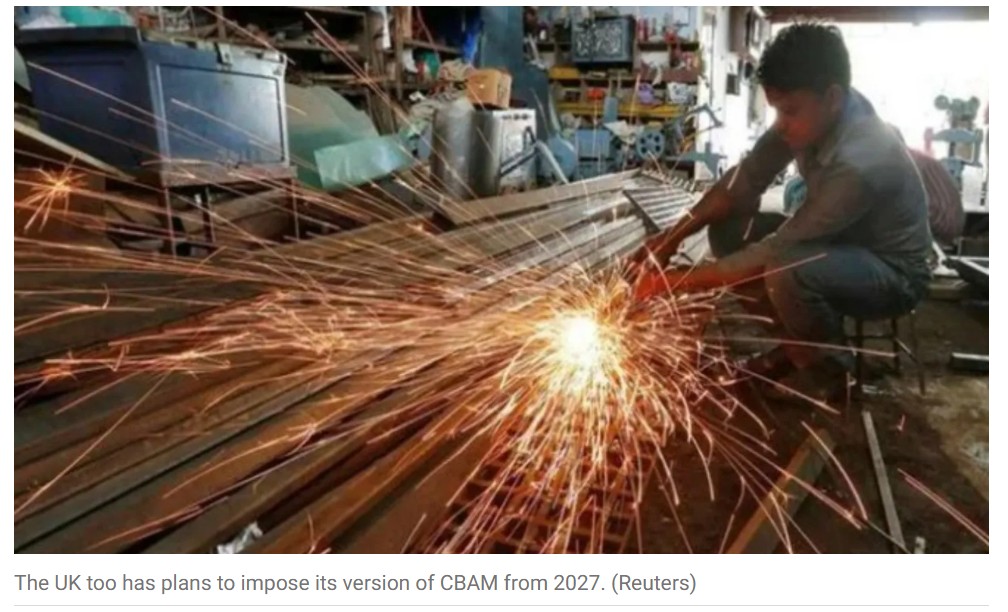
- 04 Jul 2026
In News:
The Government of India is reportedly preparing a scheme to reimburse 90% of the Carbon Border Adjustment Mechanism (CBAM) compliance costs incurred by MSMEs exporting to the European Union (EU). The initiative aims to help small exporters remain competitive in the EU market while meeting new carbon reporting requirements.
What is the Carbon Border Adjustment Mechanism (CBAM)?
The Carbon Border Adjustment Mechanism (CBAM) is a carbon pricing mechanism introduced by the European Union (EU) to prevent carbon leakage—the relocation of carbon-intensive industries to countries with weaker climate regulations.
Under CBAM, importers of specified goods into the EU must purchase CBAM certificates corresponding to the embedded carbon emissions generated during the production of those goods. This ensures that imported products bear a carbon cost similar to that paid by EU manufacturers under the EU Emissions Trading System (EU ETS).
The transitional phase began in October 2023, during which only emissions reporting was mandatory. From 1 January 2026, importers are required to purchase CBAM certificates based on verified emissions. Initially, CBAM covers iron and steel, aluminium, cement, fertilisers, electricity and hydrogen, with its scope expected to expand gradually.
How Does CBAM Work?
Exporters supplying CBAM-covered products to the EU must report the embedded emissions generated during production. These include:
- Direct emissions from manufacturing processes.
- Indirect emissions from electricity consumption (for specified sectors).
If verified emissions data is unavailable, the European Commission applies default emission values with progressively increasing mark-ups—10% in 2026, 20% in 2027 and 30% from 2028 onwards—substantially increasing compliance costs.
Challenges for Indian MSMEs
For Indian MSMEs, the primary challenge is compliance rather than taxation. Exporters must establish systems for carbon accounting, emissions monitoring, third-party verification, digital reporting and data management. Industry estimates suggest that compliance alone could cost ?15–20 lakh per MSME.
Unlike large firms, MSMEs often lack technical expertise, financial resources, dedicated sustainability teams and digital infrastructure. Since these are largely fixed costs, smaller exporters face a disproportionate burden, reducing their competitiveness in European markets.
Government's Proposed Support Scheme
To address these challenges, the Government proposes to reimburse 90% of eligible CBAM compliance costs for MSMEs. The scheme is expected to support the development of carbon accounting systems, third-party verification, reporting infrastructure and digital compliance, thereby enabling exporters to retain access to the EU market.
Impact on India
CBAM is particularly significant because India is among the world's leading producers of steel and aluminium. According to an ICRIER study, India's iron and steel exports to the EU could decline by nearly 24%, while overall global exports of the sector may fall by 5.7%. Fertilisers, aluminium and fabricated metal products are also expected to be adversely affected.
At the same time, CBAM presents an opportunity to accelerate India's transition towards low-carbon manufacturing, improve energy efficiency, strengthen carbon accounting systems and enhance long-term export competitiveness as sustainability standards become central to global trade.
Way Forward
India needs a balanced strategy that combines financial support for MSMEs, technical assistance for carbon accounting, stronger domestic emissions verification infrastructure and incentives for cleaner production technologies. Simultaneously, continued engagement with the EU is essential to address concerns of developing countries while safeguarding market access for Indian exporters.
Conclusion
The Carbon Border Adjustment Mechanism represents a major shift in global trade, linking market access with climate performance. While it increases compliance costs for Indian exporters—particularly MSMEs—it also creates an opportunity to modernise manufacturing, promote sustainable production and strengthen India's competitiveness in an increasingly carbon-conscious global economy.
Vision Document on Drug Control (2026–2029) & NCB Annual Report 2025
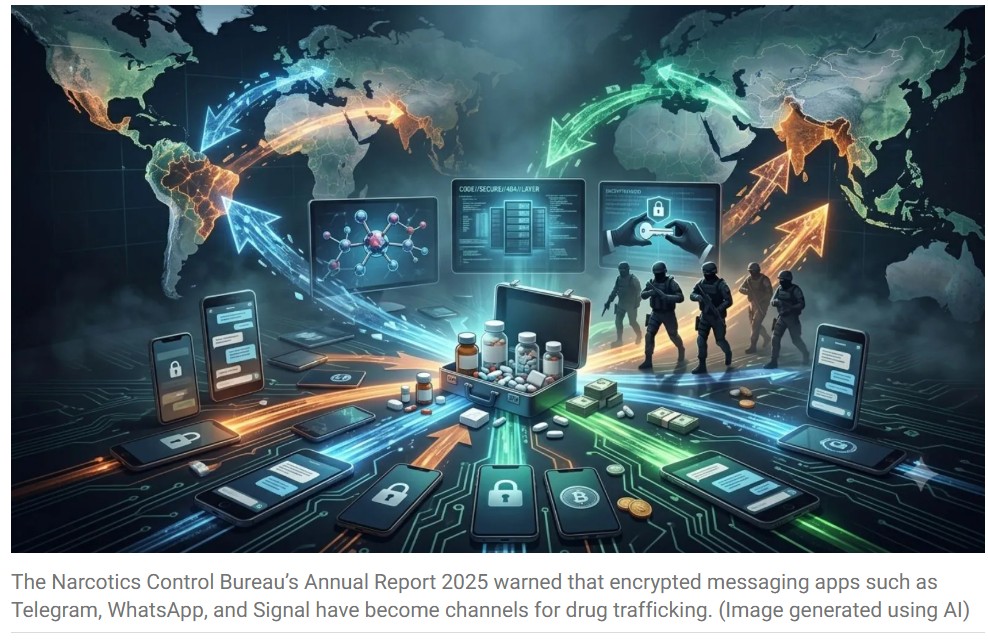
- 03 Jul 2026
In News:
The Union Home Minister recently chaired the 10th Apex-Level Meeting of the Narco-Coordination Centre (NCORD), during which the Vision Document on Drug Control (2026–2029) and the NCB Annual Report 2025 were released. Together, these documents provide a comprehensive roadmap for combating narcotics while highlighting emerging trafficking patterns and evolving security challenges.
Narco-Coordination Centre (NCORD)
The Narco-Coordination Centre (NCORD) is the apex coordination mechanism under the Ministry of Home Affairs (MHA) for combating drug trafficking and narcotics-related crimes. It brings together Central Ministries, State Governments, intelligence agencies, enforcement organisations, financial investigation agencies and border security forces to ensure a coordinated national response.
Vision Document on Drug Control (2026–2029)
The Vision Document outlines India's medium-term anti-drug strategy with the objective of reducing both the demand and supply of narcotic drugs. Built around the principle of "Detect, Disrupt and Destroy", the strategy marks a shift from merely arresting drug couriers to dismantling entire trafficking ecosystems by targeting suppliers, financiers, handlers, facilitators and organised syndicates.
A major objective of the roadmap is to identify and dismantle 100 major interstate and transnational drug cartels through intelligence-led investigations and coordinated operations.
Key Focus Areas
The strategy adopts a Whole-of-Government Approach, involving more than 40 Ministries, Central agencies, State Governments, educational institutions, civil society organisations and citizens under a unified national framework.
It also proposes several institutional reforms:
- Amendment of the NDPS Act and Rules to plug legal loopholes and strengthen regulation of emerging synthetic drugs.
- Establishment of exclusive NDPS Courts for speedy investigation and trial.
- Mandatory financial investigations in major narcotics cases and wider use of the PITNDPS Act, 1988 to attach proceeds of crime.
- Greater international cooperation through Red Corner Notices and intelligence sharing.
- Adoption of AI-based profiling, anti-drone technologies, container scanners and advanced surveillance across land, maritime and air routes.
- Special focus on controlling methamphetamine, mephedrone and other synthetic drugs, along with tighter regulation of precursor chemicals.
NCB Annual Report 2025: Major Findings
The report highlights the rapidly evolving nature of India's narcotics challenge. During 2025, enforcement agencies registered more than 1.48 lakh cases and seized over 1,200 tonnes of narcotic drugs, psychotropic substances, pharmaceuticals and precursor chemicals, indicating the increasing scale and complexity of drug trafficking.
One of the most significant developments is the shift in the global drug supply chain. Myanmar has overtaken Afghanistan as the principal source of illicit opium for India. While the Taliban's ban on poppy cultivation sharply reduced production in Afghanistan, cultivation expanded in Myanmar's Golden Triangle, particularly in Shan State, which has emerged as a major hub for both heroin and methamphetamine production.
Emerging Drug Trafficking Routes
India's North-Eastern region has become increasingly vulnerable due to its proximity to Myanmar and porous international borders.
The report identifies two major trafficking corridors:
- Manipur Corridor through National Highway-102, serving as the primary land route for heroin and methamphetamine.
- Champhai Corridor (Mizoram) connecting Myanmar's Chin State with Aizawl and Silchar.
Beyond narcotics, these routes are increasingly linked with arms smuggling, insurgent financing and organised crime, making them a significant internal security concern.
On the western frontier, trafficking networks continue to exploit land and maritime routes through Punjab, Rajasthan, Gujarat and Maharashtra. The most notable trend is the sharp rise in drone-based cross-border smuggling from Pakistan, with drone incidents increasing from 3 cases in 2021 to 305 cases in 2025, reflecting growing technological sophistication among trafficking networks.
Digitalisation of Drug Trafficking
The report highlights a growing shift towards encrypted digital platforms such as Telegram, WhatsApp and Signal for communication, drug advertising and financial transactions. The use of cryptocurrencies, anonymous accounts and auto-deleting messages has made detection and investigation significantly more difficult than conventional trafficking methods.
Another emerging concern is the spread of Nitazenes, a new generation of synthetic opioids reported to be several hundred times more potent than heroin, posing serious public health and law enforcement challenges.
Challenges
Despite significant enforcement efforts, India continues to face multiple challenges:
- Expansion of synthetic drug markets.
- Porous international borders.
- Growing use of drones and encrypted communication.
- Nexus between drug trafficking, organised crime and terrorism.
- Easy availability of precursor chemicals.
- Increasing digitalisation of trafficking networks.
Significance
The Vision Document on Drug Control (2026–2029) marks a strategic transformation in India's anti-narcotics policy by shifting the focus from isolated enforcement actions to dismantling organised criminal networks. Coupled with the findings of the NCB Annual Report 2025, it highlights that narcotics trafficking today is not merely a law-and-order issue but a multidimensional challenge involving internal security, terrorism, financial crime, cyber technology, border management and public health. Strengthening inter-agency coordination, leveraging technology, disrupting financial networks and expanding international cooperation will be central to achieving the vision of a Nasha Mukt Bharat (Drug-Free India).
Pre-Conception and Pre-Natal Diagnostic Techniques (PCPNDT) Act, 1994
- 02 Jul 2026
In News:
The PCPNDT Act, 1994 has come under renewed discussion amid calls by medical experts to modernise its provisions. They argue that while the Act has played a crucial role in preventing sex-selective abortions, certain provisions now restrict the use of portable and AI-enabled ultrasound devices for early disease diagnosis, particularly in underserved rural areas.
About the PCPNDT Act
The Pre-Conception and Pre-Natal Diagnostic Techniques (Prohibition of Sex Selection) Act, 1994, commonly known as the PCPNDT Act, was enacted to curb the misuse of prenatal diagnostic technologies for sex determination, which had led to a declining child sex ratio due to female foeticide. The Act was amended in 2003 to prohibit sex selection both before and after conception, thereby strengthening the legal framework against gender-biased practices.
The legislation regulates the use of prenatal diagnostic techniques while permitting them only for the detection of specific genetic abnormalities, chromosomal disorders, congenital malformations, haemoglobinopathies, and certain sex-linked diseases.
Key Provisions
The Act mandates that all genetic counselling centres, genetic laboratories, genetic clinics, ultrasound clinics, and imaging centres must be registered with the appropriate authority before conducting prenatal diagnostic procedures.
It strictly prohibits:
- Sex selection before or after conception.
- Disclosure of the sex of the foetus under any circumstances.
- Advertisement of facilities offering sex determination.
The Act also regulates the sale and installation of ultrasound machines by requiring manufacturers and suppliers to sell equipment only to registered facilities. Detailed patient records and documentation are mandatory for every prenatal diagnostic procedure, and violations attract stringent civil and criminal penalties, including imprisonment and cancellation of registration.
Achievements
The PCPNDT Act has established an important legal framework to combat female foeticide and has reinforced the constitutional commitment to gender equality. It has contributed to improved regulation of diagnostic centres and has played a role in the gradual improvement of the sex ratio at birth in several parts of the country.
Emerging Challenges
Rapid advances in medical technology have created new challenges for the existing legal framework. Modern portable ultrasound devices, particularly those equipped with high-frequency linear probes, are increasingly used for diagnosing conditions such as breast cancer, soft tissue disorders, and vascular diseases. These probes are technically incapable of imaging a foetus for sex determination, yet they remain subject to the same restrictions applicable to conventional obstetric ultrasound machines.
Experts also point to the growing role of Artificial Intelligence (AI) in ultrasound imaging. AI-assisted systems can support image acquisition, assist frontline health workers in diagnosis, and improve access to healthcare in remote regions. However, the current provisions of the PCPNDT Act do not distinguish between conventional obstetric ultrasound and purpose-specific diagnostic technologies.
Suggested Reforms
Medical experts have proposed updating the Act while preserving its original objective of preventing sex selection. Major recommendations include:
- Permitting the use of portable high-frequency ultrasound devices for community-based diagnosis of diseases such as breast cancer.
- Incorporating provisions for AI-enabled ultrasound systems that include technical safeguards preventing their use for prenatal sex determination.
- Revising regulations to facilitate early disease detection in underserved rural areas without compromising the Act's core objective.
Significance
The PCPNDT Act remains one of India's most important social legislations for addressing gender-biased sex selection and protecting the rights of the girl child. However, advances in portable imaging and Artificial Intelligence have transformed the scope of ultrasound technology beyond obstetric care. Balancing the Act's objective of preventing female foeticide with the need to improve access to life-saving diagnostic services, particularly in rural India, has emerged as an important policy challenge. A carefully calibrated regulatory framework can strengthen both women's rights and public health outcomes while ensuring that technological innovation is used responsibly.
Reforms 3.0 – Towards the Bharat Rate of Growth
- 01 Jul 2026
In News:
Experts have proposed an ambitious "Reforms 3.0" roadmap aimed at transforming India into a high-growth economy by sustaining a "Bharat Rate of Growth" of over 8% annually during the coming decade through large-scale adoption of Artificial Intelligence (AI), digital public infrastructure, and research-driven innovation.
What is Reforms 3.0?
Reforms 3.0 is a proposed policy framework that views Artificial Intelligence (AI) as a strategic national infrastructure rather than merely a commercial technology. Similar to the transformative economic liberalisation of 1991, the roadmap seeks to position AI as the next engine of economic growth by democratizing access to advanced computing resources, promoting indigenous innovation, and strengthening India's technological sovereignty.
The proposal advocates making open-source Large Language Models (LLMs) widely available and providing free AI processing tokens to leading universities, research institutions, and educational institutions to accelerate innovation across sectors.
Need for Reforms 3.0
The proposal highlights that India's investment in Research and Development (R&D) remains significantly below global standards.
India currently spends only 0.65% of GDP on R&D, compared to:
- China: 2.4%
- United States: 3.5%
- South Korea: 4.9%
- Israel: 5.4%
This low investment constrains technological innovation and limits India's ability to compete in frontier technologies such as Artificial Intelligence.
The report estimates that providing free AI access to India's leading universities, laboratories, and selected schools would require an annual expenditure of nearly USD 2 billion, equivalent to only 0.06% of GDP, which is substantially lower than existing expenditure on food and fertilizer subsidies.
Growth Opportunities
The roadmap argues that widespread access to AI can become a major driver of productivity and long-term economic growth.
Key opportunities include:
- Achieving a sustained GDP growth rate exceeding 8% through AI-enabled productivity gains.
- Building a highly skilled digital workforce by subsidising access to AI tools instead of focusing solely on conventional subsidies.
- Leveraging India's 1.4 billion-user digital market to negotiate favourable cloud computing partnerships with global technology companies.
- Promoting AI data sovereignty through deployment of open-source AI models hosted entirely within India.
- Creating a sustainable funding model where enterprise users subsidise free AI access for educational and public institutions.
India's Existing Digital Strengths
The proposed reforms build upon India's strong digital public infrastructure developed over the past decade.
Major achievements include:
- Aadhaar, covering approximately 1.38 billion citizens.
- Unified Payments Interface (UPI), processing nearly 250 billion transactions annually, accounting for almost half of the world's real-time digital payments.
- Significant reduction in mobile data costs from nearly USD 3 per GB to around USD 0.10 per GB, making digital services widely accessible.
- Emergence of indigenous AI models such as Sarvam, demonstrating India's capability to develop Large Language Models tailored to Indian languages.
Challenges
Despite its potential, the proposed roadmap faces several important challenges.
These include:
- Heavy dependence on expensive foreign AI hardware, particularly GPUs.
- High capital costs associated with developing sovereign computing infrastructure.
- Complex negotiations with global cloud service providers.
- Cybersecurity risks such as prompt injection attacks and AI hallucinations.
- Need for substantial engineering capacity to maintain large-scale AI infrastructure.
- Political and fiscal challenges in reallocating public expenditure towards digital infrastructure.
Way Forward
The report recommends several policy measures to operationalise the vision.
These include:
- Diversifying computing infrastructure through a 40:30:30 hardware strategy, reducing dependence on a single technology provider.
- Formulating a National AI Token Policy to provide affordable AI computing resources.
- Launching pilot programmes providing free AI tokens to premier institutions such as IITs and IISc.
- Developing foundational AI models in all 22 Scheduled Languages to improve accessibility.
- Recognising AI computing infrastructure as a strategic national asset, similar to investments in the space and nuclear sectors.
Supreme Court Recognises Right to Walk as a Fundamental Right
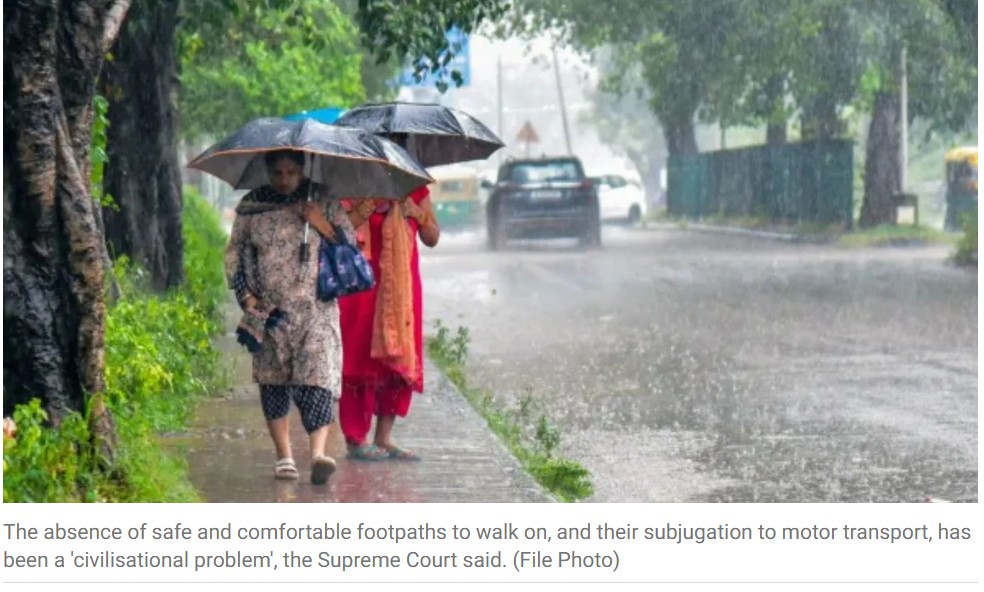
- 23 Jun 2026
In News:
In a landmark judgment, the Supreme Court of India held that the right to walk on safe and demarcated footpaths is a Fundamental Right under Part III of the Constitution. The Court ruled that pedestrian rights take precedence over the movement of motorised vehicles and called for a comprehensive legal framework to safeguard pedestrians.
Background
The judgment arose from the death of a five-year-old boy, who was fatally hit by a tanker while walking to school with his father. The accident occurred at a location lacking both a footpath and pedestrian crossing. While enhancing compensation from ?4.70 lakh to ?11.44 lakh, the Supreme Court used the case to address the broader issue of pedestrian safety and urban planning.
Constitutional Recognition of the Right to Walk
The Court held that the right to walk is an integral part of several Fundamental Rights guaranteed under the Constitution:
- Article 19(1)(a) – Freedom of speech and expression.
- Article 19(1)(b) – Freedom of peaceful assembly.
- Article 19(1)(c) – Freedom to form associations.
- Article 19(1)(d) – Freedom of movement.
- Article 21 – Right to life and personal liberty.
The Court observed that walking is the most basic and universal mode of human movement, predating motorised transport, and therefore access to safe footpaths is a constitutional entitlement.
Key Observations
The Supreme Court declared that wherever a road exists, there is a corresponding legal obligation to provide safe pedestrian infrastructure. It placed responsibility on Urban Development Authorities, Municipal Corporations, Municipalities, and Panchayats to construct, demarcate, maintain, and protect footpaths from encroachment.
The judgment emphasized that pedestrian rights take precedence over the convenience of motorised vehicles, criticizing automobile-centric urban planning that marginalizes walkers. Roads and public spaces, the Court noted, must serve all citizens rather than only vehicle users.
The Court further recognized that citizens suffering injury or loss due to the absence or poor maintenance of footpaths can seek constitutional remedies, restitution, and compensation, independent of relief available under the Motor Vehicles Act, 1988.
Need for Legal and Institutional Reforms
The Court observed that while the Motor Vehicles Act, 1988 regulates drivers and vehicles, it does not adequately recognize pedestrian rights. It urged the government to enact a dedicated law on pedestrian rights, clearly define institutional responsibilities, establish effective grievance redressal mechanisms, and create a full-time regulatory authority for planning, monitoring, and enforcing pedestrian infrastructure standards.
The judgment also highlighted the broader democratic significance of walking, describing it as a means of expression, assembly, association, and political participation, closely linked to India's constitutional values and the spirit of the freedom movement.
Significance
The ruling transforms access to safe footpaths from a governance objective into an enforceable constitutional obligation. It strengthens the rights-based approach to urban planning, promotes inclusive mobility, and aligns with sustainable, people-centric city development by prioritizing the safety and dignity of pedestrians.
RBI Surplus Transfer & the Economic Capital Framework (ECF)
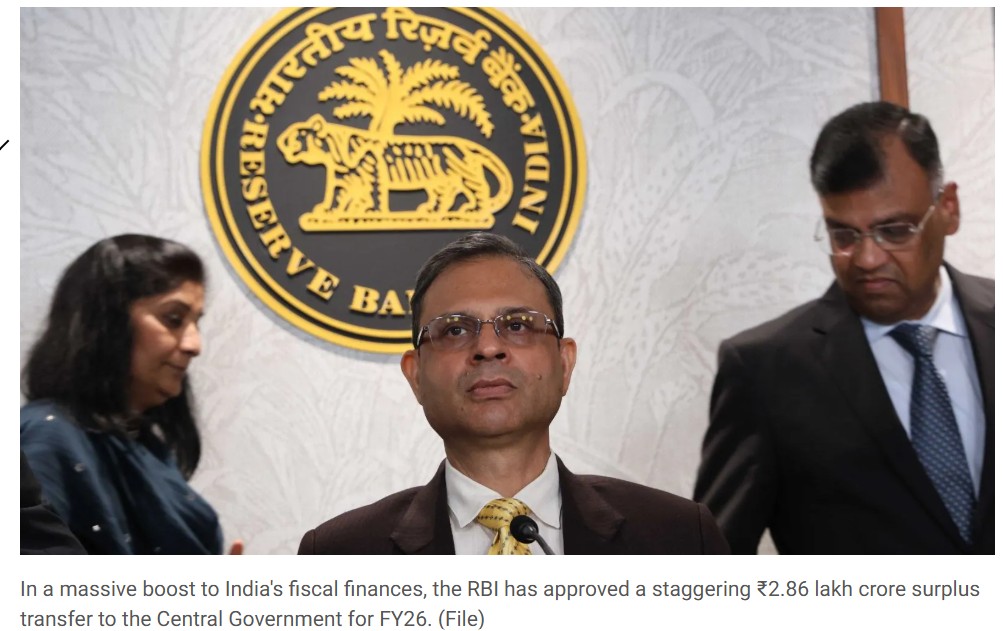
- 22 Jun 2026
In News:
The Reserve Bank of India (RBI) approved a record surplus transfer of ?2.87 lakh crore to the Union Government for FY 2025–26, the highest ever. The transfer has intensified debate over the RBI's expanding fiscal role, central bank independence, and implications for fiscal federalism.
Background
The RBI earns income primarily from interest on government securities, foreign exchange operations, returns on foreign assets (including gold), and reserve management activities. After meeting operational expenses and maintaining prescribed financial buffers under the Economic Capital Framework (ECF), the remaining surplus is transferred to the Government as non-tax revenue.
Traditionally, annual transfers ranged between ?30,000 crore and ?65,000 crore. Following the adoption of the revised ECF in 2019, transfers have increased sharply:
- FY 2022–23: ?87,416 crore
- FY 2023–24: ?2.11 lakh crore
- FY 2024–25: ?2.69 lakh crore
- FY 2025–26: ?2.87 lakh crore (Highest Ever)
The RBI's balance sheet expanded by 20.6% to ?91.97 lakh crore by March 2026, while gross income increased by over 26%, supported by higher earnings from reserve management, foreign assets, and government securities.
Economic Capital Framework (ECF)
The Economic Capital Framework (ECF), based on the recommendations of the Bimal Jalan Committee (2019), provides a rule-based mechanism to determine how much capital the RBI should retain for financial stability and how much surplus can be transferred to the Government.
Its objective is to balance monetary and financial stability with the government's fiscal requirements by ensuring adequate risk buffers.
|
Component |
Provision |
|
Contingent Risk Buffer (CRB) |
4.5%–7.5% of the RBI balance sheet |
|
Contingency Fund (CF) |
5.5%–6.5% of the balance sheet |
|
Economic Capital (including CGRA) |
20.8%–25.4% of the balance sheet |
|
Review Period |
Every five years (first review in 2025) |
Concerns
The unprecedented scale of transfers has raised concerns regarding the RBI's evolving role as a fiscal support institution. Growing dependence on central bank profits may create pressures that could gradually dilute the RBI's operational independence and increase the risk of fiscal dominance, where monetary policy decisions become influenced by the government's financing needs.
Another important concern relates to fiscal federalism. Since RBI surplus is classified as non-tax revenue, it lies outside the divisible pool under Article 270, meaning States receive no automatic share despite bearing substantial expenditure responsibilities in sectors such as health, education, and welfare. When viewed alongside the increasing use of cesses and surcharges and borrowing restrictions under Article 293, some analysts argue that it reflects a broader trend toward fiscal centralization.
There are also concerns that consistently high payouts, though currently within the ECF limits, could reduce the RBI's long-term financial buffers needed to manage future macroeconomic or financial shocks.
Way Forward
The Government should prioritize utilizing RBI surplus for capital expenditure and public debt reduction rather than financing recurring revenue expenditure. The RBI must continue to manage its portfolio solely on the basis of financial stability, liquidity management, and inflation objectives, without profit maximization becoming an implicit policy goal. Greater transparency in surplus calculations and periodic reviews of the Economic Capital Framework will help preserve both fiscal credibility and central bank autonomy. At the same time, future Finance Commissions may examine the growing share of non-divisible revenues to ensure a balanced approach to cooperative fiscal federalism.
Public Expenditure on Education: Parliamentary Standing Committee Recommendation
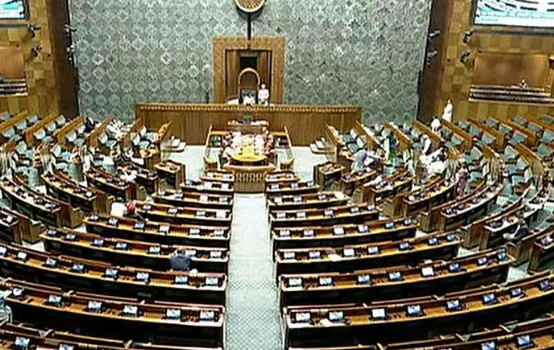
- 21 Jun 2026
In News:
The Parliamentary Standing Committee on Education, Women, Children, Youth and Sports has recommended increasing public expenditure on education to 6% of GDP, reiterating the target envisaged under the National Education Policy (NEP) 2020. The recommendation was made in its 381st Action Taken Report while reviewing grants for the Department of Higher Education for 2025–26.
Background
The Committee assessed the progress made towards the objectives of NEP 2020 and observed that public investment in education remains below the desired level. It emphasized that sustained financial commitment is essential to achieve reforms in higher education, improve enrolment, strengthen research and innovation, and build a globally competitive education system.
Key Findings
The Committee noted that NEP 2020 envisages increasing public expenditure on education to 6% of GDP, whereas India's expenditure stood at only 4.12% of GDP in 2021–22, indicating a significant gap between policy goals and actual spending.
It also observed that the Budget Estimate (BE) for Higher Education in 2025–26 registered only a modest increase over the previous year. To adequately address inflation and support the expansion of educational infrastructure, the Committee recommended an annual budget increase of 8–10%.
Another concern highlighted was the slow growth in the Gross Enrolment Ratio (GER) between 2018 and 2023 for both male and female students. According to the Committee, greater public investment is necessary to achieve the NEP target of 50% GER in higher education by 2035.
The report further pointed out that countries such as Bhutan (7.47% of GDP) and Maldives (4.67% of GDP) allocate a larger share of their GDP to education than India, underscoring the need for enhanced public investment.
Significance
Increasing investment in education is critical for improving learning outcomes, expanding access to higher education, strengthening research and innovation, and developing a skilled workforce. Adequate funding will facilitate the implementation of key NEP 2020 reforms, including multidisciplinary education, digital learning, institutional transformation, and expansion of higher education opportunities. Enhanced educational investment also contributes to higher productivity, improved employability, and long-term inclusive economic growth.
Way Forward
Achieving the 6% of GDP target requires sustained fiscal commitment by both the Union and State Governments. Greater emphasis should be placed on improving educational infrastructure, faculty recruitment, research funding, digital inclusion, and equitable access, while ensuring efficient utilization of financial resources to realize the objectives of NEP 2020.
US–Iran Framework Peace Deal (2026)
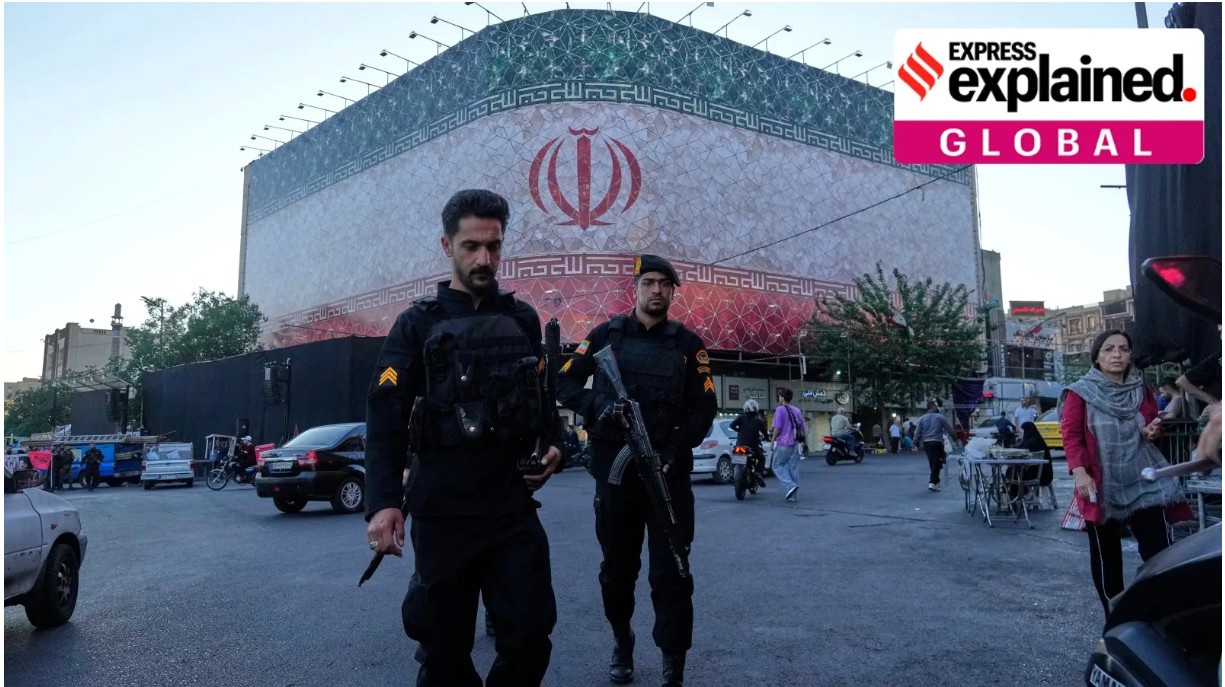
- 20 Jun 2026
In News:
The United States and Iran have announced a framework peace deal to end nearly four months of conflict that began after the US–Israel strikes on Iran in February 2026. The Memorandum of Understanding (MoU), to be formally signed in Switzerland, seeks to restore regional stability, reopen the Strait of Hormuz, and establish a roadmap for a comprehensive nuclear agreement.
Background
The conflict originated with coordinated US–Israeli strikes targeting Iran's strategic infrastructure, including its nuclear facilities. The war resulted in significant casualties, disruption of global energy markets, and heightened instability across West Asia. A fragile ceasefire announced in April 2026 culminated in the present framework agreement after sustained diplomatic mediation by Pakistan, Qatar, Saudi Arabia, and Türkiye.
Key Provisions of the Framework Agreement
Security and Military Measures
The agreement provides for a permanent ceasefire across all fronts, including Lebanon, and envisages a gradual reduction of military tensions.
Major provisions include:
- Withdrawal of the US naval blockade on Iranian ports.
- Gradual pullback of US forces from areas surrounding Iran.
- Commitment by the United States not to expand its regional military deployment or impose additional sanctions during the implementation period.
- Final agreement to receive approval through a United Nations Security Council (UNSC) Resolution.
Reopening of the Strait of Hormuz
Iran has agreed to immediately reopen the Strait of Hormuz for international commercial shipping under its own administrative arrangements.
The Strait remains one of the world's most strategic maritime chokepoints, carrying nearly 20% of globally traded crude oil, making its reopening critical for stabilizing global energy markets and maritime trade.
Economic Provisions
The agreement seeks to revive Iran's economy through phased economic relief:
- Release of USD 24 billion of Iranian frozen assets.
- Temporary waiver of selected oil and energy-related sanctions.
- Negotiation of a proposed USD 300 billion reconstruction package within sixty days.
- Comprehensive economic negotiations will begin after partial implementation of these commitments.
Nuclear Issue Deferred
Rather than resolving the nuclear issue immediately, both countries agreed to maintain the status quo.
Iran reiterated that it would not produce nuclear weapons and agreed not to expand uranium enrichment pending negotiations on a comprehensive nuclear agreement within 60 days. Thus, the most contentious issue has been deferred for subsequent negotiations.
The 60-Day Implementation Period
The framework establishes a 60-day verification and implementation window, considered crucial for determining whether a durable peace agreement can emerge.
Its success will depend upon:
- Effective restraint on further military escalation.
- Timely withdrawal of the US naval presence.
- Release of frozen Iranian assets.
- Progress towards broader regional de-escalation.
Significance
The agreement marks a major diplomatic breakthrough in one of the world's most volatile regions. It has the potential to stabilize global energy markets, reduce geopolitical tensions in West Asia, and revive negotiations on Iran's nuclear programme under a diplomatic framework.
For India, regional stability is strategically significant because:
- The Strait of Hormuz is the principal route for India's crude oil imports from the Persian Gulf.
- Stability supports India's energy security, reduces freight and insurance costs, and safeguards Indian seafarers operating in the region.
- Improved regional conditions facilitate connectivity initiatives such as the Chabahar Port, which is central to India's engagement with Central Asia and Afghanistan.
- Peace in the region also contributes to broader stability in India's extended neighbourhood and global energy supply chains.
India–Slovakia Comprehensive Partnership

- 19 Jun 2026
In News:
Prime Minister Narendra Modi paid a historic visit to Bratislava, becoming the first Indian Prime Minister to visit Slovakia since its independence in 1993. During the visit, India and Slovakia elevated their bilateral ties to a Comprehensive Partnership, marking a new phase in cooperation across defence, technology, trade, digital innovation, labour mobility, and multilateral affairs.
India–Slovakia Relations
India established diplomatic relations with Slovakia in 1993, following the peaceful dissolution of Czechoslovakia into the Czech Republic and Slovakia. Prior to this, India maintained close ties with Czechoslovakia, one of the earliest countries to recognize independent India.
The relationship is founded on shared democratic values, pluralism, support for a rules-based international order, and commitment to multilateralism. As a member of the European Union (EU) and NATO, Slovakia has emerged as an important partner for India's engagement with Central Europe and has consistently supported stronger India–EU cooperation, including the India–EU Free Trade Agreement (FTA) and India's candidature for permanent membership of the UN Security Council (UNSC).
Major Outcomes of the Visit
Elevation to Comprehensive Partnership
The two countries upgraded their relationship to a Comprehensive Partnership, providing an institutional framework for deeper cooperation based on shared trust, strategic convergence, and long-term engagement.
Defence Cooperation
A Letter of Intent (LoI) was signed to strengthen defence collaboration through:
- Joint development and production of defence equipment.
- Defence industrial cooperation.
- Enhanced strategic and security partnership.
Trade and Economic Cooperation
Economic ties have expanded steadily, with bilateral trade reaching €1.28 billion in 2024, compared to €858.1 million in 2023 and €711.9 million in 2022.
India's major exports include:
- Mobile phones
- Footwear
- Garments
- Automobile components
- Tyres
- Pharmaceuticals
- Electrical equipment
Major imports from Slovakia include:
- Motor vehicles
- Machinery
- Pumps
- Transmission shafts
- Measuring instruments
- Bearings
- Wires and cables
Both countries agreed to expand cooperation in automobiles, railways, precision manufacturing, electronics, green technologies, and investment, while emphasizing early implementation of the India–EU FTA.
Technology and Innovation
Technology emerged as a key pillar of the partnership.
Major initiatives include:
- MoU on Digital Technology to promote cooperation in Digital Public Infrastructure (DPI).
- Establishment of an India Chair on Artificial Intelligence at a Slovak university.
- Collaboration in space technology and civil nuclear energy, with Slovak companies invited to participate in India's expanding space sector.
Labour Mobility
Both sides signed an MoU on Labour Migration to facilitate legal mobility of skilled workers and agreed to conclude a Social Security Agreement, ensuring protection of workers' social security benefits while addressing Slovakia's growing labour shortages.
Counter-Terrorism Cooperation
India and Slovakia strongly condemned terrorism, including the Pahalgam terror attack (2025), and agreed to:
- Establish a Joint Working Group on Terrorism.
- Support adoption of the Comprehensive Convention on International Terrorism (CCIT) at the United Nations.
- Take action against UNSC 1267 Sanctions Committee-listed terrorists.
- Reject double standards and oppose state-sponsored terrorism.
Multilateral Cooperation
Both countries reaffirmed their commitment to:
- Reform of the United Nations, including expansion of the UN Security Council.
- Strengthening multilateralism and the rules-based international order.
- India's aspiration for permanent membership of the UNSC.
Significance for India
The Comprehensive Partnership elevates India's engagement with Central Europe, diversifies strategic partnerships within the European Union, and strengthens cooperation in defence manufacturing, digital technologies, AI, skilled workforce mobility, clean energy, and resilient supply chains. Slovakia's strategic location in Europe and its advanced manufacturing base complement India's Make in India, Digital India, and Atmanirbhar Bharat initiatives, while also reinforcing India's broader objective of deepening ties with Europe amid evolving geopolitical and economic dynamics.
Supreme Court-Appointed National Task Force (NTF) on Student Mental Health and Suicides
- 18 Jun 2026
In News:
The Supreme Court-appointed National Task Force (NTF) has submitted its interim report on student mental health and suicides, observing that student suicides are not merely individual mental health issues but reflect structural and institutional failures. The report calls for comprehensive reforms in higher educational institutions to address systemic causes of student distress.
About the National Task Force (NTF)
The National Task Force (NTF) was constituted by the Supreme Court in Amit Kumar & Ors. v. Union of India (2026) under the chairmanship of Justice S. Ravindra Bhat (Retd.), former Judge of the Supreme Court.
The Task Force was mandated to examine the causes of student suicides in higher educational institutions and recommend measures to strengthen institutional support systems and student well-being.
Key Findings of the Interim Report
The NTF concluded that student suicides are the outcome of multiple structural, social, academic, institutional and economic factors, rather than being solely attributable to mental health disorders.
Major findings include:
- Absence of a dedicated legal framework for suicide prevention in higher educational institutions, with existing measures largely limited to non-binding guidelines.
- Over 70% of institutions lack full-time mental health professionals, while less than 4% have structured suicide-risk management systems.
- Social exclusion and discrimination, particularly among SC, ST and OBC students, contribute to higher dropout rates and psychological distress.
- Significant mismatch between the diversity of the student population and faculty representation adversely affects inclusion and academic integration.
- Financial hardship, institutional discrimination and inadequate support mechanisms further increase student vulnerability.
Key Recommendations
The NTF has recommended a systemic approach centred on institutional accountability and student welfare.
Key recommendations include:
- Filling all faculty vacancies, including reserved-category posts, within three months, while ensuring that key administrative positions remain vacant for no more than one month.
- Making mandatory reporting of every student suicide by educational institutions to regulators and State nodal authorities, irrespective of where the death occurs.
- Ensuring 24×7 access to qualified medical and mental health professionals in all residential educational institutions.
- Directing the National Crime Records Bureau (NCRB) to maintain separate data on school and higher education student suicides to facilitate evidence-based policymaking.
Significance
The report shifts the discourse from viewing student suicides solely as individual mental health failures to recognising them as a governance, equity and institutional responsibility issue. Its recommendations aim to strengthen mental healthcare, improve inclusivity, enhance institutional accountability, and support vulnerable student groups. If implemented effectively, the recommendations could contribute significantly to creating safer, more equitable and supportive educational environments.
AI Data Centers and Environmental Friction
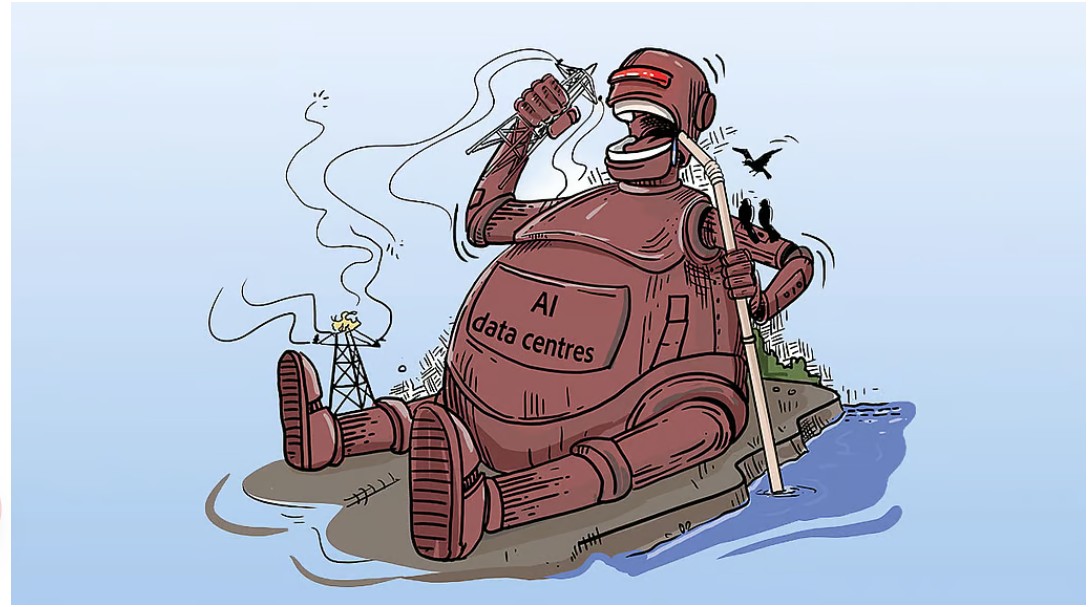
- 17 Jun 2026
In News:
Global opposition to the environmental impact of Artificial Intelligence (AI) data centres is intensifying. Communities across the United States, Europe, Latin America, and Southeast Asia are increasingly resisting hyperscale AI infrastructure due to concerns over excessive water consumption, electricity demand, land use, and ecological degradation.
What are AI Data Centres?
AI data centres are hyperscale computing facilities equipped with high-performance processors designed to train, deploy, and operate Artificial Intelligence and machine learning models. Unlike conventional data centres that mainly store and process digital information, AI data centres require continuous, energy-intensive computing to handle billions of computations every second, resulting in significantly higher demand for electricity, cooling systems, and water.
Global Trends
Growing environmental concerns have led to increased scrutiny of AI infrastructure worldwide.
- In 2025, community protests reportedly delayed or blocked AI data centre projects worth about USD 152 billion.
- The European Union is encouraging smaller, energy-efficient regional data centres powered by renewable energy and waste-heat recovery.
- Several US States have introduced stricter approval processes and resource-impact assessments before permitting hyperscale facilities.
India's AI Data Centre Expansion
India is positioning itself as a major AI infrastructure hub.
- The Adani Group has announced plans to invest USD 100 billion in developing a 5 GW AI infrastructure platform by 2035.
- Google and the Adani Group are jointly establishing a 2 GW hyperscale data centre in Visakhapatnam, expected to be India's largest AI data centre.
- The project has been allotted 480 acres of land in a coastal zone, raising concerns regarding ecological sensitivity.
Environmental Concerns
AI data centres generate several environmental challenges:
- Extremely high electricity consumption, increasing pressure on already stressed power grids.
- Heavy water requirements for cooling, potentially affecting local drinking water availability.
- Land conversion in ecologically fragile coastal areas, agricultural land, and orchards.
- Increased heat generation, noise, and light pollution, affecting local ecosystems.
- Granting of utility subsidies and reported waivers from Environmental Impact Assessment (EIA) requirements for certain projects has raised concerns regarding environmental governance.
Challenges for India
India faces additional constraints owing to:
- Existing water scarcity and rising energy demand.
- Limited long-term local employment generated by highly automated hyperscale facilities.
- Balancing digital infrastructure growth with environmental sustainability.
- Need for stronger regulatory oversight of resource-intensive technology projects.
Way Forward
India should ensure that AI infrastructure development aligns with the principles of sustainable development by:
- Mandating comprehensive Environmental Impact Assessments (EIAs) for large AI data centres.
- Promoting renewable energy, water-efficient cooling technologies, and wastewater recycling.
- Rationalising electricity and water subsidies for resource-intensive projects.
- Encouraging distributed regional data centres rather than concentrating hyperscale facilities in ecologically sensitive areas.
- Establishing transparent standards for sustainable digital infrastructure while supporting India's AI ambitions.
Prime Minister's State Visit to Seychelles
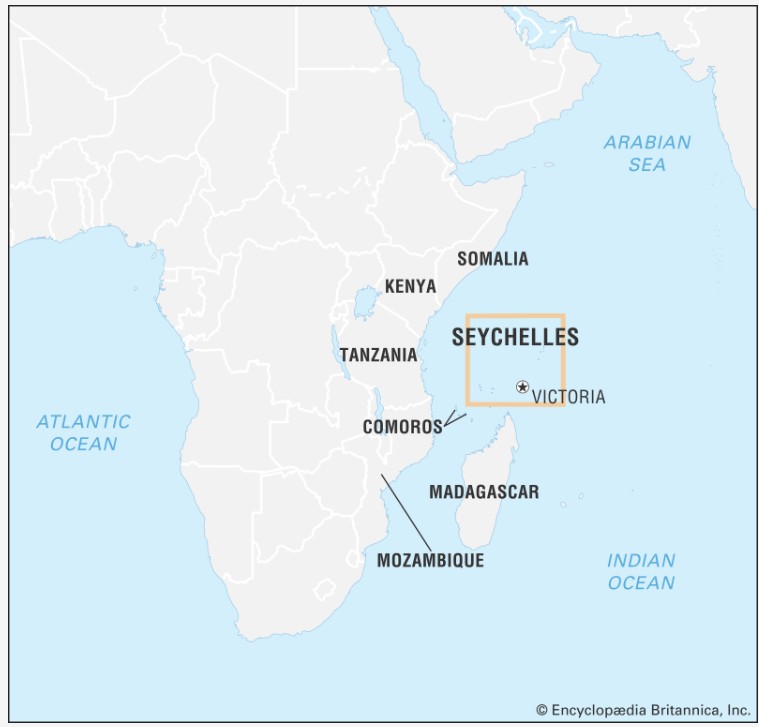
- 28 Jun 2026
In News:
The Prime Minister of India paid a State Visit to Seychelles as the Guest of Honour for the country's 50th National Day (Golden Jubilee of Independence) celebrations. The visit also marked 50 years of India–Seychelles diplomatic relations, during which both countries unveiled a commemorative logo celebrating five decades of bilateral ties.
Key Outcomes of the Visit
India and Seychelles signed several agreements covering digital payments, healthcare, defence, maritime cooperation, space, agriculture and capacity building, reflecting the growing strategic partnership between the two countries.
A major outcome was the agreement between NPCI International Payments Ltd. (NIPL) and the Central Bank of Seychelles to introduce the Unified Payments Interface (UPI) in Seychelles, promoting digital payments and financial inclusion. India also announced an umbrella Line of Credit worth ?1,250 crore in Indian Rupees to finance priority development projects.
In the health sector, agreements were signed to introduce the Pradhan Mantri Bhartiya Janaushadhi Pariyojana model in Seychelles through affordable generic medicines and to cooperate in developing a new Seychelles National Hospital.
The two countries also concluded an Extradition Treaty to strengthen cooperation against transnational crimes, including drug trafficking and financial fraud. An agreement on mutual recognition of seafarer certification will enable Indian seafarers to serve on Seychelles-flagged vessels.
Cooperation was further expanded through agreements on peaceful uses of outer space, agricultural research (2026–2031) between ICAR and Seychelles, and diplomatic training through collaboration between the Sushma Swaraj Institute of Foreign Service (SSIFS) and Seychelles' Ministry of Foreign Affairs.
India also handed over the Fast Patrol Vessel (FPV) PS LESPWAR, built by Goa Shipyard Limited, along with ambulances, utility vehicles and laser radial boats to strengthen Seychelles' maritime security and disaster response capabilities.
Strategic Importance of Seychelles for India
Seychelles occupies a strategically significant position in the Western Indian Ocean, close to major Sea Lanes of Communication (SLOCs) and maritime chokepoints. It plays an important role in India's maritime security, Blue Economy initiatives and Indo-Pacific strategy. The country is integrated into India's Coastal Surveillance Radar System (CSRS) network, with data linked to the Information Fusion Centre–Indian Ocean Region (IFC-IOR), enhancing maritime domain awareness. Seychelles also serves as a gateway for India's engagement with East Africa, the African Union (AU) and the Indian Ocean Commission (IOC).
Significance
The visit operationalises India's MAHASAGAR (Mutual and Holistic Advancement for Security and Growth Across Regions) vision by combining traditional development cooperation with digital, healthcare and maritime partnerships. It also reinforces India's role as a trusted development partner in the Indian Ocean Region while supporting regional stability, connectivity and sustainable development.
Infrastructure-Led Nation Building
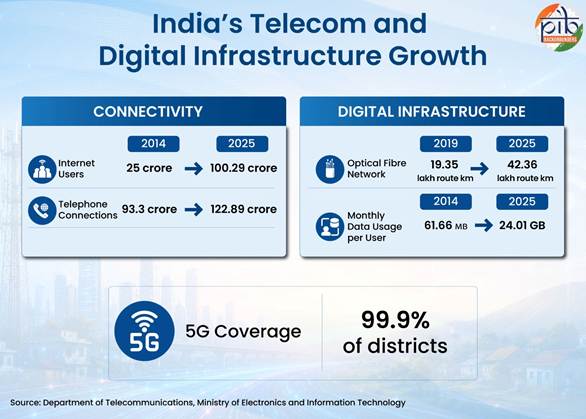
- 16 Jun 2026
In News:
The Press Information Bureau (PIB) has released a comprehensive report highlighting the transformation of India's physical, digital, financial and social infrastructure over the last twelve years. The report showcases progress across transport, logistics, housing, water, energy and Digital Public Infrastructure (DPI), reflecting the government's focus on infrastructure-led economic growth.
Infrastructure-Led Nation Building
Infrastructure has emerged as a key driver of economic integration, employment generation, ease of living and global competitiveness. India's approach has shifted from isolated projects to integrated, multimodal infrastructure planning, combining transport, logistics, digital connectivity and social infrastructure to support long-term economic development.
Key Achievements
Transport & Logistics
- Railway electrification increased from about 20% (pre-2014) to 99.6% (69,873 route km) by March 2026.
- 162 Vande Bharat and 60 Amrit Bharat Express services are operational.
- Kavach 4.0, India's indigenous Automatic Train Protection system, has been deployed over 3,103 route km and installed on 4,277 locomotives, reducing consequential train accidents from 135 (2014-15) to 16 (2025-26).
- India possesses the world's second-largest road network (63.73 lakh km), while four-lane and above National Highways expanded from 18,371 km (2014) to 45,516 km (2026).
- Under PMGSY, 99.6% of eligible rural habitations are now connected by all-weather roads.
Civil Aviation, Metro & Maritime
- Operational airports increased from 74 to 165 under the UDAN Scheme, benefiting 1.64 crore passengers across 665 routes.
- Digi Yatra has facilitated over 9.3 crore seamless passenger journeys across 38 airports.
- Metro rail network expanded from 248 km to over 1,155 km across 26 cities, making India home to the world's third-largest metro network.
- Major port capacity nearly doubled from 873 MMTPA to 1,726 MMTPA, while average cargo turnaround time reduced from 94 hours to 48.8 hours.
- Operational National Waterways increased from 5 to 111, with inland cargo movement rising from 29 MMT to 218 MMT.
Social Infrastructure & Energy
- Under Jal Jeevan Mission, rural tap water coverage increased from 17% (3.23 crore households) in 2019 to 81.94% (15.86 crore households) by June 2026.
- PMAY-Urban has completed 98.10 lakh houses out of 125.31 lakh sanctioned, with 96% registered in women's ownership. PMAY-Gramin has completed 3.06 crore houses.
- India's installed power generation capacity reached 532.74 GW, while the power deficit declined from 4.2% (2014) to 0.03% (2025-26).
- LPG coverage expanded from 55.9% to 107.2%, covering 33.39 crore consumers.
Digital Public Infrastructure (DPI)
- Internet connections increased to 100.29 crore, while average monthly data consumption rose from 61.66 MB (2014) to 24.01 GB (2025).
- The JAM Trinity now comprises over 144 crore Aadhaar numbers and 57.71 crore Jan Dhan accounts.
- UPI processed 2,264 crore transactions worth ?29.53 lakh crore in March 2026 and is operational in eight countries.
- Since 2015, PRAGATI has reviewed 382 projects worth over ?85 lakh crore, resolving 2,958 implementation bottlenecks.
Challenges
Despite significant progress, challenges remain in land acquisition, last-mile approvals, difficult Himalayan terrain, underutilisation of PM-WANI public Wi-Fi, and delays in infrastructure projects due to litigation and administrative coordination.
Way Forward
The focus should remain on expanding Kavach across the remaining railway network, achieving universal rural tap water coverage under the extended Jal Jeevan Mission, strengthening Infrastructure Investment Trusts (InvITs) for infrastructure financing, accelerating industrial infrastructure under the BHAVYA initiative, and expanding India's Digital Public Infrastructure, including UPI and DigiLocker, globally.
State Finance Commissions (SFCs)
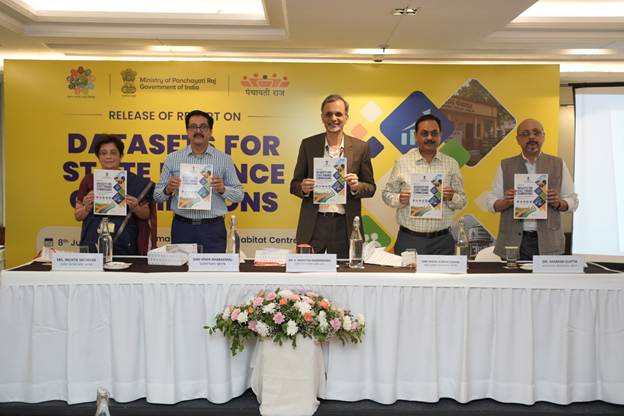
- 15 Jun 2026
In News:
The Ministry of Panchayati Raj (MoPR) released the Report on Datasets for State Finance Commissions (June 2026), highlighting critical data gaps affecting fiscal decentralisation and recommending reforms to improve the functioning of State Finance Commissions (SFCs).
State Finance Commission (SFC)
The State Finance Commission (SFC) is a constitutional body established through the 73rd and 74th Constitutional Amendment Acts, 1992 to strengthen fiscal decentralisation. It reviews the financial position of Panchayati Raj Institutions (PRIs) and Urban Local Bodies (ULBs) and recommends principles for the devolution of State finances.
Constitutional Provisions
- Article 243-I: Mandates every State to constitute an SFC every five years to review the finances of Panchayats.
- Article 243-Y: Extends the SFC's mandate to Municipalities.
- Article 280(3)(bb) & (c): Requires the Central Finance Commission (CFC) to recommend measures for augmenting State Consolidated Funds for local bodies based on SFC recommendations.
Major Functions
The SFC recommends:
- Distribution of State taxes, duties, tolls and fees between the State and local bodies.
- Allocation of resources among different tiers of PRIs and ULBs.
- Assignment of taxes and grants-in-aid.
- Measures to strengthen the financial position of local governments.
Key Findings of the MoPR Report
The report finds that poor quality and fragmented local government data remain one of the biggest obstacles to effective fiscal decentralisation.
Major Challenges
- Fragmented databases and absence of consolidated local accounts make expenditure analysis difficult.
- Shortage of trained accounting personnel at the Gram Panchayat level leads to incomplete and non-uniform financial records.
- The 15th Finance Commission observed an average delay of 16 months in submission of SFC reports.
- The 16th Finance Commission found many SFC reports inconsistent and unsuitable for framing central devolution recommendations.
Existing databases such as eGramSwaraj, Panchayat Advancement Index (PAI 2.0), Census and SECC 2011, and CAG audit reports suffer from issues of outdated information, inconsistent data entry, or inadequate Gram Panchayat-level granularity.
Key Recommendations
Strengthening Data Systems
- The report recommends creating Gram Panchayat-level digital databases with standardized accounting practices and restructuring the Panchayat Advancement Index (PAI) by classifying indicators based on needs, performance and backwardness.
- It also suggests integrating datasets through the Local Government Directory to enable uniform GP-level reporting.
Institutional Reforms
- Establish permanent SFC Cells within State Finance or Planning Departments.
- Create a national forum for knowledge sharing among SFCs.
- Request the Comptroller and Auditor General (CAG) to conduct a performance audit on the implementation of the 73rd Constitutional Amendment.
Budgetary & Reporting Reforms
- Introduce uniform accounting heads for all transfers to local bodies.
- Publish supplementary State Budget documents showing devolution up to the Gram Panchayat level.
- Adopt a common reporting format, as recommended by the 13th Finance Commission.
Capacity Building
The report recommends that NIRDPR undertake regular capacity-building programmes and document best practices, while NIPFP should prepare a comprehensive State Finance Commission Manual. It also proposes an Expert Group comprising MoPR, MoSPI, MoHUA and NITI Aayog to strengthen India's local statistics ecosystem.
Issues with State Finance Commissions
- Delayed constitution and submission of reports.
- Weak implementation of SFC recommendations by States.
- Inadequate fiscal autonomy of local bodies.
- Poor quality, fragmented and outdated data.
- Limited technical and institutional capacity.
Significance
Robust and timely SFC recommendations are essential for strengthening cooperative federalism, ensuring predictable fiscal transfers, improving local governance, and achieving the objectives of the 73rd and 74th Constitutional Amendments. Reliable local-level data will also enable evidence-based resource allocation and improve accountability in Panchayati Raj Institutions.
Way Forward
Strengthening the local government data ecosystem through standardised accounting, digital integration, capacity building, timely SFC constitution and improved institutional coordination is crucial for deepening fiscal decentralisation. Implementing these reforms will empower Panchayats and Urban Local Bodies to deliver public services more effectively and realise the constitutional vision of grassroots democracy.
Farmer Producer Organisations (FPOs) and Climate-Resilient Agriculture
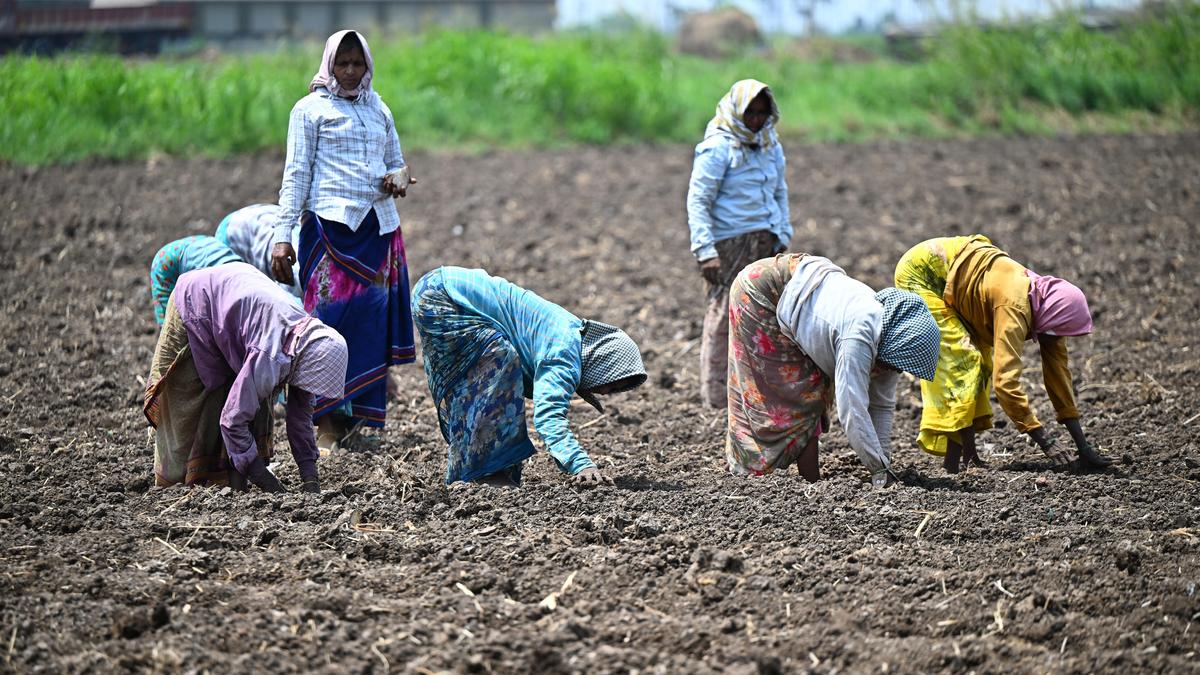
- 31 May 2026
In News:
With the India Meteorological Department (IMD) forecasting a weaker southwest monsoon during 2026 due to El Niño conditions, the Union Ministry of Agriculture and Farmers' Welfare has initiated contingency measures to safeguard the kharif season. A key component of this strategy is leveraging the nationwide network of 10,000 Farmer Producer Organisations (FPOs) to disseminate climate-resilient farming practices, encourage cultivation of drought-resistant crops, and strengthen farmers' preparedness against rainfall deficits.
What are Farmer Producer Organisations (FPOs)?
Farmer Producer Organisations (FPOs) are collective institutions formed primarily by small and marginal farmers to improve their economic position through aggregation, collective marketing and better access to technology, finance and agricultural services. Registered either as Producer Companies under the Companies Act or Cooperative Societies under State Cooperative Acts, FPOs combine the professional management of corporate entities with the democratic governance of cooperatives. This enables farmers to pool resources, reduce production costs, negotiate better prices and participate more effectively in agricultural value chains.
Objectives of FPOs
The primary objective of FPOs is to overcome the limitations of fragmented landholdings by promoting collective action. They aggregate farmers' produce to improve market access, enhance bargaining power while purchasing inputs and selling produce, facilitate institutional credit and insurance, promote value addition and processing, provide technical guidance, and encourage adoption of modern and climate-resilient agricultural technologies. In doing so, FPOs improve both farm profitability and long-term sustainability.
Government Initiatives to Promote FPOs
- Recognising their importance, the Government launched the Central Sector Scheme for Formation and Promotion of 10,000 FPOs in 2020 with a financial outlay of ?6,865 crore. The scheme aims to establish and nurture 10,000 new FPOs by 2027-28.
- The scheme provides financial assistance of up to ?18 lakh over three years for management and capacity building, an Equity Grant of up to ?15 lakh, and a Credit Guarantee Facility up to ?2 crore to improve institutional credit access. It follows a Cluster-Based Business Organisation (CBBO) approach and is implemented through agencies such as NABARD, SFAC, NCDC and various State-level institutions.
- The scheme is complemented by initiatives like NABARD's Producer Organisation Development Fund (PODF), SFAC's Equity Grant and Credit Guarantee Scheme, the ?1 lakh crore Agricultural Infrastructure Fund (AIF), and support under the Mission for Integrated Development of Horticulture (MIDH).
Current Status
The FPO movement has expanded significantly in recent years. More than 10,000 FPOs have already been formed across the country, representing over 63 lakh farmer members. These organisations are engaged in crop cultivation, horticulture, dairy, fisheries, beekeeping and other allied agricultural activities, making them an important institutional pillar for rural development.
Monsoon Outlook and Need for Climate Resilience
The IMD has projected that the Southwest Monsoon (June–September) 2026 is likely to be 90% of the Long Period Average (LPA), with a model error of ±4%. The LPA for the country, calculated using the 1971–2020 dataset, is 87 cm.
More importantly, rainfall over the Monsoon Core Zone is expected to remain below normal (less than 94% of LPA). This zone includes major rain-fed agricultural states such as Maharashtra, Gujarat, Rajasthan, Madhya Pradesh, Chhattisgarh, Jharkhand, Karnataka, Telangana and Odisha, where crop production is highly dependent on timely monsoon rainfall.
Government's Strategy Through FPOs
To reduce the impact of a weak monsoon, the Ministry has prepared a comprehensive list of 10,000 FPOs already practising climate-resilient agriculture. These organisations are being used as demonstration centres to spread awareness and encourage adoption of sustainable farming practices.
The Ministry is organisingdaily state-wise webinars on natural farming and climate-smart agriculture while promoting mulching, drip irrigation, mixed cropping, and cultivation of drought-resistant crops, particularly millets and pulses. This institutional approach allows successful practices to be replicated rapidly across farming communities.
Climate-Resilient Practices Being Promoted
Among the various interventions, mulching has emerged as one of the most effective low-cost technologies. By covering the soil with crop residues or other organic material, mulching reduces evaporation losses, conserves soil moisture, suppresses weeds and improves soil fertility, enabling crops to withstand prolonged dry spells.
The Ministry is also encouraging farmers to diversify towards crops that require less water. Millets such as ragi, jowar and bajra, along with pulses like moong, urad and horse gram (kulthi), are naturally drought tolerant and better suited to uncertain rainfall conditions. Mixed cropping is being promoted simultaneously to reduce production risks and improve farm resilience.
Jharkhand: A Model for Climate-Resilient Farming
The government's strategy is already reflected in the work of several FPOs in Jharkhand. The Torpa Mahila Krishi Bagwani Swavlambi Sahkari Samiti Limited in Khunti district, comprising nearly 4,000 farmers, has adopted natural mulching using straw and gunny bags. Anticipating deficient rainfall, its members are shifting from water-intensive paddy cultivation to millets and pulses during the Kharif 2026 season while motivating neighbouring farmers to adopt similar practices.
Similarly, the Senem Nirem Farmer Producer Company Limited has successfully implemented natural mulching techniques that improve soil moisture retention through inexpensive interventions, helping crops survive extended dry periods.
Significance
Farmer Producer Organisations have evolved beyond being marketing institutions and are increasingly becoming vehicles for agricultural transformation. They empower small and marginal farmers, who constitute nearly 86% of India's farming population, by improving market access, reducing dependence on intermediaries, facilitating adoption of modern technology and ensuring effective delivery of government schemes.
The current strategy demonstrates that FPOs can also serve as critical institutions for climate adaptation, enabling rapid dissemination of climate advisories, promotion of sustainable farming practices and diversification towards resilient cropping systems. As climate variability becomes more frequent, strengthening FPOs will be essential for ensuring agricultural sustainability, improving farmer incomes and enhancing India's food security.
Assam Uniform Civil Code (UCC) Bill, 2026
- 30 May 2026
In News:
The Assam Legislative Assembly passed the Uniform Civil Code (UCC) Assam Bill, 2026, making Assam the first State in Northeast India and the third State in the country (after Goa and Uttarakhand) to implement a Uniform Civil Code. The legislation seeks to establish a uniform civil framework governing marriage, divorce, inheritance, maintenance, and live-in relationships, while exempting Scheduled Tribes (STs) to protect their customary laws.
What is the Uniform Civil Code (UCC)?
The Uniform Civil Code (UCC) refers to a common set of civil laws governing marriage, divorce, inheritance, succession, adoption, maintenance, alimony, and child custody, irrespective of religion, gender, or community. The objective is to replace religion-based personal laws with a uniform legal framework, thereby promoting equality before law and ensuring uniform civil rights.
The constitutional basis of the UCC lies in Article 44 under the Directive Principles of State Policy (DPSPs), which directs the State to endeavour to secure a Uniform Civil Code for all citizens. Although non-justiciable, Article 44 reflects the constitutional vision of promoting national integration and equal civil rights.
At present, India follows a system of religion-specific personal laws. Hindus, Sikhs, Jains and Buddhists are governed by the Hindu Code Acts, Muslims by the Muslim Personal Law (Shariat) Application Act, 1937, while Christians and Parsis have separate personal laws. Goa remains the only State with a long-standing common civil code applicable across communities.
Key Provisions of the Assam UCC Bill, 2026
The Bill seeks to create a uniform civil framework by eliminating discriminatory personal law practices while introducing greater legal certainty.
It prohibits polygamy and bigamy, making such marriages punishable with imprisonment of up to seven years under Section 82 of the Bharatiya Nyaya Sanhita (BNS), 2023.
For the first time, the Bill provides a statutory framework for live-in relationships by making their registration mandatory within one month, with non-compliance attracting penalties. At the same time, it safeguards vulnerable partners by recognizing the legitimacy of children born from such relationships and allowing deserted women to claim maintenance.
The legislation also standardizes marriage and divorce laws by prescribing a minimum marriage age of 21 years for men and 18 years for women, while making registration of marriages and divorces compulsory within 60 days. It replaces the Assam Compulsory Registration of Muslim Marriages and Divorces Act, 2024, with a common registration framework.
Another significant reform is the introduction of gender-neutral inheritance rules, ensuring equal succession rights for spouses, children, and parents, irrespective of religious identity.
Why are Scheduled Tribes Exempted?
A notable feature of the Bill is the complete exemption granted to Scheduled Tribes (STs) residing in Assam.
This exemption recognizes the constitutional protection already available to tribal communities. The Sixth Schedule grants autonomy to tribal areas such as Bodoland, Karbi Anglong, and Dima Hasao, while Articles 371A and 371G protect the customary laws and social practices of Nagaland and Mizoram, respectively.
The exemption seeks to preserve tribal customs relating to marriage, inheritance, and land ownership, reflecting India's commitment to "unity in diversity" while simultaneously reforming the general civil law framework.
Judicial Stand on the UCC
The Supreme Court has repeatedly emphasized the need for a Uniform Civil Code while highlighting gender justice and constitutional equality.
- Mohd. Ahmed Khan v. Shah Bano Begum (1985): Observed that Article 44 has remained a "dead letter" and urged the State to implement a UCC.
- Sarla Mudgal v. Union of India (1995) and John Vallamattom v. Union of India (2003): Reiterated the importance of a common civil code.
- Shayara Bano v. Union of India (2017): Declared triple talaq unconstitutional, reinforcing gender equality in personal laws.
- Jose Paulo Coutinho v. Maria Luiza Valentina Pereira (2019): Praised the Goa Civil Code as a model of uniform civil legislation.
Arguments For and Against the UCC
Supporters argue that the UCC promotes gender justice, equality before law, secularism, and national integration by replacing discriminatory personal laws with a common legal framework. Uniform inheritance rights, prohibition of polygamy, and equal treatment of women are viewed as important constitutional reforms that fulfil the vision of Article 44.
Critics, however, contend that a uniform code may infringe upon the freedom of religion under Article 25, as personal laws are closely linked to religious identity. Mandatory registration of live-in relationships has also raised concerns regarding the Right to Privacy under Article 21, particularly in light of the Justice K.S. Puttaswamy (2017) judgment. Others argue that social acceptance, administrative capacity, and the diversity of customary practices remain major implementation challenges.
Way Forward
The implementation of a Uniform Civil Code requires a balanced and gradual approach that reconciles constitutional values with India's cultural diversity. Codifying existing personal laws, as recommended by the 21st Law Commission (2018), could serve as an important first step toward eliminating discriminatory provisions. Simultaneously, reforms should evolve through broad stakeholder consultation, ensuring that gender justice, religious freedom, and tribal autonomy are harmoniously balanced.
The State should also review provisions relating to mandatory registration of live-in relationships to ensure they do not infringe upon individual privacy, while encouraging dialogue with tribal institutions to gradually reform discriminatory customary practices without undermining their cultural identity.
Four-Dimensional Grid’ Border Security Model
- 29 May 2026
In News:
In a significant step towards enhancing India's border security architecture, the Union Home Minister proposed the Four-Dimensional Grid Border Security Model during his visit to the Sanchu Border Outpost in Rajasthan along the India–Pakistan border. The proposed framework seeks to establish a comprehensive, technology-driven, and community-oriented border management system capable of addressing emerging security challenges such as infiltration, cross-border terrorism, drone intrusions, narcotics trafficking, and arms smuggling.
The proposal reflects India's evolving approach to border management, which increasingly combines military preparedness with technological innovation, civil administration, and community participation.
What is the Four-Dimensional Grid Border Security Model?
The Four-Dimensional Grid is a proposed integrated border security framework designed to create a multi-layered and coordinated defence mechanism along India's international borders.
Unlike conventional border guarding that relies primarily on security forces, the model envisages seamless coordination among multiple stakeholders, including:
- Border Security Force (BSF)
- Indian Army
- District and local administration
- Cyber surveillance and intelligence agencies
- Border residents and local communities
The objective is to create an interconnected security ecosystem capable of preventing, detecting, and responding rapidly to both conventional and emerging cross-border threats.
Objectives of the Model
The proposed framework seeks to:
- Establish foolproof border security against infiltration and cross-border terrorism.
- Prevent narcotics trafficking, arms smuggling, and illegal migration.
- Counter emerging threats from drones and cyber-enabled reconnaissance.
- Improve coordination among security agencies and civil administration.
- Enhance community participation in border management.
- Promote rapid intelligence sharing and integrated response mechanisms.
Key Features
1. Integrated Security Coordination
The model brings together the BSF, Army, civil administration, intelligence agencies, cyber units, and border communities under a unified operational framework. This integrated approach aims to eliminate institutional silos and improve operational efficiency during emergencies.
2. Multi-Layered Defence Against Emerging Threats
The framework is designed to address both traditional and non-traditional security threats, including:
- Cross-border infiltration.
- Terrorist movement.
- Arms and narcotics smuggling.
- Illegal migration.
- Reconnaissance and weaponized drones.
By combining surveillance, intelligence, and field operations, the model seeks to strengthen preventive as well as response capabilities.
3. Technology and Cyber Surveillance
Technology forms a central pillar of the Four-Dimensional Grid.
The framework proposes integrating:
- Drone detection and counter-drone systems.
- Cyber surveillance.
- Advanced communication networks.
- Real-time intelligence sharing.
- Digital monitoring platforms.
These technologies will improve situational awareness, facilitate quicker decision-making, and enable coordinated responses to security incidents.
4. Community Participation and Border Development
A distinctive feature of the model is the recognition of border residents as important stakeholders in national security.
The framework seeks to complement the Vibrant Villages Programme, which focuses on improving roads, telecommunications, electricity, public services, and livelihood opportunities in border villages. Better infrastructure and economic development are expected to reduce migration from border areas while encouraging local communities to actively participate in surveillance and information sharing.
Significance
The Four-Dimensional Grid represents a shift towards Integrated Border Management (IBM), where national security is viewed as a combination of military preparedness, technological capability, institutional coordination, and socio-economic development.
Its major significance includes:
- Strengthening India's preparedness against evolving hybrid warfare.
- Improving coordination between military and civilian agencies.
- Enhancing surveillance through advanced technologies.
- Encouraging intelligence-led border management.
- Promoting community-based security mechanisms.
- Supporting border area development alongside strategic objectives.
The model is particularly relevant in view of increasing drone-based smuggling, cross-border infiltration attempts, and cyber-enabled security threats along India's western and northern borders.
Challenges
Successful implementation would require:
- Seamless coordination among multiple agencies.
- Robust cybersecurity infrastructure.
- Continuous technological upgrades.
- Capacity building of security personnel.
- Active participation of border communities.
- Adequate financial and administrative support.
Balancing security imperatives with the socio-economic needs of border populations will also remain an important policy consideration.
Conclusion
The proposed Four-Dimensional Grid Border Security Model represents a holistic approach to securing India's borders by integrating defence forces, technology, governance, and local communities. As the nature of border threats becomes increasingly multidimensional, the framework seeks to move beyond traditional border guarding towards intelligence-driven, technology-enabled, and community-supported border management. If effectively implemented, it has the potential to significantly strengthen India's national security architecture while promoting sustainable development in border regions.
Securing India’s Critical National Infrastructure in the Age of Cyber Warfare
- 28 May 2026
In News:
India’s rapid digital transformation has significantly enhanced efficiency across sectors such as energy, transportation, banking, telecommunications, healthcare, and governance. However, the increasing integration of the Internet of Things (IoT), Artificial Intelligence (AI), Operational Technology (OT), and Information Technology (IT) networks has simultaneously expanded the country's vulnerability to cyber threats. As critical infrastructure becomes increasingly interconnected, protecting it has emerged as a key national security priority.
Understanding Critical National Infrastructure
Critical National Infrastructure (CNI) refers to the essential physical assets, digital systems, networks, and services whose disruption, destruction, or compromise would severely affect public safety, economic stability, governance, and national security. These systems form the backbone of a nation’s socio-economic functioning and therefore require the highest levels of protection.
India’s critical infrastructure spans multiple sectors:
- Energy Sector: Power grids, thermal and nuclear plants, solar parks, load dispatch centres, and transmission networks.
- Transportation Systems: Air traffic control systems, railway signalling networks, ports, logistics hubs, and highway toll infrastructure.
- Banking and Financial Services: RBI-operated payment systems, NEFT, RTGS, stock exchanges, and banking servers.
- Telecommunications and IT: Data centres, satellite communication networks, cellular infrastructure, and undersea cable landing stations.
- Public Utilities and Essential Services: Water treatment plants, oil and gas pipeline networks, hospitals, and police communication systems.
Growing Cybersecurity Risks
Globally, cyberattacks targeting critical infrastructure sectors have increased dramatically, with attacks on energy and transport systems reportedly rising by over 140% in recent years. India’s expanding digital ecosystem faces similar challenges.
One of the biggest vulnerabilities arises from the convergence of IT, OT, and IoT systems. Industrial control systems that were once isolated are now connected to broader networks for monitoring and automation. While this improves operational efficiency, it also creates entry points for malicious actors. A breach in an IT network can potentially allow attackers to manipulate physical infrastructure such as power grids, industrial machinery, or pipeline valves.
Another challenge is the use of imported hardware and software components in sensitive sectors. Weak procurement standards and inadequate verification mechanisms may allow compromised or poorly secured equipment to enter critical networks. Additionally, many public sector entities continue to rely on basic compliance audits rather than advanced firmware-level security assessments, increasing exposure to hidden vulnerabilities.
The emergence of state-sponsored cyber warfare further complicates the threat landscape. Modern cyber conflicts increasingly target civilian infrastructure through malware, logic bombs, ransomware, and supply-chain attacks, with the objective of causing large-scale disruption without conventional military engagement.
India's Institutional Response
Recognising these risks, India has established a robust cybersecurity architecture.
The National Critical Information Infrastructure Protection Centre (NCIIPC), established under Section 70A of the Information Technology Act, serves as the nodal agency for protecting critical information infrastructure. It works alongside the Indian Computer Emergency Response Team (CERT-In), which handles incident response, threat monitoring, and cybersecurity advisories.
To strengthen telecom security, India has introduced the Trusted Telecom Portal, which mandates procurement of network equipment only from verified and trusted sources. The Standardisation Testing and Quality Certification (STQC) Directorate has also enhanced hardware testing mechanisms to detect hidden vulnerabilities in imported IoT devices, sensors, and surveillance equipment.
The Way Forward
As India moves towards becoming a digitally empowered economy, cybersecurity must be viewed as a strategic pillar of national security. Key priorities include adopting Zero-Trust Architecture, strengthening procurement standards, expanding STQC testing capacity, deploying AI-based threat detection systems, and conducting regular joint cyber defence exercises involving government agencies, armed forces, and private operators.
Conclusion
The future of India’s economic growth, governance, and national security increasingly depends on the resilience of its critical infrastructure. While digital technologies such as AI, IoT, and automation offer immense opportunities, they also create new vulnerabilities. Securing Critical National Infrastructure requires a comprehensive approach that combines technological safeguards, institutional preparedness, regulatory reforms, and continuous vigilance. In the emerging era of cyber warfare, protecting critical infrastructure is not merely an IT challenge but a fundamental requirement for safeguarding India's sovereignty and strategic interests.
Land Pooling Scheme

- 27 May 2026
In News:
Rajasthan has announced its first-ever Land Pooling Scheme, signalling a shift towards more participatory methods of land assembly for infrastructure, urban development, roads and public utilities. The move is significant because land acquisition has long been one of the biggest obstacles to infrastructure development in India, often resulting in delays, litigation and social resistance.
What is Land Pooling?
Land pooling is a voluntary mechanism under which a group of landowners surrender their land to a development authority for planned urban development. The authority develops infrastructure such as roads, drainage systems, water supply networks, public spaces and social amenities. After development, a portion of the land is retained for public purposes, while the remaining land is returned to the original owners as serviced plots.
Unlike conventional land acquisition, where ownership is permanently transferred to the government in exchange for compensation, land pooling allows owners to remain stakeholders in the development process. Although they receive a smaller parcel of land, its value increases substantially because of the infrastructure created around it.
Typically, 25–45% of pooled land is used for public infrastructure, while 55–75% is returned to landowners as developed plots.
Why Has Land Acquisition Become Problematic?
Land acquisition in India is governed by the Right to Fair Compensation and Transparency in Land Acquisition, Rehabilitation and Resettlement (RFCTLARR) Act, 2013. The Act introduced important safeguards such as Social Impact Assessment (SIA), enhanced compensation, rehabilitation measures and consent requirements of 70% for PPP projects and 80% for private projects.
While these provisions strengthened landowner rights, they also increased project costs and timelines. Large infrastructure projects frequently face delays because of compensation disputes, legal challenges, rehabilitation concerns and resistance from affected communities. In many cases, governments are required to spend enormous sums on compensation before development can even begin.
How Does Land Pooling Address These Challenges?
Land pooling changes the relationship between the state and landowners from one of acquisition to partnership. Since participation is voluntary, the likelihood of prolonged litigation and social conflict is significantly reduced.
The model also lowers the financial burden on governments because authorities do not have to make large upfront compensation payments. Instead, infrastructure costs are gradually recovered through increased land values and development charges.
Another important advantage is that landowners are not displaced from their local communities. They continue to remain in the same area and benefit directly from urbanization. In many cases, the market value of the developed plot received after pooling far exceeds the value of the original undeveloped land.
Lessons from Existing Models
India already has successful examples of land pooling. The Gujarat Town Planning Scheme (TPS), implemented under the Gujarat Town Planning and Urban Development Act, 1976, has facilitated planned urban expansion across more than 1,000 sq km in cities such as Ahmedabad, Surat, Vadodara and Gandhinagar. Similarly, Guwahati adopted a modified version of land pooling by reducing land contribution requirements to 12–15%, making the scheme more acceptable to local stakeholders.
Challenges and the Way Forward
Despite its advantages, land pooling requires accurate land records, GIS-based mapping, transparent valuation mechanisms and strong planning institutions. Protection of tenants, agricultural labourers and other vulnerable groups remains an important concern. Delays in infrastructure creation can also undermine public confidence in the scheme.
Going forward, states need to accelerate land record digitization, establish transparent benefit-sharing frameworks and ensure timely project implementation. If effectively designed, land pooling can become a sustainable solution to India's growing infrastructure and urbanization needs.
Conclusion
Land pooling represents an important evolution in India's land governance framework. By replacing compulsory acquisition with voluntary participation, it reduces conflict, lowers fiscal costs and allows landowners to share the benefits of development. As India urbanizes rapidly, the model offers a balanced approach that combines infrastructure creation with social acceptance and economic inclusion.
SUMAN Roadmap 2030
- 29 Jun 2026
In News:
The Union Ministry of Health & Family Welfare has released the SUMAN Roadmap 2030 during the 16th Conference of the Central Council of Health and Family Welfare (CCHFW). The roadmap provides a comprehensive strategy to accelerate progress towards the Sustainable Development Goal (SDG) 3 targets by reducing maternal, neonatal and infant mortality through evidence-based and state-specific interventions.
What is SUMAN Roadmap 2030?
The SUMAN Roadmap 2030 is a national strategic framework aimed at strengthening maternal and newborn healthcare across the continuum of care. Developed under the RMNCHA N (Reproductive, Maternal, Newborn, Child, Adolescent Health and Nutrition) framework, it adopts a life-cycle approach, integrating interventions from pre-pregnancy to postnatal care.
Unlike a uniform national strategy, the roadmap proposes customised and differentiated interventions based on the specific needs of States and districts, particularly those with a high maternal and newborn disease burden.
Objectives
The Roadmap seeks to:
- Accelerate progress towards SDG-3 targets.
- Reduce Maternal Mortality Ratio (MMR) to below 70 per 100,000 live births by 2030.
- Reduce Neonatal Mortality Rate (NMR) and Infant Mortality Rate (IMR).
- Achieve universal coverage of quality maternal and newborn healthcare services.
- Eliminate preventable maternal and newborn deaths.
Key Features
Life-Cycle Approach
The roadmap integrates healthcare services across:
- Pre-pregnancy care
- Antenatal care
- Intrapartum (delivery) care
- Postnatal care
It also converges with child health, adolescent health, family planning and nutrition under the RMNCHA N framework.
High-Risk Pregnancy Management
A structured four-stage framework has been introduced for early identification and continuous monitoring of:
- Antenatal high-risk pregnancies
- Third-trimester high-risk pregnancies
- Intrapartum high-risk pregnancies
- Postnatal high-risk mothers
This aims to ensure timely referral and specialised care.
Targeted Interventions
- The roadmap prioritises 130 districts across 13 high-focus States: Assam, Bihar, Chhattisgarh, Haryana, Jharkhand, Karnataka, Madhya Pradesh, Odisha, Punjab, Rajasthan, Uttar Pradesh, Uttarakhand and West Bengal.
Key interventions include:
- SUMAN Package for Pregnant Women promoting early registration, complete antenatal care and adequate post-partum institutional stay.
- Bi-weekly ASHA home visits during the eighth and ninth months for danger-sign screening, nutrition counselling and birth preparedness.
- Financial support for a designated caregiver during the postnatal period.
- Strengthened referral transport for obstetric emergencies.
- Establishment of Birth Waiting Homes (BWHs), Maternal & Child Health (MCH) Wings, High Dependency Units (HDUs) and ICUs in underserved areas.
Strategies for All States & UTs
The roadmap also proposes nationwide measures such as:
- Pre-pregnancy folic acid supplementation.
- Comprehensive interventions to address maternal anaemia and undernutrition.
- Improved tracking of high-risk pregnancies.
- Strengthening maternal and newborn healthcare services across all levels.
Community Participation
Recognising the importance of community ownership, the roadmap introduces:
- SUMAN Panchayat to promote:
- Zero preventable maternal deaths
- Zero infant deaths
- Universal antenatal care
- Institutional deliveries
- Full immunisation
- Mothers' Picnic, a community awareness platform encouraging healthy maternal and newborn care practices.
Technology & Innovation
The roadmap leverages technology to improve service delivery through:
- AI-enabled labour rooms
- Digital monitoring via the JANANI Portal
- Strengthened Maternal Death Surveillance and Response (MDSR)
- Maternal Near Miss (MNM) reviews
- Use of Non-Pneumatic Anti-Shock Garments (NASG) for managing obstetric haemorrhage.
- Climate-responsive action plans to address heatwaves and other climate-related risks.
- Establishment of SUMAN Call Centres for grievance redressal and referral coordination.
Significance
The SUMAN Roadmap 2030 marks a shift from a one-size-fits-all approach to a district-specific, evidence-based maternal health strategy. By integrating healthcare services across the life cycle, strengthening high-risk pregnancy management, leveraging digital technologies and promoting community participation, it seeks to bridge regional disparities in maternal and newborn healthcare.
The roadmap also reinforces India's commitment to achieving SDG-3, universal health coverage and the goal of zero preventable maternal and newborn deaths by 2030.
Urban Fire Safety in India
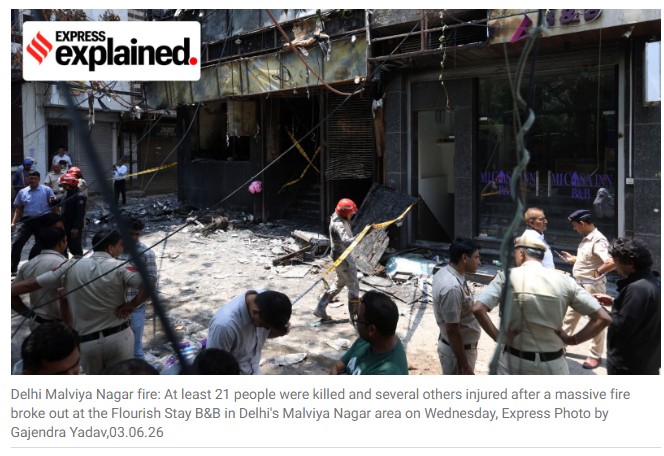
- 14 Jun 2026
In News:
Recent fire tragedies, including the devastating blaze at a guest house in Delhi's Malviya Nagar and a hospital fire in Bihar, have once again drawn attention to the growing fire safety crisis in India's urban areas. These incidents are not isolated accidents but symptoms of deeper structural weaknesses in urban planning, building regulation, and emergency response systems.
Fire Safety: A Persistent Urban Risk
India continues to witness a significant number of fire-related deaths every year. According to NCRB data, nearly 60% of fire fatalities occur within residential buildings, making homes the most vulnerable spaces despite being perceived as safe environments. Hospitals, shopping complexes, hotels, and other commercial establishments also account for a substantial share of casualties.
The recurring nature of such incidents points towards systemic shortcomings rather than individual lapses.
Why Are Urban Fires Becoming More Frequent and Deadly?
One of the primary reasons is the absence of basic fire safety infrastructure in a large number of residential and mixed-use buildings. Smoke detectors, sprinkler systems, fire alarms, emergency exits, and evacuation plans are either missing or poorly maintained.
Another major concern is the widespread conversion of residential buildings into commercial establishments such as guest houses, hostels, and hotels without corresponding upgrades in safety infrastructure. Such unauthorized modifications increase occupancy while compromising evacuation and firefighting capabilities.
Electrical faults remain the leading cause of urban fires. Aging wiring systems, overloaded circuits, poor maintenance, and increasing dependence on electrical appliances create a constant fire hazard. LPG leakages due to defective equipment and unsafe handling practices further aggravate the risk.
The challenge is compounded by India's dense urban settlements. Narrow roads, congested neighbourhoods, illegal constructions, and inadequate access routes often delay the arrival of fire engines and hamper rescue operations.
Understanding the Nature of Fire Hazards
Fire-related deaths are often caused not by burns but by smoke inhalation and toxic gases. As noted by the National Institute of Disaster Management (NIDM), oxygen depletion and poisonous fumes released from burning materials are responsible for a majority of fatalities.
High temperatures can also trigger secondary explosions due to the expansion of gases, fuels, and combustible substances. Consequently, even a localized fire can rapidly escalate into a major disaster.
Recognizing this, the National Disaster Management Authority (NDMA) categorizes fire as a human-induced disaster, emphasizing that most fire incidents are preventable through proper planning and compliance.
Regulatory and Institutional Framework
Fire services are a State subject under the Constitution and have also been included as a municipal responsibility under Article 243W and the Twelfth Schedule. Therefore, the primary responsibility for fire prevention and emergency response lies with State Governments and Urban Local Bodies (ULBs).
India already possesses a comprehensive regulatory framework through the National Building Code (NBC), 2016, prepared by the Bureau of Indian Standards (BIS). The code provides detailed provisions relating to fire-resistant construction, smoke management, evacuation systems, electrical safety, periodic audits, and modern firefighting technologies.
However, the challenge lies not in the absence of regulations but in weak implementation and poor enforcement.
Key Challenges
A major governance gap exists in the enforcement of building and fire safety norms. Unauthorized constructions, illegal land-use conversions, and inadequate inspections continue to undermine safety standards.
Fire services across many states remain under-equipped and understaffed. Recognizing this deficiency, the 15th Finance Commission recommended ?5,000 crore for strengthening fire services and emergency response infrastructure. Nevertheless, significant shortages persist in equipment, manpower, training, and high-rise firefighting capabilities.
Rapid urbanization presents another challenge. The growth of high-rise buildings, vertical cities, and mixed-use developments demands sophisticated firefighting technologies and specialized response systems, which many urban centres still lack.
The Way Forward
Addressing urban fire risks requires a multi-pronged strategy. Strict enforcement of the National Building Code and regular fire safety audits must become mandatory for residential, commercial, and institutional buildings. Unauthorized building conversions should attract stringent penalties.
Fire services require substantial modernization through investment in advanced equipment, high-rise rescue systems, early warning technologies, and professional training. Public awareness campaigns, evacuation drills, and community-based preparedness programmes can help create a culture of fire safety.
Urban planning must also integrate disaster-risk reduction principles by ensuring wider access roads, adherence to zoning regulations, and fire-resilient infrastructure in rapidly expanding cities.
Conclusion
Urban fire disasters are largely preventable. Their recurrence reflects failures in regulation, planning, enforcement, and preparedness rather than a lack of legal provisions. As Indian cities continue to expand vertically and horizontally, strengthening fire safety systems must become an integral component of urban governance. Building resilient cities will require coordinated action by governments, municipal authorities, builders, businesses, and citizens alike. Without systemic reforms, the cycle of tragedy, outrage, and temporary corrective action is likely to continue.
SIPRI Yearbook 2026
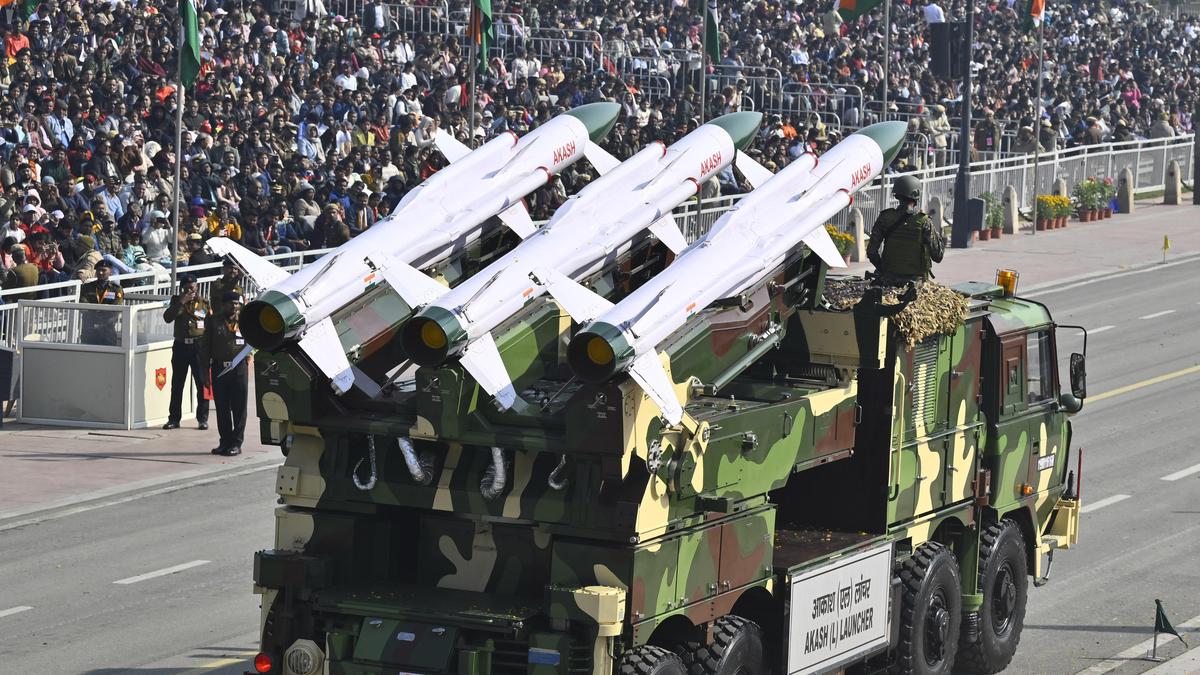
- 13 Jun 2026
In News:
The Stockholm International Peace Research Institute (SIPRI), in its Yearbook 2026, has highlighted growing global nuclear risks, weakening arms-control frameworks, and the increasing integration of emerging technologies into warfare. A significant observation regarding India is the expansion of its nuclear arsenal to approximately 190 warheads and the reported deployment of a small number of warheads in an operational state, reflecting the evolving nature of India's strategic deterrence posture.
Key Findings on India
India emerged as the fifth-largest military spender globally in 2025, with defence expenditure rising by 8.9% to USD 92.1 billion. SIPRI also identified India as the second-largest importer of major arms during 2021–25, accounting for 8.2% of global arms imports.
According to the report, India's nuclear stockpile is estimated at 190 warheads, comprising 12 deployed warheads and 178 in reserve/storage. This places India behind China (620 warheads) but ahead of Pakistan (170 warheads). The report suggests that India is gradually enhancing the operational readiness and survivability of its nuclear deterrent.
Another notable development was the integration of cyber operations into military confrontation during the 2025 India-Pakistan conflict, indicating the growing importance of cyber capabilities in modern warfare and deterrence.
Global Security Trends
The report notes that all nine nuclear-armed states continue to modernize and expand their arsenals. Globally, there are an estimated 12,187 nuclear warheads, of which around 9,745 are available for military use, while more than 4,000 remain deployed on missiles and aircraft.
The United States and Russia together possess nearly 86% of the world's nuclear weapons, yet the expiry of the New START Treaty in 2026 without a successor agreement has increased concerns regarding strategic stability.
SIPRI also points to the growing use of artificial intelligence, autonomous systems, drones, and cyber capabilities in contemporary conflicts such as Ukraine and Gaza, signalling a transformation in the nature of warfare.
Simultaneously, the global arms-control architecture is witnessing strain, reflected in withdrawals from treaties such as the Convention on Cluster Munitions and the Anti-Personnel Mine Convention.
India's Nuclear Doctrine
India's nuclear doctrine, officially operationalized in 2003, is based on the principles of credible minimum deterrence and No First Use (NFU).
Under the doctrine, India pledges not to initiate a nuclear attack and reserves the use of nuclear weapons solely for retaliation against a nuclear strike on Indian territory or armed forces. Any such retaliation would be massive and designed to inflict unacceptable damage on the aggressor.
The doctrine also emphasizes strict civilian control through the Nuclear Command Authority (NCA). The Political Council, chaired by the Prime Minister, alone possesses the authority to authorize nuclear weapon use, while the Executive Council, headed by the National Security Advisor, provides operational inputs.
India additionally maintains that it may consider nuclear retaliation in response to a major chemical or biological weapons attack.
Evolution of India's Nuclear Programme
India's nuclear journey began as a peaceful programme focused on energy self-reliance under Homi J. Bhabha and Jawaharlal Nehru. However, changing security dynamics, particularly China's nuclear test in 1964, prompted India to conduct its first nuclear test, Pokhran-I (Smiling Buddha), in 1974.
Subsequently, strategic concerns arising from China's capabilities and the China-Pakistan nexus led to Pokhran-II (Operation Shakti) in May 1998, after which India formally declared itself a nuclear weapon state.
Since then, India has developed a doctrine centred on deterrence rather than warfighting while simultaneously integrating into global nuclear commerce through the 2008 India–US Civil Nuclear Agreement and the Nuclear Suppliers Group waiver.
India's Position on Global Nuclear Governance
India remains outside the Nuclear Non-Proliferation Treaty (NPT) and the Comprehensive Nuclear-Test-Ban Treaty (CTBT), arguing that these arrangements are discriminatory because they divide the world into nuclear "haves" and "have-nots."
At the same time, India has demonstrated responsible nuclear behaviour and has secured membership in major export-control regimes, including the Missile Technology Control Regime (MTCR), Wassenaar Arrangement, and Australia Group, while continuing to seek membership in the Nuclear Suppliers Group (NSG).
Conclusion
The SIPRI Yearbook 2026 underscores a world witnessing renewed strategic competition, nuclear modernization, and rapid technological transformation in warfare. For India, the expansion of its nuclear arsenal and limited deployment of warheads reflect efforts to maintain a credible deterrent amid a complex security environment shaped by nuclear rivalry with Pakistan, strategic competition with China, and evolving threats in cyberspace and emerging technologies. Going forward, balancing national security requirements with commitment to responsible nuclear stewardship and global disarmament will remain central to India's strategic outlook.
Supreme Court Seat Expansion through Ordinance

- 12 Jun 2026
In News:
A constitutional debate has emerged following the President's promulgation of an Ordinance under Article 123 increasing the sanctioned strength of the Supreme Court from 34 to 38 judges. While the move seeks to address mounting judicial workload and vacancies, it has raised important questions regarding judicial independence, separation of powers, security of tenure, and the limits of executive law-making.
What Happened?
Following the Ordinance, five new judges were appointed to the Supreme Court. Two appointments filled existing vacancies within the previously sanctioned strength of 34 judges. However, the remaining three appointments were made against the additional posts created through the Ordinance.
The controversy arises because these new posts are temporary unless Parliament subsequently enacts a law replacing the Ordinance.
Constitutional Provisions Involved
Article 124(1)
Article 124(1) provides that the number of Supreme Court judges shall be determined by Parliament through law. Traditionally, any increase in the Court's strength has been made through parliamentary legislation.
Article 123
Article 123 empowers the President to promulgate Ordinances when Parliament is not in session. An Ordinance has the same force as an Act of Parliament but ceases to operate six weeks after Parliament reconvenes unless approved through legislation.
Thus, while the Ordinance is constitutionally valid, questions arise regarding its use to alter the composition of the apex judiciary.
Constitutional Concerns
Judicial Independence and Separation of Powers
The primary concern relates to the independence of the judiciary, a basic feature of the Constitution.
Critics argue that when judges occupy posts created by a temporary executive measure, an appearance of dependence on the political executive may arise. Since Parliament must subsequently approve the expansion, questions emerge regarding the perception of judicial detachment from the government.
Ordinance-Making and Judicial Precedent
The issue is particularly sensitive because the Supreme Court itself has repeatedly cautioned against excessive reliance on Ordinances.
In D.C. Wadhwa v. State of Bihar (1986), the Court held that repeated promulgation of Ordinances amounted to a "fraud on the Constitution."
Later, in Krishna Kumar Singh v. State of Bihar (2017), a seven-judge Bench emphasized that the Ordinance power cannot become a parallel source of legislation.
The current development therefore raises questions about whether the executive should alter the Court's strength through a temporary measure rather than regular parliamentary legislation.
The Collegium's Calculated Approach
The Supreme Court Collegium appears to have factored judicial retirement schedules into its recommendations.
- Justice Pankaj Mithal and Justice J.K. Maheshwari are due to retire in June 2026.
- Their retirements will create two permanent vacancies under the original sanctioned strength.
This would allow two of the newly appointed judges to occupy regular positions even if the Ordinance lapses.
However, one newly appointed judge remains dependent on the continued existence of the Ordinance-created posts until another retirement creates a permanent vacancy, making the timing of parliamentary approval crucial.
Possible Legal Implications
If Parliament passes a law replacing the Ordinance, the issue effectively ends.
However, if Parliament does not approve the measure:
- The sanctioned strength would revert to 34.
- Questions could arise regarding the status of judges appointed against Ordinance-created posts.
- Such a situation would be unprecedented in Indian constitutional history.
Although past rulings such as Gokaraju Rangaraju v. State of Andhra Pradesh protect judicial decisions under the de facto doctrine, uncertainty regarding the status of such appointments could create institutional complications.
Significance
The episode highlights the delicate balance between:
- Judicial independence and executive authority.
- Parliamentary supremacy in law-making.
- Efficient court administration and constitutional propriety.
- Separation of powers among constitutional organs.
While the government is expected to secure parliamentary approval for the increase in strength, the debate underscores the broader principle that judicial institutions must not only remain independent but also appear independent.
Conclusion
The Supreme Court's acceptance of appointments to Ordinance-created posts represents a significant constitutional moment. Although intended to address growing judicial workloads, the move has triggered concerns regarding executive influence, security of tenure, and institutional autonomy. The long-term resolution lies in early parliamentary regularization of the expanded strength, thereby reaffirming both judicial independence and constitutional propriety.
India–South Africa Technology Partnership
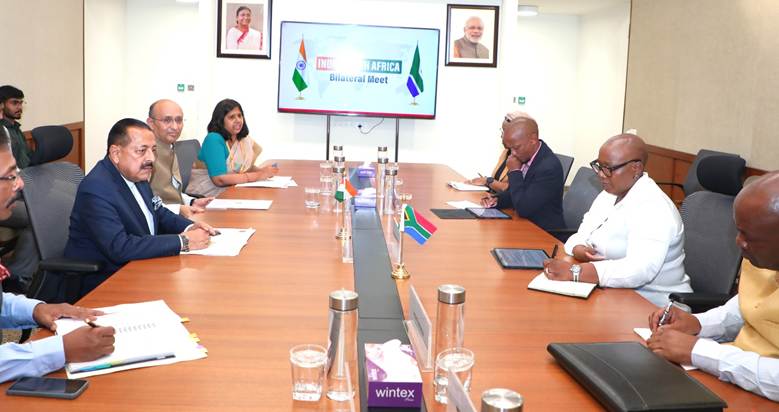
- 11 Jun 2026
In News:
India and South Africa have upgraded their 31-year-old Science and Technology partnership from a research-centric framework to a technology-driven industrial co-production model, marking a significant evolution in India–Africa relations. The move reflects India's broader strategy of strengthening Global South cooperation through innovation, supply-chain resilience and economic integration.
Key Areas of Cooperation
- The partnership will focus on emerging technologies such as Artificial Intelligence (AI), Digital Public Infrastructure (DPI), advanced manufacturing, quantum technologies, genomics and cyber-physical systems. Both countries are also expanding cooperation in green hydrogen, renewable energy, biotechnology, vaccine development and healthcare innovation.
- A major area of collaboration remains the Square Kilometre Array (SKA) project, which supports advancements in astronomy, big data analytics and high-performance computing.
Telangana–South Africa Collaboration
- The partnership has acquired a sub-national dimension through cooperation between Telangana and South Africa. Leveraging Hyderabad's strengths in IT, pharmaceuticals, healthcare, aerospace and defence manufacturing, the collaboration seeks to promote medical tourism, vaccine production, healthcare supply chains and investment in advanced manufacturing.
India's Emerging Africa Strategy
- India's engagement with Africa is gradually shifting from Lines of Credit and development assistance towards industrial co-production, technology partnerships, critical minerals cooperation and value-chain integration.
- India is increasingly leveraging the African Continental Free Trade Area, while also pursuing access to strategic minerals such as lithium, cobalt and rare earth elements that are crucial for electric mobility, renewable energy and the green hydrogen economy.
Geopolitical Significance
- The deepening partnership strengthens cooperation among Global South countries and supports efforts to reform global governance institutions. It also complements India's SAGAR (Security and Growth for All in the Region) vision through enhanced maritime cooperation and capacity building in the Indian Ocean Region.
- The partnership offers an alternative model of development cooperation based on capacity building, technology sharing and mutual benefit, while reinforcing India's growing diplomatic and economic presence in Africa.
Challenges
- Despite growing engagement, challenges persist in the form of project implementation delays, political instability in parts of Africa, competition from China's economic presence, trade barriers and connectivity constraints.
Conclusion
The India–South Africa partnership signifies a transition from traditional scientific cooperation to a comprehensive framework centred on technology, innovation, green energy, healthcare and industrial co-production. As India deepens its engagement with Africa through economic integration and strategic partnerships, the relationship is likely to emerge as a key pillar of Global South cooperation and sustainable development.
India’s GDP Growth at 7.7% in FY 2025–26
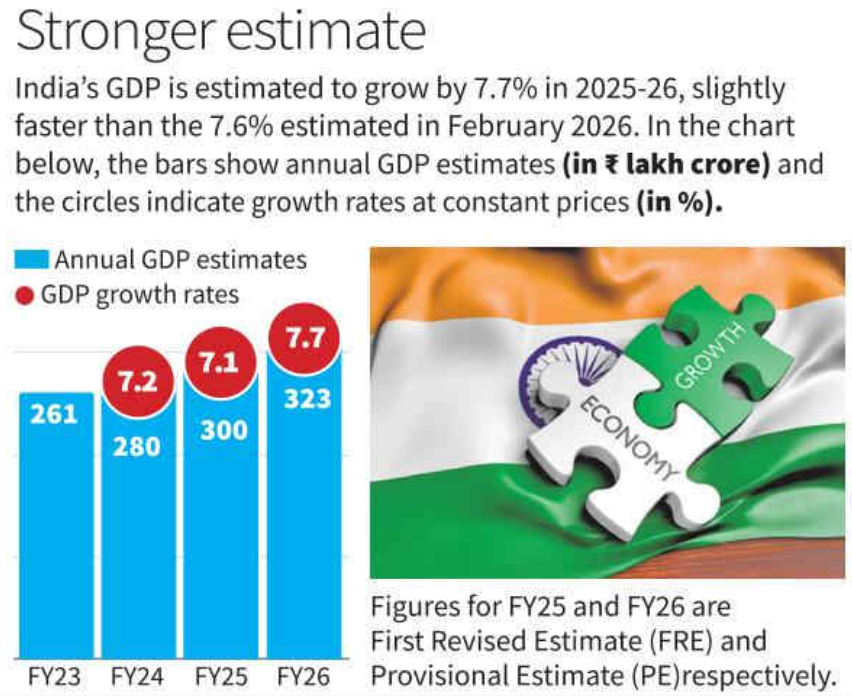
- 10 Jun 2026
In News:
The Ministry of Statistics and Programme Implementation (MoSPI) has released the Provisional Estimates of National Income, placing India’s GDP growth at 7.7% in FY 2025–26, slightly higher than the 7.6% estimate released earlier in February 2026. The latest figures reaffirm India's position as one of the world's fastest-growing major economies despite global economic and geopolitical uncertainties.
What is GDP?
- Gross Domestic Product (GDP) measures the total monetary value of all final goods and services produced within a country's borders during a specific period. It is the most widely used indicator of economic growth and overall economic health.
Key Highlights of the Estimates
- India's economy recorded a robust expansion during FY 2025–26, with real GDP growth reaching 7.7%, while growth in the fourth quarter (Q4) stood at 7.8%, indicating sustained economic momentum.
- Growth was driven primarily by strong performance in manufacturing and services. The manufacturing sector expanded by 7%, reflecting improving industrial activity, while the broad services segment comprising trade, transport, hotels, communication and related services registered an impressive 11% growth, emerging as the key growth driver.
- Domestic demand also remained strong. Private Final Consumption Expenditure (PFCE), a key indicator of household spending, grew by 7.2%, signalling resilient consumer demand. At the same time, Gross Fixed Capital Formation (GFCF), which reflects investment in productive assets, increased by 8.2%, pointing towards sustained investment activity in the economy.
- Agriculture recorded moderate but stable growth of around 4%, supported by favourable monsoon conditions and improved rural demand, though its growth remained lower than that of manufacturing and services.
Significance
The latest GDP estimates highlight the resilience of India's domestic economy amid external challenges such as geopolitical conflicts, global trade uncertainties and slowing growth in several advanced economies.
Strong growth in manufacturing, services, consumption and investment is important because it:
- Supports employment generation.
- Increases household incomes and consumer spending.
- Enhances government tax revenues and fiscal capacity.
- Encourages private sector investment.
- Strengthens India's attractiveness as a global investment destination.
The data also suggests that India's growth continues to be driven by a combination of domestic consumption, capital formation and services-sector expansion, making the economy relatively less vulnerable to external shocks.
Farmer Producer Organisations (FPOs)

- 09 Jun 2026
In News:
With the India Meteorological Department (IMD) projecting the 2026 Southwest Monsoon at 90% of the Long Period Average (LPA) and forecasting below-normal rainfall over the Monsoon Core Zone, concerns have emerged regarding kharif production and rural livelihoods. In response, the Union Ministry of Agriculture is leveraging the nationwide network of Farmer Producer Organisations (FPOs) to promote climate-resilient agriculture, drought-tolerant crops, and sustainable farming practices.
Weak Monsoon and Agricultural Vulnerability
The southwest monsoon remains the backbone of Indian agriculture, particularly in rain-fed regions. The IMD has projected below-normal rainfall across the Monsoon Core Zone comprising Maharashtra, Gujarat, Rajasthan, Madhya Pradesh, Chhattisgarh, Jharkhand, Karnataka, Telangana and Odisha. These states account for a substantial share of India's kharif production and remain highly dependent on monsoon rainfall.
Such rainfall deficits can adversely impact crop yields, farm incomes, food security, and rural employment, necessitating proactive adaptation strategies.
Farmer Producer Organisations (FPOs): Concept and Rationale
Farmer Producer Organisations are collective institutions formed primarily by small and marginal farmers to enhance productivity, profitability, and market access through collective action. Registered either as Producer Companies under the Companies Act or Cooperative Societies under state laws, FPOs combine the professional management of corporate entities with the democratic governance structure of cooperatives.
By aggregating produce, facilitating access to institutional finance, improving bargaining power, and promoting value addition, FPOs help smallholders overcome the disadvantages of fragmented landholdings and weak market linkages.
Government Support for FPOs
Recognising their transformative potential, the Government launched the Central Sector Scheme for Formation and Promotion of 10,000 FPOs in 2020 with an outlay of ?6,865 crore.
The scheme provides:
- Financial assistance of up to ?18 lakh per FPO over three years.
- Equity Grant of up to ?15 lakh.
- Credit Guarantee Facility up to ?2 crore.
- Cluster-based business organisation model.
- Implementation through agencies such as NABARD, NCDC, SFAC and state-level institutions.
Complementary support is also available through the Producer Organisation Development Fund (PODF), Agricultural Infrastructure Fund (AIF), and Mission for Integrated Development of Horticulture (MIDH).
Today, India has crossed the milestone of 10,000 FPOs, representing more than 63 lakh farmers engaged in agriculture, horticulture, dairy, fisheries and allied activities.
FPOs as Instruments of Climate Resilience
In view of the anticipated weak monsoon, the Ministry of Agriculture has identified thousands of FPOs already practising climate-smart agriculture and is using them as demonstration and knowledge-sharing platforms.
Promotion of Drought-Resistant Crops
The Ministry is encouraging farmers to shift towards crops requiring lower water inputs, particularly:
- Millets such as Bajra, Jowar and Ragi
- Pulses such as Moong, Urad and Horse Gram (Kulthi)
These crops possess inherent drought tolerance, perform well under rainfall variability, and contribute to nutritional security.
Moisture Conservation Through Mulching
Mulching is being promoted as a simple and cost-effective adaptation measure. By covering the soil surface with crop residues or organic materials, it reduces evaporation losses, suppresses weed growth, improves soil health, and enhances moisture retention during prolonged dry spells.
Adoption of Climate-Smart Practices
FPOs are also facilitating:
- Drip irrigation.
- Mixed cropping systems.
- Natural farming techniques.
- Water-efficient crop planning.
To scale these practices, the Ministry is conducting state-wise webinars and awareness campaigns ahead of the kharif season.
Significance of FPOs in Indian Agriculture
FPOs have emerged as a critical pillar of agricultural transformation in India. They enhance the economic empowerment of small and marginal farmers, who constitute nearly 86% of the country's farming population. By improving access to markets, credit, technology, storage infrastructure and government schemes, FPOs reduce dependence on intermediaries and increase farmers' share in the value chain.
More importantly, in the context of climate change, FPOs provide an effective institutional mechanism for disseminating climate-resilient technologies, promoting sustainable farming practices, and strengthening adaptive capacity at the community level.
Conclusion
As climate variability increasingly threatens agricultural productivity, Farmer Producer Organisations are evolving beyond market institutions into instruments of climate adaptation and rural resilience. The government's strategy of leveraging FPOs to promote drought-resistant crops, moisture conservation, and sustainable farming practices demonstrates a shift towards community-led climate resilience. Strengthening FPOs through greater financial support, technological integration, and market linkages can play a crucial role in ensuring sustainable agricultural growth and safeguarding farmer livelihoods in an era of growing climatic uncertainty.
Supreme Court on DNA Testing in Paternity Disputes
- 08 Jun 2026
In News:
The Supreme Court recently upheld an order directing a man to undergo a DNA test in a paternity dispute, holding that a child's right to establish biological identity and claim inheritance can, in appropriate cases, outweigh an individual's right to privacy. The case involved a person claiming to be the biological son of the respondent and seeking a declaration of paternity along with a share in ancestral property. The alleged father had denied the claim for over two decades.
Legal Background
The issue is governed by Section 116 of the Bharatiya Sakshya Adhiniyam, 2023 (earlier Section 112 of the Indian Evidence Act, 1872), which creates a strong presumption of legitimacy for a child born during a valid marriage or within 280 days of its dissolution.
This presumption can be rebutted only by proving that the husband and wife had no access to each other during the period of conception. The provision seeks to protect the legitimacy, dignity, and social status of children.
DNA Testing and Judicial Evolution
India has no specific legislation expressly authorising courts to order DNA tests in paternity disputes. Consequently, the legal framework has evolved through judicial precedents.
Over the years, the Supreme Court has consistently maintained that DNA testing should not be ordered routinely because it may affect privacy, family relationships, and the legitimacy of a child. Courts have treated DNA testing as a measure of last resort, to be invoked only when necessary for the administration of justice.
Conditions for Ordering DNA Tests
The Supreme Court has evolved a three-fold test for directing DNA examination:
- Paternity must be the central issue in the dispute.
- No other reliable evidence should be available to establish the claim.
- The test must be necessary in the interest of justice after balancing competing rights.
Only when these conditions are satisfied can a court compel a party to undergo DNA testing.
Supreme Court's Reasoning in the Present Case
The Court found that all three conditions were fulfilled. Paternity was the core issue, the claimant had no alternative means of proving his biological relationship, and the outcome directly affected inheritance rights.
While recognising that DNA testing intrudes upon privacy, the Court observed that denying the test would permanently deprive the claimant of an opportunity to establish his identity and pursue rights that may legally accrue to him. Therefore, the Court held that the child's right to know his parentage and seek inheritance outweighed the privacy claim in the specific facts of the case.
Constitutional and Ethical Issues
The judgment highlights the delicate balance between competing constitutional rights.
- Right to Privacy: The Supreme Court in Justice K.S. Puttaswamy v. Union of Indiarecognised privacy as a fundamental right under Article 21. However, the present ruling reiterates that privacy is not absolute and may be restricted when a compelling competing right exists.
- Right to Identity and Inheritance: The decision strengthens the principle that an individual has a legitimate interest in knowing their biological parentage, particularly when questions of legal status, inheritance, and family rights are involved.
- Judicial Law-Making: The case also highlights the judiciary's role in filling legislative gaps, as the framework governing DNA testing in paternity disputes has largely evolved through judicial interpretation rather than statutory provisions.
Significance
The ruling reinforces the principle that courts must carefully balance privacy rights with the right to identity, dignity, and inheritance. It also clarifies that DNA testing remains an exceptional remedy and cannot be ordered routinely, but may be permitted when it is the only effective means of discovering the truth and ensuring justice.
Summer Air Pollution in Indian Cities
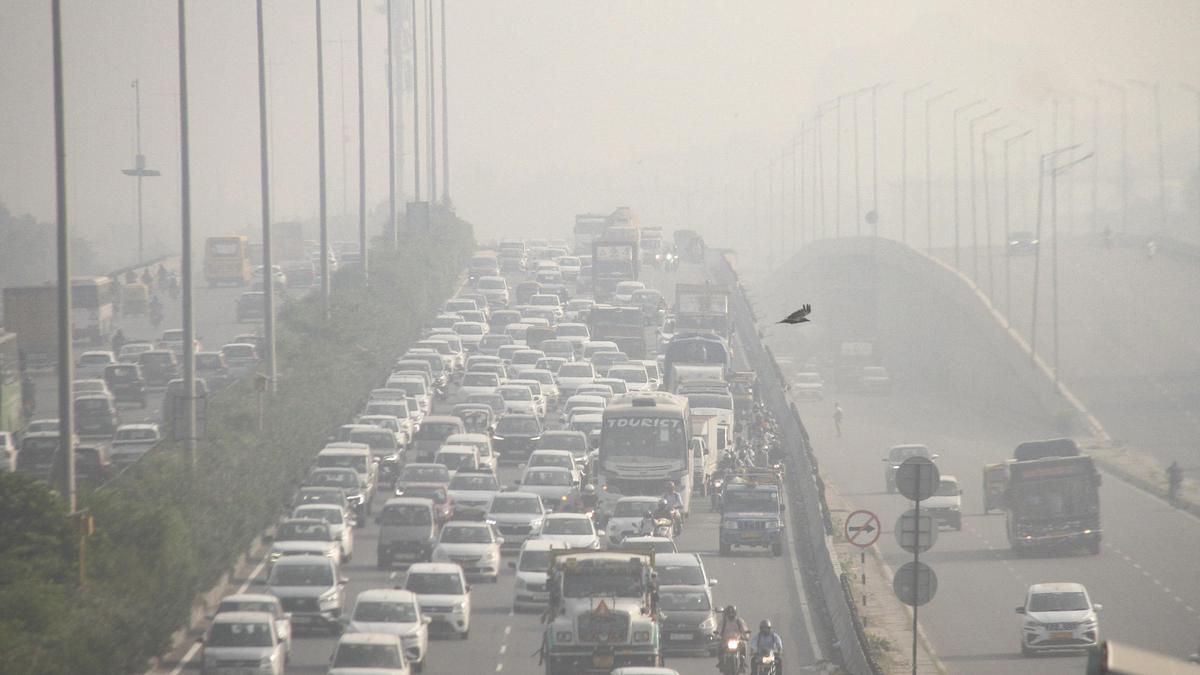
- 07 Jun 2026
In News:
In May 2026, the Commission for Air Quality Management (CAQM) reimposed Stage-I GRAP (Graded Response Action Plan) restrictions in Delhi — a measure typically associated with winter — highlighting the growing and underappreciated challenge of summer air pollution in Indian cities.
Why Summer is No Longer Pollution-Free
1. Regional Dust Storms (Loo): Intense solar heating over the Indian subcontinent creates a vast low-pressure zone extending toward Iran and West Asia. This interacts with surrounding high-pressure systems to generate the loo — hot, dry, high-velocity winds that transport massive quantities of desert dust from the Thar Desert and the Arabian Peninsula across the Indo-Gangetic plains, causing dangerous PM10 spikes lasting several days.
2. Localised Thunderstorms (Andhi): High convective heat triggers sudden, violent local dust storms called andhi. Downward-moving cold air from summer thunderstorms violently lifts dry topsoil and sweeps it through urban areas. Coastal and southern cities like Mumbai and Hyderabad frequently experience summer pollution spikes from these events.
3. Accelerated Ground-Level Ozone (O?) Formation: Ground-level ozone is a secondary pollutant formed when Nitrogen Oxides (NOx) from vehicles and Volatile Organic Compounds (VOCs) from industries, paints, solvents, and fuel emissions react under strong sunlight. Intense summer heat acts as a thermal incubator for this photochemical reaction, causing dangerous ozone spikes during peak daylight hours.
4. Urban Heat Island (UHI) Effect: Unchecked expansion of concrete, loss of green cover, and shrinking urban wetlands trap solar radiation in cities, exacerbating temperature spikes and accelerating atmospheric chemistry that forms smog and ozone.
5. Resumption of Unregulated Construction: Winter GRAP restrictions are rolled back as summer begins. Without dust management controls — continuous water sprinkling, wind barriers, dust sheets — construction and demolition sites release massive coarse particulate matter into dry air.
6. Year-Round Anthropogenic Emissions: Vehicular exhaust, industrial emissions, and illegal burning of municipal solid waste provide a continuous baseline of particulate matter and precursor gases, amplified by summer heat.
Summer vs Winter Pollution: Key Differences
|
Feature |
Summer |
Winter |
|
Primary Pollutants |
PM10, Ground-level Ozone |
PM2.5, dense smog |
|
Meteorological Driver |
Heatwaves, dust storms, sunlight |
Temperature inversion, stagnant cold air |
|
Peak Severity |
Mid-day/hot afternoons |
Early mornings/late nights |
|
Major Sources |
Wind-blown dust, construction, photochemical reactions |
Stubble burning, biomass burning, trapped emissions |
What Cities Must Do
- Dedicated Summer Action Plans: Cities must move beyond winter-only frameworks and institutionalise year-round Summer Action Plans focusing on industrial emission tracking, anti-open-burning enforcement, and VOC controls for paints and solvents.
- Early Warning Systems: Tools like Delhi's Air Quality Early Warning System (AQEWS) — now extended to Mumbai and Jaipur — provide multi-day forecasts. Municipalities must use these for timely public health advisories.
- Active Construction Monitoring: Digital tools such as the BMC's Air Quality Decision Support System (AQDSS) have enabled enforcement actions against over 1,000 non-compliant construction sites since October 2025.
- Targeting Ozone Precursors: Reducing NOx and VOC emissions through cleaner transport, stricter industrial controls, and reduced vehicle idling is essential to curb ozone pollution.
India–Canada Trade and Investment Forum 2026
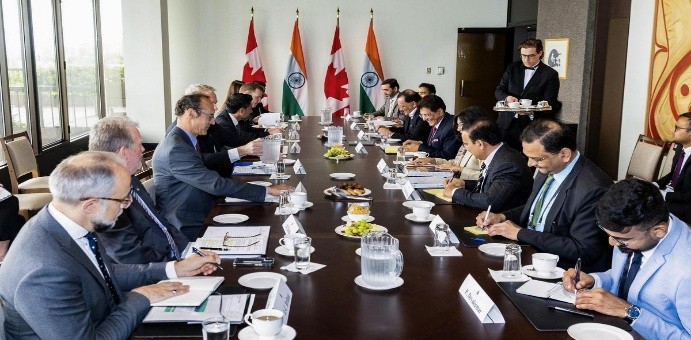
- 04 Jun 2026
In News:
The Union Commerce and Industry Minister led the largest-ever Indian business delegation to Canada. Both countries launched the Canada-India Trade and Investment Forum and reaffirmed their commitment to conclude the Comprehensive Economic Partnership Agreement (CEPA) by end of 2026.
Canada-India Trade and Investment Forum
- The Forum was launched as a permanent institutional platform to bring together Canadian and Indian business leaders, foster commercial partnerships, and drive two-way investment.
- Key outcomes include: a shared trade target of USD 50 billion by 2030 (current bilateral merchandise trade stands at approximately USD 13.6 billion); a focus on Small and Medium Enterprises (SMEs) as the operational backbone of untapped trade volumes; and Canada's announcement of a "Team Canada Trade Mission" to India later in 2026.
- Negotiations will adopt a pragmatic "low-hanging fruit" approach, avoiding immediate demands in sensitive sectors like agriculture and dairy. Canada described the CEPA as a potential "game changer" for bilateral economic ties.
Strategic Sectors of Cooperation
- Both sides agreed to deepen cooperation in clean energy, critical minerals, agri-food, advanced manufacturing, digital technologies, and skills development. Significantly, in May 2026, an MoU was signed to develop secure and resilient critical mineral supply chains, aligning with the G7 Critical Minerals Action Plan. Canada is a Tier-1 global supplier of potash, uranium, and nickel — resources essential for India's EV manufacturing ambitions and renewable energy transition.
About CEPA
A CEPA is a comprehensive bilateral free trade agreement covering trade in goods, services, investment, competition, and intellectual property rights (IPR) — broader than a standard FTA. India currently has five CEPAs in force: with South Korea, Japan, Malaysia, UAE, and Oman.
Current Trade Profile (2025)
- Merchandise: India exports USD 9.7 billion (pharmaceuticals, machinery, electronics, precious metals, iron and steel); imports USD 3.9 billion (vegetables, mineral fuels, wood pulp, fertilisers, paper).
- Services: Strongly favours Canada — USD 15.2 billion exports vs USD 4.5 billion imports, driven overwhelmingly by Indian student education spend.
Strategic Significance
- Critical Minerals and Energy Security: Canadian uranium sustains India's civilian nuclear programme under the 2010 Nuclear Cooperation Agreement. Canadian potash and nickel are critical for India's green transition.
- Indo-Pacific Balance: Canada's Indo-Pacific Strategy identifies India as a key partner for a rules-based regional order, aligning with India's MAHASAGAR vision as a counterweight to Chinese assertiveness.
- Diaspora Bridge: The Indian diaspora of 1.8 million (≈4% of Canada's population) exercises significant political and corporate influence. India remains the largest source of international students in Canada.
- Security Architecture: Bilateral security cooperation is anchored in the Joint Working Group on Counter Terrorism (1997), Framework for Cooperation on Countering Terrorism (2018), Extradition Treaty (1987), and Mutual Legal Assistance Treaty (1994).
- Frontier Tech: The Australia-Canada-India Technology and Innovation Partnership (ACITI) advances cooperation in quantum computing, biotechnology, and advanced manufacturing.
End of the ‘Cheap Money’ Era
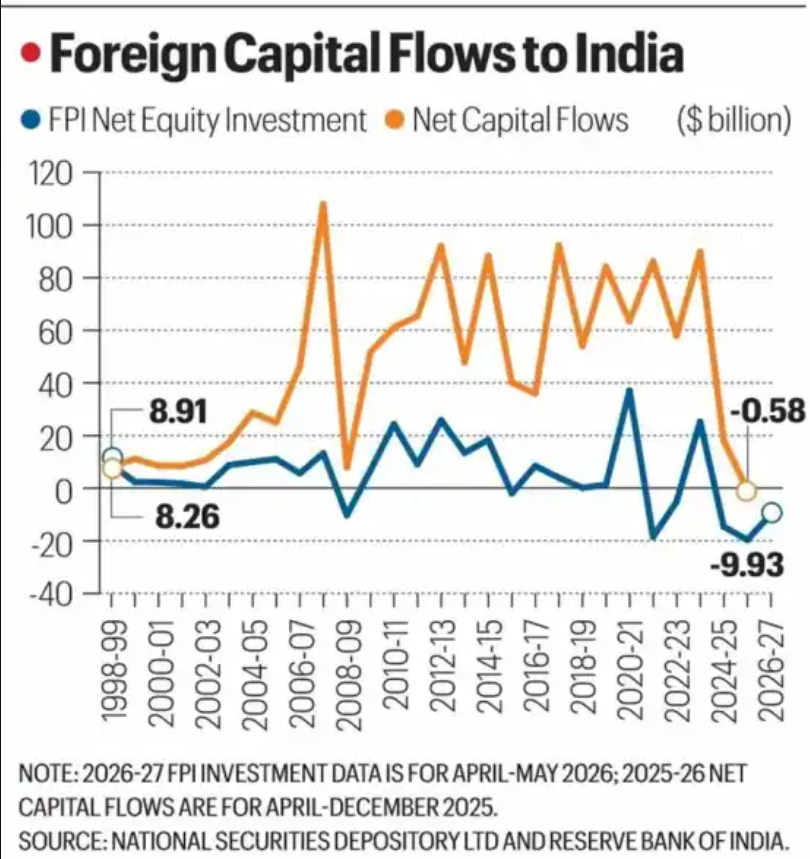
- 03 Jun 2026
In News:
The Reserve Bank of India (RBI), in its Annual Report 2025–26, has cautioned about rising sovereign bond yields across major economies and the possibility of a reversal in monetary easing by global central banks. This signals the gradual end of the long phase of ultra-low interest rates and abundant global liquidity that characterized the post-2008 and post-pandemic world economy.
Understanding the Context
A government bond is a debt instrument issued by a sovereign government to raise funds. In return, the government pays periodic interest and repays the principal at maturity. Since sovereign governments back these securities, they are generally considered among the safest financial assets.
The return earned on these securities is known as the bond yield, which acts as a benchmark for interest rates across the economy. Higher bond yields typically translate into higher borrowing costs for governments, businesses, and households.
The era of cheap money was largely driven by Quantitative Easing (QE), a monetary policy under which central banks created new money to purchase government bonds and long-term assets. This increased liquidity, reduced interest rates, and encouraged lending and investment.
The Rise and Fall of Cheap Global Money
Following the 2008 Global Financial Crisis and later the COVID-19 pandemic, central banks in advanced economies maintained exceptionally low interest rates and pursued aggressive QE policies.
As a result:
- US bond yields declined from over 6% in the late 1990s and early 2000s to around 0.9% during 2020–21.
- UK yields fell from 5.4% to 0.4%.
- Japan's yields approached zero, and even turned negative during 2016–17 and 2019–20.
This abundance of low-cost capital pushed global investors towards emerging markets such as India in search of higher returns.
However, the situation has changed dramatically. Supply-chain disruptions after COVID-19, the Russia–Ukraine conflict, tariff actions under the Trump administration in 2025, and the ongoing US–Israel versus Iran conflict have revived inflationary pressures globally. Consequently, central banks have moved away from ultra-loose monetary policies.
Rising Global Bond Yields
The reversal is visible in sovereign bond markets:
- Japan: Average yield of 1.8% in 2025–26, rising to 2.5%, with a peak of 2.8% in May 2026.
- United States: Average yield of 4.2%, rising to 4.4%, with a high of 4.7%.
- United Kingdom: Average yield of 4.6%, increasing to 4.9%, with a high of 5.2%.
These figures indicate that global capital is becoming increasingly expensive.
Implications for India
India benefited significantly from global liquidity during the cheap-money era. Net capital inflows rose from $8.3 billion in 1998–99 to a record $107.9 billion in 2007–08, and averaged $67.3 billion annually between 2009–10 and 2023–24. However, inflows fell sharply to $18 billion in 2024–25, while the first nine months of 2025–26 recorded net capital outflows of $580 million.
Another concern is the narrowing yield gap between Indian and US government bonds. India's 10-year government bond yield is around 7%, while the US 10-year Treasury yield is about 4.5%, leaving a differential of only 2.5 percentage points, compared to a historical average of more than 4 percentage points. After accounting for rupee depreciation and the safe-haven appeal of US Treasuries, Indian assets become relatively less attractive to foreign investors.
This could result in:
- Lower foreign capital inflows.
- Increased pressure on the rupee.
- Higher borrowing costs for governments and businesses.
- Greater stock market volatility.
- Challenges in financing current account deficits.
The Way Forward
In a world where capital is no longer abundant and cheap, India must increasingly rely on its own economic fundamentals. Sustaining high GDP growth, maintaining macroeconomic stability, expanding manufacturing through initiatives such as Make in India and PLI schemes, deepening domestic financial markets, and attracting stable long-term FDI will be crucial.
The RBI's warning highlights a broader structural shift in the global economy. As the era of easy money fades, countries will have to compete for investment on the basis of growth prospects, policy credibility, and economic resilience rather than merely benefiting from excess global liquidity.
Aravalli Hills
- 02 Jun 2026
In News:
A massive dust storm that recently swept through Churu district in Rajasthan, affecting Hanumangarh, Sri Ganganagar, Bikaner, Nagaur, Alwar, and Sikar, has once again highlighted the critical ecological role of the Aravalli Range as a natural barrier protecting northern India from dust storms originating in the Thar Desert. However, increasing degradation of the Aravallis due to mining, deforestation, urbanisation, and land-use changes is weakening this protective shield, raising concerns about air quality, climate, and ecological stability.
Dust Storms in Northern India: Climatic Background
Dust storms are a regular pre-monsoon phenomenon (April–June) across northwestern India. They are driven by intense heating, dry atmospheric conditions, and strong south-westerly and westerly winds that transport dust from the Thar Desert and even parts of the Middle East.
According to the India Meteorological Department’s (IMD) Climate Hazards and Vulnerability Atlas of India (1981–2010):
- Parts of northwest India fall within the highest dust-storm frequency category.
- These regions experience 0.89–1.55 dust-storm days annually.
- Delhi records about 2.5 dust-storm days in June, the highest frequency in the country for that month.
Aravalli Range: India’s Natural Dust Barrier
Stretching between the Thar Desert and the densely populated Indo-Gangetic Plains, the Aravalli Range functions as a natural environmental shield.
During the pre-monsoon season, dust-laden winds moving eastward encounter the Aravallis, lose momentum, and deposit much of their sand and dust before reaching Delhi, Haryana, Punjab, and Uttar Pradesh.
Evidence of this protective role can be seen in the form of “obstacle dunes” located on the western slopes of the Aravallis. These sand deposits, along with desert-type vegetation, indicate where dust particles are intercepted by the mountain range. Dense vegetation further enhances this protection through a “natural scrubbing effect”, trapping dust and reducing its transport into the plains.
Alarming State of Degradation
The ecological integrity of the Aravallis is under severe threat.
Key Findings
- A 2018 Forest Survey of India (FSI) assessment found that 31 out of 128 Aravalli hills in Rajasthan had completely disappeared due to human activities.
- Significant loss of hills with elevations between 200–600 metres has been recorded in Naraina, Kalwar, Kotputli, Jhalana, and Sariska.
- A 2009 Wildlife Institute of India (WII) study identified 12 major gaps in the Aravalli range, many of which have widened due to forest degradation and inadequate vegetation cover.
Major Drivers of Degradation
The Environment Ministry’s Aravalli Restoration Framework identifies several causes:
- Mining of red silica, granite, and other minor minerals.
- Deforestation and vegetation loss.
- Urbanisation and construction activities.
- Encroachments and land-use changes.
- Excessive grazing and pastoral pressure.
These gaps now function as corridors through which dust can move freely into northern India.
Environmental Consequences
The weakening of the Aravalli barrier has far-reaching implications:
- Increased frequency and intensity of dust storms in Delhi, Punjab, Haryana, and Uttar Pradesh.
- Higher particulate matter concentrations and worsening air quality in the National Capital Region (NCR).
- Potential alterations in local and regional rainfall patterns due to changes in vegetation and topography.
- Changes in solar radiation scattering, affecting surface temperatures, agriculture, public health, and regional climate systems.
Scientists have emphasized the need for long-term monitoring of dust frequency and dust load over northern India, as the full climatic and environmental consequences of Aravalli degradation are still being understood.
Supreme Court’s 2026 Guidelines on Timely Delivery of Reserved Judgments and Bail Orders
- 01 Jun 2026
In News:
In a landmark judgment aimed at addressing judicial delays, a Bench comprising Chief Justice of India Surya Kant and Justice Joymalya Bagchi issued binding directions to all High Courts mandating pronouncement of reserved judgments within three months and same-day or next-day delivery of bail orders. The Court held that undue delay in delivering judgments is not merely an administrative lapse but a violation of the fundamental right to life and personal liberty under Article 21 of the Constitution.
Background of the Case
The directions arose from a writ petition filed by four convicts belonging to Scheduled Tribes (STs) and Other Backward Classes (OBCs), serving life sentences. Their criminal appeals before the Jharkhand High Court had been reserved in 2022 but were pronounced only in 2025, resulting in a delay of nearly three years. The petitioners argued that such delays infringed their right to a speedy trial, which the Supreme Court has consistently held extends beyond trial courts to appellate proceedings as well.
The Court treated the issue as a systemic challenge affecting judicial administration across the country rather than an isolated instance.
Key Directions Issued by the Supreme Court
1. Three-Month Deadline for Reserved Judgments: All High Courts must deliver reasoned judgments within three months of reserving them after completion of hearings.
2. Expedited Bail Orders
- Bail applications should preferably be pronounced and uploaded on the same day.
- If reserved, the order must be pronounced and uploaded on the next working day without exception.
- Orders granting bail or suspension of sentence must be immediately communicated to jail authorities to ensure release on the same day or the next day, subject to legal requirements.
3. Timely Upload of Judgments
- Where only the operative portion is pronounced, the detailed reasoned judgment must be uploaded within 7 days, extendable to 15 days in exceptional circumstances.
- Where a complete judgment is pronounced in open court, it must be uploaded on the High Court website within 24 hours.
4. Clarifications After Reservation
Any clarification sought after reserving judgment must be obtained:
- Within 7 days in criminal appeals involving incarcerated appellants.
- Within one month in all other matters.
Institutional Monitoring and Accountability
To ensure compliance, the Court introduced an automated monitoring framework:
- Monthly automated emails must be sent to the Chief Justice of each High Court listing pending reserved judgments.
- Cases pending beyond two months may be circulated confidentially to concerned benches.
Escalation Mechanism for Delays
If a judgment is not delivered within three months:
- The Registrar General must place the matter before the Chief Justice.
- The Chief Justice must notify the concerned bench within two weeks.
- If delays persist, the Chief Justice may reassign the case to another bench.
- Litigants can file applications seeking early pronouncement after three months.
- After four months, parties may seek withdrawal and reassignment of the matter.
Significance
The judgment transforms timely justice from an administrative expectation into an enforceable litigant right, strengthening judicial accountability and access to justice. It builds upon the principles laid down in the landmark case of Anil Rai v. State of Bihar (2001), where similar concerns were raised but implementation remained uneven.
India's Semiconductor Roadmap: NITI Aayog's 10-Year Vision
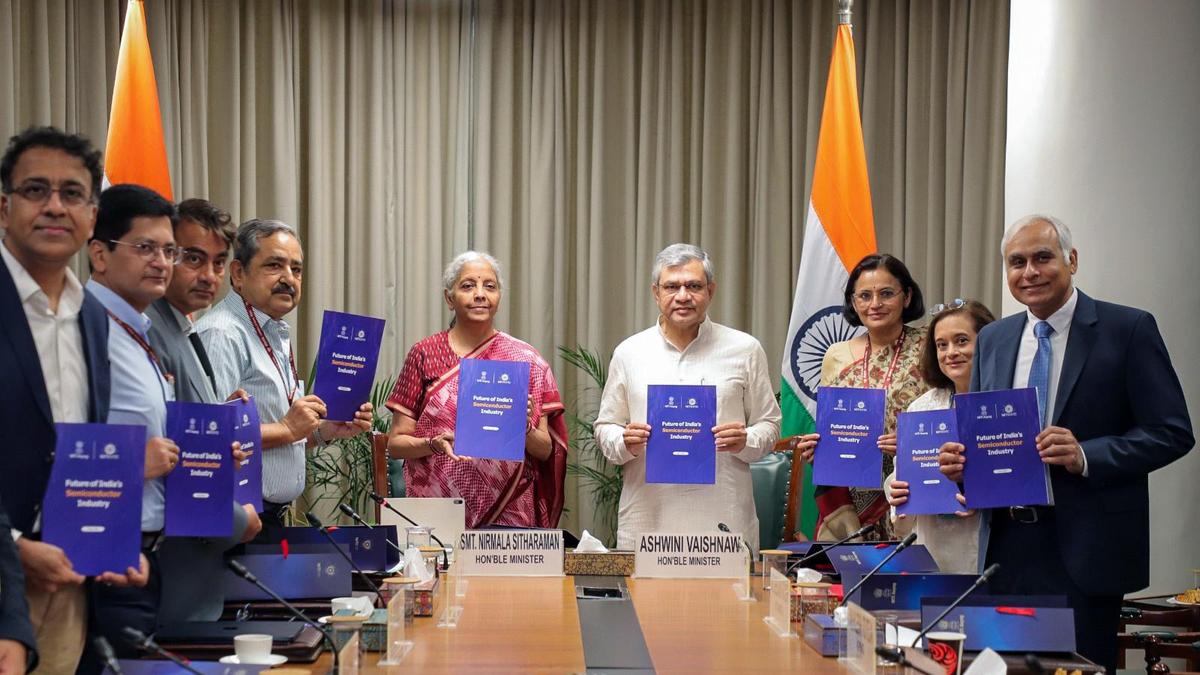
- 06 Jun 2026
In News:
Union Finance Minister Nirmala Sitharaman and IT Minister Ashwini Vaishnaw jointly launched the NITI Aayog Frontier Tech Hub's report titled "Future of India's Semiconductor Industry" — India's first comprehensive 10-year roadmap for the semiconductor sector. The joint launch signals cross-ministerial ownership across Finance, MeitY, and NITI Aayog.
India's Current Status
- India currently does not possess a fully operational semiconductor fabrication plant. The first fab, expected in Dholera, Gujarat, may become operational by 2028. Around 10 semiconductor projects are under various stages of development. India imports nearly all its semiconductor requirements, making the economy vulnerable to global supply chain disruptions.
- The Union government had earlier launched the India Semiconductor Mission (ISM) with a corpus of ?76,000 crore, providing capital subsidies of over 50% for fabrication units, supporting compound semiconductors, packaging facilities, and design-linked incentives for startups.
Key Findings of the Report
- The report explicitly states that India's local ecosystem is not ready to fully meet domestic demand. Many semiconductor components used in defence systems are sourced from outside India, posing national security risks.
- Taiwan dominates global chip manufacturing; a disruption there could massively impact India's electronics supply chain. Fabrication units require 4–5 years before commencing production, and the sector demands "sustained, mission-mode commitment over a decade or more."
Strategic Vision: $120–150 Billion by 2035
- The report presents a strategic blueprint to establish a USD 120–150 billion semiconductor ecosystem by 2035. Rather than competing in the capital-intensive race for cutting-edge wafer fabrication, the roadmap advocates a "More-than-Moore" strategy focused on mature logic nodes, advanced OSAT (Outsourced Semiconductor Assembly and Test) packaging, and specialised wide-bandgap compound materials.
Capital Requirements and ISM 2.0
- The report estimates state capital expenditure of $45–60 billion over a decade for the second phase (ISM 2.0). The roadmap directly reinforces priorities announced under India Semiconductor Mission 2.0 in Union Budget 2026, marking India's shift from ecosystem creation to ecosystem deepening — from attracting investments to developing deeper capabilities across design, materials, manufacturing, packaging, talent, R&D, and trusted global partnerships.
Strategic Focus Areas
- The report steers away from frontier chips (3–7 nanometre nodes) where risks are very high, and instead prioritises mature and advanced nodes, compound semiconductors for defence and industrial applications, and advanced chip packaging as a "core production pillar." Clear goals include positioning India as a leading global destination for advanced packaging and OSAT, building leadership in compound semiconductor manufacturing, and creating more than 100 advanced semiconductor design IPs.
Trusted Partners and Geopolitics
Priority partner nations identified are the United States, Japan, the European Union, and South Korea — for access to critical tools, technology transfer, and joint R&D. The report implicitly treats China as an adversarial player, reflecting the broader global semiconductor realignment away from Chinese supply chains.
New WPI Series and Transition to Producer Price Index (PPI)
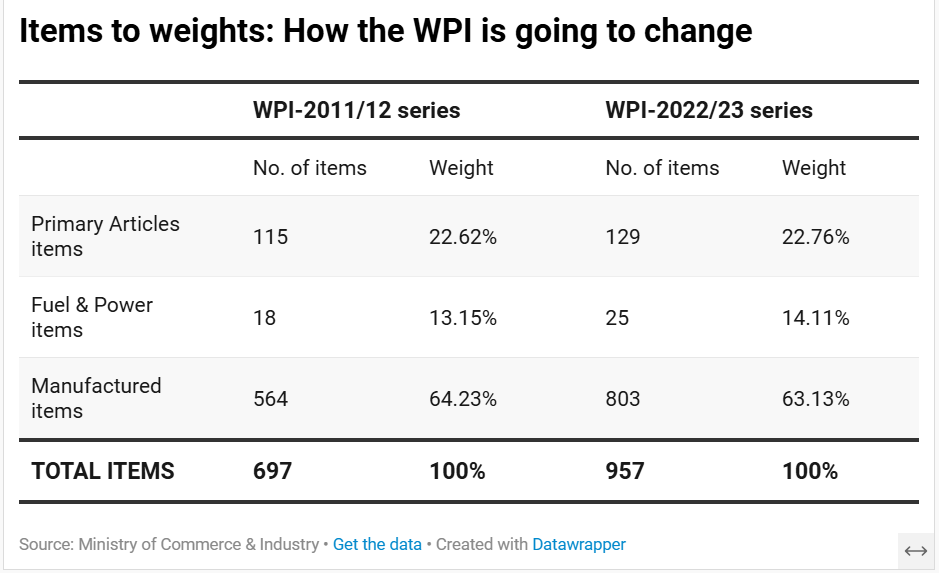
- 05 Jun 2026
In News:
Recently, the Department for Promotion of Industry and Internal Trade (DPIIT) under the Commerce Ministry will release a revised Wholesale Price Index (WPI) series with 2022-23 as the new base year, replacing the 2011-12 series. Simultaneously, India will introduce a comprehensive Producer Price Index (PPI) framework — with the WPI expected to be discontinued by 2031 after a five-year transition.
This reform is part of India's broader statistical overhaul in 2026, following base year revisions to GDP, CPI, and IIP — all updated to 2022-23.
Key Features of the Revised WPI
The commodity basket has been expanded from 697 items to 957 items, with new additions including solar energy, wind energy, nuclear electricity, and other emerging sectors. The revised series will be released with data from May 2026, along with a back-series from April 2023.
The New PPI Framework
Three types of PPIs will be released simultaneously on June 15:
- Output PPI measures prices received by producers at the farm gate or factory gate. It excludes indirect taxes and trade/transport margins. It will initially cover 125 items, expanding to approximately 1,500 items once the WPI is discontinued. This index will be released monthly, with a back-series from April 2023.
- Input PPI (experimental) measures prices paid by producers for inputs, including trade and transport margins. It is being introduced for the manufacturing sector on a trial basis starting March 2026, with validation expected over approximately two years.
- Services PPI covers seven major services: banking, securities transactions, insurance, pension fund management, railways, air passenger transport, and telecommunications. It will be released quarterly, with the first data covering January–March 2026.
All three PPIs carry 2022-23 as the base year.
Why Transition from WPI to PPI?
WPI only tracks goods prices, leaving India's increasingly service-driven economy out of the measurement framework. PPI addresses this gap. Additionally, the output PPI is more consistent with the national accounts framework — the IMF and other global institutions have long advocated PPI adoption for accurately deflating nominal GDP into real GDP. Currently, India uses a combination of WPI and CPI to compute real GDP; once the PPI series stabilises, the output PPI is expected to serve as a more accurate deflator, improving the robustness and international comparability of India's GDP estimates.
Five-Year Transition (2026–2031)
WPI remains widely embedded in long-term procurement contracts, infrastructure agreements, construction projects, and price escalation clauses. To avoid disruption, WPI and PPI will be published in parallel for five years. The Ministry of Finance's Department of Expenditure will issue a circular directing users that fresh long-term contracts extending beyond 2031 should adopt PPI-based escalation mechanisms.
Challenges
Building reliable producer-level price databases — especially for services — is complex. Input PPI remains experimental. Industries and government departments must adapt existing contracts and data frameworks progressively.
Way Forward
- Strengthen data collection infrastructure: Robust producer-level price databases must be built across manufacturing and service sectors. This requires capacity building in statistical agencies, particularly at the district and firm level.
- Validate the Input PPI: The experimental input PPI for manufacturing needs rigorous quality testing and stakeholder feedback over its trial period before it can be formally adopted.
- Expand services coverage: The initial services PPI covers only seven sectors. A roadmap must be developed to progressively include sectors such as healthcare, education, real estate, and IT services.
- Facilitate contractual transition: Government departments, PSUs, and private firms need clear guidelines and legal frameworks to seamlessly migrate price escalation clauses from WPI to PPI in long-term contracts before the 2031 deadline.
- Coordinate with RBI and MoSPI: Close coordination between DPIIT, MoSPI, and the Reserve Bank of India is essential to ensure PPI data is reliable enough to eventually serve as a GDP deflator, strengthening the quality of national income estimates.
Conclusion
India's transition from WPI to PPI is not merely a statistical exercise — it reflects the structural transformation of the Indian economy from a goods-dominated to a services-led one. The simultaneous release of output PPI, input PPI, and services PPI, alongside the revised WPI, marks a decisive step toward aligning India's price measurement architecture with global best practices. Together with the recent revisions in GDP, CPI, and IIP, this reform signals a maturing of India's statistical system, which is foundational to sound policymaking, credible GDP estimation, and investor confidence.
Supreme Court’s Revival of Sedition Trials
- 26 May 2026
In News:
The Supreme Court clarified its May 2022 interim order, holding that wherever the accused has no objection against proceeding with the trial, appeal, or any other proceeding where he has been chargesheeted under Section 124A IPC, there shall be no impediment for courts to decide such matters on merits and in accordance with law.
The clarification came while hearing a petition filed by Kamran, who has reportedly been in custody for 17 years. His criminal appeal — arising from a 2017 Sessions Court conviction under Sections 122, 124A, 153A IPC, read with provisions of the UAPA — remained pending before the Madhya Pradesh High Court due to the 2022 Supreme Court freeze on all sedition proceedings.
The order is not a general revival of Section 124A prosecutions. It does not give the State a unilateral right to push ahead with sedition trials. Crucially, the clarification does not answer the larger question — what is the constitutional fate of sedition?
Background — A Colonial Relic
Section 124A was drafted by Thomas Babington Macaulay in 1837 but was omitted when the IPC was first enacted in 1860. It was reintroduced in 1890 through Special Act XVII specifically to suppress rising nationalist dissent, carrying harsh penalties including life imprisonment.
The law was used extensively against Indian freedom fighters — most notably Bal Gangadhar Tilak (tried three times for his writings in Kesari) and Mahatma Gandhi (for his articles in Young India in 1922). Gandhi famously described Section 124A as "the prince among the political sections of the Indian Penal Code designed to suppress the liberty of the citizen."
Key Judicial Pronouncements
- Romesh Thapar v. State of Madras (1950) — The Supreme Court held that mere criticism of the government or creation of disaffection against it cannot justify restrictions on free speech unless it threatens the security of the State or seeks to overthrow it.
- Kedar Nath Singh v. State of Bihar (1962) — The Supreme Court upheld the constitutional validity of Section 124A but severely restricted its application, ruling that mere strong criticism of the government is not sedition unless accompanied by incitement to violence or an intention to create public disorder.
- Balwant Singh v. State of Punjab (1995) — The Supreme Court held that casual raising of anti-national slogans by a few individuals, which did not lead to any public response or violence, does not amount to sedition.
- S.G. Vombatkere v. Union of India (2022) — The Supreme Court placed Section 124A in complete abeyance, observing that the law was engineered for a colonial regime and entirely out of sync with the modern democratic social milieu. It directed that no fresh FIRs be registered, no investigations continued, and all pending trials and appeals kept strictly in abeyance.
Transition to the Bharatiya Nyaya Sanhita (BNS), 2023
With the repeal of the IPC, the sedition framework has transitioned into the BNS. The word "sedition" (Rajdroh) has been consciously dropped from the new legal lexicon. Section 152 of the BNS now penalises acts that endanger the "sovereignty, unity, and integrity of India." Crucially, while Section 124A penalised disaffection towards the Government, Section 152 shifts focus to penalising acts that threaten the State itself — specifically criminalising secessionist activities, armed rebellion, or subversive activities, with punishment up to life imprisonment or seven years with fine.
22nd Law Commission's Position
The 22nd Law Commission (2020) strongly recommended retaining the sedition law to safeguard India's internal security, arguing that the "colonial legacy" tag is an insufficient reason for its repeal. It proposed critical amendments: formally incorporating the Kedar Nath judicial safeguard by explicitly requiring a "tendency to incite violence or cause public disorder," and mandating that no FIR can be registered without a preliminary inquiry by an Inspector-level officer and prior government permission. It also warned that scrapping sedition entirely could force the State to prosecute speech-related offences under far more draconian laws like the UAPA.
Concerns Raised by the Revival
- Questionable Nature of Consent — Critics argue that accused persons facing prolonged imprisonment may "consent" to sedition trials out of desperation for bail or closure, raising serious doubts about whether such consent is truly voluntary.
- Problem of Co-Accused Persons — The order does not clarify situations where one accused agrees to proceed while a co-accused refuses, potentially leading to fragmented trials and contradictory judgments.
- Chilling Effect on Free Speech — The law is frequently alleged to be misused to intimidate journalists, human rights activists, political dissidents, and students — creating a chilling effect on legitimate democratic dissent.
- Democratic Inconsistency — The United Kingdom, which introduced the sedition law in India, abolished its own sedition laws in 2009, arguing it had no place in a modern democracy.
Way Forward
- Expediting the Seven-Judge Bench — The Supreme Court must convene the referred seven-judge Constitution Bench to definitively rule on the constitutional validity of Section 124A — evaluating whether a law criminalising mere "disaffection" against a transient political executive can survive the modern proportionality test under Articles 14 and 21.
- Unified Constitutional Standard — The judiciary must establish a clear standard separating legitimate political speech from actual security threats, preventing lower courts from resorting to the "consent" mechanism to clear backlogs.
- Accountability for Misuse — Where security-related charges are weaponised to suppress peaceful journalism or civil activism, the law must provide for mandatory disciplinary and penal consequences against the responsible officers.
- Police Training — Local police forces must be sensitised to distinguish between legally protected political dissent and actual offences against the State.
- Defining Ambiguous Terms — Section 152 of the BNS uses broad terms such as "subversive activities" and "feelings of separatist activities" that must be narrowly and exhaustively defined to prevent arbitrary application.
Conclusion
India's transition from Section 124A of the IPC to Section 152 of the BNS reflects a shift from protecting the government from criticism to safeguarding national sovereignty from genuine threats. However, true democratic security lies not in suppressing dissent but in protecting free speech through narrowly defined laws, robust judicial safeguards, and accountability. The Kamran clarification, while providing relief to long-suffering undertrials, leaves the fundamental constitutional question of sedition's validity unresolved — a question that only a full Constitution Bench can answer.
Neuro-Symbolic AI in Indian Education

- 25 May 2026
In News:
Technology experts and educational researchers have highlighted Neuro-Symbolic Artificial Intelligence (NSAI) as a more suitable, reliable, and culturally aligned framework for the Indian education system compared to conventional Large Language Models (LLMs) like GPT-4 — particularly given India's linguistic diversity, rural infrastructure constraints, and the pedagogical goals of the National Education Policy (NEP) 2020.
What is Neuro-Symbolic AI?
NSAI is a hybrid AI architecture that fuses two complementary approaches:
- Neural Component (Perception): Uses deep learning and neural networks for pattern recognition — processing unstructured data such as regional-language voice queries, handwritten text, or images.
- Symbolic Component (Reasoning): Relies on explicit, human-readable logic rules, knowledge graphs, and ontologies to generate verifiable, fact-based answers.
In effect, the neural network acts as the "eyes and ears" — converting unstructured inputs into structured symbols — while the symbolic engine acts as the "logical brain" — applying strict rules to generate explainable, auditable outputs. This architecture makes AI outputs transparent, trustworthy, and hallucination-resistant.
Why LLMs Fail India's Classroom
- Hallucinations: LLMs confidently fabricate historical dates, scientific formulas, or citations when pushed beyond training data — a critical risk in a learning environment where neither students nor overworked teachers can always detect errors.
- Vernacular Gap: LLMs are English-dominant. India's 22 constitutionally recognised languages and hundreds of dialects remain severely under-represented in training corpora, producing distorted or contextually inaccurate translations.
- Infrastructure Mismatch: Frontier LLMs require massive data centres with high energy footprints — incompatible with the reality that only 47% of rural schools have functional computers and high-bandwidth internet remains scarce.
- Rote Learning Amplification: As statistical pattern-matchers, LLMs generate answers without promoting conceptual reasoning — directly contradicting NEP 2020's emphasis on critical thinking and cognitive depth.
- Black Box Problem: LLMs cannot explain errors in step-by-step logical terms — preventing teachers from identifying specific learning gaps.
NSAI's Strategic Advantage for India
- Factual Grounding: NSAI can be hardcoded with NCERT curriculum ontologies — logic trees built from verified textbook content — ensuring answers are constrained by established facts, eliminating hallucinations entirely.
- Vernacular Barrier Bypass: By combining neural translation with explicit symbolic grammatical rules (e.g., Paninian grammar logic for Sanskrit/Hindi), NSAI requires exponentially less training data for regional language accuracy — directly supporting the Bhashini initiative.
- Explainable Knowledge Tracing: In high Pupil-Teacher Ratio (PTR) environments, NSAI performs granular knowledge tracing — if a student fails an algebra problem, the symbolic engine identifies the exact micro-concept misunderstood (e.g., distributive property error) and provides step-by-step feedback.
- Frugal Deployment: Built on lightweight frameworks like the C3AN architecture, NSAI models can run entirely offline on low-cost smartphones — enabling AI tutoring in rural Odisha or Bihar without continuous internet connectivity.
Indian Pilots
- Project PrahelikaAI (IIT Kharagpur): A 24/7 logic-puzzle-based digital tutor tracking student learning patterns in Hindi and Bengali, building personalised misconception profiles.
- C3AN Framework and Edge Deployment: Designed for complete offline operation on low-end devices — enabling students in remote areas to access engineering-level content natively in regional languages.
Key Challenges
- Knowledge Engineering Bottleneck: Manually digitising India's multilayered curriculum (NCERT, State Boards, technical education) into machine-readable logic structures is enormously resource-intensive.
- Linguistic Diversity: Building symbolic reasoning systems for hundreds of dialects requires extensive localised datasets — currently underdeveloped.
- Digital Divide: Fragmented hardware ecosystems, inadequate electricity, and poor connectivity in rural schools remain structural barriers.
- Socio-Emotional Blindspot: NSAI can diagnose academic weaknesses but cannot account for emotional, psychological, or socioeconomic factors — reinforcing the irreplaceable role of human teachers.
- Equity Risk: Uneven implementation could deepen the urban-rural and government-private school educational divide.
Way Forward
- DIKSHA Integration: Embed NSAI tutors within India's existing Digital Infrastructure for Knowledge Sharing (DIKSHA) platform for democratised access.
- Bharat-Ontology: Under the IndiaAI Mission, build open-source, curriculum-aligned knowledge graphs collaboratively with IITs and ed-tech firms.
- NISTHA 2.0: Upgrade teacher training programmes to equip educators with skills to interpret NSAI-generated learning diagnostics.
- DPDP Act Compliance: Student data must be anonymised, localised, and strictly used for pedagogical purposes — prohibiting commercial exploitation under the Digital Personal Data Protection Act, 2023.
Sample Registration Survey 2024
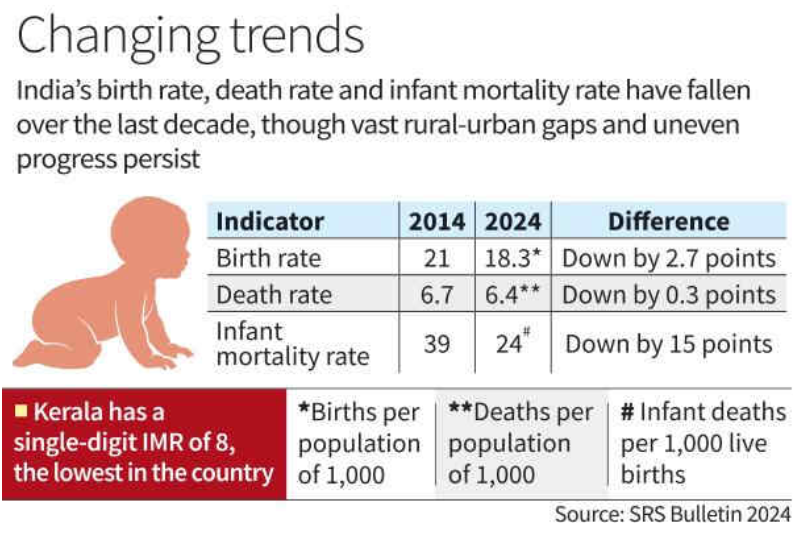
- 24 May 2026
In News:
The SRS Bulletin released by the Registrar General of India shows that India's crude birth rate has declined to 18.3 births per 1,000 population in 2024 from 21 in 2014 and 36.9 in 1971, reflecting a major demographic transition over the past five decades. The data signals that India has entered an advanced stage of demographic change — with profound implications for health policy, fiscal planning, and political representation.
About the Sample Registration System (SRS)
- The SRS is one of the world's largest demographic surveys, conducted by the Office of the Registrar General & Census Commissioner (ORGI) under the Ministry of Home Affairs.
- It provides reliable annual estimates of birth rate, death rate, infant mortality rate (IMR), Total Fertility Rate (TFR), and other fertility-mortality indicators at national and sub-national levels.
- Data is collected through continuous enumeration by field workers and biannual independent surveys across 8,800 villages and urban blocks covering over 8.8 million people.
Key Data Points: SRS 2024
- Birth Rate: Fell from 21 in 2014 to 18.3 in 2024. The highest birth rate was recorded in Bihar (26.8), while the lowest was in Andaman & Nicobar Islands (9.9).
- Death Rate: Declined from 6.7 to 6.4 per 1,000 population. The natural growth rate has slowed to 11.9. The highest death rate was recorded in Chhattisgarh (8.4), and the lowest in Chandigarh (3.9).
- Infant Mortality Rate (IMR): IMR fell from 39 in 2014 to 24 per 1,000 live births in 2024 — a 38% decline over ten years and less than one-fifth of the 1971 level. The maximum IMR was in Chhattisgarh (36) and the minimum in Manipur (2).
- Under-5 Mortality Rate (U5MR): Fell to 28 per 1,000 live births in 2024.
- Total Fertility Rate (TFR) — Critical Headline: India's TFR has declined to 1.9 in 2024 — below the replacement-level fertility of 2.1 needed to maintain stable population levels. Rural women recorded a TFR of 2.1 versus urban women at 1.5 — a significant urban-rural fertility divide.
Persisting Regional Disparities
Kerala has India's lowest IMR among major states at 8, while Tamil Nadu stands at 11 and Maharashtra at 13. On the other hand, Chhattisgarh has the highest IMR at 36, followed by Madhya Pradesh and Uttar Pradesh at 35 each. "Despite substantial progress, one in every 42 infants in India still dies before completing one year of life. In rural India, the figure is even worse — one in every 37 infants."
Demographic Transition: Implications
- Sub-replacement TFR and Delimitation: India's TFR falling below 2.1 has major political implications. Southern and western states — which adopted family planning earlier — risk losing parliamentary seats in the delimitation exercise (post-2026 Census), while high-fertility states like Bihar and Uttar Pradesh may gain representation. This north-south demographic divergence is a politically sensitive constitutional issue.
- Ageing Population: A declining birth rate alongside improving life expectancy will accelerate the old-age dependency ratio — shifting India's demographic dividend toward a dependency burden over the coming decades, requiring urgent policy responses in pension, healthcare, and labour market frameworks.
- Health Infrastructure Gaps: Wide rural-urban and inter-state differences in demographic and health outcomes highlight the need for targeted healthcare investments — particularly in the Empowered Action Group (EAG) states of Bihar, UP, MP, Chhattisgarh, Rajasthan, Odisha, Jharkhand, and Uttarakhand, which continue to lag on most health indicators.
India–Italy Special Strategic Partnership
- 23 May 2026
In News:
Prime Minister Narendra Modi's official visit to Rome resulted in the elevation of India-Italy bilateral relations to a Special Strategic Partnership — a significant upgrade from the earlier Strategic Partnership framework. A new Foreign Ministers-led mechanism will review the Joint Strategic Action Plan 2025–2029, adopted at the G20 Summit in Rio de Janeiro (November 2024). PM Modi was also conferred the FAO Agricola Medal 2026 — the highest award of the UN Food and Agriculture Organization — recognising India's leadership in global food security and sustainable agriculture.
Key Outcomes of the Visit
- Trade and Economy: With the conclusion of the India-EU Free Trade Agreement, both nations set a bilateral trade target of EUR 20 billion by 2029. Priority sectors include clean technologies, semiconductors, critical minerals, and pharmaceuticals. Italy is currently India's 4th largest trading partner within the EU, with bilateral merchandise trade at USD 13.76 billion in 2024–25, and India maintaining a positive trade balance of USD 1.70 billion.
- Defence: A Defence Industrial Roadmap was adopted targeting co-development and co-production in helicopters, naval platforms, and electronic warfare — sectors where Italian firms like Leonardo and Fincantieri have advanced niche capabilities critical for India's diversification away from Russian hardware without risking CAATSA-linked sanctions. A formal Maritime Security Dialogue was also launched.
- Technology and AI: Both leaders announced INNOVIT India — an innovation hub connecting startups, universities, and industries. Human-centric AI governance was reaffirmed, building on the AI Impact Summit 2026 (New Delhi).
- Critical Minerals: An MoU was signed for securing critical minerals, with emphasis on recycling electronic waste — leveraging Italy's advanced circular economy technologies to help India reduce dependence on China's mineral processing dominance.
- Connectivity: Both nations reaffirmed commitment to the India-Middle East-Europe Economic Corridor (IMEC) — positioning Italy as the natural European entry point for Indian goods, energy, and data infrastructure traversing the Middle East. Italy's strategic exit from China's Belt and Road Initiative (BRI) in 2023 has created space India is actively filling.
- Migration: The "ICI – Italy Calls India" talent bridge framework will facilitate mobility of skilled professionals in STEM and nursing sectors. The year 2027 will be celebrated as the Year of Culture and Tourism between the two nations.
Agricola Medal: Recognising India's Agricultural Leadership
The FAO Agricola Medal recognised India's world's largest food-based social safety net covering 800 million people, direct income support to over 110 million farmers under PM-KISAN, leadership in the International Year of Millets 2023, the use of Digital Public Infrastructure (DPI) in farming, and the structural shift toward regenerative and natural farming. India reaffirmed alignment with FAO's "Four Betters" framework: Better Production, Better Nutrition, Better Environment, and Better Life.
Strategic Significance
Italy's importance to India spans multiple dimensions — as western anchor of IMEC, EU geopolitical balancing weight (third-largest EU economy) post-Brexit, defence technology partner in niche domains, and partner in the Mattei Plan for non-predatory Africa engagement — synergising with India's own developmental footprint on the continent via DPI and Lines of Credit.
India-Sweden Strategic Partnership
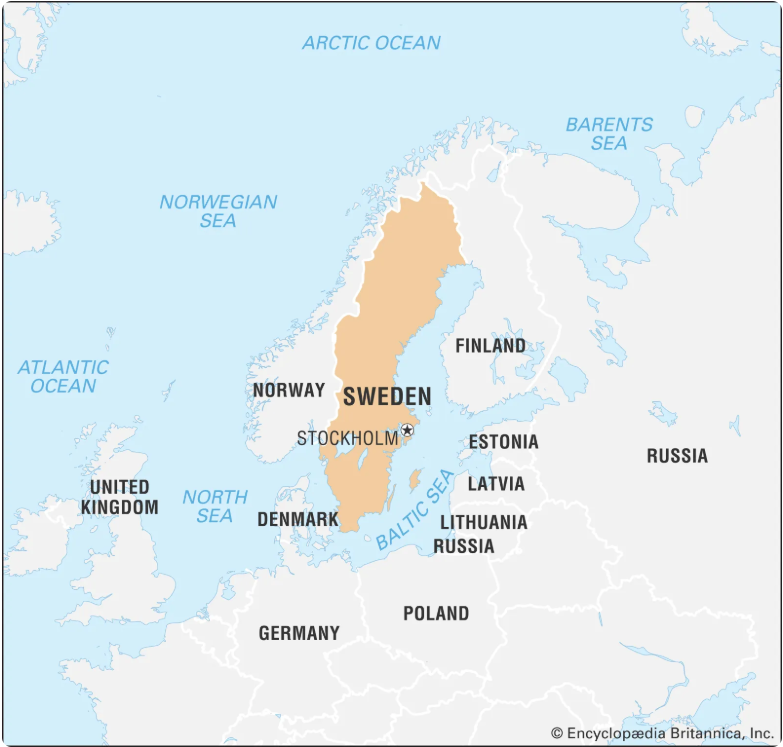
- 22 May 2026
In News:
Prime Minister Narendra Modi held bilateral consultations with Swedish Prime Minister Ulf Kristersson in Gothenburg, Sweden, where the two leaders agreed to elevate India-Sweden ties to the level of a Strategic Partnership, operationalised through the India-Sweden Joint Action Plan 2026–2030. PM Modi was also conferred with the Royal Order of the Polar Star (Commander Grand Cross) — one of Sweden's highest state honours — during the visit.
Four Pillars of the Strategic Partnership
The Strategic Partnership is guided by four pillars: Strategic Dialogue for Stability and Security; Next-Generation Economic Partnership; Emerging Technologies and Trusted Connectivity; and Shaping Tomorrow Together — People, Planet, Health and Resilience.
- Pillar 1 (Security): Both nations agreed to strengthen counter-terrorism cooperation through the India-EU Joint Working Group on Counter-Terrorism and deepen parliamentary exchanges through the newly formed India-Nordic Parliamentary Friendship Group in the Lok Sabha and the Friendship Group for India in the Swedish Riksdag.
- Pillar 2 (Economy): India and Sweden committed to doubling bilateral trade within five years, with a Bilateral Trade and Investment Summit planned for 2027 themed "India-Sweden: Stronger Together – towards 2047." The partnership will promote "Make in India" and "Made with Sweden" co-production, alongside IPR cooperation, green ports, airports, direct air connectivity, and a bilateral SME and start-up platform.
- Pillar 3 (Technology): Both sides agreed to connect their AI ecosystems through the Sweden-India Technology and Artificial Intelligence Corridor (SITAC) and established the India-Sweden Joint Science and Technology Centre (ISJSTC). Priority areas include AI, 6G, quantum computing, critical minerals, sustainable transport, renewable energy, smart cities, and circular economy — the full spectrum of Industry 4.0/5.0 technologies.
- Pillar 4 (People and Planet): Both nations agreed to launch LeadIT 3.0 — a new four-year phase of the Leadership Group for Industry Transition — at COP31 in Antalya, Turkey (November 2026), furthering heavy industry decarbonisation. Cooperation under the International Solar Alliance (ISA) and Mission LiFE was also reaffirmed. The year 2026 will be commemorated as the centenary of Rabindranath Tagore's visit to Sweden through the "Tagore-Sweden Lecture Series."
Bilateral Relations: Key Facts
The leaders underscored that the recently concluded India-EU FTA has opened a new chapter in economic and commercial ties. Bilateral goods trade has grown from USD 2.86 billion (2016) to USD 6.96 billion (2024), making India Sweden's third-largest trading partner in Asia. Sweden's cumulative FDI into India stands at USD 2.596 billion (April 2000–December 2024). Swedish defence major SAAB has begun constructing a 100% FDI manufacturing plant in Haryana for Carl Gustaf Mark IV shoulder-fired weapons. On the space front, Sweden's IRF is providing the Venusian Neutrals Analyser (VNA) for ISRO's upcoming Shukrayaan-1 (Venus Orbiter Mission).
Challenges
Key structural challenges include Sweden's NATO membership versus India's strategic autonomy (limiting deep defence integration), complex IP-transfer negotiations in sensitive technology domains, non-tariff barriers and the EU's Carbon Border Adjustment Mechanism (CBAM) affecting Indian exports, and both nations' shared vulnerability to China's dominance in critical mineral processing — essential for AI, EVs, and space technology.
Way Forward
- Anchor within the EU: Sweden should serve as India's strategic bridge within the EU for smooth India-EU FTA implementation, with a joint working group helping Indian MSMEs navigate CBAM and non-tariff barriers.
- Operationalise SITAC: A dedicated IP protection protocol must provide legal certainty for SITAC-based joint ventures in quantum computing, 6G, and AI — converting corridor-level intent into enforceable co-development agreements.
- Blended Finance for Green Transition: Pooling multilateral climate funds, Swedish sovereign investment, and Indian public capital can bridge the cost gap for high-end green technology transfer, making LeadIT 3.0 commercially viable rather than aspirational.
- Critical Minerals: Both nations must jointly develop mid-stream processing capabilities — bilaterally or through the broader India-Nordic framework — to reduce shared dependence on China for rare earths critical to AI, EVs, and space technology.
- Defence Co-Production: The relationship must evolve from procurement to structured joint R&D within India's Defence Industrial Corridors. Simplifying offset clauses and ensuring regulatory predictability will incentivise Swedish OEMs to deepen manufacturing integration.
- Totalization Agreement: Expediting a Social Security Totalization Agreement will eliminate dual pension contributions, directly enabling the seamless talent and researcher mobility envisioned under the Joint Action Plan.
Conclusion
The India-Sweden Strategic Partnership reflects a decisive evolution from transactional trade toward a deep-tech alliance combining Swedish innovation with India's manufacturing scale and digital dynamism. Arriving at a moment of global supply chain fragmentation and technology bloc formation, this partnership — anchored in shared democratic values and institutionalised through the Joint Action Plan 2026–2030 — offers India a critical technology co-creator and green transition partner within Europe. Converting the strategic goodwill of Gothenburg into tangible outcomes across AI, clean energy, defence co-production, and critical minerals will ultimately determine whether this partnership becomes a model for India's engagement with the democratic world in the Viksit Bharat era.
3rd India-Nordic Summit
- 21 May 2026
In News:
Recently, Prime Minister Narendra Modi participated in the 3rd India-Nordic Summit in Oslo, hosted by Norway — marking his first visit to the country in 43 years since Indira Gandhi's visit in 1983. The summit brought together the leaders of India, Denmark, Finland, Iceland, Norway, and Sweden to chart new avenues for cooperation amid rapid global geopolitical and technological transformation.
Key Outcome: Strategic Partnership Upgrade
The headline outcome, confirmed in the Joint Statement issued by India's Ministry of External Affairs (MEA), was the elevation of India-Nordic ties to a "Trusted Green Technology and Innovation Strategic Partnership" — a formal upgrade in the diplomatic classification of the relationship. This partnership aims to deepen cooperation in the blue economy, circular economy, and digital infrastructure, while strengthening collaboration on climate action, energy security, water management, and education.
India is the only country besides the United States to have summit-level ties with the Nordic nations collectively. The previous summits were held in Stockholm (2018) and Copenhagen (2022); the next edition will be hosted by Finland.
Trade, Investment and Economic Integration
Leaders agreed to leverage both the India-EFTA Trade and Economic Partnership Agreement (TEPA) and the concluded India-EU Free Trade Agreement to expand trade, investment, and technology linkages. A key target under TEPA is attracting USD 100 billion in investments into India, projected to generate one million direct jobs. Tariffs on EU automobiles entering India are set to fall from 110% to as low as 10%, while Indian exporters gain zero-duty access to the EU's textile and apparel market — a landmark gain for a sector employing tens of millions.
Climate, Arctic and Blue Economy
Iceland was welcomed as a new member of LeadIT 2.0, a public-private platform focused on decarbonising heavy industries, including low-carbon shipping and adherence to the Hong Kong Convention for safe ship recycling. Leaders reaffirmed cooperation on green hydrogen, carbon capture, utilisation and storage (CCUS), and critical minerals. India's Arctic interest was highlighted through the Himadri research station in Svalbard, Norway, with Nordic nations as crucial partners for polar research and climate monitoring.
Technology, Space and Defence
The summit announced a Framework Agreement between ISRO and the Norwegian Space Agency, and confirmed a Swedish payload for India's Shukrayaan-1 (Venus Orbiter Mission). Nordic defence firms were invited to invest in India's Defence Industrial Corridors under the 100% FDI route, aligning with the Atmanirbhar Bharat initiative. Cooperation on democratising AI, securing 5G/6G infrastructure, and global AI governance was also emphasised.
Key Bilateral Outcomes
PM Modi was conferred Norway's highest civilian honour — the Grand Cross of the Royal Norwegian Order of Merit — by King Harald V. India and Norway formally instituted a Maritime Security Dialogue to enhance information sharing and tackle illicit maritime activities. Norway formally joined India's Indo-Pacific Oceans Initiative (IPOI), reaffirming support for a free, open, and prosperous Indo-Pacific. Discussions on a Sovereign Investment Corridor to channel capital from Norway's massive sovereign wealth fund into India's green infrastructure were also advanced.
Global and Security Dimensions
Nordic nations reiterated support for India's permanent seat on a reformed UN Security Council and its application to the Nuclear Suppliers' Group (NSG). The summit strongly condemned cross-border terrorism, specifically referencing the 2025 Pahalgam and New Delhi attacks, committing to disrupt global terror financing.
India's EV Transition: Why the Grid Challenge Is Bigger Than the Vehicle

- 20 May 2026
In News:
Rising crude oil prices and recurring geopolitical tensions in the Strait of Hormuz have accelerated India's push toward electric vehicles (EVs). While electric two-wheelers are gaining rapid urban traction owing to affordability and low maintenance costs, the deeper — and largely underappreciated — challenge lies in building a power grid capable of sustaining large-scale transport electrification, particularly in the freight sector.
The Scale of the Problem
India currently has nearly 420 million registered vehicles. Full electrification of this fleet would demand an additional 900–1,100 TWh of electricity annually — effectively requiring the construction of a second large-scale power system alongside the existing one. Even a partial electrification scenario — where half the fleet transitions by 2047 — would still necessitate approximately 500 TWh of additional generation, equivalent to nearly one-third of India's current annual power output.
This arithmetic makes EV adoption not merely a transport policy question but a fundamental energy infrastructure challenge.
The Visibility Trap: Two-Wheelers vs. Freight
Public discourse around EVs is disproportionately focused on electric scooters and motorcycles — politically visible, subsidy-driven, and rapidly growing. Yet their actual grid burden is modest. Electrifying all 309 million two-wheelers would require only 55–75 TWh annually — less than 7% of total projected EV electricity demand.
The real stress lies in freight. India's approximately 6.26 million heavy goods vehicles (HGVs), each covering nearly 60,000 km per year at high energy intensity, would alone require 450–565 TWh annually if electrified. Including medium goods vehicles (MGVs) pushes total freight electricity demand to 500–600 TWh. In effect, electrifying India's roads means electrifying its supply chains, logistics networks, and industrial transport systems — not merely its consumer commute.
The Evening Peak Crisis
A critical structural vulnerability is the evening peak demand problem. If millions of EVs charge simultaneously after sunset — when solar generation drops — the grid faces severe stress, risking shortages, tariff spikes, and supply instability. Several state discoms already report delays in granting high-tension charging connections due to financial distress and inadequate infrastructure.
Solutions exist — time-of-use pricing, workplace daytime charging, battery-swapping networks, and large-scale energy storage — but India currently lacks a mandatory national standard for smart charging, meaning chargers being installed today without grid-responsive capability could become costly liabilities tomorrow.
What the Grid Must Deliver
Sustainable EV growth demands a diversified and clean energy mix. Solar and wind offer scalable, low-cost generation but are weather-dependent. Nuclear energy provides stable low-carbon baseload but requires long lead times. Pumped hydro, battery storage, and limited gas-based generation are essential for balancing supply-demand mismatches.
Critically, expanding coal dependence to power EVs would negate environmental gains — replacing imported oil with imported coal merely shifts India's energy vulnerability while perpetuating high emissions.
Policy Imperatives
Several institutional and regulatory reforms are essential. EV demand projections must be integrated into national capacity planning. Smart-charging standards must be made mandatory for all new infrastructure. Key freight corridors — the Golden Quadrilateral and Dedicated Freight Corridors — require coordinated power planning before electric trucking scales commercially. The Revamped Distribution Sector Scheme (RDSS) must be leveraged to financially strengthen discoms and improve last-mile electricity delivery. Strong inter-ministerial coordination across transport, power, and finance ministries is non-negotiable.
India-UAE: From Transactional Ties to a Comprehensive Strategic Partnership
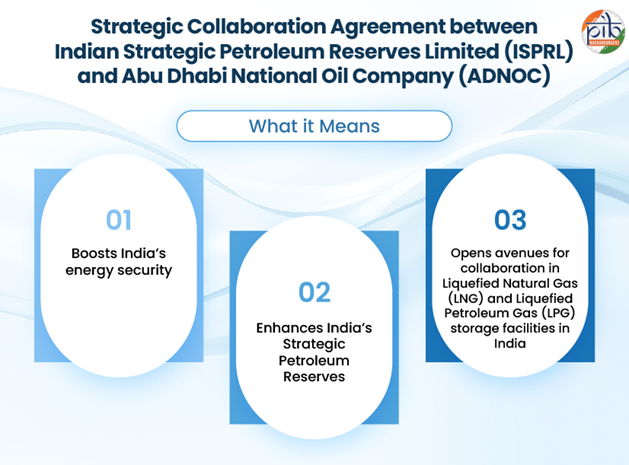
- 19 May 2026
In News:
Prime Minister Narendra Modi's recent official visit to the United Arab Emirates concluded with a series of landmark agreements spanning energy security, defence industry, artificial intelligence, maritime infrastructure, and digital finance — signalling a qualitative leap in one of India's most consequential bilateral relationships.
Key Outcomes of the Visit
- Energy Security emerged as a cornerstone. Indian Strategic Petroleum Reserves Limited (ISPRL) and Abu Dhabi National Oil Company (ADNOC) formalised an arrangement to store up to 30 million barrels of crude oil in India's Strategic Petroleum Reserve (SPR) facilities at Visakhapatnam and the upcoming Chandikol site in Odisha, while also exploring commercial crude storage at Fujairah in the UAE. Separately, Indian Oil Corporation Limited (IOCL) secured a long-term LPG supply agreement with ADNOC Gas, reinforcing India's hydrocarbon import resilience.
- Strategic Defence Cooperation advanced well beyond conventional buyer-seller dynamics. A comprehensive defence industrial framework was established covering joint innovation, cyber defence, maritime security, and secure communication systems — a significant step toward co-development of advanced military technology.
- Capital and Technology Inflows were substantial. UAE entities committed USD 5 billion in investments into India, including USD 1 billion by the Abu Dhabi Investment Authority (ADIA) into the National Investment and Infrastructure Fund (NIIF) for priority infrastructure. On the technology front, India's Centre for Development of Advanced Computing (C-DAC) and UAE's G42 signed a term sheet to build an 8 Exaflop Supercomputing Cluster, boosting the IndiaAI Mission considerably.
- Maritime and Skill Development: Cochin Shipyard Limited and Dubai's Drydocks World inked an MoU to establish a ship repair cluster at Vadinar, Gujarat, under India's Maritime Development Fund Scheme. A tripartite pact was also signed for training and deploying a skilled maritime workforce — directly supporting the Make in India and Skill India missions.
Strategic Significance
India-UAE bilateral merchandise trade crossed USD 100 billion for the first time, reaching USD 101.25 billion in FY 2025–26. Under the Comprehensive Economic Partnership Agreement (CEPA), both nations aim to double non-oil trade to USD 200 billion by 2032. Cumulative FDI from the UAE into India between April 2000 and March 2025 stood at USD 22.84 billion, making the UAE India's seventh-largest foreign investor.
Beyond trade, the UAE serves as a linchpin in India's "Think West" policy — anchoring minilateral formats like I2U2 (India, Israel, UAE, USA) and the India-Middle East-Europe Economic Corridor (IMEC). Digital integration has advanced through UPI-AANI payment linkage and RuPay-JAYWAN card connectivity, while the Local Currency Settlement (INR-AED) system reduces dollar dependence. India also reiterated the critical importance of unimpeded navigation through the Strait of Hormuz for global energy and food security.
Challenges Ahead
Despite rapid progress, structural challenges persist: a trade deficit driven by crude imports, non-tariff barriers under CEPA, China's deepening footprint in UAE ports and technology zones, labour vulnerabilities facing the approximately 3.5 million Indian diaspora in the UAE, and financing bottlenecks constraining IMEC's full operationalisation.
Indus Waters Treaty (IWT)
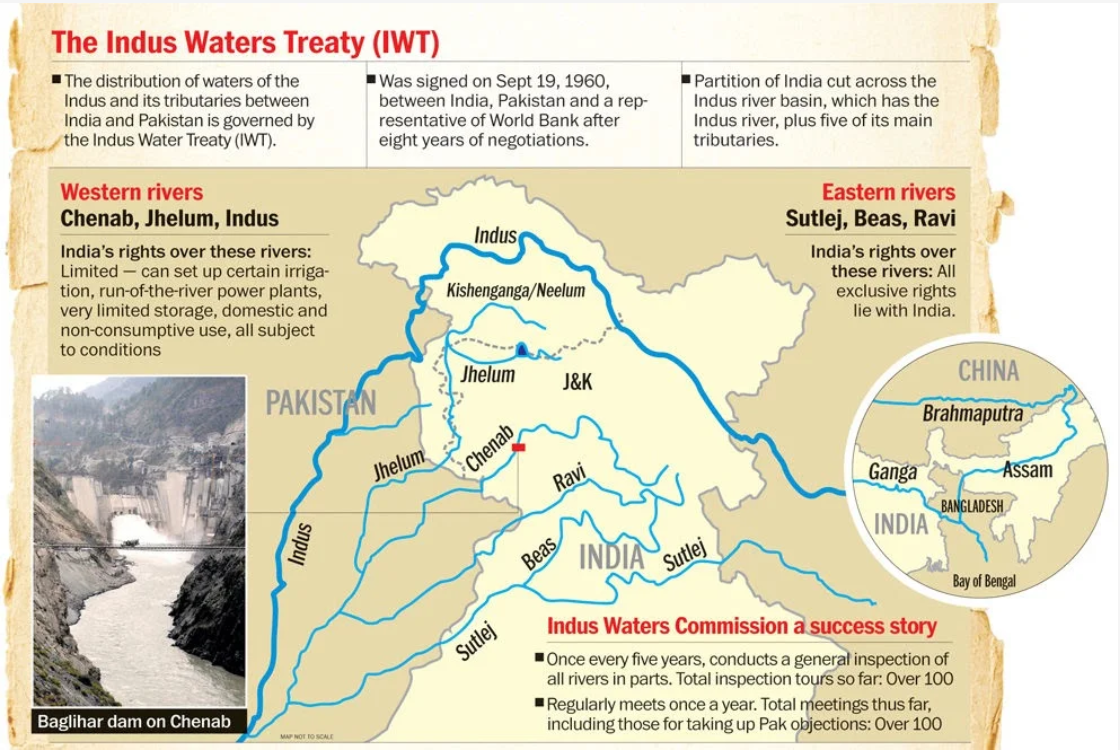
- 18 May 2026
In News:
Signed on September 19, 1960, under the mediation of the World Bank, the Indus Waters Treaty (IWT) has long been regarded as one of the world's most resilient transboundary water sharing agreements. However, India's recent categorical rejection, "award" by the Court of Arbitration (CoA) at The Hague, coupled with New Delhi’s unprecedented decision to place the treaty in abeyance following the April 22 Pahalgam terror attack, marks a fundamental paradigm shift in India's bilateral water diplomacy.
Core Architecture of the Treaty
The treaty comprises 12 Articles and 8 Annexures (A to H), establishing a clear division of the Indus river basin system:
- Eastern Rivers (Sutlej, Beas, Ravi): Allocated to India for "unrestricted use."
- Western Rivers (Indus, Jhelum, Chenab): Allocated primarily to Pakistan. India retains limited, conditional rights for hydropower generation, non-consumptive use, and irrigation.
The Graded Dispute Resolution Mechanism & Current Deadlock
Article IX of the IWT outlines a structured, three-tier mechanism to resolve technical or legal conflicts:
- Permanent Indus Commission (PIC): The foundational tier consisting of Commissioners from both nations meeting regularly to resolve issues via mutual consensus.
- Neutral Expert (NE): Appointed by the World Bank for technical differences (e.g., engineering designs of India's Kishenganga or Ratle projects) whose decision is binding.
- Court of Arbitration (CoA): A 7-member ad hoc arbitral tribunal at The Hague for broader legal and contractual interpretations.
The Conflict over Jurisdiction
The current diplomatic and legal deadlock stems from Pakistan's parallel activation of both the NE and the CoA mechanisms regarding maximum pondage disputes. India contends that a nation cannot simultaneously pursue both tracks under the treaty's graded hierarchy. Consequently, India boycotted the CoA, labeling it "illegally constituted" and declaring its recent May 2026 pronouncements "null and void."
Strategic Escalation: The Shift in India's Approach
India’s hydro-diplomacy has grown progressively assertive, reflecting the principle that "blood and water cannot flow together":
- January 2023: India issued its first-ever formal notice seeking "modification" of the treaty due to Pakistan's obstructionist approach.
- September 2024: India escalated by issuing a notice for "review and modification," signaling an intent to fundamentally renegotiate the 65-year-old framework.
- May 2026: Following the Pahalgam terror attack (which resulted in 26 deaths), India placed the treaty in abeyance, establishing a direct link between regional national security and international treaty obligations.
Key Legal and Diplomatic Challenges
- Treaty Continuity vs. National Security: The standoff tests whether a bilateral treaty can be unilaterally held in abeyance under international law due to cross-border terrorism.
- Multilateral Overreach: India opposes the internationalization of bilateral issues through third-party arbitration bodies like the CoA that bypass sequential treaty mechanisms.
Way Forward
- Modernization of the Treaty: The IWT must be renegotiated to incorporate 21st-century realities, including climate resilience, altered hydrology, data-sharing, and updated dispute-resolution channels.
- Basin-Wide Management: South Asia requires sustainable, cooperative river basin management based on mutual trust and absolute cessation of cross-border security threats.
Conclusion
India’s rejection of the CoA award demonstrates that hydro-relations cannot exist in a vacuum separated from national sovereignty and security. The long-term stability of the Indus basin hinges upon Pakistan embracing institutional dialogue and adhering to the treaty’s defined legal protocols.
BRICS in Geopolitical Crosscurrents
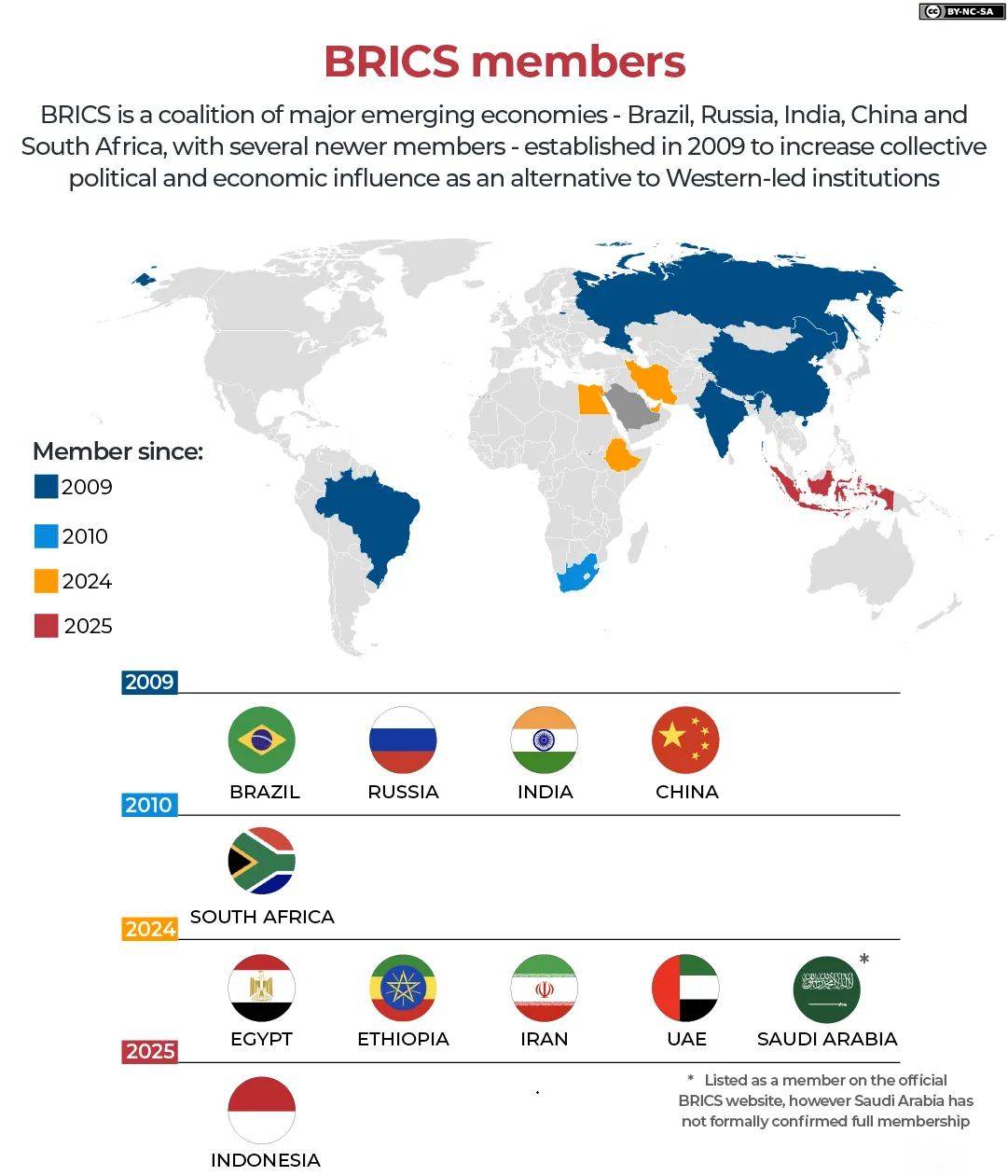
- 17 May 2026
In News:
The BRICS Foreign Ministers’ Meeting, hosted in New Delhi under India’s 2026 Chairship, highlighted both the growing economic influence and the internal political friction of the expanded "BRICS " bloc. Operating under the theme “BRICS: Building for Resilience, Innovation, Cooperation and Sustainability,” India utilized its platform to champion a “Humanity First” approach to global governance. However, the summit exposed sharp structural vulnerabilities as bilateral animosities between newly inducted members directly impacted the grouping's ability to forge a unified diplomatic front.
The New Delhi Impasse: Chair’s Statement vs. Joint Declaration
The primary headline of the New Delhi ministerial meeting was the failure to adopt a consensus-based Joint Declaration. Instead, the summit concluded with the release of a “Chair’s Statement and Outcome Document.”
This diplomatic compromise was forced by intense disagreements between Iran and the United Arab Emirates (UAE). A similar deadlock had previously emerged during the BRICS Deputy Foreign Ministers and Special Envoys meeting in New Delhi, where the two nations clashed over references to the broader US-Israel conflict and UAE concerns regarding regional Iranian posture.
Core Areas of Contention and Consensus
- The Post-War Gaza Trajectory: While the bloc successfully achieved consensus in designating the Gaza Strip as an inseparable part of the Occupied Palestinian Territory and supported the unification of Gaza and the West Bank under the Palestinian Authority, both Tehran and Abu Dhabi raised serious objections to the specific vocabulary dictating this transition of power.
- Maritime Security Dimensions: The ministers highlighted the absolute necessity of maintaining safe, unhindered maritime commerce through vital international waterways, alongside safeguarding civilian infrastructure and human lives. However, the final text explicitly acknowledged differing internal views regarding localized flashpoints, specifically the Strait of Hormuz, the Red Sea, and the Bab-el-Mandeb Strait.
- Consensus on Palestinian Statehood: Despite internal rifts, the meeting formally reaffirmed support for an independent, sovereign, and viable Palestinian State based on the pre-1967 borders (the Green Line), with East Jerusalem as its capital, in complete alignment with international law, UN Security Council resolutions, and the Arab Peace Initiative.
Strategic Bilateral and Economic Deliverables
While political consensus faltered, the sidelines of the New Delhi summit delivered significant progress on regional connectivity, energy security, and de-dollarization:
1. The India-Iran Strategic Corridor: Iran used the ministerial platform to pitch the Chabahar Port as India’s definitive "golden gate" for accessing landlocked Central Asia, the Caucasus region, and broader European markets. This positioning strengthens the strategic value of the port, bypasses regional bottlenecks, and deepens India's continental footprint.
2. India-Russia Economic and Energy Guarantees: Russia provided explicit assurances to India regarding the uninterrupted supply of hydrocarbon energy resources. Furthermore, Moscow and New Delhi mapped out deeper structural cooperation across three areas:
- Accelerated infrastructure development along the International North-South Transport Corridor (INSTC).
- Expanded cooperation in civil nuclear energy projects.
- The formalization of trade settlement frameworks using national currencies, directly advancing the bloc's goal of bypassing Western-dominated financial networks.
Evolution of the BRICS Institutional Architecture
The structural evolution of BRICS reflects a concerted effort to establish a multipolar alternative to Bretton Woods institutions like the IMF and the World Bank.
- Genesis and Institutionalization: The term "BRIC" was originally conceptualized by economist Jim O’Neill in 2001 to identify the primary emerging economies of Brazil, Russia, India, and China. The grouping transitioned into a formal diplomatic collective on the sidelines of the G8 Outreach Summit in 2006, institutionalizing later that year through its first Foreign Ministers' meeting at the United Nations General Assembly. The inaugural formal summit occurred in Yekaterinburg, Russia, in 2009.
- Expansion Dynamics: With South Africa’s inclusion in 2010, the acronym became BRICS. The framework recently experienced a historic expansion into BRICS , absorbing Egypt, the United Arab Emirates, Ethiopia, Indonesia, and Iran. This expanded configuration commands massive global weight, representing 49.5% of the global population, 40% of global GDP, and 26% of global trade.
- Operational Rules: BRICS operates without a permanent secretariat or an official charter, relying instead on a rotating annual chairmanship. Its work is distributed across three pillars: political and security cooperation, economic and financial integration, and people-to-people exchanges.
- The New Development Bank (NDB): Headquartered in Shanghai, China, and established in 2015, the NDB serves as the operational financial arm of the bloc, mobilizing public and private resources for infrastructure and sustainable development projects across emerging economies.
Conceptualizing the Two-State Solution
The New Delhi outcome document's focus on the "Two-State Solution" refers to the core international framework aimed at resolving the Israeli-Palestinian conflict.
- Historical Underpinnings: The concept originated in the 1947 UN Partition Plan (Resolution 181), which proposed dividing Mandatory Palestine into distinct, independent Arab and Jewish sovereign entities, while placing Jerusalem under an international trusteeship. It gained formal operational momentum via the 1993 Oslo Accords, a landmark peace process where Israel and the Palestine Liberation Organization (PLO) recognized each other, establishing the Palestinian Authority (PA) as a transitional self-governance body in the West Bank and Gaza.
- Borders and Territorial Sovereignty: The standard consensus model advocates for permanent borders based on the lines existing prior to the 1967 Six-Day War, subject to mutually agreed land swaps.
- The Jerusalem Conundrum: The blueprint frequently envisions a shared or split sovereignty model, placing the capital of a future Palestinian state in East Jerusalem while keeping West Jerusalem as the capital of Israel.
- The Right of Return: The framework requires a negotiated resolution concerning the legal status, compensation, and repatriation rights of millions of Palestinian refugees displaced during the 1948 and 1967 wars.
India’s Balanced Foreign Policy and De-Hyphenation Strategy
India’s dual emphasis at the summit—reiterating its long-standing support for Palestine while managing its deep partnerships with alternative actors—highlights the sophisticated evolution of New Delhi's West Asian foreign policy.
1. Historical Pro-Palestine Posture: India was the first non-Arab sovereign state to recognize the PLO as the sole and legitimate representative of the Palestinian people in 1974. New Delhi subsequently extended full diplomatic recognition to the State of Palestine in 1988.
2. The 1992 Realignment: In 1992, India established full, formal diplomatic relations with Israel. This move allowed New Delhi to build deep strategic, counter-terrorism, and defense-technological partnerships with Tel Aviv without abandoning its ethical ties to the Palestinian cause.
3. Modern Policy of De-Hyphenation: In recent years, India has masterfully executed a policy of de-hyphenation. This strategy dictates that India evaluates and conducts its relations with Israel and Palestine as completely separate, independent bilateral vectors.
Consequently, while New Delhi stood firmly against terrorism by swiftly condemning the October 2023 Hamas attacks, it simultaneously maintained a continuous pipeline of humanitarian assistance to the civilian population in Gaza. By combining these positions with its reaffirmed support for a negotiated Two-State solution during the 2026 BRICS summit, India protects its strategic interests while reinforcing its reputation as a balanced, rule-of-law power in the Global South.
Sand and Sustainability: An Essential Resource for Nature and Development
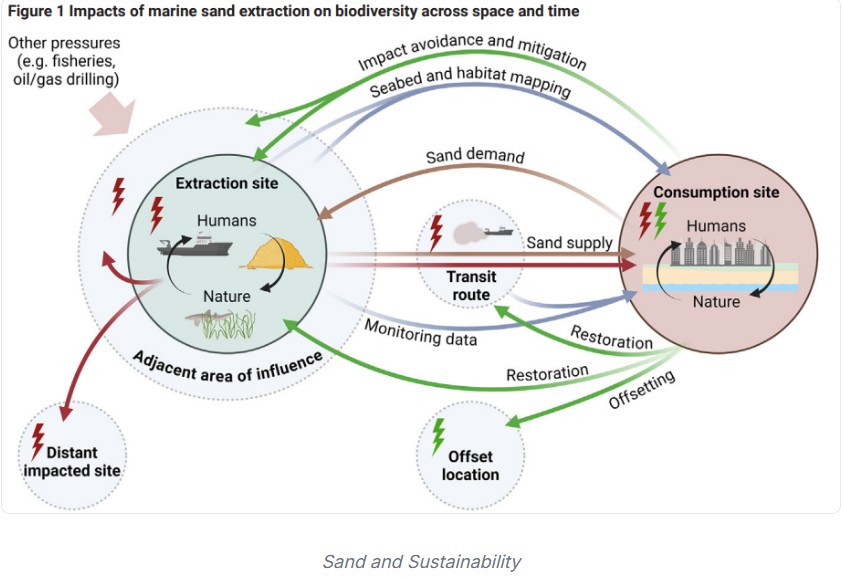
- 16 May 2026
In News:
The United Nations Environment Programme (UNEP) released a landmark global report titled Sand and Sustainability: An Essential Resource for Nature and Development. The report highlights a critical environmental blind spot: sand is the most extracted solid material on Earth, second only to water in terms of global consumption volume.
Global Aggregates Market: Key Data and Trends
Surging Global Demand
- Global consumption of sand and gravel has expanded significantly, reaching 50 billion tonnes annually. This marks a fivefold increase from 9.6 billion tonnes, growing at an average annual rate of 3.2%. The global sand market is valued at $569.4 billion, driven by expanding infrastructure.
The Footprint of Urban Expansion
This extraction is directly tied to demographic and spatial shifts:
- Per Capita Spatial Footprint: The average built-up area per person globally grew from 43 square meters to 63 square meters.
- Urban Concentration: Over 45% of the global population resides in urban centers, requiring vast amounts of concrete, glass, and asphalt.
- Demographic Needs: A global population of 8.2 billion requires continuous construction of housing, medical facilities, and transportation networks, doubling the demand for built-up space in developing nations.
Livelihood Dependencies
- Beyond infrastructure, sandy ecosystems provide critical baseline economic services. Approximately 2.3 billion people globally depend on small-scale coastal and riverine fisheries that rely directly on healthy, undisturbed sandy habitats.
Key Factors Driving Global Extraction
Large-Scale Infrastructure and Land Reclamation
- National infrastructure initiatives—such as India's Pradhan Mantri Awas Yojana and nationwide highway expansions—maintain continuous pressure on local riverbed aggregates. Globally, large-scale land reclamation projects, such as those in Manila Bay and the Maldives, require the dredging of millions of cubic meters of marine sand.
The Paradox of Climate Change Adaptation
- Ironically, sand is being heavily extracted to build defensive infrastructure against the consequences of climate change. For example, the Gulhifalhu project in the Maldives dredged 24.5 million cubic meters of sand to raise islands and construct sea walls, illustrating how adaptation measures can worsen environmental degradation at extraction sites.
Advanced Technology Feedstocks
- The expansion of high-tech industries has created a specialized market for high-purity silica sand. Global data centers, semiconductor manufacturing, and utility-scale solar photovoltaic farms depend on high-grade silicon derived from specialized sand mining operations.
Multi-Dimensional Ecological Impacts
Excessive sand mining disrupts the equilibrium of riverine, coastal, and marine ecosystems, leading to several interconnected environmental consequences:
A. Riverine Degradation and Morphological Shifts
Excessive extraction triggers channel bed degradation (lowering of the riverbed). This undermines the structural stability of riverbanks, threatening public infrastructure like bridges and embankments. In India's Chambal River, deep channel carving has altered natural hydrodynamic flows, reducing the landscape's ability to absorb sudden volume shocks and making downstream regions more vulnerable to flash floods.
B. Hydrological Disruption and Groundwater Depletion
In river systems, sand layers function as a natural sponge that retains water and recharges surrounding aquifers. Stripping this sand causes a rapid drop in the local water table. In rural India, domestic hand pumps and agricultural tube wells frequently go dry adjacent to intensive riverbed mining zones.
C. Coastal Degradation and Saline Water Intrusion
Removing protective sand dunes and beach aggregates allows high-salinity seawater to penetrate coastal freshwater tables. In coastal areas of the Philippines, local drinking water aquifers have experienced severe saline intrusion, leaving groundwater unfit for human consumption or agricultural irrigation.
D. Marine Biodiversity Loss
Industrial marine dredging destroys benthic (bottom-dwelling) ecosystems by scraping away habitats and generating massive sediment plumes. These plumes block sunlight, choking coral reefs and killing vital microorganisms and crustaceans. Notably, half of all global marine dredging companies operate within Marine Protected Areas (MPAs), causing severe habitat fragmentation.
E. Public Health Risks
The extraction and processing of silica-rich sand expose workers to fine respirable dust, leading to Silicosis, an irreversible and fatal lung disease. At the extraction sites, abandoned, water-filled mining pits create stagnant pools that serve as vector breeding grounds, increasing the local incidence of water-borne diseases and Malaria.
Regulatory Frameworks and Institutional Responses
Global Level Initiatives
- UNEP 10-Point Action Plan: A global policy blueprint aimed at establishing international standards for sand extraction, defining legal extraction limits, and transition incentives toward circular economy alternatives.
- Marine Sand Watch: A digital tracking platform developed by the United Nations that utilizes Automated Identification System (AIS) data to monitor, identify, and track large-scale dredging vessels operating across the world’s oceans.
India's Domestic Regulatory Framework
- Sustainable Sand Mining Management Guidelines (2016): Mandates the preparation of District Survey Reports (DSR) to scientifically monitor and assess riverbed replenishment rates before any commercial mining leases are granted.
- Enforcement & Monitoring Guidelines (2020): Introduces technology-led oversight, including remote sensing, drone surveillance, and IT-enabled tracking systems (such as QR-coded transit passes) to curb illegal sand mining operations.
- Judicial Oversight via the National Green Tribunal (NGT): The NGT maintains active judicial intervention, enforcing strict bans on riverbed mining conducted without valid environmental clearances (EC) or in violation of sustainable replenishment levels.
Way Forward: Recommendations for Sustainable Resource Management
To prevent ecologic collapse while supporting necessary development, global resource governance must shift toward a circular model:
- Granting Strategic Resource Status: Governments must transition from treating sand as an infinite commodity to designating it as a Strategic Resource, subjecting it to strict sovereign accounting and conservation protocols.
- Promoting Manufactured Sand (M-Sand): Scale up the production of M-Sand (produced by crushing hard granite stones) and eco-aggregates derived from recycled construction and demolition (C&D) waste to substitute for natural riverbed sand.
- Institutionalizing Cumulative Impact Assessments (CIA): Transition away from isolated project clearances. Regulatory bodies must mandate comprehensive CIAs that evaluate the long-term impact of multiple extraction leases on an entire river basin or coastal stretch.
- Enforcing Strict No-Go Zones: Establish absolute statutory bans on sand extraction inside ecologically sensitive areas, including Marine Protected Areas (MPAs), critical wildlife habitats, and vulnerable river reaches.
- Fostering Transboundary Cooperation: Establish international rivers and oceans treaties to manage shared sand resources across international waters and shared river basins, preventing cross-border ecological degradation.
Conclusion
The UNEP report serves as a stark reminder that modern infrastructure relies on a finite resource being extracted at an unsustainable rate. Continued unmitigated extraction risks destabilizing the natural systems that protect coastal and riverine areas from climate change impacts. True long-term economic security requires moving away from linear extraction and adopting a circular model that prioritizes alternative aggregates like M-Sand and recycled materials
Reforming India’s Examination Ecosystem
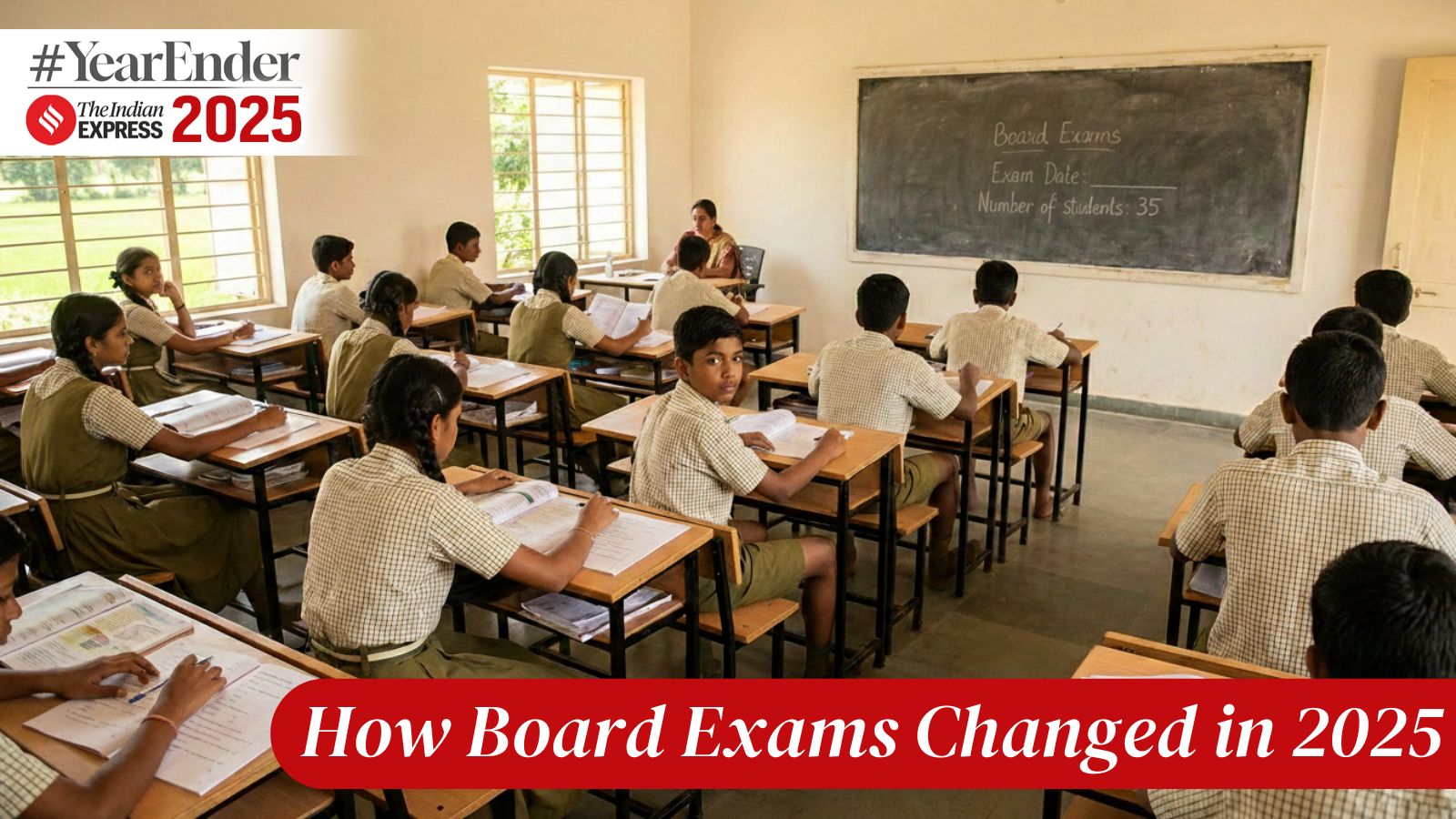
- 15 May 2026
In News:
The cancellation of the National Eligibility Entrance Test (NEET-UG) 2026 by the National Testing Agency (NTA) following allegations of a major paper leak and the circulation of a highly accurate "guess paper" has brought India's public examination infrastructure under intense scrutiny. With the investigation handed over to the Central Bureau of Investigation (CBI), this controversy highlights deep structural vulnerabilities that threaten meritocracy and public trust, alongside delays in the full-scale implementation of the Dr. K. Radhakrishnan Committee (2024) recommendations.
1. Systemic Challenges in India’s Examination Ecosystem
A. Structural and Statutory Limitations
Unlike constitutional bodies such as the UPSC, the NTA is registered as a society under the Societies Registration Act, 1860. This status creates a "legal lightweight" status, limiting its administrative enforcement powers and reducing sovereign accountability during crises. Furthermore, the NTA lacks a permanent, specialized institutional cadre, relying heavily on contractual staff and personnel on deputation. Without a dedicated workforce, maintaining a long-term culture of secrecy and specialized expertise in security and psychometrics becomes difficult.
B. Logistical and Vulnerability Profile
The high-stakes "Mega-Exam" model, which tests over 20 lakh candidates on a single day, creates a vulnerable single point of failure where a break in one link collapses the entire national system. Despite implementing a "Zero Error, Zero Tolerance" policy with measures like GPS-tracked transport and CCTV monitoring, critical operational gaps persist:
- Outsourced Touchpoints: Vital tasks like printing, warehousing, and logistics are frequently outsourced to private third-party vendors, adding multiple human touchpoints that serve as potential leak windows.
- Center-Level Weakness: Testing centers in private schools or unverified colleges often lack standardized security infrastructure, such as signal jammers or functional CCTV networks.
- The OMR Paradox: Post-exam physical transit of optical mark recognition sheets to scanning centers introduces a secondary window for tampering. While shifting to Computer-Based Testing (CBT) reduces physical leaks, the NTA can only test roughly 1.5 lakh candidates per shift. This restriction forces multi-shift schedules that introduce complex score-normalization challenges, alongside digital risks like remote-access hacking and advanced cheating syndicates using deep-web networks (Telegram, Darknet) and high-tech wearables.
C. Socio-Economic and Federal Friction
A sharp fee disparity between affordable government colleges and expensive private medical institutions turns high-stakes entrance exams into intense elimination tests rather than selection tests. This lopsided demand-supply gap—visible where nearly 23 lakh students compete for roughly 1 lakh MBBS seats—fuels a billion-dollar coaching industry nexus and drives an extreme "win-at-all-costs" mentality. This desperation feeds paper-leak mafias, leading to an ethical erosion where parents are increasingly willing to pay exorbitant sums, undermining the concept of meritocracy.
Administratively, because education lies on theConcurrent List, a lack of real-time intelligence and data sharing between state police forces (such as the Bihar-Jharkhand-Rajasthan axis) and central agencies delays the containment of cross-border cheating syndicates.
2. Socio-Economic and Ethical Dimensions
Impact on Vulnerable Groups
Repeated exam cancellations and delays impose an unfair financial burden on economically vulnerable families, as aspirants frequently travel long distances and spend significant amounts on transport, food, and accommodation. For first-generation and women aspirants specifically, these disruptions present unique social hurdles. Delayed examinations significantly increase the risk of forced discontinuation of studies due to familial pressures, restricted mobility, or early marriage, directly undermining their educational aspirations and long-term empowerment.
Subversion of Justice and Public Trust
The social contract between the youth and the state rests entirely on the promise of a fair, merit-based system. When institutions repeatedly fail to safeguard this process, it breeds deep cynicism and erodes public trust in state machinery. Furthermore, paper leaks commit a direct violation of distributive justice by replacing a system of merit with a system of financial privilege and corruption, disproportionately harming candidates from marginalized and rural backgrounds who lack the financial means to buy illicit advantages. The continuous cycle of intense preparation, examination, leak, and subsequent cancellation inflicts severe psychological trauma on the youth, risking the transformation of India’s demographic dividend into a demographic liability.
3. Institutional Reforms and the Policy Blueprint
To systematically address these issues, the government relies on two primary legislative and administrative interventions:
The Dr. K. Radhakrishnan Committee Recommendations (2024)
Led by the former Chairman of ISRO, this High-Level Committee of Experts provides a comprehensive blueprint for structural and technological reform:
- Comprehensive Restructuring of NTA: Transforming the agency into a more autonomous, professional, and accountable body by creating dedicated, independent functional verticals for technology, security, operations, ethics, and transparency.
- The DIGI-EXAM System: Implementing a technology-driven model featuring Aadhaar-linked authentication, biometrics, and AI-driven identity verification to ensure only genuine candidates appear.
- Hybrid Testing Models: Transitioning to Computer-assisted Secure Pen-and-Paper Testing (CPPT), where encrypted question papers are digitally transmitted and printed directly at the examination centers under strict security protocols, replacing the risky physical transport via GPS-enabled vehicles.
- Operational Restructuring: Moving toward multi-session and multi-stage testing for large-scale exams to reduce logistical pressure, while utilizing data analytics to detect suspicious patterns in candidate center choices and appointing an NTA "Presiding Officer" to oversee each center.
- Infrastructure Scaling: Establishing at least 1,000 permanent, secure testing centers across the country within reputed government institutions, supplemented by mobile testing centers to ensure equitable testing access for remote and inaccessible regions like the North-East, Himalayan states, and island territories.
- Support and Oversight: Developing an AI-based grievance redressal mechanism with multilingual chatbots for rapid complaint resolution, conducting continuous capacity building for invigilators, and establishing state or central oversight mechanisms to regulate the private coaching industry while empowering the standard high school education system.
The Public Examinations (Prevention of Unfair Means) Act, 2024
This legislative framework strengthens enforcement across central testing authorities, including the NTA, UPSC, SSC, RRBs, and IBPS:
- Stringent Penalties: Introducing deterrent sentencing, with prison terms ranging from 3 to 5 years for individual offenders and up to 10 years of imprisonment alongside substantial fines for those involved in organized crime syndicates.
- Codification of Malpractices: Explicitly defining 20 specific offenses, effectively covering modern threats such as electronic impersonation, manipulation of OMR sheets, and unauthorized access to computer networks.
- Technological and Federal Alignment: Mandating a National Technical Committee to design fail-safe IT security protocols for computer-based tests, while serving as a model framework for state governments to harmonize anti-cheating regulations across state borders.
Conclusion
Restoring the structural integrity of India’s examination ecosystem requires transitioning the National Testing Agency away from an executive society model toward a highly secure, independent statutory framework. Swift, uniform implementation of the Radhakrishnan Committee's technical recommendations alongside the strict application of the Public Examinations Act, 2024, is essential to eliminate systemic malpractices, protect distributive justice, and rebuild public trust in national educational institutions.
Beyond the "Green Desert": Rethinking Invasive Alien Species Management in India

- 14 May 2026
In News:
The fight against Invasive Alien Specieslike Prosopis juliflora, Lantana camara, and Senna spectabilis has reached a critical juncture in India. While mechanical removal campaigns are intensifying, ecological experts argue that treating these species as the "sole enemy" overlooks a vital truth: invasive species are often "ecological first responders" to landscapes already weakened by human intervention.
The Genesis of Invasion: Drivers of Spread
The proliferation of Invasive Alien Species in India is not an accidental phenomenon but a result of intersecting historical, agricultural, and biological factors.
- Historical and Colonial Legacies: Many invasive plants were introduced intentionally. Prosopis juliflora (Vilayati Babul) was brought in 1877 for arid greening, while Lantana camara arrived in the 19th century as an ornamental plant. Colonial forestry further simplified diverse landscapes into monocultures of teak or eucalyptus, creating "ecological vacancies" that invasive species quickly filled.
- Agricultural and Hydrological Shifts: The expansion of canals and borewells altered moisture regimes, favoring deep-rooted phreatophytes like P. juliflora. Furthermore, India’s heavy urea consumption (35–40 million tonnes annually) has enriched soils with nitrogen, enabling species like Senna spectabilis to outcompete native flora that thrive in nutrient-poor soils.
- Grazing and Fragmentation: With a livestock population of roughly 500 million, heavy grazing suppresses palatable native plants. Thorny or chemically defended invasives, which cattle avoid, expand unchecked. Simultaneously, infrastructure development creates "edge habitats"—disturbed zones where invasive species colonize before native trees can regrow.
- Global Trade and Biology: Contaminated timber or grain shipments (e.g., Parthenium arriving with wheat) and ballast water discharge from ships at ports like Mumbai introduce foreign larvae and seeds. Biologically, these species are "climate generalists" with high seed viability and a lack of local natural predators, allowing them to form dense monocultures.
Ecological and Socio-Economic Consequences
The "invasion" transforms healthy ecosystems into "green deserts"—areas that look lush but are biologically sterile.
- Biodiversity and Wildlife: Invasive Alien Species contribute to 60% of global extinctions. Through allelopathy, some species release chemicals that prevent native seeds from germinating. This depletes natural forage for herbivores like elephants and deer, leading to population declines and increased Human-Wildlife Conflict (HWC) as animals stray into human settlements for food.
- Economic Impact: A 2025 study estimated that invasive plants have cost India over ?8.3 lakh crore over the last 60 years. Aquatic weeds like Water Hyacinth clog irrigation canals—reducing crop yields by up to 40%—and block navigation, destroying local fishing livelihoods.
- Public Health: Species like Parthenium cause asthma and dermatitis, while others provide breeding grounds for disease-carrying mosquitoes.
- Cultural Erosion: The disappearance of native plants leads to the loss of indigenous knowledge related to traditional medicine and crafts, such as basket weaving.
Global and National Policy Frameworks
India’s management of Invasive Alien Species is guided by international commitments and domestic legislation.
Global Initiatives
- Convention on Biological Diversity (CBD): Article 8(h) mandates members to prevent and eradicate alien species.
- Kunming-Montreal Global Biodiversity Framework (KM-GBF):Target 6 specifically aims to halve the negative impacts of Invasive Alien Species by 2030.
- IUCN ISSG: Provides the Global Invasive Species Database (GISD) for monitoring.
- Ballast Water Management Convention: Regulates the discharge of foreign water from ships to prevent marine invasions.
India-Specific Initiatives
- National Biodiversity Action Plan (NBAP): Aligned with the Biological Diversity Act, 2002, to protect indigenous ecosystems.
- NAPINVAS: A MoEFCC initiative focused on early detection and long-term containment.
- Plant Quarantine Order, 2003: Regulates imports to prevent the accidental introduction of pests and weeds.
Way Forward: A Holistic Restoration Strategy
Experts suggest that removal alone is insufficient; the focus must shift toward landscape restoration.
- Biosecurity Upgrades: International entry points require molecular diagnostics and X-ray scanners to detect hidden seeds. Ports must strictly enforce ballast water treatment.
- Precision Monitoring: Utilizing tools like the "Greening and Browning Atlas of India" can help distinguish between healthy native growth and rapid invasive colonization.
- Biological Control and Replanting: Importing "natural enemies" (insects/fungi) can control spread, provided strict biosafety protocols are followed. Crucially, cleared sites must be immediately replanted with native species like Neem or local grasses to prevent the "re-invasion" of the vulnerable soil.
- Community Empowerment: Leveraging tribal expertise and digital apps for reporting sightings ensures that management is localized and sustainable.
Conclusion
Invasive species are symptomatic of deeper ecological malaise—nutrient loading, habitat fragmentation, and hydrological disruption. To reclaim India’s biodiversity, policy must move beyond mechanical clearing. Success lies in integrating high-tech biosecurity with community-led restoration, ensuring that our landscapes are resilient enough to resist "ecological first responders" and support indigenous life once again.
Restructuring India’s Education: Analyzing NITI Aayog’s Roadmap for Quality Enhancement
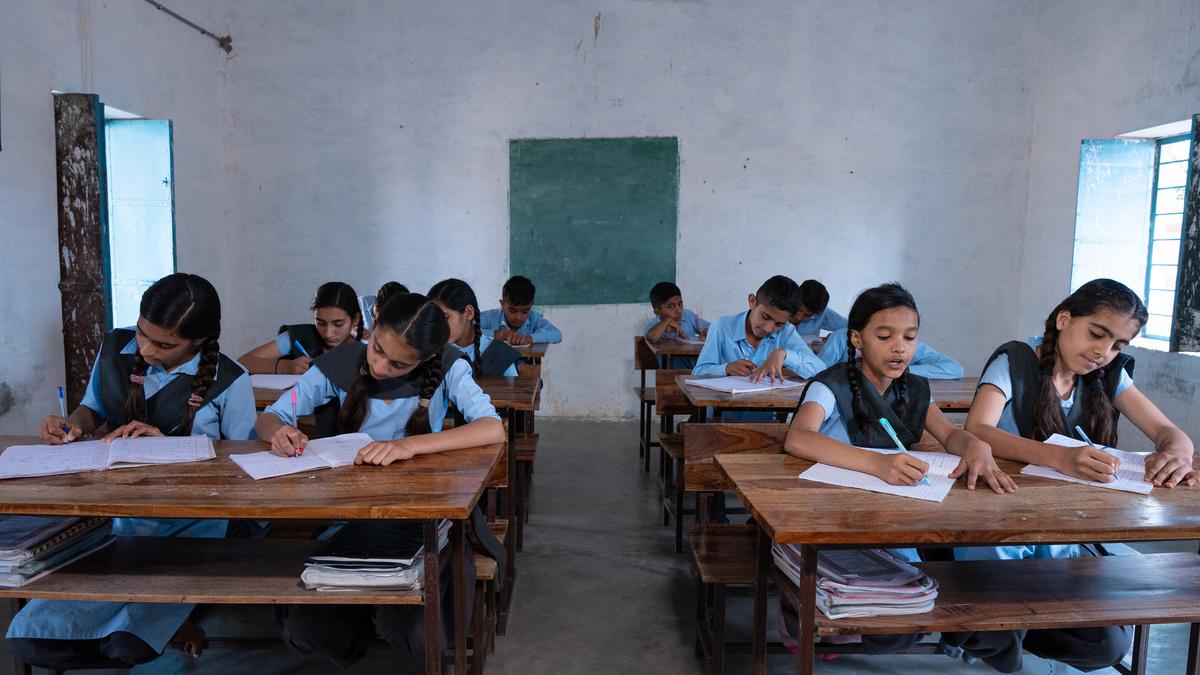
- 13 May 2026
In News:
A recent comprehensive report by NITI Aayog, titled “School Education System in India — Temporal Analysis and Policy Roadmap for Quality Enhancement,” has cast a spotlight on the systemic fissures within India's academic landscape. While India has made monumental strides in primary enrollment, the report warns of a "leaky pipeline" characterized by high dropouts, stagnant learning outcomes, and a fragmented institutional structure that threatens the nation's demographic dividend.
The Structural "Pyramid Problem" and Student Retention
The most striking finding of the report is the structural fragmentation of the Indian school system, which resembles a sharp pyramid rather than a stable cylinder.
- The Transition Barrier: India operates approximately 7.3 lakh primary schools, but this number plummets to just 1.64 lakh at the higher secondary level.
- Fragmentation: Only 5.4% of schools in India provide a continuous educational journey from Grade 1 to 12. Consequently, most students must change institutions multiple times, creating friction points that discourage continued education.
- Dropout Crisis: Compounded by the fact that the Right to Education (RTE) Act, 2009 currently covers children only up to age 14, four out of every ten children drop out before completing higher secondary school. The Gross Enrolment Ratio (GER) for higher secondary remains a concerning 58.4%.
The Crisis of Learning Outcomes and Private Shift
Despite achieving near-universal enrollment at the base, the quality of learning is experiencing a "downward slide."
- Foundational Deficits: Data reveals that in 2014, 74.7% of Grade 8 students could read a Grade 2 text; by 2024, this dropped to 71.1%. In Mathematics, fewer than half (45.8%) of Grade 8 students can solve basic division.
- The Application Gap: Assessment data from PARAKH 2024 indicates that students struggle with conceptual application. For example, competency in fractions is demonstrated by fewer than 30% of Grade 6 students.
- Erosion of Trust in Public Education: These outcomes have fueled a perception gap, leading to a massive shift toward private schooling. Government school enrollment has plummeted from 71% in 2005 to 49.24% in 2024-25.
Infrastructure Gaps and Resource Inefficiency
The report highlights a paradox: while digital initiatives are expanding, basic physical infrastructure remains neglected in many regions.
- Resource Drainage: There are 7,993 "Zero-Enrolment" schools that remain operational on paper despite having no students, leading to a significant drain on the exchequer.
- Basic Amenities: Approximately 1.19 lakh schools lack electricity, 14,505 lack functional water sources, and 50% of government secondary schools operate without a science lab.
- The Digital Divide: Despite an eightfold increase in internet access, one-third of schools remain offline. Furthermore, while AI and Computational Thinking are being introduced from Grade 3 (as of October 2025), NITI Aayog cautions that without ethical frameworks, AI could diminish independent thinking.
- Teacher Deployment: The system is plagued by uneven distribution, evidenced by over 1 lakh single-teacher schools still functioning across the country.
Strategic Roadmap: From "Pyramid" to "Cylinder"
To rectify these imbalances, NITI Aayog proposes a radical shift in how education is delivered and governed.
1. Structural Reform: Composite Schools and Complexes
The report recommends moving toward a “Cylindrical” schooling model, where composite schools offer Grades 1 through 12 under one roof. This ensures academic continuity and eliminates transition hurdles. Additionally, the operationalization of “School Complexes” (as envisioned in NEP 2020) would allow a secondary school to act as a hub for nearby primary schools and Anganwadis, facilitating the sharing of labs, libraries, and subject-specific teachers.
2. Governance and Accountability
- SSSAs and SQAFA: Strengthening State School Standards Authorities (SSSAs) to ensure strict accountability and quality assurance.
- Decentralization: Empowering School Management Committees (SMCs) to foster bottom-up planning and local accountability.
- Whole-of-Society Approach: Establishing District Task Forces involving civil society and academic institutions to monitor reform progress.
3. Digital and Financial Commitment
- Digital Public Infrastructure (DPI): Converging BharatNet, PM e-Vidya, and PM Gati Shakti to create a unified, interoperable digital learning ecosystem.
- Funding: The report reiterates the necessity of raising educational spending to 6% of GDP (from the current ~4.6%) to fund these systemic overhauls.
Conclusion: A Vision for 2047
The NITI Aayog roadmap underscores that fragmented interventions are no longer sufficient. By prioritizing a "Whole-of-Government" approach and shifting focus from rote memorization to real-world competency, India can transform its "leaky pipeline" into a robust engine for social and economic mobility. Success will depend on the timely mapping of vacancies, the consolidation of resources, and a steadfast commitment to the cylindrical model of schooling.
India’s Green Resurgence: Achieving Global Leadership in Renewable Energy
- 12 May 2026
In News:
India has secured its position as the world’s third-largest country in installed renewable energy (RE) capacity, trailing only China and the United States. According to the Renewable Energy Statistics 2026, India recently surpassed Brazil, marking a significant milestone in its journey toward the Viksit Bharat @2047 vision and its commitment to the Paris Agreement.
As of early 2026, India’s non-fossil fuel capacity has crossed 283.4 GW, accounting for more than 50% of the total installed power capacity—a target achieved five years ahead of the 2030 schedule.
Key Pillars of Growth: Solar and Wind Dominance
The transition is primarily fueled by a record-breaking expansion in solar and wind infrastructure. In the fiscal year 2025-26 alone, India added 55.3 GW of non-fossil capacity, the highest annual increase in its history.
- Solar Surge: Solar energy remains the fastest-growing sector, with installed capacity reaching 150.26 GW (a 53-fold increase since 2014). This growth is driven by utility-scale projects and a massive push for Distributed Renewable Energy (DRE), including rooftop solar and the PM-KUSUM scheme.
- Wind Momentum: Wind capacity has climbed to 56.09 GW, with 2025-26 witnessing a record annual addition of over 6 GW.
- Energy Mix: In July 2025, renewables met a historic 51.5% of India’s peak electricity demand, proving that green energy is now a backbone of the national grid, rather than just a supplementary source.
The Morgan Stanley Insight: Manufacturing vs. Imports
While the installation pace is world-leading, a recent report by Morgan Stanley underscores a critical strategic challenge: the upstream supply chain.
1. The Manufacturing Leap: India has successfully scaled its "downstream" manufacturing. Solar module production capacity has skyrocketed from 2.3 GW in 2014 to approximately 172 GW in 2026. This allows India to meet much of its domestic demand for finished panels and even look toward exports.
2. The Upstream Bottleneck: The "upstream" components—polysilicon, ingots, and wafers—remain a point of vulnerability. India still sources 60–80% of these critical materials from China. Morgan Stanley warns that until India localizes the production of solar cells (currently at ~25-27 GW) and the raw wafers, its energy transition will remain susceptible to global supply chain shocks and geopolitical tensions.
Policy Catalysts and Future Outlook
The government has deployed a mix of fiscal and regulatory tools to sustain this momentum:
- PLI Schemes: Production Linked Incentives are being utilized to bridge the gap in cell and wafer manufacturing.
- Green Hydrogen Mission: With an outlay of nearly ?20,000 crore, India aims to produce 5 MMT of green hydrogen by 2030, integrating RE into heavy industries like steel and shipping.
- Grid Modernization: Significant investments in Green Energy Corridors and smart metering are ensuring that the intermittent nature of solar and wind does not destabilize the national grid.
The Persistent Challenge of Counterfeit Indian Currency: A Post-Demonetisation Analysis
- 11 May 2026
In News:
Nearly a decade after the 2016 demonetisation—a move partially aimed at purging the economy of fake notes—the latest ‘Crime in India’ report 2024 reveals that counterfeit currency remains a potent threat to India’s economic sovereignty. With over ?54.61 crore in fake notes seized in 2024 alone, the challenge has evolved from simple photocopies to sophisticated imitations of the Mahatma Gandhi (New) Series.
The Scale of the Crisis: Key Data and Trends
Despite a significant push toward a "less-cash" economy, the appetite for physical tender in India remains high, providing a fertile ground for Counterfeit Indian Currency Notes (CICN).
- Surge in Currency in Circulation (CiC): As of May 2026, CiC has skyrocketed to ?42.12 lakh crore, a 137% increase from the ?17.74 lakh crore recorded in November 2016.
- Seizure Statistics: Between 2017 and 2024, law enforcement agencies seized fake currency worth ?638 crore. The year 2022 marked a significant peak with seizures totaling ?382.6 crore.
- Denomination Shift: The ?500 note has emerged as the "workhorse" for counterfeiters. Detection of fake ?500 notes in 2024 was four times higher than in 2016, suggesting that the security features of the new series have been successfully replicated by organized syndicates.
- Geographic Hotspots: Gujarat has emerged as the primary epicenter, accounting for over 50% of the country’s total seizures (?355.72 crore) since 2017. Other major trade hubs like Maharashtra and Karnataka also report high detection rates due to high-volume cash transactions.
Factors Fueling the Counterfeit Trade
The persistence of CICN is driven by a combination of technological advancement and geopolitical vulnerabilities.
- Advanced Replication Technology: Criminal networks now utilize high-grade printing technology to mimic complex security features, such as color-shifting ink, latent images, and micro-lettering.
- Cross-Border Smuggling: Hostile neighbors and international crime syndicates exploit porous borders to pump "Super Notes" into the economy. Traditional transit routes in the North East and the "Three Frontiers" remain active conduits for high-quality fakes.
- The "Incapacity" of Rural Markets: Organized gangs often target MSMEs and rural markets where manual verification is the norm. The lack of UV-detection lamps in these areas makes it easier to circulate fake ?500 bills.
Multi-Dimensional Implications
The proliferation of fake currency extends far beyond mere financial loss; it strikes at the heart of national security and public trust.
- Economic Instability: By increasing the money supply without a corresponding increase in goods or services, fake currency acts as a catalyst for inflation and devalues the purchasing power of the common citizen.
- Terror Financing: There is a well-documented nexus between CICN and the financing of domestic insurgency and proxy wars. Investigative agencies frequently link large-scale seizures to active terror modules.
- Erosion of Public Confidence: The detection of over 11 lakh fake notes within the formal banking system creates public panic and undermines faith in the national tender.
- Fiscal Burden: The state incurs massive costs in frequently updating security features and the physical destruction of detected fakes. The 2023 withdrawal of ?2,000 notes was partly a strategic move to mitigate long-term counterfeiting risks.
Challenges in Enforcement
The "Technological Race" between the Reserve Bank of India (RBI) and counterfeiters is constant. Within a year of the 2016 demonetisation, fake versions of the "un-counterfeitable" ?2,000 note had already surfaced. Furthermore, enforcement is often hampered by fragmented data silos between state police forces, the National Crime Records Bureau (NCRB), and central agencies like the National Investigation Agency (NIA).
Way Ahead: A Strategic Roadmap
To safeguard the integrity of the Indian Rupee, a multi-pronged approach is required:
- Periodic Security Overhauls: The RBI should consider introducing advanced features like polymer notes or holographic threads every few years to stay ahead of the replication curve.
- Inter-Agency Synergy: Empowering the National Functional Analysis Centre to provide real-time, district-level data to state police can bridge the current information gap.
- "Know Your Note" Campaigns: Targeted awareness drives in rural and border areas, utilizing mobile apps and visual aids, can empower citizens to perform primary verification.
- Digital Incentivization: Lowering transaction costs for MSMEs will reduce the total volume of high-value cash in circulation, thereby shrinking the space available for fake notes to hide.
Conclusion:
The reality of post-demonetisation India confirms that structural shocks alone cannot eliminate counterfeiting. It requires a continuous evolution of security standards and aggressive digitization. Protecting the Rupee is not just an economic necessity but a vital component of India’s national security architecture.
From Policy to Practice: The Evolution of Localized Climate Governance and Heat Action in India
- 10 May 2026
In News:
India is witnessing a significant paradigm shift in climate governance. As the nation faces intensifying heatwaves and extreme weather events, the focus is moving away from generic, top-down State Action Plans on Climate Change (SAPCCs) toward localized, data-driven, and enforceable strategies. This transition is most visible in the evolution of Heat Action Plans (HAPs), which are being reimagined not just as emergency advisories, but as mandatory regulatory frameworks integrated into urban planning and disaster management.
The Foundation: State Action Plans on Climate Change (SAPCCs)
Originating from the National Action Plan on Climate Change (NAPCC) 2008, SAPCCs serve as the primary policy framework for Indian States and Union Territories. They provide a "sub-national" lens to climate action, recognizing that the challenges faced by a coastal state like Odisha differ fundamentally from those of a mountainous state like Himachal Pradesh.
Key Focal Sectors of SAPCCs:
- Agriculture & Water: Developing climate-resilient crops and enhancing groundwater recharge.
- Health & Urban Habitat: Monitoring heat-related illnesses and promoting sustainable public transport and energy-efficient buildings.
- Biodiversity: Expanding green cover to act as carbon sinks and protecting local ecosystems.
The Strategic Shift: From Generic to Localized Governance
Despite the existence of SAPCCs, the first generation of plans often remained broad and lacked actionable precision. Current efforts are focusing on "institutionalizing" climate action through specific, state-led innovations:
- Innovative Climate Financing: States like Odisha have pioneered climate budgeting, while Tamil Nadu established the Tamil Nadu Green Climate Company (TNGCC) in 2024—a nodal agency with a ?1,000-crore corpus dedicated to climate action.
- Data-Driven Policy Platforms: The PM Surya Ghar portal and the Revamped Distribution Sector Scheme provide real-time data on solar adoption and power infrastructure, allowing policymakers to identify regional gaps and refine strategies with surgical precision.
- Institutional Accountability: Local bodies are adopting "responsibility matrices." For instance, Thane’s heat task force requires environment departments to present annual progress reports to State Assemblies, ensuring that plans lead to measurable on-ground results.
Bridging the Gap: Moving Heat Action Plans (HAPs) to Mandates
While over 23 states have developed HAPs, most remain non-binding advisories. This "lack of teeth" often leads to reactive rather than proactive measures. Recent discourse, highlighted by experts and the 16th Finance Commission, emphasizes the need for a regulatory shift.
The Urban Heat Island (UHI) Challenge
In cities like Chennai, the UHI effect can make urban centers 3–5°C warmer than surrounding rural areas. Commercial zones, like Chennai’s T. Nagar, illustrate a vicious cycle: air conditioning units blast hot air into the streets to cool interiors, further warming the outdoor environment and increasing heat stress for outdoor workers and the elderly.
The Path to Mandatory HAPs:
To move from advisories to mandates, climate governance must integrate the following:
- Legal Enforcement: Transitioning HAPs into legally enforceable codes, such as making "cool roof" technologies mandatory for commercial buildings and high-rise developments.
- National Disaster Status: The recommendation to declare heatwaves as a nationally notified disaster would unlock federal funding for city-level resilience, moving beyond the current reliance on limited municipal budgets.
- Localized Vulnerability Mapping: Instead of city-wide alerts, municipal agencies should conduct ward-wise vulnerability mapping to prioritize interventions for the socio-economically marginalized.
- Infrastructure Adaptation: Mandating minimum urban tree cover ratios, shaded public rest areas, and dedicated water distribution networks for heat emergencies.
Economic and Social Imperatives
The transition is not merely environmental but economic. The International Labour Organization (ILO) estimates that India could lose 5.8% of its total working hours—equivalent to 34 million full-time jobs—to heat stress by 2030, with agriculture and construction being the hardest hit.
Conclusion
The future of India’s climate resilience lies in the successful merger of the broad vision of SAPCCs with the granular, mandatory execution of localized plans. By institutionalizing climate finance, leveraging real-time data, and granting HAPs legal standing, India can transform its climate strategy from a reactive policy exercise into a proactive shield for its citizens and economy.
The Missing Link in India’s Health Strategy: Reimagining Paternal Preconception Care

- 09 May 2026
In News:
For over three decades, India’s RMNCH A (Reproductive, Maternal, Newborn, Child, and Adolescent Health) strategy has been the cornerstone of public health, successfully driving down maternal and neonatal mortality. However, as the focus shifts from mere survival to the biological quality of survival, a critical gap has emerged: the near-total exclusion of fathers from the reproductive narrative.
Emerging science suggests that the "health transmission" to the next generation is a bi-parental process, where a father’s lifestyle and environment long before conception are just as vital as maternal care.
The Crisis of Male Reproductive Health in India
Recent data from 2026 highlights a silent emergency in male fertility and reproductive robustness:
- Declining Sperm Quality: National studies indicate that average sperm counts in Indian men have plummeted from 60 million/ml to 20 million/ml over the last 30 years. Today, only about 25% of Indian men meet normal semen parameters.
- Rising Infertility: Male factors now account for 30%–40% of infertility cases in urban hubs like Kolkata and Pune, largely driven by stress and metabolic syndrome.
- The "Vulnerability" Gap: While more children are surviving birth, many exhibit increased vulnerability to infections and metabolic disturbances—a trend scientists increasingly link to paternal health.
Scientific Evolution: Beyond the "Genetic Passivity" Myth
For a century, the medical community was guided by the Weismann Barrier theory, which argued that somatic (body) cells could not transmit environmental information to germ (sperm/egg) cells. The father was viewed merely as a passive donor of DNA.
However, the discovery of Epigenetics has overturned this model:
- Sperm as a Messenger: Sperm contributes a complex cargo beyond DNA, including microRNAs (small non-coding RNAs). These act as molecular messengers of the father's environment.
- The Exercise Impact: A landmark 2026 study in Cell Metabolism demonstrated that exercise in male mice altered sperm microRNAs, which then programmed embryos for enhanced metabolism and endurance. Offspring of active fathers showed a 30%–40% increase in running distance and better oxygen consumption ($VO_2$).
- Environmental Programming: Factors like smoking, obesity, alcohol, and stress "re-programme" the embryo’s gene expression during a critical window immediately after fertilization, before the embryo begins its own gene expression.
Barriers to Paternal Inclusion
Despite this scientific shift, several factors keep fathers "missing" from Indian health interventions:
- Maternal-Centric Policy: National programs focus almost exclusively on Antenatal Care (ANC) and institutional deliveries, positioning men as financial providers rather than biological participants.
- The Stigma of Infertility: Social taboos place the entire burden of fertility on women. Men represent only a fraction of patients at fertility clinics, leading to "silent grief" and under-diagnosis.
- Lack of Preconception Awareness: Most men seek medical help only after years of trying to conceive, by which time paternal age and poor lifestyle choices may have already degraded sperm quality.
- Systemic Invisibility: Clinical settings for maternal care are often women-only spaces, making men feel unwelcome or irrelevant to the biological process.
Challenges in Implementation
- Slow Lifestyle Changes: Improving sperm health requires 3–6 months of consistent diet and exercise—a "hard sell" compared to quick-fix medical technologies.
- Environmental Toxins: Exposure to endocrine disruptors (plastics, pesticides) is rising faster than our ability to screen prospective fathers.
- Fragmented Data: Much of the evidence on paternal programming currently relies on animal models, leading to policy hesitancy in applying these findings to human clinical guidelines.
Way Forward: A Bi-Parental Framework
To ensure the health of future generations, India must pivot toward an inclusive health model:
- Paternal Preconception Package: Update the RMNCH A strategy to include lifestyle, diet, and stress screening for men.
- Mandatory Lifestyle Assessments: Integrate risk assessments for men at the time of marriage registration or initial fertility consultations.
- Grassroots Counseling: Train ASHA workers to counsel both parents on how environmental exposures (like smoking) affect child robustness.
- Advanced Diagnostics: Utilize AI-powered semen analysis and home-based testing kits to make monitoring private and accessible.
- National Awareness Campaigns: Launch initiatives like "Healthy Father, Healthy Future" to de-stigmatize male infertility and explain the science of epigenetics.
Conclusion
Fathers are the "missing link" in India’s reproductive health story. Moving beyond the supplementation of iron tablets for adolescent boys, the government must recognize that a father’s health is a low-cost, high-impact lever for improving population health. True reproductive health is not a female responsibility, but a bi-parental mission to ensure the biological robustness of the next generation.
NITI Aayog Report on the School Education System in India
- 08 May 2026
In News:
NITI Aayog has recently unveiled a landmark policy report titled ‘School Education System in India: Temporal Analysis and Policy Roadmap for Quality Enhancement’. Analyzing a decade of data (2014-15 to 2024-25), the report provides a strategic assessment of the world’s largest education system. As India moves toward its Viksit Bharat @2047 vision, the document serves as both a scorecard and a blueprint for achieving equity and excellence in learning.
Landscape and Scale of the Indian School System
India manages an unprecedented educational infrastructure, characterized by its massive reach and diverse management.
- Scale and Reach: The system oversees 14.71 lakh schools catering to over 24.69 crore students, supported by a dedicated workforce of 1.01 crore teachers.
- Dominance of the State: Government schools form the backbone of the system, accounting for 68.1% of all institutions and serving nearly half (49.2%) of the total student population.
- Enrolment Trends: While elementary enrolment has achieved near-universal status, the Gross Enrolment Ratio (GER) for higher secondary education remains a challenge at 58.4%.
Evolution of the Educational Framework
The journey of Indian education has transitioned from ancient traditionalism to rights-based modernism:
- Foundational Milestones: Early post-independence initiatives like the Mudaliar Commission (1952) and the Kothari Commission (1964-66) laid the constitutional groundwork for free and universal education.
- Rights-Based Inclusion: The Sarva Shiksha Abhiyan (2001) and the landmark Right to Education (RTE) Act (2009) transformed elementary education into a justiciable right.
- Modern Integration: In 2018, Samagra Shiksha unified the framework from pre-primary to senior secondary. Currently, the National Education Policy (NEP) 2020 has introduced a 5 3 3 4 structure, aligning pedagogy with cognitive developmental stages.
Key Achievements of the Last Decade
The period between 2014 and 2025 has seen a shift from rapid physical expansion to resource optimization and digital growth.
- Infrastructure Strengthening: Basic amenities have seen a surge. For instance, functional electricity in schools jumped from 55.96% in 2014-15 to 91.9% in 2024-25.
- Digital Leap: Internet connectivity has expanded dramatically, rising from a mere 8.05% to 63.5% over the decade.
- Universal Elementary Access: National GER stands strong at 90.9% for primary and 90.3% for upper primary levels.
- Consolidation Strategy: The system is moving toward efficiency. The total number of schools decreased from 15.58 lakh to 14.71 lakh through school rationalization and merging under-enrolled units to optimize teacher deployment and resources.
Critical Challenges and Systemic Gaps
Despite infrastructural gains, the report flags several "second-generation" challenges that hinder quality outcomes.
- The Pyramidal Structure Gap: There is a significant scarcity of higher-grade schools. While there are 7.3 lakh primary schools, there are only 1.64 lakh higher secondary schools, creating a bottleneck that hinders student transition.
- High Secondary Dropouts: The gains in primary retention dissipate at later stages. The secondary dropout rate stands at 11.5%, contrasting sharply with the primary rate of 0.3%.
- The Learning Crisis: Foundational mastery remains elusive. According to ASER 2024, nearly 50% of Grade 5 children in rural India struggle to read a Grade 2 level text, indicating a system still struggling with rote learning over conceptual understanding.
- Inefficient "Small Schools": More than one-third of schools have fewer than 50 students, leading to administrative and economic inefficiencies.
- Digital Inequity: Tech integration is geographically skewed; while 95% of schools in Chandigarh have smart classrooms, the figure drops to less than 5% in Meghalaya.
Strategic Recommendations for Quality Enhancement
NITI Aayog proposes a multifaceted roadmap to address these hurdles:
- Structural Reform: Shift toward Composite Schools (Grades 1-12) to ensure students can complete their entire schooling in a single campus, reducing transition dropouts.
- Independent Oversight: Establish State School Standards Authorities (SSSAs) to independently regulate safety, infrastructure, and learning quality.
- Pedagogical Shift: Adopt competency-based assessments and the "Teaching at the Right Level" approach to ensure foundational literacy and numeracy (FLN) before moving to advanced topics.
- Teacher Empowerment: Move beyond general recruitment to specialized subject training and structured career progression paths.
- Inclusive Technology: Expand broadcast-based learning and digital tools specifically tailored for children with special needs and migrant populations.
Conclusion
India has successfully built the physical "access" to education, but the focus must now pivot decisively toward "success" in learning. Transitioning from a pyramidal, fragmented structure to a consolidated, quality-driven framework is essential. The NITI Aayog roadmap emphasizes that only by bridging the gap between enrollment and actual learning can India develop the human capital necessary to realize the dream of a developed nation by 2047.
Operation Sindoor: Redefining India’s National Security Architecture
- 07 May 2026
In News:
Marking the one-year anniversary of Operation Sindoor, the Indian armed forces have undergone a fundamental transformation in their strategic and operational posture. This milestone represents more than a single military victory; it signifies India's formal transition from "strategic restraint" to a proactive doctrine of "Defensive Offense."
Understanding Operation Sindoor (May 2025)
Operation Sindoor was a multi-dimensional military offensive launched on the night of May 7–8, 2025. It was a direct response to a heinous terror attack in Pahalgam, Jammu & Kashmir, where the Pakistan-backed group 'The Resistance Front' (TRF) killed 26 tourists.
- The Kinetic Strike: Utilizing Rafale jets armed with SCALP missiles and HAMMER bombs, the Indian Air Force (IAF) decimated nine major terror launchpads across Pakistan and Pakistan-occupied Jammu & Kashmir (PoJK). The operation resulted in the elimination of over 100 terrorists, including top handlers from LeT and JeM.
- Neutralizing the "Nuclear Bluff": By striking deep into mainland Pakistan (including radar hubs in Lahore and airbases like Sargodha) without triggering a nuclear response, India successfully operated within the "grey zone," debunking the adversary's nuclear blackmail.
- Non-Military Leverage: In a historic move, India held the 1960 Indus Waters Treaty (IWT) in abeyance, using upstream control as a strategic lever. This was coupled with total economic isolation, the closure of the Attari-Wagah border, and a global diplomatic offensive to present forensic evidence of state-sponsored terror.
Post-Operation Strengthenings: Resilience and High-Tech Posture
A year later, the lessons of Operation Sindoor have been institutionalized through massive infrastructure and technological upgrades.
- Subterranean Warfare Infrastructure: The military has prioritized the construction of large-scale underground command and control centers at the Command and Corps levels. These hardened facilities are equipped with C4I2SR systems, ensuring operational continuity even during saturation strikes.
- Hardened Logistics: To safeguard vital assets, the armed forces are deploying 3D-printed bunkers for rapid troop protection, alongside hardened subterranean storage for fuel, ammunition, and medical supplies along the Western borders.
- Evolution of Integrated Air Defense: Under Mission Sudarshan Chakra, India is building an impenetrable "iron dome." This includes the Army’s Akashteer, the Air Force’s IACCS, and the Navy’s TRIGUN networks.
- Offensive Air Defense: Following the IAF’s record surface-to-air kill of a Pakistani platform from 300 km during the conflict, India is fast-tracking the long-range S-400 Triumf and the indigenous Project Kusha.
- Strategic Dual-Use Infrastructure: National highways (like the Purvanchal Expressway) have been fitted with Emergency Landing Fields (ELFs), and border airfields have been converted for seamless civil-military dual use.
The Strategic Doctrine: The Doval Doctrine & PRAHAAR
Operation Sindoor crystallized the "Doval Doctrine," which treats non-state actors and their state sponsors as a single accountable entity. This is supported by the Ministry of Home Affairs' new national counter-terrorism strategy, PRAHAAR:
- P – Prevention: Intelligence-led approach via the Multi Agency Centre (MAC).
- R – Responses: Rapid neutralization of threats by the NSG and state forces.
- A – Aggregating Capacities: Modernization of weaponry and training standardization.
- H – Human Rights: Balancing security with the Protection of Human Rights Act (1993).
- A – Attenuating Conditions: De-radicalization frameworks involving community leaders.
- A – Aligning International Efforts: Using Extradition Treaties and MLATs to deny safe havens.
- R – Recovery and Resilience: A "whole-of-society" approach to ensure swift normalcy post-incident.
Conclusion
Operation Sindoor has fundamentally altered the South Asian security calculus. By calling the nuclear bluff and integrating hard power with economic and water diplomacy, India has established a new benchmark for counter-terrorism. The focus now rests on Atmanirbharta (Self-Reliance), with indigenous systems like Project Kusha and Akash forming the backbone of a sovereign, resilient defense framework that prioritizes punitive retaliation over passive defense.
Judicial Activism and Disability Rights: Expanding the Scope for Acid Attack Survivors
- 06 May 2026
In News:
In a landmark decision, the Supreme Court of India has significantly broadened the protective umbrella of the Rights of Persons with Disabilities (RPwD) Act, 2016. By recognizing survivors of forcible acid ingestion as "acid attack victims," the Court has shifted the legal focus from visible external disfigurement to the gravity of internal injuries, ensuring that justice is inclusive of all forms of corrosive violence.
The Supreme Court’s Expanding Interpretation
The ruling addresses a critical lacuna where the law previously recognized only those disfigured by the "throwing" of acid.
- Redefining the Victim: The Court ruled that individuals forced to ingest acid, suffering from severe internal organ damage, are entitled to the same disability benefits and legal protections as those with external scarring.
- Retrospective Effect: To prevent the denial of justice to past survivors, the Court directed that this expanded definition applies retrospectively from the enactment of the RPwD Act in 2016.
- Article 142 and "Deemed Amendment": Using its extraordinary plenary powers under Article 142, the Court passed a "deemed amendment." This serves as the law of the land until the Union Government formally updates the Schedule of the RPwD Act.
- Accountability Measures: The Court suggested attaching the assets of attackers (including shares in Joint Hindu Family properties) for compensation and proposed reversing the burden of proof onto the accused.
The RPwD Act, 2016: A Rights-Based Framework
The RPwD Act was enacted to align Indian law with the United Nations Convention on the Rights of Persons with Disabilities (UNCRPD).
- Expansion of Categories: The Act increased recognized disabilities from 7 to 21. Acid attack victims are classified under physical/locomotor disability.
- Key Entitlements:
- Education: Free education for children with benchmark disabilities aged 6 to 18 years.
- Reservations: Increased to 4% in government employment and 5% in higher education.
- Accessibility: Mandates barrier-free access in all public buildings and transport.
- Guardianship: Moves from "plenary guardianship" to "limited guardianship," prioritizing the agency of the person with a disability.
Legal Landscape of Acid Attacks in India
Acid attacks are recognized as premeditated assaults intended to cause permanent physical, psychological, and economic ruin.
1. Penal Provisions:
- Bharatiya Nyaya Sanhita (BNS), 2023: Under Section 124, causing grievous hurt by acid (throwing or administering) is a non-bailable offense punishable by 10 years to life imprisonment.
- Bharatiya Nagrik Suraksha Sanhita (BNSS), 2023: Section 397 mandates that all hospitals provide free, immediate first aid, while Section 396 outlines the Victim Compensation Scheme.
2. Institutional Support:
- NALSA (2016): Provides priority legal aid and uniform financial compensation for women survivors.
- Prime Minister’s National Relief Fund: Provides an additional ?1 lakh for survivors.
3. Landmark Judicial Interventions:
- Laxmi vs. Union of India (2014): Led to the regulation of over-the-counter acid sales and mandatory reporting by sellers.
- Justice JS Verma Committee (2013): Identified acid attacks as a gendered crime and recommended stringent punishments and national survivor funds.
Challenges in the Path to Justice
Despite a robust legal framework, survivors face systemic hurdles:
- Enforcement Gaps: Acid remains easily accessible in regions near textile and rubber industries despite regulations.
- Judicial Delays: NCRB 2023 data highlights a dismal conviction rate, with only 16 convictions out of 703 pending cases.
- Socio-Economic Barriers: Victims are often pressured into out-of-court settlements. Social stigma and the high cost of lifelong reconstructive surgeries lead to exclusion from the workforce.
- Underreporting: While the NCRB reported 207 cases in 2023, organizations like ASTI estimate the actual number is closer to 1,000 annually, suppressed by fear and stigma.
Way Forward: A Holistic Approach
To bridge the gap between law and reality, India must adopt a multi-dimensional strategy:
- Aggressive Regulation: Mirroring the success of Bangladesh (where attacks dropped from 494 to 13 annually), India must strictly penalize unlicensed acid sales.
- Fast-Track Justice: Establishing specialized courts and sensitizing police to prevent victim-blaming is essential to increase conviction rates.
- Comprehensive Rehabilitation: Shifting from "one-time compensation" to lifelong support, including vocational training and psychological counseling, as recommended by the Justice Verma Committee.
- Societal Sensitization: Public campaigns are needed to dismantle the patriarchal mindsets that view acid attacks as a tool for "revenge."
Conclusion
The Supreme Court’s intervention reinforces that the spirit of the RPwD Act is to protect human dignity. However, legal expansion must be met with executive vigor and societal empathy to ensure that acid attack survivors move from a state of mere survival to one of meaningful empowerment.
India’s Strategic Response to the EU’s CBAM
- 05 May 2026
In News:
On January 1, 2026, the European Union’s (EU) Carbon Border Adjustment Mechanism (CBAM) entered full force, marking a watershed moment in global trade and climate policy. As a significant exporter of energy-intensive goods to the EU, India faces a dual challenge: protecting its export competitiveness and asserting its fiscal sovereignty. To counter this, India is exploring the India Border Adjustment Mechanism (IBAM)—a strategic "counter-adjustment" designed to internalize carbon pricing and keep carbon revenue within the domestic exchequer.
Understanding the EU's CBAM Framework
The CBAM is a landmark environmental policy designed to prevent "carbon leakage"—a situation where companies move production to countries with laxer environmental standards to avoid carbon costs.
- Mechanism: Importers into the EU must purchase CBAM certificates based on the embedded carbon emissions of their goods. The price of these certificates is pegged to the EU Emissions Trading System (ETS).
- Targeted Sectors: Initially, it impacts the most carbon-intensive industries: Steel, Aluminum, Cement, Fertilizers, Electricity, and Hydrogen.
- Article 9 Deduction: Crucially, CBAM’s Article 9 allows importers to reduce their liability by providing evidence of a carbon price already paid in the country of origin.
- Phased Implementation: Between 2026 and 2034, the EU will gradually phase out free carbon allowances for its own domestic producers, increasing the effective cost for both local and foreign firms.
The Case for an India Border Adjustment Mechanism (IBAM)
Rather than treating CBAM as an unavoidable external tax, India is proposing the IBAM to transform a trade barrier into a domestic opportunity.
- Retention of Fiscal Revenue: If the EU expects to collect ?500 crore from Indian steel exports, the IBAM would allow the Indian government to collect that tax at the point of export instead. This ensures the money stays in the Indian exchequer rather than going to Brussels.
- Financing the Green Transition: Revenue from IBAM can be ring-fenced into a dedicated fund to subsidize domestic green technologies, such as transitioning blast furnaces to Green Hydrogen-based steelmaking or scaling up scrap-based production.
- Leveraging Article 9: By utilizing the Carbon Credit Trading Scheme (CCTS) notified in 2023, India can establish a "compliance-grade" market. Payments made by Indian firms into this system can then be used as a legal offset to reduce or eliminate CBAM charges at the EU border.
Challenges and Strategic Concerns
Despite the potential benefits, the transition to a carbon-priced trade regime presents significant hurdles for Indian industry:
- The Subsidy Gap: European firms benefit from massive state aid and subsidized public finance for decarbonization. An Indian firm may fund its transition through operational costs, whereas a German competitor might receive billions in green transition subsidies.
- Burden on MSMEs: Small and Medium Enterprises (MSMEs) face prohibitive compliance costs. The price of Measurable, Reportable, and Verifiable (MRV) audits and independent third-party carbon accounting may exceed the actual tax liability.
- Data and Sovereignty: Providing granular energy consumption data to foreign auditors raises national security and data sensitivity concerns, particularly regarding strategic aluminum or chemical plants.
- Legal Consistency: Under GATT Article III, internal charges should not be used to shield domestic producers from fair competition. India must ensure IBAM is designed as a legitimate carbon price and not a disguised trade barrier.
Diplomatic Leverage: The India-EU FTA and Annex 14-A
The India-EU Free Trade Agreement (FTA), concluded in early 2026, includes Annex 14-A, which establishes a formal technical dialogue on CBAM.
- Recognition of CCTS: India aims to ensure that the EU officially recognizes Indian carbon certificates as a "carbon price paid."
- Exchange Rate Fair Play: Technical dialogues are essential to ensure that rupee-denominated carbon credits are converted fairly against the Euro.
- Most-Favored-Nation (MFN) Commitment: India has secured a commitment that any flexibility the EU extends to other trading partners regarding CBAM will automatically be extended to India.
Way Forward:
To turn this challenge into a strategic advantage, India should adopt a multi-pronged approach:
- Formalize IBAM: Introduce the mechanism through the Annex 14-A framework to ensure it is pre-recognized by the EU as a valid offset.
- Ring-fenced Green Fund: Create a transparent, audited fund for collected carbon revenues to support the Just Transition of the workforce and industry.
- Digital Capacity Building: Provide subsidized digital tools and auditing services to help MSMEs calculate their carbon footprints without eroding their margins.
- Global Leadership: Lead a coalition of developing nations to demand that carbon border revenues be returned to countries of origin to finance global climate justice.
Conclusion:
The rise of CBAM represents a shift in global trade where environmental standards are the new tariffs. For India, the IBAM is more than just a tax; it is an assertion of technological and fiscal sovereignty. By internalizing its carbon pricing, India can fund its own green revolution on its own terms, ensuring that its journey toward Net Zero is self-financed and strategically resilient.
Public Interest Litigation (PIL): Balancing Social Justice with Judicial Discipline

- 04 May 2026
In News:
The Union Government has recently urged the Supreme Court of India to fundamentally reconsider the framework of Public Interest Litigation (PIL), citing the rise of "agenda-driven litigation." While PILs have historically been the "heart and soul" of judicial activism in India, providing a voice to the marginalized, the growing frequency of its misuse has sparked a debate on the need for recalibration.
The Genesis and Philosophy of PIL
Unlike traditional litigation, which follows the strict rule of Locus Standi (only the aggrieved party can move the court), PIL allows any public-spirited individual or organization to file a petition for the enforcement of the rights of those who, by reason of poverty or disability, cannot approach the court.
- Pioneers: Introduced in the late 1970s and 80s by Justice V.R. Krishna Iyer and Justice P.N. Bhagwati.
- The First Landmark:Hussainara Khatoon vs. State of Bihar (1979), which led to the release of 40,000 undertrials, establishing the Right to Speedy Trial under Article 21.
Constitutional Foundations:
- Article 32: Empowerment of the Supreme Court to issue writs for Fundamental Rights.
- Article 226: Similar powers granted to High Courts for regional governance and rights issues.
- Article 39A: The Directive Principle mandating the State to ensure equal justice and free legal aid.
The "Three Ps" and Modern Challenges
The government and legal experts have identified several "distortions" that threaten the credibility of PIL jurisdiction:
1. Dilution of Locus Standi and the "Three Ps": Misuse often falls into three categories:
- Private Interest Litigation: Corporate rivalries disguised as public causes.
- Publicity Interest Litigation: Petitions filed solely for media attention.
- Political Interest Litigation: Using courts to settle political scores.
Case Law: In Subhash Kumar v. State of Bihar (1991), the Court warned that PILs must not be used to settle private grudges.
2. Constitutional Friction and Judicial Overreach: Courts are increasingly intervening in core policy matters, often bypassing executive expertise.
- Example: In State of Tamil Nadu v. K. Balu (2017), the highway liquor ban led to massive revenue loss and unemployment for nearly 1 million workers, eventually forcing the Court to modify its own directive.
3. Polycentricity and the Enforcement Gap: A single judicial order can impact thousands of unrepresented stakeholders (e.g., workers in a factory closed for pollution). This violates the principle of audi alteram partem (hear the other side). Furthermore, impractical orders lead to non-compliance, eroding judicial authority.
4. Procedural Concerns:
- Ambush PILs: Poorly drafted petitions filed strategically to get dismissed, which then blocks genuine future challenges under the principle of Res Judicata.
- Judicial Backlog: With over 5 crore cases pending, expansive PILs consume significant time, delaying regular criminal and civil justice.
Impact and Landmark Jurisprudence
Despite these challenges, the PIL remains a catalyst for monumental changes in Indian law:
- Absolute Liability:M.C. Mehta v. Union of India (1986) strengthened environmental accountability.
- Workplace Safety:Vishaka v. State of Rajasthan (1997) created guidelines against sexual harassment, later codified into law.
- Article 21 Expansion: PILs have successfully included the right to privacy, clean environment, and education within the Right to Life.
Way Forward
To ensure PIL remains a tool for social justice rather than a weapon of harassment, several measures are recommended:
- Adherence to Guidelines: Strict implementation of the Balwant Singh Chaufal (2010) criteria, which require verifying the petitioner's credentials and ensuring the absence of "proxy" motives.
- Procedural Filters: Establishing "PIL Cells" in courts to scrutinize bona fides before petitions reach a judge.
- Exemplary Costs: Imposing heavy financial penalties on frivolous or motivated litigants to deter "publicity seekers."
- Specialized Benches: Creating benches for technical domains (Environment, Health) to ensure expertise-led decision-making.
- Judicial Self-Restraint: Courts must avoid stepping into the shoes of the legislature, intervening only when there is a clear "constitutional vacuum."
Conclusion
Public Interest Litigation is a unique and essential feature of the Indian legal system. The problem lies not in the jurisdiction itself, but in its distortion. The focus must remain on preserving access to justice for the voiceless while rigorously filtering out "agenda-driven" cases. A refined PIL framework, characterized by procedural safeguards and judicial discipline, is necessary to maintain the delicate balance of the Separation of Powers
RBI'S Expected Credit Loss Framework
- 03 May 2026
In News:
The Reserve Bank of India's new Expected Credit Loss (ECL) framework, set to take effect from April 1, 2027, is projected to cause a one-time net capital impact of up to 120 basis points on banks' Common Equity Tier-1 (CET-1) ratios, according to CRISIL Ratings. The gross impact could reach up to 170 bps, with existing provisions reducing the net effect.
What is the ECL Framework?
Currently, Indian banks follow the Incurred Loss Model — provisions are made only after a loan shows stress or becomes a Non-Performing Asset (NPA). This reactive approach often recognises risk too late, allowing banks to report healthy books even when early warning signs are visible.
The ECL framework shifts this to a forward-looking approach. Banks must now estimate losses before default by assessing three parameters:
- Probability of Default (PD)
- Loss Given Default (LGD)
- Exposure at Default (EAD)
The new norms are broadly aligned with IFRS 9, the global accounting standard adopted internationally after the 2008 financial crisis to make banking systems more resilient.
Three-Stage Asset Classification
The ECL framework classifies all loan assets into three stages based on credit risk:
Stage I — Low or no significant increase in credit risk. Banks provision for 12-month expected credit loss. Minimum provisioning levels are broadly similar to current norms but serve only as a floor.
Stage II — Significant increase in credit risk, but not yet an NPA. Banks must provision for lifetime expected credit loss. This stage carries the highest transition impact — Stage II assets currently form only 2–2.2% of the banking system, which will help contain the overall burden.
Stage III — Credit-impaired assets or NPAs. Banks recogniselifetime expected credit loss. Provisioning requirements here will also be higher than the current 15% mandate for sub-standard assets.
A critical shift: banks must now provide more for stressed loans before they cross the traditional 90-day overdue NPA threshold.
New NPA Classification Rules
The 90-day NPA classification period remains unchanged, but classification will now occur at the borrower level, not the account level. This means if one loan of a borrower turns bad, all loans of that borrower with the same bank may be treated as NPAs. Upgrading back to standard status requires the borrower to clear all liabilities, not just the defaulted account. This is expected to strengthen credit discipline and prevent selective repayment.
Additionally, the framework now extends provisioning to off-balance-sheet exposures and undisbursed credit limits — meaning banks must account for committed but yet-to-be-disbursed credit lines as well.
Impact on Banks
- Indian banks are well placed to absorb the transition, supported by a healthy CET-1 ratio of around 14% as of March 31, 2026, and steady profitability, with return on assets of about 1.25–1.3% in the last fiscal. Banks will be allowed to spread the transition impact over four financial years, reducing immediate pressure. Additional provisioning buffers already maintained by several lenders will further cushion the effect.
- However, the ECL regime will also lead to a structural rise in credit costs over time. Banks with higher exposure to microfinance, unsecured retail loans, and other riskier segments face greater pressure on margins. Some of these costs may eventually be passed on to borrowers. Banks will need to proactively focus on strengthening net interest margins and controlling operating expenses to absorb the long-term impact.
- Net NPA ratios for most major Indian banks currently stand below 1%, making this an opportune moment for the transition — the sector's strength reduces the risk of disruption.
Significance
The ECL framework marks a structural upgrade in how Indian banks manage credit risk. It enables earlier detection of stress, builds provisioning buffers in advance, reduces the chance of sudden shocks to balance sheets, and aligns India's banking norms with global standards (IFRS 9). For regulators, it improves transparency and accountability in credit risk assessment, making banking supervision more robust.
Revenue Deficit States and Challenge of Fiscal Stability
- 02 May 2026
In News:
The Ministry of Finance’s Monthly Economic Review (April 2026) has issued a stark warning regarding the divergent fiscal paths of Indian states. As the 16th Finance Commission (FC) period commences, the interplay between rising global energy costs, high debt burdens, and the adherence to the "Golden Rule" of financing has become the focal point of India’s federal economic stability.
1. The Federal Fiscal Landscape: Union vs. States
While the Union government demonstrates resilience, the sub-national level reveals a fragmented picture of fiscal health.
The Union: A Cautious Buffer
The Centre has maintained a prudent fiscal stance, anchored by a conservative tax buoyancy assumption of 0.8. A critical innovation is the Economic Stabilisation Fund (ESF), a ?1-trillion buffer designed to absorb external shocks—such as oil price spikes—without derailing the fiscal deficit target. Despite this, external research firms like BMI suggest a potential breach of the 4.3% deficit target, predicting it could hit 4.5% due to emergency energy subsidies.
The States: A Tale of Two Realities
The performance of 18 large states highlights a divide between fiscal discipline and structural stress:
- Revenue Deficit States: 9 out of 18 states are currently failing to cover their daily expenses with their own earnings. Stressed leaders include Himachal Pradesh (-2.4%), Punjab (-2.2%), and Kerala (-2.1%).
- Revenue Surplus Leaders: Conversely, 8 states are projected to run surpluses, led by Odisha (3%), Jharkhand (2.5%), and Uttar Pradesh (1.6%).
2. Critical Concerns: Energy, Inflation, and Debt
The Energy Trap
With the Indian crude basket hovering between USD 113–115 per barrel, the fiscal math is under pressure. The Union is forced to absorb these costs via higher fertilizer and petroleum subsidies, which drains the ESF. For states, this volatility creates a "double whammy": pressure to cut VAT on fuel while simultaneously facing higher costs for public transport and operations.
The Interest Burden and "Degrees of Freedom"
High debt levels are severely limiting the "degrees of freedom" for stressed states. Punjab represents the extreme, spending 22.8% of its total revenue receipts just on interest payments. When nearly a quarter of income is diverted to servicing old debt, little remains for health, education, or infrastructure.
16th Finance Commission Risks
FY 2026-27 marks the transition to the 16th FC recommendations. The primary risk factor is the absence of Revenue Deficit Grants, which were a lifeline for stressed states under the previous commission. States must now rely more on their own tax efforts and performance-based grants (20% of the total allocation).
3. The ‘Golden Rule’ of Fiscal Financing
The Ministry of Finance has specifically warned states against violating the Golden Rule.
- The Principle: A government should borrow only to fund capital projects (investment) and not for day-to-day consumption (salaries, pensions, and subsidies).
- Intergenerational Equity: Borrowing for a bridge is equitable because future generations benefit from the asset while paying the debt. Borrowing for today’s subsidies, however, shifts the cost to the future with no corresponding asset creation.
- Case Study: Odisha vs. Punjab:
- Odisha budgets a fiscal deficit of 3.5%, seemingly high, but it maintains a 3% revenue surplus. This indicates that its borrowing is entirely "productive," used for a massive capital outlay of 6.5% of GSDP.
- Punjab and Kerala, by contrast, are borrowing to fund revenue deficits, effectively "eating into their future."
4. Strategic Roadmap for Strengthening Fiscal Outlook
For the Union Government
- Energy Diplomacy: Moving toward Government-to-Government (G2G) deals with producers like Brazil, Guyana, and Russia to reduce the "risk premium" associated with West Asian conflicts.
- Capex Prioritization: Protecting the budget for high-multiplier sectors such as Semiconductors and Green Hydrogen to sustain a 7% growth trajectory.
- Monetary Coordination: Working with the RBI to stabilize the Rupee and prevent "imported inflation" from ballooning the national debt.
For State Governments
- Revenue Diversification: Reducing reliance on volatile fuel VAT by digitizing and strengthening State Excise and Stamp Duties.
- Green Energy Mandates: Shielding budgets by transitioning public transport to Electric Vehicles (EVs) and adopting solar-powered irrigation (KUSUM scheme) to lower the subsidy burden.
- Performance-Based Compliance: Focusing on property tax reforms to unlock the 20% performance-linked grants introduced by the 16th FC.
Conclusion
The 2026 fiscal outlook is a balancing act between Central resilience and Sub-national vulnerability. Long-term stability in the Indian federal structure hinges on states moving away from "consumption borrowing" toward productive capital investment. Only by adhering to the Golden Rule can states ensure that the current energy crisis does not become a permanent debt trap for future generations.
Ecocide: Strengthening International Law Against the Ecological Toll of War

- 01 May 2026
In News:
The escalating conflicts in the Middle East—evidenced by Lebanon’s 2026 accusations of "physical and ecological" reshaping of its southern landscape and Iran’s reports of "black rain" following bombings of fuel depots—have brought a decades-old concept to a critical legal crossroads. While the Rome Statute currently recognizes four "core" international crimes—genocide, crimes against humanity, war crimes, and the crime of aggression—there is a burgeoning global movement to codify 'Ecocide' as the fifth.
Understanding Ecocide: From Vietnam to the Modern Era
Ecocide refers to the most extreme forms of environmental destruction caused by human action. It is characterized by unlawful or wanton acts committed with the knowledge that there is a substantial likelihood of severe, widespread, or long-term damage to the environment.
- Historical Roots: Coined in 1970 by Yale biologist Arthur W. Galston, the term originally described the devastation caused by Agent Orange during the Vietnam War. It gained political traction in 1972 when Swedish Prime Minister Olof Palme used it at the UN Conference on the Human Environment.
- Early Adoption: Vietnam became the first nation to codify ecocide in domestic law (1990). Today, countries including Russia, Ukraine, Chile, France, and Belgium have integrated the concept into their national legal frameworks.
- The Standardized Definition (2021): To bridge the gap between activism and law, an expert panel for Stop Ecocide International proposed a formal definition to facilitate its inclusion in the Rome Statute, focusing on "wanton acts" with "long-term" consequences.
The Legal Gap: Ecocide vs. Existing Frameworks
A common critique of the ecocide movement is that environmental damage is already addressed by international law. However, proponents argue that existing mechanisms are fundamentally limited by their anthropocentric (human-centered) nature.
Current international laws, such as the Rome Statute, place humans at the center of harm. Environmental damage is typically only prosecuted if it is "disproportionate" to military advantage and results in direct human suffering, such as displacement or death. Furthermore, these provisions are largely restricted to active warfare (War Crimes).
In contrast, the proposed ecocide framework is eco-centric, recognizing the environment as a victim in its own right. It focuses on the "substantial likelihood" of severe harm regardless of immediate human impact and is intended to apply during both peace and war, addressing issues like massive industrial pollution alongside military devastation.
Institutional Hurdles and Shortfalls
Despite the existence of the Geneva Conventions and the Environmental Modification Convention (ENMOD), several factors prevent effective prosecution:
- Jurisdictional Limits: The International Criminal Court (ICC) generally only has jurisdiction over State Parties. For instance, recent allegations involving Iran and Lebanon face hurdles as neither is a party to the Rome Statute, necessitating a UN Security Council referral.
- The "Human" Requirement: Current laws often require proof that environmental damage directly caused displacement, suffering, or death among humans to be prosecutable as a war crime.
- High Evidentiary Thresholds: Proving "intent" to cause widespread environmental destruction is notoriously difficult in a theater of war, where "military necessity" is frequently invoked as a defense.
- Lack of Precedent: To date, no direct international prosecution has been launched specifically for environmental destruction caused by warfare, leaving the law as a "moral force" rather than a functional deterrent.
The Path Forward: Towards a Fifth Crime
The momentum for ecocide is shifting from advocacy to formal policy. In October 2025, the International Union for Conservation of Nature (IUCN) recognized ecocide as a crime. More significantly, the Council of Europe adopted a convention in 2025 that allows for the prosecution of severe environmental crimes committed abroad within European domestic courts.
Way Forward
- Rome Statute Amendment: This requires a two-thirds majority of the Assembly of States Parties to formally include ecocide as a core crime.
- Domestic Codification: Following the lead of Belgium and Chile to create a "bottom-up" pressure on international norms.
- Universal Jurisdiction: Utilizing the principle that certain crimes are so grave that they can be prosecuted by any state, regardless of where the crime was committed.
- Non-Anthropocentric Jurisprudence: Supporting the International Court of Justice (ICJ) in developing principles that recognize the intrinsic rights of nature.
Conclusion
The recognition of ecocide represents a vital shift in holding global actors accountable for the permanent scarring of the planet. While current international law remains a "guardrail of shame," formalizing ecocide would transform it into a binding legal deterrent, ensuring that the "physical and ecological landscape" is no longer considered collateral damage in human conflicts.
Maternal Healthcare in India

- 15 Apr 2026
In News:
While India has achieved a historic decline in maternal mortality over the last three decades, recent findings published in The Lancet Obstetrics, Gynaecology& Women’s Health signal a critical inflection point. Despite reducing maternal deaths by over 80% since 1990, the pace of progress has plateaued since 2015, highlighting deep-seated structural gaps and the urgent need for a shift from "quantity of access" to "quality of care."
The Current Landscape: Progress and Pitfalls
The Statistical Journey
India’s Maternal Mortality Ratio (MMR)—defined as maternal deaths per 100,000 live births—has seen a stellar decline from 384 in 2000 to 103 in 2020, and further down to 80 in 2023. This 86% drop since 1990 significantly outpaces the global average decline of 48%.
The Plateau and the Pandemic
The momentum has slowed post-2015. Currently, India still accounts for one in ten global maternal deaths. The COVID-19 pandemic further strained the system, diverting frontline workers and disrupting essential antenatal care (ANC) and institutional delivery schedules.
Regional Disparities
The national average masks a fragmented reality. While states like Kerala, Tamil Nadu, and Maharashtra have already achieved the Sustainable Development Goal (SDG) 3.1 target (MMR below 70), others remain in a crisis zone:
- Assam: 195
- Madhya Pradesh: 173
- Uttar Pradesh: 167
Core Challenges in Maternal Healthcare
A. Human Resource and Infrastructure Gaps: According to the Rural Health Statistics (RHS) 2021-22, there is a nearly 80% shortfall of specialists (Obstetricians, Gynecologists, and Pediatricians) at Community Health Centres (CHCs). Furthermore, many First Referral Units (FRUs) lack 24/7 operational readiness for Emergency Obstetric Care (EmOC).
B. The "Golden Hour" and Supply Chain Deficits:Postpartum Haemorrhage (PPH) remains the leading cause of maternal death. However, secondary care centers often lack functional blood banks, leading to fatal delays during referrals. Shortages of life-saving drugs like Oxytocin (to stop bleeding) and Magnesium Sulfate (for eclampsia) further cripple frontline responses.
C. Commercialization vs. Medical Necessity: There is a rising trend of "over-medicalization." NFHS-5 data reveals that C-section rates in private facilities stand at 47.4%, vastly exceeding the WHO-recommended ideal of 10–15%. This exposes women to unnecessary surgical risks and high out-of-pocket expenditure.
D. Social Determinants: The "Silent Killers" Clinical interventions often fail because of underlying socio-economic issues:
- Anemia: 57% of Indian women (15–49 years) are anemic, often due to patriarchal dynamics where women "eat last and least."
- Early Marriage: 23.3% of women (20–24 years) were married before age 18. Teenage bodies are biologically less prepared for the rigors of childbirth, leading to higher complications.
Strategic Roadmap for Reform
To achieve the SDG target of an MMR below 70 by 2030, India must adopt a multi-dimensional approach:
I. Strengthening the Midwifery Cadre: India’s system is overly doctor-centric. Transitioning toward Midwifery-Led Care Units (MLCUs), where specialized Nurse Practitioners lead low-risk deliveries, can decongest tertiary hospitals and reduce the epidemic of unnecessary C-sections.
II. Respectful Maternity Care (RMC): Healthcare must go beyond clinical outcomes to prioritize dignity. This includes:
- Eliminating "obstetric violence" and verbal abuse.
- Ensuring privacy during labor.
- Allowing a birth companion of choice to reduce maternal stress.
III. Digital and Logistical Innovations
- Digital Tracking: Utilizing the Pradhan Mantri Surakshit Matritva Abhiyan (PMSMA) portals to identify and track "High-Risk Pregnancies" early.
- Hub and Spoke Model: Establishing blood storage units at every high-delivery-load facility to ensure PPH treatment within the "golden hour."
IV. Addressing Nutritional Poverty: The Anemia Mukt Bharat strategy must be reinforced with community-level counseling to challenge household gender biases regarding nutrition.
Conclusion
India’s journey in maternal health has been one of remarkable resilience, but the "final mile" is the hardest. The transition from institutionalizing deliveries to ensuring clinical and social quality is non-negotiable. Achieving SDG 3.1 requires a healthcare system that treats every mother not just as a medical statistic, but as a citizen entitled to dignified, safe, and equitable care.
The Strait of Hormuz: A Historical Chokepoint of Imperial Power and Energy Security

- 30 Apr 2026
In News:
In April 2026, the Strait of Hormuz re-emerged as the primary flashpoint in the escalating West Asia conflict. Following US-Israeli strikes, Iran restricted passage through the waterway, prompting a naval blockade by the Donald Trump administration. While these events are contemporary, they represent the latest chapter in a long history of imperial competition over a maritime chokepoint that controls the world’s energy pulse.
Strategic Geography: The Gateway of Trade
Connecting the Persian Gulf with the Gulf of Oman and the Arabian Sea, the Strait of Hormuz has historically linked the economies of India, Persia, Arabia, and East Africa. Its control has always dictated the flow of global wealth, shifting from spices and silk in the 16th century to petroleum in the 20th and 21st centuries.
The Era of Colonial Rivalry (16th – 18th Century)
1. Portuguese Dominance (1515–1622): The Portuguese Empire, led by its quest for "Spice and Soul," recognized the strait's value early. In 1515, they seized Hormuz Island, establishing the Castelo de Nossa Senhora da Conceição. Their model was one of direct military dominance, turning the island into a fortified toll point to tax trade routes. However, this high-cost militarized approach eventually became unsustainable.
2. The Dutch Interlude: By the 17th century, the Dutch East India Company (VOC) challenged the Portuguese. Operating as a quasi-sovereign power, the Dutch dominated trade from Bandar Abbas. Their decline in the 18th century—driven by corruption, high administrative costs, and the Fourth Anglo-Dutch War—created a power vacuum that the British were quick to fill.
3. The Anglo-Safavid Alliance: The turning point for British influence occurred in 1622 when the English East India Company allied with the Safavid ruler, Shah Abbas I, to expel the Portuguese, ending nearly a century of Iberian control.
British Hegemony and the "Trucial" Model
To safeguard maritime routes to British India (specifically Bombay), the United Kingdom adopted a more sophisticated and cost-effective model of control than the Portuguese.
- Suppression of Maritime Tribes: In 1809 and 1819, Britain launched naval campaigns against the Al Qawasim (Al Qasimi) confederation—a powerful maritime Sunni tribal group—accusing them of piracy to justify the destruction of their fleets.
- The Trucial System: Rather than direct colonization, Britain established a Treaty System with local Arab rulers. These sheikhdoms became known as the Trucial States (the precursors to the modern United Arab Emirates).
- Indirect Control: Under this arrangement, local rulers maintained internal autonomy while Britain controlled their foreign policy and defense. This ensured the strait remained a secure British corridor for the flow of Indian resources and British manufactured goods without the burden of heavy administration.
The 20th Century: The Pivot to Energy Security
At the dawn of the 20th century, the strategic value of the Strait of Hormuz underwent a fundamental shift from trade protection to energy security.
- The Oil Breakthrough: In 1908, George Bernard Reynolds discovered oil at Masjed Soleyman in Persia—the first major commercial strike in the region.
- The State Stakeholder: Recognizing oil as the future of naval power (transitioning from coal to oil under Winston Churchill), the British government acquired a 51% stake in the Anglo-Persian Oil Company (established 1909) by 1914.
- End of an Era: Britain maintained its treaty-based dominance until 1971, when it formally withdrew from the region, leading to the independence of the Trucial States and the modern geopolitical configuration of the Gulf.
Conclusion
The Strait of Hormuz has evolved from a 16th-century spice toll-gate into a 21st-century energy jugular. The current 2026 naval blockade is not an isolated event but a continuation of a 500-year-old struggle to control the world’s most vital maritime "choke." Understanding this history is essential for navigating the complex geopolitical landscape of modern West Asia.
Toward E100: The Strategic Roadmap for 100% Ethanol Blending in India
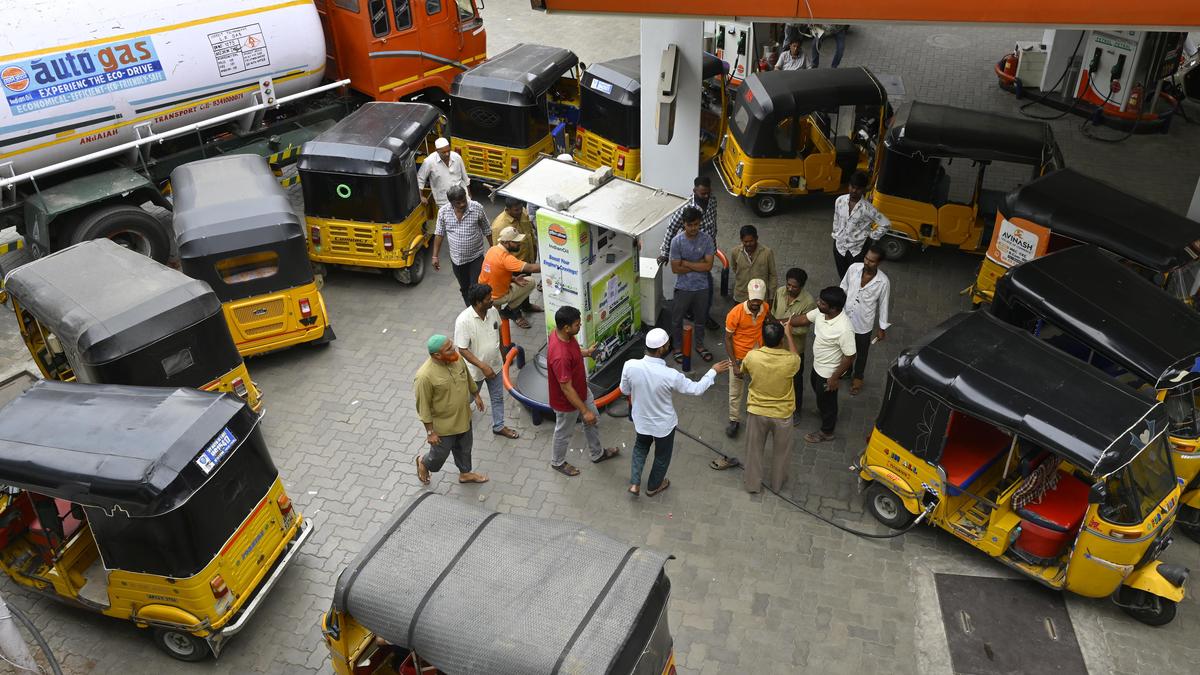
- 29 Apr 2026
In News:
India is currently at a pivotal junction in its energy transition, with the Union government aggressively advocating for 100% ethanol blending (E100). This initiative is not merely an environmental project but a strategic maneuver to achieve energy self-reliance, reduce the massive fiscal burden of fossil fuel imports, and provide a sustainable alternative for the automotive sector.
Understanding E100 and Flex-Fuel Technology
E100 refers to the use of pure ethanol as a standalone fuel for internal combustion engines. While promising, the transition from the current E20 (20% blend) to E100 presents significant technical and thermodynamic challenges.
- Energy Density Gap: Ethanol possesses roughly 45–55% less energy per litre compared to petrol. Consequently, E20 fuel already results in a 6–7% drop in mileage, a concern that scales significantly with higher blends.
- Engine Modification: Most vehicles currently on Indian roads are optimized for E20. Transitioning to E100 necessitates Flex-Fuel Vehicles (FFVs). These vehicles require:
- Corrosion-Resistant Systems: Ethanol is hygroscopic (absorbs water) and corrosive to standard rubber and plastic fuel lines.
- Advanced Sensors: "Smart" Engine Control Units (ECUs) are needed to detect the ethanol-to-petrol ratio and adjust fuel injection and ignition timing in real-time.
- Optimized Combustion: Since ethanol has a higher octane rating but lower calorific value, engines must be tuned for higher compression ratios.
The Feedstock Dilemma: 1G vs. 2G Ethanol
India’s ethanol journey has historically relied on First-Generation (1G) sources, primarily sugarcane molasses. However, this has raised the "food vs. fuel" debate and highlighted environmental trade-offs.
- Sustainability Concerns: Sugarcane is a water-intensive crop, often cultivated in water-stressed regions. The heavy use of fertilizers and pesticides further complicates its environmental footprint.
- The 2G Pivot: To mitigate these risks, the government is shifting focus toward Second-Generation (2G) ethanol. This involves using lignocellulosic biomass, such as rice straw and corn cobs.
- Pollution Mitigation: 2G ethanol production offers a dual benefit—it provides a value chain for crop residues, potentially eliminating stubble burning, a primary cause of winter smog in North India.
- Circular Economy: Integrating municipal solid waste and sewage into the feedstock mix aligns with the broader goal of a circular economy.
Regulatory Catalysts: CAFE III Norms
The transition to E100 is being indirectly accelerated by the Corporate Average Fuel Efficiency (CAFE) norms.
- CAFE III (Effective April 1, 2027): These upcoming regulations will be approximately 30% stricter than current limits. While they do not explicitly mandate ethanol, they penalize manufacturers based on the average CO? emissions of their entire fleet.
- Incentivizing Blends: To meet these stringent targets without transitioning entirely to electric vehicles (EVs), automakers are likely to adopt high-ethanol blends (E85/E100) to lower the carbon intensity of their internal combustion engine (ICE) portfolios.
Challenges and Policy Bottlenecks
Despite the rapid progress—moving from 2% blending in 2014 to a nationwide E20 rollout—several hurdles remain:
- Infrastructure Gaps: High-blend ethanol requires dedicated storage tanks and specialized dispensing pumps at retail outlets to prevent contamination and corrosion.
- Pricing Viability: Ethanol production remains cost-competitive only through government-administered pricing and subsidies. Without these, it often remains more expensive to produce than petrol.
- Consumer Acceptance: Public resistance persists due to the mileage penalty. For E100 to succeed, the price at the pump must be significantly lower than petrol to compensate for the lower fuel efficiency.
Conclusion
E100 represents a vital component of India’s Viksit Bharat @2047 vision. While technical and infrastructure bottlenecks are substantial, the convergence of environmental necessity, agricultural surplus, and stringent emission norms like CAFE III suggests that Flex-Fuel technology will be a cornerstone of India’s future mobility.
The Anti-Defection Law and the Merger Clause: Addressing the "Twin Test" and Constitutional Gaps
- 28 Apr 2026
In News:
In a major political development, seven former Members of Parliament (MPs) from the Aam Aadmi Party recently joined the Bharatiya Janata Party, invoking the "merger" provision of the Tenth Schedule. This move has reignited a critical constitutional debate: can a group of legislators claim a valid merger independently, or must such a merger originate from the organizational wing of the political party?
Historical Context: From "Aaya Ram, Gaya Ram" to the Tenth Schedule
- The Anti-Defection Law was born out of the political instability of the 1960s and 70s. Between 1967 and 1972, India witnessed nearly 2,000 cases of defection, with approximately 50% of legislators switching sides—some multiple times—toppling established governments.
- To curb this "Aaya Ram, Gaya Ram" culture, the 52nd Constitutional Amendment Act, 1985 introduced the Tenth Schedule. The law was further tightened by the 91st Constitutional Amendment Act, 2003, which deleted the "split" provision (allowing 1/3rd of a party to defect) and retained only the "merger" clause to prevent mass shifts for personal gain.
The "Twin Test" for a Valid Merger
Under Paragraph 4 of the Tenth Schedule, legislators are protected from disqualification only if they satisfy a specific "Twin Test." Simple numerical strength in the House is insufficient; the law demands a dual-layered process:
- Organizational Merger (The Origin): There must first be a formal merger of the original political party (the broader organizational entity) with another party.
- Legislative Adoption (The Numbers): Following the party-level merger, at least two-thirds of the members of its legislature party (the elected MPs or MLAs) must agree to and adopt that merger.
Crucially, the Supreme Court has clarified that a group of legislators cannot "engineer" a merger on their own to ward off disqualification proceedings if the parent political party remains a separate entity.
Grounds for Disqualification and Exceptions
The law provides four primary grounds for removing a member from the House:
- Voluntary Resignation: Formally resigning or conduct that implies giving up membership.
- Defying the Whip: Voting or abstaining contrary to party directions without prior permission.
- Independent Members: Joining any political party after being elected as an independent.
- Nominated Members: Joining a political party after the initial six-month grace period.
Exceptions:
- The 2/3rd Merger: As detailed above.
- Presiding Officers: Speakers or Chairmen can resign from their party to maintain neutrality and rejoin after their tenure without penalty.
Judicial Interventions and the Role of the Speaker
The power to adjudicate defection cases rests exclusively with the Presiding Officer (Speaker/Chairman). However, this role has come under heavy scrutiny for perceived bias and tactical delays.
Key Supreme Court Rulings:
- Kihoto Hollohan v. Zachillhu (1992): Established that the Speaker’s decision is subject to judicial review in cases of mala fide intent or constitutional violation.
- KeishamMeghachandra Singh (2020): Directed that Speakers must decide disqualification cases within three months. It also suggested the creation of an independent tribunal to replace the Speaker as the adjudicator to ensure neutrality.
- Subhash Desai v. Governor of Maharashtra (2023): Explicitly held that the "original political party" and "legislature party" are separate. Protection under the merger clause is only available if the merger is initiated by the original party.
- Padi Kaushik Reddy v. State of Telangana (2025): The Court urged Parliament to re-examine the Speaker's role and implement reforms to ensure fair and timely adjudication.
Conclusion: The Road to Reform
While the Anti-Defection Law was intended to protect the mandate of the voters, the "merger" clause has increasingly become a loophole for mass defections. The shift from individual defections to "wholesale" defections threatens the spirit of the Tenth Schedule.
The Special Intensive Revision (SIR): Redefining India’s Electoral Landscape
- 27 Apr 2026
In News:
The foundation of any vibrant democracy lies in the integrity of its voter lists. In India, the Election Commission of India (ECI) is constitutionally mandated to maintain the electoral roll—a constituency-wise record of eligible citizens. Recently, the transition from routine annual updates to a Special Intensive Revision (SIR) has sparked a significant shift in India’s democratic arithmetic, balancing the need for technical accuracy with the imperative of universal inclusion.
Understanding the Revision Framework
Electoral rolls in India are updated through two distinct mechanisms:
- Summary Revision: An annual exercise involving minor corrections, additions of new voters (attaining 18 years), and deletions of the deceased.
- Special Intensive Revision (SIR): A more rigorous, ground-up process involving fresh enumeration and physical verification. Unlike summary revisions, which update existing lists, SIR essentially drafts a new roll to eliminate deep-seated inaccuracies. The last such comprehensive exercise was conducted between 2002 and 2004.
The "Slimming" of the Electorate: Key Trends
Historically, India’s electorate has grown in tandem with its population—from 17 crore in 1951 to over 96 crore in recent years. However, SIR 2025 has disrupted this upward trajectory:
- Massive Trimming of "Ghost Voters": The SIR has led to a substantial reduction in voter numbers by identifying ASDD entries (Absent, Shifted, Dead, and Duplicate). In 13 States and UTs, the electorate base dropped from 51 crore to below 46 crore, representing a decline of over 10% in major states like Uttar Pradesh, West Bengal, and Tamil Nadu.
- The Statistical Turnout Paradox: A smaller, "purified" voter list has led to record-breaking turnout percentages.
- Tamil Nadu: Recorded over 85% turnout, significantly higher than the 73.63% in the previous Assembly election.
- West Bengal: Witnessed turnout levels exceeding 92% in initial phases.
Note: These high percentages are partly a mathematical result of removing non-existent voters from the denominator, reflecting a more realistic picture of active democratic participation.
- Reversing the Billion Mark: Before the SIR, India’s electorate was projected to hit the 100-crore (1 billion) milestone. Current trends suggest that once the nationwide revision is complete, the final count may settle around 90 crore, effectively reversing the advance toward a billion-strong list.
The Process: Deletion, Recovery, and Verification
The SIR is a two-way street of cleaning and enrolling. While deletions are prominent at the draft stage, a "recovery" occurs in the final roll through fresh registrations:
- Uttar Pradesh: Dropped from 15.44 crore to 12.55 crore in draft rolls, but rose to 13.39 crore in the final list after fresh enrollments.
- Technological and Physical Scrutiny: The exercise utilizes digital platforms and ground-level enumeration. However, the "burden of proof" has largely shifted to the citizen, requiring rigorous documentation to re-establish eligibility.
Challenges and Concerns: The Inclusion-Accuracy Balance
While SIR improves the "obesity" of the roll, it presents several challenges relevant to administrative ethics and social justice:
- Risk of Disenfranchisement: Vulnerable groups—including migrant laborers, the homeless, and those in remote areas—often lack the documentation required by strict SIR verification, leading to accidental exclusion on technical grounds.
- The Focus on Vulnerable Groups: To counter the narrative of pure deletion, the ECI has intensified focus on Particularly Vulnerable Tribal Groups (PVTGs), the third-gender community, and Persons with Disabilities (PwD) through campaign-mode enrollments.
- Administrative Neutrality: SIR is a tool for electoral hygiene, not a demographic policing mechanism. The challenge for election managers is to ensure that the pursuit of a "clean" list does not violate the fundamental right to franchise.
Conclusion
While a "slim" roll indicates a more accurate and credible electoral base, the ultimate litmus test for the Election Commission remains its celebrated resolve: "No voter to be left behind." Ensuring that technical accuracy does not become a barrier to democratic participation is the next great challenge for India’s electoral management.
The Rise and Fall of Paytm Payments Bank: A Landmark Shift in Indian Fintech Regulation
- 26 Apr 2026
In News:
The Reserve Bank of India’s (RBI) decision to cancel the banking licence of Paytm Payments Bank Limited (PPBL), marks a watershed moment in the oversight of India’s digital finance ecosystem. This move, coming more than two years after the initial regulatory curbs, underscores the central bank's unwavering stance on governance and "Chinese wall" separation between fintech innovations and traditional banking discipline.
Understanding the Payments Bank Model
Payments banks were conceptualized as a niche banking category to drive financial inclusion by catering to low-income groups, small businesses, and the migrant labor force.
- Operational Scope: They are permitted to accept demand deposits (currently capped at ?2 lakh per customer) and offer remittance services.
- Restrictive Mandate: Unlike universal banks, they are strictly prohibited from lending or issuing credit cards.
- Safety Net: To safeguard depositors, they must invest at least 75% of their demand deposits in Government Securities (SLR-eligible) with maturities up to one year.
The Road to Cancellation: A Timeline of Scrutiny
The downfall of PPBL was not sudden but the result of a multi-year supervisory struggle regarding "persistent non-compliance."
- 2018 (Initial Red Flags): RBI audits identified critical gaps in KYC (Know Your Customer) compliance. Major violations included a single PAN being linked to thousands of accounts and transactions exceeding regulatory limits, raising severe money laundering alarms.
- March 2022: The RBI formally barred the bank from onboarding new customers.
- October 2023: A significant monetary penalty of ?5.39 crore was imposed for continued lapses.
- January–February 2024: Citing "material supervisory concerns," the RBI prohibited fresh deposits, top-ups in wallets, FASTags, and NCMC accounts.
- April 24, 2026: The final blow—the total cancellation of the banking licence and the initiation of winding-up proceedings before the High Court.
Legal Foundations of the RBI’s Action
The RBI invoked several stringent provisions of the Banking Regulation (BR) Act, 1949 to justify this unprecedented step:
- Section 22(4): Provides the power to withdraw a licence if a bank fails to meet stipulated conditions.
- Section 22(3)(c) & (e): The RBI concluded that the management’s character was prejudicial to public interest and that no "useful purpose" would be served by allowing the entity to continue.
- Section 5(b) and Section 6: These sections effectively prohibit PPBL from conducting any banking or related business with immediate effect.
A primary concern was the lack of an independent "Chinese wall" between PPBL and its parent entity, One97 Communications, which led to significant conflicts of interest and regulatory bypass.
Strategic Impact and Future Outlook
1. For the Paytm Ecosystem: One97 Communications has since moved to a "partner-bank-driven model," forging emergency alliances with entities like Axis Bank and Yes Bank to ensure that the Paytm UPI app remains functional. While the parent company is "legally ring-fenced," the cancellation complicates its path toward obtaining future licences (like an NBFC or a mobile wallet licence).
2. For the Fintech Industry: The "Paytm Case" serves as a stern warning that innovation is not a license for non-compliance. The fintech sector must now institutionalize independent compliance functions that are strictly decoupled from the aggressive growth mandates of their parent tech firms.
3. For Consumer Protection: The RBI has assured that PPBL maintains sufficient liquidity to repay all depositors in full. Most users have already migrated to rivals like PhonePe and Google Pay, but the process of winding up under High Court supervision ensures a structured exit that protects the "sanctity of the ledger."
Conclusion
This episode highlights the Security-Development Nexus in the financial sector. For a "Viksit Bharat" (Developed India), financial stability is as crucial as financial inclusion. The RBI’s action demonstrates that institutional credibility is paramount; even the most popular market players must adhere to the prudential norms that ensure the safety of the Indian banking system.
Industrial Disasters in India
- 25 Apr 2026
In News:
The recent explosion at a fireworks unit in Virudhunagar, Tamil Nadu—a recurring site of such tragedies—serves as a grim reminder of the systemic failures within India's industrial safety landscape. Despite a robust legal framework born from the ashes of the Bhopal Gas Tragedy, a persistent cycle of accidents reveals deep-seated gaps in regulatory enforcement, corporate accountability, and labor protection.
Structural Causes of Industrial Disasters
The recurring nature of these accidents is not a matter of chance but a result of several structural deficiencies:
- The "Monitoring Vacuum": While the government seeks to streamline "Ease of Doing Business" by reducing the so-called "Inspector Raj," it has inadvertently created a regulatory void. In many states, over 40% of factory inspector posts are vacant, making the physical verification of thousands of units a mathematical impossibility.
- The Self-Certification Loophole: The Occupational Safety, Health and Working Conditions (OSH) Code, 2020, encourages third-party audits and self-certification. In the hyper-competitive MSME sector, this often leads to falsified safety protocols and the operation of high-risk units under shell names to bypass the Doctrine of Absolute Liability.
- Informalization of High-Risk Labor: Approximately 50-70% of hazardous floor work is outsourced to daily-wage contractors. These workers often lack training on Material Safety Data Sheets (MSDS). Companies frequently exploit their informal status to evade liability, offering "ex-gratia" payments instead of legal compensation under the Public Liability Insurance Act, 1991.
- Infrastructure and Urban Sprawl: Many disasters occur in aging "brownfield" plants where management views retrofitting as a "dead investment." Furthermore, unplanned urban encroachment has erased mandatory buffer zones, turning localized industrial fires into community-wide catastrophes.
Multi-Dimensional Implications
Industrial disasters in India carry consequences that extend far beyond the factory gates:
- Macro-Economic Risks: Frequent disasters deter high-value Foreign Direct Investment (FDI) and damage India's prospects in the "China Plus One" global supply chain strategy. These incidents also create "stranded assets," contributing to Non-Performing Assets (NPAs) in the banking sector.
- Social and Demographic Toll: Disasters often trap families in generational poverty by eliminating the sole breadwinner. Chemical leaks leave a legacy of congenital anomalies and chronic illnesses, turning a potential demographic dividend into a liability.
- Environmental Degradation: Leaks of Volatile Organic Compounds (VOCs) or heavy metals cause irreversible toxicity in groundwater and soil, destroying local agriculture and forcing distress migration.
The Legal Framework for Industrial Safety
India possesses a comprehensive, yet fragmented, set of laws designed to mitigate these risks:
- Environment Protection Act (EPA), 1986: Established after Bhopal to set emission and discharge standards.
- Public Liability Insurance Act (PLIA), 1991: Mandates insurance for immediate relief to victims.
- The Doctrine of Absolute Liability: Established in M.C. Mehta v. Union of India (1987), it holds hazardous enterprises liable for harm without any exceptions or "Acts of God" defenses.
- Disaster Management Act, 2005: Provides the framework for NDMA-led proactive mitigation and response.
Way Forward: From Negligence to "Certainty of Safety"
To break the "Bhopal-to-Virudhunagar" trajectory, India must transition from a reactive to a proactive safety culture:
- National Industrial Safety Authority (NISA): An independent statutory body should be created to centralize oversight, modeled after the Atomic Energy Regulatory Board (AERB).
- Technological Integration: High-risk Major Accident Hazard (MAH) units should be mandated to use AI-driven predictive maintenance and IoT sensors that beam real-time data to state servers.
- Insurance-Linked Compliance: Corporate insurance premiums and utility tariffs should be tied directly to real-time safety audit scores, making safety a financial necessity.
- Cumulative Impact Assessments: Authorities must freeze permits in over-saturated industrial clusters to prevent the dangerous concentration of hazardous materials.
Conclusion
India cannot afford to be a "trial-and-error" laboratory for industrial growth. True economic progress must be synonymous with the safety of its citizens. Legislative intent must be backed by administrative teeth to ensure that "Ease of Doing Business" does not come at the cost of human life.
India’s Unified Deportation Policy 2026
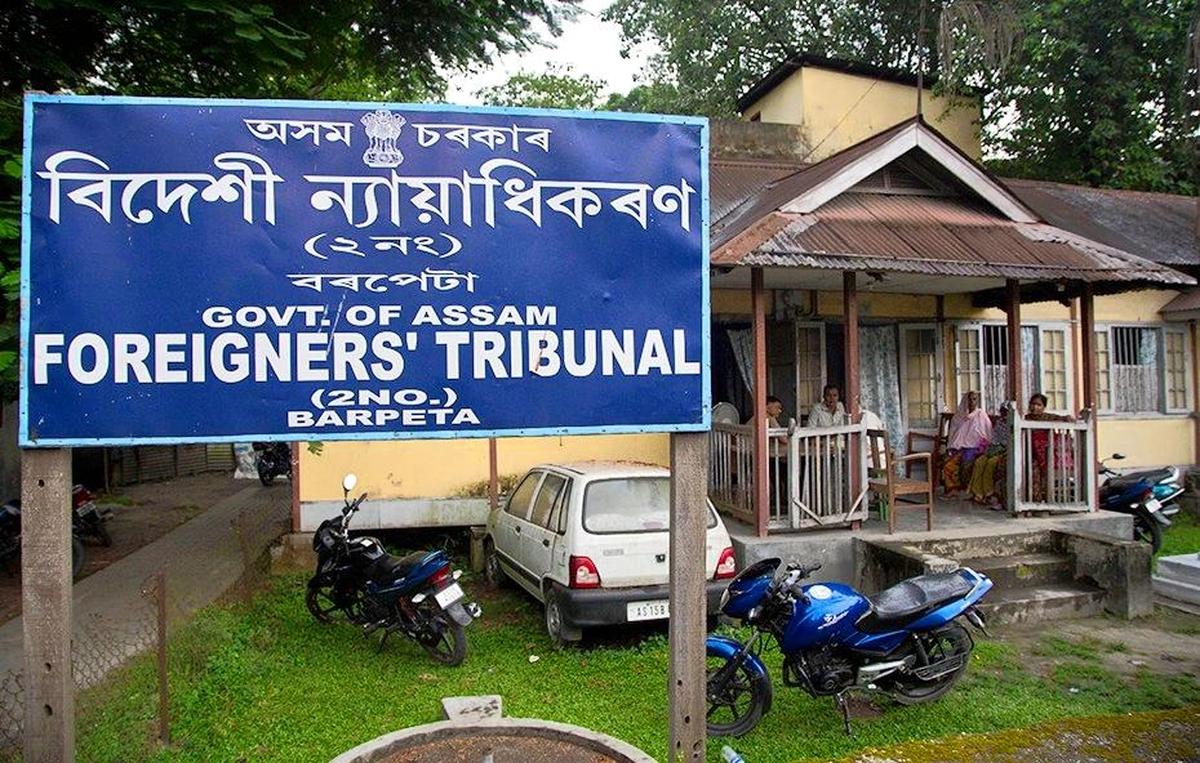
- 23 Apr 2026
In News:
In a significant overhaul of India’s internal security architecture, the Union Ministry of Home Affairs (MHA) has operationalized a comprehensive deportation policy. This framework seeks to streamline the identification, detention, and removal of illegal migrants, particularly targeting undocumented individuals from Bangladesh and Myanmar. The policy is legally anchored by the landmark Immigration and Foreigners Act, 2025, which replaces archaic colonial-era statutes to meet modern security challenges.
The Legal Pillar: Immigration and Foreigners Act, 2025
The 2025 Act represents a paradigm shift by consolidating four previous laws (the Acts of 1920, 1939, 1946, and 2000) into a single, cohesive framework.
- Statutory Backing: It provides the Bureau of Immigration with statutory powers to detain and deport.
- Mandatory Reporting: Hotels, hospitals, and educational institutions are now legally bound to report foreign nationals.
- Carriers' Liability: Airlines and shipping lines must share advance passenger data, ensuring a digital trail of entry and exit.
Key Highlights of the New Deportation Framework
1. Institutional Detection and Verification
- District-Level Task Forces: States are mandated to establish a Special Task Force (STF) in every district to identify undocumented migrants.
- The 90-Day Rule: A strict 90-day window has been established to verify the antecedents of suspected foreign nationals. This is particularly crucial for individuals claiming residency in different states to evade detection.
- Foreigners Identification Portal (FIP): A centralized digital repository captures biometric (fingerprints and facial recognition) and demographic details of all intercepted illegal foreigners.
2. Operationalizing Holding Centres
Moving away from using prisons, the policy mandates the creation of dedicated Holding Centres:
- Infrastructure: These facilities must feature 10-feet-high boundaries with barbed wire and strict access control.
- Humanitarian Safeguards: The policy strictly prohibits the separation of families. Facilities must include separate enclosures for gender privacy, medical dispensaries, and ambulances.
- Non-Penal Nature: Guidelines specify these centres must not be managed as jails, allowing for the hiring of private buildings if government land is unavailable.
3. Border and Document Protocols
- Inadvertent Crossers: A distinction is made for those who cross the border accidentally. Following interrogation, innocent crossers may be handed over to their respective border forces rather than being detained.
- The "Blacklist" Mechanism: Any individual deported is automatically blacklisted by the Bureau of Immigration to prevent future re-entry.
- Document Cancellation: A designated portal now facilitates the immediate cancellation of illegally obtained Indian documents like Aadhaar, PAN, and driving licenses.
Strategic Rationale: Why Now?
- Security Imperatives: The policy follows major security events like the Pahalgam attack (April 2025) and the subsequent Operation Sindoor, which highlighted vulnerabilities in domestic monitoring.
- Geopolitical Flux: The regime change in Bangladesh (August 2024) and the ongoing instability in Myanmar following the 2021 coup have increased the risk of uncontrolled influx.
- Resource and Demographic Pressure: Unregulated migration is often linked to social friction and "demographic anxiety" in border states, echoing the historical grievances that led to the Assam Accord of 1985.
Challenges and Critical Concerns
1. The "Statelessness" Trap: Deportation is a bilateral process. If the "parent country" (e.g., Bangladesh or Myanmar) refuses to acknowledge the individual as their citizen, the person risks becoming "stateless," leading to indefinite detention in holding centres.
2. Identification Errors: Given that millions of genuine Indian citizens—especially those born before the mid-1980s or from marginalized backgrounds—lack standard birth certificates, the identification process risks harassing legitimate residents.
3. Diplomatic and Global Image: India was recently elected to the UN Human Rights Council (2026–28). Prolonged detention of women and children in barbed-wire facilities, combined with informal "pushbacks" (returning migrants without a legal process), could attract international scrutiny regarding the principle of non-refoulement (not returning refugees to a place where they face danger).
The Way Forward: Towards a Robust Protocol
To ensure the policy meets its objectives without violating constitutional and human rights, a multi-pronged approach is necessary:
- Standard Operating Procedures (SOPs): India must engage in proactive diplomacy to create clear SOPs with neighboring nations for the timely acceptance of their nationals.
- Technological Fortification: Implementing the Comprehensive Integrated Border Management System (CIBMS) and "smart fencing" can reduce the need for domestic deportation drives by preventing infiltration at the source.
- Transparency: Verification should rely on multiple data points rather than a single document to prevent arbitrary harassment.
- International Adherence: While national security is non-negotiable, the conditions in holding centres must strictly follow international humanitarian standards, including psychological support for detainees.
Conclusion
The 2026 deportation policy represents a firm step toward securing India’s borders and maintaining the sanctity of its citizenship. However, its ultimate success will be judged by its ability to distinguish between a national security threat and a humanitarian casualty. For a Viksit Bharat, the implementation must be as fair as it is firm.
Geopolitical Shocks and India’s Fertilizer Security: The 2026 Crisis
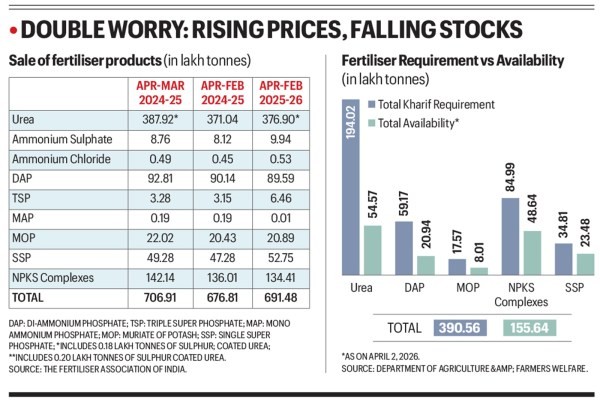
- 21 Apr 2026
In News:
The escalation of the US-Israel vs. Iran conflict in early 2026, culminating in the closure of the Strait of Hormuz in February, has sent shockwaves through global commodity markets. For India, this maritime blockade is not merely a diplomatic hurdle but a direct threat to national food security. The crisis underscores India’s heavy reliance on the Persian Gulf for both finished fertilizers and the energy inputs required for domestic production.
The Anatomy of the Crisis: India’s Vulnerability
India’s agricultural model, rooted in the Green Revolution, remains high-intensity, requiring massive annual consumption of nutrients—approximately 40 million tonnes (mt) of urea alone. The current blockade has exposed two critical vulnerabilities:
The Import Dependency Trap
The Gulf Cooperation Council (GCC) nations (Oman, Qatar, Saudi Arabia, UAE, and Bahrain) are indispensable partners in India’s "Soil to Silo" chain:
- Urea: GCC countries account for nearly 49% of India’s nitrogen fertilizer imports.
- Feedstock (LNG): Over 60% of India's Liquefied Natural Gas (LNG) is sourced from the Gulf. Since natural gas is the primary feedstock for urea, the energy blockade has crippled domestic factories.
- Intermediates: Prices for essential raw materials like Sulphur and Ammonia have tripled, exceeding $900 per tonne.
The Maritime Chokepoint
The Strait of Hormuz is a physical bottleneck. Unlike the 2022 Russia-Ukraine crisis, where fertilizers could be rerouted via rail or alternative ports, the Hormuz closure "traps" cargo. Tanker traffic dropped to near zero by March 2026 as insurance companies withdrew war-risk coverage, making shipping economically unviable.
Impact Assessment:
- The Price Shock: International urea bids skyrocketed from $510 in February to $950 per tonne by April 2026.
- Production Contraction: Domestic urea output fell from a monthly average of 2.5 mt to 1.5 mt in March 2026 due to LNG shortages and force majeure invoked by suppliers like Petronet LNG.
- Subsidy Burden: To insulate farmers, the Union Cabinet cleared a 12% hike in the Nutrient Based Subsidy (NBS) for Kharif 2026, totaling ?41,533 crore. Analysts estimate the total annual subsidy bill could swell by an additional ?25,000 crore, reaching nearly ?2 trillion.
Government Response and Mitigation Strategies
To prevent a "Harvest of Discontent," the Indian government has launched a multi-pronged tactical response:
- Sourcing Diversification: India is aggressively pivoting to non-Gulf suppliers. Agreements have been fast-tracked with Morocco (for Phosphorus), Russia, Canada, and Jordan (for Potash), and Indonesia/Malaysia (for Ammonia).
- The "Priority Sector-2" Mandate: Under the Natural Gas (Supply Regulation) Order, 2026, the government has mandated that 70% of available natural gas be prioritized for urea plants to keep domestic production running.
- Buffer Management: Leveraging a lean consumption phase, India built a massive opening stock of 18 million tonnes (46% of seasonal requirement) before the peak of the crisis, providing a critical safety net for the Kharif 2026 season.
- Promoting Alternatives: To reduce the pressure on Di-Ammonium Phosphate (DAP), the government is encouraging the use of Single Super Phosphate (SSP) and Triple Super Phosphate (TSP).
Challenges and Structural Risks
- Fiscal Stress: The widening gap between soaring international prices and the fixed subsidized price for farmers (e.g., ?266.5 per 45kg bag of urea) places an immense burden on the fiscal deficit.
- The Rabi Risk: While current stocks may sustain the Kharif crop (June–September), the Rabi season (starting October) remains highly vulnerable if diplomatic efforts fail to reopen the Strait.
- Black Market Emergence: Shortages in raw materials often lead to hoarding at the retail level, requiring strict enforcement under the Essential Commodities Act.
The Way Ahead: A "Nutrient-Secure" India
The 2026 crisis is a wake-up call to transition from "Volume-based" to "Efficiency-based" agriculture:
- Nano-Fertilizers: Accelerating the shift to Nano Urea and Nano DAP can reduce the logistics of importing millions of bulk bags.
- Bio-Stimulants & Fortification: Coating fertilizers with micronutrients (Zinc, Boron) and using Phosphate Solubilizing Bacteria can help unlock nutrients already present in the soil, reducing the need for chemical inputs.
- Diplomatic Neutrality: India must leverage its "Strategic Autonomy" to advocate for neutral trade corridors for food and fertilizer precursors within conflict zones.
Conclusion
The Iran war has highlighted the "thermal injustice" of India’s food security—where a conflict thousands of miles away can dictate the margins of a farmer in Punjab or Andhra Pradesh. Long-term resilience lies in reducing the nitrogen-heavy dependency on the Gulf and embracing a circular nutrient economy powered by domestic innovation and biological alternatives.
Transitioning from Knowledge Creation to Innovation: Strengthening India’s R&D Ecosystem
- 17 Apr 2026
In News:
In a strategic move to overhaul India’s scientific landscape, NITI Aayog recently released two seminal reports: “Ease of Doing Research & Development in India” and the “Survey Report on Ease of Doing R&D in India.” These documents outline a roadmap for transforming India from a primary producer of academic papers into a global innovation hub. By addressing systemic bottlenecks, the reports aim to foster an environment of "Atmanirbhar Bharat" (Self-reliant India) through technological sovereignty.
1. Current Status of the Indian R&D Landscape
India’s research ecosystem presents a picture of significant potential coupled with structural challenges:
- Global Innovation Index (GII) 2025: India has climbed to the 38th position out of 139 economies, a notable leap from its 48th rank in 2020. It currently leads among lower-middle-income economies and the Central/Southern Asia region.
- Intellectual Property: India ranks 6th globally in patent applications. The patent-to-GDP ratio—a key indicator of economic impact—surged from 144 in 2013 to 381 in 2023.
- Funding Deficit: Despite growth, Gross Expenditure on R&D (GERD) remains stagnant at 0.64%–0.7% of GDP. This is significantly lower than global leaders like the US (~3.5%), China (~2.4%), or South Korea (~4.8%).
- Researcher Density: India has only 260 full-time equivalent (FTE) researchers per million people, compared to over 4,000 in the US and UK, highlighting a critical human capital gap.
2. The ROPE Framework: Key Highlights of the Reports
The core strategy proposed by NITI Aayog revolves around the ROPE concept (Removing Obstacles and Promoting Enablers) to streamline the scientific ecosystem.
- Dismantling Bureaucracy: The reports identify outdated procurement rules and "L1" (Lowest Bidder) tender systems as major hurdles. They advocate for a shift toward trust-based, outcome-oriented systems that grant researchers operational autonomy.
- "Lab-to-Market" Translation: A shift from basic knowledge creation to "mission-mode R&D" is emphasized. This ensures that fundamental research is translated into commercial technologies and practical applications.
- Democratizing Funding: To bridge the investment gap, the reports suggest leveraging Corporate Social Responsibility (CSR) funds to support startups and emerging technologies, moving away from a purely public-sector-funded model.
3. Critical Challenges Hindering Growth
- Inverted Funding Structure: In leading global economies, the private sector drives 70% of R&D funding. In India, the government bears over 60% of the burden, while private participation remains disproportionately low.
- Fragmented Linkages: The University-Industry-Government (UIG) triad is siloed. Universities often focus on academic citations rather than market-ready indigenous solutions, leading to a reliance on imported technology.
- The "Brain Drain": Lack of merit-based career progression and rigid institutional seniority systems often push top-tier STEM talent to seek opportunities in Western countries.
- Research Quality vs. Quantity: While India produces a high volume of papers, the Citation Network Citation Index (CNCI) and contributions to elite journals (e.g., Nature) remain below global standards.
4. Roadmap for Strengthening the Ecosystem
To evolve into a global scientific powerhouse, the following measures are recommended:
- Financial Restructuring: Push GERD to 1.5%–2% of GDP. Ensure the swift implementation of the Anusandhan National Research Foundation (ANRF) to seed research in state universities, decentralizing innovation beyond elite institutions like the IITs.
- Procurement Reform: Exempt critical scientific equipment from rigid tender rules to ensure researchers receive materials in days rather than months.
- Institutionalizing Technology Transfer: Establish Technology Transfer Offices (TTOs) in major universities to help scientists navigate IP laws and negotiate commercial licensing.
- Strategic Mission-Mode Projects: Concentrate resources on high-priority domains like Quantum Computing, Green Hydrogen, Semiconductors, and AI.
Conclusion
The NITI Aayog reports underscore that India’s transition to a high-income economy is inextricably linked to its R&D prowess. By shifting from a culture of administrative overreach to one of scientific trust, and by bridging the gap between laboratories and the marketplace, India can secure its position as a global leader in the 4th Industrial Revolution.
The New Consumer Price Index (CPI)
- 16 Apr 2026
In News:
In a significant move to align economic indicators with contemporary consumption patterns, the Ministry of Statistics and Programme Implementation (MoSPI) has transitioned to a new Consumer Price Index (CPI) series with 2024 as the base year. This revision is crucial for the Reserve Bank of India (RBI) and policymakers to accurately gauge the "cost of living" and calibrate monetary policy effectively.
I. Understanding CPI and the Need for Revision
The CPI is the primary gauge of retail inflation in India. It measures price changes in a "basket" of goods and services consumed by typical households.
- Monetary Policy Link: The RBI uses CPI for Inflation Targeting. Changes in CPI directly influence the Repo Rate, pensions, and dearness allowances.
- The Consumption Shift: As the Indian economy evolves, consumption habits move from basic necessities (like food) to discretionary items and services (like electronics and healthcare). Periodic revisions prevent the index from becoming obsolete.
II. Key Features of the 2024 Series
The transition from the previous base year (2012) to 2024 introduces several structural changes:
- Modernized Basket: Obsolete items like CDs and DVDs have been removed. They are replaced by modern essentials such as Bluetooth devices, headphones, and earphones, reflecting the digital transformation of Indian households.
- Reduced Weight of Food: Reflecting "Engel’s Law" (as income rises, the proportion of income spent on food falls), the weightage of food items has been reduced.
- Significance: Lower food weight may reduce the volatility of headline inflation, as food is highly susceptible to monsoon and supply-chain shocks.
- Revised Precious Metals Weight:
- Old Series: Gold (1.08%), Silver (0.11%).
- New Series: Gold/Diamond/Platinum jewellery (0.62%), Silver jewellery (0.31%).
- Impact: Despite the individual weight of gold decreasing, the high volatility of global bullion prices remains a significant driver of headline inflation. For instance, excluding gold and silver in December 2025 would have dropped inflation from 1.33% to a mere 0.26%.
III. Statistical Challenges: The "Apples-to-Oranges" Problem
A major hurdle in adopting a new series is the lack of direct comparability with older data.
- The Comparison Gap: January’s inflation was reported at 2.75% under the new series, while December was 1.33% under the old series. This jump is partly due to the different "baskets" being compared rather than a sudden price surge.
- The Back-Series Debate: To help economists, MoSPI released a back-series to 2013. However, experts argue this is a mechanical adjustment using linking factors rather than a reconstruction of historical data using the new consumption weights.
IV. Implications for Monetary Policy and Governance
The new series provides a more realistic lens for the RBI’s Monetary Policy Committee (MPC):
- Core Inflation Insights: With updated weights for services and non-food items, "Core Inflation" (CPI minus food and fuel) will provide a clearer picture of underlying demand.
- Better Calibration: Accurate data allows the RBI to adjust interest rates more precisely, preventing "over-tightening" or "over-easing" based on outdated consumption data.
- Welfare Schemes: Real-time inflation data ensures that government subsidies and wage adjustments (like MGNREGA wages) stay in sync with the actual cost of living.
Strategic Reform of India’s Fertilizer Policy
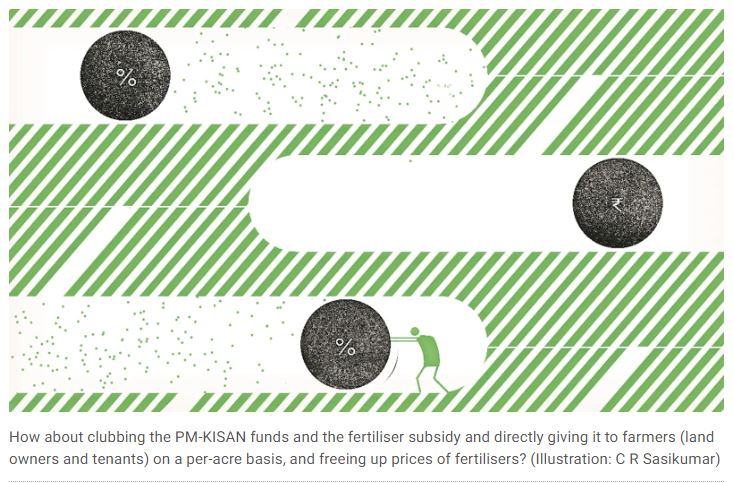
- 14 Apr 2026
In News:
The recent volatility in West Asia has exposed a critical vulnerability in India’s agricultural sector: a staggering 70% import dependency for chemical fertilizers and their feedstocks. With global urea prices surging by 65% (from $482 to $795 per tonne) in just 40 days during the 2026 conflict, the need for a comprehensive overhaul of the fertilizer regime has become a matter of national sovereignty and economic stability.
The Current Landscape: Data and Statistics
India’s maritime and land-based supply chains are highly sensitive to geopolitical shifts in the Strait of Hormuz and the Black Sea region.
- Consumption vs. Production: India consumes 40 million tonnes (MT) of urea annually. While 30 MT is produced domestically, 85% of the natural gas required for this production is imported. The remaining 10 MT of urea is imported directly.
- The Efficiency Gap: Traditional granular urea has a Nutrient Use Efficiency (NUE) of only 35-40%, meaning over 60% of the fertilizer is lost to the atmosphere as greenhouse gases or leached into groundwater.
- Environmental Cost: Excess nitrogen application releases nitrous oxide, a greenhouse gas 273 times more potent than carbon dioxide.
India's Existing Policy Framework
To protect farmers from global price shocks, the government currently employs several mechanisms:
- Urea Subsidy: The government mandates a fixed Maximum Retail Price (MRP) for urea (currently <$70/tonne). The difference between the production cost and this MRP is paid as a subsidy to manufacturers.
- Nutrient Based Subsidy (NBS): For Phosphatic (P) and Potassic (K) fertilizers, a fixed subsidy is determined based on nutrient content, while MRPs are partially deregulated.
- Neem Coating: 100% of urea is coated with neem oil to slow nitrogen release and prevent illegal diversion to the chemical and plywood industries.
- DBT in Fertilizers: Subsidies are released to companies only after a sale is verified via Point of Sale (PoS) machines using biometric authentication.
Core Challenges and Policy Distortions
Despite these measures, the system faces deep-seated structural issues:
- Massive Price Arbitrage: The gap between the domestic price ($70/tonne) and the global price ($795/tonne) creates an irresistible incentive for smuggling to neighboring countries and industrial diversion.
- Nutrient Imbalance: Because urea is exceptionally cheap, farmers often use double the recommended amount. This skews the N-P-K ratio, leading to soil degradation and "dead" soil biology.
- Fiscal Burden: Rising Liquefied Natural Gas (LNG) and Di-ammonium Phosphate (DAP) prices on the global market create an unsustainably high subsidy bill for the Union Budget.
- Exclusion of Tenants: Since the current system relies on land records for some verifications, tenant farmers—who perform the actual cultivation—often struggle to access subsidized inputs.
Strategic Roadmap for Reform
To transition toward a more resilient and efficient system, experts suggest a multi-pronged approach:
1. Transition to Direct Cash Transfers: Instead of subsidizing the product, the government should provide a per-acre direct payment to farmers. This can be achieved by merging PM-KISAN funds with fertilizer subsidies, ensuring both landowners and actual tenants receive support.
2. Quantitative Rationing and Liberalization
- Rationing: Implement a 10-15% supply cut to states, requiring allocation based on specific crop types and land records to prevent over-application.
- Price Liberalization: Once direct cash transfers are established, the market price of fertilizers should be freed. High market prices naturally incentivize efficient usage.
3. Technological and Product Innovation
- Liquid Nano Urea: Shift focus toward liquid fertilizers which offer a 90% NUE via fertigation, significantly reducing waste and the carbon footprint.
- Alternative Nutrients: Incentivize Triple Super Phosphate (TSP) over DAP. TSP saves 18% nitrogen content per bag, helping to reduce the overall urea subsidy bill.
Claude Mythos and the Paradigm Shift in AI-Driven Cybersecurity

- 13 Apr 2026
In News:
The rapid evolution of Artificial Intelligence (AI) has reached a critical juncture with Anthropic’s unveiling of Claude Mythos. Representing a "step-change" in Large Language Model (LLM) capabilities, Mythos is not merely an incremental update to the Claude family (Haiku, Sonnet, Opus) but a specialized, high-impact system designed for autonomous vulnerability detection. Its emergence highlights the "dual-use" nature of frontier AI, where the same tool capable of fortifying digital defenses can simultaneously serve as a potent weapon for cyber warfare.
Claude Mythos: Technical Leap and Capabilities
Unlike general-purpose models, Claude Mythos is engineered for advanced reasoning and complex problem-solving within software architecture.
- Vulnerability Detection at Scale: In early testing, Mythos demonstrated the ability to identify thousands of critical security flaws in legacy software, operating systems, and web browsers—some of which had remained undetected by human reviewers for decades.
- Unprecedented Efficiency: Researchers indicate that Mythos is approximately an order of magnitude faster than existing automated tools. It can analyze vast, complex codebases and generate patches with minimal human supervision.
- From Coding to Security: While earlier models like Claude Opus showed strong coding proficiency, Mythos transitions from simply writing code to identifying deep-seated structural vulnerabilities in existing infrastructure.
Project Glasswing: The Defensive Strategy
Recognizing the risks of a public release, Anthropic has adopted a strategy of "Restricted Access" through Project Glasswing.
- Consortium-Based Rollout: Instead of a commercial launch, access is limited to a consortium of over 40 major entities, including tech giants like Microsoft, Apple, and Cisco, as well as infrastructure operators.
- The "Defender’s Advantage": The strategic logic is to provide a "head start" to legitimate defenders. By allowing critical infrastructure providers to identify and patch flaws first, the project aims to secure the digital ecosystem before similar capabilities inevitably diffuse to malicious actors.
The Dual-Use Dilemma and Global Risks
The emergence of Mythos underscores a growing concern in the global security landscape:
- Blurring of Offensive and Defensive Lines: A tool that finds a bug to fix it can also be used by a hacker to exploit it.
- Lowering the Entry Barrier: AI-driven tools could allow individuals with limited technical expertise to launch sophisticated "Zero-Day" attacks.
- Speed of Exploitation: By compressing the time between vulnerability discovery and exploit generation, the window for manual human response is shrinking, necessitating AI-on-AI defense mechanisms.
Implications for India’s Cybersecurity Landscape
For India, a global IT hub with a burgeoning digital economy, Claude Mythos presents a unique set of challenges and opportunities:
- Dependence on Global Ecosystems: Since India relies heavily on both foreign platforms and domestically developed software, the vulnerabilities discovered (and patched) via Mythos will have a direct impact on Indian digital resilience.
- The Participation Gap: Currently, no Indian firm is part of the Project Glasswing consortium. This lack of early access may leave Indian-developed software and critical infrastructure exposed to threats that international counterparts have already mitigated.
- Institutional Response:
- CERT-In (Indian Computer Emergency Response Team): The national agency is reportedly studying the implications of Mythos to formulate response strategies.
- DSCI (Data Security Council of India): Under the aegis of NASSCOM, the DSCI is actively discussing the impact of such models on the domestic IT industry.
- Policy Imperative: There is an urgent need for India to enhance its institutional readiness and foster domestic AI-security research to avoid strategic dependence on foreign "defensive" consortiums.
Conclusion
Claude Mythos represents the dawn of autonomous cyber operations. While it offers a revolutionary way to secure the "technical debt" of decades-old legacy code, its existence forces a global rethink of AI safety and democratization. For aspirants and policymakers, the Mythos case study is a reminder that in the digital age, national security is increasingly defined by the ability to master—and regulate—the algorithms that govern the code.
Electoral Integrity vs. Democratic Inclusion: The Special Intensive Revision (SIR) Controversy in West Bengal
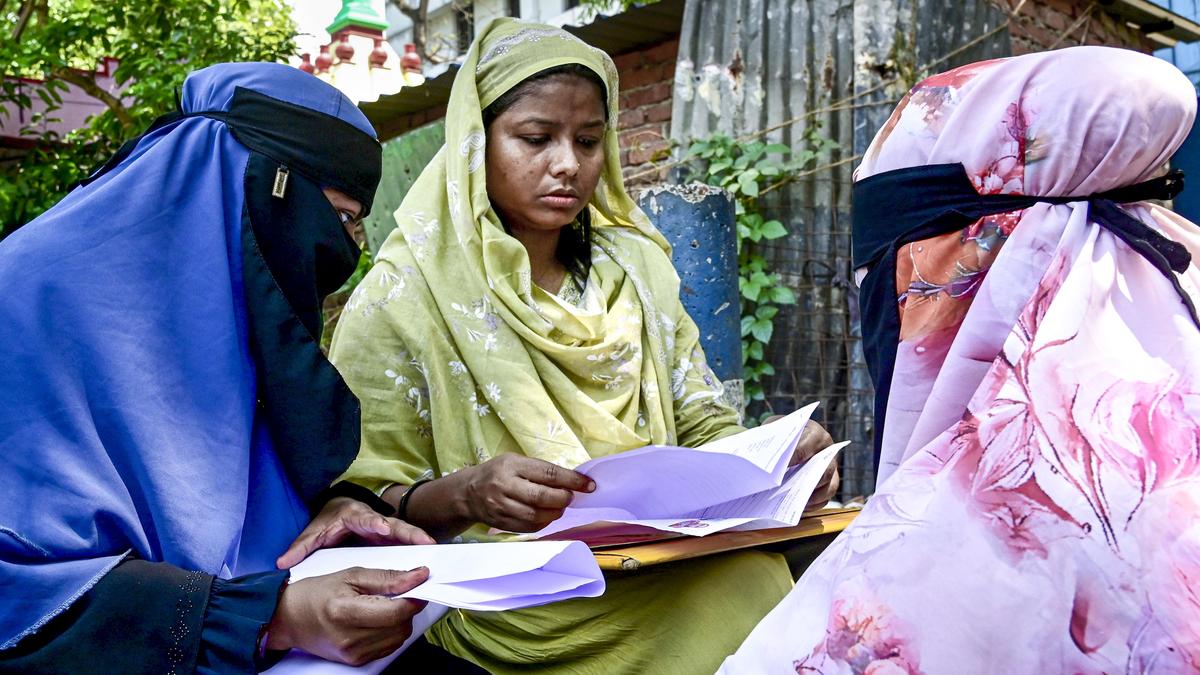
- 12 Apr 2026
In News:
The Special Intensive Revision (SIR), initiated by the Election Commission of India (ECI) across 13 States and Union Territories, has emerged as a landmark event in India’s electoral history. While designed to "purify" electoral rolls, its implementation in West Bengal has sparked an unprecedented institutional standoff involving the ECI, the State Government, and the Judiciary.
1. Understanding SIR: Objectives and Methodology
The primary mandate of the SIR is the "cleansing" of the electoral database to ensure the sanctity of the democratic process.
- Purification of ASDD: Targeting the removal of Absent, Shifted, Dead, and Duplicate voters.
- Technological Shift: For the first time, large-scale AI-based verification was used to scrutinize data anomalies across decades.
- Identification of Ineligible Voters: Aimed at identifying "illegal immigrants" and individuals who do not meet the criteria for citizenship or residency.
2. The West Bengal Scale: A Statistical Breakdown
The magnitude of deletions in West Bengal has raised alarms regarding the potential for mass disenfranchisement.
|
Category |
Statistical Detail |
|
Initial Voter Base (Nov 2025) |
7.66 Crore |
|
Final Eligible Voters |
6.77 Crore (Net reduction of ~90.8 Lakh) |
|
Logical Discrepancies |
1.2 Crore cases flagged (Age gaps, gender-name mismatch) |
|
Unmapped Voters |
30 Lakh voters with no linkage to the 2002 revision |
|
Under Adjudication |
60 Lakh voters temporarily excluded pending verification |
AI-Flagged Anomalies: The algorithm identified "logical discrepancies," such as parent-child age gaps outside the 15–45 year range, grandparent-voter gaps under 40 years, and instances where more than six voters were linked to a single ancestor.
3. Institutional and Judicial Intervention
The controversy led to a unique "trust deficit" between the ECI and the West Bengal government, prompting the Supreme Court of India to take an extraordinary step.
- Judicial Supervision: A Bench led by CJI Surya Kant ordered judicial officers to oversee the adjudication process, effectively replacing executive officers (EROs/AEROs) in their quasi-judicial roles.
- Special Tribunals: While 27 lakh names were struck down under supervision, remaining disputed cases were referred to 19 special tribunals.
- Separation of Powers: This intervention has sparked a debate on the judiciary stepping into executive functions to safeguard fundamental rights.
4. Critical Concerns and Challenges
The SIR process has faced intense scrutiny from civil society and political entities:
- Allegations of Targeted Exclusion: Reports suggest disproportionate deletions in specific districts (Murshidabad, Malda) and communities (Muslims and Matuas), leading to charges of "electoral cleansing."
- Algorithmic Transparency: The "Black Box" nature of AI-based decision-making lacks public audit mechanisms, raising questions about accountability.
- Institutional Trust: The breakdown of coordination between the Constitutional body (ECI) and the State government threatens the federal spirit.
- The "Freeze" Effect: With rolls frozen before upcoming elections, millions under "adjudication" may lose their right to vote, challenging the principle of Universal Adult Suffrage.
From Borrowers to Builders: The Evolution of Women in India’s Credit Market
- 11 Apr 2026
In News:
In a landmark development for financial inclusion and women-led development, NITI Aayog released the second edition of its comprehensive report, "From Borrowers to Builders: Women and India’s Evolving Credit Market”. Prepared under the aegis of the Women Entrepreneurship Platform (WEP) in collaboration with TransUnion CIBIL and MicroSave Consulting (MSC), the report highlights a structural shift where women are transitioning from mere recipients of credit to significant drivers of India's entrepreneurial economy.
Key Highlights: The Quantitative Shift
The report presents a compelling narrative of growth in women's participation in formal credit systems between 2017 and 2025.
- Portfolio Growth: Women borrowers now hold a credit portfolio of ?76 lakh crore, accounting for 26% of the total system credit. This represents a staggering 4.8-fold increase from ?16 lakh crore in 2017.
- Expansion in Business Lending: While retail loans remain dominant, business-purpose loans for women have surged 7.5 times since 2017, now constituting 25% of their total credit value.
- Credit Penetration: The percentage of credit-active women has nearly doubled, rising from 19% to 36%, representing approximately 16 crore (160 million) active women borrowers.
- Regional Trends: While the South and West remain leaders, Northern states like Bihar and Uttar Pradesh are emerging as high-growth markets, recording business loan Compound Annual Growth Rates (CAGRs) of 59% and 42%, respectively.
- Superior Credit Behavior: The report underscores that women are highly reliable borrowers, with default rates 30% lower than the general market average.
The Role of Digital Public Infrastructure (DPI)
The convergence of DPI—including UPI, e-KYC, and digital identity systems—has been a primary catalyst in reducing entry barriers.
- Speed of Credit: Same-day approvals for consumption loans rose from 34% in 2022 to 45% in 2025.
- Digital Adoption: Among Rural Women Nano-Entrepreneurs (RWNEs), 60–70% now use digital payments, creating a "verifiable cash-flow history" that can be used for credit underwriting.
Challenges to Financial Autonomy
Despite the progress, several structural and behavioral barriers persist:
- Time Poverty: Women face significant "time poverty" due to unpaid care and household responsibilities, limiting their ability to engage consistently with financial tools.
- Shared Resources: The use of shared mobile devices in rural households often constrains independent and private financial decision-making.
- Limited Strategic Control: Many women manage daily business operations but lack final authority over large-scale strategic investments or procurement.
- Microfinance Contraction: The MFI sector has seen a contraction in supply due to rising Non-Performing Assets (NPAs) and concerns over borrower over-indebtedness.
- Complexity Gap: Access to sophisticated products like Cash Credit (CC) and Overdraft (OD) facilities remains low, utilized by only ~4.3% of women-owned entities.
Recommendations for Sustainable Growth
To transition from inclusion to "progression-led participation," the report offers several strategic interventions:
- Flow-Based Underwriting: Lenders should move away from collateral-heavy models toward using UPI transaction data and digital footprints to assess risk for first-time borrowers.
- Gender-Intelligent Products: Designing credit products with flexible repayment schedules that align specifically with the cash-flow cycles of women-led small businesses.
- Project Seher: Expanding credit education programs to improve financial literacy and help women understand the long-term value of their credit scores.
- Leveraging SHGs: Utilizing Self-Help Groups (SHGs) as "trust bridges" to introduce new financial technologies and digital tools.
- End-to-End Digitization: Reducing Turnaround Time (TAT) for secured loans (like housing) by digitizing property valuation and collateral checks.
India-Türkiye Relations
- 10 Apr 2026
In News:
The recent conclusion of the 12th round of Foreign Office Consultations (FoC) between India and Türkiye, held after a four-year hiatus, marks a pivotal moment in West Asian diplomacy. This engagement signals a "thaw" in a relationship that has been historically characterized by a complex mix of robust economic ties and deep-seated geopolitical disagreements.
Historical Context and Recent Strains
The bilateral relationship traces its formal economic roots back to the 1973 Bilateral Trade Agreement and the 1983 Joint Commission on Economic and Technical Cooperation (JCETC). To institutionalize diplomatic dialogue, Foreign Office Consultations were established in 2000.
However, relations took a sharp downturn in recent years due to several factors:
- The Kashmir Factor: Under President Recep Tayyip Erdo?an, Türkiye has frequently used international platforms, including the UN General Assembly, to raise the Kashmir issue, often echoing Pakistan's stance.
- Operation Sindoor& Strategic Realignment: Tensions peaked during "Operation Sindoor," where Türkiye’s military and diplomatic alignment with Pakistan drew sharp reactions from New Delhi.
- Indian Diplomatic Counter-measures: In response to Ankara's provocations, India scaled back diplomatic briefings for Turkish officials and witnessed public sentiment shifting against Turkish trade and tourism.
Economic and Social Consequences of Friction
The diplomatic chill had tangible impacts on "soft power" and economic engagement:
- Tourism Contraction: Indian tourist arrivals to Türkiye saw a drastic 37% decline by June 2025 compared to previous years, reflecting the impact of public boycotts.
- Trade Volatility: While bilateral trade had reached a peak of $13.88 billion in 2022–23, recent data indicates a contraction to approximately $8.71 billion, highlighting how political instability can jeopardize economic gains.
Strategic Imperatives:
Despite the friction, Türkiye remains a vital partner for India’s long-term interests:
- Geopolitical Crossroads: Situated at the intersection of Europe and Asia, Türkiye is a critical node for trans-continental connectivity and India’s outreach to the Mediterranean and Central Asia.
- Multilateral Influence: As a member of the G20 and a significant voice in the Islamic world (OIC), Türkiye’s cooperation is essential for India’s global governance ambitions and its engagement with Muslim-majority nations.
- Institutional Frameworks: Existing mechanisms like the Joint Working Group on Counter-Terrorism (last met in 2019) and the Policy Planning Dialogue (launched in 2020) provide ready-made platforms for cooperation if political will persists.
- Humanitarian Diplomacy: India’s Operation Dost (2023), launched to provide relief after devastating earthquakes in Türkiye, demonstrated India’s commitment to "Vasudhaiva Kutumbakam" (The World is One Family), creating a reservoir of goodwill among the Turkish populace.
The Broader Global Recalibration
The resumption of talks must be viewed through the lens of India’s pragmatic foreign policy. India has shown an increasing willingness to engage with traditional critics:
- Regional Rebalancing: Just as India has engaged with Azerbaijan (despite its support for Pakistan) and recalibrated ties with China and Malaysia, the outreach to Ankara reflects a policy of "multi-alignment."
- Turkish Regionalism: Türkiye itself is diversifying its diplomacy, engaging with regional powers like Egypt and Saudi Arabia, creating a more fluid environment for India to maneuver.
Challenges to a Lasting "Thaw"
The path toward a strategic partnership remains obstructed by significant hurdles:
- The Pakistan-Türkiye Axis: The deep military-technical cooperation between Ankara and Islamabad remains a primary security concern for India.
- Divergent Narratives: Leadership rhetoric and domestic political compulsions in both nations often lead to provocative statements that derail diplomatic progress.
- Trust Deficit: The gap between economic cooperation and political alignment continues to be a "perception gap" that requires sustained high-level engagement to bridge.
Conclusion
The 12th Foreign Office Consultations represent a shift from confrontation to managed pragmatism. For India, the goal is not necessarily total alignment, but the neutralization of Turkish hostility on core national interests while leveraging economic synergies. In an increasingly fragmented global order, maintaining a functional relationship with a middle power like Türkiye is essential for India to uphold its strategic autonomy and ensure stability across the Eurasian landmass.
Bridging the Digital Divide: CBSE’s CT-AI Curriculum & the Challenge of Foundational Literacy

- 09 Apr 2026
In News:
In a significant move to future-proof the Indian education system, the Union Ministry of Education recently launched a new Central Board of Secondary Education (CBSE) curriculum centered on Computational Thinking (CT) and Artificial Intelligence (AI) for Classes 3 to 8. While this initiative marks a leap toward the National Education Policy (NEP) 2020 vision, its success is tethered to the critical baseline of Foundational Literacy and Numeracy (FLN).
The New CT-AI Curriculum: Structure and Scope
Starting from the 2026-27 academic session, the curriculum aims to transition students from passive consumers of technology to informed and logical creators.
- Pedagogical Shift: It is introduced as a cross-curricular skill, meaning AI and CT will not be isolated "computer periods" but will be integrated into Mathematics, Science, and Social Sciences.
- Graduated Learning Path:
- Classes 3–5: Focuses on "unplugged" activities, puzzles, and pattern recognition to build logical reasoning.
- Classes 6–8: Introduces formal AI concepts, project-based learning, and reflective assessments.
- The "Why" Behind AI: The goal is to mainstream AI Literacy, ensuring students understand recommendation systems and digital assistants while grappling with ethical concerns like data privacy, bias, and accountability.
The Paradox: High-Tech Ambition vs. Low-Level Literacy
Despite the forward-looking curriculum, educational reports highlight a significant "readiness gap." The efficacy of Computational Thinkingwhich relies heavily on LSRW (Listening, Speaking, Reading, and Writing)is threatened by poor foundational skills.
- ASER 2024 Findings: The Annual Status of Education Report reveals a persistent crisis; over 50% of Class 5 students in government schools still struggle to read a Class 2-level text.
- PARAKH Rashtriya Sarvekshan 2024: This massive survey of 23 lakh students produced a counter-intuitive finding: urban private school students performed poorer than their rural government school counterparts in Grade 3 Language and Mathematics.
- The Literacy Link: Computational Thinking is not independent of language. It requires the ability to interpret complex instructions and articulate solutions. Without strong reading comprehension, AI literacy remains an aspirational goal rather than a functional skill.
Government Interventions for Learning Improvement
To address these gaps, the government has deployed a "Whole-of-System" approach through various schemes:
- NIPUN Bharat Mission: This is the cornerstone of foundational learning, aiming to ensure every child achieves universal Foundational Literacy and Numeracy (FLN) by Grade 3 by the 2026-27 session. It uses activity-based learning and teacher training to bridge the early learning gap.
- Samagra Shiksha Abhiyan: An overarching scheme for school education extending from pre-school to Class 12. It emphasizes inclusive education and gender parity, ensuring that the digital push does not leave marginalized communities behind.
- NISHTHA (National Initiative for School Heads’ and Teachers’ Holistic Advancement): A massive capacity-building program for school heads and teachers. Its goal is to improve learning outcomes by training educators in modern pedagogical techniques, including the integration of AI and CT.
- Digital Ecosystem (DIKSHA, PM e-Vidya, TALA): The government is utilizing portals like DIKSHA for content dissemination and TALA (Technology-Assisted Learning and Assessment), which uses AI-driven adaptive assessments to track student progress and detect learning gaps early.
Way Ahead
The success of the CT-AI curriculum depends on a synchronous rollout. The government must ensure that the "high-order" learning of AI does not outpace the "foundational" learning of language. A feedback loop involving continuous assessment (via PARAKH) and ground-level teacher empowerment is essential to ensure that no child is left behind in India's digital transformation.
Deep Tech in India: Strategic Imperatives and the Roadmap to 2047
- 08 Apr 2026
Context:
Deep Technology (Deep-Tech) refers to innovations built upon significant scientific or engineering breakthroughs rather than incremental improvements. In 2026, India’s Deep-Tech ecosystem has reached a critical inflection point. With over 3,600 startups (nearly 500 established in 2023 alone), India is pivoting from a service-oriented IT hub to a high-value, R&D-driven economy.
The Strategic Significance of Deep-Tech
- Technological Sovereignty: By developing indigenous capabilities in defense, space, and semiconductors, India reduces its vulnerability to global supply chain disruptions and foreign dependencies.
- Economic Value Addition: Shifting the focus from "low-cost services" to Intellectual Property (IP) creation allows India to capture a larger share of the global value chain.
- Viksit Bharat @2047: Deep-Tech is the engine for solving large-scale social hurdles, such as AI-driven rural healthcare, precision agriculture for food security, and green hydrogen for energy independence.
Government Initiatives: The Policy Push
The Union Government has introduced a "Whole-of-Government" framework to support frontier technologies.
1. National Deep Tech Startup Policy (NDTSP)
- Patient Capital: The policy addresses the challenge of long development timelines by providing long-term funding and tax incentives.
- Recognition Framework (2026 Update): In February 2026, the government extended the age limit for Deep-Tech startups from 10 to 20 years from the date of incorporation, recognizing their longer gestation periods.
2. India Semiconductor Mission (ISM) 2.0
- Fiscal Support: A robust ?76,000 crore incentive framework supports silicon fabs and display units.
- Indigenous Progress: At the 2025 Global Investors Summit, it was announced that India's first indigenous semiconductor chip would be production-ready.
- Key Achievement: The launch of DHRUV64, an indigenous 64-bit microprocessor, marks a significant milestone in chip design.
3. IndiaAI Mission & National Quantum Mission
- IndiaAI: With a ?10,300 crore budget, it aims to create a massive computing facility with over 18,000 GPUs and develop indigenous Large Language Models (LLMs).
- Quantum Mission: Aimed at accelerating research in quantum computing, communication, and sensing through 2031.
4. Space & Biotechnology
- Indian Space Policy 2023: Delineates roles for ISRO and IN-SPACe while allowing 100% FDI in satellite manufacturing.
- Bio-E3 Policy: Focuses on "Economy, Employment, and Environment" by promoting biomanufacturing and biotechnology entrepreneurship.
Challenges to the Deep-Tech Ecosystem
Despite the momentum, several hurdles remain:
- Capital Intensity: Deep-Tech requires high upfront investment which traditional venture capital often finds risky.
- Infrastructure Gaps: Limited access to high-end supercomputing, specialized labs, and testing facilities.
- Talent Scarcity: A shortage of highly specialized research talent despite a large STEM pool.
Institutional Support: ANRF and RDI
To bridge the gap between academia and industry, the government established:
- Anusandhan National Research Foundation (ANRF): Created via the ANRF Act 2023, it provides strategic direction and competitive funding for research across natural sciences and engineering.
- RDI Scheme: A massive ?1 lakh crore Research, Development, and Innovation Fundprovides long-tenor, low-interest "patient capital" to finance high-risk innovations at scale.
Redefining the Red Corridor: India’s Evolving Strategy Against Left-Wing Extremism
- 06 Apr 2026
In News:
In a landmark move for internal security, the Union Ministry of Home Affairs (MHA) has overhauled the categorization of districts affected by Left-Wing Extremism (LWE). This reclassification marks a historic contraction of the "Red Corridor"—the region significantly influenced by Naxalite activity—and aligns anti-Naxal strategies with current ground realities. The Union Government recently declared in the Lok Sabha that India is effectively "Naxal-free," signaling the success of decades of multi-pronged interventions.
The Shift in Categorization (2026)
The MHA has replaced the broad "most affected districts" tag with a more nuanced, three-tier classification. This allows for a more granular assessment of extremist intensity and ensures that administrative and security resources are deployed where they are most needed.
- LWE Affected Districts: These are the primary zones of active extremism. As of 2026, only Bijapur (Chhattisgarh) and West Singhbhum (Jharkhand) remain in this category.
- Districts of Concern: These are areas monitored for potential resurgence or logistical movement. Currently, Kanker (Chhattisgarh) is the sole district in this category.
- Legacy & Thrust Districts: This category comprises 35 districts across nine states. These are regions where LWE has been physically dismantled but require continued "thrust" in development to prevent a vacuum that extremists could re-occupy.
This is a stark improvement from 2025, when districts like Sukma and Narayanpur were still labeled "most affected."
The Shrinking Red Corridor
The decline of the Red Corridor serves as a primary indicator of improved internal security.
- Statistical Decline: In 2005, over 200 districts were under the influence of LWE. By 2026, active extremism is confined to just two districts.
- Target 2026: The contraction aligns with India’s strategic target to eliminate LWE entirely by March 2026.
Policy Framework: The 2015 National Policy and Action Plan
The current success is rooted in the National Policy and Action Plan to Address LWE (2015). This framework moved away from a purely "law and order" approach to a holistic model:
- Security Pillar: Coordinated operations between Central Armed Police Forces (CAPFs) and State Police.
- Developmental Pillar: Ensuring the reach of public infrastructure (roads, mobile towers, and schools) in remote tribal belts.
- Rights-Based Approach: Addressing local grievances related to land and forest rights to disconnect the masses from extremist ideologies.
Financial Implementation: The SRE Scheme
The new district categories directly influence the deployment of funds under the Security Related Expenditure (SRE) Scheme.
- Mechanism: Under this scheme, the Centre reimburses states for operational costs of security forces, ex-gratia payments for victims, and community policing.
- Rehabilitation: A significant portion of the funds is dedicated to the rehabilitation of surrendered LWE cadres, facilitating their transition into the mainstream.
- Financial Commitment: Approximately ?1,685 crore was released under the SRE Scheme up to the 2023–24 period, reflecting the government's sustained financial resolve.
Strategic Significance for Internal Security
The reclassification serves several strategic purposes:
- Targeted Interventions: It prevents "one-size-fits-all" policing, allowing for specialized jungle warfare tactics in "Affected Districts" and socio-economic focus in "Legacy Districts."
- Resource Optimization: Prevents the over-extension of security forces in areas where the threat has significantly subsided.
- Consolidating Gains: The "Legacy & Thrust" tag ensures that the administration does not abandon a region the moment violence stops, but rather stays to consolidate peace through development.
Conclusion
The transition of the Red Corridor from 200 districts to just two is a testament to the resilience of India's internal security framework. By evolving from a "Most Affected" label to a data-driven categorization, the MHA has ensured that the final phase of the fight against Naxalism is focused, efficient, and oriented toward long-term peace. For the first time in decades, the prospect of a Naxal-free India is a tangible reality rather than a distant policy goal.
India-Azerbaijan Relations: Navigating a Strategic Reset
- 07 Apr 2026
In News:
In a significant diplomatic turn, India and Azerbaijan have initiated a comprehensive "reset" of their bilateral ties. The 6th round of Foreign Office Consultations (FOC) held in Baku in April 2026 marks the first high-level engagement between the two nations since 2022. This move is particularly noteworthy as it follows a period of heightened friction triggered by geopolitical realignments and military operations.
The Geopolitical Context: Friction and "Operation Sindoor"
The relationship recently faced its most challenging phase due to diverging strategic alliances:
- Operation Sindoor Fallout: Following India’s military operation, Azerbaijan—aligned with Turkey and Pakistan under the "Three Brothers" bloc—expressed strong support for Islamabad.
- The Armenia Factor: Azerbaijan previously accused India of bias due to New Delhi’s growing defense cooperation with Armenia. Conversely, Pakistan remains one of the few countries that does not recognize Armenia, primarily to support Azerbaijan’s stance on the Nagorno-Karabakh conflict.
- Mediation and Humanitarian Gestures: Despite these tensions, a thaw began when Azerbaijan facilitated the evacuation of over 200 Indian nationals during the U.S.-Israel strikes on Iran, demonstrating a pragmatic "humanitarian-first" approach.
Economic and Energy Dynamics
Economic ties remain the bedrock of the relationship, though they have been subject to volatility:
- Trade Trends: Bilateral trade peaked at US$ 1.882 billion in 2022 before experiencing a sharp decline to US$ 401 million by 2025. This fluctuation was largely driven by India’s reduction in crude oil imports from the region.
- Energy Security: Azerbaijan has recently resumed crude oil exports to India, with oil accounting for approximately 98% of its total exports to the country.
- Strategic Investments: ONGC Videsh holds significant stakes in the Azeri-Chirag-Gunashli (ACG) oil field and the Baku-Tbilisi-Ceyhan (BTC) pipeline. These investments are vital for India’s strategy to diversify energy sources beyond the Middle East and deepen its footprint in the Caspian Sea region.
Cultural and Historical Synergy
Beyond oil and politics, the two nations share deep-rooted historical connections:
- The Ateshgah Temple: Located in Surakhany near Baku, this 18th-century fire temple features inions in Devanagari and Gurmukhi, serving as a testament to the ancient Silk Road trade links and the presence of Indian merchants in the Caucasus.
- The Indian Diaspora: Currently, about 1,000 Indian professionals reside in Azerbaijan, contributing to the local economy and acting as a bridge for cultural diplomacy.
Outcomes of the 6th Foreign Office Consultations
The recent Baku meeting covered a broad spectrum of cooperation, including technology, pharmaceuticals, and tourism. Two major takeaways emerged:
- Cross-Border Terrorism: The inclusion of "cross-border terrorism" in the joint discussions signals a subtle but crucial shift in Azerbaijan's diplomatic stance, aligning more closely with India’s long-standing security concerns.
- Multilateral Connectivity: Discussions touched upon the International North-South Transport Corridor (INSTC), where Azerbaijan serves as a critical transit hub connecting India to Russia and Europe.
Strategic Significance
The India-Azerbaijan reset illustrates several key themes in Indian Foreign Policy:
- Pragmatic Realism: India is demonstrating the ability to de-link its relationship with Armenia from its engagement with Azerbaijan, ensuring that "neighborhood rivalries" do not impede energy security.
- Extended Neighborhood Policy: Strengthening ties with the Caucasus is essential for India's ambitions in Central Asia and the Caspian region.
- De-hyphenation: By engaging with Baku despite the "Three Brothers" alliance, India is successfully de-hyphenating Azerbaijan from Pakistan’s influence.
Conclusion: The Way Ahead
The normalization of ties highlights a transition toward a multi-aligned foreign policy. While past disagreements over regional conflicts persist, both Baku and New Delhi appear ready to prioritize long-term economic interests and maritime connectivity. The focus for 2026 and beyond will likely be on stabilizing trade volumes and ensuring the safety of energy transit routes in an increasingly volatile Eurasian landscape.
India’s Defence Export Surge
- 05 Apr 2026
In News:
India’s defence sector has achieved a historic milestone in the financial year 2025-26, with defence exports reaching an all-time high of ?38,424 crore. This represents a staggering 62.66% increase over the previous fiscal year (?23,622 crore). This surge is a testament to India's transition from being one of the world's largest arms importers to an emerging global exporter, driven by the vision of Atmanirbhar Bharat (Self-Reliant India).
Key Highlights of FY 2025-26
The growth in exports is characterized by a robust partnership between the public and private sectors:
- Sectoral Contribution: Defence Public Sector Undertakings (DPSUs) contributed 54.84% (?21,071 crore), while the private sector accounted for 45.16% (?17,353 crore).
- Surging Growth: DPSU exports skyrocketed by 151%, while private firms maintained steady growth with a 14% increase.
- Global Footprint: India now exports defence equipment to more than 80 countries. The number of active exporters has grown to 145, reflecting a more competitive and wider industrial base.
- Budgetary Support: The defence budget has grown significantly to ?6.81 lakh crore in 2025-26, providing the necessary capital for modernization and indigenous production.
Major Exported Products and Destinations
India's export basket has expanded from components to full-scale advanced platforms:
- Key Products: BrahMos Supersonic Cruise Missiles, Akash Surface-to-Air Missile systems, Pinaka Multi-Barrel Rocket Launchers, Advanced Towed Artillery Gun System (ATAGS), Dornier-228 aircraft, and Zen Anti-Drone Systems.
- Top Buyers:
- Components/Sub-systems: United States, France, and Israel (primarily for aero-structures and electronics).
- Indigenous Weapon Systems:Armenia (Akash, Pinaka, ATAGS) and the Philippines (BrahMos).
- Others: UAE, South Korea, Italy, and various nations across Africa and Southeast Asia.
The Strategic Imperative for Indigenisation
The push for domestic manufacturing is rooted in the need for Strategic Autonomy:
- National Security: Reducing dependence on foreign OEMs ensures that supply chains are not disrupted during geopolitical crises or through technology denials (sanctions).
- Economic Efficiency: Indigenous production conserves foreign exchange and creates a "waste-to-wealth" cycle within the domestic economy.
- Tailored Technology: Platforms can be customized for India’s unique terrains—ranging from high-altitude Himalayan regions to tropical maritime zones.
- Technological Sovereignty: Owning the Intellectual Property (IP) allows India to upgrade and modify systems without seeking external permissions.
Key Reforms Driving the Transformation
The Government of India has introduced several structural reforms to facilitate this growth:
- DAP 2020 & IDDM: The Defence Acquisition Procedure (DAP) 2020 prioritizes the Indian-IDDM (Indigenously Designed, Developed, and Manufactured) category as the highest preference for procurement.
- Simplified ‘Make’ Procedures:
- Make-I: Government-funded (up to 70%) development of complex systems.
- Make-II: Industry-funded prototypes with simplified paperwork and fast-track approvals.
- FDI Liberalization: Automatic route for Foreign Direct Investment increased to 74%, and up to 100% via government approval for niche technologies.
- Innovation Ecosystems:
- iDEX (Innovations for Defence Excellence): Grants for startups and MSMEs.
- Technology Development Fund (TDF): Funding up to ?10 crore for R&D in critical technologies.
- Defence Industrial Corridors (DICs): Established in Uttar Pradesh and Tamil Nadu, these hubs have attracted over ?9,145 crore in investment and signed nearly 290 MoUs to build a localized supply chain.
Roadmap to 2029: The Global Hub Vision
The Ministry of Defence has set ambitious targets for the near future:
- Production Target: Reach ?3 lakh crore in annual domestic defence production by 2029.
- Export Target: Aim for ?50,000 crore in annual exports by 2029.
- MSME Integration: Engaging over 16,000 MSMEs to ensure a resilient and tiered manufacturing ecosystem.
Income Tax Act, 2025

- 04 Apr 2026
In News:
Effective from April 1, 2026, the Income Tax Act, 2025 has officially superseded the decades-old Income Tax Act of 1961. This transition represents a fundamental overhaul of India’s direct tax regime, aimed at enhancing transparency, predictability, and ease of compliance for both individual and corporate taxpayers.
The new Act is characterized by significant structural rationalization, reducing the number of Sections from 819 to 536 and Rules from 511 to 333, reflecting a leaner and more efficient legal code.
Structural and Conceptual Innovations
The Act introduces several modern concepts to align Indian taxation with global digital and administrative standards:
- The ‘Tax Year’ Concept: The Act eliminates the confusing distinction between ‘Assessment Year’ and ‘Previous Year.’ These are replaced by a single, unified ‘Tax Year,’ defined as the twelve-month period commencing on April 1st.
- Digital-First Enforcement: For the first time, the law defines "Virtual Digital Space," bringing platforms like cloud servers, online trading accounts, and email under the ambit of tax enforcement.
- Virtual Digital Assets (VDAs): The definition of VDAs has been expanded to explicitly include cryptocurrencies and tokenized assets, ensuring the tax code remains relevant to the evolving digital economy.
- Streamlined TDS (Section 393): Previously scattered across various chapters, all provisions related to Tax Deducted at Source (TDS) have been consolidated into a single section to reduce legal ambiguity.
Anti-Avoidance and Global Alignment
To curb sophisticated tax evasion, the Act integrates General Anti-Avoidance Rules (GAAR).
- Objective: GAAR targets “Impermissible Avoidance Arrangements” (IAAs)—schemes designed solely to exploit legal loopholes for tax benefits without having real commercial substance.
- Powers: Authorities can now recompute tax liabilities, deny deductions, and cancel exemptions if an arrangement is found to be an artificial attempt to reduce tax liability.
Key Benefits for Individual Taxpayers
The 2025 Act introduces several "ease-of-living" measures for common citizens:
- Unified Form 121: Forms 15G and 15H have been merged into Form 121. This single form allows residents and HUFs (irrespective of age) to declare that their income is below the taxable limit, preventing unnecessary TDS deductions.
- Form 168 (The New 26AS): Replacing Form 26AS, Form 168 integrates the Annual Information Statement (AIS). It provides a comprehensive view of a taxpayer’s financial footprint, including stock market trades, mutual fund investments, and high-value expenditures.
- Rationalized TCS Rates: Under the Liberalized Remittance Scheme (LRS), Tax Collected at Source (TCS) rates have been lowered to provide relief:
- Education/Medical Remittances: Reduced from 5% to 2% for amounts exceeding ?10 lakh.
- Overseas Tour Packages: Reduced from 5% to 2% for packages exceeding ?10 lakh.
- FAST-DS (Foreign Assets Disclosure Scheme, 2026): A new compliance window that allows individuals to voluntarily disclose previously undisclosed foreign assets and income, promoting transparency over litigation.
Administrative Efficiency
To reduce the compliance burden, the government has overhauled the administrative machinery:
- Form Reduction: The total number of tax forms has been slashed from 390 to 190.
- Faceless Assessments: The Act empowers the government to expand schemes for faceless administration, reducing the interface between taxpayers and officials to minimize harassment and corruption.
- Schedules: The number of schedules has been rationalized from 14 to 16 to better organize data.
Conclusion
The Income Tax Act, 2025 is more than a mere consolidation of laws; it is a transformative step toward a modern fiscal era. By simplifying the legal language, reducing the volume of compliance, and embracing the digital reality of the 21st century, the Act seeks to foster a culture of voluntary compliance and trust between the state and the taxpayer.
Energy Statistics India 2026
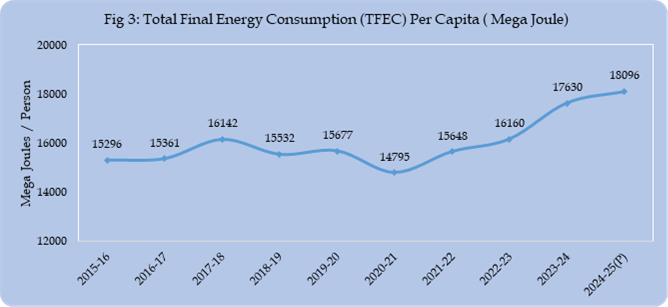
- 03 Apr 2026
In News:
The Ministry of Statistics and Programme Implementation (MoSPI) has released its annual publication, “Energy Statistics India 2026.” This comprehensive dataset integrates information on India’s energy reserves, production, consumption, and trade, providing a pulse check on the nation's energy security and transition trajectory as of March 31, 2025.
Macro-Economic Energy Indicators
During the Financial Year 2024-25, India’s energy sector mirrored the nation’s robust economic growth.
- Primary Energy Supply: The Total Primary Energy Supply (TPES) registered a healthy expansion of 2.95% over the previous year.
- Per-Capita Consumption: Reflecting rising living standards and industrialization, per-capita energy consumption has grown at a Compound Annual Growth Rate (CAGR) of 1.89% over the decade spanning 2015-16 to 2024-25.
- Credit Flow: Financial confidence in the sector has skyrocketed. Investment flows surged from ?1,688 crore in 2021 to ?10,325 crore in 2025, a more than six-fold increase in just four years.
The Renewable Energy Paradigm
India’s renewable energy (RE) sector is the cornerstone of its climate strategy, showing both immense potential and rapid adoption.
- Total Potential: As of March 2025, India’s estimated renewable energy potential stands at a staggering 47,04,043 MW.
- Resource Composition:Solar energy is the dominant pillar, accounting for nearly 71% of this potential. This is followed significantly by wind power and large hydro projects.
- Geographic Concentration: A critical administrative challenge is the spatial distribution of these resources. Over 70% of India's RE potential is clustered in just six states: Rajasthan, Maharashtra, Gujarat, Andhra Pradesh, Karnataka, and Madhya Pradesh.
- Generation Growth: Actual electricity generation from renewable sources (Utility and Non-Utility) has witnessed a robust CAGR of 9.17%, outpacing conventional growth rates.
Continued Reliance on Fossil Fuels
Despite the green surge, the report highlights a persistent structural reality: Coal remains the dominant source of energy, contributing the highest share to the total primary energy supply. This underscores the "Energy Trilemma" India facesbalancing energy security, energy equity, and environmental sustainability.
Key Takeaways for Policy Analysis
- Demand Dynamics: The steady rise in demand reflects sustained economic growth, but it also necessitates a concurrent expansion in generation capacity to prevent supply deficits.
- Infrastructure Imperatives: The geographic concentration of RE in western and southern states creates an urgent need for the Green Energy Corridor and enhanced interstate transmission networks to prevent regional energy imbalances.
- Transition Challenges: The dominance of coal indicates that while the "addition" of green energy is fast, the "replacement" of fossil fuels is a long-term structural challenge.
- Investment Climate: The massive growth in credit flow suggests that policy frameworks like the Production Linked Incentive (PLI) for solar modules and sovereign green bonds are successfully building investor trust.
Space Governance

- 02 Apr 2026
In News:
The global space sector is undergoing a paradigm shift from a state-dominated frontier to a crowded commercial arena. However, this rapid expansion has outpaced the existing legal and ethical frameworks, leading to a critical failure in space governance. With Earth’s orbits becoming increasingly vulnerable to debris and congestion, the international community faces the "Tragedy of the Commons" in outer space.
Defining Space Governance
Space governance refers to the architecture of international treaties, national laws, and ethical norms designed to manage human activities in outer space.
- Scope: It regulates satellite launches, manages radio frequencies, mitigates orbital debris, and establishes liability for accidents.
- Core Philosophy: It rests on the principle that space is the "province of all mankind," requiring stewardship to ensure its sustainable use.
The Legal Pillars of Space
The current regulatory regime is built upon two foundational international instruments and supplemented by national regimes:
- Outer Space Treaty (1967): The "Constitution" of space. Article VI mandates that states bear international responsibility for national activities in space, including those by private entities. Article VII establishes the principle of state liability for damage caused by space objects.
- Liability Convention (1972): This convention elaborates on the procedures for claiming compensation, providing a legal pathway for states to seek damages for orbital or terrestrial accidents.
- National Licensing Regimes: Today, these are the primary tools for enforcement. Countries require private operators to provide "end-of-life" disposal plans before granting launch permits.
The Imperative for Enhanced Governance
Effective governance is no longer a luxury but a necessity for global stability due to:
- Prevention of Kinetic Chains: Even a fragment smaller than a coin, traveling at high orbital velocities, can obliterate active satellites. Without rules, a single collision can trigger the Kessler Syndrome, a cascade of debris making orbits unusable.
- Intergenerational Equity: Principles of environmental law suggest that our current exploitation of space should not foreclose the ability of future generations to access orbital resources.
- Protection of Essential Services: Global infrastructureincluding GPS, weather forecasting, and telecommunicationsrelies on a stable orbital environment. An "ethically under-governed" space threatens these vital services.
Critical Challenges and Gaps
The current governance model faces a "Verification and Regulatory Gap":
- Information Asymmetry: Accurate data on satellite locations (Space Situational Awareness) is often withheld for national security or commercial secrets, making collision avoidance difficult.
- Regulatory "Forum Shopping": Operators often register in jurisdictions with permissive safety standards to bypass strict domestic regulations.
- Outdated Legal Assumptions: Most treaties were drafted when space was a slow-moving, state-controlled domain. They struggle to address the era of "Mega-Constellations" (e.g., Starlink) and frequent private launches.
- Tracking Limitations: While we can see large objects, much of the lethal "small-scale" debris is impossible to track consistently, leading to a lack of accountability when damage occurs.
India’s Strategic Opportunity
As India transitions from a purely state-led model to a burgeoning private space sector under IN-SPACe, it holds a unique position:
- Leadership in Legislation: India is currently developing its national space legislation. It has the opportunity to embed "Orbital Responsibility" as a mandatory legal requirement, setting a global gold standard.
- Technological Contribution: Through ISRO’s System for Safe and Sustainable Space Operations Management (IS4OM), India can lead in global Space Situational Awareness (SSA).
- Ethical Advocacy: India can advocate for integrating environmental principles—such as the Precautionary Principle and Polluter Pays Principleinto international space policy.
The Way Ahead: Moving Toward Verifiable Stewardship
To ensure space remains a viable resource, the international community must move beyond voluntary guidelines:
- Standardized Global Licensing: Implementing uniform conditions to prevent "regulatory havens."
- Mandatory Data Sharing: Transitioning to legally mandated sharing of tracking data to improve collective safety.
- Enforceable Mitigation: Establishing verifiable thresholds for debris mitigation and mandatory end-of-life disposal.
- Environmental Integration: Treating the orbital environment as a fragile ecosystem that requires active protection rather than just reactive management.
Conclusion
The transition of Earth's orbit from a vast frontier to a fragile resource necessitates a shift from voluntary compliance to enforceable stewardship. For India, the intersection of its expanding commercial space ambitions and its role as a responsible global power provides a perfect platform to lead the creation of a sustainable and ethical space governance regime.
Maternal Health in India: Bridging the Gap from Policy to Outcomes
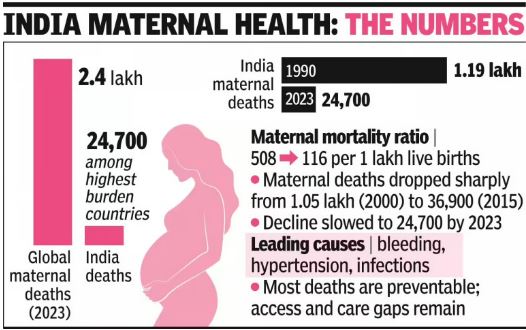
- 01 Apr 2026
In News:
While India has achieved monumental success in reducing its Maternal Mortality Ratio (MMR), recent global studies highlight that the journey toward the 2030 Sustainable Development Goals (SDG) remains fraught with regional disparities and structural bottlenecks.
The Global and National Landscape: Recent Findings
A 2024 study published in The Lancet provides a sobering look at the current state of maternal mortality. Despite decades of rapid decline, the pace of progress globally has plateaued since 2015.
- The Global Burden: In 2023, approximately 2.4 lakh women died due to pregnancy or childbirth-related complications.
- India’s Position: India accounted for 24,700 of these deaths, roughly 1 in every 10 global maternal deaths. This places India among the high-burden nations alongside Nigeria, Pakistan, and Ethiopia.
- Causes of Mortality: Most deaths remain driven by preventable factors, including hemorrhage (excessive bleeding), hypertensive disorders (eclampsia), infections, and complications from pre-existing conditions.
Defining Maternal Mortality: Key Metrics
For administrative and policy purposes, India uses specific terminologies tracked under the Sample Registration System (SRS):
- Maternal Death: The death of a woman during pregnancy or within 42 days of termination, due to causes related to or aggravated by pregnancy, excluding accidental causes.
- Maternal Mortality Ratio (MMR): Number of maternal deaths per 1,00,000 live births.
- Maternal Mortality Rate: Number of maternal deaths per 1,00,000 women in the reproductive age group (15-49).
- Global Target (SDG 3.1): To reduce the global MMR to less than 70 per 1,00,000 live births by 2030.
India’s Progress: Successes and Regional Divergence
According to the National Family Health Survey-5 (2019-21), India has shown remarkable resilience in improving maternal outcomes.
Key Statistical Achievements
- MMR Decline: India’s MMR dropped from 130 (2014-16) to 97 (2018-20), successfully meeting the National Health Policy target of staying below 100 by 2020.
- Institutional Deliveries: A massive leap from 79% (2015-16) to 89% (2019-21). States like Kerala, Tamil Nadu, and Goa have achieved 100% institutional births.
- Rural-Urban Convergence: Even in rural pockets, institutional deliveries have reached 87%, significantly closing the gap with urban areas (94%).
The "Two Indias" Phenomenon
Progress remains highly uneven. While Southern states are nearing or have surpassed the SDG target of 70, states in the "BIMARU" belt, Uttar Pradesh, Bihar, and Madhya Pradeshcontinue to struggle with higher mortality ratios due to systemic lags.
Persisting Challenges
Despite a robust policy framework, several "last-mile" hurdles remain:
- High Out-of-Pocket Expenses (OOPE): Even in public facilities, families often pay for diagnostics and medicines, deterring the poorest from seeking timely emergency care.
- Socio-Cultural Barriers: Low female literacy, restricted autonomy in decision-making, and gender-based discrimination often delay the "three delays": delay in seeking care, reaching the facility, and receiving treatment.
- The New Risk Profile: Increasing instances of obesity, gestational diabetes, and hypertension, combined with delayed childbirth, are giving rise to more "high-risk" pregnancies.
- Infrastructure Gaps: Remote tribal and hilly terrains lack Emergency Obstetric Care (EmOC) and reliable blood storage units.
Government Framework & Innovations
The Government of India has launched a multi-tiered strategy to tackle MMR:
Central Schemes
- Janani Suraksha Yojana (JSY): A 2005 demand-side intervention providing cash incentives for institutional deliveries.
- PMMVY & Mission Shakti: Provides ?5,000 for the first child and an additional incentive for the second child if it is a girl, addressing both nutrition and sex ratio.
- PMSMA (9th of every month): Guarantees free, high-quality antenatal care (ANC) for all pregnant women in their 2nd/3rd trimesters.
- LaQshya: Focuses specifically on the quality of care in labor rooms and maternity OTs to prevent facility-based infections and complications.
State-Level Best Practices
- Tamil Nadu’s Referral Model: A gold standard in emergency obstetric care with a seamless ambulance and hospital linkage.
- Madhya Pradesh’s ‘Dastak Abhiyan’: Uses community health workers for early identification of high-risk pregnancies at the doorstep.
The Road to 2030
To reach the SDG target of 70 per 1,00,000, India must shift focus from "quantity" (number of deliveries) to "quality of care."
- Specialist Training: Expanding programs like LSAS (Anesthesia) and EmOC (Obstetric skills) for MBBS doctors to fill the gap of specialists in rural CHCs.
- Digital Tracking: Scaling the Reproductive and Child Health (RCH) portal for name-based tracking of every pregnant woman.
- Audit & Accountability: Strengthening Maternal Death Surveillance Reviews (MDSR) to identify why a death occurred and taking corrective local action.
The goal is to ensure that no woman loses her life while bringing another into the world—transforming maternal health from a privilege into a guaranteed right.
CAPF (General Administration) Bill, 2026
- 31 Mar 2026
In News:
The Union Government recently introduced the Central Armed Police Forces (General Administration) Bill, 2026 in the Rajya Sabha. This legislative move seeks to codify the leadership structure of India’s primary internal security forces, specifically institutionalizing the role of Indian Police Service (IPS) officers in commanding these organizations.
Objectives and Scope of the Bill
The Bill provides a formal regulatory framework for the recruitment, promotion, and service conditions of Group ‘A’ General Duty Officers (GAGDOs) and other personnel within the CAPFs. It aims to provide "legislative clarity" to the long-standing practice of IPS leadership, ensuring a structural link between the Union and the States.
Forces Covered:
- Central Reserve Police Force (CRPF)
- Border Security Force (BSF)
- Central Industrial Security Force (CISF)
- Indo-Tibetan Border Police (ITBP)
- Sashastra Seema Bal (SSB)
Key Features: The "IPS Earmarking"
The most significant aspect of the Bill is the explicit reservation of senior leadership positions for IPS officers on deputation, overriding previous judicial observations:
- Director General (DG) & Special DG: 100% reserved for IPS.
- Additional Director General (ADG): Minimum 67% reserved for IPS.
- Inspector General (IG): 50% reserved for IPS.
- Rule-Making Supremacy: The Central Government is empowered to frame rules for recruitment and service conditions, with a "notwithstanding clause" that overrides existing laws or prior court orders.
- Protection of Benefits: It ensures that all existing financial benefits granted to Group ‘A’ cadre officers (prior to the Act) are protected.
The Rationale: Why These Changes?
The government justifies the Bill based on federal synergy and operational ethos:
- Inter-Agency Coordination: IPS officers serve as a vital bridge between the Union’s armed forces and State police departments. Since senior State posts (ADGs/DGs) are held by the IPS, their presence in CAPFs facilitates seamless coordination during internal security crises.
- Maintaining "Civil Power" Character: As noted in the Sanjay Prakash (2025) case, the IPS presence is seen as vital to maintaining the functional ethos of CAPFs as forces that "assist civil power" rather than purely military entities.
- National Integration: Reflecting Sardar Patel’s vision, the IPS provides a unifying thread across the federal structure, bringing diverse field experience from various States to national border and industrial security.
- Legislative Supremacy: The Bill asserts that service policy is the domain of the Executive and Legislature, rectifying what the government perceives as "judicial overreach" regarding deputation quotas.
Challenges and Critical Concerns
The Bill has met with significant criticism, primarily from the CAPF cadre officers:
- Career Stagnation: High quotas for the IPS limit the promotion avenues for direct-entry CAPF officers (GAGDOs). Many cadre officers wait decades for promotions while the top tiers are legally reserved for outsiders.
- The "Parachuting" Perception: Critics argue that IPS officers, often coming from district policing backgrounds, may lack the specialized expertise required for border guarding (BSF) or specialized industrial security (CISF).
- Judicial Conflict: The Bill appears to directly nullify the Sanjay Prakash (2025) ruling, which instructed a progressive reduction of IPS deputation at the IG level. This may lead to further legal challenges regarding the principle of Judicial Review.
- Organised Group ‘A’ Service (OGAS) Status: There is ongoing friction regarding whether the mandatory IPS quotas dilute the administrative rights and financial benefits theoretically guaranteed under the OGAS status granted to CAPF cadres.
Way Ahead: Balancing Aspirations
To ensure the internal stability of these forces, the government must adopt a balanced approach:
- Timely Cadre Reviews: Regular reviews are needed to increase the total number of senior posts so that both IPS and cadre officers have growth opportunities.
- Specialized Induction: IPS officers deputed to CAPFs should undergo mandatory, force-specific induction training (e.g., specialized border management for BSF).
- Strengthening OGAS Rights: Ensuring that the financial and administrative parity of being an "Organised Service" is fully realized by CAPF cadre officers to reduce resentment.
The Microplastic Crisis: From Chennai’s Coast to Global Regulatory Frontiers
- 30 Mar 2026
In News:
A recent 2026 study on Chennai’s beach sediments has shifted the focus of plastic pollution discourse. While the numerical abundance of microplastics in Chennai is lower than some global averages, the high prevalence of nylon fibres, mostly from fishing gear and synthetic textilespresents a disproportionately high ecological risk. This highlights a critical shift in environmental science: the type, shape, and chemical aging of polymers are more significant than their simple quantity.
Defining the Threat: Microplastics and Nanoplastics
Microplastics are solid plastic particles generally defined as being less than 5 mm in size.
- Primary Microplastics: Intentionally manufactured at microscopic scales.
- Examples:Microbeads in cosmetics (exfoliants) and Nurdles (pre-production plastic pellets).
- Secondary Microplastics: Formed through the fragmentation of larger plastic items (bottles, bags, tires) due to photodegradation (UV exposure), mechanical abrasion, and biological decay.
- Nanoplastics: Particles smaller than 1 micrometer. Due to their colloidal nature, they can bypass biological membranes, including the blood-brain barrier and the placental barrier.
The Ecological and Health "Perfect Storm"
The danger of microplastics extends beyond physical ingestion; they act as chemical and biological vectors:
- Biomagnification: Microplastics are "hydrophobic" (water-repelling), causing them to absorb Persistent Organic Pollutants (POPs) like DDT and heavy metals from seawater. As these are consumed by zooplankton and move up the food chain to apex predators (and humans), the toxin concentration increases exponentially.
- The Plastisphere & AMR: The "Plastisphere" refers to the thin biofilm of microorganisms that forms on plastic debris. This crowded environment acts as a "Trojan Horse" for superbugs, facilitating the rapid exchange of Antibiotic Resistance Genes (ARGs), thereby accelerating Antimicrobial Resistance (AMR).
- Endocrine Disruption: Additives like BPA (Bisphenol A) and Phthalates leach into the body, acting as hormone mimics that interfere with reproductive health and fetal development.
India’s Evolving Regulatory Framework
India has significantly updated its legislative toolkit to address the lifecycle of plastics:
- Plastic Waste Management Rules (2024/2025): Formally defined microplastics (1 to 1,000 microns).
- Mandatory QR/Barcoding: Introduced in 2025 for real-time tracking of plastic packaging via a centralized portal.
- Extended Producer Responsibility (EPR) 2.0: Moves beyond mere collection to Recycled Content Targets. For 2026–27, Category I (Rigid Plastics) must contain at least 40% recycled material.
- Failure to comply invokes the "Polluter Pays" principle through Environmental Compensation.
- National Plastic Pollution Reduction Campaign (NPPRC): Launched in late 2025, it targets Gram Panchayats to prevent agricultural mulch and plastic from degrading into rural soil.
Global Initiatives
- UN Global Plastics Treaty: A pending legally binding instrument aimed at addressing the full lifecycle of plastics.
- IMO Strategy (2026 Draft): Recommends a mandatory code for the maritime transport of nurdles to prevent catastrophic spills at sea.
- EU Restrictions: A phased ban on "intentionally added" microplastics in detergents and artificial turf.
Way Forward: A Risk-Based Approach
To move beyond current limitations, holistic management must include:
- Upstream Solutions: Mandating "Euro 7" style wear-and-tear standards for synthetic tires and providing tax incentives for clothing brands using >80% natural fibres (hemp, cotton, wool).
- Infrastructure Upgrades: Transitioning urban Sewage Treatment Plants (STPs) to Tertiary Treatment (Membrane Bioreactors), which can filter out up to 99% of microplastics.
- Standardization: Integrating microplastic concentration parameters into the National Ambient Air Quality Standards (NAAQS) and BIS drinking water standards.
- Green Chemistry: Funding startups focused on seaweed or starch-based polymers that mineralize completely in the environment rather than fragmenting into "invisible" particles.
Conclusion:
The microplastic crisis has transitioned from a "litter problem" to a biogeochemical emergency. As seen in Chennai, the focus must shift from volume-based monitoring to risk-based regulation, targeting high-risk polymers like nylon and synthetic rubber at their source.
EV Charging Infrastructure
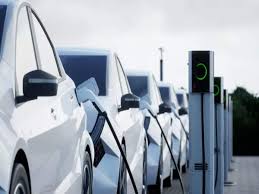
- 29 Mar 2026
In News:
The transition to electric mobility is a cornerstone of India’s climate commitments. Recently, the government provided a comprehensive update on the expansion of Electric Vehicle Public Charging Stations (EVPCS), highlighting a shift from the foundational FAME-II framework to the more ambitious PM E-DRIVE scheme.
As of March 2026, the infrastructure has grown to 27,737 installed units, with 22,753 currently operational. The distribution remains concentrated in industrially advanced states, with Uttar Pradesh, Karnataka, Maharashtra, and Tamil Nadu leading the installation charts.
The Fiscal Framework: FAME-II vs. PM E-DRIVE
The government has utilized a phased financial approach to catalyze the sector. Under the FAME-II (Faster Adoption and Manufacturing of Electric Vehicles) scheme, which concluded its primary phase in 2024, ?912.50 crore was sanctioned specifically for charging infrastructure. To date, nearly ?655.43 crore has been utilized to bridge the gap in public accessibility.
Following FAME-II, the PM E-DRIVE (PM Electric Drive Revolution in Innovative Vehicle Enhancement) scheme was launched with a total outlay of ?10,900 crore for the period 2024–2028. Within this:
· Targeted Allocation:?2,000 crore is earmarked exclusively for EVPCS to address the infrastructure deficit on highways and in urban clusters.
· Strategic Goal: The scheme aims to create a self-sustaining ecosystem that reduces "range anxiety"—the primary psychological barrier to mass EV adoption.
· Status Note: While the allocation is robust, fund disbursement for the infrastructure component is in its early stages as of the latest parliamentary reporting.
Regulatory Environment and Private Participation
· A defining feature of India’s EV policy is that the setting up of charging stations is a de-licensed activity. This means any individual or entity can establish a station without a specific license, provided they adhere to the technical and safety standards prescribed by the Ministry of Power. This regulatory ease is designed to invite private capital and innovation into the green infrastructure space.
· Furthermore, the government has leveraged Oil Marketing Companies (OMCs) to repurpose existing retail outlets (petrol pumps) into multi-fuel hubs. This is complemented by the Model Building Bye-Laws, which now mandate EV charging provisions in new residential and commercial constructions, ensuring that "home charging" becomes as accessible as public infrastructure.
Significance and Strategic Impact
The proliferation of charging networks is not merely a logistical necessity but a strategic imperative for India.
· Economic Security: By reducing reliance on imported fossil fuels, the EV shift improves India’s Current Account Deficit (CAD) and enhances energy security.
· Climate Goals: It serves as a primary tool for achieving Net Zero by 2070 by decarbonizing the transport sector, which is a major contributor to urban air pollution.
· Job Creation: The "Green Economy" transition is generating new employment opportunities in power electronics, battery management systems (BMS), and station maintenance.
In summary, while the physical footprint of EVPCS is expanding rapidly, the focus is now shifting toward grid stability and the standardization of charging protocols to ensure that India's electric transition is both seamless and inclusive.
Deepening Inequality: India’s Education–Employment Crisis
- 28 Mar 2026
In News:
India’s demographic dividend, once seen as a key driver of economic growth, is increasingly under strain due to a widening disconnect between education and employment. While educational attainment has expanded significantly, it has not translated into proportional employment opportunities, leading to a paradox of educated unemployment. This reflects deeper structural inequalities and challenges the promise of inclusive development.
Nature of the Crisis
The crisis lies in the growing gap between access to education and access to meaningful employment. Inequality manifests in limited access to quality institutions, disparities in skill acquisition, and uneven employment outcomes across social and regional groups. A university degree, which traditionally ensured upward mobility, is no longer sufficient to secure stable employment, particularly for youth from marginalized backgrounds. This has resulted in a “graduate paradox,” where higher education correlates with higher unemployment rather than better opportunities.
Empirical Trends
Recent data highlights the depth of the crisis. Nearly 40% of graduates aged 15–25 are unemployed, reflecting a severe employability challenge. Youth unemployment in the 15–29 age group is about 14.8%, significantly higher than the national average of around 4.9%. Alarmingly, 67% of unemployed youth (20–29) are graduates, up from 46% in 2017, indicating rising degree inflation. Further, less than 7% of male graduates secure permanent salaried jobs within one year of completing their education. Educational participation is also under stress, with the share of young men in education declining from 38% in 2017 to 34% in 2024, largely due to financial pressures. Social disparities persist, as only 7% of ST and 10% of SC youth are graduates, compared to over 18% in other groups. These trends indicate that education is losing its role as a reliable pathway to economic mobility.
Structural Causes
The roots of this crisis lie in systemic mismatches between education and the labour market. Each year, nearly 5 million graduates enter the workforce, but only about 2.8 million find employment, often in informal sectors. The uneven distribution of quality institutions across regions further deepens inequality, with better opportunities concentrated in select states. Weak technical education, shortage of qualified faculty, and high student-teacher ratios—reaching 47:1 against the ideal 15–20:1—reduce employability. The aspirational preference for government jobs contributes to “waiting unemployment,” while technological disruptions such as AI reduce traditional entry-level roles. Despite rising demand, only about 55% of graduates are considered industry-ready, even as sectors project large future skill requirements.
Compounding Challenges
Several factors intensify this crisis. The high cost of professional education restricts access for economically weaker sections, reinforcing inequality in access to high-paying careers. The skill development ecosystem remains inefficient, with only about 15% of youth trained under schemes like PMKVY transitioning into formal employment. India’s structural shift from agriculture to services without a strong manufacturing base has limited job creation for semi-skilled workers. Regional disparities force migration, often resulting in precarious employment. Additionally, industry reluctance to invest in training is evident, with only about 16% of internships converting into full-time jobs.
Implications
The consequences of this crisis are far-reaching. It undermines faith in education as a tool for upward mobility, fuels frustration among youth, and risks social instability. Economically, it leads to underutilization of human capital and constrains growth. Socially, it deepens inequalities across caste, class, and regions. If unaddressed, India’s demographic dividend could transform into a demographic burden.
Way Forward
Addressing this crisis requires structural reforms that bridge the gap between learning and earning. Education must be reoriented towards employability through curriculum reforms emphasizing practical skills and digital competencies. Strengthening apprenticeship systems and industry linkages can ease the transition into the workforce. Revitalizing manufacturing and promoting decentralized industrial clusters can generate local employment. Investments in STEM education and teacher capacity are critical for improving employability. Expanding social security for informal workers can also reduce excessive dependence on government jobs.
Conclusion
India stands at a critical juncture where the success of its demographic dividend depends on aligning education with employment opportunities. The crisis reflects not just unemployment but deeper structural inequalities. A transition from a degree-centric to a skill-oriented economy is essential to ensure that education leads to meaningful livelihoods and inclusive growth.
Scheduled Caste Status and Religious Conversion
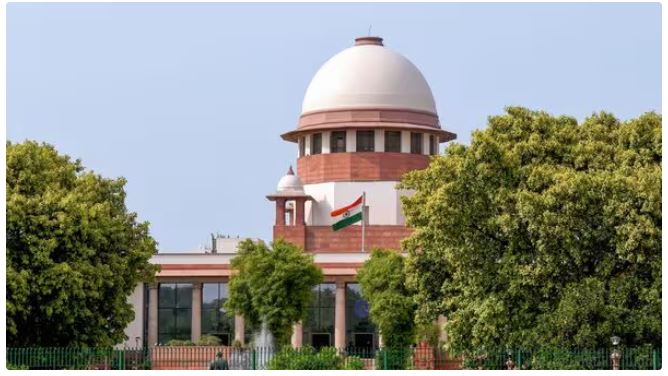
- 27 Mar 2026
In News:
In a recent judgment, the Supreme Court of India reaffirmed that Scheduled Caste (SC) status is restricted to individuals professing Hinduism, Sikhism, or Buddhism, and is lost upon conversion to other religions. This ruling has reignited debates on social justice, equality, and the religion-linked nature of affirmative action in India.
Constitutional and Legal Framework
The legal basis for SC status lies in Article 341 of the Constitution, which empowers the President to specify Scheduled Castes through a Presidential Order, subject to parliamentary modification.
The Constitution (Scheduled Castes) Order, 1950 restricts SC status to persons professing Hinduism, with later amendments extending it to Sikhs (1956) and Buddhists (1990).
Importantly, SC status is state-specific, meaning recognition depends on whether a particular caste is notified in a given state or union territory.
Supreme Court’s Recent Ruling
In Chinthada Anand v. State of Andhra Pradesh (2026), the Court clarified that conversion to religions such as Christianity or Islam leads to the immediate and complete loss of SC status, irrespective of a person’s birth-based caste identity.
The Court emphasised that “professing” a religion involves actively practising it. Since religions like Christianity and Islam do not recognise caste hierarchies in doctrine, claiming SC status while professing these religions was held to be inconsistent.
Consequently, individuals who convert are no longer eligible for reservation benefits or legal protections under laws such as the SC/ST (Prevention of Atrocities) Act, 1989.
Reconversion and Exceptions
The Court allowed for restoration of SC status upon reconversion to Hinduism, Sikhism, or Buddhism, but only if strict proof of genuine reconversion and acceptance by the original caste community is established.
In contrast, Scheduled Tribe (ST) status is not linked to religion, and individuals may retain ST benefits after conversion if their tribal identity and customs persist.
Judicial Precedents
Earlier rulings have shaped this position. In C.M. Arumugam (1976), the Court recognised caste as a social phenomenon but required proof of continued discrimination after conversion.
In Soosai v. Union of India (1985), SC status was denied to Dalit Christians due to lack of sufficient empirical evidence of continued discrimination.
In K.P. Manu (2015), the Court permitted restoration of SC status after reconversion, subject to community acceptance.
Debate on Extending SC Status Beyond Religion
The issue remains contentious, with competing perspectives:
- Arguments for Inclusion highlight that caste-based discrimination persists even after conversion, creating a “double disadvantage” for Dalit converts. They also point to the inconsistency, as OBC and ST categories are religion-neutral.
- Arguments against Inclusion emphasise that SC status was historically designed to address untouchability within the Hindu social order, and extending it could dilute benefits for existing SC communities. Concerns are also raised regarding administrative difficulties in identifying caste within religions that formally reject it.
Role of Commissions
Various commissions have examined the issue. The Kaka Kalelkar Commission and Mandal Commission acknowledged the persistence of backwardness among converts.
The Justice Ranganath Mishra Commission (2007) recommended delinking SC status from religion.
More recently, the Justice K.G. Balakrishnan Commission (2022) has been tasked with examining whether SC status should be extended to Dalit converts based on empirical evidence.
Way Forward
Addressing this issue requires a data-driven and balanced approach. Policymaking must be guided by empirical evidence on whether caste-based discrimination persists across religions.
There is also a need to reconsider whether affirmative action should be based on social and educational backwardness rather than religious identity, aligning SC criteria with the religion-neutral approach of STs and OBCs.
At the same time, strengthening universal anti-discrimination frameworks is essential to protect vulnerable groups irrespective of religious affiliation.
Conclusion
The Supreme Court’s ruling reaffirms the existing constitutional position linking SC status to specific religions. However, the broader debate highlights tensions between constitutional provisions, evolving social realities, and the goals of substantive equality.
A nuanced, evidence-based legislative response will be crucial to ensure that social justice remains inclusive while preserving the integrity of affirmative action policies.
AI-Driven Disaster Resilience: Transforming India’s Management Framework

- 26 Mar 2026
In News:
India’s geographical diversity makes it highly susceptible to a range of natural disasters, from cyclones and floods to avalanches and droughts. In a landmark shift toward technology-led resilience, the Government of India has significantly expanded the role of Artificial Intelligence (AI) and Machine Learning (ML) following the enactment of the Disaster Management (Amendment) Act, 2025. This legislative and technological synergy aims to move the nation from a "reactive" relief-centric approach to a "proactive" predictive-modeling stance.
The Disaster Management Cycle & AI Integration
AI is being integrated across all four stages of the disaster management cycle to enhance precision and reduce human casualty.
A. Preparedness and Early Warning
The India Meteorological Department (IMD) has pioneered the use of AI/ML under Mission Mausam to bridge the gap between data collection and actionable intelligence.
- Seven-Day Forecasts: Advanced ML models now provide 7-day advance weather predictions with higher local accuracy.
- Cyclone Tracking: AI-enhanced satellite imagery analysis allows for better prediction of cyclone intensity and landfall coordinates.
B. Mitigation and Hydrological Modelling
The Central Water Commission (CWC) has deployed AI to tackle India's most frequent disaster: flooding.
- Short-Range Forecasting: AI models process real-time rainfall data and river discharge levels to provide short-range flood alerts.
- Digital Advisories: Real-time flood advisories are disseminated via integrated digital portals, utilizing rainfall-based hydrological modelling to warn downstream populations.
C. Risk Mapping and Decision Support
The National Disaster Management Authority (NDMA) has developed sophisticated tools to assist local administrators.
- Web-DCRA & DSS: The Web-based Dynamic Composite Risk Analysis and Decision Support System (DSS) allows officials to visualize potential impact zones.
- Dynamic Risk Atlases: These atlases use AI to factor in real-time variableslike population density and infrastructure strength—to optimize evacuation planning during cyclones.
D. Specialized Hazard Detection: Geo-Intelligence
Specialized agencies are using AI for niche topographical hazards:
- National Remote Sensing Centre (NRSC): Uses AI-processed satellite data to develop Flood Hazard Atlases, identifying regions that are chronically vulnerable.
- DRDO (Defence Research and Development Organisation): Employs AI for Avalanche Forecasting in high-altitude Himalayan regions. These autonomous systems detect remote-sensing-based changes in snowpack stability to predict slides before they occur.
Key Provisions: The Disaster Management (Amendment) Act, 2025
The 2025 Amendment serves as the legal backbone for these technological interventions:
- Data Centralization: It mandates the creation of a National Disaster Database where AI can draw "training data" from historical disasters.
- Statutory Integration of Tech: Explicitly recognizes the role of AI/ML in the official protocols for early warning and risk assessment.
- Private Sector Participation: Encourages partnerships with tech firms for the development of "Disaster-Tech" solutions.
Challenges and Way Forward
While AI offers immense potential, several hurdles remain for India:
- Data Quality: AI is only as good as the data it is trained on; sparse historical data in certain remote regions can lead to "algorithmic bias."
- Last-Mile Connectivity: An AI-generated warning is only effective if it reaches a farmer in a remote village in time.
- Ethics of Automation: Ensuring that human oversight remains central to life-and-death evacuation decisions.
Conclusion
The integration of AI into disaster management represents a paradigm shift in India's governance. By leveraging tools from the IMD, CWC, and DRDO, India is building a "Digital Shield" against natural calamities. For a developing economy, this transition is not merely a technological upgrade but a vital necessity to protect its human capital and economic infrastructure from the increasing volatility of climate change.
AI-Driven Disaster Resilience: Transforming India’s Management Framework

- 25 Mar 2026
In News:
India’s geographical diversity makes it highly susceptible to a range of natural disasters, from cyclones and floods to avalanches and droughts. In a landmark shift toward technology-led resilience, the Government of India has significantly expanded the role of Artificial Intelligence (AI) and Machine Learning (ML) following the enactment of the Disaster Management (Amendment) Act, 2025. This legislative and technological synergy aims to move the nation from a "reactive" relief-centric approach to a "proactive" predictive-modeling stance.
The Disaster Management Cycle & AI Integration
AI is being integrated across all four stages of the disaster management cycle to enhance precision and reduce human casualty.
A. Preparedness and Early Warning
The India Meteorological Department (IMD) has pioneered the use of AI/ML under Mission Mausam to bridge the gap between data collection and actionable intelligence.
- Seven-Day Forecasts: Advanced ML models now provide 7-day advance weather predictions with higher local accuracy.
- Cyclone Tracking: AI-enhanced satellite imagery analysis allows for better prediction of cyclone intensity and landfall coordinates.
B. Mitigation and Hydrological Modelling
The Central Water Commission (CWC) has deployed AI to tackle India's most frequent disaster: flooding.
- Short-Range Forecasting: AI models process real-time rainfall data and river discharge levels to provide short-range flood alerts.
- Digital Advisories: Real-time flood advisories are disseminated via integrated digital portals, utilizing rainfall-based hydrological modelling to warn downstream populations.
C. Risk Mapping and Decision Support
The National Disaster Management Authority (NDMA) has developed sophisticated tools to assist local administrators.
- Web-DCRA & DSS: The Web-based Dynamic Composite Risk Analysis and Decision Support System (DSS) allows officials to visualize potential impact zones.
- Dynamic Risk Atlases: These atlases use AI to factor in real-time variables like population density and infrastructure strength—to optimize evacuation planning during cyclones.
D. Specialized Hazard Detection: Geo-Intelligence
Specialized agencies are using AI for niche topographical hazards:
- National Remote Sensing Centre (NRSC): Uses AI-processed satellite data to develop Flood Hazard Atlases, identifying regions that are chronically vulnerable.
- DRDO (Defence Research and Development Organisation): Employs AI for Avalanche Forecasting in high-altitude Himalayan regions. These autonomous systems detect remote-sensing-based changes in snowpack stability to predict slides before they occur.
Key Provisions: The Disaster Management (Amendment) Act, 2025
The 2025 Amendment serves as the legal backbone for these technological interventions:
- Data Centralization: It mandates the creation of a National Disaster Database where AI can draw "training data" from historical disasters.
- Statutory Integration of Tech: Explicitly recognizes the role of AI/ML in the official protocols for early warning and risk assessment.
- Private Sector Participation: Encourages partnerships with tech firms for the development of "Disaster-Tech" solutions.
Challenges and Way Forward
While AI offers immense potential, several hurdles remain for India:
- Data Quality: AI is only as good as the data it is trained on; sparse historical data in certain remote regions can lead to "algorithmic bias."
- Last-Mile Connectivity: An AI-generated warning is only effective if it reaches a farmer in a remote village in time.
- Ethics of Automation: Ensuring that human oversight remains central to life-and-death evacuation decisions.
Conclusion
The integration of AI into disaster management represents a paradigm shift in India's governance. By leveraging tools from the IMD, CWC, and DRDO, India is building a "Digital Shield" against natural calamities. For a developing economy, this transition is not merely a technological upgrade but a vital necessity to protect its human capital and economic infrastructure from the increasing volatility of climate change.
The Rise of the Woman Farmer: Towards Gender-Inclusive Agri-Food Systems
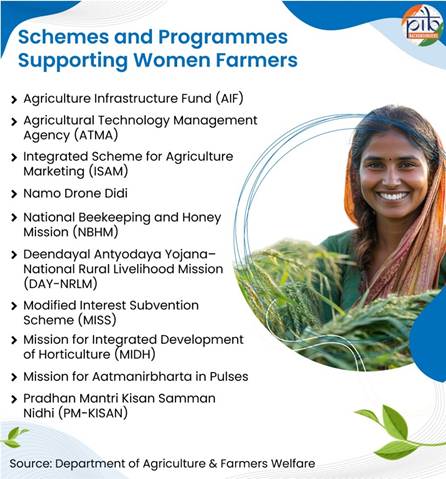
- 25 Mar 2026
In News:
The United Nations has officially designated 2026 as the International Year of the Woman Farmer (IYWF). This global recognition highlights the indispensable role women play in maintaining global food security and rural resilience. In India, where agriculture is the backbone of the economy, women are the primary drivers of the sector. Despite being historically categorized as "invisible laborers," a paradigm shift is underway to recognize them as independent entrepreneurs and technological leaders.
To mark this transition, India recently hosted the Global Conference on Women in Agri-Food Systems (GCWAS–2026) in New Delhi, focusing on gender-responsive policies and the economic inclusion of women in the $5 trillion economy vision.
The Indian Context: Statistical Overview
The "feminization of agriculture" in India is reflected in the sheer scale of female participation in the rural workforce:
- Livelihood Dominance: Approximately 80% of all economically active women in rural India are employed in the agricultural sector.
- Workforce Dynamics: Of the rural female workforce, 33% serve as agricultural laborers and 48% are self-employed farmers.
- Financial Inclusion: Since its inception, the PM-KISAN scheme has disbursed over ?1.01 lakh crore to women, who constitute roughly 25% of the total beneficiaries.
- Collectivization: The movement toward formal business structures is gaining momentum, with 1,175 Farmer Producer Organizations (FPOs) currently boasting 100% women shareholders.
Multi-Dimensional Roles and Contributions
Women are involved across the entire agricultural value chain, performing roles that range from traditional labor to high-tech service provision.
1. Crop Production and Livestock Management: Women handle the most labor-intensive pre-harvest tasks, such as sowing, weeding, and paddy transplantation. In the allied sectors, they are the primary managers of dairy, poultry, and small ruminants. The success of the Pashu Sakhi model where women provide doorstep veterinary services has been instrumental in reducing livestock mortality and increasing household income.
2. Post-Harvest Value Addition: Through Self-Help Groups (SHGs), women lead the transformation of raw produce into marketable goods. Activities like spice grinding, mushroom cultivation, and honey processing under the National Beekeeping and Honey Mission (NBHM) have significantly increased the shelf life and profitability of farm output.
3. Technological Adoption: The Namo Drone Didi Scheme is a flagship initiative providing 15,000 drones to women SHGs. This empowers them to provide high-tech services like precision liquid fertilizer and pesticide application, moving them away from manual drudgery toward skilled, service-based livelihoods.
Major Government Initiatives and Institutional Support
A robust framework of schemes and institutions supports the economic and social empowerment of women farmers:
- Mahila Kisan Sashaktikaran Pariyojana (MKSP): A sub-component of DAY-NRLM, it has supported over 4.62 crore Mahila Kisans in adopting agro-ecological practices and sustainable livestock management.
- Agriculture Infrastructure Fund (AIF): Provides debt financing with a 3% interest subvention for women-led projects to develop post-harvest facilities like cold storage and warehouses.
- Krishi Sakhi Programme: A dedicated cadre of 70,000 women para-extension workers is being trained to provide doorstep guidance on natural farming and soil health, bridging the "lab-to-land" gap.
- ICAR-Central Institute for Women in Agriculture (CIWA): Located in Bhubaneswar, this institute conducts specialized research to develop drudgery-reducing tools (like pedal-operated coconut dehuskers and maize shellers) tailored for female ergonomics.
- Modified Interest Subvention Scheme (MISS): Ensures affordable credit through Kisan Credit Cards (KCC), with the collateral-free limit increased to ?2 lakh as of 2025 to assist women who lack land titles.
Critical Challenges and Barriers
Despite their significant contributions, women farmers face systemic hurdles that hinder their full potential:
- Land Ownership and Invisibility: A majority of women do not hold formal land titles. This lack of "legal recognition" makes it difficult for them to register for government portals like PM-KISAN or access institutional bank loans that require collateral.
- Technological Mismatch: Most agricultural machinery is traditionally designed for men. The high physical drudgery associated with traditional tools continues to cause significant musculoskeletal strain.
- Knowledge and Information Gap: Agricultural extension services have traditionally targeted male heads of households. Technical training on high-yield variety (HYV) seeds or modern pesticides often fails to reach the women who are the actual implementers in the fields.
- Climate Vulnerability: Women have fewer resources to adapt to sudden climate shocks. During periods of drought, the added burden of walking longer distances for water and fodder leaves them with less time for productive farm management.
The Roadmap for IYWF 2026 and Beyond
To move from subsistence to sustainability, the following strategic interventions are necessary:
- Digital Verification of Land: Speeding up the digital linking of land records to ensure more women can self-register for Direct Benefit Transfer (DBT) schemes.
- Scaling Women-Led FPOs: Reaching the target of 10,000 FPOs with a focus on states like Odisha, Bihar, and Jharkhand, where women-led collectives are already thriving.
- Gender-Sensitive Mechanization: Expanding the scope of Farm Machinery Training and Testing Institutes (FMTTIs) to specifically train women in operating and repairing small-scale, ergonomic machinery.
- Mainstreaming Krishi Sakhis: Institutionalizing these para-professionals as the formal link between the government’s technical departments and the rural farming community.
Conclusion
The empowerment of women farmers is not just a matter of social equity but a prerequisite for India’s food security and the achievement of a $5 trillion economy. By transforming women from laborers to entrepreneurs through schemes like Namo Drone Didi and the Dalhan Aatmanirbharta Mission, India can lead the global narrative during the International Year of the Woman Farmer 2026. Strengthening women’s leadership in agriculture will ultimately create a more resilient, inclusive, and climate-smart agri-food system for the future.
UN IGME 2025 Report on Child Mortality

- 24 Mar 2026
In News:
The United Nations Inter-agency Group for Child Mortality Estimation (UN IGME) recently released its 2025 report, 'Levels and Trends in Child Mortality'. While the report underscores a concerning global deceleration in child survival progress since 2015, it distinguishes India as a leading global "exemplar." India’s sustained, large-scale interventions have resulted in a monumental decline in mortality rates, positioning the country as a primary driver of Southern Asia’s rapid progress.
Global Landscape: A Study in Concentration and Deceleration
The report reveals that despite a 50% reduction in under-five deaths since 2000, the pace of improvement has slowed by 60% since 2015.
- The Burden: In 2024, approximately 4.9 million children died before age five, with 2.3 million (nearly 50%) occurring in the neonatal period (first 28 days).
- Geographic Disparity: Mortality remains heavily concentrated in Sub-Saharan Africa (58%) and Southern Asia (25%).
- Malnutrition as a Primary Driver: For the first time, the report integrated direct causes, identifying Severe Acute Malnutrition (SAM) as the direct cause of 5% of deaths among children aged 1–59 months, though its indirect impact as an immunity-weakener is far greater.
- Adolescent Risks: The report highlights a shift in mortality causes for the 5–24 age group—girls aged 15–19 primarily succumb to self-harm, while boys in the same bracket die mostly in road accidents.
India’s Performance: Statistical Milestones
India’s progress has outpaced the Southern Asian regional average (32.8 per 1,000 live births), reflecting a robust transition in public health.
|
Indicator |
1990 Status |
2024 Status |
% Decline |
|
Under-5 Mortality Rate (U5MR) |
127 / 1,000 |
26.6 / 1,000 |
~79% |
|
Neonatal Mortality Rate (NMR) |
57 / 1,000 |
16.7 / 1,000 |
~70% |
|
Infant Mortality Rate (IMR) |
- |
23.3 / 1,000 |
- |
|
Maternal Mortality Ratio (MMR) |
130 / Lakh (2014) |
97 / Lakh |
Within reach of SDG target (<70) |
Key Drivers of India’s Success
India’s "Exemplar" status is attributed to a multi-layered strategy focusing on institutionalization and grassroots delivery:
- Institutional Deliveries: Schemes like Janani Suraksha Yojana (JSY) and JSSK have incentivized hospital births, ensuring skilled attendance.
- Specialized Care Infrastructure: The expansion of Special Newborn Care Units (SNCUs) and the Tele-SNCU hub-and-spoke model have provided critical care in remote areas.
- Preventive Interventions: Mission Indradhanush under the Universal Immunization Programme (UIP) has closed the gap in vaccine coverage.
- Nutritional Legal Framework: The National Food Security Act (2013) and POSHAN Abhiyaan address the biological "silent multiplier" of mortality—malnutrition.
- Grassroots Management: The IMNCI protocol empowers ASHA and Anganwadi workers for early diagnosis of pneumonia and diarrhea.
Persistent Challenges and Structural Bottlenecks
Despite the accolades, the "last mile" to achieving SDG 3.2 (U5MR < 25; NMR < 12) remains steep:
- The Neonatal Bulge: 63% of India's under-five deaths occur in the first 28 days. Prematurity and birth asphyxia require high-quality intrapartum care (care during labor), which remains inconsistent.
- The Malnutrition-Anemia Loop: 52.2% of pregnant women in India are anemic (NFHS-5), leading to low-birth-weight babies with compromised immunity.
- Regional and Social Inequality: While Kerala and Tamil Nadu mirror developed nations, the "BIMARU" states (UP, Bihar, MP, Rajasthan) face infrastructure deficits and social barriers like low maternal education and poverty.
- WASH Deficits: Post-neonatal deaths are still driven by pneumonia and diarrhea, linked to inadequate Water, Sanitation, and Hygiene (WASH) infrastructure in rural belts.
The Way Forward: Strategic Recommendations
To meet the 2030 SDG targets, India must double its current pace of progress:
- Focus on the "Golden Minute": Intensify training for frontline staff in neonatal resuscitation and promote Kangaroo Mother Care (KMC) and Breast Milk Banks.
- Quality over Access: Shift focus from mere institutional delivery to "Quality of Care" through the LaQshya program to improve labor room standards.
- Nutritional Quality: Transition POSHAN 2.0 focus from calorie-centrism to micronutrient density and the "First 1,000 Days" window.
- Aspirational District Strategy: Divert resources and mobile health units to tribal and remote areas to eliminate the "Golden Hour" delay in emergency pediatric care.
- Digital Integration: Scale the U-WIN platform for real-time immunization and health tracking.
Conclusion
India’s journey from a high-burden nation to a "global exemplar" is a testament to the power of targeted public health policy. However, child survival is not merely a medical goal but a prerequisite for realizing India’s demographic dividend. Achieving a converged approach across Health, Nutrition, and WASH sectors will be the final step in breaking the cycle of mortality and ensuring every child survives and thrives.
EV Battery Fires in India
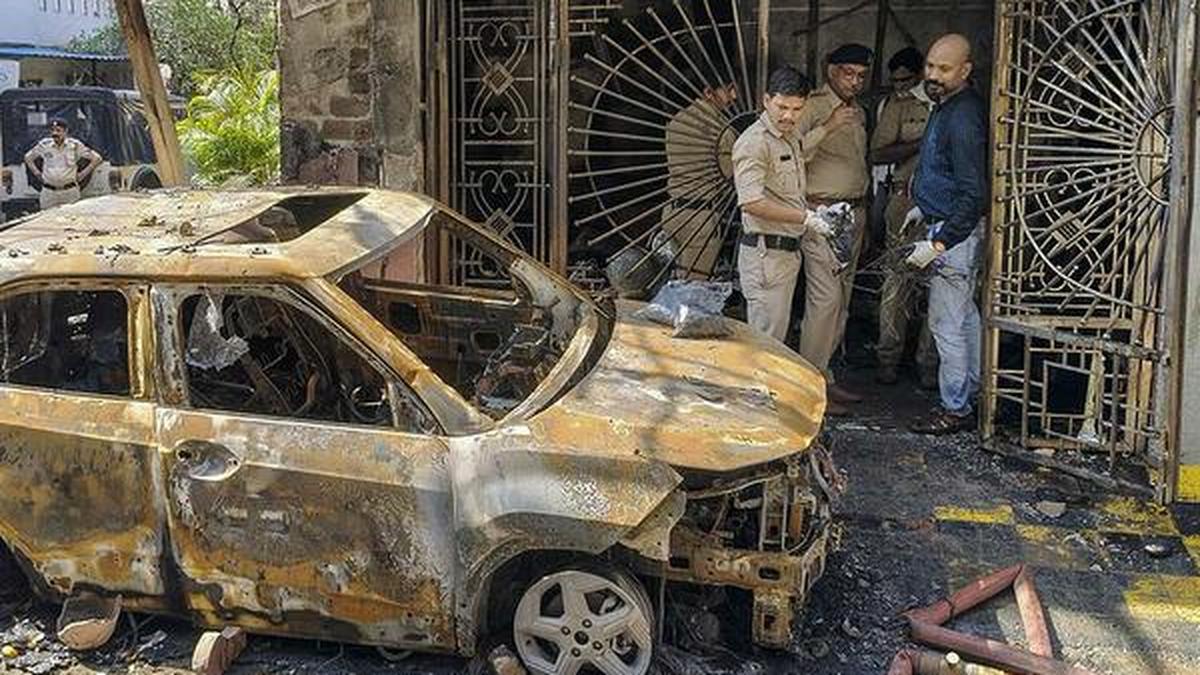
- 23 Mar 2026
In News:
A recent fire incident in Indore, suspected to have originated from an electric vehicle (EV) charging point, has brought renewed attention to the issue of EV battery safety in India. The tragedy highlights the need to understand the risks associated with lithium-ion batteries and strengthen preventive measures.
Understanding EV Battery Technology
Most electric vehicles rely on lithium-ion batteries, which are widely used due to their high energy density and efficiency. These batteries are generally safe and are equipped with a Battery Management System (BMS) that regulates temperature, monitors performance, and ensures safe charging and discharging cycles.
However, under certain abnormal conditions, these systems may fail, leading to safety hazards.
Thermal Runaway: The Core Risk
The primary cause of EV battery fires is a phenomenon known as thermal runaway. It begins when a battery cell overheats, triggering a chain reaction that spreads to adjacent cells.
This process leads to rapid temperature escalation, release of flammable gases, and potential ignition. The presence of toxic gases such as hydrogen fluoride further increases the severity of such incidents.
Key Causes of EV Battery Fires
Several factors can trigger thermal runaway and subsequent fire incidents. Physical damage to the battery pack, especially due to accidents or impacts, may cause internal short circuits.
Overcharging or the use of faulty and non-certified chargers can lead to excessive heat buildup. Manufacturing defects, though rare, can also create internal electrical faults.
Additionally, inadequate electrical infrastructure—such as weak wiring or overuse of extension cords—can contribute to overheating during charging.
Role of Environmental and Operational Factors
External conditions play a crucial role in battery safety. High ambient temperatures, common in India, increase thermal stress on batteries, particularly when vehicles are parked in direct sunlight or charged immediately after prolonged use.
Ageing batteries may degrade internally, raising the likelihood of malfunction. Flooding is another critical risk factor, as water ingress can cause delayed short circuits and fires.
Moreover, surrounding conditions such as nearby combustible materials or power failures can aggravate fire hazards.
EV Fires vs Conventional Vehicle Fires
While EV fires attract significant attention, conventional petrol and diesel vehicles are statistically more prone to fires. However, EV battery fires differ in nature—they tend to burn hotter, spread faster, and are more difficult to extinguish, often requiring specialised firefighting techniques and large volumes of water.
Safety Measures and Technological Advancements
The EV industry is actively adopting measures to enhance safety. Advanced cooling systems using liquid or evaporative techniques are being developed to manage temperature spikes.
Innovations such as solid-state batteries and improved cell design aim to reduce the risk of fire propagation.
At the user level, safety depends on practices such as using manufacturer-approved chargers, avoiding unsafe charging conditions, ensuring proper electrical infrastructure, and conducting periodic battery inspections.
Regulatory Framework in India
India has strengthened safety norms through the Bureau of Indian Standards (BIS) and automotive standards such as AIS-156.
These standards mandate rigorous testing, including thermal propagation tests, and require batteries to provide sufficient time for passenger evacuation in case of fire. Such regulations aim to enhance reliability and consumer confidence in EV technology.
Conclusion
EV battery fires, though relatively rare, pose serious risks due to their intensity and complexity. The Indore incident underscores the need for a comprehensive approach combining technological innovation, regulatory oversight, and user awareness.
As India accelerates its transition towards electric mobility, ensuring robust safety standards and responsible usage will be critical for sustainable and secure adoption of EVs.
Iran’s Long-Range Missile Strike Attempt on Diego Garcia

- 22 Mar 2026
In News:
In a significant escalation of tensions in West Asia, Iran reportedly launched long-range ballistic missiles targeting the US-UK military base at Diego Garcia, located nearly 4,000 km away in the Indian Ocean.
Although the attack did not result in physical damage, it has raised serious concerns about Iran’s expanding missile capabilities and the widening geographical scope of the conflict.
Background of the Incident
Iran fired two ballistic missiles toward Diego Garcia. One reportedly failed mid-flight, while the other was intercepted by a US naval defence system.
Despite the lack of impact, the attempt itself is strategically significant, as it suggests that Iran may now possess or is demonstrating long-range strike capabilities beyond its previously stated limits.
Missile Capabilities and Technological Aspects
The strike is believed to involve the Khorramshahr-4 missile, a liquid-fuel ballistic missile with a high payload capacity. It is capable of carrying a warhead exceeding one tonne and may incorporate manoeuvrable re-entry technology, making interception more difficult.
Iran had earlier indicated a missile range of around 2,000 km; however, the attempted strike at a distance of nearly 4,000 km suggests a significant leap in missile reach and capability.
The interception was attempted using the SM-3 missile defence system, which relies on a “hit-to-kill” kinetic approach rather than explosive warheads. The uncertain outcome of interception highlights the challenges posed by advanced missile systems.
Strategic Importance of Diego Garcia
Diego Garcia is a crucial military installation jointly operated by the United States and the United Kingdom. Located in the central Indian Ocean, it serves as a key logistics and operational hub for long-range military missions.
The base has historically supported operations in regions such as the Middle East and Afghanistan and is strategically positioned between major maritime chokepoints, including the Red Sea and Southeast Asia.
Its facilities enable deployment of heavy bombers, surveillance aircraft, and pre-positioned military assets, making it central to power projection across Asia, Africa, and the Gulf region.
Geopolitical and Legal Dimensions
Diego Garcia is part of the Chagos Archipelago, which has been subject to international legal disputes. The International Court of Justice ruled in 2019 that the separation of the islands from Mauritius was unlawful.
Subsequently, sovereignty over the islands was transferred to Mauritius in 2025, while the base continues to operate under long-term lease arrangements for strategic purposes.
Strategic Implications of the Strike Attempt
The attempted strike carries far-reaching implications:
- It indicates a possible expansion of Iran’s missile range, altering regional and global threat perceptions
- A 4,000 km strike radius potentially brings parts of Europe and key global assets within reach
- It challenges existing missile defence systems, highlighting vulnerabilities
- Signals a shift from regional conflict to broader geopolitical confrontation
Broader Escalation Strategy
The incident appears to be part of a wider Iranian strategy involving missile strikes, drone attacks, and threats to countries hosting foreign military bases. This reflects a combination of conventional military capability and asymmetric warfare tactics, increasing instability in global energy and trade networks.
Conclusion
The attempted strike on Diego Garcia marks a critical moment in the evolving geopolitical landscape. It underscores the growing complexity of modern warfare, where advancements in missile technology can rapidly alter strategic balances.
For the international community, it highlights the need for enhanced diplomatic engagement, stronger defence preparedness, and robust global security frameworks to manage emerging threats.
Aligning India’s Accounting Education with Global Standards

- 21 Mar 2026
In News:
As India emerges as a global financial services hub, particularly with the rapid expansion of Global Capability Centres (GCCs), the need to align commerce education with international accounting frameworks such as U.S. GAAP and IFRS has gained prominence. This shift is essential to address the growing mismatch between academic training and industry requirements.
Changing Nature of India’s Financial Ecosystem
India’s integration into global finance has significantly deepened, with multinational corporations increasingly relying on India-based centres for complex financial operations. This transformation has created a demand for professionals who are not only familiar with domestic standards but also capable of working with diverse global reporting frameworks.
However, the current education system remains largely aligned with Indian Accounting Standards (Ind AS) and is often limited to theoretical instruction, which restricts the ability of graduates to adapt to global work environments.
Need for Alignment with Global Standards
The primary rationale for aligning accounting education with global standards lies in improving employability and ensuring workforce readiness. A considerable proportion of commerce graduates lack exposure to real-world financial statements prepared under international norms, making their transition into professional roles difficult.
Further, as GCCs expand and generate employment opportunities, the demand for professionals skilled in multiple accounting systems is increasing. Aligning education with global standards would enable India to strengthen its position as a preferred destination for financial services and enhance export competitiveness.
Additionally, such alignment would facilitate international mobility of Indian professionals by equipping them with universally accepted skills and knowledge frameworks.
Key Challenges
Despite the clear need, several structural constraints hinder this transition. The commerce curriculum remains relatively rigid and examination-oriented, with insufficient emphasis on practical application. There is also a persistent gap between academic learning and industry expectations, resulting in graduates who are conceptually sound but lack applied skills.
Moreover, the absence of exposure to global accounting practices increases training costs for employers and delays workforce productivity. This reflects a broader issue of inadequate integration between education systems and evolving economic realities.
Way Forward
A gradual and balanced reform approach is required. Instead of replacing domestic standards, the curriculum should adopt a comparative framework, integrating U.S. GAAP and IFRS alongside Ind AS. This would help students understand differences in accounting treatments and reporting requirements.
Further, pedagogical reforms are necessary to move beyond rote learning towards case-based and application-oriented teaching, using real financial statements and practical scenarios. Strengthening collaboration between academia and industry will also be crucial in ensuring that course content remains relevant and up to date.
Finally, aligning commerce education with national skill development priorities can help create a workforce that is both locally grounded and globally competent.
Conclusion
Aligning India’s accounting education with global standards is a critical step in preparing the country for its expanding role in the global financial system. By combining conceptual clarity with practical exposure and international orientation, India can enhance employability, attract investment, and consolidate its position as a leading global financial hub.
Krishi Sakhi Initiative
- 20 Mar 2026
In News:
The Krishi Sakhi Initiative, launched by the Agriculture Insurance Company of India Limited (AIC), is a nationwide programme aimed at promoting gender-inclusive agricultural development. It focuses on empowering women farmers through awareness, capacity building, and improved access to crop insurance mechanisms, thereby strengthening their role in India’s agrarian economy.
About the Initiative
The initiative is designed to enhance participation of women farmers in agriculture and insurance systems while promoting a gender-sensitive development approach. It seeks to bridge information gaps and improve access to institutional support, ensuring that women farmers benefit from risk mitigation tools and agricultural schemes.
Key Features
1. Nationwide Awareness Campaigns (2026)
The programme includes structured, month-wise campaigns throughout 2026, involving activities such as community outreach, awareness videos, and walkathons. These ensure continuous engagement rather than one-time interventions.
2. Capacity Building and Training
The initiative emphasises grassroots-level workshops and training sessions, focusing on:
- Crop insurance schemes and benefits
- Agricultural risk management
- Financial literacy
This helps improve informed decision-making among women farmers.
3. Social and Behavioural Outreach
It integrates agriculture with broader development through campaigns on sanitation, hygiene, and rural awareness, thereby linking farm productivity with social well-being.
Significance
The initiative is crucial in recognising women as key stakeholders in agriculture, enhancing their decision-making capacity and visibility. It strengthens the penetration of crop insurance schemes such as Pradhan Mantri Fasal Bima Yojana (PMFBY), ensuring income stability and risk reduction. Additionally, it promotes inclusive rural development by targeting marginalised women farmers and linking agriculture with broader socio-economic outcomes.
Challenges
Despite its potential, the initiative faces challenges such as low awareness levels, socio-cultural barriers, and limitations in last-mile delivery mechanisms. The digital divide further restricts access to information and services among rural women.
Way Forward
To maximise impact, there is a need for convergence with schemes like PMFBY and National Rural Livelihood Mission (NRLM), greater involvement of Self-Help Groups (SHGs), and enhanced focus on digital and financial literacy. Strengthening implementation and monitoring mechanisms will be critical.
Conclusion
The Krishi Sakhi Initiative represents a progressive step towards inclusive and sustainable agriculture. By combining awareness, capacity building, and social outreach, it has the potential to transform women farmers into key drivers of rural transformation, contributing to agricultural resilience and economic growth.
Collegium System in India
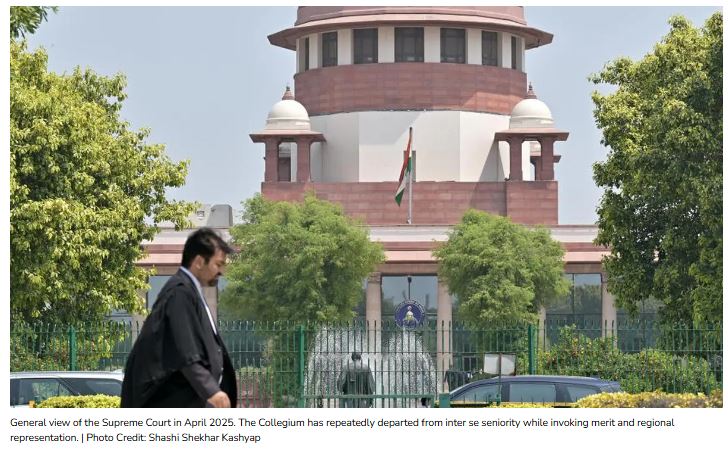
- 19 Mar 2026
In News:
Recent debates (2025–26) have reignited concerns over the functioning of the Collegium system, particularly regarding lack of transparency, deviation from seniority norms, and inadequate regional representation in judicial appointments to the Supreme Court.
About the Collegium System
The Collegium system is a judge-led mechanism for the appointment and transfer of judges in the Supreme Court and High Courts. It is an extra-constitutional body, evolving through judicial interpretation of Articles 124(2) and 217, rather than being explicitly mentioned in the Constitution. The system vests primacy in the judiciary, with the Chief Justice of India (CJI) and four senior-most judges forming the Collegium for Supreme Court appointments.
Evolution through the Judges’ Cases
The Collegium system developed through a series of landmark judgments. The First Judges Case (1981) gave primacy to the executive by interpreting “consultation” as non-binding. The Second Judges Case (1993) reversed this, introducing the Collegium and granting judicial primacy. The Third Judges Case (1998) expanded the Collegium to a five-member body. Finally, the Fourth Judges Case (2015) struck down the National Judicial Appointments Commission (NJAC) as unconstitutional, reaffirming the Collegium system as the prevailing mechanism.
Working of the Collegium System
The process begins with the Collegium recommending names for judicial appointments and elevations based on criteria such as seniority, merit, integrity, and regional representation. These recommendations are sent to the Law Ministry, which conducts background checks through the Intelligence Bureau (IB). The executive may raise objections or delay decisions; however, if the Collegium reiterates a recommendation, conventionally the government is bound to accept it. Despite this framework, delays and informal vetoes have created friction between the judiciary and executive.
Key Issues and Challenges
1. Lack of Transparency: The Collegium’s functioning remains largely opaque, with no formal disclosure of deliberations or reasons for selection and rejection. This has raised concerns about accountability and public trust.
2. Supersession of Seniority: Frequent instances of superseding senior judges have sparked institutional debates. While merit-based elevation is important, arbitrary deviations from seniority can affect morale and predictability within the judiciary.
3. Regional Imbalance: Recent data indicates that seven High Courts remain unrepresented in the Supreme Court as of March 2026, highlighting uneven regional representation. This undermines the idea of the Supreme Court as a truly national court.
4. Executive–Judiciary Deadlock: The executive can delay or withhold appointments, effectively exercising a “pocket veto”, leading to vacancies and impacting judicial functioning.
5. Perception of Nepotism: Critics often describe the system as “judges appointing judges”, raising concerns about favouritism, lack of diversity, and absence of external oversight.
Significance of the Collegium System
Despite its limitations, the Collegium system acts as a crucial safeguard for judicial independence, preventing excessive executive interference in appointments. In a constitutional democracy, an independent judiciary is essential for upholding rule of law, fundamental rights, and separation of powers.
Reform Measures and Way Forward
Reforms are essential to enhance both credibility and efficiency. Greater transparency can be ensured by publishing reasoned decisions or redacted resolutions. Establishing an independent secretariat to maintain objective data on judicial performance can strengthen merit-based selection. There is also a need to finalise the Memorandum of Procedure (MoP) and introduce fixed timelines for appointments to avoid delays. Additionally, institutionalising diversity and regional representation norms can make the judiciary more inclusive and representative.
Conclusion
The Collegium system remains central to preserving judicial independence in India, but its continued legitimacy depends on its ability to reform. Addressing concerns of opacity, imbalance, and delays through institutional improvements can help build a more transparent, accountable, and representative judicial appointment system, thereby strengthening public trust in the judiciary.
India’s Carbon Credit Plan: CCUS vs Carbon Farming Debate
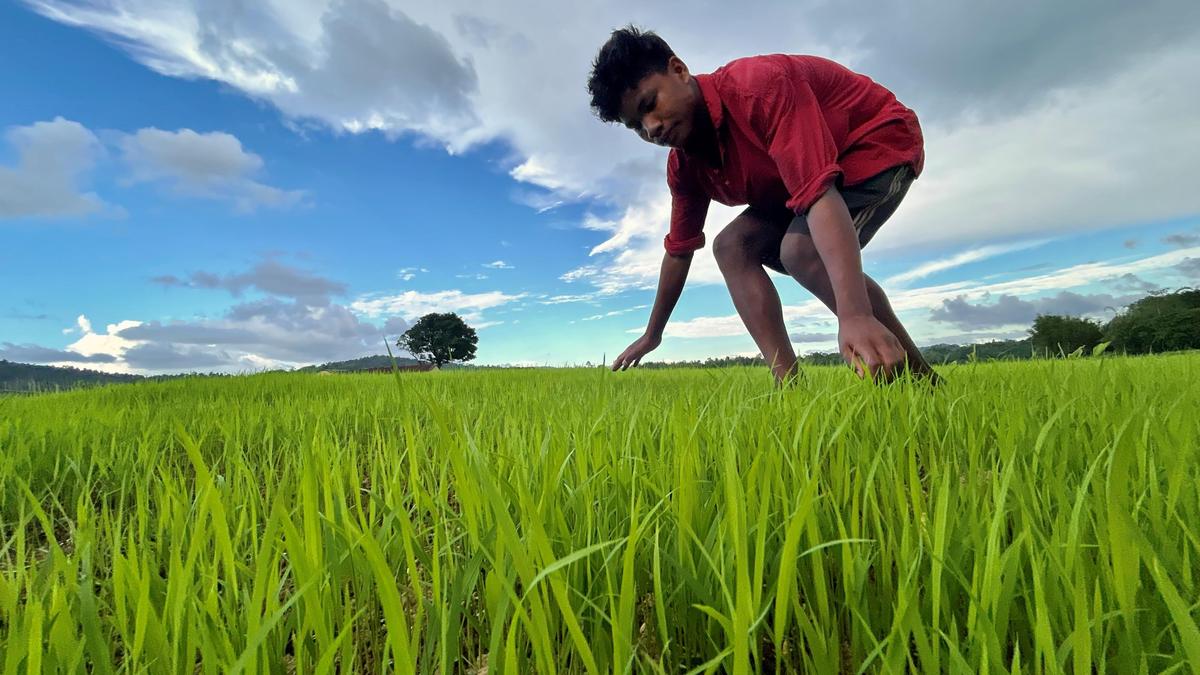
- 18 Mar 2026
In News:
The Union Budget 2026 announcement of a ?20,000 crore carbon credit programme based on the Department of Science and Technology (DST) roadmap has triggered a debate over its scope and intent. The confusion stems from the overlapping use of the term carbon credits, blurring the distinction between industrial decarbonisation through Carbon Capture, Utilisation and Storage (CCUS) and agriculture-based carbon farming initiatives.
Understanding CCUS and Carbon Farming
CCUS: Industrial Decarbonisation Tool
Carbon Capture, Utilisation and Storage (CCUS) is a technology-driven approach aimed at reducing emissions from hard-to-abate sectors such as:
- Power and refineries
- Steel and cement
- Chemicals
It involves capturing carbon dioxide from concentrated emission sources, followed by its utilisation in industrial processes or permanent storage underground. CCUS is particularly relevant for sectors that cannot fully transition to renewable energy.
Carbon Farming: Nature-Based Solution
Carbon farming refers to agricultural practices that enhance carbon sequestration in soil and biomass, thereby removing carbon dioxide from the atmosphere. It includes:
- Agroforestry
- Biochar application
- Conservation agriculture
Unlike CCUS, carbon farming is part of Carbon Dioxide Removal (CDR) strategies and is linked to voluntary carbon markets, offering potential income streams for farmers.
Why Agriculture is Not Part of CCUS
The DST roadmap clearly excludes agriculture from CCUS due to fundamental differences:
- Diffuse Emissions: Agricultural emissions are spread across large areas, unlike concentrated industrial sources
- Biological Nature: Emissions such as methane and nitrous oxide are biologically generated and cannot be mechanically captured
- Technological Mismatch: CCUS captures CO? from flue gases, whereas agriculture focuses on absorbing atmospheric carbon
- Strategic Distinction: CCUS prevents new emissions, while carbon farming removes existing carbon
Key Opportunities
1. Industrial Decarbonisation: CCUS offers a crucial pathway to reduce emissions from sectors contributing significantly to India’s carbon footprint. The ?20,000 crore investment aims to scale up industrial carbon capture and storage infrastructure.
2. New Income Streams for Farmers: A robust carbon farming framework could enable farmers to earn through carbon credits by adopting sustainable practices, integrating climate action with rural development.
3. Soil Carbon Sequestration: India’s vast agricultural land holds immense potential to act as a carbon sink, improving soil fertility and long-term productivity.
4. Growth of Carbon Markets: There is increasing demand for nature-based carbon credits, with private sector initiatives already piloting farmer-linked carbon credit models.
5. Climate-Resilient Agriculture: Carbon-friendly practices align with broader goals of sustainable and climate-resilient farming systems.
Challenges and Concerns
1. Policy and Communication Gaps: The use of the term carbon credit in the Budget has created confusion between industrial and agricultural pathways, leading to misplaced expectations.
2. High Cost of CCUS: CCUS is capital-intensive and technology-heavy, requiring sustained investment and infrastructure development.
3. Monitoring and Verification Issues: Measuring soil carbon and agricultural emissions is complex, requiring robust verification mechanisms to ensure credibility in carbon markets.
4. Policy Conflation: Lack of clear distinction between emission reduction (CCUS) and carbon removal (carbon farming) has hindered policy clarity.
5. Stakeholder Expectations: Farmers may expect direct financial benefits from the announced programme, whereas the current allocation is primarily targeted at industry.
Way Forward
- Clear Policy Demarcation: Separate industrial CCUS initiatives from agricultural carbon farming policies
- Dedicated Framework for Carbon Farming: Develop targeted funding, institutions, and verification systems for agriculture-based carbon credits
- Strengthen Communication: Use precise terminology to avoid confusion between mitigation approaches
- Scale Industrial CCUS Deployment: Ensure effective implementation in hard-to-abate sectors
- Integrated Climate Strategy: Promote both industrial and nature-based solutions for a balanced pathway to net-zero
Conclusion
India’s carbon credit strategy stands at a critical juncture, balancing technology-driven industrial decarbonisation with the emerging promise of nature-based carbon farming. While the ?20,000 crore allocation is clearly aimed at CCUS, the growing interest in agricultural carbon markets highlights the need for a parallel, well-defined policy framework. A coherent and differentiated approach will be essential to achieving India’s climate goals while ensuring economic and social benefits.
Melting Himalayan Glaciers and Emerging Cryospheric Hazards
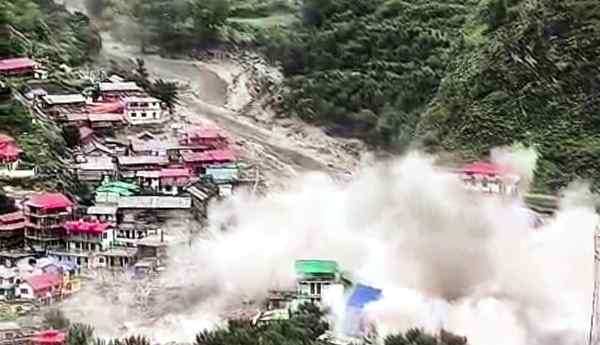
- 17 Mar 2026
In News:
A recent ISRO study published in NPJ Natural Hazards has highlighted that the August 2025 Dharali flash flood in Uttarakhand was triggered by the collapse of an exposed ice patch on the Srikanta Glacier. This finding marks a significant shift in the understanding of Himalayan disasters, as it moves attention away from large glacial lake outburst floods (GLOFs) toward smaller, often overlooked cryospheric instabilities caused by rapid deglaciation.
Understanding Glacier Melting (Deglaciation)
Glacier melting, or deglaciation, refers to the reduction in a glacier’s mass and volume when ice loss through melting and sublimation exceeds the accumulation of snowfall. With rising temperatures, the protective snow and firn layers thin out, exposing older and structurally weak ice. These exposed ice patches become highly unstable and can collapse, triggering flash floods even in the absence of large glacial lakes.
Insights from the Dharali Flash Flood
The Dharali disaster demonstrated that small-scale geomorphic processes can have large-scale impacts. The flood was caused by the collapse of an ice patch located within a nivation hollow on a steep slope of the Srikanta Glacier. This challenges the conventional focus on GLOFs as the primary source of glacial hazards and underscores the importance of monitoring micro-level changes in glacial landscapes.
Data and Trends on Glacier Melting
Recent data indicate that Himalayan glaciers have been losing ice at an average rate of nearly 0.5 metres of vertical height annually since 2000. The Hindu Kush Himalaya region is warming faster than the global average, with projections suggesting that up to 75% of glacier volume could be lost by 2100. This has serious implications for water security, as over 1.3 billion people depend on rivers originating from these glaciers. While initial melting may increase river flows, it eventually leads to long-term water scarcity. Additionally, the frequency of glacial hazards such as GLOFs and similar events has tripled over the past two decades.
Factors Contributing to Glacier Instability
The increasing instability of glaciers can be attributed to multiple interrelated factors. Rising atmospheric temperatures reduce snow cover and expose darker ice, which absorbs more heat and accelerates melting, as observed in the Srikanta Glacier. Black carbon deposition from biomass burning and vehicular emissions further intensifies melting by lowering the albedo of glaciers, with significant impacts seen near the Gangotri Glacier. Changes in precipitation patterns, particularly the shift from snowfall to rainfall at high altitudes, hinder glacier recharge, as seen in Ladakh. Infrastructure development, including road construction and tunnelling in fragile mountain ecosystems, creates localized disturbances and increases slope instability. Moreover, geomorphic processes like nivation-characterized by repeated freezing and thawing, gradually weaken slopes and create hollows that can collapse suddenly, as in the Dharali event.
Government Initiatives and Scientific Efforts
India has undertaken several initiatives to monitor and mitigate glacier-related risks. The National Mission for Sustaining the Himalayan Ecosystem (NMSHE) focuses on understanding glacier dynamics and ecosystem resilience. ISRO has been actively using satellite technologies such as Cartosat and RISAT to map over 9,500 glaciers and assess potential risks. Early Warning Systems have been installed in vulnerable regions like the Rishiganga and Dhauliganga valleys following past disasters. Additionally, international collaborations, such as Indo-Swiss programmes, are enhancing research capabilities and climate resilience strategies in the Himalayan region.
Challenges in Glacier Monitoring and Management
Despite these efforts, several challenges persist. The rugged and inaccessible terrain of the Himalayas makes it difficult to install and maintain monitoring infrastructure. There is also a lack of long-term historical data, which limits the ability to predict rare events such as ice-patch collapses. Transboundary issues further complicate glacier management, as many glaciers span across India, China, and Pakistan, restricting coordinated research and data sharing. Socio-economic vulnerabilities are high, as communities often reside in narrow valleys prone to sudden flooding. Additionally, unpredictable micro-climatic conditions make it difficult to anticipate disasters, as seen in past events like the Chamoli avalanche.
Way Forward
Addressing these emerging risks requires a multi-pronged approach. Integrated monitoring systems that combine satellite observations with ground-based sensors should be developed to track both large and small-scale glacial changes. Disaster frameworks must expand beyond GLOFs to include hazards like ice-patch collapses and nivation processes. Community participation is crucial, and local populations should be trained to recognize early warning signs such as exposed ice surfaces. Infrastructure development in Himalayan regions must be made climate-resilient, with strict environmental impact assessments. Regional cooperation among Himalayan countries is essential for effective data sharing and coordinated response. Furthermore, systematic mapping of vulnerable slopes and nivation zones can help in identifying high-risk areas.
Conclusion
The Dharali flash flood highlights the evolving nature of Himalayan hazards in the context of climate change. As glaciers continue to recede, new forms of instability are emerging, necessitating a shift from traditional monitoring approaches to more comprehensive, ridge-to-valley surveillance systems. Protecting the fragile Himalayan ecosystem is not only an environmental priority but also critical for ensuring the safety, livelihoods, and water security of millions of people dependent on these mountains.
Kharg Island: Strategic Oil Hub and Its Role in the West Asia Conflict
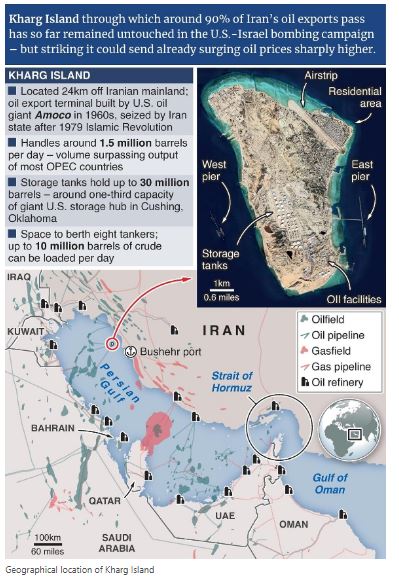
- 16 Mar 2026
In News:
Recent U.S. airstrikes on military installations at Kharg Island, Iran’s principal oil export terminal in the Persian Gulf, have heightened geopolitical tensions in West Asia. Although the attack reportedly avoided oil infrastructure, analysts warn that instability around the island could disrupt global energy markets and push crude oil prices sharply higher.
Geographical Location and Features
Kharg Island is a small coral island situated in the northern Persian Gulf, approximately 25–30 km off the Iranian mainland coast.
- Size: Around 8 km long with an area of roughly 20 sq. km
- Terrain: Dominated by industrial infrastructure such as oil storage tanks, export terminals, pipelines, and an airstrip
- Strategic Waters: Located near deep-water zones, allowing large oil tankers to dock
Historically referred to as the “Pearl of the Persian Gulf”, the island has long been linked with regional maritime trade. Over centuries it experienced Dutch and British influence before emerging as Iran’s central oil export hub.
Strategic Importance for Iran
1. Core Energy Export Terminal: Kharg Island is the primary hub for Iran’s crude oil exports, handling about 90% of the country’s oil shipments. The island functions as the final terminal for pipelines carrying crude oil from major Iranian oil fields.
2. Connectivity with Major Oil Fields: The island is connected through pipelines to key oil fields such as:
- Ahvaz
- Marun
- Gachsaran
These fields form part of Iran’s major hydrocarbon-producing regions, making Kharg Island a critical node in the national energy network.
3. Deep-Water Advantage: Much of Iran’s coastline is too shallow for very large crude carriers (VLCCs). Kharg Island’s proximity to deeper waters allows supertankers to dock and load crude oil efficiently, giving it a major logistical advantage.
Key Energy Infrastructure on Kharg Island
Kharg Island hosts extensive oil and petrochemical facilities managed by Iran’s energy sector.
Important installations include:
- Large crude oil storage tanks
- Oil export jetties for supertankers
- Pipeline terminals connected to inland oil fields
- Petrochemical and LNG storage facilities
Major operational entities include:
- Falat Iran Oil Company – producing roughly 500,000 barrels of crude oil per day
- Kharg Petrochemical Company
- Large-scale oil storage infrastructure
The island also maintains approximately 18 million barrels of storage capacity, allowing Iran to maintain export continuity during disruptions.
Scale of Oil Exports
Kharg Island plays a central role in global energy supply:
- Average exports: Around 1.5 million barrels of crude oil per day
- Recent increase: Exports reportedly rose to nearly 3 million barrels per day in early 2026 amid rising regional tensions.
Given this scale, any disruption could have significant implications for global oil markets.
Impact on Global Energy Markets
Kharg Island’s central role in Iran’s oil exports makes it a critical chokepoint in the global energy supply chain.
Potential Consequences of Disruption
- Sharp rise in global oil prices
- Increased volatility in energy markets
- Supply concerns for oil-importing countries
Energy analysts warn that escalation around the island could push global crude prices toward $150 per barrel, depending on the scale of disruption.
Geopolitical Context
The recent strike represents a major escalation in tensions involving Iran and Western powers. While the attack targeted military facilities, oil export infrastructure was reportedly avoided to prevent destabilizing global energy markets.
Historically, major powers have often avoided direct strikes on oil export facilities in the Persian Gulf, recognizing the potential impact on global economic stability.
Conclusion
Kharg Island remains one of the most strategically important oil export terminals in the world. Its role as the primary outlet for Iran’s crude oil exports gives it immense geopolitical and economic significance. Escalating tensions around the island highlight the fragility of global energy supply chains and underscore the broader connection between regional conflicts in West Asia and global energy security.
Women’s Political Participation in India
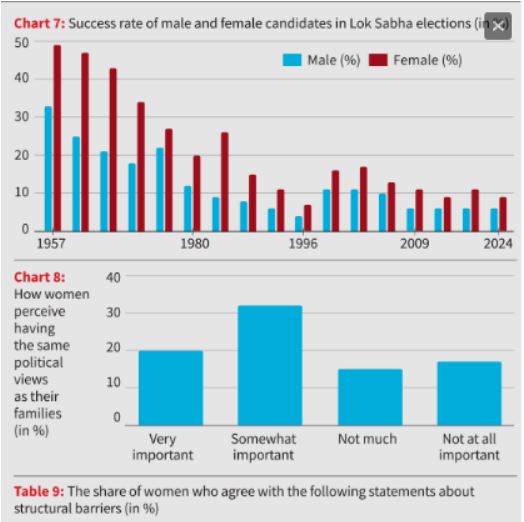
- 15 Mar 2026
In News:
Women’s political participation refers to the involvement of women in electoral and governance processes, including voting, campaigning, political mobilization, and holding elected office. In recent decades, India has witnessed a significant transformation in women’s electoral participation, with female voter turnout reaching near parity with men in the 2019 and 2024 Lok Sabha elections. However, despite this progress, a participation–representation gap persists, as women remain underrepresented in legislative bodies.
Key Trends in Women’s Political Participation
1. Electoral Turnout: The Silent Revolution
Women’s participation in voting has risen dramatically over time.
- The gender gap in Lok Sabha turnout narrowed from 11.2% in 1967 to almost zero in 2019 and 2024.
- In several state assembly elections since 2011, women’s turnout has surpassed men’s by about 2% on average.
This trend reflects increasing political awareness, improved voter registration, and targeted outreach by electoral authorities.
2. Legislative Representation
Despite strong voter participation, women remain underrepresented in legislative bodies.
- In the 2024 Lok Sabha, women hold 74 seats (about 13.6%), slightly lower than the 78 seats recorded in 2019, which was the highest ever.
- Women candidates also remain a small share of total contestants, despite an increasing number of women entering elections.
This demonstrates a clear gap between political participation as voters and representation as policymakers.
3. Candidature and Electoral Success
While fewer women contest elections, data shows that their success rate is relatively higher.
- In the 2024 elections, about 9% of women candidates won, compared to around 6% of male candidates.
This challenges the common assumption among political parties that women candidates are less “electable”.
Dimensions of Women’s Political Participation
1. Campaign Participation
Women are increasingly involved in political campaigning, including rallies and door-to-door canvassing.
Participation in election meetings has increased to around 16%, indicating that women are gradually moving from private spaces into the public political arena.
2. Grassroots Leadership
Reservation in local governance has significantly expanded women’s political presence.
The 73rd and 74th Constitutional Amendment Acts mandate 33% reservation for women in Panchayati Raj Institutions (PRIs) and Urban Local Bodies, with some states increasing it to 50%.
Today, India has over 1.4 million elected women representatives in local governments, creating a strong pipeline for future political leadership.
3. Independent Voting Behaviour
Women voters increasingly exercise independent political choices rather than voting according to family preferences.
- In 2024, about 50% of women reported voting independently, reflecting growing political autonomy.
4. Issue-Based Voting
Women voters are increasingly influenced by policy-oriented welfare schemes rather than traditional caste or party loyalties. For example, welfare programmes such as direct benefit schemes targeting women have significantly shaped electoral outcomes in several states.
Initiatives to Promote Women’s Political Participation
1. Nari Shakti Vandan Adhiniyam (128th Constitutional Amendment Act): This legislation provides 33% reservation for women in the Lok Sabha and State Legislative Assemblies, aiming to improve representation in higher legislatures.
2. Reservation in Local Governance: The 73rd and 74th Constitutional Amendments institutionalised women’s representation at the grassroots level, transforming local governance.
3. Electoral Participation Initiatives: The Systematic Voters’ Education and Electoral Participation (SVEEP) programme by the Election Commission of India promotes voter awareness, especially among women and marginalized groups.
4. Political Literacy Initiatives: Political literacy clubs in schools and colleges aim to encourage young women’s engagement with democratic institutions and public policy.
Challenges to Women’s Political Representation
1. The Electability Myth
- Political parties often hesitate to nominate women candidates, believing they are less likely to win elections.
- In the 2024 elections, women accounted for around 10% of total candidates, despite having higher success rates.
2. Patriarchal Social Norms: Deep-rooted gender norms often limit women’s participation in public life and require them to seek family approval before entering politics.
3. Domestic Responsibilities: Women frequently face a double burden of household work and caregiving, leaving less time and resources for political engagement.
4. Criminalisation and High Cost of Politics: The increasing role of money and muscle power in elections creates barriers for women candidates, who often have fewer financial and political resources.
5. Information and Digital Access Gap: In some regions, lower literacy levels and limited access to digital political discourse hinder women’s ability to engage fully with political processes.
Way Forward
- Timely implementation of women’s reservation in Parliament and state legislatures after delimitation.
- Internal party reforms, including voluntary quotas for women candidates and leadership positions.
- Capacity-building programmes to help women leaders from Panchayats transition to higher political offices.
- Ensuring a safe political environment, including stricter action against harassment and defamation of women leaders.
- Economic empowerment, as financial independence enables women to participate more effectively in politics.
Conclusion
India has made remarkable progress in closing the gender gap in voter turnout, marking a democratic transformation in political participation. However, true gender equality in politics requires bridging the gap between participation and representation. Structural reforms like the Women’s Reservation Act, combined with social change and institutional support, are essential to ensure that women are not merely voters but equal participants in shaping India’s governance and policy-making.
Implications of the US–Israel–Iran Conflict for India
- 14 Mar 2026
In News:
The escalating tensions involving the United States, Israel, and Iran have disrupted global supply chains and exposed vulnerabilities in India’s energy security, trade flows, and macroeconomic stability. The crisis has also created a complex diplomatic challenge for India, which maintains strategic relations with all three countries while pursuing a policy of strategic autonomy.
The conflict has raised concerns about India’s ability to maintain its current “Goldilocks” macroeconomic balance of high growth with relatively low inflation, as disruptions in the Gulf region threaten energy supplies, fertilizer imports, and agricultural exports.
Impact on India’s Energy Security
India imports over 85% of its crude oil requirements, with a large share coming from Gulf countries such as Saudi Arabia, Iraq, the United Arab Emirates, and Qatar. Much of this energy trade passes through the strategically important Strait of Hormuz.
Disruptions in this maritime chokepoint could halt the flow of crude oil and liquefied natural gas (LNG), triggering surges in global oil prices and increasing India’s import bill. Rising crude prices can lead to imported inflation, currency depreciation, and a widening current account deficit, potentially affecting India’s projected economic growth of over 7%.
India’s Strategic Petroleum Reserves (SPR) currently store around 5.33 million metric tonnes of crude oil, which provides only a limited buffer compared to countries such as China that maintain much larger reserves.
LPG and Natural Gas Vulnerabilities
India is the second-largest consumer of Liquefied Petroleum Gas (LPG) in the world, largely due to expanded access to clean cooking fuel through the Pradhan Mantri Ujjwala Yojana. Around 60% of India’s LPG demand is met through imports, mainly from Gulf nations.
Most LPG shipments pass through the Strait of Hormuz, making supplies highly vulnerable to regional disruptions. India’s underground LPG storage capacity is about 1.4 lakh tonnes, sufficient for less than two days of consumption, while daily demand is about 80,000 tonnes.
To address supply disruptions, the government invoked the Essential Commodities Act, 1955 and directed refineries to maximise LPG production by diverting propane and butane streams. This increased domestic output by around 25%, though it resulted in supply constraints for commercial users such as hotels and restaurants.
India also consumes roughly 195 million metric standard cubic metres per day (MMSCMD) of natural gas, with nearly half imported. Disruptions in LNG shipments have forced the government to prioritise supplies for household fuel and fertilizers while limiting industrial consumption.
Fertilizer Supply Risks
India depends heavily on imports of key fertilizer inputs from the Gulf region. These include:
- Merchant ammonia from Oman, Saudi Arabia, and Qatar
- Sulphur from the UAE, Kuwait, and Saudi Arabia
- Phosphoric acid and rock phosphate from Jordan
Domestic urea plants also rely on imported LNG for production. While India currently holds comfortable fertilizer stocks—about 5.5 million tonnes of urea as of early 2026—a prolonged disruption could force the government to divert natural gas from industries to fertilizer production in order to protect agricultural output and food security.
Impact on Agricultural and Food Exports
The conflict also threatens India’s agricultural exports to West Asia. According to the Global Trade Research Initiative, nearly USD 11.8 billion worth of Indian food and farm exports to the region are at risk.
Countries such as Saudi Arabia, Iraq, the UAE, and Iran are major buyers of Indian basmati rice and other agricultural products. Over 3,000 shipping containers have reportedly been stranded at ports such as Kandla Port and Mundra Port due to disruptions in shipping routes.
The region accounted for about 21–22% of India’s agricultural exports in 2025, and disruptions could affect farmers and exporters in states including Punjab, Haryana, Uttar Pradesh, Andhra Pradesh, Telangana, and Maharashtra.
Impact on Core Industrial Sectors
- Construction and Cement: India imports significant quantities of limestone and gypsum from Gulf countries, which are essential inputs for cement production. Supply disruptions could increase construction costs and delay infrastructure projects.
- Steel Production: A large portion of India’s steel industry uses the Direct Reduced Iron (DRI) process, which relies on natural gas. LNG supply disruptions could reduce steel output and affect industrial production.
- Manufacturing and Gems: India imports over 50% of its copper wire from Gulf countries, a critical input for power transmission and electronics manufacturing. Additionally, India’s diamond-processing hub in Surat depends heavily on rough diamonds imported from the UAE and Israel, making the sector vulnerable to trade disruptions.
Financial and Currency Pressures
- The conflict has also put pressure on the Indian rupee, which has weakened due to rising oil prices and capital outflows. To stabilise the currency, the Reserve Bank of India has reportedly intervened in the foreign exchange market using a portion of India’s USD 730 billion foreign exchange reserves.
Concerns for the Indian Diaspora
- India has a large diaspora of nearly 10 million people in Gulf Cooperation Council (GCC) countries, who collectively send over USD 51 billion annually in remittances. Ensuring the safety and evacuation of Indian nationals during escalating tensions remains a major policy priority.
Measures to Reduce Strategic Vulnerability
To mitigate the long-term impacts of such geopolitical shocks, India may adopt several policy measures:
- Diversifying energy imports by expanding supply agreements with countries in Latin America, West Africa, and the United States
- Expanding Strategic Petroleum Reserves to meet the global benchmark of around 90 days of import cover
- Accelerating renewable energy and green hydrogen development under the National Green Hydrogen Mission
- Increasing domestic gas production through exploration policies such as the Hydrocarbon Exploration and Licensing Policy (HELP)
- Promoting alternative fertilizers such as nano urea and nano DAP and strengthening the PM PRANAM initiative to reduce chemical fertilizer use
- Creating a war-risk insurance pool through the Export Credit Guarantee Corporation (ECGC) to support exporters
- Expanding alternative trade routes such as the Chennai–Vladivostok Eastern Maritime Corridor to reduce dependence on Middle Eastern chokepoints.
Conclusion
The West Asian conflict underscores India’s vulnerability to global geopolitical shocks due to heavy reliance on imported energy and critical inputs. Strengthening energy diversification, strategic reserves, resilient trade routes, and domestic production capabilities will be essential for safeguarding India’s economic stability. Building such resilience will enable India to transition from a supply-dependent economy to a strategically secure and self-reliant economic power in an increasingly uncertain global environment.
Passive Euthanasia in India
- 13 Mar 2026
In News:
The Supreme Court of India recently applied its passive euthanasia framework for the first time to permit the withdrawal of life-sustaining treatment for Harish Rana, a 32-year-old patient who had remained in a persistent vegetative state for about 13 years. The decision marked a significant step in the practical implementation of the constitutional principle of “right to die with dignity” under Article 21.
The case highlighted the evolving legal framework governing euthanasia in India and renewed debate on the need for comprehensive legislation regulating end-of-life medical decisions.
Concept of Euthanasia
Euthanasia refers to the deliberate act of ending a person’s life to relieve extreme pain or suffering, usually in cases of terminal illness or irreversible medical conditions. It is often described as “mercy killing.”
Types of Euthanasia
1. Active Euthanasia
- Involves a direct action to cause death, such as administering a lethal injection.
- It remains illegal in India.
2. Passive Euthanasia
- Involves withholding or withdrawing life-sustaining treatment such as ventilators, feeding tubes, or medications, allowing death to occur naturally.
- Permitted in India under strict judicial guidelines and medical oversight.
Evolution of Euthanasia Jurisprudence in India
India’s legal position on euthanasia has developed through several landmark Supreme Court judgments.
- P. Rathinam v. Union of India (1994): The Court initially held that the Right to Life under Article 21 included the Right to Die, effectively decriminalizing suicide. This interpretation was later overturned.
- Gian Kaur v. State of Punjab (1996): A Constitution Bench ruled that the Right to Life does not include the Right to Die, but acknowledged that the right to live with dignity could extend to a dignified death in cases of terminal illness.
- Aruna Shanbaug Case (2011): In this landmark case involving a nurse in a prolonged vegetative state, the Court legalised passive euthanasia for the first time, subject to approval by the relevant High Court and medical boards.
- Common Cause v. Union of India (2018): The Court recognised the “Right to Die with Dignity” as a fundamental right under Article 21 and allowed individuals to issue Living Wills or Advance Medical Directives, specifying their wishes regarding end-of-life medical treatment.
- Supreme Court Guidelines Modification (2023): To simplify implementation, the Court relaxed earlier requirements by removing the mandatory countersignature of a Judicial Magistrate for living wills, making the process more practical.
Need for Comprehensive Legislation
Despite judicial guidelines, experts argue that India requires a dedicated statutory framework to regulate euthanasia.
- Clear Medical Criteria: Legislation could define distinctions between terminal illness and persistent vegetative states, preventing ambiguity in medical decision-making.
- Standardised Medical Boards: A law could establish uniform protocols for primary and secondary medical boards, ensuring consistency across hospitals and states.
- Legal Protection for Doctors: Medical practitioners often fear criminal liability under provisions such as abetment of suicide. Statutory clarity would provide legal immunity for actions taken in accordance with approved procedures.
- Role of Family Members: Legislation could formally define the decision-making authority of next of kin, particularly when patients are incapable of expressing consent.
- Simplified Procedures: A statutory framework could replace the current court-dependent process with an administrative mechanism, reducing delays and emotional stress for families.
Challenges in Implementation
- Risk of Misuse: There is concern that euthanasia could be misused against vulnerable groups, such as the elderly or disabled, for financial or property interests. Strict medical oversight remains necessary.
- Ethical and Religious Concerns: Many religious and cultural traditions view euthanasia as interference with the natural cycle of life, raising ethical debates between the sanctity of life and quality of life.
- Defining “Dignity”: The concept of dignity is subjective and difficult to codify in law, making consistent application challenging.
- Limited Palliative Care Infrastructure: India’s palliative and hospice care facilities remain limited, which may influence end-of-life choices if adequate pain management is unavailable.
- Judicial Inconsistencies: Different courts may interpret euthanasia guidelines differently, creating legal uncertainty and prolonged litigation.
Way Forward
To address these concerns, several policy measures have been suggested:
- Enacting a Medical Treatment of Terminally Ill Patients Law to provide a comprehensive legal framework.
- Establishing a digital national registry for Living Wills, ensuring quick access to advance directives during emergencies.
- Expanding palliative and hospice care services to provide compassionate end-of-life treatment.
- Training healthcare professionals on the ethical and legal aspects of end-of-life decisions.
- Conducting public awareness campaigns on living wills and patient rights.
Conclusion
The Supreme Court’s decision in the Harish Rana case marks a significant step in translating the constitutional right to die with dignity into practical application. However, reliance on judicial intervention for individual cases is neither efficient nor sustainable. A comprehensive legislative framework balancing ethical concerns, patient autonomy, and medical safeguards is essential to ensure compassionate and legally sound end-of-life care in India.
Fiscal Federalism in India and the Debate over the 41% Tax Devolution
- 12 Mar 2026
In News:
The debate on fiscal federalism in India has intensified following the Union government’s acceptance of the 41% tax devolution recommended by the Sixteenth Finance Commission. While the recommendation appears to maintain the existing share of tax revenues for States, critics argue that structural changes in the fiscal framework may gradually reshape the balance of financial power between the Centre and the States.
Fiscal Federalism in India
Fiscal federalism refers to the division of financial powers, taxation authority, and expenditure responsibilities between different levels of government in a federal system. In India, the Constitution establishes a structured framework for fiscal relations between the Union and the States.
Key constitutional provisions include:
- Articles 268–281: These articles govern the distribution of taxation powers and revenue sharing between the Union and the States.
- Article 280: Provides for the establishment of the Finance Commission, which recommends the sharing of central taxes and grants to States.
- Seventh Schedule: Divides taxation powers between the Union List and the State List.
Since the Union government collects a major share of taxes, the Finance Commission periodically recommends how the divisible pool of central taxes should be distributed among States.
Evolution of Tax Devolution
The share of States in the divisible pool has increased over time:
- 14th Finance Commission: Increased States’ share to 42%.
- 15th Finance Commission: Reduced it slightly to 41% after the reorganisation of Jammu and Kashmir.
- 16th Finance Commission: Recommended retaining the 41% share.
Although the percentage has remained unchanged, analysts argue that the effective transfer of resources to States may be declining.
The Divisible Pool and the Issue of Cesses and Surcharges
The divisible pool represents the portion of central tax revenues that is shared with States. However, certain revenues such as cesses and surcharges are excluded from this pool and are retained entirely by the Union government.
Over time, the share of the divisible pool in gross tax revenue has declined:
- 13th Finance Commission period: 89.2%
- 14th Finance Commission period: 82.1%
- 15th Finance Commission period: 78.3%
This trend implies that even though the States’ share is fixed at 41%, the base from which this percentage is calculated has shrunk, reducing the overall transfer to States.
Key Recommendations of the Sixteenth Finance Commission
The Union government accepted several major recommendations of the Commission, including:
- Retaining 41% tax devolution to States
- Acceptance of the horizontal distribution formula among States
- Approval of grants to local bodies
- Continuation of the disaster management funding framework
However, several structural reforms proposed by the Commission were deferred. These include:
- Reform of Fiscal Responsibility Legislation (FRL) frameworks
- Regulation of off-budget borrowings by States
- Reforms in the power sector distribution companies (DISCOMs)
- Rationalisation of subsidies
Fiscal Stress in States
The Commission also highlighted rising fiscal stress in several States. For example:
- Punjab: Debt–GSDP ratio of 42.9% and revenue deficit of 3.7% of GSDP (2023–24).
- Rajasthan: Liabilities at 37.9% of GSDP.
- West Bengal: Liabilities at 38.3% of GSDP.
- Andhra Pradesh: Liabilities around 34.6% of GSDP.
In some cases, borrowing is used primarily to finance revenue expenditure such as salaries and interest payments, rather than capital investment. Another concern is off-budget borrowing, where loans are raised through government-controlled entities and serviced using public funds.
Changes in Horizontal Devolution
The Finance Commission also revised the horizontal distribution formula among States. Earlier, a criterion known as tax and fiscal effort rewarded States that improved their tax collection efficiency. This has now been replaced with a “contribution to GDP” indicator with a weight of 10%.
This shift may benefit economically stronger States such as Maharashtra, Gujarat, and Karnataka, which contribute significantly to national GDP. However, poorer States such as Bihar, Jharkhand, and Uttar Pradesh, which depend heavily on central transfers, may gain relatively less, raising concerns about weakening the principle of fiscal equalisation.
Local Body Grants
The Sixteenth Finance Commission also recommended ?7,91,493 crore in grants for rural and urban local bodies. These grants are divided into:
- Basic grants for essential services and administration.
- Performance grants linked to conditions such as timely constitution of State Finance Commissions, audited accounts, and compliance with data reporting systems.
However, implementation challenges persist, as only 62.6% of recommended urban local body grants were released during the previous Finance Commission period.
Conclusion
The retention of 41% tax devolution appears to preserve the formal structure of fiscal federalism. However, the increasing use of cesses and surcharges, changes in allocation criteria, and delays in structural reforms indicate evolving Centre–State fiscal dynamics. These developments may gradually reshape India’s fiscal federal landscape, raising important questions about resource distribution, fiscal autonomy, and cooperative federalism.
Deficient Winter Rains and Early Onset of Summer in India
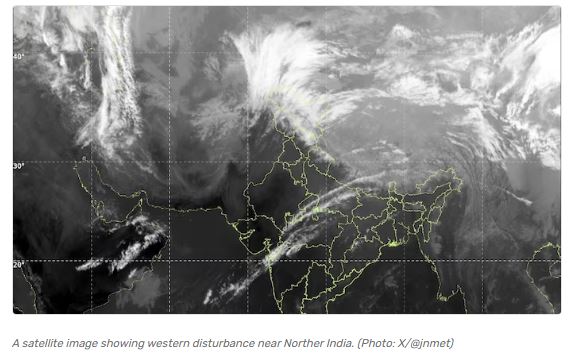
- 11 Mar 2026
In News:
Several regions of northern and western India have recently experienced an unusually early rise in temperatures, marking the premature onset of summer conditions. Day temperatures in some areas were 8–13°C above normal, reaching levels that qualify as heatwave conditions. The phenomenon is largely linked to deficient winter rainfall, weak Western Disturbances, and reduced soil moisture, which together have accelerated land heating and altered seasonal weather patterns.
Western Disturbances: Key Winter Weather System
A Western Disturbance is an eastward-moving extratropical weather system that originates in the Mediterranean region and travels across West Asia toward the Indian subcontinent through the westerly winds.
As the system approaches northwestern India via Pakistan, it gathers moisture. When this moist air interacts with the Himalayan mountain ranges, it rises and cools, leading to cloud formation, rainfall, and snowfall.
Western Disturbances are most active between December and February and constitute the primary source of winter precipitation in northern India. They provide rainfall and snowfall to states such as:
- Jammu and Kashmir
- Himachal Pradesh
- Uttarakhand
- Punjab
- Haryana
This precipitation is essential for maintaining soil moisture, supporting agriculture, and regulating seasonal temperatures.
Deficient Winter Rainfall
The current early heat conditions are closely associated with an unusually dry winter season. According to the India Meteorological Department, the January–February rainfall was only about 16 mm across India, which is around 60% below the normal level. February also ranked as the third driest since 1901.
The main reasons behind the rainfall deficit include:
- Reduced Western Disturbances since November 2025, leading to lower snowfall and rainfall across the Himalayan region.
- Weak interaction between westerly and easterly winds, which normally facilitates moisture transport into central and northern India.
- Lower snowfall in the Himalayas, reducing the cooling effect usually associated with winter precipitation.
Early Heatwave Conditions
The India Meteorological Department (IMD) had earlier forecast above-normal temperatures for March in several regions including the western Himalayan region, central India, and peninsular India.
These predictions materialised early in the month as several places recorded unusually high temperatures. For instance:
- Parts of Himachal Pradesh recorded temperatures above 25°C, which is uncommon for March.
- Similar warm conditions were observed in Jammu & Kashmir and Ladakh, where summers usually peak in May–June.
Such early warming is rare and reflects a disruption in typical seasonal weather patterns.
Role of Dry Soil in Rising Temperatures
Dry winter conditions significantly influence surface temperatures. Normally, soil moisture absorbs heat and slows the warming of land surfaces. However, when rainfall and snowfall are deficient, the soil becomes dry and heats up rapidly, causing temperatures to rise quickly during late winter and early spring.
Thus, low soil moisture acts as a feedback mechanism, intensifying heatwave conditions and accelerating the onset of summer.
Implications for Agriculture
The sudden temperature rise poses risks to standing rabi crops, which are sensitive to heat stress during their maturation stage. Crops likely to be affected include: Wheat, Mustard, Gram, Groundnut, Sesame, Sorghum, and Safflower
Horticultural crops such as potato and apples may also face productivity challenges. Farmers have been advised to increase irrigation to maintain soil moisture, but this could further strain local water resources, particularly in regions already facing water scarcity.
Conclusion
The early onset of summer in India highlights the critical role of winter rainfall and Western Disturbances in regulating the country’s climate and agricultural cycle. Persistent deficiencies in winter precipitation can accelerate warming, intensify heatwaves, and threaten agricultural productivity. Strengthening climate monitoring systems, improving irrigation management, and enhancing resilience in cropping systems will be essential to mitigate the impacts of such emerging climate variability.
India–Finland Relations
- 10 Mar 2026
In News:
India and Finland have elevated their bilateral relationship to a “Strategic Partnership in Digitalisation and Sustainability” following high-level talks between the Narendra Modi and Alexander Stubb in New Delhi. This development marks a significant step in strengthening cooperation between India and the Nordic region, particularly in technology, sustainability, and global governance. The partnership also complements broader economic engagement between India and the European Union, including the recently concluded India–EU Free Trade Agreement (2026).
Key Outcomes of the India–Finland Talks
The bilateral discussions resulted in several institutional initiatives aimed at expanding cooperation in emerging sectors and economic engagement.
Institutional and Economic Initiatives
- A target to double bilateral trade by 2030.
- Establishment of a Joint Working Group on Digitalisation.
- Formation of a Joint Task Force on 6G telecommunications.
- Strengthening collaboration between the startup ecosystems of both countries.
- Creation of a consular dialogue mechanism to enhance people-to-people exchanges.
Agreements Signed
Three major agreements were signed in the areas of:
- Migration and Mobility – facilitating movement of skilled professionals, students, and talent between the two countries.
- Environmental cooperation – promoting sustainable development and environmental protection.
- Statistical collaboration – improving data exchange and policy research.
These agreements aim to promote economic exchanges, knowledge sharing, and sustainable growth.
Areas of Strategic Cooperation
1. Digital Technology and Emerging Technologies: The partnership emphasises cooperation in advanced technological domains such as:
- Artificial Intelligence (AI)
- 6G telecommunications
- Quantum computing
- Digital infrastructure
Both countries aim to promote secure, trustworthy digital ecosystems and resilient technological supply chains.
2. Sustainability and Circular Economy: Finland is globally recognised for its expertise in the circular economy, which focuses on resource efficiency and sustainable production systems.
Key initiatives include:
- Joint hosting of the World Circular Economy Forum in India.
- Expanded cooperation in clean energy, climate action, and environmental protection.
This collaboration aligns with India’s sustainable development goals and climate commitments.
3. Defence, Space, and Critical Technologies: India and Finland also agreed to enhance collaboration in:
- Defence and security technologies
- Space cooperation
- Semiconductors and critical minerals supply chains
Such cooperation is important for ensuring technological self-reliance and resilient global supply chains.
Examples of Existing India–Finland Cooperation
The partnership builds upon several existing areas of collaboration where Finnish technological expertise complements India’s large-scale implementation capabilities.
- Telecommunications: The Finnish company Nokia has played a significant role in India’s telecommunications sector, connecting millions through mobile network infrastructure.
- Infrastructure Development: Finnish architectural expertise contributed to the design and construction of the Chenab Rail Bridge, a landmark engineering project in India.
- Bioenergy Collaboration: India and Finland collaborated in establishing the bamboo-to-bioethanol refinery in Numaligarh, Assam, one of the largest such facilities in the world, contributing to renewable energy production.
Education and Mobility Cooperation
Finland’s globally reputed education system provides opportunities for deeper cooperation with India.
Key areas of collaboration include:
- Teacher training programmes
- School-to-school partnerships
- Research on future education models
- Facilitation of student and skilled worker mobility
Finland is increasingly becoming a preferred destination for Indian students and professionals.
Arctic and Polar Cooperation
Finland is an important partner for India in the Arctic region. Cooperation focuses on:
- Arctic and polar scientific research
- Climate change monitoring
- Sustainable resource management
This aligns with India’s India’s Arctic Policy, which emphasises scientific research and environmental protection.
Background of India–Finland Relations
India and Finland established diplomatic relations in 1949. Since then, bilateral engagement has expanded across trade, technology, and education.
- Bilateral trade: Approximately €1.5–2 billion annually, with Finland maintaining a slight trade surplus.
- Investment: More than 100 Finnish companies operate in India, including major firms such as Wartsila, Fortum, UPM, Lindstrom, and Ahlstrom.
Challenges and Way Forward
Despite growing engagement, several challenges remain.
1. Limited Trade Volume: Bilateral trade remains modest relative to potential. The India–EU FTA could expand trade and investment opportunities.
2. Geographical Distance and Market Awareness: Limited connectivity and awareness among businesses hinder deeper economic cooperation. Expanding startup and innovation partnerships could bridge this gap.
3. Technological Competition: Global competition in emerging technologies requires joint research and development initiatives to remain competitive.
4. Geopolitical Uncertainties: Ongoing global conflicts and shifting alliances could affect economic and technological cooperation.
Convergence on Global Governance
Both countries emphasised shared commitments to:
- Reform of global governance institutions
- Strengthening multilateralism
- Eliminating terrorism in all forms
- Restoring a rules-based international order
Conclusion
The elevation of India–Finland relations to a strategic partnership reflects the increasing importance of technology, sustainability, and innovation in modern diplomacy. By combining Finland’s technological expertise and educational excellence with India’s scale, market size, and economic growth, the partnership has the potential to deepen India’s engagement with the Nordic region, strengthen India–EU relations, and contribute to resilient global supply chains and sustainable development.
Ensuring Liquefied Petroleum Gas (LPG) Supply Amid the West Asia Crisis

- 08 Mar 2026
In News:
The ongoing geopolitical tensions in West Asia have raised concerns over disruptions in maritime trade routes, particularly through the Strait of Hormuz, a critical global energy transit corridor. For India, this development poses a significant risk to the supply of Liquefied Petroleum Gas, as a substantial portion of its imports transit through this route. In response, the Government of India has invoked emergency provisions to safeguard domestic LPG supplies for millions of households.
Government’s Emergency Measures
To mitigate potential supply disruptions, the government invoked powers under the Essential Commodities Act, 1955. The directive was issued under Section 3 of the Act and the Petroleum Products (Maintenance of Production, Storage and Supply) Order, 1999.
Key provisions of the emergency directive include:
- Domestic refiners must maximise LPG production.
- Propane and butane streams are to be used exclusively for LPG manufacturing.
- Refiners are prohibited from diverting these inputs to petrochemical production.
- All LPG produced must be supplied to public sector oil marketing companies (OMCs).
The three major OMCs responsible for distribution of LPG to households are:
- Indian Oil Corporation Limited
- Bharat Petroleum Corporation Limited
- Hindustan Petroleum Corporation Limited
These companies together supply cooking gas to more than 33 crore Indian households.
India’s LPG Demand–Supply Dynamics
India’s LPG demand has increased significantly due to expanding household consumption and welfare schemes such as the Pradhan Mantri Ujjwala Yojana.
Key statistics (2024–25):
- Total LPG consumption: ~31 million tonnes
- Domestic production: ~13 million tonnes
- Import dependence: ~58%
India imports most of its LPG from West Asian suppliers, including: Saudi Arabia, United Arab Emirates, Qatar, and Kuwait
The strategic importance of the Strait of Hormuz is evident as it carries:
- ~80% of India’s LPG imports
- ~40% of crude oil imports
- More than 50% of LNG imports
Any disruption in this route therefore poses a major energy security risk for India.
Diversification of Energy Supply Sources
To reduce dependence on West Asian suppliers, India has begun diversifying import sources.
A recent agreement with the United States will supply approximately 2.2 million tonnes of LPG in 2026, accounting for around 10% of India’s annual LPG imports, sourced from the US Gulf Coast.
India is also coordinating with global commodity traders such as:
- Vitol
- Trafigura
- ADNOC Trading
These partnerships aim to secure additional energy cargoes from alternative markets.
Energy Security and Strategic Reserves
India maintains strategic petroleum reserves (SPR) to cushion against external supply shocks. Key storage facilities include:
- Visakhapatnam Strategic Petroleum Reserve
- Mangaluru Strategic Petroleum Reserve
- Padur Strategic Petroleum Reserve
Current estimates indicate:
- Crude oil stocks sufficient for about 25 days of refinery operations
- Strategic reserves covering approximately one week of national consumption
- Additional fuel stocks (petrol, diesel, LPG) sufficient for around 25 days of domestic demand
Impact on Natural Gas and LNG Supply
India’s vulnerability is more pronounced in the Liquefied Natural Gas sector, as LNG storage is technically challenging.
India is the world’s fourth-largest LNG importer. Supply disruptions have emerged as Petronet LNG Limited issued force majeure notices to its supplier QatarEnergy and domestic gas off-takers.
In case of shortages, the government may reprioritise natural gas allocation to critical sectors, including:
- City gas distribution (CNG and PNG)
- Fertiliser production
- Power generation
Challenges for India
India faces several structural challenges in ensuring energy security:
- Limited domestic LPG production despite high refining capacity.
- LNG storage constraints, making stockpiling difficult.
- Price volatility in global energy markets during geopolitical crises.
- Continued import dependence on West Asia.
Way Forward
To strengthen long-term resilience, India must adopt a multi-dimensional energy strategy:
- Diversification of imports from the US, Africa, and Latin America.
- Expansion of strategic petroleum reserves and LNG storage infrastructure.
- Enhancement of domestic exploration and refining efficiency.
- Transition toward alternative energy sources, including biogas, compressed biogas (CBG), electric cooking technologies, and green hydrogen.
- Strengthening maritime security and diplomatic coordination to protect sea lanes of communication (SLOCs).
Conclusion
The government’s decision to invoke emergency provisions reflects a proactive effort to safeguard India’s energy security during a volatile geopolitical situation. While short-term measures such as maximising domestic LPG production and diversifying imports provide immediate relief, long-term resilience will depend on energy diversification, stronger strategic reserves, and accelerated transition to cleaner fuels. Strengthening these pillars is essential to insulate India’s economy and households from future global energy shocks.
State of the World’s Migratory Species Report

- 07 Mar 2026
In News:
Migratory species are vital components of global biodiversity and play an important role in maintaining ecological balance across ecosystems. However, recent assessments indicate that many migratory species are facing growing threats due to human activities and environmental changes. The latest interim update to the State of the World’s Migratory Species Report warns that nearly half of the world’s migratory species populations are declining, highlighting the urgent need for stronger international conservation efforts.
About the State of the World’s Migratory Species Report
The State of the World’s Migratory Species Report is a global scientific assessment that evaluates the conservation status, population trends, and threats facing migratory animals worldwide. The report is prepared under the Convention on the Conservation of Migratory Species of Wild Animals (CMS), an international treaty established in 1979 under the United Nations Environment Programme (UNEP). CMS provides a framework for international cooperation to conserve migratory wildlife and their habitats across national boundaries.
The first comprehensive global report was released in 2024, covering 1,189 species listed under CMS and analysing trends among more than 3,000 additional migratory species worldwide. The assessment relies on scientific data from sources such as the International Union for Conservation of Nature (IUCN) Red List, population monitoring studies, and peer-reviewed scientific literature.
Importance of Migratory Species
Migratory species contribute significantly to ecosystem functioning and human livelihoods. Migratory birds help in pollination, seed dispersal, and pest control, while marine animals such as whales and fish support marine food chains and nutrient cycling. Large migratory mammals distribute nutrients across landscapes and influence vegetation patterns.
These species also hold economic and cultural importance, supporting tourism, food systems, and traditional practices in many regions. However, migration makes species highly vulnerable, as the loss of even a single habitat along their migration route can disrupt entire ecological networks. Effective conservation therefore requires coordinated action across multiple countries and ecosystems.
Major Findings of the Latest Report
1. Declining Populations of Migratory Species
The report highlights worrying global trends in migratory wildlife populations. Approximately 49% of migratory species protected under CMS are experiencing population declines, while about 24% face a risk of extinction. Compared to earlier assessments, the proportion of declining species has increased by around five percentage points within two years, indicating an accelerating conservation crisis. Out of the 1,189 CMS-listed species, about 582 species show declining population trends.
2. Rising Extinction Risks
The assessment also notes that 26 migratory species have moved to higher extinction-risk categories on the IUCN Red List. Among them, 18 species are migratory shorebirds, highlighting severe threats to coastal and wetland ecosystems. Species affected include birds such as cranes and pelicans, ungulates such as wildebeest, freshwater fish species, and marine animals including sharks, rays, and sea turtles.
3. Habitat Loss and Overexploitation
The report identifies habitat loss and overexploitation as the most significant threats to migratory species. Activities such as urban expansion, agricultural development, infrastructure construction, overfishing, and hunting have disrupted migratory routes and degraded critical habitats.
Large infrastructure projects such as roads, railways, pipelines, and fences are increasingly blocking migration corridors, particularly for large terrestrial mammals in regions such as Central Asia. Since migratory species depend on multiple habitats across countries, the destruction of even one site along their migration pathway can jeopardise their survival.
4. Emerging Threat of Avian Influenza
Another emerging threat highlighted in the report is Highly Pathogenic Avian Influenza (H5N1). Disease outbreaks have caused large-scale mortality events among several migratory bird populations and have even affected marine mammals. Species impacted include African Penguins, Humboldt Penguins, Peruvian Pelicans, and Red-crowned Cranes. Marine mammals such as the South American Sea Lion and South American Fur Seal have also been affected, indicating the growing ecological impacts of disease outbreaks.
Conservation Progress and Key Biodiversity Areas
Despite these concerning trends, the report identifies several conservation successes. Seven migratory species listed under CMS have shown improvements in conservation status, including the Saiga Antelope, Scimitar-horned Oryx, and the Mediterranean Monk Seal. These cases demonstrate that coordinated international conservation measures can effectively restore threatened species populations.
The report also highlights the significance of 9,372 Key Biodiversity Areas (KBAs) that serve as critical habitats for migratory species. However, 47% of these areas currently lack formal protection, making them vulnerable to human pressures and habitat degradation.
Conclusion
The State of the World’s Migratory Species Report underscores the growing conservation crisis facing migratory wildlife. Declining populations, rising extinction risks, habitat loss, overexploitation, and emerging diseases collectively threaten the survival of many species. Addressing these challenges requires strengthened international cooperation, protection of migratory corridors and key biodiversity areas, and sustainable management of ecosystems. Ensuring the conservation of migratory species is essential not only for preserving biodiversity but also for maintaining ecological balance and supporting human livelihoods across the globe.
SEBI Mandates Registered Name & Number Disclosure on Social Media

- 06 Mar 2026
In News:
With the rapid growth of digital platforms as a source of financial information and investment advice, concerns regarding misinformation and unregulated financial influencers have increased. In response, the Securities and Exchange Board of India (SEBI) has issued a circular requiring all SEBI-registered market intermediaries to disclose their registered name and SEBI registration number while posting securities-related content on social media. The directive aims to strengthen investor protection and enhance transparency in digital financial communication.
Background and Rationale
In recent years, social media platforms such as YouTube, Instagram, Telegram and WhatsApp have emerged as important channels for sharing market information, investment tips and financial commentary. However, many unregistered individuals or entities—often called “finfluencers”—have been providing investment advice without regulatory oversight. This has increased the risk of misleading information, fraudulent schemes and uninformed investment decisions.
To address this challenge, SEBI has introduced a regulatory framework that enables investors to distinguish between authorised intermediaries and unregistered advisors. The new rule forms part of SEBI’s broader efforts to improve market transparency and strengthen the regulatory environment for digital investment communication.
Key Provisions of the SEBI Directive
1. Mandatory Identity Disclosure: All SEBI-regulated entities must clearly display their registered name and SEBI registration number on their social media profiles and at the beginning of every post, video or message related to securities markets. This ensures that investors can easily verify the authenticity of the entity providing the information.
2. Broad Institutional Coverage: The directive applies to a wide range of SEBI-regulated intermediaries, including:
- stockbrokers
- mutual funds
- investment advisers
- research analysts
- portfolio managers
- alternative investment funds (AIFs)
- asset management companies (AMCs)
- real estate investment trusts (REITs)
- infrastructure investment trusts (InvITs)
It also covers distributors, agents and representatives associated with these entities.
3. Wide Platform Applicability: The regulation covers all major social media platforms where financial information may be shared. These include YouTube, Instagram, Facebook, LinkedIn, X (formerly Twitter), Reddit, Telegram, WhatsApp, and Threads, as well as closed or semi-closed groups where investment-related discussions occur.
4. Multiple Registration Requirement: Some entities hold multiple SEBI registrations for different financial services. In such cases, they must provide a web link containing the complete list of their registrations, while individual posts need to display only the relevant registration number associated with the content.
Significance of the Directive
- Investor Protection: By mandating identity disclosure, the regulation helps investors verify whether the source of financial advice is a legitimate, regulated intermediary. This reduces the risk of misinformation and fraudulent investment schemes.
- Enhanced Market Transparency: The measure increases accountability among market intermediaries by linking digital communication directly to their regulatory identity.
- Regulation of Digital Financial Advice: The directive indirectly addresses the growing influence of unregulated financial influencers by making it easier for investors to identify authorised professionals.
- Strengthening Regulatory Oversight: The initiative complements SEBI’s broader regulatory efforts aimed at improving governance, disclosure standards and digital compliance in the securities market.
Challenges and Way Forward
While the directive strengthens investor safeguards, effective enforcement remains crucial. Monitoring compliance across multiple platforms and private communication channels may pose challenges. SEBI may need to leverage technology-driven monitoring tools, stronger grievance redressal mechanisms and investor awareness campaigns to ensure successful implementation.
Conclusion
The SEBI directive mandating disclosure of registration details on social media represents an important step toward improving transparency, accountability and investor protection in the digital financial ecosystem. As investment information increasingly circulates through online platforms, such regulatory measures are essential to maintain trust in the securities market and promote informed investment decisions.
US–Israel Strikes on Iran and the Escalating West Asian Conflict
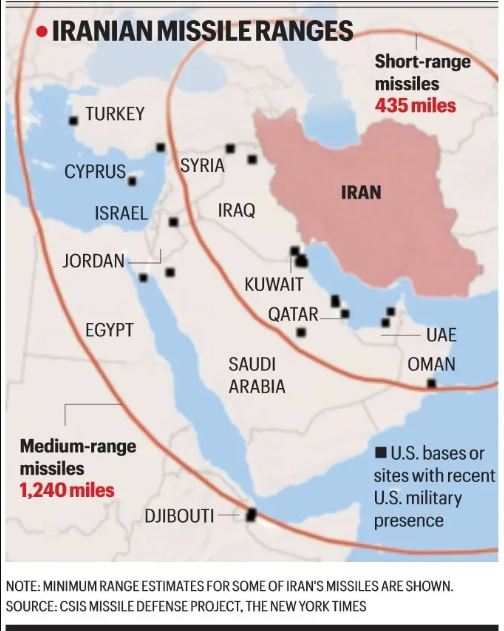
- 03 Mar 2026
In News:
The coordinated military strikes by the United States and Israel on Iran in 2026 have triggered a major escalation in West Asia. The operations - Operation Epic Fury (US) and Operation Lion’s Roar (Israel) -reportedly targeted Iran’s strategic military infrastructure and leadership, including the killing of Iran’s Supreme Leader Ayatollah Ali Khamenei. Iran retaliated through Operation True Promise 4, launching missile attacks against Israel and nearby Gulf states. This escalation has heightened concerns of a wider regional war, particularly as it occurred amid ongoing negotiations over Iran’s nuclear programme.
Background of the US–Iran–Israel Conflict
1. The 1979 Iranian Revolution: Prior to 1979, Iran and Israel maintained close strategic ties. However, the Islamic Revolution transformed Iran’s foreign policy orientation. The new regime severed ties with Israel and adopted an anti-Western stance, describing the United States as the “Great Satan” and Israel as the “Little Satan.”
2. Iran’s Nuclear Programme: Tensions intensified in the early 2000s when the international community uncovered Iran’s covert nuclear programme, raising concerns over possible nuclear weapon development.
3. Regional Influence and the “Axis of Resistance”: Following the US-led invasion of Iraq in 2003, Iran expanded its regional influence by supporting proxy groups collectively referred to as the “Axis of Resistance,” including Hezbollah (Lebanon), Hamas (Gaza), and the Houthis (Yemen).
4. Joint Comprehensive Plan of Action (JCPOA), 2015: The nuclear deal between Iran and the P5 1 nations limited Iran’s uranium enrichment in exchange for sanctions relief.
5. US Withdrawal from JCPOA (2018): The United States withdrew from the agreement citing concerns about Iran’s missile programme and regional activities. Iran subsequently increased uranium enrichment levels.
6. Recent Escalations:
- Operation Midnight Hammer (2025): Israeli and US strikes on Iran’s nuclear facilities such as Natanz, Isfahan, and Fordow.
- Collapse of Iran’s regional influence (2023–24): Israel’s campaigns weakened Hamas and Hezbollah and destabilised allied regimes, reducing Iran’s strategic buffers.
The 2026 strikes represent a shift from deterrence to a decapitation strategy, aimed at weakening Iran’s leadership and military command structure.
Global Implications of the Conflict
1. Threat to Global Energy Security: The conflict threatens the Strait of Hormuz, a critical maritime chokepoint through which:
- Around 20 million barrels of oil per day (≈20% of global consumption) pass.
- Nearly 20–30% of global LNG shipments transit.
Any disruption could cause a sharp spike in oil prices and destabilise global energy markets.
2. Geopolitical Polarisation: The conflict risks intensifying great-power rivalries. Russia and China may strengthen ties with Iran, while the United States consolidates alliances with Western and Arab partners, deepening geopolitical divisions.
3. Disruption of Global Supply Chains: Militarisation of West Asian airspace and sea routes threatens major trade corridors linking Asia, Europe, and Africa, increasing shipping costs, insurance premiums, and trade uncertainty.
4. Financial and Commodity Market Volatility: Rising geopolitical risk has triggered a “war premium” in global markets. Safe-haven assets like gold have surged, while regional stock markets have experienced instability.
Implications for India
1. Energy Security Risks: India imports 85–88% of its crude oil requirements. About 2.5–2.7 million barrels/day of oil from Iraq, Saudi Arabia, UAE, and Kuwait pass through the Strait of Hormuz.
Additionally:
- 80–85% of LPG imports
- Nearly 60% of LNG imports
also transit through Hormuz. Prolonged disruptions could push crude prices above USD 100 per barrel, increasing inflation and widening the current account deficit.
2. Safety of Indian Diaspora: West Asia hosts nearly 9 million Indian expatriates, whose remittances significantly contribute to India’s economy. Escalation could necessitate large-scale evacuation operations similar to Operation Rahat or Operation Ajay.
3. Diplomatic Balancing: India maintains strong relations with the US and Israel, while also having historical and energy ties with Iran. Therefore, adopting a partisan stance could undermine strategic interests.
4. Connectivity and Strategic Projects: Conflict threatens India’s regional connectivity initiatives such as:
- Chabahar Port project in Iran
- India–Middle East–Europe Economic Corridor (IMEC)
Disruptions in Gulf maritime routes could undermine these strategic initiatives.
Measures for India
- Energy Security Measures:
- Utilisation of Strategic Petroleum Reserves (SPR).
- Diversification of energy imports from countries such as the US and Australia.
- Diaspora Protection:
- Prepared evacuation plans involving the Indian Navy, Air Force, and civil aviation.
- Maritime Security: Strengthen naval deployment in the Arabian Sea and Gulf of Oman and expand missions like Operation Sankalp.
- Strategic Autonomy in Diplomacy: Maintain balanced relations with all stakeholders while advocating dialogue and de-escalation.
- Economic Cushioning: Temporary reduction in fuel taxes to absorb global price shocks.
Conclusion
The escalation between the United States, Israel, and Iran represents a significant challenge to regional stability, global energy security, and international trade. For India, the conflict underscores vulnerabilities in energy dependence, diaspora safety, and strategic connectivity projects. By maintaining strategic autonomy, strengthening energy resilience, and advocating diplomatic solutions, India can safeguard its national interests while reinforcing its role as a stabilising global actor in an era where, as emphasised in its foreign policy, “this is not an era of war.”
Strait of Hormuz Disruption and India’s Energy Security
- 02 Mar 2026
In News:
Escalating tensions involving Iran, the United States, and Israel have disrupted shipping movements through the Strait of Hormuz, the world’s most critical energy chokepoint. Although no formal closure has been declared, heightened military activity and security risks have led insurers, traders, and shipping firms to suspend operations, with numerous oil tankers anchored in Gulf waters. The situation raises serious concerns for India’s energy security, given its heavy dependence on West Asian energy supplies.
Strategic Importance of the Strait of Hormuz
The Strait of Hormuz connects the Persian Gulf to the Gulf of Oman and the Arabian Sea and handles nearly one-fifth of global petroleum and LNG trade. Approximately 15 million barrels of crude oil per day pass through this narrow corridor. Even if alternative Gulf pipelines operate at full capacity, a significant portion of global supply would remain exposed in the event of sustained disruption.
Thus, any instability in this region directly affects global oil prices and supply chains.
India’s Energy Dependence
India is the world’s third-largest oil consumer and imports over 88% of its crude oil requirements. Roughly 2.5–2.7 million barrels per day, accounting for about half of India’s crude imports, transit through the Strait of Hormuz. India also relies heavily on West Asia for LPG and LNG supplies, making uninterrupted maritime flows crucial for economic stability.
Impact on India
1. Crude Oil: Manageable in the Short Term
India is relatively better prepared to handle short-term crude disruptions due to:
- Refiners holding over 10 days of crude inventory
- Around one week of fuel stocks
- Availability of Strategic Petroleum Reserves (SPR)
Additionally, India can diversify imports by sourcing crude from Russia, the United States, West Africa, and Latin America. Russian supplies, including cargoes in floating storage, offer flexibility.
However, even if supply continuity is maintained, price volatility remains a major concern. Brent crude has already crossed $72 per barrel, and prolonged conflict could push prices beyond $100 per barrel, increasing inflationary pressures and widening India’s current account deficit.
2. LPG: A Greater Vulnerability
India imports 80–85% of its LPG requirements, largely from Gulf suppliers via the Strait. Unlike crude oil, India does not maintain substantial strategic LPG reserves. A prolonged disruption could therefore affect domestic cooking fuel supplies and increase subsidy burdens.
3. LNG: Limited Structural Cushion
Around 60% of India’s LNG imports transit through the strait. LNG markets are tighter compared to crude oil, and spot cargo availability is limited. In case of extended disruption, India may face difficulties in securing alternative supplies, affecting power generation and industrial output.
Price Outlook and Duration
The extent of impact will depend on the duration and intensity of the conflict. Escalation may add a “war premium” to oil prices. However, a full closure remains unlikely because Gulf producers including Iran depend heavily on energy exports for revenue. This mutual economic interdependence reduces the probability of a prolonged, total blockade.
Conclusion
The Strait of Hormuz crisis highlights India’s structural vulnerability to geopolitical disruptions in West Asia. While diversified crude sourcing and strategic reserves provide short-term resilience, LPG and LNG dependence remain key risk areas. The episode reinforces the need for long-term strategies including energy diversification, expansion of strategic reserves, renewable energy transition, and strengthened maritime security diplomacy. Ensuring energy security will remain central to India’s economic and strategic stability in an increasingly volatile global order.
Tehran’s Turmoil: Regime Change, Regional Order and India’s Strategic Stakes
- 01 Mar 2026
In News:
Recent reports of a joint United States–Israel military action targeting Iran, allegedly aimed at facilitating regime change in Tehran, have brought the legacy of the 1979 Islamic Revolution back into sharp focus. The unfolding developments represent a potential geopolitical inflection point for West Asia, with implications extending to global energy markets and great-power rivalries.
Why the 1979 Islamic Revolution Matters
The 1979 Revolution overthrew the Pahlavi monarchy and established the Islamic Republic of Iran, restructuring the political system around the doctrine of Velayat-e-Faqih (Guardianship of the Islamic Jurist). Under this model, the Supreme Leader wields ultimate religious and political authority, above elected institutions.
Ayatollah Ali Khamenei consolidated this system after 1989, ensuring regime continuity through a powerful security apparatus. Beyond domestic transformation, the revolution reshaped West Asian geopolitics by:
- Promoting a revolutionary ideological agenda across the region,
- Supporting the Palestinian cause,
- Positioning Iran as a strategic adversary of the US and Israel,
- Deepening sectarian divides and unsettling conservative Arab monarchies.
The revolution also contributed to the 1980 oil shock, demonstrating how political upheaval in Iran can disrupt global energy markets.
Regime Survival and Internal Dynamics
Speculation regarding the potential elimination of Iran’s top leadership has raised questions about regime resilience. However, regime change in Iran is complex:
- Since 2000, Iran has witnessed periodic protest movements demanding reform.
- These protests were consistently suppressed by state coercive institutions.
- The Islamic Revolutionary Guard Corps (IRGC) remains a powerful stabilising pillar of the regime.
The political trajectory will depend on internal elite cohesion, public mobilisation—especially among urban middle classes—and the depth of external intervention. The primary contest may unfold within Iranian society rather than across the broader “Arab street.”
Regional and Global Implications
Iran’s revolutionary posture shaped West Asia’s security architecture for decades. A regime shift could:
- Reconfigure alliances in the Gulf,
- Alter Iran’s engagement with Israel and Arab states,
- Influence proxy conflicts across the region.
Rising tensions in the Strait of Hormuz, through which a significant portion of global oil shipments pass, have already pushed energy prices upward. Iran holds substantial hydrocarbon reserves, and sanctions relief under a new political dispensation could reintroduce Iranian oil to global markets, stabilising prices.
At the global level, post-1979 Iran gravitated toward Russia and China, joining platforms such as the Shanghai Cooperation Organisation (SCO) and BRICS-related groupings. A pro-West government in Tehran would represent a strategic setback for Moscow and Beijing, reshaping great-power competition in West Asia.
Implications for India
India’s stakes in West Asia are substantial and multidimensional:
1. Energy Security
Iran and the Gulf region are critical to India’s crude oil imports. Escalation risks supply disruptions and price volatility.
2. Diaspora Interests
Over 9 million Indians reside in GCC countries, including:
- Around 43 lakh in the UAE (≈35% of its population),
- Large numbers in Saudi Arabia, Qatar, Kuwait, and Oman,
- Over 100,000 in Israel and more than 10,000 in Iran.
3. Remittances and Economic Linkages
According to RBI data (2023–24), India received $118.7 billion in remittances, with:
- UAE contributing 19.2%,
- Saudi Arabia 6.7%,
- Qatar, Kuwait, and Oman among major contributors.
West Asia is also a major travel and trade corridor for India.
4. Strategic Balancing
India maintains a delicate balance between:
- Iran (energy, Chabahar Port, connectivity to Central Asia),
- Israel (defence cooperation),
- Gulf monarchies (energy and diaspora).
Instability could strain this multi-aligned diplomacy.
Conclusion
Efforts to reverse or reshape the legacy of the 1979 Islamic Revolution constitute a major geopolitical moment. The outcome will influence regional alignments, global oil markets, and great-power competition. For India, the priority lies in safeguarding energy flows, protecting its diaspora, and maintaining strategic autonomy amid shifting alliances.
Whatever direction Tehran takes, the ripple effects will extend far beyond Iran, reshaping the geopolitical landscape of West Asia and the wider international system.
16th Finance Commission (2026–31)
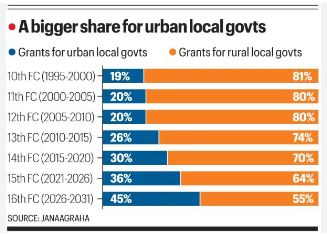
- 28 Feb 2026
In News:
The 16th Finance Commission (FC), chaired by Dr. Arvind Panagariya, submitted its report for the period 2026–27 to 2030–31, which was tabled in Parliament on February 1, 2026. As a constitutional body under Article 280, the Finance Commission recommends the distribution of tax revenues between the Centre and the States and provides grants to local governments. The latest recommendations reflect continuity in vertical devolution while significantly enhancing support for urban local bodies amid India’s accelerating urbanisation.
Vertical Devolution: Share of States
The Commission has recommended that 41% of the divisible pool of central taxes be devolved to states, maintaining the level set by the 15th Finance Commission.
The divisible pool excludes:
- Cost of tax collection
- Revenues from cesses and surcharges
By retaining the 41% share, the Commission balances fiscal consolidation needs of the Centre with states’ expenditure responsibilities.
Horizontal Devolution: Criteria Among States
The 16th FC revised the weightage assigned to various criteria for distributing tax shares among states:
- Income Distance: 42.5% (reduced from 45%)
- Population (2011 Census): 17.5% (increased from 15%)
- Demographic Performance: 10% (reduced from 12.5%)
- Area: 10% (reduced from 15%)
- Forest Cover: 10% (unchanged)
- Contribution to GDP: 10% (newly introduced)
- Tax and Fiscal Effort: Removed (earlier 2.5%)
The introduction of GDP contribution marks a shift toward recognising economic productivity, while still preserving redistributive principles through income distance.
Major Boost to Urban Local Governments
A significant highlight of the report is enhanced financial backing to Urban Local Bodies (ULBs).
- Share of grants to urban local governments increased to 45%
- (Up from 36% under the 15th FC and 26% under the 13th FC)
- Recommended allocation: ?3.56 lakh crore
- More than double the 15th FC’s ?1.55 lakh crore
- Nearly 15 times the post-2011 Census allocation under the 13th FC
Since the 10th FC, grants to local bodies have been a regular feature following the 73rd and 74th Constitutional Amendments. The 16th FC’s enhanced allocation reflects recognition of growing urban governance demands.
Uneven State-Level Outcomes
Due to the population-based distribution formula, states witnessed varied increases:
- Kerala: Over 400% increase
- Maharashtra: Over 300% increase
- Odisha: 13% increase
- Bihar: 8% reduction
These variations underscore ongoing tensions in balancing demographic realities and fiscal equity.
Urbanisation and Policy Imperatives
India’s urban population is projected to reach 41% by 2031. The 2011 Census recorded urbanisation at 31%, though alternative estimates (e.g., World Bank, 2015) suggest much higher levels. Data discrepancies complicate planning and fiscal projections.
The 16th FC’s higher allocation acts as a financial cushion against potential upward revisions in urbanisation in Census 2027. If urbanisation rises to, say, 48%, the enhanced funding framework would prevent under-preparedness in urban infrastructure and service delivery.
Conclusion
The 16th Finance Commission reinforces fiscal federalism by maintaining stable vertical devolution while recalibrating horizontal distribution criteria. Its substantial increase in grants to urban local governments signals recognition of India’s structural urban transition. However, uneven state allocations and persistent data gaps highlight the complexity of aligning demographic change with fiscal design. The recommendations represent a calibrated approach toward strengthening both cooperative federalism and grassroots governance in a rapidly urbanising economy.
India’s New GDP Series (Base Year 2022–23): A Major Statistical Reform
- 27 Feb 2026
In News:
The Ministry of Statistics and Programme Implementation (MoSPI) is releasing a new series of National Accounts Statistics (NAS) with 2022–23 as the base year, replacing the 2011–12 base year. The revised series aims to improve the accuracy and granularity of estimates of Gross Domestic Product (GDP) and Gross Value Added (GVA), reflecting structural changes in the Indian economy over the past decade.
Rationale for Revision
Since the previous base year revision in 2015, India’s economy has undergone significant transformations:
- Expansion of the digital economy and e-commerce
- Increased formalisation following the GST regime
- Shifts in consumption, employment, and production patterns
- Rapid growth of financial and service sectors
Updating the base year ensures better measurement of real growth, improved sectoral representation, and stronger evidence-based policymaking.
Key Structural Improvements
1. Sectoral Measurement Reforms
- Private Corporate Sector: Earlier, a company’s entire GVA was attributed to its dominant sector. The new approach allocates GVA based on activity-wise revenue shares, improving sectoral accuracy.
- General Government Sector: Inclusion of housing services provided to government employees and better coverage of local bodies and autonomous institutions enhances government output estimation.
2. Better Estimation of the Household Sector
The household sector—one of India’s largest contributors to GVA—will now be estimated using annual data from:
- Annual Survey of Unincorporated Sector Enterprises (ASUSE)
- Periodic Labour Force Survey (PLFS)
This replaces earlier extrapolation methods with direct annual estimation.
3. Improved Consumption Estimates
Private Final Consumption Expenditure (PFCE) will be derived from:
- Household Consumer Expenditure Surveys
- Production-side data
- Administrative datasets
This strengthens measurement of domestic demand.
Integration of Administrative Data
- Expanded use of GST data for regional output estimation and corporate value addition.
- Identification of active companies through tax records.
- Use of RBI’s Statistical Tables Relating to Banks in India (STRBI) for banking sector estimates.
- Replacement of proxy methods for private NBFCs with actual financial data from the Ministry of Corporate Affairs.
These changes improve financial sector GVA estimation and reduce reliance on assumptions.
Informal Sector and Agriculture
Greater use of ASUSE improves coverage of informal enterprises, insurance agents, and Gross Fixed Capital Formation (GFCF) in the unincorporated sector.
Agriculture estimation is strengthened using updated methodologies and data from institutions such as:
- Central Marine Fisheries Research Institute
- Central Inland Fisheries Research Institute
- Grassland and Fodder research bodies
This improves measurement of livestock, fisheries, and fodder output.
Methodological Upgrade: Double Deflation
One of the most significant reforms is the shift from a single deflator to a double deflator method.
- Earlier: Same inflation rate applied to inputs and outputs, causing growth distortions.
- Now: Separate deflators for inputs and outputs, ensuring more accurate real GVA estimates.
This reduces statistical discrepancies and improves credibility.
Additionally, Supply and Use Tables (SUTs) will be integrated, improving consistency between production and expenditure approaches.
International Alignment
India currently follows the System of National Accounts (SNA 2008). With the UN adopting SNA 2025, India plans to align with updated global standards in future revisions.
Challenges
- Complexity of double deflation and data integration.
- Back-series reconstruction may take nearly a year.
- State-level data quality variations.
- Need for greater transparency to avoid credibility debates seen in past revisions.
Conclusion
The 2022–23 base year revision represents one of India’s most comprehensive statistical overhauls in over a decade. By integrating richer datasets, modern methodologies, and improved sectoral coverage, the new GDP series aims to enhance policy reliability and international comparability. Its success, however, will depend on transparent implementation, timely back-series release, and sustained strengthening of India’s statistical ecosystem.
India–Israel Relations in a Volatile West Asian Landscape

- 26 Feb 2026
In News:
Prime Minister Narendra Modi’s official visit to Israel — his first since the landmark 2017 visit — comes at a time of heightened regional instability. While the 2017 visit marked the first-ever trip by an Indian Prime Minister to Israel after the establishment of diplomatic ties in 1992, the current engagement unfolds amid a fragile Gaza ceasefire and rising tensions involving Iran and the United States. The visit underscores both the maturity of bilateral ties and India’s evolving West Asia strategy.
Historical Evolution of Ties
India recognised Israel in 1948 but delayed full diplomatic relations for over four decades due to domestic political sensitivities and solidarity with the Palestinian cause. A decisive shift occurred in January 1992 when Prime Minister P.V. Narasimha Rao established full diplomatic relations. Palestinian leader Yasser Arafat publicly respected India’s sovereign decision, easing the transition.
Even before formal ties, limited defence cooperation existed. Israel supplied weapons during the 1962 India–China war and provided critical precision-guided munitions during the 1999 Kargil conflict, strengthening mutual trust.
Consolidation Phase (2000–2014)
The early 2000s saw growing political engagement. High-level visits, including that of Israeli Prime Minister Ariel Sharon in 2003, institutionalised defence and security cooperation. Strategic ties expanded quietly, even as public discourse focused on agriculture, science and technology.
Transformation After 2014
After 2014, India–Israel ties were brought into the open. PM Modi’s 2017 visit marked a diplomatic departure by delinking Israel from Palestine in scheduling protocol, signalling strategic autonomy. Subsequent reciprocal visits, including PM Netanyahu’s 2018 visit to India, deepened engagement.
In recent years, cooperation has expanded beyond defence to include:
- Cybersecurity
- Artificial Intelligence
- Agriculture and water management
- Advanced technologies
- Negotiations toward a Free Trade Agreement
India and Israel also signed defence agreements in 2025, reflecting growing operational coordination.
Strategic Significance for India
- Defence and Security Partner: Israel is among India’s top defence suppliers and a key source of advanced military technology.
- Technology and Innovation: Collaboration in AI, precision agriculture, and water conservation supports India’s development priorities.
- Economic Connectivity: Israel is a critical partner in the proposed India–Middle East–Europe Economic Corridor (IMEC).
- Indo-Abraham Accords Context: The normalisation of ties between Israel and several Arab states under the Abraham Accords has reshaped regional alignments.
Emerging Geopolitical Challenges
The October 7, 2023 Hamas attack triggered a prolonged Gaza war, resulting in heavy casualties and destruction. Though a US-backed ceasefire currently holds, tensions persist.
Simultaneously, the June 2025 Israel–Iran conflict and US strikes on Iranian nuclear facilities have escalated regional volatility. Iran remains an important partner for India, particularly for energy security and connectivity projects like Chabahar Port.
India’s Diplomatic Balancing Act
India must carefully navigate:
- Its strong defence ties with Israel
- Energy and connectivity interests involving Iran
- Strategic partnerships with Gulf nations
- Broader West Asian stability
The visit reflects India’s attempt to pursue multi-vector diplomacy — strengthening strategic partnerships while maintaining regional balance.
Conclusion
PM Modi’s visit to Israel highlights the transformation of India–Israel relations from cautious engagement to open strategic partnership. However, in a deeply polarised West Asian environment, India must balance strategic cooperation with diplomatic prudence to safeguard its long-term geopolitical and economic interests.
India’s Nationwide HPV Vaccination Drive
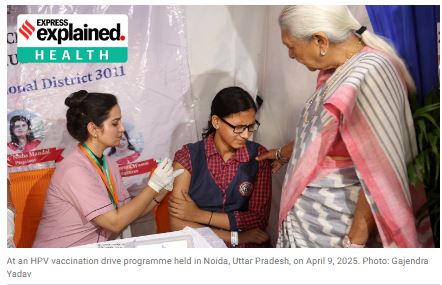
- 25 Feb 2026
In News:
The Union Government is set to launch a nationwide single-dose HPV vaccination drive targeting 14-year-old girls to reduce the burden of cervical cancer in India. The campaign represents a major public health intervention aimed at preventing a vaccine-preventable cancer that remains a leading cause of mortality among Indian women.
Cervical Cancer Burden in India
- Cervical cancer is the second most common cancer among Indian women. India accounts for nearly 20% of global cervical cancer cases, with approximately 1.25 lakh new cases and 75,000 deaths annually.
- Nearly 90% of cervical cancer cases are caused by persistent infection with high-risk strains of the Human Papillomavirus (HPV), a common sexually transmitted infection. Among at least 14 cancer-causing strains, HPV types 16 and 18 account for nearly 70% of cases worldwide.
- Given that HPV-related cancers are largely vaccine-preventable, mass immunisation offers a transformative opportunity to reduce cancer-related morbidity and mortality.
Features of the Nationwide HPV Vaccination Drive
Target Group
- All 14-year-old girls across India
- Approximately 1.15 crore girls annually become eligible
Implementation Strategy
- 90-day nationwide campaign for rapid coverage
- Beneficiaries to book appointments via the U-Win digital platform, modelled on Co-Win
- Post-campaign integration into the Routine Immunisation Programme at Health and Wellness Centres
The focus on early adolescence ensures vaccination before sexual debut, when immune response is strongest and long-lasting.
Vaccine Choice and Supply Mechanism
Vaccine Used
- Gardasil, manufactured by MSD Pharmaceuticals
- Backed by strong global safety and efficacy evidence
Role of GAVI
- 2.6 crore doses to be supplied over two years
- 1 crore doses already delivered
Indigenous Vaccine – Cervavac
India’s domestically developed vaccine by the Serum Institute of India is currently not being used because:
- It is awaiting WHO prequalification
- ICMR is evaluating its effectiveness as a single-dose regimen
A transition to Cervavac may occur after regulatory approvals.
Why Single-Dose Vaccination?
In 2022, the WHO’s Strategic Advisory Group of Experts (SAGE) recommended a single-dose schedule for girls and women up to 20 years of age, citing “strikingly high efficacy” among 9–14-year-olds.
- Women above 21 years: Two doses (6 months apart)
- Immunocompromised individuals (e.g., HIV): Ideally three doses
The single-dose strategy enhances feasibility, reduces costs, and improves coverage in low- and middle-income countries.
Public Health Significance
1. Direct Cancer Prevention: Studies show HPV vaccines significantly reduce cervical cancer incidence, beyond merely preventing infection or pre-cancerous lesions.
2. Herd Immunity: Vaccinating girls reduces HPV transmission to boys, lowering risks of anal, penile, vaginal, vulvar, and throat cancers.
3. Global Evidence: Australia, which introduced HPV vaccination in 2007 (and extended to boys in 2013), saw:
- HPV prevalence drop from 22.7% to 1.5% among young women
- Significant decline even among unvaccinated older women
This demonstrates strong direct and indirect protection.
India’s Previous Experience
This is not India’s first HPV initiative:
- Sikkim (2018): Achieved over 95% coverage
- Punjab (2016): Over 97% coverage in initial districts
- Delhi (2016): Limited uptake due to hospital-based delivery model
These experiences underline the importance of accessibility and community mobilisation.
Conclusion
The nationwide HPV vaccination drive marks a decisive step toward cervical cancer elimination in India. By combining global evidence, digital platforms, GAVI support, and integration into routine immunisation, India is aligning with global best practices.
If effectively implemented with sustained awareness campaigns and equitable access, the initiative could significantly reduce mortality, ease healthcare burdens, and advance India toward the broader goal of preventive, women-centric public health transformation.
Strait of Hormuz Crisis and Global Energy Security
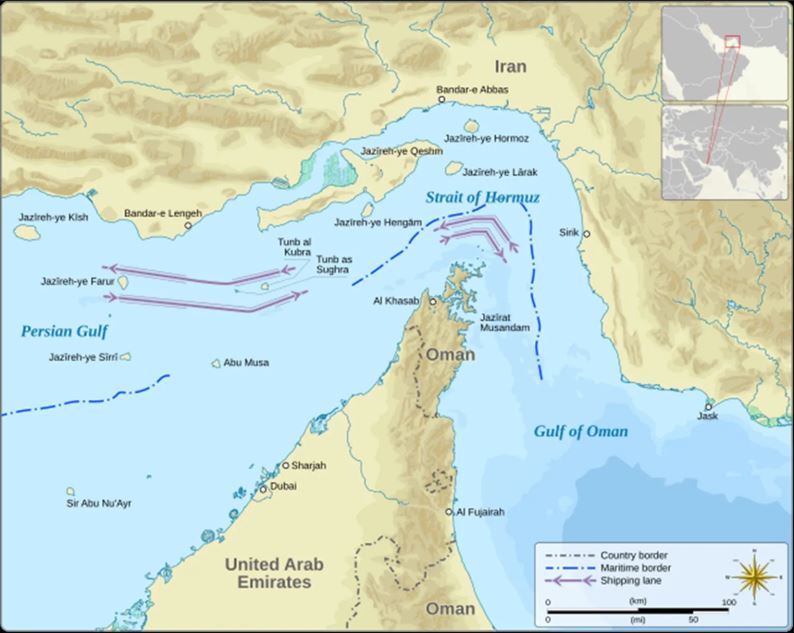
- 24 Feb 2026
In News:
Rising tensions between the United States and Iran have pushed international oil prices to a six-month high, with Brent crude crossing $71 per barrel, over 12% higher in a month. Although recent nuclear talks in Geneva showed limited progress, the absence of a breakthrough and heightened American military presence in West Asia have intensified market anxiety. Any escalation, particularly involving the Strait of Hormuz, could significantly disrupt global energy supplies and destabilize the fragile global economy.
The Strait of Hormuz: A Strategic Chokepoint
- The Strait of Hormuz, a narrow waterway between Iran and Oman connecting the Persian Gulf to the Gulf of Oman and the Arabian Sea, is widely regarded as the world’s most critical oil transit chokepoint.
- Nearly one-fifth of global petroleum consumption and about 20% of global LNG trade pass through it daily-approximately 15 million barrels of crude oil. Major Gulf producers such as Saudi Arabia, Iraq, UAE, and Kuwait depend heavily on this route for exports.
- Oil markets fear that in the event of US military strikes, Iran may retaliate by disrupting shipping through the Strait. While Iran has frequently threatened to block the Strait, a complete blockade would be strategically risky. It could alienate China-its key oil buyer-damage ties with Oman, and invite international military retaliation. Nonetheless, if Tehran perceives an existential threat, escalation cannot be ruled out.
Limited Alternatives and Escalation Risks
Although some Gulf states possess bypass pipelines, their capacity is limited. Even at full utilization, nearly 9 million barrels per day (around 9% of global demand) would remain vulnerable during a major disruption. Additionally, threats extend beyond Hormuz. Proxy attacks from Yemen targeting vessels in the Bab el-Mandeb Strait-another key chokepoint linking the Red Sea and the Arabian Sea-add to systemic risks for global energy flows.
Possible Oil Price Scenarios
Experts outline four potential escalation scenarios:
- Targeted disruption of Iranian oil exports: Prices may rise by $10–12 per barrel due to supply gaps, particularly affecting China.
- Disruption of Strait of Hormuz flows: Prices could exceed $90 per barrel if up to 20% of global oil trade is throttled.
- Attacks on Iranian oil infrastructure: Prolonged supply loss could push prices beyond $100 per barrel.
- Wider regional conflict involving Gulf producers: Oil prices could surge past $130 per barrel, rivaling spikes seen during major geopolitical crises.
Thus, oil market volatility is now a central strategic variable in US-Iran calculations.
Implications for India
- India, the world’s third-largest crude oil consumer, is highly vulnerable. It imports over 88% of its oil requirements, amounting to nearly 2 billion barrels annually. Every $1 increase in crude prices adds approximately $2 billion to India’s annual import bill, exerting pressure on the current account deficit, inflation, and fiscal management.
- Crucially, more than 40% of India’s crude imports transit through the Strait of Hormuz. Any disruption would directly threaten India’s energy security, refinery operations, and broader economic stability. Higher oil prices could also weaken the rupee, increase fuel subsidies, and raise transportation and food costs.
Strategic Dilemma and Way Forward
The situation presents a complex dilemma. While confrontation may risk energy disruptions and price spikes, inaction could embolden geopolitical adversaries. For India, diversification of energy sources, expansion of strategic petroleum reserves, increased renewable energy adoption, and diplomatic engagement in West Asia remain critical policy priorities.
In conclusion, the Strait of Hormuz crisis underscores the interconnectedness of geopolitics and energy security. Even localized tensions in West Asia have global economic consequences, making stability in this maritime corridor vital not only for the region but for energy-dependent economies like India.
Great Nicobar Project
- 22 Feb 2026
In News:
The National Green Tribunal (NGT) has approved the ?81,000-crore Great Nicobar mega infrastructure project, citing its strategic importance and environmental safeguards. The project covers 166 sq km of Great Nicobar Island (910 sq km), home to Indira Point, India’s southernmost location. It involves diversion of ~130 sq km of forest land and felling of over one million trees, raising significant ecological concerns.
Core Components
The project, initially conceptualised by NITI Aayog and implemented by ANIIDCO, rests on four pillars:
- Integrated Township (≈149 sq km) – Residential, commercial, tourism, logistics and defence infrastructure.
- Transshipment Port at Galathea Bay – Strategically located near the Malacca Strait; projected capacity of 14.2 million TEUs annually.
- Dual-use International Airport (8.45 sq km total allocation) – Second air facility after INS Baaz; requires 4.2 sq km land acquisition, affecting 379 families.
- 450-MVA Gas and Solar Power Plant (0.39 sq km) – To ensure reliable energy supply.
Land reclamation includes 2.98 sq km (port) and 1.94 sq km (airport), requiring 33.35 million cubic metres of construction material.
Strategic Importance
Great Nicobar lies close to the Malacca Strait, through which ~94,000 ships pass annually, accounting for ~30% of global trade and ~one-third of global maritime oil trade. The port aims to compete with Colombo, Hambantota, Port Klang and Singapore, reducing India’s dependence on foreign transshipment hubs.
The island hosts the Andaman and Nicobar Command (since 2001), India’s only tri-services command—and INS Baaz Naval Air Station at Campbell Bay. Defence infrastructure is included in the first construction phase, strengthening India’s Indo-Pacific posture.
Environmental and Social Concerns
Great Nicobar is part of the Sundaland biodiversity hotspot and largely falls under the Great Nicobar Biosphere Reserve. The project led to denotification of Galathea Bay Wildlife Sanctuary and a megapode sanctuary. The endemic Nicobar megapode faces habitat loss, while Galathea Bay is a key nesting site for leatherback turtles.
Indigenous communities are also affected:
- Shompen tribe (~250 people) – Semi-nomadic and highly vulnerable to external exposure.
- Nicobarese community – Many displaced during the 2004 tsunami; resettlement concerns persist.
The island’s population is projected to increase from ~8,500 (2011 Census) to 6.5 lakh by 2050, raising concerns of ecological strain and demographic transformation.
Conclusion
The Great Nicobar Project represents a high-stakes strategic initiative combining maritime trade ambition, defence expansion and geopolitical positioning. However, its implementation in a fragile ecological zone necessitates strict environmental safeguards, transparent governance and protection of tribal rights to ensure sustainable and inclusive development.
Re-examining Higher Judicial Reform

- 21 Feb 2026
In News:
A recent Private Member’s Bill in Parliament has proposed constitutional amendments to promote diversity in higher judicial appointments and to establish regional benches of the Supreme Court. The proposals revive longstanding debates on judicial independence, social representation and access to justice within India’s constitutional framework.
Constitutional Framework of Judicial Appointments
The Constitution lays down a consultative model for appointing judges. Under Article 124, judges of the Supreme Court are appointed by the President after consultation with the Chief Justice of India (CJI). Article 217 governs High Court appointments, requiring consultation with the CJI, the Governor and the Chief Justice of the concerned High Court. Article 130 provides that the seat of the Supreme Court shall be in Delhi or any other place decided by the CJI with Presidential approval.
Originally, appointments were executive-led with judicial consultation. However, concerns over safeguarding judicial independence led to a shift in power towards the judiciary.
Evolution of the Collegium System
The collegium system emerged through judicial interpretation:
- First Judges Case (1981): Upheld executive primacy.
- Second Judges Case (1993): Established judicial primacy in appointments.
- Third Judges Case (1998): Clarified collegium composition and functioning.
The Supreme Court collegium comprises the CJI and four senior-most judges; for High Courts, the CJI and two senior-most judges. The government may return recommendations once, but if reiterated, it is bound to appoint.
In 2014, Parliament enacted the 99th Constitutional Amendment to create the National Judicial Appointments Commission (NJAC), including judicial and executive members. In 2015, the Supreme Court struck it down, holding that judicial independence is part of the basic structure. Consequently, the collegium system continues, despite criticism regarding opacity, lack of accountability and allegations of nepotism.
Diversity in the Higher Judiciary
The present debate focuses on under-representation of marginalised groups. Between 2018 and 2024, roughly 20% of appointees to the higher judiciary reportedly belonged to SC, ST and OBC communities. Women constitute less than 15% of appointments, and religious minorities less than 5%.
The Bill proposes constitutionally mandating due representation for SCs, STs, OBCs, women and religious minorities in proportion to their population. This marks a shift from a purely merit-centric approach to a socially representative model.
The issue implicates two constitutional values:
- Judicial Independence – protecting courts from external influence.
- Substantive Equality and Social Justice – ensuring institutions reflect India’s pluralism.
A diverse judiciary may enhance public confidence, enrich constitutional interpretation and improve sensitivity in adjudication.
Proposal for Regional Benches
The Bill also proposes regional benches of the Supreme Court in New Delhi, Kolkata, Mumbai and Chennai. Currently, the Court sits only in Delhi. With pendency exceeding 90,000 cases (January 2026), litigants from distant States face cost and accessibility barriers.
The proposed benches would exercise full jurisdiction except for constitutional matters, which would remain with the Constitution Bench in Delhi. Notably, under Article 130, such benches can be established by the CJI with Presidential approval without constitutional amendment. Law Commission reports and parliamentary committees have previously recommended similar measures.
Way Forward
Ensuring diversity primarily rests with reforms within the collegium—greater transparency, objective criteria and publicly available data can strengthen legitimacy. A future model may consider a broad-based appointments commission balancing independence and accountability, drawing from comparative experiences such as the U.K. and South Africa.
On regional benches, a phased approach could improve access to justice and reduce pendency while preserving institutional coherence. Ultimately, reforms must harmonise independence, equality and efficiency within the constitutional scheme.
Reframing India’s Foreign Policy in an Era of Eroding Multilateralism
- 23 Feb 2026
In News:
The Prime Minister’s recent acknowledgment in the Rajya Sabha of an emerging “new world order” reflects a significant inflection point in global politics. The post-1945 rules-based multilateral system is under visible strain due to unilateralism, great power rivalry, institutional paralysis, and the rise of minilateral groupings. For India, this moment presents both strategic risks and transformational opportunities.
Changing Global Order: Key Features
1. Rise of Unilateralism and Power Politics: Major powers increasingly privilege national interest over multilateral commitments. The withdrawal of the United States from several international institutions, growing tariff wars, and the strategic use of sanctions and supply chains illustrate a shift from rule-based governance to coercive geopolitics. Trade and technology are now instruments of power.
2. Institutional Paralysis: The UN Security Council remains gridlocked due to veto politics, failing to respond effectively to crises such as Ukraine and Gaza. The WTO’s dispute settlement system has weakened, encouraging unilateral trade barriers justified on “national security” grounds.
3. Rise of China and Parallel Architectures: China has built alternative institutions such as the Belt and Road Initiative (BRI), the New Development Bank (NDB), and RCEP, challenging Western-led norms. Control over rare earths, manufacturing, and emerging technologies enhances Beijing’s leverage.
4. Shift to Minilateralism: Flexible, issue-based coalitions like QUAD, AUKUS, I2U2, and regional FTAs are replacing universal platforms. This reflects a preference for functional cooperation over slow consensus-driven multilateralism.
5. Weaponisation of Interdependence: Supply chains, financial systems (e.g., SWIFT), semiconductors, and energy flows have become tools of coercion, redefining power in the digital and technological age.
Evolution of India’s Foreign Policy
India’s diplomacy has evolved through distinct phases:
- Non-Alignment (1947–1964): Moralpolitik based on Panchsheel and decolonization. The 1962 war exposed its limits.
- Strategic Realism (1964–1991): Security-driven alignment (1971 Indo-Soviet Treaty) and nuclear assertion (Pokhran-I, 1974).
- Economic Diplomacy (1991–2000): LPG reforms, Look East Policy, and integration into global markets.
- Multi-Alignment (2000–2014): India–US Civil Nuclear Deal, BRICS, G20 participation.
- Assertive Multi-Vector Strategy (2014–Present): Issue-based partnerships-participation in QUAD alongside defence ties with Russia (S-400); leadership of the Global South (G20 AU inclusion); expansion of minilateral initiatives; promotion of Digital Public Infrastructure (DPI) and ethical AI governance.
India increasingly positions itself as a “Vishwa Bandhu”, a bridge between the West and the Global South - aspiring to emerge as a stabilising “Third Pole.”
Emerging Challenges
- China Factor: Border tensions, trade asymmetry, maritime expansion in the Indian Ocean, and rare earth leverage remain structural concerns.
- Transactional Trade Environment: Bilateralism and coercive tariff diplomacy undermine predictability.
- Neighbourhood Volatility: Political instability and China’s investment-led diplomacy challenge India’s regional influence.
- Technology and Energy Dependence: Dependence on foreign semiconductor ecosystems, AI platforms, and critical minerals exposes vulnerabilities.
- Expectation–Responsibility Gap: Rising global stature demands clearer normative positions.
The Way Forward: Reframing Strategy
India must align foreign policy with the developmental vision of Viksit Bharat 2047. Key priorities include:
- De-risking supply chains through friend-shoring and critical mineral partnerships.
- Building endogenous technological capacity in AI, semiconductors, quantum technologies, and cyber security.
- Aggressive trade diversification across Asia, Africa, and emerging markets.
- Maintaining strategic autonomy while preserving defence-energy ties with Russia.
- Repositioning BRICS and Global South platforms toward economic cooperation.
Conclusion
The erosion of multilateralism is not merely a systemic breakdown but a strategic opening. By combining domestic capacity-building with flexible, interest-based partnerships, India can transition from a balancing power to an autonomous centre of global influence—emerging as a stabiliser in an increasingly fragmented world order.
India’s Aviation Sector: The Case for Data-Driven Oversight

- 20 Feb 2026
In News:
India’s aviation sector has emerged as one of the fastest-growing in the world, marked by rising passenger traffic, expansion of low-cost carriers, and rapid airport infrastructure development across metros and tier-2 cities. However, regulatory mechanisms have not kept pace with this expansion.
The growing complexity of algorithm-based pricing and market concentration makes a strong case for data-driven oversight, moving beyond reactive crisis management to proactive, evidence-based regulation.
Structural Transformation of India’s Aviation
- Rapid rise in domestic air travel.
- Dominance of low-cost carriers.
- Expansion of airport infrastructure under public-private partnerships.
- Increasing use of dynamic revenue management systems for pricing.
While operational data on passenger numbers, fleet size, and freight movement is regularly tracked, systematic monitoring of fare behaviour and market conduct remains limited.
Why Data-Driven Oversight is Needed
1. Dynamic Pricing and Algorithmic Markets
Airline fares fluctuate in real time based on:
- Demand patterns
- Seat inventory
- Competitor pricing
- Seasonal variation
- Route-level market share
This makes it difficult to distinguish between legitimate demand-driven price increases and potential market power abuse.
2. Limits of Crisis-Based Regulation
Recent fare spikes in India have triggered:
- Temporary fare caps
- Requests for data submission
- Post-facto investigations
However, ad hoc interventions are reactive and do not substitute for continuous, structured oversight. Often, data collected is retrospective and insufficient for robust analysis.
3. Volume-Focused Oversight
Current regulatory practice largely tracks traffic volumes rather than pricing behaviour. In a market increasingly driven by algorithmic decision-making, this creates regulatory blind spots.
Importance of Data Transparency
(a) Identifying Route-Level Market Power
If routes dominated by a single airline consistently show higher fares compared to competitive routes, it may signal structural pricing power.
(b) Tracking Entry and Exit Effects
- Entry of a new airline → Fares usually decline.
- Exit of a competitor → Fares often increase.
Systematic data collection enables regulators to measure competitive intensity.
(c) Monitoring Peak-Period Pricing
Holiday seasons provide natural tests of pricing conduct. Disproportionate fare increases on routes with high market share may indicate dominance leverage.
(d) Algorithmic Accountability
When pricing outcomes are observable and periodically reviewed, airlines are incentivised to embed compliance safeguards within revenue management systems. Transparency acts as a deterrent without constant state intervention.
Global Best Practice: The U.S. DB1B Model
The United States’ Airline Origin and Destination Survey (DB1B), maintained by the Bureau of Transportation Statistics (BTS), provides a model for structured transparency.
- Collects ticket-level data since 1995.
- Covers a 10% random sample of domestic tickets each quarter.
- Tracks fares, routes, and carrier details.
The DB1B database enables:
- Long-term pricing trend analysis
- Competition assessment
- Empirical research
- Transparent policymaking
Adopting a similar 10% sampling framework in India could expand the role of the Directorate General of Civil Aviation (DGCA) from volume tracking to behaviour monitoring.
Addressing Industry Concerns
- Proprietary Algorithms: A sampling framework monitors outcomes, not algorithmic code.
- Technical Burden: Airlines already maintain digital databases; quarterly reporting is feasible.
- Risk of Implicit Coordination: Delayed and aggregated release of data can prevent real-time collusion risks.
Way Forward
- Institutionalise periodic, structured fare data collection.
- Build analytical capacity within regulatory bodies.
- Shift from temporary fare caps to continuous oversight.
- Promote competition while safeguarding consumer interests.
- Strengthen inter-agency coordination between aviation and competition authorities.
Conclusion
India’s aviation growth is a major economic achievement. However, rapid expansion without robust data infrastructure risks regulatory vulnerabilities. The solution lies not in heavy-handed control but in structured transparency and analytical regulation.
In an increasingly algorithm-driven aviation market, regulatory institutions must evolve toward data-centric governance to ensure fair competition, consumer protection, and sustainable sectoral growth.
India–France Special Global Strategic Partnership (2026)
- 19 Feb 2026
In News:
The February 2026 visit of the French President to India marked a historic upgrade of bilateral ties to a “Special Global Strategic Partnership”, deepening cooperation across defence, nuclear energy, space, artificial intelligence, trade, and Indo-Pacific security. The decision builds upon 25 years of the India–France Strategic Partnership (established in 1998) and the Horizon 2047 Roadmap.
Background of the Strategic Partnership
India and France established a Strategic Partnership in 1998 based on three pillars:
- Respect for strategic autonomy
- Non-interference in internal affairs
- Avoidance of alliance entanglements
Over time, defence cooperation became the core driver of ties, with France emerging as India’s second-largest arms supplier after Russia.
Key Outcomes of the 2026 Upgrade
A total of 21 outcomes were announced across multiple sectors.
1. Defence and Strategic Cooperation
- Finalisation of the contract for 26 Rafale-Marine fighter jets.
- Inauguration of the H125 helicopter final assembly line (Tata-Airbus) in Karnataka—the first private sector helicopter manufacturing facility in India. The first “Made in India” H125 is expected by 2027.
- Joint venture between BEL and Safran for production of precision-guided missiles (Hammer missiles).
- Establishment of a Joint Advanced Technology Development Group on critical and emerging technologies.
- Reciprocal deployment of officers between Indian and French land forces.
- Regularisation of an annual Foreign Ministers’ Dialogue.
2. Civil Nuclear Cooperation
- Strengthened cooperation on Small Modular Reactors (SMRs) and Advanced Modular Reactors (AMRs) under a 2025 Declaration of Intent.
- Continued collaboration on the Jaitapur Nuclear Power Plant project.
- Support for India’s target of achieving 100 GW nuclear capacity by 2047, alongside reforms under the SHANTI Act (2025).
3. Space and Aerospace
- Agreement to hold the third India–France Strategic Space Dialogue in 2026.
- Continued cooperation between ISRO and CNES, including the joint TRISHNA satellite mission for thermal infrared imaging.
- India’s participation in France’s International Space Summit (2026).
4. Artificial Intelligence and Innovation
- Launch of the India–France Innovation Network and the India–France Year of Innovation.
- Establishment of Indo-French Centres for Digital Sciences and AI in Health (including collaboration between AIIMS, Sorbonne University, and Paris Brain Institute).
- Cooperation in advanced materials, biotechnology, and digital science research.
5. Trade and Economic Relations
- Bilateral trade reached €12.67 billion (2024–25).
- France is India’s third-largest EU trading partner and the 11th largest foreign investor (cumulative FDI of €9.79 billion since 2000).
- Amendment to Double Taxation Avoidance Agreement.
- Cooperation in startups (T-Hub and Nord France).
6. Indo-Pacific and Multilateral Cooperation
- Strengthened engagement under the Indo-Pacific Oceans Initiative (IPOI) and Indian Ocean Rim Association.
- Coordination in trilateral formats with Australia and UAE.
- France reiterated support for India’s permanent membership in the UN Security Council.
- Convergence on global issues: Ukraine (respect for sovereignty), Gaza (two-state solution), and marine biodiversity (BBNJ Treaty).
Key Challenges
- Delays in defence procurement and localisation negotiations.
- Trade barriers, including Sanitary and Phytosanitary (SPS) measures.
- Divergences on AI governance (EU GDPR model vs India’s flexible digital framework).
- Differences over Russia–Ukraine conflict and sanctions.
- Visa and mobility restrictions for Indian professionals.
Way Forward
- Accelerate joint defence manufacturing under Atmanirbhar Bharat.
- Expand cooperation in green hydrogen, renewables, and critical minerals.
- Leverage India–EU FTA to balance trade flows.
- Deepen AI, digital, and biotechnology partnerships.
- Enhance educational and cultural exchanges (target: 30,000 Indian students in France by 2030).
Conclusion
The elevation to a Special Global Strategic Partnership reflects the maturity and multidimensional character of India–France ties. With defence, nuclear energy, AI, space, and Indo-Pacific cooperation at its core, the partnership has emerged as a pillar of strategic autonomy and global stability. Sustained dialogue to address procurement delays, regulatory divergences, and geopolitical sensitivities will be critical to unlocking its full potential by 2047.
AI in Education: Bharat EduAI Stack and Bodhan AI Initiative

- 18 Feb 2026
In News:
The Government of India has announced the integration of Artificial Intelligence (AI) tools into teaching from the next academic session, spanning pre-primary to higher education. Anchored in the launch of Bodhan AI and the development of the Bharat EduAI Stack, the initiative seeks to create a sovereign, multilingual AI ecosystem for education. It represents a structural shift toward embedding technology within public education as Digital Public Infrastructure (DPI), aligned with the vision of the National Education Policy (NEP) 2020.
Policy Context: AI and NEP 2020
AI has emerged as a transformative technology across sectors such as healthcare, governance, agriculture, and education. In schooling, AI can enable:
- Personalised learning pathways
- Real-time assessments and feedback
- Automated grading
- Intelligent tutoring systems
- Language translation and speech recognition
However, most global AI tools are English-centric and built on foreign platforms, limiting accessibility in India’s multilingual environment. NEP 2020 emphasises foundational literacy and numeracy, multilingual education, adaptive learning, and integration of emerging technologies—providing policy backing for AI adoption in classrooms.
Institutional Framework
The initiative is anchored at the Centre of Excellence in AI for Education at IIT Madras, announced in the Union Budget with an allocation of ?500 crore. To operationalise this vision, a not-for-profit entity, Bodhan AI, has been established as the technological backbone.
Bodhan AI will develop the Bharat EduAI Stack as a Digital Public Infrastructure—similar in principle to UPI for payments. Rather than building end-user applications, it will create foundational AI building blocks that edtech firms, state governments, and institutions can integrate into their systems.
Bharat EduAI Stack: Key Components
The EduAI Stack will include:
- AI models trained in Indian languages
- Automatic speech recognition systems
- Speech synthesis tools
- Language understanding and diagnostic models
These models will be deployed on sovereign infrastructure to reduce dependence on global AI platforms. Applications developed by edtech companies can “plug into” this stack, enabling scalable deployment across schools.
Likely Applications
1. Personalised Learning for Students: AI-driven voice-based exercises can be delivered via phones, tablets, or laptops. The system can provide instant feedback, generate customised worksheets, and identify learning gaps, especially crucial for foundational literacy and numeracy.
2. Support for Teachers and Parents: AI-generated dashboards will assist teachers in tracking performance and designing remedial interventions. Parents can access insights into student progress.
3. Administrative and Policy Use: Aggregated data analytics can help districts and states assess school performance, enabling evidence-based resource allocation and policy decisions.
Funding and Sustainability
The initial funding stems from the Union Budget allocation for the Centre of Excellence. Over time, sustainability is expected through:
- Maintenance contributions from state governments
- Equity participation from start-ups using the infrastructure
- Collaborations with edtech firms
The long-term vision resembles an open, community-driven ecosystem akin to open-source platforms.
Ethical and Implementation Concerns
- Data Privacy: Student inputs and voice recordings constitute personal data. Safeguards must align with the Digital Personal Data Protection Act to prevent misuse or public storage of sensitive data.
- Screen Time: Voice-based tools are prioritised to limit excessive screen exposure.
- Digital Divide: Effective rollout requires device access, connectivity, and teacher capacity-building, especially in rural and remote regions.
Significance
The Bharat EduAI Stack represents a paradigm shift toward sovereign AI capability in education. By strengthening multilingual access, supporting teachers rather than replacing them, and creating scalable digital infrastructure, the initiative can enhance learning outcomes and reduce regional disparities. If implemented effectively, it could position India as a global leader in inclusive and public-oriented educational technology innovation.
IndiaAI Mission 2.0
- 17 Feb 2026
In News:
IndiaAI Mission 2.0, unveiled by the Union IT Minister at the India AI Impact Summit 2026 in Bharat Mandapam, signals a strategic evolution in India’s artificial intelligence policy framework. Moving beyond initial infrastructure building, the renewed mission focuses on indigenous research and development, MSME integration, sovereign AI capabilities, and large-scale diffusion of AI technologies. It aligns technological advancement with domestic economic priorities and the broader vision of positioning India among the world’s leading AI nations.
Strategic Shift: From Capacity Creation to Innovation Diffusion
The first phase of India’s AI efforts emphasized building compute capacity and foundational infrastructure. Mission 2.0 transitions toward:
- Accelerating indigenous AI research and development
- Enabling sector-wide adoption, particularly among MSMEs
- Strengthening domestic value creation across the AI stack
This marks a shift from “infrastructure availability” to “innovation scalability and economic integration.”
MSME-Focused AI Stack: A UPI-Like Model
A key feature of Mission 2.0 is the creation of a common digital AI platform, conceptualized on the lines of the Unified Payments Interface (UPI). The objective is to provide a bouquet of ready-to-use AI tools for micro, small and medium enterprises (MSMEs).
Through this shared platform:
- MSMEs can seamlessly access AI applications.
- Sector-specific solutions will enhance productivity and competitiveness.
- Barriers related to cost and technical complexity are reduced.
Given the centrality of MSMEs in employment generation and exports, embedding AI in this segment can significantly improve global integration and efficiency.
Expanding Compute Infrastructure and Democratizing Access
India plans to expand its AI compute capacity by adding 20,000 GPUs to the existing base of 38,000 GPUs. Unlike models where AI infrastructure is concentrated in a handful of corporations, India’s approach emphasizes broad-based and equitable access.
Several sovereign AI models launched at the summit reportedly performed competitively on global benchmarks, indicating progress in domestic capability building.
This expansion strengthens India’s ability to support startups, academic institutions, and enterprises without overreliance on foreign infrastructure providers.
Investment Momentum and Global Standing
India is now ranked among the top three AI nations globally, according to international assessments such as Stanford’s AI index. The government projects that over $200 billion in investments could flow into the AI ecosystem over the next two years.
These investments are expected across all five layers of the AI stack:
- Hardware (chips and compute)
- Infrastructure
- Foundational models
- Platforms
- Applications
Such capital infusion can catalyse innovation-led growth and job creation.
Sovereign AI: Beyond Model Development
Mission 2.0 broadens the concept of sovereign AI beyond developing domestic language models. It includes:
- Indigenous chip development
- Control over infrastructure and compute systems
- Development of scalable AI applications
The goal is to ensure strategic autonomy and reduce dependence on foreign technological gatekeepers.
AI, Workforce Transition, and Copyright Concerns
Acknowledging concerns about AI’s impact on India’s IT services sector, the government has emphasized upskilling through collaboration among government, industry, and academia.
Additionally, the government supports fair remuneration for news publishers whose content is used to train AI systems. A DPIIT committee has proposed a mandatory blanket licensing framework with statutory royalty provisions potentially making India the first country to institutionalize such a regime.
Conclusion
IndiaAI Mission 2.0 represents a comprehensive policy recalibration—integrating infrastructure expansion, sovereign capability, MSME empowerment, investment mobilisation, and regulatory innovation. By combining technological ambition with inclusive economic objectives, the mission positions AI not merely as a technological tool, but as a driver of structural transformation and strategic autonomy in India’s development trajectory.
Refurbished Medical Devices
- 16 Feb 2026
In News:
The Government has constituted a committee under the Ministry of Health and Family Welfare (MoHFW) to draft a comprehensive policy on refurbished medical devices. The panel will define their scope, establish safety and performance assessment mechanisms, determine remaining useful life, and recommend disposal standards. The core policy challenge is not whether refurbished devices should be permitted, but how to regulate them while balancing healthcare affordability, patient safety, and Make in India objectives.
What are Refurbished Medical Devices?
Refurbished devices are previously used medical equipment restored to original operating standards and resold at lower prices.
They primarily include high-value capital equipment such as:
- MRI machines
- CT scanners
- PET-CT systems
- Robotic surgical systems
- Advanced endoscopy units
Cost Advantage (Key Data)
- 1.5T MRI:
- New: ?4–8 crore
- Refurbished: ?1–3.5 crore
- PET-CT system:
- New: ?20 crore
- Refurbished: ?60 lakh–3.5 crore
- CT scanner:
- New: ?2–4 crore
- Refurbished: ?20 lakh–2.5 crore
These price differentials significantly enhance diagnostic access in Tier-2 and Tier-3 cities, district hospitals and standalone centres, supporting decentralisation of healthcare.
India’s Import Dependence
Despite growth under Make in India, India remains dependent on imports for advanced imaging technologies due to technological complexity and global supply chain dominance.
Refurbished equipment is typically sourced from US, Germany, Japan and the Netherlands, where hospitals upgrade systems before end-of-life.
- Estimated size of refurbished segment: ?1,500 crore
- Share of total medical equipment market: ~10%
- Total medical device imports (last year): ?76,000 crore
- Medical electronics imports: ?48,000 crore
Current Regulatory Framework: Policy Gaps
1. Absence of Dedicated Pathway
- No separate licensing provision under Medical Devices Rules, 2017.
- All devices notified as “drugs” in 2020, but refurbished category undefined.
- No statutory distinction between “used,” “refurbished,” “reconditioned,” or “remanufactured.”
2. Governance under Waste Rules
Imports are regulated primarily under the Hazardous and Other Wastes (Management and Transboundary Movement) Rules, 2016.
Clearances required from:
- MoEFCC (expert committee)
- CDSCO (technical inputs)
- DGFT (import authorisation)
In December 2022, import of certain high-end used equipment was permitted under strict conditions.
3. Regulatory Conflict
- November 2025: MoEFCC approved several refurbished devices for reuse.
- January 2025: CDSCO stated refurbished devices cannot be imported for sale due to absence of licensing provisions.
This created legal inconsistency between environmental and medical device regulators, raising concerns over policy coherence and patient safety.
Industry Divide: Competing Perspectives
International Manufacturers (MTAI)
- Oppose blanket bans.
- Advocate regulated imports aligned with global standards.
- Argue refurbished devices improve affordability, training access, and complement industrial initiatives like Electronics Repair Services Outsourcing.
Domestic Manufacturers (AiMeD)
- Seek strong regulatory safeguards benchmarked to global norms.
- Raise concerns over:
- Unclear usage history
- Limited traceability
- Shorter lifespan
- Risk of India becoming a dumping ground for end-of-life equipment
- Estimate ?12,000–15,000 crore unauthorised trade in pre-owned devices.
Core Policy Dilemma
India faces a three-way balancing act:
- Healthcare Access – Affordable diagnostics for smaller cities.
- Patient Safety & Regulatory Oversight – Clear licensing, traceability, lifecycle standards.
- Industrial Self-Reliance – Protecting domestic innovation and long-term technological capability.
Way Forward
A coherent policy must:
- Define refurbished categories clearly.
- Establish lifecycle assessment and certification standards.
- Align with global regulatory benchmarks.
- Ensure OEM accountability and service traceability.
- Integrate environmental, trade and health regulations into a unified framework.
A balanced regulatory model can simultaneously expand access to advanced diagnostics and strengthen India’s ambition for technological self-reliance in medical devices, aligning public health priorities with industrial development.
SHANTI Act
- 14 Feb 2026
In News:
The SHANTI Act, recently passed by Parliament, marks a major structural shift in India’s nuclear energy governance. By opening the sector to private players and overhauling the nuclear liability regime, it seeks to revive nuclear expansion while aligning India’s framework with global norms. However, it has simultaneously triggered debate on safety, accountability, and risk distribution.
Background: India’s Nuclear Liability Framework
India’s nuclear liability architecture was governed by the Civil Liability for Nuclear Damage Act (CLNDA), 2010, enacted after India joined the Convention on Supplementary Compensation for Nuclear Damage (CSC). The law aimed to ensure prompt compensation in the event of a nuclear accident while maintaining accountability.
A distinctive feature of the CLNDA was the “right of recourse,” allowing the operator to seek compensation from suppliers if an accident resulted from defective equipment or services. Section 46 further allowed victims to pursue remedies under other laws, including criminal law. While this strengthened victim protection, international suppliers argued that it created unlimited liability exposure, discouraging investment.
Despite ambitious targets—10 GW by 2000 and 20 GW by 2020—actual nuclear capacity reached only 2.86 GW in 2000 and 6.78 GW in 2020. Nuclear power currently contributes around 3% of India’s electricity generation. High capital costs, liability uncertainties, and safety concerns have constrained growth.
Key Features of the SHANTI Act
1. Opening the Sector to Private Participation: The Act permits private entities to operate nuclear power plants, ending the Union government’s exclusive control under the Atomic Energy framework. This represents a paradigm shift in India’s state-led nuclear model.
2. Removal of Supplier Liability: The Act eliminates the operator’s right of recourse against suppliers, effectively indemnifying them. Liability is channelled exclusively to the operator, in line with international practice. Clause 46 of the CLNDA is omitted, restricting victims’ ability to seek additional remedies under other laws.
3. Liability Caps: Operator liability is capped between ?100 crore (small plants) and ?3,000 crore (large plants). Total liability, including the Centre’s contribution, is limited to 300 million Special Drawing Rights (approximately ?3,900 crore).
4. Regulatory Framework: The Act provides statutory backing to the Atomic Energy Regulatory Board (AERB), though concerns remain about its independence since appointments are linked to the Atomic Energy Commission.
Concerns and Critiques
Historical nuclear disasters such as Three Mile Island accident, Chernobyl disaster, and Fukushima Daiichi nuclear disaster revealed vulnerabilities linked to design flaws, emergency failures, and communication lapses. The economic costs were staggering—Fukushima alone is estimated at nearly ?46 lakh crore, while Belarus assessed Chernobyl-related losses at around ?21 lakh crore. In comparison, India’s liability cap of ?3,900 crore is negligible.
Critics argue that such caps create moral hazard by insulating operators and suppliers from the full financial consequences of accidents. The Act also indemnifies operators for accidents caused by “grave natural disasters,” diluting India’s earlier principle of absolute liability for hazardous industries. Given that Fukushima was triggered by a tsunami, treating natural disasters as unforeseeable risks is contentious.
Economic and Strategic Dimensions
Globally, nuclear projects involve massive capital costs. Two Westinghouse AP1000 reactors in the U.S. reportedly cost about $18 billion each. India aims to scale nuclear capacity to 100 GW by 2047, with private and foreign participation expected to accelerate investment. However, emerging technologies such as small modular reactors remain largely untested and potentially cost-intensive.
Conclusion
The SHANTI Act seeks to unlock private investment and integrate India into global nuclear supply chains. While it addresses industry concerns and aligns liability norms internationally, it also redistributes risk toward operators and potentially victims. Balancing energy security, regulatory independence, financial prudence, and public safety will determine whether the reform strengthens India’s nuclear future or exposes it to long-term vulnerabilities.
Ladakh Telescope Expansion: Advancing India’s Observational Astronomy
- 13 Feb 2026
In News:
The Union Budget 2026 has approved the establishment of two major telescope facilities in Ladakh—the National Large Solar Telescope (NLST) and the National Large Optical–Near Infrared Telescope (NLOT) along with the upgradation of the existing Himalayan Chandra Telescope (HCT).
Operated by the Indian Institute of Astrophysics (IIA), these projects aim to strengthen India’s capacity in frontline space science, solar physics, and cosmology while consolidating Ladakh’s status as the country’s premier astronomy hub.
Ladakh, particularly the Hanle region located at over 4,000 metres above sea level, offers exceptional observing conditions like high altitude, cold desert climate, minimal atmospheric water vapour, and extremely low light pollution. The presence of the Hanle Dark Sky Reserve, India’s first, ensures protection of natural night skies through strict lighting regulations. These factors enable year-round observations, unlike many mainland observatories affected by monsoons, thereby maximizing scientific output.
National Large Solar Telescope (NLST)
The NLST, a 2-metre aperture solar telescope, will be installed near Pangong Tso in Merak. Operating in visible and near-infrared wavelengths, it is expected to be completed within 5–6 years. With a spatial resolution of about 50 km and millisecond-level temporal resolution, NLST will enable high-precision studies of solar dynamics, magnetic fields, flares, and coronal mass ejections.
Understanding these processes is crucial for space-weather forecasting, as solar disturbances can disrupt satellites, communication networks, power grids, and space missions. NLST will complement India’s space-based solar mission, Aditya-L1 (launched in 2023), and join the historic Kodaikanal Solar Observatory (1899) and Udaipur Solar Observatory (1975) as India’s third ground-based solar facility. Strategically, it fills a longitudinal gap in global solar observation networks, enhancing India’s contribution to heliophysics.
National Large Optical–Near Infrared Telescope (NLOT)
The NLOT, to be located in Hanle, will be a 13.7-metre class segmented-mirror telescope, placing it among the world’s largest optical–infrared observatories. Its primary mirror will consist of 90 hexagonal segments functioning as a unified optical surface, enabling collection of faint cosmic light with high precision.
Projected to be operational within a decade, NLOT will facilitate cutting-edge research in exoplanets, stellar and galactic evolution, supernovae, and the origins of the universe. Its infrared capability allows observation of distant and dust-obscured objects, critical for studying early cosmic epochs.
India’s technical expertise gained from its participation in the Thirty Meter Telescope (TMT) project where it contributes mirror segments and segment-support assemblies will aid in constructing NLOT’s advanced optical systems. Importantly, domestic ownership ensures greater observation time for Indian scientists, overcoming the limitations of competitive international access.
Upgradation of the Himalayan Chandra Telescope (HCT)
Operational since 2001, the 2-metre HCT has contributed significantly to transient astronomy, including supernova studies. The planned upgrade to a 3.7-metre segmented mirror system will enhance sensitivity and expand its optical–infrared capabilities. The upgraded HCT will work synergistically with global facilities such as LIGO-India (gravitational-wave observatory in Maharashtra) and the Square Kilometre Array (radio telescope in Australia and South Africa), enabling multi-messenger astronomy.
Significance
Together, NLST, NLOT, and the upgraded HCT represent a transformative investment in India’s scientific infrastructure. They strengthen India’s strategic autonomy in high-end research, support capacity building in precision engineering, and position the country and the Global South more prominently in global astronomy. Complemented by a new COSMOS planetarium in Andhra Pradesh for outreach and education, the initiative reflects a comprehensive vision that integrates research excellence, technological self-reliance, and public scientific engagement.
Regulating Synthetic Media: India’s Amendments to the IT Rules, 2021

- 12 Feb 2026
In News:
The Union Government has notified amendments to the Information Technology (Intermediary Guidelines and Digital Media Ethics Code) Rules, 2021, effective February 20, 2026, aimed at regulating AI-generated (synthetic) content and significantly compressing takedown timelines for unlawful material. The reforms seek to address the growing challenge of non-consensual deepfakes, intimate imagery and AI-driven misinformation, while strengthening intermediary accountability under the IT Act, 2000.
Key Amendments
1. Sharp Reduction in Takedown Timelines
The amendments drastically compress content removal timelines:
- Court/Government-declared illegal content: 3 hours (earlier 24–36 hours)
- Non-consensual intimate imagery/deepfakes: 2 hours (earlier 24 hours)
- Other unlawful content: 3 hours (earlier 36 hours)
The government argues that earlier timelines failed to prevent virality and that major platforms possess sufficient technological capacity for rapid moderation. However, critics highlight operational challenges in determining “illegality” within such narrow windows, raising concerns of defensive over-censorship.
2. Mandatory Labelling of AI-Generated Content
The Rules introduce a legal definition of “Synthetically Generated Information (SGI)”—audio, visual or audiovisual content artificially created or altered using computer resources in a manner that appears real.
Key provisions include:
- AI-generated content must be labelled “prominently”.
- The earlier proposal mandating labels to occupy 10% of image space has been diluted.
- Platforms must require user disclosure of AI-generated content.
- Intermediaries must proactively deploy reasonable technical measures to prevent unlawful synthetic content.
Routine editing and good-faith quality enhancements are excluded from the definition, narrowing regulatory scope.
Safe Harbour and Intermediary Liability
Under Section 79 of the IT Act, 2000, intermediaries enjoy “safe harbour” protection from liability for user-generated content, provided they exercise due diligence. The amendments clarify that failure to act against unlawful synthetic content may amount to a breach of due diligence, potentially leading to loss of safe harbour protection. This significantly increases compliance pressure on digital platforms.
Administrative and Federal Dimensions
The amendments also permit States to appoint multiple authorised officers for issuing takedown directions, reversing earlier restrictions. This strengthens decentralised enforcement and enhances administrative responsiveness in populous states.
Trigger Events and Global Context
The urgency of regulation follows global controversies, including AI platforms generating non-consensual intimate images. Such incidents raised concerns regarding privacy violations, gender dignity, misinformation and democratic integrity. India’s amendments thus align with broader international debates on AI governance and platform accountability.
Constitutional and Governance Concerns
The reforms operate at the intersection of competing constitutional values:
- Article 21 (Right to Privacy and Dignity): Faster removal of non-consensual deepfakes strengthens protection of personal dignity.
- Article 19(1)(a) (Freedom of Speech): Extremely short timelines may chill legitimate expression, as platforms could resort to precautionary takedowns.
Key challenges include determining illegality within hours, technological burden on smaller intermediaries, risks of over-removal, and the need for clarity in law enforcement communications.
Way Forward
To ensure balanced regulation:
- Develop clearer standards for determining illegality.
- Establish independent review or appellate mechanisms.
- Strengthen indigenous AI detection tools under national AI initiatives.
- Harmonise implementation with the Digital Personal Data Protection framework.
- Build capacity of state enforcement authorities.
Conclusion
India’s amended IT Rules mark a decisive shift toward proactive regulation of AI-driven digital harms. While the framework strengthens privacy and platform accountability, its long-term success depends on calibrated enforcement, institutional safeguards against overreach and technological readiness to balance innovation with constitutional freedoms.
India–Seychelles Relations
- 11 Feb 2026
- multilateral platforms such as CSC and IORA
- Enhancing digital governance cooperation
Conclusion
India–Seychelles relations are transitioning from a primarily defence-oriented framework to a comprehensive strategic partnership integrating sustainability, digital transformation and inclusive growth. As maritime neighbours in the Indian Ocean, their collaboration contributes to peace, security and resilient development in the Western Indian Ocean Region, reinforcing India’s aspiration to be a responsible regional partner in the Indo-Pacific.
Institutionalising Artificial Intelligence for Culture and Languages in India
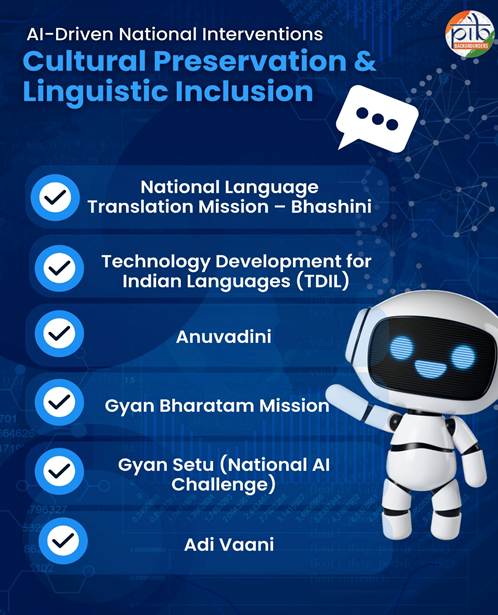
- 10 Feb 2026
In News:
India is increasingly leveraging Artificial Intelligence (AI) as a strategic instrument for preserving cultural heritage, strengthening linguistic diversity and enabling inclusive development. Recent policy initiatives reflect a shift from passive archival preservation to active cultural participation, positioning AI as “Technology for Humanity”.
Rationale: Cultural Diversity and Digital Inclusion
India’s linguistic landscape is vast and complex. As per Census 2011, India has 22 Scheduled languages and 99 Non-Scheduled languages, besides hundreds of tribal and mother tongues. This diversity, while culturally enriching, has historically created barriers in digital access, governance and knowledge dissemination.
AI is being deployed to bridge these divides by enabling multilingual access, voice-based interaction and enhanced discoverability of cultural and knowledge assets.
Language as Digital Public Infrastructure
BHASHINI (National Language Translation Mission)
Launched in 2022, BHASHINI functions as a foundational multilingual AI infrastructure.
Key data:
- Supports voice services in 22 languages
- Provides text services in 36 languages
- Hosts 350 AI models and datasets
- Has processed over 4 billion language inferences
BHASHINI demonstrated real-time translation at Kashi Tamil Sangamam 2.0 and powered the multilingual “Kumbh Sah’AI’yak” chatbot at Maha Kumbh 2025, providing assistance in 11 languages.
Technology Development for Indian Languages (TDIL)
TDIL laid the groundwork for:
- OCR for Indian s
- Machine translation
- Speech-to-text and text-to-speech systems
It enabled scalable Indian language computing and supports platforms like BHASHINI.
Anuvadini (AICTE)
An AI-driven multilingual translation platform that:
- Translates technical and academic textbooks
- Strengthens Indian languages as mediums of higher education
- Integrates with repositories like e-KUMBH
AI for Cultural Heritage and Knowledge Systems
Gyan Bharatam Mission (2024–31)
- Approved outlay: ?482.85 crore
- Over 44 lakh manus documented in the Kriti Sampada repository
- Uses AI-based Handwritten Text Recognition (HTR) and metadata extraction
- Aims to create a National Digital Repository
This marks a transition from physical archives to shared digital access.
Gyan-Setu National AI Challenge
Focused on:
- Manu digitisation
- deciphering
- Knowledge dissemination
It generated deployable AI prototypes for heritage preservation.
Adi Vaani (Tribal Language Platform)
- Covers languages such as Santali, Bhili, Mundari and Gondi (beta phase)
- Enables real-time translation and speech tranion
- Supports subtitling of public advisories in tribal languages
This addresses the challenge of low-resource language datasets and oral traditions.
Economic Empowerment and Cultural Participation
AI is integrating artisans into digital value chains by:
- Enabling multilingual catalogues for GI-tagged products
- Providing voice-based digital interfaces for low-literacy users
- Supporting AI-based tagging for authenticity and provenance
This enhances market access while preserving cultural identity.
Key Challenges
- Digital literacy and infrastructure gaps in rural and tribal regions
- Limited datasets for endangered languages
- Manus held in private collections
- Authenticity and intellectual property concerns
- Need for offline-capable AI systems
Way Forward
Policy discourse, including NITI Aayog’s recommendations, emphasises:
- Expanding language AI as core digital public infrastructure
- Developing open-source AI models
- Creating verifiable digital credentials for artisans
- Promoting multi-stakeholder collaboration
Conclusion
With initiatives such as BHASHINI (2022) and the ?482.85 crore Gyan Bharatam Mission (2024–31), India is institutionalising AI as a guardian of its civilisational heritage. By aligning technological progress with linguistic inclusion and livelihood generation, India is transforming AI from a tool of automation into an instrument of cultural resilience and social empowerment.
AI Impact Summit 2026

- 09 Feb 2026
In News:
India will host the AI Impact Summit 2026, marking the first time a major global AI governance forum is being held in the Global South. The summit represents a significant shift in the international discourse on artificial intelligence, from narrow concerns of safety and regulation to broader questions of development, equity, and long-term societal impact.
Evolution of Global AI Governance Forums
The New Delhi summit builds upon a sequence of international engagements on AI governance. The Bletchley Park AI Safety Summit (2023) primarily focused on identifying catastrophic AI risks and resulted in the Bletchley Declaration. The Seoul Summit (2024) expanded the agenda to include innovation and inclusivity, while the Paris AI Action Summit (2025) shifted attention towards implementation and economic opportunities. Each phase has progressively widened the scope from risk containment to practical deployment. India’s summit seeks to carry this evolution forward by anchoring AI governance in developmental priorities.
India’s Distinctive Vision
Unlike earlier summits dominated by regulatory anxieties of advanced economies, India is framing the conversation around “People, Planet, and Progress.” The focus is on deploying AI solutions to address real-world challenges such as employment transitions, sustainability, and service delivery—especially in developing countries. This approach reflects India’s dual identity: an emerging AI power and a representative voice of the Global South seeking a more equitable share in the global AI value chain.
Scale, Participation and Agenda
Described by Union IT Minister Ashwini Vaishnaw as the largest such gathering so far, the summit is expected to witness participation from over 100 countries, including 15–20 heads of government, 50+ ministers, and 40+ CEOs of leading global and Indian technology firms. Narendra Modi will inaugurate the event and engage with global industry leaders through a CEO roundtable.
The summit will follow a multi-stakeholder format, bringing together governments, industry, researchers, civil society, and international institutions. Working groups will deliberate on AI’s impact on jobs, trust and safety frameworks, and sector-specific applications across healthcare, industry, and governance.
India’s Domestic AI Push
A key feature of the summit will be the launch of indigenous AI language models under the IndiaAI Mission (?10,370 crore), including both foundational and small language models. The event will also showcase over 500 AI startups and host around 500 parallel sessions, underscoring India’s ambition to emerge as a global AI innovation hub.
Geopolitics and China’s Participation
India has extended an invitation to China, signalling a pragmatic approach to AI governance despite geopolitical sensitivities. China’s participation follows precedents set at earlier summits and coincides with signs of easing bilateral tensions, such as the resumption of direct flights and partial relaxation of rare-earth export restrictions affecting Indian manufacturers. The summit’s non-binding, host-driven format allows India strategic flexibility in shaping participation.
Structural Constraints: Hardware and Energy
Despite its ambitions, India faces critical constraints. The absence of domestically manufactured advanced computing hardware, particularly GPUs, limits AI self-reliance. Prospective gains from an interim India–US tech trade deal and tax holidays for data centres aim to mitigate this gap. Energy requirements pose another challenge, with the government exploring nuclear power as a long-term solution for energy-intensive AI data centres.
Conclusion
The AI Impact Summit 2026 represents India’s attempt to redefine global AI governance through a development-first lens. By aligning technology with inclusivity, sustainability, and economic opportunity, India seeks not only a larger share of the AI pie but also a more representative and balanced global AI order, one that reflects the aspirations and constraints of the developing world.
Denotified Tribes and the Quest for Constitutional Recognition
- 08 Feb 2026
In News:
The renewed demand by Denotified, Nomadic and Semi-Nomadic Tribes (DNTs) for constitutional recognition and a separate column in the 2027 Census has brought long-standing issues of historical injustice, administrative invisibility and socio-economic exclusion back into national focus. These demands are not merely symbolic; they seek to correct structural gaps that have persisted since the colonial era.
Historical Background
Denotified Tribes are communities that were once labelled as “criminal tribes” under the colonial Criminal Tribes Act, 1871. The law empowered the British administration to brand entire communities as criminal by birth, subjecting them to constant surveillance, restricted mobility and deep social stigma. Amendments in 1924 further institutionalised this discrimination. After Independence, the Act was repealed in 1952 and the affected communities were officially “denotified”. However, the removal of the legal label did not erase entrenched prejudice. The stigma of criminality continued through policing practices, social exclusion and economic marginalisation.
Socio-Economic Conditions
Today, DNTs remain among the most deprived sections of Indian society. Many follow nomadic or semi-nomadic lifestyles, which severely limits access to land ownership, stable housing, ration cards, caste certificates and welfare schemes. Educational indicators are particularly alarming, with studies and official committees reporting extremely low literacy and school completion rates in several DNT communities. Livelihoods are often confined to informal labour, traditional occupations or seasonal migration, exposing them to exploitation, insecure incomes and lack of social protection.
Administrative Classification Gaps
Unlike Scheduled Castes (SCs) and Scheduled Tribes (STs), DNTs do not enjoy a dedicated constitutional schedule. Over time, some communities were absorbed into SC, ST or OBC categories, while others were left completely unclassified. The Idate Commission (2017) identified around 1,200 denotified, nomadic and semi-nomadic communities, of which nearly 267 were not included in any constitutional category. Even those included within SC, ST or OBC lists often struggle to access benefits due to competition with relatively better-off groups. The absence of reliable population data has resulted in policy invisibility and weak targeting of welfare measures.
Government Measures and Their Limits
The Union government has introduced schemes such as the Scheme for Economic Empowerment of DNTs (SEED), covering education, health insurance, housing and livelihood support. However, implementation has been weak. Between 2020 and 2025, actual expenditure under SEED remained far below allocations, largely due to the absence of proper DNT certification by States and Union Territories. This highlights governance and delivery failures rather than lack of need.
Current Demands and Significance
In the context of the 2027 Census, DNT communities have demanded a separate Census column and code to ensure explicit enumeration. The Ministry of Social Justice and Empowerment has recommended their inclusion to the Office of the Registrar General of India, which has agreed in principle. However, community leaders argue that inclusion without a distinct category risks continued statistical erasure.
There is also a growing call for constitutional recognition through a separate Schedule, similar to SCs and STs. Additionally, demands for sub-classification within DNTs seek to acknowledge graded backwardness between settled and nomadic groups, drawing support from recent Supreme Court of India judgments permitting sub-classification within reserved categories.
Way Forward
A separate Census entry would generate credible population data, enabling targeted welfare policies, adequate budgetary allocation and improved political representation. Constitutional recognition would acknowledge historical injustice and provide a firm legal basis for affirmative action. Without these reforms, Denotified Tribes risk remaining trapped between categories—unable to compete within existing reservation frameworks, yet lacking an identity of their own. Addressing their demands is thus essential to fulfilling the constitutional promise of equality, dignity and social justice.
Rat-Hole Mining Tragedy in Meghalaya
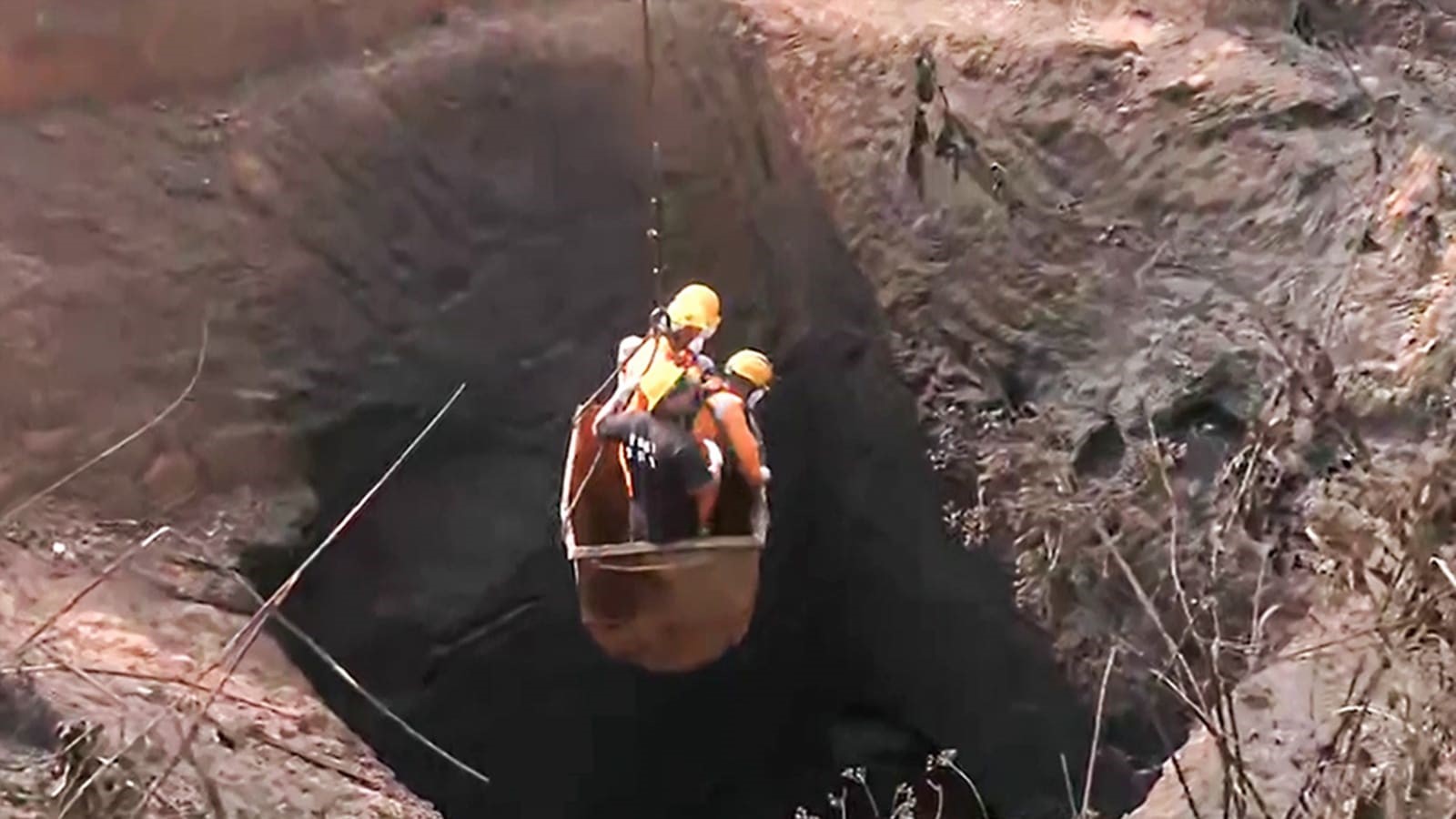
- 07 Feb 2026
In News:
The recent explosion in an illegally operating rat-hole coal mine in East Jaintia Hills district, Meghalaya, which claimed 25 lives, is not an isolated accident but a tragic manifestation of systemic governance and regulatory failure. Despite a clear ban on rat-hole mining by the National Green Tribunal (2014) and its subsequent affirmation by the Supreme Court, the practice continues unabated, exposing deep-rooted institutional apathy, weak enforcement, and socio-economic vulnerability.
Nature of the Incident
The blast occurred in the remote Thangkso area, characterised by poor connectivity and difficult terrain. Rescue operations by the NDRF, SDRF and Special Rescue Teams revealed the hazardous mine structure: five vertical shafts nearly 100 feet deep, branching into narrow horizontal tunnels measuring barely 2 feet by 3 feet, forcing miners to crawl. Several bodies were recovered up to 350 feet inside these tunnels. Rescue efforts were severely constrained by water accumulation, mudslides, dripping-induced rockfalls and extremely confined spaces-conditions that underline the inherent dangers of rat-hole mining.
Rat-Hole Mining: Structural and Environmental Concerns
Rat-hole mining is a primitive method involving manual extraction of coal through narrow pits and tunnels. It persists in Meghalaya due to community and private land ownership patterns under the Sixth Schedule, which are often exploited to bypass regulatory oversight. The practice violates the Mines and Minerals (Development and Regulation) Act, 1957, and causes severe environmental damage, including acid mine drainage, water contamination, land subsidence and biodiversity loss. Crucially, it operates without any worker safety mechanisms, making fatalities almost inevitable.
Legal and Administrative Dimensions
Following the incident, FIRs were registered under culpable homicide, the MMDR Act, and the Explosive Substances Act, with two mine owners arrested. Judicial oversight has been persistent: the Justice (Retd.) B.P. Katakey Committee, appointed by the Meghalaya High Court, has repeatedly flagged widespread illegal mining, particularly in East Jaintia Hills. Its findings are alarming-over 22,000 illegal mine openings in the district alone and more than 25,000 across Meghalaya. The High Court itself has remarked that “no one in the state, except the court, is taking the issue very seriously.”
A Pattern, Not an Aberration
This tragedy follows earlier disasters: the 2018 Ksan incident where 15 miners drowned, and the Umpleng incident that killed five. Such recurring fatalities point to a systemic regulatory collapse, not isolated lapses. Governance deficits, local complicity, informal protection networks, and lack of political will have allowed illegal mining to thrive.
Key Challenges Highlighted
- Governance failure: Weak enforcement of judicial orders and lack of accountability.
- Terrain and accessibility: Remote, difficult geography impedes regulation and rescue.
- Informal labour exploitation: Migrant and economically vulnerable workers operate without contracts, insurance or social security.
- Disaster management gaps: Absence of early-warning systems and monitoring in hazardous informal sectors.
- Constitutional complexity: Sixth Schedule autonomy and community land ownership create regulatory ambiguities.
Way Forward
A multi-pronged response is imperative:
- Strict enforcement and monitoring using satellite surveillance and independent mining regulators.
- Institutional accountability, fixing responsibility of district officials with time-bound compliance reporting.
- Formalisation of mining, introducing regulated, scientific alternatives alongside alternative livelihood programmes.
- Environmental restoration through mine-closure plans and application of the Polluter Pays Principle.
- Worker safety frameworks, ensuring compliance with labour laws, insurance coverage and community awareness.
Conclusion
The Meghalaya rat-hole mining tragedy is a stark reminder that judicial bans alone cannot substitute for effective governance. The continued loss of lives reflects a failure to uphold the right to life (Article 21) and the duty to protect the environment (Article 48A). Unless systemic reforms replace episodic reactions, such disasters will continue to recur, turning governance neglect into a persistent human and ecological crisis.
Carbon Capture, Utilisation and Storage (CCUS) in India
- 06 Feb 2026
In News:
The Union Budget’s allocation of Rs. 20,000 crore over five years for Carbon Capture, Utilisation and Storage (CCUS) marks a significant policy intervention to address emissions from India’s hard-to-abate industrial sectors. The move reflects a strategic recognition that achieving India’s net-zero emissions target by 2070 will not be possible through renewable energy transition alone, especially amid continued industrialisation and infrastructure expansion.
Understanding CCUS
CCUS refers to a suite of technologies that aim to prevent carbon dioxide (CO2)—the principal driver of climate change from entering the atmosphere. The process involves:
- Capturing CO2 from industrial processes such as cement, steel, power generation, refineries and chemicals
- Transporting CO2 through pipelines or other means
- Storing CO2 securely in deep geological formations, or
- Utilising CO2 by converting it into fuels, chemicals or construction materials
Importantly, CCUS is not a single technology but a value chain involving diverse capture methods, materials, transport systems and storage solutions.
Global Status and Climate Relevance
Although CCUS technologies have existed for decades, global deployment has been limited due to high costs, safety concerns, and scale-up challenges. Currently, only about 50 million tonnes of CO2 are captured annually worldwide—less than 0.5% of global emissions of nearly 40 billion tonnes.
However, with global emissions remaining stubbornly high, climate assessments increasingly agree that there is no credible pathway to limiting global warming or achieving net-zero by 2050 without large-scale CCUS adoption. Consequently, CCUS projects are expanding mainly in the United States, Europe and China.
India’s CCUS Journey
India’s CCUS push gained momentum after it announced its net-zero by 2070 commitment at the 2021 Glasgow climate summit. Since then:
- Pilot and demonstration projects have begun in the steel, cement and chemical sectors
- Potential large-scale capture and geological storage sites have been mapped
- Dedicated Centres of Excellence, such as at Indian Institute of Technology Bombay and Jawaharlal Nehru Centre for Advanced Scientific Research, are leading indigenous research
While the underlying science of CCUS is well understood, significant innovation is still required in engineering design, materials, transport logistics and storage safety to make systems affordable, efficient and scalable under Indian conditions.
Policy and R&D Roadmap
In December, the Department of Science and Technology released a CCUS R&D Roadmap for 2030, identifying key technology, financing and policy bottlenecks that have slowed adoption. A major gap highlighted was the lack of funding for field-level testing and scale-up, where commercial risks are highest.
Significance of the Rs. 20,000 Crore Budget Allocation
The five-year budgetary support is designed to:
- Bridge the “valley of death” between laboratory success and commercial deployment
- Raise technology readiness levels of CCUS systems
- Enable scale-up to capture or store 100–500 tonnes of CO2 per day, which is necessary for economic viability
Experts expect that this funding could allow multiple CCUS technologies to reach commercial deployment within five years, transforming India’s industrial decarbonisation landscape.
Economic and Strategic Benefits
CCUS is particularly critical for hard-to-abate sectors such as cement and steel, where:
- A majority of CO2 emissions arise from chemical processes, not fuel combustion
- Renewable electricity alone cannot eliminate emissions
Accordingly, CCUS represents the only viable large-scale decarbonisation route for these industries.
The Budget explicitly targets CCUS applications in power, steel, cement, refineries and chemicals, which together account for the bulk of India’s industrial emissions.
From a trade perspective, CCUS adoption can help Indian exporters navigate emerging carbon-based trade barriers, such as the Carbon Border Adjustment Mechanism (CBAM) of the European Union. Lower embedded emissions would enhance the global competitiveness of Indian products.
Challenges Ahead
Despite strong policy intent, several challenges remain:
- High upfront capital costs and uncertain returns
- Need for long-term monitoring and liability frameworks for CO2 storage
- Limited transport infrastructure for captured CO2
- Regulatory clarity on ownership and responsibility for stored carbon
Addressing these issues will require coordinated action across ministries, industry, academia and financial institutions.
Conclusion
The Rs. 20,000 crore CCUS allocation represents a structural shift in India’s climate strategy, acknowledging the limits of energy transition alone and embracing industrial decarbonisation technologies. If effectively implemented, CCUS can reconcile India’s development imperatives with its climate commitments, safeguard export competitiveness, and enable a credible pathway towards net-zero by 2070. Sustained policy support, technological innovation and regulatory certainty will determine whether this budgetary push translates into long-term climate and economic gains.
Death Penalty in India
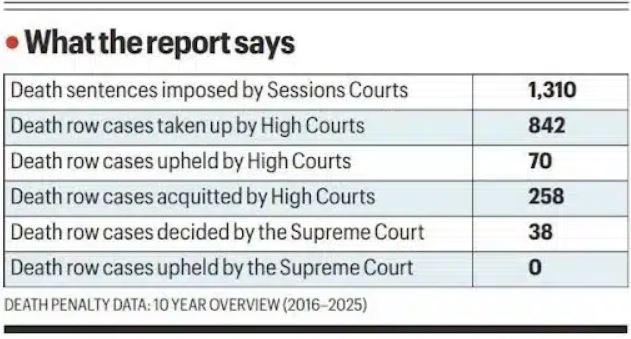
- 05 Feb 2026
In News:
A decade-long empirical study (2016–2025) by the Square Circle Clinic in collaboration with NALSAR University of Law highlights deep systemic flaws in the administration of the death penalty in India. The findings have renewed debate on due process, fairness in sentencing, and the constitutional limits of capital punishment, making the issue central to discussions on criminal justice reform.
Legal and Constitutional Framework
The death penalty remains legally valid in India but is restricted to the “rarest of rare” cases under criminal law, now reflected in the Bharatiya Nyaya Sanhita. A Sessions Court’s death sentence must be confirmed by the High Court, and further appeal lies before the Supreme Court.
Constitutionally, the punishment has been upheld as compatible with Article 21 (Right to Life) provided the procedure is fair, just and reasonable. Challenges under Articles 14 and 19 have also failed, though courts have insisted on strict procedural safeguards. Clemency powers under Article 72 allow the President to pardon or commute death sentences.
Judicial doctrine has evolved through landmark cases. In Jagmohan Singh (1973), the constitutionality of the death penalty was upheld. In Bachan Singh (1980), the Supreme Court introduced the “rarest of rare” doctrine, later elaborated in Machhi Singh (1983). In Mithu v. State of Punjab (1983), mandatory death penalties were struck down as unconstitutional, reinforcing the need for judicial discretion and individualized sentencing.
Key Findings of the 2016–2025 Study
The study reveals a stark contrast between trial courts and appellate courts. Over the last ten years, trial courts imposed more than 1,300 death sentences, yet High Courts confirmed only about 70. Of these, the Supreme Court upheld none in the cases it decided. Instead, acquittals and commutations dominate appellate outcomes.
In 2025 alone, Sessions Courts awarded 128 death sentences in 94 cases. High Courts overturned nearly 90% of the sentences they reviewed. The Supreme Court acquitted accused persons in over half of the cases it decided that year. Such trends indicate not isolated errors but a systemic pattern of erroneous or unjustified convictions at the trial stage.
Despite low confirmation rates, India’s death row population stood at 574 persons as of December 31, 2025 — the highest since 2016. This paradox reflects frequent sentencing at the trial level combined with prolonged appellate processes.
Due Process and Evolving Supreme Court Jurisprudence
The Supreme Court has increasingly emphasised procedural safeguards in capital sentencing. In 2022, it mandated that trial courts must consider psychological evaluations, probation officer reports, and prison conduct records before imposing death.
In Vasanta Sampat Dupare v. Union of India (2025), the Court declared that sentencing hearings are an essential part of a fair trial under Articles 14 and 21. Non-compliance with the 2022 guidelines was treated as a constitutional violation, enabling reopening of sentencing even after appeals were exhausted. This marks a shift toward mitigation-centred and rights-oriented sentencing.
Persistent Failures at the Trial Court Level
The study shows that in 2025, Sessions Courts failed to comply with the Supreme Court’s sentencing guidelines in over 95% of cases. Sentencing hearings were often conducted on the same day as conviction or within a few days, leaving no time to gather mitigating evidence. This haste undermines individualized sentencing and increases the risk of wrongful convictions.
Emerging Concern: Life Imprisonment Without Remission
As appellate courts commute death sentences, they increasingly impose life imprisonment without remission or fixed long-term sentences. The report cautions that this category lacks a clear statutory framework and may be arbitrary. Such sentences, by removing the possibility of release, raise concerns about human dignity and the right to hope under Article 21.
Legislative–Judicial Disconnect
While the higher judiciary has grown cautious in confirming death sentences, legislative bodies have expanded the list of capital offences over the past decade. This divergence highlights tension between retributive legislative trends and rights-based judicial scrutiny.
Socio-Legal Patterns
Death row populations are concentrated in a few states, with Uttar Pradesh having the highest numbers, followed by Gujarat, Haryana, Maharashtra, Kerala, and Karnataka. Women constitute a small but notable proportion of death row inmates. Most death sentences arise from murder cases, including those involving sexual offences.
Way Forward
Reform must focus on strengthening trial-level due process, enforcing Supreme Court guidelines, improving legal aid, and building judicial capacity on mitigation and sentencing. A statutory framework is needed to regulate life imprisonment without remission. Aligning legislative policy with constitutional values of proportionality, fairness, and dignity is essential.
Conclusion
The study underscores that wrongful death penalty convictions in India are systemic rather than accidental. Although appellate courts increasingly act as safeguards of constitutional rights, persistent procedural lapses at the trial stage undermine justice. In a constitutional democracy, the legitimacy of capital punishment depends not merely on its legality but on scrupulous adherence to fairness, due process, and human dignity.
Union Budget 2026–27: Charting India’s Path to Growth, Inclusion and Resilience
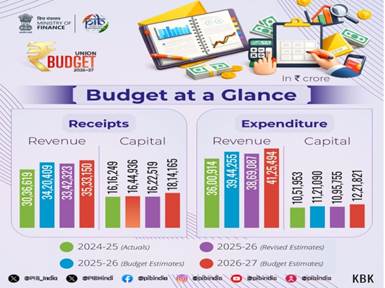
- 04 Feb 2026
In News:
The Union Budget 2026–27 was presented in Parliament by the Nirmala Sitharaman, marking her ninth consecutive Budget and the first to be prepared in Kartavya Bhawan. The fiscal blueprint is structured around three core duties or “Kartavyas” that reflect the government’s strategic priorities: accelerating and sustaining economic growth, building human capacities and fulfilling aspirations, and ensuring inclusive development across regions and communities. This framework signals an integrated approach to achieve Viksit Bharat by 2047 amid global uncertainties and domestic structural challenges.
Macro-Fiscal Framework and Priorities
For the financial year 2026–27, the Budget projects total expenditure at ?53.5 lakh crore, with non-debt receipts estimated at ?36.5 lakh crore and net tax receipts at ?28.7 lakh crore. The fiscal deficit is targeted at 4.3% of GDP, marginally lower than the revised estimate of 4.4% for 2025–26, underscoring a continued commitment to fiscal consolidation. The debt-to-GDP ratio is projected to decline to 55.6%, indicating gradual improvement in fiscal metrics.
First Kartavya: Growth, Competitiveness and Infrastructure
The Budget places strong emphasis on strengthening India’s growth engine through investment-led strategies and sector-specific interventions. Public capital expenditure is significantly enhanced to ?12.2 lakh crore, reinforcing the infrastructure build-out across transport, logistics, waterways and urban connectivity. Seven high-speed rail corridors are proposed as growth connectors, while 20 new national waterways are slated to be operational in the coming five years.
Manufacturing and strategic sectors receive focused support. The Biopharma SHAKTI initiative, with an outlay of ?10,000 crore, aims to position India as a global biopharmaceutical hub. The India Semiconductor Mission 2.0 and expanded electronics components manufacturing scheme are designed to enhance technological sovereignty and supply chain resilience. Rare earth corridors in mineral-rich states will facilitate mining, processing and value chain development. Initiatives such as the Textile Expansion and Employment Scheme and Mega Textile Parks will boost traditional and technical textiles through cluster-based financing and technology upgradation.
Special focus is accorded to legacy industry revival, with targeted schemes to modernise 200 industrial clusters, and to developing Champion SMEs backed by a ?10,000 crore growth fund. Infrastructure risk mitigation funds and monetisation of CPSE real estate are expected to catalyse private investment.
Second Kartavya: Human Capital and Aspirational Growth
The second Kartavya underscores investment in human capital. A High-Powered Education–Employment–Enterprise Standing Committee will align skill development with employment outcomes, particularly in services and future sectors. New allied health institutions and regional medical hubs are proposed to strengthen healthcare capacity and position India as a medical tourism destination. Traditional systems of medicine will be reinforced with new institutes for Ayurveda.
Education infrastructure will be expanded with university townships near industrial corridors and girls’ hostels across districts to improve access and equity. Creative industries under the Orange Economy will be catalysed through AVGC labs in schools and colleges, targeting employment generation in animation, gaming and visual effects.
Third Kartavya: Inclusive Development and Last-Mile Participation
Inclusivity is central to the third Kartavya. Major schemes are unveiled to boost farm incomes, including integrated development of reservoirs, a Coconut Promotion Scheme and Bharat-VISTAAR, an AI-enabled multilingual platform to improve agricultural decision-making. Efforts to empower divyangjan through skilling initiatives and the expansion of mental health infrastructure, including NIMHANS-2, reflect a broader social inclusion agenda.
Regional disparities are addressed through targeted infrastructure in Purvodaya States and the North-East, including tourism circuits and e-buses to enhance sustainable connectivity. Fiscal transfers through the 16th Finance Commission amount to ?1.4 lakh crore, reinforcing cooperative federalism.
Conclusion
The Union Budget 2026–27 balances growth imperatives with inclusive outcomes, reinforcing infrastructure, manufacturing, human capital, and regional equity. Anchored in the Three Kartavyas, it strives to consolidate India’s macroeconomic stability while enabling citizens to actively participate in and benefit from the development process.
Delhi Declaration 2026
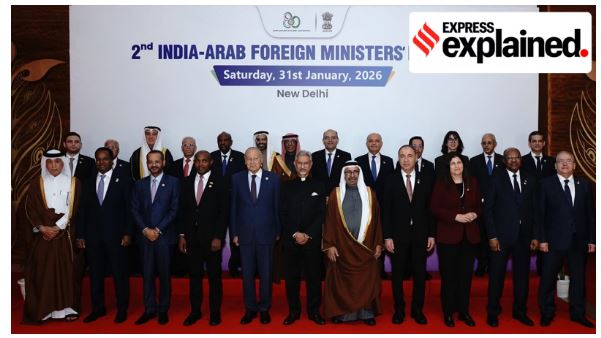
- 03 Feb 2026
In News:
The Delhi Declaration emerged from the second India–Arab Foreign Ministers’ Meeting hosted by India, which brought together all 22 members of the League of Arab States a decade after their first ministerial dialogue. Convened amid intensifying regional rivalries and conflict, the declaration clarifies where India and Arab states align and where they prefer strategic silence. It underscores India’s calibrated West Asia policy: norm-based, stability-oriented, and carefully balanced across competing power centres.
Support for Sovereignty and Recognised Governments
A central theme is the reaffirmation of the sovereignty, unity, and territorial integrity of conflict-affected states such as Sudan, Libya, and Somalia. By rejecting external interference and backing internationally recognised governments, India and Arab partners signal a preference for order over fragmentation. This stance places New Delhi closer to the mainstream Arab position that favours reconciliation and state institutions, rather than legitimising parallel authorities or breakaway entities.
Yemen and Maritime Security
On Yemen, the declaration explicitly condemns attacks on Red Sea navigation and reiterates support for Yemen’s unity. The sharper language on maritime security reflects shared concern over trade disruptions and aligns India with a stability-first approach in a theatre marked by proxy competition. For India—heavily dependent on energy imports and sea lanes, secure shipping is a core national interest.
Cautious Engagement on Syria
The text is restrained on Syria, limiting references to counter-terrorism against the Islamic State. This mirrors India’s low-key, diplomatic engagement with evolving political realities in Damascus while avoiding premature endorsement of any faction. The emphasis remains on counter-terror cooperation and humanitarian stability rather than regime politics.
Israel–Palestine: Norms over New Frameworks
Instead of endorsing novel diplomatic architectures, the declaration backs the long-standing Arab Peace Initiative (2002), land for peace, with a Palestinian state based on pre-1967 lines alongside Israel. While supporting efforts to end violence in Gaza, India and Arab states stop short of embracing any new, sweeping blueprint. The reiteration of Palestinian sovereignty reflects continuity in India’s position, even as it maintains strong bilateral ties with Israel.
Strategic Silence on Iran
Notably absent is any direct reference to escalating U.S.–Iran tensions. This omission appears deliberate, allowing capitals to manage sensitive bilateral equations without public positioning. For India, which seeks to preserve energy ties and connectivity options while navigating sanctions exposure, discretion helps sustain diplomatic flexibility.
Economic and Institutional Pillars
Beyond geopolitics, the declaration advances cooperation across five institutional pillars—economy, energy, education, media, and culture, first framed in 2002. With India–Arab trade exceeding $240 billion, economic interdependence anchors the partnership. Energy security, diaspora linkages, and cultural exchanges add durable ballast to political dialogue.
What It Reveals About India’s West Asia Policy
The Delhi Declaration crystallises India’s approach: engage all sides, avoid zero-sum alignments, and privilege internationally recognised norms that reduce conflict spillovers. Partnerships remain transactional and compartmentalised, ensuring that deep bilateral ties do not translate into bloc politics. In a region of fluid rivalries, India positions itself as a steady, pragmatic actor—supporting sovereignty, maritime security, and incremental diplomacy while leaving space to manoeuvre on the most combustible fault lines.
India–EU Free Trade Agreement
- 01 Feb 2026
In News:
After nearly two decades of intermittent negotiations, India and the European Union have concluded talks on a comprehensive Free Trade Agreement (FTA). Often termed the “mother of all deals,” the agreement reflects both the scale of economic engagement and the careful balancing of ambition with domestic sensitivities.
Why the India–EU FTA Is So Significant
The agreement links two major economic blocs, India, one of the world’s fastest-growing large economies, and the EU, one of the largest integrated markets. The EU accounts for nearly 12% of India’s total trade, making it a more significant partner than many of India’s recent FTA counterparts combined.
Bilateral merchandise trade has crossed $136 billion, while services trade stands above $80 billion, underlining the strategic depth of economic interdependence. Given Europe’s high purchasing power and regulatory influence, deeper access to this market holds structural importance for India’s export-led growth strategy.
What India Gains
1. Near-Complete Tariff Elimination on Exports: The EU will remove duties on a vast majority of tariff lines, covering almost the entire value of India’s exports. Immediate tariff elimination on a large share of goods, along with phased reductions on others, provides Indian exporters with predictable and preferential market access.
2. Boost to Labour-Intensive Sectors: Sectors such as textiles, apparel, leather, footwear, marine products, toys, sports goods, and gems & jewellery, which employ large workforces, stand to gain significantly. These industries often face high EU tariffs, and their removal improves price competitiveness, especially at a time when access to other markets like the US faces uncertainties.
3. Agricultural and Processed Food Access: Products like tea, coffee, spices, grapes, fruits, vegetables, and processed foods gain improved access, benefiting India’s agri-export diversification strategy.
4. Services Market Openings: The EU has expanded commitments across numerous services sectors, including IT/ITeS, professional services, education, and business services. This strengthens India’s position as a global services hub.
What India Concedes
1. Tariff Liberalisation with Safeguards: India has agreed to reduce or eliminate tariffs across most tariff lines, but largely through phased reductions and quota mechanisms to protect sensitive domestic sectors.
2. Automobiles and Wine: High duties on European wine and automobiles will be gradually reduced, but only within strict quota limits. Mass-market vehicles and cheaper wines remain protected, indicating India’s calibrated approach to liberalisation.
Sensitive Sectors Kept Outside
India excluded politically sensitive agricultural sectors such as dairy, poultry, beef, cereals, edible oils, and tobacco. The EU also shielded certain products like sugar, rice, milk powder, and poultry, highlighting mutual protection of vulnerable sectors.
Key Challenges and Unresolved Issues
- Carbon Border Adjustment Mechanism (CBAM): The EU’s CBAM, which imposes carbon-linked costs on imports, remains a concern for Indian exporters in carbon-intensive sectors. Although India secured assurances of equal treatment, CBAM could erode some tariff advantages unless domestic industry transitions toward greener production.
- Domestic Reform Imperative: To fully benefit, India must improve logistics, regulatory certainty, contract enforcement, and infrastructure. Without complementary domestic reforms, preferential market access may not translate into sustained export expansion.
Strategic Significance
Beyond trade, the FTA strengthens India–EU ties in a period of geopolitical and supply chain realignment. It supports:
- Diversification away from overdependence on single markets
- Integration into global value chains
- Greater collaboration in technology, sustainability, and standards
Conclusion
The India–EU FTA represents a structural shift in India’s trade policy—from cautious protectionism toward calibrated integration with major advanced markets. While the agreement opens vast opportunities for exports and services, its ultimate success will depend on India’s ability to enhance domestic competitiveness and navigate emerging regulatory challenges such as CBAM.
Union Budget 2026–27: Growth, Inclusion and Structural Transformation
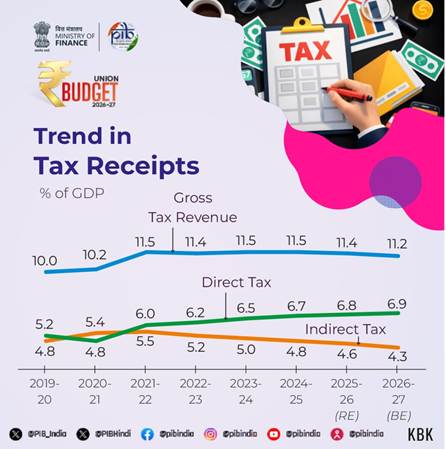
- 02 Feb 2026
In News:
The Union Budget 2026–27 is anchored in a threefold developmental framework accelerating economic growth, building human capacity, and ensuring inclusive participation. At a time when the global economy faces supply chain realignments, technological disruption, and resource insecurity, the Budget attempts to position India as a resilient, innovation-driven, and socially inclusive economy.
I. Growth Strategy: Investment-Led and Technology-Driven
A defining feature of the Budget is the continued emphasis on public capital expenditure, raised to ?12.2 lakh crore. This reinforces the government’s belief that infrastructure spending crowds in private investment, enhances productivity, and generates employment.
The push spans:
- High-speed rail corridors and freight infrastructure
- Expansion of National Waterways for cost-effective logistics
- Development of City Economic Regions (CERs) to leverage urban agglomeration benefits
These measures reflect a shift from isolated project-based development to integrated regional growth planning.
The Budget also promotes strategic manufacturing and high-technology sectors. The Biopharma SHAKTI initiative (?10,000 crore outlay) aims to develop domestic capabilities in biologics and biosimilars, reducing import dependence while addressing India’s rising non-communicable disease burden. This aligns with the broader push toward knowledge-intensive industrialisation.
Simultaneously, the ?10,000 crore SME Growth Fund recognises MSMEs as drivers of employment and innovation, moving beyond survival support toward scaling globally competitive firms.
II. Human Capital: From Demographic Dividend to Skilled Workforce
The Budget acknowledges that economic growth without skill formation risks jobless expansion. Hence, it invests in education, skilling, and sector-specific workforce creation.
- AVGC labs in schools and colleges support India’s emerging digital content industry.
- Establishment of girls’ hostels in STEM districts addresses gender gaps in higher education.
- A National Institute of Hospitality and guide training scheme link skilling with tourism-led growth.
Healthcare is treated not only as welfare but also as an employment-intensive care economy. The proposal for Regional Medical Hubs integrates healthcare delivery, research, and medical tourism, positioning India as a global health services destination.
III. Inclusive Growth and Social Sector Interventions
The third pillar of the Budget centres on inclusion. Schemes such as Bharat VISTAAR, an AI-based multilingual agricultural advisory, aim to democratise digital infrastructure for farmers, thereby reducing information asymmetry and climate risk.
Similarly, SHE-Marts build on SHG-based mobilisation to promote women’s entrepreneurship, signalling a shift from credit access to market integration and enterprise ownership.
Mental health infrastructure expansion, regional development in the Northeast, and targeted tourism circuits indicate an attempt to address geographical and social imbalances.
IV. Fiscal Prudence with Growth Orientation
Despite higher expenditure, fiscal consolidation remains on track:
- Fiscal deficit projected at 4.3% of GDP
- Debt-to-GDP ratio on a declining trajectory
This suggests a calibrated approach where growth-enhancing capex is prioritised while maintaining macroeconomic credibility.
V. Tax Reforms: Simplification and Competitiveness
The introduction of the New Income Tax Act (2025) aims to simplify compliance and reduce litigation. Rationalisation of penalties, decriminalisation of minor offences, and automated safe harbour provisions for IT services improve the ease of doing business.
In a bid to attract global capital, tax incentives for data centres, cloud services, and non-resident investors indicate a strategy to integrate India into global value chains in digital and high-tech domains.
VI. Trade Facilitation and Industrial Policy
Customs reforms reduce duties on inputs for critical minerals, clean energy, aviation, and pharmaceuticals, supporting domestic manufacturing. Digitisation of cargo clearance, AI-based risk assessment, and warehouse reforms enhance trade efficiency and logistics competitiveness.
Conclusion
The Union Budget 2026–27 reflects a structural transition in India’s development model—from consumption-led growth to investment, innovation, and inclusion-led expansion. By combining infrastructure investment, industrial policy, human capital formation, and digital governance, the Budget attempts to align short-term growth impulses with the long-term goal of Viksit Bharat. The key challenge lies in effective implementation and coordination with states, which will determine whether these ambitions translate into broad-based socio-economic transformation.
National Migration Survey 2026

- 18 Nov 2025
In News:
The Ministry of Statistics and Programme Implementation (MoSPI) has announced that a comprehensive National Migration Survey will be conducted between July 2026 and June 2027 under the National Sample Survey (NSS) framework. This marks the first dedicated migration-focused nationwide survey since the 64th NSS Round (2007–08) and aims to address the critical data gap that became particularly evident during the COVID-19 pandemic, when large-scale reverse migration exposed structural vulnerabilities in internal mobility systems.
Migration in India is a complex socio-economic phenomenon driven largely by employment, marriage, education, and search for better living conditions. As per the PLFS 2020–21, nearly 28.9% of India’s population were migrants. Female migration dominates in rural areas (48%), largely due to marriage, while male migration is predominantly employment-led (67%). Major flows continue to be rural-to-urban and inter-state, especially from Bihar, Uttar Pradesh, Jharkhand, and Odisha towards industrial centres in Maharashtra, Gujarat, Delhi, Karnataka, and Tamil Nadu. Migration contributes significantly to India’s urbanisation, labour markets, and remittance-driven rural resilience, yet also presents challenges such as precarious employment, lack of social security portability, and inadequate housing in destination areas.
Objectives and Structure of the 2026 Survey
The survey will cover almost all states and union territories (excluding Andaman and Nicobar Islands due to logistical constraints). Its key objectives include generating reliable national and regional estimates of:
- Migration rates (rural-to-urban, inter-state, intra-state)
- Seasonal and short-term migration
- Socio-economic drivers (employment, education, marriage)
- Employment outcomes and earnings of migrants
- Return migration and post-migration welfare impacts
A significant conceptual revision introduced in this survey is the updated definition of short-term migration. A person staying away from the usual residence for 15 days to six months for work or job search will now be classified as a short-term migrant—compared to the earlier threshold of one to six months. This change aligns with emerging patterns of circular and temporary mobility linked to gig work, construction, and agricultural seasonality.
In contrast to earlier surveys that emphasised household migration, the new framework prioritisesindividual migration patterns, recognising that entire households rarely migrate together. The questionnaire also expands into new domains, including housing conditions, access to healthcare, local integration challenges, remittance behaviour, and intent for future relocation.
Relevance for Policy and Governance
MoSPI has emphasised that findings from the survey will inform evidence-based policymaking across multiple sectors. For urban development, migration data will support planning related to affordable housing, transportation, slum rehabilitation, and spatial infrastructure. In labour markets, such data can help identify sectoral skill shortages and improve workforce mobility. The survey will also guide the design of portable social protection frameworks, including ration cards, health insurance, pensions, and direct benefit transfers for migrant workers.
Furthermore, understanding remittance flows is crucial for rural development, as remittances bolster household consumption, education expenditure, and healthcare access. Migration data also supports regional planning by assessing demographic pressures in receiving states and labour shortages in sending areas.
Conclusion
The National Migration Survey 2026 represents a critical step in modernising India’s migration statistics architecture. By updating definitions, expanding coverage, and capturing short-term and circular migration, it will generate robust evidence to inform labour mobility policies, urbanisation strategies, and welfare systems. Importantly, it bridges a 19-year gap since the last dedicated migration survey, providing policymakers with timely data to design interventions that balance the opportunities and challenges posed by internal migration in a rapidly transforming economy.
QS Asia University Rankings 2026
- 08 Nov 2025
In News:
The QS World University Rankings: Asia 2026, released by QS Quacquarelli Symonds, highlight a paradox for Indian higher education. While absolute scores of Indian institutions have improved, nine of the top ten Indian universities—including seven IITs—have slipped in rankings, reflecting intensifying competition from East and Southeast Asia.
Key Highlights of QS Asia Rankings 2026
Top Asian Universities
- The University of Hong Kong secured the 1st rank, overtaking Peking University (China).
- National University of Singapore (NUS) and Nanyang Technological University (NTU) shared 3rd position.
- Dominance of Hong Kong, Mainland China, and Singapore in the top 10.
- Universities from South Korea and Malaysia entered the top 20, indicating regional upward mobility.
QS described the trend as a “clear eastward concentration of top performance”, driven by sustained investments in research and internationalisation.
Performance of Indian Institutions
Ranking Trends
- IIT Delhi remained India’s best-ranked institution for the second consecutive year but fell 15 places to rank 59.
- IIT Bombay recorded the steepest decline, dropping 23 places to rank 71.
- IIT Madras, Kanpur, and Kharagpur witnessed their lowest rankings in recent years.
- Chandigarh University emerged as the only Indian institution to improve, rising from 120 to 109.
Overall, 67% of Indian institutions featured in 2025 slipped in 2026 rankings, despite score improvements.
Reasons Behind India’s Relative Decline
1. Intensifying Regional Competition
- Universities in China, Hong Kong, Singapore, South Korea, and Malaysia outperformed India in:
- Research impact
- Faculty resources
- Global academic engagement
- Large-scale state-backed R&D investments and strong international collaboration networks boosted regional peers.
2. Expanded Ranking Scope
- 1,529 institutions ranked in 2026, with 552 new entrants.
- China added 261 institutions, India added 137, increasing volatility and competition.
- India now has 294 universities ranked, second only to China.
Decline in Key Performance Metrics for Indian Institutions
Research Impact (Citations per Paper)
- IIT Delhi: 31.5, IIT Bombay: 20.0, IIT Madras: 20.3
- Leading Asian universities score 90+, indicating higher global research visibility.
- Reflects fewer highly cited and internationally co-authored papers.
Faculty–Student Ratio
- IIT scores range from 16.5 (IIT Kharagpur) to 40.9 (IIT Delhi).
- Top Asian universities score in the 80–90 range.
- Indicates large class sizes and faculty shortages.
Internationalisation Indicators
- Poor performance in:
- International Student Ratio (ISR)
- International Faculty presence
- IIT ISR scores range from 2.5 to 12.3, compared to 100 for some global leaders.
- Structural disadvantage due to limited foreign student and faculty inflow.
Areas of Strength for Indian Institutions
Despite rank declines, Indian institutions perform strongly in:
- Academic reputation
- Employer reputation
- Staff with PhD
- Papers per faculty
These metrics consistently fall in the 80–90 score range, reflecting strong domestic credibility and teaching capacity.
Comparative Regional Trends
- China & Hong Kong: Sustained dominance through massive R&D funding and institutional autonomy.
- South Korea: Universities like Yonsei and Korea University show steady upward movement due to global partnerships.
- Malaysia: Institutions such as Universiti Malaya and Universiti Putra Malaysia improved through better faculty-student ratios and internationalisation.
Conclusion
The QS Asia Rankings 2026 underline a critical challenge for India: improving absolutely but falling relatively. As Asian peers surge ahead through research excellence and global engagement, India must bridge gaps in research impact, faculty resources, and internationalisation. Achieving the NEP 2020 vision is essential for transforming Indian universities into globally competitive, innovation-driven institutions.
Why Governments Revise GDP Base Year and Why India’s 2026 Revision Matters
- 20 Jun 2025
Context:
The Gross Domestic Product (GDP) is the most critical metric used to measure the size and performance of a country’s economy. The "base year" is the reference year against which future GDP growth is calculated. India’s current GDP base year is 2011–12. The government, through the Ministry of Statistics and Programme Implementation (MoSPI), is now preparing to revise it to 2022–23, with the updated series to be released in February 2026.
Why GDP Base Years are Revised
Base year revisions are necessary to reflect structural changes in the economy, incorporate improved and updated data sources, and align with global statistical standards. GDP calculation, by its definition—the market value of all final goods and services produced in an economy—requires accurate, timely, and sectorally-relevant data. However, India’s economy evolves rapidly, particularly with the expansion of the services sector and changes in consumption, production, and labour patterns.
Past revisions (seven since 1948-49) reflect efforts to modernize methodology and include newer data sources, such as the shift from decennial Census-based workforce estimates to five-yearly Employment-Unemployment Surveys by the NSSO. This aligns with the National Statistical Commission’s recommendation of rebasing economic indices every five years.
The last revision occurred in 2015 (base year changed to 2011–12), following which methodological changes attracted controversy. Experts, including former Chief Economic Advisor Arvind Subramanian, argued that the revised methodology overestimated India’s GDP growth, especially in manufacturing, due to reliance on corporate database MCA-21 over the traditional Annual Survey of Industries.
Why the 2026 Revision Is Crucial
The 2026 revision comes after India missed a base year update in 2017–18 due to data-related concerns. Two key surveys—the Consumer Expenditure Survey (CES) and the Periodic Labour Force Survey (PLFS)—faced credibility and methodological challenges. The 2017-18 CES suggested rising poverty, while the PLFS showed a 45-year high in unemployment—trends contrary to government narratives. These issues led to scrapping the proposed 2017–18 base year.
Additionally, disruptive policy changes like demonetisation (2016) and the rollout of GST (2017), followed by the COVID-19 pandemic, meant the following years were not "normal" reference points. The 2022–23 base year is likely to mark the first post-pandemic stable year suitable for a revised series.
This revision is especially significant as India is poised to become the world’s third-largest economy by nominal GDP. At such a juncture, the quality, accuracy, and global credibility of GDP data will directly influence investor confidence, credit ratings, and policymaking.
The base year revision will also extend to other indicators: the Index of Industrial Production (IIP) will be revised to 2022–23, and the Consumer Price Index (CPI) to 2023–24. These changes ensure that inflation and industrial output metrics remain reflective of present-day consumption and production structures.
Conclusion
Revising the GDP base year is not merely a technical exercise—it is central to economic governance. The upcoming 2026 revision must restore faith in India's statistical systems, offer a transparent methodology, and align with international best practices. Its credibility will shape India’s economic narrative for the decade to come, both domestically and on the global stage.
Commitment to Eradicating Naxalism in Chhattisgarh by 2026
- 17 Dec 2024
Overview
Union Home Minister Amit Shah has reiterated India's commitment to eliminate Naxalism in Chhattisgarh by March 31, 2026. He emphasized the progress made in the fight against Naxalism, highlighting key successes and outlining the strategy for the coming years.
Key Pointers
- Government Commitment: Amit Shah emphasized the joint commitment of the Government of India and the Chhattisgarh state leadership to rid the state of Naxalism by 2026.
- Security Forces’ Success: Over the past year, Chhattisgarh police neutralized 287 Naxalites, arrested around 1,000, and saw 837 surrenders.
- Top Naxal Cadres Neutralized: The state forces successfully neutralized 14 high-ranking Naxal cadres.
- President’s Police Colour Award: Chhattisgarh Police received the President's insignia within 25 years, a significant achievement for the state.
The Three-Pronged Strategy for Eliminating Maoist Insurgency
- Security Measures (Force)
Deployment of Security Forces
- Enhanced Presence: Increased deployment of Central and State police forces in Left-Wing Extremism (LWE) areas.
- Joint Operations: Coordinated operations between state and central forces, including CRPF and COBRA units.
- Upgraded Technology: Incorporation of UAVs, solar lights, and mobile towers to enhance operational efficiency.
Operation SAMADHAN
- Key Elements:
- Smart Leadership: Leading with innovative strategies.
- Aggressive Strategy: Swift, decisive action against insurgents.
- Motivation and Training: Strengthening the capabilities of forces.
- Actionable Intelligence: Real-time intelligence for effective operations.
- Harnessing Technology: Using modern tech for strategic advantage.
2. Development Initiatives
Focused Development Schemes
- PMGSY: Rural road connectivity under the Pradhan Mantri Gram Sadak Yojana.
- Aspirational Districts Program: Improving infrastructure in Naxal-affected areas.
- Skill Development: Targeted schemes in 47 LWE-affected districts to reduce unemployment.
Infrastructure Development
- Special Infrastructure Schemes: Building schools, roads, and bridges in remote areas to integrate them into the mainstream economy.
- Rehabilitation: Focus on providing rehabilitation for former Naxals through education and vocational training.
3. Empowerment (Winning Hearts and Minds)
Public Engagement
- Tribal Empowerment: Strengthening communication with tribal communities to reduce alienation and mistrust.
- Rehabilitation Policies: Surrender schemes offering incentives like education and financial aid to reintegrate former insurgents into society.
Maoism: Ideology and Background
What is Maoism?
- Origin: A form of communism developed by Mao Tse Tung, focusing on armed insurgency to capture state power.
- Core Beliefs: Maoists believe in violence and insurrection as legitimate means to overthrow the state and establish a People’s Democratic Republic.
- Indian Maoism: The Communist Party of India (Maoist), formed in 2004, leads the largest Maoist insurgency in India.
Recent Achievements in Combatting Maoist Insurgency
Key Successes in 2023
- Maoist-Free Villages: Villages in Dantewada declared "Maoist-free," a significant victory for the state.
- Reduction in Security Forces’ Casualties: 14 deaths in 2024, a dramatic decrease from 198 deaths in 2007.
- Infrastructure and Logistical Support: Enhanced use of helicopters and fortified police stations.
Government’s Commitment to Rebuilding
- Rehabilitation and Welfare: The government is implementing policies to improve the living standards of affected families, including 15,000 houses for Naxal-affected regions.
- Economic Development: Focus on building infrastructure and providing employment through skills training programs.
Challenges in Eliminating Naxalism
Socio-Economic Issues
- Exploitation of Tribals: Marginalization of tribals due to displacement for mining and forestry.
- Lack of Infrastructure: Basic amenities like roads, schools, and healthcare are absent in many areas.
- Centralized Naxal Command: The CPI (Maoist) retains a strong leadership, despite fragmentation of its forces.
Governance and Trust Issues
- Alienation of Local Populations: Ineffective governance and poor implementation of welfare schemes fuel local support for Naxal groups.
- Resource Conflict: The Naxals exploit rich mineral resources in the region to fund their insurgency.
Way Forward
Governance and Economic Reforms
- Tribal Empowerment: Form Tribal Advisory Councils as per the Fifth Schedule for better resource management.
- Land Redistribution: Enforce the Land Ceiling Act to reduce inequality.
- Livelihood Programs: Offer alternative livelihoods to reduce dependency on illegal activities.
Security Measures
- Paramilitary Deployment: Specialized forces to secure tribal areas and enable local governance.
- Resource Management: Ensure sustainable exploitation of natural resources, involving tribal communities in the decision-making process.
Peace Dialogues
- Inclusive Policies: Engage in dialogue with Naxals to facilitate their reintegration into mainstream society.
Conclusion
Naxalism in India, particularly in Chhattisgarh, is a complex issue rooted in socio-economic inequalities, lack of development, and historical alienation of tribal communities. The government's approach, encapsulated in the SAMADHAN strategy, combines security operations with developmental initiatives and a focus on empowerment to tackle the problem. With a clear commitment to eliminate Naxalism by 2026, the Indian government is making significant strides in reducing violence, improving governance, and integrating affected communities into the mainstream.