
National Migration Survey 2026
- 18 Nov 2025
In News:
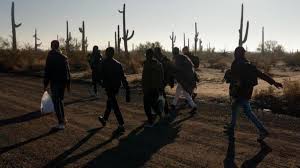
The Ministry of Statistics and Programme Implementation (MoSPI) has announced that a comprehensive National Migration Survey will be conducted between July 2026 and June 2027 under the National Sample Survey (NSS) framework. This marks the first dedicated migration-focused nationwide survey since the 64th NSS Round (2007–08) and aims to address the critical data gap that became particularly evident during the COVID-19 pandemic, when large-scale reverse migration exposed structural vulnerabilities in internal mobility systems.
Migration in India is a complex socio-economic phenomenon driven largely by employment, marriage, education, and search for better living conditions. As per the PLFS 2020–21, nearly 28.9% of India’s population were migrants. Female migration dominates in rural areas (48%), largely due to marriage, while male migration is predominantly employment-led (67%). Major flows continue to be rural-to-urban and inter-state, especially from Bihar, Uttar Pradesh, Jharkhand, and Odisha towards industrial centres in Maharashtra, Gujarat, Delhi, Karnataka, and Tamil Nadu. Migration contributes significantly to India’s urbanisation, labour markets, and remittance-driven rural resilience, yet also presents challenges such as precarious employment, lack of social security portability, and inadequate housing in destination areas.
Objectives and Structure of the 2026 Survey
The survey will cover almost all states and union territories (excluding Andaman and Nicobar Islands due to logistical constraints). Its key objectives include generating reliable national and regional estimates of:
- Migration rates (rural-to-urban, inter-state, intra-state)
- Seasonal and short-term migration
- Socio-economic drivers (employment, education, marriage)
- Employment outcomes and earnings of migrants
- Return migration and post-migration welfare impacts
A significant conceptual revision introduced in this survey is the updated definition of short-term migration. A person staying away from the usual residence for 15 days to six months for work or job search will now be classified as a short-term migrant—compared to the earlier threshold of one to six months. This change aligns with emerging patterns of circular and temporary mobility linked to gig work, construction, and agricultural seasonality.
In contrast to earlier surveys that emphasised household migration, the new framework prioritisesindividual migration patterns, recognising that entire households rarely migrate together. The questionnaire also expands into new domains, including housing conditions, access to healthcare, local integration challenges, remittance behaviour, and intent for future relocation.
Relevance for Policy and Governance
MoSPI has emphasised that findings from the survey will inform evidence-based policymaking across multiple sectors. For urban development, migration data will support planning related to affordable housing, transportation, slum rehabilitation, and spatial infrastructure. In labour markets, such data can help identify sectoral skill shortages and improve workforce mobility. The survey will also guide the design of portable social protection frameworks, including ration cards, health insurance, pensions, and direct benefit transfers for migrant workers.
Furthermore, understanding remittance flows is crucial for rural development, as remittances bolster household consumption, education expenditure, and healthcare access. Migration data also supports regional planning by assessing demographic pressures in receiving states and labour shortages in sending areas.
Conclusion
The National Migration Survey 2026 represents a critical step in modernising India’s migration statistics architecture. By updating definitions, expanding coverage, and capturing short-term and circular migration, it will generate robust evidence to inform labour mobility policies, urbanisation strategies, and welfare systems. Importantly, it bridges a 19-year gap since the last dedicated migration survey, providing policymakers with timely data to design interventions that balance the opportunities and challenges posed by internal migration in a rapidly transforming economy.
Can Rural Education Transform Migration Patterns? Reimagining Opportunities Beyond Cities
- 28 Oct 2025
In News:
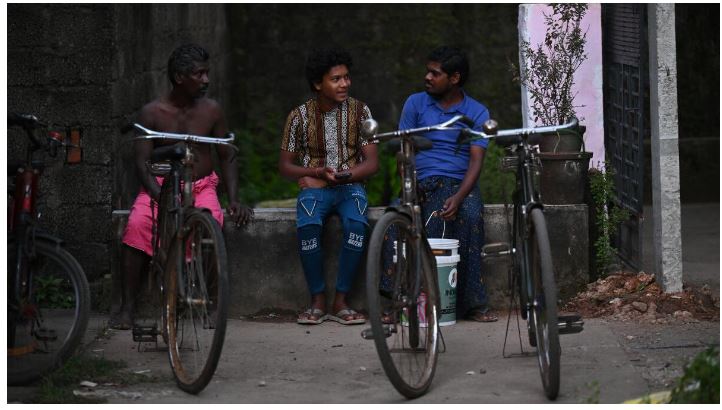
Migration has been a central feature of India’s socio-economic evolution, but the growing exodus of rural youth to urban centres signals deep developmental imbalances. While migration is natural in a dynamic economy, its scale—particularly among young people—highlights failures in generating dignified rural livelihoods, aligning education with market needs, and creating resilient local ecosystems.
Understanding the Scale and Nature of Youth Migration
- Magnitude: Nearly 29% of India’s population are migrants; 89% originate from rural areas.
- Age Profile: Over half of all migrants are aged 15–25, indicating the loss of India’s most productive demographic.
- Pandemic Exposure: The 2020 Covid-19 lockdown forced 40 million workers to return home, revealing the fragility of informal urban employment.
- Gender Dynamics: Men migrate mainly for work, while 86.8% of women migrate due to marriage, reflecting persistent social norms.
- Socio-economic Profile: Higher migration rates among SC, OBC, and low-income groups show distress-driven mobility.
Drivers of Youth Migration from Rural India
a. Rural Employment Deficit
- Limited non-farm jobs; 49% migrants work as daily wagers and 39% in temporary industrial roles.
- Low returns from agriculture due to fragmented landholdings and climate exposure.
b. Education–Employment Mismatch
- Rural education lacks industry-relevant skills.
- Graduate unemployment exceeds 15% (CMIE 2024), indicating inadequate employability.
c. Income and Infrastructure Gaps
- Rural incomes fail to meet basic needs.
- Weak connectivity, inadequate credit access, and poor logistics hinder local enterprise formation.
d. Urban Pull Factors
- Cities offer perceived opportunities, higher wages, and mobility.
- However, migrants face unsafe housing, exploitation, and precarious informal jobs—88% lack social security.
Impact of Migration on Rural and Urban Landscapes
a. Urban Challenges
- Overcrowding, pollution, rising pressure on housing and infrastructure.
- Growth of slums in megacities like Delhi and Mumbai.
b. Rural Depopulation
- Loss of youth weakens agricultural productivity and local governance.
- Declining rural social capital affects community cohesion.
c. Social and Psychological Effects
- Family separation leads to stress, anxiety, and economic insecurity among dependents.
- Women migrants rarely enter the workforce, deepening gender gaps.
Policy Interventions and Initiatives
- MGNREGA ensures wage support during lean seasons, reducing distress migration.
- DDU-GKY, PMKVY provide vocational training to improve employability.
- PM-Mudra, Start-Up India, SVEP encourage rural entrepreneurship.
- 10,000 FPO initiative strengthens farmer collectives and value chains.
- BharatNet, PMGSY, rural BPOs expand digital and physical connectivity.
Way Forward: Reimagining Rural Education and Ecosystems
a. Integrating Education with Local Economies
- Embed vocational, digital, and agri-tech skills into rural curricula.
- Link schools and colleges to local enterprises and industries.
b. Diversifying Rural Non-Farm Sectors
- Develop employment in handicrafts, food processing, logistics, renewable energy, and agri-tourism.
c. Building Digital Ecosystems
- Invest in 5G connectivity, e-commerce platforms, tele-work hubs, and digital service centres.
d. Encouraging Local Entrepreneurship
- Promote success stories like Raigad’s BalaramBandagale to inspire reverse migration and rural innovation.
e. Strengthening Social Protection
- Ensure universal portability of PDS, health insurance, and pensions for mobile workers.
Conclusion
India must shift from a model where migration is a compulsion to one where it becomes a choice. Strengthening rural education, diversifying local economies, and empowering youth with market-ready skills can address structural causes of migration. A balanced rural–urban development framework—anchored in employment-linked learning, digital connectivity, and entrepreneurship—will help revitalise rural India and support inclusive, sustainable growth.
Gender-Affirming Care (GAC)

- 14 Oct 2025
In News:
India has witnessed significant legal milestones in recognising the rights of transgender and gender-diverse persons, most notably the NALSA v. Union of India (2014) judgement affirming gender self-identification and the Transgender Persons (Protection of Rights) Act, 2019. However, the lived reality of transgender communities remains marked by deep social exclusion, stigma, and poor health outcomes. Among these, mental health remains the most neglected dimension, despite clear evidence linking social affirmation and access to gender-affirming care (GAC) with substantial improvements in wellbeing.
The Mental Health Crisis
Transgender individuals face disproportionate psychological distress arising from discrimination, violence, marginalisation, and denial of identity. Recent national-level studies indicate that 31% of transgender persons in India have attempted suicide, nearly half before age 20. Rates of depression, anxiety, and self-harm are significantly higher than in the general population. Research globally—including evidence from JAMA Network Open (2023)—confirms that timely access to gender-affirming interventions markedly reduces gender dysphoria, suicidal ideation, and depression, while improving life satisfaction and functioning.
What Gender-Affirming Care Encompasses
Gender-affirming care is a continuum of social, medical, and psychological support that enables individuals to live in alignment with their gender identity. It ranges from basic respect for chosen names and pronouns to counselling, hormone therapy, and surgical interventions when desired. International bodies, including the World Health Organization, recognise GAC as medically necessary, not elective, owing to its direct link to mental and physical health. Importantly, GAC is rooted in dignity and self-determination—core to Article 21’s right to life and dignity under the Constitution of India.
Barriers to Access
Despite recognition in law, access to GAC in India remains severely limited:
- Scarce trained providers and absence of standardised national treatment protocols
- Financial barriers: surgeries costing ?2–?8 lakh and hormone therapies ?50,000–?70,000 annually
- Under-implementation of Ayushman Bharat TG Plus, with limited empanelled hospitals
- Stigma in healthcare settings leading to refusal of treatment or discriminatory behaviour
- Rising cases of unsupervised hormone use, causing serious health complications including organ damage
Policy blind spots also hinder progress; the absence of transgender-specific data in major surveys like NFHS and NSSO leads to exclusion from mainstream health planning and welfare schemes.
Societal and Health Consequences
When GAC is inaccessible, the consequences are profound—heightened mental illness, economic precarity, and social alienation. Research from Indian institutions such as TISS has documented widespread discrimination in healthcare settings, with 65% of trans youth reporting some form of refusal or mistreatment. Such systemic barriers reinforce cycles of poverty, homelessness, and deteriorating health.
Policy Priorities and Way Forward
Ensuring equitable access to gender-affirming care requires a rights-based, public health-driven framework. Key priorities include:
- Integrating GAC into Ayushman Bharat with free or subsidised access in public hospitals
- Establishing national clinical guidelines and training medical personnel in gender-affirming practice
- Strengthening trans-led community institutions for outreach, mental health support, and navigation
- Mandating inclusive insurance coverage for hormone therapy and surgeries
- Building robust data systems to guide policy and budget allocations
- Launching public sensitisation campaigns to combat stigma
- Replicating successful state models such as Tamil Nadu’s gender clinics and Kerala’s Transgender Cell
Conclusion
Gender-affirming care is fundamental to the right to health, dignity, and equality. India’s progress in legal recognition must now translate into accessible, affordable, and stigma-free health services. Achieving genuine mental health equity and social justice demands urgent integration of gender-affirming care into primary healthcare systems. Empowering transgender persons to live authentically is not merely a medical intervention—it is a constitutional and moral imperative for an inclusive, humane, and equitable India.
Slums in Flood-Prone Areas: India’s Dual Challenge of Urbanisation and Climate Risks
- 04 Aug 2025
In News:
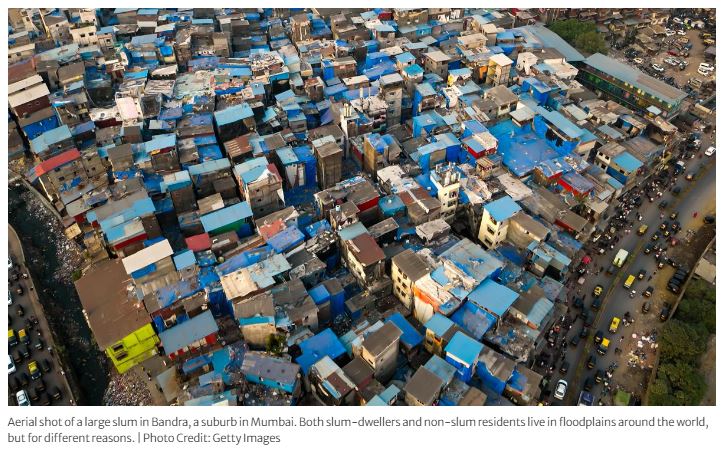
A global study published in Nature Cities has revealed that India has the highest number of slum clusters in flood-prone areas worldwide, underscoring the nexus between rapid urbanisation, poverty, and increasing climate-related risks. This trend highlights both developmental and governance challenges for India as it seeks to balance inclusive growth with climate resilience.
Global Trends in Flood Risk and Slum Settlements
- India at the Forefront: Over 158 million slum dwellers live in flood-prone areas in India, particularly in the Ganga delta. Nearly 40% of slum residents inhabit high-risk urban and peri-urban zones.
- Regional Pattern: India is followed by Indonesia, Bangladesh, and Pakistan in terms of vulnerable populations. Globally, slum dwellers are 32% more likely to reside in floodplains than other communities.
- Global South Impact: About 33% of informal settlements in low- and middle-income countries are already exposed to flooding. Hotspots include Rwanda, Morocco, and coastal Brazil.
- Cities at Risk: High slum density correlates with flood-prone megacities such as Mumbai and Jakarta.
Drivers of Flood Vulnerability in India
- Riverine Floods: Frequent in the Brahmaputra, Ganga, and Krishna basins, driven by monsoon rains, snowmelt, and dam-related issues.
- Urban Expansion: Between 1985–2015, India ranked third globally in urban growth into flood-prone areas. Cities like Mumbai and Bengaluru have expanded into natural floodplains.
- Flash Floods: Incidents rose from 132 (2020) to 184 (2022), with severe events in Himachal Pradesh (2025), Wayanad (2024), Ladakh (2024), and Sikkim (2023).
- 75% of flash floods stem from a mix of extreme rainfall and saturated soils.
- Climate Change: Between 1981–2020, extreme rainfall events doubled, with monsoon rains intensifying by 56%, raising flood frequency.
- Poor Drainage & Encroachments: Urban floods in Delhi, Mumbai, Hyderabad, and Chennai worsened by clogged drains and plastic waste (e.g., Chennai floods 2015).
- Weak Local Planning: Absence of region-specific flood risk assessments hampers effective urban land-use planning and disaster preparedness.
Slums in India: Extent and Challenges
- Definitions:
- Pranab Sen Committee (2010) – compact settlements of ≥20 households with poor housing, sanitation, and water facilities.
- UN-Habitat – lack of durable housing, secure tenure, sufficient living space, safe water, or sanitation.
- Census 2011: 17% of urban India lived in 1.39 crore slum households.
- NSSO 2012: 33,510 slums identified nationwide.
- Hotspot States: Maharashtra, Andhra Pradesh, Uttar Pradesh, and West Bengal.
- Major Cities: Mumbai and Kolkata host some of the densest slum populations.
- Regulation: The Slum Areas (Improvement and Clearance) Act, 1956 governs slum rehabilitation in Union Territories; “Land” and “Colonisation” are State subjects.
Existing Initiatives
- Pradhan Mantri Awas Yojana – Urban (PMAY-U): Pucca houses with amenities; as of Dec 2024, 118.64 lakh houses sanctioned, 29 lakh for slum dwellers.
- AMRUT & Smart Cities Mission: Infrastructure upgrades in water, sanitation, and drainage.
- Swachh Bharat Mission – Urban 2.0: Target of garbage-free cities.
- IFLOWS-Mumbai and CFLOWS-Chennai: Integrated flood warning systems.
Way Forward: Towards Sustainable Urban Flood and Slum Management
- Region-Specific Flood Strategies: Based on topography and soil; integrate into the National Disaster Management Plan (NDMP).
- Restrict Expansion into Floodplains: Enforce zoning laws and incorporate flood-resilient infrastructure under Smart Cities Mission.
- Sustainable Urban Drainage Systems (SUDS): Rain gardens, permeable pavements, and green spaces.
- Upgrading Slums: Use PMAY-U for resilient housing, raised plinths, and better drainage.
- Data-Driven Risk Mapping: Use NRSC, IMD, and satellite imagery to monitor risks and emerging hotspots.
- Sponge City Model: Adopt Shanghai-style rainwater absorption systems; Mumbai has begun implementing this.
- Eco-Restoration of Water Bodies: Revive urban lakes/wetlands (e.g., Jakkur Lake in Bengaluru) for natural flood control.
- Climate Adaptation Mainstreaming: Integrate climate resilience into urban planning and housing policies.
Conclusion
India’s dual challenge of informal urbanisation and intensifying floods poses a direct threat to sustainable urban development. As the 2030 Sustainable Development Goals (SDGs) approach, urgent focus is needed on SDG 11 (Sustainable Cities), SDG 6 (Clean Water and Sanitation), and SDG 1 (No Poverty).
Strengthening governance, upgrading slum infrastructure, and integrating climate resilience into planning are critical to safeguard millions living at the intersection of poverty and environmental risk.
Surrogacy Age Cap Debate before the Supreme Court

- 02 Aug 2025
Background – The Legal Framework on Surrogacy in India
India has been a global hub for assisted reproductive technologies (ART) and surrogacy for many years. To address ethical concerns, prevent exploitation, and regulate practices, Parliament enacted two laws in 2021:
- The Assisted Reproductive Technology (Regulation) Act, 2021
- The Surrogacy (Regulation) Act, 2021
These Acts, effective from January 2022, prohibit commercial surrogacy and allow only altruistic surrogacy (where a woman volunteers without financial compensation, apart from medical expenses and insurance).
Key Provisions:
- Age limits:
- Married woman (intending mother): 23–50 years
- Married man (intending father): 26–55 years
- Single women: only widows or divorcees aged 35–45 years
- Certificate of essentiality: Proof of infertility, parentage order, and insurance for the surrogate are mandatory.
- Purpose of the law: To prevent commodification of reproduction, ensure surrogacy is used only for genuine medical necessity, and safeguard the health of both surrogate and child.
The Case before the Supreme Court
Recently, the Supreme Court reserved judgment in a set of petitions challenging the age caps under these Acts.
Petitioners’ Concerns:
- Many couples had already begun fertility procedures before January 2022, but became ineligible midway due to the new law.
- Example: A couple aged 62 (husband) and 56 (wife) lost their only child in 2018, started fertility treatment in 2019, but after a failed embryo transfer in 2022, they were barred from further surrogacy attempts due to age restrictions.
- They argue that applying the age limits retrospectively is unfair, as no “grandfather clause” was provided to protect ongoing cases.
Constitutional Arguments:
- Article 14 (Right to Equality): Age-based exclusion is arbitrary.
- Article 21 (Right to Life & Personal Liberty): Reproductive autonomy and the right to family are integral to personal liberty.
- Discrimination against unmarried women: The law only allows widows and divorcees to access surrogacy, excluding single, never-married women.
Government’s Stand
- Age limits reflect natural reproductive timelines and medical safety.
- Advanced parental age poses risks:
- Higher complications for the surrogate.
- Genetic/epigenetic risks for the child.
- Concerns about parents’ ability to provide long-term care.
- Provisions align with international best practices in reproductive health.
Supreme Court’s Observations
The Bench, led by Justices B.V. Nagarathna and K.V. Viswanathan, raised critical questions:
- Why prohibit surrogacy at advanced ages when natural late pregnancies are not barred?
- The intent of the law was to regulate commercial surrogacy, not to deny genuine parenthood.
- The absence of compassionate transitional provisions is problematic: “Stop, no children! Look how harsh it is,” remarked Justice Nagarathna.
Ethical and Social Dimensions
- Balancing Autonomy and State Regulation:Reproductive choice vs. state’s role in safeguarding health and welfare.
- Rights of Single Women:Exclusion of unmarried women raises concerns of gender equality and individual autonomy.
- Best Interests of the Child:Child’s welfare, upbringing, and stability are central concerns in surrogacy regulation.
- Medical Ethics:Need to prevent exploitation of surrogates and maintain ethical standards in ART practices.
Broader Constitutional Questions
- Right to Parenthood as a Fundamental Right? The Court has earlier recognised reproductive rights as part of Article 21.
- Equality vs. Reasonable Classification: Can the state justify different treatment based on age or marital status?
- Legislative Gaps: The lack of a grandfather clause highlights issues in legislative foresight and transitional justice.
Conclusion
The Supreme Court’s verdict will be pivotal in shaping India’s approach to assisted reproduction. At stake is the balance between medical ethics, legislative intent, and individual reproductive rights.
The outcome may not only determine the fate of couples stuck mid-process but could also set precedents for:
- Expanding reproductive rights,
- Recognising unmarried women’s autonomy
- Ensuring compassionate legal transitions in sensitive health matters.
A New BHARAT: Establishing India-Specific Parameters for Healthy Ageing
- 05 Jul 2025
Introduction
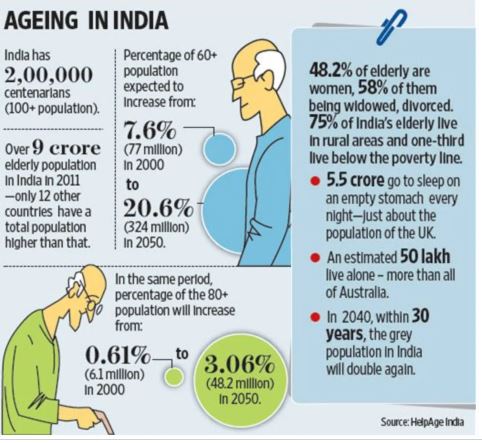
As India advances toward becoming a super-aged society by the middle of this century, the focus must shift from merely increasing lifespan to enhancing healthspan—the period of life spent in good health. Recognising this, the Indian Institute of Science (IISc), Bengaluru, launched a pioneering research initiative titled BHARAT (Biomarkers of Healthy Aging, Resilience, Adversity, and Transitions). It aims to map physiological, genetic, environmental, and socio-economic indicators that define healthy ageing in the Indian context.
The Need for India-Specific Healthy Ageing Parameters
Global research in ageing has largely been Western-centric, leading to the development of diagnostic thresholds, biomarkers, and treatment regimes based on non-Indian populations. This lack of contextual relevance often results in misdiagnosis and inappropriate treatments in countries like India. For instance, biomarkers such as cholesterol, vitamin D, or C-reactive protein (CRP) may exhibit different baseline levels among Indians due to genetic, nutritional, and environmental factors, but are often interpreted using Western standards.
Furthermore, while life expectancy has increased globally, the incidence of age-related disorders like Parkinson’s and dementia is projected to rise sharply in India—by 168% and 200%, respectively, by 2050. Thus, there is an urgent need to identify early biomarkers that can predict organ deterioration before the onset of overt disease.
BHARAT Study: Objectives and Methodology
BHARAT is part of IISc’s Longevity India Programme, and seeks to establish a Bharat Baseline—a reference for what is physiologically normal for the Indian population across age groups. It will build a comprehensive, multidimensional database that includes:
- Genomic biomarkers (genetic predisposition to diseases)
- Proteomic and metabolic profiles (pathway-level health indicators)
- Environmental and lifestyle factors (pollution exposure, dietary habits)
Crucially, it acknowledges that chronological age does not always match biological age, and seeks to develop more nuanced, organ-specific age markers that could enable preventive and personalised interventions.
Role of Artificial Intelligence
Given the complexity and volume of biological and lifestyle data, artificial intelligence (AI) and machine learning models are essential tools in this initiative. These technologies will aid in pattern recognition, risk prediction, and simulation of intervention outcomes, ultimately helping researchers select the most effective strategies before launching costly human trials.
Challenges and the Way Ahead
India’s vast genetic, geographic, and socio-economic diversity presents both opportunities and challenges. The BHARAT team faces hurdles such as:
- Difficulty in recruiting healthy adult volunteers
- Securing long-term public and private funding
- Scaling the study to ensure pan-India representation
However, the potential impact is profound. By building an India-specific ageing dataset, BHARAT can influence the development of better diagnostics, public health policies, and preventive healthcare systems for an ageing population.
Conclusion
The BHARAT study marks a critical shift in India’s biomedical research priorities, focusing not only on longevity but on quality of life during ageing. As India prepares to navigate the challenges of demographic transition, initiatives like BHARAT will be instrumental in creating a resilient, inclusive, and health-aware society, rooted in evidence that reflects its own people.
Empowering India’s Elderly through Age-Tech

- 14 Apr 2025
In News:
India is undergoing a demographic transition, with its senior citizen population (aged 60+) currently at 15 crore, projected to rise to 32 crore by 2050. This unprecedented ageing poses socio-economic challenges, especially in urban areas like Bengaluru, where shrinking family structures leave many elderly citizens isolated and purposeless. To address these concerns, a new sector—age-tech—is emerging, leveraging technology to support the physical, emotional, and cognitive well-being of the elderly.
Understanding Age-Tech and its Role
Age-tech refers to technology-driven solutions tailored to the elderly’s needs. Bengaluru has emerged as a hub of innovation in this domain. Platforms like Sukoon Unlimited, founded in 2024, create communities where seniors engage in emotional counselling, volunteering, group therapies, and concierge services. Notably, both service providers and receivers are senior citizens, fostering peer support and a sense of purpose. Sukoon’s community has grown from 200 to 6,000 members across 400 towns in a year.
Technology is also being used to combat loneliness. WHO in 2022 highlighted that one in four older adults suffers from social isolation, increasing mortality risk. AI-powered conversational tools are being employed by platforms like Sukoon to provide companionship in over 100 languages.
Employment and Purpose in Silver Years
Age-tech also facilitates post-retirement employment. Wisdom Circle, for instance, connects retired professionals with employers seeking experienced talent. With 95,000 users and 1,500 companies onboard, it promotes hybrid and part-time roles. Beyond financial gain, seniors are driven by the need for relevance and contribution to society—many even apply for lower-paid or non-profit roles.
Addressing Cognitive and Physical Health
The cognitive health of seniors is another pressing concern. Over 80 lakh Indians currently suffer from dementia. Ivory, a cognitive health start-up, offers neuroscience-backed assessments to detect risks early and recommends personalized brain training. It has over 30,000 users, predominantly women from urban areas.
Orthopaedic health is also crucial. Around 50% of seniors need assistance with basic mobility. TransleadMedtech, an IISc-incubated start-up, has developed assistive chairs and commodes to aid mobility without power sources. With rising knee replacements, such innovations are critical for safety and dignity in ageing.
Challenges and the Digital Divide
Despite potential, age-tech faces hurdles. Experts warn that over-engineering tech can alienate elderly users. Solutions must be designed with the user’s needs, not just tech potential, in mind. The urban-rural divide is stark—most services target urban, financially independent seniors, excluding rural and low-income populations.
Additionally, rapid digitisation has excluded many elderly from essential services like transport and e-commerce. Digital illiteracy also exposes them to scams. Startups like Elderra work to bridge this gap by training seniors in basic digital tools.
Way Forward
For age-tech to become inclusive, the government must play an enabling role. Public-private partnerships can make these services affordable and accessible. Ageing with dignity should be a national priority, combining technology, policy, and empathy to ensure India’s elderly are not left behind in the digital era.
What are the costs of population decline?
- 11 Nov 2024
In News:
India has been witnessing significant demographic changes due to decades of family planning policies. This has led to declining fertility rates in certain States, particularly in the southern and smaller northern regions.
Introduction: Demographic Shift in India
- Southern States’ Fertility Trends: States like Tamil Nadu, Kerala, Andhra Pradesh, and Telangana have fertility rates below the replacement level (around 1.4–1.5), while Bihar, Uttar Pradesh, and Madhya Pradesh have higher fertility rates (2.6–3).
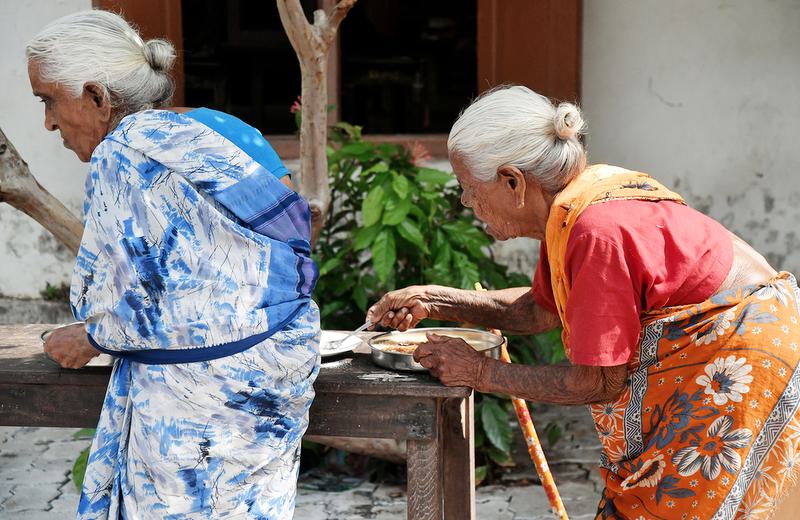
- Ageing Population: Southern States face the challenge of an ageing population, with Kerala projected to have 22.8% of its population aged 60+ by 2036, while Bihar will have only 11%.
Economic and Health Impact of Population Decline
- Economic Consequences:
- Dependency Ratio: The old-age dependency ratio (the number of elderly for every 100 working-age individuals) has increased significantly in some States. Kerala, for example, had a ratio of 26.1 in 2021, signaling a crisis point.
- Loss of Demographic Dividend: States with declining fertility rates face the loss of a demographic dividend, i.e., the economic benefit from a large working-age population, which is increasingly burdened by elderly dependents.
- Health Expenditure: Rising healthcare costs, especially for cardiovascular diseases in southern States, will strain public health systems. The southern States, although comprising one-fifth of India's population, spent 32% of the country’s total out-of-pocket expenditure on cardiovascular diseases in 2017-18.
- Challenges of Low Fertility:
- Declining Labour Force Participation: Policies encouraging higher fertility may also reduce women’s labour force participation, undermining the economic growth of these States.
- Economic Pressures: Southern States, despite higher tax contributions, face a diminished share of central resources due to slower population growth. This is a point of concern in inter-State fiscal relations.
Political Implications of Uneven Population Growth
- Impact on Federal Structure:
- The uneven population growth across States will lead to significant changes in the delimitation of constituencies after the current freeze on seat allocation in Parliament expires in 2026.
- Redistribution of Lok Sabha Seats: Northern States like Uttar Pradesh and Bihar will likely gain more seats, while southern States like Tamil Nadu, Kerala, and Andhra Pradesh will lose seats due to their declining population shares.
- Challenges in Federal Relations:
- Southern States’ economic contributions through taxes are disproportionate to the resources they receive from the central pool, leading to growing tensions between high-growth and slow-growth regions.
- The shift in political power post-delimitation could increase regional disparities, potentially leading to political tensions between States.
Solutions and Policy Recommendations
- Pro-Natalist Policies:
- Southern States are considering pro-natalist policies to incentivize higher fertility rates. However, such measures have been largely unsuccessful internationally, especially when women’s economic independence and educational choices are restricted.
- International Experience: Attempts to incentivize childbearing, without addressing broader socio-economic factors like gender equality, have generally failed in other nations. Maternity benefits, gender-neutral parental leave, and childcare support are key to increasing fertility sustainably.
- Gender Equity and Work-Family Balance:
- Work-family policies that support paid maternity and paternity leaves, affordable childcare, and gender-neutral employment policies are essential to empower women to balance family and career.
- Studies indicate that countries with higher gender equity have better fertility rates because women are less likely to forgo childbearing for career reasons.
- Increasing Retirement Age:
- One way to reduce the old-age dependency ratio is to increase the retirement age, which would allow older workers to remain employed longer and support a sustainable economy.
- Social Security and pension reforms should also be considered to accommodate the ageing workforce and reduce the economic burden on younger generations.
- Managing Migration:
- Migration policies should be adjusted to manage the influx of economic migrants into southern States, who contribute to the economy but continue to be counted in their home States for fiscal and political purposes.
- Migration-based policy reforms could address the challenge of an ageing population in states with declining fertility while ensuring equitable resource distribution across States.
Navigating the Global Waterscape, and Its Challenges
- 22 Mar 2024
Why is it in the News?
In the context of climate change-related pressures, the world also needs to foster improved cooperation over water-sharing.
Context:
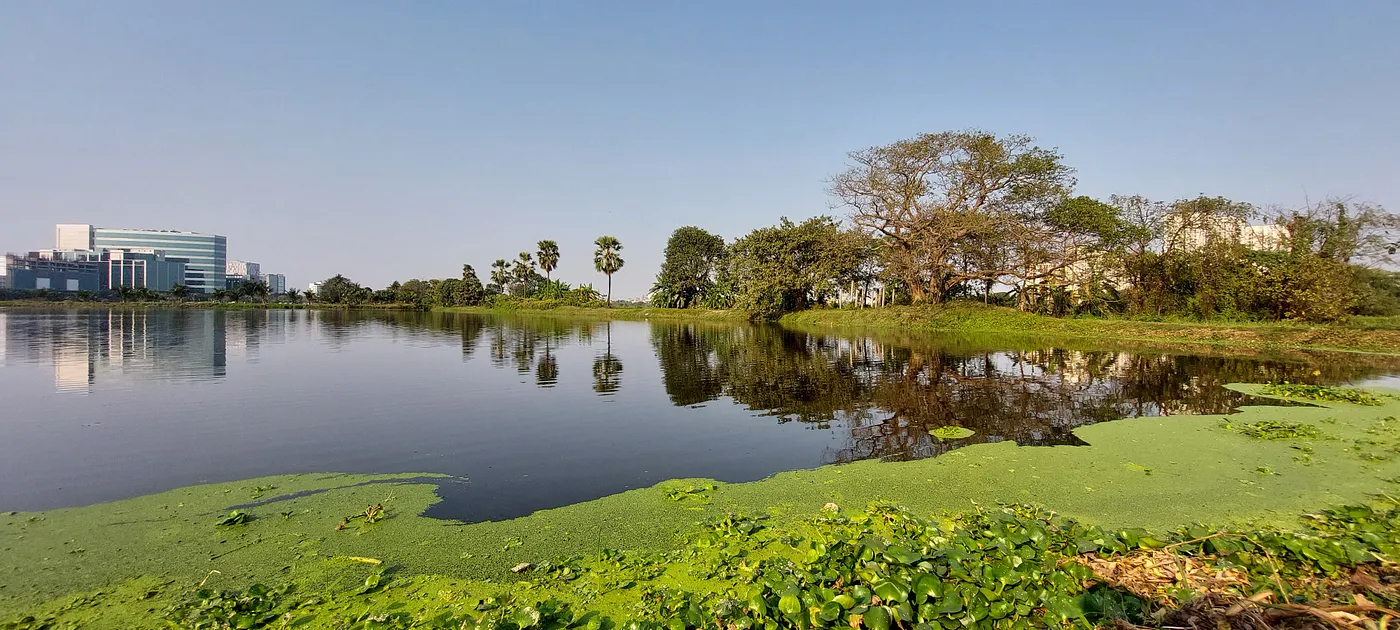
- The global water crisis remains a critical issue, with roughly two billion people lacking access to clean water, threatening individual and collective well-being.
- Water has been a determining factor in civilizations' prosperity and decline throughout history.
- Ancient Mesopotamian cities experienced conflicts over fertile land and water resources, illustrating the age-old struggle for water.
- As the 31st World Water Day approaches in 2024, themed "Leveraging Water for Peace," the United Nations emphasizes the significance of water diplomacy to tackle contemporary water challenges and secure a sustainable future for all.
Water Diplomacy in a Time of Extremities:
- Encouraging Collaborative Governance: Water diplomacy underscores the necessity of collaborative governance mechanisms to effectively tackle shared water challenges.
- By uniting relevant stakeholders—governments, local communities, NGOs, and international agencies—collaborative governance frameworks foster dialogue, information exchange, and joint decision-making.
- These mechanisms pave the way for sustainable water management policies and strategies that prioritize the needs and interests of all involved parties.
- Ensuring Fair Water Allocation: At the core of water diplomacy lies the principle of equitable water allocation among riparian states.
- Acknowledging that water resources transcend political boundaries, water diplomacy advocates for fair distribution, considering the needs, rights, and vulnerabilities of all stakeholders.
- Through negotiated agreements and treaties, riparian states can establish frameworks for sharing water resources, managing competing demands, and peacefully resolving disputes.
- Promoting Regional Stability and Peace: Effective water diplomacy contributes to regional stability and peace by mitigating conflicts over shared water resources.
- By fostering cooperation and understanding among neighboring states, water diplomacy builds trust, enhances security, and reduces tensions stemming from water-related disputes.
- Additionally, collaborative water management initiatives foster cross-border cooperation, economic integration, and diplomatic relations, bolstering broader efforts to uphold peace and stability in conflict-prone regions.
- Embracing Inclusive Approaches: Inclusive water diplomacy involves engaging a diverse array of stakeholders, including indigenous communities, civil society organizations, academia, and the private sector.
- Recognizing the importance of marginalized groups' contributions and perspectives, inclusive approaches promote social equity and transparency in decision-making processes.
- By integrating local knowledge, cultural practices, and community priorities, inclusive water diplomacy enhances the legitimacy and efficacy of governance frameworks.
- Preventing and Resolving Conflicts: Water diplomacy plays a pivotal role in preventing and resolving conflicts arising from competing water interests.
- Through proactive diplomacy, early warning systems, and confidence-building measures, riparian states can address potential sources of tension and defuse conflicts before they escalate.
- Moreover, mechanisms for peaceful dispute resolution, such as arbitration and mediation, enable states to resolve water-related disputes through dialogue and negotiation, averting coercive or confrontational measures.
Strategic Approaches for Tackling Rural Water Challenges in India:
- Enhancing Infrastructure: A primary strategy involves developing water infrastructure like wells, hand pumps, boreholes, and piped systems to improve access to safe water and sanitation facilities in rural areas.
- Investment in constructing and maintaining such infrastructure can reduce waterborne diseases, leading to better health outcomes.
- Encouraging Community Engagement: Engaging local communities in planning, implementing, and managing water projects is crucial for their sustainability and success.
- Empowering rural residents through participatory water management committees and user associations can promote ownership of water resources, efficient practices, and conflict resolution.
- Conservation and Management Practices: Promoting conservation and management practices is vital for maximizing water efficiency in rural areas.
- Techniques like rainwater harvesting, groundwater recharge, watershed management, and soil moisture conservation can reduce reliance on unpredictable water sources and build climate resilience.
- Incorporating Technological Innovations: Leveraging technology can significantly improve water access and management in rural areas.
- Solar-powered pumps, drip irrigation systems, and water-efficient technologies can enhance agricultural productivity, while monitoring applications and remote sensing can enable real-time resource management.
- Policy Support and Interventions: Government support is essential in addressing rural water needs through adequate funding, regulatory frameworks for equitable water distribution, and legislation to protect water resources and promote sustainable practices.
- Policy coherence across the agriculture, health, and environment sectors is crucial for tackling the interconnectedness of water, food security, and rural development.
Addressing Transboundary Water Challenges:
- Highlighting the Significance of Transboundary Waters: The report underscores the prominence of transboundary waters, noting that a substantial portion of the world's freshwater resources, including those in India, are shared across borders.
- India's extensive landmass boasts a network of long rivers, vital not only for its own needs but also shared with neighboring countries.
- However, the South Asian region has witnessed a significant deterioration in water quality in recent years, particularly in rivers like the Meghna, Brahmaputra, Ganga, and Indus, as highlighted in the 2024 report.
- The Need for Sophisticated Cross-Border Water Governance: Addressing these challenges requires a sophisticated approach to cross-border water governance, promoting effective and equitable allocation of water resources among nations that share them.
- It is imperative to develop robust mechanisms for cooperation and coordination to manage shared waters sustainably.
- Global Perspective on Transboundary Cooperation: According to a 2021 UNESCO progress report on Sustainable Development Goal indicator 6.5.2, titled "Progress on transboundary water cooperation," out of UNESCO's 194 member states and 12 associate members, 153 countries are classified as water-sharing nations.
- Remarkably, transboundary waters account for 60% of the world's freshwater flows.
- However, only 24 of these 153 countries have achieved a 100% cooperation agreement on their shared waters, indicating the pressing need for enhanced collaboration.
- Ensuring Collective Well-being and Peace: While significant progress has been made in fostering peace over time, the scarcity of freshwater poses a threat to our collective well-being and peace.
- This issue is not only crucial for achieving the 2030 Agenda and Sustainable Development Goals (SDGs) but also for maintaining stability and harmony among nations.
- Effective transboundary cooperation in the sustainable management of water resources is essential to realize benefits across various sectors, including health, food and energy security, disaster resilience, education, improved standards of living, employment, economic development, and the preservation of ecosystem services.
Conclusion
As the global struggle for clean water access continues for approximately two billion people, the ever-increasing demand for this precious resource directly impacts our collective well-being and peace. In order to build a sustainable future, we must prioritize water conservation efforts that transcend political boundaries, fostering regional cooperation and stability. By recognizing the urgency of this challenge, we can work together to ensure a secure and equitable water supply for generations to come.
Understanding the World of the Informal Waste Picker
- 01 Mar 2024
Why is it in the News?
1st March is celebrated as International Waste Pickers Day in memory of the massacre in Colombia in which 11 workers were brutally killed at the University of Barranquilla.
Context:
- 1st March is celebrated as International Waste Pickers Day in memory of the massacre in Colombia in which 11 workers were brutally killed at the University of Barranquilla.
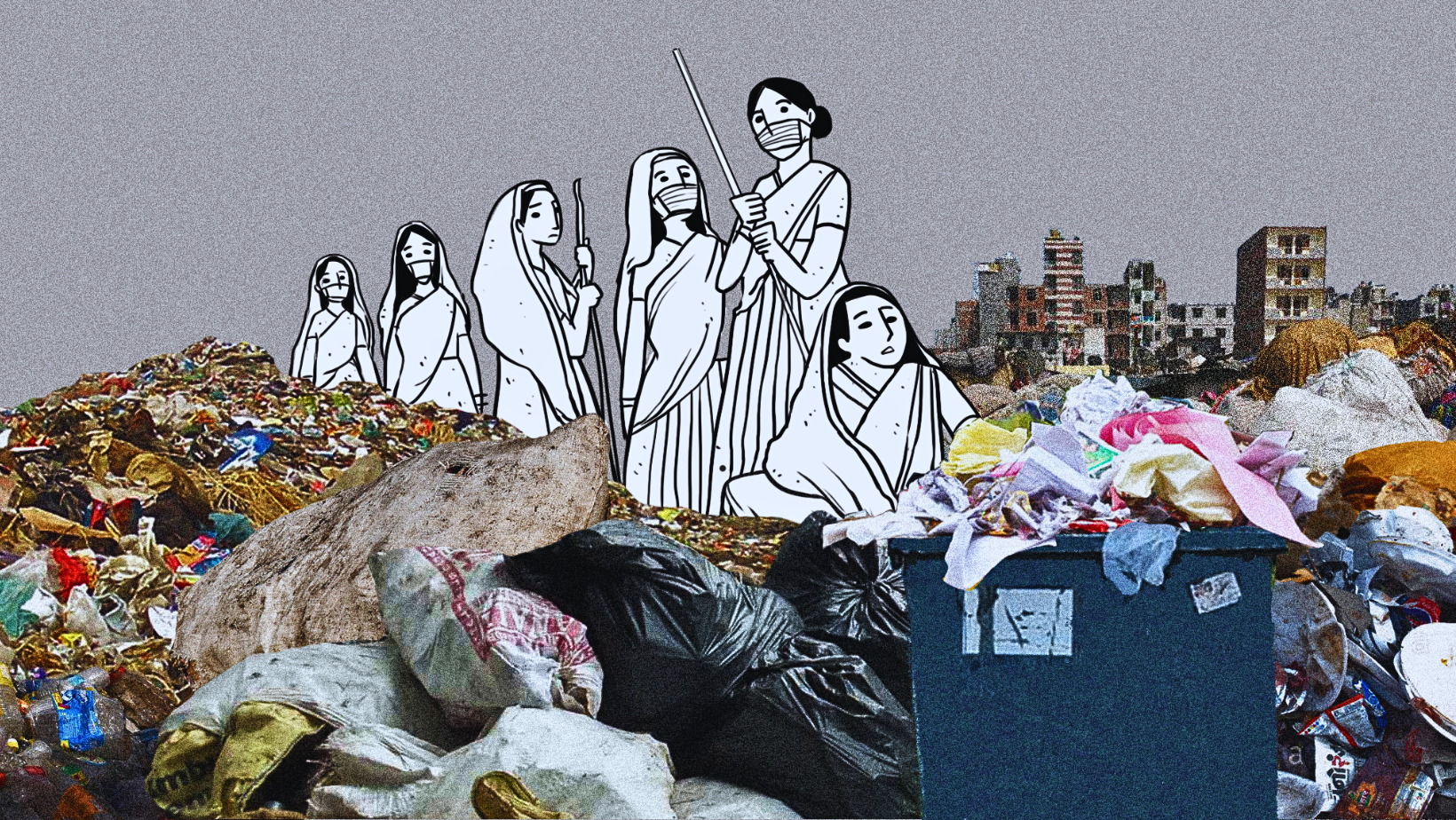
- While these individuals play vital roles in waste management, they endure systematic marginalization, health risks, and a lack of legal safeguards.
- Hence, delving into the often unnoticed realm of informal waste pickers in India becomes imperative to grasp their indispensable yet overlooked contributions to waste management systems.
What is the Informal Sector in Waste Management?
- The International Labour Organization (ILO) defines the informal sector in waste management as ‘individuals or small and micro-enterprises that intervene in waste management without being registered and without being formally charged with providing waste management services’.
- These workers are the primary collectors of recyclable waste, playing a critical role in waste management and resource efficiency by collecting, sorting, trading, and sometimes even reinserting discarded waste back into the economy.
- Yet, they face systemic marginalization due to non-recognition, non-representation, and exclusion from social security schemes and legal protection frameworks.
What Does the Data Reveal?
- Although precise figures on informal waste pickers are elusive, the Centre for Science and Environment suggests that approximately 5%–2% of the urban population worldwide is involved in the informal waste economy.
- A significant portion comprises vulnerable demographics such as women, children, and the elderly, many of whom are disabled, residing within the most impoverished urban communities. Tragically, they frequently endure instances of violence and sexual harassment.
- According to the Periodic Labour Force Survey 2017-18, India's urban workforce includes nearly 1.5 million waste pickers, with approximately half a million being women.
What are the Challenges Faced by Informal Waste Pickers?
- Systemic Marginalization: Informal waste pickers, predominantly consisting of women, children, and the elderly, face profound marginalization within the waste management ecosystem.
- According to the Periodic Labour Force Survey (PLFS) 2017-18, India's urban workforce includes nearly 1.5 million waste pickers, with half being women.
- Engaging in hazardous work, these individuals collect an average of 60 kg to 90 kg of waste daily without adequate safety measures.
- Their marginalized position within the caste hierarchy exacerbates their vulnerability, leading to health issues such as dermatological and respiratory problems, as well as frequent injuries.
- Economic Instability: Irregular employment, low wages, and susceptibility to exploitation contribute to a cycle of poverty that is challenging to break.
- The 2023 report from the Alliance of Indian Waste Pickers (AIW) underscores the impact of private sector involvement in municipal solid waste management.
- With the adoption of expensive machinery and competitive rates offered to waste generators, private entities marginalize informal pickers, forcing them into hazardous waste collection activities such as scavenging in dump sites.
- This not only heightens health risks but also undermines their income and social standing.
- Lack of Recognition and Representation: The invisibility of informal waste pickers within policy and legal frameworks exacerbates their plight.
- Despite playing a vital role in waste management systems, they are often overlooked in decision-making processes.
- Their contributions are not acknowledged, and they lack representation in discussions regarding waste management policies, leaving them without legal protections, social security, and a voice in shaping the systems they contribute to.
- Exclusion from Formal Waste Management Systems: The involvement of private entities in municipal solid waste management, while introducing technological advancements, further isolates informal waste pickers.
- Dump sites are frequently restricted, limiting their access and pushing them into greater vulnerability.
- As highlighted by the AIW, the privatization of waste management sidelines informal pickers, posing threats to their health, income, and overall well-being.
- This exclusionary approach deepens the gap between formal and informal waste management sectors.
What is the Significance of Informal Waste Pickers in Plastic Management?
- Global Impact: Waste pickers play a pivotal role in plastic waste management worldwide, responsible for collecting and recovering up to 60% of all plastic waste, as emphasized in the 2022 World Economic Forum report.
- Underrecognized Contribution: Despite their vital role in sustainable recycling efforts, waste pickers' contributions often go unacknowledged, and they struggle to secure adequate livelihoods.
- Quantifiable Contribution: Reports from the United Nations Development Programme (UNDP) and Pew indicate that informal waste pickers gathered 27 million metric tonnes of plastic waste in 2016 alone, constituting 59% of all plastic material collected for recycling. This significant effort prevents plastic from ending up in landfills or oceans.
- Relevance in India: With increasing per capita plastic waste generation in India, the role of waste pickers becomes even more crucial. India is among the top 12 countries responsible for 52% of the world's mismanaged waste, according to a recent CPCB report.
- Utilizing Traditional Knowledge: Waste pickers possess valuable traditional knowledge about waste handling, which could greatly enhance the effectiveness of Extended Producer Responsibility (EPR) systems if incorporated effectively.
- Rethinking EPR Frameworks: Given their substantial contribution, it is imperative to reassess the formulation of EPR norms to ensure the inclusion and empowerment of millions of informal waste pickers within the new legal framework.
What is the Extended Producer Responsibility (EPR)?
- EPR presents a hopeful framework by shifting the burden of waste management from municipal bodies to commercial waste producers.
- It marks a departure from conventional "end-of-the-pipe" waste management strategies, incentivizing producers to embrace environmentally friendly practices, minimize waste production, and engage in recycling initiatives.
- In principle, EPR can promote social inclusivity by recognizing the contributions of informal waste pickers and grassroots stakeholders.
Challenges and Considerations Regarding EPR with Informal Waste Pickers:
- Implementation Challenges: Despite its positive aims, the practical application of EPR has raised concerns about its impact on the informal waste sector.
- Globalizing and Organizing Women in Informal Employment (WIEGO) notes that EPR guidelines often redirect waste away from the informal sector, jeopardizing the livelihoods of informal waste pickers and potentially leading to widespread displacement.
- The aspiration for social inclusion through EPR faces a harsh reality, where the informal sector, vital to waste management, risks marginalization.
- Neglect of Informal Waste Pickers: The Alliance of Indian Waste Pickers (AIW) has observed a significant oversight in both the formulation and execution of EPR guidelines in India.
- While stakeholders identified in the guidelines include various entities such as the Central Pollution Control Board (CPCB), producers, brand owners, industry associations, civil society organizations, and citizens, there is a glaring absence of specific inclusion of informal waste pickers or their representative organizations.
- This omission contradicts the principles of social justice and sustainability that EPR aims to uphold.
- Conflict Between Solid Waste Management Rules and EPR Guidelines: A conflict arises between the Solid Waste Management Rules of 2016 and the EPR Guidelines of 2022, exacerbating the challenges faced by informal waste pickers.
- While the former mandates the involvement of waste pickers in municipal solid waste management systems, the latter fails to prioritize their participation.
- This discrepancy highlights the necessity for a cohesive and integrated approach to waste management policies, wherein the rights and contributions of informal waste pickers are duly recognized and safeguarded.
Way Ahead:
- Revisiting EPR Policies: To realize the potential of EPR in achieving sustainable waste management and social equity, a reevaluation of its policies is essential.
- Acknowledging the traditional knowledge held by waste pickers and involving them in decision-making processes can augment the efficacy of EPR frameworks.
- Furthermore, stakeholders, including producers and policymakers, should actively collaborate with informal waste pickers and their representative bodies to facilitate a fair and equitable transition.
- Plastic Treaty and Equitable Transition: On a global scale, waste pickers play a significant role in sustainable recycling, collecting, and recovering up to 60% of all plastic waste.
- Despite their invaluable contributions, their labour is often undervalued, and they struggle to sustain themselves financially.
- As the global community prepares for the imminent Plastic Treaty aimed at addressing plastic pollution, it is imperative to ensure a just transition for these workers.
- This entails recognizing their contributions and safeguarding their livelihoods, thereby fostering a more inclusive and equitable approach to plastic management.
Conclusion
As India grapples with escalating plastic waste generation, the imperative of integrating informal waste pickers into waste management frameworks becomes ever more pronounced.
Given the valuable traditional knowledge held by these workers, there is a clear opportunity to bolster the effectiveness of EPR systems through a reevaluation of EPR norms and the active engagement of millions of informal waste pickers within a legal framework. It is essential for international collaboration and local endeavours to intersect, prioritizing the recognition, protection, and empowerment of these often overlooked workers. This convergence holds the potential to foster a more inclusive and robust waste management ecosystem.