
EV Battery Fires in India
- 23 Mar 2026
In News:
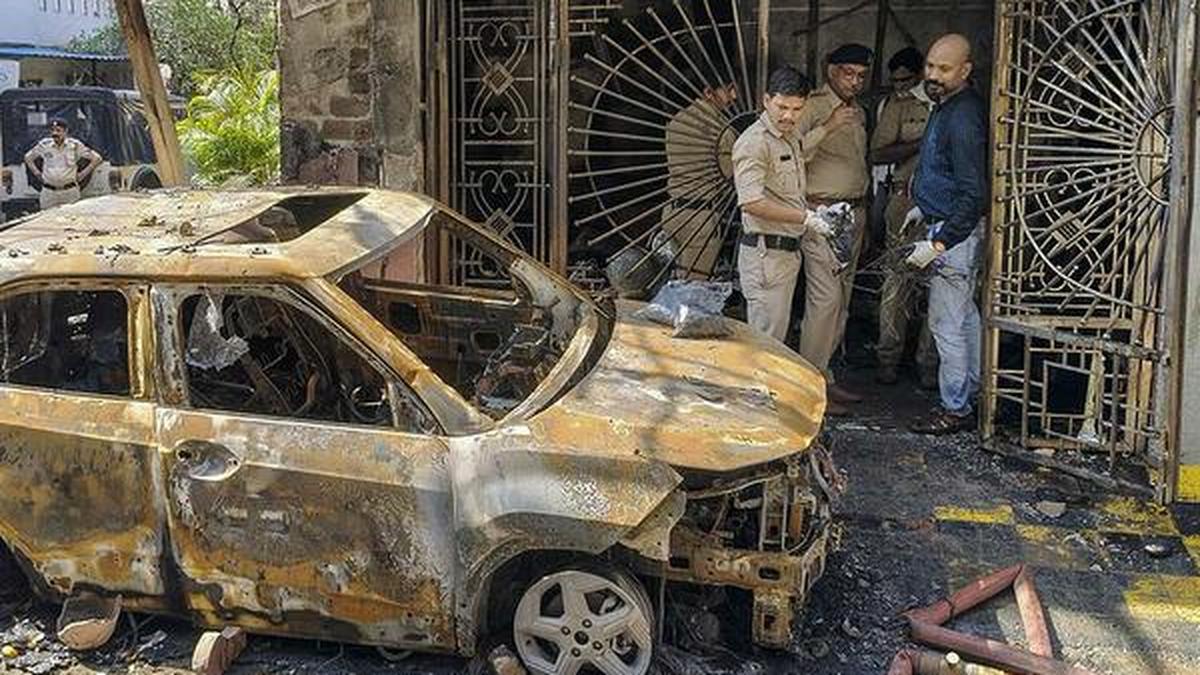
A recent fire incident in Indore, suspected to have originated from an electric vehicle (EV) charging point, has brought renewed attention to the issue of EV battery safety in India. The tragedy highlights the need to understand the risks associated with lithium-ion batteries and strengthen preventive measures.
Understanding EV Battery Technology
Most electric vehicles rely on lithium-ion batteries, which are widely used due to their high energy density and efficiency. These batteries are generally safe and are equipped with a Battery Management System (BMS) that regulates temperature, monitors performance, and ensures safe charging and discharging cycles.
However, under certain abnormal conditions, these systems may fail, leading to safety hazards.
Thermal Runaway: The Core Risk
The primary cause of EV battery fires is a phenomenon known as thermal runaway. It begins when a battery cell overheats, triggering a chain reaction that spreads to adjacent cells.
This process leads to rapid temperature escalation, release of flammable gases, and potential ignition. The presence of toxic gases such as hydrogen fluoride further increases the severity of such incidents.
Key Causes of EV Battery Fires
Several factors can trigger thermal runaway and subsequent fire incidents. Physical damage to the battery pack, especially due to accidents or impacts, may cause internal short circuits.
Overcharging or the use of faulty and non-certified chargers can lead to excessive heat buildup. Manufacturing defects, though rare, can also create internal electrical faults.
Additionally, inadequate electrical infrastructure—such as weak wiring or overuse of extension cords—can contribute to overheating during charging.
Role of Environmental and Operational Factors
External conditions play a crucial role in battery safety. High ambient temperatures, common in India, increase thermal stress on batteries, particularly when vehicles are parked in direct sunlight or charged immediately after prolonged use.
Ageing batteries may degrade internally, raising the likelihood of malfunction. Flooding is another critical risk factor, as water ingress can cause delayed short circuits and fires.
Moreover, surrounding conditions such as nearby combustible materials or power failures can aggravate fire hazards.
EV Fires vs Conventional Vehicle Fires
While EV fires attract significant attention, conventional petrol and diesel vehicles are statistically more prone to fires. However, EV battery fires differ in nature—they tend to burn hotter, spread faster, and are more difficult to extinguish, often requiring specialised firefighting techniques and large volumes of water.
Safety Measures and Technological Advancements
The EV industry is actively adopting measures to enhance safety. Advanced cooling systems using liquid or evaporative techniques are being developed to manage temperature spikes.
Innovations such as solid-state batteries and improved cell design aim to reduce the risk of fire propagation.
At the user level, safety depends on practices such as using manufacturer-approved chargers, avoiding unsafe charging conditions, ensuring proper electrical infrastructure, and conducting periodic battery inspections.
Regulatory Framework in India
India has strengthened safety norms through the Bureau of Indian Standards (BIS) and automotive standards such as AIS-156.
These standards mandate rigorous testing, including thermal propagation tests, and require batteries to provide sufficient time for passenger evacuation in case of fire. Such regulations aim to enhance reliability and consumer confidence in EV technology.
Conclusion
EV battery fires, though relatively rare, pose serious risks due to their intensity and complexity. The Indore incident underscores the need for a comprehensive approach combining technological innovation, regulatory oversight, and user awareness.
As India accelerates its transition towards electric mobility, ensuring robust safety standards and responsible usage will be critical for sustainable and secure adoption of EVs.