
RBI’s “Goldilocks Phase” and Repo Rate Cut
- 11 Dec 2025
In News:
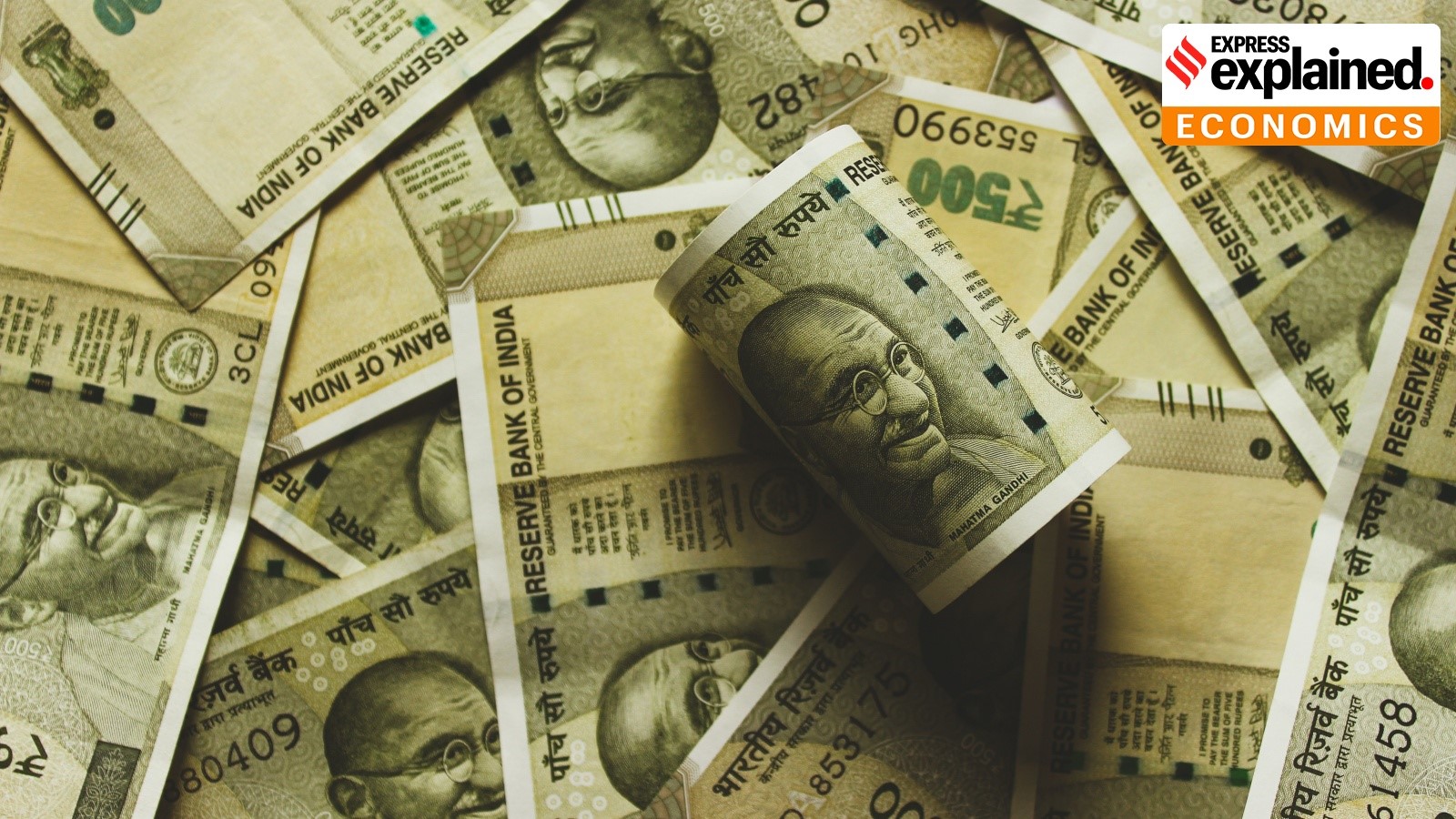
The Monetary Policy Committee (MPC) of the Reserve Bank of India (RBI) reduced the repo rate by 25 basis points (bps) to 5.25%, taking total rate cuts in 2025 to 125 bps. The RBI described current macroeconomic conditions as a “Goldilocks phase”a rare combination of low inflation and strong growth.
What is a Goldilocks Phase?
A Goldilocks economy refers to a situation where:
- Economic growth is strong but not overheating
- Inflation is low and stable, without risk of deflation
It represents an ideal macroeconomic balance where demand is healthy, supply constraints are manageable, and price stability allows supportive monetary policy.
India’s Current Indicators (2025–26):
- GDP growth: 8.2% in Q2 (July–September)
- CPI inflation: 1.7% average in Q2, falling to 0.3% in October
- Inflation fell below the RBI’s lower tolerance band (2%) for the first time under the Flexible Inflation Targeting (FIT) framework
Repo Rate – Key Concept
The repo rate is the interest rate at which commercial banks borrow short-term funds from the RBI by selling securities with an agreement to repurchase them later.
Policy Role:
- Higher repo rate → Costlier loans → Slower demand → Controls inflation
- Lower repo rate → Cheaper loans → Higher borrowing → Boosts growth
It is the primary tool of monetary policy transmission.
Flexible Inflation Targeting (FIT) in India
India follows a Flexible Inflation Targeting regime.
- Target: 4% CPI inflation
- Tolerance Band: ±2% (2% to 6%)
- Inflation control is the primary mandate, but RBI retains flexibility to support growth in the short term.
The current disinflation has given RBI policy space to prioritize growth.
Why Did RBI Cut the Repo Rate?
1. Sustained Disinflation: Inflation dropped sharply and persistently, even breaching the lower band of 2%. This reduced concerns about price instability.
2. Strong Growth Momentum: Robust GDP growth created a cushion, allowing rate cuts to prolong the expansion without overheating.
3. Countering Global Headwinds: Global trade slowdown, geopolitical tensions, and financial volatility threaten exports and investment. Lower rates support domestic demand.
4. Policy Consistency: Just as RBI tightens when inflation is persistently high, it eases when inflation remains too low—aligning with the FIT framework.
RBI’s Evolving Currency Approach
Despite the rupee weakening past ?90 per US dollar, the RBI has shown greater tolerance for currency flexibility, intervening only to curb excess volatility, not defend specific levels. This reflects a shift toward a more market-determined exchange rate regime.
Likely Economic Implications
Growth Boost: Lower borrowing costs encourage:
- Household consumption
- Business investment
- Credit expansion
Inflation Risks: Higher liquidity may later create demand-pull inflation, but RBI expects inflation to remain within the 2–6% band.
External Sector Effects
- Weaker rupee may improve export competitiveness
- Imports may become costlier, widening trade deficit
Impact on Savers: Lower acknowledges:
- Reduced returns on deposits and savings instruments
Forward Outlook
RBI has indicated that:
- Growth may moderate in the second half of the year
- Inflation forecasts have been revised downward
- Further measured easing remains possible if disinflation persists
However, risks remain from:
- Global economic slowdown
- Trade disruptions and tariffs
- Geopolitical instability
The current Goldilocks phase offers a policy window, but sustaining it requires balancing growth support with vigilance against future inflationary pressures.
Strengthening India’s Statistical Ecosystem: MoSPI’s Initiative to Develop a Robust District Domestic Product (DDP) Framework
- 02 Nov 2025
In News:
India’s statistical architecture is undergoing a major transformation as the Ministry of Statistics and Programme Implementation (MoSPI) moves toward developing a bottom-up District Domestic Product (DDP) framework.
The initiative seeks to address long-standing limitations in district-level economic measurement by integrating two critical datasets—the Annual Survey of Unincorporated Sector Enterprises (ASUSE) and the Periodic Labour Force Survey (PLFS). Beginning January 2025, the combined use of these datasets aims to provide more accurate, granular and timely insights into India’s local economic activity, enabling evidence-based policymaking at the district level.
For decades, most states have relied on top-down allocation methods to estimate DDP, proportionately distributing Gross State Domestic Product based on outdated demographic indicators such as population. This approach produces “near-identical growth rates across districts”, obscuring regional disparities. Recognising this gap, MoSPI has initiated a shift toward a bottom-up estimation model in partnership with state governments. By directly capturing enterprise-level and labour market data from each district, the new framework is expected to radically improve the precision of district economic accounts.
The ASUSE forms the backbone of this strategy. Covering the unincorporated non-agricultural sector—which includes micro, household-based and small enterprises across manufacturing, trade and services—ASUSE produces detailed information on operations, investment patterns, workforce size and value addition. Previously released annually, the survey now offers quarterly data, enhancing frequency and granularity. Given the dominance of the unorganised sector in India’s economy, ASUSE provides an indispensable window into local economic activity.
The PLFS, conducted monthly by the National Statistical Office (NSO), complements ASUSE by capturing labour force participation, employment conditions, earnings and occupational structures in both rural and urban areas. Together, the two datasets reflect the dual pillars of district economies—enterprise activity and labour engagement. MoSPI notes that large enterprises are easy to identify, but district-level output is primarily driven by households, nano units and MSMEs, which both surveys cover extensively.
By combining these datasets, MoSPI aims to compute DDP through:
(a) bottom-up aggregation of district-level enterprise and labour data;
(b) integration of informal sector output; and
(c) alignment of statistical systems with decentralised planning structures.
This marks a paradigm shift in India’s economic measurement, aligning with the government’s emphasis on data-driven governance under Viksit Bharat @2047.
The initiative is part of a broader overhaul of the statistical system. Several complementary efforts are underway:
- The Annual Survey of Service Sector Enterprises (ASSSE), launching in January 2026, will map the incorporated services sector.
- The National Household Income Survey (NHIS), beginning February 2026, aims to measure income distribution and inequality—despite traditional challenges of under-reporting.
- A forward-looking capital expenditure survey has been introduced to track investment trends.
- MoSPI is also expanding public access to over 250 datasets, including GST aggregates, e-Vahan registrations and trade statistics, to strengthen national accounts and support research.
Despite these advancements, challenges remain. Accurate data capture from unincorporated enterprises is difficult, statistical capacity varies across states, and integrating multiple datasets raises risks of double-counting. Yet experts view the reform as a critical step toward improving the granularity, reliability and timeliness of India’s economic statistics. With several states already experimenting with district-level estimation, MoSPI’s framework could soon enable standardised and credible DDP measurement nationwide, transforming local governance and development planning.
Sustainable Groundwater Management in India’s Agriculture
- 30 Dec 2024
Introduction: Groundwater Crisis and Agriculture
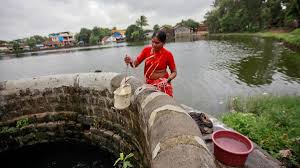
- India's Agricultural Dependence on Groundwater: India is a leading producer of water-intensive crops like rice, wheat, and pulses. The country’s agricultural sector heavily depends on groundwater for irrigation, especially for paddy cultivation.
- Over-exploitation of Groundwater: Groundwater extraction for irrigation is increasingly unsustainable, threatening agricultural sustainability in the long term.
Rising Groundwater Usage and Its Implications
- Population Growth and Groundwater Use: Between 2016 and 2024, global population grew from 7.56 billion to 8.2 billion, and India’s population rose from 1.29 billion to 1.45 billion. Concurrently, groundwater used for irrigation increased from 38% in 2016-17 to 52% in 2023-24, exacerbating the water crisis.
- Over-extraction in Major Paddy-Producing States: States like Rajasthan, Punjab, and Haryana have witnessed severe over-exploitation of groundwater for irrigation.
- Rajasthan: Highest groundwater salinisation (22%) despite receiving the highest average rainfall (608 mm) among these states.
- Punjab and Haryana: Lesser groundwater salinity due to canal irrigation and micro-irrigation systems.
Impact of Excessive Fertilizer Use on Groundwater Quality
- Soil Salinity and Groundwater Contamination: Excessive use of fertilizers, particularly for paddy cultivation, increases soil salinity and contributes to groundwater contamination.
- Toxic Chemicals in Groundwater: Nitrate contamination, caused by nitrogen-based fertilizers, and uranium contamination due to phosphate fertilizers are key concerns in states like Maharashtra, Telangana, Andhra Pradesh, and Tamil Nadu.
- Health Risks: Contaminated groundwater poses health risks such as thyroid disorders, cancer, and dental fluorosis, along with reduced agricultural productivity.
Projected Impact on Future Groundwater Availability
- Unsustainable Groundwater Levels: The Central Groundwater Board (CGWB) reports that if current practices continue, over half of the districts in Punjab could face groundwater depletion. Similarly, 21-23% of districts in Haryana and Rajasthan may experience a similar crisis.
- Population Growth and Water Scarcity: With India’s population expected to reach 1.52 billion by 2036, the need for sustainable groundwater management becomes even more critical.
Government Initiatives for Groundwater Management
- National Mission for Sustainable Agriculture (2014): Promotes sustainable practices like zero tillage, cover cropping, and micro-irrigation for efficient water and chemical use.
- Pradhan Mantri Krishi Sinchai Yojana (2015): Aims to boost irrigation efficiency through drip and sprinkler irrigation methods.
- Atal Bhujal Yojana (2019): Targets efficient groundwater management in water-stressed states like Gujarat, Haryana, Rajasthan, Maharashtra, and Uttar Pradesh.
- Success of Government Initiatives: CGWB data shows that the percentage of districts with unsustainable groundwater levels dropped from 23% in 2016-17 to 19% in 2023-24.
Role of State Governments in Groundwater Management
- State-Level Initiatives: States with unsustainable groundwater levels must take proactive measures to manage water resources efficiently.
- Example - Odisha: Odisha's Integrated Irrigation Project for Climate Resilient Agriculture emphasizes irrigation efficiency and climate-smart practices, supported by World Bank funding.
- Encouraging Resource-Efficient Agriculture: States with safe groundwater levels, like Chhattisgarh, Bihar, Jharkhand, Telangana, and Odisha, should adopt water-efficient practices to protect groundwater resources.
Conclusion: Ensuring Agricultural Sustainability and Water Security
- Need for Urgent Action: Scaling up efforts to improve irrigation practices and groundwater management is crucial to securing India’s agricultural future.
- Global Food Security: Protecting groundwater resources will not only ensure water security within India but also contribute to global food security amid climate challenges.
- Blueprint for Sustainable Agriculture: States like Odisha are providing a model for sustainable water management, which can be replicated across water-stressed regions in India.