
Kavu Nurseries
- 01 May 2026
In News:
The Kerala State Biodiversity Board (KSBB) has initiated a landmark pilot project for the ecological restoration of Sacred Groves (Kavus). This initiative represents a sophisticated model of "Community-Based Conservation," blending traditional ecological knowledge with modern scientific management.
The Decline of the 'Kavu'
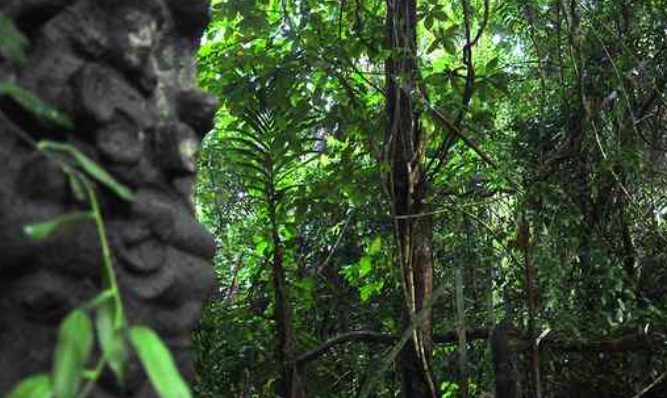
Sacred groves are traditionally protected forest patches dedicated to local deities (such as Naga or Bhagavati) and are preserved through social taboos. In Kerala, these Kavus act as "mini-biosphere reserves."
However, recent decades have seen a sharp decline in their health due to:
- Fragmentation: Urbanization and land-use changes.
- Invasive Species: Colonization by non-native flora like Lantana camara.
- Cultural Erosion: Transformation from nature worship to formal temple structures, leading to the "paving over" of forest floors with concrete.
Kavu Nurseries: The Restoration Strategy
The cornerstone of this pilot program is the establishment of Kavu Nurseries—specialized hubs designed to produce high-quality planting material specific to these micro-ecosystems.
Key Operational Features:
- Biodiversity Hubs: Unlike generic nurseries, these focus on over 100 indigenous and threatened species (e.g., Vatica chinensis, Saracaasoca, and Vateria indica).
- Salvo Replantation: The program aims to reintroduce approximately 3,000 saplings into degraded sites to restore canopy density.
- Invasive Species Management: Systemic removal of exotic weeds, replaced by ecologically compatible native vegetation.
- Participatory Governance: Implementation is led by local Biodiversity Management Committees (BMCs), ensuring that conservation efforts have community "buy-in."
Ecological and Cultural Significance
The restoration project yields multi-dimensional benefits that align with India's National Biodiversity Action Plan:
- In-situ Conservation: Acts as a refuge for endemic and medicinal plants that might not survive in larger, unprotected forests.
- Hydrological Services: Sacred groves are often associated with temple ponds (Kulam). They act as natural sponges, recharging groundwater and maintaining soil moisture during dry summers.
- Climate Resilience: By preserving dense green pockets, they regulate local micro-climates and act as carbon sinks in urbanized landscapes.
- Heritage Preservation: It revives the concept of "Social Fencing," where traditional beliefs provide more effective protection than legal barriers.
Pilot Implementation Sites
The project is currently being rolled out across five strategic locations in Kerala:
- Ezhikkara (Ernakulam)
- Pattanchery (Palakkad)
- Villiappally (Kozhikode)
- Iritty (Kannur)
- Uduma (Kasaragod)