
Apis mellifera
- 21 Apr 2026
In News:
In a significant advancement for India's apiculture sector, the CSIR-Indian Institute of Integrative Medicine (IIIM), Pulwama, has successfully demonstrated that Apis mellifera (the Western Honey Bee) can survive sub-zero temperatures. This breakthrough is set to revolutionize beekeeping in the Himalayan regions, particularly in Jammu and Kashmir, by eliminating the need for the traditional, expensive, and stressful winter migration of hives to the plains.
Profile of Apis mellifera: The Global Generalist
Apis mellifera, commonly known as the Western or European Honey Bee, is the most widely distributed and well-known domesticated insect species globally.
- Native Range & Global Spread: While native to Europe, Western Asia, and Africa, human introduction since the 17th century has established them across every continent except Antarctica.
- Commercial Importance: They are the primary species exploited commercially for honey, beeswax, propolis, and royal jelly. Furthermore, they play a critical role in global food security by providing pollination services for a vast array of crops.
- Biological Features:
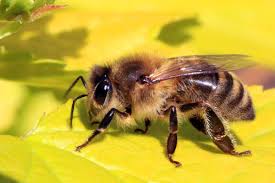
- Appearance: Reddish-brown to yellow with black bands and orange-yellow rings. They possess forked or frayed hairs on their thorax and abdomen.
- Architecture: They construct sophisticated nests consisting of multiple vertical beeswax combs, typically built inside protective cavities like hollow trees.
- Social Structure: They are eusocial insects. A single colony consists of tens of thousands of bees, including one fertile Queen, thousands of non-reproductive female Workers, and a small number of fertile male Drones.
The Challenge: Winter Migration
Historically, beekeepers in high-altitude regions like Kashmir faced a major logistical hurdle: the extreme winter. Since Apis mellifera was perceived as vulnerable to sub-zero temperatures, beekeepers were forced to migrate their hives to warmer states like Rajasthan, Punjab, and Haryana. This "transhumance" of bees involved:
- High transportation and labor costs.
- Increased mortality rates due to the stress of travel.
- Exposure to pesticides and different pathogens in the plains.
The Innovation: The "Warm Womb" Approach
The CSIR-IIIM breakthrough involves creating a "warm womb" environment for the bees, allowing them to remain in the Valley during the harsh winters. By utilizing specialized hive insulation and optimized feeding strategies, researchers proved that these colonies can thrive even when temperatures drop significantly below freezing.
Key Impacts of the Breakthrough:
- Economic Relief: Beekeepers save significantly on transportation and logistics, making the practice of apiculture more profitable and sustainable.
- Healthier Colonies: Avoiding the stress of long-distance migration results in lower colony collapse rates and healthier bees ready for the spring pollination season.
- Local Ecosystem Support: Maintaining bee populations year-round supports the local flora and ensures that pollination begins immediately as the first spring blossoms appear in the Valley.