
Hanamkonda’s Thousand Pillar Temple
- 09 May 2026
In News:
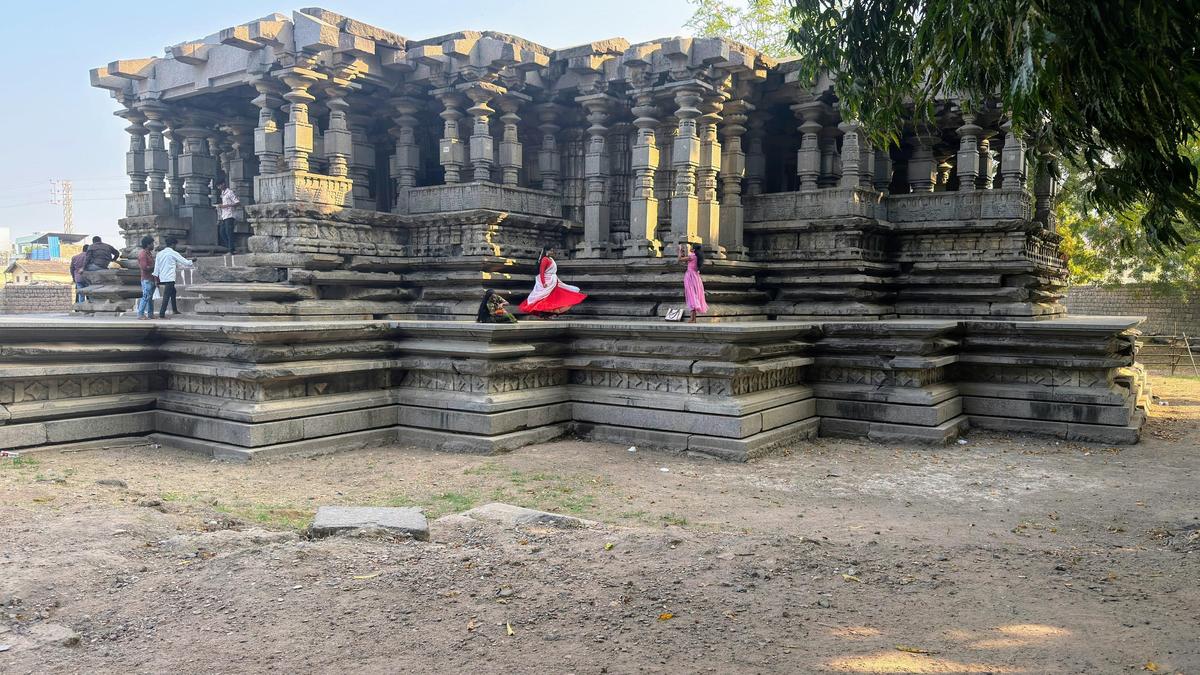
The Archaeological Survey of India (ASI) has achieved a monumental milestone by completing the 42-year-long restoration of the 12th-century dance pavilion (Kalyana Mandapam) at the Thousand Pillar Temple in Hanamkonda, Telangana. This meticulous reconstruction, which involved dismantling and reassembling the structure piece-by-piece, has not only revived a ransacked heritage site but also brought the ingenious "Sandbox Technology" of the Kakatiya era back into the global spotlight.
Hanamkonda’s Thousand Pillar Temple: A Trikutalaya Marvel
- Constructed in 1163 AD by the Kakatiya ruler Rudra Deva, the Thousand Pillar Temple is a masterpiece of medieval Indian architecture. It is a Trikutalaya—a triple-shrine temple—dedicated to the troika of Lord Shiva, Vishnu, and Surya Deva.
- Located in the historic city of Warangal, the temple is renowned for its star-shaped architecture, a design that provided greater surface area for the intricate carvings that characterize the Kakatiya style. While the temple is famous for its namesake "thousand pillars," the name actually derives from the sophisticated vertical carvings on many columns that create the visual illusion of multiple pillars.
- A major highlight of the temple complex is the monolithic Nandi. Carved from a single block of black basalt stone, this massive sculpture has also undergone recent restoration to repair its tail and folded leg, returning it to its original grandeur.
The Fall and Rise of the Kalyana Mandapam
The dance pavilion has endured a turbulent history. It was largely ransacked and damaged during the conquest by Ulugh Khan in 1323-24, leading to centuries of neglect. Over time, the structure suffered from foundational failure, causing it to sink into the earth. The restoration process was a complex "jigsaw puzzle" of stone, requiring modern engineers to re-learn the ancient geotechnical techniques used by the Kakatiyas to ensure the structure would remain stable for centuries to come.
Kakatiya-era Sandbox Technology: Ancient Earthquake Engineering
The most significant aspect of the temple’s durability is the use of Sandbox Technology, an indigenous geotechnical technique that predates modern seismic isolation methods.
How the Sandbox Works: Instead of building on conventional hard-rock foundations, Kakatiya engineers dug deep pits which were filled with a specific mixture:
- Primary Material: Fine sand.
- Binding Agents: A cocktail of lime, jaggery (unrefined sugar), and karakkaya (black myrobalan fruit).
This mixture created a flexible yet firm base. When the heavy stone pillars and beams were raised on this "sandbox," the foundation acted as a giant shock absorber.
Scientific Advantages:
- Seismic Resilience: During an earthquake, the sand acts as a cushion. Vibrations lose their intensity as they pass through the sand before reaching the stone structure. Laboratory tests indicate that this method can reduce vibration impact by nearly 60%.
- Unmatched Longevity: While modern rubber-based earthquake dampers degrade within 40 years, sand weathers at an incredibly slow rate. This technology has allowed Kakatiya monuments, including the UNESCO-listed Ramappa Temple, to survive for over 800 years.
- Sustainability: The technique is highly cost-effective and environmentally friendly, utilizing naturally available materials rather than industrial synthetics.
Carbon Capture, Usage and Storage

- 14 Feb 2026
In News:
The Prime Minister highlighted the importance of CCUS in decarbonising India’s heavy industries by sharing an article titled “Carbon capture can power India’s next steel revolution” authored by the Union Minister of Steel. Simultaneously, the Union Budget 2026–27 earmarked ?20,000 crore for a dedicated CCUS scheme, signalling a shift from pilot research to commercial deployment.
What is CCUS?
According to the International Energy Agency, Carbon Capture, Utilization and Storage (CCUS) refers to a set of technologies that capture carbon dioxide (CO?) from:
- Large industrial sources (power plants, steel, cement, refineries), or
- Directly from the atmosphere (Direct Air Capture).
The captured CO? is compressed and transported for either utilization or permanent geological storage.
The Three-Step Process
1. Capture: CO? is separated from other gases using:
- Chemical solvents
- Membranes
- Solid sorbents
2. Transport: Compressed CO? is transported through:
- Pipelines
- Ships
- Road tankers
3. Utilization or Storage
- Utilization (CCU): Conversion into urea, methanol, synthetic fuels, chemicals, building materials, or use in Enhanced Oil Recovery (EOR).
- Storage (CCS): Injection into deep geological formations such as depleted oil and gas fields or saline aquifers for long-term sequestration.
Why is CCUS crucial for India?
1. Decarbonising ‘Hard-to-Abate’ Sectors
Industries like steel and cement emit CO? due to chemical processes (e.g., calcination of limestone), not merely fuel combustion. CCUS is currently the only scalable solution to reduce such intrinsic emissions without shutting down production.
2. Powering India’s Steel Expansion
- India is the world’s second-largest crude steel producer (after China).
- Production: ~152 million tonnes (FY 2024–25).
- Under the National Steel Policy 2017, targets:
- 300 MT capacity by FY 2030–31
- 500 MT by 2047 (Viksit Bharat vision)
- Steel accounts for 10–12% of India’s total greenhouse gas emissions.
While hydrogen-based steelmaking is the long-term solution, CCUS acts as a bridge technology, enabling “Low-Carbon Steel” using existing plants.
3. Enhancing Energy Security
India derives 55–60% of its primary energy from coal. Immediate fossil fuel phase-out is economically disruptive. CCUS allows continued coal usage with reduced emissions during transition.
4. Circular Economy & Industrial Value Addition
Captured CO? can be:
- Converted to methanol (clean fuel)
- Used in Enhanced Oil Recovery (EOR)
- Converted into green urea or building materials
Thus, emissions become economic resources.
5. Safeguarding Exports from Carbon Taxes
Global trade is increasingly climate-regulated under mechanisms like the European Union Carbon Border Adjustment Mechanism (CBAM).
Low-carbon steel:
- Reduces export vulnerability
- Attracts climate-aligned investments
- Prevents “stranded assets” in India’s relatively young steel plants
6. Alignment with Global Commitments
CCUS supports:
- Paris Agreement (limit warming to 1.5–2°C)
- Sustainable Development Goals (Climate Action, Affordable & Clean Energy, Industry & Innovation)
India’s Key Initiatives on CCUS
1. Budgetary Push (2026–27)
- ?20,000 crore over five years
- Target sectors: Power, Steel, Cement, Refineries, Chemicals
2. NITI Aayog Policy Framework
- Proposed Viability Gap Funding (VGF)
- Development of CCUS hubs in industrial clusters (e.g., Gujarat, Odisha)
- Shared pipeline and storage infrastructure
3. Green Steel Taxonomy
Steel with emissions <2.2 tCO?e per tonne of crude steel qualifies as “Green Steel” (3–5 star ratings), incentivising adoption of CCUS and avoiding carbon taxes.
4. R&D and Institutional Support
National Centres of Excellence (NCoE-CCU)
- IIT Bombay
- Jawaharlal Nehru Centre for Advanced Scientific Research
DST Roadmap
- Pilot phase: 2025–30
- Commercial scale-up: 2035–45
Mission Innovation Challenge (2018)
- Joint initiative of DST & DBT
- Collaboration with 24 countries
- Focus on breakthrough capture and utilization technologies
Thaipusam
- 03 Feb 2026
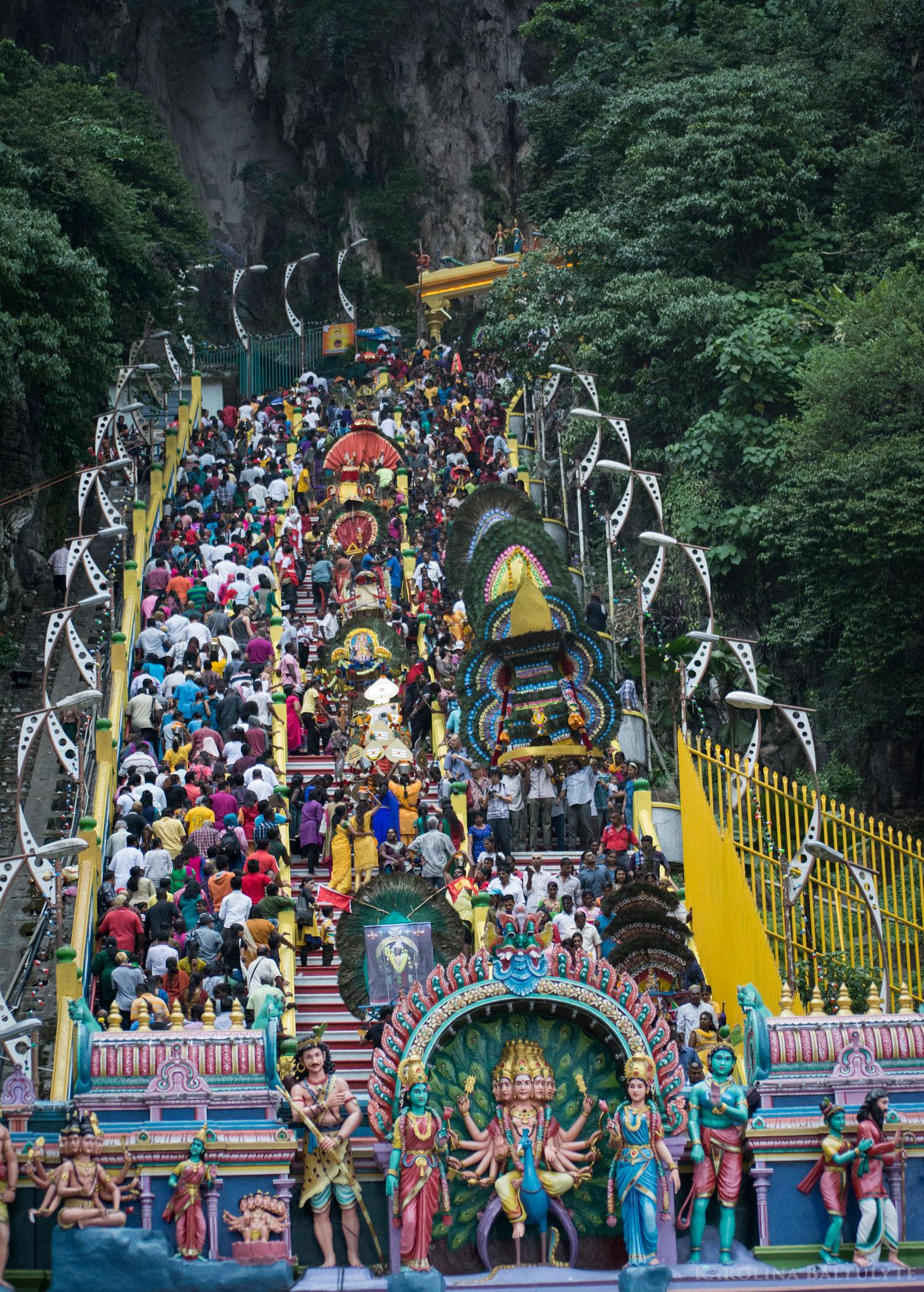
Thaipusam is an important Hindu festival celebrated primarily by the Tamil community to honour Lord Murugan, the deity associated with courage, wisdom, and victory over evil. The festival recently gained attention as the Prime Minister of India extended greetings to devotees, highlighting its cultural and spiritual significance.
Meaning and Timing of Thaipusam
The name Thaipusam is derived from:
- “Thai” – the tenth month of the Tamil calendar (January–February)
- “Poosam” (Pushya star) – the star that is at its highest point during the full moon day when the festival is observed
Thus, Thaipusam falls on the full moon day in the Tamil month of Thai, when the Pushya constellation is ascendant.
Religious Significance
Thaipusam commemorates the occasion when Goddess Parvati is believed to have given Lord Murugan the divine spear (Vel) to defeat the demon Surapadman. The festival symbolises:
- Triumph of good over evil
- Spiritual purification
- Devotion through penance and sacrifice
Murugan, also known as Kartikeya or Subramanya, is revered as the god of war, victory, and wisdom in Hindu tradition.
Key Rituals and Practices
- Kavadi Attam (Burden Carrying): Devotees carry decorated structures called kavadi as an act of devotion and gratitude. The act represents surrendering burdens to the deity.
- Fasting and Penance: Many devotees observe strict fasting, meditation, and celibacy before participating in the festival.
- Body Piercing Rituals: Some devotees pierce their skin, cheeks, or tongue with small spears or hooks as acts of faith and endurance, symbolising spiritual cleansing.
- Pilgrimages: Major processions and temple visits mark the day, especially at prominent Murugan temples.
Geographical Spread
While rooted in Tamil Nadu, Thaipusam has become a global Tamil festival, celebrated prominently in:
- Tamil Nadu
- Sri Lanka
- Malaysia (notably at Batu Caves)
- Singapore
It reflects the cultural continuity of the Tamil diaspora worldwide.
Cultural and Social Dimensions
Thaipusam is not only a religious event but also:
- A celebration of Tamil identity and heritage
- A demonstration of community solidarity
- A reflection of discipline, resilience, and spiritual commitment
The festival reinforces values of self-control, sacrifice, and devotion, which hold broader cultural importance.
Mission Mausam
- 02 Sep 2025
In News:
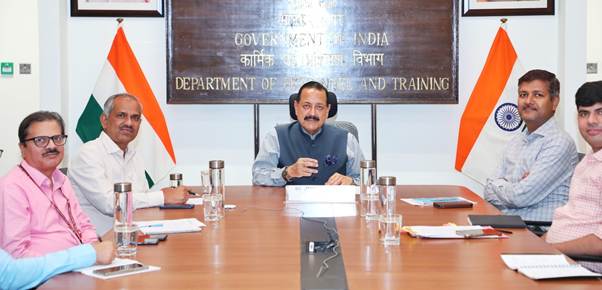
The increasing frequency of extreme weather events—cloudbursts, flash floods, and landslides—has underlined the urgent need for robust forecasting and disaster management mechanisms in India’s Himalayan region.
In this context, the Indian Meteorological Department (IMD), under the Ministry of Earth Sciences (MoES), is set to install four additional radars in Jammu & Kashmir (J&K) as part of Mission Mausam (2024). This development coincides with intensified relief and rehabilitation efforts following unprecedented rainfall and floods in August–September 2025.
Mission Mausam: An Overview
- Launched: 2024 by the Ministry of Earth Sciences.
- Implementing Agencies: IMD, National Centre for Medium-Range Weather Forecasting (NCMRWF), and Indian Institute of Tropical Meteorology (IITM).
- Objectives:
- Enhance India’s forecasting capability across short, medium, extended, and seasonal scales.
- Develop high-resolution models for improved accuracy in monsoon prediction.
- Strengthen observational networks with radars, satellites, automated weather stations.
- Provide sector-specific advisories for agriculture, water resources, health, energy, and disaster management.
- Build capacity through national and international collaborations.
Significance: It represents a transformative milestone in India’s climate resilience strategy, supporting sustainable development, while safeguarding lives, livelihoods, and infrastructure.
Relief and Rehabilitation Measures in J&K (2025)
Following the cloudbursts and floods, the Centre and UT administration launched coordinated relief measures:
- Immediate Relief: Supply of rations, medicines, water filters, and medical kits. Additional consignments dispatched from MP funds to supplement government aid.
- Community Role: Civil society and local bikers acted as first responders, showcasing a whole-of-society approach.
Broader Relevance for Disaster Management
- Policy Linkages: Aligned with the Disaster Management Act, 2005 and the Sendai Framework (2015–2030), emphasizing early warning systems and community resilience.
- Socio-Economic Impact: Strengthening forecasting reduces agricultural losses, protects infrastructure, and prevents human casualties.
- Strategic Significance: Enhances preparedness in the fragile Himalayan ecosystem, prone to climate-induced disasters.
DRR Dhan 100 (Kamala) &Pusa DST Rice 1

- 06 May 2025
In News:
- Recently, the Union Ministry of Agriculture and Farmers’ Welfare launched India’s first genome-edited rice varieties—DRR Dhan 100 (Kamala) and Pusa DST Rice 1.
- Developed by ICAR-IIRR (Hyderabad) and ICAR-IARI (New Delhi) using CRISPR-Cas9 technology under SDN1/SDN2 methods.
About the Varieties
DRR Dhan 100 (Kamala)
- Developed by: ICAR-Indian Institute of Rice Research (IIRR), Hyderabad
- Parent variety: Samba Mahsuri (BPT 5204)
- Features:
- 19% increase in yield
- Matures in ~130 days (20 days earlier than parent)
- Stronger stem – reduces lodging
- Saves ~7,500 million cubic meters of irrigation water
- Lower methane emissions
- Edited gene: CKX2 (Gn1a) – increases grain number per panicle
Pusa DST Rice 1
- Developed by: ICAR-Indian Agricultural Research Institute (IARI), New Delhi
- Parent variety: MTU 1010 (Cotton Dora Sannalu)
- Features:
- Improved tolerance to drought and salinity
- Yield increase: Up to 30.4% in saline/alkaline soils
- Edited gene: DST gene
- Developed using SDN1 genome editing – no foreign DNA inserted
Technology Used
- CRISPR-Cas9 genome editing system:
- Enables precise editing of native genes without inserting foreign DNA
- SDN1/SDN2 methods approved by India’s biosafety regulations
- Genome editing vs GMOs:
- Genome editing makes internal gene alterations
- GMOs involve insertion of foreign genetic material
- GM crops are banned for cultivation/import in India (except Bt cotton)
Benefits Claimed
- Increased agricultural productivity:
- 19% increase in yield (DRR Dhan 100)
- Up to 30.4% increase in saline soils (Pusa DST Rice 1)
- Environmental benefits:
- Reduced greenhouse gas emissions (~20%)
- Lower methane release due to early maturation
- Major water conservation
- Target states: Andhra Pradesh, Telangana, Tamil Nadu, Kerala, Karnataka, Chhattisgarh, Maharashtra, Madhya Pradesh, Odisha, Jharkhand, Bihar, Uttar Pradesh, West Bengal, and Puducherry
Concerns and Criticisms
Biosafety and Unintended Effects
- Unintended mutations: CRISPR-Cas enzymes may cause off-target gene edits, potentially resulting in unknown protein formations.
- Lack of global standardisation on enzyme concentration and specificity.
- Some scientists warn of genetic instability in SDN1-based edits.
Seed Sovereignty & Intellectual Property Rights (IPR)
- Genome editing tools are IPR-protected, raising concerns over farmers' seed sovereignty.
- Activist groups like Coalition for a GM-Free India demand transparency on IPR ownership and oppose reliance on proprietary technologies.
- Risk of monoculture, loss of rice genetic diversity, and trade barriers for India’s non-GM rice exports.
Policy and Regulatory Framework
- India’s biosafety guidelines (2022) permit SDN1 and SDN2 genome editing for general crops.
- The Union Budget 2023–24 allocated ?500 crore for advancing genome editing in agriculture.
- ICAR expanding genome editing to oilseeds and pulses.
India's Mission Mausam and the Cloud Chamber
- 23 Oct 2024
In News:
Mission Mausamaims to not just improve weather forecasting in the country but also ‘manage’ certain weather events, and on demand, enhance or suppress rainfall, hail, fog and, later, lightning strikes.
- Focus Areas:
- Enhancing or suppressing rainfall, hail, fog, and later, lightning strikes on demand.
- Strengthening cloud physics research to better understand and modify weather conditions.
- Establishment of Cloud Chamber:
- Location: The cloud chamber is being built at the Indian Institute of Tropical Meteorology (IITM) in Pune.
- Purpose: To study cloud physics in detail and develop methods for weather modification.
- Key Feature: It will be a convective cloud chamber, capable of simulating conditions specific to Indian monsoon clouds.
What is a Cloud Chamber?
- A scientific apparatus that mimics the conditions required for cloud formation.
- Function: Water vapour, aerosols, and other particles are injected into the chamber, and under controlled temperature and humidity conditions, clouds can be formed.
- Global Context: While many countries have cloud chambers, India is building one with convection properties, which are essential for studying monsoon clouds. Only a few such chambers exist globally.
Why India Needs a Convective Cloud Chamber?
- Cloud Physics: The chamber will allow scientists to study various phenomena such as:
- Cloud behaviour under normal and extreme conditions.
- Formation of rain droplets and ice particles.
- Influence of moisture from cyclones or low-pressure systems.
- Interactions between different cloud layers.
- Objective: To gain insights into cloud formation specific to the Indian monsoon and develop strategies for weather modification.
Applications for Weather Modification:
- The cloud chamber will help scientists simulate and understand how to influence weather events like rain and fog, particularly in monsoon systems.
- It will allow testing of new ideas and theories under controlled conditions, adjusting temperature, humidity, and convection parameters to suit Indian weather conditions.
India’s Experience with Cloud Seeding:
- Cloud Seeding: A technique tested in India to enhance rainfall by introducing particles (seeds) into clouds.
- CAIPEEX Program: India conducted the Cloud Aerosol Interaction and Precipitation Enhancement Experiment (CAIPEEX) over a decade to study cloud seeding's effectiveness.
- Findings: Cloud seeding increased rainfall by up to 46% in some regions, showing its potential under specific conditions.
- Limitations: Cloud seeding is not a one-size-fits-all solution and is effective only under certain conditions.
Significance for India’s Weather Forecasting:
- Improved Weather Modification: The cloud chamber and insights from it could lead to better management of weather events, especially in regions affected by monsoon rains, cyclones, and droughts.
- Tailored Strategies: India will be able to implement targeted weather interventions, especially in agricultural regions, to reduce the negative impacts of extreme weather.
???????Global and Regional Relevance:
- Cloud Chamber: The Pune facility will be one of the few globally with the specific focus on convective properties needed to study Indian monsoon systems.
- Role in Climate Science: India’s investment in cloud physics research positions it at the forefront of developing technologies to manage climate variability and extreme weather events.
Musaned Digital Platform

- 19 Oct 2024
In News:
Saudi Arabia Launches Musaned Digital Platform to Ensure Wage Protection for Foreign Workers.
Key Highlights:
- Purpose of Musaned:
- Musaned is a digital platform launched by Saudi Arabia to ensure wage protection and improve working conditions for foreign workers, particularly those in domestic (household) employment.
- The platform aims to safeguard workers' rights, create a stable working environment, and reduce illegal immigration.
- Coverage:
- The platform benefits foreign workers from 10 African countries (including Sudan, Ethiopia, Kenya) and 9 Asian countries (including India, Bangladesh, Pakistan, Vietnam, the Philippines, and Sri Lanka).
- Key Features:
- Employment Contract Access: Workers can check and track their employment contracts and receive updates via the Musaned labour app.
- Financial Transaction Tracking: The platform monitors financial transactions between employers and foreign workers, ensuring employers meet their contractual obligations.
- Integration with Benefits: Musaned can be linked to contract insurance and health benefits, providing additional protection for workers.
- Objectives:
- Wage Protection: Ensures timely and fair wages for foreign workers.
- Human Rights Protection: Promotes human rights by holding employers accountable for fulfilling their obligations.
- Vision 2030 Alignment: Supports Saudi Arabia’s Vision 2030 by improving the work environment and contributing to legal labor migration.
- Impact:
- The platform is expected to help secure workers’ rights, especially for domestic workers, and provide a more transparent, accountable framework for employment relations in the country.
Musaned is a significant step by Saudi Arabia to enhance the security and welfare of foreign workers, aligning with the Kingdom's broader goals of economic reform and social development under Vision 2030. The platform will provide greater transparency, protect workers’ rights, and contribute to a more regulated and sustainable labor market.
ISRO’s Reusable Launch Vehicle (RLV) LEX 02 Landing Experiment
- 23 Mar 2024
Why is it in the News?
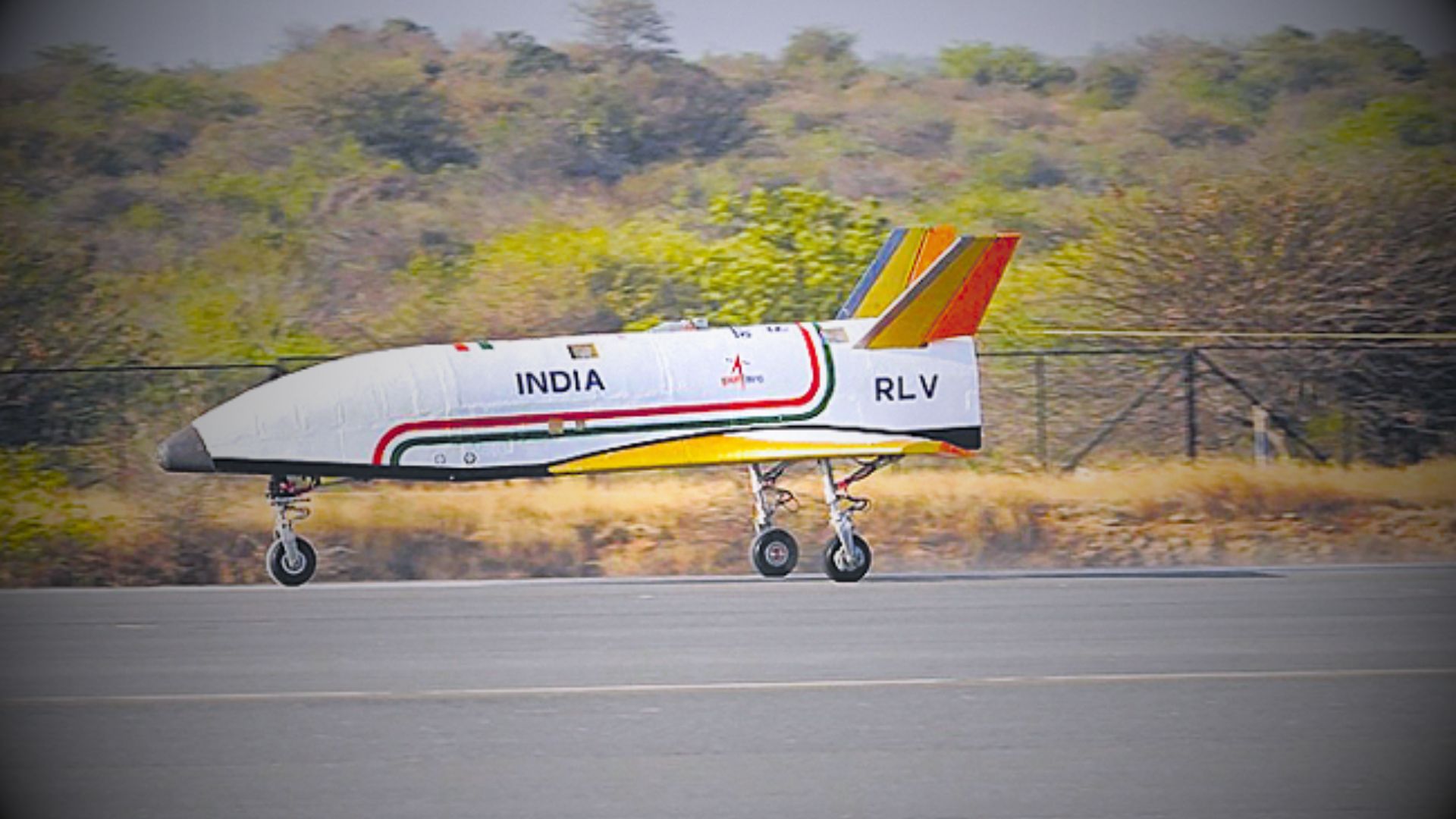
The Indian Space Research Organisation (ISRO) successfully conducted the Pushpak Reusable Landing Vehicle (RLV) LEX 02 landing experiment at the Aeronautical Test Range in Chitradurga recently.
What is a Reusable Landing Vehicle (RLV) LEX 02?
- Continuing our exploration into reusable landing vehicles, RLV-LEX-02 marks the second mission in our series conducted at the Aeronautical Test Range.
- Following the success of RLV-LEX-01 last year, this latest endeavor showcases the remarkable autonomous landing capability of our reusable launch vehicle (RLV).
- Notably, RLV-LEX-02 demonstrates the vehicle's ability to navigate and safely land from off-nominal initial conditions immediately upon release from a helicopter.
Methodology of the Experiment:
- The RLV LEX-02 mission showcased the autonomous landing prowess of our reusable launch vehicle under demanding circumstances following its release from a helicopter.
- Dubbed 'Pushpak', this winged vehicle was airlifted by an Indian Air Force Chinook helicopter and released from a height of 4.5 km.
- Navigating autonomously, it adeptly approached the runway, making precise cross-range corrections before executing a flawless landing.
- Utilizing a combination of its brake parachute, landing gear brakes, and nose wheel steering system, it safely came to a stop.
- Notably, the winged body and all flight systems previously employed in RLV-LEX-01 were repurposed for RLV-LEX-02 after undergoing necessary certification and clearances.
- This remarkable mission was executed collaboratively by the Vikram Sarabhai Space Centre (VSSC), the Liquid Propulsion System Centre (LPSC), and the ISRO Inertial Systems Unit (IISU).
What is the Reusable Launch Vehicle?
- The reusable launch vehicle represents a pioneering space plane design characterized by a low lift-to-drag ratio, which mandates high glide angles during approach and consequently requires landing at velocities reaching 350 kmph.
- Integral to its innovation are a multitude of indigenous systems developed meticulously. These encompass sophisticated navigation systems, leveraging pseudolite technology for precise localization, as well as instrumentation and sensor arrays, among other advancements, all spearheaded by ISRO.
Chausath Khamba
- 18 Mar 2024
Why is it in the News?
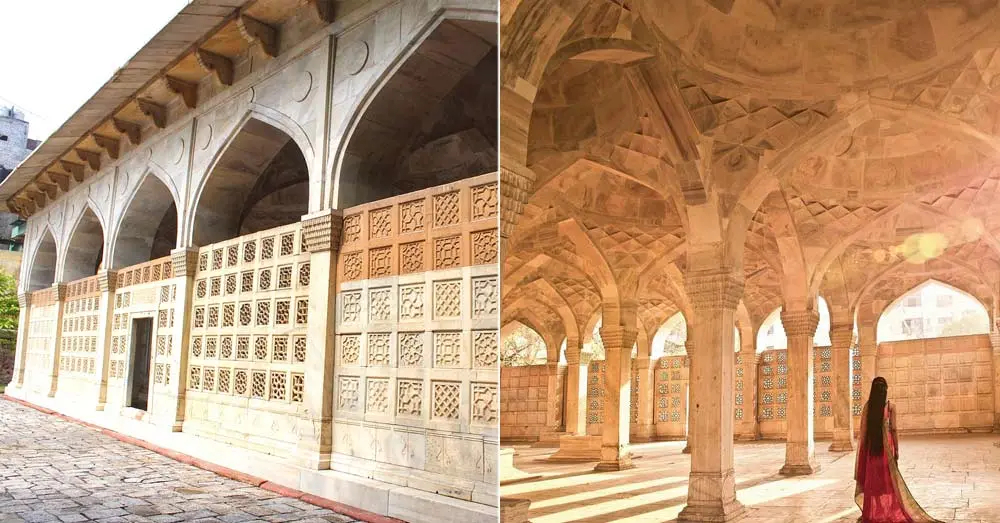
Characterized by its marble pillars and intricate latticework, Chausath Khamba (64 pillars) stands adjacent to the Nizamuddin dargah, a 14th-century shrine erected in honor of the revered Sufi saint Hazrat Nizamuddin Auliya.
About the Chausath Khamba:
- Chausath Khamba was built in AD 1623 - 24 to serve as a tomb for Mirza Aziz Koka, the foster brother of Mughal Emperor Akbar.
- It is so called on account of the 64 (chausath) monolithic marble pillars (khamba) and stands close to his father, Atgah Khan’s tomb, at the edge of the Dargah of Hazrat Nizamuddin Auliya.
- The tomb enclosure is entered through a lofty arched gateway and has a large sunken forecourt.
- The mausoleum is unique on account of it being built entirely of marble, with 25 marble domes supporting the flat roof of the structure.
- The plan for Chausath Khamba could have been inspired by the wooden garden pavilions from Persia - such as the Chihil Sutun, and in turn, the Chausath Khamba seems to have inspired the architectural design for Emperor Shahjahan’s Diwan-i-Aam, Hall of Audience.
- Each facade of the square structure has five marble arches inset with marble jaallis or lattice screens and a doorway in the central arch providing access to the tomb.
- The column capitals are intricately carved with simple yet striking pendentives bridging the square floor plan to the circular dome above.
- The structure also finds mention in Sir Gordon Risley Hearn’s book The Seven Cities of Delhi.
- As per author and historian Sam Dalrymple, the edifice embodies the architectural style of Gujarat and Ahmedabad within Delhi, serving as the Urs Mahal for hosting festivities during the commemoration of Nizamuddin's passing.
- This illustrates the historical dissemination of regional architectural influences across India over centuries.
Scientists are closer to creating a reference genome for Indians; 10,000 samples sequenced already

- 28 Feb 2024
Why is it in the News?
The Government’s ambitious Genome India initiative achieved a significant milestone Tuesday as researchers completed sequencing 10,000 healthy genomes from different regions of the country, representing 99 distinct populations.
News Summary:
- The Department of Biotechnology has announced the successful completion of India's '10,000 genome' project, aimed at establishing a comprehensive reference database of whole-genome sequences within the country.
- This milestone marks the creation of a detailed genetic map of India, offering significant potential for both clinicians and researchers in diverse fields.
- With India emerging as the largest genetic laboratory globally, this rich dataset is poised to catalyze advancements in the country's biology sector.
- Notably, India's bio-economy has witnessed remarkable growth, expanding from $10 billion in 2014 to over $130 billion in 2024, signaling a promising trajectory for future development.
- The entirety of the genomic dataset will be housed at the Indian Biological Data Centre (IBDC), serving as a valuable digital resource for research purposes.
- Established in 2022, the IBDC represents India's sole indigenous databank, eliminating the need for Indian researchers to rely on foreign servers for hosting biological datasets.
What is Genome Sequencing?
- Genome sequencing is the process of determining the exact order of the building blocks (nucleotides) that make up an organism's entire DNA, or genome.
- It's like reading the complete instruction manual for life, containing the information needed to create and maintain an organism.
Applications of Genome Sequencing:
- Healthcare: Doctors can diagnose diseases with greater accuracy, personalize treatments, and uncover the causes of rare conditions.
- Agriculture: Scientists can engineer crops with desired traits like disease resistance and improved yield, while breeders select animals with specific characteristics.
- Forensics: DNA profiling aids criminal investigations and paternity testing.
- Conservation: Studying the genetic diversity of endangered species helps with conservation efforts while analyzing invasive species' origins aids in controlling their spread.
What is the Human Genome Project (HGP)?
- Initiated in 1990, the Human Genome Project aimed to elucidate the entire sequence of the human genome.
- In 2023, the project culminated in the release of the latest version of the complete human genome, boasting a mere 0.3% error margin.
- Enabled by the Human Genome Project, whole-genome sequencing facilitates the examination of an individual's genome to uncover deviations from the average human genome.
- These deviations, or mutations, offer insights into an individual's susceptibility to diseases, their responsiveness to specific stimuli, and other pertinent genetic attributes.
About the Genome India Project:
- The Genome India Project stands as a pioneering initiative approved by the Department of Biotechnology, geared towards gene mapping.
- This project sets out with the ambitious objective of compiling an exhaustive repository documenting genetic diversity across the Indian populace.
- At its core, the endeavor seeks to conduct genome sequencing for more than 10,000 individuals spanning various geographic and ethnic backgrounds within India, ultimately laying the groundwork for a standardized reference genome specific to the Indian demographic.
Significance of the Genome India Project:
- Unveiling Unique Genetic Variants: The Genome India Project holds the key to unraveling genetic variants exclusive to India’s diverse population, enabling tailored drug formulations and therapeutic interventions.
- For instance, mutations like MYBPC3, linked to premature cardiac arrest and prevalent in 4.5% of Indians, underscore the necessity of region-specific genetic insights, contrasting with global rarity.
- Similarly, the discovery of the LAMB3 mutation, causing a severe skin disorder and impacting nearly 4% of the population around Madurai, emphasizes the localized genetic complexities absent in global databases.
- Comprehensive Database for India's Population: With a colossal population exceeding 1.3 billion, India boasts a mosaic of over 4,600 distinct population groups, many practicing endogamy.
- This vast demographic diversity underscores the need for a comprehensive genetic database tailored to India's populace, crucial for identifying and addressing disease-causing mutations prevalent within specific groups.
- Unlike extrapolating findings from global datasets, the Genome India Project provides precise genetic insights essential for Indian-centric healthcare strategies.
Global River Cities Alliance with 267 river cities including India, USA and Denmark to be launched on December 10, 2023 (PIB)

- 08 Dec 2023
Why is it in the News?
The National Mission for Clean Ganga (NMCG) on behalf of River Cities Alliance (RCA), has signed a Memorandum of Common Purpose (MoCP) with the Mississippi River Cities and Towns Initiative (MRCTI), representing 124 cities/towns situated along the banks of the Mississippi River, USA.
What is River Cities Alliance (RCA)?
- The River Cities Alliance (RCA) is a joint initiative of the Department of Water Resources, River Development & Ganga Rejuvenation under the Ministry of Jal Shakti (MoJS) & the Ministry of Housing and Urban Affairs (MoHUA), with a vision to connect river cities and focus on sustainable river centric development.
- Beginning with 30 member cities in November 2021, the Alliance has expanded to 109 river cities across India and one international member city from Denmark.
- 30 cities include Dehradun, Rishikesh, Haridwar, Srinagar, Varanasi, Kanpur, Prayagraj, Farrukhabad, Mirzapur, Mathura, Bijnor, Ayodhya, Patna, Bhagalpur, Begusarai, Munger, Sahibganj, Rajmahal, Howrah, Jangipur, Hugli-Chinsurah, Berhampore, Maheshtala, Aurangabad, Chennai, Bhubaneshwar, Hyderabad, Pune, Udaipur and Vijayawada.
- The Alliance is open to all river cities of India. Any river city can join the Alliance at any time.
- Objective: To provide the member cities with a platform to discuss and exchange information on aspects that are vital for sustainable management of urban rivers, sharing best practices and supporting innovation.
- It focuses on three broad themes- Networking, Capacity Building and Technical Support.
- The Secretariat of the Alliance is set up at the National Institute for Urban Affairs (NIUA) Delhi.
About the National Mission for Clean Ganga (NMCG):
- The Ministry of Jal Shakti, Government of India, established the National Mission for Clean Ganga (NMCG) as a registered society to take proactive measures for preventing, controlling, and abating environmental pollution in the Ganga River.
- Its mission includes ensuring a continuous and adequate flow of water to rejuvenate the river.
- Initially serving as the implementation arm of the dissolved National Ganga River Basin Authority (NGRBA), NMCG aims to achieve effective pollution abatement and river rejuvenation through a river basin approach, promoting inter-sectoral coordination and environmentally sustainable development.
- Post the dissolution of NGRBA in 2016, NMCG continues its objectives through the National Council for Rejuvenation, Protection, and Management of River Ganga, also known as the National Ganga Council.
- The mission focuses on maintaining minimum ecological flows in the Ganga to ensure water quality and sustainable development.
- Structure: NMCG follows a two-tier management structure comprising the Governing Council and the Executive Committee, both led by the Director General.
- The Executive Committee holds the authority to approve projects up to Rs. 1000 crores.
- At the state level, State Programme Management Groups (SPMGs) serve as the implementing arms of State Ganga Committees.
- The Director General of NMCG holds the position of Additional Secretary in the Government of India.