
Export of Assam’s GI-Tagged Joha Rice
- 14 Mar 2026
In News:
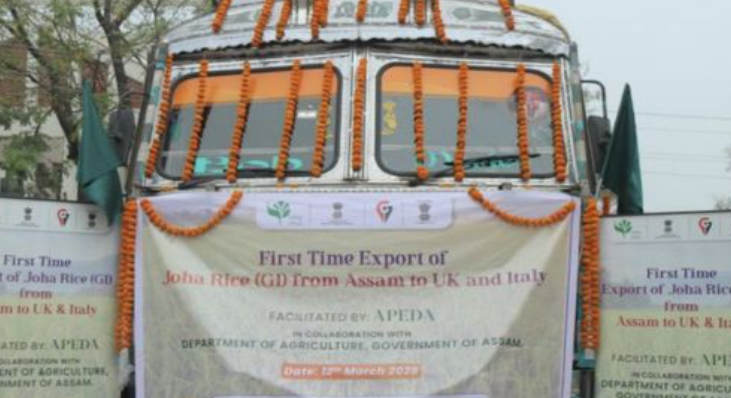
- India recently facilitated the export of 25 metric tonnes of GI-tagged Joha rice from Assam to the United Kingdom and Italy.
- The initiative was supported by the Agricultural and Processed Food Products Export Development Authority (APEDA) to expand global access to India’s niche agricultural products and strengthen export opportunities for farmers in the North-Eastern region.
- This export marks an important step in promoting geographical indication (GI) products in international markets while enhancing income opportunities for local producers.
About Joha Rice
- Joha Rice is a short-grain aromatic rice variety traditionally cultivated in Assam. Known for its distinctive fragrance and soft texture, it is an integral part of Assamese cuisine and cultural traditions.
- The rice received Geographical Indication (GI) status in 2017, recognising its unique origin, traditional cultivation methods, and region-specific characteristics.
Region of Cultivation
Joha rice is primarily cultivated in Upper and Central Assam, where agro-climatic conditions support its growth. Major producing districts include:
- Sivasagar
- Jorhat
- Golaghat
- Dibrugarh
- Lakhimpur
The crop is usually grown during the Sali (winter) rice season, which is the primary paddy cultivation cycle in Assam.
Key Characteristics
Joha rice possesses several unique features that distinguish it from other rice varieties:
- Aromatic Quality: The rice emits a distinct natural fragrance, similar to premium aromatic varieties, making it suitable for specialty dishes.
- Short-Grain Variety: It is a short-grain winter paddy, known for its soft texture when cooked.
- Nutraceutical Properties: Studies indicate that Joha rice contains several bioactive compounds, including:
- Omega-3 and omega-6 fatty acids
- Antioxidants
- Flavonoids and phenolic compounds
- Potential Health Benefits: Bioactive compounds such as oryzanol, ferulic acid, and tocotrienols are associated with anti-diabetic and cardio-protective properties, increasing its appeal in health-conscious markets.
Significance of the Export
- Promoting GI-Tagged Products: The export highlights the growing international demand for India’s geographically unique agricultural products, reinforcing the value of the GI certification system.
- Enhancing Farmer Income: GI-tagged agricultural commodities often command premium prices in international markets, benefiting local farmers and producers.
- Boosting Agricultural Exports: The initiative supports India’s strategy to diversify agricultural exports by promoting specialty and high-value crops.
- Supporting North-East Agricultural Development: Export promotion of Joha rice contributes to economic development in the North-Eastern region, integrating local farmers into global supply chains.
Indigenous Dog Breeds in Assam Rifles

- 14 Feb 2026
In News:
The Assam Rifles, India’s oldest paramilitary force, has initiated the induction of two indigenous dog breeds—Tangkhul Hui (Haofa) from Manipur and Kombai from Tamil Nadu into its dog squads. The move aligns with the 2025 directive of the Ministry of Home Affairs (MHA) encouraging greater adoption of Indian canine breeds in armed forces.
This initiative aims to reduce long-term dependence on foreign breeds such as Belgian Malinois, German Shepherd, and Labrador, with full operational induction of indigenous breeds targeted by 2027 and gradual replacement of foreign breeds by 2050.
Assam Rifles:
- Established in 1835 as the Cachar Levy.
- India’s oldest paramilitary force.
- Functions under dual control:
- Administrative: Ministry of Home Affairs
- Operational: Ministry of Defence
- Primary roles:
- Counter-insurgency in the Northeast
- Guarding the Indo-Myanmar border
- Operates the Assam Rifles Dog Training Centre (ARDTC), Jorhat, its sole canine training facility.
Role of Dog Squads
Dogs are trained for:
- Trackers – Follow human/animal trails in difficult terrain.
- Guard dogs – Secure camps, convoys, and border posts.
- Detection dogs – Identify hidden arms, explosives, and narcotics.
They are particularly deployed in sensitive regions like the Northeast and Jammu & Kashmir.
Tangkhul Hui (Haofa)
Origin
- Native to Ukhrul district, Manipur
- Raised traditionally by the Tangkhul tribe
- Originally developed as a hunting companion (sighthound)
Key Features
- Large, strong body; deep chest and powerful jaws
- Usually black with white markings
- Erect ears and alert expression
- Highly disease-resistant
- Strong stamina (more endurance than speed)
- Intelligent and protective
Current Status
- Part of a pilot project since 2022
- Six dogs already trained and deployed in narcotics detection
- Purebred population is declining, making it relatively rare
Kombai (Polygar Dog)
Origin
- Indigenous to Kombai region, Theni district, Tamil Nadu
- Also known as:
- Polygar Dog
- Indian Bore Hound
- Combai
Historical Use
- Guarding property
- Hunting wild boar and large game
- Used by South Indian royalty and warriors
- Employed in regional military contexts historically
Key Characteristics
- Muscular, athletic build
- Broad head, deep chest, strong limbs
- Short, smooth reddish-brown coat
- Distinct black mask-like muzzle
- Loyal, protective, highly defensive
- Hardy and disease-resistant
Induction Plan
- First batch (2 males, 8 females) scheduled for induction in April 2026
- Full integration expected by March 2027
BNHS to Release Critically Endangered Vultures in Assam
- 08 Dec 2025
In News:
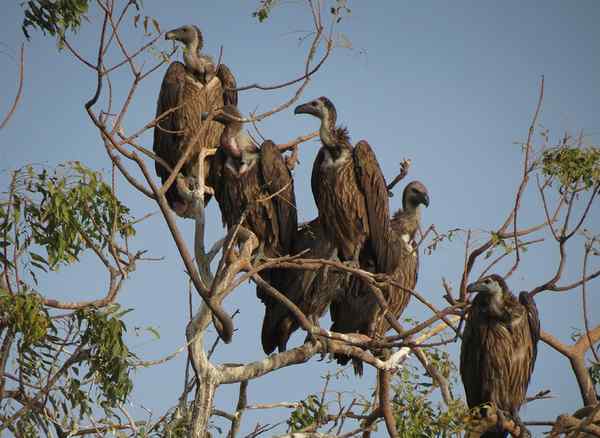
The Bombay Natural History Society (BNHS) is set to release six captive-bred vultures-three males and three females-into the wild in Assam in January 2026. The birds belong to two critically endangered species: the Slender-billed Vulture and the White-rumped Vulture. The release will take place in Kamrup and Biswanath districts, areas within the natural range of these species and close to Kaziranga National Park.
This initiative is part of India’s long-term vulture recovery programme, supported by the Assam Forest Department and the Royal Society for the Protection of Birds (RSPB). BNHS has bred over 800 vulturesacross its conservation breeding centres and has worked for more than 15 years to prepare suitable habitats and community awareness for reintroduction.
Before release, the vultures will undergo a soft-release acclimatisation period of at least three months, allowing them to adapt to natural surroundings and observe other scavengers. Vultures are social birds, mature after about five years, and can live up to 50–60 years.
Slender-billed Vulture (Gyps tenuirostris)
- IUCN Status: Critically Endangered
- Distribution: Assam, Gangetic plains, Nepal, Bangladesh, Myanmar, Cambodia
- Habitat: Open landscapes, riverine areas, tall trees near human settlements
- Identification: Slender narrow bill, dark head, long bare neck, grey plumage
- Breeding: Slow breeder; lays one egg per clutch
- Diet: Carrion, often feeds with other vultures
- Threats: Veterinary drug poisoning (especially diclofenac), habitat loss
Population estimates suggest fewer than 1,000 mature individuals remain globally.
White-rumped Vulture (Gyps bengalensis)
- IUCN Status: Critically Endangered
- Distribution: Indian subcontinent, often near villages and towns
- Habitat: Plains, open country, nesting on tall trees
- Identification: Dark body, distinct white rump patch, white neck ruff
- Breeding: October–March season, one egg
- Diet: Carrion; commonly feeds in mixed-species groups
This species has suffered one of the fastest bird population crashes in history, primarily due to diclofenac, a veterinary anti-inflammatory drug toxic to vultures.
Vultures in India - Key Facts
India hosts 9 vulture species, including:
- Critically Endangered: White-rumped, Slender-billed, Indian (Long-billed), Red-headed Vulture
- Endangered: Egyptian Vulture, Himalayan Griffon (status often regionally assessed)
- Others: Griffon Vulture, Bearded Vulture, Cinereous Vulture
Why Vultures Matter
Vultures are vital scavengers that prevent the spread of diseases by rapidly disposing of carcasses. Their decline has led to ecological imbalance and increased feral dog populations, raising risks of rabies and other zoonotic diseases.
Conservation Measures in India
- Ban on veterinary diclofenac (2006)
- Vulture Safe Zones across several states
- Captive breeding programmes led by BNHS and state forest departments
- Community awareness and monitoring
The 2026 release in Assam marks an important step toward restoring these keystone scavengers to India’s ecosystems.
Polypropylene and Bioethanol Initiatives in Assam

- 19 Sep 2025
In News:
Prime Minister Narendra Modi recently laid the foundation stone for a Polypropylene (PP) Plant and inaugurated a Bioethanol Plant at Numaligarh Refinery Limited (NRL) in Golaghat, Assam. These projects mark a major step in strengthening India’s energy security, promoting clean energy, and enhancing industrial development in the Northeast.
About Polypropylene
Polypropylene (PP) is a thermoplastic polymer produced by the polymerization of propylene. Belonging to the polyolefin family, it is a lightweight, flexible, and heat-resistant material widely used in modern industries.
Key Properties:
- Chemical resistance: Highly resistant to acids, alkalis, and solvents, making it ideal for packaging cleaning products.
- Lightweight and durable: One of the lightest commodity plastics, suitable for high-temperature applications.
- Flammable: Requires controlled processing and handling.
- Insulating properties: Offers strong electrical insulation, used in casings, cables, and medical equipment.
Applications:
Polypropylene is extensively used in packaging, textiles, ropes, carpets, medical kits, automotive components, and agricultural tools. Its versatility makes it integral to both industrial and domestic use.
About the Polypropylene Plant at NRL
The Polypropylene Plant at Numaligarh Refinery aims to enhance India’s petrochemical capacity and reduce dependence on imports. It will serve as a key catalyst for industrial growth in Assam and contribute to the ‘Make in Assam’ and ‘Make in India’ initiatives.The plant will:
- Generate significant employment opportunities for the local population.
- Strengthen manufacturing sectors linked to plastics, textiles, and medical equipment.
- Promote regional economic diversification in the Northeast.
The Bioethanol Plant and Clean Energy Push
The newly inaugurated Assam Bioethanol Plant, also at NRL, produces bioethanol from bamboo—a sustainable feedstock abundantly available in the region. This initiative supports India’s Ethanol Blending Programme and aims to reduce reliance on imported fossil fuels.
Key Benefits:
- Encourages bamboo cultivation, benefitting farmers and tribal communities.
- Establishes bamboo chipping units and ensures steady raw material supply.
- Generates employment for thousands of people and boosts the rural economy.
- Promotes green energy and circular economy principles.
The government has allocated around ?200 crore annually to support bamboo-based ethanol production, which will provide a long-term economic boost to the region.
Strategic Significance
Prime Minister Modi emphasized that energy and semiconductors are two critical pillars of India’s self-reliance journey. Assam, through projects like these, is emerging as a key energy hub.
- India is now among the top five countries in solar power capacity.
- The government has launched the National Deepwater Exploration Mission to explore domestic oil and gas reserves under the “Samudra Manthan” initiative.
- A semiconductor factory worth ?27,000 crore is being set up in Morigaon, positioning Assam as a vital node in India’s electronics manufacturing ecosystem.
Cultural and Socio-Economic Integration
Beyond industrial growth, these projects are part of a broader vision to integrate Assam’s cultural heritage with modern development. The state’s traditional identity—symbolized by the Gamosa, Eri, and Muga silk—will now extend to polypropylene-based textiles and industries.
Initiatives such as Mission Basundhara, welfare schemes for tea garden workers, and the development of tourism circuits like the MaaKamakhya Corridor underscore inclusive growth in the region.
Operation Falcon and Rhino Conservation in Assam
- 14 Aug 2025
In News:
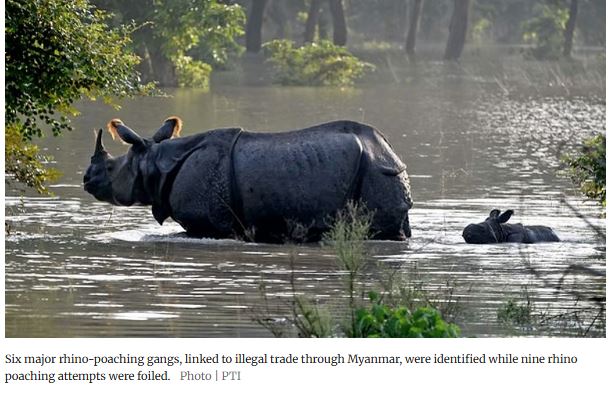
The Assam government has achieved major success in protecting the greater one-horned rhinoceros through Operation Falcon, a joint initiative of the Assam Police and Forest Department launched in 2024. The operation was initiated after the killing of two rhinos prompted a shift in anti-poaching strategy.
Key Outcomes
- 42 poachers arrested across districts including Biswanath (18), Darrang (8), Nagaon (6), Karbi Anglong (5), Sonitpur (2), and one each in Udalguri, Dibrugarh, and Cachar.
- Six major poaching gangs with links to illegal trade through Myanmar dismantled.
- Nine poaching attempts foiled using digital and on-ground intelligence.
- Zero rhino killings reported in 2025 so far.
Conservation Impact
- Rhino poaching in Assam has dropped by 86% since 2016, when the BJP came to power.
- Annual data shows steady decline: one rhino killed in 2021, none in 2022, one in 2023, two in 2024, and none so far in 2025.
- Enhanced coordination, intelligence-driven operations, and rapid response mechanisms have been key factors.
About Assam’s Rhinos (Census 2022)
- Total Rhinos: 2,895 in Assam.
- Distribution:
- Kaziranga National Park & Tiger Reserve – 2,613 (largest habitat, ~1,300 sq km).
- Orang National Park & Tiger Reserve – 125.
- Pobitora Wildlife Sanctuary – 107.
- Manas National Park & Tiger Reserve – 50.
Significance of Operation Falcon
- Biodiversity Protection: Safeguards the greater one-horned rhino, listed as Vulnerable on the IUCN Red List.
- International Recognition: Strengthens India’s image in global wildlife conservation.
- Eco-Tourism Boost: Ensures safety in parks like Kaziranga, enhancing Assam’s tourism appeal.
Turtle Conservation in Assam’s Temple Ponds
- 26 May 2025
In News:
On World Turtle Day (May 23, 2025), Assam’s Nagshankar Temple was officially declared a model temple for turtle conservation, highlighting the ecological role of temple ponds in preserving India’s turtle biodiversity.
Key Highlights
Nagshankar Temple – A Model for Turtle Conservation
- Location: Sootea town, Biswanath district, ~70 km from Tezpur, Assam.
- Established: Believed to be built in the 4th century AD by King Nagashankar of the Nagakha dynasty.
- Religious Importance: Dedicated to Lord Shiva, but turtles are revered as incarnations of Lord Vishnu.
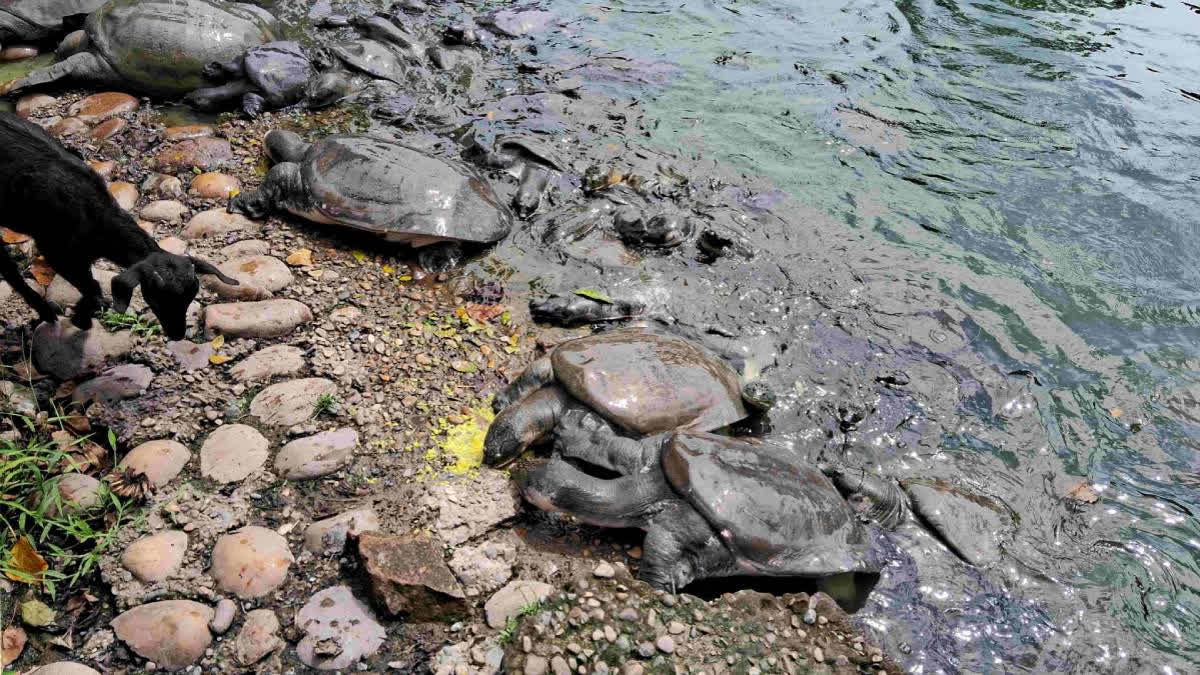
- Ecological Value: Functions as a micro-wildlife sanctuary — home to 250–300 turtles, along with peacocks, pythons, and deer.
Turtle Conservation Initiatives
Species Conserved:
- Black Softshell Turtle (Nilssonia nigricans) – Critically Endangered
- Indian Softshell Turtle (Nilssonia gangetica)
- Malayan Softshell Turtle
These species thrive in the temple pond, which is fed by the Brahmaputra River basin, offering a suitable natural habitat.
Community & Scientific Collaboration:
- Key Stakeholders:
- Nagshankar Temple Committee
- Turtle Survival Alliance (TSA) India
- Help Earth (NGO)
- Kaziranga National Park & Tiger Reserve
- Assam Forest Department
- Conservation Methods:
- Artificial egg incubation and wild release of hatchlings.
- Dried-fish diet introduced for temple turtles, replacing harmful offerings (e.g., biscuits, puffed rice).
- Capacity-building workshops for forest staff and students to aid in turtle surveys.
Result: 486 hatchlings of the black softshell turtle have been released into the wild from the Nagshankar Temple pond.
Statewide Turtle Conservation Model
- Assam houses ~25 temple ponds actively involved in turtle conservation.
- Notable site: Hayagriva Madhav Temple in Hajo (Kamrup district).
- State Zoo in Guwahati has a dedicated breeding facility (established 2010) for the Assam Roofed Turtle (Pangshura sylhetensis, "Asomi Dura").
Doubtful (D) Voters in Assam
- 10 Mar 2025
In News:
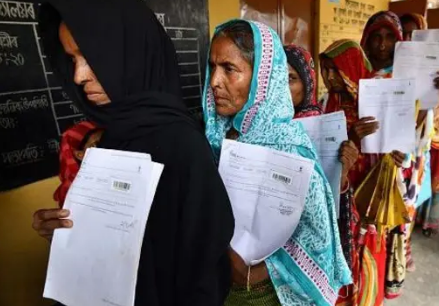
The issue of ‘D’ (Doubtful) voters recently resurfaced in the Assam Legislative Assembly, with the Opposition demanding closure of the state’s lone detention centre (now termed a transit camp) and the tabling of the National Register of Citizens (NRC) report.
Who are ‘D’ Voters?
‘D’ voters are individuals whose Indian citizenship is under suspicion. Introduced by the Election Commission of India (ECI) in 1997 specifically for Assam, these individuals are barred from voting or contesting elections until their citizenship is verified.
Legal and Procedural Aspects:
- Not Defined in Law: The term 'Doubtful Voter' is not defined under the Citizenship Act, 1955 or the Citizenship Rules, 2003.
- As per Citizenship Rules, 2003:
- The Local Registrar must mark individuals with doubtful citizenship in the National Population Register (NPR) for further verification.
- Affected individuals must be informed through a prescribed format and granted a hearing before the Taluk or Sub-district Registrar.
- A decision on citizenship status must be made within 90 days.
- Foreigners Tribunal (FT): Cases of D-voters are referred to FTs, which decide whether the person is an Indian citizen or a foreigner. Based on the verdict, individuals can be:
- Cleared and subsequently included in the NRC and electoral rolls.
- Declared foreigners, leading to deportation or detention.
Key Features of D-Voter Status:
- Temporary Tag: The 'D' classification is not permanent and must be resolved within a set timeframe.
- Appeal Mechanism: Individuals can appeal to the Foreigners Tribunal for clearance.
- Impact on Families: Often, some members of a family are citizens while others are tagged as D-voters, leading to legal and social complications.
- Detention Concerns: Several individuals, including potential Indian citizens, have been detained for years without a clear mechanism for release.
Recent Developments:
- Political demands in Assam include the closure of detention centres and transparency regarding NRC implementation.
- Debates continue over the legal ambiguity and humanitarian implications of the D-voter category.
72% Decline in Bird Species at Bordoibam-Bilmukh Bird Sanctuary, Assam
- 21 Dec 2024
In News:
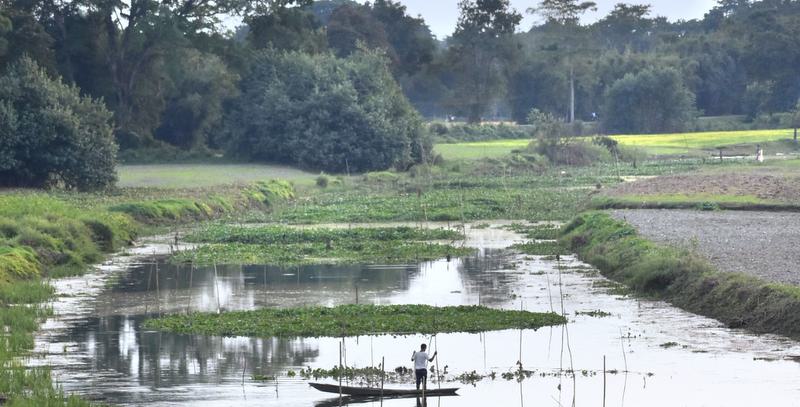
A recent study has revealed a dramatic decline in the number of bird species at Assam's Bordoibam-Bilmukh Bird Sanctuary (BBBS). The sanctuary, once home to a rich diversity of avian species, has experienced a 72% decline in bird species over the past 27 years. The study, published in the Journal of Threatened Taxa, highlights the severe biodiversity crisis facing the sanctuary.
Key Findings:
- Bird Species Count Decline:
- In 1997, the sanctuary recorded 167 bird species.
- Recent surveys (2022-2024) have only recorded 47 species, marking a 71.85% decline in species count.
- Surveys:
- 2011 Survey: Recorded 133 species (86 resident, 23 migratory, 24 local migrants).
- 2017-2018 Survey: Found 120 species, along with a variety of other biodiversity, including macrophytes, fish, and aquatic ferns.
- Impact on Migratory Birds:
- Migratory species like Brown Shrike, Citrine Wagtail, and White Wagtail (winter migrants), and the Lesser Kestrel (summer migrant) were recorded recently.
- Main Causes of Decline:
- Anthropogenic Activities: Overfishing, poaching, excessive harvesting of aquatic plants, and egg collection.
- Land Use Changes: Habitat degradation due to agriculture, machinery noise, and land being used as pasture areas.
- Disruption of Food Chain: Habitat loss and changes in foraging and breeding grounds for both migratory and resident birds.
- Species of Concern:
- Poached Birds: Lesser whistling duck, Fulvous whistling duck, White-breasted waterhen, Indian pond heron, Eastern spotted dove, and Yellow-footed green pigeon.
- Threatened Species: The sanctuary is home to globally threatened species like the Spot-billed Pelican and Lesser Adjutant.
About Bordoibam-Bilmukh Bird Sanctuary:
- Location: Situated between Dhemaji and Lakhimpur districts in Assam, the sanctuary spans 11.25 sq. km at an altitude of 90-95 meters above sea level.
- History: Declared a wildlife sanctuary in 1996, it was originally part of the Subansiri River which has now shifted 7 km from the wetland.
- Climate & Vegetation:
- Moist tropical climate with an average annual rainfall of around 2,000 mm.
- The vegetation includes flooded valley grasslands and wetland plants, providing crucial habitat for migratory birds.
- Significance for Avian Species:
- Hosts a variety of migratory waterfowl, especially during the winter.
- Home to globally threatened bird species like the Spot-billed Pelican and Lesser Adjutant, along with resident birds such as the Indian Pond Heron and Fulvous Whistling Duck.
Conservation Efforts:
- The decline in bird species at the sanctuary has raised alarm about the degradation of wetland habitats.
- The study emphasizes that habitat loss can disrupt the food chain, water table, and nutrient cycle, which in turn harms both the ecosystem and human communities.
- The authors of the study advocate for intense conservation efforts to restore and protect the sanctuary’s biodiversity.
Assam's Biodiversity:
- Assam is one of India's most biodiverse states, with around 950 bird species, including 17 endemic species.
- The state also hosts 55 Important Bird and Biodiversity Areas (IBA), which are vital hotspots for avian species.
India's First-Ever Ganges River Dolphin Tagging in Assam
- 19 Dec 2024
In News:
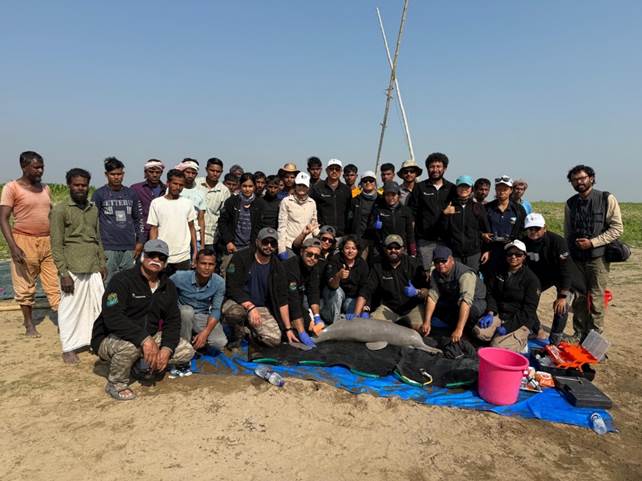
India conducts the first-ever satellite tagging of the Ganges River Dolphin (Platanista gangetica) in Assam, a key step in wildlife conservation.
Key Highlights:
Objective of Tagging: The tagging aims to understand:
- Migratory patterns
- Range and distribution
- Habitat utilization, especially in fragmented river systems.
Key Participants:
- Ministry of Environment, Forest and Climate Change (MoEFCC)
- Wildlife Institute of India (WII)
- Assam Forest Department
- Aaranyak (NGO)
- Funded by the National CAMPA Authority.
Significance of the Tagging:
- Technology Used: Lightweight satellite tags compatible with Argos systems were employed, minimizing interference with the dolphin’s movement despite its limited surfacing time (5-30 seconds).
- Insight into Dolphin Ecology: Helps fill knowledge gaps regarding habitat needs and seasonal migration, especially in disturbed river ecosystems.
Ganges River Dolphin – India's National Aquatic Animal:
- Endemic to India with around 90% of the population in India.
- Known for being nearly blind and using echolocation for navigation and hunting.
- Plays a crucial role as an apex predator and indicator species for river ecosystem health.
Project Dolphin:
- Launched by PM Narendra Modi in 2020, modeled after Project Tiger.
- Focuses on conservation of riverine and marine dolphins.
- A 10-year initiative funded by MoEFCC to safeguard dolphin populations and address ecosystem challenges.
Conservation Status:
- IUCN: Endangered.
- Protection: Included in Schedule I of the Wildlife Protection Act (1972) and CITES Appendix I.
- Major Threats: Habitat degradation, pollution, bycatch, and water abstraction, compounded by damming and sand mining.
Broader Impact:
- The tagging initiative contributes to evidence-based conservation strategies for Ganges River Dolphins.
- Will aid in the development of a comprehensive conservation action plan for the species.
- Expands the understanding of critical habitats within river ecosystems, benefiting both biodiversity and the communities dependent on these resources.
Assam’s Semiconductor Plant

- 18 Nov 2024
In News:
A Semiconductor Plant has been set up in Morigaon, Assam, projected for completion by mid-2025.
Overview of the Morigaon Semiconductor Plant:
- Location: Morigaon, Assam.
- Investor: Tata Semiconductor Assembly and Test Pvt Ltd (TSAT).
- Investment: ?27,000 crore.
- Production Capacity: Expected to produce 48 million semiconductor chips daily.
- Technology: Utilizes advanced packaging technologies such as flip chip and Integrated System in Package (ISIP).
- Sectors Served: Automotive, electric vehicles, telecommunications, consumer electronics.
- Completion: Projected to be completed by mid-2025.
- Job Creation: Expected to generate 15,000 direct jobs and 11,000-13,000 indirect jobs.
- Market Reach: Will serve both domestic and international markets, enhancing India's position in the global semiconductor supply chain.
India's Semiconductor Industry and Market Growth:
- Market Size (2023): Estimated at $38 billion.
- Projected Growth: Expected to grow to $109 billion by 2030.
- Government Initiatives: Several initiatives have been launched to promote domestic semiconductor manufacturing, including the India Semiconductor Mission (ISM) and the Semicon India Program.
India Semiconductor Mission (ISM):
- Objective: To build a self-reliant semiconductor ecosystem in India.
- Launched: 2021 with a financial outlay of ?76,000 crore.
- Scope: Covers semiconductor fabs, packaging, display manufacturing, Outsourced Semiconductor Assembly and Testing (OSAT), sensors, and other critical components.
- Support Schemes: Includes Modified Schemes for setting up Semiconductor and Display Fabs, as well as support for Compound Semiconductors, Silicon Photonics, and Sensors.
Key Projects in Semiconductor Industry:
- Morigaon Facility: Part of the broader government-backed initiative to enhance semiconductor production in India.
- Other Facilities: New semiconductor units by Tata Electronics (Dholera, Gujarat), CG Power (Sanand, Gujarat), and KaynesSemicon Pvt Ltd (Sanand, Gujarat).
- Modernization: The Semi-Conductor Laboratory in Mohali is being modernized, alongside initiatives like the Scheme for Promotion of Manufacturing of Electronic Components and Semiconductors (SPECS) and the Production Linked Incentive (PLI) Scheme.
Strategic Importance of Semiconductors:
- Role in Modern Electronics: Semiconductors are critical for a wide range of devices like computers, smartphones, solar cells, LEDs, and integrated circuits.
- Global Dependence: The global semiconductor market has significant reliance on suppliers like Taiwan (44%), China (28%), and South Korea (12%).
- Global Shortage: The 2021 chip shortage highlighted the vulnerability of global supply chains, prompting efforts by countries to boost domestic semiconductor production.
Government Support for Semiconductor Manufacturing:
- Financial Incentives: The government offers fiscal support for setting up semiconductor manufacturing plants:
- 50% of project cost support under the Semiconductor Fab Scheme and the Display Fab Scheme.
- Support for Compound Semiconductors and Chips to Startup (C2S) initiatives.
- Training 85,000 engineers through the C2S Programme in collaboration with academic institutions, R&D organizations, and MSMEs.
Comics Commandos in Assam
- 11 Nov 2024
In News:
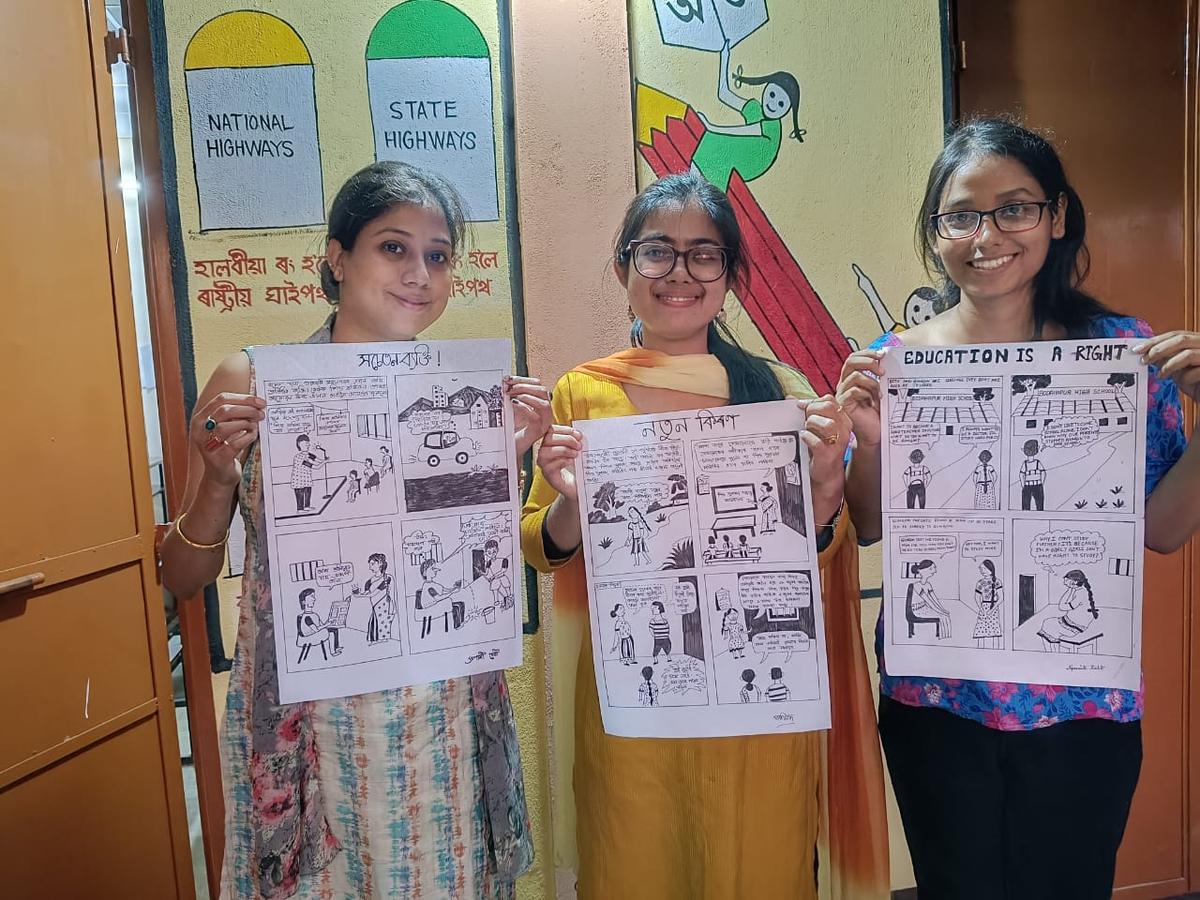
- "Comics Commandos" is an innovative initiative launched in Goalpara district, Assam, aimed at combating child labour and child marriage through the creative medium of comics.
- The initiative trains 30 local youths to create comic strips that use humour and minimal text for effective communication and public engagement.
Purpose and Objectives:
- Primary Goal: To raise awareness about child labour and child marriage, two major social issues prevalent in the region, by using visual storytelling.
- The initiative aims to resonate with the local community, focusing on everyday struggles like economic hardship, child abuse, and the social norms that perpetuate these issues.
- Rising Dropout Rates: Assam has witnessed an increase in school dropout rates, from 3.3% in 2020-21 to 6.02% in 2021-22, exacerbated by economic pressures like poverty, which force children to work or marry early.
Execution and Approach:
- Training: Thirty local youths are trained to design caricatures and doodles for the comics, ensuring the messages are both simple and engaging for a broader audience.
- Visual Storytelling: The use of visuals over text helps overcome literacy barriers and makes the message more impactful and accessible.
- Community Involvement: The program collaborates with teachers and school committees to facilitate wider participation and support in creating social awareness.
Government Support:
- Chief Minister HimantaBiswaSarma initiated a state-wide campaign in 2023 against child marriage, with the ambitious goal of eradicating it by 2026. This initiative aligns with the state's broader efforts to address social issues.
Impact of the Initiative:
- Comics Commandos is being seen as an effective tool for community empowerment and awareness generation in a region that faces persistent social challenges.
- By involving local youths in the campaign, the initiative ensures community participation and ensures that the message is communicated in a culturally relevant manner.
- The program also empowers young people to use their creativity for social change, thus helping build leadership and social responsibility among the youth.
National Generic Document Registration System (PIB)
- 14 Feb 2024
Why is it in the News?
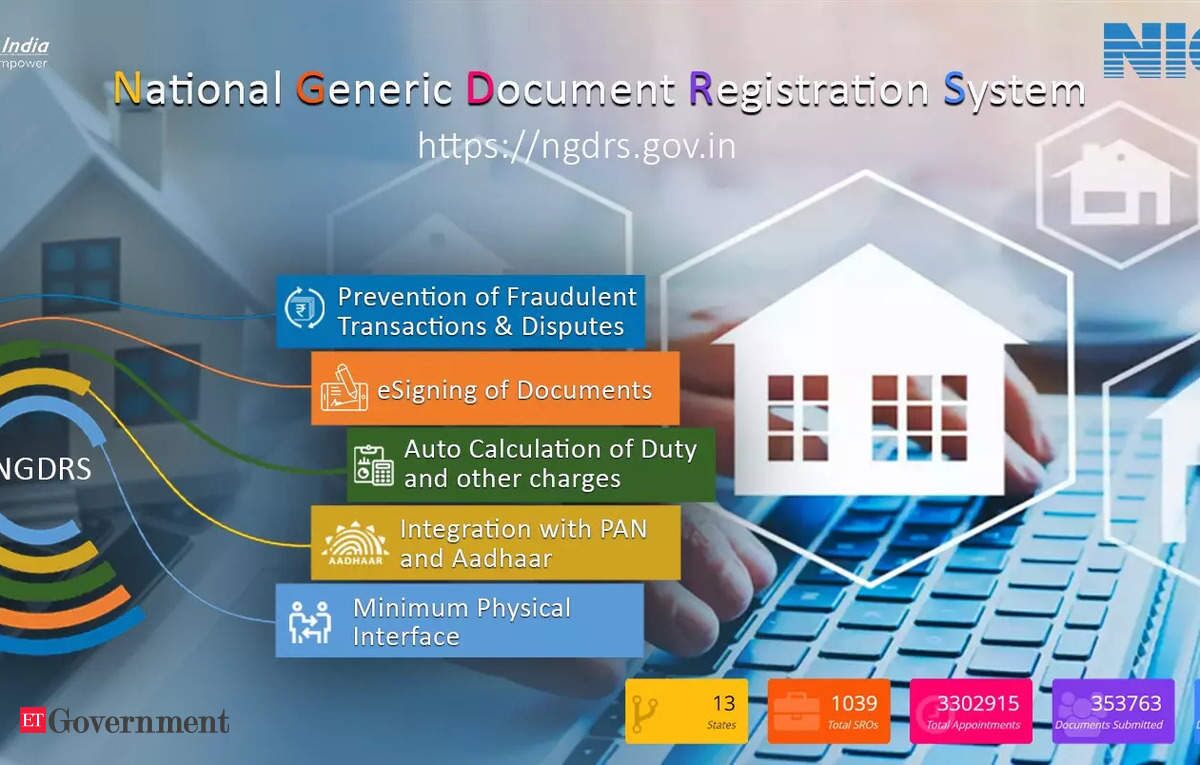
Recently, the Secretary, Department of Land Resources, rolled out the National Generic Document Registration System (NDGRS) throughout Assam along with the launch of Unique Land Parcel Identification Number (ULPIN) seeding of geo-referenced Cadastral Maps.
About National Generic Document Registration System:
- The Department of Land Resources has developed the National Generic Document Registration System (NGDRS) as part of the Digital India Land Records Modernisation Programme (DILRMP).
- As many as 28 States / UTs have adopted the NGDRS for Land Records.
- The NGDRS application is developed by the National Informatics Centre, Pune.
- It is a common, generic application developed for registration departments across the country under the One Nation One Software initiative.
Objectives of NGDRS:
- With technology being one of the major enablers, it is ensured that registrations and delivery of documents to the parties happen faster in comparison to the conventional methods. The broad level objectives are:
- One Nation One Software
- Generic platform for registration of properties and document across the country
- Citizen empowerment by enabling property valuation and online document submission
- A single platform of all the stakeholders in registration process
Features of NGDRS:
- It is a nationwide registration department application that is generic, standardised, and adaptable.
- Sub-registrars, citizens, and apex users from registration departments are the intended users of this program.
- NGDRS makes it easier for states to set up state-specific instances and customise the program to meet their needs.
- With its comprehensive user interface for document and property registration, the program makes it possible for citizens to continue with online land purchases.
- They are able to determine the circle rate for land, determine the type of land, and value properties based on current rates.
- The inability to transact in properties that are prohibited—such as government, tribal, mortgaged, etc.—helps them eventually determine where and what kind of land to purchase.
- After that, clients may schedule appointments in advance, apply online for document submission, and make quick payments.
- Purchasers of real estate only need to make one visit to the sub-registrar's office, and that should be during the final registration and signing process.
What is ULPIN?
- It is the distinct blockchain ID, and the land parcel's ULPIN from BhuNaksha allows for a unique identification.
- Every land parcel has a unique 14-digit alphanumeric identification number, often known as the AADHAR or fingerprint for land.
- The identification relies on georeferenced cadastral maps and is based on the land parcel's longitude and latitude.
- ULPIN has the following advantages: it guarantees transaction uniqueness, maintains current spatial records, connects property transactions, shares land record data across departments and financial institutions, and gets rid of fraudulent transactions.
Kati Bihu (PIB)

- 19 Oct 2023
Why in the News?
The Prime Minister, Narendra Modi recently extended best wishes on the auspicious occasion of KatiBihu to the people of Assam.
About Kati Bihu:
- Kati Bihu is an annual celebration observed in the state of Assam, signifying the relocation of rice saplings.
- The term "Kati" translates to cutting, representing the agricultural activity during this period.
- Also known as Kongali Bihu, with "Kongali" connoting a state of poverty, the festival holds cultural significance in Assam alongside two other Bihu festivals—Bhogali or Magh Bihu in January and Rongali or Bohag Bihu in April.
Significance:
- In this month, food resources are scarce, prompting people to celebrate by illuminating their homes with earthen lamps or candles.
- Lighting lamps near the Tulsi plant are a central aspect of the festival, signifying devotion and auspiciousness.
- People light a special lamp known as "Akash Banti" (Sky candle) in their paddy fields. Fueled by mustard oil, these lamps are elevated on bamboo poles.
- The belief prevails that the illuminated lamps guide the spirits of ancestors toward their heavenly abode.
Assam-Meghalaya panels for boundary dispute to submit reports by December 31 (The Hindu)
- 23 Dec 2023
Why is it in the News?
The regional committees on the boundary dispute between Assam and Meghalaya have been asked to submit their reports by December 31, a Meghalaya government official said on Friday, December 22.
What is the Assam-Meghalaya Border Dispute?
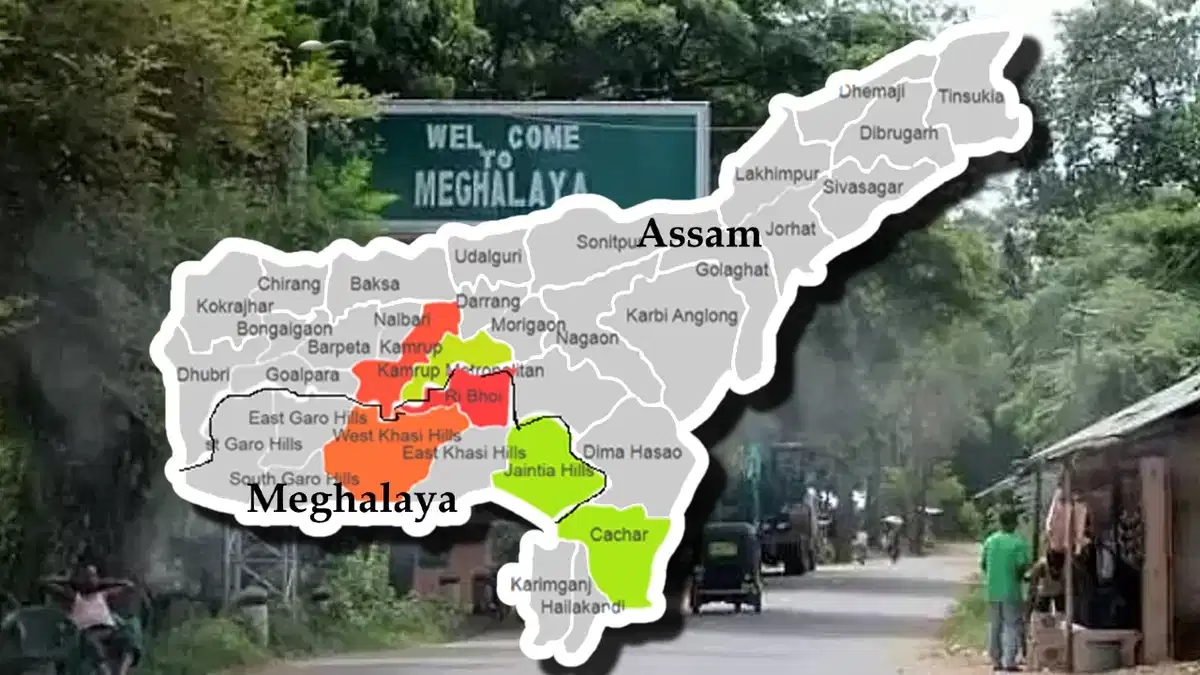
- The Assam and Meghalaya have a longstanding dispute in 12 stretches of their 884-km shared border.
- The areas include Upper Tarabari, Gazang Reserve Forest, Hahim, Langpih, Borduar, Boklapara, Nongwah, Matamur, Khanapara-Pilangkata, Deshdemoreah Block I and Block II, Khanduli, and Retacherra.
Historical Context:
- During British rule, undivided Assam encompassed present-day Nagaland, Arunachal Pradesh, Meghalaya, and Mizoram.
- Meghalaya was delineated in 1972, following the Assam Reorganisation (Meghalaya) Act of 1969, but differing interpretations of the border emerged.
- In 2011, Meghalaya identified 12 disputed areas, covering approximately 2,700 sq km.
Key Point of Contention:
- A focal point of discord is Langpih in West Garo Hills, bordering Kamrup district in Assam.
- Post-Independence, Langpih transitioned from Kamrup district to Garo Hills and Meghalaya.
- Assam contends it's part of the Mikir Hills, while Meghalaya questions the inclusion of Blocks I and II of the Mikir Hills (now Karbi Anglong) in Assam.
Efforts to Resolve Dispute:
- In 1985, an official committee, led by former Chief Justice of India Y V Chandrachud, was formed but didn't yield a resolution.
- Both states identified six out of 12 disputed areas for resolution, resulting in a Memorandum of Understanding in March 2022.
- The second round of discussions for the remaining areas commenced in November 2022.
Potential Solutions:
- Utilizing satellite mapping for precise border demarcation.
- Leveraging constitutional provisions like Article 263 for the Inter-state Council to advise on disputes and coordinate policies.
- Reviving Zonal Councils to address common concerns among states in each zone, including border disputes and economic planning.
- Embracing the spirit of cooperative federalism to strengthen India's unity in diversity.
Mythimna Separata (DownToEarth)
- 24 Nov 2023
Why is it in the News?
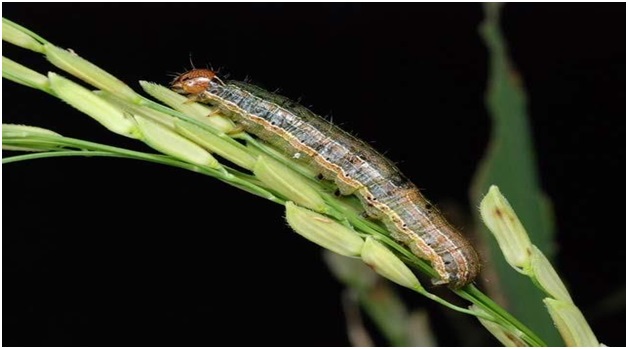
Persistent high temperatures over an extended period might be responsible for the severe infestation of the Mythimna separata pest in Assam, causing damage to paddy crops in at least 15 districts.
About Mythimna Separata:
- This is a common long-distance migratory insect and a significant pest for various grain crops.
- Distribution: Mythimna separata is widely distributed in tropical and subtropical regions of Asia, including China, Japan, Southeast Asia, India, and eastern Australia.
- It has also been introduced to New Zealand and some Pacific islands.
- In India, it was initially identified as a sporadic pest in Tamil Nadu in 1937 and later in Kerala and Odisha in 1957.
- Known by various names such as the ear-head-cutting caterpillar, rice ear-cutting caterpillar, or armyworm, this pest feeds on leaves and has the capability to cut off panicles from the base of a crop plant.
- Its feeding habits often leave the field resembling it has been grazed by cattle.
- During an outbreak, the pest multiplies rapidly and moves in swarms from one field to another, similar to an army, causing harm to crops.
- The pest population tends to increase under favorable conditions, particularly when there is a rise in temperatures coupled with dryness.
The Supreme Court directed the governments to provide details on “the estimated inflow of illegal migrants into India.. after March 25, 1971”. (Indian Express)

- 08 Dec 2023
Why is it in the News?
The Supreme Court on Thursday asked the Centre and Assam government to provide details on the “estimated inflow of illegal migrants” to Assam and other Northeastern states after March 25, 1971, and the status of border fencing.
News Summary:
- During the hearing of petitions, a five-judge bench of the Supreme Court expressed concerns about the perceived 'unlimited influx' of illegal migrants from Bangladesh, impacting demographics and straining resources for Indian citizens.
- The court questioned the application of Section 6A, granting Indian citizenship benefits to illegal migrants, solely in Assam and not in West Bengal, which shares a larger border with Bangladesh.
- The Supreme Court directed the Home Secretary to submit an affidavit by May 11, 2023, detailing the estimated inflow of illegal migrants, steps taken to address illegal immigration, and specifics on border-fencing extent and timelines.
- The government was also instructed to provide information on illegal immigration along the West Bengal border post on March 25, 1971.
Why Section 6A of the Citizenship Act, 1955 is Under Challenge?
- Presently, a Supreme Court bench is reviewing petitions from indigenous Assamese groups challenging Section 6A of the Citizenship Act.
- These groups assert that the special provision serves as a 'beacon' for illegal entrants to settle in Assam, gain Indian citizenship, and subsequently deprive locals of political, and economic rights, jeopardizing Assamese cultural identity.
- The petitioners question the constitutional validity of Section 6A, claiming it is arbitrary, specifically singles out Assam, violates Article 14, and has led to an influx of illegal migrants from Bangladesh.
- They advocate for establishing 1951 as the cutoff date for inclusion in the National Register of Citizens instead of 1971.
- The primary petitioner, Assam Sanmilita Mahasangha (ASM), argues that Section 6A is discriminatory, arbitrary, illegal, and infringes upon the rights of indigenous Assamese people by establishing a different citizenship cutoff date for Assam compared to the rest of India (July 1948).
What are the Arguments of the Central Government?
- The central government refutes the accusation of unfairly burdening the state with the responsibility of handling illegal migrants, contending that different states of India can be classified differently based on historical and geographical factors.
- According to the government, the classification implied in Section 6-A is founded on intelligible differentia.
- Dismissing claims of arbitrariness, the Centre asserts that the guarantee against non-arbitrariness under Article 14 does not mandate universal application for every law, irrespective of dissimilarity or the nature of the individuals it pertains to.
Pygmy hog (The Hindu)
- 02 Oct 2023
Why in the News?
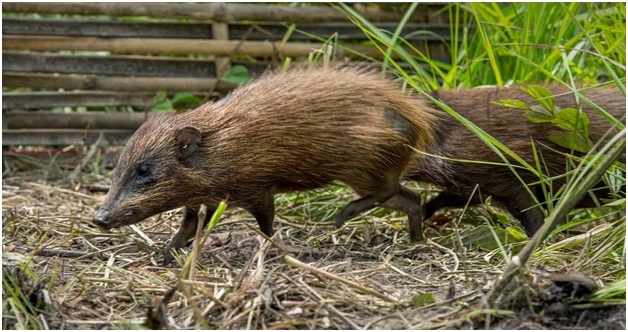
Recently, a total of eighteen pygmy hogs, which were bred in captivity, were set free within the Manas National Park and Tiger Reserve located in western Assam.
About Pygmy Hog:
- It holds the distinction of being the world's smallest and rarest wild pig species.
- Remarkably, it's among the few mammals that construct their own dwellings, complete with a 'roof.'
- Considered an indicator species, its presence serves as a barometer for the well-being of its primary habitat, which consists of tall and moist grasslands.
- Habitat: Pygmy hogs thrive in untouched expanses of grassland dominated by early-stage riverine ecosystems.
- These areas typically feature dense tall grass interspersed with a rich variety of herbs, shrubs, and young trees.
- Currently, the only viable population of these hogs in the wild resides in the Manas Tiger Reserve in Assam.
- Conservation Status: IUCN: Critically Endangered
- Wildlife Protection Act, 1972: Listed under Schedule I