
Kalai-II Hydroelectric Project
- 12 Apr 2026
In News:
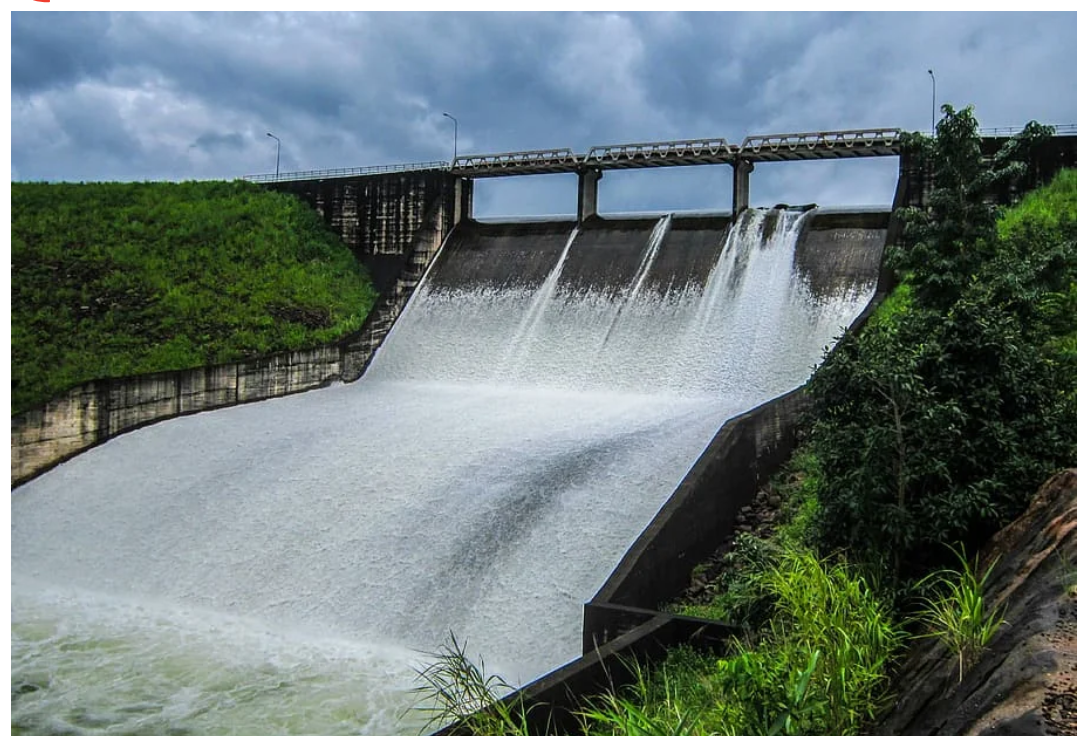
The Cabinet Committee on Economic Affairs (CCEA) has sanctioned a massive investment of ?14,105.83 crore for the Kalai-II Hydro Electric Project (HEP). Located in the Anjaw district of Arunachal Pradesh, this project represents a critical milestone in India’s mission to harness the hydroelectric potential of the Brahmaputra river basin.
1. Technical Profile
The project is designed to be a high-capacity, efficient power generation unit with the following specifications:
- River System: It is a run-of-river with pondage project situated on the Lohit River, a major tributary of the Brahmaputra.
- Capacity: Total installed capacity of 1,200 MW, featuring a unique configuration of six units of 190 MW and one unit of 60 MW.
- Energy Generation: Expected to contribute 4,852.95 million units of green energy annually to the national grid.
- Engineering Scope: Includes the construction of a concrete gravity dam, diversion tunnels, pressure shafts, an underground powerhouse, and a tailrace tunnel.
2. Financial & Administrative Framework
The project follows a collaborative model between the Union and the State:
- Implementation Agency: A Joint Venture (JV) between THDC India Limited (formerly Tehri Hydro Development Corporation) and the Government of Arunachal Pradesh.
- Central Budgetary Support: * ?5.99 billion allocated for infrastructure (roads, bridges, and transmission lines).
- ?7.5 billion provided as central financial assistance to cover the state's equity share.
- Total Investment: ?14,105.83 crore.
3. Socio-Economic Impact
The Kalai-II project is envisioned as a catalyst for regional transformation:
- State Revenue: Arunachal Pradesh will receive 12% free power once operational.
- Community Development: An additional 1% free power is dedicated to the Local Area Development Fund (LADF) for regional welfare.
- Infrastructure: The project will provide the remote Anjaw district with permanent roads and bridges, improving connectivity in a strategically sensitive border area.
Actinidia Indica
- 24 Mar 2026
In News:
In a significant addition to India’s botanical diversity, scientists from the Botanical Survey of India (BSI) have discovered a new species of wild kiwi, named Actinidia indica. The discovery was made in the biodiversity-rich landscapes of Arunachal Pradesh, further cementing the state’s reputation as a "cradle of speciation" in the Eastern Himalayas.
Geographic Distribution and Habitat
- Location: The species has been recorded within a restricted, narrow stretch near the Ziro Valley in the Lower Subansiri district of Arunachal Pradesh.
- Elevation: It is found at an altitude of approximately 1,725 metres above sea level.
- Ecological Niche: Actinidia indica thrives in a unique transition zone between temperate and subtropical forests. This biologically sensitive habitat provides the specific micro-climatic conditions required for the species to survive.
Morphological Characteristics
The new species belongs to the family Actinidiaceae. It possesses several distinct physical traits that differentiate it from other known kiwi species:
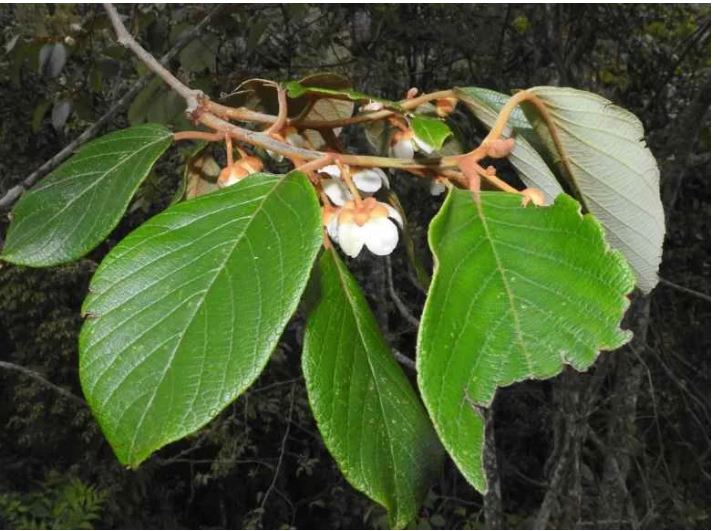
- Growth Habit: It is a perennial climbing shrub, capable of reaching heights of 2 to 4 metres.
- Botanical Features: * Branches: Young branches are characterized by a dense covering of hairs.
- Folliage: It bears large, ovate (egg-shaped) leaves.
- Flowers: The plant produces white to creamy-colored flowers, typically measuring between 4 cm and 6 cm in diameter.
- Fruit Identity: The species produces olive-green, globose (spherical) fruits (2.5–4 cm). A defining taxonomic feature is its distinctive reticulate lenticel pattern (a net-like arrangement of pores on the fruit's skin), which helped researchers identify it as a new species.
Taxonomic and Global Significance
- Global Count: This discovery increases the global count of the Actinidia genus to 56 species.
- Indian Context: While the genus Actinidia is widely known for the commercial kiwi fruit (largely native to China), only a very small number of these species occur naturally in India. The identification of Actinidia indica highlights the high level of endemism in the Northeast.
Crocodile Catfish
- 17 Feb 2025
In News:
The recent discovery of the Crocodile Catfish (Bagariussuchus) in the Bahini River near Basistha, Guwahati, Assam, has garnered attention from conservationists and ecologists alike. As one of the largest freshwater catfish species in Asia, its presence in Indian waters raises both scientific interest and ecological concerns.
Taxonomy and Distribution
- Scientific Name: Bagariussuchus
- Family: Sisoridae – the largest family of Asian catfishes, widely distributed across South and Southeast Asia.
- Common Names: Asian Giant River Catfish, Crocodile Goonch Catfish, Giant Devil Catfish
- Geographical Range: Native to countries including India, Nepal, Bangladesh, Myanmar, and Thailand.
Habitat and Morphological Features
- Natural Habitat: Prefers fast-flowing rivers, deep pools, turbulent rapids, and areas with rocky or gravelly substrates.
- Often found among boulders, submerged roots, and debris, thriving in cool, oxygen-rich waters.
- Physical Description:
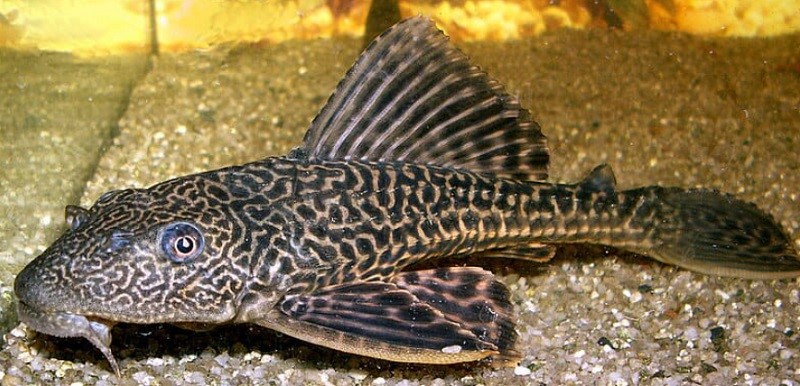
- Long, cylindrical body with a broad head and wide mouth.
- Typicallydark brown to black, with irregular patches or spots for camouflage.
- Dorsal fin is elongated, stretching along most of the back.
- Size: Can grow up to 1.5 meters in length and weigh over 50 kilograms, though smaller specimens (~70 cm) are also observed.
Behaviour and Ecology
- Feeding Habits: A carnivorous predator, feeding on smaller fish, crustaceans, and aquatic invertebrates.
- Known for its voracious appetite, capable of consuming prey nearly its own size.
- Most active during evening or nighttime, making it a nocturnal feeder.
- Sexual Dimorphism: Males are generally slimmer and may exhibit slightly brighter coloration than females.
Ecological Concerns
- The discovery of the Crocodile Catfish in a non-native region like the Bahini River raises concerns about its invasive potential.
- It can threaten native aquatic biodiversity by preying on indigenous species and disturbing the ecological balance.
- Overfeeding and rapid proliferation can degrade water quality and disrupt food chains.
Conservation Status
- IUCN Red List: Near Threatened (NT): This status reflects concerns about habitat degradation, overfishing, and ecological displacement, which may impact population stability across its range.