
Codex Alimentarius Commission (CAC)
- 17 Jul 2026
In News:
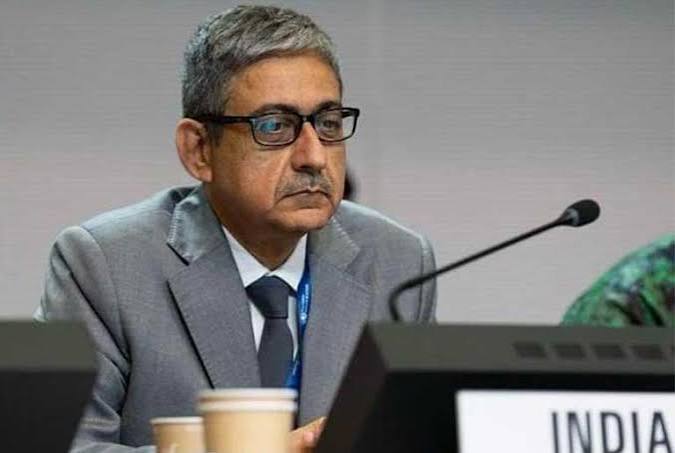
India achieved significant milestones during the 49th Session of the Codex Alimentarius Commission (CAC49) held in Geneva, Switzerland, reaffirming its active role in shaping global food standards and promoting safe, science-based international food trade.
About the Codex Alimentarius Commission (CAC)
The Codex Alimentarius Commission (CAC) is the international food standards-setting body, jointly established by the Food and Agriculture Organization (FAO) and the World Health Organization (WHO) in May 1963.
Its primary objective is to protect consumer health and ensure fair practices in international food trade by developing harmonised, science-based food standards, guidelines and codes of practice.
The Commission is headquartered in Rome, Italy, and holds its annual sessions alternately in Geneva and Rome.
Membership and Governance
Membership is open to all Member Nations and Associate Members of FAO and WHO interested in international food standards.
At present, the Commission comprises:
- 189 Codex Members
- 188 Member Countries
- 1 Member Organization – European Union (EU)
India became a member in 1964.
The Commission functions through:
- Codex Alimentarius Commission
- Executive Committee
- Codex Secretariat
- Codex Subsidiary Bodies (Committees and Task Forces)
Funding
The activities of the Commission are financed through the regular budgets of FAO and WHO, with the programme of work approved by the governing bodies of both organisations.
Second World Summit for Social Development (WSSD-2), 2025
- 07 Nov 2025
In News:
The Second World Summit for Social Development (WSSD-2) is being held Doha, Qatar, under the aegis of the United Nations. India is represented at the summit by the Minister for Labour & Employment and Youth Affairs & Sports, Dr. Mansukh Mandaviya, underscoring India’s commitment to global social development and social justice.
Background and Evolution
The first World Summit for Social Development was held in Copenhagen in 1995, marking a watershed moment in global consensus on placing people-centric development at the heart of economic policy. It resulted in the Copenhagen Declaration, which laid down 10 commitments focused on poverty eradication, employment generation, and social inclusion.
Three decades later, WSSD-2 seeks to reassess global progress, address emerging challenges, and reinvigorate global solidarity in the context of widening inequalities, technological disruption, climate stress, and demographic transitions.
Objectives of WSSD-2
The summit aims to:
- Reaffirm commitment to poverty eradication, full and productive employment, and decent work for all.
- Promote social inclusion, equality, and well-being, particularly for vulnerable and marginalized groups.
- Assess gaps in implementation of social development commitments since 1995.
- Strengthen the implementation of the 2030 Agenda for Sustainable Development and the Sustainable Development Goals (SDGs).
- Reaffirm the 10 commitments of the Copenhagen Declaration.
- Enhance global cooperation and solidarity in social development.
Importantly, WSSD-2 is aligned with other key global processes, including the 2023 SDG Summit Political Declaration, the Pact of the Future, and the forthcoming Fourth International Conference on Financing for Development (FfD4), ensuring policy coherence across global development frameworks.
India’s Participation and Contributions
At the summit, Dr. Mansukh Mandaviya is participating in the Opening Plenary, delivering India’s National Statement, and joining global leaders in adopting the Doha Political Declaration, which will guide future international action on social development.
India is actively contributing to the High-Level Round Table on the Three Pillars of Social Development:
- Poverty Eradication
- Full and Productive Employment and Decent Work for All
- Social Inclusion
In this forum, India is showcasing its inclusive and digitally enabled growth model, highlighting how digital public infrastructure, financial inclusion, and targeted welfare delivery have strengthened social protection and employment outcomes.
Bilateral and Multilateral Engagements
On the sidelines of WSSD-2, India is strengthening international cooperation through bilateral meetings with representatives from Qatar, Romania, Mauritius, and the European Union, as well as interactions with the Director-General of the International Labour Organization (ILO) and senior UN officials. These engagements focus on:
- Labour mobility
- Skilling and workforce development
- Social protection frameworks
- Employment generation
Additionally, India is highlighting institutional innovations such as the National Career Service (NCS) Portal, which connects job seekers and employers, improving transparency and inclusivity in labour markets.
G-33 calls for progress on agricultural trade ahead of WTO Ministerial Conference
- 26 Feb 2024
Why is it in the News?
The G-33 group of countries recently expressed serious concern over the lack of progress in agriculture trade negotiations and urged the members of the World Trade Organisation (WTO) to work on a permanent solution to the issue of public stockholding of grains for food security purposes.
Key Highlights of the G33 Trade Ministers Meeting in Abu Dhabi:
- Special Safeguard Mechanism: The G33 group emphasized the importance of the Special Safeguard Mechanism (SSM) as a crucial instrument against significant import surges or sudden price declines.
- They called for WTO members to reach an agreement and adopt a decision on SSM by the 14th WTO Ministerial Conference (MC).
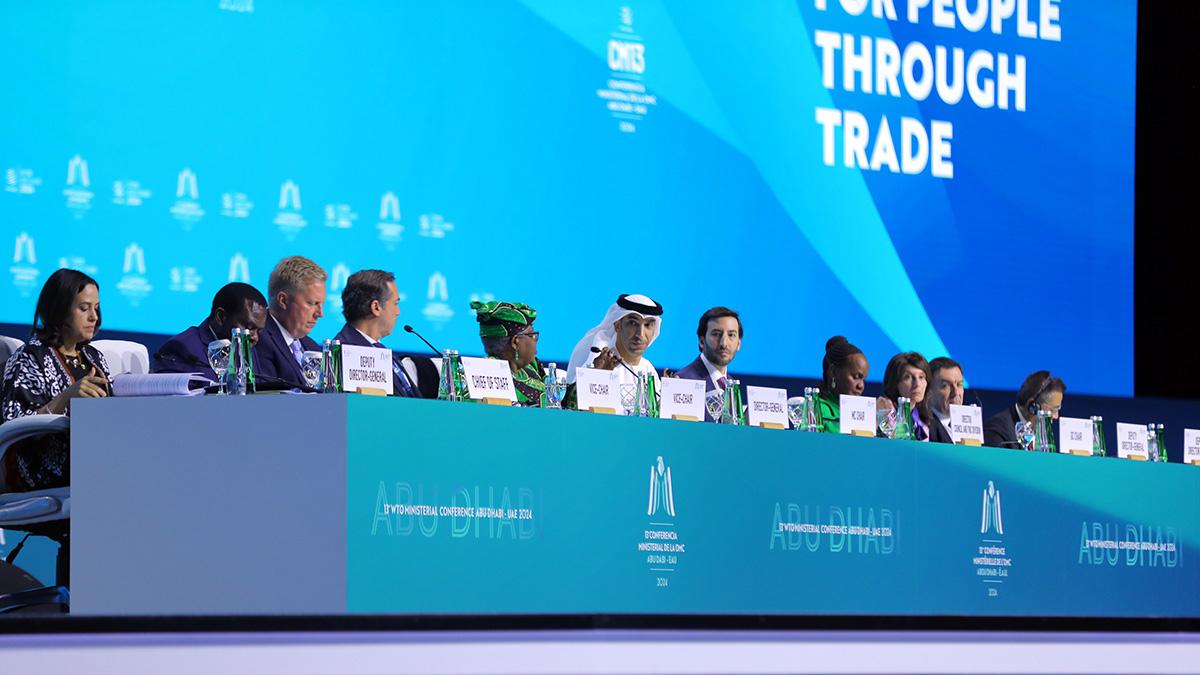
- Permanent Solution for Public Stockholding: The G33 nations sought a permanent solution during the 13th Ministerial Conference, which commenced in Abu Dhabi recently.
- The MC serves as the highest decision-making body of the WTO.
- Critical Importance of Public Stockholding: The G33 statement highlighted the critical significance of public stockholding for food security in developing countries.
- It enables governments to procure crops from farmers at the minimum support price (MSP) and store and distribute food grains to the poor.
- This program supports low-income or resource-poor producers and contributes to rural development.
- The 13th WTO Ministerial Conference provides a crucial platform for WTO members to engage in constructive discussions and work towards finding mutually beneficial solutions.
What is G 33?
- The G33 is a forum of developing countries including India, Brazil, South Africa etc. formed during the Cancun ministerial conference of the WTO (2003), to protect the interest of the developing countries in agricultural trade negotiations.
- It was created to help group countries which were all facing similar problems.
- The G33 has proposed special rules for developing countries at WTO negotiations, like allowing them to continue to restrict access to their agricultural markets.
- Dominated by India, the group has "defensive" concerns regarding agriculture in relation to World Trade Organization negotiations, and seeks to limit the degree of market opening required of developing countries.
- The group has advocated the creation of a "special products" exemption, which would allow developing countries to exempt certain products from tariff exemptions, and also a "special safeguard mechanism" which would permit tariff increases in response to import surges.