
Chenchu Tribe and Indiramma Housing Scheme
- 17 May 2025
In News:
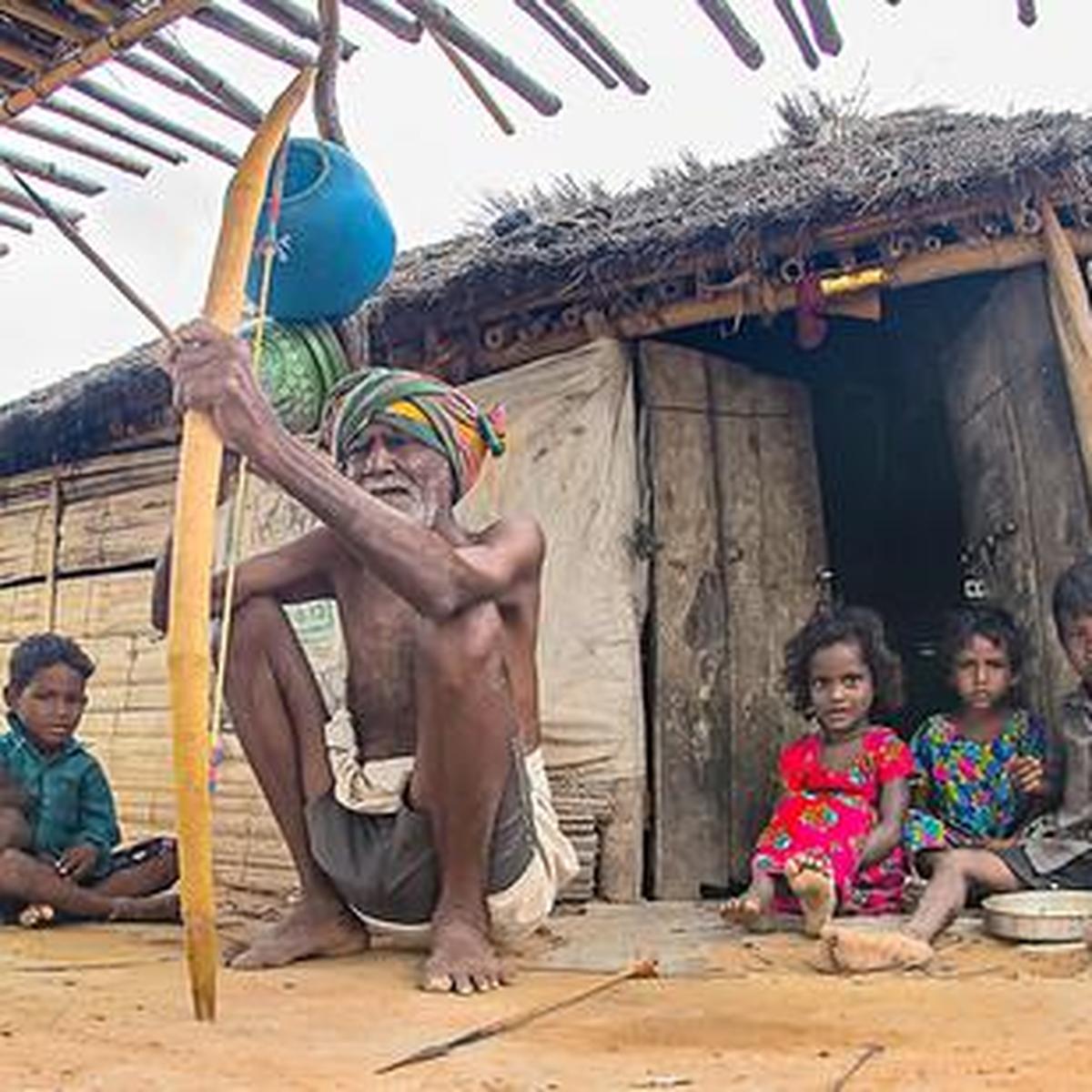
In May 2025, the Telangana government announced the sanctioning of 10,000 Indiramma houses to Chenchu tribal families under a saturation approach in four Integrated Tribal Development Agencies (ITDA)—Utnur, Bhadrachalam, Munnanur, and EturuNagaram. An additional 700 units per ST assembly constituency have also been approved within these ITDA areas.This move aligns with the state’s commitment to improving housing infrastructure in tribal areas.
About Chenchu Tribe
Classification:
- Particularly Vulnerable Tribal Group (PVTG) in Andhra Pradesh
- Also found in Telangana, Karnataka, and Odisha
Habitat:
- Primarily inhabit the Nallamalai forests (Eastern Ghats)
- Chenchu settlements are called “Penta”, consisting of kin-based scattered huts
Language:
- Native Chenchu language (Dravidian family)
- Many also speak Telugu
Social Structure:
- Small conjugal families with gender equality
- Village elder, known as “Peddamanishi”, serves as the community authority
Livelihood:
- Forest-based subsistence lifestyle
- Depend on collection of non-timber forest produce (NTFPs) such as:
- Roots, tubers, fruits, beedi leaves, honey, gum, mohua flowers, tamarind
- Some serve as forest laborers, but mostly rely on traditional hunting and gathering
Religion & Culture:
- Worship local deities; blend of indigenous and Hindu practices
- Hold deep spiritual ties with the Srisailam Temple (dedicated to Lord Shiva and Devi Brahmaramba), which lies at the heart of their region
- Chenchus enjoy customary privileges at the Srisailam shrine
Chenchu Tribe
- 25 Oct 2024
In News:
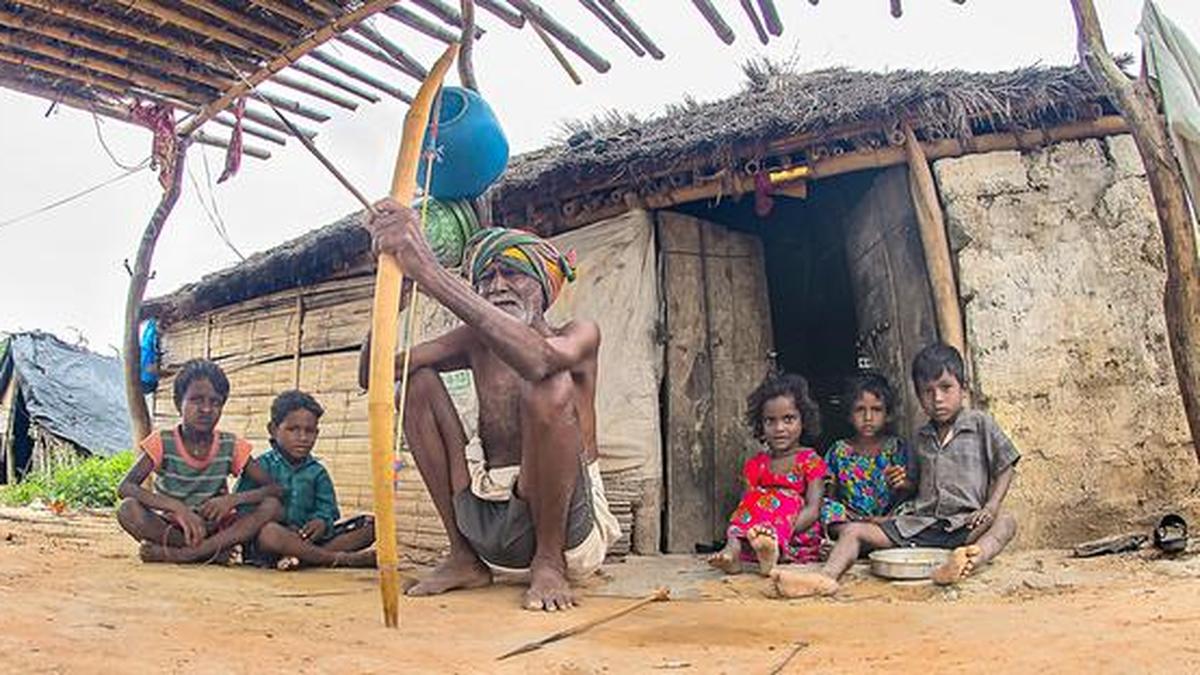
The Chenchus of Penukumadugu have lived in the dense Nallamala forests for centuries, their existence intertwined with the wilderness around them. However, their inability to keep up with the relentless pace of modernisation has led to dwindling work opportunities under the MGNREGA.
Chenchu Tribe Overview
- Location: Primarily in the dense Nallamala forests, Andhra Pradesh (AP).
- Tradition: Historically hunter-gatherers, now relying on subsistence farming.
- Vulnerable Status: Classified as one of the 12 Particularly Vulnerable Tribal Groups (PVTGs) in Andhra Pradesh due to low literacy, stagnant population growth, and limited access to development.
- Livelihood: Dependent on forest resources (Non-Timber Forest Produce - NTFP) and agricultural labor.
Impact of MGNREGS (Mahatma Gandhi National Rural Employment Guarantee Scheme)
- MGNREGS Chenchu Special Project: Launched in 2009 to address specific needs of the Chenchus, such as physical strength, food insecurities, and cultural practices.
- Before Discontinuation: Provided 180 days of work per person annually, which helped Chenchus access regular income, improving food security and living conditions.
- Post-Discontinuation (2022):
- The project was integrated into a nationwide MGNREGS framework, reducing workdays to the standard 100 days per household.
- Consequences: Many Chenchus stopped engaging with MGNREGS due to bureaucratic hurdles (Aadhaar and bank linkage), reduced job days, and irregular wage payments.
- Only 1,500 out of 4,000 enrolled households currently participate in MGNREGS work.
Key Issues Post-MGNREGS Reform
- Aadhaar & Bank Account Challenges:
- Lack of literacy and digital skills makes the Aadhaar-based system intimidating.
- Many Chenchus are excluded from PDS and health benefits due to missing or unlinked Aadhaar cards.
- Absence of mobile phones and access to banks makes wage disbursement difficult.
- Irregular Payments & Trust Issues:
- The shift to bank payments has created trust issues, as many Chenchus are illiterate and cannot verify wage deposits.
- Distance from banks (up to 30 km) adds to the difficulty in accessing payments.
Forest Rights and Wildlife Conservation
- Forest Dependency: The Chenchus continue to depend on the forest for food and livelihood, but increasing restrictions due to wildlife conservation (e.g., Nagarjuna-Srisailam Tiger Reserve) have further curtailed their access to forest produce.
- Forest Rights Act (FRA): Many Chenchus have land pattas under the FRA but lack resources or support to utilize their land effectively due to the discontinuation of MGNREGS.
Government and Policy Response
- PVTG Initiatives: Various government initiatives like PM PVTG Mission, Viksit Bharat Sankalp Yatra, and Janjatiya Gaurav Divas aim to uplift PVTGs, but their impact remains limited without proper implementation of specialized support programs like the MGNREGS Chenchu Special Project.